
Acesulfame Potassium Prices, Trend, Chart, Demand, Market Analysis, News, Historical and Forecast Data Report 2026 Edition
Acesulfame Potassium Price Trend, Index and Forecast
Track the latest insights on acesulfame potassium price trend and forecast with detailed analysis of regional fluctuations and market dynamics across North America, Latin America, Central Europe, Western Europe, Eastern Europe, Middle East, North Africa, West Africa, Central and Southern Africa, Central Asia, Southeast Asia, South Asia, East Asia, and Oceania.
Acesulfame Potassium Prices Outlook Q2 2026
- USA: USD 6085/MT
- China: USD 5836/MT
- Germany: USD 5970/MT
- France: USD 6056/MT
- India: USD 6750/MT
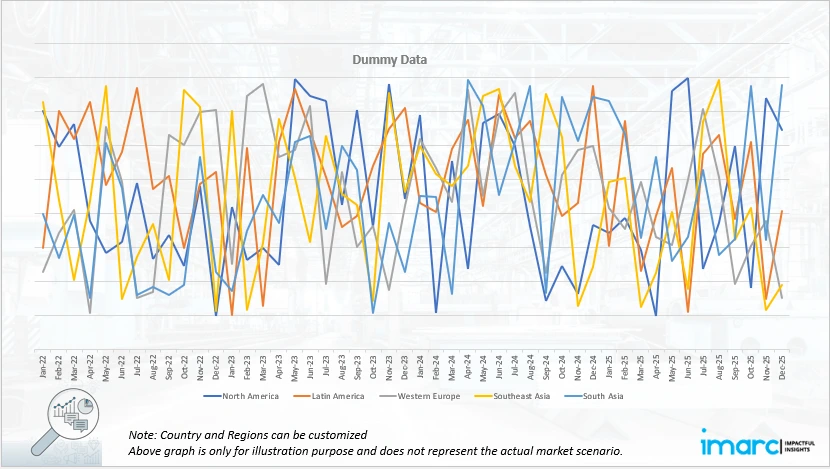
Acesulfame Potassium Price Chart
Get real-time access to monthly/quarterly/yearly prices Request Sample
During the second quarter of 2026, the acesulfame potassium prices in the USA reached 6085 USD/MT in June. Prices increased as strong demand from food and beverage manufacturers supported higher procurement activity for low calorie sweetener applications. Growing preference for sugar reduction solutions encouraged manufacturers to maintain steady purchasing of high intensity sweeteners. Rising production expenses associated with raw materials, processing, and quality compliance increased cost pressure on suppliers.
During the second quarter of 2026, the acesulfame potassium prices in China reached 5836 USD/MT in June. Prices moved upward as higher production costs and stronger demand from food and beverage manufacturers supported firmer market conditions. China remained a major production hub for acesulfame potassium, but increasing costs associated with raw materials, energy, and manufacturing operations influenced supplier pricing strategies. Domestic consumption from beverages, processed foods, and pharmaceutical applications remained steady, supporting regular procurement activity.
During the second quarter of 2026, the acesulfame potassium prices in Germany reached 5970 USD/MT in June. Prices increased as steady demand from food and beverage producers supported market activity across the region. European manufacturers continued using high intensity sweeteners in reduced sugar formulations, supporting consistent procurement requirements. Higher manufacturing expenses, including energy costs, compliance requirements, and processing expenses, placed additional pressure on supplier margins.
During the second quarter of 2026, the acesulfame potassium prices in France reached 6056 USD/MT in June. Prices increased as demand from food and beverage manufacturers strengthened amid continued adoption of sugar reduction solutions. Producers faced higher costs related to raw materials, energy consumption, and manufacturing processes, which encouraged upward pricing adjustments. Demand from soft drinks, bakery products, dairy applications, and processed foods remained stable, supporting consistent consumption of acesulfame potassium.
During the second quarter of 2026, the acesulfame potassium prices in India reached 6750 USD/MT in June. Prices increased as strong demand from food and beverage manufacturers combined with higher input costs to support firmer market quotations. Expanding consumption of low calorie sweeteners in beverages, processed foods, and pharmaceutical products maintained active procurement across the domestic market. Rising costs of raw materials and imported inputs increased production expenses for suppliers.
Acesulfame Potassium Prices Outlook Q1 2026
- USA: USD 5015/MT
- China: USD 4792/MT
- Germany: USD 4911/MT
- France: USD 4982/MT
- India: USD 5534/MT
During the first quarter of 2026, the acesulfame potassium prices in the USA reached 5015 USD/MT in March. Prices moved upward as food and beverage demand improved, especially from low calorie drinks, tabletop sweeteners, and packaged foods. Buyers returned to the market after earlier destocking, which supported fresh procurement. Import costs also remained firm as sellers adjusted offers amid stronger regional inquiries. Stable downstream consumption from dietary products and sugar free formulations added support.
During the first quarter of 2026, the acesulfame potassium prices in China reached 4792 USD/MT in March. Prices increased as domestic buying improved after a weak earlier quarter. Export inquiries from food, beverage, and pharmaceutical buyers also supported market sentiment. Producers raised offers as inventory pressure eased and downstream users resumed regular procurement. Demand from sugar free drinks and processed food formulations remained steady, helping suppliers maintain stronger pricing.
During the first quarter of 2026, the acesulfame potassium prices in Germany reached 4911 USD/MT in March. Prices rose as food and beverage manufacturers increased procurement for sweetener applications. Demand from sugar reduction formulations improved, especially in beverages, confectionery, and nutritional products. Import offers remained firm due to stronger replacement costs and improved supplier confidence. Buyers preferred timely restocking after earlier cautious purchasing, which supported market activity.
During the first quarter of 2026, the acesulfame potassium prices in France reached 4982 USD/MT in March. Prices strengthened as demand improved from food processing, beverages, and dietary product manufacturers. The market benefited from renewed purchasing after earlier inventory corrections. Importers raised offers as replacement costs turned firmer and suppliers reduced aggressive pricing. Consumption from low calorie and sugar free formulations remained supportive, keeping buyer activity steady.
During the first quarter of 2026, the acesulfame potassium prices in India reached 5534 USD/MT in March. Prices moved upward as demand improved from beverage, confectionery, bakery, and pharmaceutical applications. Buyers increased procurement to meet steady consumption from sugar free and low calorie products. Import costs remained firm, and traders adjusted offers in line with improved market sentiment. Limited willingness among sellers to reduce prices also supported the upward trend.
Acesulfame Potassium Prices Outlook Q4 2025
- USA: USD 4853/MT
- China: USD 4627/MT
- Germany: USD 4732/MT
- France: USD 4794/MT
- India: USD 5367/MT
During the fourth quarter of 2025, the acesulfame potassium prices in the USA reached 4853 USD/MT in December. The market maintained a generally firm tone supported by steady procurement from beverage and processed food manufacturers. Demand from the low calorie and sugar free product segment remained stable as manufacturers maintained production schedules for end of year consumption cycles. Supply conditions were moderately balanced as domestic inventories remained sufficient and imports arrived consistently through major ports.
During the fourth quarter of 2025, the acesulfame potassium prices in China reached 4627 USD/MT in December. Prices experienced mild downward movement as domestic supply remained comfortable and export oriented inventories increased in the market. Manufacturers maintained consistent production levels, which resulted in adequate product availability across regional distribution channels. Demand from beverage and confectionery manufacturers remained stable, but purchasing activity from overseas buyers showed relatively cautious behavior.
During the fourth quarter of 2025, the acesulfame potassium prices in Germany reached 4732 USD/MT in December. Prices declined slightly as supply remained stable and demand from food and beverage manufacturers showed moderate activity. Industrial buyers adopted cautious purchasing strategies and maintained limited inventory accumulation. The availability of imported sweeteners across European distribution networks also contributed to comfortable market supply.
During the fourth quarter of 2025, the acesulfame potassium prices in France reached 4794 USD/MT in December. The market experienced a slight price decline influenced by balanced supply availability and stable purchasing patterns from food and beverage manufacturers. Demand from the sugar substitute segment remained consistent as producers continued using artificial sweeteners in low calorie product formulations. However, buyers maintained measured procurement volumes and avoided aggressive inventory expansion.
During the fourth quarter of 2025, the acesulfame potassium prices in India reached 5367 USD/MT in December. The market experienced a gradual decline influenced by sufficient domestic supply and relatively cautious procurement from beverage and pharmaceutical manufacturers. Downstream industries maintained stable production but adopted controlled purchasing volumes as inventories remained adequate. Domestic manufacturers continued operating at steady output levels supported by stable raw material availability.
Acesulfame Potassium Prices Outlook Q3 2025
- USA: USD 4842/MT
- China: USD 4642/MT
- Germany: USD 4764/MT
- France: USD 4820/MT
- India: USD 5416/MT
During the third quarter of 2025, the acesulfame potassium prices in the USA reached 4842 USD/MT in September. The market experienced a softening trend as supply availability remained comfortable across domestic distribution channels. Production activity among sweetener manufacturers remained stable, which supported adequate inventory levels in the market. Demand from beverage manufacturers and processed food producers showed relatively steady consumption, but procurement activity slowed as buyers maintained cautious purchasing strategies.
During the third quarter of 2025, the acesulfame potassium prices in China reached 4642 USD/MT in September. The market observed a moderate decline as domestic supply conditions remained sufficient due to consistent production levels from local manufacturers. Inventory availability across wholesale markets supported stable product distribution. Demand from beverage producers and processed food manufacturers remained steady, but purchasing activity was measured as buyers maintained cautious procurement strategies.
During the third quarter of 2025, the acesulfame potassium prices in Germany reached 4764 USD/MT in September. The market recorded a slight downward adjustment supported by stable supply availability through import channels and established distribution networks. Food and beverage manufacturers maintained regular consumption for low calorie product formulations, including beverages, confectionery, and processed foods. However, procurement activity remained cautious as buyers preferred maintaining balanced inventory levels.
During the third quarter of 2025, the acesulfame potassium prices in France reached 4820 USD/MT in September. The market experienced a mild downward trend as supply remained stable through established import supply chains. Demand from beverage producers, dairy processors, and confectionery manufacturers remained consistent due to continued use of low calorie sweeteners in product formulations. Despite stable consumption patterns, procurement activity among buyers remained measured as companies focused on maintaining balanced stock levels.
During the third quarter of 2025, the acesulfame potassium prices in India reached 5416 USD/MT in September. The market witnessed a gradual decline as supply availability remained steady across domestic distribution networks. Import supplies from major producing countries supported adequate inventory levels among traders and wholesalers. Demand from beverage manufacturers, pharmaceutical companies, and processed food producers remained stable due to continued application of high intensity sweeteners in product formulations.
Acesulfame Potassium Prices Outlook Q2 2025
- USA: USD 4935/MT
- China: USD 4740/MT
- Germany: USD 4850/MT
- France: USD 4880/MT
- India: USD 5525/MT
During the second quarter of 2025, the acesulfame potassium prices in the USA reached 4935 USD/MT in June. As per the acesulfame potassium price chart, the quarter began on a soft note. Prices dipped as buyers were cautious, discouraged by uncertainties surrounding tariffs on Chinese-origin imports and the presence of high carryover inventories from earlier months. This limited appetite for fresh orders and created an atmosphere of hesitation, which set the tone for a weak start. Besides, surplus stocks began to be absorbed, and moderate demand returned from medical, pharmaceutical, and food and beverage buyers. This gradual recovery provided a sense of stability, giving sellers a firmer footing even though the growth was restrained. It marked a shift from defensive market behavior to one of cautious optimism.
During the second quarter of 2025, the acesulfame potassium prices in China reached 4740 USD/MT in June. Prices in China moved in a pronounced swing pattern, shaped largely by demand shifts, inventory cycles, and trade conditions. In April, prices dropped sharply as domestic consumption weakened and overseas shipments suffered from tariff-related pressures. Many pharmaceutical and nutraceutical buyers already stockpiled heavily in the previous quarter, which further depressed immediate offtake. This combination of weak internal demand and reduced export momentum set the stage for an oversupplied market and pushed values down.
During the second quarter of 2025, acesulfame potassium prices in Germany reached 4850 USD/MT in June. Prices softened as exporters sought to clear excess material through discounts. Importers were cautious, holding back purchases in response to weak retail demand and elevated inventories, which kept buying activity subdued. This resulted in a downward adjustment in April, further extending into May, where prices largely leveled out. By then, stock drawdowns helped balance the market somewhat, though buyers maintained a restrained approach to avoid overcommitting in an uncertain demand environment.
During the second quarter of 2025, the acesulfame potassium prices in France reached 4880 USD/MT in June. Prices in France were shaped by a mix of subdued early-quarter conditions and a late-quarter surge in demand, much of which reflected the trends in Europe. In April, the French market felt the ripple effects of exporter-led discounts that were aimed at clearing excess stock. Local importers hesitated to buy aggressively since retail consumption remained sluggish and inventories from previous quarters were still weighing on procurement decisions. This created a cautious atmosphere, where buyers preferred to delay fresh orders rather than risk holding additional stock in a soft market.
During the second quarter of 2025, the acesulfame potassium prices in India reached 5525 USD/MT in June. The quarter began under pressure as prices slipped in April. Indian buyers carried heavy inventories from the earlier months, particularly in the pharmaceutical and nutraceutical segments, which limited fresh procurement. Weak export demand compounded the situation, leaving suppliers to manage excess stock and forcing price corrections.
Regional Coverage
The report provides a detailed analysis of the market across different regions, each with unique pricing dynamics influenced by localized market conditions, supply chain intricacies, and geopolitical factors. This includes price trends, price forecast, and supply and demand trends for each region, along with spot prices by major ports. The report also provides coverage of FOB and CIF prices and the key factors influencing acesulfame potassium prices.
Europe Acesulfame Potassium Price Trend
Q2 2026:
The acesulfame potassium price index in Europe increased as strong demand from food and beverage industries, higher production expenses, and supply chain challenges supported firmer market conditions. Manufacturers continued adopting high intensity sweeteners for reduced sugar products as consumer preferences shifted toward healthier formulations. Rising energy costs and stricter regulatory requirements increased operational expenses for producers and distributors. Import dependencies and transportation challenges affected supply flexibility, encouraging buyers to secure inventories earlier. Demand from soft drinks, dairy products, confectionery, and pharmaceutical applications remained stable throughout the quarter. Suppliers maintained stronger offers as they managed production costs and availability concerns. Logistics disruptions and longer supply routes added pressure to procurement costs across regional markets.
Q1 2026:
The acesulfame potassium price index in Europe moved upward as demand improved from beverage, confectionery, bakery, and dietary product manufacturers. Buyers resumed procurement after earlier inventory corrections, which supported stronger spot activity. Import offers also increased as sellers gained confidence and reduced discounting. Demand for sugar reduction ingredients remained firm across food processing applications. Germany and France reflected stronger regional sentiment, supported by steady buying and tighter offer discipline.
Q4 2025:
During the fourth quarter of 2025, the acesulfame potassium price index in Europe reflected a slight downward movement influenced by balanced supply conditions and cautious purchasing patterns from food and beverage manufacturers. Consumption from sugar free beverage and confectionery segments remained steady, but buyers maintained controlled inventory levels. Regional production facilities continued operating consistently, supported by a stable upstream chemical supply.
Q3 2025:
The acesulfame potassium price index in Europe experienced a mild downward trend due to stable supply availability and cautious procurement activity among downstream industries. Import flows from major producing countries ensured consistent product availability across regional markets. Demand from beverage manufacturers, confectionery producers, and processed food companies remained steady as acesulfame potassium continued to be utilized in low calorie formulations. However, buyers maintained balanced inventory strategies which limited aggressive purchasing activity.
Q2 2025:
In the second quarter of the year, prices in Europe followed a two-step movement, marked by early weakness and a late-quarter rally. The quarter began with sellers lowering prices to move excess stocks, at a time when European buyers were hesitant because of sluggish retail sales and already heavy inventories. This kept price index under pressure, reinforcing a cautious approach to procurement. By May, the market began to stabilize. Stock drawdowns helped bring supply back in line with demand, but purchasing activity still lacked momentum, keeping prices almost flat and leaving suppliers waiting for clearer signals. Momentum shifted in June. German demand picked up sharply as downstream industries, particularly food, pharmaceuticals, and oral care, engaged in synchronized restocking. Seasonal factors, like summer campaigns for reduced-sugar beverages and confectionery, added to the pull from the food sector.
This analysis can be extended to include detailed acesulfame potassium price information for a comprehensive list of countries.
| Region | Countries Covered |
|---|---|
| Europe | Germany, France, United Kingdom, Italy, Spain, Russia, Turkey, Netherlands, Poland, Sweden, Belgium, Austria, Ireland, Switzerland, Norway, Denmark, Romania, Finland, Czech Republic, Portugal, and Greece, among other European countries |
North America Acesulfame Potassium Price Trend
Q2 2026:
The acesulfame potassium price index in North America moved upward as rising production costs and strong demand from food and beverage manufacturers supported higher market quotations. Demand for low calorie sweeteners remained firm due to increasing use in reduced sugar beverages, processed foods, and nutritional products. Higher raw material expenses and increased manufacturing costs affected supplier margins and encouraged price adjustments. Supply chain challenges influenced availability and increased procurement complexity for buyers seeking consistent deliveries. Export commitments also affected inventory levels by limiting immediate spot availability. Food manufacturers maintained regular purchasing activity to support ongoing production requirements. Suppliers focused on balancing available capacity with customer demand while managing higher operating expenses.
Q1 2026:
The acesulfame potassium price index in North America increased as buyers returned to the market with fresh procurement. Demand from low calorie beverages, tabletop sweeteners, and packaged foods improved, supporting stronger spot discussions. Importers raised offers as replacement costs turned firmer and sellers avoided aggressive discounts. The market also gained support from stable consumption in health focused food categories. Buyers showed greater willingness to secure material after earlier destocking.
Q4 2025:
During the fourth quarter of 2025, the acesulfame potassium price index in North America displayed a stable to slightly firm trend supported by consistent consumption from beverage and packaged food manufacturers. Demand for artificial sweeteners remained stable as producers maintained output of low calorie and sugar free products. Domestic supply conditions remained balanced due to steady production and consistent import availability. Market participants maintained regular procurement cycles, which supported stable distribution flows.
Q3 2025:
The acesulfame potassium price index in North America recorded a moderate softening as supply conditions remained comfortable across the region. Consistent production activity and stable import availability ensured sufficient inventories within distribution networks. Demand from beverage producers and packaged food manufacturers remained stable due to continued use of artificial sweeteners in reduced sugar product formulations. Despite steady consumption, procurement volumes remained measured as companies maintained cautious inventory management strategies.
Q2 2025:
As per the acesulfame potassium price index, the second quarter of the year brought a noticeable shift in the pricing pattern as the market transitioned from caution to strong demand-driven gains. In April, prices weakened under the weight of high carryover stocks and lingering uncertainties around tariffs on Chinese-origin imports. Buyers held back, waiting for clarity, which slowed new procurement and weighed on market confidence. By May, the situation steadied. Inventories began to clear, and demand from medical, pharmaceutical, and food sectors returned gradually, giving the market a more stable footing without triggering sharp upward movement. June marked a turning point. A surge in consumption across beverages, processed food, oral care, and pharmaceuticals collided with active forward-buying strategies by distributors. US buyers looked ahead to summer-driven consumption trends and upcoming price adjustments in the following quarter, creating tighter inventories. This intensified activity pushed spot prices up at a sharp pace.
Specific acesulfame potassium historical data within the United States and Canada can also be provided.
| Region | Countries Covered |
|---|---|
| North America | United States and Canada |
Middle East and Africa Acesulfame Potassium Price Trend
Q2 2026:
The study includes acesulfame potassium price trends across the Middle East and Africa, considering essential factors that have a direct impact on market prices, such as regional industrial growth, healthcare expansion, and political stability. Geopolitical tensions and evolving trade routes generally influenced price fluctuations.
Q1 2026:
The study examines the trends and price chart for acesulfame potassium in the Middle East and Africa, taking into account variables that specifically affect market prices, such as regional industrial expansion, the availability of natural resources, and geopolitical conflicts.
Q4 2025:
The report explores the acesulfame potassium pricing trends and acesulfame potassium price chart in the Middle East and Africa, considering factors like regional industrial growth, the availability of natural resources, and geopolitical tensions that uniquely influence market prices.
Q3 2025:
As per the acesulfame potassium price chart, the prices in the Middle East and Africa fluctuated due to a complex interplay of factors, primarily driven by supply chain disruptions, seasonal demand shifts, and geopolitical influences.
In addition to region-wise data, information on acesulfame potassium prices for countries can also be provided.
| Region | Countries Covered |
|---|---|
| Middle East & Africa | Saudi Arabia, UAE, Israel, Iran, South Africa, Nigeria, Oman, Kuwait, Qatar, Iraq, Egypt, Algeria, and Morocco, among other Middle Eastern and African countries. |
Asia Pacific Acesulfame Potassium Price Trend
Q2 2026:
The acesulfame potassium prices across Asia Pacific increased as strong demand, higher manufacturing costs, and controlled supply availability supported market growth. China remained a major regional supplier, with production expenses rising due to higher raw material and energy costs. Demand from beverage manufacturers, food processors, and pharmaceutical companies remained supportive as companies continued expanding low calorie product offerings. Export activity contributed to tighter availability as suppliers balanced overseas orders with domestic requirements. Environmental compliance and production management measures influenced operational costs for manufacturers. India and other regional markets experienced additional pressure from import requirements and changing supply conditions.
Q1 2026:
In the Asia Pacific, acesulfame potassium prices increased as China and India reported stronger buying activity. Demand improved from beverages, confectionery, bakery, and pharmaceutical applications. Producers and traders raised offers as inventories eased and export inquiries improved. Seasonal beverage consumption supported procurement in several markets. Buyers who had delayed purchases during the previous quarter returned for fresh volumes. Seller confidence improved, reducing the scope for discounts.
Q4 2025:
In the Asia Pacific region, acesulfame potassium prices experienced moderate downward movement during the fourth quarter of 2025. The trend was influenced by sufficient supply availability from major producing countries and relatively cautious purchasing activity from downstream industries. Beverage and confectionery manufacturers maintained stable consumption but did not significantly increase procurement volumes. Production levels across manufacturing facilities remained steady, supported by a stable raw material supply. Export activity from regional producers continued, but competitive market conditions created pressure on pricing.
Q3 2025:
The Asia Pacific acesulfame potassium market experienced a gradual price decline supported by comfortable supply conditions and steady manufacturing output from key producing countries. Production activity among sweetener manufacturers ensured sufficient product availability across regional markets. Demand from beverage producers, processed food manufacturers, and dairy product companies remained stable due to ongoing use of low calorie sweeteners in food formulations. However, purchasing activity among buyers remained cautious as companies focused on maintaining optimal inventory levels.
Q2 2025:
Acesulfame potassium prices in the Asia Pacific market followed a volatile yet telling pattern. The quarter began with a sharp fall in April, largely caused by weak domestic appetite, the burden of tariffs on exports, and excessive stockpiling by pharmaceutical and nutraceutical buyers earlier in the year. This oversupply situation dragged prices down as buyers delayed fresh procurement, waiting for inventories to normalize. In May, the market showed signs of stabilization. The overhang of stocks from the first quarter gradually filtered into production cycles, which eased pressure on sellers. The decisive shift came in June when regional and global demand gained strength, particularly from diet beverages, functional foods, and pharmaceutical formulations. Inventories were drawn down quickly, leaving producers with limited room to build additional stock despite maintaining steady operations.
This acesulfame potassium price analysis can be expanded to include a comprehensive list of countries within the region.
| Region | Countries Covered |
|---|---|
| Asia Pacific | China, India, Indonesia, Pakistan, Bangladesh, Japan, Philippines, Vietnam, Thailand, South Korea, Malaysia, Nepal, Taiwan, Sri Lanka, Hongkong, Singapore, Australia, and New Zealand, among other Asian countries. |
Latin America Acesulfame Potassium Price Trend
Q2 2026:
Latin America's acesulfame potassium market is heavily influenced by its abundant natural resources, particularly in Chile and Brazil. However, political uncertainty and varied regulatory frameworks can cause significant volatility in acesulfame potassium costs.
Q1 2026:
The market for acesulfame potassium in Latin America is primarily driven by the region's abundant natural resources, especially in nations like Chile and Brazil. However, acesulfame potassium costs might fluctuate significantly due to various regulatory frameworks and political unpredictability.
Q4 2025:
Latin America's acesulfame potassium market is predominantly influenced by its rich natural reserves, particularly in countries like Chile and Brazil. However, political instability and inconsistent regulatory frameworks can lead to significant volatility in acesulfame potassium prices.
Q3 2025:
Infrastructure challenges and logistical inefficiencies often impact the supply chain, affecting the region's ability to meet international demand consistently. Moreover, acesulfame potassium index, economic fluctuations, and currency devaluation are critical factors that need to be considered when analyzing acesulfame potassium pricing trends in this region.
The analysis of acesulfame potassium prices in Latin America provides a detailed overview, reflecting the unique market dynamics in the region influenced by economic policies, industrial growth, and trade frameworks.
This comprehensive review can be extended to include specific countries within the region.
| Region | Countries Covered |
|---|---|
| Latin America | Brazil, Mexico, Argentina, Columbia, Chile, Ecuador, and Peru, among other Latin American countries. |
Acesulfame Potassium Pricing Report, Market Analysis, and News
IMARC's latest publication, “Acesulfame Potassium Prices, Trend, Chart, Demand, Market Analysis, News, Historical and Forecast Data Report 2026 Edition,” provides an in-depth analysis of the acesulfame potassium market dynamics. This report examines spot price variations at major ports and explores price compositions, including FOB and CIF terms. Detailed acesulfame potassium price trend analysis by region highlights global shifts across North America, Europe, Asia Pacific, Latin America, and Middle East and Africa. The factors affecting acesulfame potassium pricing, such as supply-demand dynamics, geopolitical influences, and sector-specific developments, are rigorously evaluated. This comprehensive report equips stakeholders with the latest market news, regulatory updates, and technological advancements, aiding in informed strategic decision-making and forecasting.
Acesulfame Potassium Industry Analysis
The global acesulfame potassium market size reached USD 276.60 Million in 2025. By 2034, IMARC Group expects the market to reach USD 439.01 Million, at a projected CAGR of 5.27% during 2026-2034. The market is primarily driven by the growing demand for low calorie and sugar free food and beverage products and the increasing health awareness among consumers and rising preference for reduced sugar formulations.
Latest News and Developments:
- April 2025: European food safety experts completed a reevaluation of the artificial sweetener acesulfame potassium (E 950), widely used in beverages and processed foods. The review confirmed that the additive remains safe for consumption within approved limits. Extensive animal and human studies found no evidence of genotoxicity, cancer risk, or major toxicity. Regulators established an updated acceptable daily intake of 15 mg/kg body weight per day.
Product Description
Acesulfame potassium, also known as Ace K, is an artificial high intensity sweetener composed of carbon, hydrogen, nitrogen, oxygen, sulfur, and potassium atoms. It is chemically identified as potassium salt of acesulfame acid and has the molecular formula C4H4KNO4S. Acesulfame potassium provides a strong sweet taste with excellent stability under heat and acidic conditions, making it suitable for various food and beverage applications. It is widely used in soft drinks, dairy products, confectionery, baked goods, nutritional products, pharmaceutical formulations, and tabletop sweeteners. The compound is often blended with other sweeteners to achieve improved taste profiles and is valued for its long shelf life and compatibility with manufacturing processes. Its stability, low calorie characteristics, and suitability for sugar reduction applications support its increasing adoption across food, beverage, and pharmaceutical industries.
Report Coverage
| Key Attributes | Details |
|---|---|
| Product Name | Acesulfame Potassium |
| Report Features | Exploration of Historical Trends and Market Outlook, Industry Demand, Industry Supply, Gap Analysis, Challenges, Acesulfame Potassium Price Analysis, and Segment-Wise Assessment. |
| Currency/Units | US$ (Data can also be provided in local currency) or Metric Tons |
| Region/Countries Covered | The current coverage includes analysis at the global and regional levels only. Based on your requirements, we can also customize the report and provide specific information for the following countries: Asia Pacific: China, India, Indonesia, Pakistan, Bangladesh, Japan, Philippines, Vietnam, Thailand, South Korea, Malaysia, Nepal, Taiwan, Sri Lanka, Hongkong, Singapore, Australia, and New Zealand Europe: Germany, France, United Kingdom, Italy, Spain, Russia, Turkey, Netherlands, Poland, Sweden, Belgium, Austria, Ireland, Switzerland, Norway, Denmark, Romania, Finland, Czech Republic, Portugal and Greece North America: United States and Canada Latin America: Brazil, Mexico, Argentina, Columbia, Chile, Ecuador, and Peru Middle East & Africa: Saudi Arabia, UAE, Israel, Iran, South Africa, Nigeria, Oman, Kuwait, Qatar, Iraq, Egypt, Algeria, and Morocco The list of countries presented is not exhaustive. Information on additional countries can be provided if required by the client. |
| Information Covered for Key Suppliers |
|
| Customization Scope | The report can be customized as per the requirements of the customer |
| Report Price and Purchase Option |
Plan A: Monthly Updates - Annual Subscription
Plan B: Quarterly Updates - Annual Subscription
Plan C: Biannually Updates - Annual Subscription
|
| Post-Sale Analyst Support | 360-degree analyst support after report delivery |
| Delivery Format | PDF and Excel through email (We can also provide the editable version of the report in PPT/Word format on special request) |
Key Benefits for Stakeholders:
- IMARC’s report presents a detailed analysis of acesulfame potassium pricing, covering global and regional trends, spot prices at key ports, and a breakdown of Ex Works, FOB, and CIF prices.
- The study examines factors affecting acesulfame potassium price trend, including raw material costs, supply-demand shifts, geopolitical impacts, and industry developments, offering insights for informed decision-making.
- The competitive landscape review equips stakeholders with crucial insights into the latest market news, regulatory changes, and technological advancements, ensuring a well-rounded, strategic overview for forecasting and planning.
- IMARC offers various subscription options, including monthly, quarterly, and biannual updates, allowing clients to stay informed with the latest market trends, ongoing developments, and comprehensive market insights. The acesulfame potassium price charts ensure our clients remain at the forefront of the industry.
Need more help?
- Speak to our experienced analysts for insights on the current market scenarios.
- Include additional segments and countries to customize the report as per your requirement.
- Gain an unparalleled competitive advantage in your domain by understanding how to utilize the report and positively impacting your operations and revenue.
- For further assistance, please connect with our analysts.
 Request Customization
 Inquire Before Buying
 Speak to an Analyst
 Request Brochure
Benefits of Customization
- Personalize this research
- Triangulate with your data
- Get data as per your format and definition
- Gain a deeper dive into a specific application, geography, customer, or competitor
- Any level of personalization
Get in Touch With Us
UNITED STATES
Phone: +1-201-971-6302
INDIA
Phone: +91-120-433-0800
UNITED KINGDOM
Phone: +44-753-714-6104
Email: [email protected]
Client Testimonials




.webp)




.webp)













Related Reports

Why Choose Us
IMARC offers trustworthy, data-centric insights into commodity pricing and evolving market trends, enabling businesses to make well-informed decisions in areas such as procurement, strategic planning, and investments. With in-depth knowledge spanning more than 1000 commodities and a vast global presence in over 150 countries, we provide tailored, actionable intelligence designed to meet the specific needs of diverse industries and markets.
1000
+Commodities
150
+Countries Covered
3000
+Clients
20
+Industry

Robust Methodologies & Extensive Resources
IMARC delivers precise commodity pricing insights using proven methodologies and a wealth of data to support strategic decision-making.

Subscription-Based Databases
Our extensive databases provide detailed commodity pricing, import-export trade statistics, and shipment-level tracking for comprehensive market analysis.

Primary Research-Driven Insights
Through direct supplier surveys and expert interviews, we gather real-time market data to enhance pricing accuracy and trend forecasting.

Extensive Secondary Research
We analyze industry reports, trade publications, and market studies to offer tailored intelligence and actionable commodity market insights.
Trusted by 3000+ industry leaders worldwide to drive data-backed decisions. From global manufacturers to government agencies, our clients rely on us for accurate pricing, deep market intelligence, and forward-looking insights.