
Acrylic Acid Prices, Trend, Chart, Demand, Market Analysis, News, Historical and Forecast Data Report 2026 Edition
Acrylic Acid Price Trend, Index and Forecast
Track the latest insights on acrylic acid price trend and forecast with detailed analysis of regional fluctuations and market dynamics across North America, Latin America, Central Europe, Western Europe, Eastern Europe, Middle East, North Africa, West Africa, Central and Southern Africa, Central Asia, Southeast Asia, South Asia, East Asia, and Oceania.
Acrylic Acid Prices Outlook Q2 2026
- USA: USD 1211/MT
- China: USD 1009/MT
- Germany: USD 1327/MT
- Saudi Arabia: USD 1100/MT
- Brazil: USD 1324/MT
Acrylic Acid Price Chart
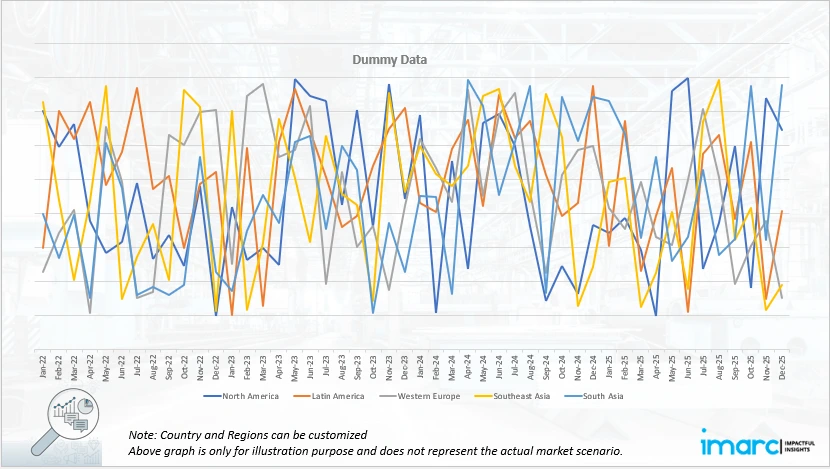
Get real-time access to monthly/quarterly/yearly prices Request Sample
During the second quarter of 2026, the acrylic acid prices in the USA reached 1211 USD/MT in June. The market recorded a notable increase, supported by firm demand from the paints and coatings, adhesives, superabsorbent polymer, and textile industries. Downstream manufacturers maintained consistent procurement to support production schedules, while balanced product availability prevented oversupply conditions. Suppliers benefited from healthy order volumes, enabling stronger pricing across the domestic market.
During the second quarter of 2026, the acrylic acid prices in China reached 1009 USD/MT in June. The market experienced a moderate increase as demand from coatings, adhesives, hygiene products, and chemical manufacturing sectors remained healthy. Domestic producers maintained stable operating rates, while balanced supply conditions supported orderly market activity. Buyers continued purchasing according to manufacturing requirements, resulting in consistent transaction volumes throughout the quarter.
During the second quarter of 2026, the acrylic acid prices in Germany reached 1327 USD/MT in June. The market posted a steady increase, supported by resilient demand from adhesives, coatings, construction chemicals, and superabsorbent polymer manufacturers. Balanced production levels and controlled inventories maintained favorable supply conditions across the domestic market. Buyers actively secured material to meet ongoing manufacturing requirements, supporting stable procurement activity.
During the second quarter of 2026, the acrylic acid prices in Saudi Arabia reached 1100 USD/MT in June. The market registered a healthy increase as domestic and export demand remained firm across key downstream industries. Consumption from adhesives, coatings, and polymer manufacturers supported regular procurement activity throughout the period. Stable production operations ensured adequate product availability while preventing supply shortages.
During the second quarter of 2026, the acrylic acid prices in Brazil reached 1324 USD/MT in June. The market witnessed a gradual rise during the quarter, driven by stable demand from adhesives, coatings, textiles, and hygiene product manufacturers. Buyers maintained regular purchasing activity to satisfy ongoing production requirements, supporting healthy market transactions. Domestic supply remained balanced with import availability, ensuring sufficient material without creating excessive inventories.
Acrylic Acid Prices Outlook Q1 2026
- USA: USD 1148/MT
- China: USD 977/MT
- Germany: USD 1275/MT
- Saudi Arabia: USD 1053/MT
- Brazil: USD 1294/MT
During the first quarter of 2026, the acrylic acid prices in the USA reached 1148 USD/MT in March. Prices declined as domestic demand from acrylic esters, coatings, adhesives, and superabsorbent polymer segments remained soft. Buyers avoided bulk procurement and relied on need based purchasing, which limited spot market momentum. Feedstock propylene support weakened during the quarter, lowering cost pressure on producers. Adequate inventories across distribution channels also reduced urgency among downstream users.
During the first quarter of 2026, the acrylic acid prices in China reached 977 USD/MT in March. Prices moved upward as downstream demand from acrylates, water treatment chemicals, adhesives, and hygiene related applications improved after the seasonal slowdown. Producers raised offers as purchasing activity strengthened and inventories tightened across key industrial hubs. Feedstock propylene values offered firmer cost support, while better factory operating rates encouraged restocking.
During the first quarter of 2026, the acrylic acid prices in Germany reached 1275 USD/MT in March. Prices increased slightly as demand from coatings, sealants, adhesives, and acrylic ester producers improved at a gradual pace. Buyers remained cautious, but replenishment activity supported modest upward movement. Feedstock propylene costs stayed relatively firm, giving producers some room to adjust offers.
During the first quarter of 2026, the acrylic acid prices in Saudi Arabia reached 1053 USD/MT in March. Prices rose as stronger downstream demand from acrylates, coatings, adhesives, and water treatment applications supported market sentiment. Regional supply tightened as producers managed allocations carefully amid improved export inquiries. Feedstock related cost support also helped sustain firmer offers. Buyers increased procurement to secure material ahead of further price gains, strengthening spot activity.
During the first quarter of 2026, the acrylic acid prices in Brazil reached 1294 USD/MT in March. Prices increased as import dependent supply conditions and firm downstream demand supported the market. Consumption from coatings, adhesives, sealants, and personal care related applications improved, encouraging buyers to restock. Higher landed costs and limited cargo availability strengthened seller confidence.
Acrylic Acid Prices Outlook Q4 2025
- USA: USD 1199/MT
- China: USD 911/MT
- Germany: USD 1260/MT
- Saudi Arabia: USD 952/MT
- Brazil: USD 1218/MT
During the fourth quarter of 2025, the acrylic acid prices in the USA reached 1199 USD/MT in December. Prices declined, influenced by softer demand from superabsorbent polymer manufacturers and coatings producers. Additionally, stable propylene feedstock availability and balanced domestic production rates maintained comfortable supply conditions, while cautious procurement from adhesives and construction chemical sectors reinforced the downward adjustment.
During the fourth quarter of 2025, the acrylic acid prices in China reached 911 USD/MT in December. Prices moved lower, driven by moderated procurement from superabsorbent polymer producers and acrylic ester manufacturers. Moreover, steady plant operating rates and sufficient upstream propylene supply shaped regional availability across major chemical hubs.
During the fourth quarter of 2025, the acrylic acid prices in Germany reached 1260 USD/MT in December. Prices decreased, reflecting softer demand from coatings, sealants, and adhesive manufacturing sectors. Furthermore, structured import flows and balanced regional production output influenced supply positioning across Western Europe.
During the fourth quarter of 2025, the acrylic acid prices in Saudi Arabia reached 952 USD/MT in December. Prices edged slightly higher, supported by stable export participation and consistent procurement from downstream acrylate producers. In addition to this, integrated propylene feedstock sourcing and disciplined production levels shaped transactional dynamics.
During the fourth quarter of 2025, the acrylic acid prices in Brazil reached 1218 USD/MT in December. Prices fell noticeably, influenced by moderated demand from construction-related adhesives and coatings applications. Apart from this, sufficient import availability and distributor inventory calibration contributed to the softer pricing environment.
Acrylic Acid Prices Outlook Q3 2025
- USA: USD 1291/MT
- China: USD 941/MT
- Germany: USD 1311/MT
- Saudi Arabia: USD 951/MT
- Brazil: USD 1371/MT
During the third quarter of 2025, the acrylic acid prices in the USA reached 1291 USD/MT in September. Prices declined, influenced by moderated procurement from superabsorbent polymer and coatings manufacturers. Additionally, balanced propylene feedstock supply and steady domestic output maintained sufficient availability across the market.
During the third quarter of 2025, the acrylic acid prices in China reached 941 USD/MT in September. Prices moved lower, driven by cautious purchasing from downstream acrylate producers and stable plant operating rates. Moreover, consistent upstream propylene integration supported steady production levels.
During the third quarter of 2025, the acrylic acid prices in Germany reached 1311 USD/MT in September. Prices edged downward, reflecting softer demand from adhesives, paints, and construction chemical applications. Furthermore, adequate import arrivals and structured production schedules shaped supply dynamics.
During the third quarter of 2025, the acrylic acid prices in Saudi Arabia reached 951 USD/MT in September. Prices decreased, influenced by moderated export demand and balanced domestic production. Additionally, integrated petrochemical operations and stable feedstock sourcing shaped availability across the region.
During the third quarter of 2025, the acrylic acid prices in Brazil reached 1371 USD/MT in September. Prices fell, supported by measured procurement from coatings and sealant manufacturers and sufficient import positioning across distributor networks.
Acrylic Acid Prices Outlook Q2 2025
- USA: USD 1328/MT
- China: USD 976/MT
- Germany: USD 1320/MT
- Saudi Arabia: USD 963/MT
- Brazil: USD 1433/MT
During the second quarter of 2025, the acrylic acid prices in the USA reached 1328 USD/MT in June. As per the acrylic acid price chart, prices trended upward, supported by improving demand from downstream construction and coatings industries, which typically see stronger seasonal activity during the spring months. This increased the prices as buyers secured volumes in anticipation of robust consumption. However, investor sentiment was tempered by proposed tariff measures and broader economic uncertainty, which made market participants more cautious in committing to long-term contracts.
During the second quarter of 2025, the acrylic acid prices in China reached 976 USD/MT in June. Chinese producers maintained high operating rates, and exporters adopted competitive pricing strategies to retain market share in Southeast Asia. This aggressive supply push reduced import parity values and directly weighed on spot pricing within China. Besides, Chinese producers faced higher raw material and energy costs, which briefly supported firmer prices in regional markets. This coincided with a recovery in demand from downstream construction and coatings sectors in Indonesia and other Asian markets, leading Chinese exporters to raise quotations.
During the second quarter of 2025, acrylic acid prices in Germany reached 1320 USD/MT in June. Prices reflected the broader European market trajectory but with sharper sensitivity to local industrial demand and Rhine-based logistics. The quarter opened with a bullish tone in April as seasonal activity in Germany’s coatings, adhesives, and construction sectors supported higher procurement. This was compounded by the logistical constraints from persistently low water levels, which disrupted water transport, a critical route for feedstock and chemical deliveries in Germany, thereby tightening near-term supply and temporarily lifting spot prices.
During the second quarter of 2025, the acrylic acid prices in Saudi Arabia reached 963 USD/MT in June. The market reflected the regional bearish momentum, with prices moving in tandem with the Middle East trends. The downturn during April and May was largely linked to softer demand from key downstream industries such as adhesives, coatings, and superabsorbent polymers, coupled with reduced inquiries from overseas buyers. Declining feedstock and production costs also played a role in easing pressure on suppliers, prompting adjustments in pricing strategies to maintain market liquidity.
During the second quarter of 2025, the acrylic acid prices in Brazil reached 1433 USD/MT in June. Consumption from downstream adhesives, paints, coatings, and superabsorbent polymers (SAPs) continued to underpin market activity, particularly given the steady performance of Brazil’s construction and packaging industries. Seasonal demand from the personal care sector also contributed to consistent baseline consumption. However, slower growth in the automotive segment tempered overall demand intensity.
Acrylic Acid Prices Outlook Q1 2025
- USA: USD 1352/MT
- China: USD 1041/MT
- Germany: USD 1275/MT
- Saudi Arabia: USD 978/MT
- Brazil: USD 1465/MT
During the first quarter of 2025, the acrylic acid prices in the USA reached 1352 USD/MT in March. As per the acrylic acid price chart, the market was influenced by economic uncertainty and weak demand. By March, the market was still cautious, with reluctant trading behavior and poor demand from industries including construction and coatings. The quarter saw a sluggish market environment as a result of businesses' continued hesitancy over possible tariff changes.
During the first quarter of 2025, acrylic acid prices in China reached 1041 USD/MT in March. The market displayed a range of patterns. Due to supply constraints because of maintenance and pre-Lunar New Year procurement, January got off to a positive start. But as the holiday season drew near, activity dropped. February's sluggish construction and coatings sectors prevented the anticipated demand recovery. Due to oversupply, logistical difficulties, and poor global demand, the market became pessimistic in March.
During the first quarter of 2025, the acrylic acid prices in Germany reached 1275 USD/MT in March. The market remained slow in the first quarter. Due to supply disruptions and rising production costs, there was some optimism at the start of the year, but this was dampened by the weak demand for coatings and construction materials. The market was negatively impacted in February and March, with recovery hopes being hampered by geopolitical tensions, export problems, and conservative trading practices.
During the first quarter of 2025, the acrylic acid prices in Saudi Arabia reached 978 USD/MT in March. The market remained stable. Activities in January were balanced, propelled by consistent demand from the building activities, which were bolstered by Vision 2030 efforts. Conditions remained steady throughout February, and producers successfully managed their inventory. Moreover, stronger building activity in March caused a modest improvement in market confidence, although this was just temporary.
During the first quarter of 2025, the acrylic acid prices in Brazil reached 1465 USD/MT in March. The market was sluggish. The seasonal slowdown in construction activities, as well as the uncertainty around possible changes in U.S. policy, contributed to the weak activity in January. This pattern persisted in February, as declining purchasing power was caused by rising interest rates and a falling currency.
Regional Coverage
The report provides a detailed analysis of the market across different regions, each with unique pricing dynamics influenced by localized market conditions, supply chain intricacies, and geopolitical factors. This includes price trends, price forecast and supply and demand trends for each region, along with spot prices by major ports. The report also provides coverage of FOB and CIF prices, as well as the key factors influencing acrylic acid prices.
Europe Acrylic Acid Price Trend
Q2 2026:
The acrylic acid price index across Europe increased, supported by steady demand from adhesives, coatings, construction chemicals, and superabsorbent polymer manufacturers. Industrial production remained stable, encouraging consistent procurement across regional markets. Balanced supply conditions and disciplined inventory management prevented market oversupply while allowing producers to maintain firmer pricing. Feedstock market strength supported production economics, reinforcing upward pricing momentum throughout the quarter.
Q1 2026:
The acrylic acid price index in Europe moved slightly upward as demand recovered gradually from coatings, adhesives, sealants, and acrylic ester producers. Germany reflected this firming trend, supported by stable industrial consumption and moderate feedstock cost pressure. Buyers remained cautious, yet periodic restocking helped sellers maintain firmer offers. Supply was balanced, with producers avoiding aggressive discounts due to steady production expenses. Construction chemical demand improved slowly, supporting consumption in coatings and sealants.
Q4 2025:
As per the acrylic acid price index, European prices moved downward, influenced by softer demand from coatings, sealants, and superabsorbent polymer manufacturers across key industrial economies. Stable propylene feedstock integration within regional petrochemical complexes ensured predictable production economics. Structured import flows through major trading hubs such as Rotterdam and Antwerp maintained sufficient supply. Buyers limited procurement volumes to confirmed downstream production schedules, while distributor inventories remained comfortable amid moderated construction chemical activity.
Q3 2025:
European prices edged downward, supported by moderated procurement from adhesives, paints, and construction chemical manufacturers. Balanced plant operating rates across regional petrochemical facilities ensured consistent output. Propylene feedstock sourcing remained steady, and distributor inventory adjustments reflected cautious purchasing patterns within industrial end-use sectors.
Q2 2025:
The European acrylic acid market in Q2 2025 was marked by volatility, with spot prices rising despite the bearish sentiment reflected in the price index. The quarter began on a strong footing, supported by seasonal demand from the coatings and construction industries, which typically see heightened activity during the spring months. Early April trading reflected this optimism, as buyers increased procurement in anticipation of sustained downstream demand. This demand-driven momentum was amplified by logistical disruptions along the Rhine River, where persistently low water levels curtailed transport capacity, adding upward cost pressure and limiting immediate availability. However, as the quarter progressed into May, actual consumption trends diverged from expectations. Demand from coatings and construction sectors softened, and downstream derivatives such as superabsorbent polymers and adhesives registered reduced offtake.
Q1 2025:
As per the acrylic acid price index, the market consistently displayed signs of decline due to weak demand and economic difficulties. A brief spike in activity occurred in January as a result of transitory supply shortages and increased manufacturing costs. Due to general economic challenges, procurement activity was muted, and demand from the coatings and construction industries remained slow. This pattern persisted in February and March as export challenges and geopolitical unrest further curbed market potential.
This analysis can be extended to include detailed acrylic acid price information for a comprehensive list of countries.
| Region | Countries Covered |
|---|---|
| Europe | Germany, France, United Kingdom, Italy, Spain, Russia, Turkey, Netherlands, Poland, Sweden, Belgium, Austria, Ireland, Switzerland, Norway, Denmark, Romania, Finland, Czech Republic, Portugal, and Greece, among other European countries. |
North America Acrylic Acid Price Trend
Q2 2026:
The acrylic acid price index in North America strengthened as healthy downstream demand supported improved market sentiment. Consumption from paints, coatings, adhesives, hygiene products, and polymer manufacturing industries remained stable, encouraging regular procurement activity. Domestic production maintained balanced supply conditions, while disciplined inventory management prevented excess material availability. Feedstock market firmness supported production costs and enabled suppliers to sustain stronger pricing. Buyers continued replenishing inventories according to production requirements, resulting in steady transaction volumes.
Q1 2026:
The acrylic acid price index in North America declined as weak downstream demand pressured the market. USA prices moved lower due to reduced buying from coatings, adhesives, acrylates, and superabsorbent polymer segments. Buyers relied on existing inventories and avoided advance procurement. Softer feedstock propylene costs reduced production cost pressure, allowing sellers to lower offers. Domestic supply remained sufficient, and producers adjusted prices to support sales volumes. Construction related demand remained weak, limiting recovery in coatings and sealants.
Q4 2025:
As per the acrylic acid price index, prices in North America decreased, driven by weaker demand from superabsorbent polymer production and moderated coatings activity. Integrated petrochemical operations maintained steady propylene feedstock supply, supporting consistent operating rates. Procurement decisions were aligned with visible packaging, hygiene product, and construction chemical consumption patterns, while supplier inventory levels remained adequate.
Q3 2025:
Prices in North America moved lower, influenced by cautious purchasing from adhesives and sealant manufacturers. Stable domestic petrochemical production and sufficient feedstock integration maintained comfortable availability. Buyers focused on short-term supply coverage rather than extended forward contracting.
Q2 2025:
As per the acrylic acid price index, prices strengthened, supported by improving demand from construction and coatings applications. Seasonal activity in the building sector, particularly in housing and infrastructure projects, increased the consumption of downstream acrylates. As the quarter progressed, bearish sentiment took hold. Inventories across distributors and producers were sufficient to meet demand, and end-user consumption did not sustain its early momentum. Toward the end of the quarter, sentiment shifted again as planned maintenance shutdowns at major facilities restricted merchant-grade availability. With a tighter supply environment, sellers regained some pricing power, particularly in spot markets. Even though end-user demand remained moderate, the constrained availability of acrylic acid created a temporary bullish tone. Buyers with urgent requirements had to pay a premium, pushing the prices higher again.
Q1 2025:
The acrylic acid market in North America remained poor in early 2025 because of weak demand and unstable economic conditions. Due to shorter construction cycles and the expectation of legislative changes under President Trump, January witnessed little market activity. Heavy snowfall also caused logistical disruptions, although this was lessened by high inventory levels. The market remained slack as the quarter went on, and February's severe weather severely curtailed industrial activity. In order to prevent overproduction, manufacturers maintained steady production while the demand from industries such as coatings and construction remained low.
Specific acrylic acid historical data within the United States and Canada can also be provided.
| Region | Countries Covered |
|---|---|
| North America | United States and Canada |
Middle East and Africa Acrylic Acid Price Trend
Q2 2026:
The Middle East and Africa acrylic acid market recorded positive pricing momentum, supported by firm domestic consumption and stable export demand. Procurement from adhesives, coatings, construction chemicals, and polymer manufacturers remained consistent, encouraging healthy market activity. Regional production maintained adequate supply levels while avoiding excessive inventories. Stable feedstock availability supported uninterrupted manufacturing operations and strengthened supplier confidence. Efficient logistics and export infrastructure facilitated smooth product distribution across domestic and international markets.
Q1 2026:
In the Middle East and Africa, acrylic acid prices strengthened due to improved regional demand and firmer export interest. Saudi Arabia reflected an upward price movement as buyers from coatings, adhesives, acrylates, and water treatment applications increased procurement. Supply availability tightened as producers managed allocations carefully. Feedstock related costs provided additional support, while distributors maintained firm offers due to better sales momentum.
Q4 2025:
Acrylic acid prices edged marginally higher, supported by steady export participation and consistent downstream acrylate production within integrated petrochemical complexes. Feedstock integration within refinery-linked operations maintained predictable cost structures. Procurement activity reflected confirmed demand from coatings and industrial resin manufacturers, while structured shipment scheduling shaped availability across importing markets.
Q3 2025:
Across the Middle East and Africa, pricing moved downward, influenced by moderated export demand and balanced domestic petrochemical output. Integrated propylene sourcing ensured steady production continuity. Buyers aligned procurement with visible downstream acrylate and polymer demand while distributor inventories remained sufficient.
Q2 2025:
As per the acrylic acid price chart, the market recorded a decline in Q2 2025, reflecting a broadly bearish price index. The quarter unfolded in phases, initial stability in April, a corrective downturn in May, and renewed steadiness by June.The price softness early in the quarter was closely tied to weak downstream demand, particularly from packaging and coatings, while end-user sectors such as automotive lagged in their recovery. Buyers adopted a cautious procurement approach, limiting forward contracts and contributing to reduced transactional volumes. This restrained demand encouraged suppliers to adjust offers downward in April and May to clear stocks. Production costs eased as crude oil benchmarks, a critical feedstock cost driver for acrylic acid derivatives, moderated compared to earlier highs. Lower naphtha prices reduced input costs for producers, allowing room for downward adjustments. At the same time, fewer overseas inquiries from Asia and Europe curtailed export opportunities, leaving more supply within the region and adding downward pressure on local pricing.
Q1 2025:
As per the acrylic acid price chart, the market in Saudi Arabia remained comparatively steady in the first quarter of 2025, helped by steady demand from industries including coatings and construction. Market conditions in January were balanced, with consistent output and advancements in logistics preserving supply and demand balance. Prices stayed steady as the quarter went on, and producers kept up their efficient inventory management. Stronger construction activity in early March gave rise to some bullish enthusiasm, although it was fleeting.
In addition to region-wise data, information on acrylic acid prices for countries can also be provided.
| Region | Countries Covered |
|---|---|
| Middle East and Africa | Saudi Arabia, UAE, Israel, Iran, South Africa, Nigeria, Oman, Kuwait, Qatar, Iraq, Egypt, Algeria, and Morocco, among other Middle Eastern and African countries. |
Asia Pacific Acrylic Acid Price Trend
Q2 2026:
The Asia Pacific acrylic acid market experienced a steady increase, supported by resilient industrial demand across major manufacturing economies. Consumption from adhesives, coatings, textiles, hygiene products, and superabsorbent polymer producers remained firm throughout the period. Domestic production and import availability maintained balanced supply conditions, preventing market shortages while avoiding excessive inventories. Feedstock market stability supported favorable production economics for regional manufacturers. Buyers continued purchasing according to production schedules, sustaining consistent trading activity across the region.
Q1 2026:
In the Asia Pacific, acrylic acid prices showed an upward movement. China recorded an upward trend as demand recovered from acrylic esters, adhesives, water treatment chemicals, and hygiene related applications. Improved post holiday buying encouraged restocking, while firmer feedstock propylene values supported seller offers. Regional supply tightened in some markets due to stronger domestic consumption and better export inquiries. Buyers became more active as downstream operating rates improved.
Q4 2025:
Prices declined, supported by softened demand from superabsorbent polymer manufacturers and measured procurement from acrylic ester producers across major manufacturing hubs. Stable plant utilization rates and adequate propylene feedstock supply maintained steady production levels. Export activity remained disciplined, and inventory levels at coastal storage facilities stayed manageable amid moderated textile and hygiene product consumption.
Q3 2025:
Across Asia Pacific, pricing moved downward, influenced by moderated export activity and cautious procurement from downstream polymer and coatings manufacturers. Structured plant operating schedules and consistent upstream feedstock integration shaped supply availability across major chemical clusters. Purchasing strategies reflected short-cycle replenishment rather than speculative restocking.
Q2 2025:
At the start of Q2 2025, acrylic acid prices in Asia Pacific, particularly in Indonesia, moved upward. This was driven by a post-holiday recovery in industrial activity, which increased downstream demand from construction and coatings sectors. Additionally, higher input costs from China, mainly linked to raw material propylene raised import prices, and Indonesian buyers secured additional volumes to cover near-term needs. These combined factors supported a short-lived bullish trend in the spot market. As the quarter progressed, the earlier bullish momentum began to level off. Import prices from China stabilized, and Indonesian inventories were sufficient to cover end-use demand. This created a period of relative price stability, with trading volumes maintained at moderate levels. Buyers avoided bulk purchases, focusing instead on short-term procurement, which kept the market balanced without strong upward pressure.
Q1 2025:
Holidays and poor demand caused the market to experience erratic sentiment in the first quarter of 2025. Pre-Lunar New Year purchasing and production constraints due to maintenance gave January a strong start, but the market weakened as a result of the holiday. Market activity did not rebound in February despite expectations of a post-holiday spike. Although there was some improvement in the third week, demand was still low overall, particularly from the construction and coatings industries.
This acrylic acid price analysis can be expanded to include a comprehensive list of countries within the region.
| Region | Countries Covered |
|---|---|
| Asia Pacific | China, India, Indonesia, Pakistan, Bangladesh, Japan, Philippines, Vietnam, Thailand, South Korea, Malaysia, Nepal, Taiwan, Sri Lanka, Hongkong, Singapore, Australia, and New Zealand, among other Asian countries. |
Latin America Acrylic Acid Price Trend
Q2 2026:
The Latin American acrylic acid market recorded a moderate increase as industrial demand remained stable across key consuming sectors. Procurement from coatings, adhesives, hygiene products, and textile manufacturers supported consistent market activity throughout the quarter. Balanced domestic supply and import availability ensured sufficient product availability without generating oversupply conditions. Stable feedstock costs reinforced production economics and supported supplier pricing strategies.
Q1 2026:
In Latin America, acrylic acid prices increased, led by firm conditions in Brazil. Import dependent supply, higher replacement costs, and steady demand from coatings, adhesives, sealants, and personal care related applications supported the market. Buyers increased procurement to secure cargoes, while distributors maintained firm offers due to limited availability. Demand from construction, packaging, and industrial applications improved, giving additional support to acrylic acid consumption. Logistics and landed cost pressure also influenced pricing.
Q4 2025:
Latin America indicated a downward pricing trend for acrylic acid, supported by softer demand from construction-related adhesives and industrial coatings sectors. Import volumes through Atlantic trade routes ensured sufficient material availability. Distributor-level inventory calibration and inland logistics coordination influenced procurement timing across key industrial markets.
Q3 2025:
Regional market assessments across Latin America reflected a declining pricing environment, influenced by moderated industrial coatings demand and structured import positioning. Balanced distributor inventories and measured purchasing strategies shaped transactional patterns within the region’s construction and manufacturing sectors.
Q2 2025:
As per the acrylic acid price index, demand pressures likely persisted into Q2. Downstream industries continued to operate carefully under economic caution, limiting volume uptake. Currency depreciation against the US dollar added pressure to procurement budgets, limiting large-scale stock replenishment. Freight costs and feedstock propylene price trends shaped landed costs, though producers maintained stable operations. The market showed muted movement, with suppliers and buyers adopting a restrained trading approach, resulting in largely stable-to-soft prices across the quarter.
Q1 2025:
As per the acrylic acid price index, due to low import prices, uncertain economic conditions, and poor demand, the market stayed muted in the first quarter. This pattern persisted in February when purchasing power was diminished by declining currency and rising interest rates. Despite having a lot of inventory, suppliers were cautious, and there was no hurry for fresh purchases. By March, market activity was restrained due to ongoing worries about possible tariffs and economic uncertainty. The market concluded the quarter with no shift in mood as supply plans grew more cautious.
This comprehensive review can be extended to include specific countries within the region.
| Region | Countries Covered |
|---|---|
| Latin America | Brazil, Mexico, Argentina, Columbia, Chile, Ecuador, and Peru, among other Latin American countries. |
Acrylic Acid Pricing Report, Market Analysis, and News
IMARC's latest publication, “Acrylic Acid Prices, Trend, Chart, Demand, Market Analysis, News, Historical and Forecast Data Report 2026 Edition,” presents a detailed examination of the acrylic acid market, providing insights into both global and regional trends that are shaping prices. This report delves into the spot price of acrylic acid at major ports and analyzes the composition of prices, including FOB and CIF terms. It also presents detailed acrylic acid prices trend analysis by region, covering North America, Europe, Asia Pacific, Latin America, and Middle East and Africa. The factors affecting acrylic acid pricing, such as the dynamics of supply and demand, geopolitical influences, and sector specific developments, are thoroughly explored. This comprehensive report helps stakeholders stay informed with the latest market news, regulatory updates, and technological progress, facilitating informed strategic decision-making and forecasting.
Acrylic Acid Industry Analysis
The global acrylic acid industry size reached USD 15.6 Billion in 2025. By 2034, IMARC Group expects the market to reach USD 23.1 Billion, at a projected CAGR of 4.29% during 2026-2034. Market growth is driven by expanding demand for superabsorbent polymers in hygiene products, increasing utilization in adhesives, sealants, and coatings, rising construction activity, and sustained growth in packaging and automotive applications across global industrial markets.
Latest News and Developments:
- March 2025: Researchers from the Università Degli Studi Di Milano published a first-principles computational study analyzing the dynamic symmetry of crystalline acrylic acid, revealing previously overlooked lattice distortion mechanisms due to low-frequency phonon instabilities that influence intermolecular interactions. This research offers deeper theoretical insight into the crystal structure and vibrational behavior of acrylic acid, potentially informing future work on its physical properties and applications in material science.
Product Description
Acrylic acid is an unsaturated carboxylic acid with the chemical formula C₃H₄O₂. It is a colorless liquid with a strong odor and high reactivity due to the presence of both a vinyl group and a carboxyl functional group. Acrylic acid serves as a key intermediate in the production of acrylate esters and superabsorbent polymers. It exhibits excellent polymerization characteristics, strong chemical versatility, and compatibility with numerous industrial formulations. The product is widely used in the manufacture of adhesives, paints, coatings, sealants, textiles, detergents, paper treatment chemicals, water treatment products, and personal hygiene materials such as diapers and sanitary products. Its broad functionality and adaptability make acrylic acid an essential raw material across multiple industrial and specialty chemical applications.
Report Coverage
| Key Attributes | Details |
|---|---|
| Product Name | Acrylic Acid |
| Report Features | Exploration of Historical Trends and Market Outlook, Industry Demand, Industry Supply, Gap Analysis, Challenges, Acrylic Acid Price Analysis, and Segment-Wise Assessment. |
| Currency/Units | US$ (Data can also be provided in local currency) or Metric Tons |
| Region/Countries Covered | The current coverage includes analysis at the global and regional levels only. Based on your requirements, we can also customize the report and provide specific information for the following countries: Asia Pacific: China, India, Indonesia, Pakistan, Bangladesh, Japan, Philippines, Vietnam, Thailand, South Korea, Malaysia, Nepal, Taiwan, Sri Lanka, Hongkong, Singapore, Australia, and New Zealand Europe: Germany, France, United Kingdom, Italy, Spain, Russia, Turkey, Netherlands, Poland, Sweden, Belgium, Austria, Ireland, Switzerland, Norway, Denmark, Romania, Finland, Czech Republic, Portugal and Greece North America: United States and Canada Latin America: Brazil, Mexico, Argentina, Columbia, Chile, Ecuador, and Peru Middle East & Africa: Saudi Arabia, UAE, Israel, Iran, South Africa, Nigeria, Oman, Kuwait, Qatar, Iraq, Egypt, Algeria, and Morocco The list of countries presented is not exhaustive. Information on additional countries can be provided if required by the client. |
| Information Covered for Key Suppliers |
|
| Customization Scope | The report can be customized as per the requirements of the customer |
| Report Price and Purchase Option |
Plan A: Monthly Updates - Annual Subscription
Plan B: Quarterly Updates - Annual Subscription
Plan C: Biannually Updates - Annual Subscription
|
| Post-Sale Analyst Support | 360-degree analyst support after report delivery |
| Delivery Format | PDF and Excel through email (We can also provide the editable version of the report in PPT/Word format on special request) |
Key Benefits for Stakeholders:
- IMARC’s report presents a detailed analysis of acrylic acid pricing, covering global and regional trends, spot prices at key ports, and a breakdown of FOB and CIF prices.
- The study examines factors affecting acrylic acid price trend, including input costs, supply-demand shifts, and geopolitical impacts, offering insights for informed decision-making.
- The competitive landscape review equips stakeholders with crucial insights into the latest market news, regulatory changes, and technological advancements, ensuring a well-rounded, strategic overview for forecasting and planning.
- IMARC offers various subscription options, including monthly, quarterly, and biannual updates, allowing clients to stay informed with the latest market trends, ongoing developments, and comprehensive market insights. The acrylic acid price charts ensure our clients remain at the forefront of the industry.
Need more help?
- Speak to our experienced analysts for insights on the current market scenarios.
- Include additional segments and countries to customize the report as per your requirement.
- Gain an unparalleled competitive advantage in your domain by understanding how to utilize the report and positively impacting your operations and revenue.
- For further assistance, please connect with our analysts.
 Request Customization
 Inquire Before Buying
 Speak to an Analyst
 Request Brochure
Benefits of Customization
- Personalize this research
- Triangulate with your data
- Get data as per your format and definition
- Gain a deeper dive into a specific application, geography, customer, or competitor
- Any level of personalization
Get in Touch With Us
UNITED STATES
Phone: +1-201-971-6302
INDIA
Phone: +91-120-433-0800
UNITED KINGDOM
Phone: +44-753-714-6104
Email: [email protected]
Client Testimonials




.webp)




.webp)













Related Reports

Why Choose Us
IMARC offers trustworthy, data-centric insights into commodity pricing and evolving market trends, enabling businesses to make well-informed decisions in areas such as procurement, strategic planning, and investments. With in-depth knowledge spanning more than 1000 commodities and a vast global presence in over 150 countries, we provide tailored, actionable intelligence designed to meet the specific needs of diverse industries and markets.
1000
+Commodities
150
+Countries Covered
3000
+Clients
20
+Industry

Robust Methodologies & Extensive Resources
IMARC delivers precise commodity pricing insights using proven methodologies and a wealth of data to support strategic decision-making.

Subscription-Based Databases
Our extensive databases provide detailed commodity pricing, import-export trade statistics, and shipment-level tracking for comprehensive market analysis.

Primary Research-Driven Insights
Through direct supplier surveys and expert interviews, we gather real-time market data to enhance pricing accuracy and trend forecasting.

Extensive Secondary Research
We analyze industry reports, trade publications, and market studies to offer tailored intelligence and actionable commodity market insights.
Trusted by 3000+ industry leaders worldwide to drive data-backed decisions. From global manufacturers to government agencies, our clients rely on us for accurate pricing, deep market intelligence, and forward-looking insights.