
Aluminium Scrap Prices, Trend, Chart, Demand, Market Analysis, News, Historical and Forecast Data Report 2026 Edition
Aluminium Scrap Price Trend, Index and Forecast
Track the latest insights on aluminium scrap price trend and forecast with detailed analysis of regional fluctuations and market dynamics across North America, Latin America, Central Europe, Western Europe, Eastern Europe, Middle East, North Africa, West Africa, Central and Southern Africa, Central Asia, Southeast Asia, South Asia, East Asia, and Oceania.
Aluminium Scrap Prices Outlook Q2 2026
- USA: USD 2768/MT
- China: USD 2478/MT
- India: USD 2473/MT
- Germany: USD 2630/MT
- Brazil: USD 2535/MT
Aluminium Scrap Chart
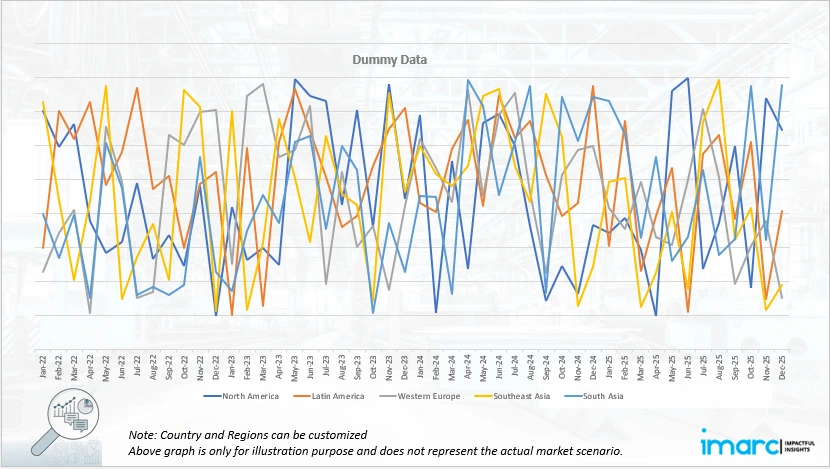
Get real-time access to monthly/quarterly/yearly prices Request Sample
During the second quarter of 2026, the aluminium scrap prices in the USA reached 2768 USD/MT in June. Prices increased firmly as stronger underlying aluminium values improved scrap replacement costs and encouraged recyclers to hold material for better realizations. Tight availability during the early part of the quarter strengthened seller leverage, particularly for sought after grades used by secondary smelters. Demand from automotive, packaging, construction, and remelting operations remained supportive, keeping procurement active.
During the second quarter of 2026, the aluminium scrap prices in China reached 2478 USD/MT in June. Prices moved moderately upward as firm domestic aluminium benchmarks increased the replacement value of scrap and supported recycler offers. Secondary aluminium producers maintained purchasing interest for compliant feedstock, particularly as domestic scrap availability remained constrained relative to processing requirements. Policy compliance costs affected smaller recycling and utilization enterprises, reducing the willingness of some suppliers to release material at lower levels.
During the second quarter of 2026, the aluminium scrap prices in India reached 2473 USD/MT in June. Prices increased moderately as supply disruptions tightened imported scrap availability and raised replacement costs for secondary aluminium producers. Indian recyclers remained highly dependent on overseas feedstock, making shipping interruptions and reduced Gulf availability influential during the quarter. Import duties added further cost pressure and limited the ability of processors to offset international offers.
During the second quarter of 2026, the aluminium scrap prices in Germany reached 2630 USD/MT in June. Prices rose sharply as scrap tightness intensified competition between domestic recyclers and overseas buyers for available material. European remelters faced difficulty securing feedstock, allowing collectors and traders to maintain firm offers. Strong export interest reduced the volume available to regional processors and amplified replacement cost pressure.
During the second quarter of 2026, the aluminium scrap prices in Brazil reached 2535 USD/MT in June. Prices moved moderately upward as demand from domestic recyclers and industrial consumers supported competition for available scrap. Automotive, packaging, construction, and transport related applications maintained regular requirements for secondary aluminium, giving collectors and processors greater confidence in firm offers. Export demand, particularly from Asian buyers, also competed with domestic consumption and reduced the incentive for suppliers to discount material.
Aluminium Scrap Prices Outlook Q1 2026
- USA: USD 2522/MT
- China: USD 2427/MT
- India: USD 2394/MT
- Germany: USD 2156/MT
- Brazil: USD 2464/MT
During the first quarter of 2026, the aluminium scrap prices in the USA reached 2522 USD/MT in March. Prices moved upward as domestic scrap collection improved at a slower pace than demand from secondary aluminium producers. Strong activity in the construction and automotive sectors supported the consumption of recycled aluminium. Export flows remained active, tightening local availability. Energy cost pressures on recyclers also contributed to higher processing costs, which pushed prices upward.
During the first quarter of 2026, the aluminium scrap prices in China reached 2427 USD/MT in March. The market recorded an upward trend supported by firm demand from domestic smelters focusing on recycled inputs. Scrap generation remained moderate due to controlled industrial output levels, limiting supply growth. Environmental regulations continued to influence scrap processing capacity, restricting availability. Imports showed stable movement but were insufficient to ease supply pressure.
During the first quarter of 2026, the aluminium scrap prices in India reached 2394 USD/MT in March. Prices showed a gradual increase driven by rising demand from small and medium recyclers. Domestic scrap supply remained constrained due to uneven collection networks. Imports supported the market but were affected by logistical delays and currency fluctuations. Increased infrastructure and automotive activity supported the consumption of recycled aluminium. Processing costs rose due to higher labor and energy expenses.
During the first quarter of 2026, the aluminium scrap prices in Germany reached 2156 USD/MT in March. The market experienced a moderate rise due to stable demand from the automotive and engineering industries. Scrap availability remained tight as collection volumes did not fully recover. Energy costs continued to influence recycling operations, raising production expenses. Export demand from neighboring regions supported price firmness. Industrial output showed gradual improvement, sustaining consumption levels.
During the first quarter of 2026, the aluminium scrap prices in Brazil reached 2464 USD/MT in March. Prices increased due to strong domestic demand from the packaging and construction sectors. Scrap collection remained limited due to informal supply chain constraints. Imports played a role in balancing supply but faced logistical inefficiencies. Currency fluctuations influenced trade activity and pricing trends. Recycling costs increased due to higher transportation and processing expenses.
Aluminium Scrap Prices Outlook Q4 2025
- USA: USD 2400/MT
- China: USD 2312/MT
- India: USD 2322/MT
- Germany: USD 2080/MT
- Brazil: USD 2364/MT
During the fourth quarter of 2025, the aluminium scrap prices in the USA reached 2400 USD/MT in December. The market experienced a firm upward trajectory supported by stronger procurement from secondary smelters and steady demand from the automotive and packaging sectors. Supply remained relatively tight as collection rates were constrained by seasonal slowdowns and logistical inefficiencies. Export interest also improved, diverting volumes from domestic channels and strengthening seller leverage.
During the fourth quarter of 2025, the aluminium scrap prices in China reached 2312 USD/MT in December. The market advanced gradually as secondary aluminium producers increased operating rates to meet improving construction and consumer goods demand. Scrap availability remained moderated by collection bottlenecks and stricter environmental inspections affecting processing yards. Import dynamics were influenced by regulatory compliance requirements, limiting rapid inflows.
During the fourth quarter of 2025, the aluminium scrap prices in India reached 2322 USD/MT in December. The quarter was characterized by improving demand from infrastructure, electrical, and automotive segments, which strengthened the consumption of recycled aluminium inputs. Domestic scrap generation remained uneven due to informal sector disruptions and collection inefficiencies. Import dependency increased amid firm industrial activity, tightening overall availability.
During the fourth quarter of 2025, the aluminium scrap prices in Germany reached 2080 USD/MT in December. The market reflected growth supported by recovering manufacturing output across the automotive and machinery industries. Scrap supply was moderately constrained as collection volumes were impacted by maintenance shutdowns and seasonal slowdowns. Environmental compliance costs and elevated processing expenses influenced recyclers’ pricing strategies.
During the fourth quarter of 2025, the aluminium scrap prices in Brazil reached 2364 USD/MT in December. The market showed notable strength driven by the expanding demand from construction and beverage can manufacturing sectors. Domestic scrap generation was affected by logistical disruptions and limited collection infrastructure, restricting prompt availability. Export activity toward international buyers reduced local supply buffers, intensifying competition among domestic recyclers.
Aluminium Scrap Prices Outlook Q3 2025
- USA: USD 2325/MT
- China: USD 2265/MT
- India: USD 2257/MT
- Germany: USD 2015/MT
- Brazil: USD 2268/MT
During the third quarter of 2025, the aluminium scrap prices in the USA reached 2325 USD/MT in September. Market fundamentals during this quarter reflected stronger procurement activity from secondary aluminium smelters, driven by sustained demand from automotive and packaging sectors. Supply conditions tightened as scrap collection volumes fluctuated across major recycling hubs, influenced by seasonal collection cycles and operational constraints at scrap yards.
During the third quarter of 2025, the aluminium scrap prices in China reached 2265 USD/MT in September. Market sentiment was shaped by consistent demand from alloy producers and die-casting industries, although procurement levels fluctuated due to sector-specific production cycles. Supply availability remained stable but was influenced by stricter quality checks and regulatory compliance requirements for imported scrap materials. Domestic logistics, including inter-provincial transport restrictions and fuel-related freight adjustments, contributed to incremental cost pressure.
During the third quarter of 2025, the aluminium scrap prices in India reached 2257 USD/MT in September. Prices experienced downward pressure as demand from downstream extrusion and rolling mills softened due to moderated ordering cycles and inventory adjustments. Scrap supply remained comparatively steady, with both domestic collection and import arrivals maintaining sufficient volumes. Currency volatility affected import-linked procurement costs, influencing purchase intentions among metal processors.
During the third quarter of 2025, the aluminium scrap prices in Germany reached 2015 USD/MT in September. The price trend reflected a combination of firm demand from secondary smelters and consistent activity in the automotive supply chain. Supply conditions tightened slightly due to constrained scrap collection levels and rising operational costs at recycling centers. Energy-related expenses influenced processing costs across major recovery facilities. Additionally, logistics charges rose amid adjustments in overland freight and port-handling tariffs across key entry points.
During the third quarter of 2025, the aluminium scrap prices in Brazil reached 2268 USD/MT in September. Market conditions were shaped by softer domestic demand from the construction and manufacturing sectors, leading to downward movement in prices. Scrap availability remained adequate as collection networks operated without major disruptions. Import-linked procurement costs were influenced by currency fluctuations, particularly against the USD, affecting purchasing behavior among refiners.
Aluminium Scrap Prices Outlook Q2 2025
- USA: USD 2253/MT
- China: USD 2236/MT
- India: USD 2298/MT
- Germany: USD 1970/MT
- Brazil: USD 2308/MT
During the second quarter of 2025, the aluminium scrap prices in the USA reached 2253 USD/MT in June. In the USA, aluminium scrap prices in Q2 2025 were influenced by steady demand from the automotive and packaging sectors, along with fluctuations in export volumes to Asia. Collection rates from construction and industrial channels varied regionally, while processing costs were affected by labor availability and energy prices. Shifts in primary aluminium futures and domestic smelting capacity utilization also shaped pricing decisions.
During the second quarter of 2025, aluminium scrap prices in China reached 2236 USD/MT in June. In Q2 2025, aluminium scrap prices in India were influenced by fluctuations in the availability of imported scrap due to altered customs duties and shipping delays at key ports. Additionally, demand from the domestic automotive and construction sectors remained firm, while smelter operations faced disruptions due to irregular power supply in select states. Secondary smelters also encountered higher processing costs due to rising fuel prices.
During the second quarter of 2025, the aluminium scrap prices in India reached 2298 USD/MT in June. In India, aluminium scrap prices were shaped by growing demand from downstream manufacturing and infrastructure projects. Domestic scrap availability was constrained due to underdeveloped collection systems and informal processing networks. Import restrictions on unprocessed and mixed scrap grades influenced supply levels. Logistics bottlenecks and regional port congestion added to transportation costs, while changes in energy prices affected recycling margins.
During the second quarter of 2025, the aluminium scrap prices in Germany reached 1970 USD/MT in June. German prices of aluminium scrap during Q2 2025 were shaped by strong demand from the automotive manufacturing sector and increased recycling activities spurred by stringent sustainability mandates. However, collection rates were affected by labor shortages in the waste management sector. Furthermore, export competition for high-quality scrap to other European countries and Asia placed additional strain on local supply availability.
During the second quarter of 2025, the aluminium scrap prices in Brazil reached 2308 USD/MT in June. In Brazil, aluminium scrap prices were influenced by robust demand from the automotive and consumer goods manufacturing sectors. Collection rates remained uneven across urban and rural areas, while informal recycling networks faced regulatory pressure. Export competitiveness was affected by currency movements and international shipping costs. Energy price trends and smelter capacity adjustments further shaped pricing in the domestic market.
Regional Coverage
The report provides a detailed analysis of the market across different regions, each with unique pricing dynamics influenced by localized market conditions, supply chain intricacies, and geopolitical factors. This includes price trends, price forecast and supply and demand trends for each region, along with spot prices by major ports. The report also provides coverage of FOB and CIF prices, as well as the key factors influencing aluminium scrap prices.
Europe Aluminium Scrap Price Trend
Q2 2026:
The aluminium scrap price index in Europe moved firmly upward as recyclers faced intense competition for limited feedstock. Strong purchasing from overseas buyers reduced material available to European remelters and allowed collectors to maintain higher offers. Germany reflected the strongest pressure as scrap shortages combined with elevated primary aluminium values and costly energy conditions. Demand from regional secondary smelters remained persistent because recycled metal offered an important route to lower energy exposure and carbon costs. Expectations of European action to retain more scrap within the bloc also encouraged cautious inventory management and influenced trading decisions.
Q1 2026:
The aluminium scrap price index in Europe showed a moderate increase. Demand from automotive manufacturers remained steady as production schedules improved and reliance on recycled aluminium continued. Engineering and machinery sectors also supported consumption through consistent procurement activity. Scrap availability stayed tight as collection volumes did not expand in line with demand, particularly in urban recycling networks. Energy costs continued to affect recycling operations, raising processing expenses and limiting output flexibility.
Q4 2025:
The aluminium scrap price index in Europe reflected a firm upward trajectory. Regional demand from automotive manufacturing and industrial machinery sectors strengthened steadily, supporting higher procurement from secondary smelters. Scrap availability remained moderately tight due to seasonal collection slowdowns and stricter environmental compliance across recycling facilities. Cross-border trade flows were active, yet limited surplus volumes intensified competition among buyers. Elevated processing and energy costs further supported higher offer levels from recyclers.
Q3 2025:
During the third quarter of 2025, the aluminium scrap price index in Europe reflected steady upward movement supported by improved buying from automotive, engineering, and secondary smelting industries. Supply remained moderately constrained, influenced by seasonal scrap recovery cycles and operational cost increases at recycling facilities across key European markets. Logistics costs rose as inland freight charges and port-handling expenses increased across major transport corridors, affecting delivered material costs. Energy-related expenditures also added to processing costs within recycling plants.
Q2 2025:
As per the aluminium scrap price index, European aluminium scrap prices in Q2 2025 were influenced by steady demand from the automotive and can manufacturing sectors. Collection volumes varied due to regional recycling efficiency and seasonal construction activity. Processing costs were impacted by elevated electricity prices and labor constraints. Export competition with Asian buyers and regulatory developments on cross-border scrap movement also shaped market dynamics and pricing.
Detailed price information for aluminium scrap can also be provided for an extensive list of European countries.
| Region | Countries Covered |
|---|---|
| Europe | Germany, France, United Kingdom, Italy, Spain, Russia, Turkey, Netherlands, Poland, Sweden, Belgium, Austria, Ireland, Switzerland, Norway, Denmark, Romania, Finland, Czech Republic, Portugal, and Greece, among other European countries. |
North America Aluminium Scrap Price Trend
Q2 2026:
The aluminium scrap price index in North America strengthened as higher aluminium benchmarks and elevated replacement costs supported scrap values. In the United States, early quarter availability tightened and recyclers gained leverage in negotiations with secondary smelters. Freight and container costs increased delivered expenses, reinforcing firm offers across grades. Scrap availability improved later in the quarter, preventing more aggressive gains, but strong metal values continued to provide cost support. Tariff related changes affecting the wider aluminium market increased attention on domestic and imported scrap as secondary producers assessed alternative feedstock economics. Automotive, packaging, construction, and remelting demand remained steady enough to maintain regular procurement.
Q1 2026:
The aluminium scrap price index in North America increased. Construction activity maintained a steady pace, supporting demand for recycled aluminium in building applications. Automotive production also contributed to consistent consumption, with manufacturers favoring secondary aluminium for cost and sustainability reasons. Scrap supply remained constrained as collection systems expanded slowly and recovery rates did not fully meet demand. Export activity toward international markets reduced domestic availability, tightening supply further.
Q4 2025:
The aluminium scrap price index in North America advanced consistently. Strong consumption from beverage packaging and transportation equipment manufacturing supported sustained procurement levels. Collection constraints and logistical bottlenecks restricted immediate supply responsiveness. Export demand toward overseas markets diverted material from domestic channels, amplifying supply tightness. Processing costs and freight charges remained elevated, reinforcing firm supplier pricing.
Q3 2025:
During the third quarter of 2025, the aluminium scrap price index in North America strengthened due to firm demand from secondary smelters, automotive components producers, and packaging manufacturers. Supply conditions varied across regional recycling hubs, with some areas experiencing volume reductions linked to collection inefficiencies and rising operational costs. Transport-related expenses, including trucking surcharges and port-handling fees, contributed to cost escalation.
Q2 2025:
As per the aluminium scrap price index, in North America, aluminium scrap pricing was driven by fluctuations in domestic demand from the transportation and packaging sectors, along with varying collection rates from industrial and municipal sources. Export activity to Asia and Latin America affected local supply availability. Processing margins were influenced by fuel prices and staffing challenges, while movements in primary aluminium prices and futures trading impacted overall scrap valuation.
Specific aluminium scrap historical data within the United States and Canada can also be provided.
| Region | Countries Covered |
|---|---|
| North America | United States and Canada |
Middle East and Africa Aluminium Scrap Price Trend
Q2 2026:
According to the aluminium scrap price chart, supply chain disruptions, seasonal changes in demand, and geopolitical pressures were the primary drivers of price volatility in the Middle East and Africa.
Q1 2026:
The study examines the trends and price chart for aluminium scrap in the Middle East and Africa, taking into account variables that specifically affect market prices, such as regional industrial expansion, the availability of natural resources, and geopolitical conflicts.
Q4 2025:
The report explores the aluminium scrap trends and aluminium scrap price chart in the Middle East and Africa, considering factors like regional industrial growth, the availability of natural resources, and geopolitical tensions that uniquely influence market prices.
Q3 2025:
As per the aluminium scrap price chart, the prices in the Middle East and Africa fluctuated due to a complex interplay of factors, primarily driven by supply chain disruptions, seasonal demand shifts, and geopolitical influences.
Region-wise data and information on specific countries within these regions can also be provided.
| Region | Countries Covered |
|---|---|
| Middle East & Africa | Saudi Arabia, UAE, Israel, Iran, South Africa, Nigeria, Oman, Kuwait, Qatar, Iraq, Egypt, Algeria, and Morocco, among other Middle Eastern and African countries. |
Asia Pacific Aluminium Scrap Price Trend
Q2 2026:
The aluminium scrap prices in Asia Pacific moved upward as secondary producers competed for constrained feedstock and stronger primary aluminium values improved scrap replacement economics. China maintained steady demand for imported material because domestic availability remained tight relative to recycling requirements. Policy related compliance costs and weaker operating economics affected smaller processors, limiting aggressive buying but also restricting supply from market participants. India faced stronger import pressure as Gulf disruptions reduced access to traditional scrap sources and forced buyers to seek alternative cargoes from other markets. Freight uncertainty and changing trade routes added to delivered costs across the region.
Q1 2026:
In the Asia Pacific, aluminium scrap prices showed an upward trend. Manufacturing activity remained strong, particularly in sectors such as automotive, electronics, and packaging, which supported steady consumption of recycled aluminium. Scrap availability remained moderate as industrial output levels influenced generation volumes. Import flows provided additional supply but did not fully offset the pressure from strong domestic demand. Regulatory measures affecting recycling operations influenced processing capacity and supply conditions.
Q4 2025:
In the Asia Pacific, aluminium scrap prices trended upward. Manufacturing expansion in electronics, automotive, and construction sectors bolstered demand for recycled aluminium inputs. Regulatory oversight and environmental compliance measures influenced scrap processing operations, limiting rapid supply expansion. Import dynamics and shipping costs shaped procurement strategies among regional buyers. Secondary smelters maintained active purchasing to secure feedstock amid stable production rates. Firm primary aluminium values provided indirect support to scrap benchmarks.
Q3 2025:
In the Asia Pacific region, aluminium scrap prices during the third quarter of 2025 were shaped by consistent demand from alloy producers, die-casting operations, and secondary smelters. Supply availability across major economies varied, with some markets experiencing softer recovery rates linked to regulatory oversight and quality-control requirements. Import-related costs, including freight and port handling, influenced pricing in coastal markets. Currency fluctuations across the region affected procurement strategies, particularly in import-dependent economies.
Q2 2025:
In the Asia Pacific region, aluminium scrap prices were influenced by strong consumption from construction, electronics, and transportation sectors. Import policies, especially from China and India, impacted intra-regional trade flows and quality requirements. Domestic collection and recycling infrastructure in emerging economies remained underdeveloped. Variations in freight rates, energy prices, and seasonal demand patterns contributed to market price volatility across the region.
This aluminium scrap price analysis can be expanded to include a comprehensive list of countries within the region.
| Region | Countries Covered |
|---|---|
| Asia Pacific | China, India, Indonesia, Pakistan, Bangladesh, Japan, Philippines, Vietnam, Thailand, South Korea, Malaysia, Nepal, Taiwan, Sri Lanka, Hongkong, Singapore, Australia, and New Zealand, among other Asian countries. |
Latin America Aluminium Scrap Price Trend
Q2 2026:
The aluminium scrap prices in Latin America maintained an upward bias as steady industrial demand and firm international aluminium values supported regional scrap assessments. Brazil provided a source of strength, with domestic recyclers competing for material alongside exporters serving Asian buyers. Stronger overseas demand reduced incentives for collectors to accept lower bids and helped maintain local offers. Automotive, packaging, construction, and transport applications continued to generate regular requirements for secondary aluminium, supporting collection and processing activity. Higher freight, sorting, and handling expenses raised delivered replacement costs across markets dependent on long distance trade.
Q1 2026:
In Latin America, aluminium scrap prices increased. Demand from packaging industries remained steady, supported by consistent production of consumer goods. Construction activity also contributed to the consumption of recycled aluminium. Scrap supply remained limited due to collection challenges and the presence of informal recycling systems. Imports faced logistical constraints, including delays and higher transportation costs, which affected supply availability. Currency fluctuations influenced trade activity, impacting purchasing decisions and pricing trends.
Q4 2025:
In Latin America, aluminium scrap prices recorded pronounced growth. Strong activity in the construction and consumer packaging sectors stimulated consistent demand from recyclers. Domestic scrap generation was affected by logistical disruptions and informal collection structures. Export flows toward global markets reduced available local volumes, heightening competitive procurement. Operational and transportation expenses reinforced supplier pricing strength. Secondary producers maintained steady output levels, limiting downside adjustments.
Q3 2025:
During the third quarter of 2025, Latin America saw downward aluminium scrap price trends driven by varying demand across downstream manufacturing sectors. Scrap availability remained generally adequate, although regional differences in collection efficiency impacted local supply dynamics. Import-linked costs, including customs processing, maritime freight, and inland distribution expenses, influenced price behavior in several markets.
Q2 2025:
In Latin America, especially Brazil, aluminium scrap prices were affected by demand from the automotive, construction, and consumer goods sectors. Collection was concentrated in urban areas, with informal recycling networks subject to regulatory enforcement. Export interest from Asia placed pressure on domestic availability. Pricing was further influenced by currency fluctuations, energy cost trends, and transportation challenges across the region.
This comprehensive review can be extended to include specific countries within Latin America.
| Region | Countries Covered |
|---|---|
| Latin America | Brazil, Mexico, Argentina, Columbia, Chile, Ecuador, and Peru, among other Latin American countries. |
Aluminium Scrap Pricing Report, Market Analysis, and News
IMARC's latest publication, “Aluminium Scrap Prices, Trend, Chart, Demand, Market Analysis, News, Historical and Forecast Data Report 2026 Edition,” presents a detailed examination of the aluminium scrap market, providing insights into both global and regional trends that are shaping prices. This report delves into the spot price of aluminium scrap at major ports and analyzes the composition of prices, including FOB and CIF terms. It also presents detailed aluminium scrap prices trend analysis by region, covering North America, Europe, Asia Pacific, Latin America, and Middle East and Africa. The factors affecting aluminium scrap pricing, such as the dynamics of supply and demand, geopolitical influences, and sector specific developments, are thoroughly explored. This comprehensive report helps stakeholders stay informed with the latest market news, regulatory updates, and technological progress, facilitating informed strategic decision-making and forecasting.

Aluminium Scrap Industry Analysis
The global aluminium scrap market size reached 32.31 Million Tons in 2025. By 2034, IMARC Group expects the market to reach 45.04 Million Tons, at a projected CAGR of 3.76% during 2026-2034. The market is primarily driven by the expanding demand for secondary aluminium production, increasing recycling rates in manufacturing industries, rising adoption of circular-economy practices, and growing consumption from automotive, construction, and packaging sectors that rely on recycled aluminium for cost-efficient, low-emission material supply.
Latest News and Developments:
- May 2025: The Material Recycling Association of India (MRAI) appealed to the Central Government and the GST Council to lower the GST on metal scrap, including aluminium scrap from the existing 18% to a minimal single-digit rate or remove it entirely. According to the organization, a reduced tax burden would support better compliance, strengthen revenue generation, and promote greater formalization across the recycling sector.
Product Description
Aluminium scrap is recyclable metallic material recovered from manufacturing operations, discarded products, vehicles, buildings, packaging, electrical equipment, and other aluminium containing goods. It does not have a single chemical composition because its composition depends on the original alloy and scrap grade. The material primarily contains aluminium, with varying amounts of silicon, magnesium, copper, manganese, zinc, iron, and other alloying elements. Common forms include used beverage cans, extrusion scrap, sheet scrap, castings, wheels, wire, turnings, and industrial production offcuts. Scrap is collected, sorted, cleaned, shredded or baled, and remelted to produce secondary aluminium and recycled alloys. Its low density, corrosion resistance, conductivity, formability, and repeated recyclability make it valuable across automotive components, packaging, construction products, electrical applications, machinery, consumer goods, and general metal manufacturing.
Report Coverage
| Key Attributes | Details |
|---|---|
| Product Name | Aluminium Scrap |
| Report Features | Exploration of Historical Trends and Market Outlook, Industry Demand, Industry Supply, Gap Analysis, Challenges, Aluminium Scrap Price Analysis, and Segment-Wise Assessment. |
| Currency/Units | US$ (Data can also be provided in local currency) or Metric Tons |
| Region/Countries Covered | The current coverage includes analysis at the global and regional levels only. Based on your requirements, we can also customize the report and provide specific information for the following countries: Asia Pacific: China, India, Indonesia, Pakistan, Bangladesh, Japan, Philippines, Vietnam, Thailand, South Korea, Malaysia, Nepal, Taiwan, Sri Lanka, Hongkong, Singapore, Australia, and New Zealand Europe: Germany, France, United Kingdom, Italy, Spain, Russia, Turkey, Netherlands, Poland, Sweden, Belgium, Austria, Ireland, Switzerland, Norway, Denmark, Romania, Finland, Czech Republic, Portugal and Greece North America: United States and Canada Latin America: Brazil, Mexico, Argentina, Columbia, Chile, Ecuador, and Peru Middle East & Africa: Saudi Arabia, UAE, Israel, Iran, South Africa, Nigeria, Oman, Kuwait, Qatar, Iraq, Egypt, Algeria, and Morocco The list of countries presented is not exhaustive. Information on additional countries can be provided if required by the client. |
| Information Covered for Key Suppliers |
|
| Customization Scope | The report can be customized as per the requirements of the customer |
| Report Price and Purchase Option |
Plan A: Monthly Updates - Annual Subscription
Plan B: Quarterly Updates - Annual Subscription
Plan C: Biannually Updates - Annual Subscription
|
| Post-Sale Analyst Support | 360-degree analyst support after report delivery |
| Delivery Format | PDF and Excel through email (We can also provide the editable version of the report in PPT/Word format on special request) |
Key Benefits for Stakeholders:
- IMARC’s report presents a detailed analysis of aluminium scrap pricing, covering global and regional trends, spot prices at key ports, and a breakdown of ex-works, FOB, and CIF prices.
- The study examines factors affecting aluminium scrap price trend, including supply-demand shifts and geopolitical impacts, offering insights for informed decision-making.
- The competitive landscape review equips stakeholders with crucial insights into the latest market news, regulatory changes, and technological advancements, ensuring a well-rounded, strategic overview for forecasting and planning.
- IMARC offers various subscription options, including monthly, quarterly, and biannual updates, allowing clients to stay informed with the latest market trends, ongoing developments, and comprehensive market insights. The aluminium scrap price charts ensure our clients remain at the forefront of the industry.
Need more help?
- Speak to our experienced analysts for insights on the current market scenarios.
- Include additional segments and countries to customize the report as per your requirement.
- Gain an unparalleled competitive advantage in your domain by understanding how to utilize the report and positively impacting your operations and revenue.
- For further assistance, please connect with our analysts.
 Request Customization
 Inquire Before Buying
 Speak to an Analyst
 Request Brochure
Benefits of Customization
- Personalize this research
- Triangulate with your data
- Get data as per your format and definition
- Gain a deeper dive into a specific application, geography, customer, or competitor
- Any level of personalization
Get in Touch With Us
UNITED STATES
Phone: +1-201-971-6302
INDIA
Phone: +91-120-433-0800
UNITED KINGDOM
Phone: +44-753-714-6104
Email: [email protected]
Client Testimonials




.webp)




.webp)













Related Reports

Why Choose Us
IMARC offers trustworthy, data-centric insights into commodity pricing and evolving market trends, enabling businesses to make well-informed decisions in areas such as procurement, strategic planning, and investments. With in-depth knowledge spanning more than 1000 commodities and a vast global presence in over 150 countries, we provide tailored, actionable intelligence designed to meet the specific needs of diverse industries and markets.
1000
+Commodities
150
+Countries Covered
3000
+Clients
20
+Industry

Robust Methodologies & Extensive Resources
IMARC delivers precise commodity pricing insights using proven methodologies and a wealth of data to support strategic decision-making.

Subscription-Based Databases
Our extensive databases provide detailed commodity pricing, import-export trade statistics, and shipment-level tracking for comprehensive market analysis.

Primary Research-Driven Insights
Through direct supplier surveys and expert interviews, we gather real-time market data to enhance pricing accuracy and trend forecasting.

Extensive Secondary Research
We analyze industry reports, trade publications, and market studies to offer tailored intelligence and actionable commodity market insights.
Trusted by 3000+ industry leaders worldwide to drive data-backed decisions. From global manufacturers to government agencies, our clients rely on us for accurate pricing, deep market intelligence, and forward-looking insights.