
Aminobenzene Prices, Trend, Chart, Market Analysis, News, Demand, Historical and Forecast Data Report 2026 Edition
Aminobenzene Price Trend, Index and Forecast
Track the latest insights on aminobenzene price trend and forecast with detailed analysis of regional fluctuations and market dynamics across North America, Latin America, Central Europe, Western Europe, Eastern Europe, Middle East, North Africa, West Africa, Central and Southern Africa, Central Asia, Southeast Asia, South Asia, East Asia, and Oceania.
Aminobenzene Prices Outlook Q4 2025
- USA: USD 1610/MT
- China: USD 1182/MT
- Germany: USD 1605/MT
- South Korea: USD 1091/MT
- India: USD 1372/MT
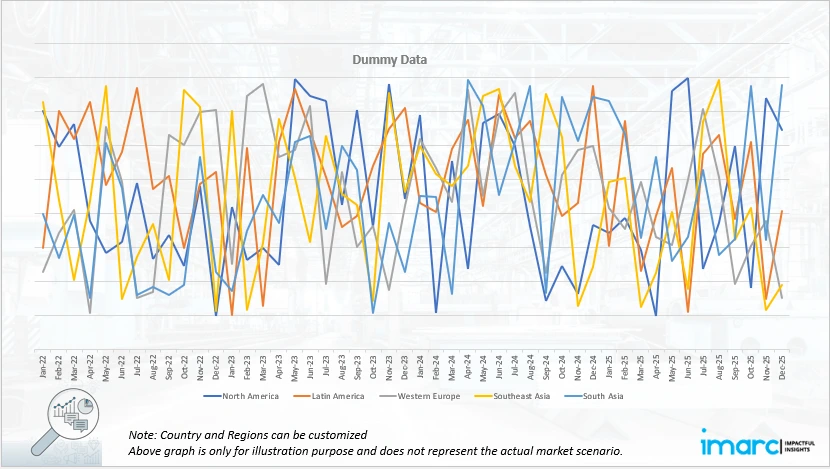
Aminobenzene Price Chart
Get real-time access to monthly/quarterly/yearly prices Request Sample
During the fourth quarter of 2025, the aminobenzene prices in the USA reached 1610 USD/MT in December. Prices edged lower as demand from dyes, rubber chemicals, and downstream chemical intermediates moderated. Additionally, adequate domestic availability reduced procurement urgency. Moreover, sourcing behavior reflected cautious inventory management aligned with softened downstream manufacturing activity.
During the fourth quarter of 2025, the aminobenzene prices in China reached 1182 USD/MT in December. Prices moved higher as demand from agrochemicals, dyes, and pharmaceutical intermediates improved. Furthermore, steady downstream utilization supported regular procurement. In addition, sourcing strategies emphasized inventory replenishment aligned with confirmed production schedules.
During the fourth quarter of 2025, the aminobenzene prices in Germany reached 1605 USD/MT in December. Prices advanced supported by demand from specialty chemicals, rubber processing additives, and industrial intermediates. Additionally, consistent operating rates across downstream processors encouraged active sourcing. Moreover, procurement decisions emphasized supply reliability and coordination with production planning.
During the fourth quarter of 2025, the aminobenzene prices in South Korea reached 1091 USD/MT in December. Prices strengthened as consumption from chemical intermediates and specialty formulations increased. Furthermore, steady downstream demand encouraged consistent procurement. In addition, sourcing behavior reflected inventory planning aligned with ongoing industrial production requirements.
During the fourth quarter of 2025, the aminobenzene prices in India reached 1372 USD/MT in December. Prices rose as demand from dyes, rubber chemicals, and pharmaceutical applications improved. Moreover, steady domestic consumption supported procurement activity. Additionally, sourcing strategies emphasized inventory optimization and alignment with confirmed downstream requirements.
Aminobenzene Prices Outlook Q3 2025
- USA: USD 1630/MT
- China: USD 1160/MT
- Germany: USD 1575/MT
- South Korea: USD 1070/MT
- India: USD 1350/MT
During the third quarter of 2025, the aminobenzene prices in the USA reached 1630 USD/MT in September. Prices moved upward as demand from dyes, rubber chemicals, and pharmaceutical intermediates strengthened. Higher procurement from downstream chemical manufacturers supported sourcing activity. Buyers aligned purchases with production schedules and distributor availability, while domestic supply conditions influenced procurement planning.
During the third quarter of 2025, the aminobenzene prices in China reached 1160 USD/MT in September. Prices increased due to steady demand from chemical intermediates, dyes, and agrochemical production. Improved downstream operating rates supported procurement volumes. Buyers coordinated sourcing with manufacturing requirements and inventory planning.
During the third quarter of 2025, the aminobenzene prices in Germany reached 1575 USD/MT in September. Prices moved downward amid softer demand from specialty chemicals and reduced offtake from downstream processors. Cautious purchasing behavior and inventory drawdowns influenced sourcing decisions. Buyers focused on aligning procurement with confirmed production needs.
During the third quarter of 2025, the aminobenzene prices in South Korea reached 1070 USD/MT in September. Prices declined as demand from dyes, resins, and chemical intermediates weakened. Reduced downstream operating rates and cautious distributor purchasing influenced procurement behavior. Buyers limited sourcing to near-term operational requirements.
During the third quarter of 2025, the aminobenzene prices in India reached 1350 USD/MT in September. Prices increased as demand from pharmaceuticals, dyes, and specialty chemical manufacturing improved. Higher downstream consumption supported procurement activity. Buyers aligned sourcing with production planning and distributor commitments.
Aminobenzene Prices Outlook Q2 2025
- USA: USD 1545/MT
- China: USD 1123/MT
- Germany: USD 1615/MT
- South Korea: USD 1172/MT
- India: USD 1320/MT
During the second quarter of 2025, the aminobenzene prices in the USA reached 1545 USD/MT in June. Demand from chemical intermediates, rubber additives, and pharmaceutical manufacturing shaped procurement activity. Buyers coordinated sourcing with production planning and inventory management strategies.
During the second quarter of 2025, the aminobenzene prices in China reached 1123 USD/MT in June. Consumption from dyes, agrochemical intermediates, and specialty chemical production influenced procurement patterns. Domestic production capacity and inventory availability supported material access.
During the second quarter of 2025, the aminobenzene prices in Germany reached 1615 USD/MT in June. Procurement was influenced by specialty chemical manufacturing and regulated downstream applications. Buyers aligned sourcing with quality compliance requirements and distributor delivery schedules.
During the second quarter of 2025, the aminobenzene prices in South Korea reached 1172 USD/MT in June. Demand from chemical processing and resin manufacturing guided sourcing decisions. Buyers coordinated procurement with operational requirements and inventory planning.
During the second quarter of 2025, the aminobenzene prices in India reached 1320 USD/MT in June. Demand from pharmaceutical intermediates and dye manufacturing shaped procurement volumes. Buyers structured sourcing around production schedules and distributor coordination.
Regional Coverage
The report provides a detailed analysis of the market across different regions, each with unique pricing dynamics influenced by localized market conditions, supply chain intricacies, and geopolitical factors. This includes price trends, price forecast and supply and demand trends for each region, along with spot prices by major ports. The report also provides coverage of FOB and CIF prices, as well as the key factors influencing the aminobenzene prices.
Europe Aminobenzene Price Trend
Q4 2025:
As per the aminobenzene price index, prices across Europe increased, supported by demand from specialty chemical manufacturing, rubber processing additives, and industrial intermediates. Additionally, steady operating rates across downstream processors encouraged consistent procurement activity. Moreover, sourcing strategies emphasized inventory replenishment, supplier reliability, and alignment with confirmed production schedules, with buyers prioritizing supply continuity and quality compliance over short-term cost considerations.
Q3 2025:
Europe experienced downward price movement, led by declines in Germany. Softer demand from specialty chemicals and downstream processors reduced regional consumption. Buyers relied on existing inventories and limited new procurement. Regulatory compliance requirements and cautious purchasing by manufacturers influenced sourcing behavior. Import availability supported continuity, with procurement aligned closely to confirmed production needs rather than forward inventory build-up.
Q2 2025:
In Europe, aminobenzene demand during the second quarter was shaped by procurement from specialty chemical manufacturers and regulated downstream applications. Buyers coordinated sourcing with production planning, quality requirements, and distributor scheduling. Import flows supported material availability, while procurement strategies focused on maintaining continuity of supply for ongoing manufacturing operations.
This analysis can be extended to include detailed aminobenzene price information for a comprehensive list of countries.
| Region | Countries Covered |
|---|---|
| Europe | Germany, France, United Kingdom, Italy, Spain, Russia, Turkey, Netherlands, Poland, Sweden, Belgium, Austria, Ireland, Switzerland, Norway, Denmark, Romania, Finland, Czech Republic, Portugal, and Greece, among other European countries. |
North America Aminobenzene Price Trend
Q4 2025:
As per the aminobenzene price index, prices in North America declined, influenced by moderated demand from dyes, rubber chemicals, and downstream industrial intermediates. Furthermore, comfortable inventory positions reduced procurement urgency among buyers. In addition, sourcing strategies emphasized cautious purchasing, inventory discipline, and alignment with near-term consumption visibility rather than forward stock accumulation.
Q3 2025:
North America experienced upward price movement, driven by increases in the USA. Stronger demand from rubber chemicals, dyes, and pharmaceutical intermediates supported regional consumption. Buyers increased procurement to meet production requirements. Domestic availability and established distribution networks supported continuity, with sourcing aligned to confirmed manufacturing schedules.
Q2 2025:
In North America, aminobenzene demand reflected procurement aligned with chemical manufacturing activity and distributor planning. Buyers coordinated sourcing with inventory management and production schedules. Domestic supply availability supported material access, while procurement strategies emphasized continuity for downstream chemical operations.
Specific aminobenzene historical data within the United States and Canada can also be provided.
| Region | Countries Covered |
|---|---|
| North America | United States and Canada |
Middle East and Africa Aminobenzene Price Trend
Q4 2025:
As per aminobenzene price chart, the prices in the Middle East and Africa fluctuated due to a complex interplay of factors, primarily driven by supply chain disruptions, seasonal demand shifts, and geopolitical influences.
Q3 2025:
The report explores the aminobenzene pricing trends and aminobenzene price chart in the Middle East and Africa, considering factors like regional industrial growth, the availability of natural resources, and geopolitical tensions that uniquely influence market prices.
In addition to region-wise data, information on aminobenzene prices for countries can also be provided.
| Region | Countries Covered |
|---|---|
| Middle East & Africa | Saudi Arabia, UAE, Israel, Iran, South Africa, Nigeria, Oman, Kuwait, Qatar, Iraq, Egypt, Algeria, and Morocco, among other Middle Eastern and African countries. |
Asia Pacific Aminobenzene Price Trend
Q4 2025:
Across Asia Pacific, aminobenzene prices increased, supported by demand from agrochemicals, dyes, pharmaceutical intermediates, and specialty chemical manufacturing. Furthermore, steady downstream utilization encouraged regular procurement across the region. In addition, sourcing strategies emphasized inventory planning, cost management, and alignment with localized production schedules rather than opportunistic purchasing.
Q3 2025:
Asia Pacific exhibited mixed price movement, shaped by declines in South Korea and increases in China and India. Reduced demand from resin and chemical processing softened South Korean consumption, while stronger offtake from dyes and pharmaceutical intermediates supported demand in China and India. Buyers adjusted sourcing strategies based on country-specific downstream conditions. Domestic production capacity and regional trade flows ensured material availability.
Q2 2025:
In Asia Pacific, aminobenzene demand was driven by chemical intermediates production, dyes manufacturing, and pharmaceutical applications across China, South Korea, and India. Buyers aligned sourcing with production planning, downstream demand visibility, and inventory management strategies. Regional supply availability supported continuity across key manufacturing hubs.
This aminobenzene price analysis can be expanded to include a comprehensive list of countries within the region.
| Region | Countries Covered |
|---|---|
| Asia Pacific | China, India, Indonesia, Pakistan, Bangladesh, Japan, Philippines, Vietnam, Thailand, South Korea, Malaysia, Nepal, Taiwan, Sri Lanka, Hongkong, Singapore, Australia, and New Zealand, among other Asian countries. |
Latin America Aminobenzene Price Trend
Q4 2025:
Latin America's aminobenzene market is predominantly influenced by its rich natural reserves, particularly in countries like Chile and Brazil. However, political instability and inconsistent regulatory frameworks can lead to significant volatility in aminobenzene prices.
Q3 2025:
Infrastructure challenges and logistical inefficiencies often impact the supply chain, affecting Latin America’s ability to meet international demand consistently. Moreover, the aminobenzene price index, economic fluctuations, and currency devaluation are critical factors that need to be considered when analyzing aminobenzene pricing trends in this region.
This comprehensive review can be extended to include specific countries within the region.
| Region | Countries Covered |
|---|---|
| Latin America | Brazil, Mexico, Argentina, Columbia, Chile, Ecuador, and Peru, among other Latin American countries. |
Aminobenzene Pricing Report, Market Analysis, and News
IMARC's latest publication, “Aminobenzene Prices, Trend, Chart, Demand, Market Analysis, News, Historical and Forecast Data Report 2026 Edition,” presents a detailed examination of the aminobenzene market, providing insights into both global and regional trends that are shaping prices. This report delves into the spot price of aminobenzene at major ports and analyzes the composition of prices, including FOB and CIF terms. It also presents detailed aminobenzene prices trend analysis by region, covering North America, Europe, Asia Pacific, Latin America, and Middle East and Africa. The factors affecting aminobenzene pricing, such as the dynamics of supply and demand, geopolitical influences, and sector-specific developments, are thoroughly explored. This comprehensive report helps stakeholders stay informed with the latest market news, regulatory updates, and technological progress, facilitating informed strategic decision-making and forecasting.
Aminobenzene Industry Analysis
The global aminobenzene industry size reached 8.0 Million Tons in 2025. By 2034, IMARC Group expects the market to reach 12.0 Million Tons, at a projected CAGR of 4.65% during 2026-2034. Market growth is driven by sustained demand from dyes, rubber chemicals, pharmaceutical intermediates, and specialty chemical manufacturing, along with continued use of aminobenzene as a key building block across multiple industrial value chains.
Latest News and Developments:
- September 2025: Researchers from the Department of Physics, Indian Institute of Space Science and Technology, Kerala, published findings on the fundamental dissociation behavior of aniline (aminobenzene) molecules under UV-induced multiphoton ionization. The study details the fragment channels and internal energy dependence of aminobenzene’s primary and secondary dissociation pathways, using advanced kinetic energy-correlated mass spectrometry to support the experimental results.
- February 2024: Covestro opened the world’s first pilot plant at its Chempark Leverkusen site to produce bio-based aniline from plant biomass instead of petroleum, using fermentation and catalysis to reduce carbon emissions and advance circular chemistry. The facility will produce significant quantities to refine the process for industrial scale and support sustainable plastics production while requiring further development with scientific partners.
Product Description
Aminobenzene is an organic compound and consists of a phenyl group attached to an amino group, making it the simplest aromatic amine. It is a colorless to slightly yellow liquid with a distinct odor. It is derived from benzene by replacing one hydrogen atom with an amino group. It is a weak base, and its reactivity is influenced by the amino group attached to the aromatic ring, which makes it a nucleophile.
The benefits of aminobenzene are manifold, primarily stemming from its versatility and effectiveness as a chemical intermediate. In the dye industry, aminobenzene enables the production of a wide range of colors, enhancing the aesthetic quality of fabrics and other materials. In pharmaceuticals, aminobenzene-derived drugs have significant therapeutic benefits, providing pain relief and treating infections. The polymer industry benefits from aminobenzene through the production of polyurethane, which offers superior insulation properties, energy efficiency, and comfort in various applications. Aminobenzene-based compounds can help remove heavy metals and other pollutants from industrial effluents, contributing to cleaner water resources. This environmental application underscores aminobenzene's potential in addressing contemporary environmental challenges, further emphasizing its value beyond traditional industrial uses.
Report Coverage
| Key Attributes | Details |
|---|---|
| Product Name | Aminobenzene |
| Report Features | Exploration of Historical Trends and Market Outlook, Industry Demand, Industry Supply, Gap Analysis, Challenges, Aminobenzene Price Analysis, and Segment-Wise Assessment. |
| Currency/Units | US$ (Data can also be provided in local currency) or Metric Tons |
| Region/Countries Covered | The current coverage includes analysis at the global and regional levels only. Based on your requirements, we can also customize the report and provide specific information for the following countries: Asia Pacific: China, India, Indonesia, Pakistan, Bangladesh, Japan, Philippines, Vietnam, Thailand, South Korea, Malaysia, Nepal, Taiwan, Sri Lanka, Hongkong, Singapore, Australia, and New Zealand* Europe: Germany, France, United Kingdom, Italy, Spain, Russia, Turkey, Netherlands, Poland, Sweden, Belgium, Austria, Ireland, Switzerland, Norway, Denmark, Romania, Finland, Czech Republic, Portugal and Greece* North America: United States and Canada Latin America: Brazil, Mexico, Argentina, Columbia, Chile, Ecuador, and Peru* Middle East & Africa: Saudi Arabia, UAE, Israel, Iran, South Africa, Nigeria, Oman, Kuwait, Qatar, Iraq, Egypt, Algeria, and Morocco* *The list of countries presented is not exhaustive. Information on additional countries can be provided if required by the client. |
| Information Covered for Key Suppliers |
|
| Customization Scope | The report can be customized as per the requirements of the customer |
| Report Price and Purchase Option |
Plan A: Monthly Updates - Annual Subscription
Plan B: Quarterly Updates - Annual Subscription
Plan C: Biannually Updates - Annual Subscription
|
| Post-Sale Analyst Support | 360-degree analyst support after report delivery |
| Delivery Format | PDF and Excel through email (We can also provide the editable version of the report in PPT/Word format on special request) |
Key Benefits for Stakeholders:
- IMARC’s report presents a detailed analysis of aminobenzene pricing, covering global and regional trends, spot prices at key ports, and a breakdown of Ex Works, FOB, and CIF prices.
- The study examines factors affecting aminobenzene price trend, including raw material costs, supply-demand shifts, geopolitical impacts, and industry developments, offering insights for informed decision-making.
- The competitive landscape review equips stakeholders with crucial insights into the latest market news, regulatory changes, and technological advancements, ensuring a well-rounded, strategic overview for forecasting and planning.
- IMARC offers various subscription options, including monthly, quarterly, and biannual updates, allowing clients to stay informed with the latest market trends, ongoing developments, and comprehensive market insights. The aminobenzene price charts ensure our clients remain at the forefront of the industry.
Need more help?
- Speak to our experienced analysts for insights on the current market scenarios.
- Include additional segments and countries to customize the report as per your requirement.
- Gain an unparalleled competitive advantage in your domain by understanding how to utilize the report and positively impacting your operations and revenue.
- For further assistance, please connect with our analysts.
 Request Customization
 Inquire Before Buying
 Speak to an Analyst
 Request Brochure
Benefits of Customization
- Personalize this research
- Triangulate with your data
- Get data as per your format and definition
- Gain a deeper dive into a specific application, geography, customer, or competitor
- Any level of personalization
Get in Touch With Us
UNITED STATES
Phone: +1-201-971-6302
INDIA
Phone: +91-120-433-0800
UNITED KINGDOM
Phone: +44-753-714-6104
Email: [email protected]
Client Testimonials




.webp)




.webp)













Related Reports

Why Choose Us
IMARC offers trustworthy, data-centric insights into commodity pricing and evolving market trends, enabling businesses to make well-informed decisions in areas such as procurement, strategic planning, and investments. With in-depth knowledge spanning more than 1000 commodities and a vast global presence in over 150 countries, we provide tailored, actionable intelligence designed to meet the specific needs of diverse industries and markets.
1000
+Commodities
150
+Countries Covered
3000
+Clients
20
+Industry

Robust Methodologies & Extensive Resources
IMARC delivers precise commodity pricing insights using proven methodologies and a wealth of data to support strategic decision-making.

Subscription-Based Databases
Our extensive databases provide detailed commodity pricing, import-export trade statistics, and shipment-level tracking for comprehensive market analysis.

Primary Research-Driven Insights
Through direct supplier surveys and expert interviews, we gather real-time market data to enhance pricing accuracy and trend forecasting.

Extensive Secondary Research
We analyze industry reports, trade publications, and market studies to offer tailored intelligence and actionable commodity market insights.
Trusted by 3000+ industry leaders worldwide to drive data-backed decisions. From global manufacturers to government agencies, our clients rely on us for accurate pricing, deep market intelligence, and forward-looking insights.