
Aspartame Prices, Trend, Chart, Demand, Market Analysis, News, Historical and Forecast Data Report 2026 Edition
Aspartame Price Trend, Index and Forecast
Track the latest insights on aspartame price trend and forecast with detailed analysis of regional fluctuations and market dynamics across North America, Latin America, Central Europe, Western Europe, Eastern Europe, Middle East, North Africa, West Africa, Central and Southern Africa, Central Asia, Southeast Asia, South Asia, East Asia, and Oceania.
Aspartame Prices Outlook Q1 2026
- USA: USD 9436/MT
- China: USD 9445/MT
- Germany: USD 9510/MT
- France: USD 9658/MT
- Brazil: USD 9293/MT
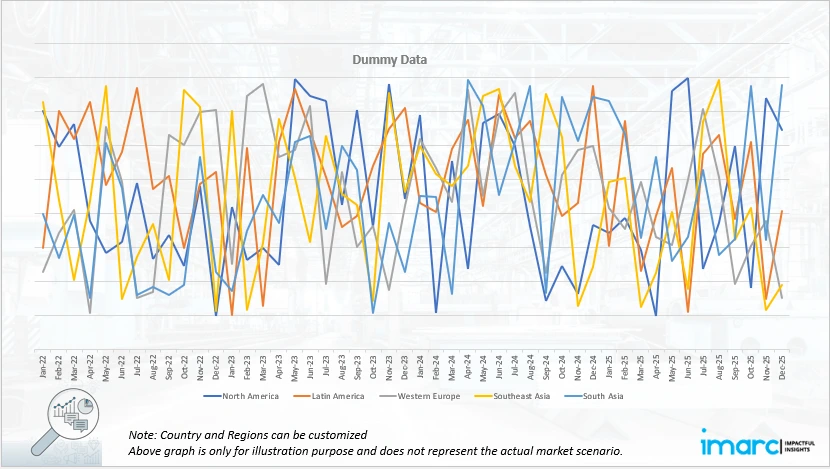
Aspartame Price Chart
Get real-time access to monthly/quarterly/yearly prices Request Sample
During the first quarter of 2026, the aspartame prices in the USA reached 9436 USD/MT in March. Prices moved upward as downstream beverage and processed food buyers returned to fresh procurement after earlier cautious purchasing. Demand from diet drinks, sugar free confectionery, tabletop sweeteners, and pharmaceutical formulations supported stronger offtake. At the same time, suppliers maintained firmer offers due to higher production costs linked to amino acid feedstocks, utilities, and packaging.
During the first quarter of 2026, the aspartame prices in China reached 9445 USD/MT in March. Prices increased as domestic and export demand improved after a slower previous quarter. Buyers from the beverage, dairy, confectionery, and pharmaceutical segments resumed procurement to secure material for near term production schedules. With sellers resisting discounts and buyers covering requirements more actively, the market tone stayed firm through the quarter, supporting the upward movement in aspartame prices.
During the first quarter of 2026, the aspartame prices in Germany reached 9510 USD/MT in March. Prices rose as demand from low calorie beverages, processed foods, confectionery, and pharmaceutical products improved across the quarter. German buyers relied on imported material, so supplier offers were shaped by landed costs, freight conditions, customs clearance, and currency related purchasing pressure. Feedstock linked production costs stayed firm, which reduced room for price negotiation.
During the first quarter of 2026, the aspartame prices in France reached 9658 USD/MT in March. Prices increased as downstream consumption improved from beverage makers, food processors, dairy product manufacturers, and nutraceutical producers. Buyers were more active in replenishing inventories after earlier cautious procurement, especially for formulations positioned around sugar reduction. Import dependence kept the French market exposed to freight costs, documentation requirements, and supplier pricing from Asian origins.
During the first quarter of 2026, the aspartame prices in Brazil reached 9293 USD/MT in March. Prices increased as demand from soft drink, powdered beverage, confectionery, and pharmaceutical buyers improved across the quarter. Brazilian importers faced firm landed costs, influenced by freight expenses, currency pressure, and supplier offers from overseas markets. Distributors replenished inventories to prepare for steady consumption in food and beverage manufacturing.
Aspartame Prices Outlook Q4 2025
- USA: USD 8988/MT
- China: USD 8917/MT
- Germany: USD 8962/MT
- France: USD 9092/MT
- Brazil: USD 8840/MT
During the fourth quarter of 2025, the aspartame prices in the USA reached 8988 USD/MT in December. The market recorded a firm price movement supported by sustained demand from beverage and processed food manufacturers that rely on low calorie sweeteners. Strong procurement activity from beverage formulators preparing for seasonal product launches supported purchasing volumes. Supply conditions remained moderately balanced as producers maintained steady operating rates while managing feedstock availability.
During the fourth quarter of 2025, the aspartame prices in China reached 8917 USD/MT in December. The market observed upward pricing pressure supported by healthy demand from the domestic food and beverage sector. Beverage manufacturers increased procurement volumes to support the production of low calorie drinks and flavored beverages. Production facilities maintained stable output levels, although supply management strategies by manufacturers supported controlled market availability.
During the fourth quarter of 2025, the aspartame prices in Germany reached 8962 USD/MT in December. The market experienced gradual price strengthening driven by steady demand from beverage manufacturers and food processing industries. The shift toward reduced sugar formulations in carbonated beverages and dairy products supported procurement activity from manufacturers seeking alternative sweeteners. Market sentiment remained stable as producers maintained consistent production schedules while ensuring supply availability to European buyers.
During the fourth quarter of 2025, the aspartame prices in France reached 9092 USD/MT in December. The market displayed strong pricing momentum supported by active purchasing from the beverage and food processing sectors. Demand for low calorie sweetening agents increased as beverage companies expanded production of diet drinks and flavored water products. Supply conditions remained stable as distributors maintained adequate inventories to meet industrial demand.
During the fourth quarter of 2025, the aspartame prices in Brazil reached 8840 USD/MT in December. The market recorded firm pricing supported by rising consumption from the beverage and processed food industries. Beverage producers increased procurement of artificial sweeteners to support expanding production of low sugar soft drinks and flavored beverages. Import shipments played an important role in supplementing domestic supply as distributors responded to rising industrial demand.
Aspartame Prices Outlook Q3 2025
- USA: USD 8674/MT
- China: USD 8583/MT
- Germany: USD 8610/MT
- France: USD 8705/MT
- Brazil: USD 8427/MT
During the third quarter of 2025, the aspartame prices in the USA reached 8674 USD/MT in September. The US market experienced a softening price environment due to subdued demand from the food and beverage sector, particularly from diet beverage manufacturers, adjusting procurement strategies. Improved domestic inventory availability reduced urgency among buyers, while steady raw material sourcing limited cost pressures. Additionally, competitive import offers created downward pricing sentiment.
During the third quarter of 2025, the aspartame prices in China reached 8583 USD/MT in September. Prices declined as export demand weakened and domestic consumption slowed amid conservative buying by downstream food processors. Adequate production levels and stable operating rates among manufacturers resulted in comfortable supply conditions. Export competitiveness was impacted by muted overseas inquiries, leading suppliers to adjust prices to maintain market share.
During the third quarter of 2025, the aspartame prices in Germany reached 8610 USD/MT in September. The market faced declining prices due to reduced procurement from the confectionery and pharmaceutical sectors. Sufficient stock levels and steady imports eased supply concerns. Energy cost stability lowered production expenses, while cautious buyer sentiment limited spot transactions. Additionally, broader European market softness influenced pricing strategies, prompting sellers to offer competitive rates.
During the third quarter of 2025, the aspartame prices in France reached 8705 USD/MT in September. Prices softened as food manufacturers reduced short term purchasing amid adequate contract coverage. Supply availability remained stable due to uninterrupted regional trade flows. Lower logistical constraints and balanced production output minimized cost escalation. Furthermore, competitive pricing from neighboring markets pressured domestic suppliers to revise offers downward.
During the third quarter of 2025, the aspartame prices in Brazil reached 8427 USD/MT in September. The market saw price declines driven by weaker demand from beverage producers and sufficient import availability. Currency stability supported predictable import costs, while improved port operations ensured smooth inflows. Buyers adopted a wait and see approach, limiting spot market activity. Ample supply coverage and reduced urgency in restocking led sellers to adjust prices downward to stimulate transactions.
Aspartame Prices Outlook Q2 2025
- USA: USD 8860/MT
- China: USD 8740/MT
- Germany: USD 8822/MT
- France: USD 8910/MT
- Brazil: USD 8697/MT
During the second quarter of 2025, the aspartame prices in the USA reached 8860 USD/MT in June. In the USA, aspartame prices were influenced by steady demand from the food and beverage sector, particularly in low-calorie and sugar-free products. Imports played a major role in supply, with costs shaped by shipping rates, customs duties, and port logistics. Domestic distribution through extensive retail networks added warehousing and trucking expenses. Compliance with Food and Drug Administration standards for food additives increased certification and testing costs, further shaping procurement economics for manufacturers and distributors.
During the second quarter of 2025, aspartame prices in China reached 8740 USD/MT in June. In China, aspartame prices were driven by robust demand from the beverage and food processing industries, alongside significant export activity to global markets. Production costs were influenced by feedstock availability, energy tariffs, and labor conditions in chemical hubs. Export volumes to North America and Europe shaped domestic allocation. Logistics expenses, including inland transportation and port congestion, further contributed to supply chain costs. Compliance with environmental regulations for chemical plants added operational pressures, affecting overall production economics.
During the second quarter of 2025, the aspartame prices in Germany reached 8822 USD/MT in June. In Germany, aspartame prices were shaped by demand from the food and beverage industry, especially in processed foods and soft drinks. Supply relied heavily on imports, with landed costs influenced by freight charges, port handling, and customs procedures. High energy tariffs and labor costs increased expenses for any domestic processing. Compliance with European Union food safety regulations required rigorous certification and traceability, while inland logistics, including trucking and warehousing, further added to procurement and distribution costs.
During the second quarter of 2025, the aspartame prices in France reached 8910 USD/MT in June. In France, aspartame prices were influenced by demand from the beverage, confectionery, and bakery industries. Supply was import-dependent, with costs impacted by international freight charges, customs regulations, and port handling. Domestic processing costs were shaped by high energy tariffs and labor expenses. Compliance with European Union standards for food additives required extensive testing and certification, increasing operational expenses. Inland logistics and storage requirements across distribution networks further added to procurement costs for producers and distributors.
During the second quarter of 2025, the aspartame prices in Brazil reached 8697 USD/MT in June. In Brazil, aspartame prices were guided by demand from food processing and beverage industries, particularly for low-sugar and diet products. Limited domestic production created reliance on imports, making landed costs sensitive to freight rates, port inefficiencies, and customs procedures. Currency volatility of the Brazilian real against the US dollar significantly influenced procurement costs. Domestic logistics challenges, including long-haul trucking and infrastructure bottlenecks, further added to distribution expenses, while compliance with national food safety regulations increased testing and certification costs.
Regional Coverage
The report provides a detailed analysis of the market across different regions, each with unique pricing dynamics influenced by localized market conditions, supply chain intricacies, and geopolitical factors. This includes price trends, price forecast and supply and demand trends for each region, along with spot prices by major ports. The report also provides coverage of FOB and CIF prices, as well as the key factors influencing aspartame prices.
Europe Aspartame Price Trend
Q1 2026:
The aspartame price index in Europe moved upward as demand improved across beverage, confectionery, dairy, bakery, nutraceutical, and pharmaceutical applications. Regional buyers increased procurement after earlier cautious inventory management, especially for formulations linked to sugar reduction and calorie control. Import dependence remained a major pricing factor, as landed costs were influenced by freight charges, supplier offers, customs clearance, and currency related purchasing pressure. Sellers maintained firm quotations as replacement costs for amino acid based inputs and processing costs stayed elevated.
Q4 2025:
The aspartame price index in Europe experienced a firm upward movement as strong demand from beverage manufacturers supported consistent procurement activity. Food processing industries across the region increased the use of low calorie sweeteners in response to the growing consumer preference for sugar free products. Production levels among regional suppliers remained stable, ensuring balanced supply conditions across European markets. Import shipments from international producers supplemented regional inventories and supported supply continuity.
Q3 2025:
In the third quarter of 2025, the aspartame price index in Europe reflected a sustained downward trajectory as demand from the food, beverage, and pharmaceutical sectors weakened across major consuming countries. Buyers relied heavily on previously secured contractual volumes, limiting spot market participation and reducing immediate purchasing pressure. Production levels remained stable, while intra regional trade flows ensured consistent material movement without supply bottlenecks.
Q2 2025:
As per the aspartame price index, European aspartame prices were shaped by demand from the food and beverage industry, especially in low-calorie soft drinks, confectionery, and bakery products. Supply was largely import-dependent, with costs influenced by international freight charges, port operations, and customs requirements. High energy tariffs and labor costs increased expenses for any domestic refining or processing. Compliance with strict European Union food safety and additive regulations added testing and certification requirements, further raising operational expenses. Inland logistics, including trucking across multiple countries and warehousing, also added to overall distribution costs.
This analysis can be extended to include detailed aspartame price information for a comprehensive list of countries.
| Region | Countries Covered |
|---|---|
| Europe | Germany, France, United Kingdom, Italy, Spain, Russia, Turkey, Netherlands, Poland, Sweden, Belgium, Austria, Ireland, Switzerland, Norway, Denmark, Romania, Finland, Czech Republic, Portugal, and Greece, among other European countries. |
North America Aspartame Price Trend
Q1 2026:
The aspartame price index in North America increased as consumption from diet beverages, sugar free foods, tabletop sweeteners, and pharmaceutical formulations strengthened. Buyers returned to the spot market after earlier inventory drawdowns and covered material for spring and summer production plans. Import costs remained important because regional supply chains continued to depend on overseas producers for a meaningful share of requirements. Sellers raised offers as feedstock costs, packaging expenses, and replacement values stayed firm.
Q4 2025:
The aspartame price index in North America recorded a positive pricing trend driven by steady demand from beverage companies producing diet soft drinks and flavored beverages. Food manufacturers across the region increased procurement of artificial sweeteners for reduced sugar product formulations. Market supply remained stable as producers maintained consistent production levels and distributors managed inventories effectively. Import activity from global suppliers supported market liquidity and strengthened supply availability.
Q3 2025:
During Q3 2025, the aspartame price index in North America softened as procurement behavior became increasingly cautious. Beverage manufacturers adjusted sourcing volumes in line with normalized consumption patterns, reducing incremental demand growth. Supply availability remained sufficient due to steady manufacturing output and well aligned inventory levels. Raw material procurement was predictable, limiting cost volatility for producers. Logistics efficiency across domestic and cross border routes further reduced supply side pressures.
Q2 2025:
As per the aspartame price index, in North America, aspartame prices were influenced by demand from foodservice, packaged food, and beverage producers. Supply relied on both domestic production and imports, with procurement costs shaped by international shipping charges, customs documentation, and port handling. Feedstock availability, energy tariffs, and labor conditions impacted domestic production economics. Regulatory compliance with Food and Drug Administration standards required extensive testing, certification, and quality controls. Wide geographic distribution, including warehousing and long-haul trucking, added logistics costs across consumer and industrial markets.
Specific aspartame historical data within the United States and Canada can also be provided.
| Region | Countries Covered |
|---|---|
| North America | United States and Canada |
Middle East and Africa Aspartame Price Trend
Q1 2026:
The study examines the trends and price chart for aspartame in the Middle East and Africa, taking into account variables that specifically affect market prices, such as regional industrial expansion, the availability of natural resources, and geopolitical conflicts.
Q4 2025:
The report explores the aspartame pricing trends and aspartame price chart in the Middle East and Africa, considering factors like regional industrial growth, the availability of natural resources, and geopolitical tensions that uniquely influence market prices.
Q3 2025:
As per the aspartame price chart, the prices in the Middle East and Africa fluctuated due to a complex interplay of factors, primarily driven by supply chain disruptions, seasonal demand shifts, and geopolitical influences.
In addition to region-wise data, information on aspartame prices for countries can also be provided.
| Region | Countries Covered |
|---|---|
| Middle East and Africa | Saudi Arabia, UAE, Israel, Iran, South Africa, Nigeria, Oman, Kuwait, Qatar, Iraq, Egypt, Algeria, and Morocco, among other Middle Eastern and African countries. |
Asia Pacific Aspartame Price Trend
Q1 2026:
In the Asia Pacific, aspartame prices showed an upward trend. Manufacturing activity remained strong, particularly in sectors such as automotive, electronics, and packaging, which supported steady consumption of recycled aluminium. Scrap availability remained moderate as industrial output levels influenced generation volumes. Import flows provided additional supply but did not fully offset the pressure from strong domestic demand. Regulatory measures affecting recycling operations influenced processing capacity and supply conditions.
Q4 2025:
Across the Asia Pacific region, aspartame prices strengthened due to consistent demand from the beverage and processed food industries. Rapid growth in the consumption of low calorie beverages encouraged manufacturers to increase procurement of artificial sweeteners. Production activities in major manufacturing countries remained steady, supporting supply availability within the region. Export shipments from leading producers also contributed to active trading conditions across international markets.
Q3 2025:
During the third quarter of 2025, the Asia Pacific aspartame market recorded declining prices due to well balanced supply conditions and reduced export activity. Manufacturing operations across the region ran at steady utilization rates, ensuring consistent output without excess tightening. Export inquiries softened as international buyers adopted cautious purchasing strategies, easing external demand pressure. Domestic buyers also avoided bulk purchases, opting for need based procurement amid comfortable inventory positions.
Q2 2025:
In Asia Pacific, aspartame prices were driven by strong demand from the beverage, confectionery, and processed food sectors, with China and India serving as key production hubs. Production costs were shaped by feedstock availability, energy tariffs, and labor conditions in chemical manufacturing clusters. Export allocations to Europe and North America influenced domestic supply availability. Logistics expenses, including inland trucking and port handling, added to procurement costs. Compliance with both domestic food safety standards and international certification requirements further increased operational costs for producers.
This aspartame price analysis can be expanded to include a comprehensive list of countries within the region.
| Region | Countries Covered |
|---|---|
| Asia Pacific | China, India, Indonesia, Pakistan, Bangladesh, Japan, Philippines, Vietnam, Thailand, South Korea, Malaysia, Nepal, Taiwan, Sri Lanka, Hongkong, Singapore, Australia, and New Zealand, among other Asian countries. |
Latin America Aspartame Price Trend
Q1 2026:
In Latin America, aspartame prices increased as importers and distributors responded to firmer overseas offers and stronger downstream buying. Brazil led regional activity due to demand from soft drinks, powdered beverages, confectionery, dairy products, and pharmaceutical applications. Import dependence kept the region exposed to freight costs, currency changes, and supplier pricing from Asian origins. Buyers increased purchases to secure material for routine production and to avoid delays in shipment arrivals.
Q4 2025:
In Latin America, the aspartame market experienced strengthening prices supported by rising demand from beverage manufacturers producing sugar free drinks. Food processing companies also increased procurement volumes as they expanded reduced sugar product lines. Supply availability remained stable as distributors managed inventory levels while maintaining consistent import flows. Logistics activity across major ports and inland distribution networks supported timely deliveries to industrial buyers.
Q3 2025:
Latin American aspartame prices trended downward as import availability remained ample and downstream demand showed cautious behavior. Buyers delayed procurement decisions in anticipation of favorable pricing opportunities, limiting immediate market activity. Sellers responded by revising offers to encourage transaction flow and prevent inventory buildup. Supply chains operated smoothly, with no significant logistical disruptions impacting availability. Additionally, stable currency conditions reduced cost uncertainty for importers, enabling predictable pricing strategies and reinforcing the gradual downward trend across regional markets.
Q2 2025:
In Latin America, particularly Brazil, aspartame prices were guided by demand from beverage bottlers, confectionery makers, and food processing industries. Limited local production capacity created reliance on imports, making landed costs highly sensitive to international freight rates, port inefficiencies, and customs clearance. Currency fluctuations of the Brazilian real against the US dollar significantly affected procurement economics. Domestic logistics challenges, including long-haul trucking and infrastructure constraints, raised distribution expenses. Compliance with national food safety and labeling regulations added certification and quality assurance requirements, further shaping procurement strategies.
This comprehensive review can be extended to include specific countries within the region.
| Region | Countries Covered |
|---|---|
| Latin America | Brazil, Mexico, Argentina, Columbia, Chile, Ecuador, and Peru, among other Latin American countries.Brazil, Mexico, Argentina, Columbia, Chile, Ecuador, and Peru, among other Latin American countries. |
Aspartame Pricing Report, Market Analysis, and News
IMARC's latest publication, “Aspartame Prices, Trend, Chart, Demand, Market Analysis, News, Historical and Forecast Data Report 2026 Edition,” presents a detailed examination of the aspartame market, providing insights into both global and regional trends that are shaping prices. This report delves into the spot price of aspartame at major ports and analyzes the composition of prices, including FOB and CIF terms. It also presents detailed aspartame prices trend analysis by region, covering North America, Europe, Asia Pacific, Latin America, and Middle East and Africa. The factors affecting aspartame pricing, such as the dynamics of supply and demand, geopolitical influences, and sector-specific developments, are thoroughly explored. This comprehensive report helps stakeholders stay informed with the latest market news, regulatory updates, and technological progress, facilitating informed strategic decision-making and forecasting.
Aspartame Industry Analysis
The global aspartame market size reached USD 426.4 Million in 2025. By 2034, IMARC Group expects the market to reach USD 580.1 Million, at a projected CAGR of 3.48% during 2026-2034. The market is primarily driven by the rising demand for low calorie sweeteners, expanding food and beverage applications, and increasing health conscious consumer preferences.
Latest News and Developments:
- July 2025: A new systematic review of controlled intervention studies found little evidence that aspartame affects glucose metabolism, insulin, or appetite related hormones. Researchers screened evidence and analyzed 100 experiments, mostly short term studies in healthy adults and people with glucose issues or aspartame sensitivity. Acute trials showed lower glucose and insulin responses versus sugars or other nutritive ingredients, with limited differences versus vehicles or low calorie sweeteners.
- February 2025: The US Food and Drug Administration reaffirmed the safety of aspartame following external reviews by IARC and JECFA. The FDA said the evidence does not support a cancer link and cited significant study limitations. JECFA maintained existing intake limits, and regulators in Europe and Canada also consider aspartame safe at approved levels. The FDA said it will continue monitoring emerging scientific evidence.
Product Description
Aspartame is a low calorie artificial sweetener that is approximately 200 times sweeter than sucrose (regular sugar). Chemically, aspartame is the methyl ester of a dipeptide composed of two amino acids: aspartic acid and phenylalanine. It is produced through a fermentation process that combines these amino acids, resulting in a sweetener that can be used in a wide range of applications.
Due to its intense sweetness, only a small amount is needed to achieve the desired flavor, making it a popular choice in a variety of food and beverage products. Aspartame provides sweetness without adding significant calories, which makes it particularly useful for those looking to reduce sugar intake or manage calorie consumption. Aspartame usage does not have any effect on blood glucose levels, and it can be safely consumed by individuals with diabetes. It is widely used in soft drinks, gums, gelatin, dessert mix, pudding, and tabletop sweeteners, and some pharmaceutical products like chewable vitamins and cough drops. It is available in different forms, such as powdered and liquid, considering the unique conditions of each manufacturing process and product formulations.
Report Coverage
| Key Attributes | Details |
|---|---|
| Product Name | Aspartame |
| Report Features | Exploration of Historical Trends and Market Outlook, Industry Demand, Industry Supply, Gap Analysis, Challenges, Aspartame Price Analysis, and Segment-Wise Assessment. |
| Currency/Units | US$ (Data can also be provided in local currency) or Metric Tons |
| Region/Countries Covered | The current coverage includes analysis at the global and regional levels only. Based on your requirements, we can also customize the report and provide specific information for the following countries: Asia Pacific: China, India, Indonesia, Pakistan, Bangladesh, Japan, Philippines, Vietnam, Thailand, South Korea, Malaysia, Nepal, Taiwan, Sri Lanka, Hongkong, Singapore, Australia, New Zealand Europe: Germany, France, United Kingdom, Italy, Spain, Russia, Turkey, Netherlands, Poland, Sweden, Belgium, Austria, Ireland, Switzerland, Norway, Denmark, Romania, Finland, Czech Republic, Portugal, Greece North America: United States, Canada Latin America: Brazil, Mexico, Argentina, Columbia, Chile, Ecuador, Peru Middle East & Africa: Saudi Arabia, UAE, Israel, Iran, South Africa, Nigeria, Oman, Kuwait, Qatar, Iraq, Egypt, Algeria, Morocco The list of countries presented is not exhaustive. Information on additional countries can be provided if required by the client. |
| Information Covered for Key Suppliers |
|
| Customization Scope | The report can be customized as per the requirements of the customer |
| Report Price and Purchase Option |
Plan A: Monthly Updates - Annual Subscription
Plan B: Quarterly Updates - Annual Subscription
Plan C: Biannually Updates - Annual Subscription
|
| Post-Sale Analyst Support | 360-degree analyst support after report delivery |
| Delivery Format | PDF and Excel through email (We can also provide the editable version of the report in PPT/Word format on special request) |
Key Benefits for Stakeholders:
- IMARC’s report presents a detailed analysis of aspartame pricing, covering global and regional trends, spot prices at key ports, and a breakdown of Ex Works, FOB, and CIF prices.
- The study examines factors affecting aspartame price trend, including raw material costs, supply-demand shifts, geopolitical impacts, and industry developments, offering insights for informed decision-making.
- The competitive landscape review equips stakeholders with crucial insights into the latest market news, regulatory changes, and technological advancements, ensuring a well-rounded, strategic overview for forecasting and planning.
- IMARC offers various subscription options, including monthly, quarterly, and biannual updates, allowing clients to stay informed with the latest market trends, ongoing developments, and comprehensive market insights. The aspartame price charts ensure our clients remain at the forefront of the industry.
Need more help?
- Speak to our experienced analysts for insights on the current market scenarios.
- Include additional segments and countries to customize the report as per your requirement.
- Gain an unparalleled competitive advantage in your domain by understanding how to utilize the report and positively impacting your operations and revenue.
- For further assistance, please connect with our analysts.
 Request Customization
 Inquire Before Buying
 Speak to an Analyst
 Request Brochure
Benefits of Customization
- Personalize this research
- Triangulate with your data
- Get data as per your format and definition
- Gain a deeper dive into a specific application, geography, customer, or competitor
- Any level of personalization
Get in Touch With Us
UNITED STATES
Phone: +1-201-971-6302
INDIA
Phone: +91-120-433-0800
UNITED KINGDOM
Phone: +44-753-714-6104
Email: [email protected]
Client Testimonials




.webp)




.webp)













Related Reports

Why Choose Us
IMARC offers trustworthy, data-centric insights into commodity pricing and evolving market trends, enabling businesses to make well-informed decisions in areas such as procurement, strategic planning, and investments. With in-depth knowledge spanning more than 1000 commodities and a vast global presence in over 150 countries, we provide tailored, actionable intelligence designed to meet the specific needs of diverse industries and markets.
1000
+Commodities
150
+Countries Covered
3000
+Clients
20
+Industry

Robust Methodologies & Extensive Resources
IMARC delivers precise commodity pricing insights using proven methodologies and a wealth of data to support strategic decision-making.

Subscription-Based Databases
Our extensive databases provide detailed commodity pricing, import-export trade statistics, and shipment-level tracking for comprehensive market analysis.

Primary Research-Driven Insights
Through direct supplier surveys and expert interviews, we gather real-time market data to enhance pricing accuracy and trend forecasting.

Extensive Secondary Research
We analyze industry reports, trade publications, and market studies to offer tailored intelligence and actionable commodity market insights.
Trusted by 3000+ industry leaders worldwide to drive data-backed decisions. From global manufacturers to government agencies, our clients rely on us for accurate pricing, deep market intelligence, and forward-looking insights.