
Biotin Prices, Trend, Chart, Demand, Market Analysis, News, Historical and Forecast Data Report 2026 Edition
Biotin Price Trend, Index and Forecast
Track the latest insights on biotin price trend and forecast with detailed analysis of regional fluctuations and market dynamics across North America, Latin America, Central Europe, Western Europe, Eastern Europe, Middle East, North Africa, West Africa, Central and Southern Africa, Central Asia, Southeast Asia, South Asia, East Asia, and Oceania.
Biotin Prices Outlook Q2 2026
- USA: USD 17942/MT
- Germany: USD 24966/MT
- China: USD 27651/MT
- Brazil: USD 21848/MT
- India: USD 24707/MT
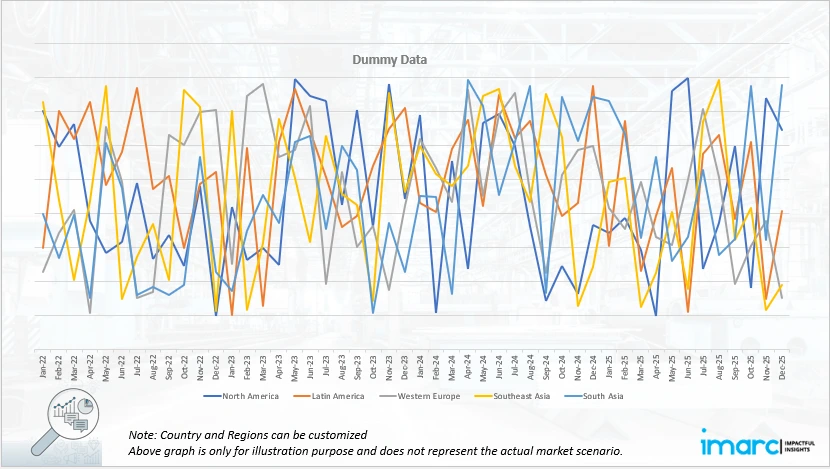
Biotin Price Chart
Get real-time access to monthly/quarterly/yearly prices Request Sample
During the second quarter of 2026, biotin prices in USA reached 17942 USD/MT in June. The market recorded upward movement due to stronger demand from dietary supplement manufacturers and increased consumption across nutrition and personal care applications. Limited availability from some suppliers contributed to tighter market conditions, supporting higher pricing. Manufacturers faced rising pressure from production expenses and quality requirements associated with pharmaceutical grade biotin production.
During the second quarter of 2026, biotin prices in Germany reached 24966 USD/MT in June. The market experienced price growth due to stronger demand from pharmaceutical, nutraceutical, and cosmetic industries. European buyers increased procurement activity to maintain supply security, which encouraged suppliers to adjust prices upward. Higher production costs related to raw material sourcing and manufacturing compliance requirements also contributed to the price increase.
During the second quarter of 2026, biotin prices in China reached 27651 USD/MT in June. The market recorded significant price growth due to strong export demand and increased purchasing activity from international buyers. China remained a major production hub, but supply conditions tightened as manufacturers managed production schedules and inventory levels. Rising demand from dietary supplement and pharmaceutical industries supported stronger market sentiment.
During the second quarter of 2026, biotin prices in Brazil reached 21848 USD/MT in June. The market observed upward price movement due to increased demand from nutritional supplement producers and personal care manufacturers. Import dependency for specialty pharmaceutical ingredients contributed to pricing pressure as buyers managed procurement costs. Suppliers adjusted offers in response to stronger regional consumption and changing international market conditions.
During the second quarter of 2026, biotin prices in India reached 24707 USD/MT in June. The market witnessed price increment due to increased demand from pharmaceutical and nutraceutical manufacturers. Rising consumption of vitamin based supplements supported procurement activity, while suppliers adjusted prices amid stronger market requirements. Production costs and availability of quality raw materials influenced overall pricing conditions.
Biotin Prices Outlook Q1 2026
- USA: USD 17551/MT
- Germany: USD 22249/MT
- China: USD 22422/MT
- Brazil: USD 19817/MT
- India: USD 22386/MT
During the first quarter of 2026, the biotin prices in the USA reached 17551 USD/MT in March. Prices increased as nutraceutical and dietary supplement demand improved after steady restocking by distributors. Feed additive buyers also returned with stronger procurement, supported by stable consumption from livestock nutrition channels. Import costs remained firm due to higher supplier offers from Asian producers and tighter availability of prompt cargoes.
During the first quarter of 2026, the biotin prices in Germany reached 22249 USD/MT in March. Prices moved upward as pharmaceutical and nutrition manufacturers increased procurement to secure material before further supplier revisions. Import availability from Asia remained controlled, which supported firm offers in the European market. Demand from cosmetic formulations and dietary supplements stayed healthy, while feed grade consumption remained stable.
During the first quarter of 2026, the biotin prices in China reached 22422 USD/MT in March. Prices increased as domestic producers maintained firm quotations amid steady demand from feed, pharmaceutical, and nutraceutical buyers. Export inquiries improved, especially from markets replenishing inventories after earlier cautious purchasing. Production discipline among major suppliers helped prevent oversupply, while downstream buyers accepted higher offers due to limited room for negotiation.
During the first quarter of 2026, the biotin prices in Brazil reached 19817 USD/MT in March. Prices rose as import dependent buyers faced firmer overseas offers and higher landed costs. Demand from animal nutrition, supplements, and personal care applications improved, supporting regular restocking activity. Distributors maintained lean inventories, which encouraged buyers to secure volumes ahead of further price adjustments.
During the first quarter of 2026, the biotin prices in India reached 22386 USD/MT in March. Prices increased due to stronger demand from pharmaceutical formulations, nutraceutical products, and feed additives. Importers faced firm offers from overseas suppliers, while domestic distributors reported steady inquiries from regular customers. Buyers showed improved confidence after earlier inventory correction, leading to more active procurement.
Biotin Prices Outlook Q3 2025
- USA: USD 17110/MT
- Germany: USD 21572/MT
- China: USD 22409/MT
- Brazil: USD 19092/MT
- India: USD 22396/MT
During the third quarter of 2025, the biotin prices in the USA reached 17110 USD/MT in September. Prices edged lower as domestic inventories improved and downstream buyers adopted more measured purchasing behavior. Import flows from Asia stabilized, easing earlier supply pressure. Producers maintained consistent operating rates, while softer short-term procurement from supplement manufacturers contributed to a mild easing in overall market sentiment.
During the third quarter of 2025, the biotin prices in Germany reached 21572 USD/MT in September. Prices strengthened compared with the earlier quarter, driven by firm consumption in the nutritional and feed industries. Higher regulatory compliance costs and more expensive transportation within Europe contributed to the upward movement. Reduced import frequency from Asian suppliers further limited supply buffers, supporting firmer pricing throughout this period.
During the third quarter of 2025, the biotin prices in China reached 22409 USD/MT in September. Prices edged higher relative to the prior quarter as several fermentation plants operated at guarded rates. Persistent domestic demand from animal nutrition and pharmaceutical applications tightened market availability. Export commitments were maintained at steady volumes, leaving fewer spot quantities for regional buyers and sustaining the upward trajectory.
During the third quarter of 2025, the biotin prices in Brazil reached 19092 USD/MT in September. Prices increased moderately from the previous quarter due to stable feed industry requirements and higher landed costs. Import-dependent buyers faced longer cargo transit intervals, which reduced local availability. Sporadic logistical inefficiencies and costlier freight channels added further support to the rising pricing pattern.
During the third quarter of 2025, the biotin prices in India reached 22396 USD/MT in September. Prices improved compared with the second quarter, supported by firm demand from the nutraceutical and pharmaceutical segments. Imports became costlier due to currency movements, and port delays restricted timely replenishment. These factors collectively contributed to the upward direction in price sentiment during this period.
Biotin Prices Outlook Q2 2025
- USA: USD 17500/MT
- Germany: USD 20500/MT
- China: USD 21500/MT
- Brazil: USD 18500/MT
- India: USD 21765/MT
During the second quarter of 2025, the biotin prices in the USA reached 17,500 USD/MT in June. As per the biotin price chart, prices reflected a market caught between weak demand and cautious supply adjustments. The quarter began in April with limited momentum as export orders slowed and pharmaceutical as well as supplement manufacturers avoided fresh commitments. This left sellers carrying larger inventories, which pushed them toward discounted selling strategies to keep goods moving. Production costs held steady, but the lack of strong overseas inquiries left the market soft.
During the second quarter of 2025, the biotin prices in Germany reached 20,500 USD/MT in June. The quarter began on steady ground. A stronger euro and smooth import logistics helped keep spot prices relatively balanced, as importers could secure supplies at favorable exchange rates. Pharmaceutical and nutraceutical manufacturers typically increase procurement in spring, and that seasonal rise in demand supported a round of moderate restocking. Inflation relief, with consumer prices easing, also gave buyers more confidence to purchase proactively, which reinforced the firmness of prices during this period.
During the second quarter of 2025, biotin prices in China reached 21,500 USD/MT in June. In April, the market was firm as limited stock levels coincided with scheduled maintenance activity at domestic plants. As the quarter progressed into May, consumption within China remained healthy, driven by steady orders from the nutritional supplement and food additive industries. Export demand also played a stabilizing role, with buyers in other regions diversifying their supply chains due to slower shipments from North America. Chinese manufacturers responded cautiously, ensuring output aligned closely with actual demand. This measured approach helped keep production costs and market sentiment relatively balanced, preventing sharp fluctuations.
During the second quarter of 2025, the biotin prices in Brazil reached 18,500 USD/MT in June. Sluggish broader economic conditions, softer demand from both animal nutrition and nutraceutical sectors, and a weaker local currency restrained purchasing activity, keeping prices mostly in check. Importers held back on large orders, waiting out volatile sentiment and intact inventories. Besides, beauty influencers promoted its benefits for addressing pollution‑related hair and skin damage. That narrative sparked awareness, influencing pricing and consumption.
During the second quarter of 2025, the biotin prices in India reached 21,765 USD/MT in June. Across the quarter, biotin prices in India mirrored global shifts including early optimism in April, steady strength in May, and a more subdued market by June. Domestic consumption stayed supportive, but external demand patterns and cautious buyer strategies shaped the final trajectory. By the end of Q2, Indian prices reflected not just supply-demand balances at home, but also the cooling momentum in global trade flows.
.webp)
Regional Coverage
The report provides a detailed analysis of the market across different regions, each with unique pricing dynamics influenced by localized market conditions, supply chain intricacies, and geopolitical factors. This includes price trends, price forecast and supply and demand trends for each region, along with spot prices by major ports. The report also provides coverage of FOB and CIF prices, as well as the key factors influencing biotin prices.
Europe Biotin Price Trend
Q2 2026:
The Europe biotin price index showed an upward trend due to increasing demand from pharmaceutical, nutraceutical, and cosmetic industries. Germany recorded higher prices as buyers increased procurement activity and suppliers managed available inventories carefully. European manufacturers faced pressure from production requirements and quality compliance standards, which influenced pricing decisions. The market benefited from consistent demand for vitamin supplements and specialty health products. Supply availability remained balanced but did not fully offset stronger purchasing interest. Suppliers maintained competitive strategies while adjusting prices according to market conditions. Overall, the European biotin market experienced positive price movement, supported by stronger downstream demand and controlled supply conditions.
Q1 2026:
Biotin price index in Europe increased as demand from the pharmaceutical, cosmetic, and dietary supplement industries improved. Germany reflected this upward movement, supported by stronger procurement from formulation manufacturers and distributors. Import supply from Asia remained controlled, which helped sellers maintain firm offers. Buyers showed greater willingness to secure material after earlier cautious purchasing, especially for wellness and personal care applications. Feed grade demand was stable, adding further support to the market.
Q3 2025:
As per the biotin price index, Europe experienced a firm upward trend as prices were influenced by steady demand across the nutraceutical, feed, and pharmaceutical sectors. Regional buyers contended with higher compliance-driven production costs, especially in markets with stringent quality regulations. Imports from East Asia moved at slower rates, leading to reduced buffer stocks within Northern and Central European distribution hubs. Inland transportation delays, particularly on major trade corridors connecting industrial clusters, contributed to regional supply friction and bolstered price stability.
Q2 2025:
The movement of biotin prices in Europe reflected a mix of supportive macroeconomic conditions, logistical pressures, and shifting trade patterns. In April, the market benefited from favorable currency conditions and reliable supply flows. A stronger euro made imports more cost-efficient, while smooth logistics reduced unexpected costs. By May, supply-side complications began to influence market dynamics. Port congestion and holiday-related delays created localized bottlenecks that limited availability, leading to firmer price sentiment. June brought signs of stabilization, with pricing easing slightly after the May peak. A steady flow of raw materials and unchanged production costs kept supply balanced, while demand maintained its seasonal rhythm without strong surges. Inflation pressures were muted, which encouraged ongoing procurement but did not trigger aggressive buying. The effect was a modest correction, signaling that the earlier gains were tempered by steady fundamentals.
Detailed price information for biotin can also be provided for an extensive list of European countries.
| Region | Countries Covered |
|---|---|
| Europe | Germany, France, United Kingdom, Italy, Spain, Russia, Turkey, Netherlands, Poland, Sweden, Belgium, Austria, Ireland, Switzerland, Norway, Denmark, Romania, Finland, Czech Republic, Portugal, and Greece, among other European countries. |
North America Biotin Price Trend
Q2 2026:
The North America biotin price index moved upward as demand from dietary supplements and wellness products supported market growth. The USA recorded higher prices due to stronger buyer interest and stable consumption from nutrition focused industries. Suppliers experienced increased pressure from production costs and quality requirements, encouraging price adjustments. Market participants focused on securing reliable supply, which supported stronger purchasing activity during the quarter. The region maintained steady demand from pharmaceutical and personal care applications, contributing to positive market sentiment. Availability remained sufficient but supplier pricing reflected higher market requirements. North America witnessed a firm biotin pricing environment as demand strength influenced market conditions.
Q1 2026:
Biotin price index in North America strengthened as demand from nutraceutical, pharmaceutical, and feed additive buyers improved. The USA market saw higher prices due to firmer import offers and steady restocking from distributors. Supplement manufacturers increased procurement as consumer demand for wellness and beauty related products remained supportive. Feed additive buyers also maintained stable purchase volumes, helping prevent excess availability. Importers faced limited negotiation room from overseas suppliers, which supported higher landed values. Buyers remained cautious about overstocking, but regular procurement continued through the quarter.
Q3 2025:
As per the biotin price index, North America experienced slightly softer pricing in this quarter as steady import arrivals and improved inventory positions eased pressure on aviation and pharmaceutical supply chains. Buyers adopted more conservative procurement strategies as product availability stabilized across major coastal entry points. Although downstream consumption remained reliable, particularly from supplement and fortified-food manufacturers, distributors reported more balanced stock levels compared with earlier periods. Reduced urgency in replenishment cycles and smoother inland logistics contributed to a mildly softer pricing environment across the region.
Q2 2025:
North America saw biotin prices fluctuate in response to a mix of demand-side weakness and cost-driven adjustments. In April, prices reflected a soft market environment as overseas demand failed to recover and domestic buyers in pharmaceuticals and supplements kept procurement cautious. May brought some temporary relief, as modestly higher input costs prompted producers to raise offers to protect margins. Domestic purchasing picked up slightly, especially from drug and dietary supplement manufacturers who needed to replenish essential volumes. By June, momentum faded again. Both domestic and foreign buyers turned cautious, partly due to stable inventories and subdued consumption across the animal nutrition and personal care industries. Without a strong seasonal driver, demand failed to absorb existing supply, and the market shifted back to a weaker tone. Producers continued operating steadily, but their ability to push for higher returns was capped by lackluster offtake and a bearish outlook from buyers anticipating softer conditions ahead.
Specific biotin historical data within the United States and Canada can also be provided.
| Region | Countries Covered |
|---|---|
| North America | United States and Canada |
Middle East and Africa Biotin Price Trend
Q2 2026:
The study includes biotin price trends and charts in the Middle East and Africa, taking into consideration elements that have a direct impact on market prices, such as regional industrial expansion, natural resource availability, and geopolitical conflicts.
Q1 2026:
The study examines the biotin trends and biotin price chart in the Middle East and Africa, taking into account variables that specifically affect market prices, such as regional industrial expansion, natural resource availability, and geopolitical tensions.
Q3 2025:
As per biotin price chart, the prices in the Middle East and Africa fluctuated due to a complex interplay of factors, primarily driven by supply chain disruptions, seasonal demand shifts, and geopolitical influences.
Q2 2025:
The report explores the biotin pricing trends and biotin price chart in the Middle East and Africa, considering factors like regional industrial growth, the availability of natural resources, and geopolitical tensions that uniquely influence market prices.
Region-wise data and information on specific countries within these regions can also be provided.
| Region | Countries Covered |
|---|---|
| Middle East and Africa | Saudi Arabia, UAE, Israel, Iran, South Africa, Nigeria, Oman, Kuwait, Qatar, Iraq, Egypt, Algeria, and Morocco, among other Middle Eastern and African countries. |
Asia Pacific Biotin Price Trend
Q2 2026:
The Asia Pacific biotin market recorded notable price growth due to strong demand from supplement manufacturers and export markets. China and India experienced higher prices as buyers increased procurement activity and suppliers managed production availability. The region remained a major manufacturing center, but rising order requirements influenced market sentiment. Increased consumption from pharmaceutical and nutrition industries supported stronger pricing conditions. Manufacturers adjusted offers according to production expenses and changing supply dynamics. Export demand further strengthened market activity across the region. Overall, Asia Pacific witnessed significant upward movement in biotin prices, driven by strong downstream demand and controlled supply availability.
Q1 2026:
In the Asia Pacific, biotin prices rose as China and India recorded firm market activity. Demand from pharmaceutical, nutraceutical, feed additive, and cosmetic applications improved across major consuming markets. Chinese suppliers maintained firm quotations as export inquiries recovered and domestic buyers increased procurement. Indian importers also faced higher supplier offers, while downstream formulation demand stayed active. Regional distributors kept inventories controlled, which supported fresh buying when customer inquiries improved.
Q3 2025:
Biotin prices in Asia Pacific remained firm as strong consumption from the feed, supplement, and pharmaceutical sectors continued across China, India, and Southeast Asia. Production constraints emerged due to maintenance shutdowns in China, reducing surplus volumes available for export. Countries dependent on imports, such as Indonesia and Vietnam, faced higher costs due to volatile freight rates and fluctuating currency values. Domestic transport congestion in several markets influenced replenishment cycles, contributing to tighter regional availability and sustained upward pressure.
Q2 2025:
At the start of the quarter, limited inventories and a modest pickup in factory activity lifted prices. Trade policy uncertainties added a speculative edge, which reinforced the positive tone of the market. Domestic restocking, driven by the anticipation of maintenance shutdowns, and steady overseas inquiries amplified the sense of tightness. This combination created short-term strain on supply and maintained a strong demand outlook across the region. By May, consumption from the nutritional supplement and food additive industries within China continued to underpin the market. As June progressed, the market began to soften. Overseas orders slowed, and domestic demand alone was insufficient to sustain the earlier upward trajectory. The sentiment turned neutral, with lean purchasing strategies among buyers leading to restrained bulk activity. Suppliers attempted modest adjustments to encourage transactions, but the overall tone was conservative.
This biotin price analysis can be expanded to include a comprehensive list of countries within the region.
| Region | Countries Covered |
|---|---|
| Asia Pacific | China, India, Indonesia, Pakistan, Bangladesh, Japan, Philippines, Vietnam, Thailand, South Korea, Malaysia, Nepal, Taiwan, Sri Lanka, Hongkong, Singapore, Australia, and New Zealand, among other Asian countries. |
Latin America Biotin Price Trend
Q2 2026:
The Latin America biotin market experienced positive price movement due to improving demand from dietary supplement and healthcare sectors. Brazil recorded higher prices as regional buyers increased procurement activity and relied on international supply sources. Import conditions and supplier pricing strategies influenced market values during the quarter. Manufacturers and distributors focused on securing consistent supply to support growing demand for vitamin based products. Stable market participation from end use industries supported purchasing activity. Global demand trends also affected regional pricing as suppliers adjusted offers based on international conditions.
Q1 2026:
The market for biotin in Latin America is primarily driven by the region's abundant natural resources, especially in nations like Chile and Brazil. However, biotin prices might fluctuate significantly due to political unpredictability and varied regulatory regimes.
Q3 2025:
Latin American biotin prices strengthened as demand from the feed, food processing, and supplement industries remained consistent, particularly in Brazil and Argentina. Heavy dependence on imported supplies exposed regional buyers to currency volatility and higher freight-related costs. Port bottlenecks and limited inland logistics capacity in several countries elevated distribution expenses. Domestic production remained minimal, increasing exposure to external supply variations and sustaining a firm pricing environment across major regional markets.
Q2 2025:
As per the biotin price index, the market reflected a muted pricing environment shaped by weak economic conditions and cautious buying behavior. The broader slowdown in regional economies, coupled with currency depreciation in several countries, reduced the purchasing power of importers and end-users. Demand from traditional application areas like animal feed and nutraceuticals softened, which limited the momentum that could have otherwise supported prices. Importers avoided large-scale procurement, preferring to rely on existing inventories until market sentiment stabilized, and this restraint kept price levels under pressure. At the same time, a contrasting development emerged from consumer-oriented sectors. Beauty and wellness influencers across the region highlighted biotin’s benefits in protecting against pollution-related hair and skin issues. This narrative gained traction with urban consumers, spurring interest in supplements and cosmetic formulations containing biotin.
This comprehensive review can be extended to include specific countries within Latin America.
| Region | Countries Covered |
|---|---|
| Latin America | Brazil, Mexico, Argentina, Columbia, Chile, Ecuador, and Peru, among other Latin American countries.Brazil, Mexico, Argentina, Columbia, Chile, Ecuador, and Peru, among other Latin American countries. |
Biotin Pricing Report, Market Analysis, and News
IMARC's latest publication, “Biotin Prices, Trend, Chart, Demand, Market Analysis, News, Historical and Forecast Data Report 2026 Edition,” presents a detailed examination of the biotin market, providing insights into both global and regional trends that are shaping prices. This report delves into the spot price of biotin at major ports and analyzes the composition of prices, including FOB and CIF terms. It also presents detailed biotin prices trend analysis by region, covering North America, Europe, Asia Pacific, Latin America, and Middle East and Africa. The factors affecting biotin pricing, such as the dynamics of supply and demand, geopolitical influences, and sector specific developments, are thoroughly explored. This comprehensive report helps stakeholders stay informed with the latest market news, regulatory updates, and technological progress, facilitating informed strategic decision-making and forecasting.

Biotin Industry Analysis
The global biotin industry size reached 662.38 Thousand Tons in 2025. By 2034, IMARC Group expects the market to reach 1,000.85 Thousand Tons, at a projected CAGR of 4.69% during 2026-2034. Robust growth in the dietary supplements sector, expanding demand for feed additives, and sustained pharmaceutical utilization continue to strengthen global biotin consumption, supported by rising attention towards health, nutrition, and wellness enhancing products.
Latest News and Developments:
- November 2025: Vyvo Therapeutics announced the launch of a new IV therapy service at its medical spa facility. The service is positioned to expand the availability of advanced wellness treatments, including therapies that will incorporate micronutrients and vitamins, such as biotin. The move reflects the firm’s effort to broaden its therapeutic offerings and appeal to clients interested in comprehensive wellness solutions.
Product Description
Biotin, also known as vitamin B7 or vitamin H, is a water soluble vitamin belonging to the B complex group. It is an organic compound with the molecular formula C10H16N2O3S and contains sulfur within its chemical structure. Biotin appears as a white crystalline powder and has good stability under suitable storage conditions. It plays an important role in supporting metabolic processes, including the conversion of nutrients into energy. The product is widely used in dietary supplements, pharmaceutical formulations, animal nutrition, and personal care products such as hair and skin care formulations. Biotin is valued for its biological activity and nutritional benefits, making it an important ingredient across healthcare and wellness industries.
Report Coverage
| Key Attributes | Details |
|---|---|
| Product Name | Biotin |
| Report Features | Exploration of Historical Trends and Market Outlook, Industry Demand, Industry Supply, Gap Analysis, Challenges, Biotin Price Analysis, and Segment-Wise Assessment. |
| Currency/Units | US$ (Data can also be provided in local currency) or Metric Tons |
| Region/Countries Covered | The current coverage includes analysis at the global and regional levels only. Based on your requirements, we can also customize the report and provide specific information for the following countries: Asia Pacific: China, India, Indonesia, Pakistan, Bangladesh, Japan, Philippines, Vietnam, Thailand, South Korea, Malaysia, Nepal, Taiwan, Sri Lanka, Hongkong, Singapore, Australia, and New Zealand Europe: Germany, France, United Kingdom, Italy, Spain, Russia, Turkey, Netherlands, Poland, Sweden, Belgium, Austria, Ireland, Switzerland, Norway, Denmark, Romania, Finland, Czech Republic, Portugal and Greece North America: United States and Canada Latin America: Brazil, Mexico, Argentina, Columbia, Chile, Ecuador, and Peru Middle East & Africa: Saudi Arabia, UAE, Israel, Iran, South Africa, Nigeria, Oman, Kuwait, Qatar, Iraq, Egypt, Algeria, and Morocco The list of countries presented is not exhaustive. Information on additional countries can be provided if required by the client. |
| Information Covered for Key Suppliers |
|
| Customization Scope | The report can be customized as per the requirements of the customer |
| Report Price and Purchase Option |
Plan A: Monthly Updates - Annual Subscription
Plan B: Quarterly Updates - Annual Subscription
Plan C: Biannually Updates - Annual Subscription
|
| Post-Sale Analyst Support | 360-degree analyst support after report delivery |
| Delivery Format | PDF and Excel through email (We can also provide the editable version of the report in PPT/Word format on special request) |
Key Benefits for Stakeholders:
- IMARC’s report presents a detailed analysis of biotin pricing, covering global and regional trends, spot prices at key ports, and a breakdown of FOB and CIF prices.
- The study examines factors affecting biotin price trend, including input costs, supply-demand shifts, and geopolitical impacts, offering insights for informed decision-making.
- The competitive landscape review equips stakeholders with crucial insights into the latest market news, regulatory changes, and technological advancements, ensuring a well-rounded, strategic overview for forecasting and planning.
- IMARC offers various subscription options, including monthly, quarterly, and biannual updates, allowing clients to stay informed with the latest market trends, ongoing developments, and comprehensive market insights. The biotin price charts ensure our clients remain at the forefront of the industry.
Need more help?
- Speak to our experienced analysts for insights on the current market scenarios.
- Include additional segments and countries to customize the report as per your requirement.
- Gain an unparalleled competitive advantage in your domain by understanding how to utilize the report and positively impacting your operations and revenue.
- For further assistance, please connect with our analysts.
 Request Customization
 Inquire Before Buying
 Speak to an Analyst
 Request Brochure
Benefits of Customization
- Personalize this research
- Triangulate with your data
- Get data as per your format and definition
- Gain a deeper dive into a specific application, geography, customer, or competitor
- Any level of personalization
Get in Touch With Us
UNITED STATES
Phone: +1-201-971-6302
INDIA
Phone: +91-120-433-0800
UNITED KINGDOM
Phone: +44-753-714-6104
Email: [email protected]
Client Testimonials




.webp)




.webp)













Related Reports

Why Choose Us
IMARC offers trustworthy, data-centric insights into commodity pricing and evolving market trends, enabling businesses to make well-informed decisions in areas such as procurement, strategic planning, and investments. With in-depth knowledge spanning more than 1000 commodities and a vast global presence in over 150 countries, we provide tailored, actionable intelligence designed to meet the specific needs of diverse industries and markets.
1000
+Commodities
150
+Countries Covered
3000
+Clients
20
+Industry

Robust Methodologies & Extensive Resources
IMARC delivers precise commodity pricing insights using proven methodologies and a wealth of data to support strategic decision-making.

Subscription-Based Databases
Our extensive databases provide detailed commodity pricing, import-export trade statistics, and shipment-level tracking for comprehensive market analysis.

Primary Research-Driven Insights
Through direct supplier surveys and expert interviews, we gather real-time market data to enhance pricing accuracy and trend forecasting.

Extensive Secondary Research
We analyze industry reports, trade publications, and market studies to offer tailored intelligence and actionable commodity market insights.
Trusted by 3000+ industry leaders worldwide to drive data-backed decisions. From global manufacturers to government agencies, our clients rely on us for accurate pricing, deep market intelligence, and forward-looking insights.