
Corn Starch Prices, Trend, Chart, Demand, Market Analysis, News, Historical and Forecast Data Report 2026 Edition
Corn Starch Price Trend, Index and Forecast
Track the latest insights on corn starch price trend and forecast with detailed analysis of regional fluctuations and market dynamics across North America, Latin America, Central Europe, Western Europe, Eastern Europe, Middle East, North Africa, West Africa, Central and Southern Africa, Central Asia, Southeast Asia, South Asia, East Asia, and Oceania.
Corn Starch Prices Outlook Q2 2026
- USA: USD 537/MT
- China: USD 425/MT
- Germany: USD 656/MT
- UAE: USD 594/MT
- Indonesia: USD 461/MT
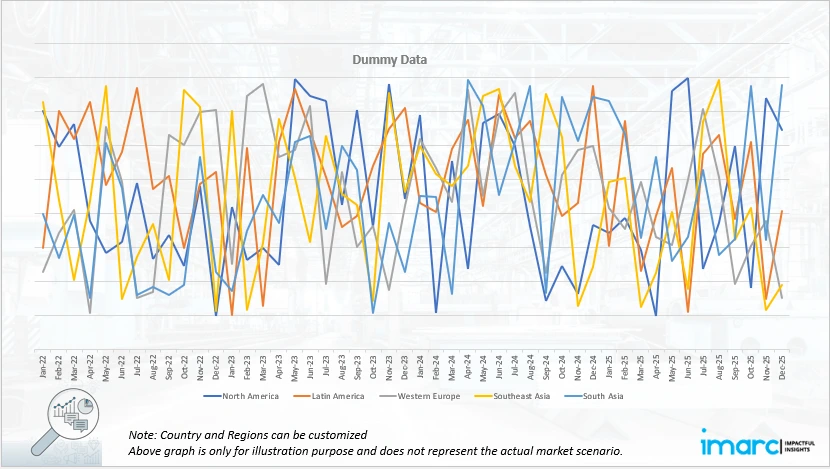
Corn Starch Price Chart
Get real-time access to monthly/quarterly/yearly prices Request Sample
During the second quarter of 2026, the corn starch prices in the USA reached 537 USD/MT in June. Prices moved upward, supported by steady demand from food processing and industrial applications. Operating rates in milling units remained stable, but the tighter availability of corn feedstock created mild pressure on supply. Demand from the paper and packaging industries stayed consistent, which supported procurement activity. Export interest also contributed to balanced market sentiment.
During the second quarter of 2026, the corn starch prices in China reached 425 USD/MT in June. Prices showed mild strengthening driven by steady domestic consumption across food and industrial sectors. Production activity remained stable, although operating margins were influenced by feedstock availability and procurement patterns. Demand from the textile and adhesive industries supported consistent off take. Export demand showed selective improvement, contributing to steady market confidence.
During the second quarter of 2026, the corn starch prices in Germany reached 656 USD/MT in June. Prices remained comparatively higher due to strong demand from food processing, pharmaceutical, and industrial manufacturing sectors. Supply conditions were influenced by regional procurement costs and reliance on imported feedstock. Energy and operational expenses across production units contributed to overall pricing strength.
During the second quarter of 2026, the corn starch prices in the UAE reached 594 USD/MT in June. Prices were supported by steady import based supply chains and consistent demand from food processing and industrial users. Regional consumption remained stable, with demand from the hospitality and packaged food sectors contributing to procurement activity. Import costs and freight movement played a key role in shaping price direction.
During the second quarter of 2026, the corn starch prices in Indonesia reached 461 USD/MT in June. Prices showed a gradual movement supported by steady demand from food manufacturing and industrial applications. Domestic production remained consistent, although feedstock cost variations influenced pricing direction. Demand from the textile, paper, and packaging sectors remained stable throughout the quarter. Import dependency in certain segments also contributed to price adjustments.
Corn Starch Prices Outlook Q1 2026
- USA: USD 519/MT
- China: USD 416/MT
- Germany: USD 629/MT
- UAE: USD 574/MT
- Indonesia: USD 451/MT
During the first quarter of 2026, the corn starch prices in the USA reached 519 USD/MT in March. The market experienced a steady upward trend driven by firm demand from food processing and industrial applications. Strong consumption from the paper and textile industries supported market activity, while the ethanol sector demand also contributed to stable offtake. Supply conditions remained balanced due to consistent corn availability, although processing costs remained firm.
During the first quarter of 2026, the corn starch prices in China reached 416 USD/MT in March. The market observed moderate price growth supported by stable demand from the food and industrial sectors. Domestic corn supply remained steady, ensuring consistent production levels. Consumption from sweetener and paper industries remained firm, supporting price increases. Market participants followed balanced procurement strategies, maintaining adequate inventory levels.
During the first quarter of 2026, the corn starch prices in Germany reached 629 USD/MT in March. The market recorded a slight upward movement driven by steady demand from food processing and industrial sectors. Supply conditions remained controlled due to stable corn availability and consistent production. Consumption from the packaging and textile industries supported market activity.
During the first quarter of 2026, the corn starch prices in the UAE reached 574 USD/MT in March. The market experienced noticeable price growth supported by strong demand from food processing and industrial applications. Import reliance influenced supply conditions, with steady inflows ensuring consistent availability. Consumption from manufacturing sectors remained firm, supporting price increases. Logistics and freight costs contributed to higher landed prices.
During the first quarter of 2026, the corn starch prices in Indonesia reached 451 USD/MT in March. The market observed gradual price increases driven by steady demand from the food and textile industries. Domestic production remained stable, ensuring consistent supply availability. Consumption patterns remained firm, supporting market activity. Buyers adopted balanced procurement strategies, maintaining adequate inventory levels. Additionally, stable processing and logistics costs contributed to gradual upward movement in prices during the quarter.
Corn Starch Prices Outlook Q4 2025
- USA: USD 503/MT
- China: USD 406/MT
- Germany: USD 622/MT
- UAE: USD 543/MT
- Indonesia: USD 443/MT
During the fourth quarter of 2025, the corn starch prices in the USA reached 503 USD/MT in December. Prices increased supported by steady demand from food processing, sweetener production, and biodegradable packaging applications. Additionally, firm corn feedstock costs and stable wet milling operating rates influenced supply positioning, while buyers aligned procurement with downstream industrial and retail consumption cycles.
During the fourth quarter of 2025, the corn starch prices in China reached 406 USD/MT in December. Prices rose driven by consistent demand from food manufacturing, paper sizing, and textile applications. Moreover, balanced domestic corn availability and controlled milling output shaped procurement behavior across industrial buyers.
During the fourth quarter of 2025, the corn starch prices in Germany reached 622 USD/MT in December. Prices edged higher influenced by firm demand from processed food production and pharmaceutical excipient applications. In addition to this, structured contract pricing and energy cost considerations within the milling sector shaped supply dynamics across the region.
During the fourth quarter of 2025, the corn starch prices in the UAE reached 543 USD/MT in December. Prices advanced supported by strong demand from food distribution, re-export trade activity, and industrial applications. Furthermore, import coordination and logistics planning influenced sourcing strategies across regional buyers.
During the fourth quarter of 2025, the corn starch prices in Indonesia reached 443 USD/MT in December. Prices increased driven by steady consumption from food processing and paper manufacturing sectors. Apart from this, stable domestic production and measured import flows influenced procurement patterns.
Corn Starch Prices Outlook Q3 2025
- USA: USD 492/MT
- China: USD 398/MT
- Germany: USD 615/MT
- UAE: USD 513/MT
- Indonesia: USD 436/MT
During the third quarter of 2025, the corn starch prices in the USA reached 492 USD/MT in September. Downward movement reflected reduced buying from the processed-food and fermentation sectors as inventories were drawn down. Ample corn harvests supported uninterrupted milling throughput, lowering replacement-cost pressure. Export enquiries were muted, prompting producers and distributors to offer more competitive terms to stimulate order flow.
During the third quarter of 2025, the corn starch prices in China reached 398 USD/MT in September. Prices moved lower as downstream snack-food, paper, and alcohol producers moderated procurement. Favorable domestic corn output widened feedstock availability, easing cost inputs for starch mills. Sellers increased promotional activity to clear intermediate stocks, while freight parity with nearby origins gave buyers alternative sourcing options that pressured local quotations.
During the third quarter of 2025, the corn starch prices in Germany reached 615 USD/MT in September. Prices increased as demand from food manufacturers, the pharmaceutical sector, and industrial starch modifiers intensified. Tightness in local corn procurement and higher replacement parity pushed processor purchase costs upward. Buyers sought specialty and modified grades, prompting earlier contracting and strengthening supplier offers across central European distribution hubs.
During the third quarter of 2025, the corn starch prices in the UAE reached 513 USD/MT in September. Prices moved lower as importers accessed competitively priced cargoes from Asian exporters, reducing landed cost exposure for regional processors. Consumption in foodservice and packaging sectors expanded modestly but not enough to absorb incoming volumes. Import timing and certification compatibility influenced supplier selection, encouraging downward adjustments on several offers.
During the third quarter of 2025, the corn starch prices in Indonesia reached 436 USD/MT in September. Prices decreased as local food and industrial users reduced procurement amid higher inventory coverage. Strong local corn yields supported steady mill output, keeping spot availability adequate. Regional competition from Chinese and Southeast Asian exporters further constrained domestic supplier pricing, prompting more flexible commercial terms to place cargoes into processing lines.
Corn Starch Prices Outlook Q2 2025
- USA: USD 495/MT
- China: USD 417/MT
- Germany: USD 601/MT
- UAE: USD 535/MT
- Indonesia: USD 455/MT
During the second quarter of 2025, the corn starch prices in the USA reached 495 USD/MT in June. Prices moved lower as the processed-food and fermentation sectors curtailed purchasing ahead of seasonal inventory adjustments. Ample feedstock availability kept mill margins manageable, and exporters scaled back shipments, shifting more cargoes toward domestic channels. Sellers reduced offers to accelerate turnover amid softer order intake.
During the second quarter of 2025, the corn starch prices in China reached 417 USD/MT in June. Prices moved higher as stronger buying from sweetener and alcohol producers increased offtake. Tightening merchant corn availability in key provinces raised replacement-cost considerations for starch mills. Domestic processors accelerated contracting to secure feedstock, which supported firmer supplier quotations and reduced the scope for promotional discounts.
During the second quarter of 2025, the corn starch prices in Germany reached 601 USD/MT in June. Prices moved lower as several food and industrial starch consumers delayed replenishment and evaluated import alternatives. Improved European corn availability eased cost pressures for processors, allowing sellers to make more concessionary offers. Competitive parity with non-EU origins influenced buyer negotiations and dampened upward pricing momentum.
During the second quarter of 2025, the corn starch prices in the UAE reached 535 USD/MT in June. Prices moved higher as importers covered program volumes amid tighter global export availability and shifting freight schedules. Demand from the foodservice and confectionery sectors required secured deliveries, prompting buyers to accept higher landed-cost levels. Suppliers prioritized contracted business, which supported firmer quotes across key Gulf ports.
During the second quarter of 2025, the corn starch prices in Indonesia reached 455 USD/MT in June. Prices moved lower as mills increased throughput following favorable corn arrivals, easing pressure on stock replacement costs. Downstream buyers timed procurement around processing cycles, taking advantage of promotional offers. Competitive inbound cargoes also influenced local negotiations, contributing to softer domestic quotations.
Corn Starch Prices Outlook Q1 2025
- USA: USD 502/MT
- China: USD 403/MT
- Germany: USD 623/MT
- UAE: USD 512/MT
- Belgium: USD 681/MT
During the first quarter of 2025, the corn starch prices in the USA reached 502 USD/MT in March. Corn starch prices in the USA remained largely stable in Q1 2025, with slight fluctuations influenced by steady domestic corn supply and moderate demand from the food processing and paper industries. Improved logistics and favorable weather supported consistent harvest flow. However, rising energy costs and ongoing labor constraints at processing facilities added some production cost pressure. Demand from the ethanol and pharmaceutical sectors remained stable, maintaining balanced market dynamics.
During the first quarter of 2025, corn starch prices in China reached 403 USD/MT in March. In China, corn starch prices saw mild volatility in Q1 2025, shaped by varying corn procurement costs and fluctuating downstream demand. Early in the quarter, limited activity during the Lunar New Year holiday softened pricing, while post-holiday restocking and modest recovery in food and textile sectors provided some support. High corn stockpiles and slower industrial consumption kept prices from rising significantly, despite scattered logistical delays in northern provinces.
During the first quarter of 2025, the corn starch prices in Germany reached 623 USD/MT in March. Germany experienced a modest increase in corn starch prices during Q1 2025 due to elevated energy and transportation costs, as well as persistent inflationary pressure. Feedstock imports faced delays due to port congestion and tighter EU biofuel policies impacting corn trade routes. Demand from the packaging and biodegradable plastics sectors remained firm. However, subdued demand from the food industry due to weak consumer spending limited price escalation.
During the first quarter of 2025, the corn starch prices in the UAE reached 512 USD/MT in March. Corn starch prices in the UAE showed marginal increases during Q1 2025, largely driven by higher import costs and currency-related volatility. As a non-producing country, the UAE remained reliant on imports from Asia and Europe, where freight and raw material costs fluctuated. Demand from the food, pharmaceuticals, and textile industries stayed stable, while delays at regional ports and rising storage expenses contributed to pricing resilience.
During the first quarter of 2025, the corn starch prices in Belgium reached 681 USD/MT in March. In Belgium, corn starch prices rose modestly during Q1 2025, influenced by stable industrial demand and elevated logistics costs. Energy price volatility and labor constraints in key transport corridors affected supply chains. While corn availability across the EU remained sufficient, the push for sustainable packaging and demand from processed food manufacturers supported a firm pricing environment. Export orders added incremental pressure to domestic supply, sustaining price levels.
Regional Coverage
The report provides a detailed analysis of the market across different regions, each with unique pricing dynamics influenced by localized market conditions, supply chain intricacies, and geopolitical factors. This includes price trends, price forecast and supply and demand trends for each region, along with spot prices by major ports. The report also provides coverage of FOB and CIF prices, as well as the key factors influencing corn starch prices.
Europe Corn Starch Price Trend
Q2 2026:
The corn starch price index in Europe remained firm, supported by steady demand from food processing and industrial manufacturing sectors. Procurement activity remained stable across key consuming countries, with sustained interest from packaging and biodegradable material applications. Supply conditions were influenced by import dependency and higher procurement costs from external regions. Energy and production expenses remained a key factor shaping pricing behavior across the region. Buyers continued contract based purchasing, which reduced volatility in spot transactions.
Q1 2026:
The corn starch price index in Europe showed a steady upward trend supported by stable demand from food processing and industrial sectors. Consistent corn supply across major producing countries ensured uninterrupted production, which helped maintain regular market availability without creating supply shortages. Demand from the packaging, paper, and textile industries remained firm, supporting sustained consumption levels. At the same time, energy and processing costs remained elevated, which added upward pressure on pricing.
Q4 2025:
As per the corn starch price index, European prices moved upward, supported by firm demand from processed food manufacturers, pharmaceutical excipient producers, and paper sizing applications. Additionally, stable corn procurement across major agricultural economies and disciplined wet milling output influenced supply positioning. Energy cost structures within the starch processing industry and structured annual contract mechanisms shaped procurement cycles. Buyers aligned sourcing with downstream industrial throughput while monitoring feedstock availability and cross-border trade flows within the European Union.
Q3 2025:
Europe exhibited an upward price pulse during the quarter, driven primarily by Germany’s increased offtake from food processing, pharmaceutical formulation, and industrial modification applications. Reduced merchant corn availability in parts of Central Europe elevated replacement-cost calculations for starch producers, encouraging earlier contracting. Import parity from non-European origins remained an option but carried higher freight and certification burdens that limited substitution for certain specialty grades. Converters requiring high-purity and modified starches accelerated purchase commitments, and distribution networks prioritized allocation to satisfy immediate production schedules. The mix of constrained raw material access for specific specifications and heightened demand for processing-grade and specialty products bolstered supplier bargaining positions, thereby supporting elevated regional price levels through targeted contract renewals and reduced promotional flexibility.
Q2 2025:
Europe experienced a downward pricing trajectory as processors across Germany and other regional markets reduced their starch intake in response to moderated food and industrial manufacturing activity. Improved continental corn supplies allowed mills to adjust procurement strategies and lower overall cost exposure, influencing commercial negotiations. Buyers also evaluated import alternatives from non-EU suppliers, particularly where parity advantages emerged, although quality requirements for certain applications limited substitution. With converters pacing replenishment carefully and distribution channels managing inventories conservatively, downward sentiment became increasingly evident across multiple European starch-consuming sectors.
Q1 2025:
Corn starch prices in Germany showed notable volatility in Q1 2025, shaped by shifting supply-demand dynamics and logistical factors. January began with a price decline due to weak global demand and oversupply, despite stable manufacturing activity. February saw a sharp rebound as European demand rose and energy costs surged, while port delays constrained supply. However, prices fell again in March amid high inventories, stable logistics, and subdued export demand following the Lunar New Year. The quarter closed with a mixed trend and cautious market sentiment, as uncertainty over supply-demand balance kept procurement strategies conservative.
This analysis can be extended to include detailed corn starch price information for a comprehensive list of countries.
| Region | Countries Covered |
|---|---|
| Europe | Germany, France, United Kingdom, Italy, Spain, Russia, Turkey, Netherlands, Poland, Sweden, Belgium, Austria, Ireland, Switzerland, Norway, Denmark, Romania, Finland, Czech Republic, Portugal, and Greece, among other European countries. |
North America Corn Starch Price Trend
Q2 2026:
The corn starch price index in North America showed an upward trend, driven by consistent demand from food processing, paper, and industrial applications. Supply conditions remained balanced, supported by stable production and steady availability of corn feedstock. Export demand provided additional support, helping maintain firm pricing sentiment across the region. Procurement activity from downstream industries remained regular, particularly in packaged food and bio based applications. Transportation and distribution costs influenced regional pricing movement, adding mild upward pressure.
Q1 2026:
The corn starch price index in North America reflected moderate growth driven by steady demand from food and industrial applications. Corn availability remained stable due to consistent agricultural output, allowing processors to maintain regular production levels. Demand from ethanol production and sweetener manufacturing supported strong consumption patterns across the region. Industrial applications such as paper and adhesives also contributed to steady market activity. Market participants followed cautious inventory management practices, maintaining sufficient supply without overstocking.
Q4 2025:
As per the corn starch price index, prices in North America increased, driven by steady demand from sweetener production, food processing, and biodegradable packaging applications. Furthermore, firm corn feedstock costs and balanced wet milling utilization rates supported the upward adjustment. Export participation toward Latin America and Asia also influenced domestic supply dynamics. Industrial buyers maintained structured procurement aligned with manufacturing schedules, while distributors coordinated inventory management across key logistics hubs.
Q3 2025:
North America showed downward pricing pressure led by the USA, where lower-than-expected offtake from food processors and fermentation plants reduced spot demand. Strong harvest prospects and available corn stocks allowed mills to operate without immediate raw material constraints, which moderated replacement-cost drivers and freed sellers to offer more competitive commercial terms. Domestic distributors reported increased promotional activity to move accumulated intermediate inventories into food and industrial channels. While export channels to Latin America and select Asian buyers provided alternative demand outlets, these were insufficient to offset the broader reduction in regional purchasing. Overall, the interplay of comfortable feedstock flows, subdued domestic procurement, and active seller incentives shaped a softer price environment across North American starch markets.
Q2 2025:
North America recorded a downward pricing environment driven by restrained demand from processed-food, beverage, and fermentation industries, particularly in the USA. Adequate corn availability supported continuous mill operations, reducing input-cost pressure and enabling suppliers to adopt more flexible pricing structures. Distributors noted selective purchasing patterns as buyers aligned orders with evolving consumption forecasts and existing stock levels. Promotional adjustments became more common as suppliers sought to maintain throughput, reinforcing a quarter marked by softer transactional activity and price concessions across regional starch markets.
Q1 2025:
In Q1 2025, U.S. corn starch prices showed significant volatility, beginning with strong increases driven by high demand from the food and pharmaceutical sectors, inventory shortages, and port congestion. February maintained the upward trend due to tight domestic supply following poor harvests and strong export demand. However, March saw a reversal, with prices declining as inventories improved, manufacturing stabilized, and logistics eased. A weakening dollar and cautious procurement amid tariff concerns further pressured prices. The quarter ended with a shift from price escalation to correction, reflecting a balancing act between earlier supply strain and late-quarter inventory recovery.
Specific corn starch historical data within the United States and Canada can also be provided.
| Region | Countries Covered |
|---|---|
| North America | United States and Canada |
Middle East and Africa Corn Starch Price Trend
Q2 2026:
Corn starch prices in the Middle East and Africa region remained firm, primarily influenced by import dependent supply structures. Demand from food processing, hospitality, and industrial sectors remained consistent across major urban consumption centers. Freight costs and international shipping conditions influenced landed prices, shaping procurement decisions. Supply availability from global exporters remained sufficient, ensuring market balance across the region. Industrial usage in packaged foods and adhesives supported stable consumption trends. Buyers followed regular procurement cycles to maintain supply continuity, limiting sharp price fluctuations.
Q1 2026:
In the Middle East and Africa, corn starch prices experienced gradual increases due to strong demand and reliance on imports. The region continued to depend on international suppliers, with steady trade flows ensuring consistent product availability. Demand from food processing and manufacturing sectors remained firm, supporting regular procurement activity. Logistics and freight costs influenced landed prices, contributing to the upward pricing trend. Buyers maintained steady purchasing strategies to ensure supply continuity, while avoiding large inventory buildup.
Q4 2025:
Market indicators across the Middle East and Africa showed corn starch prices moving upward, influenced by strong import demand and active re-export trade flows through regional distribution centers. In addition to this, expanding food processing capacity and stable industrial consumption supported procurement momentum. Shipment scheduling, freight considerations, and contract-based supply agreements shaped regional sourcing strategies, particularly in markets reliant on imported starch derivatives.
Q3 2025:
In the Middle East and Africa, corn starch prices trended lower as Gulf importers accessed competitive cargoes, particularly from Asian origins, reducing landed-cost exposure for regional processors. The UAE’s pricing decline reflected a wider availability of lower-parity seaborne supplies, prompting buyers in food, confectionery, and paper sectors to defer premium domestic sourcing in favor of cost-effective imports. African importers weighed transit times and customs processing against landed cost benefits, selecting origins that matched certification requirements. Logistics schedules and container availability influenced procurement cadence, with buyers timing shipments to align with seasonal consumption and storage capacity. As a result, supplier offers adjusted downward to remain commercially attractive in a region where import economics dominated near-term pricing outcomes.
Q2 2025:
Corn starch prices in the Middle East and Africa trended upward, supported by firmer demand and elevated landed-cost dynamics, especially in the UAE, where import reliance shaped procurement behavior. Buyers sourced forward volumes to secure consistent supply for foodservice, confectionery, and industrial applications amid fluctuations in global freight schedules and origin availability. African markets, also heavily dependent on imports, assessed shipment timing, regulatory documentation, and storage challenges when selecting suppliers, further contributing to upward cost exposure. Collectively, these factors reinforced price increases across MEA channels as market participants navigated supply tightness and rising import-related expenses.
Q1 2025:
In Q1 2025, corn starch prices in the Middle East and Africa, particularly the UAE, experienced mild upward pressure due to strong import dependency, currency fluctuations, and elevated freight costs. As a non-producing region, the UAE relied heavily on suppliers from Asia and Europe, where export prices rose amid tight global supply. Delays at key regional ports and logistical bottlenecks added to landed cost increases. Demand from the food processing, pharmaceutical, and packaging sectors remained stable, offering limited resistance to price hikes. However, buyer sentiment was cautious, with short-term procurement strategies prevailing due to global market volatility and regional economic uncertainty.
In addition to region-wise data, information on corn starch prices for countries can also be provided.
| Region | Countries Covered |
|---|---|
| Middle East & Africa | Saudi Arabia, UAE, Israel, Iran, South Africa, Nigeria, Oman, Kuwait, Qatar, Iraq, Egypt, Algeria, and Morocco, among other Middle Eastern and African countries. |
Asia Pacific Corn Starch Price Trend
Q2 2026:
Corn starch prices in the Asia Pacific moved within a bullish range, supported by consistent consumption across food, textile, and industrial sectors. Production activity remained steady across key manufacturing hubs, while feedstock cost variations influenced pricing behavior. Demand from packaging and adhesive applications remained stable, contributing to balanced market conditions. Export flows from major producing countries helped maintain supply adequacy across the region. Inventory levels remained well managed, preventing surplus pressure in key markets. Logistics efficiency and intra regional trade supported smooth distribution.
Q1 2026:
In the Asia Pacific region, corn starch prices showed moderate growth driven by steady demand from the food and textile sectors. Production levels remained stable across key countries, ensuring sufficient supply availability in the market. Consumption from food processing, paper, and textile industries remained consistent, supporting ongoing market activity. Export and import flows remained balanced, contributing to stable regional supply conditions. Market participants maintained cautious procurement practices, aligning purchases with actual demand requirements.
Q4 2025:
Across Asia Pacific, corn starch prices rose, supported by consistent demand from food processing, paper manufacturing, and textile finishing industries. Additionally, balanced domestic corn supply and stable milling operating rates influenced market positioning across major producing economies. Export allocations and intra-regional trade flows shaped supply distribution, while buyers aligned procurement with downstream industrial output. Seasonal agricultural patterns and feedstock pricing trends further contributed to structured sourcing decisions across the region.
Q3 2025:
Asia Pacific registered downward pricing momentum, largely driven by China and Indonesia, where increased corn arrivals and moderated downstream procurement weighed on demand. Chinese processors reduced spot-offtake as on-hand inventories satisfied immediate production needs, while Indonesian mills leveraged favorable local corn supply to offer competitive volumes. Exporters from Asia competitively targeted Southeast Asian and Middle Eastern buyers, amplifying price pressure across regional corridors. While specialty applications in certain markets sustained selective demand for higher-grade starch, broad-based industrial and food applications exhibited measured intake. Logistics efficiency and competitive inter-regional offers reinforced the downward influence across multiple APAC markets during the quarter.
Q2 2025:
Asia Pacific exhibited mixed pricing trends as distinct market forces affected key economies. China saw upward direction as sweetener, alcohol, and fermentation producers expanded intake, tightening local starch availability. In contrast, Indonesia registered downward behavior as improved corn inflows enabled mills to operate with greater throughput, easing market tightness. Southeast Asian import-reliant markets weighed origin advantages and shipment timing to manage inventory efficiently. Regional suppliers balanced contracted commitments with opportunistic spot sales, while converters factored production schedules and quality requirements into procurement decisions. This combination of divergent supply conditions and varied downstream demand patterns produced a heterogeneous regional outcome.
Q1 2025:
In Q1 2025, Indonesia’s corn starch market saw a fluctuating price trend shaped by shifting global supply-demand dynamics. Prices rose in January and February due to strong domestic demand, higher freight costs, and limited supply from key exporters like China and the U.S. Post-Lunar New Year buying further tightened availability. However, March brought a decline as inventories improved and logistics stabilized. Global demand, especially from the food and pharmaceutical sectors, remained subdued, prompting producers to reduce prices to manage stock. The quarter ended with cautious sentiment as the market balanced improved supply with persistent weakness in global consumption.
This corn starch price analysis can be expanded to include a comprehensive list of countries within the region.
| Region | Countries Covered |
|---|---|
| Asia Pacific | China, India, Indonesia, Pakistan, Bangladesh, Japan, Philippines, Vietnam, Thailand, South Korea, Malaysia, Nepal, Taiwan, Sri Lanka, Hongkong, Singapore, Australia, and New Zealand, among other Asian countries. |
Latin America Corn Starch Price Trend
Q2 2026:
The Latin American corn starch industry is primarily driven by the region's abundant natural resources, particularly those of Chile and Brazil. However, the price of corn starch may change dramatically due to different regulatory regimes and political instability.
Q1 2026:
The abundance of natural resources in Latin America, particularly in important nations like Chile and Brazil, greatly influences the continent's corn starch industry. However, political unpredictability and differing regulatory regimes frequently cause swings in corn starch prices, which lead to market instability.
Q4 2025:
Latin America's corn starch market is predominantly influenced by its rich natural reserves, particularly in countries like Chile and Brazil. However, political instability and inconsistent regulatory frameworks can lead to significant volatility in corn starch prices.
Q3 2025:
Infrastructure challenges and logistical inefficiencies often impact the supply chain, affecting Latin America’s ability to meet international demand consistently. Moreover, the corn starch price index, economic fluctuations, and currency devaluation are critical factors that need to be considered when analyzing corn starch pricing trends in this region.
This comprehensive review can be extended to include specific countries within the region.
| Region | Countries Covered |
|---|---|
| Latin America | Brazil, Mexico, Argentina, Columbia, Chile, Ecuador, and Peru, among other Latin American countries. |
Corn Starch Pricing Report, Market Analysis, and News
IMARC's latest publication, “Corn Starch Prices, Trend, Chart, Demand, Market Analysis, News, Historical and Forecast Data Report 2026 Edition,” presents a detailed examination of the corn starch market, providing insights into both global and regional trends that are shaping prices. This report delves into the spot price of corn starch at major ports and analyzes the composition of prices, including FOB and CIF terms. It also presents detailed corn starch prices trend analysis by region, covering North America, Europe, Asia Pacific, Latin America, and Middle East and Africa. The factors affecting corn starch pricing, such as the dynamics of supply and demand, geopolitical influences, and sector specific developments, are thoroughly explored. This comprehensive report helps stakeholders stay informed with the latest market news, regulatory updates, and technological progress, facilitating informed strategic decision-making and forecasting.
Corn Starch Industry Analysis
The global corn starch industry size reached 90.32 Million Tons in 2025. By 2034, IMARC Group expects the market to reach 109.38 Million Tons, at a projected CAGR of 2.15% during 2026-2034. Growth is driven by expanding demand in the food processing, sweetener, fermentation, pharmaceutical, and biodegradable materials sectors, alongside increasing industrial use in paper and packaging and gradual adoption in novel bio based applications that seek cost effective carbohydrate feedstocks.
Latest News and Developments:
- October 2025: Al Ghurair Foods announced phased progress on constructing the UAE’s first corn starch plant within the Khalifa Economic Zones Abu Dhabi (KEZAD). The facility, designed to supply corn starch to food, pharmaceutical, textile, paper, coatings, and chemical industries, aims to significantly reduce the nation’s reliance on imported starch based ingredients. The company confirmed that the project is on schedule, with completion of the initial phase targeted for Q1 2026 and full operational capability expected shortly thereafter.
- February 2024: Ingredion Incorporated, a provider of specialty ingredient solutions, launched NOVATION® Indulge 2940, a functional native, clean label starch. This non GMO corn starch is designed to provide an indulgent, plant based texture for popular dairy and alternative dairy products, as well as desserts.
Product Description
Corn starch is a carbohydrate extracted from the endosperm of corn kernels. It is primarily composed of amylose and amylopectin, which determine its thickening and stabilizing properties. The product appears as a fine white powder with neutral taste and high water absorption capacity. It is widely used in the food industry as a thickener, stabilizer, and texture enhancer in soups, sauces, bakery products, and confectionery items. In industrial applications, corn starch is used in paper manufacturing, adhesives, textiles, and biodegradable plastics. It also serves as a raw material in the production of glucose syrups and other sweeteners. Its functional versatility, low cost, and wide availability make it an essential ingredient across multiple end use industries.
Report Coverage
| Key Attributes | Details |
|---|---|
| Product Name | Corn Starch |
| Report Features | Exploration of Historical Trends and Market Outlook, Industry Demand, Industry Supply, Gap Analysis, Challenges, Corn Starch Price Analysis, and Segment-Wise Assessment. |
| Currency/Units | US$ (Data can also be provided in local currency) or Metric Tons |
| Region/Countries Covered | The current coverage includes analysis at the global and regional levels only. Based on your requirements, we can also customize the report and provide specific information for the following countries: Asia Pacific: China, India, Indonesia, Pakistan, Bangladesh, Japan, Philippines, Vietnam, Thailand, South Korea, Malaysia, Nepal, Taiwan, Sri Lanka, Hongkong, Singapore, Australia, New Zealand Europe: Germany, France, United Kingdom, Italy, Spain, Russia, Turkey, Netherlands, Poland, Sweden, Belgium, Austria, Ireland, Switzerland, Norway, Denmark, Romania, Finland, Czech Republic, Portugal, Greece North America: United States, Canada Latin America: Brazil, Mexico, Argentina, Columbia, Chile, Ecuador, Peru Middle East & Africa: Saudi Arabia, UAE, Israel, Iran, South Africa, Nigeria, Oman, Kuwait, Qatar, Iraq, Egypt, Algeria, Morocco The list of countries presented is not exhaustive. Information on additional countries can be provided if required by the client. |
| Information Covered for Key Suppliers |
|
| Customization Scope | The report can be customized as per the requirements of the customer |
| Report Price and Purchase Option |
Plan A: Monthly Updates - Annual Subscription
Plan B: Quarterly Updates - Annual Subscription
Plan C: Biannually Updates - Annual Subscription
|
| Post-Sale Analyst Support | 360-degree analyst support after report delivery |
| Delivery Format | PDF and Excel through email (We can also provide the editable version of the report in PPT/Word format on special request) |
Key Benefits for Stakeholders:
- IMARC’s report presents a detailed analysis of corn starch pricing, covering global and regional trends, spot prices at key ports, and a breakdown of FOB and CIF prices.
- The study examines factors affecting corn starch price trend, including input costs, supply-demand shifts, and geopolitical impacts, offering insights for informed decision-making.
- The competitive landscape review equips stakeholders with crucial insights into the latest market news, regulatory changes, and technological advancements, ensuring a well-rounded, strategic overview for forecasting and planning.
- IMARC offers various subscription options, including monthly, quarterly, and biannual updates, allowing clients to stay informed with the latest market trends, ongoing developments, and comprehensive market insights. The corn starch price charts ensure our clients remain at the forefront of the industry.
Need more help?
- Speak to our experienced analysts for insights on the current market scenarios.
- Include additional segments and countries to customize the report as per your requirement.
- Gain an unparalleled competitive advantage in your domain by understanding how to utilize the report and positively impacting your operations and revenue.
- For further assistance, please connect with our analysts.
 Request Customization
 Inquire Before Buying
 Speak to an Analyst
 Request Brochure
Benefits of Customization
- Personalize this research
- Triangulate with your data
- Get data as per your format and definition
- Gain a deeper dive into a specific application, geography, customer, or competitor
- Any level of personalization
Get in Touch With Us
UNITED STATES
Phone: +1-201-971-6302
INDIA
Phone: +91-120-433-0800
UNITED KINGDOM
Phone: +44-753-714-6104
Email: [email protected]
Client Testimonials




.webp)




.webp)













Related Reports

Why Choose Us
IMARC offers trustworthy, data-centric insights into commodity pricing and evolving market trends, enabling businesses to make well-informed decisions in areas such as procurement, strategic planning, and investments. With in-depth knowledge spanning more than 1000 commodities and a vast global presence in over 150 countries, we provide tailored, actionable intelligence designed to meet the specific needs of diverse industries and markets.
1000
+Commodities
150
+Countries Covered
3000
+Clients
20
+Industry

Robust Methodologies & Extensive Resources
IMARC delivers precise commodity pricing insights using proven methodologies and a wealth of data to support strategic decision-making.

Subscription-Based Databases
Our extensive databases provide detailed commodity pricing, import-export trade statistics, and shipment-level tracking for comprehensive market analysis.

Primary Research-Driven Insights
Through direct supplier surveys and expert interviews, we gather real-time market data to enhance pricing accuracy and trend forecasting.

Extensive Secondary Research
We analyze industry reports, trade publications, and market studies to offer tailored intelligence and actionable commodity market insights.
Trusted by 3000+ industry leaders worldwide to drive data-backed decisions. From global manufacturers to government agencies, our clients rely on us for accurate pricing, deep market intelligence, and forward-looking insights.