
Drinkable Yogurt Market Size, Share, Trends and Forecast by Type, Category, Distribution Channel, and Region, 2026-2034
Drinkable Yogurt Market Size and Share:
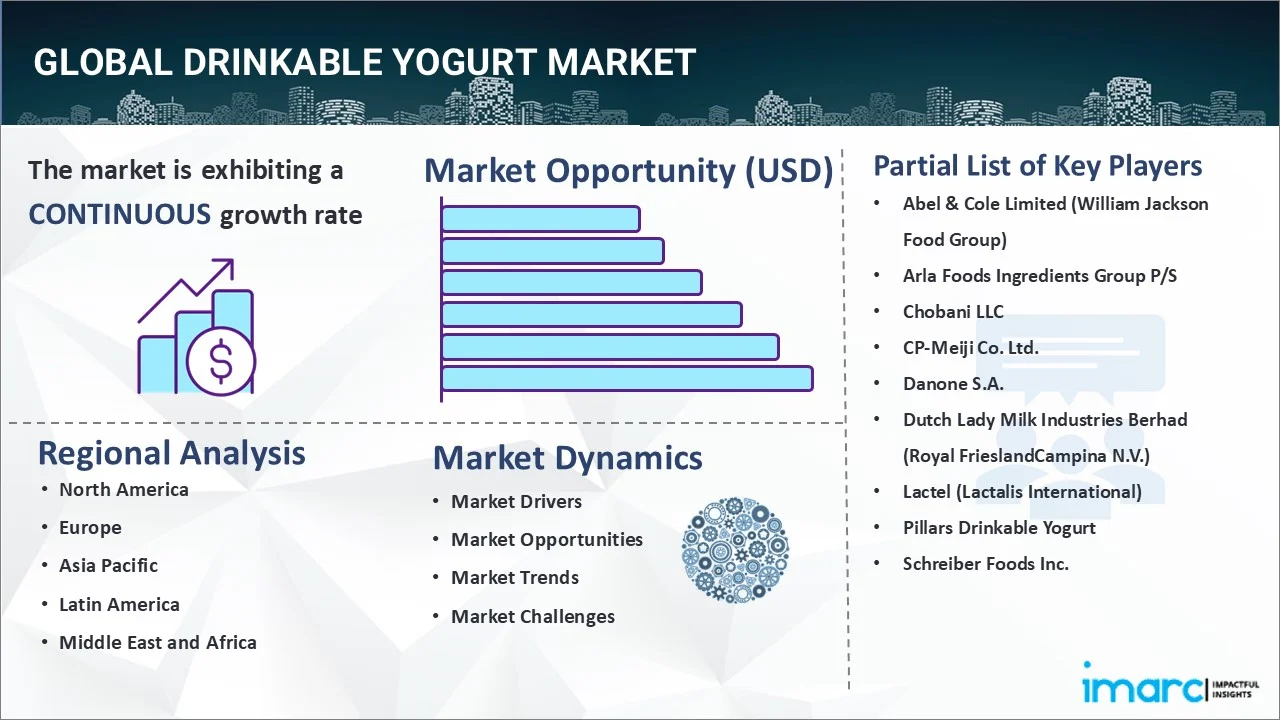
The global drinkable yogurt market size was valued at USD 42.32 Billion in 2025. Looking forward, IMARC Group estimates the market to reach USD 64.05 Billion by 2034, exhibiting a CAGR of 4.71% from 2026-2034. Asia-Pacific currently dominates the market, holding a market share of 34% in 2025. The region benefits from a deeply embedded culture of fermented dairy consumption, expanding urbanization driving demand for convenient and nutritious on-the-go beverages, and growing health awareness among a large, young consumer population propelling the drinkable yogurt market share.
The global market is being driven by a broad range of interconnected factors spanning health awareness, shifting dietary preferences, and ongoing food industry innovation. Rising consumer consciousness regarding gut health, digestive wellness, and immune function has significantly elevated demand for probiotic-rich beverage options across major markets worldwide. Drinkable yogurt, with its rich content of live bacterial cultures, essential proteins, vitamins, and calcium, is increasingly positioned as a functional food that simultaneously supports immunity, bone health, and metabolic regulation. The widespread adoption of fast-paced, on-the-go lifestyles, particularly among urban working populations and younger demographics has substantially increased demand for single-serve, portable, and ready-to-consume dairy beverages. Additionally, manufacturers' continuous investments in product innovation have consistently expanded the consumer base and reinforced the global market's competitive landscape across both developed and emerging economies.
The United States has emerged as a major region in the drinkable yogurt market owing to many factors. American consumers have progressively shifted toward healthier beverage alternatives as a result of deepening awareness about probiotics, gut microbiome science, and preventive nutrition strategies. The U.S. Food and Drug Administration issued a qualified health claim in 2024, linking regular yogurt intake with a reduced risk of type 2 diabetes, enabling producers to strategically market drinkable dairy products as functional and preventive nutrition tools. This landmark regulatory development has encouraged investment in fortified, high-protein drinkable yogurt lines designed to target health-conscious and fitness-oriented consumer demographics. The nation's robust cold-chain retail infrastructure, high per capita dairy consumption, and the extensive availability of diverse product formats across supermarkets, club stores, specialty retailers, and online platforms continue to support steady consumer adoption and reinforce the drinkable yogurt market outlook across the country.
To get more information on this market Request Sample
Drinkable Yogurt Market Trends:
Surging Demand for Probiotic and Functional Beverages
The growing emphasis on preventive healthcare and functional nutrition is a primary catalyst driving the global drinkable yogurt industry. Consumers across all age segments are increasingly aware of the relationship between gut microbiome health and overall well-being, including immunity, mood regulation, and metabolic function. Drinkable yogurt, enriched with live probiotic cultures, proteins, and essential micronutrients, is well-positioned as a convenient functional beverage that effectively meets these evolving health priorities. This trend is particularly pronounced among millennial and Gen Z consumers who actively seek clean-label, low-sugar, and high-protein formulations that align with their wellness-oriented lifestyles. Manufacturers have responded with fortified variants incorporating vitamins, omega-3 fatty acids, and added fiber alongside traditional probiotic cultures. In 2025, Danone launched an Oikos yogurt drink for Ozempic and other GLP-1 drugs consumers to support their nutritional requirements while taking their medications.
Accelerating Rise of Plant-Based and Non-Dairy Alternatives
The rapid proliferation of plant-based and non-dairy drinkable yogurt alternatives is transforming the competitive landscape of the global dairy beverage sector. As consumer dietary preferences increasingly intersect with environmental consciousness and growing prevalence of lactose intolerance manufacturers have accelerated investments in developing high-quality non-dairy formulations utilizing oat, almond, coconut, and soy milk substrates. These plant-based alternatives increasingly match conventional dairy counterparts in terms of probiotic viability, protein content, and flavor profile, broadening their appeal to mainstream consumers beyond dedicated vegans and lactose-intolerant individuals. The segment benefits from favorable positioning as a sustainable, ethical, and health-conscious choice. This expanding non-dairy segment continues to attract new entrants, reinforcing the drinkable yogurt market trends of diversification and premiumization. In 2025, Alpro, a plant-based brand from Danone, launched a new product line aimed at children, addressing parents' worries regarding healthy food choices. The updated selection features a chocolate oat drink, a strawberry soya drink, and soya yogurt alternatives in vanilla and strawberry tastes.
Clean-Label Innovation and Flavor Diversification Strategies
Continuous product innovation driven by clean-label consumer preferences, exotic flavor exploration, and science-backed formulation development is reshaping the global drinkable yogurt category. Brands are systematically reformulating existing products to eliminate artificial additives, preservatives, and synthetic sweeteners while simultaneously introducing nutrient fortification through vitamins, collagen, fiber, and adaptogens to attract wellness-oriented buyers. Regional and artisanal flavor profiles, spanning tropical fruits, matcha, turmeric, and fermented vegetable infusions, are capturing consumer interest in markets seeking unique sensory experiences. These formulation trends are being further supported by digital marketing strategies employing health influencers and nutritional content creators to build brand credibility and drive trial among younger demographics. This drinkable yogurt market forecast points to sustained momentum in clean-label and innovation-led product development. In 2024, LALA, a US producer of dairy products, launched a new line of high-protein yogurts named LALA Gold. The new lineup comes in five flavors: Raspberry Key Lime, Blueberry, Cookies & Cream, Vanilla, and Strawberry. LALA Gold provides formats that are both drinkable and spoonable.
Drinkable Yogurt Industry Segmentation:
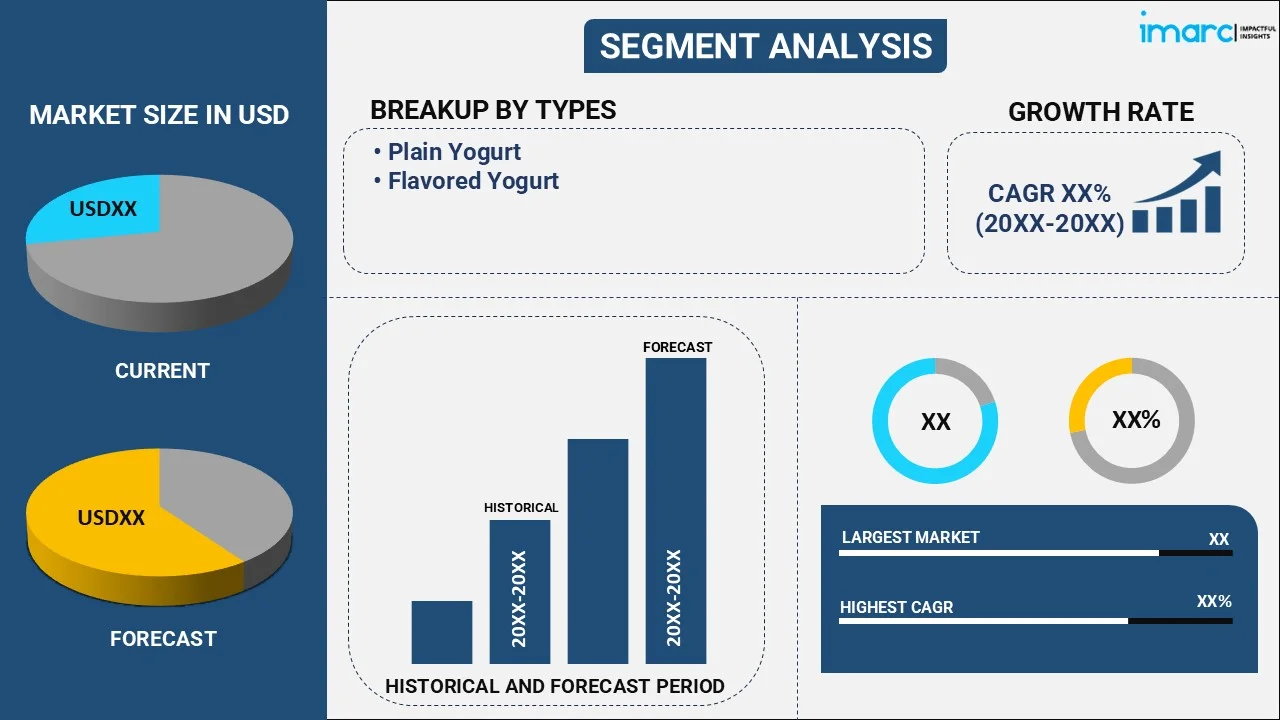
IMARC Group provides an analysis of the key trends in each segment of the global drinkable yogurt market, along with forecast at the global, regional, and country levels from 2026-2034. The market has been categorized based on type, category, and distribution channel.
Analysis by Type:
To get detailed segment analysis of this market Request Sample
- Plain Yogurt
- Flavored Yogurt
Plain yogurt holds 56% of the market share. Plain drinkable yogurt, prepared without artificial flavoring agents or added sweeteners, represents the dominant segment owing to its versatile applications and broad consumer appeal. Health-conscious individuals increasingly prefer plain variants as a neutral base for smoothies, meal preparations, and standalone consumption, appreciating the natural, minimally processed nature of the product. The segment benefits from strong demand among adult consumers seeking low-sugar options and clean-label formulations free from artificial additives and preservatives. Additionally, plain drinkable yogurt is widely recommended by nutritionists and healthcare professionals as a source of high-quality protein, calcium, and beneficial live cultures, further reinforcing its adoption across diverse demographic groups. In 2024, plain yogurt accounted a major portion of global yogurt consumption, reflecting consistent broad acceptance among consumers who value natural, unfortified, and versatile dairy options across both every day and functional dietary contexts. This ongoing preference for minimally processed dairy formulations continues to sustain the dominant position of plain drinkable yogurt within the global type segment.

Analysis by Category:
- Dairy-Based Yogurt
- Non-Dairy Based Yogurt
Dairy-based yogurt leads the market with a share of 72%. Dairy-based drinkable yogurt, produced through the fermentation of cow's milk or other animal-derived milks using live bacterial cultures, retains a dominant market position owing to its well-established nutritional profile and widespread consumer trust built over generations. The segment offers highly bioavailable protein, calcium, riboflavin, and phosphorus, alongside naturally occurring probiotic strains that have been scientifically validated for their contributions to digestive and immune health. Dairy-based formulations are extensively distributed across major retail channels globally, benefiting from robust cold-chain infrastructure and strong brand recognition in both developed and emerging markets. The U.S. Food and Drug Administration issued a qualified health claim in 2024, linking regular yogurt intake with a reduced risk of type 2 diabetes, reinforcing the health credentials of dairy-based products and encouraging consumer adoption among health-focused demographics. The category's combination of taste familiarity, affordability, nutritional comprehensiveness, and proven functional health benefits continues to underpin its commanding market dominance within the global drinkable yogurt category.
Analysis by Distribution Channel:
- Supermarkets and Hypermarkets
- Convenience Stores
- Specialty Stores
- Online Stores
- Others
Supermarkets and hypermarkets dominate the market, with a share of 45%. This channel holds the leading position in drinkable yogurt distribution owing to its extensive product range, competitive pricing strategies, and high consumer foot traffic. These retail formats provide consumers with a comprehensive product comparison experience, offering diverse brands, flavors, and formulations alongside promotional offers, loyalty discounts, and in-store sampling activities that stimulate trial purchases, thereby supporting the drinkable yogurt market growth. The widespread presence of temperature-controlled dairy aisles and refrigerated sections within supermarket environments ensures optimal product freshness and quality, a critical consideration for perishable dairy beverages. Supermarkets and hypermarkets benefit from strategic placement and visibility programs implemented by major brands, ensuring premium shelf positioning that drives impulse purchases. According to published industry data, supermarkets and hypermarkets accounted a significant part of total yogurt sales volume globally, reflecting the channel's unparalleled reach and accessibility for mainstream dairy consumers seeking convenient and affordable nutritional beverages.
Regional Analysis:
To get more information on the regional analysis of this market Request Sample
- North America
- United States
- Canada
- Asia Pacific
- China
- Japan
- India
- South Korea
- Australia
- Indonesia
- Others
- Europe
- Germany
- France
- United Kingdom
- Italy
- Spain
- Russia
- Others
- Latin America
- Brazil
- Mexico
- Others
- Middle East and Africa
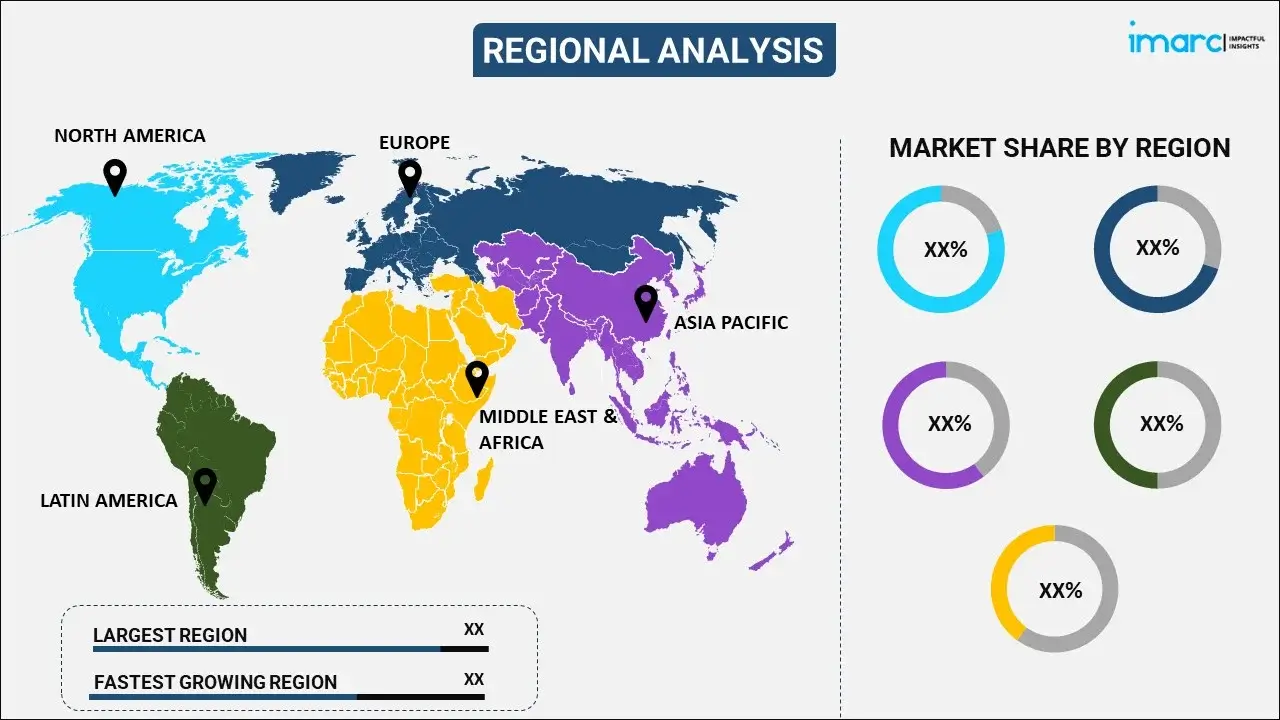
Asia-Pacific, accounting for 34% of the share, enjoys the leading position in the market. The region's dominance is rooted in a long-standing tradition of fermented dairy consumption, particularly across China, Japan, India, and South Korea, where drinkable yogurt beverages are deeply embedded in daily dietary habits and cultural wellness practices. Rising disposable incomes, accelerating urbanization, and a large, young consumer base that prioritizes convenient and health-promoting nutrition have collectively elevated demand across the region. Japan's Food for Specified Health Uses regulatory framework has historically supported the commercialization of probiotic dairy beverages, while India's dairy industry, the world's largest, accounting for approximately 24% of global milk production, provides an unparalleled raw material advantage and cost-competitiveness for regional manufacturers. Ongoing investments in cold-chain logistics modernization, retail infrastructure expansion, and e-commerce distribution are further strengthening product accessibility across both metropolitan and tier-2 markets. Asia-Pacific's unique combination of production scale, deep cultural affinity for fermented beverages, and favorable demographic trends firmly positions it as the primary growth engine of the global drinkable yogurt industry.
Key Regional Takeaways:
United States Drinkable Yogurt Market Analysis
The United States drinkable yogurt market is characterized by robust consumer demand for high-protein, probiotic-enriched, and clean-label beverage products that align with the nation's deepening health and wellness culture. The increasing integration of yogurt drinks into everyday breakfast routines, active lifestyle nutrition programs, and on-the-go snacking occasions has substantially expanded the addressable consumer base across all age groups. Growing awareness of gut microbiome health and preventive nutrition among millennial and Gen Z demographics, fueled by fitness culture, digital health content, and a broader shift toward functional foods, has directed consumer interest toward enhanced nutritional formulations. The nation's well-developed retail infrastructure, spanning supermarkets, club stores, and rapidly expanding e-commerce platforms, ensures comprehensive and convenient product availability nationwide. The retail penetration rate of yogurt in American households is increasing, reflecting the category's deep entrenchment in daily dietary habits and its widespread acceptance as both a nutritional staple and a functional wellness product. Innovations in portable single-serve packaging, expanded flavor portfolios, and reduced-sugar clean-label variants continue to reinforce competitive product positioning, supporting ongoing market expansion and sustaining the positive drinkable yogurt market growth trajectory across the country. In 2025, Danone intends to spend millions to enhance and expand its facility in Minster, Ohio, due to “explosive growth” in yogurt. The investment encompasses a 48,000-square-foot facility expansion, along with a new production line and additional enhancements. Danone announced the creation of 30 full-time positions.
Europe Drinkable Yogurt Market Analysis
Europe represents a mature and highly sophisticated drinkable yogurt market, underpinned by the region's deeply ingrained culture of dairy product consumption and a robust heritage of fermented food traditions. Key markets including Germany, France, the United Kingdom, Italy, and Spain exhibit strong consumer preferences for artisanal, organic, and traditionally fermented dairy beverages that emphasize natural ingredients, quality certifications, and transparent labeling. Dairy obtained €16B from the EU that year, which was 554 times greater than the €14M received by nuts and seeds. As a group, the bloc invested more than 10 times as much in subsidies for meat and dairy (€39B) compared to fruit and vegetable production (€3.6B), and 16 times more than for cereal production (€2.4B). Growing awareness of gut health and digestive wellness has amplified demand for probiotic-rich formulations across European demographics, particularly among health-conscious adults seeking functional meal replacements and convenient nutritional alternatives. Stringent European Union regulatory frameworks governing dairy product quality, health claims, and labeling standards ensure high product integrity levels that strengthen consumer trust and support premium brand positioning. The yogurt and yogurt drinks market in the United Kingdom is expected to enjoy double-digit value growth in 2025, driven by strong volume consumption growth, increasing health awareness, and rising consumer willingness to pay premium prices for high-quality formulations. Government-endorsed nutrition guidelines across multiple European countries that recommend regular dairy intake as part of balanced dietary patterns further sustain consistent demand.
Asia-Pacific Drinkable Yogurt Market Analysis
Asia-Pacific remains the leading region in the global drinkable yogurt market, driven by a powerful convergence of cultural heritage, demographic advantage, and economic development. The region's extensive tradition of fermented food consumption, spanning Japan's probiotic beverage heritage, India's lassi and buttermilk culture, and China's rapidly growing health-oriented dairy drink segment, creates a naturally receptive and expansive consumer base. Rapid urbanization, rising middle-class incomes, and increasing health literacy are collectively accelerating demand for convenient and nutritious dairy beverages across both established and emerging markets. India's dairy industry, being the world's largest, accounts for approximately 24% of global milk production, providing an exceptional raw material advantage and cost-competitiveness for regional manufacturers. India’s dairy industry has grown swiftly over the last 11 years, achieving 70% growth and becoming the fastest-growing dairy market in the world, as stated by Union Home Minister and Minister of Cooperation Mr. Amit Shah. Ongoing investments in modern cold-chain infrastructure, expanding modern retail formats, and the proliferation of e-commerce platforms have significantly improved product accessibility throughout the region.
Latin America Drinkable Yogurt Market Analysis
Latin America represents a steadily growing market for drinkable yogurt, driven by rising consumer health awareness, expanding organized retail infrastructure, and a young, increasingly urbanized population with growing disposable incomes. Brazil and Mexico lead regional consumption, backed by robust domestic dairy industries and widespread popularity of yogurt beverages as affordable and nutritious breakfast and daily snacking options. The region's burgeoning middle class demonstrates heightened interest in functional foods offering digestive and immune health benefits.
Middle East and Africa Drinkable Yogurt Market Analysis
The Middle East and Africa region represents an emerging and increasingly significant market for drinkable yogurt, supported by a growing young population, rising health awareness, and government-backed food diversification initiatives. The United Arab Emirates, Saudi Arabia, and South Africa serve as key consumption hubs, where expanding modern retail networks and accelerating urbanization have enhanced product accessibility and consumer exposure to innovative functional dairy beverage formats. Cultural affinity for fermented dairy products across predominantly Muslim Middle Eastern markets aligns favorably with yogurt's natural and wholesome attributes. In 2024, the Middle East dairy sector recorded rising import volumes for value-added dairy products, reflecting growing regional consumer demand for functional and nutritious food options that align with evolving health and wellness preferences across the region.
Competitive Landscape:
The global drinkable yogurt market is characterized by intense competition, with multinational corporations and regional specialists vying for market share through continuous product innovation, strategic partnerships, and aggressive distribution expansion. Leading market participants are channeling substantial investments into research and development to introduce functional product variants that address evolving consumer demands for high-protein, low-sugar, probiotic-enriched, and plant-based beverage options. Companies are increasingly leveraging data analytics and artificial intelligence tools to optimize product formulations and accelerate development timelines, enabling faster, more targeted responses to shifting consumption trends. Premiumization strategies, including the introduction of organic, clean-label, and specialty-fortified formats, are being actively deployed to capture value-oriented consumer segments in developed markets. Meanwhile, key players are pursuing geographic expansion in high-growth emerging markets across Asia-Pacific and Latin America, employing localized flavor profiles and culturally relevant packaging strategies to enhance market penetration and accelerate adoption among regions with rapidly growing middle-class populations and evolving health-oriented dietary patterns.
The report provides a comprehensive analysis of the competitive landscape in the drinkable yogurt market with detailed profiles of all major companies, including:
- Abel & Cole Limited (William Jackson Food Group)
- Arla Foods Ingredients Group P/S
- Chobani LLC
- CP-Meiji Co. Ltd.
- Danone S.A.
- Dutch Lady Milk Industries Berhad (Royal FrieslandCampina N.V.)
- Lactel (Lactalis International)
- Pillars Drinkable Yogurt
- Schreiber Foods Inc.
Drinkable Yogurt Market Report Scope:
| Report Features | Details |
|---|---|
| Base Year of the Analysis | 2025 |
| Historical Period | 2020-2025 |
| Forecast Period | 2026-2034 |
| Units | Billion USD |
| Scope of the Report | Exploration of Historical Trends and Market Outlook, Industry Catalysts and Challenges, Segment-Wise Historical and Future Market Assessment:
|
| Types Covered | Plain Yogurt, Flavored Yogurt |
| Categories Covered | Dairy-Based Yogurt, Non-Dairy Based Yogurt |
| Distribution Channels Covered | Supermarkets and Hypermarkets, Convenience Stores, Specialty Stores, Online Stores, Others |
| Regions Covered | Asia Pacific, Europe, North America, Latin America, Middle East and Africa |
| Countries Covered | United States, Canada, Germany, France, United Kingdom, Italy, Spain, Russia, China, Japan, India, South Korea, Australia, Indonesia, Brazil, Mexico |
| Companies Covered | Abel & Cole Limited (William Jackson Food Group), Arla Foods Ingredients Group P/S, Chobani LLC, CP-Meiji Co. Ltd., Danone S.A., Dutch Lady Milk Industries Berhad (Royal FrieslandCampina N.V.), Lactel (Lactalis International), Pillars Drinkable Yogurt, Schreiber Foods Inc., etc. |
| Customization Scope | 10% Free Customization |
| Post-Sale Analyst Support | 10-12 Weeks |
| Delivery Format | PDF and Excel through Email (We can also provide the editable version of the report in PPT/Word format on special request) |
Key Benefits for Stakeholders:
- IMARC’s report offers a comprehensive quantitative analysis of various market segments, historical and current market trends, market forecasts, and dynamics of the drinkable yogurt market from 2020-2034.
- The research study provides the latest information on the market drivers, challenges, and opportunities in the global drinkable yogurt market.
- The study maps the leading, as well as the fastest-growing, regional markets. It further enables stakeholders to identify the key country-level markets within each region.
- Porter's Five Forces analysis assists stakeholders in assessing the impact of new entrants, competitive rivalry, supplier power, buyer power, and the threat of substitution. It helps stakeholders to analyze the level of competition within the drinkable yogurt industry and its attractiveness.
- Competitive landscape allows stakeholders to understand their competitive environment and provides an insight into the current positions of key players in the market.
Frequently Asked Questions About the Drinkable Yogurt Market Report
The drinkable yogurt market was valued at USD 42.32 Billion in 2025.
The drinkable yogurt market is projected to exhibit a CAGR of 4.71% during 2026-2034, reaching a value of USD 64.05 Billion by 2034.
The drinkable yogurt market is propelled by rising consumer health consciousness and growing demand for probiotic-enriched functional beverages. Growing awareness of gut microbiome health, the proliferation of on-the-go consumption habits among urban populations, expanding retail distribution networks, continuous product innovation in flavors and fortified formulations, and the adoption of clean-label and plant-based dairy alternatives are the primary market growth drivers.
Asia-Pacific currently dominates the drinkable yogurt market, accounting for a share of 34%. The region's deep cultural affinity for fermented dairy beverages, extensive urbanization, expanding middle-class disposable incomes, and growing health consciousness among a large, young consumer population collectively drive significant demand for drinkable yogurt across both emerging and developed markets.
Some of the major players in the drinkable yogurt market include Abel & Cole Limited (William Jackson Food Group), Arla Foods Ingredients Group P/S, Chobani LLC, CP-Meiji Co. Ltd., Danone S.A., Dutch Lady Milk Industries Berhad (Royal FrieslandCampina N.V.), Lactel (Lactalis International), Pillars Drinkable Yogurt, Schreiber Foods Inc., etc.
Need more help?
- Speak to our experienced analysts for insights on the current market scenarios.
- Include additional segments and countries to customize the report as per your requirement.
- Gain an unparalleled competitive advantage in your domain by understanding how to utilize the report and positively impacting your operations and revenue.
- For further assistance, please connect with our analysts.
 Request Customization
 Speak to an Analyst
 Request Brochure
 Inquire Before Buying
Benefits of Customization
- Personalize this research
- Triangulate with your data
- Get data as per your format and definition
- Gain a deeper dive into a specific application, geography, customer, or competitor
- Any level of personalization
Get in Touch With Us
UNITED STATES
Phone: +1-201-971-6302
INDIA
Phone: +91-120-433-0800
UNITED KINGDOM
Phone: +44-753-714-6104
Email: [email protected]
Client Testimonials




.webp)




.webp)













Related Reports

Choose your plan
*Please note that the prices mentioned below are starting prices for each bundle type. Kindly contact our team for further details.*
Single User License
- 1 User License, Access on 2 Devices
- PDF Report + Excel Dataset (Password Protected)
- Lifetime Access
- No Printing Rights
- 10% Free Report Customization
- 10–12 Weeks of Analyst Support
Five User License
- Access for 5 Users, 2 Devices per User
- PDF Report + Excel Dataset (Password Protected)
- Lifetime Access
- Dedicated Account Manager
- 12–14 Weeks of Analyst Support
- No Printing Rights
- 15% Free Report Customization
- 25% Discount on Your Next Purchase
Corporate User License
- Unlimited User Access (Within Your Organization)
- PDF Report + Excel Dataset
- Lifetime Access
- Dedicated Account Manager
- 14–20 Weeks of Analyst Support
- No Printing Rights
- 20% Free Report Customization
- 30% Discount on Your Next Purchase
Essential Insights
What's included:
3 reports
- Lifetime Access
- PDF Reports
- Excel Datasets
- 2 Weeks of Free Analyst Support
- 2 User Licenses
- Access on 2 Devices
- Printing Rights
- Complimentary PowerPoint (PPT) Version
- Complimentary License Upgrade
Professional Access
What's included:
5 reports
- Lifetime Access
- PDF Reports
- Excel Datasets
- 8 Weeks of Free Analyst Support
- 2 User Licenses
- Access on 2 Devices
- Printing Rights
- Complimentary PowerPoint (PPT) Version
- Complimentary License Upgrade
Business Advantage
What's included:
8 reports
- Lifetime Access
- PDF Reports
- Excel Datasets
- 14 Weeks of Free Analyst Support
- 2 User Licenses
- Access on 2 Devices
- Printing Rights
- Complimentary PowerPoint (PPT) Version
- Complimentary License Upgrade
Enterprise Intelligence
What's included:
10 reports
- Lifetime Access
- PDF Reports
- Excel Datasets
- 20 Weeks of Free Analyst Support
- 2 User Licenses
- Access on 2 Devices
- Printing Rights
- Complimentary PowerPoint (PPT) Version
- Complimentary License Upgrade