
Fly Ash Prices, Trend, Chart, Demand, Market Analysis, News, Historical and Forecast Data Report 2026 Edition
Fly Ash Price Trend, Index and Forecast
Track the latest insights on fly ash price trend and forecast with detailed analysis of regional fluctuations and market dynamics across North America, Latin America, Central Europe, Western Europe, Eastern Europe, Middle East, North Africa, West Africa, Central and Southern Africa, Central Asia, Southeast Asia, South Asia, East Asia, and Oceania.
Fly Ash Prices Outlook Q3 2026
- USA: USD 127/MT
- China: USD 30/MT
- Germany: USD 23/MT
- France: USD 97/MT
- Canada: USD 55/MT
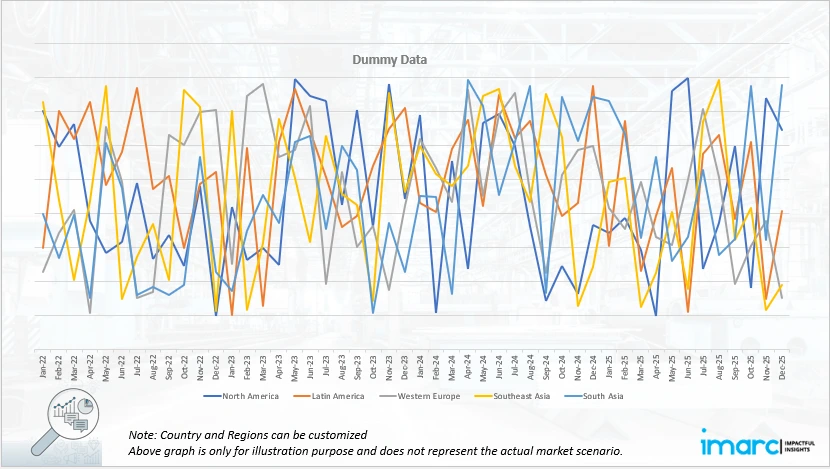
Fly Ash Price Chart
Get real-time access to monthly/quarterly/yearly prices Request Sample
During the third quarter of 2026, the fly ash prices in the USA reached 127 USD/MT in September. Prices moved upward as steady demand from cement producers and ready mix concrete suppliers absorbed available material from coal fired generating stations. Tight availability of classified ash kept prompt offers firm for infrastructure and building contractors. Logistics costs for moving material from generating sites to consuming regions added further pressure to delivered values.
During the third quarter of 2026, the fly ash prices in China reached 30 USD/MT in September. Prices moved upward as steady demand from cement plants and concrete producers absorbed the large volumes generated by coal fired utilities across major industrial provinces. Ample availability kept the domestic market well supplied relative to other origins. Firm offtake from block manufacturers and infrastructure projects supported consistent demand through the quarter.
During the third quarter of 2026, the fly ash prices in Germany reached 23 USD/MT in September. Prices edged upward as steady demand from cement producers and concrete manufacturers absorbed available material through the quarter. Reduced coal fired generation has lowered the volume of fresh ash reaching the market, keeping offers firm for consumers. Buyers in the precast and ready mix concrete segments maintained active procurement of classified grades.
During the third quarter of 2026, the fly ash prices in France reached 97 USD/MT in September. Prices moved upward as steady demand from cement plants and public works contractors absorbed available supply during the quarter. Imported material faced firmer replacement costs as suppliers in neighbouring markets limited prompt availability. Tight availability of classified ash supported firmer offers for blended cement and concrete applications.
During the third quarter of 2026, the fly ash prices in Canada reached 55 USD/MT in September. Prices moved upward as steady demand from cement producers and concrete suppliers absorbed available material through the quarter. Reduced coal fired generation in several provinces kept fresh ash volumes limited relative to consumption. Cross border buyers faced firmer replacement costs as strong demand in the United States absorbed exportable volumes.
Fly Ash Prices Outlook Q2 2026
- USA: USD 126.3/MT
- China: USD 29.4/MT
- Germany: USD 23.3/MT
- France: USD 96.3/MT
- Canada: USD 54.3/MT
During the second quarter of 2026, the fly ash prices in the USA reached 126.3 USD/MT in June. Market conditions were shaped by steady demand from cement and concrete producers who continued to prioritize supplementary cementitious materials in construction activity. Infrastructure development projects supported consistent offtake, while residential construction showed selective improvement across certain regions. Supply availability remained influenced by fly ash generation patterns from coal based power operations, which continued to face structural adjustments.
During the second quarter of 2026, the fly ash prices in China reached 29.4 USD/MT in June. Prices remained influenced by abundant domestic supply supported by high generation of coal based power residues and efficient collection systems. Demand from the construction sector showed mixed movement as infrastructure activity provided steady support while real estate development continued to face subdued momentum. Cement manufacturers maintained stable procurement patterns, focusing on cost optimization and blending requirements.
During the second quarter of 2026, the fly ash prices in Germany reached 23.3 USD/MT in June. Market movement was shaped by the tightening availability of material due to the continued decline in coal based power generation across the region, which reduced fresh supply streams. Demand from the cement and construction sectors remained steady, supported by infrastructure maintenance and renovation activities. However, procurement patterns were influenced by sustainability regulations encouraging the use of alternative supplementary cementitious materials, which created competition among industrial byproducts.
During the second quarter of 2026, the fly ash prices in France reached 96.3 USD/MT in June. Pricing trends were influenced by relatively higher dependence on imported material and regional supply constraints arising from reduced coal based generation output across Europe. Demand from construction and infrastructure refurbishment projects supported steady consumption, particularly in urban development and public works segments. Cement producers continued the integration of supplementary cementitious materials to support emissions reduction targets, sustaining baseline demand levels.
During the second quarter of 2026, the fly ash prices in Canada reached 54.3 USD/MT in June. Market conditions were shaped by steady demand from infrastructure development and cement blending activities, supported by ongoing construction projects across urban centers. Supply availability was influenced by limited domestic generation of coal based fly ash, leading to reliance on cross border movement from neighboring regions. Transportation conditions and handling requirements impacted delivery schedules, creating regional variation in procurement patterns.
Fly Ash Prices Outlook Q1 2026
- USA: USD 126/MT
- China: USD 29/MT
- Germany: USD 23/MT
- France: USD 95/MT
- Canada: USD 54/MT
During the first quarter of 2026, the fly ash prices in the USA reached 126 USD/MT in March. The market recorded a steady upward trend supported by firm demand from the construction and cement sectors. Increased infrastructure activity contributed to consistent consumption of fly ash as a key supplementary material. Supply conditions remained controlled due to stable coal based power generation, which influenced ash availability. Logistics and transportation costs remained firm, adding upward pressure on prices.
During the first quarter of 2026, the fly ash prices in China reached 29 USD/MT in March. The market experienced a notable increase driven by steady demand from the construction sector and controlled supply conditions. Coal based power generation remained stable, ensuring consistent but not excessive ash output. Demand from cement manufacturers remained firm, supporting price growth. Export activity also contributed to tightening domestic availability.
During the first quarter of 2026, the fly ash prices in Germany reached 23 USD/MT in March. The market observed a gradual rise supported by steady demand from infrastructure and construction sectors. Supply availability remained balanced, influenced by stable energy production levels. Consumption from cement manufacturers remained consistent, supporting price increases. Buyers maintained cautious procurement strategies, avoiding excess inventory while ensuring supply continuity.
During the first quarter of 2026, the fly ash prices in France reached 95 USD/MT in March. The market recorded moderate price growth driven by stable demand from the construction sector and controlled supply availability. Infrastructure development supported consistent consumption, while production levels remained steady. Buyers followed balanced procurement strategies, maintaining sufficient inventory without aggressive stocking. Logistics and operational costs remained firm, providing additional support to pricing.
During the first quarter of 2026, the fly ash prices in Canada reached 54 USD/MT in March. The market experienced a steady increase supported by consistent demand from the construction and cement industries. Supply remained stable due to steady power generation activity. Consumption levels remained firm, while procurement patterns were balanced. Buyers maintained cautious inventory management practices. Additionally, transportation and processing costs contributed to upward pricing pressure, resulting in gradual price increases during the quarter.
Fly Ash Prices Outlook Q4 2025
- USA: USD 121.9/MT
- China: USD 28.1/MT
- Germany: USD 22.5/MT
- France: USD 92.7/MT
- Canada: USD 52.1/MT
During the fourth quarter of 2025, the fly ash prices in the USA reached 121.9 USD/MT in December. Prices increased, supported by steady demand from ready-mix concrete producers and infrastructure projects emphasizing blended cement usage. Additionally, regulated coal-fired power generation output and regional supply logistics influenced availability, while construction backlogs sustained procurement across commercial and public works segments.
During the fourth quarter of 2025, the fly ash prices in China reached 28.1 USD/MT in December. Prices rose, driven by active infrastructure development and stable consumption in cement and construction materials manufacturing. Moreover, controlled thermal power plant output and regional transportation costs shaped supply positioning across major industrial provinces.
During the fourth quarter of 2025, the fly ash prices in Germany reached 22.5 USD/MT in December. Prices edged higher, influenced by consistent demand from cement blending applications and environmental construction projects. Furthermore, regulated emissions policies affecting coal power generation impacted supply flow, shaping procurement strategies within the construction materials sector.
During the fourth quarter of 2025, the fly ash prices in France reached 92.7 USD/MT in December. Prices increased, supported by firm demand from infrastructure rehabilitation programs and sustainable construction initiatives promoting supplementary cementitious materials. In addition to this, inland logistics coordination and power generation output levels influenced regional availability.
During the fourth quarter of 2025, the fly ash prices in Canada reached 52.1 USD/MT in December. Prices rose, driven by steady consumption in concrete production and transportation infrastructure projects. Apart from this, supply adjustments linked to coal-fired generation capacity and cross-border trade flows shaped procurement behavior.
Fly Ash Prices Outlook Q3 2025
- USA: USD 118/MT
- China: USD 27/MT
- Germany: USD 22/MT
- France: USD 91/MT
- Canada: USD 51/MT
During the third quarter of 2025, the fly ash prices in the USA reached 118 USD/MT in September. The decline stemmed from improved coal combustion residue availability and reduced logistics bottlenecks at major thermal power plants. Lower transportation costs and stable energy inputs further eased supply pressures. Demand from the cement and construction sectors moderated slightly due to slowed infrastructure spending and seasonal project delays.
During the third quarter of 2025, the fly ash prices in China reached 27 USD/MT in September. Increased utilization in blended cement production and high demand from urban development projects supported price growth. Regional restrictions on coal-based power generation reduced overall fly ash output, tightening local availability. Rising domestic freight and packaging expenses also contributed to higher market prices. Overall, supply tightness amid steady demand sustained the bullish sentiment across China’s fly ash market.
During the third quarter of 2025, the fly ash prices in Germany reached 22 USD/MT in September. Consistent supply from thermal power sources and balanced demand from the construction industry, maintained market equilibrium. Energy and transport costs remained stable, offsetting potential price movements. Furthermore, increased use of alternative pozzolanic materials in the EU construction sector prevented excessive price inflation. Consequently, the German fly ash market experienced stable trading conditions throughout the quarter.
During the third quarter of 2025, the fly ash prices in France reached 91 USD/MT in September. The upswing was driven by accelerating infrastructure programs, particularly in tunnels and road upgrades, alongside shrinking domestic coal ash supply due to plant retirements. Collection and processing costs rose as compliance with low-carbon regulations intensified. Imports of fly ash became pricier owing to transport and currency effect, increasing total landed cost.
During the third quarter of 2025, the fly ash prices in Canada reached 51 USD/MT in September. The decline from the prior quarter was influenced by healthy domestic supply and moderated demand growth. Coal-plant output remained sufficient to meet fly-ash availability, and construction demand growth was modest. Remote logistics and wildfire-related transport disruptions earlier in the year had eased, reducing premium on freight. At the same time, Canadian users increasingly sourced US imports at competitive rates, exerting slight downward pressure on domestic pricing.
Fly Ash Prices Outlook Q2 2025
- USA: USD 123/MT
- China: USD 25/MT
- Germany: USD 22/MT
- France: USD 87/MT
- Canada: USD 52/MT
During the second quarter of 2025, the fly ash prices in the USA reached 123 USD/MT in June. In Q2 2025, fly ash prices in the USA were influenced by fluctuations in coal-fired power plant utilization, particularly in the Midwest and Southeast. Increased demand from the construction sector, especially for ready-mix concrete, intensified supply constraints. Railroad labor disputes and congestion at key freight corridors disrupted the transportation of fly ash. Moreover, environmental regulations limited fly ash availability by restricting coal plant operations.
During the second quarter of 2025, fly ash prices in China reached 25 USD/MT in June. Fly ash prices in China were impacted by tightened supply due to the continued transition from coal-fired energy to renewable sources. Industrial demand, especially from the infrastructure and real estate sectors, remained robust. Provincial mandates limiting fly ash disposal and stricter air quality compliance also curtailed supply. Logistics disruptions caused by regional flooding in southern provinces further compounded supply imbalances.
During the second quarter of 2025, the fly ash prices in Germany reached 22 USD/MT in June. In Germany, fly ash pricing in Q2 2025 was shaped by declining coal-based power generation, particularly in North Rhine-Westphalia. Demand from the cement and precast concrete sectors remained steady, while supply declined due to plant closures and EU emissions targets. Import dependence increased marginally, but higher freight costs and availability issues from Eastern Europe added further pricing pressure.
During the second quarter of 2025, the fly ash prices in France reached 87 USD/MT in June. Fly ash prices in France were primarily influenced by reduced domestic production resulting from the gradual decommissioning of coal-fired power plants. Demand from the public infrastructure sector, notably in road and tunnel construction projects, stayed consistent. Limited alternative supply sources, coupled with increased environmental compliance costs for collection and processing, contributed to overall market constraints in Q2 2025.
During the second quarter of 2025, the fly ash prices in Canada reached 52 USD/MT in June. In Canada, fly ash market dynamics in Q2 2025 were driven by seasonal construction activities, especially in Ontario and Alberta. Supply levels remained inconsistent due to lower output from coal plants and increased dependence on US imports. Transportation bottlenecks stemming from wildfires in Western Canada impeded shipments. Additionally, rising demand from the blended cement manufacturing sector contributed to tighter availability.
Fly Ash Prices Outlook Q1 2025
- USA: USD 122/MT
- China: USD 26/MT
- Germany: USD 21/MT
During the first quarter of 2025, the fly ash prices in the USA reached 122 USD/MT in March. As per the fly ash price chart, the market fell as production surpassed demand. Suppliers increased stocks amid cheaper freight prices, however construction activity slowed due to high financing costs and inclement weather. By the conclusion of the quarter, oversupply and cautious downstream purchasing contributed to a pessimistic view, with purchasers focusing on stockpile management.
During the first quarter of 2025, the fly ash prices in China reached 26 USD/MT in March. Despite persistent real estate downturn, China's fly ash market witnessed prices rise in the first quarter of 2025, fueled by improved infrastructure demand. Early in the quarter, plentiful inventories and consistent supply kept prices flat. However, February's increase in construction activity tightened market conditions, resulting in modest price gains.
During the first quarter of 2025, the fly ash prices in Germany reached 21 USD/MT in March. The market had minor price growth, owing mostly to rising production costs caused by higher coal and gas prices. Despite steady supply chains, demand remained weak due to a slow construction sector hampered by inflation and rising borrowing rates. While intentional supply adjustments narrowed the market marginally in the middle of the quarter, the overall trend was determined by cost pressures rather than a strong demand recovery.
.webp)
Regional Coverage
The report provides a detailed analysis of the market across different regions, each with unique pricing dynamics influenced by localized market conditions, supply chain intricacies, and geopolitical factors. This includes price trends, price forecast and supply and demand trends for each region, along with spot prices by major ports. The report also provides coverage of FOB and CIF prices, as well as the key factors influencing fly ash prices.
Europe Fly Ash Price Trend
Q3 2026:
The fly ash price index in Europe moved upward through the quarter, supported by firmer replacement costs and steady demand from cement and concrete producers across the region. Germany recorded firm offers as cement manufacturers and precast producers absorbed available classified material. France followed a similar pattern, with public works contractors and cement plants maintaining steady procurement during the period. European buyers depend heavily on material captured at coal fired generating stations and on cargoes from neighbouring markets, so firmer freight rates and port handling charges pushed landed values higher. Reduced coal fired generation across several national markets continued to tighten the availability of fresh ash. Distributors maintained conservative inventories, which limited the volume of prompt material available to non contract buyers.
Q2 2026:
The fly ash price index in Europe remained influenced by structural supply constraints driven by continued reduction of coal fired power generation across major economies, which limited fresh ash availability. Demand conditions were supported by steady activity in construction, infrastructure refurbishment, and cement manufacturing sectors, where supplementary cementitious materials remained an important input for emissions reduction strategies. Regional price variation persisted due to differing reliance on imports and inland transport costs, with Western European markets reflecting comparatively stronger price levels.
Q1 2026:
The fly ash price index in Europe showed a gradual upward trend supported by steady demand from construction and infrastructure sectors. Consumption from cement manufacturers remained consistent, ensuring stable market activity. Supply conditions were balanced, influenced by steady power generation output. Logistics costs remained firm, providing additional support to pricing. Buyers maintained cautious procurement strategies, ensuring supply continuity without excessive inventory buildup. Overall, the market experienced stable growth supported by balanced supply and demand dynamics.
Q4 2025:
As per the fly ash price index, European prices moved upward, supported by sustained demand from cement blending and low-carbon construction initiatives. Additionally, regulated coal power plant operations across the region influenced supply availability, particularly in markets with reduced thermal generation capacity. Infrastructure renovation programs and environmental compliance requirements further shaped procurement cycles across construction materials distributors.
Q3 2025:
In Q3 2025, the fly ash price index in Europe experienced steady prices. Adequate supply from power generation units and consistent demand from the cement and concrete sectors sustained price steadiness. Market sentiment was further stabilized by controlled energy and freight costs. The ongoing transition toward green cement formulations and alternative supplementary cementitious materials slightly capped upward momentum. Overall, European markets maintained equilibrium between availability and consumption, resulting in a flat price trend during the quarter.
Q2 2025:
As per the fly ash price index, fly ash prices in Europe were influenced by declining coal-fired power generation across key countries, especially Germany and Poland, due to stricter decarbonization mandates. The construction sector maintained steady demand, particularly from infrastructure rehabilitation projects. Cross-border supply chains faced challenges due to reduced availability from Eastern European sources and rising transport costs driven by higher fuel prices and capacity constraints in rail freight.
Q1 2025:
As per the fly ash price index, Germany's market recorded a steady price hike despite sustained downturn in the building sector. Rising production costs, notably coal and natural gas prices, were the key drivers of the price increase. While supply remained consistent due to strategic planning and enhanced logistics, mid-quarter adjustments squeezed the market significantly. However, demand remained weak in both residential and commercial categories, hampered by high inflation and borrowing rates.
This analysis can be extended to include detailed fly ash price information for a comprehensive list of countries.
| Region | Countries Covered |
|---|---|
| Europe | Germany, France, United Kingdom, Italy, Spain, Russia, Turkey, Netherlands, Poland, Sweden, Belgium, Austria, Ireland, Switzerland, Norway, Denmark, Romania, Finland, Czech Republic, Portugal, and Greece, among other European countries. |
North America Fly Ash Price Trend
Q3 2026:
The fly ash price index in North America moved upward during the quarter, driven by tighter prompt availability and steady demand from cement and concrete producers. The USA, the leading generating and consuming market in the region, saw ready mix concrete suppliers and cement plants maintain active procurement of available material. Canada recorded firmer offers as cross border buyers competed for limited volumes of classified ash. Reduced coal fired generation across the region continued to constrain the flow of fresh material into the market. Firmer haulage and terminal costs between generating sites and consuming markets supported higher delivered values. Distributors maintained lean inventories, which restricted the volume of material available for immediate delivery.
Q2 2026:
Fly ash price index in North America was shaped by steady demand conditions across construction and cement sectors, supported by ongoing infrastructure development and maintenance projects. Supply dynamics remained constrained due to the long term decline in coal based power generation, which reduced fresh material availability across key producing regions. Cross border trade between the United States and Canada played a significant role in balancing regional supply requirements, although transportation costs and logistical scheduling affected distribution efficiency. Cement manufacturers continued to integrate fly ash as a key supplementary material to meet performance and environmental targets, sustaining baseline consumption levels.
Q1 2026:
The fly ash price index in North America reflected moderate growth driven by steady demand from the infrastructure and construction activities. Ongoing public and private sector projects supported continuous consumption of fly ash as a key supplementary material in cement and concrete applications. Industrial activity remained stable, further reinforcing demand across end use sectors. On the supply side, production levels remained controlled due to consistent output from coal based power generation, ensuring availability without creating excess supply.
Q4 2025:
As per the fly ash price index, prices in North America increased, driven by active infrastructure investment and continued reliance on fly ash as a supplementary cementitious material. Furthermore, regional disparities in coal-fired power generation output influenced supply distribution across states and provinces. Buyers aligned sourcing with large-scale transportation and commercial construction backlogs.
Q3 2025:
In Q3 2025, the fly ash price index in North America showed a bearish trend. A stable coal power generation base ensured steady availability of fly ash, while demand from the construction and concrete industries softened amid slower public infrastructure spending. Reduced rail and barge freight rates lowered distribution costs, further easing pricing pressure. The region maintained balanced market conditions with adequate inventories and controlled production costs, resulting in an overall downward pricing trend.
Q2 2025:
As per the fly ash price index, in North America, the market was impacted by uneven coal plant utilization across the United States and Canada, with a greater shift toward natural gas and renewables reducing overall output. Infrastructure spending in the public construction sector drove sustained demand. Logistical disruptions, including rail delays and wildfires in western regions, further restricted availability and increased transportation lead times. Import dependence on supplementary cementitious materials also contributed to cost volatility.
Q1 2025:
The US fly ash market had a minor price fall in the first quarter of 2025 as a result of a continuous supply-demand mismatch. Suppliers had proactively accumulated stocks in response to advantageous freight prices, but seasonal variables such as bad weather and high finance costs slowed construction progress. Imports from Asia increased in the middle of the quarter, expanding supply while freight costs fell. Although infrastructural initiatives gave some relief, total demand could not keep up. By the close of the quarter, oversupplied inventories and reluctant downstream procurement mirrored adverse market sentiment, with purchasers focusing on managing existing stocks.
Specific fly ash historical data within the United States and Canada can also be provided.
| Region | Countries Covered |
|---|---|
| North America | United States and Canada |
Middle East and Africa Fly Ash Price Trend
Q3 2026:
The study includes fly ash price trends across the Middle East and Africa, taking into consideration variables that have a direct impact on market prices, such as regional industrial expansion, natural resource availability, and geopolitical conflicts.
Q2 2026:
The study examines fly ash pricing patterns and the fly ash price chart throughout the Middle East and Africa, accounting for elements that significantly affect market pricing dynamics, such as regional industrial growth, the availability of natural resources, and geopolitical developments.
Q1 2026:
The report analyzes fly ash pricing trends and the fly ash price chart across the Middle East and Africa, taking into account factors such as regional industrial expansion, natural resource availability, and geopolitical developments that distinctly impact market pricing dynamics.
Q4 2025:
As per fly ash price chart, the prices in the Middle East and Africa fluctuated due to a complex interplay of factors, primarily driven by supply chain disruptions, seasonal demand shifts, and geopolitical influences.
Q3 2025:
The report explores the fly ash pricing trends and fly ash price chart in the Middle East and Africa, considering factors like regional industrial growth, the availability of natural resources, and geopolitical tensions that uniquely influence market prices.
Q2 2025:
A tight supply from refineries, exacerbated by maintenance rounds and unplanned outages, put pressure on prices. Simultaneously, demand from the agrochemical sector during the planting season contributed to price changes.
In addition to region-wise data, information on fly ash prices for countries can also be provided.
| Region | Countries Covered |
|---|---|
| Middle East & Africa | Saudi Arabia, UAE, Israel, Iran, South Africa, Nigeria, Oman, Kuwait, Qatar, Iraq, Egypt, Algeria, and Morocco, among other Middle Eastern and African countries. |
Asia Pacific Fly Ash Price Trend
Q3 2026:
The fly ash price index in Asia Pacific moved upward through the quarter, supported by steady demand from cement and concrete producers across the region. China, the largest generating and consuming market in the region, saw ample availability from coal fired utilities absorbed by cement plants and block manufacturers. India recorded firm domestic offers as infrastructure and construction activity kept offtake consistent across major consuming states. Import dependent markets in Southeast Asia faced firmer landed costs as suppliers limited prompt availability. Logistics costs between inland generating sites and coastal terminals affected delivered values for buyers across the region. Distributors held cautious inventory positions, which reduced flexibility for buyers seeking prompt delivery.
Q2 2026:
During the second quarter of 2026, the fly ash market in Asia Pacific was shaped by a combination of strong supply availability and regionally varied demand patterns. High generation from coal based power plants in key producing countries supported ample material availability, particularly in East Asia. China continued to influence regional pricing due to its large scale production and consumption dynamics, while Southeast Asian and South Asian markets showed increasing utilization in cement and infrastructure projects. India contributed a steady demand growth driven by construction activity and infrastructure development initiatives. Export flows from surplus regions supported price balancing across import dependent countries.
Q1 2026:
In the Asia Pacific region, fly ash prices showed moderate growth driven by steady demand from the cement and construction industries. Rapid urban development and infrastructure expansion across major economies supported consistent consumption of fly ash. Production levels remained stable due to reliable coal based power generation, ensuring continuous availability of material. Export demand within the region supported active trade flows, contributing to balanced supply distribution across markets.
Q4 2025:
Across Asia Pacific, fly ash prices rose, supported by ongoing infrastructure development and steady cement production demand across major economies. Additionally, coal-based power generation output levels and inland freight logistics influenced supply distribution. Procurement remained aligned with construction material manufacturing schedules and regional infrastructure project timelines.
Q3 2025:
Fly ash prices in the Asia Pacific region trended upward during Q3 2025, supported by strong demand from China, India, and Southeast Asia. Rapid infrastructure expansion, cement manufacturing growth, and limited coal ash output from environmental restrictions contributed to higher regional prices. Increased logistics and handling costs across ports and interregional transport networks added to overall market firmness. Despite policy-driven supply adjustments, robust construction demand ensured a positive pricing trajectory throughout the region.
Q2 2025:
In the Asia Pacific region, fly ash price trends in Q2 2025 were shaped by mixed coal plant operations, with countries like India maintaining high coal-based power output while China reduced dependence on coal. Demand from the cement and precast concrete sectors remained high amid ongoing infrastructure and housing projects. Supply constraints arose from stricter environmental regulations, seasonal flooding, and port congestion, particularly in Southeast Asian markets.
Q1 2025:
China's fly ash market experienced a minor price hike in Q1 2025, owing to gradually improving demand amid ongoing construction slowdowns. Prices remained constant in January, supported by sufficient stockpiles and consistent production from coal-fired facilities, despite the fact that coal mine shutdowns reduced coking coal availability. February saw a big bounce as infrastructure-driven buildings increased, restricting supply and driving up prices. However, slowing real estate activity hampered larger escalations. By March, supply and demand had reached equilibrium, thanks to efficient logistics and pleasant weather. The quarter ended with cautious optimism, fueled primarily by government-backed infrastructure activity.
This fly ash price analysis can be expanded to include a comprehensive list of countries within the region.
| Region | Countries Covered |
|---|---|
| Asia Pacific | China, India, Indonesia, Pakistan, Bangladesh, Japan, Philippines, Vietnam, Thailand, South Korea, Malaysia, Nepal, Taiwan, Sri Lanka, Hongkong, Singapore, Australia, and New Zealand, among other Asian countries. |
Latin America Fly Ash Price Trend
Q3 2026:
The fly ash market in Latin America is primarily shaped by regional import dependency and downstream industrial demand across cement manufacturing, concrete production, and construction materials applications. However, due to logistics constraints and varying regulatory regimes, fly ash prices might fluctuate dynamically across the region.
Q2 2026:
The supply chain is frequently impacted by logistical inefficiencies and infrastructure problems, which make it difficult for the area to reliably satisfy demand from elsewhere. When examining fly ash pricing trends in this area, it is also important to take into account the fly ash price index, economic volatility, and currency devaluation.
Q1 2026:
Latin America's abundant natural resources, especially in nations like Chile and Brazil, have a major impact on the fly ash market. However, fly ash costs can fluctuate significantly due to varied regulatory regimes and political instability.
Q4 2025:
Latin America's fly ash market is predominantly influenced by its rich natural reserves, particularly in countries like Chile and Brazil. However, political instability and inconsistent regulatory frameworks can lead to significant volatility in fly ash prices.
Q3 2025:
Infrastructure challenges and logistical inefficiencies often impact the supply chain, affecting Latin America’s ability to meet international demand consistently. Moreover, the fly ash price index, economic fluctuations, and currency devaluation are critical factors that need to be considered when analyzing fly ash pricing trends in this region.
This comprehensive review can be extended to include specific countries within the region.
| Region | Countries Covered |
|---|---|
| Latin America | Brazil, Mexico, Argentina, Columbia, Chile, Ecuador, and Peru, among other Latin American countries. |
Fly Ash Pricing Report, Market Analysis, and News
IMARC's latest publication, “Fly Ash Prices, Trend, Chart, Demand, Market Analysis, News, Historical and Forecast Data Report 2026 Edition,” presents a detailed examination of the fly ash market, providing insights into both global and regional trends that are shaping prices. This report delves into the spot price of fly ash at major ports and analyzes the composition of prices, including FOB and CIF terms. It also presents detailed fly ash prices trend analysis by region, covering North America, Europe, Asia Pacific, Latin America, and Middle East and Africa. The factors affecting fly ash pricing, such as the dynamics of supply and demand, geopolitical influences, and sector specific developments, are thoroughly explored. This comprehensive report helps stakeholders stay informed with the latest market news, regulatory updates, and technological progress, facilitating informed strategic decision-making and forecasting.

Fly Ash Industry Analysis
The global fly ash market size reached USD 14.96 Billion in 2025. By 2034, IMARC Group expects the market to reach USD 22.96 Billion, at a projected CAGR of 4.87% during 2026-2034. Market growth is being driven by rising use of fly ash as a supplementary cementitious material in blended cements, expanding infrastructure and construction activity worldwide, and growing adoption of low carbon concrete that replaces clinker with pozzolanic material.
Latest News and Developments:
- March 2026: A recent study examined the freeze thaw durability of geopolymer mortars made from class C and class F fly ash with varying ash to sand ratios. Results showed that mix composition strongly influences resistance to cyclic environmental stress. Mortars with optimized ratios demonstrated lower mass loss and higher compressive strength under both laboratory cycling and natural exposure. Microstructural analysis revealed changes in pore structure and phase composition. The findings provide valuable insights for improving durability of geopolymer materials in cold climate construction applications.
- January 2025: Hindalco Industries launched electric vehicle bulkers at its Aditya Aluminum plant in Odisha to transport fly ash to the cement industry, aiming to cut 3,500 tons of carbon dioxide emissions and Rs 1.5 crore in freight costs.
- May 2024: Bharat Aluminum Company signed an MoU with Shree Cement Limited to supply 90,000 metric tons of fly ash for low carbon cement production and circular economy practices.
- February 2024: Eco Material Technologies developed a technology to reclaim fly ash from landfills and process it for sustainable concrete, contributing to net zero carbon emission goals.
Product Description
Fly ash is the fine powdery residue formed when pulverized coal is burned in the boilers of thermal power stations. It is a heterogeneous mixture rather than a single chemical compound, so it has no molecular formula. It consists mainly of silica, alumina, and iron oxides, together with calcium oxide and smaller amounts of other mineral oxides. Utilities capture fly ash from flue gas using electrostatic precipitators or fabric filter baghouses before the gas is discharged through the stack. The captured ash is conveyed pneumatically to storage silos and may be handled dry or conditioned with a small amount of water to control dust during transport. One of its major uses is as a supplementary cementitious material in blended cements and Portland pozzolana cement, where it can improve workability, reduce the heat of hydration, and contribute to long-term strength development. In concrete production, fly ash can replace a portion of the Portland cement or other cementitious binder, reducing the clinker requirement and, consequently, the embodied carbon of the finished concrete.
Report Coverage
| Key Attributes | Details |
|---|---|
| Product Name | Fly Ash |
| Report Features | Exploration of Historical Trends and Market Outlook, Industry Demand, Industry Supply, Gap Analysis, Challenges, Fly Ash Price Analysis, and Segment-Wise Assessment. |
| Currency/Units | US$ (Data can also be provided in local currency) or Metric Tons |
| Region/Countries Covered | The current coverage includes analysis at the global and regional levels only. Based on your requirements, we can also customize the report and provide specific information for the following countries: Asia Pacific: China, India, Indonesia, Pakistan, Bangladesh, Japan, Philippines, Vietnam, Thailand, South Korea, Malaysia, Nepal, Taiwan, Sri Lanka, Hongkong, Singapore, Australia, and New Zealand Europe: Germany, France, United Kingdom, Italy, Spain, Russia, Turkey, Netherlands, Poland, Sweden, Belgium, Austria, Ireland, Switzerland, Norway, Denmark, Romania, Finland, Czech Republic, Portugal and Greece North America: United States and Canada Latin America: Brazil, Mexico, Argentina, Columbia, Chile, Ecuador, and Peru Middle East & Africa: Saudi Arabia, UAE, Israel, Iran, South Africa, Nigeria, Oman, Kuwait, Qatar, Iraq, Egypt, Algeria, and Morocco The list of countries presented is not exhaustive. Information on additional countries can be provided if required by the client. |
| Information Covered for Key Suppliers |
|
| Customization Scope | The report can be customized as per the requirements of the customer |
| Report Price and Purchase Option |
Plan A: Monthly Updates - Annual Subscription
Plan B: Quarterly Updates - Annual Subscription
Plan C: Biannually Updates - Annual Subscription
|
| Post-Sale Analyst Support | 360-degree analyst support after report delivery |
| Delivery Format | PDF and Excel through email (We can also provide the editable version of the report in PPT/Word format on special request) |
Key Benefits for Stakeholders:
- IMARC’s report presents a detailed analysis of fly ash pricing, covering global and regional trends, spot prices at key ports, and a breakdown of FOB and CIF prices.
- The study examines factors affecting fly ash price trend, including input costs, supply-demand shifts, and geopolitical impacts, offering insights for informed decision-making.
- The competitive landscape review equips stakeholders with crucial insights into the latest market news, regulatory changes, and technological advancements, ensuring a well-rounded, strategic overview for forecasting and planning.
- IMARC offers various subscription options, including monthly, quarterly, and biannual updates, allowing clients to stay informed with the latest market trends, ongoing developments, and comprehensive market insights. The fly ash price charts ensure our clients remain at the forefront of the industry.
Need more help?
- Speak to our experienced analysts for insights on the current market scenarios.
- Include additional segments and countries to customize the report as per your requirement.
- Gain an unparalleled competitive advantage in your domain by understanding how to utilize the report and positively impacting your operations and revenue.
- For further assistance, please connect with our analysts.
 Request Customization
 Inquire Before Buying
 Speak to an Analyst
 Request Brochure
Benefits of Customization
- Personalize this research
- Triangulate with your data
- Get data as per your format and definition
- Gain a deeper dive into a specific application, geography, customer, or competitor
- Any level of personalization
Get in Touch With Us
UNITED STATES
Phone: +1-201-971-6302
INDIA
Phone: +91-120-433-0800
UNITED KINGDOM
Phone: +44-753-714-6104
Email: [email protected]
Client Testimonials




.webp)




.webp)













Related Reports

Why Choose Us
IMARC offers trustworthy, data-centric insights into commodity pricing and evolving market trends, enabling businesses to make well-informed decisions in areas such as procurement, strategic planning, and investments. With in-depth knowledge spanning more than 1000 commodities and a vast global presence in over 150 countries, we provide tailored, actionable intelligence designed to meet the specific needs of diverse industries and markets.
1000
+Commodities
150
+Countries Covered
3000
+Clients
20
+Industry

Robust Methodologies & Extensive Resources
IMARC delivers precise commodity pricing insights using proven methodologies and a wealth of data to support strategic decision-making.

Subscription-Based Databases
Our extensive databases provide detailed commodity pricing, import-export trade statistics, and shipment-level tracking for comprehensive market analysis.

Primary Research-Driven Insights
Through direct supplier surveys and expert interviews, we gather real-time market data to enhance pricing accuracy and trend forecasting.

Extensive Secondary Research
We analyze industry reports, trade publications, and market studies to offer tailored intelligence and actionable commodity market insights.
Trusted by 3000+ industry leaders worldwide to drive data-backed decisions. From global manufacturers to government agencies, our clients rely on us for accurate pricing, deep market intelligence, and forward-looking insights.