
Germany Pharmaceutical Market Size, Share, Trends and Forecast by Type, Nature, and Region, 2026-2034
Germany Pharmaceutical Market Size, Share, Trends & Forecast (2026-2034)
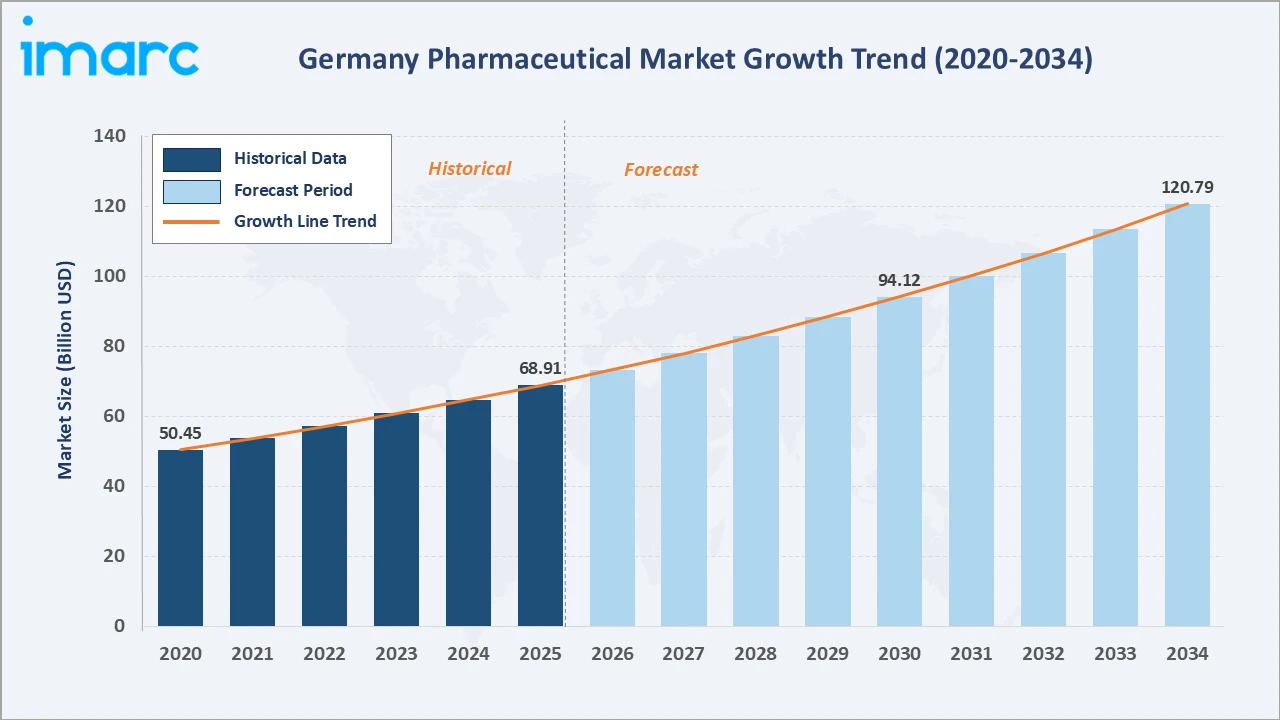
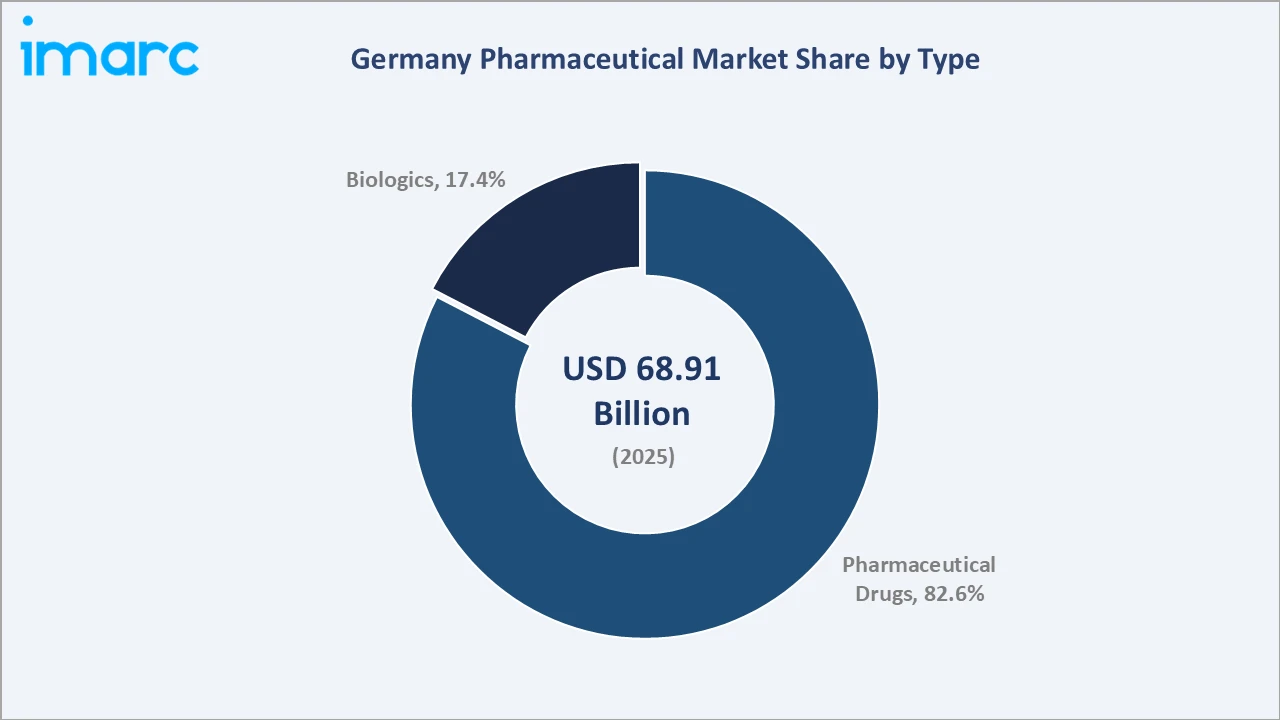
The Germany pharmaceutical market size increased from USD 68.91 Billion in 2025 to USD 73.34 Billion in 2026 and is projected to reach USD 120.79 Billion by 2034, exhibiting a robust CAGR of 6.44% during 2026-2034. In 2024, 53.7% of adults in Germany were living with a chronic illness or long-term health condition, with prevalence higher among women at 57.2%, compared with 50.0% among men. The high burden of chronic and long-term diseases is increasing sustained demand for prescription medicines, specialty therapies, and disease-management treatments. Growing treatment requirements for cardiovascular diseases, diabetes, respiratory disorders, cancer, and other chronic conditions support recurring pharmaceutical consumption and encourage continued investment in innovative therapies. Pharmaceutical drugs lead the type at 82.6%, conventional leads nature at 91.8%, and Western Germany accounts for the largest regional share at 31.8%.
Market Snapshot
|
Metric |
Value |
|
Base Year Market Size (2025) |
USD 68.91 Billion |
| Market Size (2026) | USD 73.34 Billion |
|
Forecast Market Size (2034) |
USD 120.79 Billion |
|
CAGR (2026-2034) |
6.44% |
|
Base Year |
2025 |
|
Historical Period |
2020-2025 |
|
Forecast Period |
2026-2034 |
|
Dominant Type |
Pharmaceutical Drugs – 82.6% (2025) |
|
Dominant Nature |
Conventional – 91.8% (2025) |
|
Leading Region |
Western Germany – 31.8% (2025) |
The Germany pharma industry size grew from USD 50.45 Billion in 2020 to USD 68.91 Billion in 2025 and an estimated USD 73.34 Billion in 2026, driven by COVID-19 vaccine rollout, accelerating launches of new oncology biologics and immunology drugs, and the post-pandemic normalization of hospital-based pharmaceutical consumption. The market is projected to reach USD 94.12 Billion by 2030 and USD 120.79 Billion by 2034.
To get more information on this market, Request Sample
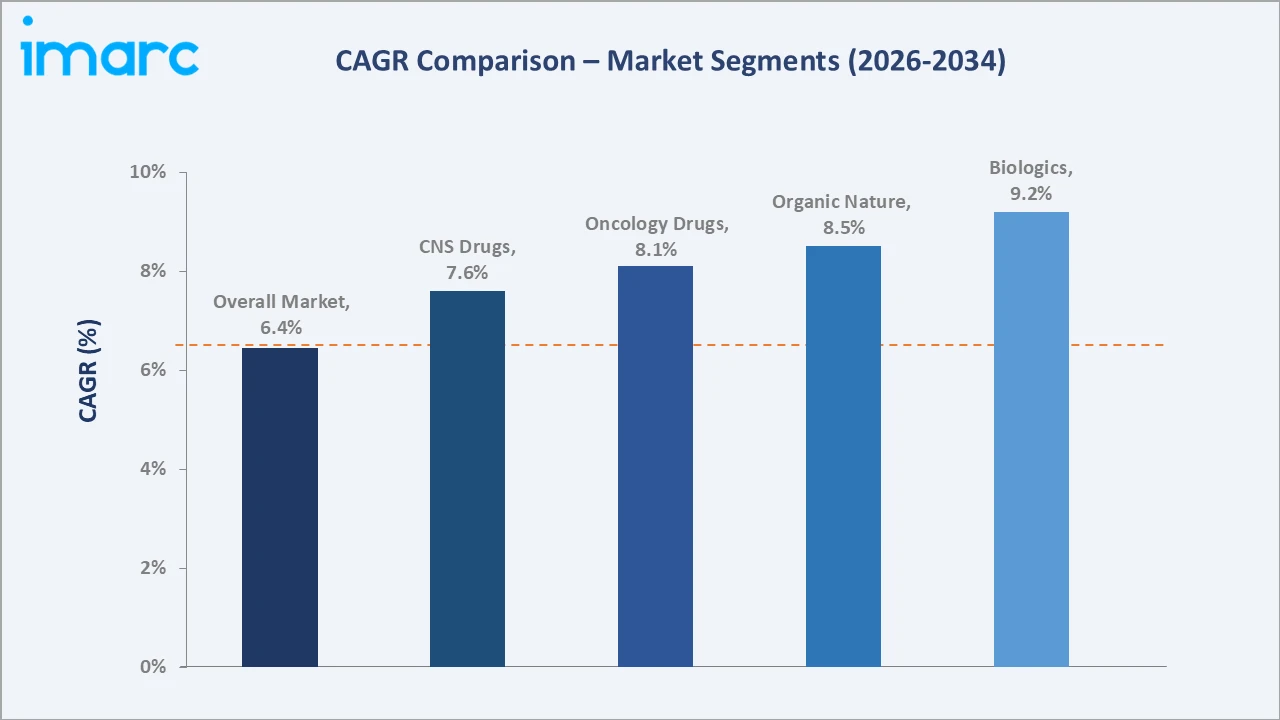
Biologics grow fastest at ~9.20% CAGR through monoclonal antibody, therapeutic protein, and next-generation vaccine launches. Organic nature grows at ~8.50% CAGR through herbal medicine, phytopharmaceutical, and natural product demand. Oncology drugs grow at ~8.10% CAGR through CAR-T, ADC, and PD-L1 inhibitor market expansion. CNS drugs grow at ~7.60% CAGR through Alzheimer’s disease-modifying therapies and neurodegeneration treatment demand.
Executive Summary
Germany pharma industry growth occupies a unique structural position in the European healthcare ecosystem, simultaneously serving as the EU’s largest national pharmaceutical consumption market, one of the world’s most innovative pharmaceutical R&D hubs, the continental leader in biosimilar market development, and the birthplace of the mRNA vaccine technology revolution through BioNTech’s Mainz-based research.
Pharmaceutical drugs at 82.6% (2025) command the market majority through Germany’s broad-spectrum treatment demand across various therapeutic drug categories ranging from cardiovascular and oncology drugs to CNS and metabolic disorder treatments, serving Germany’s population with one of the highest rates of per-capita prescription drug consumption. Conventional at 91.8% reflects Germany’s established synthetic small-molecule pharmaceutical market.
Key Market Insights
|
Insight |
Data |
|
Dominant Type |
Pharmaceutical Drugs – 82.6% share (2025) |
|
Dominant Nature |
Conventional – 91.8% share (2025) |
|
Leading Region |
Western Germany – 31.8% share (2025) |
|
Market Opportunity |
mRNA therapeutic platform expansion beyond vaccines into oncology and rare disease; cell and gene therapy reimbursement framework development; biosimilar switchability policy expansion; AI-driven drug discovery partnerships with German university medical centers |
Key Analytical Observations:
- Pharmaceutical Drugs at 82.6% (2025): Germany’s pharmaceutical drugs market, encompassing synthetic small-molecule medicines across various therapeutic categories including cardiovascular, oncology, CNS, metabolic, musculoskeletal, respiratory, gastrointestinal, ophthalmology, dermatology, hematology, anti-infective, and genito-urinary drugs, commands market majority through the breadth and depth of Germany’s treatment landscape where the comprehensive reimbursement coverage ensures that virtually all medically necessary drugs are accessible to Germany’s insured patients.
- Conventional Nature at 91.8% (2025): Germany’s conventional pharmaceutical market, synthetic small-molecule drugs produced through chemical synthesis, fermentation, or semi-synthetic processes, encompasses the full spectrum of branded innovator drugs, branded generic drugs, and non-proprietary generics.
- Western Germany at 31.8% (2025): Western Germany leads due to its strong concentration of pharmaceutical and biotechnology companies, advanced healthcare infrastructure, established R&D clusters, and large patient base. The region also benefits from dense hospital networks, skilled talent, and strong connectivity to major European pharmaceutical markets.
Germany Pharmaceutical Market Overview
The Germany pharmaceutical market encompasses the development, manufacturing, distribution, and commercialization of prescription drugs, over-the-counter medicines, generic drugs, biologics, vaccines, and specialty pharmaceuticals. It serves major therapeutic areas such as oncology, cardiovascular diseases, diabetes, neurology, respiratory disorders, and infectious diseases. Macroeconomic factors include GDP and healthcare expenditure growth, inflation, interest rates, demographic aging, employment levels, and government healthcare budgets. The market is supported by strong healthcare spending, advanced drug R&D, and rising demand across specialized segments such as the Germany compounding chemotherapy market and Germany cough syrup market.
Market Dynamics
To evaluate market opportunities, Request Sample
Market Drivers
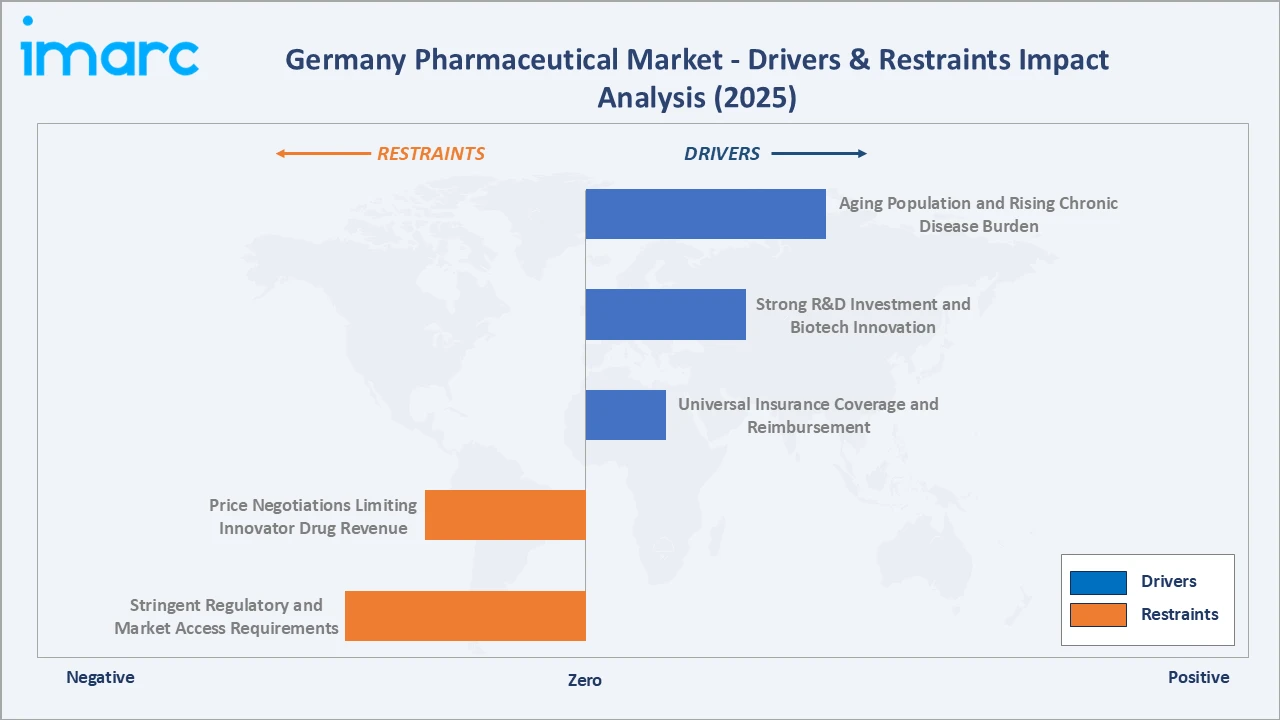
- Aging Population and Rising Chronic Disease Burden: Germany’s population aged 65 years and above is expected to increase by 41% to approximately 24 million by 2050, representing nearly one-third of the country’s total population. Germany’s demographic transition creates structurally growing pharmaceutical demand across all major chronic disease therapeutic categories. Cardiovascular drugs (anticoagulants, statins, antihypertensives, heart failure treatments), oncology drugs, metabolic disorder drugs (type 2 diabetes growing with obesity prevalence), and neurodegenerative disease treatments (Alzheimer’s disease, Parkinson’s disease) are the primary age-driven pharmaceutical growth categories in Germany.
- Strong R&D Investment and Biotech Innovation: Strong investment in pharmaceutical R&D, biotechnology, and clinical research is accelerating the development of innovative medicines across Germany. Collaboration among pharmaceutical companies, biotech firms, universities, and research institutes supports advances in biologics, cell and gene therapies, mRNA technologies, and personalized medicine. These activities strengthen drug pipelines, encourage commercialization of high-value therapies, and support sustained growth of the Germany pharmaceutical market.
- Universal Insurance Coverage and Reimbursement: As of December 2023, Statutory Health Insurance (SHI) covered approximately 89% of Germany’s population. In 2024, SHI participation was compulsory for employed individuals earning less than EUR 64,350 (USD 65,174) annually, while most insured individuals could choose among available sickness funds. Germany’s mandatory universal health insurance ensures that pharmaceutical demand is structurally insulated from individual financial barriers to medication access.
Market Restraints
- Price Negotiations Limiting Innovator Drug Revenue: Germany’s stringent drug pricing and reimbursement negotiations can restrict the revenue potential of newly launched innovative medicines by placing downward pressure on reimbursed prices. Lower pricing flexibility can reduce profit margins and potentially discourage or delay certain product launches and R&D investments, thereby constraining Germany pharmaceutical market growth.
- Stringent Regulatory and Market Access Requirements: Pharmaceutical companies must comply with rigorous EU and German requirements for drug approval, safety, quality, and post-market surveillance. Complex regulatory processes can increase development costs and extend commercialization timelines, particularly for innovative and advanced therapies.
Market Opportunities
- Expansion of Cell and Gene Therapies: The expansion of cell and gene therapies creates significant opportunities by addressing complex, rare, and previously difficult-to-treat diseases with highly targeted treatments. In May 2026, Sartorius established a new competence center in Freiburg, Germany, focused on developing and manufacturing quality-critical materials for cell and gene therapies. Backed by an investment of more than EUR 140 million, the center strengthens Sartorius’ commitment to this rapidly expanding segment. Germany’s strong biotechnology ecosystem, clinical research capabilities, and advanced manufacturing base can support the development and commercialization of these high-value therapies, opening new revenue streams for pharmaceutical companies.
- AI-Driven Drug Discovery and Digital Health Integration: The adoption of AI-driven drug discovery can help pharmaceutical companies identify promising molecules faster, optimize clinical development, and reduce R&D time and costs. Integration with digital health platforms, real-world data, and advanced analytics also creates opportunities for personalized therapies, remote patient monitoring, and more data-driven treatment decisions in the Germany pharmaceutical market.
Market Challenges
- Pharmaceutical Supply Chain Vulnerabilities: Dependence on international suppliers for active pharmaceutical ingredients (APIs), intermediates, and other critical materials exposes manufacturers to geopolitical disruptions, transportation delays, and shortages. Strengthening domestic and European supply chains may require substantial additional investment.
- Complex Commercialization of Advanced Therapies: Cell and gene therapies and personalized medicines require specialized manufacturing, logistics, clinical infrastructure, and reimbursement models. Their high treatment costs and complex production processes can make large-scale commercialization and patient access challenging.
Emerging Market Trends
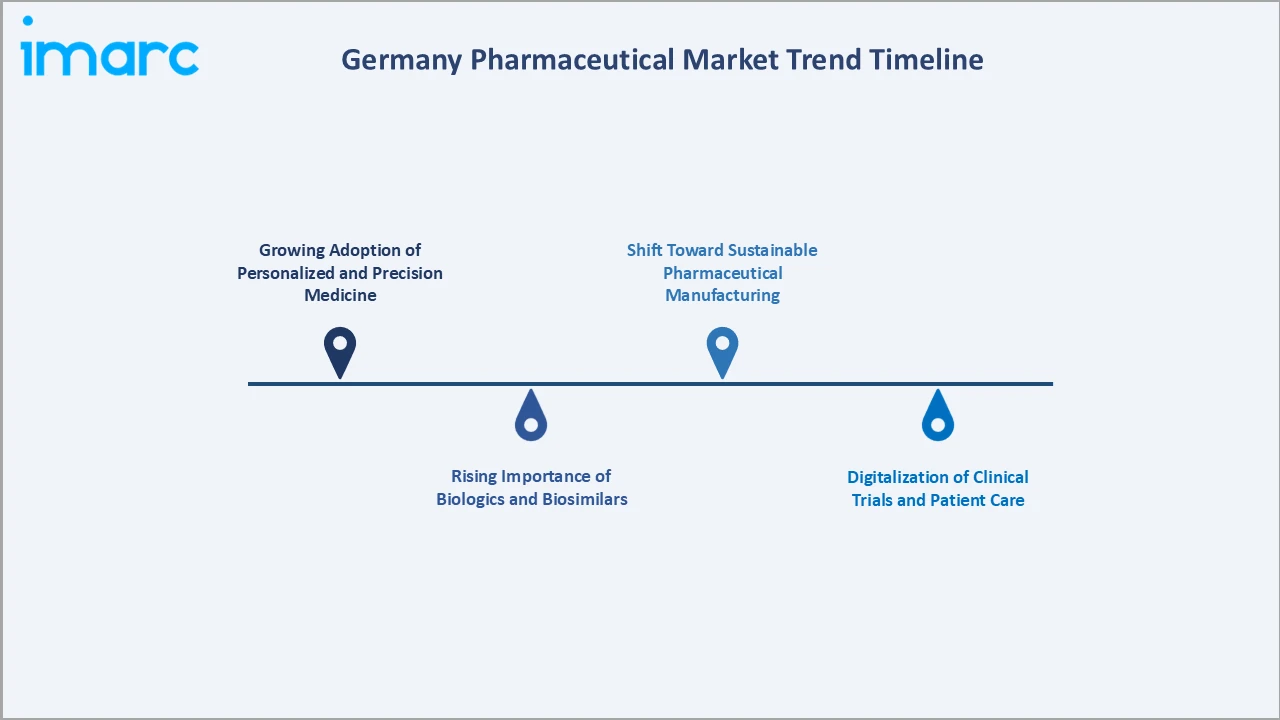
1. Growing Adoption of Personalized and Precision Medicine
Germany’s pharmaceutical industry is increasingly adopting genomics, biomarkers, and molecular diagnostics to develop therapies tailored to specific patient groups. Precision medicine is gaining importance in oncology, rare diseases, and other complex therapeutic areas. Greater use of patient-level data is also supporting targeted drug development and treatment selection.
2. Rising Importance of Biologics and Biosimilars
Demand for monoclonal antibodies, recombinant proteins, and other biologic medicines continues to shape pharmaceutical development in Germany. In November 2025, Formycon AG and Bioeq AG entered into an agreement with Sandoz AG to commercialize Epruvy in Germany. Epruvy, a biosimilar of Lucentis containing ranibizumab, is used to treat serious retinal conditions including neovascular or “wet” age-related macular degeneration and other retinopathies. Increasing biosimilar adoption is improving treatment accessibility while intensifying competition in established biologic categories.
3. Digitalization of Clinical Trials and Patient Care
Pharmaceutical companies are adopting decentralized clinical trial tools, electronic health data, wearable devices, and remote patient monitoring to improve research efficiency and patient participation. Digital platforms can enable continuous collection of real-world evidence and support more flexible trial models. This trend is strengthening integration between pharmaceuticals and digital health.
4. Shift Toward Sustainable Pharmaceutical Manufacturing
Environmental considerations are becoming increasingly important across pharmaceutical manufacturing and supply chains. Companies are investing in energy-efficient facilities, renewable electricity, waste reduction, greener chemistry, and lower-emission production processes. Sustainability requirements are also influencing supplier selection and manufacturing investment decisions.
Industry Value Chain Analysis
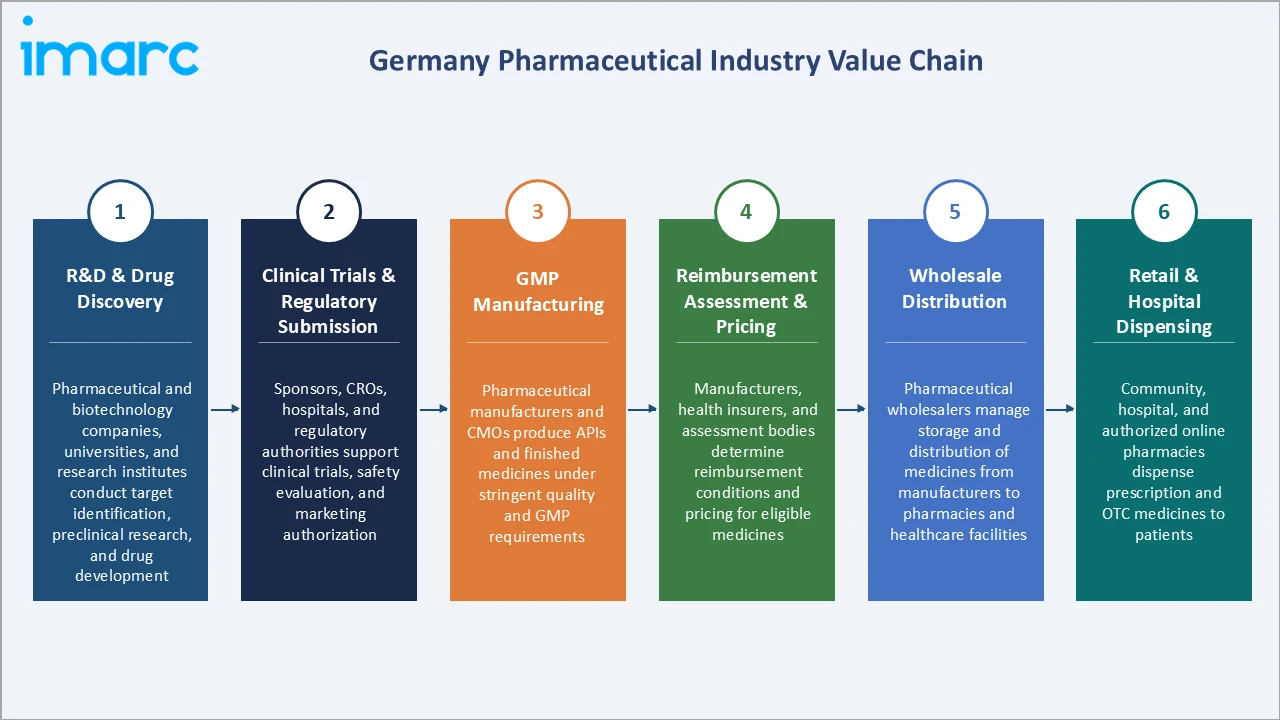
Germany’s pharmaceutical value chain integrates R&D & drug discovery, clinical trials & regulatory submission, GMP manufacturing, reimbursement assessment & pricing, wholesale distribution, and retail & hospital dispensing.
|
Stage |
Key Participants & Details |
|
R&D & Drug Discovery |
Pharmaceutical and biotechnology companies, universities, and research institutes conduct target identification, preclinical research, and drug development. |
|
Clinical Trials & Regulatory Submission |
Sponsors, CROs, hospitals, and regulatory authorities support clinical trials, safety evaluation, and marketing authorization. |
|
GMP Manufacturing |
Pharmaceutical manufacturers and CMOs produce APIs and finished medicines under stringent quality and GMP requirements. |
|
Reimbursement Assessment & Pricing |
Manufacturers, health insurers, and assessment bodies determine reimbursement conditions and pricing for eligible medicines. |
|
Wholesale Distribution |
Pharmaceutical wholesalers manage storage and distribution of medicines from manufacturers to pharmacies and healthcare facilities. |
|
Retail & Hospital Dispensing |
Community, hospital, and authorized online pharmacies dispense prescription and OTC medicines to patients. |
R&D & drug discovery is the most value-added stage in the Germany pharmaceutical market, as it generates intellectual property, innovative drug candidates, and differentiated therapies with significant commercial potential. Successful R&D can command premium pricing and create long-term competitive advantages through patents and specialized expertise.
Technology Landscape in the Germany Pharmaceutical Industry
Cell and Gene Therapy Technologies
Advanced platforms such as CAR-T cell therapies, gene modification, viral-vector technologies, and automated cell processing are supporting the development of next-generation treatments. In April 2024, ViGeneron GmbH treated the first patient in a Phase 1b clinical trial of VG901 for retinitis pigmentosa caused by CNGA1 gene mutations. The six-patient study is being conducted at the University of Tübingen in Germany. These technologies are particularly relevant to oncology, rare diseases, and other difficult-to-treat conditions.
Digital Twin and Process Simulation Technology
Digital twins allow pharmaceutical companies to virtually model, simulate, optimize, and validate manufacturing processes before physical implementation. Germany is exploring these technologies for flexible production of complex products, including advanced therapy medicinal products (ATMPs). Integration with quality assurance can also support more efficient validation and regulatory compliance.
Pharma 4.0 and Smart Manufacturing Technology
Pharmaceutical manufacturers are adopting automation, robotics, connected production equipment, real-time process monitoring, and integrated manufacturing software. Pharma 4.0 enables greater process control, production flexibility, and traceability while supporting GMP compliance. It is particularly valuable for increasingly complex and personalized pharmaceutical production.
Market Segmentation Analysis
The report covers the following segments:
|
Segment Category |
Leading Segment |
Market Share |
Year |
|
Type |
Pharmaceutical Drugs |
82.6% |
2025 |
|
Nature |
Conventional |
91.8% |
2025 |
|
Region |
Western Germany |
31.8% |
2025 |

By Type
Pharmaceutical drugs lead at 82.6% (2025) through comprehensive treatment demand across cardiovascular, oncology, CNS, metabolic, and all other therapeutic categories under Germany’s universal reimbursement coverage.
To access detailed market analysis, Request Sample
Biologics at 17.4%, growing fastest at ~9.20% CAGR, through monoclonal antibody, therapeutic protein, and next-generation vaccine launches across oncology, immunology, and rare disease indications.
By Nature
Conventional leads at 91.8% (2025) as Germany’s dominant pharmaceutical format encompassing synthetic and semi-synthetic small-molecule drugs manufactured through chemical synthesis.
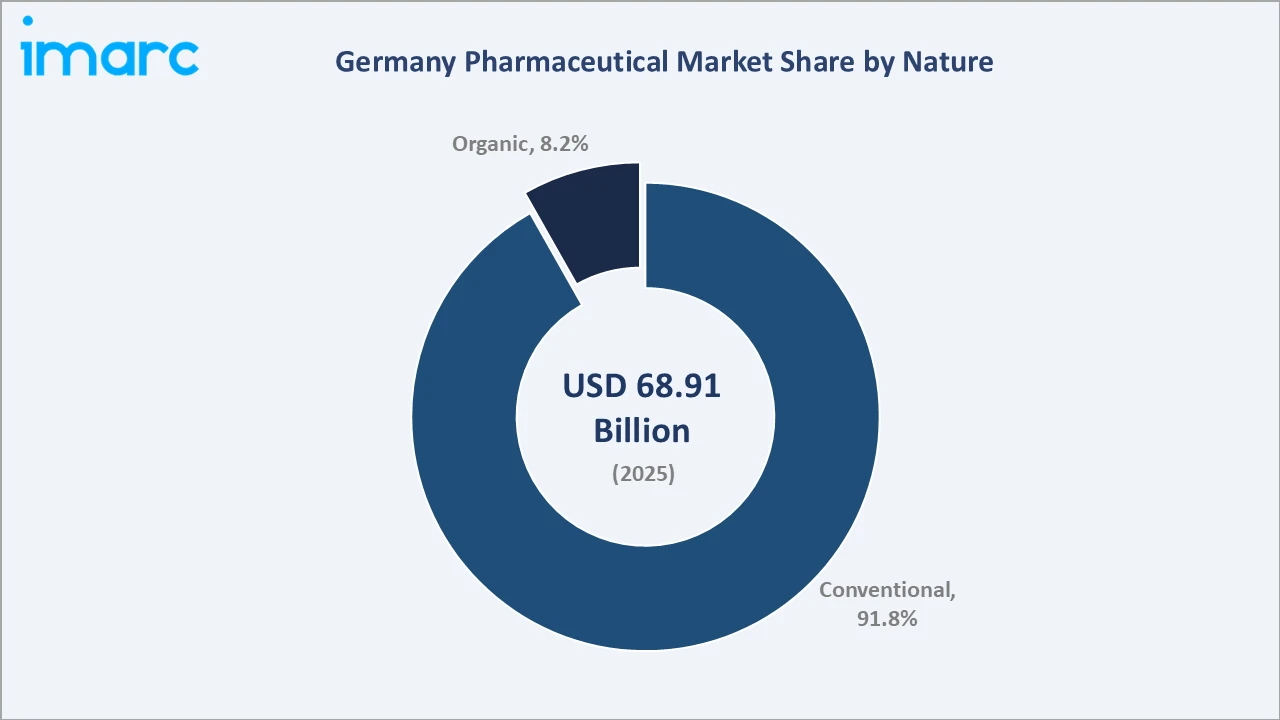
Organic at 8.2%, growing at ~8.50% CAGR, through Germany’s unique phytomedicine tradition with herbal drugs and natural product-derived pharmaceuticals reimbursable under Germany's reimbursement policy.
Regional Market Insights
|
Region |
Share (2025) |
Key Pharmaceutical Market Drivers & Characteristics |
|
Western Germany |
31.8% |
Leads through major pharmaceutical and biotech clusters, strong R&D activity, large healthcare infrastructure, and established manufacturing capabilities. |
|
Southern Germany |
28.7% |
Benefits from strong biotechnology hubs, advanced research institutions, and significant pharmaceutical manufacturing and innovation activity. |
|
Northern Germany |
21.6% |
Supported by established healthcare centers, clinical research capabilities, biotechnology clusters, and pharmaceutical distribution infrastructure. |
|
Eastern Germany |
17.9% |
Driven by the biotechnology ecosystem, research institutes, startups, and growing activity in personalized medicine and advanced therapies. |
Western Germany leads with a 31.8% share in 2025, supported by its concentration of pharmaceutical companies, R&D centers, healthcare facilities, and manufacturing infrastructure. Southern Germany accounts for 28.7%, benefiting from strong biotechnology clusters, research institutions, and innovation activity.
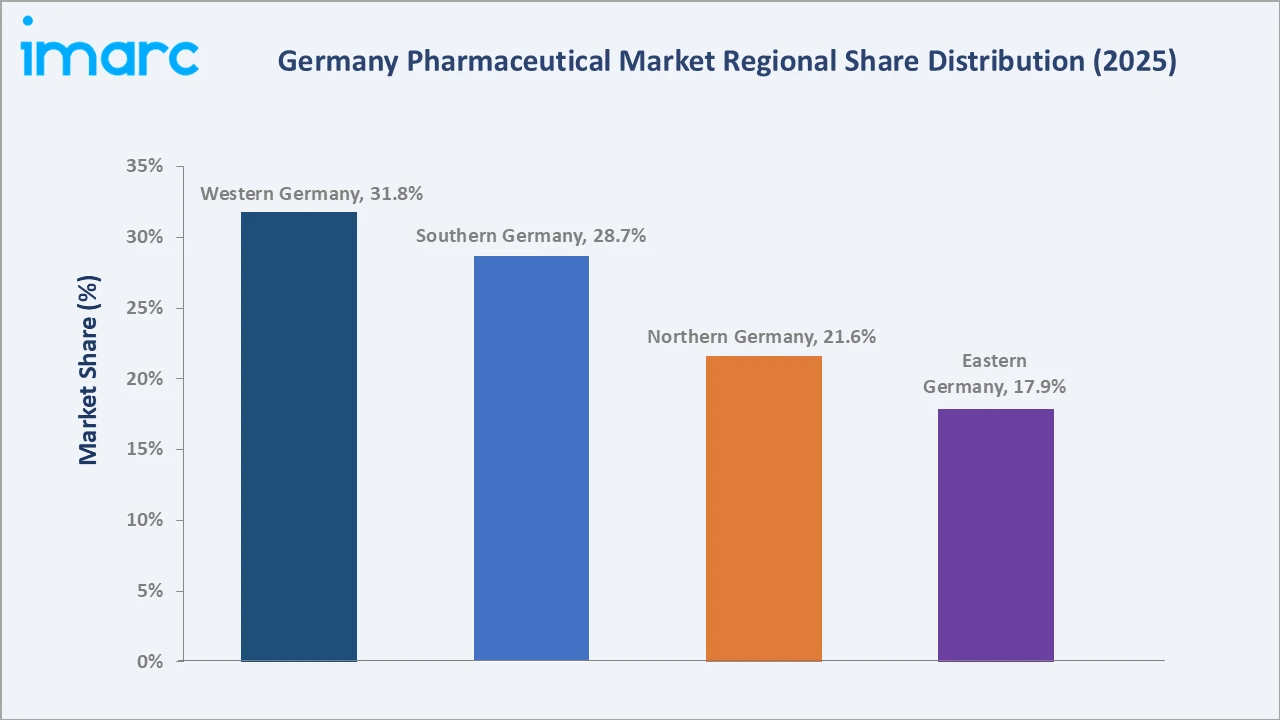
Northern Germany holds 21.6%, supported by clinical research, healthcare hubs, and pharmaceutical distribution networks. Eastern Germany represents 17.9%, with Berlin-Brandenburg serving as an important center for biotechnology startups, research, and advanced therapies.
Competitive Landscape
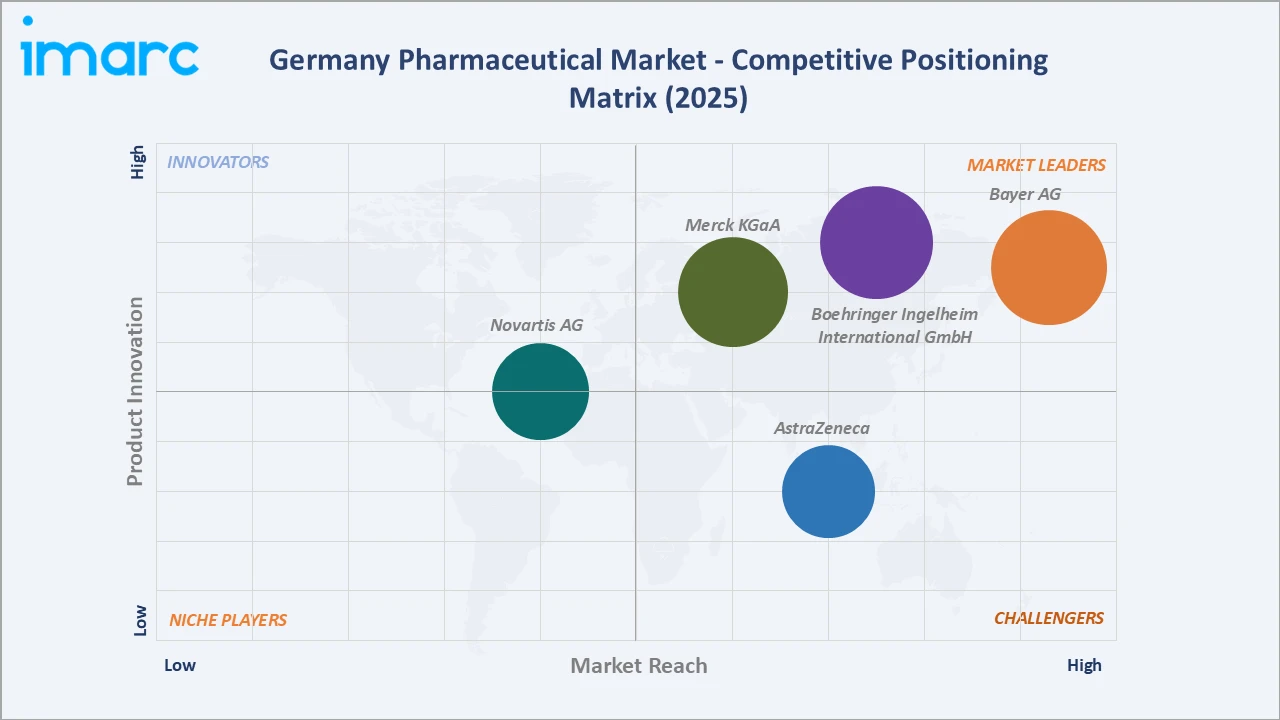
The Germany pharmaceutical market is moderately concentrated, with large domestic and multinational pharmaceutical companies competing through R&D investment, innovative drug pipelines, biologics, specialty medicines, and manufacturing capabilities. Competition is also intensifying from biotechnology firms, generic and biosimilar manufacturers, while pricing and reimbursement pressures encourage companies to focus on differentiated, high-value therapies.
| Company | Key Therapeutic Areas | Market Position | Core Strength |
|---|---|---|---|
| Bayer AG | Cardiology, Women’s Healthcare, Oncology, Hematology, Ophthalmology, Dermatology, Digestive Health | Market Leader | Bayer AG anchors the German pharmaceutical and life sciences sector, driving global innovation in prescription drugs and consumer health. |
| Boehringer Ingelheim International GmbH | Cancer, Eye Health, Heart Diseases, Lung Diseases, Mental Health, Metabolic Diseases | Market Leader | Operating major German facilities, the company drives R&D and manufacturing across human pharma, animal health, and biopharmaceuticals. |
| Merck KGaA | Oncology, Neurology & Immunology, Fertility, Endocrinology, General Medicine | Market Leader | Merck KGaA serves as a premier science and technology company focused on healthcare and life sciences. |
| AstraZeneca | Oncology, BioPharmaceuticals, Cardiovascular, Renal and Metabolism, Respiratory & Immunology, Infectious Disease, Rare Disease | Challenger | The company heavily supplies the German market across key therapeutic areas, including oncology, cardiovascular, and respiratory diseases. |
| Novartis AG | Oncology, Neuroscience, Ophthalmology, Immunology and Dermatology, Cardiovascular, Renal and Metabolism, Hepatology, Infectious Diseases, Respiratory Diseases | Established Player | Novartis AG is a central pillar of the German pharmaceutical industry, driving cutting-edge medical research and supplying vital prescription medicines. |
Germany pharmaceutical competitive landscape is characterized by the co-existence of domestic German champions, a large generic market, and the full spectrum of global innovator pharmaceutical companies.
Key Company Profiles
Bayer AG
Bayer AG is a Leverkusen-headquartered life sciences company and a major participant in the Germany pharmaceutical market, with strong capabilities in research, drug development, manufacturing, and commercialization. Its Pharmaceuticals division focuses primarily on cardiovascular and neurological diseases, oncology, women’s health, hematology, ophthalmology, and radiology, alongside emerging cell and gene therapies.
- Key Therapeutic Areas: Cardiology, Women’s Healthcare, Oncology, Hematology, Ophthalmology, Dermatology, Digestive Health.
- Strategic Focus: Strengthening its pharmaceutical business through high-value innovative medicines, precision medicine, and advanced therapies, particularly across oncology, cardiovascular diseases, neurology, immunology, and women’s health.
Boehringer Ingelheim International GmbH
Boehringer Ingelheim International GmbH is a family-owned, research-driven biopharmaceutical company headquartered in Ingelheim am Rhein, Germany. The company operates primarily across Human Pharma and Animal Health, with Human Pharma representing its core business. Its pharmaceutical research focuses on areas including cardiovascular and metabolic diseases, oncology, respiratory diseases, immunology, mental health, and retinal diseases.
- Key Therapeutic Areas: Cancer, Eye Health, Heart Diseases, Lung Diseases, Mental Health, Metabolic Diseases.
- Strategic Focus: Strengthening its position through research-driven innovation and development of breakthrough therapies for unmet medical needs. Its Human Pharma strategy emphasizes areas including cardiovascular and metabolic diseases, oncology, respiratory diseases, immunology, mental health, and retinal diseases.
Market Concentration Analysis
The Germany pharmaceutical market is moderately concentrated, with major domestic and multinational companies holding strong positions across prescription drugs, biologics, specialty medicines, and innovative therapies. Leading players benefit from extensive R&D capabilities, established brands, and broad distribution networks. Competition remains strong due to the presence of numerous biotechnology companies, generic manufacturers, and biosimilar developers. High R&D costs, regulatory requirements, and reimbursement negotiations create notable barriers to entry for smaller firms. However, emerging biotech companies continue to gain relevance in areas such as cell and gene therapy, precision medicine, and AI-enabled drug discovery. Overall, innovation, pipeline strength, patent portfolios, and strategic partnerships remain key determinants of competitive positioning.
Investment & Growth Opportunities
Highest Growth Segments
Biologics (~9.20% CAGR) and organic (~8.50% CAGR) represent Germany’s pharmaceutical market’s highest-growth investment vectors through 2034, with oncology drugs (~8.10% CAGR) and CNS drugs (~7.60% CAGR) as the highest-growth pharmaceutical drug therapeutic categories.
Investment Themes
- mRNA Therapeutic Platform Beyond Vaccines: Germany offers investment potential in next-generation mRNA platforms for oncology and other therapeutic applications beyond infectious-disease vaccines. BioNTech’s advancing mRNA cancer immunotherapy pipeline demonstrates opportunities for investment in mRNA R&D, delivery technologies, clinical development, and specialized manufacturing.
- Cell and Gene Therapy Manufacturing Infrastructure: Investment in GMP manufacturing facilities, viral-vector production, cell-processing systems, quality-control laboratories, and specialized supply chains can support Germany’s expanding advanced-therapy ecosystem. Building scalable domestic manufacturing capacity can help translate growing cell and gene therapy pipelines into commercial products while strengthening pharmaceutical supply-chain capabilities.
Future Market Outlook (2026-2034)
The Germany pharmaceutical market is projected to grow from USD 68.91 Billion in 2025 to USD 73.34 Billion in 2026, reaching USD 120.79 Billion by 2034, registering an exceptional 6.44% CAGR that positions Germany as one of the EU’s top-two pharmaceutical market growth opportunities through 2034, driven by three structurally reinforcing demand and innovation dynamics. The anchor value of USD 94.12 Billion in 2030 matches precisely the 2020-2025 growth rate and confirms Germany’s pharmaceutical market’s structural growth momentum despite AMNOG pricing constraints on individual product revenues.
First, Germany’s demographic aging trajectory provides the pharmaceutical market’s most durable and policy-independent demand driver. Second, Germany’s pharmaceutical innovation pipeline creates a structural wave of premium-priced innovative drug launches that will dominate expenditure growth through 2034. Third, Germany’s AMNOG market access system is increasingly becoming a competitive advantage for Germany’s pharmaceutical ecosystem as its evidence-based benefit assessment creates the world’s highest-quality clinical evidence database for pharmaceutical value demonstration, attracting global pharmaceutical company clinical trial investment to Germany to generate AMNOG-winning data that simultaneously serves various regulatory submissions.
Research Methodology
Primary Research
Primary research comprised in-depth interviews with pharmaceutical company management in Germany, market access and reimbursement policy officials, scientific staff, regulatory affairs officials, assessment procedure specialists, hospital pharmacy directors at major German university medical centers, and community pharmacist representatives.
Secondary Research
Secondary research encompassed a review of government publications, pharmaceutical industry associations, company annual reports, regulatory sources, clinical trial databases, and scientific literature. The analysis also covered drug approvals, R&D activity, therapeutic pipelines, pricing and reimbursement, manufacturing trends, competitive developments, and regional pharmaceutical dynamics across Germany.
Forecasting Models
Forecasting models developed using historical Germany pharmaceutical market data (2020-2025), German demographic projection, pharmaceutical expenditure growth trend analysis, biologics market penetration acceleration modeling, obesity drug Germany market access trajectory, Alzheimer’s disease-modifying therapy reimbursement probability-weighted market impact, mRNA therapeutic pipeline revenue projection, and ATMP cell/gene therapy market size modeling aligned to manufacturing cost reduction trajectory.
Germany Pharmaceutical Market Report Coverage:
| Report Features | Details |
|---|---|
| Base Year of the Analysis | 2025 |
| Historical Period | 2020-2025 |
| Forecast Period | 2026-2034 |
| Units | Billion USD |
| Scope of the Report | Exploration of Historical Trends and Market Outlook, Industry Catalysts and Challenges, Segment-Wise Historical and Future Market Assessment:
|
| Types Covered |
|
| Natures Covered | Organic, Conventional |
| Regions Covered | Western Germany, Southern Germany, Eastern Germany, Northern Germany |
| Companies Covered | Bayer AG, Boehringer Ingelheim International GmbH, Merck KGaA, AstraZeneca, Novartis AG, etc. |
| Customization Scope | 10% Free Customization |
| Post-Sale Analyst Support | 10-12 Weeks |
| Delivery Format | PDF and Excel through Email (We can also provide the editable version of the report in PPT/Word format on special request) |
Key Benefits for Stakeholders:
- IMARC’s industry report offers a comprehensive quantitative analysis of various market segments, historical and current market trends, market forecasts, and dynamics of the Germany pharmaceutical market from 2020-2034.
- The research report provides the latest information on the market drivers, challenges, and opportunities in the Germany pharmaceutical market.
- Porter's five forces analysis assist stakeholders in assessing the impact of new entrants, competitive rivalry, supplier power, buyer power, and the threat of substitution. It helps stakeholders to analyze the level of competition within the Germany pharmaceutical industry and its attractiveness.
- Competitive landscape allows stakeholders to understand their competitive environment and provides an insight into the current positions of key players in the market.
Frequently Asked Questions About the Germany Pharmaceutical Market Report
The Germany pharmaceutical market size is estimated at USD 73.34 Billion in 2026, driven by rising chronic disease prevalence, an aging population, strong healthcare expenditure, robust pharmaceutical R&D, and growing demand for biologics, specialty drugs, and advanced therapies.
The market grows at 6.44% CAGR, reaching USD 120.79 Billion by 2034, supported by pharmaceutical innovation, rising healthcare needs, and expanding demand for advanced therapies.
Pharmaceutical drugs lead at 82.6% (2025) through comprehensive synthetic small-molecule treatment demand across various therapeutic categories under Germany’s universal reimbursement coverage serving patients.
Conventional leads at 91.8% (2025) through Germany’s established synthetic small-molecule pharmaceutical market encompassing branded innovators, branded generics, and priced generics that collectively constitute the volume and value backbone of Germany’s pharmaceutical system.
Western Germany leads at 31.8% through Bayer AG’s Leverkusen global headquarters, Boehringer Ingelheim’s Ingelheim am Rhein global headquarters, a high population creating Germany’s single largest prescription demand concentration, and a regulatory center of gravity.
Leading companies include Bayer AG, Boehringer Ingelheim International GmbH, Merck KGaA, AstraZeneca, and Novartis AG, among others.
The market is projected to reach USD 94.12 Billion by 2030, driven by Alzheimer’s disease-modifying therapy reimbursement completion creating a new therapeutic category, GLP-1/GIP obesity drug coverage expansion targeting overweight/obese patients, and mRNA flu vaccine replacing egg-based flu vaccination for Germany’s annual flu vaccination recipients.
Top investment opportunities include mRNA therapeutic manufacturing infrastructure, ATMP/CAR-T manufacturing capacity, biosimilar portfolio expansion for next-wave biologics, Alzheimer’s disease-modifying therapy market access investment, GLP-1/GIP obesity pharmacotherapy Germany GKV access strategy, and AI drug discovery platform partnership with German university medical centers.
Need more help?
- Speak to our experienced analysts for insights on the current market scenarios.
- Include additional segments and countries to customize the report as per your requirement.
- Gain an unparalleled competitive advantage in your domain by understanding how to utilize the report and positively impacting your operations and revenue.
- For further assistance, please connect with our analysts.
 Request Customization
 Speak to an Analyst
 Request Brochure
 Inquire Before Buying
Benefits of Customization
- Personalize this research
- Triangulate with your data
- Get data as per your format and definition
- Gain a deeper dive into a specific application, geography, customer, or competitor
- Any level of personalization
Get in Touch With Us
UNITED STATES
Phone: +1-201-971-6302
INDIA
Phone: +91-120-433-0800
UNITED KINGDOM
Phone: +44-753-714-6104
Email: [email protected]
Client Testimonials




.webp)




.webp)













Related Reports

Choose your plan
*Please note that the prices mentioned below are starting prices for each bundle type. Kindly contact our team for further details.*
Single User License
- 1 User License, Access on 2 Devices
- PDF Report + Excel Dataset (Password Protected)
- Lifetime Access
- No Printing Rights
- 10% Free Report Customization
- 10–12 Weeks of Analyst Support
Five User License
- Access for 5 Users, 2 Devices per User
- PDF Report + Excel Dataset (Password Protected)
- Lifetime Access
- Dedicated Account Manager
- 12–14 Weeks of Analyst Support
- No Printing Rights
- 15% Free Report Customization
- 25% Discount on Your Next Purchase
Corporate User License
- Unlimited User Access (Within Your Organization)
- PDF Report + Excel Dataset
- Lifetime Access
- Dedicated Account Manager
- 14–20 Weeks of Analyst Support
- No Printing Rights
- 20% Free Report Customization
- 30% Discount on Your Next Purchase
Essential Insights
What's included:
3 reports
- Lifetime Access
- PDF Reports
- Excel Datasets
- 2 Weeks of Free Analyst Support
- 2 User Licenses
- Access on 2 Devices
- Printing Rights
- Complimentary PowerPoint (PPT) Version
- Complimentary License Upgrade
Professional Access
What's included:
5 reports
- Lifetime Access
- PDF Reports
- Excel Datasets
- 8 Weeks of Free Analyst Support
- 2 User Licenses
- Access on 2 Devices
- Printing Rights
- Complimentary PowerPoint (PPT) Version
- Complimentary License Upgrade
Business Advantage
What's included:
8 reports
- Lifetime Access
- PDF Reports
- Excel Datasets
- 14 Weeks of Free Analyst Support
- 2 User Licenses
- Access on 2 Devices
- Printing Rights
- Complimentary PowerPoint (PPT) Version
- Complimentary License Upgrade
Enterprise Intelligence
What's included:
10 reports
- Lifetime Access
- PDF Reports
- Excel Datasets
- 20 Weeks of Free Analyst Support
- 2 User Licenses
- Access on 2 Devices
- Printing Rights
- Complimentary PowerPoint (PPT) Version
- Complimentary License Upgrade