
Laboratory Proficiency Testing Market Size, Share, Trends and Forecast by Industry, Technology, End Use, and Region, 2026-2034
Laboratory Proficiency Testing Market Size and Share:
The global laboratory proficiency testing market size was valued at USD 1.49 Billion in 2025. Looking forward, IMARC Group estimates the market to reach USD 2.52 Billion by 2034, exhibiting a CAGR of 6.05% from 2026-2034. North America currently dominates the market, holding a market share of 42% in 2025. The region benefits from the presence of stringent regulatory oversight under the Clinical Laboratory Improvement Amendments, strong laboratory accreditation infrastructure, and a high density of hospital networks, all factors collectively reinforcing expanding the global laboratory proficiency testing market share.
The international laboratory proficiency testing market is currently undergoing steady growth due to the increasing regulatory demands that require laboratories in the areas of clinical diagnostics, pharmaceuticals, food safety, and environmental analysis to prove their inter-laboratory equivalence and analytical accuracy. International regulatory agencies such as the Centers for Medicare and Medicaid Services (CMS) in the United States, the European Medicines Agency (EMA), and the World Health Organization (WHO) have made it mandatory for laboratories that have been accredited to engage in formalized proficiency testing programs as a prerequisite for continued certification and operation. The increasing incidence of chronic and infectious diseases worldwide has further fueled the need for accurate diagnostic testing, thereby underpinning the need for comprehensive quality assurance programs. The heightened focus on diagnostic accuracy provides a strong impetus to the laboratory proficiency testing market growth in both developed and developing countries. Advances in laboratory analytical technology such as spectrometry, polymerase chain reaction, and chromatography systems have further increased the scope of proficiency testing programs, allowing for the assessment of a wider range of analytes and matrices to meet the increasing scientific and regulatory requirements worldwide.
The United States of America has proven to be a prominent area in the laboratory proficiency testing industry due to several factors. The country has around 320,000 CLIA-approved clinical laboratories, which are required to undergo mandatory proficiency testing by federal regulations. A significant regulatory change in July 2024 marked the implementation of the CLIA Final Rule, which included new proficiency testing requirements for 29 new analytes and modified acceptable performance criteria for various testing categories. This broadening of the scope of proficiency testing directly fuels the demand for organized external quality assessment programs offered by accredited organizations. The established healthcare infrastructure, presence of extensive hospital systems, and rising pharmaceutical manufacturing sector in the country cumulatively fuel the demand for high-quality laboratory quality assurance. In addition, the rising use of molecular diagnostics and point-of-care testing methodologies requires increased engagement in proficiency testing programs to ensure compliance with federal accreditation standards.
To get more information on this market Request Sample
Laboratory Proficiency Testing Market Trends:
Expanding Regulatory Compliance Requirements
The current focus on quality assurance and regulatory compliance worldwide has brought laboratory proficiency testing to the forefront as a critical component of laboratory operations. Governments and regulatory bodies worldwide have significantly toughened accreditation standards for laboratories involved in clinical, pharmaceutical, food safety, environmental, and water quality testing. The requirement to comply with international standards such as ISO/IEC 17043 and ISO/IEC 17025 has increasingly become a prerequisite for market entry and regulatory approval, forcing laboratories in both developed and developing countries to participate in organized proficiency testing programs. These programs offer laboratories an objective yardstick to measure their analytical capabilities, point out systematic errors, and take corrective action before erroneous results impact patient outcomes or regulatory filings. According to the International Laboratory Accreditation Cooperation, more than 114,600 laboratories were accredited by ILAC MRA Signatories in 2024, which represents an enormous and ever-expanding addressable market for proficiency testing services. The sheer number of accredited facilities highlights the paramount significance of proficiency testing as a regulatory requirement and a quality differentiator in a competitive laboratory services market worldwide.
Digital Platforms and Automated Testing Workflows
The adoption of digital technologies and automated reporting systems is changing the operational environment of the laboratory proficiency testing industry. Paper-based and manual reporting of test results is gradually being replaced by cloud-based laboratory information management systems that allow real-time data capture, analysis, and comparison among international laboratory networks. These systems offer proficiency testing providers the ability to provide instant performance feedback, trend analysis over multiple test cycles, and development of compliance reports according to regulatory submission requirements. Automated statistical analysis and artificial intelligence tools are now being incorporated into proficiency testing, allowing for rapid identification of performance anomalies and improving the accuracy and reproducibility of inter-laboratory comparisons. The laboratory proficiency testing market outlook remains constructive as digital integration deepens across all segments. In 2024, LGC AXIO launched over 50 new proficiency testing samples, including programs specifically tailored for clinical diagnostics, exemplifying the industry's commitment to expanding testing options through technology-enabled product development and enhanced digital delivery mechanisms globally.
Emergence of Specialty and Niche Testing Programs
Growing diversification of laboratory testing requirements is creating robust demand for specialized proficiency testing programs targeting niche application areas beyond traditional clinical chemistry and microbiology domains. Emerging fields such as molecular diagnostics, genetic testing, cannabis quality assessment, environmental contaminant analysis including per- and polyfluoroalkyl substances (PFAS), and advanced pharmaceutical bioassays are driving laboratories to seek tailored external quality assessment programs that accurately reflect the complexity of their analytical workflows. Regulatory evolution across jurisdictions has expanded the scope of mandatory testing categories, prompting proficiency testing providers to continuously broaden their program offerings to address emerging analytes, matrices, and testing methodologies. These developments represent key laboratory proficiency testing market trends driving the evolution of the sector. In 2025, AOAC INTERNATIONAL launched its Order PT Quality Assurance and Educational Samples program, providing laboratories with targeted samples for training, corrective actions, method validation, and performance benchmarking, reflecting the industry-wide commitment to expanding proficiency testing accessibility across emerging testing disciplines globally.
Laboratory Proficiency Testing Industry Segmentation:
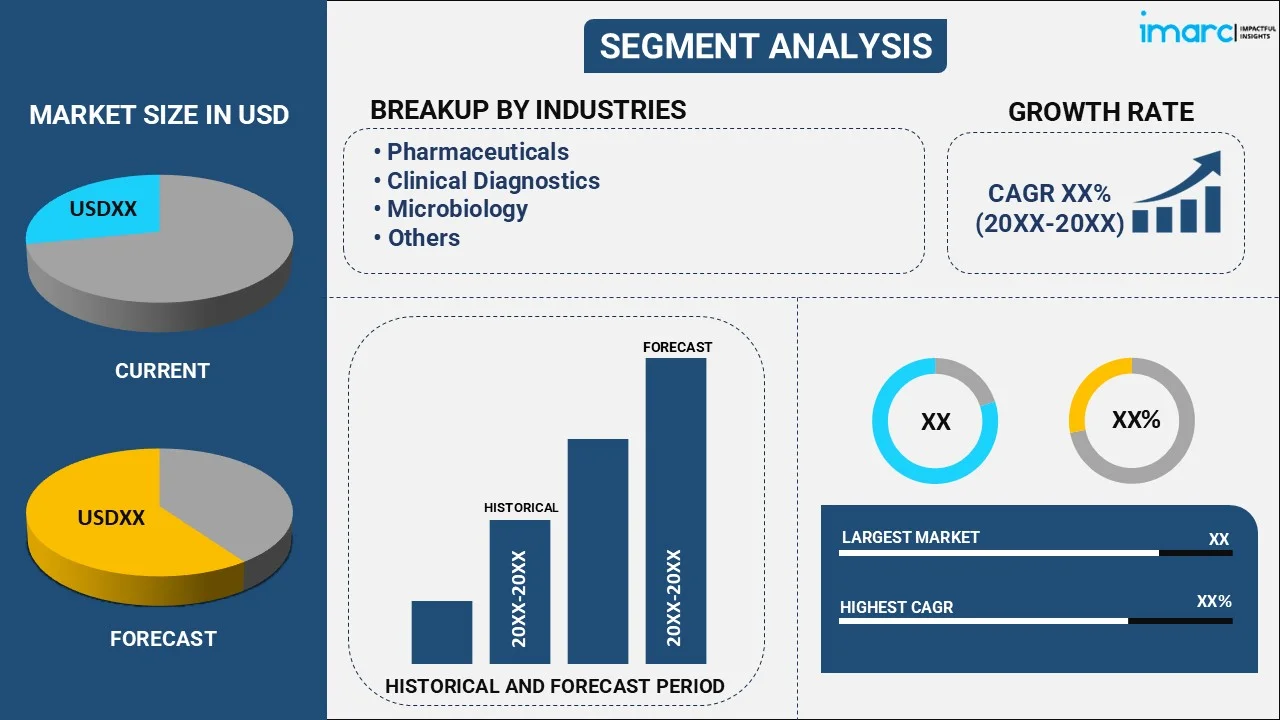
IMARC Group provides an analysis of the key trends in each segment of the global laboratory proficiency testing market, along with forecast at the global, regional, and country levels from 2026-2034. The market has been categorized based on industry, technology, and end use.
Analysis by Industry:
To get detailed segment analysis of this market Request Sample
- Pharmaceuticals
- Clinical Diagnostics
- Microbiology
- Others
Clinical diagnostics holds 38% of the market share. This segment encompasses a broad spectrum of testing disciplines including clinical chemistry, immunochemistry, hematology, molecular diagnostics, polymerase chain reaction, coagulation, and oncology testing. Diagnostic laboratories within clinical settings require rigorous inter-laboratory comparability to ensure that test results accurately guide clinical decision-making across patient populations. Proficiency testing in clinical diagnostics validates the accuracy of blood tests, infectious disease panels, and specialized biomarker assays that directly inform patient diagnosis and treatment protocols. The growing prevalence of chronic diseases including cardiovascular conditions, diabetes, and oncological disorders intensifies reliance on high-precision diagnostic testing and correspondingly drives the need for continuous performance benchmarking. The expansion of personalized medicine approaches necessitates validated analytical methodologies, underscoring the critical importance of proficiency testing in maintaining diagnostic accuracy.
Analysis by Technology:
- Cell Culture
- Spectrometry
- Polymerase Chain Reaction
- Chromatography
- Immunoassays
- Others
Cell culture leads the market with a share of 27%. Cell culture-based proficiency testing evaluates laboratory competence in maintaining viable cellular environments, detecting microbial contamination, and assessing cellular growth and viability across biological assays. The growing adoption of cell culture-based biopharmaceutical products, including monoclonal antibodies, biosimilars, and cell-based therapies, has substantially increased the demand for proficiency testing programs designed to evaluate laboratory performance in complex cellular assay environments. Proficiency testing in cell culture encompasses assessments of yeast, fungi, bacteria, and mycoplasma contamination sensitivity, ensuring that laboratories can reliably detect impurities that could compromise the quality of biopharmaceutical manufacturing processes. The expansion of regenerative medicine and in vitro toxicology research further supports segment growth by broadening the application scope of cell culture proficiency evaluations.
Analysis by End Use:
- Hospitals
- Contract Research Organizations
- Pharmaceutical and Biotechnology Companies
- Academic Research
- Diagnostic Laboratories
- Independent Laboratories
- Specialty Laboratories
Diagnostic laboratories dominate the market, with a share of 31%. This segment encompasses independent laboratories and specialty laboratories that perform focused diagnostic testing across multiple clinical and analytical disciplines. Diagnostic laboratories participate extensively in proficiency testing programs to validate their testing accuracy against peer facilities, maintain accreditation under national and international standards, and demonstrate analytical competence to referral physicians and healthcare institutions. The concentration of specialized equipment, dedicated technical staff, and narrow analytical focus in stand-alone diagnostic facilities makes proficiency testing particularly effective in identifying performance gaps and driving targeted corrective actions. Regulatory requirements from bodies such as CLIA in the United States and equivalent frameworks across Europe and Asia-Pacific mandate regular proficiency testing participation as a condition of laboratory certification.
Regional Analysis:
To get more information on the regional analysis of this market Request Sample
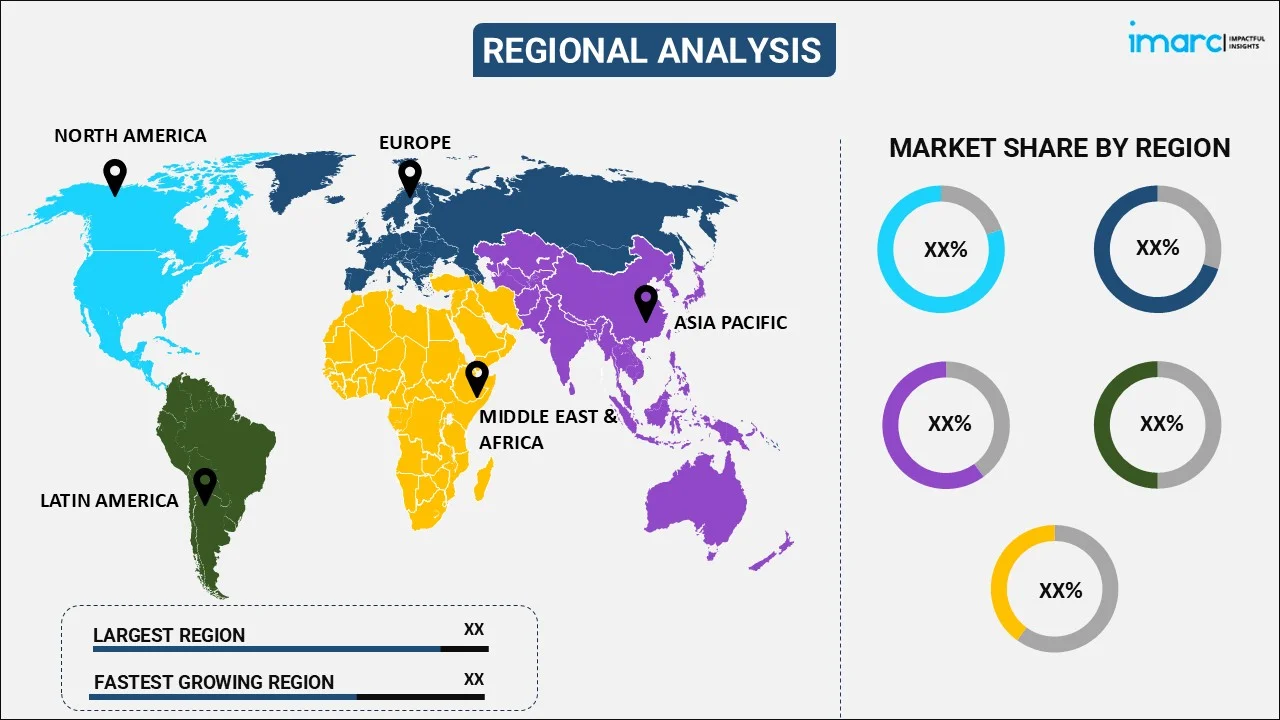
- North America
- United States
- Canada
- Asia Pacific
- China
- Japan
- India
- South Korea
- Australia
- Indonesia
- Others
- Europe
- Germany
- France
- United Kingdom
- Italy
- Spain
- Russia
- Others
- Latin America
- Brazil
- Mexico
- Others
- Middle East and Africa
North America, accounting for 42% of the share, enjoys the leading position in the market. The region's dominance is underpinned by the presence of one of the world's most comprehensive laboratory regulatory frameworks, including the Clinical Laboratory Improvement Amendments (CLIA), which mandates proficiency testing participation for approximately 320,000 certified clinical laboratories nationwide. The United States and Canada benefit from well-established proficiency testing infrastructure, a high density of accredited hospital and reference laboratories, and strong government investment in laboratory quality improvement programs. Pharmaceutical and biotechnology manufacturing activity in the region drives robust demand for cell culture, chromatography, and immunoassay proficiency testing programs. The American Association for Laboratory Accreditation held 4,350 actively accredited certificates across all 50 U.S. states and several international locations as of the end of 2024, reflecting the region's extensive laboratory accreditation ecosystem and its correspondingly strong participation in structured proficiency testing schemes.
Key Regional Takeaways:
United States Laboratory Proficiency Testing Market Analysis
The United States represents the world's largest national laboratory proficiency testing market, supported by mandatory participation requirements under the Clinical Laboratory Improvement Amendments (CLIA), the country's principal regulatory framework for clinical laboratory quality. The country's expansive healthcare system encompasses over 320,000 CLIA-certified laboratories spanning hospitals, independent diagnostic facilities, physician office laboratories, and reference laboratories, generating substantial and recurring demand for accredited proficiency testing programs. The U.S. Food and Drug Administration (FDA), Centers for Medicare and Medicaid Services (CMS), and Centers for Disease Control and Prevention (CDC) collectively enforce laboratory quality standards that necessitate regular proficiency testing participation across regulated analytes and testing categories. The growing adoption of molecular diagnostics, next-generation sequencing, and multiplex immunoassay platforms within clinical and pharmaceutical testing laboratories is expanding the number and complexity of analytes that require proficiency testing validation. In 2025, the most significant update to CLIA regulations in over 20 years went into effect, introducing comprehensive revisions to personnel qualification requirements, test complexity classifications, and quality management standards, which are expected to substantially broaden mandatory proficiency testing scope across clinical laboratories nationwide. The increasing integration of precision medicine approaches and disease-specific testing initiatives within U.S. healthcare systems further accelerates participation in niche proficiency testing programs designed to validate emerging analytical technologies.
Europe Laboratory Proficiency Testing Market Analysis
Europe represents the second-largest regional market for laboratory proficiency testing, driven by a robust quality assurance culture reinforced by established regulatory frameworks including ISO/IEC 17043 accreditation standards and European Union food safety and pharmaceutical regulations. Germany, France, and the United Kingdom collectively constitute the primary demand centers within the region, supported by well-developed healthcare systems, extensive pharmaceutical manufacturing activity, and strong government emphasis on laboratory accreditation. The European Medicines Agency (EMA) regulatory requirements for pharmaceutical testing and the European Union's In Vitro Diagnostics Regulation (IVDR) have expanded mandatory quality verification requirements for clinical and pharmaceutical laboratories across member states, driving sustained growth in proficiency testing participation. Eastern European nations are progressively expanding adoption of proficiency testing as investment in healthcare infrastructure and laboratory modernization accelerates across the continent. BIPEA launched its experimental PT 56A program focused on microbiological testing of flour samples with controlled contamination, connecting over 220 laboratories across 15 countries, illustrating the ongoing expansion of food safety proficiency testing programs throughout the European region.
Asia-Pacific Laboratory Proficiency Testing Market Analysis
Asia-Pacific represents the fastest-growing regional market for laboratory proficiency testing, driven by rapid healthcare infrastructure expansion, increasing pharmaceutical and biotechnology manufacturing activity, and the progressive adoption of international laboratory accreditation standards across major economies including China, Japan, India, South Korea, and Australia. Government initiatives throughout the region are actively promoting laboratory quality improvement programs, ISO/IEC 17043 compliance requirements, and structured inter-laboratory comparison schemes as integral components of national healthcare modernization strategies. Rising disease burden in the region, particularly the increasing incidence of oncological and infectious diseases, is intensifying diagnostic testing volumes that correspondingly drives demand for rigorous proficiency testing programs. In 2024, cancer incidence in China reached 3,246,62 new cases, reflecting the extensive diagnostic capacity requirements in the region and underscoring the importance of proficiency testing programs in ensuring reliable and accurate laboratory performance.
Latin America Laboratory Proficiency Testing Market Analysis
Latin America represents an emerging but steadily expanding market for laboratory proficiency testing, supported by growing healthcare expenditure, increasing adoption of international accreditation standards, and expanding pharmaceutical manufacturing activity across Brazil, Mexico, and other key economies in the region. Regulatory authorities including ANVISA in Brazil and COFEPRIS in Mexico are strengthening laboratory quality requirements, compelling clinical and pharmaceutical laboratories to formalize their proficiency testing participation. The U.S. CDC recently supported the first Stepwise Laboratory Quality Improvement Process Towards Accreditation (SLIPTA) auditor training for South America in Belém, Brazil, aimed at enhancing laboratory quality management systems toward ISO 15189 accreditation, which is expected to substantially expand the addressable proficiency testing market across the region.
Middle East and Africa Laboratory Proficiency Testing Market Analysis
The Middle East and Africa region represents a nascent but progressively developing market for laboratory proficiency testing, driven by substantial healthcare infrastructure investment, expanding diagnostic laboratory networks, and increasing government attention to laboratory quality standards. Saudi Arabia's Vision 2030 health sector transformation program has allocated substantial funding toward modernizing clinical laboratory infrastructure and strengthening quality management capabilities across the kingdom. The UAE, South Africa, and other leading markets within the region are progressively adopting ISO/IEC 17043-compliant proficiency testing programs to support laboratory accreditation.
Competitive Landscape:
The global laboratory proficiency testing market is characterized by moderate-to-high competition, with well-established international providers and regional players vying for market share. Leading companies leverage extensive product portfolios, ISO/IEC 17043 accreditations, and digital platforms to expand their geographic presence. Strategic inorganic activities, including partnerships, acquisitions, and collaborations with regulatory bodies, are increasingly common among market players seeking to broaden their testing capabilities and reach. The integration of artificial intelligence and digital reporting platforms into proficiency testing workflows has emerged as a key competitive differentiator, enabling faster result turnaround and improved inter-laboratory comparisons. Companies operating in specialized testing segments, such as molecular diagnostics, environmental monitoring, and cannabis testing, are experiencing robust demand driven by expanding regulatory requirements. Consolidation activity continues as larger players acquire niche proficiency testing providers to address growing testing specialization demands and expand their footprint in emerging markets globally.
The report provides a comprehensive analysis of the competitive landscape in the laboratory proficiency testing market with detailed profiles of all major companies, including:
- Absolute Standards Inc.
- American Proficiency Institute
- AOAC International
- Bio-Rad Laboratories Inc.
- BIPEA
- FAPAS
- LGC Limited
- Merck KgaA
- NSI Lab Solutions
- QACS - The Challenge Test Laboratory
- Randox Laboratories Limited
- Waters Corporation
- Weqas
Laboratory Proficiency Testing Market Report Scope:
| Report Features | Details |
|---|---|
| Base Year of the Analysis | 2025 |
| Historical Period | 2020-2025 |
| Forecast Period | 2026-2034 |
| Units | Billion USD |
| Scope of the Report |
Exploration of Historical Trends and Market Outlook, Industry Catalysts and Challenges, Segment-Wise Historical and Future Market Assessment:
|
| Industries Covered | Pharmaceuticals, Clinical Diagnostics, Microbiology, Others |
| Technologies Covered | Cell Culture, Spectrometry, Polymerase Chain Reaction, Chromatography, Immunoassays, Others |
| End Uses Covered |
|
| Region Covered | Asia Pacific, Europe, North America, Latin America, Middle East and Africa |
| Countries Covered | United States, Canada, Germany, France, United Kingdom, Italy, Spain, Russia, China, Japan, India, South Korea, Australia, Indonesia, Brazil, Mexico |
| Companies Covered | Absolute Standards Inc., American Proficiency Institute, AOAC International, Bio-Rad Laboratories Inc., BIPEA, FAPAS, LGC Limited, Merck KgaA, NSI Lab Solutions, QACS - The Challenge Test Laboratory, Randox Laboratories Limited, Waters Corporation, Weqas, etc. |
| Customization Scope | 10% Free Customization |
| Post-Sale Analyst Support | 10-12 Weeks |
| Delivery Format | PDF and Excel through Email (We can also provide the editable version of the report in PPT/Word format on special request) |
Key Benefits for Stakeholders:
- IMARC’s report offers a comprehensive quantitative analysis of various market segments, historical and current market trends, market forecasts, and dynamics of the laboratory proficiency testing market from 2020-2034.
- The research study provides the latest information on the market drivers, challenges, and opportunities in the global laboratory proficiency testing market.
- The study maps the leading, as well as the fastest-growing, regional markets. It further enables stakeholders to identify the key country-level markets within each region.
- Porter's Five Forces analysis assists stakeholders in assessing the impact of new entrants, competitive rivalry, supplier power, buyer power, and the threat of substitution. It helps stakeholders to analyze the level of competition within the laboratory proficiency testing industry and its attractiveness.
- Competitive landscape allows stakeholders to understand their competitive environment and provides an insight into the current positions of key players in the market.
Frequently Asked Questions About the Laboratory Proficiency Testing Market Report Report
The laboratory proficiency testing market was valued at USD 1.49 Billion in 2025.
The laboratory proficiency testing market is projected to exhibit a CAGR of 6.05% during 2026-2034, reaching a value of USD 2.52 Billion by 2034.
The laboratory proficiency testing market is primarily driven by increasing global regulatory mandates requiring laboratories to demonstrate inter-laboratory accuracy and analytical precision. Rising accreditation requirements under ISO/IEC 17043, growing pharmaceutical and clinical diagnostic testing volumes, and the expansion of specialty testing programs across environmental, food safety, and molecular diagnostic disciplines are key growth drivers propelling market expansion.
North America currently dominates the laboratory proficiency testing market, accounting for a share of 42% in 2025. The region benefits from a comprehensive regulatory framework under the Clinical Laboratory Improvement Amendments, a high density of accredited laboratories, and strong government investment in laboratory quality assurance programs, all collectively sustaining the region's market leadership position.
Some of the major players in the laboratory proficiency testing market include Absolute Standards Inc., American Proficiency Institute, AOAC International, Bio-Rad Laboratories Inc., BIPEA, FAPAS, LGC Limited, Merck KgaA, NSI Lab Solutions, QACS - The Challenge Test Laboratory, Randox Laboratories Limited, Waters Corporation, Weqas, etc.
Need more help?
- Speak to our experienced analysts for insights on the current market scenarios.
- Include additional segments and countries to customize the report as per your requirement.
- Gain an unparalleled competitive advantage in your domain by understanding how to utilize the report and positively impacting your operations and revenue.
- For further assistance, please connect with our analysts.
 Request Customization
 Speak to an Analyst
 Request Brochure
 Inquire Before Buying
Benefits of Customization
- Personalize this research
- Triangulate with your data
- Get data as per your format and definition
- Gain a deeper dive into a specific application, geography, customer, or competitor
- Any level of personalization
Get in Touch With Us
UNITED STATES
Phone: +1-201-971-6302
INDIA
Phone: +91-120-433-0800
UNITED KINGDOM
Phone: +44-753-714-6104
Email: [email protected]
Client Testimonials




.webp)




.webp)













Related Reports

Choose your plan
*Please note that the prices mentioned below are starting prices for each bundle type. Kindly contact our team for further details.*
Single User License
- 1 User License, Access on 2 Devices
- PDF Report + Excel Dataset (Password Protected)
- Lifetime Access
- No Printing Rights
- 10% Free Report Customization
- 10–12 Weeks of Analyst Support
Five User License
- Access for 5 Users, 2 Devices per User
- PDF Report + Excel Dataset (Password Protected)
- Lifetime Access
- Dedicated Account Manager
- 12–14 Weeks of Analyst Support
- No Printing Rights
- 15% Free Report Customization
- 25% Discount on Your Next Purchase
Corporate User License
- Unlimited User Access (Within Your Organization)
- PDF Report + Excel Dataset
- Lifetime Access
- Dedicated Account Manager
- 14–20 Weeks of Analyst Support
- No Printing Rights
- 20% Free Report Customization
- 30% Discount on Your Next Purchase
Essential Insights
What's included:
3 reports
- Lifetime Access
- PDF Reports
- Excel Datasets
- 2 Weeks of Free Analyst Support
- 2 User Licenses
- Access on 2 Devices
- Printing Rights
- Complimentary PowerPoint (PPT) Version
- Complimentary License Upgrade
Professional Access
What's included:
5 reports
- Lifetime Access
- PDF Reports
- Excel Datasets
- 8 Weeks of Free Analyst Support
- 2 User Licenses
- Access on 2 Devices
- Printing Rights
- Complimentary PowerPoint (PPT) Version
- Complimentary License Upgrade
Business Advantage
What's included:
8 reports
- Lifetime Access
- PDF Reports
- Excel Datasets
- 14 Weeks of Free Analyst Support
- 2 User Licenses
- Access on 2 Devices
- Printing Rights
- Complimentary PowerPoint (PPT) Version
- Complimentary License Upgrade
Enterprise Intelligence
What's included:
10 reports
- Lifetime Access
- PDF Reports
- Excel Datasets
- 20 Weeks of Free Analyst Support
- 2 User Licenses
- Access on 2 Devices
- Printing Rights
- Complimentary PowerPoint (PPT) Version
- Complimentary License Upgrade