
Liquid Bleach Prices, Trend, Chart, Demand, Market Analysis, News, Historical and Forecast Data Report 2026 Edition
Liquid Bleach Price Trend, Index and Forecast
Track the latest insights on liquid bleach price trend and forecast with detailed analysis of regional fluctuations and market dynamics across North America, Latin America, Central Europe, Western Europe, Eastern Europe, Middle East, North Africa, West Africa, Central and Southern Africa, Central Asia, Southeast Asia, South Asia, East Asia, and Oceania.
Liquid Bleach Prices Outlook Q2 2026
- USA: USD 502/MT
- China: USD 250/MT
- Germany: USD 290/MT
- India: USD 379/MT
- Brazil: USD 309/MT
Liquid Bleach Price Chart
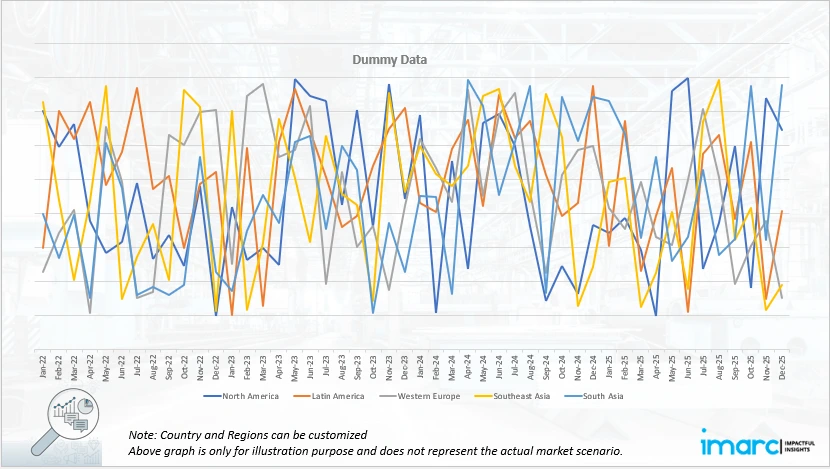
Get real-time access to monthly/quarterly/yearly prices Request Sample
During the second quarter of 2026, the liquid bleach prices in the USA reached 502 USD/MT in June. The market recorded an upward movement due to higher chlorine related input costs and firm demand from water treatment, household cleaning, and institutional sanitation sectors. Supply availability was influenced by operating conditions at chlor alkali facilities, while producers adjusted offers based on raw material and energy cost pressure. Seasonal cleaning requirements also supported consumption across commercial and residential applications.
During the second quarter of 2026, the liquid bleach prices in China reached 250 USD/MT in June. Prices increased due to stronger domestic demand from water treatment, textile processing, and household cleaning industries. The market was affected by changes in chlorine availability from chlor alkali producers, which influenced production costs and supply conditions. Export activity and regional purchasing patterns also affected supplier pricing during the quarter.
During the second quarter of 2026, the liquid bleach prices in Germany reached 290 USD/MT in June. The market experienced bullish trends due to stable demand from industrial cleaning, water purification, and chemical processing applications. Higher production expenses and limited flexibility in chlorine supply affected supplier quotations across the region. Environmental compliance requirements and operational costs at chemical facilities also influenced pricing decisions. Demand from institutional hygiene users remained consistent, supporting regular procurement activity.
During the second quarter of 2026, the liquid bleach prices in India reached 379 USD/MT in June. The market witnessed higher prices due to increased demand from water treatment, textile, pulp and paper, and sanitation sectors. Supply conditions were influenced by chlorine availability from domestic chlor alkali producers and changes in operating rates. Rising manufacturing expenses encouraged suppliers to revise quotations, while industrial users maintained regular procurement schedules.
During the second quarter of 2026, the liquid bleach prices in Brazil reached 309 USD/MT in June. The market observed price growth due to consistent demand from sanitation, water treatment, and industrial cleaning applications. Domestic supply conditions were influenced by chlorine production trends and operating conditions at chemical facilities. Higher logistics expenses and input cost changes affected producer pricing decisions. Demand from food processing and institutional hygiene users remained supportive during the quarter.
Liquid Bleach Prices Outlook Q3 2025
- USA: USD 395/MT
- China: USD 220/MT
- Germany: USD 235/MT
- India: USD 340/MT
- Brazil: USD 246/MT
During the third quarter of 2025, the liquid bleach prices in the USA reached 395 USD/MT in September. Prices moved higher as demand strengthened across institutional cleaning and water treatment sectors. Producers adjusted operations due to chlorine-related balancing, creating intermittent tightness. Distribution networks experienced localized delays that encouraged earlier purchasing, supporting upward market sentiment through the quarter.
During the third quarter of 2025, the liquid bleach prices in China reached 220 USD/MT in September. Prices moved slightly higher as steady consumption from textiles and sanitation maintained active procurement. Some regions saw inconsistencies in upstream chlorine allocation, leading to controlled supply. Moderate transport cost fluctuations also supported a firmer tone among key distributors.
During the third quarter of 2025, the liquid bleach prices in Germany reached 235 USD/MT in September. Prices increased due to consistent demand from sanitation and institutional cleaning applications. Energy-linked operating costs exerted upward influence, while inland logistics constraints created occasional delivery lag. These conditions encouraged buyers to bring forward orders, adding to upward market pressure.
During the third quarter of 2025, the liquid bleach prices in India reached 340 USD/MT in September. Prices rose as consumption from the textile processing, commercial cleaning, and water-treatment sectors stayed robust. Inventory management remained cautious across major producing zones, and periodic transport inefficiencies elevated procurement urgency. This environment contributed to a steady upward trend in offers.
During the third quarter of 2025, the liquid bleach prices in Brazil reached 246 USD/MT in September. Prices edged lower compared to the previous quarter as supply improved and distributors benefited from steadier import arrivals. Demand from the sanitation and food-processing sectors was stable, and smoother port operations eased earlier tightness, softening overall pricing sentiment.
Liquid Bleach Prices Outlook Q2 2025
- USA: USD 385/MT
- China: USD 215/MT
- Germany: USD 227/MT
- India: USD 335/MT
- Brazil: USD 250/MT
During the second quarter of 2025, the liquid bleach prices in the USA reached 385 USD/MT in June. Market activity reflected stable consumption from household and institutional users. Producers maintained controlled output to align with predictable order volumes, while inland transport functioned satisfactorily, supporting regular restocking schedules across major routes.
During the second quarter of 2025, the liquid bleach prices in China reached 215 USD/MT in June. Procurement from textile and sanitation sectors was consistent, allowing producers to balance inventories effectively. Internal logistics operated smoothly across key provinces, and distributors aligned purchasing with steady downstream demand to avoid unnecessary stock accumulation.
During the second quarter of 2025, the liquid bleach prices in Germany reached 227 USD/MT in June. Household care and sanitation applications provided dependable demand. Operating expenses related to energy and handling shaped supplier strategies. Imports complemented domestic flows, and distributors worked to mitigate inland congestion through careful transport planning.
During the second quarter of 2025, the liquid bleach prices in India reached 335 USD/MT in June. Demand from water treatment, textile, and commercial cleaning users remained steady. Producers operated with consistent output levels while managing transportation and packaging-related costs. Buyers followed disciplined procurement schedules aligned with routine production cycles.
During the second quarter of 2025, the liquid bleach prices in Brazil reached 250 USD/MT in June. Domestic availability was sufficient to meet stable household and industrial cleaning needs. Improvements in port handling enhanced delivery predictability, and distributors matched purchases to consumption rather than building inventories, maintaining a balanced market tone.
Regional Coverage
The report provides a detailed analysis of the market across different regions, each with unique pricing dynamics influenced by localized market conditions, supply chain intricacies, and geopolitical factors. This includes price trends, price forecast and supply and demand trends for each region, along with spot prices by major ports. The report also provides coverage of FOB and CIF prices, as well as the key factors influencing liquid bleach prices.
Europe Liquid Bleach Price Trend
Q2 2026:
Europe’s liquid bleach price index showed an upward trend, supported by stable demand from industrial cleaning, municipal water treatment, and hygiene applications. Chlorine availability from regional chlor alkali producers influenced market pricing, while production expenses remained a key factor for suppliers. Regulatory requirements related to chemical handling and environmental compliance continued affecting operating costs. Buyers maintained consistent procurement activity, especially from commercial sanitation and industrial users. Supply management by producers helped balance availability with market demand, supporting gradual price improvement across European markets.
Q3 2025:
As per the liquid bleach price index, the region experienced a generally firmer pricing trend, aligned with the upward movement observed in Germany. Demand from household care, institutional sanitation, and food-processing activities remained consistent, reinforcing higher procurement volumes. Energy-intensive operations continued to elevate processing costs, and periodic congestion along inland corridors extended delivery windows for distributors. Meanwhile, variations in import arrivals across northern and southern ports resulted in uneven availability, prompting some buyers to advance orders to ensure continuity. These factors collectively supported a steady upward drift in regional pricing as suppliers navigated both structural cost burdens and localized logistical pressures.
Q2 2025:
In Europe, market activity was shaped by consistent engagement from sanitation, institutional cleaning, and industrial users, who procured material in line with routine operational schedules. The liquid bleach price index for the region reflected typical commercial activity levels, with producers coordinating supply according to expected seasonal consumption patterns. Import flows into major gateways contributed to predictable availability across key markets, while inland movement occasionally required scheduling adjustments due to transit-time variability. Users approached procurement with a measured focus on aligning material intake with processing demands, and distributors concentrated on coordinating transport and storage efficiently. Overall, conditions across the region were defined by logistical considerations, regular sectoral needs, and ongoing cost management at production sites.
This analysis can be extended to include detailed liquid bleach price information for a comprehensive list of countries.
| Region | Countries Covered |
|---|---|
| Europe | Germany, France, United Kingdom, Italy, Spain, Russia, Turkey, Netherlands, Poland, Sweden, Belgium, Austria, Ireland, Switzerland, Norway, Denmark, Romania, Finland, Czech Republic, Portugal, and Greece, among other European countries. |
North America Liquid Bleach Price Trend
Q2 2026:
North America’s liquid bleach price index increased as demand from household cleaning, water treatment, and institutional sanitation sectors remained strong. Producers faced pressure from chlorine supply conditions and higher operational expenses, which encouraged adjustments in market offers. Regional buyers focused on securing reliable supply due to changing production schedules and inventory requirements. Industrial consumption from food processing and municipal applications provided additional support to the market. Logistics conditions and supplier strategies also influenced pricing during the quarter, resulting in a firm market environment across North America.
Q3 2025:
In North America, conditions indicated upward pricing influences, consistent with the rise recorded in the USA and supported by patterns reflected in the liquid bleach price index. Institutional cleaning, commercial sanitation, and water-treatment operations demonstrated firm demand. Selected chlor-alkali units carried out operational adjustments that temporarily limited availability for certain grades, encouraging advance purchasing from key buyers. Inland freight networks encountered episodic congestion, prompting distributors to adjust restocking strategies to maintain continuity. Imports were present but had limited impact due to longer transit times and handling costs. As a result, regional sentiment remained firmly upward throughout the quarter.
Q2 2025:
In North America, the liquid bleach price index indicated a typical operational quarter shaped by routine purchasing from household, institutional, and industrial cleaning applications. Producers aligned output with established distribution plans, and inventories were organized to support uninterrupted supply to major consumption hubs. Transportation networks functioned with the usual mix of smooth-flowing corridors and pockets of congestion, prompting some distributors to adjust delivery sequencing. End-users continued to manage procurement based on consumption patterns linked to sanitation and water-treatment operations. Throughout the quarter, market participants focused on synchronizing production, logistics, and downstream requirements without notable deviation from customary operating rhythms.
Specific liquid bleach historical data within the United States and Canada can also be provided.
| Region | Countries Covered |
|---|---|
| North America | United States and Canada |
Middle East and Africa Liquid Bleach Price Trend
Q2 2026:
According to the liquid bleach price chart, prices in the Middle East and Africa fluctuated due to a complex interplay of factors, which were mostly driven by supply chain interruptions, seasonal demand swings, and geopolitical effects.
Q3 2025:
As per liquid bleach price chart, the prices in the Middle East and Africa fluctuated due to a complex interplay of factors, primarily driven by supply chain disruptions, seasonal demand shifts, and geopolitical influences.
Q2 2025:
The report explores the liquid bleach pricing trends and liquid bleach price chart in the Middle East and Africa, considering factors like regional industrial growth, the availability of natural resources, and geopolitical tensions that uniquely influence market prices.
In addition to region-wise data, information on liquid bleach prices for countries can also be provided.
| Region | Countries Covered |
|---|---|
| Middle East & Africa | Saudi Arabia, UAE, Israel, Iran, South Africa, Nigeria, Oman, Kuwait, Qatar, Iraq, Egypt, Algeria, and Morocco, among other Middle Eastern and African countries. |
Asia Pacific Liquid Bleach Price Trend
Q2 2026:
Asia Pacific liquid bleach prices moved higher due to strong demand from sanitation, water treatment, textile, and chemical processing industries. China and India remained important markets, with domestic production conditions influencing regional supply balance. Changes in chlorine availability and operating rates at chemical plants affected supplier quotations. Export activity and local consumption patterns also contributed to price movements. Buyers maintained regular purchasing activity, while producers focused on managing inventories and production costs. The region continued to see steady demand from both industrial and municipal applications, supporting a positive pricing trend.
Q3 2025:
Asia Pacific recorded a generally upward regional momentum, consistent with the increases seen in India and China, though softened slightly by market variations across Southeast Asia. Strong procurement from textile processors, institutional cleaning operations, and water-treatment facilities sustained demand across major manufacturing centers. Producers in East Asia adjusted operations intermittently due to upstream chlorine balancing, creating short-duration supply constraints for certain grades. Import-dependent Southeast Asian markets navigated fluctuating freight costs that influenced ordering patterns and delivery timing. Despite these disparities, high-capacity producers in the region helped stabilize flows, resulting in a broadly firm environment with upward-leaning conditions.
Q2 2025:
Across Asia Pacific, procurement patterns were consistent with routine consumption from sanitation, textile processing, and water-treatment sectors. Production facilities in East Asia operated according to planned schedules, allowing supply to be distributed to regional markets with standard lead times. Variations in port handling efficiency in parts of Southeast Asia influenced logistics planning, leading buyers to coordinate deliveries closely with facility requirements. Distributors emphasized alignment between inbound shipments and downstream demand to maintain uninterrupted operations. Throughout the quarter, market functionality was shaped by normal seasonal activity, internal logistics considerations, and coordination between producers, traders, and industrial customers.
This liquid bleach price analysis can be expanded to include a comprehensive list of countries within the region.
| Region | Countries Covered |
|---|---|
| Asia Pacific | China, India, Indonesia, Pakistan, Bangladesh, Japan, Philippines, Vietnam, Thailand, South Korea, Malaysia, Nepal, Taiwan, Sri Lanka, Hongkong, Singapore, Australia, and New Zealand, among other Asian countries. |
Latin America Liquid Bleach Price Trend
Q2 2026:
Latin America’s liquid bleach market recorded a firm pricing trend, supported by demand from sanitation, water treatment, and industrial cleaning sectors. Brazil remained a key market, with domestic supply conditions and production costs affecting regional prices. Logistics expenses and availability of chlorine based feedstock influenced supplier strategies. Industrial users maintained procurement activity due to ongoing hygiene requirements across multiple sectors. Market participants focused on supply reliability and cost management, which supported steady trading conditions. Regional price movements were shaped by the balance between domestic production capacity, import availability, and downstream consumption patterns.
Q3 2025:
Latin America experienced a slightly softer regional trend, reflecting the decline in Brazil’s Q3 price and steadier supply conditions across several countries. Improved import scheduling supported more predictable availability, especially in coastal regions serving sanitation and food-processing industries. Inland markets continued to face logistical challenges related to long-haul transport, causing localized cost variation and modest delivery delays. Buyers employed cautious procurement strategies, limiting exposure to freight uncertainty and currency-related fluctuations. These factors collectively created a mild downward influence on regional sentiment, while maintaining overall stability in core end-use sectors.
Q2 2025:
Latin America’s market environment was characterized by typical purchasing activity from the sanitation, household care, and industrial cleaning sectors. Import movements into major coastal terminals contributed to consistent material availability for distributors serving both local and inland markets. Transport across longer domestic routes required routine planning to manage turnaround times and resource allocation. Buyers sourced material in accordance with their processing and storage capabilities, organizing deliveries to match operational cycles. Currency dynamics and freight conditions were monitored by procurement teams, but buying decisions remained tied primarily to internal consumption pacing. The overall quarter reflected standard commercial and logistical coordination across the region.
This comprehensive review can be extended to include specific countries within the region.
| Region | Countries Covered |
|---|---|
| Latin America | Brazil, Mexico, Argentina, Columbia, Chile, Ecuador, and Peru, among other Latin American countries. |
Liquid Bleach Pricing Report, Market Analysis, and News
IMARC's latest publication, “Liquid Bleach Prices, Trend, Chart, Demand, Market Analysis, News, Historical and Forecast Data Report 2026 Edition,” presents a detailed examination of the liquid bleach market, providing insights into both global and regional trends that are shaping prices. This report delves into the spot price of liquid bleach at major ports and analyzes the composition of prices, including FOB and CIF terms. It also presents detailed liquid bleach prices trend analysis by region, covering North America, Europe, Asia Pacific, Latin America, and Middle East and Africa. The factors affecting liquid bleach pricing, such as the dynamics of supply and demand, geopolitical influences, and sector specific developments, are thoroughly explored. This comprehensive report helps stakeholders stay informed with the latest market news, regulatory updates, and technological progress, facilitating informed strategic decision-making and forecasting.
Liquid Bleach Industry Analysis
The global liquid bleach industry size reached 4.04 Million Tons in 2025. By 2034, IMARC Group expects the market to reach 5.21 Million Tons, at a projected CAGR of 2.85% during 2026-2034. Growth is supported by rising sanitation and hygiene requirements, expanding use within household and institutional cleaning applications, steady demand from textile and water-treatment processes, and broader adoption of disinfectant formulations across diverse end-use sectors.
Latest News and Developments:
- April 2025: ANSA McAL acquired BleachTech LLC, a U.S.-based chlor-alkali firm that produces sodium hypochlorite (liquid bleach), sodium hydroxide and hydrochloric acid. The USD 327 million acquisition represents ANSA McAL’s largest deal, extending its bleach production and distribution footprint into North America to serve water treatment, wastewater treatment, and consumer cleaning-product markets.
- February 2024: HASA, Inc. acquired Chem Eleven Products, Inc., a salt-to-bleach manufacturer, including its manufacturing facility and related assets from FSTI, Inc. The deal expands HASA’s capacity to produce liquid bleach (sodium hypochlorite) for municipal, commercial, and water-treatment customers, strengthening its footprint in Texas and positioning the company for further growth in water sanitization markets.
Product Description
Liquid bleach is a water based chemical solution mainly containing sodium hypochlorite as the active ingredient. It is produced by reacting chlorine with sodium hydroxide and water, creating a solution with strong oxidizing and disinfecting properties. The product is generally clear to pale yellow in appearance and is widely used for bleaching, sanitation, and microbial control. Liquid bleach is commonly applied in household cleaners, textile processing, pulp and paper production, wastewater treatment, and industrial hygiene systems. Its ability to remove stains, control bacteria, and disinfect surfaces makes it an important chemical product across commercial and industrial sectors. Product quality depends on active chlorine concentration, stability, and storage conditions.
Report Coverage
| Key Attributes | Details |
|---|---|
| Product Name | Liquid Bleach |
| Report Features | Exploration of Historical Trends and Market Outlook, Industry Demand, Industry Supply, Gap Analysis, Challenges, Liquid Bleach Price Analysis, and Segment-Wise Assessment. |
| Currency/Units | US$ (Data can also be provided in local currency) or Metric Tons |
| Region/Countries Covered | The current coverage includes analysis at the global and regional levels only. Based on your requirements, we can also customize the report and provide specific information for the following countries: Asia Pacific: China, India, Indonesia, Pakistan, Bangladesh, Japan, Philippines, Vietnam, Thailand, South Korea, Malaysia, Nepal, Taiwan, Sri Lanka, Hongkong, Singapore, Australia, and New Zealand Europe: Germany, France, United Kingdom, Italy, Spain, Russia, Turkey, Netherlands, Poland, Sweden, Belgium, Austria, Ireland, Switzerland, Norway, Denmark, Romania, Finland, Czech Republic, Portugal and Greece North America: United States and Canada Latin America: Brazil, Mexico, Argentina, Columbia, Chile, Ecuador, and Peru Middle East & Africa: Saudi Arabia, UAE, Israel, Iran, South Africa, Nigeria, Oman, Kuwait, Qatar, Iraq, Egypt, Algeria, and Morocco The list of countries presented is not exhaustive. Information on additional countries can be provided if required by the client. |
| Information Covered for Key Suppliers |
|
| Customization Scope | The report can be customized as per the requirements of the customer |
| Report Price and Purchase Option |
Plan A: Monthly Updates - Annual Subscription
Plan B: Quarterly Updates - Annual Subscription
Plan C: Biannually Updates - Annual Subscription
|
| Post-Sale Analyst Support | 360-degree analyst support after report delivery |
| Delivery Format | PDF and Excel through email (We can also provide the editable version of the report in PPT/Word format on special request) |
Key Benefits for Stakeholders:
- IMARC’s report presents a detailed analysis of liquid bleach pricing, covering global and regional trends, spot prices at key ports, and a breakdown of FOB and CIF prices.
- The study examines factors affecting liquid bleach price trend, including input costs, supply-demand shifts, and geopolitical impacts, offering insights for informed decision-making.
- The competitive landscape review equips stakeholders with crucial insights into the latest market news, regulatory changes, and technological advancements, ensuring a well-rounded, strategic overview for forecasting and planning.
- IMARC offers various subscription options, including monthly, quarterly, and biannual updates, allowing clients to stay informed with the latest market trends, ongoing developments, and comprehensive market insights. The liquid bleach price charts ensure our clients remain at the forefront of the industry.
Need more help?
- Speak to our experienced analysts for insights on the current market scenarios.
- Include additional segments and countries to customize the report as per your requirement.
- Gain an unparalleled competitive advantage in your domain by understanding how to utilize the report and positively impacting your operations and revenue.
- For further assistance, please connect with our analysts.
 Request Customization
 Inquire Before Buying
 Speak to an Analyst
 Request Brochure
Benefits of Customization
- Personalize this research
- Triangulate with your data
- Get data as per your format and definition
- Gain a deeper dive into a specific application, geography, customer, or competitor
- Any level of personalization
Get in Touch With Us
UNITED STATES
Phone: +1-201-971-6302
INDIA
Phone: +91-120-433-0800
UNITED KINGDOM
Phone: +44-753-714-6104
Email: [email protected]
Client Testimonials




.webp)




.webp)













Related Reports

Why Choose Us
IMARC offers trustworthy, data-centric insights into commodity pricing and evolving market trends, enabling businesses to make well-informed decisions in areas such as procurement, strategic planning, and investments. With in-depth knowledge spanning more than 1000 commodities and a vast global presence in over 150 countries, we provide tailored, actionable intelligence designed to meet the specific needs of diverse industries and markets.
1000
+Commodities
150
+Countries Covered
3000
+Clients
20
+Industry

Robust Methodologies & Extensive Resources
IMARC delivers precise commodity pricing insights using proven methodologies and a wealth of data to support strategic decision-making.

Subscription-Based Databases
Our extensive databases provide detailed commodity pricing, import-export trade statistics, and shipment-level tracking for comprehensive market analysis.

Primary Research-Driven Insights
Through direct supplier surveys and expert interviews, we gather real-time market data to enhance pricing accuracy and trend forecasting.

Extensive Secondary Research
We analyze industry reports, trade publications, and market studies to offer tailored intelligence and actionable commodity market insights.
Trusted by 3000+ industry leaders worldwide to drive data-backed decisions. From global manufacturers to government agencies, our clients rely on us for accurate pricing, deep market intelligence, and forward-looking insights.