
Lithium Hydroxide Prices, Trend, Chart, Demand, Market Analysis, News, Historical and Forecast Data Report 2026 Edition
Lithium Hydroxide Price Trend, Index and Forecast
Track the latest insights on lithium hydroxide price trend and forecast with detailed analysis of regional fluctuations and market dynamics across North America, Latin America, Central Europe, Western Europe, Eastern Europe, Middle East, North Africa, West Africa, Central and Southern Africa, Central Asia, Southeast Asia, South Asia, East Asia, and Oceania.
Lithium Hydroxide Prices Outlook Q2 2026
- USA: USD 13838/MT
- China: USD 12659/MT
- Germany: USD 14192/MT
- South Korea: USD 17065/MT
- Japan: USD 17392/MT
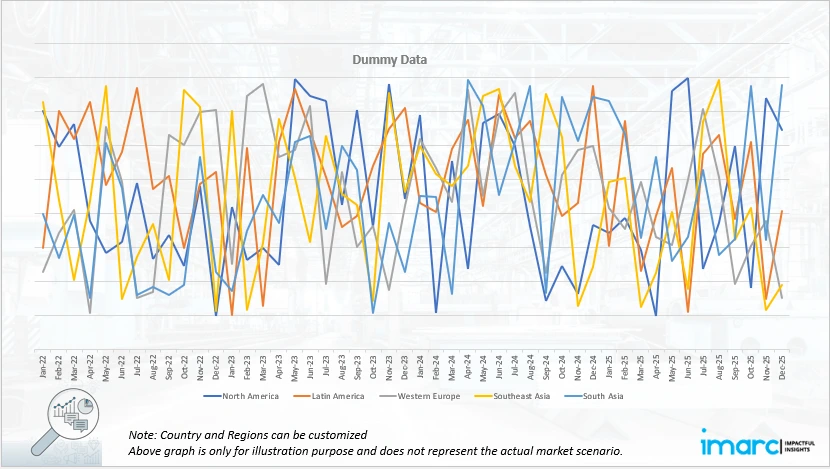
Lithium Hydroxide Price Chart
Get real-time access to monthly/quarterly/yearly prices Request Sample
During the second quarter of 2026, the lithium hydroxide prices in the USA reached USD 13838/MT. Prices rose significantly driven by strong domestic demand for electric vehicle batteries and supply chain constraints in raw material procurement. Increased production costs and sustained consumption from battery manufacturers also played a crucial role. The lithium hydroxide price chart reflects a steady upward trend despite fluctuating input prices.
During the second quarter of 2026, the lithium hydroxide prices in China reached USD 12659/MT. An upward price movement was observed due to the dependency on imported feedstocks and strong domestic manufacturing demand for advanced battery technologies. The lithium hydroxide price index showed an increase as production capacity adjustments and shipping difficulties continued to influence market conditions.
During the second quarter of 2026, the lithium hydroxide prices in Germany reached USD 14192/MT. Prices advanced as demand from the European electric vehicle sector strengthened, coupled with logistical challenges in acquiring raw materials. The lithium hydroxide price trend highlights growing market pressures as producers grappled with supply constraints.
During the second quarter of 2026, the lithium hydroxide prices in South Korea reached USD 17065/MT. The increase in prices was driven by robust demand from tech industries and large-scale battery production coupled with limited raw material imports. The lithium hydroxide price analysis reveals continuous upward pressure due to strategic stockpiling and future market expansion plans.
During the second quarter of 2026, the lithium hydroxide prices in Japan reached USD 17392/MT. A moderate price increase was observed as market demand from high-tech industries and electric vehicles remained strong and supported by strategic raw material agreements. Rising import costs and supply delays further accentuated the upward trend prevalent in the lithium hydroxide price charts.
Lithium Hydroxide Prices Outlook Q1 2026
- USA: USD 12443/MT
- China: USD 11444/MT
- Germany: USD 12931/MT
- South Korea: USD 15640/MT
- Japan: USD 15991/MT
During the first quarter of 2026, the lithium hydroxide prices in the USA reached 12443 USD/MT in March. The market experienced a strong upward trend supported by firm demand from the electric vehicle and battery manufacturing sectors. Supply conditions remained tight due to the limited availability of refined lithium materials and controlled production levels. Import dependence and steady domestic consumption further contributed to upward pricing pressure.
During the first quarter of 2026, the lithium hydroxide prices in China reached 11444 USD/MT in March. The market observed notable price growth driven by strong demand from the battery and electronics industries. Controlled mining activity and regulatory measures limited raw material supply, contributing to tightening availability. Domestic consumption remained firm, supported by continued expansion in electric vehicle production. Export demand also influenced supply dynamics, reducing available volumes in the local market.
During the first quarter of 2026, the lithium hydroxide prices in Germany reached 12931 USD/MT in March. The market recorded a significant increase due to strong demand from the automotive and energy storage sectors. Supply remained constrained as Europe relied heavily on imports for lithium compounds. Consistent consumption from battery manufacturers supported steady market activity. Import availability remained controlled, limiting supply flexibility.
During the first quarter of 2026, the lithium hydroxide prices in South Korea reached 15640 USD/MT in March. The market experienced a sharp rise, supported by strong demand from the battery and electronics manufacturing industries. Supply conditions remained tight due to limited domestic production and reliance on imports. Consistent demand from export oriented battery producers supported procurement activity.
During the first quarter of 2026, the lithium hydroxide prices in Japan reached 15991 USD/MT in March. The market observed strong price growth driven by steady demand from advanced battery manufacturing and electronics sectors. Supply remained constrained due to limited domestic production capacity and reliance on imports. Import flows remained steady but insufficient to ease tight supply conditions. Buyers maintained consistent procurement strategies to support manufacturing operations.
Lithium Hydroxide Prices Outlook Q4 2025
- USA: USD 10800/MT
- China: USD 10300/MT
- Germany: USD 11332/MT
- South Korea: USD 13227/MT
- Japan: USD 13758/MT
During the fourth quarter of 2025, lithium hydroxide prices in the USA reached 10800 USD/MT in December. Prices declined slightly compared to the previous quarter due to easing domestic demand from the battery and automotive sectors. Inventory levels increased at key distribution centers, reducing short-term supply pressure. Transportation and logistics costs stabilized, while moderate production expansions allowed manufacturers to meet steady consumption without creating scarcity.
During the fourth quarter of 2025, lithium hydroxide prices in China reached 10300 USD/MT in December. Prices rose compared to the previous quarter, driven by strong domestic demand from electric vehicle and battery manufacturers. Limited production capacity at local mines and logistical constraints intensified upward pressure. Import volumes increased to compensate for domestic shortfalls, further supporting price growth.
During the fourth quarter of 2025, lithium hydroxide prices in Germany reached 11332 USD/MT in December. Prices rose moderately, supported by growing demand from the European automotive and battery sectors. Supply chain constraints, including limited output from nearby facilities, contributed to price upward momentum. Rising energy costs and currency fluctuations added to production and procurement pressures. Buyers adjusted contracts to secure sufficient inventory for Q4 consumption.
During the fourth quarter of 2025, lithium hydroxide prices in South Korea reached 13227 USD/MT in December. Prices decreased slightly from the previous quarter due to moderated demand from battery manufacturers and stabilizing imports from regional suppliers. Inventory adjustments by industrial buyers alleviated short-term supply pressure. Competitive pricing among distributors and minor improvements in supply logistics contributed to the downward trend.
During the fourth quarter of 2025, lithium hydroxide prices in Japan reached 13758 USD/MT in December. Prices decreased moderately due to easing demand from electronics and automotive manufacturers. Procurement volumes slowed as buyers adjusted to stabilized import availability and rising inventory levels. Seasonal maintenance at production facilities had a minor impact on supply. The slight decline reflected temporary market balancing rather than structural weakness, with strong long-term demand from battery production sustaining market fundamentals.
Lithium Hydroxide Prices Outlook Q3 2025
- USA: USD 11043/MT
- China: USD 9585/MT
- Germany: USD 11055/MT
- South Korea: USD 13665/MT
- Japan: USD 14154/MT
During the third quarter of 2025, the lithium hydroxide prices in the USA reached 11043 USD/MT in September. This rise was driven by increased procurement activity from domestic battery-manufacturers and EV makers, which intensified demand for battery-grade inputs. On the supply side, logistic and energy costs rose, while domestic refining margins were squeezed by raw material bottlenecks and higher freight rates. Currency headwinds and tariff risks also added cost pressures for imported spodumene and processing inputs.
During the third quarter of 2025, the lithium hydroxide prices in China reached 9585 USD/MT in September. Market pressure in China emerged from robust electric vehicle output and large-scale energy-storage builds, which pushed up the need for high-purity lithium hydroxide. On the domestic supply side, regulatory interventions and capacity curtailments of certain mines increased cost base, while export handling and port logistics added cost escalation. Currency stability helped moderate imported input costs, yet heightened processing demands and premium grade needs reinforced upward price momentum in China.
During the third quarter of 2025, the lithium hydroxide prices in Germany reached 11055 USD/MT in September. Demand in Germany was bolstered by the localization of battery manufacturing and automaker commitments to high-nickel cathodes, prompting premium pricing of lithium hydroxide. Suppliers faced elevated compliance, environmental, and energy-cost burdens under European regulation. Shipping and handling of refined product into central Europe also hikes landed cost.
During the third quarter of 2025, the lithium hydroxide prices in South Korea reached 13665 USD/MT in September. South Korea’s advanced battery manufacturing ecosystem required high-spec lithium hydroxide, driving demand-led price upticks. At the same time, higher reagent and processing costs, along with logistic and port handling expenses for imports, added supply-cost pressure. Currency movements and the premium for ultra-high-purity grades also elevated landed cost.
During the third quarter of 2025, the lithium hydroxide prices in Japan reached 14154 USD/MT in September. Japan’s battery industry, with stringent purity and quality requirements, drove elevated demand for lithium hydroxide. Supply-side factors such as higher energy and processing costs, shipping premiums for ocean freight and port handling, and currency exchange impacts for imports elevated costs further. Also, compliance with domestic safety and environmental standards increased operational expenses for regional producers and importers alike, contributing to the price gain in Japan.
Lithium Hydroxide Prices Outlook Q2 2025
- USA: USD 10340/MT
- China: USD 8227/MT
- Germany: USD 10610/MT
- Japan: USD 13070/MT
- South Korea: USD 12745/MT
During the second quarter of 2025, lithium hydroxide prices in the USA reached 10340 USD/MT in June. Lithium hydroxide prices in the U.S. remained under pressure due to continued global oversupply and soft downstream demand from the electric vehicle and battery sectors. Ample inventories and increased import activity contributed to subdued domestic pricing. While the long-term demand outlook stayed optimistic, short-term procurement remained conservative, resulting in limited price movement and a broadly soft pricing environment across the quarter.
During the second quarter of 2025, lithium hydroxide prices in China reached 8227 USD/MT in June. The lithium hydroxide market faced ongoing pressure during the second quarter of 2025, primarily due to excess production and limited rebound in domestic and export demand. With battery manufacturers maintaining cautious purchase volumes and inventories remaining high, prices extended their subdued trajectory from last quarter. Even minor production cuts and policy-related curbs failed to reverse the trajectory, keeping prices soft amid broader global market weakness.
During the second quarter of 2025, lithium hydroxide prices in Germany reached 10610 USD/MT in June. Lithium hydroxide prices exhibited subdued momentum due to consistent oversupply across Europe and lackluster EV battery production growth. Elevated inventory levels and competition from low-cost imports contributed to restricted pricing flexibility. Despite stable baseline demand from industrial battery applications, the broader market remained oversupplied, keeping prices under downward pressure through the quarter.
During the second quarter of 2025, lithium hydroxide prices in Japan reached 13070 USD/MT in June. Lithium hydroxide prices followed a muted trajectory, echoing regional oversupply conditions. Stable imports and slower battery-grade consumption from cathode manufacturers limited any potential price recovery. While Japan maintained steady downstream activity, pricing continued to align with broader Asia-Pacific trends, influenced by global surplus and weak spot market transactions, resulting in a largely flat to slightly declining pricing environment.
During the second quarter of 2025, lithium hydroxide prices in South Korea reached 12745 USD/MT in June. South Korea's lithium hydroxide market exhibited continued softness into the second quarter of 2025. The quarter maintained a subdued environment driven by global oversupply and slower EV demand. High import volumes kept inventories elevated, while local producers operated amid cautious procurement amid global inventory pressures. Though demand from cathode manufacturers remained steady, it wasn't sufficient to lift prices. As a result, the pricing landscape reflected a muted supply-demand balance, with South Korean values tracking broader regional dynamics.
Lithium Hydroxide Prices Outlook Q1 2025
- USA: USD 10705/MT
- China: USD 8625/MT
- Belgium: USD 10880/MT
- South Korea: USD 13100/MT
- Japan: USD 13350/MT
During the first quarter of 2025, the lithium hydroxide prices in the USA reached 10705 USD/MT in March. As per the lithium hydroxide price chart, the market encountered difficulties because of oversupply issues and variable demand for EVs. Prices fell due to high inventories and increased imports. Although the ESS sector offered a glimpse of future optimism, demand in the short term continued to be lackluster.
During the first quarter of 2025, lithium hydroxide prices in China reached 8625 USD/MT in March. The market in China experienced a downturn attributed to low demand, production stoppages due to maintenance, and elevated prices for raw materials. In March, production saw a slight rebound; however, overall activity continued to be restrained. While EV sales demonstrated annual growth, monthly figures declined owing to seasonal slowdowns.
During the first quarter of 2025, the lithium hydroxide prices in Belgium reached 10880 USD/MT in March. The market experienced a decline, primarily due to global oversupply and sluggish demand. Nonetheless, the market demonstrated stabilization, bolstered by increasing electric vehicle sales and more stringent emission regulations. Chile maintained a steady export of lithium, and disruptions in supply from Australia and Africa offered some respite.
During the first quarter of 2025, the lithium hydroxide prices in South Korea reached 13100 USD/MT in March. The market experienced downward pressure due to global oversupply and a slower pace of EV adoption. Even though there was consistent demand from essential sectors like cathode material producers, the market sentiment was influenced by price cuts and continued production delays.
During the first quarter of 2025, the lithium hydroxide prices in Japan reached 13350 USD/MT in March. Japan experienced a drop in lithium hydroxide prices as a result of global oversupply and decelerating growth in the electric vehicle sector. Even though demand from the energy storage and EV sectors remained steady, overall market activity was affected by seasonal effects, production delays, and increased raw material costs.
Regional Coverage
The report provides a detailed analysis of the market across different regions, each with unique pricing dynamics influenced by localized market conditions, supply chain intricacies, and geopolitical factors. This includes price trends, price forecast and supply and demand trends for each region, along with spot prices by major ports. The report also provides coverage of FOB and CIF prices, as well as the key factors influencing lithium hydroxide prices.
Europe Lithium Hydroxide Price Trend
Q2 2026:
The lithium hydroxide price index in Europe moved upward as tighter delivered supply, export demand, and logistics constraints supported firmer offers. Port congestion periodically restricted shipments and raised replacement concerns amongst battery manufacturers. Raw material volatility also kept production economics under pressure. Demand from electric vehicles and energy storage solutions provided consistent support. German processing plants maintained supply continuity despite potential shortages, with immediate procurement favored by buyers.
Q1 2026:
The lithium hydroxide price index in Europe showed a strong upward trend supported by firm demand from automotive and energy storage sectors. Limited domestic production and reliance on imports constrained supply conditions. Import availability remained controlled, while consumption from battery manufacturers remained steady. Market participants maintained consistent procurement strategies to ensure supply continuity. Additionally, firm logistics and processing costs contributed to rising prices, reinforcing the upward market trend across the region.
Q4 2025:
During the fourth quarter of 2025, the lithium hydroxide price index in Europe reflected moderate upward momentum. Demand from the electric vehicle and battery manufacturing sectors remained strong, supporting higher contract and spot prices. Supply chain constraints in neighboring production facilities, combined with rising energy costs, exerted upward pressure on regional pricing. Import logistics and seasonal maintenance schedules influenced short-term availability, prompting industrial buyers to secure supplies proactively.
Q3 2025:
During the third quarter of 2025, the lithium hydroxide price index in Europe reflected a moderate upward trajectory. Strong automotive battery capacity expansions across the region drove demand for lithium hydroxide, especially for high-nickel cathode chemistries. Supply-side cost escalation stemmed from higher energy tariffs, environmental compliance costs and rising freight and logistics expenses across European ports. Additionally, European efforts to localize battery manufacturing led to increased imports of refined lithium hydroxide and higher landed cost. These dynamics elevated the price baseline, though ample regional manufacturing capacity prevented sharper spikes.
Q2 2025:
Lithium hydroxide prices in Europe reflected a subdued market atmosphere, shaped by persistent supply abundance and tempered demand from battery and electric vehicle manufacturers. The availability of competitively priced imports, combined with stable domestic production, created limited upward pricing momentum. While long-term demand fundamentals remained supportive, near-term pricing was largely influenced by global supply chain conditions and restrained downstream consumption, leading to a relatively stable but less active pricing environment.
Q1 2025:
As per the lithium hydroxide price index, the market experienced downward pressure due to global oversupply, weak demand, and increasing imports of less expensive materials. The market continued to face pressure from elevated inventory levels and weak downstream demand, despite a minor price stabilization. Chilean imports remained robust, offsetting supply disruptions from African and Australian production. Besides, the growth of Europe’s EV market was bolstered by stricter emissions targets and the expansion of infrastructure, further influencing price trends.
This analysis can be extended to include detailed lithium hydroxide price information for a comprehensive list of countries.
| Region | Countries Covered |
|---|---|
| Europe | Germany, France, United Kingdom, Italy, Spain, Russia, Turkey, Netherlands, Poland, Sweden, Belgium, Austria, Ireland, Switzerland, Norway, Denmark, Romania, Finland, Czech Republic, Portugal, and Greece, among other European countries. |
North America Lithium Hydroxide Price Trend
Q2 2026:
The lithium hydroxide price index in North America rose strongly as constrained availability and strong demand from battery makers tightened market balances. Electric vehicle and renewable energy sectors supported steady procurement. Export demand absorbed domestic volumes and reduced flexibility, strengthening seller leverage. Raw material costs increased financial pressure while logistical challenges heightened replacement values. Buyers secured inventories proactively as domestic supply remained comparatively tight.
Q1 2026:
The lithium hydroxide price index in North America reflected significant growth driven by strong demand from the electric vehicle and energy storage industries. Battery manufacturing activity remained robust, supporting consistent consumption of lithium hydroxide across the region. Supply conditions stayed tight due to limited domestic refining capacity and continued reliance on imported material, which constrained overall availability. Import flows remained steady but were not sufficient to fully ease supply pressure. Market participants actively secured volumes through forward contracts and regular procurement to avoid supply disruptions.
Q4 2025:
During the fourth quarter of 2025, the lithium hydroxide price index in North America showed a slight decline compared to Q3. Stabilized domestic production and easing demand from battery and energy storage sectors contributed to reduced pricing pressure. Inventory accumulation at distribution centers allowed manufacturers to meet consumption without triggering shortages. Transportation and logistics costs remained relatively stable, further supporting a moderate downward adjustment. Buyers adopted cautious procurement strategies, balancing existing stock levels against anticipated seasonal consumption.
Q3 2025:
During the third quarter of 2025, the lithium hydroxide price index in North America showed a clear upward shift. Demand from EV manufacturers and grid-scale storage developers rose significantly, tightening supply markets for high-purity lithium hydroxide. Domestic processing plants faced higher input and logistics costs, including freight from mining hubs and inland transport. Currency and trade policy uncertainties added cost paddings for imports of lithium concentrates and hydroxide. These combined effects resulted in a stronger price environment for lithium hydroxide in North America in Q3.
Q2 2025:
In North America, lithium hydroxide prices experienced a softer market trend, primarily due to persistent global oversupply and subdued demand from the electric vehicle (EV) and energy storage system sectors. The region saw pricing pressure, as cheaper imports and high inventory levels pressured domestic producers. While long-term EV projections provided some support, short-term purchasing remained cautious. Manufacturing activity in major exporting regions continued to expand, sustaining downward momentum in local pricing. Overall, the market reflected an oversupply-facing structure, with prices softening through the quarter in response to the global lithium dynamics.
Q1 2025:
The market faced challenges from global oversupply, variable EV demand, and changing trade dynamics. Prices fell as a result of the arrival of cost-effective imports, considerable stock levels, and sluggish domestic demand. Imports of lithium salt from the U.S. declined as a result of decreased EV adoption and inventory reduction, while imports from Chile and Argentina remained consistent. Despite challenges in the market, the Energy Storage System (ESS) sector and future projections for electric vehicle (EV) growth offered a hopeful long-term outlook.
Specific lithium hydroxide historical data within the United States and Canada can also be provided.
| Region | Countries Covered |
|---|---|
| North America | United States and Canada |
Middle East and Africa Lithium Hydroxide Price Trend
Q2 2026:
The study includes lithium hydroxide price trends across the Middle East and Africa, considering factors such as regional industrial growth, natural resource policies, and geopolitical influences impacting market prices.
Q1 2026:
According to the lithium hydroxide price chart, supply chain interruptions, seasonal changes in demand, and geopolitical influences were the main causes of the price fluctuations in the Middle East and Africa.
Q4 2025:
As per the lithium hydroxide price chart, the prices in the Middle East and Africa fluctuated due to a complex interplay of factors, primarily driven by supply chain disruptions, seasonal demand shifts, and geopolitical influences.
Q3 2025:
The report explores the lithium hydroxide trends and lithium hydroxide price chart in the Middle East and Africa, considering factors like regional industrial growth, the availability of natural resources, and geopolitical tensions that uniquely influence market prices.
In addition to region-wise data, information on lithium hydroxide prices for countries can also be provided.
| Region | Countries Covered |
|---|---|
| Middle East & Africa | Saudi Arabia, UAE, Israel, Iran, South Africa, Nigeria, Oman, Kuwait, Qatar, Iraq, Egypt, Algeria, and Morocco, among other Middle Eastern and African countries. |
Asia Pacific Lithium Hydroxide Price Trend
Q2 2026:
Lithium hydroxide prices in Asia Pacific moved upward as higher feedstock costs, logistics pressure, and steady demand for battery materials supported the market. China experienced restricted prompt availability and stronger production economics during much of the quarter, while port congestion and shipping conditions periodically constrained cargo movement. Japan also faced elevated import replacement costs and freight uncertainty, encouraging buyers to maintain scheduled procurement. Demand from electric vehicle batteries, energy storage systems, and specialty chemicals provided a stable consumption base across the region. Producers maintained disciplined offers as input costs remained elevated.
Q1 2026:
In the Asia Pacific region, lithium hydroxide prices showed strong growth driven by robust demand from the battery and electronics sectors. The region remained a key hub for battery production, which supported continuous consumption of lithium hydroxide. Controlled mining activity and regulatory oversight limited the availability of raw materials, contributing to tight supply conditions. Domestic production remained steady, while import and export flows were balanced but did not significantly increase supply availability.
Q4 2025:
During the fourth quarter of 2025, lithium hydroxide prices in Asia Pacific showed variation, driven by strong demand from battery manufacturers and limited domestic production. Import reliance remained high, and transportation bottlenecks occasionally caused short-term price volatility. Speculative trading activity amplified minor fluctuations, while strategic stockpiling by key industrial buyers supported upward momentum. Seasonal demand adjustments in consumer electronics and electric vehicle sectors further influenced pricing.
Q3 2025:
In the third quarter of 2025, lithium hydroxide prices climbed due to surging demand from battery manufacturing hubs in China, South Korea and Japan. The region’s complex supply-chain faced increasing cost pressures from freight, processing and environmental compliance. Domestic policy incentives for electric vehicles and energy storage supported demand side. Although some domestic capacity existed, import dependence and premium grade requirements magnified cost pass-through into higher regional pricing.
Q2 2025:
In the Asia-Pacific region, lithium hydroxide prices softened, primarily due to growing oversupply concerns. Output increases from Chinese and Malian spodumene projects and robust converter inventories exerted downward pressure on spot and contract pricing. While EV battery orders remained steady, especially for NMC cathodes, they weren't enough to absorb the glut, leading converters to discount hydroxide relative to carbonate. The market reflected a cautious supply-centric sentiment, with pricing responding to production shifts and ample inventories, signaling slight stabilization at lower levels compared to previous quarters.
Q1 2025:
Prices in China decreased as a result of weak spot demand, elevated raw material costs, and limited supply. Production slowed down because of maintenance and shutdowns for the Chinese New Year, resulting in a sharp decline in February. Output remained low, although March experienced a gradual recovery. Throughout the quarter, the market was characterized by limited large orders and conservative purchasing strategies. While NEV sales exhibited annual growth, they experienced a significant drop in February due to seasonal factors. Even with these difficulties, the market exhibited transaction flexibility as March was drawing to a close.
This lithium hydroxide price analysis can be expanded to include a comprehensive list of countries within the region.
| Region | Countries Covered |
|---|---|
| Asia Pacific | China, India, Indonesia, Pakistan, Bangladesh, Japan, Philippines, Vietnam, Thailand, South Korea, Malaysia, Nepal, Taiwan, Sri Lanka, Hongkong, Singapore, Australia, and New Zealand, among other Asian countries. |
Latin America Lithium Hydroxide Price Trend
Q2 2026:
The lithium hydroxide market in Latin America is primarily driven by the region's abundant lithium resources, particularly in countries like Chile and Argentina. However, political instability and varying regulatory regimes can cause lithium hydroxide prices to fluctuate dramatically.
Q1 2026:
The market for lithium hydroxide in Latin America is mostly driven by the region's abundant natural resources, especially in nations like Chile and Brazil. However, the price of lithium hydroxides can fluctuate significantly due to political unpredictability and varied regulatory regimes.
Q4 2025:
Latin America's lithium hydroxide market is predominantly influenced by its rich natural reserves, particularly in countries like Chile and Brazil. However, political instability and inconsistent regulatory frameworks can lead to significant volatility in lithium hydroxide prices.
Q3 2025:
Infrastructure challenges and logistical inefficiencies often impact the supply chain, affecting the region's ability to meet international demand consistently. Moreover, the lithium hydroxide price index, economic fluctuations, and currency devaluation are critical factors that need to be considered when analyzing lithium hydroxide pricing trends in this region.
This comprehensive review can be extended to include specific countries within the region.
| Region | Countries Covered |
|---|---|
| Latin America | Brazil, Mexico, Argentina, Columbia, Chile, Ecuador, and Peru, among other Latin American countries. |
Lithium Hydroxide Pricing Report, Market Analysis, and News
IMARC's latest publication, “Lithium Hydroxide Prices, Trend, Chart, Demand, Market Analysis, News, Historical and Forecast Data Report 2026 Edition,” presents a detailed examination of the lithium hydroxide market, providing insights into both global and regional trends shaping prices. This report delves into the spot price of lithium hydroxide at major ports and analyzes the composition of prices, including FOB and CIF terms. It also presents detailed lithium hydroxide prices trend analysis by region, covering North America, Europe, Asia Pacific, Latin America, and Middle East and Africa. The factors affecting lithium hydroxide pricing, such as the dynamics of supply and demand, geopolitical influences, and sector-specific developments, are thoroughly explored. This comprehensive report helps stakeholders stay informed with the latest market news, regulatory updates, and technological progress, facilitating informed strategic decision-making and forecasting.
Lithium Hydroxide Industry Analysis
The global lithium hydroxide market size reached USD 1.96 Billion in 2025. By 2034, IMARC Group expects the market to reach USD 3.53 Billion, at a projected CAGR of 6.77% during 2026-2034. The market is primarily driven by the rising demand for electric vehicle batteries, the growing use in energy storage systems, and an increasing focus on renewable energy solutions.
Latest News and Developments:
- October 2025: Vulcan Energy Resources signed an offtake agreement with Glencore for supplying lithium hydroxide monohydrate from its Lionheart Project, Europe. According to the agreement, Vulcan will provide between 36,000 tons to 44,000 tons of battery quality lithium hydroxide monohydrate for the initial eight years.
Product Description
Lithium hydroxide is an inorganic lithium compound widely used as a raw material in the battery and chemical industries. Its major application is in the production of cathode active materials for lithium ion batteries, particularly nickel rich chemistries such as nickel manganese cobalt (NMC) and nickel cobalt aluminum (NCA). These battery materials are widely used in electric vehicles and other applications requiring high energy density. Lithium hydroxide can be produced through several processing routes, including the conversion of lithium carbonate using calcium hydroxide and processes involving lithium mineral or brine derived intermediates. Commercial lithium hydroxide is commonly available in monohydrate and anhydrous forms, with battery grade material requiring strict purity specifications. Apart from batteries, lithium hydroxide is used in lubricating greases, specialty chemicals, ceramics, and selected industrial applications.
Report Coverage
| Key Attributes | Details |
|---|---|
| Product Name | Lithium Hydroxide |
| Report Features | Exploration of Historical Trends and Market Outlook, Industry Demand, Industry Supply, Gap Analysis, Challenges, Lithium Hydroxide Price Analysis, and Segment-Wise Assessment. |
| Currency/Units | US$ (Data can also be provided in local currency) or Metric Tons |
| Region/Countries Covered | The current coverage includes analysis at the global and regional levels only. Based on your requirements, we can also customize the report and provide specific information for the following countries: Asia Pacific: China, India, Indonesia, Pakistan, Bangladesh, Japan, Philippines, Vietnam, Thailand, South Korea, Malaysia, Nepal, Taiwan, Sri Lanka, Hongkong, Singapore, Australia, New Zealand Europe: Germany, France, United Kingdom, Italy, Spain, Russia, Turkey, Netherlands, Poland, Sweden, Belgium, Austria, Ireland, Switzerland, Norway, Denmark, Romania, Finland, Czech Republic, Portugal, Greece North America: United States, Canada Latin America: Brazil, Mexico, Argentina, Columbia, Chile, Ecuador, Peru Middle East & Africa: Saudi Arabia, UAE, Israel, Iran, South Africa, Nigeria, Oman, Kuwait, Qatar, Iraq, Egypt, Algeria, Morocco The list of countries presented is not exhaustive. Information on additional countries can be provided if required by the client. |
| Information Covered for Key Suppliers |
|
| Customization Scope | The report can be customized as per the requirements of the customer |
| Report Price and Purchase Option |
Plan A: Monthly Updates - Annual Subscription
Plan B: Quarterly Updates - Annual Subscription
Plan C: Biannually Updates - Annual Subscription
|
| Post-Sale Analyst Support | 360-degree analyst support after report delivery |
| Delivery Format | PDF and Excel through email (We can also provide the editable version of the report in PPT/Word format on special request) |
Key Benefits for Stakeholders:
- IMARC’s report presents a detailed analysis of lithium hydroxide pricing, covering global and regional trends, spot prices at key ports, and a breakdown of Ex Works, FOB, and CIF prices.
- The study examines factors affecting lithium hydroxide price trend, including raw material costs, supply-demand shifts, geopolitical impacts, and industry developments, offering insights for informed decision-making.
- The competitive landscape review equips stakeholders with crucial insights into the latest market news, regulatory changes, and technological advancements, ensuring a well-rounded, strategic overview for forecasting and planning.
- IMARC offers various subscription options, including monthly, quarterly, and biannual updates, allowing clients to stay informed with the latest market trends, ongoing developments, and comprehensive market insights. The lithium hydroxide price charts ensure our clients remain at the forefront of the industry.
Need more help?
- Speak to our experienced analysts for insights on the current market scenarios.
- Include additional segments and countries to customize the report as per your requirement.
- Gain an unparalleled competitive advantage in your domain by understanding how to utilize the report and positively impacting your operations and revenue.
- For further assistance, please connect with our analysts.
 Request Customization
 Inquire Before Buying
 Speak to an Analyst
 Request Brochure
Benefits of Customization
- Personalize this research
- Triangulate with your data
- Get data as per your format and definition
- Gain a deeper dive into a specific application, geography, customer, or competitor
- Any level of personalization
Get in Touch With Us
UNITED STATES
Phone: +1-201-971-6302
INDIA
Phone: +91-120-433-0800
UNITED KINGDOM
Phone: +44-753-714-6104
Email: [email protected]
Client Testimonials




.webp)




.webp)













Related Reports

Why Choose Us
IMARC offers trustworthy, data-centric insights into commodity pricing and evolving market trends, enabling businesses to make well-informed decisions in areas such as procurement, strategic planning, and investments. With in-depth knowledge spanning more than 1000 commodities and a vast global presence in over 150 countries, we provide tailored, actionable intelligence designed to meet the specific needs of diverse industries and markets.
1000
+Commodities
150
+Countries Covered
3000
+Clients
20
+Industry

Robust Methodologies & Extensive Resources
IMARC delivers precise commodity pricing insights using proven methodologies and a wealth of data to support strategic decision-making.

Subscription-Based Databases
Our extensive databases provide detailed commodity pricing, import-export trade statistics, and shipment-level tracking for comprehensive market analysis.

Primary Research-Driven Insights
Through direct supplier surveys and expert interviews, we gather real-time market data to enhance pricing accuracy and trend forecasting.

Extensive Secondary Research
We analyze industry reports, trade publications, and market studies to offer tailored intelligence and actionable commodity market insights.
Trusted by 3000+ industry leaders worldwide to drive data-backed decisions. From global manufacturers to government agencies, our clients rely on us for accurate pricing, deep market intelligence, and forward-looking insights.