
Metoprolol Succinate Prices, Trend, Chart, Demand, Market Analysis, News, Historical and Forecast Data Report 2026 Edition
Metoprolol Succinate Price Trend, Index and Forecast
Track the latest insights on metoprolol succinate price trend and forecast with detailed analysis of regional fluctuations and market dynamics across North America, Latin America, Central Europe, Western Europe, Eastern Europe, Middle East, North Africa, West Africa, Central and Southern Africa, Central Asia, Southeast Asia, South Asia, East Asia, and Oceania.
Metoprolol Succinate Prices Outlook Q2 2026
- USA: USD 58331/MT
- China: USD 56765/MT
- Germany: USD 53076/MT
- Russia: USD 57018/MT
- Brazil: USD 65372/MT
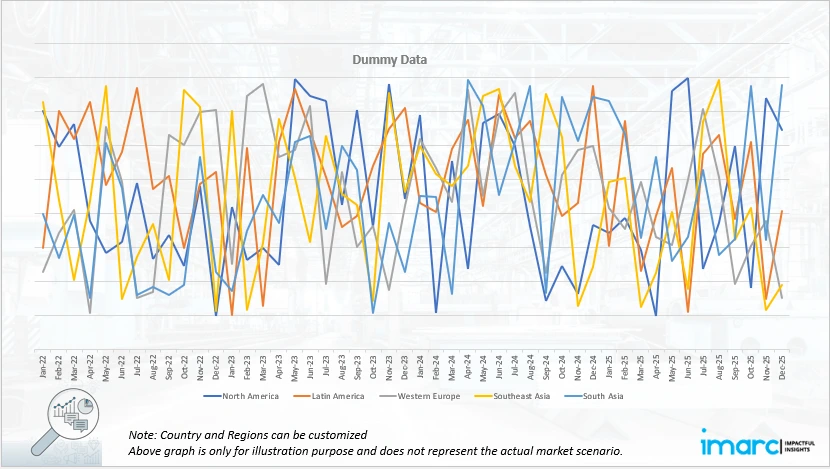
Metoprolol Succinate Price Chart
Get real-time access to monthly/quarterly/yearly prices Request Sample
During the second quarter of 2026, the metoprolol succinate prices in the USA reached 58331 USD/MT in June. The reported increase reflects a combination of pharmaceutical manufacturing expenses, active pharmaceutical ingredient (API) procurement conditions, and demand from cardiovascular medication supply chains. Manufacturers may have experienced cost pressures associated with quality control, regulatory compliance, specialized processing, and inventory management.
During the second quarter of 2026, the metoprolol succinate prices in China reached 56765 USD/MT in June. Price developments were influenced by pharmaceutical manufacturing costs, domestic API production conditions, and purchasing requirements from finished-dose drug manufacturers. China's established pharmaceutical manufacturing base supported the availability of chemical processing and formulation capabilities, although supplier operating expenses and production scheduling affected commercial negotiations.
During the second quarter of 2026, the metoprolol succinate prices in Germany reached 53076 USD/MT in June. The German market was influenced by pharmaceutical quality standards, manufacturing overhead, and procurement conditions within the European pharmaceutical supply chain. Manufacturers and distributors considered the costs associated with quality management systems, analytical testing, regulatory compliance, and controlled pharmaceutical production.
During the second quarter of 2026, the metoprolol succinate prices in Russia reached 57018 USD/MT in June. Market conditions were influenced by pharmaceutical supply-chain requirements, import-related considerations, and the availability of qualified suppliers. Metoprolol succinate procurement depended on manufacturing capacity, pharmaceutical quality requirements, and the ability of suppliers to maintain consistent delivery schedules.
During the second quarter of 2026, the metoprolol succinate prices in Brazil reached 65372 USD/MT in June. Pricing conditions were influenced by pharmaceutical procurement requirements, import dependence for selected materials, and the operating expenses associated with the domestic medicine supply chain. Manufacturers and distributors considered API availability, supplier lead times, and quality compliance when planning purchases.
Metoprolol Succinate Prices Outlook Q1 2026
- USA: USD 55259/MT
- China: USD 54524/MT
- Germany: USD 51862/MT
- Russia: USD 55427/MT
- Brazil: USD 63400/MT
During the first quarter of 2026, the metoprolol succinate prices in the USA reached 55259 USD/MT in March. Prices moved upward as pharmaceutical demand remained firm from cardiovascular drug manufacturers, supported by steady procurement from formulation units. Supply availability was balanced but not excessive, which helped sellers maintain stronger offers. Import dependence on selected intermediates added cost pressure, especially as freight and handling expenses stayed elevated.
During the first quarter of 2026, the metoprolol succinate prices in China reached 54524 USD/MT in March. Prices increased as domestic pharmaceutical producers raised procurement for beta blocker formulations. The market also received support from firmer raw material costs and steady export inquiries. Production activity remained stable, but suppliers avoided aggressive discounting due to improved order visibility. Demand from regulated finished dosage manufacturers strengthened gradually, creating a positive tone in the market.
During the first quarter of 2026, the metoprolol succinate prices in Germany reached 51862 USD/MT in March. Prices rose as demand from pharmaceutical formulation companies remained steady across cardiovascular medicine production. Import costs for active pharmaceutical ingredient supply were firm, supported by higher logistics and compliance related expenses. Buyers maintained regular procurement schedules to avoid supply gaps, which supported market stability.
During the first quarter of 2026, the metoprolol succinate prices in Russia reached 55427 USD/MT in March. Prices increased as domestic demand from pharmaceutical manufacturers remained firm. Procurement activity improved due to continued needs from cardiovascular treatment segments. Import related cost pressure also supported higher prices, as logistics, customs handling, and currency linked purchasing expenses influenced landed costs. Supply remained sufficient but not loose, allowing sellers to maintain firmer quotations.
During the first quarter of 2026, the metoprolol succinate prices in Brazil reached 63400 USD/MT in March. Prices moved higher as pharmaceutical demand remained strong from formulation units serving cardiovascular therapy markets. Import dependency played a major role in price direction, with landed costs influenced by freight, documentation, and procurement expenses. Buyers maintained active purchasing to support medicine production and distribution schedules.
Metoprolol Succinate Prices Outlook Q4 2025
- USA: USD 54588/MT
- China: USD 52993/MT
- Germany: USD 50249/MT
- Russia: USD 53761/MT
- Brazil: USD 61950/MT
During the fourth quarter of 2025, the metoprolol succinate prices in the USA reached 54588 USD/MT in December. Prices increased, supported by steady demand from generic cardiovascular drug manufacturers and hospital procurement programs. Additionally, structured API supply contracts and regulated production standards influenced availability, while distributors aligned sourcing with prescription demand trends across retail and institutional channels.
During the fourth quarter of 2025, the metoprolol succinate prices in China reached 52993 USD/MT in December. Prices rose, driven by firm domestic formulation demand and sustained export participation from bulk API producers. Moreover, stable raw material sourcing and controlled manufacturing output shaped supply positioning across pharmaceutical intermediaries.
During the fourth quarter of 2025, the metoprolol succinate prices in Germany reached 50249 USD/MT in December. Prices moved upward, influenced by consistent procurement from formulation units and structured healthcare reimbursement mechanisms. Furthermore, regulated import flows and distributor inventory planning shaped regional supply dynamics.
During the fourth quarter of 2025, the metoprolol succinate prices in Russia reached 53761 USD/MT in December. Prices increased, supported by steady demand from domestic pharmaceutical manufacturing and government healthcare supply programs. In addition to this, coordinated import positioning and regulatory compliance requirements influenced sourcing behavior.
During the fourth quarter of 2025, the metoprolol succinate prices in Brazil reached 61950 USD/MT in December. Prices rose, driven by active procurement from generic drug manufacturers and expanding retail pharmacy distribution. Apart from this, structured import contracts and distributor inventory management shaped procurement cycles across the pharmaceutical sector.
Metoprolol Succinate Prices Outlook Q3 2025
- USA: USD 53055/MT
- China: USD 51570/MT
- Germany: USD 48980/MT
- Russia: USD 52660/MT
- Brazil: USD 60670/MT
During the third quarter of 2025, the metoprolol succinate prices in the USA reached 53055 USD/MT in September. The upward movement was supported by firmer demand from formulation units that expanded production schedules. Domestic manufacturers operated under heightened regulatory oversight, prompting more careful coordination of active pharmaceutical ingredient (API) procurement. Supply chains benefited from predictable freight services, allowing processors to maintain consistent material availability throughout the quarter.
During the third quarter of 2025, the metoprolol succinate prices in China reached 51570 USD/MT in September. Prices increased due to strong API consumption from pharmaceutical producers engaged in cardiovascular drug manufacturing. Several upstream plants conducted process optimization initiatives, which moderated throughput and tightened availability intermittently. Export obligations also rose steadily as overseas buyers secured shipments in advance, enhancing draw on domestic supply channels.
During the third quarter of 2025, the metoprolol succinate prices in Germany reached 48980 USD/MT in September. Prices softened slightly as procurement from local formulators stabilized amid well-aligned inventories. API production facilities operated at consistent utilization levels, supporting balanced market flow. Import volumes from Asia arrived in an orderly manner, allowing distributors to manage shipments without significant fluctuation in delivery timing.
During the third quarter of 2025, the metoprolol succinate prices in Russia reached 52660 USD/MT in September. Prices increased as local pharmaceutical manufacturers raised intake to sustain steady cardiovascular drug output. Domestic plants saw carefully managed production schedules while importing entities navigated evolving clearance procedures that occasionally added transit time. This combination of active consumption and calibrated upstream performance shaped a firm operating environment.
During the third quarter of 2025, the metoprolol succinate prices in Brazil reached 60670 USD/MT in September. Prices rose due to elevated sourcing requirements from major formulators responding to growing therapeutic demand. Import-reliant buyers faced fluctuations in port handling speeds, prompting earlier procurement for scheduled manufacturing runs. These adjustments supported continuous coverage across pharmaceutical operations nationwide.
Metoprolol Succinate Prices Outlook Q2 2025
- USA: USD 52270/MT
- China: USD 50450/MT
- Germany: USD 49570/MT
- Russia: USD 51530/MT
- Brazil: USD 59240/MT
During the second quarter of 2025, the metoprolol succinate prices in the USA reached 52270 USD/MT in June. Procurement activity advanced steadily as formulation plants followed planned production cycles for cardiovascular treatments. Domestic distribution networks supported predictable deliveries across large pharmaceutical hubs. Manufacturing lines maintained smooth operation as API scheduling aligned well with downstream requirements.
During the second quarter of 2025, the metoprolol succinate prices in China reached 50450 USD/MT in June. Pharmaceutical manufacturing complexes operated with consistent throughput, supported by ongoing demand for cardiovascular formulations. Upstream synthesis units coordinated production around scheduled maintenance windows to maintain reliable availability. Export channels remained active, encouraging continued flow through established distribution routes.
During the second quarter of 2025, the metoprolol succinate prices in Germany reached 49570 USD/MT in June. Local formulators navigated stable procurement conditions supported by well-timed shipments from international suppliers. Production units maintained routine operating patterns, enabling balanced material allocation across regional pharmaceutical corridors. Import coordination remained predictable, helping maintain continuity across downstream operations.
During the second quarter of 2025, the metoprolol succinate prices in Russia reached 51530 USD/MT in June. Pharmaceutical producers advanced production scheduling in alignment with seasonal treatment requirements. Import-dependent buyers coordinated documentation and regulatory workflows to secure timely clearance of API consignments. Manufacturing clusters adjusted supply planning to ensure consistent coverage across domestic facilities.
During the second quarter of 2025, the metoprolol succinate prices in Brazil reached 59240 USD/MT in June. Downstream formulators maintained steady input demand as treatment needs continued to expand across national healthcare networks. Import channels handled moderate shipment volumes, with buyers adjusting procurement cycles around expected transit times. Manufacturing operations followed predictable patterns that supported coordinated API usage.
Regional Coverage
The report provides a detailed analysis of the market across different regions, each with unique pricing dynamics influenced by localized market conditions, supply chain intricacies, and geopolitical factors. This includes price trends, price forecast and supply and demand trends for each region, along with spot prices by major ports. The report also provides coverage of FOB and CIF prices, as well as the key factors influencing metoprolol succinate prices.
Europe Metoprolol Succinate Price Trend
Q2 2026:
The metoprolol succinate price index in Europe during Q2 2026 was influenced by pharmaceutical manufacturing expenses, API sourcing conditions, and the region's stringent quality and regulatory requirements. Germany's reported pricing reflected the interaction of supplier costs, procurement conditions, and the operational requirements of pharmaceutical production. Manufacturers and distributors assessed raw material availability, quality assurance expenses, and the reliability of supply agreements when negotiating prices. European pharmaceutical producers also considered energy, labor, analytical testing, and compliance-related costs in their purchasing decisions. Demand for cardiovascular medicines supported ongoing procurement requirements, although purchasing patterns varied according to inventory levels, healthcare supply arrangements, and manufacturer requirements.
Q1 2026:
In Europe, the metoprolol succinate price index moved upward as pharmaceutical demand improved and buyers maintained steady procurement for cardiovascular formulations. Regional producers faced firmer input costs and higher compliance related operating expenses, which supported stronger offers. Germany reflected this trend, with prices rising due to stable formulation demand and firm import costs. Supply was available but controlled, limiting aggressive price competition. Buyers prioritized reliable sourcing to avoid disruptions in regulated medicine production. The market also benefited from consistent prescription demand across healthcare systems.
Q4 2025:
As per the metoprolol succinate price index, European prices moved upward, supported by steady procurement from formulation facilities supplying cardiovascular medications across public healthcare systems. Additionally, structured tender-based purchasing programs and regulated reimbursement frameworks influenced pricing direction across key pharmaceutical hubs. Intra-European API trade flows and compliance with stringent EU regulatory standards shaped supply positioning, while manufacturers aligned sourcing volumes with confirmed prescription demand and hospital procurement cycles across Central and Western Europe.
Q3 2025:
The region showed mixed movement owing to contrasting developments among its markets. Pharmaceutical clusters across Western Europe concentrated on scaling quality control and regulatory release processes for cardiovascular APIs, which increased attention on batch scheduling and certification timelines. Several packaging and secondary processing groups adjusted lead times to accommodate stricter documentation requirements, while inland multimodal links experienced episodic congestion that affected delivery windows. These operational dynamics caused manufacturers to refine internal scheduling and storage practices to secure uninterrupted formulation throughput.
Q2 2025:
Pharmaceutical manufacturing in Europe coordinated procurement closely with regulatory timelines and seasonal production plans. Formulation hubs emphasized quality release alignment and tempered inventory turnover to match certification cycles. Inland freight corridors and warehousing nodes adjusted handling sequences to manage peak dispatches, and distributors optimized allocation across national markets. These logistics and compliance-driven adjustments influenced how production planners scheduled campaigns across the region.
This analysis can be extended to include detailed metoprolol succinate price information for a comprehensive list of countries.
| Region | Countries Covered |
|---|---|
| Europe | Germany, France, United Kingdom, Italy, Spain, Russia, Turkey, Netherlands, Poland, Sweden, Belgium, Austria, Ireland, Switzerland, Norway, Denmark, Romania, Finland, Czech Republic, Portugal, and Greece, among other European countries. |
North America Metoprolol Succinate Price Trend
Q2 2026:
The metoprolol succinate price index in North America was influenced by API procurement costs, pharmaceutical production requirements, and demand from cardiovascular medicine manufacturers. The United States represented a key market in the regional supply chain, with pricing conditions shaped by supplier negotiations and manufacturing overhead. Pharmaceutical companies evaluated the availability of qualified ingredients, quality testing requirements, and the reliability of supply contracts when planning purchases. Production costs related to labor, utilities, quality assurance, and specialized pharmaceutical processing affected supplier quotations. Demand for metoprolol succinate remained connected to the continued manufacturing of cardiovascular therapies, supporting the need for dependable API availability.
Q1 2026:
In North America, the metoprolol succinate price index increased as demand from pharmaceutical formulation units remained healthy. The USA market recorded upward movement due to steady consumption from cardiovascular drug manufacturers and firmer landed costs for imported active pharmaceutical ingredients. Buyers increased replenishment activity after earlier cautious inventory management. Supplier offers strengthened as availability remained balanced rather than excessive. Logistics and handling costs also supported higher pricing across the region. Demand from healthcare distribution channels remained stable, supporting market confidence.
Q4 2025:
As per the metoprolol succinate price index, prices in North America increased, driven by resilient demand from hospital systems, retail pharmacy chains, and large-scale generic drug manufacturers. Furthermore, long-term API supply contracts and adherence to strict FDA regulatory requirements influenced production planning and availability. Manufacturing throughput in domestic formulation plants remained consistent, while distributors adjusted inventory levels in line with cardiovascular prescription demand across regional healthcare networks.
Q3 2025:
North America recorded upward movement based on strong national sourcing requirements. Large-scale generic manufacturers and contract development and manufacturing organizations increased API draw as they ramped cardiovascular formulation output. Regional warehousing hubs prioritized slot allocation to speed turnover for high-demand SKUs, and intermodal connections between ports and inland distribution centers were scheduled to reduce dwell times. Procurement teams coordinated tighter supplier windows to match intensive production campaigns and quality release timelines.
Q2 2025:
Pharmaceutical production in North America concentrated on meeting steady therapeutic demand with disciplined inventory planning. Contract manufacturers synchronized API receipts with manufacturing runs, and warehouse operations focused on improving turnaround for kitting and lot release. Inland distribution maintained regular rhythms, enabling formulators to plan multiweek campaigns with greater predictability. These operational practices supported reliable supply to downstream manufacturing.
Specific metoprolol succinate historical data within the United States and Canada can also be provided.
| Region | Countries Covered |
|---|---|
| North America | United States and Canada |
Middle East and Africa Metoprolol Succinate Price Trend
Q2 2026:
The study includes metoprolol succinate price trends across the Middle East and Africa, taking into consideration variables that have a direct impact on market prices, such as regional industrial expansion, natural resource availability, and geopolitical conflicts.
Q1 2026:
According to the metoprolol succinate price chart, supply chain interruptions, seasonal changes in demand, and geopolitical influences were the main causes of the price fluctuations in the Middle East and Africa.
Q4 2025:
As per metoprolol succinate price chart, the prices in the Middle East and Africa fluctuated due to a complex interplay of factors, primarily driven by supply chain disruptions, seasonal demand shifts, and geopolitical influences.
Q3 2025:
The report explores the metoprolol succinate pricing trends and metoprolol succinate price chart in the Middle East and Africa, considering factors like regional industrial growth, the availability of natural resources, and geopolitical tensions that uniquely influence market prices.
In addition to region-wise data, information on metoprolol succinate prices for countries can also be provided.
| Region | Countries Covered |
|---|---|
| Middle East & Africa | Saudi Arabia, UAE, Israel, Iran, South Africa, Nigeria, Oman, Kuwait, Qatar, Iraq, Egypt, Algeria, and Morocco, among other Middle Eastern and African countries. |
Asia Pacific Metoprolol Succinate Price Trend
Q2 2026:
The Asia Pacific metoprolol succinate market during was shaped by API manufacturing activity, pharmaceutical production capacity, and procurement requirements across established and developing pharmaceutical markets. China's reported pricing provided a reference point for regional market conditions, while supplier competition and manufacturing efficiency influenced purchasing discussions. The region's pharmaceutical production base supported demand for active ingredients used in cardiovascular medicines. Manufacturers evaluated raw material availability, production scheduling, quality control, and the ability to fulfill contractual requirements. Energy expenses, labor costs, logistics arrangements, and regulatory compliance contributed to supplier cost structures.
Q1 2026:
In the Asia Pacific, metoprolol succinate prices strengthened as China recorded higher prices supported by active pharmaceutical demand and firm export inquiries. Regional formulation activity remained steady, especially in markets serving cardiovascular medicine demand. Suppliers maintained firmer offers due to stable order flow and manageable inventories. Buyers replenished material based on production schedules, which improved transaction activity. Export oriented producers benefited from consistent overseas demand, adding support to regional sentiment. Raw material costs also remained firm, discouraging deep discounts.
Q4 2025:
Across Asia Pacific, metoprolol succinate prices rose, supported by strong API manufacturing activity and sustained export participation from major pharmaceutical production centers. Additionally, stable raw material sourcing and disciplined output planning ensured consistent supply to both domestic formulation units and international buyers. Expanding cardiovascular drug consumption in densely populated markets further reinforced procurement activity, while integrated pharmaceutical clusters facilitated efficient distribution.
Q3 2025:
Asia Pacific recorded upward movement driven by stronger consumption and export commitments in major hubs. Production centers prioritized efficient API throughput to serve intensive formulation campaigns across multiple markets, with some plants optimizing batch cycles for higher yield. Ocean freight lanes experienced variable congestion that altered arrival expectations for importers, pushing buyers to refine buffer stock strategies. Distributors coordinated cross-border allocation more tightly to ensure continuous supply to high-volume formulators.
Q2 2025:
Pharmaceutical manufacturing across Asia Pacific emphasized dependable API delivery to match expanding formulation schedules. Import-dependent economies improved route planning and carrier selection to reduce lead-time variability, while domestic production hubs balanced output with stringent quality controls. Inventory managers implemented rolling replenishment plans to accommodate varying transit times. These measures supported steady downstream operations and helped maintain production continuity across the region.
This metoprolol succinate price analysis can be expanded to include a comprehensive list of countries within the region.
| Region | Countries Covered |
|---|---|
| Asia Pacific | China, India, Indonesia, Pakistan, Bangladesh, Japan, Philippines, Vietnam, Thailand, South Korea, Malaysia, Nepal, Taiwan, Sri Lanka, Hongkong, Singapore, Australia, and New Zealand, among other Asian countries. |
Latin America Metoprolol Succinate Price Trend
Q2 2026:
The Latin American metoprolol succinate market was influenced by pharmaceutical import conditions, regional distribution costs, and demand for cardiovascular medicines. Brazil's reported price level reflected the interaction of procurement requirements, supplier costs, and pharmaceutical supply-chain considerations. Manufacturers and distributors assessed the availability of qualified APIs, delivery schedules, and quality documentation when planning purchases. Import-related expenses, freight costs, customs procedures, and currency fluctuations could affect purchasing decisions, particularly for buyers sourcing ingredients from international suppliers. Demand from pharmaceutical manufacturers and medicine distributors supported the need for reliable product availability.
Q1 2026:
In Latin America, metoprolol succinate prices increased, led by Brazil, where import costs and firm pharmaceutical demand supported higher offers. The region remained dependent on overseas supply, which made prices sensitive to freight, currency linked procurement, and distributor margins. Buyers maintained active purchasing to support formulation and healthcare distribution needs. Supply was available, but sellers kept offers firm due to controlled inventories and steady demand. Pharmaceutical companies prioritized reliable sourcing for cardiovascular medicines, which supported trading activity.
Q4 2025:
Regional market assessments across Latin America indicated an upward pricing trend for metoprolol succinate, supported by steady demand from generic drug manufacturers and expanding public healthcare coverage. Additionally, structured import contracts and coordinated distribution through national procurement systems influenced supply positioning. Buyers aligned sourcing with confirmed formulation schedules and cardiovascular treatment demand across key pharmaceutical markets in the region.
Q3 2025:
Latin America experienced upward movement reflecting stronger procurement from key national formulators. Distribution centers prioritized port slotting and inland haulage coordination to manage higher inbound volumes for chronic therapy production. Importers adjusted booking timelines and container allocation to mitigate local handling variability. These logistical responses influenced how formulation plants scheduled campaigns and managed on-site buffer stocks.
Q2 2025:
Regional formulators focused on ensuring reliable inbound supply through earlier booking and closer coordination with freight providers. Production planners scheduled runs to align with predictable arrival windows, and warehouse teams optimized throughput for rapid lot release. These operational practices helped maintain steady output across national manufacturing centers.
This comprehensive review can be extended to include specific countries within the region.
| Region | Countries Covered |
|---|---|
| Latin America | Brazil, Mexico, Argentina, Columbia, Chile, Ecuador, and Peru, among other Latin American countries. |
Metoprolol Succinate Pricing Report, Market Analysis, and News
IMARC's latest publication, “Metoprolol Succinate Prices, Trend, Chart, Demand, Market Analysis, News, Historical and Forecast Data Report 2026 Edition,” presents a detailed examination of the metoprolol succinate market, providing insights into both global and regional trends that are shaping prices. This report delves into the spot price of metoprolol succinate at major ports and analyzes the composition of prices, including FOB and CIF terms. It also presents detailed metoprolol succinate prices trend analysis by region, covering North America, Europe, Asia Pacific, Latin America, and Middle East and Africa. The factors affecting metoprolol succinate pricing, such as the dynamics of supply and demand, geopolitical influences, and sector specific developments, are thoroughly explored. This comprehensive report helps stakeholders stay informed with the latest market news, regulatory updates, and technological progress, facilitating informed strategic decision-making and forecasting.
Metoprolol Succinate Industry Analysis
The global metoprolol succinate industry size reached 83.36 Thousand Tons in 2025. By 2034, IMARC Group expects the market to reach 110.01 Thousand Tons, at a projected CAGR of 3.13% during 2026-2034. Demand growth is driven by rising prevalence of cardiovascular conditions, wider adoption of long-acting beta-blocker regimens, expanded manufacturing capacity in generic production hubs, and increasing regulatory-driven standardization of API quality across global supply chains.
Latest News and Developments:
- July 2025: Zydus Healthcare Limited received approval from the panel of the Central Drugs Standard Control Organisation (CDSCO) to initiate a Phase III trial of a fixed-dose combination therapy of Empagliflozin and Metoprolol Succinate in India. The study aims to evaluate the co-administration of the SGLT2 inhibitor empagliflozin with metoprolol succinate, a widely used beta-blocker for hypertension and heart failure.
Product Description
Metoprolol succinate is the succinate salt form of metoprolol, a cardioselective beta-adrenergic receptor blocker used in the treatment of cardiovascular conditions. It is chemically associated with metoprolol and succinic acid, producing a pharmaceutical salt suitable for drug formulation. The compound is commonly used as an active pharmaceutical ingredient in extended-release oral dosage forms. Metoprolol selectively blocks beta-1 adrenergic receptors, primarily affecting cardiac activity. Its pharmacological effects include reducing heart rate, myocardial contractility, and cardiac workload. These properties support its use in the management of hypertension, angina, and certain heart failure treatment regimens, depending on the formulation and approved indication.
Report Coverage
| Key Attributes | Details |
|---|---|
| Product Name | Metoprolol Succinate |
| Report Features | Exploration of Historical Trends and Market Outlook, Industry Demand, Industry Supply, Gap Analysis, Challenges, Metoprolol Succinate Price Analysis, and Segment-Wise Assessment. |
| Currency/Units | US$ (Data can also be provided in local currency) or Metric Tons |
| Region/Countries Covered | The current coverage includes analysis at the global and regional levels only. Based on your requirements, we can also customize the report and provide specific information for the following countries: Asia Pacific: China, India, Indonesia, Pakistan, Bangladesh, Japan, Philippines, Vietnam, Thailand, South Korea, Malaysia, Nepal, Taiwan, Sri Lanka, Hongkong, Singapore, Australia, and New Zealand Europe: Germany, France, United Kingdom, Italy, Spain, Russia, Turkey, Netherlands, Poland, Sweden, Belgium, Austria, Ireland, Switzerland, Norway, Denmark, Romania, Finland, Czech Republic, Portugal and Greece North America: United States and Canada Latin America: Brazil, Mexico, Argentina, Columbia, Chile, Ecuador, and Peru Middle East & Africa: Saudi Arabia, UAE, Israel, Iran, South Africa, Nigeria, Oman, Kuwait, Qatar, Iraq, Egypt, Algeria, and Morocco The list of countries presented is not exhaustive. Information on additional countries can be provided if required by the client. |
| Information Covered for Key Suppliers |
|
| Customization Scope | The report can be customized as per the requirements of the customer |
| Report Price and Purchase Option |
Plan A: Monthly Updates - Annual Subscription
Plan B: Quarterly Updates - Annual Subscription
Plan C: Biannually Updates - Annual Subscription
|
| Post-Sale Analyst Support | 360-degree analyst support after report delivery |
| Delivery Format | PDF and Excel through email (We can also provide the editable version of the report in PPT/Word format on special request) |
Key Benefits for Stakeholders:
- IMARC’s report presents a detailed analysis of metoprolol succinate pricing, covering global and regional trends, spot prices at key ports, and a breakdown of Ex Works, FOB, and CIF prices.
- The study examines factors affecting metoprolol succinate price trend, including raw material costs, supply-demand shifts, geopolitical impacts, and industry developments, offering insights for informed decision-making.
- The competitive landscape review equips stakeholders with crucial insights into the latest market news, regulatory changes, and technological advancements, ensuring a well-rounded, strategic overview for forecasting and planning.
- IMARC offers various subscription options, including monthly, quarterly, and biannual updates, allowing clients to stay informed with the latest market trends, ongoing developments, and comprehensive market insights. The metoprolol succinate price charts ensure our clients remain at the forefront of the industry.
Need more help?
- Speak to our experienced analysts for insights on the current market scenarios.
- Include additional segments and countries to customize the report as per your requirement.
- Gain an unparalleled competitive advantage in your domain by understanding how to utilize the report and positively impacting your operations and revenue.
- For further assistance, please connect with our analysts.
 Request Customization
 Inquire Before Buying
 Speak to an Analyst
 Request Brochure
Benefits of Customization
- Personalize this research
- Triangulate with your data
- Get data as per your format and definition
- Gain a deeper dive into a specific application, geography, customer, or competitor
- Any level of personalization
Get in Touch With Us
UNITED STATES
Phone: +1-201-971-6302
INDIA
Phone: +91-120-433-0800
UNITED KINGDOM
Phone: +44-753-714-6104
Email: [email protected]
Client Testimonials




.webp)




.webp)













Related Reports

Why Choose Us
IMARC offers trustworthy, data-centric insights into commodity pricing and evolving market trends, enabling businesses to make well-informed decisions in areas such as procurement, strategic planning, and investments. With in-depth knowledge spanning more than 1000 commodities and a vast global presence in over 150 countries, we provide tailored, actionable intelligence designed to meet the specific needs of diverse industries and markets.
1000
+Commodities
150
+Countries Covered
3000
+Clients
20
+Industry

Robust Methodologies & Extensive Resources
IMARC delivers precise commodity pricing insights using proven methodologies and a wealth of data to support strategic decision-making.

Subscription-Based Databases
Our extensive databases provide detailed commodity pricing, import-export trade statistics, and shipment-level tracking for comprehensive market analysis.

Primary Research-Driven Insights
Through direct supplier surveys and expert interviews, we gather real-time market data to enhance pricing accuracy and trend forecasting.

Extensive Secondary Research
We analyze industry reports, trade publications, and market studies to offer tailored intelligence and actionable commodity market insights.
Trusted by 3000+ industry leaders worldwide to drive data-backed decisions. From global manufacturers to government agencies, our clients rely on us for accurate pricing, deep market intelligence, and forward-looking insights.