
Mexico Animal Health Market Size, Share, Trends and Forecast by Animal Type, Product Type, and Region, 2026-2034
Mexico Animal Health Market Size, Share, Trends & Forecast (2026-2034)
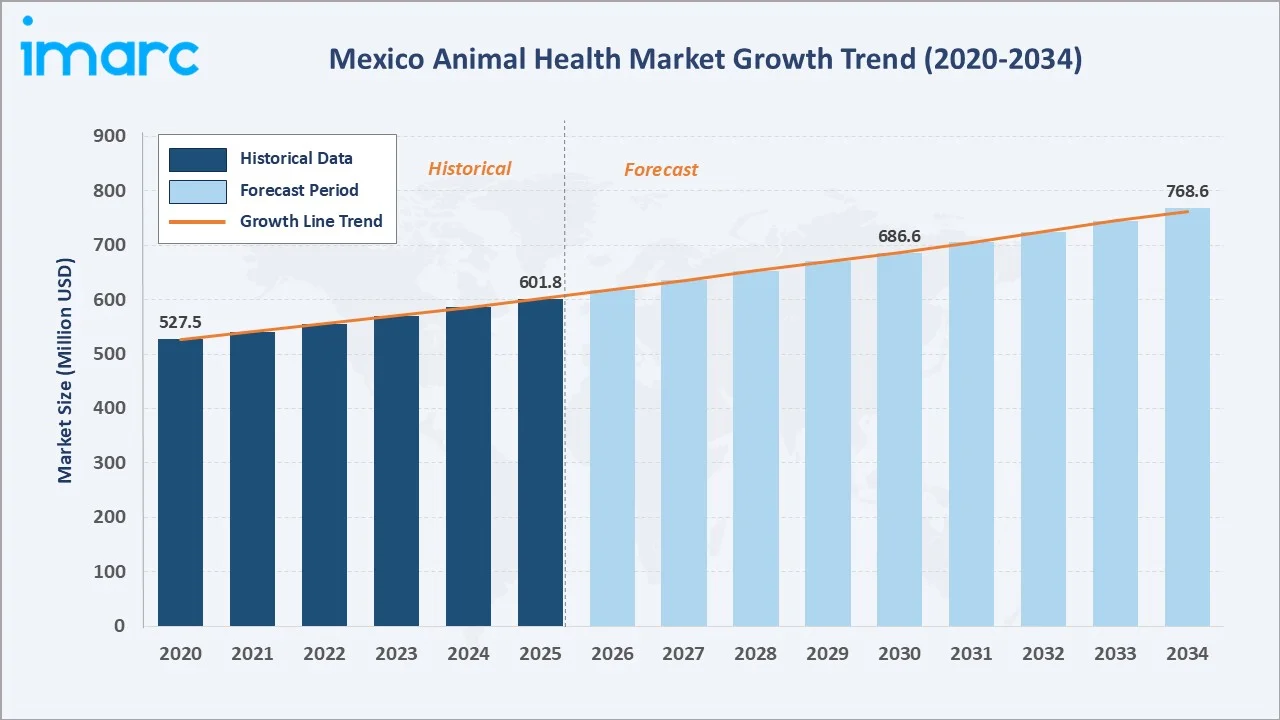
The Mexico animal health market size increased from USD 601.8 Million in 2025 to USD 617.9 Million in 2026 and is projected to reach USD 768.6 Million by 2034, growing at a CAGR of 2.67% during 2026-2034. Growing pet adoption, rising implementation of government biosecurity initiatives, and expanding demand for livestock health products are the primary growth catalysts. Commercial animals dominate the animal-type segment with a 72.8% share in 2025, while pharmaceuticals lead product type at 41.6%.
Market Snapshot
|
Metric |
Value |
|
Base Year Market Size (2025) |
USD 601.8 Million |
| Market Size (2026) | USD 617.9 Million |
|
Forecast Market Size (2034) |
USD 768.6 Million |
|
CAGR (2026-2034) |
2.67% |
|
Base Year |
2025 |
|
Historical Period |
2020-2025 |
|
Forecast Period |
2026-2034 |
Central Mexico leads regionally, holding a 42.5% market share in 2025, anchored by its dense network of veterinary clinics, animal health distributors, and large-scale poultry and swine operations. The commercial animal segment commands a dominant 72.8% share, reflecting the critical role of livestock health management in Mexico’s agriculture-driven economy, while pharmaceuticals hold the largest product-type share at 41.6%, underpinned by widespread antiparasitic and antibiotic use across commercial livestock operations.
To get more information on this market, Request Sample
Mexico’s animal health market is underpinned by three structural forces: the country’s high and rising pet adoption rate, sustained government investment in livestock biosecurity and disease surveillance, and the growing integration of Mexico’s agri-food sector into global export supply chains requiring internationally compliant animal health standards. Each force independently increases demand for pharmaceuticals, biologicals, diagnostics, and feed additives, collectively sustaining a steady CAGR through 2034.
Executive Summary
The Mexico animal health market is experiencing steady expansion, driven by converging demand from companion animal care, commercial livestock management, and government-mandated biosecurity programs. The market grew from USD 601.8 Million in 2025 to USD 617.9 Million in 2026 and is forecast to reach USD 768.6 Million by 2034, growing at a CAGR of 2.67%. This trajectory is anchored by Mexico’s exceptionally high pet ownership rate, with 79% of Mexican households reporting pet ownership in 2024.
Commercial animals dominate with a 72.8% share in 2025, encompassing livestock, poultry, swine, and aquaculture sectors where health management directly impacts food safety and agricultural productivity. Companion animals at 27.2% represent the fastest-growing demand sub-segment, supported by rising pet humanization trends and increasing willingness among pet owners to invest in preventive and curative veterinary care. Pharmaceuticals lead product type at 41.6%, while biologicals at 28.4% reflect growing vaccine adoption across both commercial and companion animal segments.
Central Mexico leads regionally at 42.5%, concentrating Mexico’s most advanced veterinary service infrastructure and the country’s largest commercial poultry and swine production clusters. Leading global vendors collectively hold approximately 60–65% of market revenue, competing through broad product portfolios and direct relationships with large-scale commercial producers and urban veterinary clinic networks.
Key Market Insights
|
Insight |
Data |
|
Largest Animal Type |
Commercial – 72.8% share (2025) |
|
Fastest Growing Animal Type |
Companion – ~3.1% CAGR (2026-2034) |
|
Largest Product Type |
Pharmaceuticals – 41.6% share (2025) |
|
Fastest Growing Product Type |
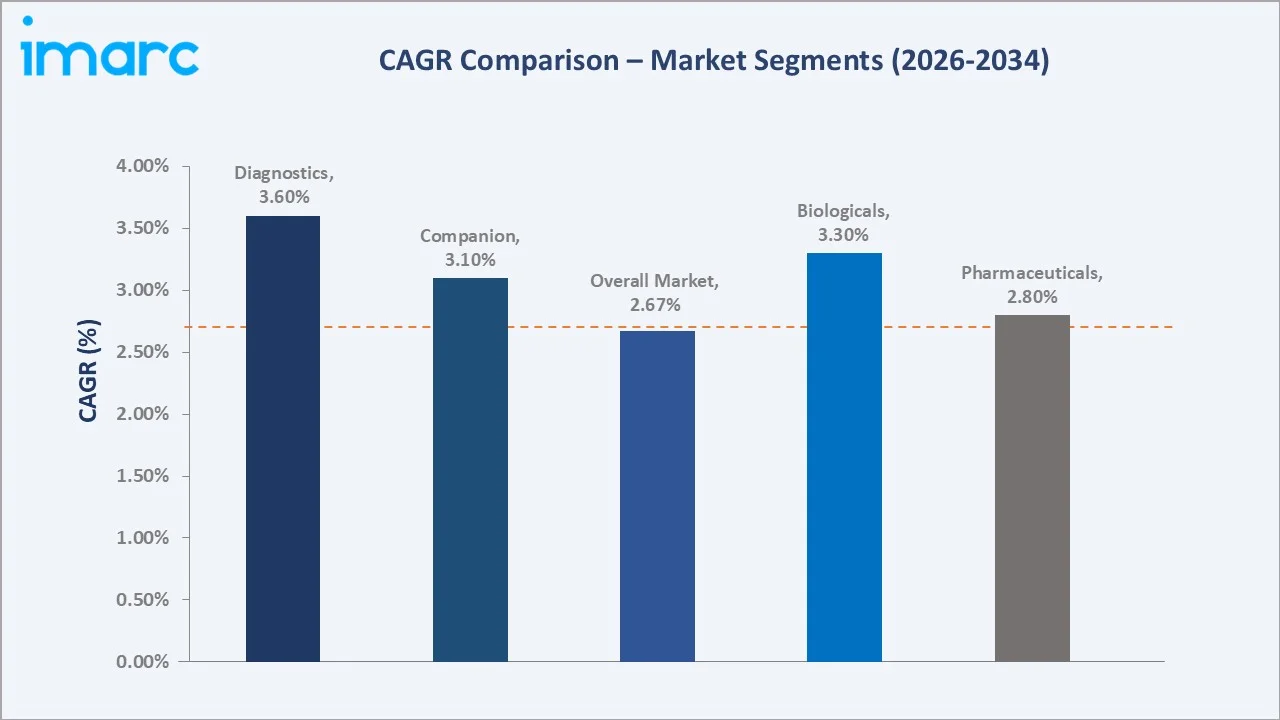
Diagnostics – ~3.6% CAGR (2026-2034) |
|
Leading Region |
Central Mexico – 42.5% share (2025) |
|
Top Companies |
Zoetis Inc, Elanco Animal Health Incorporated, Merck & Co., Inc., IDEXX Laboratories, Inc. |
Key Analytical Observations Supporting the Above Data:
- Commercial animal type accounts for 72.8% of Mexico’s animal health market in 2025. This dominance reflects Mexico’s status as a major agri-food exporter, with beef, poultry, pork, and dairy products representing critical export commodities requiring internationally compliant disease management protocols.
- Pharmaceuticals at 41.6% share (2025) lead product type, driven by widespread use of antiparasitic treatments, antibiotics, and anti-inflammatory products across both commercial and companion animal segments. Mexico’s large cattle and poultry population generates consistent, high-volume pharmaceutical procurement, while the companion animal sector drives demand for preventive flea, tick, and heartworm treatments.
- Diagnostics at 11.7% (2025) represent the fastest-growing product segment, with a ~3.6% CAGR through 2034. Rising disease surveillance requirements, increasing adoption of point-of-care diagnostic tools in veterinary clinics, and the expanding presence of IDEXX and similar diagnostic platforms in Mexico’s urban veterinary market are driving this above-average growth.
- Central Mexico’s 42.5% (2025) regional dominance reflects its concentration of commercial poultry and swine operations in Mexico’s largest veterinary pharmaceutical distribution hubs, and the country’s highest density of urban companion animal veterinary clinics serving Mexico City’s large middle-class pet-owning population.
Mexico Animal Health Market Overview
The animal health market encompasses pharmaceuticals, biologicals, medicinal feed additives, and diagnostic products used to maintain, protect, and restore the health of animals. Mexico’s market serves two primary segments: commercial animals, including cattle, poultry, swine, sheep, and aquaculture; and companion animals, including dogs, cats, and other household pets. The country’s regulatory framework, administered by SENASICA under the Secretariat of Agriculture and Rural Development (SADER), governs veterinary product registration, pharmacovigilance, and import-export controls for animal health products.
Macroeconomic drivers include Mexico’s growing middle class and associated rise in companion animal ownership, government policies promoting food safety and export-compliant livestock management, and Mexico’s integration into global meat and dairy supply chains that demand rigorous animal health monitoring. Additionally, the growing awareness of zoonotic disease risks, including avian influenza and bovine respiratory disease, is compelling both government agencies and private producers to invest more heavily in disease prevention and diagnostic capacity.
Market Dynamics
To evaluate market opportunities, Request Sample
Market Drivers
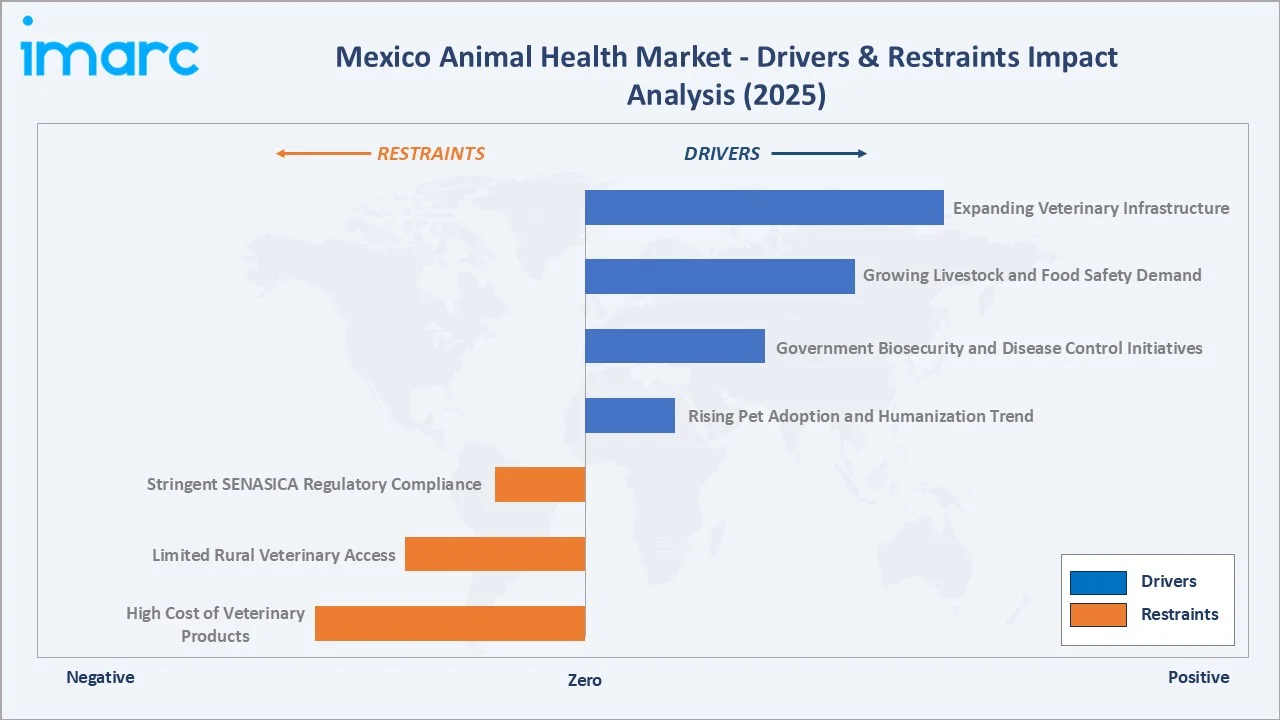
- Rising Pet Adoption and Humanization Trend: Mexico’s exceptional pet ownership rate, with 79% of households reporting pet ownership in 2024, is the strongest structural driver of companion animal health product demand. Pet parents increasingly treat animals as family members, investing in preventive care, vaccines, nutritional supplements, and advanced diagnostics. This humanization trend is driving adoption of premium veterinary services, specialty dietary products, and branded pharmaceuticals, creating consistent upward pressure on average spend per companion animal across all income segments.
- Government Biosecurity and Disease Control Initiatives: The Mexican government’s sustained investment in livestock disease surveillance and veterinary pharmacovigilance is structurally expanding animal health product adoption. In August 2024, the Ministry of Agriculture and Rural Development launched a comprehensive veterinary pharmacovigilance system developed by SENASICA to improve the safety, quality, and effectiveness of veterinary drugs, directly increasing regulatory-driven demand for certified pharmaceutical and biological products.
- Growing Livestock and Food Safety Demand: Mexico’s agri-food export sector, which supplies beef, poultry, pork, and dairy to the United States and other global markets, requires internationally compliant animal health management to meet importing country standards. USDA FSIS and EU food safety requirements compel commercial producers to invest systematically in vetted pharmaceutical and diagnostic products that meet import market standards.
- Expanding Veterinary Infrastructure: Mexico’s growing network of veterinary clinics, specialty animal hospitals, and diagnostic laboratories is improving access to professional animal health services across urban and peri-urban markets. Increased veterinarian density in metropolitan areas reduces barriers to companion animal healthcare, while mobile veterinary services and telemedicine platforms are extending service reach to rural livestock producers.
Market Restraints
- High Cost of Veterinary Products: Premium veterinary pharmaceuticals and biologicals from global multinationals command significant price premiums over generic and locally manufactured alternatives. For smallholder livestock producers operating on thin margins and companion animal owners from lower-income segments, the cost of branded veterinary products and routine veterinary consultations represents a significant barrier.
- Limited Rural Veterinary Access: Despite urban infrastructure growth, rural Mexico continues to face a significant shortage of qualified veterinarians and certified animal health product distributors. The veterinarian-to-livestock ratio in Mexico’s secondary agricultural states lags substantially behind developed-market benchmarks, resulting in sub-optimal disease diagnosis, delayed treatment, and reliance on informal product sources that limit quality-assured market growth.
- Stringent SENASICA Regulatory Compliance: Mexico’s veterinary regulatory framework, while essential for product quality assurance, creates compliance costs and approval timeline delays that can constrain new product launches and market entry. Smaller domestic manufacturers face disproportionate compliance burdens relative to large multinational companies with established regulatory affairs infrastructure, potentially limiting the diversity and competitiveness of the domestic product landscape.
Market Opportunities
- Companion Animal Insurance and Premium Services: Mexico’s growing pet insurance market represents an emerging opportunity to increase companion animal healthcare spending across income segments. As insurance penetration increases, pet owners are more likely to seek diagnostic workups, specialty treatments, and preventive care regimens that were previously cost-prohibitive. Insurance-driven demand growth supports premium pharmaceutical and diagnostic product sales through licensed veterinary channels.
- Aquaculture Health Products: Mexico’s Pacific coast aquaculture industry, producing shrimp, tilapia, and other species for domestic and export markets, represents an underpenetrated animal health segment. Rising demand for sustainable, antibiotic-free aquaculture products is creating opportunities for probiotics, immunostimulants, and targeted therapeutics designed specifically for aquatic species, serving producers seeking to meet international market access requirements.
Market Challenges
- Antimicrobial Resistance and Antibiotic Stewardship: Growing concern about antimicrobial resistance (AMR) in both human and animal medicine is prompting regulatory restrictions on antibiotic use in livestock production. Stricter antibiotic stewardship requirements are reducing demand for certain traditional pharmaceutical categories while creating pressure on producers to adopt alternative approaches, including vaccines, probiotics, and performance feed additives.
- Informal Market Competition: Informal distribution of uncertified veterinary products, particularly in rural and peri-urban markets, represents a persistent competitive challenge for legitimate market participants. Uncertified products offered at significantly lower price points undercut formal market growth and create animal welfare and food safety risks that complicate SENASICA’s disease surveillance objectives.
Emerging Market Trends
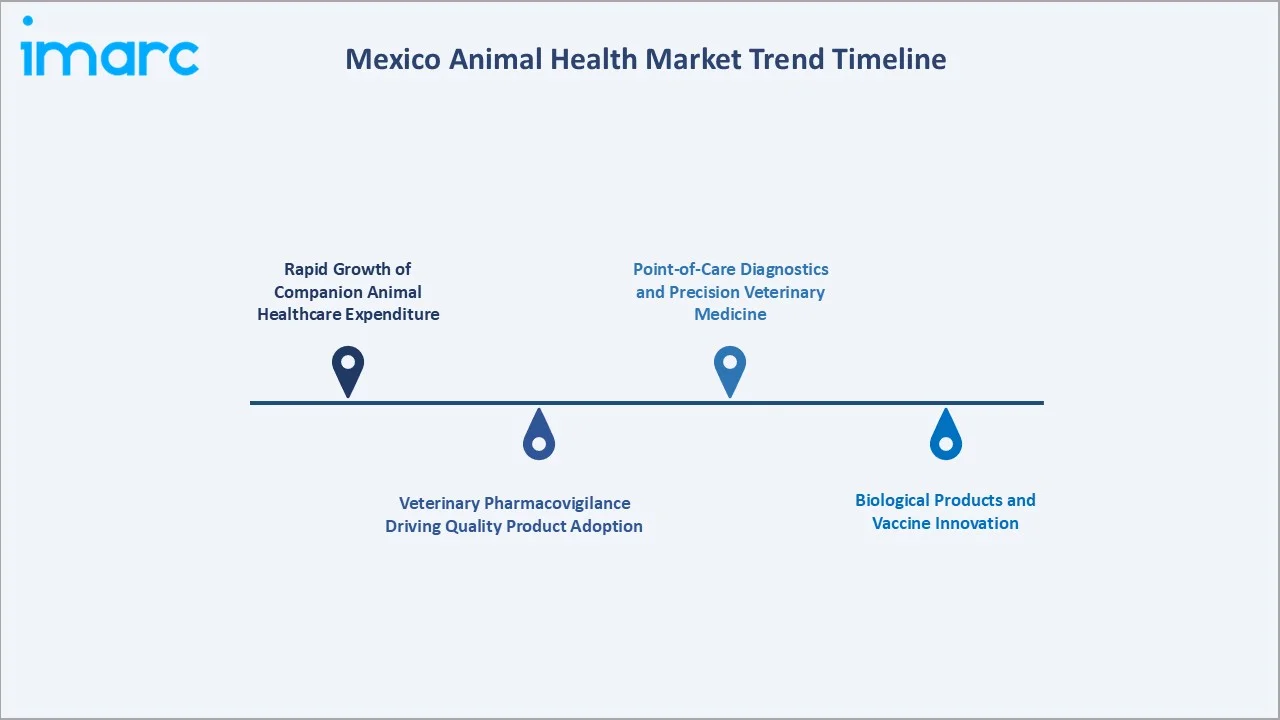
1. Rapid Growth of Companion Animal Healthcare Expenditure
Mexico’s companion animal segment is experiencing above-average demand growth driven by the intersection of high pet ownership rates, rising pet humanization, and an expanding urban middle class with higher disposable income for premium pet care. The percentage of Mexican households treating pets as family members has increased significantly since 2020, with spending on preventive care, dental health, dermatology treatments, and specialty nutrition expanding well beyond basic pharmaceutical needs.
2. Veterinary Pharmacovigilance Driving Quality Product Adoption
The August 2024 launch of Mexico’s SENASICA veterinary pharmacovigilance system marks a structural upgrade in the country’s animal health regulatory framework. This system, designed to identify, evaluate, and mitigate risks associated with veterinary drugs, is expected to accelerate the displacement of informal and uncertified products with regulated alternatives from established manufacturers. The pharmacovigilance framework incentivizes commercial producers and veterinary professionals to source exclusively from certified channels, directly expanding the addressable market for compliant pharmaceutical, biological, and diagnostic products through 2034.
3. Biological Products and Vaccine Innovation
Vaccine and biological product adoption is expanding across both commercial and companion animal segments in Mexico. In commercial livestock, African Swine Fever prevention preparedness, Newcastle disease control in poultry, and bovine respiratory disease management are driving biological procurement at government-supported vaccination programs and private commercial farm levels. In companion animals, expanded core and non-core vaccine adoption is being driven by veterinary professional recommendations and pet owner education campaigns.
4. Point-of-Care Diagnostics and Precision Veterinary Medicine
The adoption of rapid point-of-care diagnostic tools in Mexican veterinary clinics is transforming companion animal healthcare delivery. IDEXX’s Catalyst One and Snap tests, along with portable ultrasound and digital radiology equipment, are enabling faster, more accurate diagnosis and treatment decisions at the clinic level. For commercial livestock producers, portable disease detection tools enable on-farm screening for reportable diseases, reducing the response time between disease identification and containment action. Precision veterinary medicine approaches, using genomic data and digital health monitoring to individualize treatment protocols, are emerging as a differentiating capability for premium veterinary service providers in Mexico’s urban markets.
Industry Value Chain Analysis
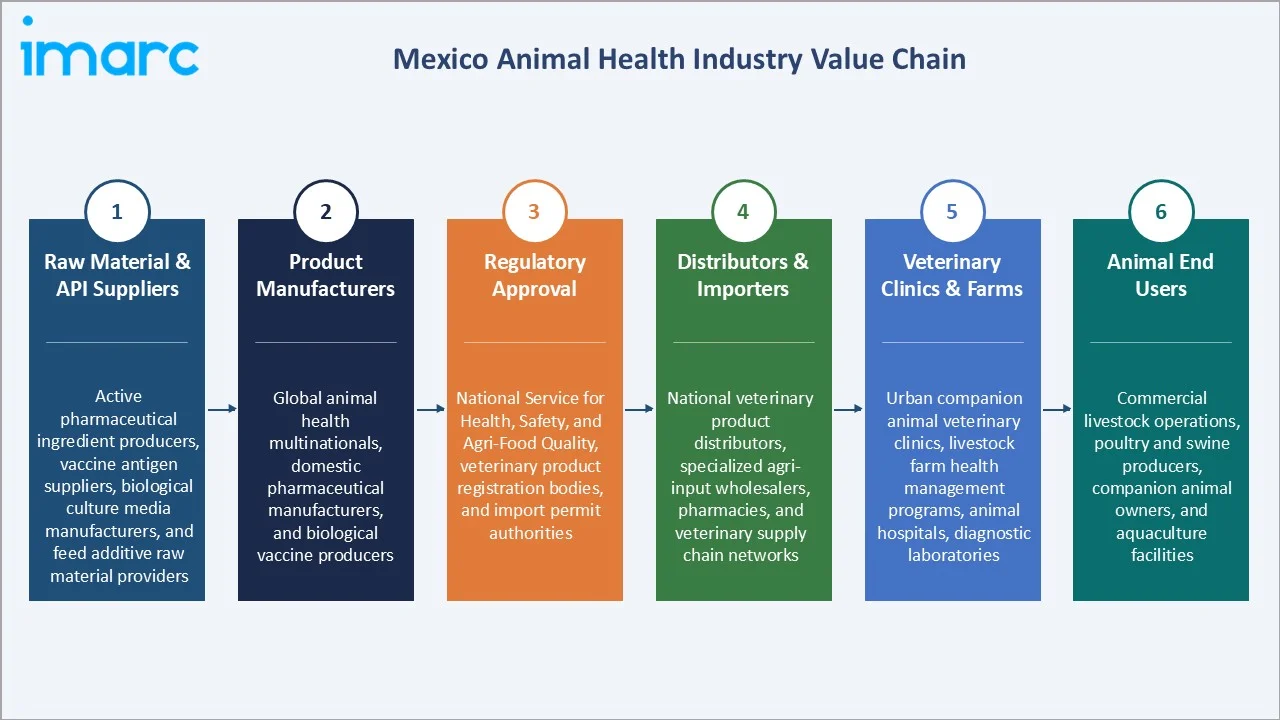
Mexico’s animal health value chain spans raw material and active pharmaceutical ingredient supply through end-user animal treatment, with each stage occupied by specialized manufacturers, importers, distributors, and service providers whose capabilities directly influence product quality, regulatory compliance, and market access.
|
Stage |
Key Players / Examples |
|
Raw Material & API Suppliers |
Active pharmaceutical ingredient producers, vaccine antigen suppliers, biological culture media manufacturers, and feed additive raw material providers |
|
Product Manufacturers |
Global animal health multinationals, domestic pharmaceutical manufacturers, and biological vaccine producers |
|
Regulatory Approval |
National Service for Health, Safety, and Agri-Food Quality, veterinary product registration bodies, and import permit authorities |
|
Distributors & Importers |
National veterinary product distributors, specialized agri-input wholesalers, pharmacies, and veterinary supply chain networks |
|
Veterinary Clinics & Farms |
Urban companion animal veterinary clinics, livestock farm health management programs, animal hospitals, diagnostic laboratories |
|
Animal End Users |
Commercial livestock operations, poultry and swine producers, companion animal owners, and aquaculture facilities |
Technology Landscape in the Mexico Animal Health Industry
Veterinary Pharmaceuticals – Antiparasitics and Biologics
Antiparasitic pharmaceuticals represent the largest sub-segment within Mexico’s veterinary pharmaceutical category, serving both companion animals and commercial livestock. Macrocyclic lactones dominate cattle and equine parasite control, while isoxazoline-class products are rapidly gaining share in companion animal flea and tick prevention. Zoetis’ Simparica Trio and Boehringer Ingelheim’s NexGard PLUS represent the premium companion animal antiparasitic segment, which is growing at above-category rates as companion animal veterinary spending increases.
Vaccine and Biological Technologies
Mexico’s biological product segment is anchored by government-coordinated vaccination programs for strategically important livestock diseases, including foot-and-mouth disease, bovine brucellosis, classical swine fever, and Newcastle disease in poultry. Phibro’s vaccine portfolios serve the commercial poultry sector with live attenuated and inactivated virus vaccines administered through drinking water or injection. For companion animals, core vaccines covering canine distemper, parvovirus, and rabies are increasingly administered through organized vaccination campaigns supported by municipal governments and veterinary clinics.
Diagnostic Technologies
IDEXX Laboratories holds a leading position in Mexico’s companion animal diagnostic market through its Catalyst One chemistry analyzer and VetTest point-of-care platforms, deployed in urban veterinary clinics for rapid hematology, biochemistry, and immunoassay testing. Rapid lateral flow diagnostic tests for heartworm, Ehrlichia, and Lyme disease are widely used in companion animal clinics throughout Central and Northern Mexico. For commercial livestock, ELISA-based serological testing for brucellosis, tuberculosis, and Marek’s disease screening is mandated under SENASICA biosecurity programs, driving consistent demand for diagnostic kits from certified laboratory supply channels.
Medicinal Feed Additives and Nutritional Technologies
Mexico’s medicinal feed additive segment encompasses growth promoters, ionophore anticoccidials, probiotics, prebiotics, and enzyme supplements used in commercial poultry, swine, and aquaculture feeds. Regulatory pressure from antibiotic stewardship programs and export market requirements is accelerating the substitution of antibiotic growth promoters (AGPs) with natural alternatives, including organic acids, phytogenics, and direct-fed microbials. Alltech’s Mexico operations are expanding their probiotic and enzyme product lines to capture demand from producers transitioning away from antibiotic-dependent production systems.
Market Segmentation Analysis
The report covers the following segments:
|
Segment Category |
Leading Segment |
Market Share |
Year |
|
Animal Type |
Commercial |
72.8% |
2025 |
|
Product Type |
Pharmaceuticals |
41.6% |
2025 |
|
Region |
Central Mexico |
42.5% |
2025 |

By Animal Type
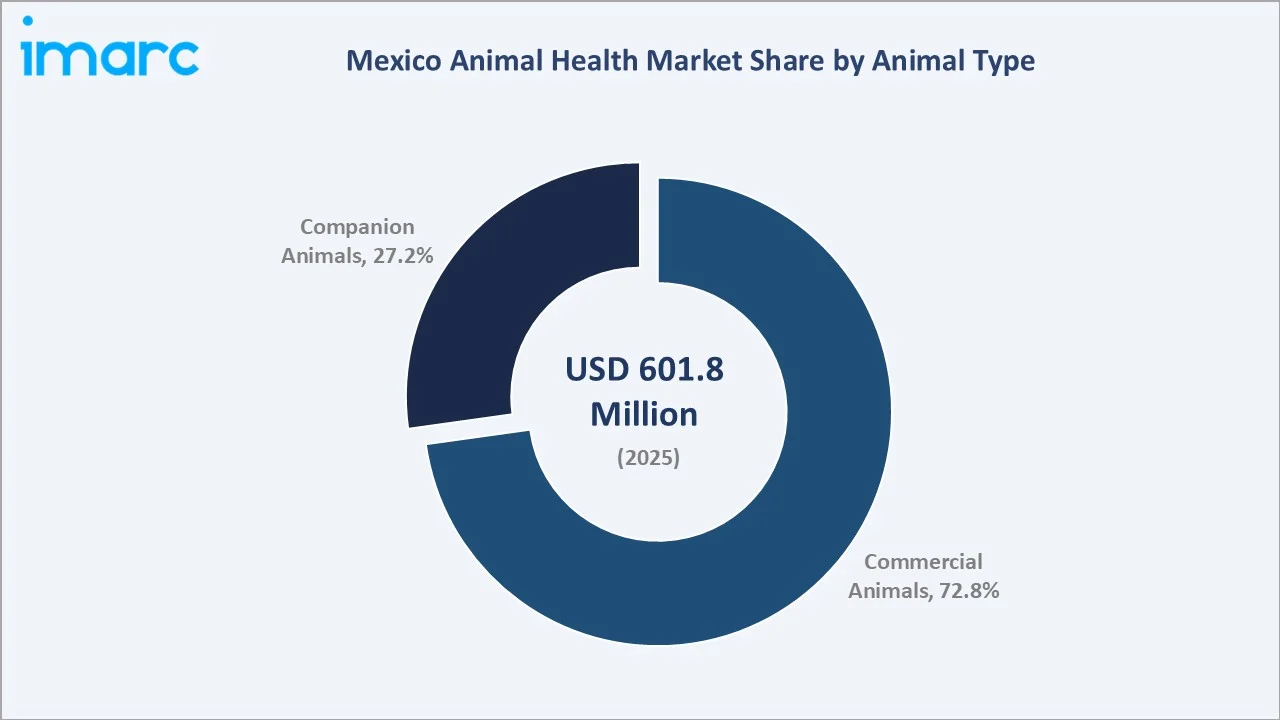
Commercial animals dominate with a 72.8% share in 2025. This segment encompasses cattle, poultry, swine, sheep, goats, and aquaculture species managed primarily for food production purposes. Mexico’s commercial livestock sector is one of Latin America’s most significant, with the country ranking among the world’s top beef and poultry exporters.
To access detailed market analysis, Request Sample
Companion animals represent 27.2% of the market and are the fastest-growing animal type segment, with a ~3.1% CAGR through 2034. Mexico’s high pet ownership rate and accelerating humanization trend are driving spending on preventive care, premium nutrition, dental health, dermatology treatments, and behavioral medicine that were historically underpenetrated in the Mexican veterinary market.
By Product Type
Pharmaceuticals command a 41.6% share in 2025, representing the largest product category. This segment encompasses antiparasitics, antibiotics, anti-inflammatory drugs, and specialty therapeutic products used across both commercial and companion animal populations. Mexico’s high livestock density and the increasing companion animal pharmaceutical spending driven by pet humanization trends together sustain pharmaceutical segment leadership, while the new SENASICA pharmacovigilance framework is expected to channel spending toward certified products, benefiting established multinational pharmaceutical suppliers.
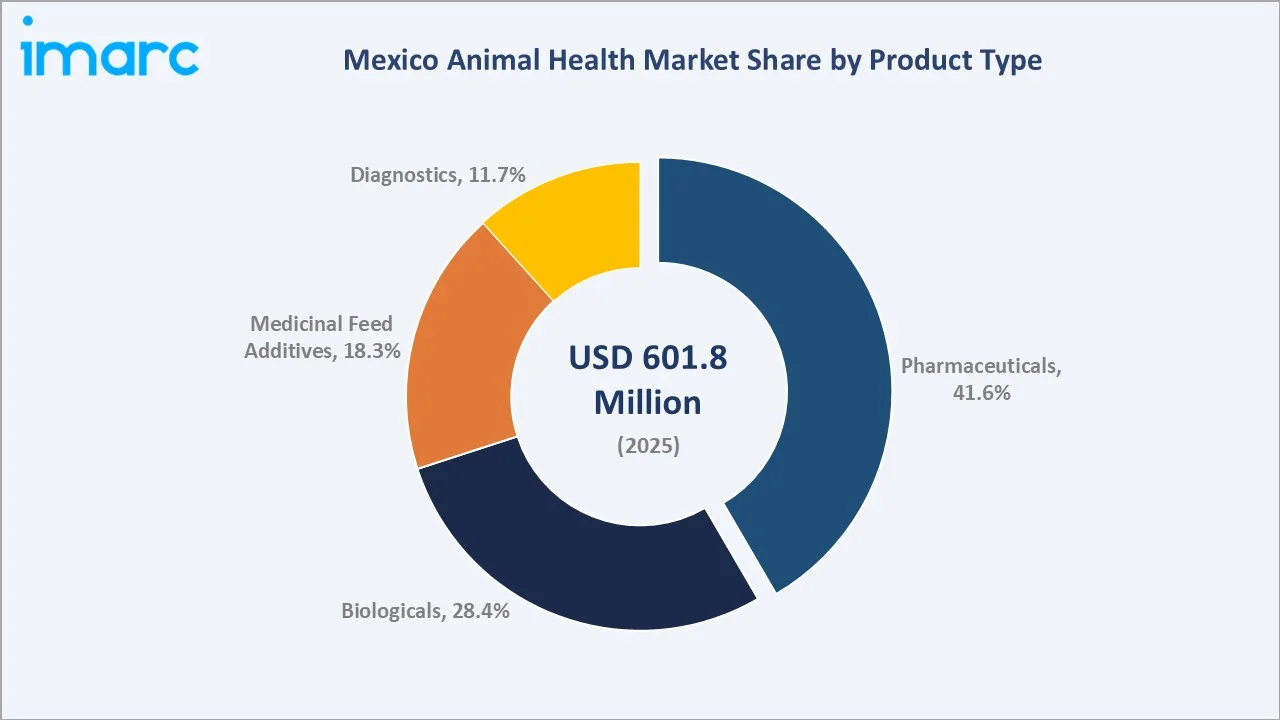
Biologicals represent 28.4% of the market, reflecting Mexico’s active livestock vaccination programs and growing companion animal vaccine adoption. Medicinal feed additives at 18.3% serve commercial animal production operations, with growth driven by the shift from antibiotic growth promoters to natural alternative products. Diagnostics at 11.7% are the fastest-growing product segment, with a CAGR of approximately 3.6%, driven by expanding point-of-care diagnostic adoption in companion animal clinics and mandatory disease surveillance testing requirements for commercial livestock export compliance.
Regional Market Insights
Central Mexico’s market leadership (42.5%, 2025) reflects its dual role as Mexico’s primary commercial livestock production hub and the country’s most developed companion animal veterinary services market. Jalisco’s dominance in commercial poultry production, combined with Mexico City’s large urban companion animal population and the Bajio region’s cattle and swine operations, creates the country’s most diverse and concentrated animal health demand profile.
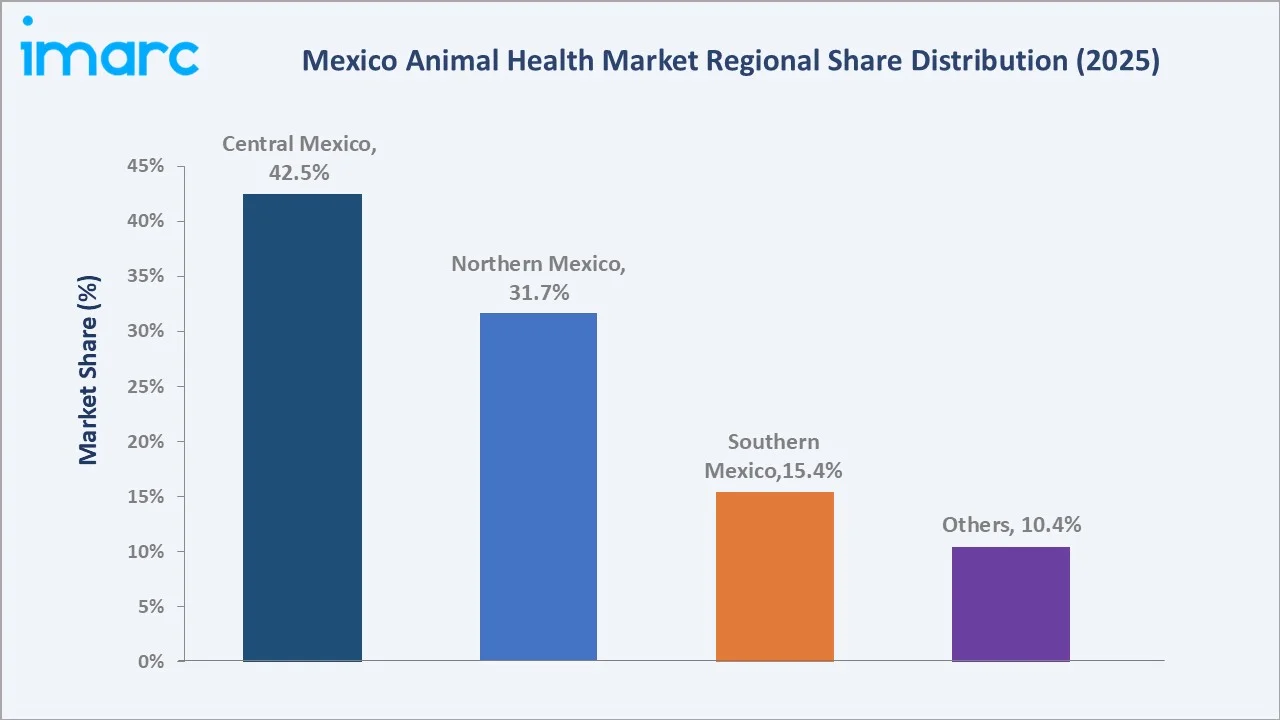
Northern Mexico, at 31.7% share (2025), represents the country’s most export-oriented animal health demand zone. The cattle ranching and feedlot industries in Chihuahua and Sonora require internationally compliant health management programs to maintain access to US beef markets, driving consistent demand for USDA and FSIS-recognized pharmaceutical and biological products.
|
Region |
Share (2025) |
Key Growth Drivers |
|
Central Mexico |
42.5% |
Largest commercial poultry and swine production cluster; Mexico City’s dense urban companion animal market; Bajio region cattle operations; highest concentration of licensed veterinary distributors and animal hospitals |
|
Northern Mexico |
31.7% |
Extensive beef cattle ranching in Chihuahua and Sonora; large-scale feedlot operations near the US border; cross-border agri-food trade requiring export-compliant animal health certification; growing Monterrey companion animal market |
|
Southern Mexico |
15.4% |
Smallholder cattle and sheep operations; growing aquaculture sector on Pacific and Gulf coasts; government-supported agricultural development programs expanding biosecurity product access in underserved rural communities |
|
Others |
10.4% |
Diverse agricultural states with mixed livestock and companion animal markets; growing with improved veterinary distributor coverage and government disease surveillance program expansion into secondary markets |
Competitive Landscape
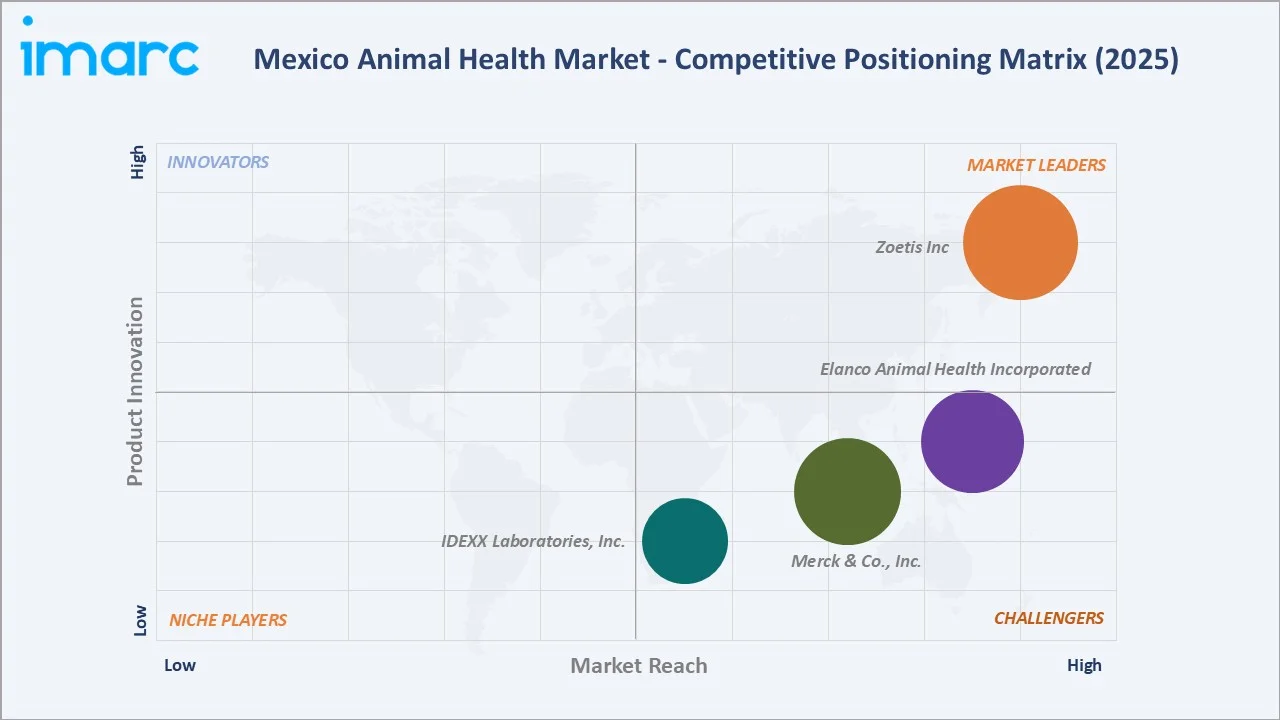
Mexico’s animal health market exhibits moderate-to-high concentration, with the top vendors collectively holding approximately 60–65% of market revenue in 2025. These global multinationals compete through broad product portfolios spanning pharmaceuticals, biologicals, and diagnostics, backed by established distribution networks and direct relationships with large commercial producers and veterinary clinic chains.
|
Company Name |
Key Brands/ Products |
Market Position |
Core Strength |
|
Zoetis Inc |
Simparica TRIO, Draxxin, IMPROVAC, Revolution, Cytopoint, and Apoquel, among others |
Market Leader |
Broadest animal health portfolio; companion and livestock; parasiticide and vaccine leadership; global R&D investment |
|
Elanco Animal Health Incorporated |
Interceptor Plus, Credelio, Baytril, Trifexis |
Strong Challenger |
Companion and food animal breadth; parasiticide portfolio; antibiotic and anti-infective depth; feed additive presence |
|
Merck & Co., Inc. |
Nobivac, Bravecto, Nuflor |
Strong Challenger |
Vaccine portfolio breadth; livestock biologicals; companion animal parasiticides; aquaculture health products |
|
IDEXX Laboratories, Inc. |
Catalyst, Snap, ProCyte |
Challenger |
Point-of-care diagnostic leadership; companion animal in-clinic platforms; reference laboratory services; digital health integration |
Global multinationals dominate through established regulatory approval pipelines, large field veterinary sales forces, and premium product positioning supported by global R&D investments. Domestic and regional players serve price-sensitive livestock producer segments with generic pharmaceuticals and locally formulated feed additives, competing primarily on cost rather than product differentiation.
Key Company Profiles
Zoetis Inc
Zoetis Inc is one of the world’s largest animal health companies, with a comprehensive portfolio spanning pharmaceuticals, vaccines, diagnostics, and precision animal health technologies. The company holds a leading position in Mexico across both companion and commercial animal segments, supported by a broad product range and an extensive field veterinary sales organization.
- Product Portfolio: Simparica TRIO, Draxxin, IMPROVAC, Revolution, Cytopoint, and Apoquel, among others.
- Recent Developments: In May 2026, Zoetis Inc reported Q1 2026 revenue of USD 2.3 billion, up 3% year-on-year, while net income stood at USD 601 million. Zoetis’ Mexico revenue reached USD 48 million in Q1 2026, up from USD 35 million in Q1 2025, reflecting 37% total growth and 20% operational growth.
- Strategic Focus: Companion animal premium product expansion; precision livestock health using SenseHub cattle monitoring; biologicals innovation for key commercial species; digital veterinary engagement platforms.
Elanco Animal Health Incorporated
Elanco Animal Health Incorporated serves Mexico’s animal health market through a diversified portfolio spanning companion animal care, food animal health, and aquaculture products.
- Product Portfolio: Credelio (companion flea and tick), Interceptor Plus (heartworm and parasite prevention), Baytril (antibiotic), and Trifexis (companion parasite combo).
- Recent Developments: In June 2026, Elanco Animal Health Incorporated announced plans to launch Elanco Ventures, a dedicated corporate venture capital platform backed by a USD 25 million multi-year commitment to accelerate animal health innovation. The platform will focus on early-stage investments in therapeutics, supportive technologies, and One Health solutions, prioritizing Pre-Seed, Seed, and Series A companies when it launches in late 2026.
- Strategic Focus: Companion animal parasiticide portfolio expansion; food animal antibiotic stewardship solutions, including alternatives to growth promoters; aquaculture health market development; digital pet owner engagement.
Market Concentration Analysis
Mexico’s animal health market exhibits moderate-to-high concentration at the top tier. The leading multinationals collectively hold 60–65% of market revenue. Below the top players, a competitive secondary tier of 20–30 smaller manufacturers, including domestic generic pharmaceutical producers, regional biological manufacturers, and specialty diagnostic importers, serves cost-sensitive and niche market segments.
Market consolidation is progressing through two mechanisms: multinational companies are broadening their Mexico portfolios through organic product launches and regional distribution agreements, while generic pharmaceutical manufacturers are competing aggressively in the commercial livestock segment, where product differentiation is lower, and price is the primary selection criterion.
Investment & Growth Opportunities
Fastest Growing Segments
Companion animal healthcare products (~3.1% CAGR) and veterinary diagnostics (~3.6% CAGR) represent the highest-growth investment vectors through 2034. Together, these subcategories address a combined addressable opportunity of approximately USD 250 Million by 2030 within Mexico’s animal health ecosystem, driven by rising companion animal veterinary spending and expanding disease surveillance requirements in commercial livestock operations.
Emerging Market Expansion
Southern Mexico, currently accounting for only 15.4% of national animal health market revenue, represents a significantly underpenetrated opportunity. Government-sponsored agricultural development programs, improved logistics connectivity, and the expansion of SENASICA’s disease surveillance mandate into rural communities are progressively improving animal health product access in Oaxaca, Chiapas, and Veracruz states.
Venture and Institutional Investment Trends
- SENASICA’s pharmacovigilance modernization and SADER’s increased funding for national livestock disease surveillance create institutional demand for diagnostic testing services, certified vaccines, and regulated pharmaceutical products that bypass informal channels and benefit established multinational suppliers with regulatory-compliant product portfolios.
- Precision livestock management technologies, including ear tag sensors, feed monitoring systems, and AI-driven health alert platforms, are creating integrated demand for animal health products as part of broader precision agriculture solutions. Companies combining health product supply with digital health monitoring capabilities are positioning for preferred partner status with Mexico’s large-scale commercial producers.
Future Market Outlook (2026-2034)
Mexico’s animal health market is positioned for steady, sustained growth through 2034. From a base of USD 601.8 Million in 2025 to USD 617.9 Million in 2026, the market is projected to reach USD 768.6 Million by 2034, representing total incremental value creation of USD 166.8 Million at a CAGR of 2.67%. This growth reflects the dual engines of Mexico’s rising companion animal healthcare spending and continued commercial livestock health management investment driven by export market compliance requirements and government biosecurity programs.
The product mix will shift toward higher-value biologicals, diagnostics, and natural feed additives by 2034. Pharmaceuticals’ share is projected to decline slightly from 41.6% as antibiotic stewardship reduces certain traditional product categories, while diagnostics are expected to grow from 11.7% to approximately 14–15% as point-of-care and digital diagnostic adoption expands. The companion animal segment’s share is projected to grow from 27.2% to approximately 30–32% as urbanization, rising incomes, and pet humanization trends continue to deepen companion animal healthcare spending per animal.
Research Methodology
Primary Research
Primary research comprised structured interviews with over 90 industry participants in 2024–2025, including veterinary pharmaceutical company representatives, large commercial livestock producers, companion animal veterinary clinic owners, SENASICA regulatory officials, and animal health distributors across Mexico’s major markets. Expert input validated market sizing, product mix trends, and regional demand dynamics.
Secondary Research
Secondary research encompassed vendor annual reports, SENASICA regulatory filings and disease surveillance publications, SADER agricultural census data, INEGI household surveys on pet ownership, AMVAC (Asociación Mexicana de Médicos Veterinarios Especialistas en Pequeñas Especies) industry reports, and international trade data (SAT import/export records for HS code 3002–3004 veterinary biological and pharmaceutical products).
Forecasting Models
Market size estimations were derived using top-down and bottom-up forecasting, incorporating livestock population data, companion animal ownership trends, veterinary product pricing, distribution channel penetration rates, and vendor revenue disclosures. A base-case CAGR of 2.67% reflects consensus estimates validated against SENASICA product registration trends, multinational company Mexico revenue guidance, and agricultural population projection data from 2020 to 2025.
Mexico Animal Health Market Report Coverage:
| Report Features | Details |
|---|---|
| Base Year of the Analysis | 2025 |
| Historical Period | 2020-2025 |
| Forecast Period | 2026-2034 |
| Units | Million USD |
| Scope of the Report |
Exploration of Historical Trends and Market Outlook, Industry Catalysts and Challenges, Segment-Wise Historical and Future Market Assessment:
|
| Animal Types Covered | Commercial, Companion |
| Product Types Covered | Pharmaceuticals, Biologicals, Medicinal Feed Additives, Diagnostics |
| Regions Covered | Northern Mexico, Central Mexico, Southern Mexico, Others |
| Companies Covered | Zoetis Inc, Elanco Animal Health Incorporated, Merck & Co., Inc., IDEXX Laboratories, Inc., etc. |
| Customization Scope | 10% Free Customization |
| Post-Sale Analyst Support | 10-12 Weeks |
| Delivery Format | PDF and Excel through Email (We can also provide the editable version of the report in PPT/Word format on special request) |
Key Benefits for Stakeholders:
- IMARC’s industry report offers a comprehensive quantitative analysis of various market segments, historical and current market trends, market forecasts, and dynamics of the Mexico animal health market from 2020-2034.
- The research report provides the latest information on the market drivers, challenges, and opportunities in the Mexico animal health market.
- Porter's five forces analysis assist stakeholders in assessing the impact of new entrants, competitive rivalry, supplier power, buyer power, and the threat of substitution. It helps stakeholders to analyze the level of competition within the Mexico animal health industry and its attractiveness.
- Competitive landscape allows stakeholders to understand their competitive environment and provides an insight into the current positions of key players in the market.
Frequently Asked Questions About the Mexico Animal Health Market Report
The Mexico animal health market size is estimated at USD 617.9 Million in 2026 and is projected to reach USD 768.6 Million by 2034, growing at a CAGR of 2.67% during 2026-2034.
Commercial animals dominate with a 72.8% market share in 2025, driven by Mexico’s large-scale cattle, poultry, and swine production sectors that require systematic health management for both productivity optimization and export market compliance.
Pharmaceuticals lead with a 41.6% market share in 2025, encompassing antiparasitics, antibiotics, anti-inflammatory drugs, and specialty therapeutics used across commercial livestock and companion animal populations.
Central Mexico leads with a 42.5% share in 2025, anchored by Jalisco’s dominant commercial poultry sector, Mexico City’s large companion animal market, and the Bajio region’s concentration of cattle and swine production with the country’s highest density of licensed animal health distributors.
Some of the leading companies include Zoetis Inc, Elanco Animal Health Incorporated, Merck & Co., Inc., and IDEXX Laboratories, Inc., competing through broad product portfolios spanning pharmaceuticals, biologicals, and diagnostics across both commercial and companion animal segments.
Mexico’s exceptionally high pet ownership rate and the growing humanization of pets as family members are the primary drivers. Rising urban middle-class incomes are increasing willingness to invest in premium veterinary care, preventive health products, and specialty treatments for companion animals.
Key challenges include the high cost of premium veterinary products limiting penetration in price-sensitive rural and lower-income segments, limited veterinary professional density in rural areas constraining formal product distribution, and informal market competition from uncertified products in rural distribution channels.
Need more help?
- Speak to our experienced analysts for insights on the current market scenarios.
- Include additional segments and countries to customize the report as per your requirement.
- Gain an unparalleled competitive advantage in your domain by understanding how to utilize the report and positively impacting your operations and revenue.
- For further assistance, please connect with our analysts.
 Request Customization
 Speak to an Analyst
 Request Brochure
 Inquire Before Buying
Benefits of Customization
- Personalize this research
- Triangulate with your data
- Get data as per your format and definition
- Gain a deeper dive into a specific application, geography, customer, or competitor
- Any level of personalization
Get in Touch With Us
UNITED STATES
Phone: +1-201-971-6302
INDIA
Phone: +91-120-433-0800
UNITED KINGDOM
Phone: +44-753-714-6104
Email: [email protected]
Client Testimonials




.webp)




.webp)













Related Reports

Choose your plan
*Please note that the prices mentioned below are starting prices for each bundle type. Kindly contact our team for further details.*
Single User License
- 1 User License, Access on 2 Devices
- PDF Report + Excel Dataset (Password Protected)
- Lifetime Access
- No Printing Rights
- 10% Free Report Customization
- 10–12 Weeks of Analyst Support
Five User License
- Access for 5 Users, 2 Devices per User
- PDF Report + Excel Dataset (Password Protected)
- Lifetime Access
- Dedicated Account Manager
- 12–14 Weeks of Analyst Support
- No Printing Rights
- 15% Free Report Customization
- 25% Discount on Your Next Purchase
Corporate User License
- Unlimited User Access (Within Your Organization)
- PDF Report + Excel Dataset
- Lifetime Access
- Dedicated Account Manager
- 14–20 Weeks of Analyst Support
- No Printing Rights
- 20% Free Report Customization
- 30% Discount on Your Next Purchase
Essential Insights
What's included:
3 reports
- Lifetime Access
- PDF Reports
- Excel Datasets
- 2 Weeks of Free Analyst Support
- 2 User Licenses
- Access on 2 Devices
- Printing Rights
- Complimentary PowerPoint (PPT) Version
- Complimentary License Upgrade
Professional Access
What's included:
5 reports
- Lifetime Access
- PDF Reports
- Excel Datasets
- 8 Weeks of Free Analyst Support
- 2 User Licenses
- Access on 2 Devices
- Printing Rights
- Complimentary PowerPoint (PPT) Version
- Complimentary License Upgrade
Business Advantage
What's included:
8 reports
- Lifetime Access
- PDF Reports
- Excel Datasets
- 14 Weeks of Free Analyst Support
- 2 User Licenses
- Access on 2 Devices
- Printing Rights
- Complimentary PowerPoint (PPT) Version
- Complimentary License Upgrade
Enterprise Intelligence
What's included:
10 reports
- Lifetime Access
- PDF Reports
- Excel Datasets
- 20 Weeks of Free Analyst Support
- 2 User Licenses
- Access on 2 Devices
- Printing Rights
- Complimentary PowerPoint (PPT) Version
- Complimentary License Upgrade