
Mexico Botulinum Toxin Market Size, Share, Trends and Forecast by Type, Application, End User, and Region, 2026-2034
Mexico Botulinum Toxin Market Size, Share, Trends & Forecast (2026-2034)
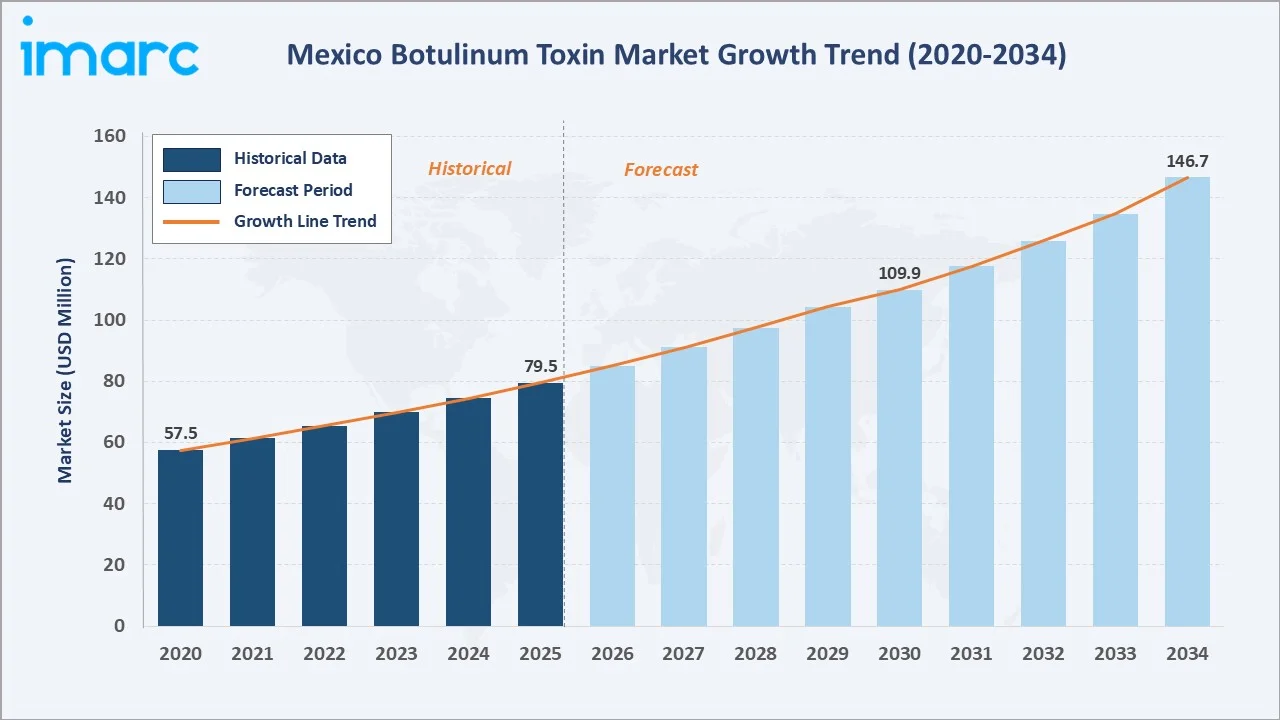
The Mexico botulinum toxin market grew from USD 79.5 Million in 2025 to USD 84.9 Million in 2026 and is projected to reach USD 146.7 Million by 2034, growing at a CAGR of 6.69% during 2026-2034. Rising demand for minimally invasive aesthetic procedures, growing therapeutic applications in neurology, and increasing acceptance of cosmetic treatments among Mexico's expanding middle class are the primary growth drivers of the Mexico botulinum toxin market.
Market Snapshot
|
Metric |
Value |
|
Base Year Market Size (2025) |
USD 79.5 Million |
|
Market Size (2026) |
USD 84.9 Million |
|
Forecast Market Size (2034) |
USD 146.7 Million |
|
CAGR (2026-2034) |
6.69% |
|
Base Year |
2025 |
|
Historical Period |
2020-2025 |
|
Forecast Period |
2026-2034 |
|
Largest Region |
Central Mexico – 41.3% share (2025) |
|
Fastest Growing Region |
Northern Mexico |
To get more information on this market, Request Sample
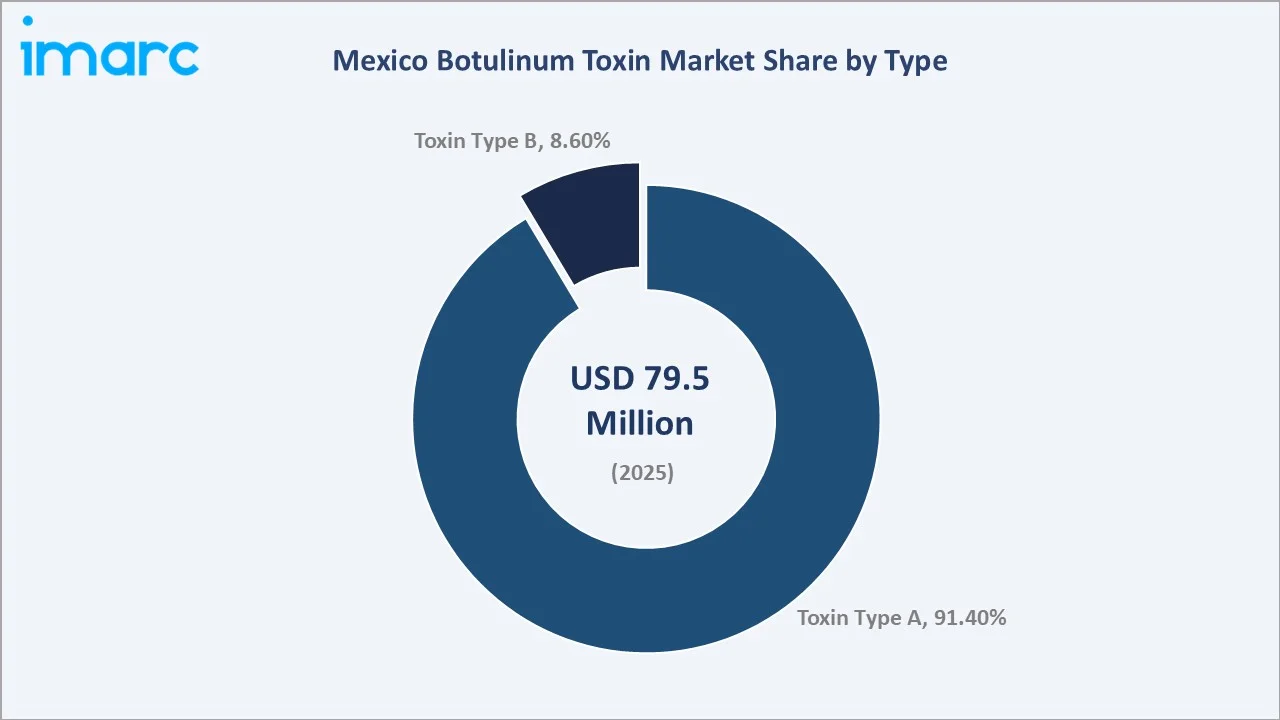
Central Mexico dominates, holding a 41.3% share in 2025, driven by the concentration of aesthetic clinics and medical facilities in Mexico City and surrounding metropolitan areas. Toxin Type A accounts for 91.4% of the market owing to its proven safety profile and extensive regulatory approvals for both aesthetic and therapeutic applications.
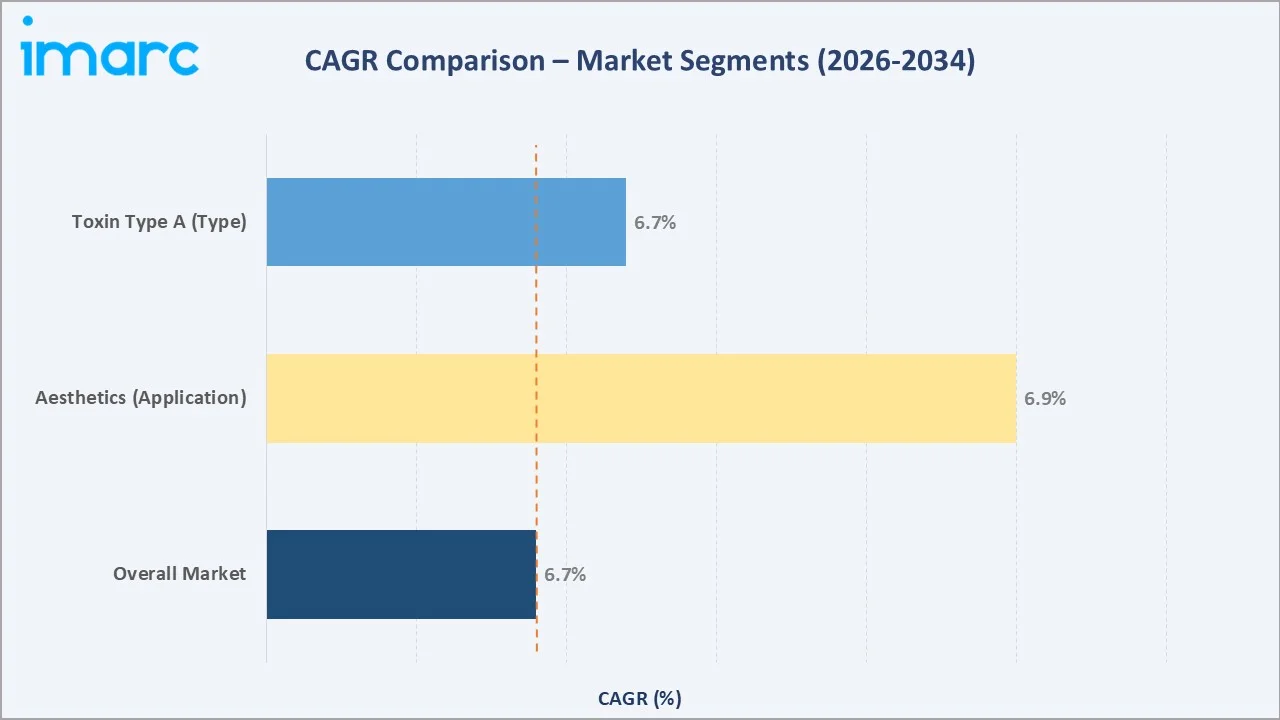
The market demonstrates consistent growth across both aesthetic and therapeutic applications, with aesthetic procedures representing the larger segment at 72.5% in 2025. The therapeutic segment is experiencing robust expansion driven by increased recognition of botulinum toxin's efficacy in treating conditions such as chronic migraines, muscle spasticity, and hyperhidrosis.
Executive Summary
The Mexico botulinum toxin market is experiencing sustained growth, fueled by increasing aesthetic consciousness, expanding therapeutic applications, and the growing availability of certified practitioners. The market expanded from USD 79.5 Million in 2025 to an estimated USD 84.9 Million in 2026 and is forecast to reach USD 146.7 Million by 2034, reflecting a CAGR of 6.69% over the forecast period.
Central Mexico leads geographically with 41.3% of the 2025 national market, driven by the high concentration of aesthetic and dermatology clinics in Mexico City and the metropolitan area. Northern Mexico follows with 33.6% market share, benefiting from higher disposable incomes and proximity to U.S. aesthetic trends. Toxin Type A dominates the type segment at 91.4%, supported by extensive clinical evidence, multiple approved indications, and physician familiarity with established brands such as BOTOX and Dysport.
Aesthetic applications lead with 72.5% of the 2025 market, driven by treatments for facial wrinkles, frown lines, and jawline contouring. The therapeutic segment at 27.5% is expanding through applications in chronic migraine treatment, muscle spasticity management, and hyperhidrosis control. Leading market participants, including AbbVie Inc., GALDERMA, Merz Pharma, and Evolus, Inc., continue to invest in physician training, regulatory approvals, and distribution partnerships across Mexico.
Key Market Insights
|
Insight |
Data |
|
Largest Segment (Type) |
Toxin Type A – 91.4% share (2025) |
|
Largest Segment (Application) |
Aesthetics – 72.5% share (2025) |
|
Leading Region |
Central Mexico – 41.3% revenue share (2025) |
|
Fastest Growing Region |
Northern Mexico (proximity to U.S. aesthetic trends) |
|
Top Companies |
AbbVie Inc., GALDERMA, Merz Pharma, and Evolus, Inc. |
|
Market Opportunity |
The therapeutic segment is projected to reach USD 40+ Million by 2034, on expanding clinical applications. |
Key Analytical Observations Supporting The Above Data:
- Toxin Type A accounts for 91.4% of the Mexico botulinum toxin market in 2025, preferred by practitioners for its established safety profile, predictable outcomes, and comprehensive regulatory approval across aesthetic and therapeutic indications.
- Aesthetics is the dominant application at 72.5% (2025), driven by growing social acceptance of cosmetic procedures, increasing disposable income among urban populations, and expanding availability of certified aesthetic practitioners.
- Central Mexico holds 41.3% of the national market in 2025, anchored by the concentration of high-end aesthetic clinics, medical tourism infrastructure, and affluent patient populations in Mexico City and surrounding areas.
- Northern Mexico is experiencing rapid growth due to higher income levels, cultural proximity to U.S. aesthetic standards, and cross-border accessibility to advanced cosmetic procedures.
- Emergence of combination aesthetic treatments integrating botulinum toxin with dermal fillers and energy-based devices is creating premium service offerings and driving higher per-patient revenue in Mexico's private aesthetic market.
Mexico Botulinum Toxin Market Overview
Botulinum toxin is a neurotoxic protein produced by the bacterium Clostridium botulinum, which temporarily blocks nerve signals to muscles when administered in controlled doses. Originally developed for therapeutic applications such as muscle spasticity and dystonia, botulinum toxin has evolved into one of the most widely used cosmetic treatments for reducing facial wrinkles and lines.
Market growth drivers include Mexico's expanding middle class, increasing exposure to international beauty standards through social media and entertainment, the growing medical tourism sector, and the country's strategic position as Latin America's second-largest aesthetic market. The Mexico botulinum toxin market forecast reflects positive demographic trends, including urbanization, rising female workforce participation, and increasing male participation in aesthetic treatments, positioning Mexico as a key growth market for global botulinum toxin manufacturers.
Market Dynamics
To evaluate market opportunities, Request Sample
Market Drivers
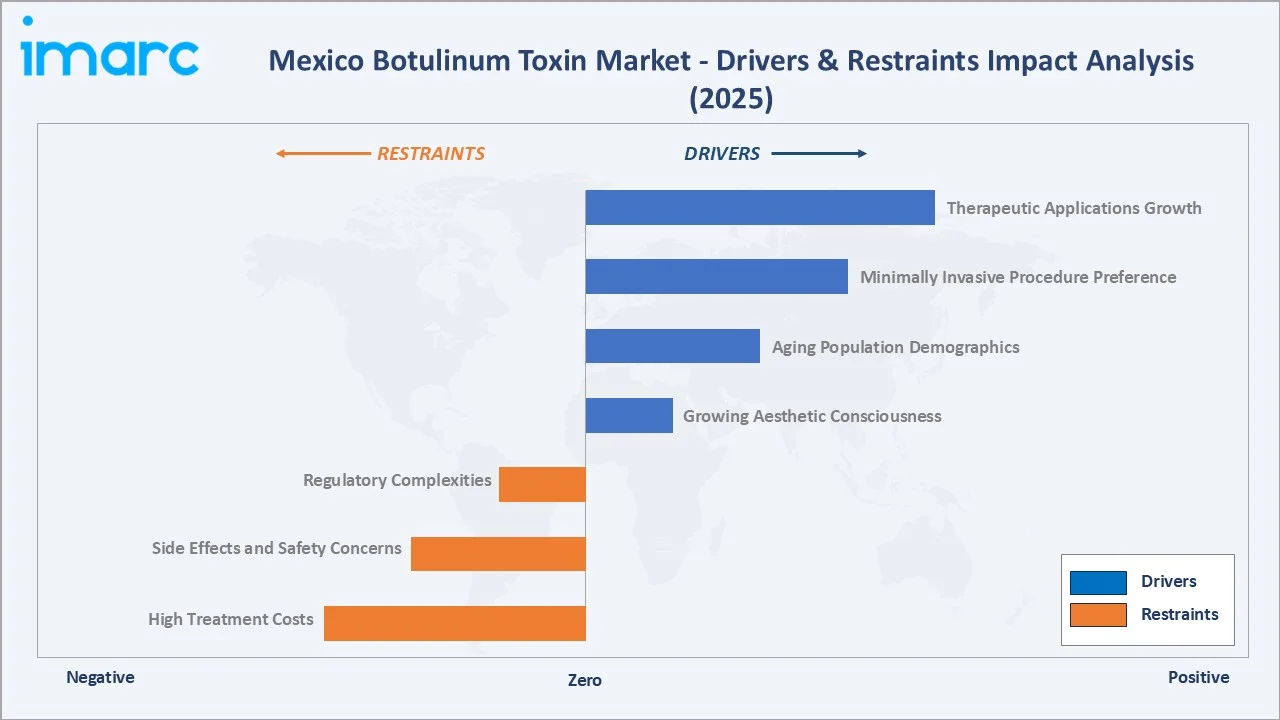
- Growing Aesthetic Consciousness: Mexico's expanding urban middle class increasingly embraces non-invasive cosmetic procedures as part of personal care routines. Social media influence and celebrity culture have normalized aesthetic treatments, particularly among women aged 25-45 seeking to maintain a youthful appearance.
- Aging Population Demographics: Mexico's demographic transition toward an aging population creates sustained demand for both preventive and corrective aesthetic treatments. The 35-55 age group represents the primary customer base for botulinum toxin procedures, with growing participation from younger demographics seeking preventive treatments.
- Minimally Invasive Procedure Preference: Patients increasingly prefer non-surgical cosmetic treatments over traditional plastic surgery due to shorter recovery times, lower costs, and reduced risks. Botulinum toxin injections offer immediate results with minimal downtime, appealing to busy professionals and working mothers.
- Therapeutic Applications Growth: Expanding clinical evidence supports botulinum toxin use for chronic migraine, hyperhidrosis, overactive bladder, and muscle spasticity. Mexican healthcare providers are increasingly integrating therapeutic botulinum toxin treatments into neurological and pain management protocols.
These drivers create a self-reinforcing growth cycle where increased social acceptance drives demand, encouraging more practitioners to offer services and improving treatment accessibility across Mexico's urban centers.
Market Restraints
- High Treatment Costs: A complete Botox treatment in Mexico, targeting common areas such as the forehead, frown lines, and crow's feet, typically ranges from USD 200 to USD 600. The final cost depends on the number of areas treated and the number of units needed for optimal results. Economic sensitivity limits market penetration beyond upper-middle and high-income demographics.
- Side Effects and Safety Concerns: Patient awareness of potential side effects, including temporary muscle weakness, bruising, and rare systemic complications, creates hesitation among first-time users. Media coverage of adverse events and unqualified practitioners affects market confidence.
- Regulatory Complexities: The Mexico botulinum toxin market faces challenges due to varying regulatory standards and inconsistent enforcement across states. Different local regulations regarding licensing, practitioner qualifications, and product approval create confusion for both consumers and providers.
Market Opportunities
- Medical Tourism Expansion: Each year, 1.2 to 3 million medical travelers visit Mexico, with 70% of them coming from the Mexican-American diaspora. It creates opportunities for premium botulinum toxin services targeting international patients, particularly from the U.S. and Canada, seeking cost-effective aesthetic treatments.
- Male Market Development: Growing male participation in aesthetic treatments represents significant untapped potential. Men increasingly seek botulinum toxin for professional appearance enhancement and facial contouring, particularly in Mexico's business and entertainment sectors.
Market Challenges
- Regulatory Complexities: Evolving regulatory frameworks for aesthetic procedures and practitioner certification requirements create compliance challenges for both manufacturers and service providers. COFEPRIS oversight continues to tighten standards for product importation and clinic operations.
- Counterfeit Products: The presence of counterfeit and substandard botulinum toxin products in some market segments poses safety risks and undermines confidence in legitimate treatments, requiring ongoing vigilance from regulators and industry participants.
Emerging Market Trends
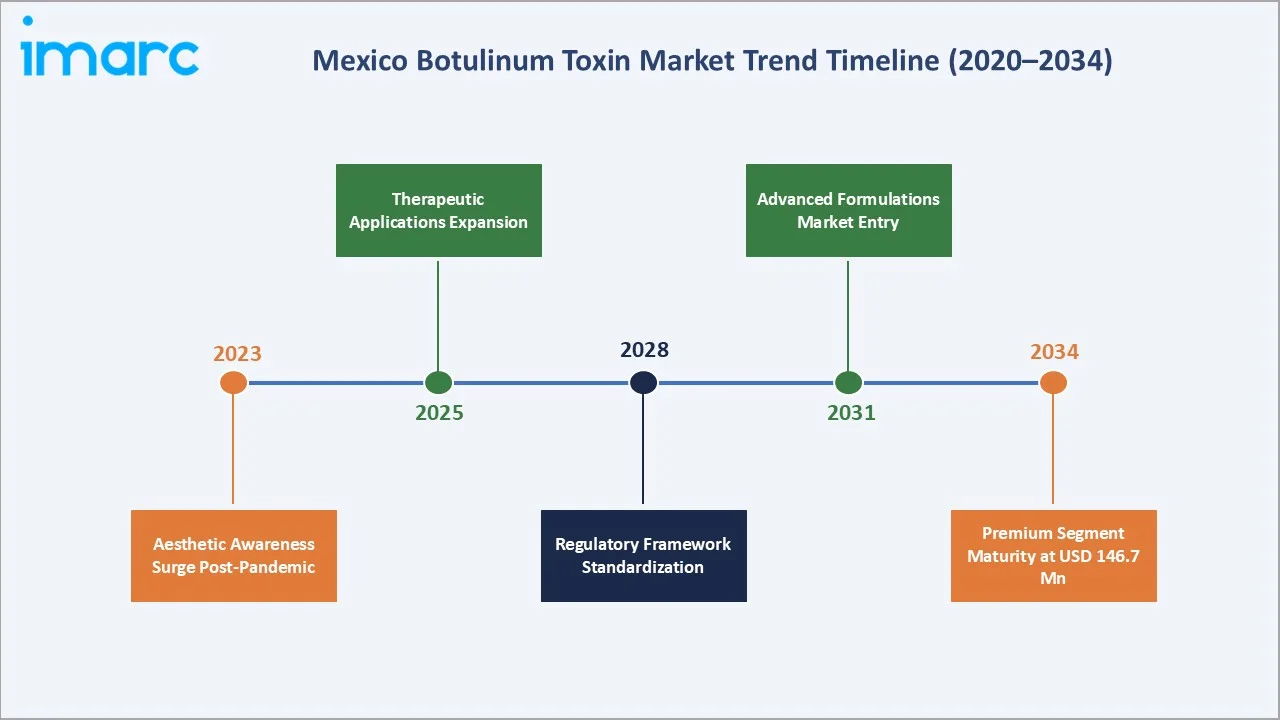
1. Aesthetic Awareness Surge Following Pandemic Recovery
The Mexico botulinum toxin market trends have been significantly influenced by post-pandemic social and professional reintegration. As remote work normalized video conferencing and increased self-awareness of facial appearance, many Mexicans sought aesthetic treatments to enhance their on-camera presence. The 'Zoom effect' has driven increased demand for subtle facial enhancements, particularly around the eyes and forehead.
2. Therapeutic Applications Gaining Medical Mainstream Acceptance
Mexican healthcare providers are increasingly recognizing botulinum toxin as a legitimate therapeutic option for conditions beyond cosmetic enhancement. Neurologists in major Mexican cities now routinely prescribe botulinum toxin for chronic migraine management, while pain management specialists utilize it for cervical dystonia and muscle spasticity treatment.
3. Regulatory Framework Standardization and Quality Assurance
COFEPRIS has implemented stricter oversight of botulinum toxin products and practitioners, establishing clearer certification requirements for aesthetic practitioners and importation standards for pharmaceutical manufacturers. This regulatory strengthening is reducing the presence of counterfeit products while establishing Mexico as a more attractive market for premium international brands.
4. Advanced Formulations and Precision Delivery Technologies
Manufacturers are introducing next-generation botulinum toxin formulations with improved onset times, duration of effect, and injection precision. Liquid formulations that eliminate reconstitution requirements and microcannula injection techniques are gaining adoption among Mexico's leading aesthetic practitioners.
Industry Value Chain Analysis
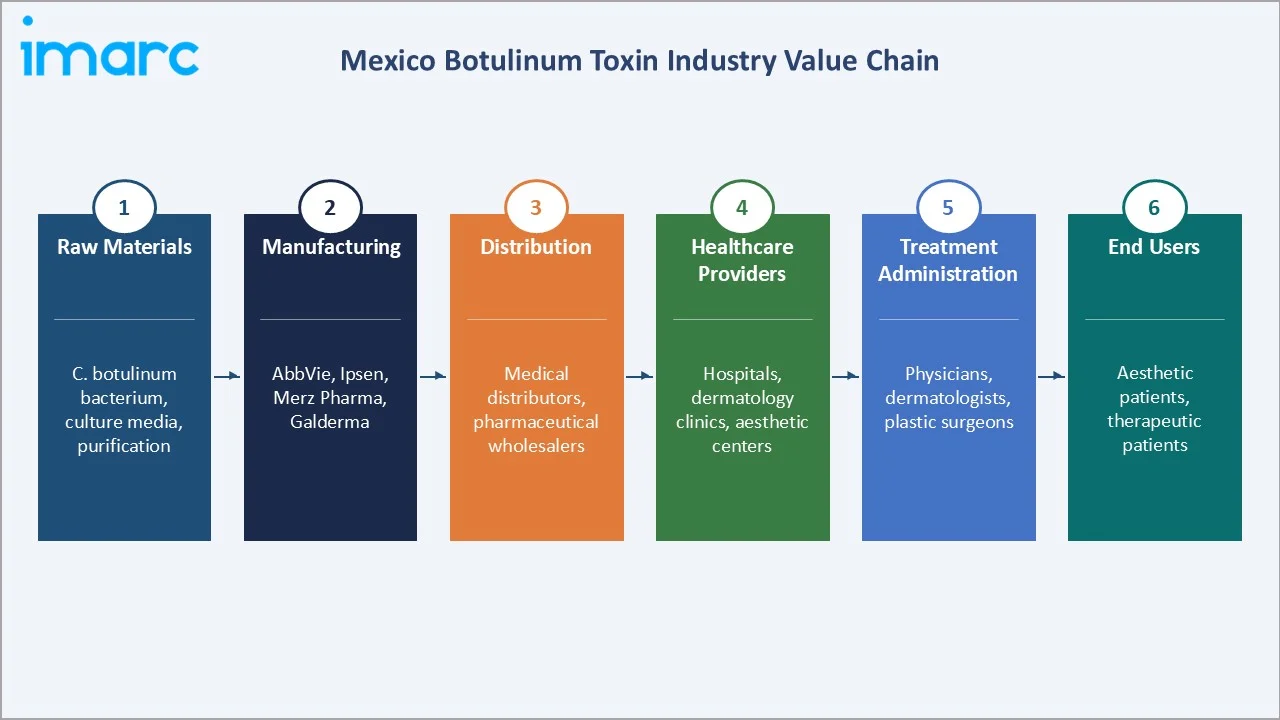
The Mexico botulinum toxin value chain spans global pharmaceutical manufacturing through local healthcare delivery, with each stage contributing to product safety, efficacy, and accessibility.
|
Stage |
Key Players / Examples |
|
Raw Materials |
Clostridium botulinum bacterial cultures, specialized growth media, and purification chemicals from pharmaceutical suppliers |
|
Manufacturing |
AbbVie Inc., GALDERMA, Merz Pharma, and Evolus, Inc. |
|
Distribution |
Pharmaceutical distributors, medical device companies, specialized aesthetic product suppliers |
|
Healthcare Providers |
Hospitals, dermatology clinics, aesthetic centers, and specialized medical practices |
|
Treatment Administration |
Certified physicians, dermatologists, plastic surgeons, and aesthetic practitioners |
|
End Users |
Aesthetic patients (facial enhancement), therapeutic patients (migraine, spasticity), and medical tourism clients |
Technology Landscape in the Mexican Botulinum Toxin Industry
Advanced Purification and Formulation Technologies
Modern botulinum toxin manufacturing employs sophisticated purification techniques to eliminate accessory proteins and reduce immunogenicity risks. Mexican practitioners benefit from access to highly purified formulations such as Xeomin (incobotulinumtoxinA) that minimize the risk of neutralizing antibody formation. These technological advances support better long-term treatment outcomes and enable more frequent treatment cycles without loss of efficacy.
Precision Injection and Delivery Systems
The introduction of microcannula injection techniques and ultrasound-guided delivery systems has improved treatment precision and reduced patient discomfort. Leading aesthetic clinics in Mexico City, Guadalajara, and Monterrey have adopted these advanced injection technologies, enabling more accurate product placement and natural-looking results. Digital imaging and treatment planning software help practitioners achieve consistent outcomes across multiple treatment sessions.
Cold Chain and Storage Innovations
Advanced cold chain management systems ensure product integrity throughout the distribution process in Mexico's varied climate conditions. Temperature-monitoring technologies and improved packaging solutions maintain botulinum toxin stability from manufacturer to clinic, reducing product waste and ensuring consistent therapeutic outcomes. Some newer formulations offer improved thermal stability, reducing storage complexity for healthcare providers.
Patient Management and Treatment Tracking Systems
Digital patient management platforms enable comprehensive treatment tracking, adverse event monitoring, and outcome documentation. Mexican aesthetic practices increasingly utilize electronic medical records specifically designed for cosmetic procedures, supporting better patient care coordination and regulatory compliance. These systems facilitate follow-up care and enable practitioners to optimize treatment protocols based on individual patient response patterns.
Market Segmentation Analysis
The report covers the following segments:
|
Segment Category |
Leading Segment |
Market Share |
Year |
|
Type |
Toxin Type A |
91.4% |
2025 |
|
Application |
Aesthetics |
72.5% |
2025 |
|
End User |
🔒 |
🔒 |
2025 |
|
Region |
Central Mexico |
41.3% |
2025 |

By Type
To access detailed market analysis, Request Sample
Toxin Type A dominates the Mexico botulinum toxin market with a 91.4% share in 2025. This dominance reflects the extensive clinical evidence supporting Type A formulations, widespread physician familiarity with established brands, and comprehensive regulatory approvals for both aesthetic and therapeutic indications. Type A products include leading brands such as BOTOX (AbbVie), Xeomin (Merz), and Jeuveau (Evolus), each with distinct characteristics and clinical positioning.
Toxin Type B retains a 8.6% share, primarily utilized for patients who have developed resistance to Type A formulations or require treatment for specific conditions where Type B demonstrates superior efficacy. Type B applications include cervical dystonia treatment and cases where prolonged muscle relaxation is clinically beneficial. The Mexico botulinum toxin market forecast anticipates continued Type A dominance while Type B maintains its specialized therapeutic niche through 2034.
By Application
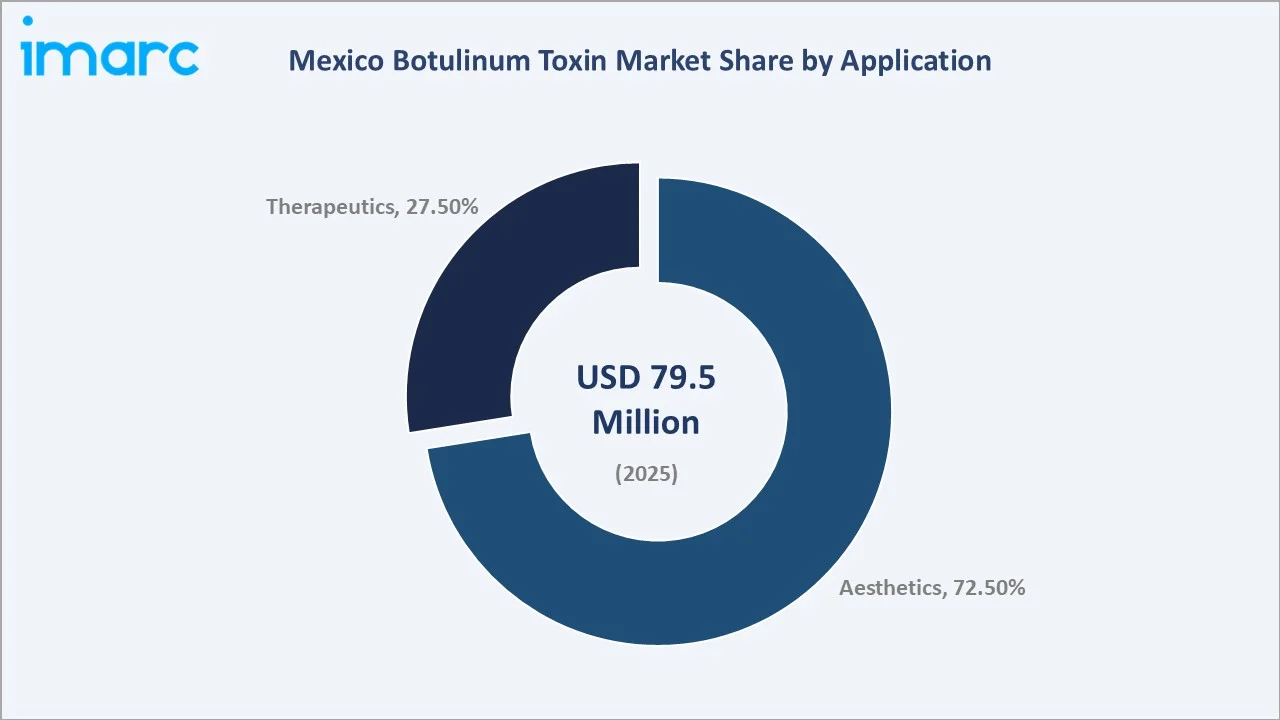
Aesthetic applications lead the Mexico botulinum toxin market with a 72.5% share in 2025, representing approximately USD 57.6 Million. This dominance is driven by widespread social acceptance of cosmetic procedures, increasing disposable income among urban populations, and the growing availability of qualified aesthetic practitioners.
The therapeutic segment commands 27.5% of the market, equivalent to approximately USD 21.9 Million, expanding rapidly as medical providers integrate botulinum toxin into treatment protocols for chronic migraine, hyperhidrosis, overactive bladder, and various movement disorders.
Regional Market Insights
Central Mexico's market leadership (41.3%, 2025) reflects the concentration of high-end aesthetic clinics, medical facilities, and affluent patient populations in Mexico City and surrounding metropolitan areas. The region benefits from the highest density of certified aesthetic practitioners, established medical tourism infrastructure, and proximity to international aesthetic trends and training programs.
|
Region |
Share (2025) |
Key Growth Drivers |
Target Demographics |
Growth Outlook |
|
Central Mexico |
41.3% |
High-end aesthetic clinics, medical tourism, and affluent demographics |
Urban professionals, medical tourists |
Steady leadership |
|
Northern Mexico |
33.6% |
Higher incomes, U.S. proximity, and cross-border accessibility |
Business professionals, expatriates |
Rapid expansion |
|
Southern Mexico |
18.2% |
Tourism sector growth, the emerging middle class, and clinic expansion |
Tourism workers, emerging affluent |
Moderate growth |
|
Others |
6.9% |
Regional medical centers, growing urban populations |
Regional professionals, retirees |
Gradual development |
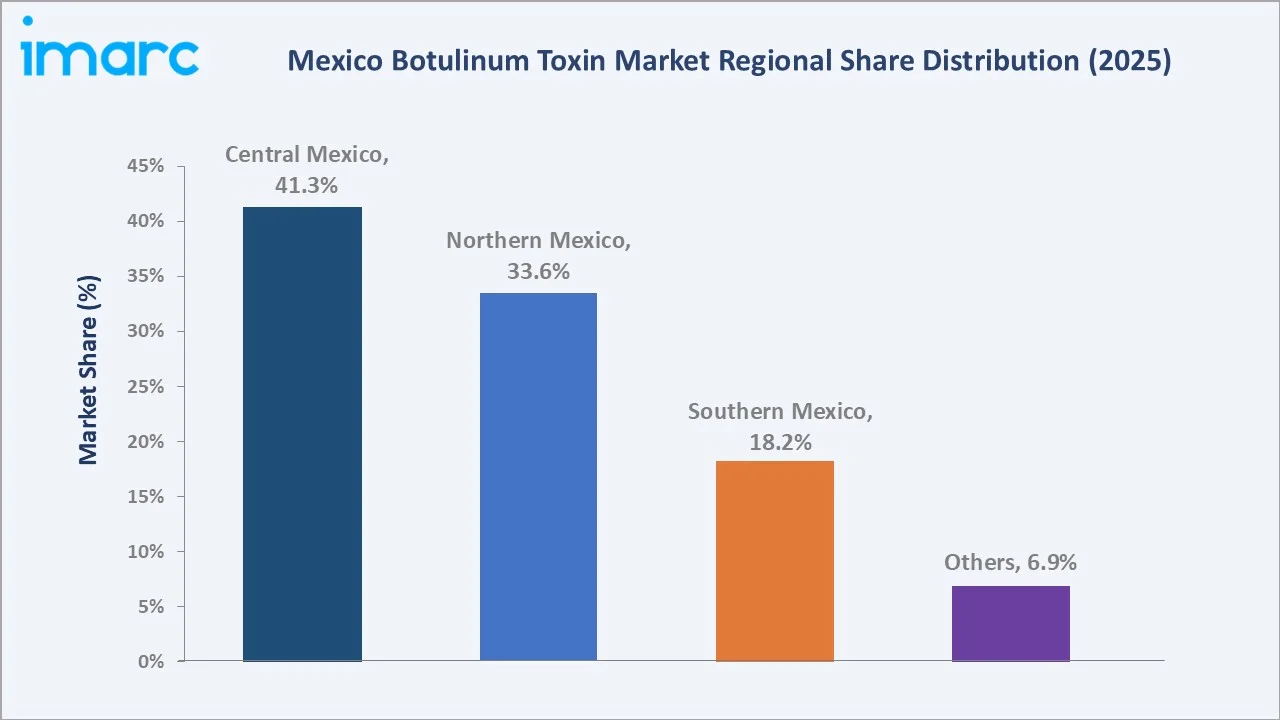
Northern Mexico, representing 33.6% of the 2025 national market, benefits from higher per-capita incomes, cultural proximity to U.S. aesthetic standards, and cross-border accessibility for patients seeking premium treatments. Cities such as Monterrey, Tijuana, and Ciudad Juárez have developed sophisticated aesthetic markets serving both local populations and cross-border clients from Texas, California, and Arizona.
Competitive Landscape
The Mexico botulinum toxin market exhibits a concentrated competitive structure dominated by global pharmaceutical companies with established aesthetic and therapeutic product portfolios. The top manufacturers, AbbVie Inc., GALDERMA, Merz Pharma, and Evolus, Inc., collectively control an estimated 75-85% of the formal market in 2025. Market leadership is determined by brand recognition, clinical evidence, practitioner training programs, and distribution network strength.
|
Company Name |
Brand Name |
Market Position |
Core Strength |
|
AbbVie Inc. |
BOTOX Cosmetic |
Market Leader |
Global brand recognition, extensive clinical evidence, and comprehensive physician training programs |
|
GALDERMA |
Dysport |
Established Player |
Aesthetic market focus; dermatology heritage; premium positioning strategy |
|
Merz Pharma |
Xeomin |
Specialized Player |
Protein-free formulation; reduced immunogenicity risk; therapeutic specialization |
|
Evolus, Inc. |
Jeuveau |
Emerging Player |
Aesthetic-focused positioning; competitive pricing; digital marketing excellence |
Key Company Profiles
AbbVie Inc.
AbbVie Inc., through its Allergan Aesthetics division, maintains market leadership in Mexico's botulinum toxin market with the globally recognized BOTOX brand. The company's comprehensive portfolio includes both cosmetic and therapeutic formulations supported by extensive clinical evidence and practitioner training programs.
- Product Portfolio: BOTOX Cosmetic for aesthetic applications; BOTOX for therapeutic indications including chronic migraine, overactive bladder, and muscle spasticity.
- Recent Developments: In October 2024, AbbVie's BOTOX Cosmetic received FDA approval for platysma band treatment, expanding aesthetic applications. The company continues to invest in Mexican practitioner education and certification programs.
- Strategic Focus: Maintaining market leadership through clinical innovation; expanding therapeutic applications; strengthening practitioner relationships across Mexico.
GALDERMA
GALDERMA brings deep dermatology expertise to Mexico's botulinum toxin market through its Azzalure brand, positioning itself as a premium aesthetic solution. The company's heritage in dermatological treatments supports its credibility among Mexican skin care specialists and aesthetic practitioners.
- Product Portfolio: Dysport (Azzalure) botulinum toxin for aesthetic applications; comprehensive dermatology and aesthetic product portfolio supporting combination treatments.
- Recent Developments: Galderma has strengthened its Mexican aesthetic portfolio through strategic partnerships with leading dermatology clinics and aesthetic training centers.
- Strategic Focus: Premium aesthetic positioning; dermatology practitioner relationships; combination treatment protocols integrating botulinum toxin with dermal fillers.
Merz Pharma
Merz Pharma offers Xeomin, a unique protein-free botulinum toxin formulation that reduces the risk of neutralizing antibody formation. The company has established a strong therapeutic focus while expanding its aesthetic market presence in Mexico.
- Product Portfolio: Xeomin botulinum toxin for both aesthetic and therapeutic applications; specialized focus on movement disorders and spasticity treatment.
- Recent Developments: Merz received expanded regulatory approvals for Xeomin therapeutic applications in Mexico, including chronic sialorrhea treatment in pediatric and adult populations.
- Strategic Focus: Protein-free formulation advantages; therapeutic market leadership; building awareness of reduced immunogenicity benefits among Mexican practitioners.
Market Concentration Analysis
The Mexico botulinum toxin market demonstrates high concentration among established global pharmaceutical companies, with the top three players accounting for an estimated 65-75% of the formal market revenue in 2025. Market concentration is driven by high regulatory barriers, extensive clinical evidence requirements, significant investment in practitioner training, and the critical importance of brand trust in medical and aesthetic applications.
Competitive dynamics favor companies with comprehensive clinical evidence, established safety profiles, and extensive practitioner education programs. New market entrants face substantial challenges in building physician confidence and patient acceptance, particularly in Mexico's conservative medical community, where established brands benefit from strong physician loyalty and patient familiarity.
Investment & Growth Opportunities
High-Growth Market Segments
Therapeutic applications (~7.8% CAGR), male aesthetic treatments (~12% niche CAGR), and combination aesthetic procedures (~9% CAGR) represent the highest-growth investment opportunities through 2034. These segments address expanding clinical indications, evolving demographic trends, and premium service differentiation, creating incremental revenue potential of approximately USD 35-45 Million by 2034.
Geographic Expansion Opportunities
Secondary cities, including Puebla, León, Querétaro, and Mérida, represent significant growth potential as economic development drives middle-class expansion and aesthetic awareness. Market entry strategies should focus on establishing partnerships with local medical practitioners, investing in physician training programs, and developing cost-effective service delivery models appropriate for emerging markets.
Technology and Innovation Investment
- Digital patient engagement platforms, telemedicine consultation services, and mobile aesthetic applications offer opportunities to expand market reach and improve patient experience across Mexico's geographically dispersed population.
- Advanced injection techniques, combination treatment protocols, and personalized aesthetic treatment planning represent areas for premium service differentiation and enhanced patient outcomes.
- Cold chain optimization and distribution technology investment can improve product accessibility in Mexico's secondary markets while maintaining quality and safety standards.
Future Market Outlook (2026-2034)
The Mexico botulinum toxin market, which increased from USD 79.5 Million in 2025 to USD 84.9 Million in 2026 and is forecast to reach USD 146.7 Million by 2034 at a CAGR of 6.69%, positioning Mexico as one of Latin America's most attractive botulinum toxin markets. Growth will be driven by continued urbanization, rising disposable income, expanding therapeutic applications, and increasing social acceptance of aesthetic procedures across diverse demographic segments.
Market evolution will favor companies that successfully balance premium positioning with accessibility, invest in comprehensive practitioner education, and develop treatment protocols appropriate for Mexico's cultural and economic context. The therapeutic segment will experience accelerated growth as clinical evidence expands and healthcare coverage improves, while the aesthetic segment will deepen through male market development and younger demographic penetration.
The Mexico botulinum toxin market growth trajectory reflects Mexico's broader healthcare modernization and the integration of aesthetic medicine into mainstream medical practice, supported by regulatory framework strengthening and practitioner professionalization.
Research Methodology
Primary Research
Primary research for this report comprised structured interviews and surveys with over 85 industry participants in 2024–2025, including botulinum toxin distributors, aesthetic practitioners, dermatologists, neurologists, hospital administrators, and aesthetic patients across Central, Northern, and Southern Mexico.
Secondary Research
Secondary research encompassed a systematic review of pharmaceutical company annual reports, COFEPRIS regulatory filings, industry databases, medical journals, and aesthetic medicine publications. Key sources include INEGI demographic data, Mexican Society of Dermatology reports, and International Society of Aesthetic Plastic Surgery (ISAPS) statistics. Over 150 secondary sources were reviewed and triangulated.
Forecasting Models
Market size estimations and growth projections were derived using top-down and bottom-up forecasting approaches, incorporating demographic trends (aging population, urbanization), economic indicators (disposable income growth, healthcare spending), and treatment adoption patterns. The base-case CAGR of 6.69% reflects consensus medical and aesthetic industry growth rates validated against global botulinum toxin market trends.
Mexico Botulinum Toxin Market Scope:
| Report Features | Details |
|---|---|
| Base Year of the Analysis | 2025 |
| Historical Period | 2020-2025 |
| Forecast Period | 2026-2034 |
| Units | Million USD |
| Scope of the Report | Exploration of Historical Trends and Market Outlook, Industry Catalysts and Challenges, Segment-Wise Historical and Future Market Assessment:
|
| Types Covered | Toxin Type A, Toxin Type B |
| Applications Covered | Therapeutics, Aesthetics |
| End Users Covered | Hospitals and Clinics, Dermatology Clinics, Spas and Cosmetic Centers |
| Regions Covered | Northern Mexico, Central Mexico, Southern Mexico, Others |
| Companies Covered | AbbVie Inc., GALDERMA , Merz Pharma, Evolus, Inc., etc. |
| Customization Scope | 10% Free Customization |
| Post-Sale Analyst Support | 10-12 Weeks |
| Delivery Format | PDF and Excel through Email (We can also provide the editable version of the report in PPT/Word format on special request) |
Key Benefits for Stakeholders:
- IMARC’s industry report offers a comprehensive quantitative analysis of various market segments, historical and current market trends, market forecasts, and dynamics of the Mexico botulinum toxin market from 2020-2034.
- The research report provides the latest information on the market drivers, challenges, and opportunities in the Mexico botulinum toxin market.
- Porter's Five Forces analysis assists stakeholders in assessing the impact of new entrants, competitive rivalry, supplier power, buyer power, and the threat of substitution. It helps stakeholders to analyze the level of competition within the Mexico botulinum toxin industry and its attractiveness.
- Competitive landscape allows stakeholders to understand their competitive environment and provides an insight into the current positions of key players in the market.
Frequently Asked Questions About the Mexico Botulinum Toxin Market Report
The Mexico botulinum toxin market size is estimated at USD 84.9 Million in 2026, representing consistent expansion driven by increasing aesthetic consciousness, expanding therapeutic applications, and growing availability of certified practitioners across Mexico's urban centers.
The Mexico botulinum toxin market is expected to grow at a CAGR of 6.69% during the forecast period from 2026 to 2034, supported by continued demographic trends favoring aesthetic treatments, expanding therapeutic indications, and increasing social acceptance of minimally invasive cosmetic procedures.
The Mexico botulinum toxin market is projected to reach USD 146.7 Million by 2034. This growth represents Mexico's position as one of Latin America's most dynamic botulinum toxin markets, driven by urbanization, rising incomes, and healthcare modernization.
Central Mexico leads the market with a 41.3% revenue share in 2025, anchored by the concentration of high-end aesthetic clinics, medical facilities, and affluent patient populations in Mexico City and surrounding metropolitan areas. The region benefits from established medical tourism infrastructure and proximity to international aesthetic trends.
Northern Mexico is experiencing rapid market expansion owing to higher per-capita incomes, cultural proximity to U.S. aesthetic standards, cross-border accessibility, and the concentration of business professionals and expatriate populations in cities such as Monterrey, Tijuana, and Ciudad Juárez.
Toxin type A dominates with a 91.4% share of the product market in 2025, valued at approximately USD 72.7 Million. Dominance is driven by extensive clinical evidence, comprehensive regulatory approvals, physician familiarity with established brands, and proven safety profiles across both aesthetic and therapeutic applications.
The aesthetic application segment holds the largest share at 72.5% in 2025, driven by growing social acceptance of cosmetic procedures, increasing disposable income among urban populations, widespread availability of certified aesthetic practitioners, and the influence of social media and celebrity culture on beauty standards.
Key players include AbbVie Inc., GALDERMA, Merz Pharma, and Evolus, Inc. These companies collectively control an estimated 75-85% of the formal market through established brands, clinical evidence, and practitioner relationships.
Major growth drivers include increasing aesthetic consciousness among Mexico's expanding urban middle class, favorable demographic trends toward an aging population, growing preference for minimally invasive procedures over traditional surgery, expanding therapeutic applications in neurology and pain management, and increasing availability of certified practitioners across major metropolitan areas.
Significant opportunities exist in therapeutic application expansion, male aesthetic market development, secondary city market penetration, medical tourism service enhancement, digital patient engagement platform development, and advanced injection technique training programs.
Need more help?
- Speak to our experienced analysts for insights on the current market scenarios.
- Include additional segments and countries to customize the report as per your requirement.
- Gain an unparalleled competitive advantage in your domain by understanding how to utilize the report and positively impacting your operations and revenue.
- For further assistance, please connect with our analysts.
 Request Customization
 Speak to an Analyst
 Request Brochure
 Inquire Before Buying
Benefits of Customization
- Personalize this research
- Triangulate with your data
- Get data as per your format and definition
- Gain a deeper dive into a specific application, geography, customer, or competitor
- Any level of personalization
Get in Touch With Us
UNITED STATES
Phone: +1-201-971-6302
INDIA
Phone: +91-120-433-0800
UNITED KINGDOM
Phone: +44-753-714-6104
Email: [email protected]
Client Testimonials




.webp)




.webp)













Related Reports

Choose your plan
*Please note that the prices mentioned below are starting prices for each bundle type. Kindly contact our team for further details.*
Single User License
- 1 User License, Access on 2 Devices
- PDF Report + Excel Dataset (Password Protected)
- Lifetime Access
- No Printing Rights
- 10% Free Report Customization
- 10–12 Weeks of Analyst Support
Five User License
- Access for 5 Users, 2 Devices per User
- PDF Report + Excel Dataset (Password Protected)
- Lifetime Access
- Dedicated Account Manager
- 12–14 Weeks of Analyst Support
- No Printing Rights
- 15% Free Report Customization
- 25% Discount on Your Next Purchase
Corporate User License
- Unlimited User Access (Within Your Organization)
- PDF Report + Excel Dataset
- Lifetime Access
- Dedicated Account Manager
- 14–20 Weeks of Analyst Support
- No Printing Rights
- 20% Free Report Customization
- 30% Discount on Your Next Purchase
Essential Insights
What's included:
3 reports
- Lifetime Access
- PDF Reports
- Excel Datasets
- 2 Weeks of Free Analyst Support
- 2 User Licenses
- Access on 2 Devices
- Printing Rights
- Complimentary PowerPoint (PPT) Version
- Complimentary License Upgrade
Professional Access
What's included:
5 reports
- Lifetime Access
- PDF Reports
- Excel Datasets
- 8 Weeks of Free Analyst Support
- 2 User Licenses
- Access on 2 Devices
- Printing Rights
- Complimentary PowerPoint (PPT) Version
- Complimentary License Upgrade
Business Advantage
What's included:
8 reports
- Lifetime Access
- PDF Reports
- Excel Datasets
- 14 Weeks of Free Analyst Support
- 2 User Licenses
- Access on 2 Devices
- Printing Rights
- Complimentary PowerPoint (PPT) Version
- Complimentary License Upgrade
Enterprise Intelligence
What's included:
10 reports
- Lifetime Access
- PDF Reports
- Excel Datasets
- 20 Weeks of Free Analyst Support
- 2 User Licenses
- Access on 2 Devices
- Printing Rights
- Complimentary PowerPoint (PPT) Version
- Complimentary License Upgrade