
Mexico Pain Management Drugs Market Size, Share, Trends and Forecast by Drug Class, Indication, Distribution Channel, and Region, 2026-2034
Mexico Pain Management Drugs Market Size, Share, Trends & Forecast (2026-2034)
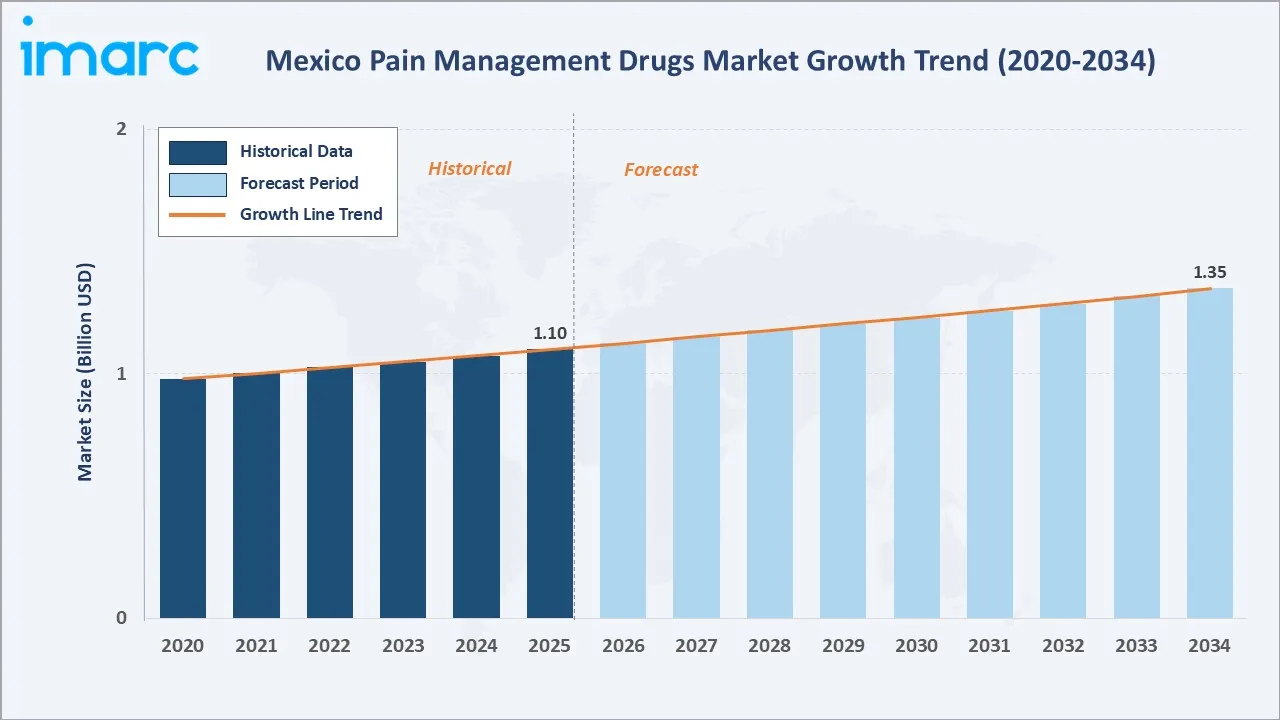
The Mexico pain management drugs market grew from USD 1.10 Billion in 2025 to USD 1.12 Billion in 2026 and is projected to reach USD 1.35 Billion by 2034, growing at a CAGR of 2.30% during 2026-2034. Mexico's population stood at 130.9 million as of October 2025, a rapidly aging demographic that disproportionately experiences chronic pain conditions. NSAIDs dominate at 32.0%, retail pharmacies lead distribution at 55.0%, and Central Mexico commands the largest regional share at 55.0% in 2025.
Market Snapshot
|
Metric |
Value |
|
Base Year Market Size (2025) |
USD 1.10 Billion |
|
Market Size (2026) |
USD 1.12 Billion |
|
Forecast Market Size (2034) |
USD 1.35 Billion |
|
CAGR (2026-2034) |
2.30% |
|
Base Year |
2025 |
|
Historical Period |
2020-2025 |
|
Forecast Period |
2026-2034 |
|
Dominant Drug Class |
NSAIDs (32.0%, 2025) |
|
Dominant Distribution Channel |
Retail Pharmacies (55.0%, 2025) |
|
Leading Region |
Central Mexico (55.0%, 2025) |
The Mexico pain management drugs market grew from USD 0.98 Billion in 2020 to USD 1.10 Billion in 2025, and further to USD 1.12 Billion in 2026, reflecting sustained pharmaceutical demand driven by aging demographics and rising chronic disease prevalence. The market is projected to reach USD 1.23 Billion by 2030 before reaching USD 1.35 Billion by 2034.
To get more information on this market, Request Sample
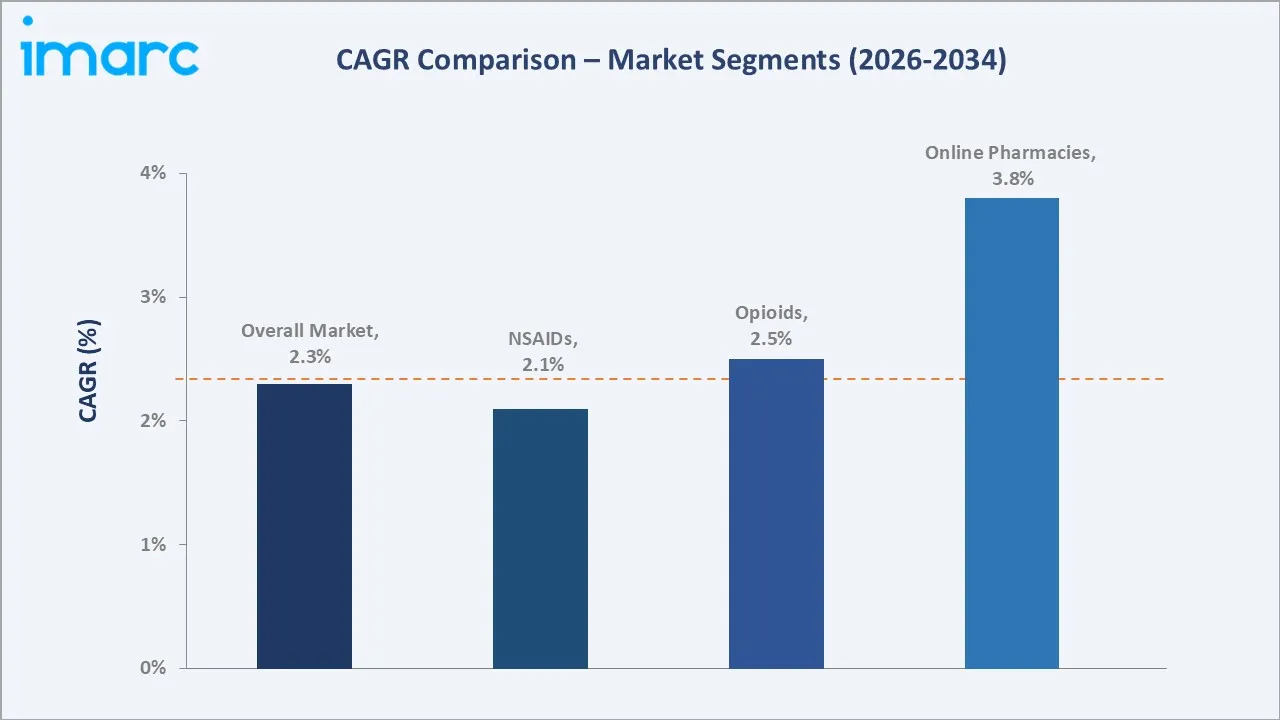
Online pharmacies represent the fastest-growing distribution channel at approximately 3.80% CAGR, driven by digital adoption and telepharmacy expansion. Opioids register approximately 2.50% CAGR as cancer-related and neuropathic pain demand expands. NSAIDs grow at an estimated 2.10% CAGR, maintaining dominant market share through 2034.
Executive Summary
The Mexico pain management drugs market is on a steady growth trajectory, underpinned by rising prevalence of chronic conditions such as arthritis, fibromyalgia, cancer, and neuropathic disorders across a rapidly aging population. Cancer is the fourth leading cause of death in Mexico per OECD data. This demographic and epidemiological shift sustains multi-year demand for diverse pain therapeutic categories.
NSAIDs lead at 32.0% by drug class in 2025, anchored by high patient volumes across musculoskeletal and arthritic pain. Retail pharmacies dominate distribution at 55.0%, supported by an extensive OTC drug retail network. Central Mexico holds 55.0% regional share, driven by population density and healthcare concentration.
Key Market Insights
|
Insight |
Data |
| Dominant Drug Class |
NSAIDs – 32.0% share (2025) |
| Leading Distribution Channel |
Retail Pharmacies – 55.0% share (2025) |
|
Leading Region |
Central Mexico – 55.0% (2025) |
| Key Market Opportunity | Rising chronic disease burden and digital pharmacy expansion in underserved Mexican regions are creating sustained demand across all drug classes and distribution channels. |
Key Analytical Observations Supporting the Above Data:
- NSAIDs at 32.0%: NSAIDs command the largest share due to widespread use as first-line agents for musculoskeletal, arthritic, and inflammatory pain across all age groups, particularly among Mexico's growing geriatric cohort.
- Retail Pharmacies at 55.0%: Retail pharmacies lead as the primary access point for OTC pain medications, benefiting from Mexico's dense urban pharmacy network and high patient self-medication rates across both metropolitan and regional areas.
- Central Mexico at 55.0%: Central Mexico's dominance reflects high population concentration, superior healthcare infrastructure density, and the presence of leading tertiary hospitals and specialty pain clinics in and around the Mexico City metropolitan area.
Mexico Pain Management Drugs Market Overview
The Mexico pain management drugs market encompasses the production, distribution, and commercial supply of pharmaceutical agents used to manage acute and chronic pain conditions. Core drug categories include NSAIDs, opioids, anesthetics, anticonvulsants, antimigraine agents, and antidepressants, serving a broad clinical spectrum from postoperative and musculoskeletal pain to cancer and neuropathic disorders.
Mexico's pharmaceutical market is among the largest in Latin America, with pain management drugs representing one of the highest-volume therapeutic segments. The ecosystem spans API suppliers, drug manufacturers, distributors, and pharmacies serving patients across diverse regional healthcare settings nationwide.
Market Dynamics
To evaluate market opportunities, Request Sample
Market Drivers
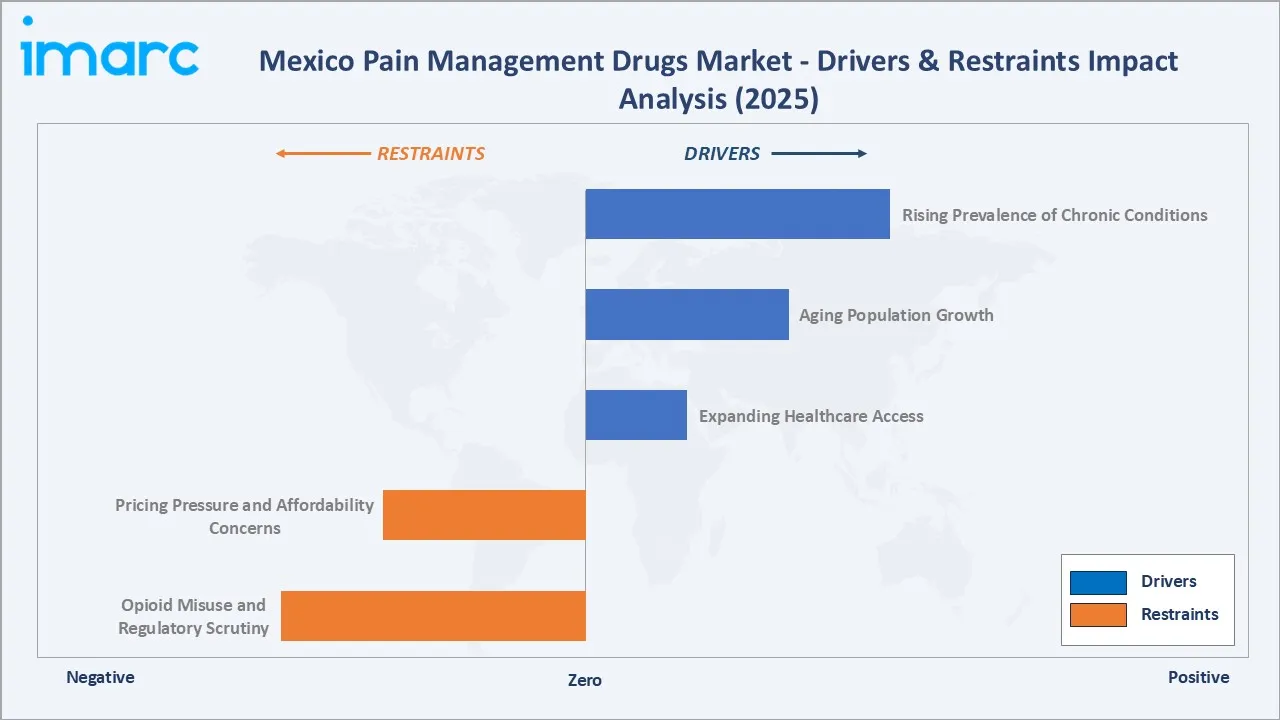
- Rising Prevalence of Chronic Conditions: Arthritis, cancer, fibromyalgia, and neuropathic disorders are increasingly common, creating long-term demand for NSAIDs, opioids, antidepressants, and topical analgesics. Cancer-related health spending in Mexico is projected to rise 106%, adding MXN 10.6 Billion annually, directly expanding demand for oncology pain management drugs.
- Aging Population Growth: Mexico's population aged 65 and above is projected to increase by 277%, rising from 8.2 million in 2015 to over 30 million by 2050. This aging cohort is a primary driver of chronic pain management therapy demand across musculoskeletal, neuropathic, and cancer pain categories.
- Expanding Healthcare Access: Public healthcare programs and private sector expansion are improving pharmaceutical access, particularly in rural and underserved populations. Growing hospital networks are expanding physician-prescribed pain management drug utilization rates across all Mexican regions.
Market Restraints
- Pricing Pressure and Affordability Concerns: Generic drug competition and pricing sensitivity among Mexico's large uninsured population limit branded drug adoption and compress manufacturer margins, reducing effective market penetration for premium pain management formulations in rural areas.
- Opioid Misuse and Regulatory Scrutiny: Growing public health concerns around opioid misuse are prompting tighter prescribing controls, limiting opioid market growth and increasing compliance costs for pharmaceutical distributors and pharmacies operating across Mexico.
Market Opportunities
- Digital Pharmacy and E-commerce Growth: Rapid expansion of online pharmacy platforms is creating new distribution pathways for pain management drugs, particularly reaching rural populations that lack convenient access to traditional retail pharmacy networks across underserved Mexican regions.
- Non-Opioid Analgesic Development: Growing patient and physician preference for non-opioid alternatives creates significant market opportunity for manufacturers developing advanced anticonvulsants, antidepressants, and topical analgesics for neuropathic and chronic pain treatment.
Market Challenges
- Fragmented Healthcare Infrastructure: Significant disparities in healthcare quality and pharmaceutical access between urban and rural regions limit effective market penetration. Logistical complexity and distribution challenges in underserved areas restrict nationwide reach for pharmaceutical companies.
- Self-Medication and Patient Awareness Gaps: High rates of self-medication with OTC drugs without physician guidance may limit uptake of prescription-only formulations offering superior therapeutic efficacy for complex pain conditions across community healthcare settings in Mexico.
Emerging Market Trends
1. Expansion of Injectable Pain Management Therapies
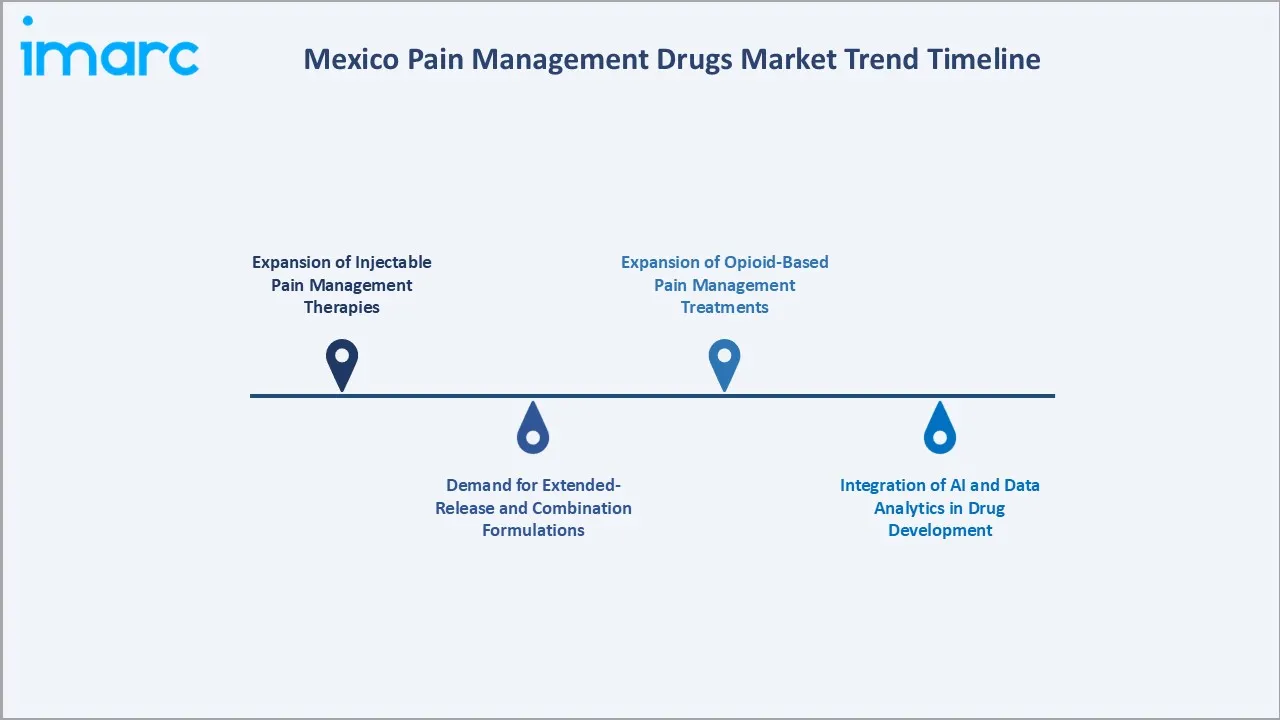
In October 2025, Cumberland Pharmaceuticals received regulatory approval in Mexico for its ibuprofen injection through its partnership with PiSA Farmaceutica, which holds exclusive supply and distribution rights and will lead the product's local launch. Such collaborations are strengthening local product distribution and expanding access to hospital-based pain relief treatments.
2. Demand for Extended-Release and Combination Formulations
Pharmaceutical companies are increasingly investing in extended-release formulations and fixed-dose combination drugs that improve dosing convenience and patient adherence in chronic pain management. These formulations are particularly valuable for geriatric patients managing multiple comorbidities. Extended-release formats represent a premium product segment supporting higher average selling prices and margin improvement for manufacturers serving Mexico's growing elderly demographic.
3. Expansion of Opioid-Based Pain Management Treatments
In January 2025, SteinCares partnered with Italy-based Molteni Farmaceutici to commercialize Oramorph, a morphine oral solution, across Latin America, with launches planned in Ecuador in 2025 and Brazil and Mexico in 2027. The planned introduction highlights efforts to expand access to specialized pain management therapies. Such cross-border collaborations are supporting the introduction and commercialization of advanced prescription pain relief products across the country.
4. Integration of AI and Data Analytics in Drug Development
Artificial intelligence and advanced data analytics are being applied to accelerate clinical trial design, patient stratification, and pharmacovigilance in pain drug development. Companies are leveraging AI-driven insights to identify biomarkers for personalized pain therapy, optimize dosing regimens, and predict adverse drug reactions across diverse patient populations, shortening development timelines for next-generation pain management drugs entering the Mexico market.
Industry Value Chain Analysis
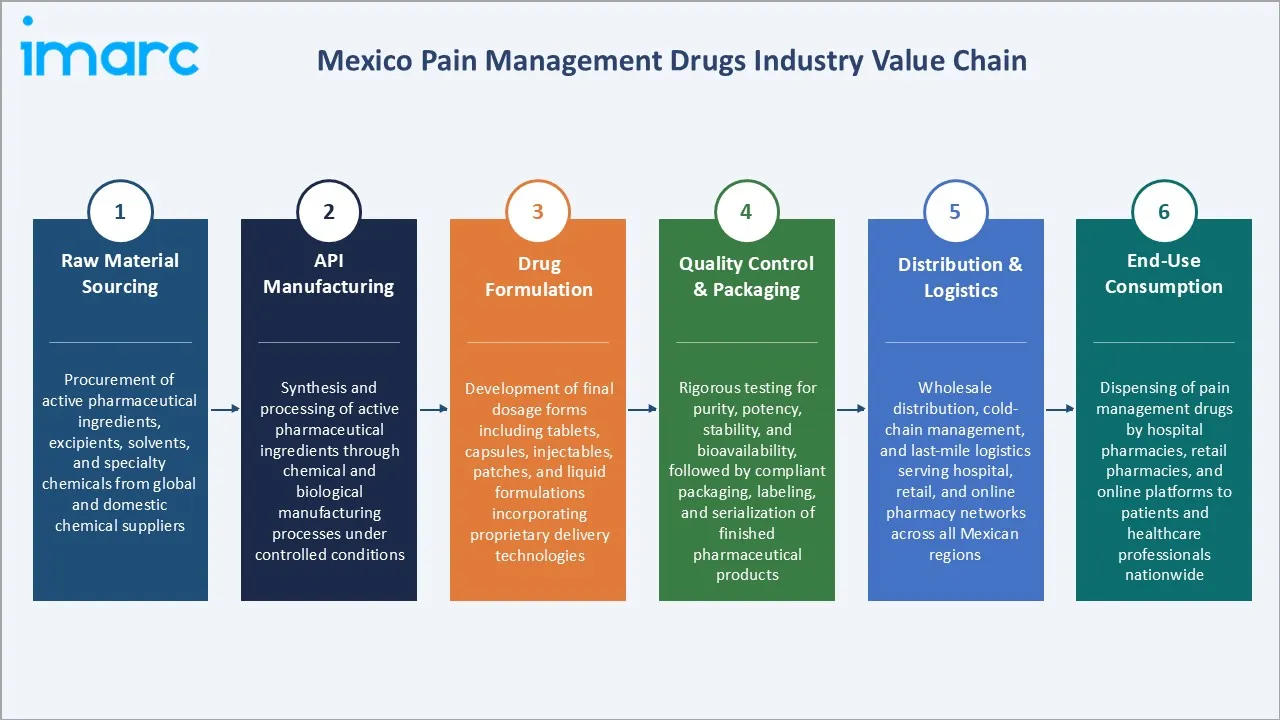
The Mexico pain management drugs value chain spans six integrated stages, from raw material sourcing through end-use pharmaceutical consumption. Each stage adds distinct value through chemical processing, formulation development, quality assurance, distribution logistics, and patient-centered dispensing.
|
Stage |
Key Activities & Value Addition |
| Raw Material Sourcing | Procurement of active pharmaceutical ingredients, excipients, solvents, and specialty chemicals from global and domestic chemical suppliers. |
| API Manufacturing | Synthesis and processing of active pharmaceutical ingredients through chemical and biological manufacturing processes under controlled conditions. |
| Drug Formulation | Development of final dosage forms including tablets, capsules, injectables, patches, and liquid formulations incorporating proprietary delivery technologies. |
| Quality Control & Packaging | Rigorous testing for purity, potency, stability, and bioavailability, followed by compliant packaging, labeling, and serialization of finished pharmaceutical products. |
| Distribution & Logistics | Wholesale distribution, cold-chain management, and last-mile logistics serving hospital, retail, and online pharmacy networks across all Mexican regions. |
| End-Use Consumption | Dispensing of pain management drugs by hospital pharmacies, retail pharmacies, and online platforms to patients and healthcare professionals nationwide. |
The drug formulation stage holds the greatest strategic value in the pain management drugs value chain. Advanced formulation capabilities, including controlled-release systems, transdermal delivery, and combination therapy platforms, enable manufacturers to differentiate products, command premium pricing, and build durable intellectual property sustaining competitive advantage.
Technology Landscape in the Mexico Pain Management Drugs Industry
Extended-Release and Controlled Drug Delivery Systems
Advanced controlled-release technologies, including matrix tablets, osmotic pumps, and transdermal patches, deliver more consistent plasma drug concentrations with reduced dosing frequency. These technologies improve patient adherence in chronic pain management, particularly among elderly patients in Mexico managing multiple medications simultaneously, and support premium product positioning for manufacturers in a price-sensitive market environment.
Biosimilars and Generic Drug Manufacturing Technologies
Modern fermentation, chemical synthesis, and purification technologies are enabling cost-efficient production of biosimilar and generic pain management drugs at scale. Upgrades in manufacturing efficiency and quality control systems reduce production costs and enable wider drug availability at accessible price points across Mexico's public healthcare system procurement programs.
Digital Health Integration and Telepharmacy
Telepharmacy platforms, digital prescription management systems, and AI-powered drug interaction checkers are transforming pain medication dispensing and monitoring in Mexico. Integration of electronic health records with pharmacy management systems enables better chronic pain tracking and medication adherence monitoring, supporting informed clinical decision-making in both hospital and community settings across Mexico's diverse regional healthcare infrastructure.
AI-Driven Drug Discovery and Pharmacovigilance
Pharmaceutical manufacturers are applying machine learning and predictive analytics to accelerate novel pain drug target identification, optimize clinical trial design, and improve post-market safety surveillance. AI-powered pharmacovigilance tools reduce adverse event detection timelines, while computational modeling shortens the drug discovery-to-approval cycle for next-generation pain therapies targeting Mexico's growing chronic disease and elderly patient populations.
Market Segmentation Analysis
The report covers the following segments:
|
Segment Category |
Leading Segment |
Market Share |
Year |
|
Drug Class |
NSAIDs |
32.0% |
2025 |
|
Indication |
🔒 |
🔒 |
2025 |
|
Distribution Channel |
Retail Pharmacies |
55.0% |
2025 |
|
Region |
Central Mexico |
55.0% |
2025 |

By Drug Class
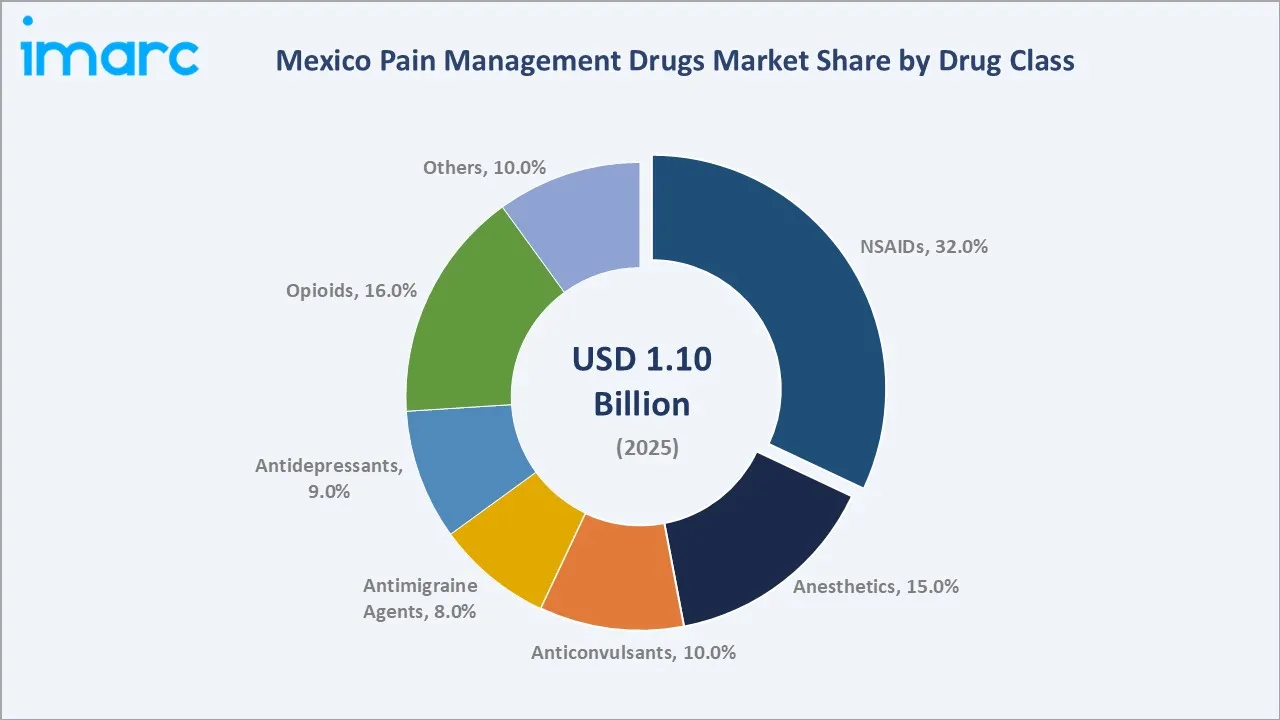
NSAIDs dominate at 32.0% in 2025, reflecting their widespread use as first-line agents for musculoskeletal, arthritic, and inflammatory pain. Opioids hold 16.0%, serving severe and cancer pain management needs, while anesthetics at 15.0% are driven by surgical and procedural pain management demand across hospital settings.
To access detailed market analysis, Request Sample
Anticonvulsants (10.0%), antidepressants (9.0%), and antimigraine agents (8.0%) collectively reflect the significant role of non-opioid pharmacological approaches in managing neuropathic, fibromyalgia, and migraine pain, three conditions with high and growing prevalence in Mexico. The others category (10.0%) includes topical analgesics, muscle relaxants, and emerging agents.
By Distribution Channel
Retail pharmacies command 55.0% of market distribution in 2025, anchored by Mexico's extensive pharmacy network that serves as the primary access point for OTC and prescription pain management drugs. The high share reflects strong consumer preference for walk-in pharmacy access and self-medication patterns, particularly for NSAIDs and analgesics across urban and semi-urban areas.
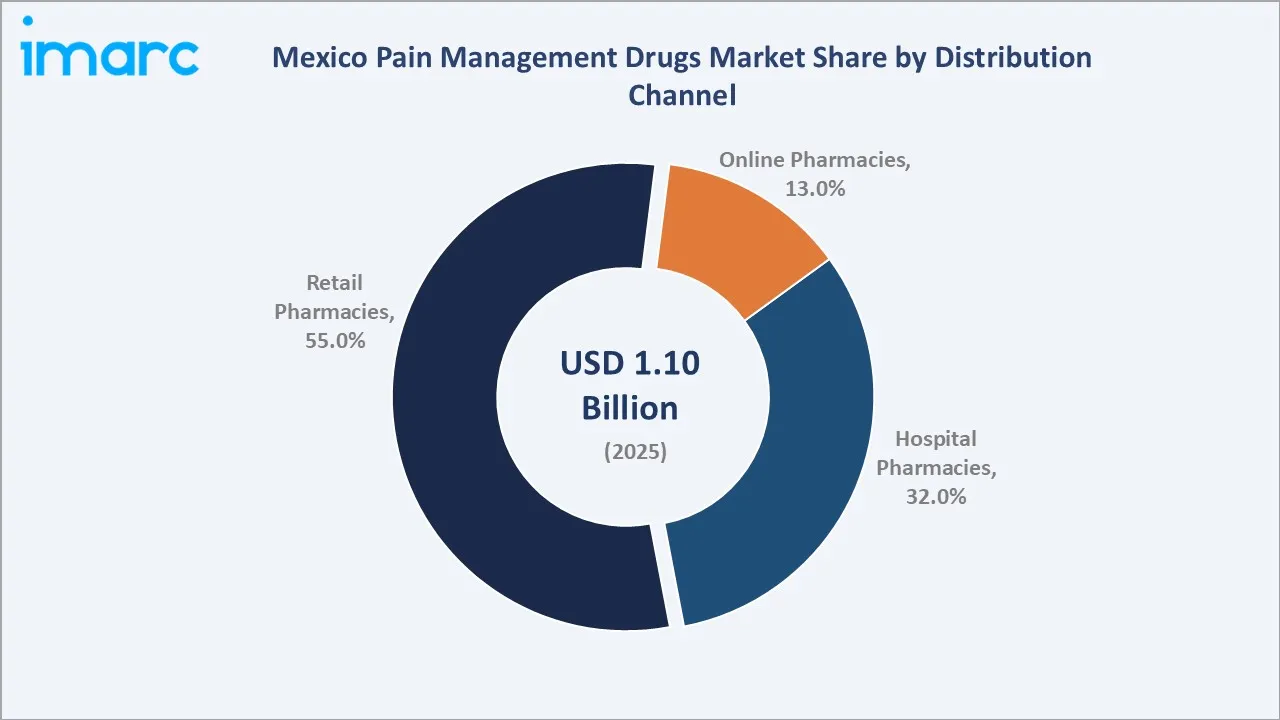
Hospital pharmacies account for 32.0%, serving the inpatient and specialty prescription drug needs of patients receiving surgical, oncological, and clinical pain management therapies. Online pharmacies at 13.0% represent the fastest-growing channel, driven by digital adoption, home delivery convenience, and an expanding reach into rural communities with limited physical pharmacy access across Mexico's underserved regional markets.
Regional Market Insights
|
Region |
Share (2025) |
Key Characteristics |
| Central Mexico |
55.0% |
Largest regional market, anchored by high population density, concentrated healthcare infrastructure, and large pharmaceutical demand across the Mexico City metropolitan area and surrounding states, including tertiary hospitals and specialty pain clinics. |
| Northern Mexico | 25.0% | Second-largest region, driven by industrial activity, growing healthcare access expansion, and relatively higher per-capita healthcare spending and pharmaceutical utilization rates across border and industrial states. |
| Southern Mexico |
15.0% |
Smaller regional share reflecting lower healthcare infrastructure density and limited pharmaceutical distribution network reach. Growing public health investment and primary care expansion are gradually increasing pain management drug utilization rates. |
| Others |
5.0% |
Remaining markets with limited pharmaceutical access. Online pharmacy growth and mobile health programs are creating incremental demand in these underserved geographic areas. |
Central Mexico leads at 55.0% share in 2025, reflecting its dual advantage of population scale and healthcare infrastructure concentration. Northern Mexico at 25.0% benefits from industrial growth, relatively higher per-capita incomes, and cross-border healthcare activity.
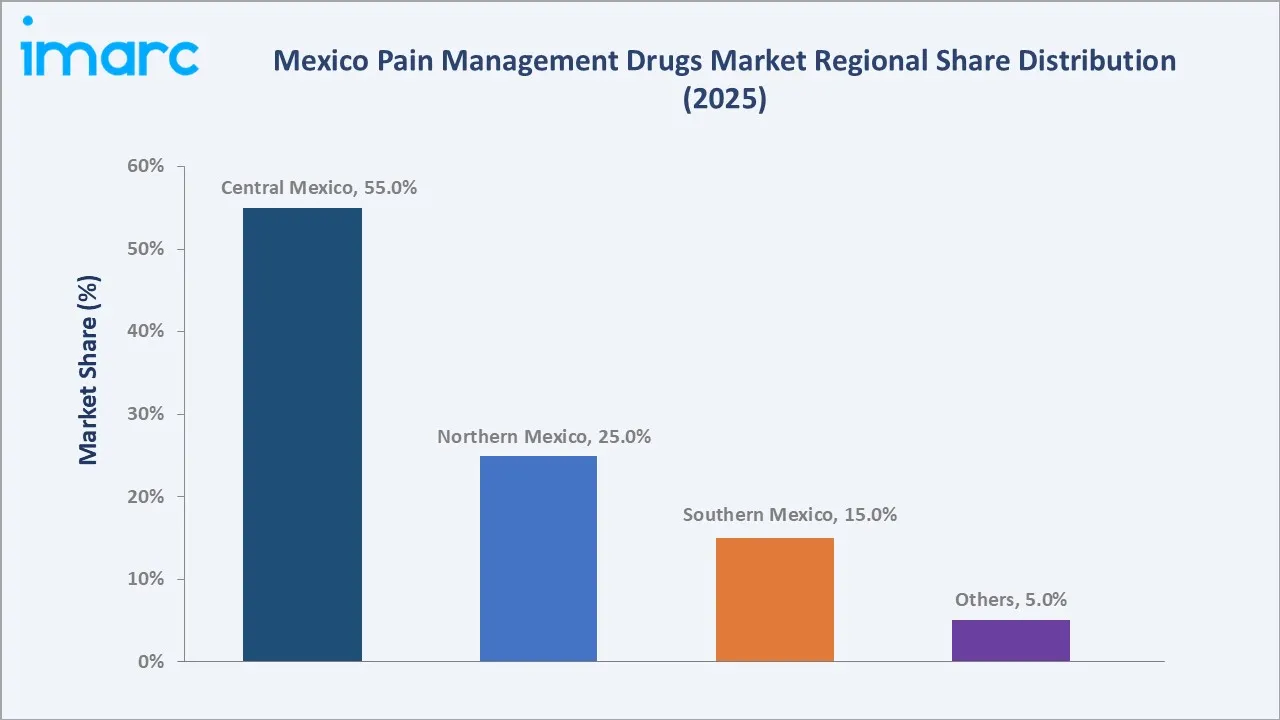
Southern Mexico at 15.0% holds the highest growth potential as public health investments target chronic disease management in underserved communities. The others segment (5.0%) reflects remote areas where telepharmacy and digital health programs are progressively improving pain management drug reach and healthcare accessibility.
Competitive Landscape
The Mexico pain management drugs market is moderately fragmented, with leading multinational pharmaceutical companies commanding significant share across branded drug classes, particularly in prescription NSAIDs, opioids, and specialty pain therapies.
|
Company |
Key Brands |
Market Position |
Core Strength |
| Bayer AG | Aspirin, Actron, Aleve, Saridon, Flanax | Market Leader | Bayer AG is a leading player in Mexico's OTC and general analgesic pain management market, anchored by massive brand trust and local manufacturing investments. |
| Reckitt | Tempra, Nurofen | Established Player | Reckitt plays an established role in Mexico's OTC health, cold-flu, and analgesic-adjacent market, anchored heavily by its distribution and ownership of legacy pharmaceutical brands. |
| Haleon Group of Companies | Panadol, Voltaren, Advil | Established Player | Haleon Mexico plays a major role in the consumer healthcare market by supplying science-led pain management brands and introducing targeted product innovations. |
Competition is intensifying as global pharmaceutical companies invest in expanded branded drug portfolios while generics manufacturers grow volume through price-competitive OTC and prescription drug offerings. Multinational players differentiate through extended-release formulations, combination therapies, and digital patient engagement, while domestic companies focus on cost leadership across high-volume therapeutic categories.
Key Company Profiles
Bayer AG
Bayer AG is a life sciences company with deep-rooted consumer healthcare and pharmaceutical operations across Mexico. The company holds strong brand recognition in the OTC analgesic segment and maintains broad retail pharmacy presence supporting its established consumer pain management portfolio, including market-leading aspirin and anti-inflammatory brands with high consumer trust.
- Key Offerings: Aspirin, Actron, Aleve, Saridon, Flanax.
- Strategic Focus: Maintaining OTC analgesic brand leadership through consumer-facing marketing, retail pharmacy partnerships, and product form innovation. The company focuses on digital health integration, sustainability in manufacturing, and geographic distribution expansion across all Mexican regions.
Haleon Group of Companies
Haleon is a global consumer healthcare company focused on everyday health, with a strong presence in the pain relief segment. In Mexico, the company markets its Advil brand, offering ibuprofen-based analgesics in capsules, tablets, extended-release formulations, and pediatric suspension for managing headaches, muscle pain, joint pain, and other common aches. Through its locally registered entity, Haleon Consumer Healthcare México, the company serves consumers through pharmacies, supermarkets, and online retail channels.
- Key Offerings: Panadol, Voltaren, Advil.
- Strategic Focus: Prioritizes product innovation, wider consumer reach, stronger pharmacy and healthcare professional engagement, and expanding access to effective everyday pain relief solutions.
Market Concentration Analysis
The Mexico pain management drugs market exhibits moderate concentration in the branded prescription and OTC drug segments, where a core group of leading multinational pharmaceutical companies hold disproportionate share through established brand equity, physician relationships, and broad pharmacy distribution networks. The organized branded market is dominated by a relatively small number of global players, particularly in specialist drug categories such as anticonvulsants and antimigraine agents, where patent-protected formulations limit generic competition and sustain brand pricing power.
The broader market, including generic NSAIDs, over-the-counter analgesics, and local pharmacy-branded products, is significantly more fragmented, with numerous domestic and regional manufacturers competing on price in high-volume, low-differentiation segments. Consolidation trends are gradually influencing the Mexico market as large players pursue portfolio acquisitions and license agreements to strengthen pain management drug coverage, while generic manufacturers grow volume through public healthcare procurement programs prioritizing cost-effective drug supply.
Investment & Growth Opportunities
Highest Growth Segments
Online pharmacies at an estimated 3.80% CAGR represent the highest-growth distribution segment, driven by digital adoption and telepharmacy expansion. Opioids at approximately 2.50% CAGR reflect sustained demand from cancer and neuropathic pain management, while anticonvulsants and antidepressants are growing above market average as neuropathic pain treatment protocols shift away from opioid-centric approaches across clinical settings in Mexico's evolving pain management landscape.
Investment Themes
- Non-Opioid Analgesic Innovation: Growing clinical and regulatory momentum favoring non-opioid pain therapies creates significant investment potential for companies developing advanced anticonvulsants, topical analgesics, and novel non-opioid drug mechanisms for chronic pain. This shift aligns with Mexico's public health priorities and creates long-term prescription volume growth opportunities.
- Digital Pharmacy Infrastructure: Investment in online pharmacy technology, pharmaceutical e-commerce logistics, and telepharmacy platforms targeting underserved Mexican regions offers strong growth returns, particularly as digital health infrastructure matures across both metro and rural markets through the late 2020s and into the early 2030s.
- Generic and Biosimilar Drug Manufacturing: Mexico's growing public healthcare coverage programs create sustained procurement demand for affordable generic pain management drugs. Investment in domestic or near-shore generic manufacturing capacity aligned with public procurement requirements offers stable, long-term revenue visibility and market penetration across all regions.
Future Market Outlook (2026-2034)
The Mexico pain management drugs market grew from USD 1.10 Billion in 2025 to USD 1.12 Billion in 2026 and is projected to reach USD 1.35 Billion by 2034, growing at a CAGR of 2.30% during 2026-2034. The market is expected to reach an intermediate milestone of approximately USD 1.23 Billion by 2030, as expanding healthcare coverage programs and rising chronic disease burden sustain consistent pharmaceutical demand across all drug class segments through the mid-forecast period.
Three structural forces will define the Mexico pain management drugs market through 2034. First, the progressive aging of Mexico's population will generate sustained, structurally supported demand for pain management therapies as chronic conditions become more prevalent within the growing elderly demographic cohort. Second, the rapid expansion of digital pharmacy channels and telepharmacy platforms will progressively improve pain management drug access across underserved rural regions, broadening the effective market base and supporting overall market volume growth through the forecast period. Third, pharmaceutical innovation in non-opioid analgesics, biosimilars, and personalized pain medicine will gradually shift market value toward higher-margin, technology-intensive drug categories, improving average selling prices and supporting market value growth even against volume constraints from generic competition.
Research Methodology
Primary Research
Primary research comprised structured consultations with pharmaceutical company executives, hospital pharmacy directors, retail pharmacy chain managers, pain management specialists, and healthcare system procurement officers. These discussions validated market sizing estimates, assessed regional demand dynamics, identified key therapeutic trends, and provided qualitative insights into competitive positioning and formulary adoption patterns across Mexico's pain management drugs market throughout the base year 2025 and historical period 2020–2025.
Secondary Research
Secondary research encompassed a comprehensive review of publicly available data sources, pharmaceutical regulatory databases, company annual reports, clinical trial registries, industry trade publications, and global pain management therapy research databases. Data from these sources were triangulated to establish market size estimates, segment shares, and regional distribution profiles for the base year and historical period.
Forecasting Models
Market forecasts for 2026–2034 were developed using a combination of bottom-up and top-down modeling approaches. Bottom-up analysis incorporated drug class-level demand projections based on patient population growth, disease prevalence trends, and prescribing pattern analysis. Top-down validation cross-referenced overall pharmaceutical market growth rates, macroeconomic indicators, healthcare expenditure trajectories, and comparable market precedents in analogous Latin American markets.
Mexico Pain Management Drugs Market Report Coverage:
| Report Features | Details |
|---|---|
| Base Year of the Analysis | 2025 |
| Historical Period | 2020-2025 |
| Forecast Period | 2026-2034 |
| Units | Billion USD |
| Scope of the Report |
Exploration of Historical Trends and Market Outlook, Industry Catalysts and Challenges, Segment-Wise Historical and Future Market Assessment:
|
| Drug Classes Covered | NSAIDs, Anesthetics, Anticonvulsants, Antimigraine Agents, Antidepressants, Opioids, Others |
| Indications Covered | Musculoskeletal Pain, Surgical and Trauma Pain, Cancer Pain, Neuropathic Pain, Migraine Pain, Obstetrical Pain, Fibromyalgia Pain, Burn Pain, Dental/Facial Pain, Pediatric Pain, Others |
| Distribution Channels Covered | Hospital Pharmacies, Retail Pharmacies, Online Pharmacies |
| Regions Covered | Northern Mexico Region, Central Mexico Region, Southern Mexico Region, Others |
| Companies Covered | Bayer AG, Reckitt, Haleon Group of Companies, etc. |
| Customization Scope | 10% Free Customization |
| Post-Sale Analyst Support | 10-12 Weeks |
| Delivery Format | PDF and Excel through Email (We can also provide the editable version of the report in PPT/Word format on special request) |
Key Benefits for Stakeholders:
- IMARC’s industry report offers a comprehensive quantitative analysis of various market segments, historical and current market trends, market forecasts, and dynamics of the Mexico pain management drugs market from 2020-2034.
- The research report provides the latest information on the market drivers, challenges, and opportunities in the Mexico pain management drugs market.
- Porter's five forces analysis assist stakeholders in assessing the impact of new entrants, competitive rivalry, supplier power, buyer power, and the threat of substitution. It helps stakeholders to analyze the level of competition within the Mexico pain management drugs industry and its attractiveness.
- Competitive landscape allows stakeholders to understand their competitive environment and provides an insight into the current positions of key players in the market.
Frequently Asked Questions About the Mexico Pain Management Drugs Market Report
The Mexico pain management drugs market reached USD 1.12 Billion in 2026, projected to reach USD 1.35 Billion by 2034 at a CAGR of 2.30%.
The market is projected to grow at a CAGR of 2.30% during the forecast period 2026-2034, driven by chronic disease prevalence, aging population dynamics, and pharmaceutical innovation.
NSAIDs dominate the market at 32.0% share in 2025, driven by widespread use in musculoskeletal, arthritic, and inflammatory pain management across all patient segments in Mexico.
Retail pharmacies dominate with a 55.0% market share in 2025, reflecting Mexico's extensive pharmacy network and high patient self-medication rates across urban and regional areas.
Central Mexico leads with a 55.0% market share in 2025, driven by high population density, concentrated healthcare infrastructure, and strong pharmaceutical demand in Mexico City.
Key drivers include rising chronic disease prevalence, aging population growth, expanding healthcare access, and pharmaceutical innovation in advanced pain management formulations and delivery systems.
Key companies include Bayer AG, Reckitt, and Haleon Group of Companies, among others.
Key trends include the shift toward non-opioid therapies, digital pharmacy expansion, demand for extended-release formulations, and AI-driven pain drug development and pharmacovigilance.
Need more help?
- Speak to our experienced analysts for insights on the current market scenarios.
- Include additional segments and countries to customize the report as per your requirement.
- Gain an unparalleled competitive advantage in your domain by understanding how to utilize the report and positively impacting your operations and revenue.
- For further assistance, please connect with our analysts.
 Request Customization
 Speak to an Analyst
 Request Brochure
 Inquire Before Buying
Benefits of Customization
- Personalize this research
- Triangulate with your data
- Get data as per your format and definition
- Gain a deeper dive into a specific application, geography, customer, or competitor
- Any level of personalization
Get in Touch With Us
UNITED STATES
Phone: +1-201-971-6302
INDIA
Phone: +91-120-433-0800
UNITED KINGDOM
Phone: +44-753-714-6104
Email: [email protected]
Client Testimonials























Related Reports

Choose your plan
*Please note that the prices mentioned below are starting prices for each bundle type. Kindly contact our team for further details.*
Single User License
- 1 User License, Access on 2 Devices
- PDF Report + Excel Dataset (Password Protected)
- Lifetime Access
- No Printing Rights
- 10% Free Report Customization
- 10–12 Weeks of Analyst Support
Five User License
- Access for 5 Users, 2 Devices per User
- PDF Report + Excel Dataset (Password Protected)
- Lifetime Access
- Dedicated Account Manager
- 12–14 Weeks of Analyst Support
- No Printing Rights
- 15% Free Report Customization
- 25% Discount on Your Next Purchase
Corporate User License
- Unlimited User Access (Within Your Organization)
- PDF Report + Excel Dataset
- Lifetime Access
- Dedicated Account Manager
- 14–20 Weeks of Analyst Support
- No Printing Rights
- 20% Free Report Customization
- 30% Discount on Your Next Purchase
Essential Insights
What's included:
3 reports
- Lifetime Access
- PDF Reports
- Excel Datasets
- 2 Weeks of Free Analyst Support
- 2 User Licenses
- Access on 2 Devices
- Printing Rights
- Complimentary PowerPoint (PPT) Version
- Complimentary License Upgrade
Professional Access
What's included:
5 reports
- Lifetime Access
- PDF Reports
- Excel Datasets
- 8 Weeks of Free Analyst Support
- 2 User Licenses
- Access on 2 Devices
- Printing Rights
- Complimentary PowerPoint (PPT) Version
- Complimentary License Upgrade
Business Advantage
What's included:
8 reports
- Lifetime Access
- PDF Reports
- Excel Datasets
- 14 Weeks of Free Analyst Support
- 2 User Licenses
- Access on 2 Devices
- Printing Rights
- Complimentary PowerPoint (PPT) Version
- Complimentary License Upgrade
Enterprise Intelligence
What's included:
10 reports
- Lifetime Access
- PDF Reports
- Excel Datasets
- 20 Weeks of Free Analyst Support
- 2 User Licenses
- Access on 2 Devices
- Printing Rights
- Complimentary PowerPoint (PPT) Version
- Complimentary License Upgrade