
Millet Prices, Trend, Chart, Demand, Market Analysis, News, Historical and Forecast Data Report 2026 Edition
Millet Price Trend, Index and Forecast
Track the latest insights on millet price trend and forecast with detailed analysis of regional fluctuations and market dynamics across North America, Latin America, Central Europe, Western Europe, Eastern Europe, Middle East, North Africa, West Africa, Central and Southern Africa, Central Asia, Southeast Asia, South Asia, East Asia, and Oceania.
Millet Prices Outlook Q1 2026
- USA: USD 1571/MT
- China: USD 957/MT
- Germany: USD 1916/MT
- United Kingdom: USD 1311/MT
- France: USD 1382/MT
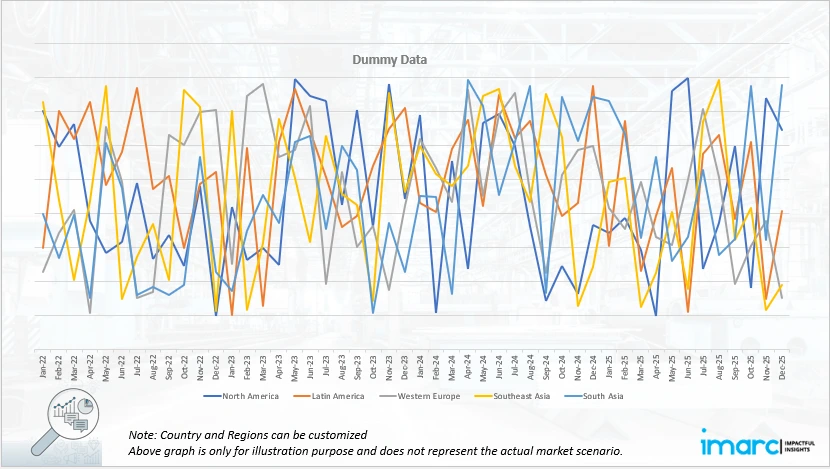
Anhydrous Ammonia Price Chart
Get real-time access to monthly/quarterly/yearly prices Request Sample
During the first quarter of 2026, the millet prices in the USA reached 1571 USD/MT in March. Prices moved upward as steady demand from food processors, cereal manufacturers, and health focused retail channels supported market activity. Buyers continued to prefer millet because of its gluten free profile, strong shelf stability, and rising use in clean label food formulations. Feed sector demand also added support, especially where millet remained a suitable grain alternative.
During the first quarter of 2026, the millet prices in China reached 957 USD/MT in March. Prices increased as domestic food demand remained firm across traditional grain based products, breakfast cereals, and packaged health food categories. Millet retained steady consumer interest due to its nutritional profile and its use in porridge, snacks, and blended grain products. Procurement from processors improved as buyers replenished inventories after earlier destocking.
During the first quarter of 2026, the millet prices in Germany reached 1916 USD/MT in March. Prices strengthened as demand from organic food producers, bakery ingredient suppliers, and specialty grain distributors remained steady. Consumer preference for gluten free and plant based products supported procurement from food manufacturers. Import dependent supply chains faced firm freight, warehousing, and quality testing costs, which added pressure to delivered prices.
During the first quarter of 2026, the millet prices in the United Kingdom reached 1311 USD/MT in March. Prices rose as demand from health food brands, cereal processors, and specialty retailers stayed supportive. Millet remained popular in gluten free flour blends, breakfast mixes, and plant based food preparations. Import costs played an important role because the market depends heavily on external supply.
During the first quarter of 2026, the millet prices in France reached 1382 USD/MT in March. Prices increased as demand from food processors, organic product manufacturers, and specialty grain suppliers improved during the quarter. Millet gained support from its use in gluten free bakery products, cereals, and nutritious grain mixes. Domestic and imported supplies moved at firm values due to steady procurement from downstream users.
Millet Prices Outlook Q4 2025
- USA: USD 1526/MT
- China: USD 937/MT
- Germany: USD 1877/MT
- United Kingdom: USD 1281/MT
- France: USD 1342/MT
During the fourth quarter of 2025, the millet prices in the USA reached 1526 USD/MT in December. Prices edged upward as demand from health-conscious consumers and food manufacturers increased. Additionally, rising incorporation of millet in gluten-free and specialty food products supported procurement activity. Moreover, sourcing behavior reflected steady offtake from retail distribution channels and food processing applications.
During the fourth quarter of 2025, the millet prices in China reached 937 USD/MT in December. Prices moved upward supported by consistent consumption from food processing and traditional grain usage. Furthermore, steady domestic demand encouraged regular procurement. In addition, sourcing volumes were aligned with inventory replenishment needs and ongoing distribution requirements.
During the fourth quarter of 2025, the millet prices in Germany reached 1877 USD/MT in December. Prices increased as demand from organic food producers and specialty grain processors strengthened. Additionally, growing consumer preference for nutritious and alternative grains supported steady offtake. Moreover, procurement strategies emphasized quality assurance and continuity of supply for food manufacturing operations.
During the fourth quarter of 2025, the millet prices in the United Kingdom reached 1281 USD/MT in December. Prices moved upward as consumption from health food brands, bakery applications, and retail channels expanded. Furthermore, increased awareness of millet-based products supported buying interest. In addition, sourcing decisions focused on maintaining consistent availability to meet steady downstream demand.
During the fourth quarter of 2025, the millet prices in France reached 1342 USD/MT in December. Prices rose, supported by steady demand from food processing, organic product lines, and dietary food segments. Moreover, consumer interest in sustainable and nutritious grains influenced procurement behavior. Additionally, sourcing strategies emphasized alignment with distribution schedules and inventory planning.
Millet Prices Outlook Q3 2025
- USA: USD 1483/MT
- China: USD 918/MT
- Germany: USD 1840/MT
- United Kingdom: USD 1256/MT
- France: USD 1316/MT
During the third quarter of 2025, the millet prices in the USA reached 1483 USD/MT in September. This increase reflected stronger domestic demand from the health-food segment and growing export interest from North America. At the same time, farming inputs such as fertilizer and fuel rose, pushing the cost of production higher. Logistics and shipping delays added to delivered costs for bulk shipments, and currency movements made imports slightly more expensive for processors.
During the third quarter of 2025, the millet prices in China reached 918 USD/MT in September. In China, demand for millet continued to be supported by growing gluten-free and alternative grain consumption trends, which boosted uptake. On the supply side, regional yield pressures from variable weather and increasing farm labor costs exerted upward cost pressure. Import logistics and port handling charges rose modestly, while the yuan’s relative stability versus the USD helped limit extreme volatility.
During the third quarter of 2025, the millet prices in Germany reached 1840 USD/MT in September. Germany’s premium pricing reflected high specification demand in bakery and specialty food segments, where millet is increasingly utilized for its nutritional credentials. European regulatory compliance raised processing and certification costs. Import duties and port handling within the EU added to the landed cost for non-European supply. Domestic logistics and energy cost inflation in Germany further contributed to cost build-up, meaning millet pricing moved upward, albeit modestly, relative to other regions.
During the third quarter of 2025, the millet prices in the United Kingdom reached 1256 USD/MT in September. The rising consumer interest in ancient grains and plant-based diets helped lift demand for millet. Supply-chain challenges, including higher packaging and distribution costs following Brexit-related changes, added to unit cost. Import shipping from non-EU sources carried higher freight surcharges, which fed into the final price. Meanwhile, currency movements and energy cost inflation further increased the cost base for UK processors and distributors, contributing to the price increase.
During the third quarter of 2025, the millet prices in France reached 1316 USD/MT in September. France’s market reflected steady demand growth in premium food applications, particularly as health-oriented consumers sought alternatives to mainstream grains. Domestic production constraints remained minimal, but imported volumes incurred higher handling and inland transport cost. Compliance with EU food safety and traceability obligations added cost overheads. The euro’s modest strength versus the USD helped mitigate some import cost escalation, leaving the net price increase modest but persistent.
Millet Prices Outlook Q2 2025
- USA: USD 1460/MT
- Germany: USD 1795/MT
- United Kingdom: USD 980/MT
- Canada: USD 1230/MT
- France: USD 1300/MT
During the second quarter of 2025, the millet prices in the USA reached 1460 USD/MT in June. The market saw stable demand from specialty food producers, while farm input costs began to climb. Transportation and freight cost inflation started to bite supply costs. Domestic inventory levels were relatively comfortable, but sourcing from export markets grew more expensive. Currency fluctuations and elevated energy cost for drying and handling also added pressure.
During the second quarter of 2025, the millet prices in Germany reached 1795 USD/MT in June. Germany’s market saw demand from functional-food manufacturers and supply-chain bottlenecks and rising certification costs began increasing cost bases. Energy and labor cost inflation weighed on processing mills. Imports from outside Europe faced increased freight and port charges, while euro depreciation versus the USD raised landed cost.
During the second quarter of 2025, the millet prices in the United Kingdom reached 980 USD/MT in June. The market witnessed interest in fortifying cereals and beverages with millet as part of reformulation drives in food companies. Ample carry-over stock from previous harvests allowed domestic blenders to operate efficiently. Maritime shipping from African origins functioned steadily, and warehouse inventories remained adequate.
During the second quarter of 2025, the millet prices in Canada reached 1230 USD/MT in June. Canadian producers experienced favorable planting weather, and yield prospects were positive across the Prairie provinces. Government sustainability initiatives encouraged diversification into resilient grain crops, supporting long-term acreage expansion. Cross-border trade with the US remained smooth under standard tariff frameworks. Domestic demand was consistent from health-conscious consumer segments, with no major logistical bottlenecks reported. Processing plants operated at optimal capacity utilization throughout the quarter.
During the second quarter of 2025, the millet prices in France reached 1300 USD/MT in June. In France, demand growth in health-oriented consumption segments began to feed into pricing. Import logistics and domestic transport costs increased as energy and labor inflation grew. Compliance with EU food-safety and traceability obligations added incremental processing cost. The euro’s moderate depreciation versus USD increased import cost slightly.
Millet Prices Outlook Q1 2025
- China: USD 2480/MT
During the first quarter of 2025, the millet prices in China reached 2480 USD/MT in March. As per the millet price chart, prices likely saw fluctuations driven by a combination of factors, including supply chain disruptions, weather patterns impacting production, and shifts in consumer demand, potentially influenced by global events and economic conditions. Besides, the rising popularity of gluten-free diets in China further impacted the prices.
.webp)
Regional Coverage
The report provides a detailed analysis of the market across different regions, each with unique pricing dynamics influenced by localized market conditions, supply chain intricacies, and geopolitical factors. This includes price trends, price forecast and supply and demand trends for each region, along with spot prices by major ports. The report also provides coverage of FOB and CIF prices, as well as the key factors influencing millet prices.
Europe Millet Price Trend
Q1 2026:
The millet price index in Europe moved upward as demand from bakery, cereal, organic food, and gluten free product manufacturers remained firm. Germany, France, and the United Kingdom reflected stronger buying interest from processors that required steady supply for retail and food service products. Import dependent supply chains faced firm freight, quality inspection, storage, and distribution costs, which supported higher delivered prices. Organic and food grade millet remained better supported than feed grade material because buyers prioritized certified supply. Sellers avoided deep discounts due to replacement cost pressure and limited premium grade availability.
Q4 2025:
As per the millet price index, pricing conditions across Europe rose, supported by rising consumption from organic food producers, specialty grain processors, and health-focused retail segments. Additionally, growing consumer preference for nutritious and sustainable grains encouraged consistent procurement activity. Moreover, sourcing strategies emphasized quality standards, traceability, and alignment with food manufacturing schedules, while inventory planning focused on ensuring uninterrupted availability rather than opportunistic spot purchases.
Q3 2025:
The millet price index in Europe reflected a moderate upward trajectory, underpinned by strong demand for millet as a gluten-free alternative and increased uptake in functional food segments. Import supply chains into Europe faced elevated freight and port handling fees, particularly for deliveries coming via the Mediterranean and North Sea corridors. Certification and traceability costs associated with EU regulations added to unit cost, especially in Western European countries. Domestic labor and energy cost inflation further added to production and processing cost bases.
Q2 2025:
The millet price index in Europe during Q2 2025 reflected a stable environment driven by adequate inventory positions and moderate trade flows. Producer cooperatives benefited from favorable agronomic conditions that ensured consistent supply. Freight availability remained balanced, and warehouse capacity across key logistics zones was ample. Downstream industries maintained steady production schedules without major disruptions. Regulatory compliance operations were routine, maintaining predictable cost structures and orderly market performance.
Q1 2025:
As per the millet price index, the focus on health and wellness and a shift toward gluten-free diets, has escalated the demand for millet-based products in the region. Besides, the rising input costs related to fertilizers and fuel, impacted production costs and final prices for consumers. Moreover, changes in exchange rates also played a significant role.
Detailed price information for millet can also be provided for an extensive list of European countries.
| Region | Countries Covered |
|---|---|
| Europe | Germany, France, United Kingdom, Italy, Spain, Russia, Turkey, Netherlands, Poland, Sweden, Belgium, Austria, Ireland, Switzerland, Norway, Denmark, Romania, Finland, Czech Republic, Portugal, and Greece, among other European countries |
North America Millet Price Trend
Q1 2026:
The millet price index in North America increased as demand from cereal makers, gluten free food manufacturers, snack producers, and feed users remained healthy. The USA market saw upward pressure from active downstream buying and firm inland freight costs. Processors maintained regular procurement to protect production continuity, especially for food grade millet used in packaged grain products and flour blends. Supply availability was manageable, but sellers maintained firm offers due to storage, handling, and replacement cost concerns. Interest from health focused retail channels also supported demand. Feed sector usage added another layer of price support where millet remained a practical grain option.
Q4 2025:
As per the millet price index, priced across North America increased, driven by expanding demand from health food manufacturers, bakery formulations, and gluten-free product segments. Furthermore, steady retail offtake supported regular procurement patterns. In addition, sourcing strategies emphasized contract-based supply, logistical efficiency, and inventory discipline to meet consistent downstream consumption across food processing and distribution channels.
Q3 2025:
The millet price index in North America in Q3 2025 showed upward movement, influenced by rising consumer interest in ancient grains and plant-based diets in the United States and Canada. Domestic production costs escalated owing to higher fertilizer, fuel and labor costs, meaning margin pressure on processors. Import logistics for supplementary volumes were impacted by port congestion and freight surcharges, feeding into landed cost. Currency strength of the USD versus trading partners increased import cost burden. The combined effect of robust demand and higher cost base drove millet prices upward in North America during the third quarter.
Q2 2025:
In North America, millet market fundamentals during Q2 2025 showed equilibrium between production and consumption. The spring planting season progressed efficiently with optimal soil moisture levels. Grain elevators maintained regular throughput volumes, and inland freight networks supported on-time deliveries. Export contracts proceeded under predictable tariff structures, and manufacturer procurement cycles aligned with steady retail demand. Supply-chain stability allowed for consistent price formation across markets.
Q1 2025:
North American consumers incorporated millet-based products like cereals, snacks, and beverages into their diets, which resulted in increased millet demand and price volatility. Moreover, millets gained popularity as a potential "future crop" for the tropics, with advantages like being less prone to diseases and pests, and having low water and investment expenses, further influencing demand and supply.
Specific millet historical data within the United States and Canada can also be provided.
| Region | Countries Covered |
|---|---|
| North America | United States and Canada |
Middle East and Africa Millet Price Trend
Q1 2026:
The study examines the trends and price chart for millet in the Middle East and Africa, taking into account variables that specifically affect market prices, such as regional industrial expansion, the availability of natural resources, and geopolitical conflicts.
Q4 2025:
As per millet price chart, the prices in the Middle East and Africa fluctuated due to a complex interplay of factors, primarily driven by supply chain disruptions, seasonal demand shifts, and geopolitical influences.
Q3 2025:
The report explores the millet pricing trends and millet price chart in the Middle East and Africa, considering factors like regional industrial growth, the availability of natural resources, and geopolitical tensions that uniquely influence market prices.
Region-wise data and information on specific countries within these regions can also be provided.
| Region | Countries Covered |
|---|---|
| Middle East & Africa | Saudi Arabia, UAE, Israel, Iran, South Africa, Nigeria, Oman, Kuwait, Qatar, Iraq, Egypt, Algeria, and Morocco, among other Middle Eastern and African countries. |
Asia Pacific Millet Price Trend
Q1 2026:
In the Asia Pacific, millet prices increased as demand from food processors, health food brands, traditional grain users, and animal feed channels improved. China showed upward movement as domestic processors replenished stocks and maintained steady buying for food applications. In other regional markets, millet retained support from its role in nutritious grain mixes, gluten free foods, and traditional meals. Importers remained cautious, but regular demand kept trade active. Logistics costs, quality requirements, and storage expenses supported firm offers across several markets.
Q4 2025:
Across Asia Pacific, millet pricing conditions strengthened as demand from food processing, household consumption, and traditional grain applications increased. Furthermore, steady downstream utilization encouraged active procurement. In addition, sourcing strategies emphasized inventory planning, supply continuity, and alignment with seasonal consumption cycles across diverse end-use markets.
Q3 2025:
In Asia Pacific during Q3 2025, millet pricing was affected by strong demand growth for millet-based convenience foods and health-oriented consumption trends. Key producing countries faced variable weather conditions and rising input costs, which tightened supply. Domestic logistics and inland transport costs increased as fuel and labor costs climbed. Export volumes from Asia Pacific to other regions encountered higher port and shipping costs. Some currency movements increased export landed cost. Overall, the region recorded a steady upward price trend for millet during Q3, albeit with some moderation relative to more premium markets.
Q2 2025:
Across Asia Pacific in Q2 2025, millet markets performed consistently amid steady production cycles and predictable consumer demand. Major producers maintained output stability, aided by favorable monsoon forecasts. Supply chain coordination improved through enhanced digital tracking of shipments. Industrial users in food and beverage sectors retained steady procurement volumes. Trade routes across Southeast Asia operated efficiently, supporting reliable product availability throughout the quarter.
Q1 2025:
In March 2025, millet prices in the Asia-Pacific region likely saw fluctuations driven by a combination of factors, including rising demand for millet-based products due to the emergence of gluten-free diets, potential production shortfalls, and global market dynamics. Moreover, changes in the demand for livestock feed, which often includes millet, also affected millet prices.
This millet price analysis can be expanded to include a comprehensive list of countries within the region.
| Region | Countries Covered |
|---|---|
| Asia Pacific | China, India, Indonesia, Pakistan, Bangladesh, Japan, Philippines, Vietnam, Thailand, South Korea, Malaysia, Nepal, Taiwan, Sri Lanka, Hongkong, Singapore, Australia, and New Zealand, among other Asian countries. |
Latin America Millet Price Trend
Q1 2026:
The market for millet in Latin America is primarily driven by the region's abundant natural resources, especially in nations like Chile and Brazil. However, pricing for millets can fluctuate significantly due to political unpredictability and uneven regulatory regimes.
Q4 2025:
Latin America's millet market is predominantly influenced by its rich natural reserves, particularly in countries like Chile and Brazil. However, political instability and inconsistent regulatory frameworks can lead to significant volatility in millet prices.
Q3 2025:
Infrastructure challenges and logistical inefficiencies often impact the supply chain, affecting Latin America’s ability to meet international demand consistently. Moreover, the millet price index, economic fluctuations, and currency devaluation are critical factors that need to be considered when analyzing millet pricing trends in this region.
This comprehensive review can be extended to include specific countries within Latin America.
| Region | Countries Covered |
|---|---|
| Latin America | Brazil, Mexico, Argentina, Columbia, Chile, Ecuador, and Peru, among other Latin American countries. |
Millet Pricing Report, Market Analysis, and News
IMARC's latest publication, “Millet Prices, Trend, Chart, Demand, Market Analysis, News, Historical and Forecast Data Report 2026 Edition,” presents a detailed examination of the millet market, providing insights into both global and regional trends that are shaping prices. This report delves into the spot price of millet at major ports and analyzes the composition of prices, including FOB and CIF terms. It also presents detailed millet prices trend analysis by region, covering North America, Europe, Asia Pacific, Latin America, and Middle East and Africa. The factors affecting millet pricing, such as the dynamics of supply and demand, geopolitical influences, and sector-specific developments, are thoroughly explored. This comprehensive report helps stakeholders stay informed with the latest market news, regulatory updates, and technological progress, facilitating informed strategic decision-making and forecasting.
Millet Industry Analysis
The global millet market size reached 30.43 Million Tons in 2025. By 2034, IMARC Group expects the market to reach 34.1 Million Tons, at a projected CAGR of 1.26% during 2026-2034. The market is primarily driven by the increasing consumer focus on nutrient-rich, gluten-free foods, government initiatives supporting climate-resilient crops, and rising adoption of millet in functional foods, beverages, and animal feed.
Latest News and Developments:
- October 2025: The Madhya Pradesh government approved a series of welfare proposals aimed at supporting soybean and millet farmers. During a cabinet meeting, the government cleared the implementation of the Bhavantar Yojana, the central government’s price deficit payment scheme. The initiative was designed to protect the interests of soybean growers in Madhya Pradesh.
Product Description
Millet is a cereal plant that belongs to the group of small-seeded grasses that have been grown for thousands of years in warm climate regions for their small seeds which are consumed as staple crops in many areas of Asia and Africa. Pearl, finger, foxtail, proso, and barnyard millets are the different types of millet that are available, each having its own characteristics and expected uses. They are quite healthy and help you get a large amount of fibers, magnesium, phosphorus, niacin, and folates.
Millets are also free from gluten, so it is beneficial for individuals with celiac diseases. It is widely used in the preparation of traditional foods, including porridges and flat breads, modern foods such as snacking products, breakfast foods and beverages. Furthermore, they are drought-tolerant crops that require fewer inputs and far less water as compared to many cereal crops and have an important function in sustainable agriculture. Due to the improvement in their health qualities, flexibility of use and ecological compatibility, millets are gaining popularity in the food market.
Report Coverage
| Key Attributes | Details |
|---|---|
| Product Name | Millet |
| Report Features | Exploration of Historical Trends and Market Outlook, Industry Demand, Industry Supply, Gap Analysis, Challenges, Millet Price Analysis, and Segment-Wise Assessment. |
| Currency/Units | US$ (Data can also be provided in local currency) or Metric Tons |
| Region/Countries Covered | The current coverage includes analysis at the global and regional levels only. Based on your requirements, we can also customize the report and provide specific information for the following countries: Asia Pacific: China, India, Indonesia, Pakistan, Bangladesh, Japan, Philippines, Vietnam, Thailand, South Korea, Malaysia, Nepal, Taiwan, Sri Lanka, Hongkong, Singapore, Australia, and New Zealand Europe: Germany, France, United Kingdom, Italy, Spain, Russia, Turkey, Netherlands, Poland, Sweden, Belgium, Austria, Ireland, Switzerland, Norway, Denmark, Romania, Finland, Czech Republic, Portugal and Greece North America: United States and Canada Latin America: Brazil, Mexico, Argentina, Columbia, Chile, Ecuador, and Peru Middle East & Africa: Saudi Arabia, UAE, Israel, Iran, South Africa, Nigeria, Oman, Kuwait, Qatar, Iraq, Egypt, Algeria, and Morocco The list of countries presented is not exhaustive. Information on additional countries can be provided if required by the client. |
| Information Covered for Key Suppliers |
|
| Customization Scope | The report can be customized as per the requirements of the customer |
| Report Price and Purchase Option |
Plan A: Monthly Updates - Annual Subscription
Plan B: Quarterly Updates - Annual Subscription
Plan C: Biannually Updates - Annual Subscription
|
| Post-Sale Analyst Support | 360-degree analyst support after report delivery |
| Delivery Format | PDF and Excel through email (We can also provide the editable version of the report in PPT/Word format on special request) |
Key Benefits for Stakeholders:
- IMARC’s report presents a detailed analysis of millet pricing, covering global and regional trends, spot prices at key ports, and a breakdown of FOB and CIF prices.
- The study examines factors affecting millet price trend, including input costs, supply-demand shifts, and geopolitical impacts, offering insights for informed decision-making.
- The competitive landscape review equips stakeholders with crucial insights into the latest market news, regulatory changes, and technological advancements, ensuring a well-rounded, strategic overview for forecasting and planning.
- IMARC offers various subscription options, including monthly, quarterly, and biannual updates, allowing clients to stay informed with the latest market trends, ongoing developments, and comprehensive market insights. The millet price charts ensure our clients remain at the forefront of the industry.
Need more help?
- Speak to our experienced analysts for insights on the current market scenarios.
- Include additional segments and countries to customize the report as per your requirement.
- Gain an unparalleled competitive advantage in your domain by understanding how to utilize the report and positively impacting your operations and revenue.
- For further assistance, please connect with our analysts.
 Request Customization
 Inquire Before Buying
 Speak to an Analyst
 Request Brochure
Benefits of Customization
- Personalize this research
- Triangulate with your data
- Get data as per your format and definition
- Gain a deeper dive into a specific application, geography, customer, or competitor
- Any level of personalization
Get in Touch With Us
UNITED STATES
Phone: +1-201-971-6302
INDIA
Phone: +91-120-433-0800
UNITED KINGDOM
Phone: +44-753-714-6104
Email: [email protected]
Client Testimonials




.webp)




.webp)













Related Reports

Why Choose Us
IMARC offers trustworthy, data-centric insights into commodity pricing and evolving market trends, enabling businesses to make well-informed decisions in areas such as procurement, strategic planning, and investments. With in-depth knowledge spanning more than 1000 commodities and a vast global presence in over 150 countries, we provide tailored, actionable intelligence designed to meet the specific needs of diverse industries and markets.
1000
+Commodities
150
+Countries Covered
3000
+Clients
20
+Industry

Robust Methodologies & Extensive Resources
IMARC delivers precise commodity pricing insights using proven methodologies and a wealth of data to support strategic decision-making.

Subscription-Based Databases
Our extensive databases provide detailed commodity pricing, import-export trade statistics, and shipment-level tracking for comprehensive market analysis.

Primary Research-Driven Insights
Through direct supplier surveys and expert interviews, we gather real-time market data to enhance pricing accuracy and trend forecasting.

Extensive Secondary Research
We analyze industry reports, trade publications, and market studies to offer tailored intelligence and actionable commodity market insights.
Trusted by 3000+ industry leaders worldwide to drive data-backed decisions. From global manufacturers to government agencies, our clients rely on us for accurate pricing, deep market intelligence, and forward-looking insights.