
Neomycin Sulphate Prices, Trend, Chart, Demand, Market Analysis, News, Historical and Forecast Data Report 2026 Edition
Neomycin Sulphate Price Trend, Index and Forecast
Track the latest insights on neomycin sulphate price trend and forecast with detailed analysis of regional fluctuations and market dynamics across North America, Latin America, Central Europe, Western Europe, Eastern Europe, Middle East, North Africa, West Africa, Central and Southern Africa, Central Asia, Southeast Asia, South Asia, East Asia, and Oceania.
Neomycin Sulphate Prices Outlook Q2 2026
- USA: USD 13449/MT
- United Kingdom: USD 12126/MT
- Germany: USD 12178/MT
- China: USD 12189/MT
- Brazil: USD 11708/MT
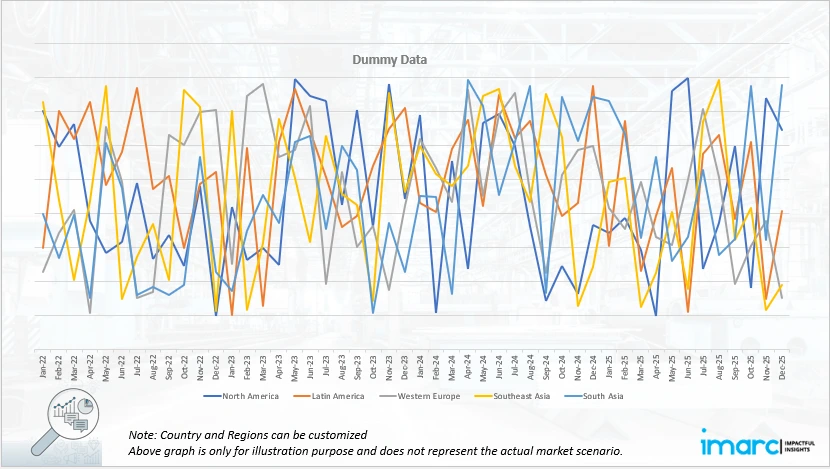
Neomycin Sulphate Price Chart
Get real-time access to monthly/quarterly/yearly prices Request Sample
During the second quarter of 2026, the neomycin sulphate prices in the USA reached 13449 USD/MT in June. The market recorded an upward movement as demand from pharmaceutical manufacturers remained steady and suppliers managed inventories carefully. Higher production expenses, including raw material sourcing and quality control requirements, influenced pricing conditions. Regulatory compliance standards for antibiotic manufacturing continued to support firm pricing, as producers maintained strict processing practices.
During the second quarter of 2026, the neomycin sulphate prices in United Kingdom reached 12126 USD/MT in June. Prices increased as pharmaceutical demand remained supported by consistent requirements from healthcare product manufacturers. Supply conditions were influenced by careful inventory management among distributors and producers. Manufacturing costs related to quality assurance, testing procedures, and regulatory requirements contributed to stronger pricing.
During the second quarter of 2026, the neomycin sulphate prices in Germany reached 12178 USD/MT in June. The price rise was supported by stable demand from pharmaceutical companies and controlled availability from suppliers. Producers focused on maintaining product quality and meeting strict manufacturing standards, which influenced overall cost structures. Demand from healthcare related applications remained consistent, supporting firm market conditions.
During the second quarter of 2026, the neomycin sulphate prices in China reached 12189 USD/MT in June. The market observed upward price movement due to firm export demand and balanced domestic availability. Producers faced pressure from manufacturing expenses and quality requirements associated with antibiotic production. Supply adjustments among manufacturers influenced market conditions as companies managed output according to demand patterns.
During the second quarter of 2026, the neomycin sulphate prices in Brazil reached 11708 USD/MT in June. Prices increased due to stable pharmaceutical consumption and continued dependence on imported supply channels. Procurement conditions were influenced by international availability, transportation costs, and supplier pricing strategies. Domestic buyers maintained demand for neomycin sulphate used in healthcare and veterinary products.
Neomycin Sulphate Prices Outlook Q3 2025
- USA: USD 12130/MT
- United Kingdom: USD 11255/MT
- Germany: USD 11380/MT
- China: USD 11515/MT
- Brazil: USD 10685/MT
During the third quarter of 2025, the neomycin sulphate prices in the USA reached 12130 USD/MT in September. The upward movement in the United States reflected tighter availability from key suppliers and stronger purchasing from pharmaceutical formulators prioritizing finished-dose production. Supply chain frictions at intermediate chemical suppliers and elevated logistics chartering costs raised landed input costs for domestic manufacturers. Concurrently, demand for topical and veterinary formulations increased seasonally, supporting ordering ahead of expected autumn production cycles.
During the third quarter of 2025, the neomycin sulphate prices in the United Kingdom reached 11255 USD/MT in September. The modest decline observed in the United Kingdom was influenced by softer immediate demand from certain contract manufacturers and the availability of competitively priced imported lots. European distributors adjusted inventories downward following cautious procurement earlier in the year, which reduced spot buying pressure.
During the third quarter of 2025, the neomycin sulphate prices in Germany reached 11380 USD/MT in September. The downward pressure in Germany stemmed from disciplined restocking by major generic producers and increased competition among regional suppliers offering competitive contract terms. Inventory optimization across European distribution networks lowered immediate procurement urgency, and parallel sourcing from non-regional manufacturers eased tightness in specific feedstock lines.
During the third quarter of 2025, the neomycin sulphate prices in China reached 11515 USD/MT in September. The quarter saw upward pricing momentum in China driven by constrained output among smaller producers undergoing compliance upgrades and environmental inspections, which temporarily limited effective supply. Strong domestic procurement from formulators serving both human and veterinary markets increased order velocity, while export enquiries to proximate markets added further demand.
During the third quarter of 2025, the neomycin sulphate prices in Brazil reached 10685 USD/MT in September. Brazil’s price increase reflected a mix of higher domestic procurement for veterinary applications and constrained import cadence owing to extended customs clearance and seasonal shipping variability. Local producers faced modest cost inflation from energy and specialized packaging suppliers, which fed through to offer prices.
Neomycin Sulphate Prices Outlook Q2 2025
- USA: USD 11850/MT
- India: USD 11440/MT
- Germany: USD 11570/MT
- China: USD 11260/MT
- Brazil: USD 10415/MT
During the second quarter of 2025, the neomycin sulphate prices in the USA reached 11850 USD/MT in June. As per the neomycin sulphate price chart, suppliers, already pressured by sluggish demand, continued to adjust their pricing strategies. Discounts became more pronounced as sellers aimed to clear surplus stock. The aggressive reductions seen at the end of the first quarter set the tone for April, and without a strong revival in downstream offtake, the downward momentum carried forward. Energy and production costs, which contributed to the short-lived firmness, no longer offered much support.
During the second quarter of 2025, the neomycin sulphate prices in India reached 11440 USD/MT in June. India’s use of neomycin sulphate spanned pharmaceuticals and animal health. Growth in healthcare infrastructure and demand for effective antibiotics drove underlying demand. At the same time, regulators were tightening oversight of antibiotic use to fight antimicrobial resistance, adding cost pressures and complicating production. Raw materials and manufacturing efficiency also factored in.
During the second quarter of 2025, neomycin sulphate prices in Germany reached 11570 USD/MT in June. On the demand side, the pharmaceutical sector maintained steady purchasing, with hospitals and manufacturers increasing orders to secure inventories. However, veterinary applications faced regulatory headwinds as the EU advanced its policies to restrict the non-therapeutic use of antibiotics in animal feed. This dampened buying activity from the livestock sector, softening overall consumption within Germany and moderating upward price movement.
During the second quarter of 2025, the neomycin sulphate prices in China reached 11260 USD/MT in June. Geopolitical friction added strain. Rising tensions with major trading partners, especially the US, clouded supply chain reliability. Hints of steeper tariffs or trade restrictions heightened uncertainty, prompting buyers to pause new orders or defer. Cost pressures nudged pricing upward too. Even as supply piled up, overall production cost climbed due to expensive raw materials, elevated energy use, and growing regulatory compliance demands.
During the second quarter of 2025, the neomycin sulphate prices in Brazil reached 10415 USD/MT in June. Domestic factors played a huge role. Brazil’s regulatory environment, especially antibiotic controls tied to concerns about resistance, influences procurement behavior for pharmaceutical firms. Tight oversight and approval delays disrupted supply rhythms, briefly nudging up prices. Moreover, freight costs to Latin America route also significantly influenced pricing trends.
Regional Coverage
The report provides a detailed analysis of the market across different regions, each with unique pricing dynamics influenced by localized market conditions, supply chain intricacies, and geopolitical factors. This includes neomycin sulphate price trends, price forecast, and supply and demand trends for each region, along with spot prices by major ports. The report also provides coverage of FOB and CIF prices, as well as the key factors influencing neomycin sulphate prices.
Europe Neomycin Sulphate Price Trend
Q2 2026:
In Europe, the neomycin sulphate price index moved upward during the second quarter as pharmaceutical procurement remained firm and suppliers managed elevated manufacturing and compliance expenses. European buyers continued to prioritize pharmaceutical grade material with dependable quality, traceability, and regulatory documentation, supporting stronger supplier pricing. Production economics were influenced by energy consumption, processing requirements, laboratory testing, packaging, and quality assurance activities. Import exposure also remained relevant because international sourcing introduces freight, handling, customs, and distribution costs into delivered prices. Pharmaceutical manufacturers maintained purchasing activity to safeguard formulation schedules and avoid supply interruptions.
Q3 2025:
Europe’s neomycin sulphate market in Q3 displayed bearish price dynamics driven by a combination of inventory adjustments and regulatory conformity requirements. Distributors across the region reduced opportunistic spot buying after an earlier accumulation, which eased immediate upward pressure. Simultaneously, enhanced availability from non-regional exporters and improved short-haul logistics into western ports lowered marginal landed costs for many buyers. Nevertheless, mandatory quality audits and increased sampling at national control agencies maintained a baseline for certified material, preventing deep price erosion.
Q2 2025:
Some of the tone from the start of the quarter carried over into the period, business optimism and cautious restocking kept prices firm for a bit. Supplies were ample enough that buyers leaned on existing inventories instead of placing fresh orders, which eased upward pricing pressure. A strengthening euro helped make imports cheaper, nudging prices lower in turn. Freight costs and shipping disruptions played a subtle but real role. Earlier worries around Red Sea route diversions had prompted some stockpiling, but once routes stabilized and freight became more predictable, the cost advantage for buyers increased. Maritime disruptions earlier in the year had raised concern, but the rerouting and reduced freight risks eventually eased pressure on supplier margins.
This analysis can be extended to include detailed neomycin sulphate price information for a comprehensive list of countries.
| Region | Countries Covered |
|---|---|
| Europe | Germany, France, United Kingdom, Italy, Spain, Russia, Turkey, Netherlands, Poland, Sweden, Belgium, Austria, Ireland, Switzerland, Norway, Denmark, Romania, Finland, Czech Republic, Portugal, and Greece, among other European countries. |
North America Neomycin Sulphate Price Trend
Q2 2026:
In North America, the neomycin sulphate price index maintained an upward direction during the second quarter as pharmaceutical manufacturers continued to secure reliable active pharmaceutical ingredient supplies. Supplier pricing was influenced by production expenses related to processing, purification, quality testing, packaging, and regulatory compliance. Buyers placed considerable emphasis on consistent pharmaceutical grade quality and dependable delivery, particularly where formulation schedules required uninterrupted ingredient availability. International supply exposure also affected market conditions through transportation, freight, customs, and distribution costs. Procurement activity remained supportive because pharmaceutical manufacturers continued replenishing inventories for established healthcare applications.
Q3 2025:
North America’s Q3 pricing environment combined cautious buying behavior with selective supply tightness that sustained an overall upward tone. Pharmaceutical formulators prioritized continuity of supply for topical and veterinary product lines, increasing early-quarter orders that absorbed higher-quality certified lots. Improved import schedules from overseas suppliers partially alleviated near-term shortages but did not fully mitigate the effect of extended lead times associated with compliance testing.
Q2 2025:
As per the neomycin sulphate price index, strong early‑quarter momentum came from buyers rushing to stock up ahead of newly introduced tariffs and potential port disruptions. That flurry of activity lifted prices initially. As the quarter progressed and supply chains settled, buying cooled. Prices then slipped as inventories piled up. By quarter’s end, sluggish downstream demand and cautious procurement pushed prices down again. Freight costs and logistics had a more complex influence. Ocean shipping in the US grew unpredictable as carrier alliances shifted, and transit times lengthened. That added pressure to delivery costs, contributing to price swings.
Specific neomycin sulphate historical data within the United States and Canada can also be provided.
| Region | Countries Covered |
|---|---|
| North America | United States and Canada |
Middle East and Africa Neomycin Sulphate Price Trend
Q2 2026:
According to the neomycin sulphate price chart, prices in the Middle East and Africa changed due to a complex interplay of factors, including supply chain disruptions, seasonal demand swings, and geopolitical effects.
Q3 2025:
The report explores the neomycin sulphate trends and neomycin sulphate price chart in the Middle East and Africa, considering factors like regional industrial growth, the availability of natural resources, and geopolitical tensions that uniquely influence market prices.
Q2 2025:
As per the neomycin sulphate price chart, the prices in the Middle East and Africa fluctuated due to a complex interplay of factors, primarily driven by supply chain disruptions, seasonal demand shifts, and geopolitical influences.
In addition to region-wise data, information on neomycin sulphate prices for countries can also be provided.
| Region | Countries Covered |
|---|---|
| Middle East & Africa | Saudi Arabia, UAE, Israel, Iran, South Africa, Nigeria, Oman, Kuwait, Qatar, Iraq, Egypt, Algeria, and Morocco, among other Middle Eastern and African countries. |
Asia Pacific Neomycin Sulphate Price Trend
Q2 2026:
Asia Pacific recorded a stronger neomycin sulphate pricing environment during the second quarter as pharmaceutical manufacturing activity and procurement requirements remained supportive. China continued to play an important role in regional supply, while manufacturers across the region managed production expenses related to raw materials, fermentation, purification, utilities, quality control, and environmental compliance. Export demand supported supplier activity, while domestic pharmaceutical consumption provided an additional purchasing base. Buyers increasingly preferred established suppliers capable of delivering consistent pharmaceutical grade material and reliable documentation. Freight and regional transportation conditions also influenced delivered prices, particularly for cross border procurement.
Q3 2025:
The Asia Pacific region experienced upward pricing, reflecting divergent supply conditions and policy influences among producing and consuming countries. In several manufacturing centers, environmental compliance inspections and planned maintenance reduced effective output, tightening availability of higher-grade lots and supporting firmer offers. Other jurisdictions saw increased output as producers came back online, adding to exportable volumes and exerting downward pressure on spot prices in markets open to imports.
Q2 2025:
Strong trade tensions involving China and India played a big role. News outlets flagged how rising geopolitical conflicts, and the threat of tariffs could disrupt the pharma supply chain, pushing prices up in Q2 2025. Lingering uncertainty around tariffs and hesitant buyers nudged suppliers toward aggressive discounting. Demand drivers leaned on two fronts. Pharmaceutical and healthcare sectors continued to set the tone, while veterinary applications remained important. Moreover, rising antibiotic resistance and increased veterinary use kept neomycin in steady demand.
This neomycin sulphate price analysis can be expanded to include a comprehensive list of countries within the region.
| Region | Countries Covered |
|---|---|
| Asia Pacific | China, India, Indonesia, Pakistan, Bangladesh, Japan, Philippines, Vietnam, Thailand, South Korea, Malaysia, Nepal, Taiwan, Sri Lanka, Hongkong, Singapore, Australia, and New Zealand, among other Asian countries. |
Latin America Neomycin Sulphate Price Trend
Q2 2026:
Latin America experienced upward pressure on neomycin sulphate prices during the second quarter as pharmaceutical buyers remained exposed to imported supply costs and distribution expenses. International sourcing conditions influenced landed prices through freight, customs processing, storage, handling, and transportation requirements. Pharmaceutical manufacturers continued procurement for healthcare applications, supporting stable demand for compliant active pharmaceutical ingredients. Buyers increasingly emphasized reliable suppliers, consistent quality, regulatory documentation, and predictable delivery schedules, particularly when alternative sources required additional qualification. Suppliers with established distribution networks were better positioned to manage changing logistics conditions and maintain dependable availability.
Q3 2025:
Latin America’s Q3 market displayed upward tendencies driven by higher procurement for veterinary channels and intermittent import scheduling issues that constrained immediate availability. National tender cycles and distributor restocking ahead of regulatory reviews prompted concentrated buying activity in specific countries, which tightened local spot inventories. Importers facing extended customs processing times or slower transshipments at key ports accepted stronger offers to ensure timeliness, lifting regional landed price benchmarks for certified material.
Q2 2025:
As per the neomycin sulphate price index, a global shift in trade policies rippled across markets. Shippers and importers in Latin America were watching changes in tariffs and export rules closely, particularly around China. Sudden adjustments to trade levies and tightened export controls created uncertainty in supply, prompting buyers to hedge with precaution. That climate pushed prices in a cautious direction as companies steered clear of potential disruption.
This comprehensive review can be extended to include specific countries within the region.
| Region | Countries Covered |
|---|---|
| Latin America | Brazil, Mexico, Argentina, Columbia, Chile, Ecuador, and Peru, among other Latin American countries. |
Neomycin Sulphate Pricing Report, Market Analysis, and News
IMARC's latest publication, “Neomycin Sulphate Prices, Trend, Chart, Demand, Market Analysis, News, Historical and Forecast Data Report 2026 Edition,” offers a comprehensive examination of the neomycin sulphate market, providing insights into both global and regional trends that are shaping prices. This report explores the spot price of neomycin sulphate at major markets and analyzes the composition of prices, incorporating production and logistic costs. It presents in-depth neomycin sulphate price trend analysis by region, covering North America, Europe, Asia Pacific, Latin America, and Middle East and Africa. Factors affecting neomycin sulphate pricing, such as supply and demand dynamics, regulatory influences, and sectoral developments, are meticulously detailed. This comprehensive report aids stakeholders in staying informed with the latest market news, regulatory changes, and technological advancements, enabling informed strategic decision-making and forecasting.
Neomycin Sulphate Industry Analysis
The global neomycin sulphate market size reached USD 350.22 Million in 2025. By 2034, IMARC Group expects the market to reach USD 1121.77 Million, at a projected CAGR of 13.81% during 2026-2034. The market is primarily driven by the expanding demand from topical and veterinary pharmaceutical segments, regulatory-driven quality assurance requirements, and the growing prevalence of bacterial infections worldwide.
Latest News and Developments:
- May 2025: To enhance the performance of neomycin sulphate, scientists combined the drug with tetrahedral framework nucleic acids, creating tFNA-loaded neomycin. The nanomaterial system boosted sensitivity against key pathogens, improved stability and compatibility, and reduced required doses. In rat studies, it also enhanced anti inflammation responses, angiogenesis, and overall wound healing.
Product Description
Neomycin sulphate is a sulfate salt mixture of aminoglycoside antibiotics derived from neomycin, primarily containing neomycin B and related components. It is a water soluble pharmaceutical ingredient characterized by antibacterial activity against susceptible microorganisms. The compound contains multiple amino sugar and aminocyclitol structures and acts by binding to bacterial ribosomal subunits, interfering with protein synthesis and inhibiting bacterial growth. Neomycin sulphate is commonly supplied as a white to slightly yellowish powder and is highly soluble in water. It is primarily used in pharmaceutical formulations, including topical creams, ointments, powders, and solutions for the management of susceptible bacterial infections. It is also used in certain combination preparations with corticosteroids or other anti infective ingredients. Veterinary formulations represent another important application area.
Report Coverage
| Key Attributes | Details |
|---|---|
| Product Name | Neomycin Sulphate |
| Report Features | Exploration of Historical Trends and Market Outlook, Industry Demand, Industry Supply, Gap Analysis, Challenges, Neomycin Sulphate Price Analysis, and Segment-Wise Assessment. |
| Currency/Units | US$ (Data can also be provided in local currency) or Metric Tons |
| Region/Countries Covered | The current coverage includes analysis at the global and regional levels only. Based on your requirements, we can also customize the report and provide specific information for the following countries: Asia Pacific: China, India, Indonesia, Pakistan, Bangladesh, Japan, Philippines, Vietnam, Thailand, South Korea, Malaysia, Nepal, Taiwan, Sri Lanka, Hongkong, Singapore, Australia, and New Zealand Europe: Germany, France, United Kingdom, Italy, Spain, Russia, Turkey, Netherlands, Poland, Sweden, Belgium, Austria, Ireland, Switzerland, Norway, Denmark, Romania, Finland, Czech Republic, Portugal and Greece North America: United States and Canada Latin America: Brazil, Mexico, Argentina, Columbia, Chile, Ecuador, and Peru Middle East & Africa: Saudi Arabia, UAE, Israel, Iran, South Africa, Nigeria, Oman, Kuwait, Qatar, Iraq, Egypt, Algeria, and Morocco The list of countries presented is not exhaustive. Information on additional countries can be provided if required by the client. |
| Information Covered for Key Suppliers |
|
| Customization Scope | The report can be customized as per the requirements of the customer |
| Report Price and Purchase Option |
Plan A: Monthly Updates - Annual Subscription
Plan B: Quarterly Updates - Annual Subscription
Plan C: Biannually Updates - Annual Subscription
|
| Post-Sale Analyst Support | 360-degree analyst support after report delivery |
| Delivery Format | PDF and Excel through email (We can also provide the editable version of the report in PPT/Word format on special request) |
Key Benefits for Stakeholders:
- IMARC’s report presents a detailed analysis of neomycin sulphate pricing, covering global and regional trends, spot prices at key ports, and a breakdown of Ex Works, FOB, and CIF prices.
- The study examines factors affecting neomycin sulphate price trend, including raw material costs, supply-demand shifts, geopolitical impacts, and industry developments, offering insights for informed decision-making.
- The competitive landscape review equips stakeholders with crucial insights into the latest market news, regulatory changes, and technological advancements, ensuring a well-rounded, strategic overview for forecasting and planning.
- IMARC offers various subscription options, including monthly, quarterly, and biannual updates, allowing clients to stay informed with the latest market trends, ongoing developments, and comprehensive market insights. The neomycin sulphate price charts ensure our clients remain at the forefront of the industry.
Need more help?
- Speak to our experienced analysts for insights on the current market scenarios.
- Include additional segments and countries to customize the report as per your requirement.
- Gain an unparalleled competitive advantage in your domain by understanding how to utilize the report and positively impacting your operations and revenue.
- For further assistance, please connect with our analysts.
 Request Customization
 Inquire Before Buying
 Speak to an Analyst
 Request Brochure
Benefits of Customization
- Personalize this research
- Triangulate with your data
- Get data as per your format and definition
- Gain a deeper dive into a specific application, geography, customer, or competitor
- Any level of personalization
Get in Touch With Us
UNITED STATES
Phone: +1-201-971-6302
INDIA
Phone: +91-120-433-0800
UNITED KINGDOM
Phone: +44-753-714-6104
Email: [email protected]
Client Testimonials




.webp)




.webp)













Related Reports

Why Choose Us
IMARC offers trustworthy, data-centric insights into commodity pricing and evolving market trends, enabling businesses to make well-informed decisions in areas such as procurement, strategic planning, and investments. With in-depth knowledge spanning more than 1000 commodities and a vast global presence in over 150 countries, we provide tailored, actionable intelligence designed to meet the specific needs of diverse industries and markets.
1000
+Commodities
150
+Countries Covered
3000
+Clients
20
+Industry

Robust Methodologies & Extensive Resources
IMARC delivers precise commodity pricing insights using proven methodologies and a wealth of data to support strategic decision-making.

Subscription-Based Databases
Our extensive databases provide detailed commodity pricing, import-export trade statistics, and shipment-level tracking for comprehensive market analysis.

Primary Research-Driven Insights
Through direct supplier surveys and expert interviews, we gather real-time market data to enhance pricing accuracy and trend forecasting.

Extensive Secondary Research
We analyze industry reports, trade publications, and market studies to offer tailored intelligence and actionable commodity market insights.
Trusted by 3000+ industry leaders worldwide to drive data-backed decisions. From global manufacturers to government agencies, our clients rely on us for accurate pricing, deep market intelligence, and forward-looking insights.