
Nitro Cellulose Prices, Trend, Chart, Demand, Market Analysis, News, Historical and Forecast Data Report 2026 Edition
Nitro Cellulose Price Trend, Index and Forecast
Track the latest insights on nitro cellulose price trend and forecast with detailed analysis of regional fluctuations and market dynamics across North America, Latin America, Central Europe, Western Europe, Eastern Europe, Middle East, North Africa, West Africa, Central and Southern Africa, Central Asia, Southeast Asia, South Asia, East Asia, and Oceania.
Nitro Cellulose Prices Outlook Q1 2026
- USA: USD 6536/MT
- India: USD 2777/MT
- France: USD 6249/MT
- South Korea: USD 3686/MT
- Argentina: USD 4598/MT
Nitro Cellulose Price Chart
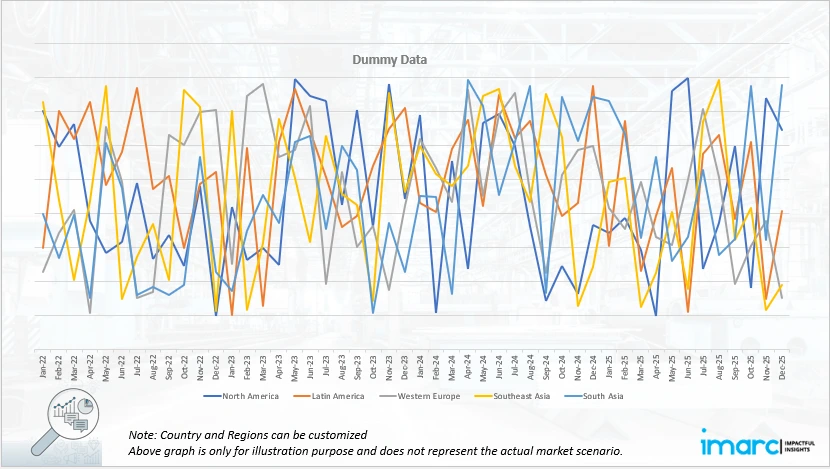
Get real-time access to monthly/quarterly/yearly prices Request Sample
During the first quarter of 2026, the nitro cellulose prices in the USA reached 6536 USD/MT in March. Prices moved upward as coating, ink, and automotive refinish demand improved across domestic manufacturing channels. Suppliers maintained firmer offers due to stable offtake from packaging inks and specialty lacquer producers. Feedstock cellulose availability remained adequate, but nitric acid and solvent related costs supported a higher pricing tone. Buyers avoided heavy stock building, yet steady procurement from downstream users kept market sentiment positive.
During the first quarter of 2026, the nitro cellulose prices in India reached 2777 USD/MT in March. Prices declined as buyers from the paints, coatings, and printing ink industries followed cautious procurement patterns. Domestic availability remained comfortable, and traders reduced offers to improve shipment movement. Downstream converters focused on need based buying rather than inventory expansion, which softened spot market activity. Import availability from Asian suppliers also created competitive pressure in selected commercial grades.
During the first quarter of 2026, the nitro cellulose prices in France reached 6249 USD/MT in March. Prices increased as European coating and packaging ink demand improved after a slower previous quarter. Producers faced firm operating costs, especially for chemicals, energy, storage, and compliance related handling. Buyers from industrial coatings and specialty applications maintained steady contract lifting, which supported supplier confidence. Availability remained balanced, but sellers resisted discounts due to tighter margins and stable inquiries.
During the first quarter of 2026, the nitro cellulose prices in South Korea reached 3686 USD/MT in March. Prices rose as demand from inks, wood coatings, leather finishes, and electronics related coatings improved. Local suppliers benefited from better export inquiries and steady domestic consumption. Feedstock and solvent costs remained supportive, while producers managed inventories carefully to avoid oversupply. Buyers showed greater willingness to secure material as downstream order books improved.
During the first quarter of 2026, the nitro cellulose prices in Argentina reached 4598 USD/MT in March. Prices increased as local supply conditions tightened and import replacement costs remained firm. Demand from coatings, packaging inks, and industrial lacquer users improved gradually, supporting stronger supplier offers. Currency related purchasing pressure and higher landed costs influenced import pricing. Buyers remained cautious, yet they continued procurement to secure essential material for production.
Nitro Cellulose Prices Outlook Q3 2025
- USA: USD 6282/MT
- India: USD 2884/MT
- France: USD 6195/MT
- South Korea: USD 3632/MT
- Argentina: USD 4451/MT
During the third quarter of 2025, the nitro cellulose prices in the USA reached 6282 USD/MT in September. Prices increased as resin and coating producers showed firmer consumption before seasonal demand peaks. Limited availability of high-purity cotton linters created intermittent upstream tightness. Transportation challenges along key chemicals corridors, including delays in bulk-solvent movements, added pressure on delivered costs and reinforced the upward trend.
During the third quarter of 2025, the nitro cellulose prices in India reached 2884 USD/MT in September. Prices increased slightly as domestic coating, ink, and adhesive manufacturers raised purchases following stronger monsoon-season industrial activity. Some localized constraints in propellant-grade feedstock availability affected short-term supply. Higher freight costs on internal trucking routes and increased procurement from printing-ink clusters contributed to the upward direction.
During the third quarter of 2025, the nitro cellulose prices in France reached 6195 USD/MT in September. Prices moved upward as demand from specialty coatings and auto-refinish sectors improved. Supply tightened temporarily due to slower inflows of cellulose-based feedstocks into western European chemical parks. Energy-linked processing expenses also trended higher, prompting suppliers to maintain firmer quotations across the quarter.
During the third quarter of 2025, the nitro cellulose prices in South Korea reached 3632 USD/MT in September. Prices increased as local manufacturers reported stronger purchasing from the electronics-grade coatings and industrial printing sectors. Import-dependent buyers faced slightly higher landed costs due to regional shipping constraints. Storage and handling expenses in port-adjacent chemical zones also added marginal upward pressure.
During the third quarter of 2025, the nitro cellulose prices in Argentina reached 4451 USD/MT in September. Prices increased as limited domestic processing capacity raised reliance on imported nitro cellulose. Currency fluctuations amplified procurement costs, and inland logistics inefficiencies delayed movements to finishing industries in Buenos Aires and Santa Fe. Packaging and wood-coating industries sustained solid intake, contributing to an upward pricing direction.
Nitro Cellulose Prices Outlook Q2 2025
- USA: USD 6165/MT
- India: USD 2862/MT
- France: USD 6047/MT
- South Korea: USD 3587/MT
- Argentina: USD 4400/MT
During the second quarter of 2025, the nitro cellulose prices in the USA reached 6165 USD/MT in June. Market conditions were shaped by steady consumption across coatings, lacquers, and inks. Supply chains remained functional despite ongoing solvent-handling constraints. Producers focused on securing cotton-linter inputs amid variable availability, while regional logistics delivered consistent support to downstream users.
During the second quarter of 2025, the nitro cellulose prices in India reached 2862 USD/MT in June. Seasonal activity in printing-ink and surface-coating industries supported healthy procurement. Operational stability at domestic conversion units enabled consistent output. Freight and storage costs within key manufacturing zones created additional planning considerations, but availability across major industrial centers remained adequate.
During the second quarter of 2025, the nitro cellulose prices in France reached 6047 USD/MT in June. Processors maintained structured purchases as coating, paper-finishing, and specialty-chemical sectors managed balanced consumption. Feedstock sourcing for high-grade cellulose continued to be closely monitored due to variable input quality. Strong cross-border logistics ensured reliable European distribution.
During the second quarter of 2025, the nitro cellulose prices in South Korea reached 3587 USD/MT in June. Stable demand from the electronics, packaging, and industrial printing industries shaped procurement activity. Import flows of nitro cellulose and intermediates moved predictably through major ports. Strong operational consistency among local formulators supported steady supply conditions.
During the second quarter of 2025, the nitro cellulose prices in Argentina reached 4400 USD/MT in June. Manufacturing clusters sourcing nitro cellulose for coatings and wood finishing maintained disciplined contracting patterns. Import channels operated steadily, enabling consistent supply for downstream applications. Domestic distributors planned stock levels carefully in response to shifting macroeconomic conditions.
Nitro Cellulose Prices Outlook Q1 2025
- USA: USD 6050/MT
- India: USD 2840/MT
- France: USD 5845/MT
- South Korea: USD 3550/MT
- Argentina: USD 4350/MT
During the first quarter of 2025, the nitro cellulose prices in the USA reached 6050 USD/MT in March. As per the nitro cellulose price chart, due to low feedstock prices and global competition from China, prices remained stable, with logistical issues having minimal impact. Besides, even with sufficient supply and reduced shipping costs, demand from essential sectors such as paints and coatings was sluggish, impeded by harsh winter conditions and postponed construction projects.
During the first quarter of 2025, nitro cellulose prices in India reached 2840 USD/MT in March. The market in India experienced sluggish demand due to low activity in the coatings and construction sectors. The market stayed stable thanks to consistent domestic production and reduced freight costs. The paints and coatings sector faced challenges due to weather-related disruptions and delays in projects. Moreover, global competition from nations such as China exerted pressure on prices.
During the first quarter of 2025, the nitro cellulose prices in France reached 5845 USD/MT in March. The market saw a stable supply and low-cost imports, which kept prices from rising. Although there were minor advances in manufacturing, growth was constrained by low demand from the coatings and construction sectors. Winter disruptions had a considerable effect, and the challenges were worsened by delayed projects.
During the first quarter of 2025, the nitro cellulose prices in South Korea reached 3550 USD/MT in March. The market featured a stable supply and low demand. Although domestic production aligned with market needs, demand from the coatings and construction sectors struggled due to ongoing weather disruptions and project delays. Global competition, especially from China, influenced pricing and hindered any substantial price hikes.
During the first quarter of 2025, the nitro cellulose prices in Argentina reached 4350 USD/MT in March. The market experienced a lackluster demand in Q1 2025, mainly because of low activity in the coatings and construction sectors. The supply side was stable, as domestic production and reduced freight rates kept prices from rising. In particular, the coatings sector struggled with project delays and winter disruptions, which further diminished demand.
Regional Coverage
The report provides a detailed analysis of the market across different regions, each with unique pricing dynamics influenced by localized market conditions, supply chain intricacies, and geopolitical factors. This includes price trends, price forecast and supply and demand trends for each region, along with spot prices by major ports. The report also provides coverage of FOB and CIF prices, as well as the key factors influencing nitro cellulose prices.
Europe Nitro Cellulose Price Trend
Q1 2026:
The nitro cellulose price index in Europe moved upward as demand from coatings, packaging inks, and specialty lacquer applications improved. France recorded firmer pricing due to better downstream consumption and elevated production expenses. Regional suppliers maintained disciplined operating rates, which helped prevent oversupply. Buyers preferred reliable local sourcing for consistent grade material, especially where regulatory and quality requirements were strict. Energy, storage, and chemical handling costs remained supportive for offers.
Q3 2025:
As per the nitro cellulose price index, European prices moved upward as strong purchasing from France’s specialty coatings and Western Europe’s packaging-ink markets increased regional demand. Elevated operating expenses in major chemical hubs, including those in Belgium and western Germany, influenced suppliers to maintain firmer quotations. Slower inbound movement of cotton-based feedstocks through ports such as Antwerp and Le Havre added intermittent tightness and reduced buffer inventories. Meanwhile, refinishing and auto-repair clusters in southern Europe ramped activity, broadening consumption across multiple grades. These combined factors reinforced a more sustained upward pricing tone throughout the quarter across core European manufacturing belts.
Q2 2025:
Across Europe, nitro cellulose markets maintained steady conditions as printing, finishing, and industrial-coatings manufacturers operated with predictable off-take. Import flows through Benelux and western German logistics corridors remained consistent, supporting a reliable distribution framework across the continent. Several chemical parks in France, Germany, and northern Italy faced variable feedstock quality, requiring frequent recalibration of processing throughput. Nevertheless, capacity remained sufficient, and refiners balanced production against normalized downstream demand. Cross-border movement of solvents and nitro cellulose intermediates allowed European processors to maintain stable operations without notable supply-chain or procurement disruptions.
Q1 2025:
As per the nitro cellulose price index, the market exhibited a trend characterized by a stable supply and weak demand. Although there was low activity in the feedstock market and price competition from inexpensive imports, prices remained stable due to excess inventories. Winter delays to construction and projects had a major effect on demand from the coatings sector. Even though there were slight indications of progress in European manufacturing, the challenges in the housing market continued, resulting in a low demand for nitrocellulose.
This analysis can be extended to include detailed nitro cellulose price information for a comprehensive list of countries.
| Region | Countries Covered |
|---|---|
| Europe | Germany, France, United Kingdom, Italy, Spain, Russia, Turkey, Netherlands, Poland, Sweden, Belgium, Austria, Ireland, Switzerland, Norway, Denmark, Romania, Finland, Czech Republic, Portugal, and Greece, among other European countries. |
North America Nitro Cellulose Price Trend
Q1 2026:
The nitro cellulose price index in North America strengthened as the USA market showed improved buying interest. Demand from packaging inks, automotive coatings, wood finishes, and industrial lacquers supported firm supplier offers. Producers managed inventories carefully and avoided heavy discounting. Feedstock and processing costs remained supportive, and logistics expenses added to the delivered price structure. Buyers remained cautious with inventory levels, yet regular downstream production needs sustained procurement.
Q3 2025:
As per the nitro cellulose price index, North American prices strengthened, driven by heightened purchasing from U.S. automotive refinish, wood-coating, and industrial-ink manufacturers ahead of peak production cycles. Tightness in cotton-linter availability, exacerbated by weather-impacted agricultural yields across southern states, increased concerns about feedstock security. Chemical processors along the Gulf Coast and Midwest faced higher inland freight and storage fees, raising overall supply-chain expenses. Improved rail availability helped stabilize outbound distribution but did not offset cost escalation at major conversion units. Collectively, these elements created a firmer regional pricing environment with sustained upward sentiment across multiple consuming sectors.
Q2 2025:
North America’s nitro cellulose markets displayed steady quarter-specific activity, supported by consistent consumption from resin, coatings, and ink manufacturers. Processing plants benefited from reliable cotton-linter sourcing and predictable solvent-recovery schedules. Production corridors in the U.S. Midwest and Southeast maintained stable operating rates, aided by well-synchronized chemical rail and trucking links. Food-packaging, furniture-finishing, and industrial printing applications followed routine procurement cycles, resulting in a quarter characterized by balanced availability, disciplined inventory control, and smooth logistical performance across key states.
Q1 2025:
Although supply was consistent, surplus inventories prevented prices from increasing, even with low activity in the feedstock market and competitive imports. Because of the plentiful supply and weak demand, the effects of rising freight rates from Asia were constrained. The paints and coatings sector, which usually generates demand, experienced a downturn due to disruptions from harsh winter weather and construction delays. Even though the market was weak, production levels held steady and freight costs decreased.
Specific nitro cellulose historical data within the United States and Canada can also be provided.
| Region | Countries Covered |
|---|---|
| North America | United States and Canada |
Middle East and Africa Nitro Cellulose Price Trend
Q1 2026:
According to the nitro cellulose price chart, supply chain interruptions, seasonal variations in demand, and geopolitical influences were the main causes of the price fluctuations in the Middle East and Africa.
Q3 2025:
As per nitro cellulose price chart, the prices in the Middle East and Africa fluctuated due to a complex interplay of factors, primarily driven by supply chain disruptions, seasonal demand shifts, and geopolitical influences.
Q2 2025:
The report explores the nitro cellulose pricing trends and nitro cellulose price chart in the Middle East and Africa, considering factors like regional industrial growth, the availability of natural resources, and geopolitical tensions that uniquely influence market prices.
In addition to region-wise data, information on nitro cellulose prices for countries can also be provided.
| Region | Countries Covered |
|---|---|
| Middle East & Africa | Saudi Arabia, UAE, Israel, Iran, South Africa, Nigeria, Oman, Kuwait, Qatar, Iraq, Egypt, Algeria, and Morocco, among other Middle Eastern and African countries. |
Asia Pacific Nitro Cellulose Price Trend
Q1 2026:
In the Asia Pacific, nitro cellulose prices showed mixed movement. South Korea recorded an increase due to healthier demand and disciplined supply, while India saw mild weakness due to comfortable availability and cautious buying. Regional producers faced differing demand patterns across coatings, inks, electronics related coatings, and furniture finishes. China influenced broader sentiment through competitive export offers, while buyers in several markets continued to negotiate actively. Feedstock and solvent costs offered support in some countries, but sufficient inventories limited gains in others.
Q3 2025:
Asia Pacific nitro cellulose prices increased, supported by rising purchasing activity in South Korea’s electronics-grade coatings sector and consistent firmness across China’s decorative and industrial-coating clusters. Stronger demand for high-clarity and fast-drying grades in export-oriented manufacturing zones added upward pressure. Import-heavy Southeast Asian markets navigated higher landed costs as container turnover times elongated on key regional routes. Meanwhile, Chinese processors managed tightness in feedstock supply in northern provinces, prompting refiners to hold firmer offers. Enhanced logistics coordination improved intra-regional material movement, yet localized constraints ensured upward price momentum remained intact throughout the quarter.
Q2 2025:
Asia Pacific maintained a stable nitro cellulose environment, with China’s processing hubs running efficiently and providing consistent supply to neighboring countries. Demand from regional packaging-ink, industrial-coating, and electronics-finishing industries followed predictable cycles. South Korea, Vietnam, and Indonesia benefitted from reliable maritime flows, enabling steady replenishment of imported product. Conversion units in China and Southeast Asia aligned output with end-use requirements, resulting in smooth distribution across industrial clusters. The quarter’s supply chain remained resilient, supported by strong logistics connectivity and balanced processor-level stock management.
Q1 2025:
The market experienced an upward trend during the first quarter of 2025, driven by low inventory levels and elevated production costs. In January, prices rose due to moderate demand from automotive coatings and Middle Eastern markets, although inventory limitations helped to contain the hikes. In February, prices rose due to a decrease in stock levels and heightened demand, especially during Ramadan. Suppliers had no choice but to transfer the increases in production costs to customers. In spite of this, no major logistical disruptions were noted.
This nitro cellulose price analysis can be expanded to include a comprehensive list of countries within the region.
| Region | Countries Covered |
|---|---|
| Asia Pacific | China, India, Indonesia, Pakistan, Bangladesh, Japan, Philippines, Vietnam, Thailand, South Korea, Malaysia, Nepal, Taiwan, Sri Lanka, Hongkong, Singapore, Australia, and New Zealand, among other Asian countries. |
Latin America Nitro Cellulose Price Trend
Q1 2026:
In Latin America, nitro cellulose prices moved upward, with Argentina showing a strong increase. Regional markets remained influenced by import replacement costs, currency pressure, and freight related expenses. Demand from coatings, printing inks, packaging, and industrial finishing applications improved gradually, supporting firmer supplier offers. Limited availability of selected grades increased seller confidence. Buyers remained cautious, but they continued procurement to protect production schedules. Dependence on imported cargoes made the region sensitive to changes in global offers and shipping costs.
Q3 2025:
Latin American nitro cellulose prices advanced as Argentina’s limited production capacity increased reliance on imports, raising delivered costs across downstream coating and printing industries. Wood-finishing and refinish markets in southern Brazil expanded intake, adding momentum to procurement flows. Inland trucking networks in Argentina and Chile experienced sporadic disruptions due to fuel-handling and transport-capacity constraints, amplifying delivered-cost pressures. Regional availability of premium-grade material remained uneven, prompting distributors to secure forward volumes. These conditions collectively supported a firmer price environment across the region.
Q2 2025:
Latin America sustained stable quarter-specific nitro cellulose activity across Brazil, Chile, and Argentina, with downstream buyers maintaining disciplined purchasing strategies. Import flows through Atlantic and Pacific ports operated reliably, enabling steady domestic redistribution. Coatings and flexible-packaging manufacturers followed normalized consumption cycles, adjusting inventories to match scheduled runs. Domestic transport networks across major agricultural-industrial corridors offered consistent support, allowing refiners and converters to maintain predictable output levels. This stability contributed to an evenly balanced regional market during the quarter.
Q1 2025:
As per the nitro cellulose price index, in Q1 2025, prices in Latin America were likely influenced by a combination of factors, including supply chain disruptions, raw material costs, and geopolitical tensions. These factors, along with potential shifts in demand from various end-use industries, likely contributed to the observed price variations.
This comprehensive review can be extended to include specific countries within the region.
| Region | Countries Covered |
|---|---|
| Latin America | Brazil, Mexico, Argentina, Columbia, Chile, Ecuador, and Peru, among other Latin American countries. |
Nitro Cellulose Pricing Report, Market Analysis, and News
IMARC's latest publication, “Nitro Cellulose Prices, Trend, Chart, Demand, Market Analysis, News, Historical and Forecast Data Report 2026 Edition,” presents a detailed examination of the nitro cellulose market, providing insights into both global and regional trends that are shaping prices. This report delves into the spot price of nitro cellulose at major ports and analyzes the composition of prices, including FOB and CIF terms. It also presents detailed nitro cellulose prices trend analysis by region, covering North America, Europe, Asia Pacific, Latin America, and Middle East and Africa. The factors affecting nitro cellulose pricing, such as the dynamics of supply and demand, geopolitical influences, and sector specific developments, are thoroughly explored. This comprehensive report helps stakeholders stay informed with the latest market news, regulatory updates, and technological progress, facilitating informed strategic decision-making and forecasting.

Nitro Cellulose Industry Analysis
The global nitro cellulose industry size reached USD 944.89 Million in 2025. By 2034, IMARC Group expects the market to reach USD 1,373.27 Million, at a projected CAGR of 4.24% during 2026-2034. Market growth is supported by increasing consumption in automotive refinishing, industrial coatings, printing inks, and wood finishing, along with expanding use in specialty manufacturing where high-solids, fast-drying formulations are preferred.
Latest News and Developments:
- November 2025: Researchers at the National Defence University of Malaysia designed new stabilizers for nitro cellulose-based propellants. They compared traditional stabilizers such as diphenylamine with newer nitrogen containing candidates using DSC and vacuum stability testing, revealing that several modern molecules suppressed heat triggered decomposition more effectively. The study demonstrated measurable increases in onset temperatures and reduced gas evolution, strengthening long-term safety of nitro cellulose propellants.
Product Description
Nitro cellulose is a cellulose based nitrate ester produced by treating purified cellulose with nitric acid and sulfuric acid. It is valued for fast drying behavior, film forming ability, adhesion, gloss, and compatibility with many resins, plasticizers, and solvents. Commercial grades vary by nitrogen content, viscosity, and solubility, which determines their use in coatings, printing inks, lacquers, sealants, leather finishes, nail enamels, and specialty industrial formulations. Lower nitrogen grades are commonly used in coatings and inks, while higher nitrogen grades require controlled handling due to flammability. Nitro cellulose forms clear, tough films and helps improve drying speed, surface finish, and print performance. Its main industrial demand comes from packaging inks, wood coatings, automotive refinishing, furniture lacquers, and decorative coatings.
Report Coverage
| Key Attributes | Details |
|---|---|
| Product Name | Nitro Cellulose |
| Report Features | Exploration of Historical Trends and Market Outlook, Industry Demand, Industry Supply, Gap Analysis, Challenges, Nitro Cellulose Price Analysis, and Segment-Wise Assessment. |
| Currency/Units | US$ (Data can also be provided in local currency) or Metric Tons |
| Region/Countries Covered | The current coverage includes analysis at the global and regional levels only. The current coverage includes analysis at the global and regional levels only. Based on your requirements, we can also customize the report and provide specific information for the following countries: Asia Pacific: China, India, Indonesia, Pakistan, Bangladesh, Japan, Philippines, Vietnam, Thailand, South Korea, Malaysia, Nepal, Taiwan, Sri Lanka, Hongkong, Singapore, Australia, and New Zealand Europe: Germany, France, United Kingdom, Italy, Spain, Russia, Turkey, Netherlands, Poland, Sweden, Belgium, Austria, Ireland, Switzerland, Norway, Denmark, Romania, Finland, Czech Republic, Portugal and Greece North America: United States and Canada Latin America: Brazil, Mexico, Argentina, Columbia, Chile, Ecuador, and Peru Middle East & Africa: Saudi Arabia, UAE, Israel, Iran, South Africa, Nigeria, Oman, Kuwait, Qatar, Iraq, Egypt, Algeria, and Morocco The list of countries presented is not exhaustive. Information on additional countries can be provided if required by the client. |
| Information Covered for Key Suppliers |
|
| Customization Scope | The report can be customized as per the requirements of the customer |
| Report Price and Purchase Option |
Plan A: Monthly Updates - Annual Subscription
Plan B: Quarterly Updates - Annual Subscription
Plan C: Biannually Updates - Annual Subscription
|
| Post-Sale Analyst Support | 360-degree analyst support after report delivery |
| Delivery Format | PDF and Excel through email (We can also provide the editable version of the report in PPT/Word format on special request) |
Key Benefits for Stakeholders:
- IMARC’s report presents a detailed analysis of nitro cellulose pricing, covering global and regional trends, spot prices at key ports, and a breakdown of FOB and CIF prices.
- The study examines factors affecting nitro cellulose price trend, including input costs, supply-demand shifts, and geopolitical impacts, offering insights for informed decision-making.
- The competitive landscape review equips stakeholders with crucial insights into the latest market news, regulatory changes, and technological advancements, ensuring a well-rounded, strategic overview for forecasting and planning.
- IMARC offers various subscription options, including monthly, quarterly, and biannual updates, allowing clients to stay informed with the latest market trends, ongoing developments, and comprehensive market insights. The nitro cellulose price charts ensure our clients remain at the forefront of the industry.
Need more help?
- Speak to our experienced analysts for insights on the current market scenarios.
- Include additional segments and countries to customize the report as per your requirement.
- Gain an unparalleled competitive advantage in your domain by understanding how to utilize the report and positively impacting your operations and revenue.
- For further assistance, please connect with our analysts.
 Request Customization
 Inquire Before Buying
 Speak to an Analyst
 Request Brochure
Benefits of Customization
- Personalize this research
- Triangulate with your data
- Get data as per your format and definition
- Gain a deeper dive into a specific application, geography, customer, or competitor
- Any level of personalization
Get in Touch With Us
UNITED STATES
Phone: +1-201-971-6302
INDIA
Phone: +91-120-433-0800
UNITED KINGDOM
Phone: +44-753-714-6104
Email: [email protected]
Client Testimonials




.webp)




.webp)













Related Reports

Why Choose Us
IMARC offers trustworthy, data-centric insights into commodity pricing and evolving market trends, enabling businesses to make well-informed decisions in areas such as procurement, strategic planning, and investments. With in-depth knowledge spanning more than 1000 commodities and a vast global presence in over 150 countries, we provide tailored, actionable intelligence designed to meet the specific needs of diverse industries and markets.
1000
+Commodities
150
+Countries Covered
3000
+Clients
20
+Industry

Robust Methodologies & Extensive Resources
IMARC delivers precise commodity pricing insights using proven methodologies and a wealth of data to support strategic decision-making.

Subscription-Based Databases
Our extensive databases provide detailed commodity pricing, import-export trade statistics, and shipment-level tracking for comprehensive market analysis.

Primary Research-Driven Insights
Through direct supplier surveys and expert interviews, we gather real-time market data to enhance pricing accuracy and trend forecasting.

Extensive Secondary Research
We analyze industry reports, trade publications, and market studies to offer tailored intelligence and actionable commodity market insights.
Trusted by 3000+ industry leaders worldwide to drive data-backed decisions. From global manufacturers to government agencies, our clients rely on us for accurate pricing, deep market intelligence, and forward-looking insights.