
Pantoprazole Sodium Prices, Trend, Chart, Demand, Market Analysis, News, Historical and Forecast Data Report 2026 Edition
Pantoprazole Sodium Price Trend, Index and Forecast
Explore the latest insights on pantoprazole sodium price trends and forecasts with thorough analysis of regional fluctuations and market dynamics across North America, Latin America, Central Europe, Western Europe, Eastern Europe, Middle East, North Africa, West Africa, Central and Southern Africa, Central Asia, Southeast Asia, South Asia, East Asia, and Oceania.
Pantoprazole Sodium Prices Outlook Q2 2026
- USA: USD 103763/MT
- China: USD 83626/MT
- Germany: USD 89682/MT
- Spain: USD 66561/MT
- Brazil: USD 92735/MT
Pantoprazole Sodium Price Chart
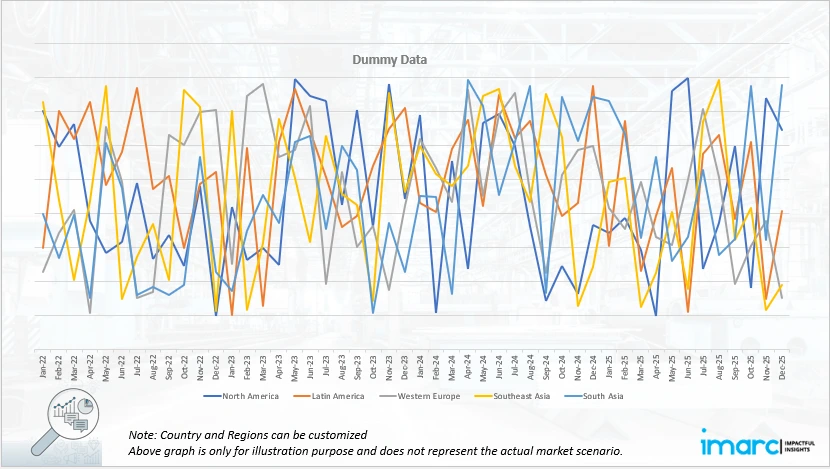
Get real-time access to monthly/quarterly/yearly prices Request Sample
During the second quarter of 2026, pantoprazole sodium prices in the USA reached 103763 USD/MT in June. Prices increased due to firm demand from pharmaceutical manufacturers and stable procurement activity across the healthcare supply chain. Higher input costs for active pharmaceutical ingredient production and continued requirements for quality compliant manufacturing supported the upward movement. Supply availability remained balanced, but producers maintained pricing strength due to steady consumption from finished dosage manufacturers.
During the second quarter of 2026, pantoprazole sodium prices in China reached 83626 USD/MT in June. Prices moved upward as production costs and demand conditions provided support to the market. Pharmaceutical manufacturers maintained steady procurement levels, while suppliers faced pressure from raw material availability and operational expenses. Export activity also contributed to price firmness as Chinese producers continued serving international pharmaceutical markets.
During the second quarter of 2026, pantoprazole sodium prices in Germany reached 89682 USD/MT in June. Prices recorded an increase due to steady pharmaceutical sector demand and elevated production expenses. Manufacturers continued to prioritize high quality supply, supporting stronger pricing conditions for active pharmaceutical ingredients. Demand from healthcare applications remained stable, while suppliers managed costs related to regulatory compliance and production processes.
During the second quarter of 2026, pantoprazole sodium prices in Spain reached 66561 USD/MT in June. Prices increased as pharmaceutical demand remained consistent and suppliers managed rising manufacturing costs. The market benefited from regular requirements from medicine producers and healthcare related applications. Producers maintained cautious inventory management, which helped prevent excess availability and supported price improvement.
During the second quarter of 2026, pantoprazole sodium prices in Brazil reached 92735 USD/MT in June. Prices increased due to stable demand from pharmaceutical manufacturers and higher costs across the supply chain. Import dependence and procurement requirements influenced market pricing, as buyers focused on securing reliable supplies. Production expenses and international supply conditions also supported stronger price levels.
Pantoprazole Sodium Prices Outlook Q1 2026
- USA: USD 97917/MT
- China: USD 80325/MT
- Germany: USD 87743/MT
- Spain: USD 64137/MT
- Brazil: USD 90025/MT
During the first quarter of 2026, the pantoprazole sodium prices in the USA reached 97917 USD/MT in March. The market recorded a moderate upward trend driven by firm demand from the pharmaceutical sector and stable consumption patterns. Supply conditions remained relatively controlled due to regulated production and consistent availability of raw materials. Demand from healthcare providers and generic drug manufacturers supported steady procurement activity.
During the first quarter of 2026, the pantoprazole sodium prices in China reached 80325 USD/MT in March. The market experienced a slight decline influenced by sufficient supply and moderated demand from pharmaceutical manufacturing sectors. Domestic production remained steady, ensuring consistent availability in the market. Additionally, stable operational and logistics costs provided limited support to pricing, resulting in a gradual downward trend during the quarter.
During the first quarter of 2026, the pantoprazole sodium prices in Germany reached 87743 USD/MT in March. The market observed a decline driven by balanced supply conditions and subdued demand from the pharmaceutical industries. Import availability remained stable, ensuring sufficient inventory levels. Consumption from healthcare sectors remained steady but lacked strong growth momentum.
During the first quarter of 2026, the pantoprazole sodium prices in Spain reached 64137 USD/MT in March. The market recorded a moderate decline due to sufficient supply and reduced demand from pharmaceutical applications. Production levels remained stable, while import flows ensured consistent availability. Additionally, stable operational costs provided limited pricing support, contributing to a gradual decrease in prices during the quarter.
During the first quarter of 2026, the pantoprazole sodium prices in Brazil reached 90025 USD/MT in March. The market experienced a moderate increase supported by steady demand from the healthcare sector and controlled supply conditions. Import dependency influenced pricing, while stable procurement from pharmaceutical manufacturers maintained consistent consumption. Buyers adopted balanced purchasing strategies, ensuring supply continuity.
Pantoprazole Sodium Prices Outlook Q4 2025
- USA: USD 95781/MT
- China: USD 82250/MT
- Germany: USD 90878/MT
- Spain: USD 65654/MT
- Brazil: USD 87023/MT
During the fourth quarter of 2025, the pantoprazole sodium prices in the USA reached 95781 USD/MT in December. Prices increased, supported by steady demand from generic pharmaceutical manufacturers and hospital procurement programs. Additionally, structured supply agreements and regulated production standards influenced API availability, while distributors aligned sourcing with prescription demand visibility across retail and institutional channels.
During the fourth quarter of 2025, the pantoprazole sodium prices in China reached 82250 USD/MT in December. Prices declined, influenced by moderated export demand and competitive positioning among bulk API producers. Moreover, stable raw material supply and balanced domestic formulation activity shaped procurement behavior across pharmaceutical intermediaries.
During the fourth quarter of 2025, the pantoprazole sodium prices in Germany reached 90878 USD/MT in December. Prices moved lower, driven by cautious purchasing from formulation units and measured distributor inventory adjustments. Furthermore, regulated healthcare pricing structures and sufficient import availability influenced supply positioning.
During the fourth quarter of 2025, the pantoprazole sodium prices in Spain reached 65654 USD/MT in December. Prices decreased, supported by moderated procurement from domestic formulation facilities and balanced distribution channel inventories. In addition to this, structured public healthcare tenders influenced sourcing cycles.
During the fourth quarter of 2025, the pantoprazole sodium prices in Brazil reached 87023 USD/MT in December. Prices fell, influenced by cautious demand from generic drug manufacturers and competitive import supply. Apart from this, distributor-level inventory calibration shaped procurement strategies across regional pharmaceutical markets.
Pantoprazole Sodium Prices Outlook Q3 2025
- USA: USD 93290/MT
- China: USD 84680/MT
- Germany: USD 92714/MT
- Spain: USD 67076/MT
- Brazil: USD 88708/MT
During the third quarter of 2025, the pantoprazole sodium prices in the USA reached 93290 USD/MT in September. Prices increased relative to the previous quarter as producers operated under restricted throughput linked to extended quality-verification cycles. Steady demand from formulation units coincided with lengthier inbound shipment schedules. These factors collectively supported the quarter’s upward cost trajectory.
During the third quarter of 2025, the pantoprazole sodium prices in China reached 84680 USD/MT in September. The rise in pricing reflected stricter environmental supervision, which limited operating hours at several API facilities. Both domestic and export demand remained firm, prompting procurement teams to replenish safety stocks. Controlled allocation and longer testing protocols further reinforced the upward direction.
During the third quarter of 2025, the pantoprazole sodium prices in Germany reached 92714 USD/MT in September. Prices declined from the previous quarter as local producers improved operational efficiency through shortened compliance cycles. Availability increased across several European supply channels, relieving earlier cost pressure. Steady demand enabled smoother inventory rotation without prompting renewed escalation.
During the third quarter of 2025, the pantoprazole sodium prices in Spain reached 67076 USD/MT in September. Prices moved upward compared to the previous quarter, supported by increased procurement from domestic formulators and reduced availability from select import origins. Mild logistics friction on key inbound routes encouraged additional spot sourcing, reinforcing the quarter’s upward trend.
During the third quarter of 2025, the pantoprazole sodium prices in Brazil reached 88708 USD/MT in September. A slight increase was recorded due to currency-linked cost shifts and elongated customs clearance intervals. Downstream demand maintained consistency, and buyers elevated stocking levels to offset uncertainties associated with international freight variability.
Pantoprazole Sodium Prices Outlook Q2 2025
- USA: USD 91910/MT
- China: USD 82857/MT
- Germany: USD 93840/MT
- Spain: USD 66085/MT
- Brazil: USD 87656/MT
During the second quarter of 2025, the pantoprazole sodium prices in the USA reached 91910 USD/MT in June. Prices rose modestly from the preceding quarter because of heightened compliance expenses and moderated production rates at major facilities. Downstream buyers maintained regular procurement patterns, while limited external supply alternatives contributed to the incremental upward motion.
During the second quarter of 2025, the pantoprazole sodium prices in China reached 82857 USD/MT in June. A slight increase in pricing reflected production adjustments driven by inspection-related operational constraints. Strong interest from both domestic formulators and international buyers pushed procurement activity higher. Enhanced testing requirements for exports added complexity, tightening effective supply.
During the second quarter of 2025, the pantoprazole sodium prices in Germany reached 93840 USD/MT in June. Prices moved upward primarily due to heightened regulatory workloads and increased administrative costs associated with documentation compliance. Demand from pharmaceutical manufacturers remained firm, and controlled operating schedules preserved disciplined supply conditions, contributing to the quarter’s upward price direction.
During the second quarter of 2025, the pantoprazole sodium prices in Spain reached 66085 USD/MT in June. Pricing conditions were shaped by steady procurement activity from domestic formulators, supported by adequate inventory positions across distributors. Import availability remained consistent, and logistical operations functioned smoothly, enabling uninterrupted supply flows to downstream pharmaceutical manufacturers.
During the second quarter of 2025, the pantoprazole sodium prices in Brazil reached 87656 USD/MT in June. Prices increased slightly due to exchange-rate pressures and dependence on imported APIs. Delays linked to inspection and customs procedures extended lead times, prompting manufacturers to adjust procurement volumes. These conditions collectively supported the quarter’s upward shift.
Pantoprazole Sodium Prices Outlook Q1 2025
- USA: USD 91450/Ton
- China: USD 82650/Ton
- Germany: USD 93280/Ton
- Spain: USD 65300/Kg
- Brazil: USD 87220/Kg
Regional Coverage
This report provides a detailed analysis of the market across various regions, each with distinctive pricing dynamics influenced by localized market conditions, supply chain intricacies, and geopolitical factors. It includes price trends, forecasts, and supply and demand trends for each region, along with spot prices by major ports. The report also covers FOB and CIF prices, as well as the key factors influencing pantoprazole sodium prices.
Europe Pantoprazole Sodium Price Trend
Q2 2026:
The pantoprazole sodium price index in Europe showed an upward movement supported by steady pharmaceutical demand and controlled supply conditions. Germany and Spain recorded price increases as manufacturers managed production expenses and maintained quality focused supply practices. The region experienced stable consumption from pharmaceutical companies producing gastrointestinal treatments, which supported regular procurement activity. Suppliers continued to focus on regulatory compliance and reliable production standards, influencing pricing decisions. Import flows and distribution networks also affected market conditions as buyers maintained inventory levels. The quarter reflected a firm pricing environment, supported by balanced supply availability and consistent demand from healthcare related industries.
Q1 2026:
The pantoprazole sodium price index in Europe showed a downward trend driven by stable supply and moderated demand from pharmaceutical industries. Production levels remained consistent across key markets, while import availability ensured sufficient supply. Demand from healthcare and drug manufacturing sectors remained steady but lacked strong growth momentum. Buyers maintained cautious procurement strategies, limiting large volume purchases. Stable operational and logistics costs provided limited support to pricing. Overall market sentiment remained balanced but slightly weak, resulting in gradual price declines across the region.
Q4 2025:
As per the pantoprazole sodium price index, European prices moved downward, reflecting moderated demand from formulation units and structured public healthcare procurement systems. Additionally, sufficient API availability through intra-European trade and regulated reimbursement frameworks shaped pricing adjustments. Buyers aligned sourcing with confirmed prescription volumes, while distributor inventory management influenced supply distribution across pharmaceutical clusters.
Q3 2025:
Europe recorded mixed movements as member states navigated differing regulatory and operational pressures. Several countries continued adjusting to stringent pharmaceutical-quality oversight, which prolonged release timelines for APIs sourced from outside the bloc. Regions more dependent on long-haul shipments faced extended verification steps at major gateways, while domestic producers remained influenced by elevated energy-related operating costs that persisted across the chemical sector. Formulation hubs in Western and Southern Europe structured procurement more carefully to offset variable delivery intervals, resulting in pricing behavior that varied noticeably across the region.
Q2 2025:
The region saw a broadly firmer trend shaped by ongoing regulatory harmonization and tightened compliance documentation for imports. Buyers in Western Europe advanced purchase planning to navigate longer administrative review windows associated with regulated APIs. Meanwhile, Southern European markets maintained steady intake but coordinated more closely with distributors as quality-control requirements intensified for cargo originating from external suppliers. This interplay of heightened oversight, stable downstream demand, and country-specific sourcing dependencies contributed to a more assertive procurement posture across Europe during the quarter.
This analysis can be extended to include detailed pantoprazole sodium price information for a comprehensive list of countries.
| Region | Countries Covered |
|---|---|
| Europe | Germany, France, United Kingdom, Italy, Spain, Russia, Turkey, Netherlands, Poland, Sweden, Belgium, Austria, Ireland, Switzerland, Norway, Denmark, Romania, Finland, Czech Republic, Portugal, and Greece, among other European countries. |
North America Pantoprazole Sodium Price Trend
Q2 2026:
The pantoprazole sodium price index in North America increased due to stable pharmaceutical sector requirements and higher manufacturing costs. The United States market experienced upward price movement as suppliers adjusted offers according to production expenses and demand conditions. Pharmaceutical manufacturers continued purchasing active ingredients to support medicine production, maintaining market stability. Supply chain management remained important as buyers prioritized dependable sourcing and quality assurance. Raw material cost pressures and operational expenses contributed to stronger pricing conditions. The region maintained a positive market direction as demand remained consistent across pharmaceutical applications and suppliers managed available inventories carefully.
Q1 2026:
The pantoprazole sodium price index in North America reflected moderate growth supported by steady demand from the healthcare and pharmaceutical sectors. Consumption patterns remained consistent, driven by ongoing demand for gastrointestinal treatments. Supply conditions were relatively controlled due to regulated production and steady imports. Buyers followed balanced procurement strategies, ensuring adequate inventory levels without overstocking. Stable logistics and processing costs supported pricing. Market conditions remained firm, contributing to a gradual upward price movement during the quarter.
Q4 2025:
As per the pantoprazole sodium price index, prices in North America increased, driven by steady demand from hospital systems and retail pharmacy channels. Furthermore, contract-based API procurement and compliance with stringent regulatory standards influenced supply positioning. Manufacturing throughput in generic drug facilities shaped regional sourcing cycles.
Q3 2025:
North America experienced upward sentiment driven by evolving regulatory pathways and logistical variability that persisted across key pharmaceutical corridors. Stricter inspection protocols at selected entry points increased unpredictability in inbound shipment timing, prompting formulators to build more resilient stocking strategies. Inland freight networks also experienced periodic congestion, affecting alignment between scheduled deliveries and actual arrival patterns. Such factors encouraged regional buyers to adopt more proactive sourcing behavior, supporting a firmer pricing environment throughout the quarter.
Q2 2025:
The region maintained a steady upward inclination as manufacturers and importers continued adjusting to a regulatory climate that placed greater emphasis on documentation accuracy and traceability for APIs. Formulation plants managed procurement more cautiously in response to varying inspection loads at major ports, while distributors responded to occasional trucking and warehousing bottlenecks by spacing inbound shipments more evenly. Stable consumption trends across pharmaceutical-processing hubs reinforced the need for consistent supply coordination, sustaining a generally firm tone through the quarter.
Specific pantoprazole sodium historical data within the United States and Canada can also be provided.
| Region | Countries Covered |
|---|---|
| North America | United States and Canada |
Middle East and Africa Pantoprazole Sodium Price Trend
Q2 2026:
According to the pantoprazole sodium price chart, supply chain issues, seasonal shifts in demand, and rising costs of production influenced price variability in the Middle East and Africa.
Q1 2026:
The study examines the pricing patterns of pantoprazole sodium in the Middle East and Africa, taking into account elements that specifically affect market prices, such as the availability of natural resources and geopolitical conflicts.
Q4 2025:
As per pantoprazole sodium price chart, the prices in the Middle East and Africa fluctuated due to a complex interplay of factors, primarily driven by supply chain disruptions, seasonal demand shifts, and geopolitical influences.
Q3 2025:
The report explores the pantoprazole sodium pricing trends and pantoprazole sodium price chart in the Middle East and Africa, considering factors like regional industrial growth, the availability of natural resources, and geopolitical tensions that uniquely influence market prices.
In addition to region-wise data, information on pantoprazole sodium prices for countries can also be provided.
| Region | Countries Covered |
|---|---|
| Middle East & Africa | Saudi Arabia, UAE, Israel, Iran, South Africa, Nigeria, Oman, Kuwait, Qatar, Iraq, Egypt, Algeria, and Morocco, among other Middle Eastern and African countries. |
Asia Pacific Pantoprazole Sodium Price Trend
Q2 2026:
In Asia Pacific, pantoprazole sodium prices increased due to supportive demand from pharmaceutical producers and stable export activity. China remained an important supply center, with producers managing costs related to manufacturing operations and raw material sourcing. Regional buyers maintained regular procurement patterns as demand for gastrointestinal medicines continued. Supply availability remained balanced, allowing producers to maintain stronger pricing. Quality requirements and international trade activity also influenced supplier strategies. The market experienced gradual strengthening as pharmaceutical companies continued securing reliable active ingredient supplies to support production schedules.
Q1 2026:
In the Asia Pacific region, pantoprazole sodium prices exhibited a downward trend driven by sufficient supply and weakened demand from pharmaceutical manufacturing sectors. Production levels remained steady across key countries, ensuring consistent availability of the product in the market. At the same time, export demand showed limited growth, which reduced pressure on domestic supply. Inventory levels remained adequate, leading to reduced urgency among buyers. Market participants adopted cautious procurement strategies, aligning purchases with immediate requirements rather than building stocks.
Q4 2025:
Across Asia Pacific, pantoprazole sodium prices moved downward, influenced by competitive API manufacturing capacity and moderated export orders from bulk producers. Additionally, balanced feedstock availability and measured formulation demand shaped regional supply dynamics across major pharmaceutical hubs.
Q3 2025:
Pantoprazole sodium prices in Asia Pacific moved upward as several long-standing structural factors influenced API flows across major manufacturing hubs. Producer regions engaged in ongoing compliance adjustments that affected scheduling flexibility, while buyers in Southeast Asia faced shifting freight conditions tied to variable carrier availability for regulated chemical loads. Established formulation hubs in East Asia diversified sourcing to cushion against fluctuating batch-release intervals from regional producers. Domestic logistics in key industrial zones also encountered occasional delays, prompting downstream firms to elevate ordering frequency. These interconnected dynamics supported a stronger pricing tone across the region.
Q2 2025:
The region experienced a mild upward trend as compliance-driven production pacing and evolving logistics conditions shaped procurement strategies. API manufacturers in large production centers coordinated batch releases more cautiously under heightened oversight, influencing availability for export-dependent markets. Buyers in South and Southeast Asia advanced purchase cycles to mitigate inconsistencies in port-handling times associated with regulated cargo. Stable demand from pharmaceutical processors maintained steady offtake, while uneven transport conditions in some sub-regions contributed to the gradual firming of prices during the quarter.
This pantoprazole sodium price analysis can be expanded to include a comprehensive list of countries within the region.
| Region | Countries Covered |
|---|---|
| Asia Pacific | China, India, Indonesia, Pakistan, Bangladesh, Japan, Philippines, Vietnam, Thailand, South Korea, Malaysia, Nepal, Taiwan, Sri Lanka, Hongkong, Singapore, Australia, and New Zealand, among other Asian countries. |
Latin America Pantoprazole Sodium Price Trend
Q2 2026:
In Latin America, pantoprazole sodium prices showed an upward trend due to consistent pharmaceutical demand and supply chain cost pressures. Brazil recorded higher prices as buyers managed sourcing requirements and depended on reliable international supply networks. Regional markets remained influenced by import activities, distributor inventory management, and healthcare sector demand. Suppliers adjusted pricing according to availability and operational costs, while buyers focused on maintaining stable supply arrangements. The region experienced supportive market conditions as pharmaceutical applications continued generating steady consumption. Price movements reflected balanced demand and controlled supply across the regional market.
Q1 2026:
In Latin America, pantoprazole sodium prices experienced moderate growth supported by steady demand from healthcare industries and controlled supply conditions. Import dependency influenced pricing, while consistent consumption maintained market activity. Buyers followed balanced procurement strategies, ensuring supply continuity. Stable logistics and operational costs supported pricing trends, contributing to gradual increases across the region.
Q4 2025:
Regional market assessments across Latin America indicated a downward pricing trend for pantoprazole sodium, supported by cautious generic drug manufacturing demand and competitive import positioning. Additionally, inland logistics coordination and distributor inventory strategies influenced procurement behavior across domestic pharmaceutical sectors.
Q3 2025:
Pantoprazole sodium pricing in Latin America trended upward, influenced by logistics and regulatory conditions that varied across major pharmaceutical destinations, especially Brazil. Import-dependent markets adjusted procurement as cargo-routing changes affected arrival predictability for APIs sourced from Asia and Europe. In countries where customs controls intensified, distributors experienced longer clearance cycles that required modifications to restocking routines. Inland transport limitations in several regions also introduced scheduling gaps, prompting formulators to adapt purchase timing. These combined pressures reinforced a broadly upward price direction across the region.
Q2 2025:
The region saw a modest upward pattern as buyers managed procurement against a backdrop of shifting import flows and evolving administrative requirements for pharmaceutical ingredients. Some markets required expanded documentation for regulated APIs, influencing shipment release intervals and prompting earlier order placement. Port congestion in select Latin American gateways added variability to delivery timelines, while downstream consumption in key formulation hubs remained steady. As a result, supply coordination became more deliberate, contributing to moderately firmer price tendencies across the quarter.
This comprehensive review can be extended to include specific countries within the region.
| Region | Countries Covered |
|---|---|
| Latin America | Brazil, Mexico, Argentina, Columbia, Chile, Ecuador, and Peru, among other Latin American countries. |
Pantoprazole Sodium Pricing Report, Market Analysis, and News
IMARC's latest publication, “Pantoprazole Sodium Prices, Trend, Chart, Demand, Market Analysis, News, Historical and Forecast Data Report 2026 Edition,” provides an in-depth examination of the pantoprazole sodium market, offering insights into both global and regional trends impacting prices. The report analyzes the spot price of pantoprazole sodium at major distribution points, exploring price compositions including FOB and CIF terms. It presents a detailed pantoprazole sodium price trend analysis by region, covering North America, Europe, Asia Pacific, Latin America, and Middle East and Africa. Factors affecting pantoprazole sodium pricing, such as supply and demand dynamics, regulatory developments, and industry advancements, are thoroughly examined. This comprehensive report keeps stakeholders informed on the latest market news, regulatory changes, and technological progress, helping in strategic decision-making and forecasting.
Pantoprazole Sodium Industry Analysis
The global pantoprazole sodium industry size reached USD 786.4 Million in 2025. By 2034, IMARC Group expects the market to reach USD 1,032.4 Million, at a projected CAGR of 3.07% during 2026-2034. Growth is driven by expanding gastrointestinal treatment demand, increasing generic drug production capabilities, broader adoption of high-purity API technologies, and greater investment by formulation manufacturers seeking stable global supply chains.
Latest News and Developments:
- April 2026: Sun Pharma secured a legal victory in the Bombay High Court in a trademark dispute against Zawadi Healthcare over the brand name Pantocid for their pantoprazole medicine. The court ruled in favor of Sun Pharma, citing the similarity between Pantocid and Zawadi’s Pantozed, which could lead to confusion among healthcare professionals and patients.
- June 2025: Sun Pharma received regulatory relief from India’s Central Drugs Standard Control Organization (CDSCO) on packaging norms for its fixed-dose combination containing Pantoprazole Sodium IP and Levosulpiride. The regulator allowed the company to omit certain embossed and layout-specific packaging elements after reviewing Sun Pharma’s justification and confirming that alternative labeling still met compliance requirements.
Product Description
Pantoprazole sodium is a proton pump inhibitor active pharmaceutical ingredient primarily composed of pantoprazole combined with sodium salt. It is chemically designed to reduce gastric acid secretion by inhibiting the hydrogen potassium ATPase enzyme system in stomach cells. The compound appears as a white to off white crystalline powder and offers strong stability for pharmaceutical formulation applications. Pantoprazole sodium is widely used in the production of medicines for acid reflux, gastroesophageal reflux disease, peptic ulcers, and other acid related disorders. It is commonly incorporated into tablets, capsules, and injectable formulations. The product is valued in the pharmaceutical industry due to its therapeutic effectiveness, compatibility with formulation processes, and importance in gastrointestinal treatment portfolios.
Report Coverage
| Key Attributes | Details |
|---|---|
| Product Name | Pantoprazole Sodium |
| Report Features | Exploration of Historical Trends and Market Outlook, Industry Demand, Industry Supply, Gap Analysis, Challenges, Pantoprazole Sodium Price Analysis, and Segment-Wise Assessment. |
| Currency/Units | US$ (Data can also be provided in local currency) or Metric Tons |
| Region/Countries Covered | The current coverage includes analysis at the global and regional levels only. Based on your requirements, we can also customize the report and provide specific information for the following countries: Asia Pacific: China, India, Indonesia, Pakistan, Bangladesh, Japan, Philippines, Vietnam, Thailand, South Korea, Malaysia, Nepal, Taiwan, Sri Lanka, Hongkong, Singapore, Australia, and New Zealand Europe: Germany, France, United Kingdom, Italy, Spain, Russia, Turkey, Netherlands, Poland, Sweden, Belgium, Austria, Ireland, Switzerland, Norway, Denmark, Romania, Finland, Czech Republic, Portugal and Greece North America: United States and Canada Latin America: Brazil, Mexico, Argentina, Columbia, Chile, Ecuador, and Peru Middle East & Africa: Saudi Arabia, UAE, Israel, Iran, South Africa, Nigeria, Oman, Kuwait, Qatar, Iraq, Egypt, Algeria, and Morocco The list of countries presented is not exhaustive. Information on additional countries can be provided if required by the client. |
| Information Covered for Key Suppliers |
|
| Customization Scope | The report can be customized as per the requirements of the customer |
| Report Price and Purchase Option |
Plan A: Monthly Updates - Annual Subscription
Plan B: Quarterly Updates - Annual Subscription
Plan C: Biannually Updates - Annual Subscription
|
| Post-Sale Analyst Support | 360-degree analyst support after report delivery |
| Delivery Format | PDF and Excel through email (We can also provide the editable version of the report in PPT/Word format on special request) |
Key Benefits for Stakeholders:
- IMARC’s report presents a detailed analysis of pantoprazole sodium pricing, covering global and regional trends, spot prices at key ports, and a breakdown of Ex Works, FOB, and CIF prices.
- The study examines factors affecting pantoprazole sodium price trend, including raw material costs, supply-demand shifts, geopolitical impacts, and industry developments, offering insights for informed decision-making.
- The competitive landscape review equips stakeholders with crucial insights into the latest market news, regulatory changes, and technological advancements, ensuring a well-rounded, strategic overview for forecasting and planning.
- IMARC offers various subscription options, including monthly, quarterly, and biannual updates, allowing clients to stay informed with the latest market trends, ongoing developments, and comprehensive market insights. The pantoprazole sodium price charts ensure our clients remain at the forefront of the industry.
Need more help?
- Speak to our experienced analysts for insights on the current market scenarios.
- Include additional segments and countries to customize the report as per your requirement.
- Gain an unparalleled competitive advantage in your domain by understanding how to utilize the report and positively impacting your operations and revenue.
- For further assistance, please connect with our analysts.
 Request Customization
 Inquire Before Buying
 Speak to an Analyst
 Request Brochure
Benefits of Customization
- Personalize this research
- Triangulate with your data
- Get data as per your format and definition
- Gain a deeper dive into a specific application, geography, customer, or competitor
- Any level of personalization
Get in Touch With Us
UNITED STATES
Phone: +1-201-971-6302
INDIA
Phone: +91-120-433-0800
UNITED KINGDOM
Phone: +44-753-714-6104
Email: [email protected]
Client Testimonials




.webp)




.webp)













Related Reports

Why Choose Us
IMARC offers trustworthy, data-centric insights into commodity pricing and evolving market trends, enabling businesses to make well-informed decisions in areas such as procurement, strategic planning, and investments. With in-depth knowledge spanning more than 1000 commodities and a vast global presence in over 150 countries, we provide tailored, actionable intelligence designed to meet the specific needs of diverse industries and markets.
1000
+Commodities
150
+Countries Covered
3000
+Clients
20
+Industry

Robust Methodologies & Extensive Resources
IMARC delivers precise commodity pricing insights using proven methodologies and a wealth of data to support strategic decision-making.

Subscription-Based Databases
Our extensive databases provide detailed commodity pricing, import-export trade statistics, and shipment-level tracking for comprehensive market analysis.

Primary Research-Driven Insights
Through direct supplier surveys and expert interviews, we gather real-time market data to enhance pricing accuracy and trend forecasting.

Extensive Secondary Research
We analyze industry reports, trade publications, and market studies to offer tailored intelligence and actionable commodity market insights.
Trusted by 3000+ industry leaders worldwide to drive data-backed decisions. From global manufacturers to government agencies, our clients rely on us for accurate pricing, deep market intelligence, and forward-looking insights.