
Paraffin Prices, Trend, Chart, Demand, Market Analysis, News, Historical and Forecast Data Report 2026 Edition
Paraffin Price Trend, Index and Forecast
Track the latest insights on paraffin price trend and forecast with detailed analysis of regional fluctuations and market dynamics across North America, Latin America, Central Europe, Western Europe, Eastern Europe, Middle East, North Africa, West Africa, Central and Southern Africa, Central Asia, Southeast Asia, South Asia, East Asia, and Oceania.
Paraffin Prices Outlook Q2 2026
- USA: USD 1414/MT
- China: USD 941/MT
- Germany: USD 1684/MT
- Brazil: USD 1430/MT
- South Africa: USD 1447/MT
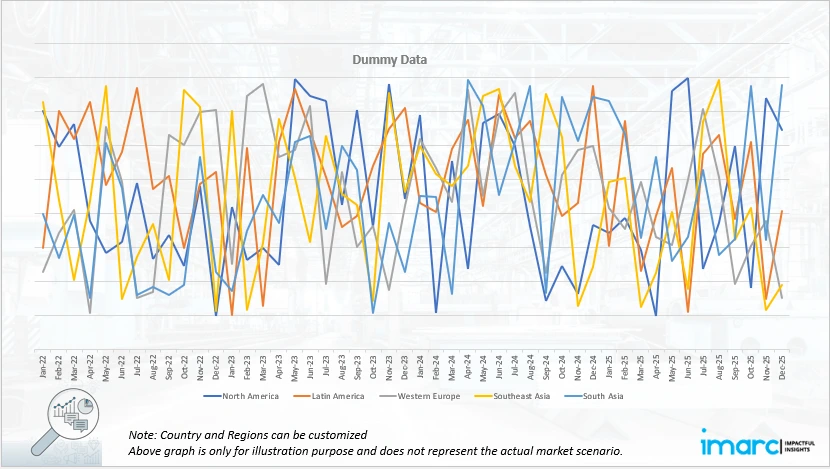
Paraffin Price Chart
Get real-time access to monthly/quarterly/yearly prices Request Sample
During the second quarter of 2026, the paraffin prices in the USA reached 1414 USD/MT in June. Prices in the country showed a moderate upward movement supported by steady demand from the candle manufacturing and packaging sectors. Supply conditions remained relatively balanced, though refinery output adjustments influenced availability across key distribution hubs. Import dependence added mild pressure as freight costs and scheduling delays affected inflows.
During the second quarter of 2026, the paraffin prices in China reached 941 USD/MT in June. The market experienced a gradual rise supported by improved industrial activity and stronger consumption from packaging and wax based applications. Production levels remained stable, though periodic maintenance at refining facilities created short term supply tightening. Export demand from neighboring regions contributed to additional market strength. Logistics conditions showed slight variability, influencing inland distribution efficiency.
During the second quarter of 2026, the paraffin prices in Germany reached 1684 USD/MT in June. Prices showed a firm trend driven by consistent demand from high value industrial applications such as cosmetics, pharmaceuticals, and specialty coatings. Import reliance played a key role as supply conditions were influenced by external sourcing and shipping schedules. Energy and processing costs contributed to upward pricing pressure across the value chain.
During the second quarter of 2026, the paraffin prices in Brazil reached 1430 USD/MT in June. The market registered an upward movement supported by steady consumption in packaging, rubber processing, and candle production industries. Import flows remained essential for meeting domestic requirements, and variations in international freight conditions influenced landed costs. Supply consistency improved slightly, although periodic delays affected short term availability.
During the second quarter of 2026, the paraffin prices in South Africa reached 1447 USD/MT in June. Prices moved upward due to steady demand from industrial applications, including wax based products and packaging materials. Import dependency influenced market dynamics, with supply flows affected by shipping schedules and regional availability. Domestic consumption remained stable, while procurement activity from downstream sectors provided consistent support.
Paraffin Prices Outlook Q1 2026
- USA: USD 1397/MT
- China: USD 919/MT
- Germany: USD 1633/MT
- Brazil: USD 1356/MT
- South Africa: USD 1402/MT
During the first quarter of 2026, the paraffin prices in the USA reached 1397 USD/MT in March. The market experienced a gradual decline influenced by adequate supply and softened demand from candle manufacturing and packaging industries. Refinery production remained steady, ensuring consistent availability of paraffin across the domestic market. Demand from the downstream sectors such as cosmetics, rubber processing, and packaging materials remained stable but lacked strong expansion.
During the first quarter of 2026, the paraffin prices in China reached 919 USD/MT in March. The market recorded a moderate price decline due to sufficient domestic production and softened demand from industrial applications. Refinery output remained stable, ensuring the continuous availability of paraffin products across manufacturing sectors. Demand from the candle manufacturing, packaging materials, and rubber processing industries remained consistent but did not show strong expansion.
During the first quarter of 2026, the paraffin prices in Germany reached 1633 USD/MT in March. The market experienced a noticeable decline driven by balanced supply levels and moderated demand from industrial sectors. Refinery operations ensured stable production, while imports remained consistent across the European market. Demand from candle production, packaging materials, and coatings industries remained steady but lacked strong momentum.
During the first quarter of 2026, the paraffin prices in Brazil reached 1356 USD/MT in March. The market recorded a steady price decline influenced by sufficient domestic supply and moderated demand from the packaging and candle manufacturing sectors. Refinery output remained consistent, ensuring stable paraffin availability across industrial applications. Demand from downstream industries, including cosmetics, rubber processing, and packaging materials, remained stable but lacked significant expansion.
During the first quarter of 2026, the paraffin prices in South Africa reached 1402 USD/MT in March. The market experienced a moderate price decline supported by stable supply conditions and moderated demand from industrial sectors. Domestic refinery production remained steady, ensuring adequate supply availability across manufacturing applications. Demand from candle production, packaging, and rubber industries remained consistent but did not show strong growth momentum.
Paraffin Prices Outlook Q4 2025
- USA: USD 1414/MT
- China: USD 925/MT
- Germany: USD 1663/MT
- Brazil: USD 1388/MT
- South Africa: USD 1421/MT
During the fourth quarter of 2025, the paraffin prices in the USA reached 1414 USD/MT in December. The upward price movement was primarily supported by firm feedstock cost trends in the domestic refining sector, which tightened production margins for paraffin manufacturers. Seasonal demand from the packaging, candle, and personal care industries remained stable, encouraging producers to maintain higher offer levels. Additionally, logistical constraints across inland transportation corridors affected timely supply availability, reinforcing bullish sentiment.
During the fourth quarter of 2025, the paraffin prices in China reached 925 USD/MT in December. Prices trended upward as domestic producers adjusted output rates in response to refinery operating changes and environmental compliance measures. Demand from downstream candle manufacturing and board coating sectors remained consistent, absorbing available spot volumes efficiently. Export inquiries from neighboring Asian markets provided additional support, tightening local availability.
During the fourth quarter of 2025, the paraffin prices in Germany reached 1663 USD/MT in December. Prices moved downward due to subdued demand from the construction and packaging sectors, where consumption patterns softened. Refinery production remained steady, leading to sufficient material availability across the domestic market. Additionally, competitive imports from neighboring European countries increased supply pressure, limiting sellers’ pricing power.
During the fourth quarter of 2025, the paraffin prices in Brazil reached 1388 USD/MT in December. The downward price trend was influenced by weaker demand from the candle and rubber processing industries, which faced slower order inflows. Domestic production levels remained adequate, and import arrivals added to overall supply availability. Currency related cost advantages encouraged continued imports, intensifying market competition.
During the fourth quarter of 2025, the paraffin prices in South Africa reached 1421 USD/MT in December. Prices declined as regional demand from household fuel and light industrial applications softened. Local supply remained stable, supported by consistent refinery operations and adequate distribution networks. Import dependency eased slightly, improving supply security and reducing procurement urgency. Buyers exercised cautious purchasing strategies amid broader economic constraints, limiting spot transactions.
Paraffin Prices Outlook Q3 2025
- USA: USD 1405/MT
- China: USD 908/MT
- Germany: USD 1676/MT
- Brazil: USD 1397/MT
- South Africa: USD 1432/MT
During the third quarter of 2025, the paraffin prices in the USA reached 1405 USD/MT in September. Domestic values were shaped by shifts in upstream petroleum fundamentals, with refiners adjusting output in response to evolving feedstock differentials. Supply flows were influenced by operational variations in key production hubs, prompting downstream processors to reassess procurement strategies. Seasonal demand patterns also contributed to market sentiment, particularly as wax-consuming industries aligned inventories with expected consumption cycles.
During the third quarter of 2025, the paraffin prices in China reached 908 USD/MT in September. Market fundamentals were shaped by adjustments in refinery operating rates, particularly as producers navigated variable margins and evolving output priorities. Demand from candle manufacturing, packaging, and related sectors shifted gradually, prompting modest recalibrations in procurement activity. Export sentiment fluctuated in line with shifting global purchasing cycles, encouraging suppliers to balance domestic and foreign commitments.
During the third quarter of 2025, the paraffin prices in Germany reached 1676 USD/MT in September. Market direction was influenced by refinery throughput adjustments as operators responded to evolving feedstock economics. Downstream segments, including personal care, packaging, and industrial processing, moderated purchasing volumes based on anticipated consumption patterns. Import participants evaluated sourcing conditions across key supply corridors, guided by shifts in global trade sentiment.
During the third quarter of 2025, the paraffin prices in Brazil reached 1397 USD/MT in September. Domestic refinery output played a central role in shaping supply conditions, as operators moderated production in line with prevailing operational economics. Demand from packaging, cosmetics, and specialty manufacturing sectors evolved steadily, prompting buyers to refine their purchasing cycles. Import considerations shifted due to varying international market conditions, encouraging traders to reassess sourcing patterns.
During the third quarter of 2025, the paraffin prices in South Africa reached 1432 USD/MT in September. Market trends were primarily influenced by refinery output flows, as producers optimized operations to match domestic requirements. End-use sectors demonstrated stable consumption levels, encouraging distributors to maintain balanced stock positions. Import participants monitored shifting global supply tendencies, adjusting procurement strategies accordingly. Logistical planning within regional transport corridors also informed delivery timing and order volumes.
Paraffin Prices Outlook Q2 2025
- USA: USD 1380/MT
- China: USD 878/MT
- Germany: USD 1656/MT
- Brazil: USD 1378/MT
- South Africa: USD 1405/MT
During the second quarter of 2025, the paraffin prices in the USA reached 1380 USD/MT in June. Market behavior was influenced by evolving refinery operations as producers aligned output with shifting feedstock conditions. Downstream buyers adjusted procurement volumes in response to seasonal consumption cycles, prompting recalibrated contracting activity. Trade dynamics reflected changes in export competitiveness, with participants monitoring international demand signals.
During the second quarter of 2025, the paraffin prices in China reached 878 USD/MT in June. Refinery utilization patterns influenced supply availability, with operators adjusting output to reflect domestic market priorities. End-use sectors, including packaging and candle manufacturing, exhibited variable demand, prompting incremental purchasing adjustments. Export sentiment shifted in line with global procurement cycles, encouraging traders to maintain flexible supply pathways.
During the second quarter of 2025, the paraffin prices in Germany reached 1656 USD/MT in June. Supply-side dynamics were guided by refiners’ responses to changing energy-market signals, influencing throughput patterns. Downstream buyers adopted measured procurement strategies to balance current needs with projected consumption trends. Import flows reflected shifts in global availability, prompting reassessment of sourcing channels.
During the second quarter of 2025, the paraffin prices in Brazil reached 1378 USD/MT in June. Domestic output variations influenced supply availability, with refiners adjusting operations in response to evolving market conditions. Demand from key downstream industries shifted as manufacturers aligned production with forecast consumption. Import sentiment was guided by changes in global trading behavior, prompting selective purchasing decisions.
During the second quarter of 2025, the paraffin prices in South Africa reached 1405 USD/MT in June. Market fundamentals reflected refinery output adjustments designed to balance domestic supply requirements. Downstream consumption patterns evolved incrementally, encouraging distributors to maintain stable yet flexible inventory positions. Import participants monitored shifting global trade signals to adjust sourcing strategies.
Paraffin Prices Outlook Q1 2025
- USA: USD 1360/MT
- China: USD 892/MT
- Germany: USD 1620/MT
- Brazil: USD 1425/MT
- South Africa: USD 1585/MT
During the first quarter of 2025, the paraffin prices in the USA reached 1360 USD/MT in March. As per the paraffin price chart, reduced demand from industries like polyethylene and detergents contributed to the pressure on prices. Besides, some supply chain bottlenecks, especially at major U.S. ports, impacted trade flows and contributed to the price volatility.
During the first quarter of 2025, paraffin prices in China reached 892 USD/MT in March. The Lunar New Year period in China saw a rise in demand for paraffin wax across various industries, including candle production and cosmetics, leading to price fluctuations. Besides, fluctuations in global crude oil prices, a major component of paraffin production, directly impacted manufacturing costs.
During the first quarter of 2025, the paraffin prices in Germany reached 1620 USD/MT in March. Paraffin prices in Germany exhibited a fluctuating trend, initially rising due to factors like increased crude oil prices and robust demand from industrial sectors and later stabilizing with a downward trend due to improved crude oil supply and reduced geopolitical risks. The market was also influenced by logistical disruptions and steady downstream demand.
During the first quarter of 2025, the paraffin prices in Brazil reached 1425 USD/MT in March. The market saw steady demand from industrial sectors, particularly pharmaceuticals and cosmetics, which remained robust throughout the quarter.
During the first quarter of 2025, the paraffin prices in South Africa reached 1585 USD/MT in March. Demand for paraffin was influenced by various factors, including seasonal needs, industrial applications, and consumer preferences. Besides, factors like government levies, taxes, and the implementation of favorable policies played a role in shaping paraffin prices.
Regional Coverage
The report provides a detailed analysis of the market across different regions, each with unique pricing dynamics influenced by localized market conditions, supply chain intricacies, and geopolitical factors. This includes price trends, price forecast and supply and demand trends for each region, along with spot prices by major ports. The report also provides coverage of FOB and CIF prices, as well as the key factors influencing paraffin prices.
Europe Paraffin Price Trend
Q2 2026:
Europe experienced a firm movement in the paraffin price index, driven by steady industrial demand and constrained import availability. Downstream sectors such as cosmetics, coatings, and pharmaceuticals maintained consistent consumption patterns, supporting stable procurement activity. Supply conditions remained tight due to reliance on external sourcing and logistical variations. Energy related cost pressures also influenced production economics, contributing to sustained price firmness. Market sentiment stayed positive as demand remained steady across key consuming industries.
Q1 2026:
The paraffin price index in Europe reflected a gradual decline influenced by sufficient refinery production and moderated demand from industrial sectors. Supply availability remained stable as regional refineries maintained steady output and import flows supported distribution across major markets. Demand from the candle manufacturing, packaging materials, and coatings industries remained stable but lacked strong growth momentum. Market participants maintained cautious purchasing strategies and focused on maintaining balanced inventories rather than expanding procurement volumes.
Q4 2025:
The paraffin market in Europe experienced clear downward pricing trends, driven by weakening demand and comfortable supply conditions. Consumption from key downstream sectors such as construction, packaging, and industrial coatings declined as manufacturers scaled back operations toward the year end. Refinery output across the region remained steady, resulting in sufficient material availability and limited supply tightness. In addition, increased cross border trade within Europe enhanced competition among suppliers, reducing pricing leverage.
Q3 2025:
In the third quarter of 2025, the paraffin price index in Europe was shaped by refining-sector adjustments as operators responded to evolving energy-market cues. Downstream demand from packaging, personal care, and industrial users guided procurement cycles, with buyers moderating purchases to match anticipated usage patterns. Import flows were influenced by shifts in global availability, prompting reassessment of sourcing strategies. Distribution planning across the regional logistics network shaped delivery timing and stock alignment.
Q2 2025:
As per the paraffin price index, in the second quarter of 2025, the paraffin price index in Europe was guided by refinery responses to shifting feedstock conditions. Downstream consumption patterns evolved gradually, prompting buyers to align procurement with projected usage. Trade sentiment reflected variable import availability, shaping sourcing decisions. Inventory strategies aimed to maintain balanced stock levels without oversupply exposure. Transportation planning across regional logistics routes affected delivery consistency and order timing.
Q1 2025:
As per the paraffin price index, the supply of imported paraffin wax was constrained by labor shortages, port congestion, and ongoing port strikes, especially at important entry ports. Due to these difficulties, there was a brief market imbalance, which reduced domestic supply and raised prices. Besides, demand from core end-user industries like candle manufacturing and cosmetics remained relatively stable, impacting prices.
This analysis can be extended to include detailed paraffin price information for a comprehensive list of countries.
| Region | Countries Covered |
|---|---|
| Europe | Germany, France, United Kingdom, Italy, Spain, Russia, Turkey, Netherlands, Poland, Sweden, Belgium, Austria, Ireland, Switzerland, Norway, Denmark, Romania, Finland, Czech Republic, Portugal, and Greece, among other European countries. |
North America Paraffin Price Trend
Q2 2026:
North America showed a firm paraffin price index trend, supported by consistent demand from packaging, candle manufacturing, and industrial coating applications. Supply conditions remained balanced, although periodic refinery adjustments created mild fluctuations in availability. Import flows supplemented domestic output, with logistics playing a role in shaping regional pricing dynamics. Downstream industries maintained regular procurement cycles, helping sustain market stability. Overall conditions reflected steady consumption supported by balanced supply fundamentals.
Q1 2026:
The paraffin price index in North America showed a mild decline driven by balanced supply conditions and moderated demand across downstream sectors. Refinery operations maintained consistent production levels, ensuring stable paraffin availability throughout the region. Demand from candle manufacturing, packaging materials, rubber processing, and cosmetics industries remained stable but lacked strong expansion. Buyers maintained cautious procurement strategies and avoided large volume purchases. Inventory levels remained balanced across distribution channels. Stable transportation and operational costs provided limited support to pricing.
Q4 2025:
The paraffin price index in North America indicated a modestly upward trend. Stable demand from packaging, candle manufacturing, and personal care applications supported consumption levels. Refinery operations faced periodic adjustments, affecting supply consistency. Transportation challenges across certain corridors influenced regional availability. Producers prioritized margin stability amid cost uncertainties. Import volumes remained controlled, limiting external price competition.
Q3 2025:
During Q3 2025, the paraffin price index in North America reflected balanced supply conditions shaped by refinery operating patterns. Seasonal demand influenced purchasing behavior, especially among wax-consuming industries, aligning production schedules. Trade activity responded to shifting export conditions as participants evaluated international competitiveness. Inventory strategies were developed to maintain adequate coverage while mitigating exposure to market fluctuations. Logistical considerations across inland transport routes affected delivery reliability and influenced procurement timing.
Q2 2025:
At the beginning of the quarter, the paraffin price index in North America was influenced by refinery throughput adjustments aligned with domestic requirements. Seasonal demand trends shaped purchasing volumes across wax-consuming sectors. Export competitiveness fluctuated in line with global sentiment, guiding trade activity. Inventory decisions focused on maintaining adequate coverage while monitoring market variability. Logistical considerations across inland transport networks influenced delivery scheduling.
Q1 2025:
Paraffin prices initially increased due to a surge in ethylene costs, elevated naphtha and crude oil prices, and tight supply caused by factors like refinery maintenance and port congestion. Besides, robust demand, particularly from the cosmetics sector, also influenced the pricing trends. Moreover, a shift away from naphtha in favor of cost-effective alternatives like ethane led to changes in paraffin prices.
Specific paraffin historical data within the United States and Canada can also be provided.
| Region | Countries Covered |
|---|---|
| North America | United States and Canada |
Middle East and Africa Paraffin Price Trend
Q2 2026:
The Middle East and Africa region recorded a moderately firm paraffin price trend, influenced by import dependence in several markets and steady downstream consumption. Industrial demand from packaging and wax based applications remained consistent. Supply flows were affected by transportation schedules and regional distribution constraints. Limited domestic refining capacity in certain areas contributed to reliance on external sources. Market sentiment witnessed a slight upward pressure driven by logistics and procurement patterns.
Q1 2026:
In the Middle East and Africa, paraffin prices experienced a gradual decline supported by balanced supply conditions and moderated demand from industrial applications. Regional refinery output remained steady and ensured sufficient product availability across distribution channels. Import flows complemented domestic production and maintained stable market supply. Demand from candle manufacturing, packaging, rubber processing, and cosmetics sectors remained consistent but did not demonstrate strong growth momentum.
Q4 2025:
Paraffin prices in the Middle East and Africa experienced downward pressure. Demand from the household fuel and light industrial sectors weakened. Supply conditions remained adequate due to consistent regional production and imports. Improved logistics reduced distribution bottlenecks. Buyers remained price sensitive, limiting upward movement. The regional market therefore, reflected a soft pricing environment.
Q3 2025:
As per the paraffin price chart, paraffin markets in the Middle East and Africa were shaped by production strategies within regional refining hubs. Supply allocation decisions responded to changing domestic consumption patterns, guiding distribution volumes. Export activities shifted in line with global purchasing sentiment, encouraging producers to manage commercial commitments with precision. Downstream industries adjusted procurement behavior based on expected consumption cycles.
Q2 2025:
During Q2, paraffin markets in the Middle East and Africa were shaped by production patterns across major refining hubs. Supply allocation shifted according to domestic and export priorities. Downstream industries adjusted procurement in line with consumption expectations, promoting structured contracting. International trade sentiment guided export activities, influencing supply availability. Regional logistics conditions shaped transactional timing and delivery plans.
Q1 2025:
As per the paraffin price chart, seasonal demand peaks and increased procurement activities in some regions led to an undersupplied market, forcing suppliers to adjust prices. Besides, geopolitical tensions and trade flow disruptions caused supply issues, further pushing prices. Moreover, the volatility of crude oil prices, a key feedstock for paraffin wax production, impacted manufacturing costs.
In addition to region-wise data, information on paraffin prices for countries can also be provided.
| Region | Countries Covered |
|---|---|
| Middle East & Africa | Saudi Arabia, UAE, Israel, Iran, South Africa, Nigeria, Oman, Kuwait, Qatar, Iraq, Egypt, Algeria, and Morocco, among other Middle Eastern and African countries. |
Asia Pacific Paraffin Price Trend
Q2 2026:
The Asia Pacific showed a gradual upward movement in paraffin prices, supported by strong industrial activity and rising consumption from packaging and candle sectors. Production levels remained steady, though maintenance activities at refining units created intermittent supply constraints. Export demand within the region also contributed to tighter availability. Downstream industries maintained consistent purchasing behavior, reinforcing market strength. Overall regional conditions reflected improving demand fundamentals.
Q1 2026:
In the Asia Pacific region, paraffin prices showed a gradual decline driven by stable refinery production and moderated demand from industrial sectors. Supply availability remained sufficient as domestic production and imports maintained steady market distribution. Demand from candle manufacturing, packaging, coatings, and rubber processing industries remained stable but did not show strong expansion. Buyers followed cautious procurement strategies and maintained balanced inventories. Logistics networks ensured stable distribution across the region.
Q4 2025:
The Asia Pacific paraffin market showed bullish pricing trends, supported by balanced supply and demand conditions. Consumption from candle manufacturing remained consistent due to steady export oriented production, while the packaging sector demand provided additional baseline support. Refiners and processors across major manufacturing hubs implemented production adjustments to align output with prevailing demand, preventing inventory accumulation. Export activity to neighboring regions absorbed surplus volumes and helped maintain market equilibrium.
Q3 2025:
In the Asia Pacific region, Q3 paraffin market behavior was influenced by shifts in refinery operating rates as producers aligned output with regional demand patterns. Consumption in packaging, candle manufacturing, and specialty applications evolved steadily, guiding procurement cycles. Export flows were shaped by global trade sentiment, encouraging traders to optimize sourcing routes. Inventory management strategies developed in response to anticipated downstream needs, contributing to stable transactional activity. Additionally, regional logistics considerations shaped delivery scheduling, ensuring balanced supply distribution.
Q2 2025:
In the Asia Pacific region, Q2 paraffin pricing was influenced by refinery operating decisions responding to evolving market economics. Downstream consumption changed gradually, prompting strategic procurement across key industries. Export sentiment shifted with global purchasing cycles, shaping sourcing routes. Inventory management focused on maintaining adequate coverage while adapting to market uncertainties. Regional transportation planning influenced delivery timing. Collectively, these factors led to stable and cautiously managed price behavior.
Q1 2025:
Paraffin prices in the Asia-Pacific region fluctuated due to a combination of factors, including crude oil price volatility, supply chain issues, and regional demand patterns. Crude oil, a key feedstock for paraffin production, experienced significant price swings, impacting manufacturing costs and, ultimately, paraffin prices. Supply chain disruptions, such as congested ports and logistical challenges, also contributed to price volatility.
This paraffin price analysis can be expanded to include a comprehensive list of countries within the region.
| Region | Countries Covered |
|---|---|
| Asia Pacific | China, India, Indonesia, Pakistan, Bangladesh, Japan, Philippines, Vietnam, Thailand, South Korea, Malaysia, Nepal, Taiwan, Sri Lanka, Hongkong, Singapore, Australia, and New Zealand, among other Asian countries. |
Latin America Paraffin Price Trend
Q2 2026:
Latin America experienced a firm paraffin price trend, supported by stable industrial consumption and import driven supply structures. Packaging and household product sectors remained key demand drivers. Freight related variations influenced landed costs, contributing to upward pricing movement. Supply consistency improved slightly but remained dependent on external sourcing. Market sentiment stayed steady with balanced demand conditions across major consuming industries.
Q1 2026:
In Latin America, paraffin prices experienced a steady decline influenced by sufficient supply and moderated demand across industrial sectors. Regional refinery production ensured a stable availability of paraffin products across domestic markets. Import flows also contributed to maintaining balanced supply levels. Demand from candle production, packaging materials, cosmetics, and rubber processing industries remained consistent but lacked strong growth momentum.
Q4 2025:
In Latin America, paraffin prices trended lower due to weakening demand conditions and ample supply availability. Industrial consumption slowed across sectors such as rubber processing, packaging, and candle manufacturing, reducing overall buying interest. Domestic production levels remained steady, while increased import inflows further expanded material availability in key markets. Favorable currency dynamics enhanced the cost competitiveness of imported paraffin, intensifying competition among suppliers.
Q3 2025:
Across Latin America, paraffin pricing in Q3 reflected moderated refinery operations influenced by evolving market economics. Downstream industries aligned purchasing behavior with production planning, adjusting procurement volumes accordingly. Import dynamics responded to global supply trends, guiding sourcing preferences. Inventory management strategies were designed to maintain consistent coverage without increasing exposure to uncertainty. Logistical planning within regional transport networks shaped order timing and delivery coordination.
Q2 2025:
Across Latin America, Q2 paraffin pricing reflected shifts in refinery operations designed to balance supply with domestic demand. Downstream industries modified purchasing in response to anticipated consumption patterns. Import considerations evolved with global availability trends, prompting selective sourcing strategies. Inventory decisions prioritized stability and reduced exposure to volatility.
Q1 2025:
As per the paraffin price index, improved logistics and consistent raw material inflows from Asia and Europe helped maintain supply levels, contributing to a more balanced market in some regions. Moreover, stable economic activity and moderate inflationary pressures supported overall demand.
This comprehensive review can be extended to include specific countries within the region.
| Region | Countries Covered |
|---|---|
| Latin America | Brazil, Mexico, Argentina, Columbia, Chile, Ecuador, and Peru, among other Latin American countries. |
Paraffin Pricing Report, Market Analysis, and News
IMARC's latest publication, “Paraffin Prices, Trend, Chart, Demand, Market Analysis, News, Historical and Forecast Data Report 2026 Edition,” presents a detailed examination of the paraffin market, providing insights into both global and regional trends that are shaping prices. This report delves into the spot price of paraffin at major ports and analyzes the composition of prices, including FOB and CIF terms. It also presents detailed paraffin prices trend analysis by region, covering North America, Europe, Asia Pacific, Latin America, and Middle East and Africa. The factors affecting paraffin pricing, such as the dynamics of supply and demand, geopolitical influences, and sector specific developments, are thoroughly explored. This comprehensive report helps stakeholders stay informed with the latest market news, regulatory updates, and technological progress, facilitating informed strategic decision-making and forecasting.
Paraffin Industry Analysis
The global paraffin market size reached 2.35 Million Tons in 2025. By 2034, IMARC Group expects the market to reach 3.09 Million Tons, at a projected CAGR of 3.05% during 2026-2034. The market is primarily driven by the expanding demand in packaging, personal care, and candle manufacturing sectors, enhanced trade activities, and evolving downstream production requirements.
Latest News and Developments:
- November 2025: Researchers developed a new method to uniformly disperse and encapsulate small paraffin droplets within a porous graphene oxide (GO) skeleton using Pickering emulsion and freeze drying techniques. The GO structure prevents leakage above the melting point while enhancing thermal regulation with minimal GO content. The resulting composite film shows strong stability, improved conductivity, and effective phase change performance.
- May 2024: German company Hylmpulse successfully launched a paraffin powered rocket capable of carrying satellites on a test suborbital flight into space for the first time. It is capable of carrying small satellites weighing up to 250 kg (551 pounds) to an altitude of up to 250 km while being fueled by paraffin, or candle wax, and liquid oxygen. Paraffin can be used as a cheaper and safer alternative fuel for rockets, reducing satellite transportation costs by as much as 50%, according to HyImpulse.
Product Description
Paraffin is a mixture of saturated aliphatic hydrocarbons derived primarily from petroleum refining processes. It consists mainly of hydrocarbons with varying chain lengths, which determine whether it appears as a liquid fraction or a waxy solid depending on molecular weight and degree of refining. The material is odorless, colorless, and chemically stable, with strong resistance to moisture and oxidation. It is widely used in candle manufacturing due to its clean burning characteristics and consistent melting behavior. In the packaging industry, it is applied as a coating to provide moisture resistance in paper and cardboard products. The cosmetic and pharmaceutical industries use paraffin in creams, ointments, and therapeutic formulations because of its smooth texture and inert nature. It is also used in rubber processing, electrical insulation, and various industrial applications where chemical stability and hydrophobic properties are required.
Report Coverage
| Key Attributes | Details |
|---|---|
| Product Name | Paraffin |
| Report Features | Exploration of Historical Trends and Market Outlook, Industry Demand, Industry Supply, Gap Analysis, Challenges, Paraffin Price Analysis, and Segment-Wise Assessment. |
| Currency/Units | US$ (Data can also be provided in local currency) or Metric Tons |
| Region/Countries Covered | The current coverage includes analysis at the global and regional levels only. Based on your requirements, we can also customize the report and provide specific information for the following countries: Asia Pacific: China, India, Indonesia, Pakistan, Bangladesh, Japan, Philippines, Vietnam, Thailand, South Korea, Malaysia, Nepal, Taiwan, Sri Lanka, Hongkong, Singapore, Australia, and New Zealand Europe: Germany, France, United Kingdom, Italy, Spain, Russia, Turkey, Netherlands, Poland, Sweden, Belgium, Austria, Ireland, Switzerland, Norway, Denmark, Romania, Finland, Czech Republic, Portugal and Greece North America: United States and Canada Latin America: Brazil, Mexico, Argentina, Columbia, Chile, Ecuador, and Peru Middle East & Africa: Saudi Arabia, UAE, Israel, Iran, South Africa, Nigeria, Oman, Kuwait, Qatar, Iraq, Egypt, Algeria, and Morocco The list of countries presented is not exhaustive. Information on additional countries can be provided if required by the client. |
| Information Covered for Key Suppliers |
|
| Customization Scope | The report can be customized as per the requirements of the customer |
| Report Price and Purchase Option |
Plan A: Monthly Updates - Annual Subscription
Plan B: Quarterly Updates - Annual Subscription
Plan C: Biannually Updates - Annual Subscription
|
| Post-Sale Analyst Support | 360-degree analyst support after report delivery |
| Delivery Format | PDF and Excel through email (We can also provide the editable version of the report in PPT/Word format on special request) |
Key Benefits for Stakeholders:
- IMARC’s report presents a detailed analysis of paraffin pricing, covering global and regional trends, spot prices at key ports, and a breakdown of FOB and CIF prices.
- The study examines factors affecting paraffin price trend, including input costs, supply-demand shifts, and geopolitical impacts, offering insights for informed decision-making.
- The competitive landscape review equips stakeholders with crucial insights into the latest market news, regulatory changes, and technological advancements, ensuring a well-rounded, strategic overview for forecasting and planning.
- IMARC offers various subscription options, including monthly, quarterly, and biannual updates, allowing clients to stay informed with the latest market trends, ongoing developments, and comprehensive market insights. The paraffin price charts ensure our clients remain at the forefront of the industry.
Need more help?
- Speak to our experienced analysts for insights on the current market scenarios.
- Include additional segments and countries to customize the report as per your requirement.
- Gain an unparalleled competitive advantage in your domain by understanding how to utilize the report and positively impacting your operations and revenue.
- For further assistance, please connect with our analysts.
 Request Customization
 Inquire Before Buying
 Speak to an Analyst
 Request Brochure
Benefits of Customization
- Personalize this research
- Triangulate with your data
- Get data as per your format and definition
- Gain a deeper dive into a specific application, geography, customer, or competitor
- Any level of personalization
Get in Touch With Us
UNITED STATES
Phone: +1-201-971-6302
INDIA
Phone: +91-120-433-0800
UNITED KINGDOM
Phone: +44-753-714-6104
Email: [email protected]
Client Testimonials




.webp)




.webp)













Related Reports

Why Choose Us
IMARC offers trustworthy, data-centric insights into commodity pricing and evolving market trends, enabling businesses to make well-informed decisions in areas such as procurement, strategic planning, and investments. With in-depth knowledge spanning more than 1000 commodities and a vast global presence in over 150 countries, we provide tailored, actionable intelligence designed to meet the specific needs of diverse industries and markets.
1000
+Commodities
150
+Countries Covered
3000
+Clients
20
+Industry

Robust Methodologies & Extensive Resources
IMARC delivers precise commodity pricing insights using proven methodologies and a wealth of data to support strategic decision-making.

Subscription-Based Databases
Our extensive databases provide detailed commodity pricing, import-export trade statistics, and shipment-level tracking for comprehensive market analysis.

Primary Research-Driven Insights
Through direct supplier surveys and expert interviews, we gather real-time market data to enhance pricing accuracy and trend forecasting.

Extensive Secondary Research
We analyze industry reports, trade publications, and market studies to offer tailored intelligence and actionable commodity market insights.
Trusted by 3000+ industry leaders worldwide to drive data-backed decisions. From global manufacturers to government agencies, our clients rely on us for accurate pricing, deep market intelligence, and forward-looking insights.