
Philippines Pharmaceutical Market Size, Share, Trends, and Forecast by Prescription Therapeutic Category, Therapeutic Category, and Region, 2026-2034
Philippines Pharmaceutical Market Size, Share, Trends & Forecast (2026-2034)
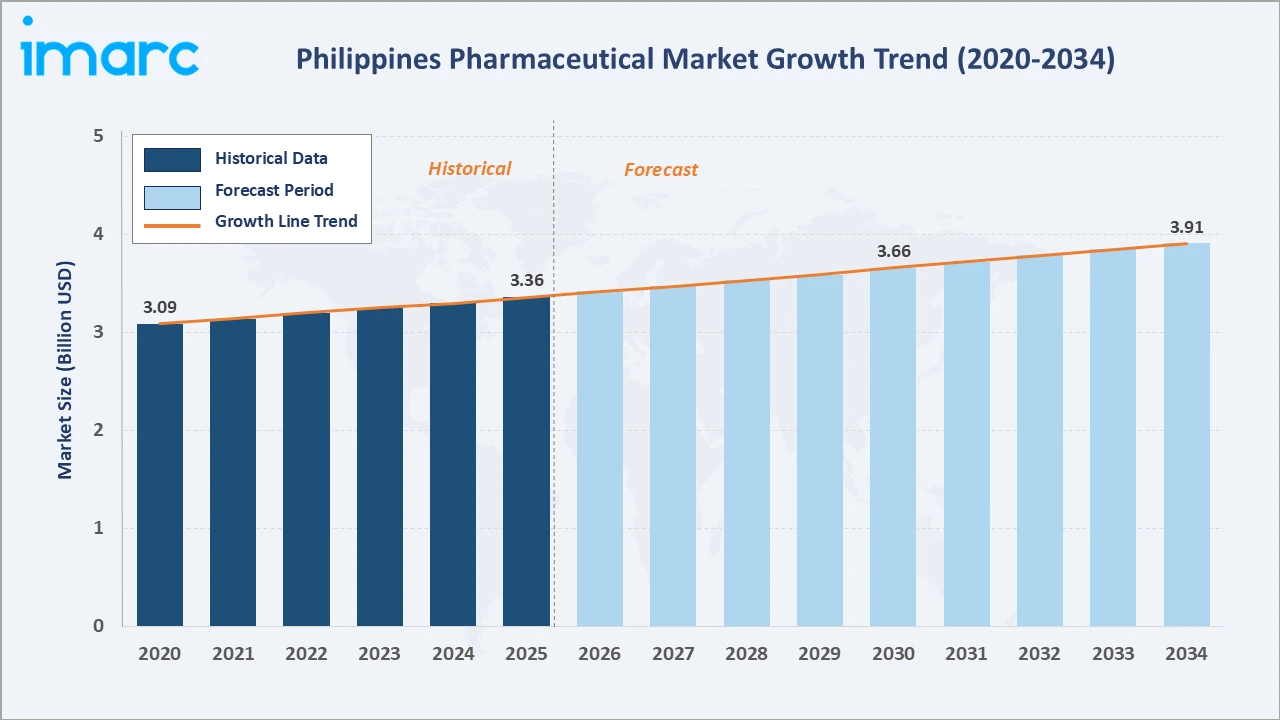
The Philippines pharmaceutical market grew from USD 3.36 Billion in 2025 to USD 3.42 Billion in 2026 and is projected to reach USD 3.91 Billion by 2034, exhibiting a CAGR of 1.71% during 2026-2034. The Philippines' population reached approximately 114.9 million in 2023 and is projected to grow by 17%, reaching around 134.4 million by 2050. This sustained population growth is expected to drive demand for pharmaceutical products by expanding the patient pool, increasing the prevalence of chronic and age-related diseases, and boosting the need for prescription drugs, vaccines, over-the-counter medicines, and healthcare services. As healthcare access and government health coverage continue to improve, pharmaceutical manufacturers are likely to benefit from higher medicine consumption and expanding distribution networks across the country. Prescription drugs lead at 72.4%, the cardiovascular system leads the therapeutic category at 24.5%, and Luzon accounts for the dominant regional share at 68.4%.
Market Snapshot
|
Metric |
Value |
|
Base Year Market Size (2025) |
USD 3.36 Billion |
| Market Size (2026) | USD 3.42 Billion |
|
Forecast Market Size (2034) |
USD 3.91 Billion |
|
CAGR (2026-2034) |
1.71% |
|
Base Year |
2025 |
|
Historical Period |
2020-2025 |
|
Forecast Period |
2026-2034 |
| Dominant Prescription Therapeutic Category |
Prescription Drugs – 72.4% (2025) |
|
Dominant Therapeutic Category |
Cardiovascular System – 24.5% (2025) |
|
Leading Region |
Luzon – 68.4% (2025) |
The Philippines pharmaceutical market expanded from USD 3.09 Billion in 2020 to USD 3.36 Billion in 2025 and an estimated USD 3.42 Billion in 2026 at a measured pace reflecting the country's post-pandemic healthcare normalization, progressive PhilHealth benefit package expansion, and the continued acceleration of generic drug registration processes that have broadened the available pharmacopeia. The market is projected to reach USD 3.66 Billion by 2030 and USD 3.91 Billion by 2034.
To get more information on this market, Request Sample
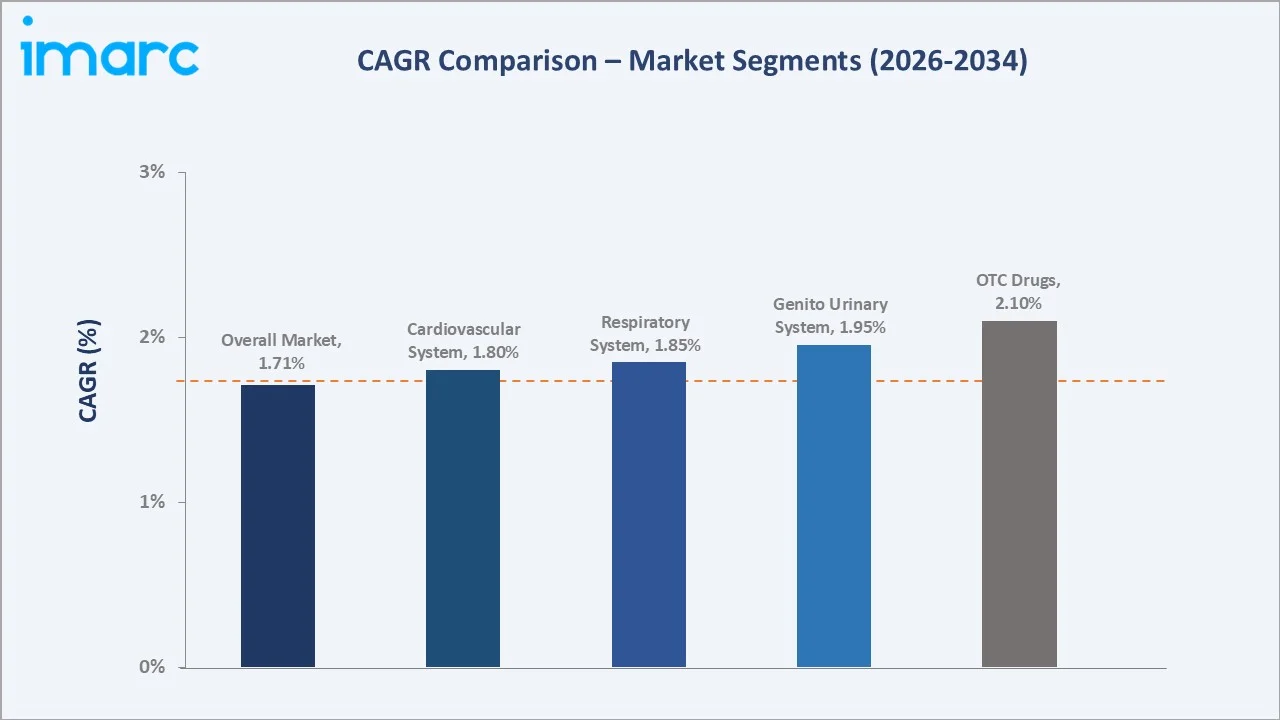
OTC drugs grow at ~2.10% CAGR through consumer self-medication expansion, digital pharmacy platforms, and post-pandemic health awareness driving vitamins, antihistamines, and analgesic demand. Genito urinary system grows at ~1.95% CAGR through urology and renal care portfolio expansion and the growing burden of chronic kidney disease in the Philippines. Respiratory system grows at ~1.85% CAGR through high tuberculosis prevalence and rising asthma and COPD cases from urban air quality deterioration. Luzon region grows at ~1.75% CAGR, sustaining its dominant position through dense healthcare infrastructure and Luzon's concentration of major hospital chains and specialty clinics.
Executive Summary
The Philippines pharmaceutical market is characterized by the structural tension between a growing healthcare demand base, driven by a young but rapidly aging population with rising NCD burden, expanding insurance coverage, and improving healthcare literacy and a constrained economic environment. The market, which increased from USD 3.36 Billion in 2025 to an estimated USD 3.42 Billion in 2026 and projected to reach USD 3.91 Billion by 2034.
Prescription drugs lead at 72.4% (2025) through physician-driven prescribing for chronic disease management. The cardiovascular category's 24.5% (2025) dominance reflects hypertension's extraordinary prevalence, creating sustained demand for antihypertensives, lipid-lowering agents, and anti-arrhythmics that constitute the largest segment of both branded prescription and generic prescription portfolios. Luzon leads regionally at 68.4% (2025).
Key Market Insights
|
Insight |
Data |
| Dominant Prescription Therapeutic Category |
Prescription Drugs – 72.4% share (2025) |
|
Dominant Therapeutic Category |
Cardiovascular System – 24.5% share (2025) |
|
Leading Region |
Luzon – 68.4% share (2025) |
|
Market Opportunity |
Cardiovascular generic drug expansion; tuberculosis/respiratory specialty market; OTC digital pharmacy; healthcare infrastructure development; biosimilar market entry |
Key Analytical Observations Supporting the Above Data:
- Prescription Drugs at 72.4% (2025): Prescription drugs dominate through the structural driver of the expanding list of reimbursable essential medicines, where each inclusion effectively creates government-funded prescription volume for the included medicine's entire target patient population under insurance outpatient benefit packages.
- Cardiovascular System at 24.5%: The cardiovascular system dominates due to the high prevalence of hypertension, heart disease, and other lifestyle-related conditions. Rising awareness, improved diagnosis, and long-term demand for cardiovascular medications further support segment growth.
- Luzon at 68.4% (2025): Luzon dominates due to its large population, high concentration of hospitals and pharmacies, and strong presence of pharmaceutical manufacturers and distributors. Greater healthcare spending and better access to medical services further support regional demand.
Philippines Pharmaceutical Market Overview
The Philippines pharmaceutical market encompasses prescription medicines, over-the-counter drugs, generic pharmaceuticals, vaccines, biologics, and specialty therapies. It serves key therapeutic areas such as cardiovascular diseases, diabetes, respiratory disorders, infectious diseases, and oncology. The market includes domestic manufacturers, multinational companies, hospitals, pharmacies, distributors, and online retail channels. Growth is supported by expanding healthcare access, rising medicine consumption, population growth, and increasing demand for affordable treatments. Key macroeconomic factors include population growth, rising healthcare expenditure, increasing disposable incomes, urbanization, and government initiatives to expand healthcare access and universal health coverage, all of which support pharmaceutical demand in the Philippines.
Market Dynamics
To evaluate market opportunities, Request Sample
Market Drivers
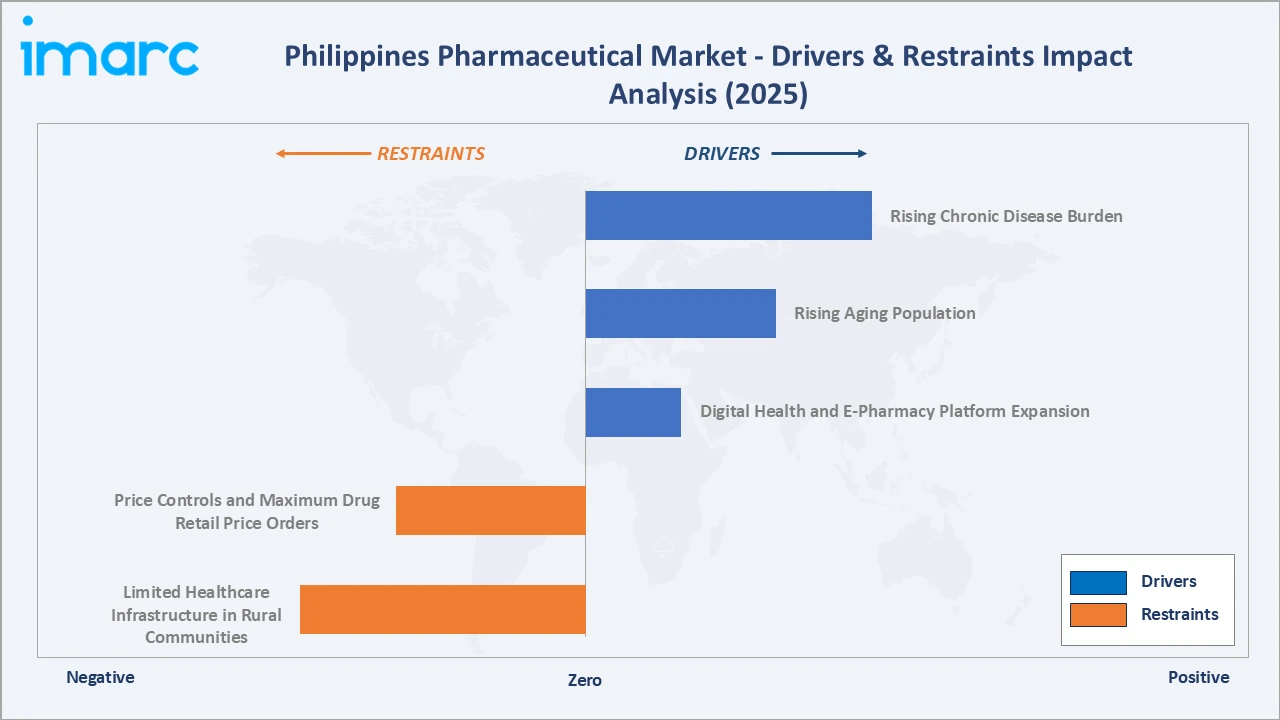
- Rising Chronic Disease Burden: According to the Philippine Statistics Authority, ischemic heart disease, neoplasms, and cerebrovascular disease remained the leading causes of death in the Philippines from January to October 2025. Ischemic heart disease accounted for 100,958 deaths, or 19.8% of total mortality, followed by neoplasms with 58,656 deaths and cerebrovascular disease with 50,453 deaths. Pneumonia and diabetes mellitus also ranked among the top five causes, contributing 34,347 and 31,291 deaths, respectively. The growing incidence of cardiovascular diseases, cancer, diabetes, and other chronic conditions is increasing demand for long-term medications, diagnostic services, and disease-management therapies. This rising chronic disease burden is therefore supporting the expansion of the Philippines pharmaceutical market.
- Rising Aging Population: The population of the Philippines stood at approximately 114.9 million in 2023 and is projected to increase by 17% to nearly 134.4 million by 2050. Alongside this population expansion, the growing proportion of older adults is expected to increase the prevalence of age-related and chronic conditions, driving demand for cardiovascular, diabetes, oncology, neurological, and other long-term pharmaceutical therapies.
- Digital Health and E-Pharmacy Platform Expansion: The expansion of digital health and e-pharmacy platforms is improving access to medicines across the Philippines, particularly in underserved and remote areas. Online consultations, digital prescriptions, and home-delivery services are making pharmaceutical products more convenient and accessible. These platforms also support better medication adherence through refill reminders and patient-engagement tools. Rising smartphone penetration and digital payment adoption are further accelerating online medicine purchases and supporting pharmaceutical market growth.
Market Restraints
- Price Controls and Maximum Drug Retail Price Orders: Price controls and Maximum Drug Retail Price orders can constrain pharmaceutical companies’ pricing flexibility and reduce profit margins in the Philippines. Lower returns may discourage investment in new product launches, local manufacturing, and research activities. Compliance requirements and periodic price adjustments can also increase administrative costs for manufacturers and distributors. In some cases, strict price caps may limit the availability of certain branded or specialty medicines, thereby hampering overall market growth.
- Limited Healthcare Infrastructure in Rural Communities: Limited healthcare infrastructure in rural communities restricts access to hospitals, clinics, pharmacies, and trained medical professionals across the Philippines. Weak distribution networks and transportation challenges can delay medicine availability and increase delivery costs in remote areas. Lower diagnostic capacity also reduces disease detection and prescription volumes. These gaps limit pharmaceutical penetration outside major urban centers and constrain overall market growth.
Market Opportunities
- Biosimilar Market Entry and Specialty Biologics: The Philippines' evolving biosimilar regulatory pathway creates an emerging market opportunity for biosimilar versions of high-cost biologics that are currently prohibitively expensive for the majority of cancer and autoimmune disease patients. In July 2025, Mabwell signed a licensing and commercialization agreement with Philippine-based UNILAB for two denosumab injections: 9MW0311, a biosimilar of Prolia, and 9MW0321, a biosimilar of Xgeva. Under the agreement, UNILAB manages product registration and marketing in the Philippines, while Mabwell oversees development, manufacturing, and commercial supply.
- AI-Driven Drug Discovery and Clinical Research: AI-driven drug discovery and clinical research are accelerating target identification, molecule screening, and clinical trial design. AI-powered analytics can improve trial efficiency, reduce development timelines, and optimize patient recruitment and monitoring. Growing investments in digital health infrastructure and collaborations between pharmaceutical companies, research institutions, and technology providers are further supporting AI adoption. These advancements can strengthen the country's clinical research capabilities while attracting greater pharmaceutical R&D investment.
Market Challenges
- API Import Dependence and Supply Chain Vulnerability: The Philippines pharmaceutical industry's API import dependency creates a structural supply chain vulnerability that the COVID-19 pandemic revealed dramatically when API shortages caused Philippine domestic medicine production disruptions.
- Healthcare Workforce Shortages: The Philippines' paradoxical position as one of the largest healthcare worker exporters while simultaneously experiencing severe domestic healthcare worker shortages means that a significant proportion of the pharmaceutical market's potential prescription volume is never generated because patients in underserved areas cannot access prescribing physicians. This workforce gap limits pharmaceutical market growth independently of financial access or product availability.
Emerging Market Trends
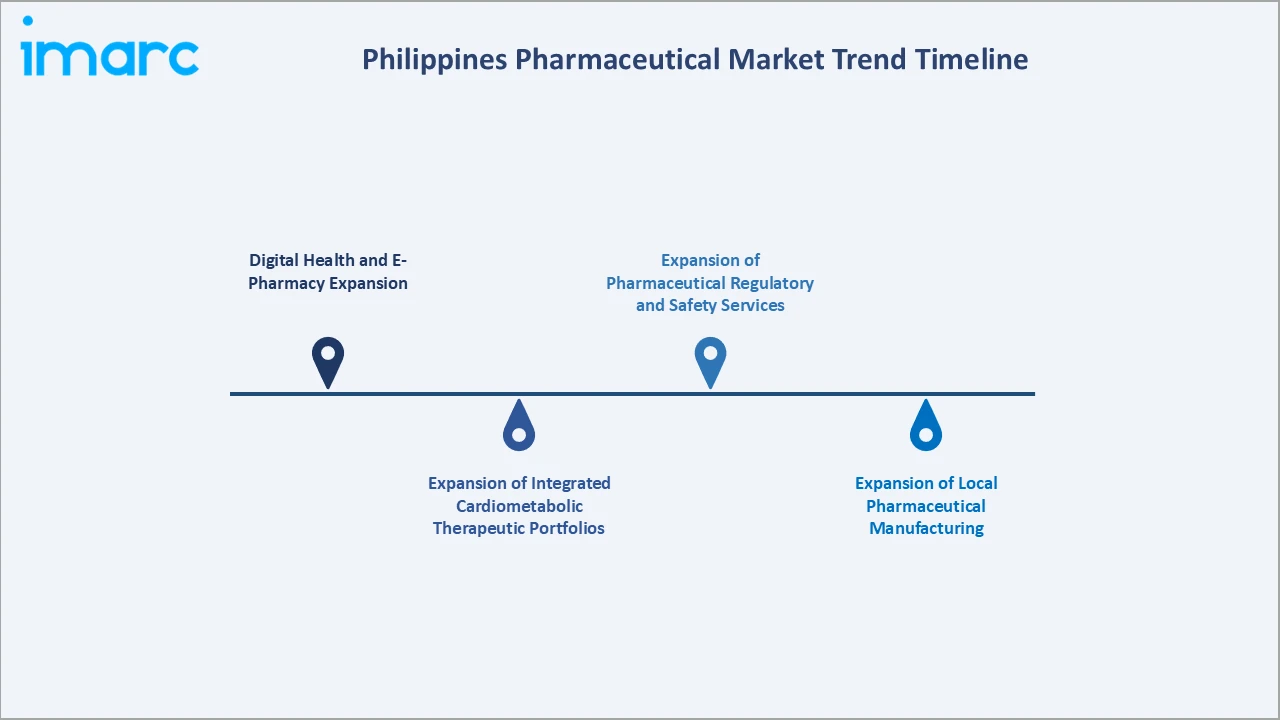
1. Digital Health and E-Pharmacy Expansion
The adoption of telemedicine, e-prescriptions, and e-pharmacy platforms is transforming pharmaceutical distribution across the Philippines. Consumers are increasingly purchasing medicines online due to greater convenience and accessibility. Integration of digital health services is improving medication adherence and expanding access to healthcare in underserved areas. This trend is strengthening omnichannel pharmaceutical sales.
2. Expansion of Integrated Cardiometabolic Therapeutic Portfolios
Pharmaceutical companies are increasingly launching integrated portfolios that address interconnected conditions such as cardiovascular disease, diabetes, kidney disorders, and liver disease. This approach reflects the growing burden of multimorbidity and the need for coordinated long-term treatment. In April 2026, Sun Pharmaceutical Industries formally entered the Philippines’ primary care segment through the launch of its CaRMeLin Portfolio, a broad therapeutic range covering cardiometabolic, renal, liver, and gastrointestinal care. The scientific launch brought together leading specialists in internal medicine, cardiology, endocrinology, nephrology, and primary care. The trend is encouraging companies to expand into high-demand therapeutic segments with broader, patient-centered product offerings.
3. Expansion of Local Pharmaceutical Manufacturing
Government initiatives encouraging domestic pharmaceutical production are reducing dependence on imported medicines. Investments in manufacturing facilities, technology upgrades, and quality standards are strengthening local supply chains. Greater local production also improves medicine availability during global supply disruptions. This trend supports long-term industry resilience.
4. Expansion of Pharmaceutical Regulatory and Safety Services
In March 2025, Glenwood Services Philippines, Inc. (GSPI) registered with the Philippine Board of Investments as the country’s first pharmaceutical services project. The company has established a new facility in Taguig that provides quality assurance, regulatory affairs, and pharmacovigilance services. These capabilities will support pharmaceutical companies in monitoring drug safety, managing regulatory risks, and complying with international standards. The launch highlights the growing development of specialized pharmaceutical support services in the Philippines, particularly in quality assurance, regulatory affairs, and pharmacovigilance. As drug safety requirements and global compliance standards become more stringent, pharmaceutical companies are increasingly outsourcing these functions to expert service providers.
Industry Value Chain Analysis
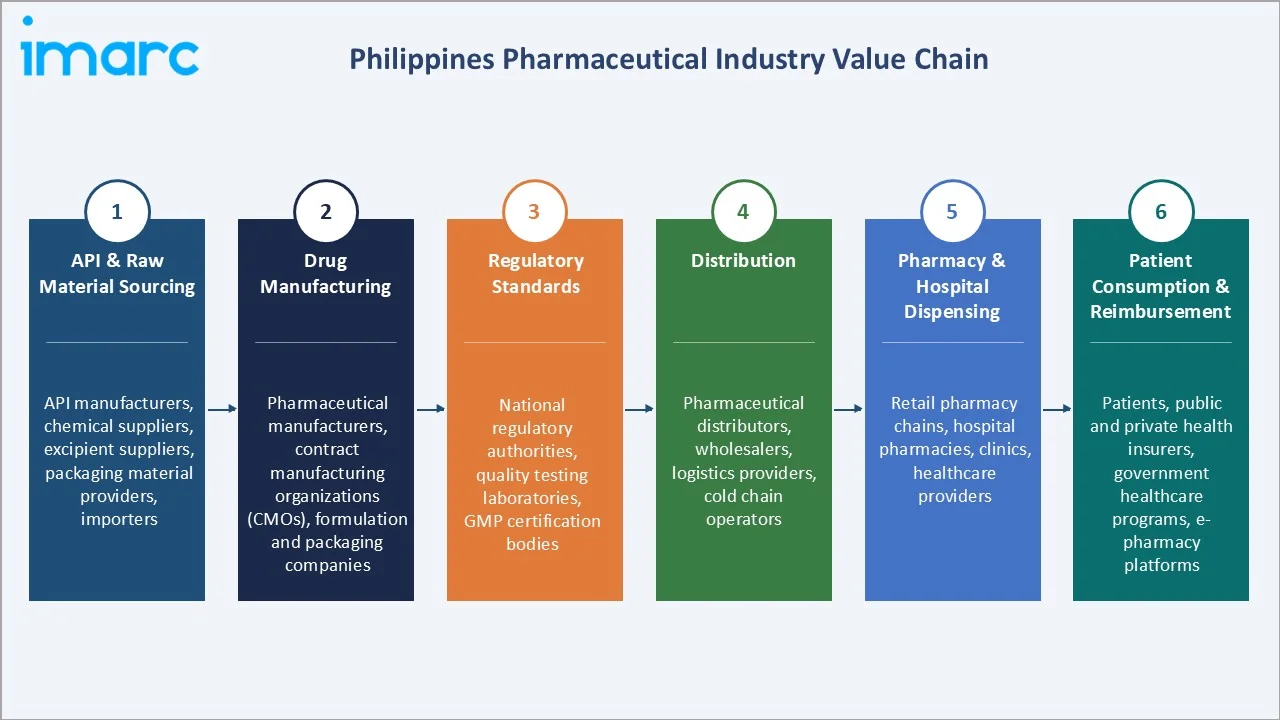
The Philippines pharmaceutical value chain integrates API & raw material sourcing, drug manufacturing, regulatory standards, distribution, pharmacy & hospital dispensing, and patient consumption & reimbursement.
|
Stage |
Key Participants |
|
API & Raw Material Sourcing |
API manufacturers, chemical suppliers, excipient suppliers, packaging material providers, importers. |
|
Drug Manufacturing |
Pharmaceutical manufacturers, contract manufacturing organizations (CMOs), formulation and packaging companies. |
|
Regulatory Standards |
National regulatory authorities, quality testing laboratories, GMP certification bodies. |
|
Distribution |
Pharmaceutical distributors, wholesalers, logistics providers, cold chain operators. |
|
Pharmacy & Hospital Dispensing |
Retail pharmacy chains, hospital pharmacies, clinics, healthcare providers. |
|
Patient Consumption & Reimbursement |
Patients, public and private health insurers, government healthcare programs, e-pharmacy platforms. |
Drug manufacturing is the most value-added stage in the pharmaceutical value chain, as it involves formulation development, production, quality assurance, packaging, and compliance with stringent regulatory standards. This stage contributes the highest value through technological expertise, intellectual property, product quality, and manufacturing efficiency.
Technology Landscape in the Philippines Pharmaceutical Industry
Artificial Intelligence (AI) in Drug Discovery and R&D
AI is increasingly being used to accelerate drug discovery by identifying potential drug candidates and predicting clinical outcomes. Pharmaceutical companies are leveraging AI-powered analytics to optimize research, reduce development costs, and improve trial success rates. AI also supports pharmacovigilance and real-world evidence generation. Its adoption is enhancing innovation across the pharmaceutical value chain.
Advanced Pharmaceutical Manufacturing Technologies
Manufacturers are adopting automation, robotics, IoT sensors, and real-time process monitoring to improve production efficiency and product quality. Smart manufacturing technologies reduce operational costs while ensuring compliance with Good Manufacturing Practices (GMP). Digital production systems also improve traceability across manufacturing operations. This trend supports greater manufacturing competitiveness.
Cold Chain and Temperature Monitoring Technologies
The growing use of vaccines, biologics, and specialty medicines is driving investment in advanced cold chain technologies. IoT-enabled sensors provide real-time temperature monitoring throughout storage and transportation. Automated alerts help prevent product spoilage and maintain regulatory compliance. These technologies ensure the integrity of temperature-sensitive pharmaceuticals.
Market Segmentation Analysis
The report covers the following segments:
|
Segment Category |
Leading Segment |
Market Share |
Year |
|
Prescription Therapeutic Category |
Prescription Drugs |
72.4% |
2025 |
|
Therapeutic Category |
Cardiovascular System |
24.5% |
2025 |
|
Region |
Luzon |
68.4% |
2025 |

By Prescription Therapeutic Category
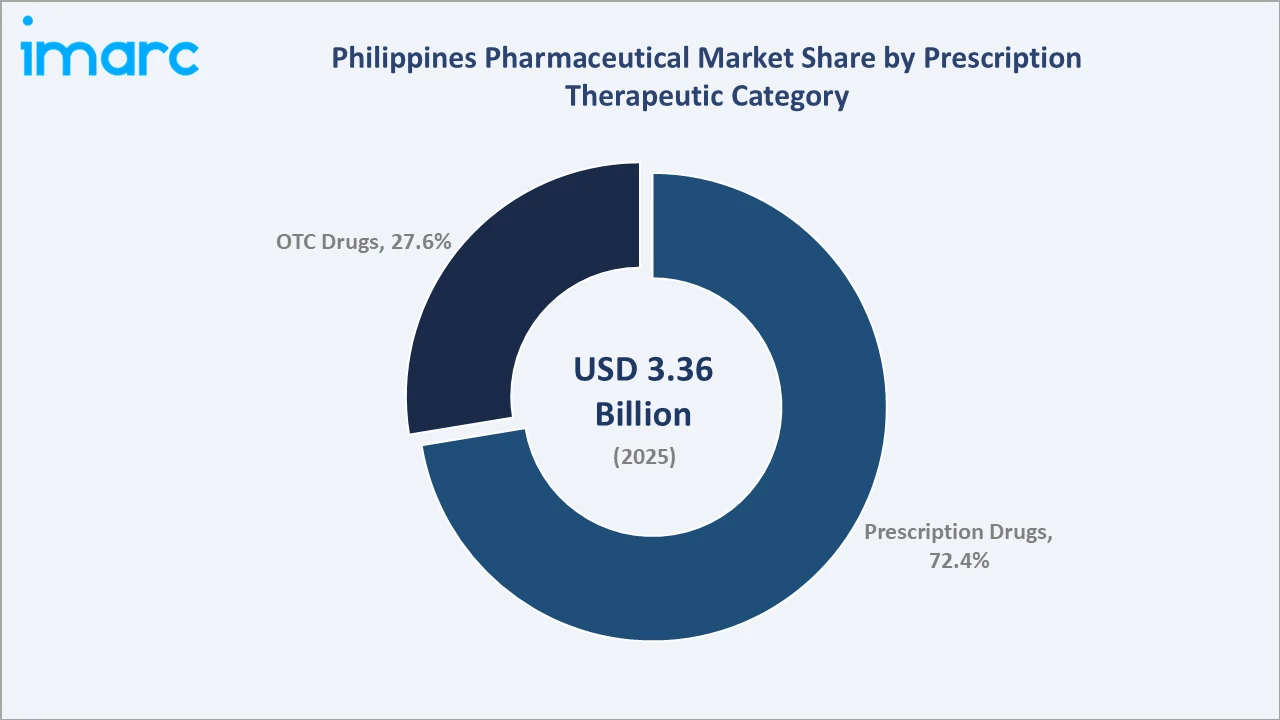
Prescription drugs lead at 72.4% (2025) through the structural mechanics of the Philippine healthcare system, where physician prescribing in public and private hospitals drives cardiovascular, anti-infective, respiratory, and oncology pharmaceutical volume that accounts for the majority of market value. The Philippine prescribing landscape is bifurcated between high-volume generic prescribing in public health facilities and branded prescription in private hospitals and specialty clinics.
To access detailed market analysis, Request Sample
OTC drugs at 27.6%, growing at ~2.10% CAGR, serve the self-medication market anchored by analgesics-antipyretics, antihistamines, antacids, antidiarrheal agents, and vitamins and nutritional supplements that collectively represent the Philippine consumer health segment where domestic brands and international consumer health brands compete on advertising, brand equity, and retail pharmacy shelf positioning.
By Therapeutic Category
Cardiovascular system leads at 24.5% (2025) through hypertension, dyslipidemia, coronary artery disease, and heart failure, forming the largest single therapeutic driver. Blood and blood forming organs at 16.7% span iron deficiency anemia, anticoagulants, and antiplatelet agents. Respiratory system at 14.3% encompasses anti-TB medicines, bronchodilators, inhaled corticosteroids, and antibiotic treatments for community-acquired pneumonia and acute exacerbations of COPD and asthma.
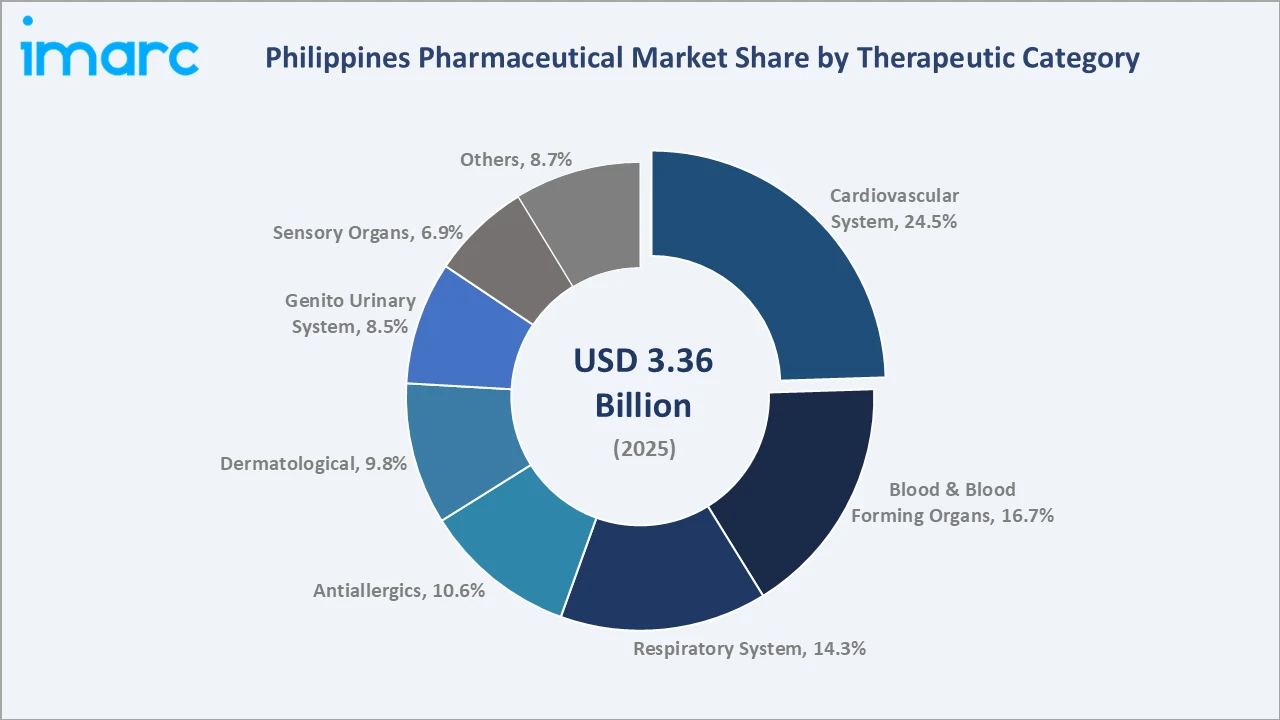
Antiallergics at 10.6% serve the Philippines' high prevalence of allergic rhinitis and urticaria through antihistamine prescriptions and intranasal corticosteroids. Dermatological at 9.8% covers antifungals for the Philippines' tropical-climate-driven high tinea versicolor and dermatomycosis prevalence, corticosteroid preparations for inflammatory dermatoses, and antibiotics for secondary skin infections. Genito urinary system at 8.5% encompasses alpha-blockers and 5-alpha reductase inhibitors for BPH, urinary tract infection antibiotics, and specialty renal medicine portfolio.
Regional Market Insights
|
Region |
Share (2025) |
Key Philippines Pharmaceutical Market Drivers & Characteristics |
|
Luzon |
68.4% |
Largest pharmaceutical market, driven by high population density, major hospitals, pharmaceutical manufacturers, and strong healthcare infrastructure. |
|
Visayas |
18.7% |
Growth supported by expanding healthcare facilities, increasing urbanization, and rising demand for prescription and OTC medicines. |
|
Mindanao |
12.9% |
Market growth is driven by improving healthcare access, government health initiatives, expanding pharmacy networks, and increasing investment in regional healthcare infrastructure. |
Luzon's 68.4% market dominance is supported by its large population, advanced healthcare infrastructure, and the presence of major pharmaceutical manufacturers, distributors, and tertiary hospitals.
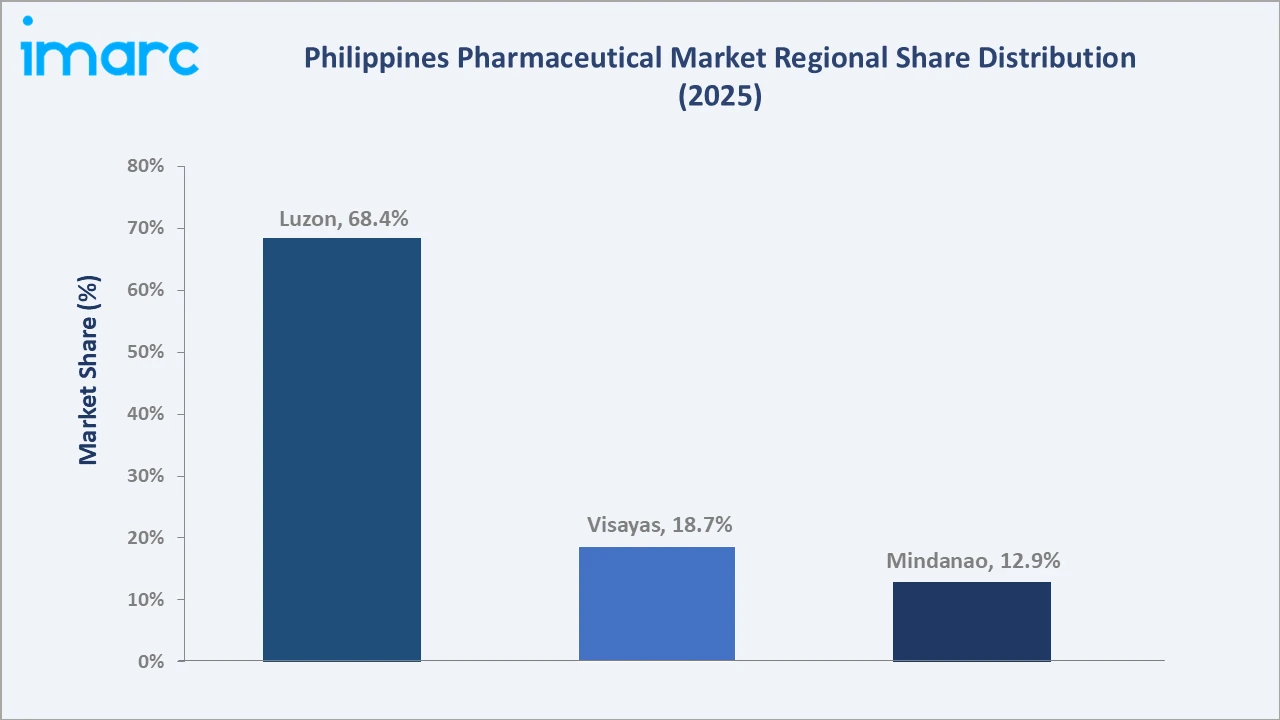
Visayas' 18.7% share is experiencing steady growth due to expanding healthcare facilities, rising urbanization, and increasing pharmaceutical demand. Mindanao's 12.9% emerging as a promising market, driven by improving healthcare access, government investments, and the expansion of pharmacy networks
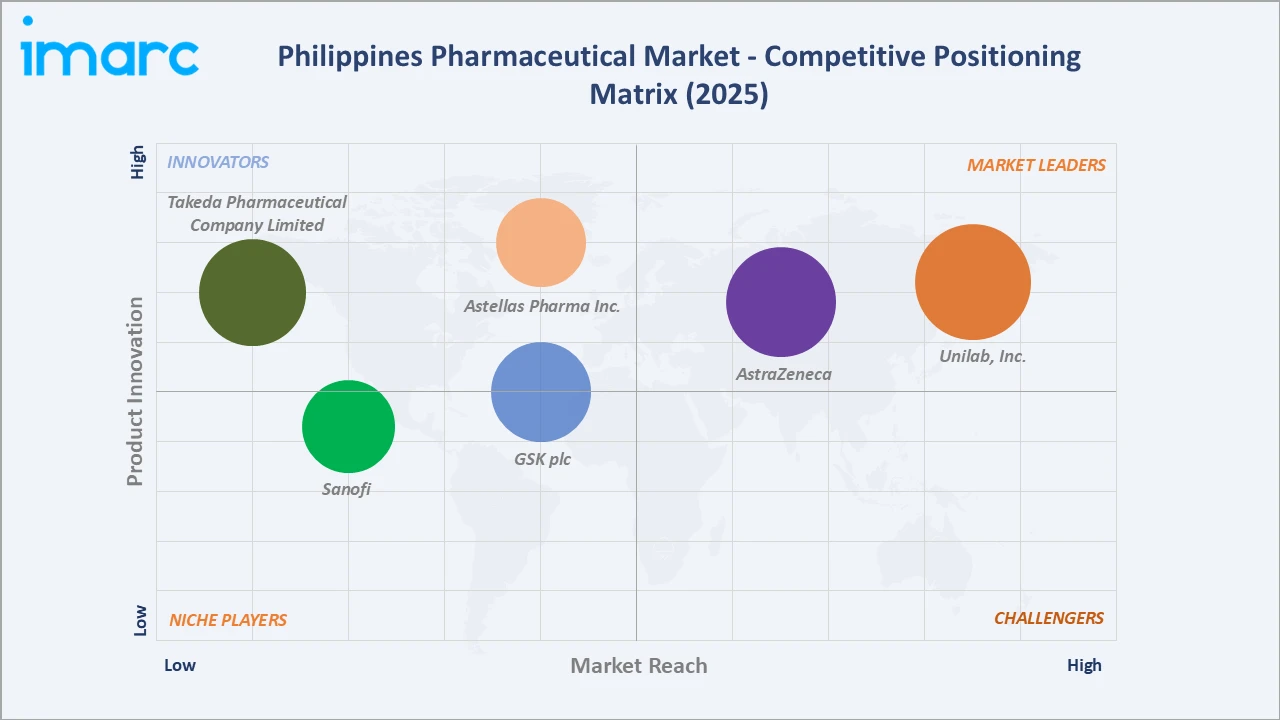
Competitive Landscape
The Philippines pharmaceutical market is moderately consolidated, with a mix of multinational pharmaceutical companies and strong domestic manufacturers competing across branded, generic, specialty, and consumer healthcare segments. Leading players focus on product portfolio expansion, strategic partnerships, local manufacturing, and regulatory approvals to strengthen their market presence. Companies are also investing in digital health platforms, e-pharmacy channels, and biosimilars to capture emerging growth opportunities. Continuous innovation, expanding distribution networks, and competitive pricing remain key differentiators in the market.
|
Company |
Key Therapeutic Category |
Market Position |
Core Strength |
|
Unilab, Inc. |
Pain Relief and Muscle Care, Cough Medicines, Metabolic Health, Urinary Tract & Kidney Care, Allergy Relief, Cardiovascular, Neurology |
Market Leader |
Unilab, Inc. dominates the sector by developing, manufacturing, and distributing prescription drugs, consumer healthcare products, vitamins, and generics across major therapeutic areas. |
|
AstraZeneca |
Oncology, Cardiovascular, Renal and Metabolism, Respiratory & Immunology, Infectious Disease, Rare Disease |
Market Leader |
AstraZeneca is one of the top pharmaceutical companies in the Philippines, playing a major role in both commercial medicine and healthcare infrastructure. |
|
Takeda Pharmaceutical Company Limited |
Gastrointestinal and Inflammation, Rare Diseases, Plasma-Derived Therapies, Oncology, Neuroscience |
Innovator |
Takeda Pharmaceutical Company Limited, operating through its subsidiary, plays a vital role in the Philippine market by focusing on high-unmet-need therapeutic areas. |
|
Sanofi |
Immunology, Neurology, Oncology, Vaccines, Rare Diseases |
Established Player |
Sanofi is one of the leading multinational pharmaceutical companies in the Philippines. It is a dominant force across innovative medicines, vaccines, and consumer healthcare, while historically shaping public health and regulatory landscapes. |
|
GSK plc |
Respiratory, immunology and inflammation, Oncology, HIV, Infectious diseases |
Established Player |
GSK plc is a leading multinational biopharma company in the Philippines. It operates as a major market leader in vaccines, anti-infectives, and respiratory medicines. |
|
Astellas Pharma Inc. |
Oncology, Ophthalmology, Urology, Immunology, Women's Health |
Innovator |
Astellas Pharma Inc. is a major multinational player in the Philippine pharmaceutical sector, with a strong focus on oncology, urology, immunology, and ophthalmology. |
Competitive dynamics are increasingly shaped by formulary decisions, where achieving insurance benefit package coverage for a pharmaceutical product creates government-funded institutional prescription volume that transforms a product's commercial viability in the Philippines' price-constrained market.
Key Company Profiles
Unilab, Inc.
Unilab, Inc. is the largest pharmaceutical and healthcare company in the Philippines, with a strong presence across prescription medicines, generic drugs, over-the-counter (OTC) products, vitamins, and consumer healthcare. The company operates an extensive manufacturing and distribution network, enabling nationwide access to affordable, high-quality medicines. Unilab collaborates with global pharmaceutical companies through licensing and commercialization agreements to expand its portfolio of innovative therapies.
- Key Therapeutic Categories: Pain Relief and Muscle Care, Cough Medicines, Metabolic Health, Urinary Tract & Kidney Care, Allergy Relief, Cardiovascular, Neurology.
- Key Developments: In March 2026, the Unilab Center for Health Policy launched a collaborative research and implementation initiative aimed at strengthening primary healthcare systems in Naga City. The program was formalized through an agreement between the Unilab Foundation, through UCHP, and Naga City Mayor Leni Robredo. It will focus on developing scalable healthcare solutions, improving the local health data ecosystem, and introducing digital tools to enhance primary care delivery.
- Strategic Focus: Expanding its portfolio of affordable branded generics, specialty medicines, and consumer healthcare products to address the country's evolving healthcare needs. The company strengthens its market position through strategic licensing and commercialization partnerships with global pharmaceutical firms to introduce innovative therapies. It also invests in local manufacturing, nationwide distribution, and digital healthcare initiatives to improve medicine accessibility.
AstraZeneca
AstraZeneca is a leading biopharmaceutical company with a strong presence in the Philippines, specializing in prescription medicines for oncology, cardiovascular, renal and metabolism, respiratory, immunology, and rare diseases. The company collaborates with healthcare providers, government agencies, and research institutions to improve access to innovative therapies and strengthen disease management. AstraZeneca continues to expand its footprint through clinical research, patient access programs, and strategic partnerships. Its focus on innovation and specialty medicines positions it as a key player in the Philippines pharmaceutical market.
- Key Therapeutic Categories: Oncology, Cardiovascular, Renal and Metabolism, Respiratory & Immunology, Infectious Disease, Rare Disease.
- Strategic Focus: Expanding access to innovative specialty therapies across oncology, cardiovascular, renal and metabolism, respiratory, and rare diseases. The company strengthens its market presence through strategic partnerships with government agencies, healthcare providers, and patient organizations to improve early diagnosis and treatment access.
Market Concentration Analysis
The Philippines pharmaceutical market is moderately consolidated, with no single company holding more than an estimated 15-18% market share and the combined top-3 companies (Unilab, AstraZeneca, and Takeda) collectively representing approximately 30-35% of total market value. Market concentration in specific therapeutic categories is higher: Unilab commands an estimated 35-40% of the branded-generic prescription market in anti-infective and OTC analgesic categories, while AstraZeneca and Sanofi dominate the branded cardiovascular prescription tier at private hospitals. The generic drug segment's progressive expansion is fragmenting the market further by enabling more generic manufacturers to achieve meaningful market share in off-patent therapeutic categories.
Investment & Growth Opportunities
Highest Growth Segments
OTC drugs (~2.10% CAGR), genito urinary system (~1.95% CAGR), respiratory system (~1.85% CAGR), cardiovascular system (~1.80% CAGR), and digital pharmacy distribution channel (above-market growth) represent the Philippines pharmaceutical market's highest-growth investment vectors through 2034.
Investment Themes
- Insurance Package Benefit Expansion: Expanding health insurance benefits under public and private healthcare programs is creating opportunities for greater pharmaceutical spending and improved medicine affordability. Broader reimbursement coverage is expected to increase patient access to prescription drugs, specialty therapies, and chronic disease treatments, supporting long-term market growth.
- Visayas and Mindanao Pharmaceutical Market Development: Increasing investments in healthcare infrastructure, pharmacy networks, and distribution channels across the Visayas and Mindanao are expanding pharmaceutical market penetration beyond Luzon. Improving healthcare access and rising regional demand present significant opportunities for manufacturers to strengthen their presence in these underserved markets.
Future Market Outlook (2026-2034)
The Philippines pharmaceutical market is projected to grow from USD 3.36 Billion in 2025 to USD 3.42 Billion in 2026, reaching USD 3.91 Billion by 2034, delivering a 1.71% CAGR that reflects the structural tension between compelling healthcare demand growth drivers and the economic and regulatory constraints that limit per-unit pharmaceutical revenue growth in the regulated, price-sensitive Philippine market. The anchor value of USD 3.66 Billion in 2030 is moderate by emerging market standards but consistent with the Philippines' pharmaceutical market economics where volume growth partially offsets revenue per unit limitations.
Three structural forces will define the market's trajectory through the forecast period. First, the Universal Health Care Act's progressive implementation is creating the Philippines' largest-ever government-funded pharmaceutical demand expansion. Second, the Philippines' NCD epidemiological burden creates a structurally guaranteed demand expansion for the cardiovascular, anti-diabetic, and oncology pharmaceutical categories that will sustain above-market CAGR growth in the three largest therapeutic segments throughout the forecast period. Third, the expanding generic drug and biosimilar market will sustain pharmaceutical volume growth at affordable price points that the Philippine per-capita income level can support, ensuring that the pharmaceutical market's volume growth can translate into modest revenue growth despite regulatory constraints.
Research Methodology
Primary Research
Primary research comprised in-depth interviews with registration officers, PhilHealth benefit package design analysts, medical specialists (cardiologists, pulmonologists, nephrologists, hematologists, psychiatrists) at major teaching hospitals, pharmaceutical company country managers, distribution channel representatives, pharmacy operations managers, and Philippine Pharmaceutical Industry representatives.
Secondary Research
Secondary research encompassed company annual reports, essential medicine list, Philippines NCD Country Profile and TB burden estimates, Philippine Heart Association Hypertension prevalence data, Philippine Diabetes Association epidemiology data, population and health statistics, Philippines pharmaceutical market data, corporate sustainability reports, and Philippines press releases.
Forecasting Models
Forecasting models were developed using historical Philippines pharmaceutical market data, essential medicine access expansion scenario analysis, Philippines NCD burden epidemiological progression modeling, generic drug market penetration rate estimation under accelerated registration, regional market development differential analysis, digital pharmacy channel adoption rate projections, price ceiling impact on revenue per unit modeling, and biosimilar market entry scenario analysis for oncology biologics. Both top-down and bottom-up approaches were validated through primary research.
Philippines Pharmaceutical Market Report Coverage:
| Report Features | Details |
|---|---|
| Base Year of the Analysis | 2025 |
| Historical Period | 2020-2025 |
| Forecast Period | 2026-2034 |
| Units | Billion USD |
| Scope of the Report |
Exploration of Historical Trends and Market Outlook, Industry Catalysts and Challenges, Segment-Wise Historical and Future Market Assessment:
|
| Prescription Therapeutic Categories Covered |
|
| Therapeutic Categories Covered | Antiallergics, Blood and Blood Forming Organs, Cardiovascular System, Dermatological, Genito Urinary System, Respiratory System, Sensory Organs, Others |
| Regions Covered | Luzon, Visayas, Mindanao |
| Companies Covered | Unilab, Inc., AstraZeneca, Takeda Pharmaceutical Company Limited, Sanofi, GSK plc, Astellas Pharma Inc., etc. |
| Customization Scope | 10% Free Customization |
| Post-Sale Analyst Support | 10-12 Weeks |
| Delivery Format | PDF and Excel through Email (We can also provide the editable version of the report in PPT/Word format on special request) |
Key Benefits for Stakeholders:
- IMARC’s industry report offers a comprehensive quantitative analysis of various market segments, historical and current market trends, market forecasts, and dynamics of the Philippines pharmaceutical market from 2020-2034.
- The research report provides the latest information on the market drivers, challenges, and opportunities in the Philippines pharmaceutical market.
- Porter's five forces analysis assist stakeholders in assessing the impact of new entrants, competitive rivalry, supplier power, buyer power, and the threat of substitution. It helps stakeholders to analyze the level of competition within the Philippines pharmaceutical industry and its attractiveness.
- Competitive landscape allows stakeholders to understand their competitive environment and provides an insight into the current positions of key players in the market.
Frequently Asked Questions About the Philippines Pharmaceutical Market Report
The Philippines pharmaceutical market size is estimated at USD 3.42 Billion in 2026, driven by universal coverage implementation and outpatient drug benefit expansion, rising NCD burden, generic drug market expansion, and heart failure coverage.
The market grows at 1.71% CAGR during 2026-2034, reaching USD 3.91 Billion by 2034. Growth is supported by rising medicine demand, expanding healthcare access, and the increasing burden of chronic diseases.
Prescription drugs lead at 72.4% (2025) through physician-driven NCD chronic disease management prescribing, essential medicine coverage, and the generic prescribing framework.
The cardiovascular system leads at 24.5% (2025) through the Philippines' extraordinary hypertension burden, dyslipidemia, and diabetes-cardiovascular comorbidity driving antihypertensive, statin, antiplatelet, and anticoagulant prescription volumes.
Luzon leads at 68.4% (2025) through Metro Manila's concentration of the Philippines' largest hospitals, highest physician density, all major pharmaceutical company headquarters, and the densest retail pharmacy chain network.
Leading companies include Unilab, Inc., AstraZeneca, Takeda Pharmaceutical Company Limited, Sanofi, GSK plc, and Astellas Pharma Inc., among others.
The market is projected to reach approximately USD 3.66 Billion by 2030, driven by universal essential medicine coverage reaching full implementation target, insurance expansion into additional oncology and specialty categories, hospital infrastructure expansion in Visayas and Mindanao improving pharmaceutical access, generic portfolio expansion, and digital pharmacy platform consolidation improving OTC market reach.
Top opportunities include: Visayas and Mindanao regional pharmaceutical market development through secondary-city medical detailing and distribution logistics, digital pharmacy platform partnership for OTC market expansion beyond Metro Manila's geographic reach, biosimilar market entry, mental health pharmaceutical market development, and API and pharmaceutical manufacturing investments.
Need more help?
- Speak to our experienced analysts for insights on the current market scenarios.
- Include additional segments and countries to customize the report as per your requirement.
- Gain an unparalleled competitive advantage in your domain by understanding how to utilize the report and positively impacting your operations and revenue.
- For further assistance, please connect with our analysts.
 Request Customization
 Speak to an Analyst
 Request Brochure
 Inquire Before Buying
Benefits of Customization
- Personalize this research
- Triangulate with your data
- Get data as per your format and definition
- Gain a deeper dive into a specific application, geography, customer, or competitor
- Any level of personalization
Get in Touch With Us
UNITED STATES
Phone: +1-201-971-6302
INDIA
Phone: +91-120-433-0800
UNITED KINGDOM
Phone: +44-753-714-6104
Email: [email protected]
Client Testimonials




.webp)




.webp)













Related Reports

Choose your plan
*Please note that the prices mentioned below are starting prices for each bundle type. Kindly contact our team for further details.*
Single User License
- 1 User License, Access on 2 Devices
- PDF Report + Excel Dataset (Password Protected)
- Lifetime Access
- No Printing Rights
- 10% Free Report Customization
- 10–12 Weeks of Analyst Support
Five User License
- Access for 5 Users, 2 Devices per User
- PDF Report + Excel Dataset (Password Protected)
- Lifetime Access
- Dedicated Account Manager
- 12–14 Weeks of Analyst Support
- No Printing Rights
- 15% Free Report Customization
- 25% Discount on Your Next Purchase
Corporate User License
- Unlimited User Access (Within Your Organization)
- PDF Report + Excel Dataset
- Lifetime Access
- Dedicated Account Manager
- 14–20 Weeks of Analyst Support
- No Printing Rights
- 20% Free Report Customization
- 30% Discount on Your Next Purchase
Essential Insights
What's included:
3 reports
- Lifetime Access
- PDF Reports
- Excel Datasets
- 2 Weeks of Free Analyst Support
- 2 User Licenses
- Access on 2 Devices
- Printing Rights
- Complimentary PowerPoint (PPT) Version
- Complimentary License Upgrade
Professional Access
What's included:
5 reports
- Lifetime Access
- PDF Reports
- Excel Datasets
- 8 Weeks of Free Analyst Support
- 2 User Licenses
- Access on 2 Devices
- Printing Rights
- Complimentary PowerPoint (PPT) Version
- Complimentary License Upgrade
Business Advantage
What's included:
8 reports
- Lifetime Access
- PDF Reports
- Excel Datasets
- 14 Weeks of Free Analyst Support
- 2 User Licenses
- Access on 2 Devices
- Printing Rights
- Complimentary PowerPoint (PPT) Version
- Complimentary License Upgrade
Enterprise Intelligence
What's included:
10 reports
- Lifetime Access
- PDF Reports
- Excel Datasets
- 20 Weeks of Free Analyst Support
- 2 User Licenses
- Access on 2 Devices
- Printing Rights
- Complimentary PowerPoint (PPT) Version
- Complimentary License Upgrade