
Platelet Aggregation Devices Market Size, Share, Trends and Forecast by Product, Type, Application, End User, and Region, 2026-2034
Platelet Aggregation Devices Market Size, Share, Trends & Forecast (2026-2034)
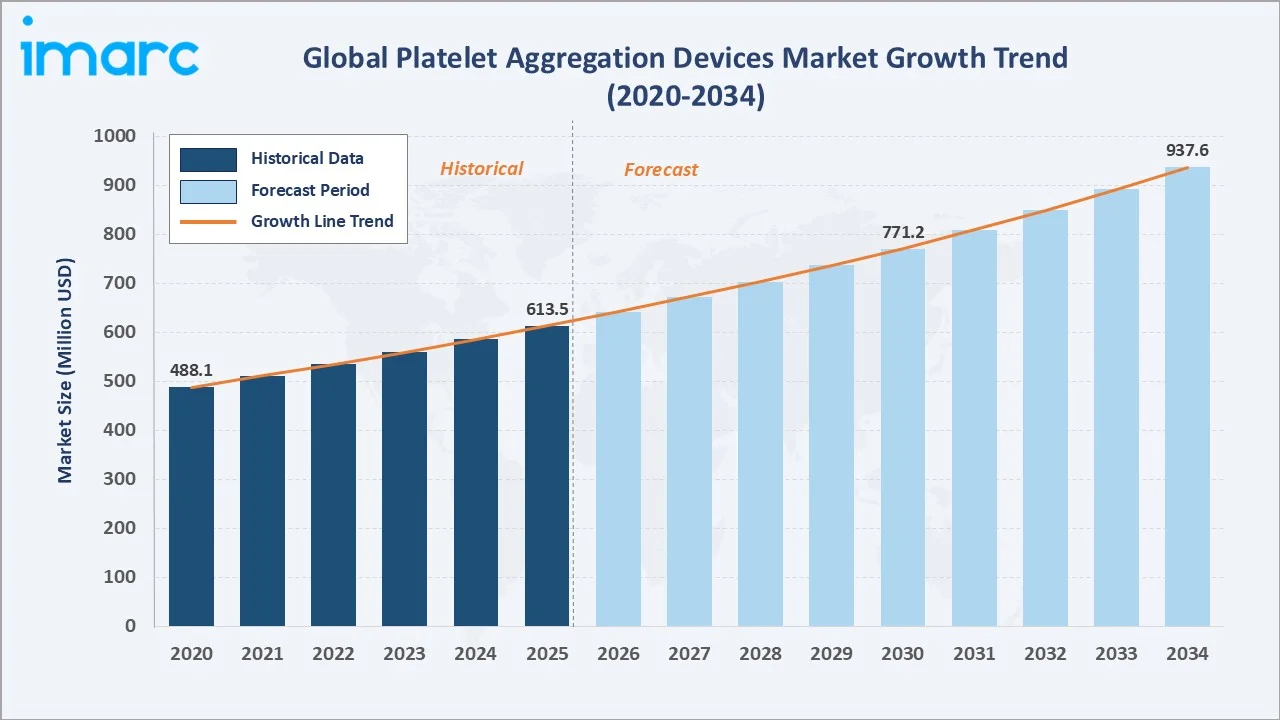
The global platelet aggregation devices market reached USD 613.5 Million in 2025 and is projected to reach USD 937.6 Million by 2034, exhibiting a CAGR of 4.68% during 2026-2034. The escalating global burden of cardiovascular diseases, the rapid expansion of platelet-rich plasma (PRP)-based orthopedic and regenerative medicine applications, and significant technological advances in impedance aggregometry and point-of-care platelet function testing are the primary growth catalysts. Global cardiovascular disease prevalence is projected to increase by 90.0% between 2025 and 2050, while crude mortality and disability-adjusted life years (DALYs) are expected to rise by 73.4% and 54.7%, respectively. Cardiovascular-related deaths could reach 35.6 million by 2050, compared with 20.5 million in 2025. This growing disease burden is expected to drive demand for platelet aggregation devices. Reagents lead the product at 43.6%, four channel dominates the type at 47.8%, and North America accounts for the largest regional share at 38.2%.
Market Snapshot
|
Metric |
Value |
|
Market Size (2025) |
USD 613.5 Million |
|
Forecast Market Size (2034) |
USD 937.6 Million |
|
CAGR (2026-2034) |
4.68% |
|
Base Year |
2025 |
|
Historical Period |
2020-2025 |
|
Forecast Period |
2026-2034 |
|
Dominant Product |
Reagents (43.6%, 2025) |
|
Dominant Type |
Four Channel (47.8%, 2025) |
|
Leading Region |
North America (38.2%, 2025) |
The global platelet aggregation devices market grew from USD 488.1 Million in 2020 to USD 613.5 Million in 2025, driven by expanding antiplatelet drug therapy monitoring needs, growing cardiovascular disease prevalence requiring precision hemostasis management, and the emergence of PRP therapy creating new platelet function assessment applications in orthopedics and sports medicine. The market is projected to reach USD 771.2 Million by 2030 and USD 937.6 Million by 2034.
To get more information on this market, Request Sample
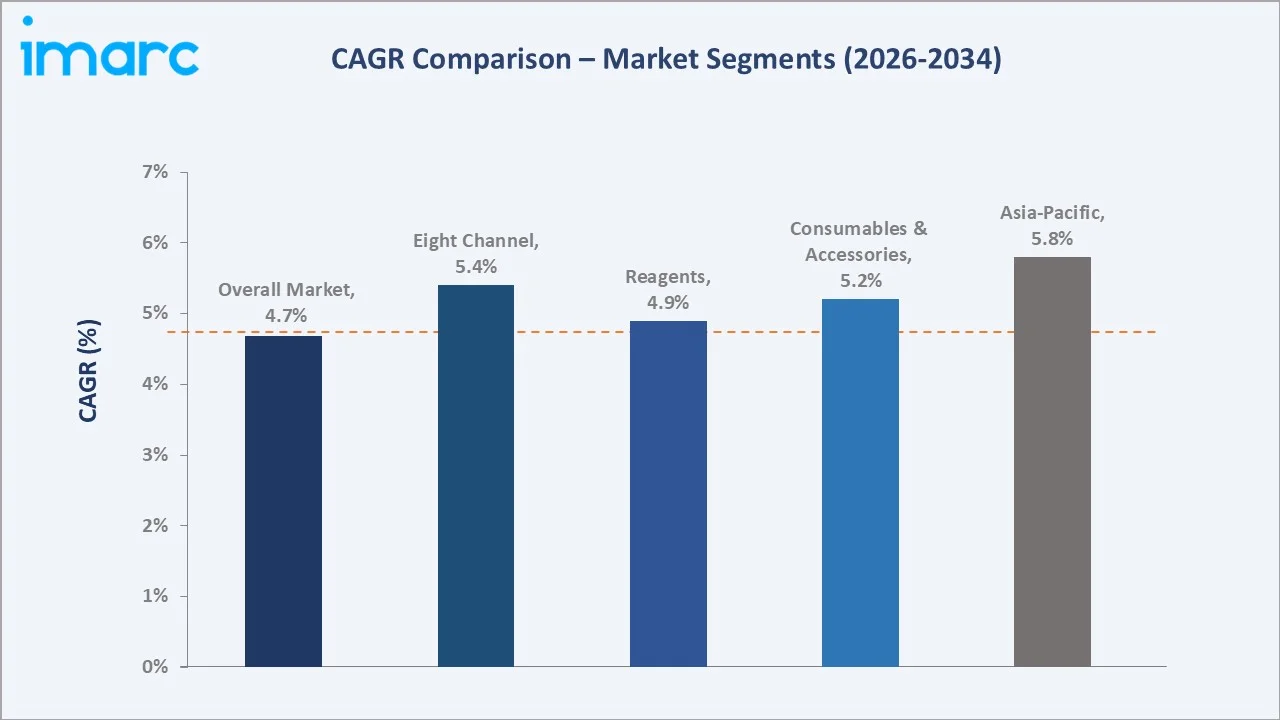
Eight channel types grow at ~5.4% CAGR through large-volume hospital and diagnostic laboratory demand for high-throughput simultaneous multi-agonist testing. Consumables and accessories grow at ~5.2% CAGR as installed device base expansion drives recurring reagent and cuvette consumable demand. Asia-Pacific leads regional growth at ~5.8% CAGR through expanding cardiovascular disease burden, growing hospital infrastructure investment, and increasing PRP therapy adoption.
Executive Summary
The global platelet aggregation devices market serves a critical diagnostic function at the intersection of cardiovascular disease management, personalized antiplatelet therapy, surgical bleeding risk assessment, and the burgeoning regenerative medicine sector. Platelet aggregation testing provides clinically essential information about platelet function status that guides antiplatelet drug dosing, identifies inherited or acquired platelet disorders, assesses surgical bleeding risk, and validates PRP therapy preparation quality. The light transmission aggregometry (LTA) method remains the gold standard reference method, while modern impedance-based multiple electrode aggregometry (MEA/Multiplate) and point-of-care systems have expanded testing from specialized coagulation laboratories into routine clinical and near-patient settings. Market value stood at USD 613.5 Million in 2025 and is forecast to reach USD 937.6 Million by 2034.
Reagents lead product at 43.6% (2025), reflecting the market's recurring revenue characteristic, where platelet aggregation testing requires fresh agonist reagents for each test run, creating a high-frequency, non-discretionary consumable demand stream that grows with installed base expansion, test menu broadening, and increasing test volume per installed system. Four channel leads at 47.8% (2025). North America commands 38.2% (2025) as the market's largest region, reflecting the United States' high cardiovascular disease burden, broad adoption of antiplatelet monitoring in cardiology, the presence of major manufacturers, and well-reimbursed coagulation laboratory testing infrastructure.
Key Market Insights
|
Insight |
Data |
|
Dominant Product |
Reagents – 43.6% share (2025) |
|
Dominant Type |
Four Channel – 47.8% share (2025) |
|
Leading Region |
North America – 38.2% share (2025) |
|
Market Opportunity |
PRP therapy quality assessment; perioperative POC platelet function; Asia-Pacific market expansion; AI-integrated aggregometry platforms |
Key Analytical Observations:
- Reagents at 43.6% (2025): Platelet aggregation reagents, encompassing agonist chemicals, calibrator preparations, reference plasma, and quality control materials, represent the largest and most defensible product segment through their recurring consumption model. Each platelet aggregation test requires fresh agonist reagent that cannot be recycled or reused, creating per-test reagent demand proportional to test volume.
- Four Channel at 47.8% (2025): Four-channel LTA and impedance aggregometry systems represent the clinical standard for comprehensive platelet function profiling that balances throughput with clinical information breadth. A standard four-position platelet function test panel provides information sufficient for most clinical applications, including antiplatelet drug monitoring, surgical bleeding risk assessment, and thrombocytopathy diagnosis.
- North America at 38.2% (2025): North America leads regionally due to its advanced diagnostic infrastructure, high cardiovascular disease burden, and widespread adoption of platelet function testing. Strong healthcare spending, established laboratory networks, and the presence of major device manufacturers further support regional dominance.
Platelet Aggregation Devices Market Overview
The global platelet aggregation devices market encompasses the analytical instruments, diagnostic reagent kits, and disposable consumables used to measure platelet aggregation, the critical hemostatic process through which platelets respond to vessel injury by adhering, activating, and clumping together to form a primary platelet plug. Platelet function testing serves multiple clinically important purposes: monitoring antiplatelet drug therapy; diagnosing congenital platelet disorders; assessing platelet function in acquired conditions; evaluating preoperative bleeding risk in patients on antiplatelet medications; and characterizing platelet activation capability in PRP preparations for regenerative medicine applications. Macroeconomic factors include rising healthcare expenditure, increasing aging populations, and growing investment in advanced diagnostic technologies.
Market Dynamics
To evaluate market opportunities, Request Sample
Market Drivers
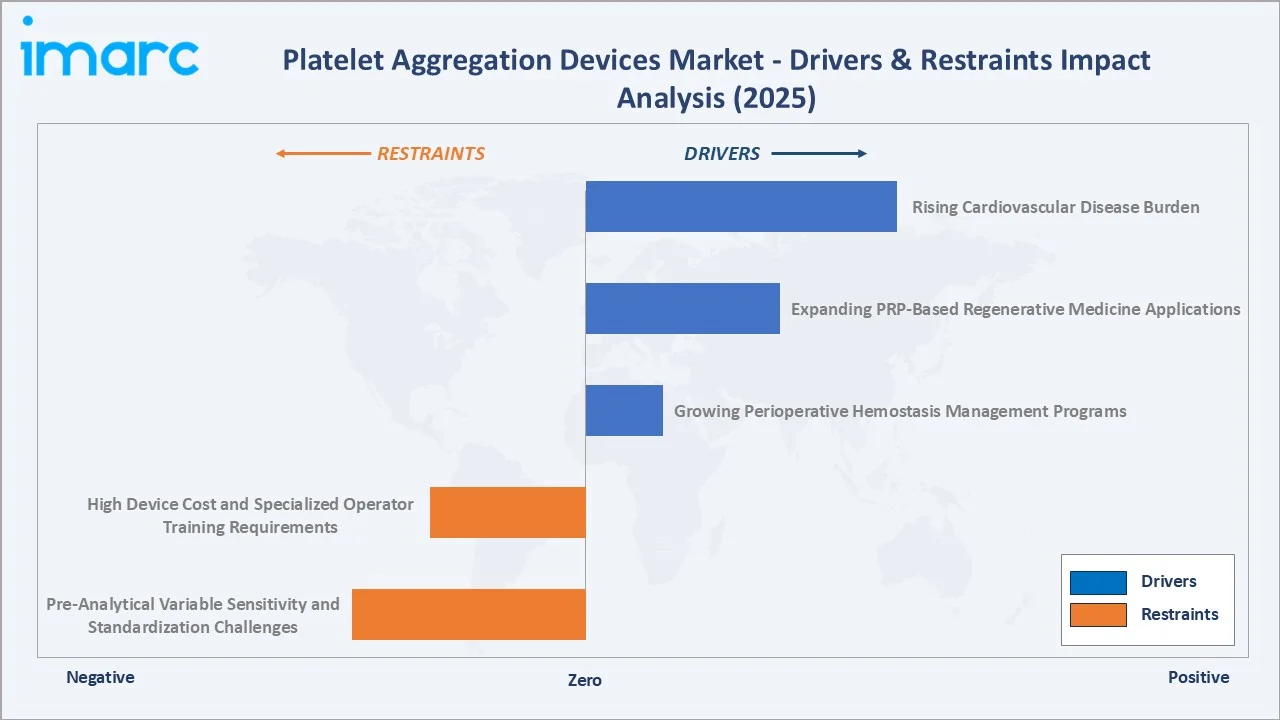
- Rising Cardiovascular Disease Burden: Between 2025 and 2050, the global prevalence of cardiovascular diseases is projected to rise by 90.0%, while crude mortality and disability-adjusted life years (DALYs) are expected to increase by 73.4% and 54.7%, respectively. Cardiovascular deaths are forecast to reach 35.6 million by 2050, up from 20.5 million in 2025. Cardiovascular diseases, including coronary artery disease, acute coronary syndrome, stroke, and peripheral arterial disease, drive the largest single clinical application for platelet aggregation testing through the monitoring of antiplatelet drug therapy. Platelet aggregation testing identifies high platelet reactivity and low platelet reactivity, enabling individualized antiplatelet therapy adjustment that reduces both recurrent thrombotic events and bleeding complications.
- Expanding PRP-Based Regenerative Medicine Applications: Platelet-rich plasma (PRP) therapy has grown into a major clinical application in orthopedic surgery, sports medicine, dermatology, and dentistry. In December 2025, Croma-Pharma launched Exprecell, a medical device for preparing autologous platelet-rich blood concentrates. Its optimized separation technology produces anticoagulant-free Fluid-PRF that retains platelet and leukocyte regenerative properties while remaining liquid temporarily. Platelet aggregation testing serves PRP quality control by measuring platelet response to ADP and collagen in the PRP preparation, ensuring functional platelets are present.
- Growing Perioperative Hemostasis Management Programs: Perioperative hemostasis management programs systematically assess patient coagulation and platelet function status preoperatively, intraoperatively, and postoperatively to guide blood product transfusion, platelet infusion, and procoagulant drug administration. These programs use platelet aggregation testing as a component of multiparameter hemostasis panels to provide rapid, actionable coagulation status information during surgical procedures.
Market Restraints
- High Device Cost and Specialized Operator Training Requirements: Full-featured LTA platelet aggregometry systems carry acquisition costs, maintenance contract requirements, and significant laboratory real estate requirements that limit adoption at smaller hospitals, rural laboratories, and resource-constrained healthcare settings. Platelet function testing additionally requires trained laboratory personnel capable of performing exacting pre-analytical sample handling protocols, blood collected in specific anticoagulants (sodium citrate), processed within defined timeframes (within 2-4 hours of collection), temperature-controlled during handling, and tested with fresh reagents on properly maintained instruments.
- Pre-Analytical Variable Sensitivity and Standardization Challenges: Platelet aggregation results are highly sensitive to pre-analytical variables, including anticoagulant type, blood-to-anticoagulant ratio, tube fill adequacy, mixing adequacy, time from collection to testing, PRP preparation speed and duration for LTA, storage temperature, and patient variables that can significantly affect test results independently of true platelet function002E
Market Opportunities
- Artificial Intelligence Integration for Aggregometry Data Interpretation: AI-powered aggregometry data interpretation platforms represent an emerging market opportunity to transform platelet aggregation from a semi-quantitative visual interpretation exercise into an objectively quantified, outcome-correlated diagnostic parameter. AI aggregometry tools could automatically identify diagnostic patterns, suggest likely agonist concentrations for confirmatory testing, and generate standardized diagnostic reports with clinical decision support recommendations that reduce the specialist expertise requirement for platelet function interpretation.
- Miniaturized Microfluidic Flow-Based Platelet Function Testing: Emerging microfluidic flow chamber systems address a recognized limitation of classical aggregometry by assessing platelet function in a context more physiologically relevant to in vivo thrombosis. Platforms including research microfluidic flow chambers enable real-time fluorescence microscopy of platelet behavior under controlled shear, providing information about platelet-endothelium interactions and platelet aggregate formation dynamics that static aggregometry cannot assess.
Market Challenges
- Reimbursement Variability Across Healthcare Systems: Platelet aggregation testing reimbursement varies significantly across global healthcare systems. In emerging markets, limited healthcare reimbursement for specialty coagulation testing restricts platelet aggregation testing to tertiary academic medical centers with government or self-pay funding models.
- Competition from Alternative Platelet Function Test Methods: Platelet function analyzer systems offer clinical platelet function information with simpler workflows, less pre-analytical sensitivity, and in some cases greater point-of-care accessibility than classic LTA-based aggregometry. These competing platforms have captured clinical market share in some antiplatelet monitoring and POC hemostasis applications where their workflow advantages outweigh their reduced mechanistic information content.
Emerging Market Trends
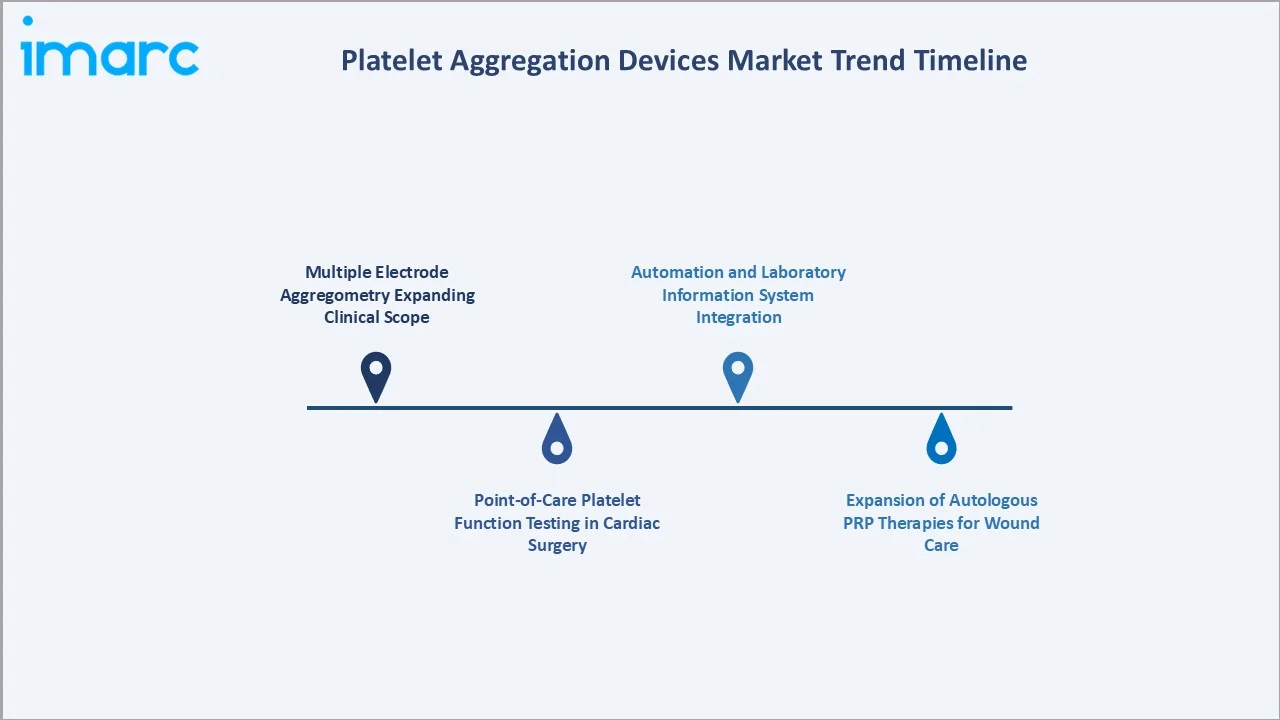
1. Multiple Electrode Aggregometry Expanding Clinical Scope
Multiple electrode aggregometry (MEA) has progressively captured clinical platelet function testing applications historically served by classical LTA through its key advantage of whole blood testing without PRP preparation. MEA's clinical evidence base has substantially expanded through multiple prospective studies in cardiovascular medicine, cardiac surgery, and trauma demonstrating that MEA results correlate with both agonist-specific platelet dysfunction and clinical bleeding and thrombotic events. The commercial expansion of MEA to emerging markets is a key growth driver for the MEA segment.
2. Automation and Laboratory Information System Integration
The integration of platelet aggregometry systems with laboratory automation tracks, pre-analytical sample processing systems, and laboratory information systems (LIS) is transforming platelet function testing from a labor-intensive manual workflow into a semi-automated laboratory process that can be embedded within routine hemostasis testing pipelines. In January 2026, Sysmex America launched the CN-9000 Automated Hemostasis Solution for high-volume laboratories. The modular system processes up to 1,000 samples per hour and offers continuous loading, automated rerun and reflex testing, closed-tube sampling, intelligent routing, and flexible laboratory automation integration. This automation integration trend aligns with the broader laboratory medicine automation movement.
3. Point-of-Care Platelet Function Testing in Cardiac Surgery
The perioperative cardiac surgery environment has emerged as the fastest-growing clinical setting for platelet aggregation device adoption. Clinical evidence from multiple randomized controlled trials demonstrated improved patient outcomes when POC hemostasis guidance, including platelet function testing, is incorporated into cardiac surgery transfusion algorithms, driving institutional adoption of multiplate-equipped hemostasis management programs.
4. Expansion of Autologous Platelet-Rich Plasma (PRP) Therapies for Advanced Wound Care
In September 2025, Smith+Nephew launched the CENTRIO Platelet-Rich Plasma System, a patient-derived hematogel designed to support natural wound healing by maintaining a moist environment. The system complements the company’s skin-substitute portfolio and expands access to clinically supported biological solutions for difficult-to-heal wounds. This trend is driving demand for advanced platelet preparation technologies that improve treatment outcomes while supporting minimally invasive, regenerative care.
Industry Value Chain Analysis
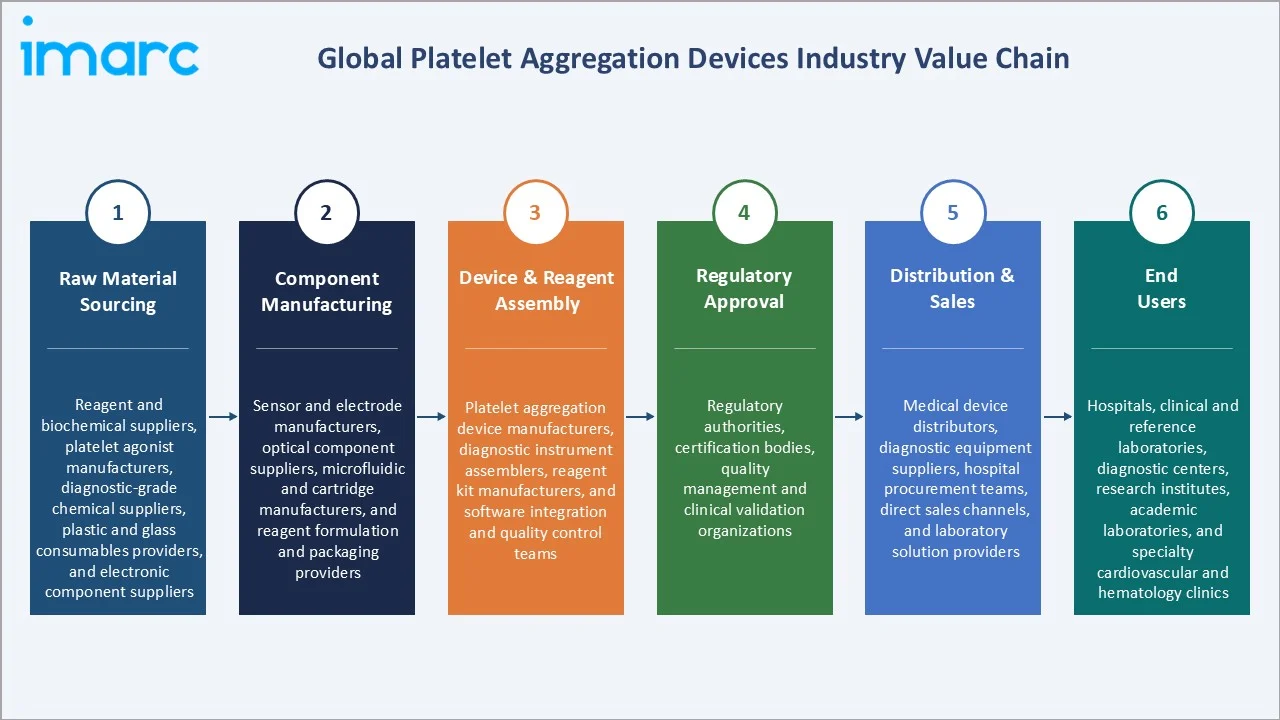
The platelet aggregation devices market value chain integrates raw material sourcing, component manufacturing, device & reagent assembly, regulatory approval, commercial distribution, and clinical/research end use across the global diagnostic laboratory ecosystem.
|
Stage |
Key Participants |
|
Raw Material Sourcing |
Reagent and biochemical suppliers, platelet agonist manufacturers, diagnostic-grade chemical suppliers, plastic and glass consumables providers, and electronic component suppliers. |
|
Component Manufacturing |
Sensor and electrode manufacturers, optical component suppliers, microfluidic and cartridge manufacturers, and reagent formulation and packaging providers. |
|
Device & Reagent Assembly |
Platelet aggregation device manufacturers, diagnostic instrument assemblers, reagent kit manufacturers, and software integration and quality control teams. |
|
Regulatory Approval |
Regulatory authorities, certification bodies, quality management and clinical validation organizations. |
|
Distribution & Sales |
Medical device distributors, diagnostic equipment suppliers, hospital procurement teams, direct sales channels, and laboratory solution providers. |
|
End Users |
Hospitals, clinical and reference laboratories, diagnostic centers, research institutes, academic laboratories, and specialty cardiovascular and hematology clinics. |
The device & reagent assembly stage generates the highest value, as it integrates precision instrumentation, proprietary platelet aggregation technologies, specialized reagents, and analytical software into validated diagnostic systems. Product differentiation, regulatory compliance, and innovation at this stage largely determine clinical performance, pricing, and competitive advantage.
Technology Landscape in the Platelet Aggregation Devices Industry
Light Transmission Aggregometry (LTA)
Light transmission aggregometry (LTA) measures the change in light transmission through a platelet-rich plasma (PRP) sample as platelets aggregate, with PRP light transmission increasing from a baseline of ~0% (opaque with suspended platelets) to ~100% (clear as aggregated platelets settle) in response to agonist addition. LTA provides detailed characterization of aggregation kinetics that can distinguish different types of platelet defects. LTA's limitation is pre-analytical sensitivity that limits its practical applicability in time-sensitive clinical settings.
Multiple Electrode Aggregometry (MEA)
Multiple electrode aggregometry (MEA) eliminates the PRP preparation requirement of LTA while providing quantitative platelet function assessment in 6-8 minutes from minimal blood volume. The Multiplate analyze uses disposable sensor cells with integrated paired electrodes in five test positions, enabling simultaneous measurement of five different agonist responses in a single 3 mL whole blood sample.
Emerging Microfluidic and Flow-Based Systems
Microfluidic flow chamber systems represent the most technically advanced frontier in platelet function assessment, enabling real-time visualization of platelet adhesion and aggregate formation under controlled shear rates that mimic physiological blood flow conditions in arterioles or venules. These systems coat microchannels with vascular proteins and perfuse whole blood or reconstituted blood components through them, capturing fluorescence microscopy images of platelet dynamics in real time.
Market Segmentation Analysis
The report covers the following segments:
|
Segment Category |
Leading Segment |
Market Share |
Year |
|
Product |
Reagents |
43.6% |
2025 |
|
Type |
Four Channel |
47.8% |
2025 |
|
Application |
Clinical Applications |
🔒 |
2025 |
|
End User |
Hospitals |
🔒 |
2025 |
|
Region |
North America |
38.2% |
2025 |

By Product
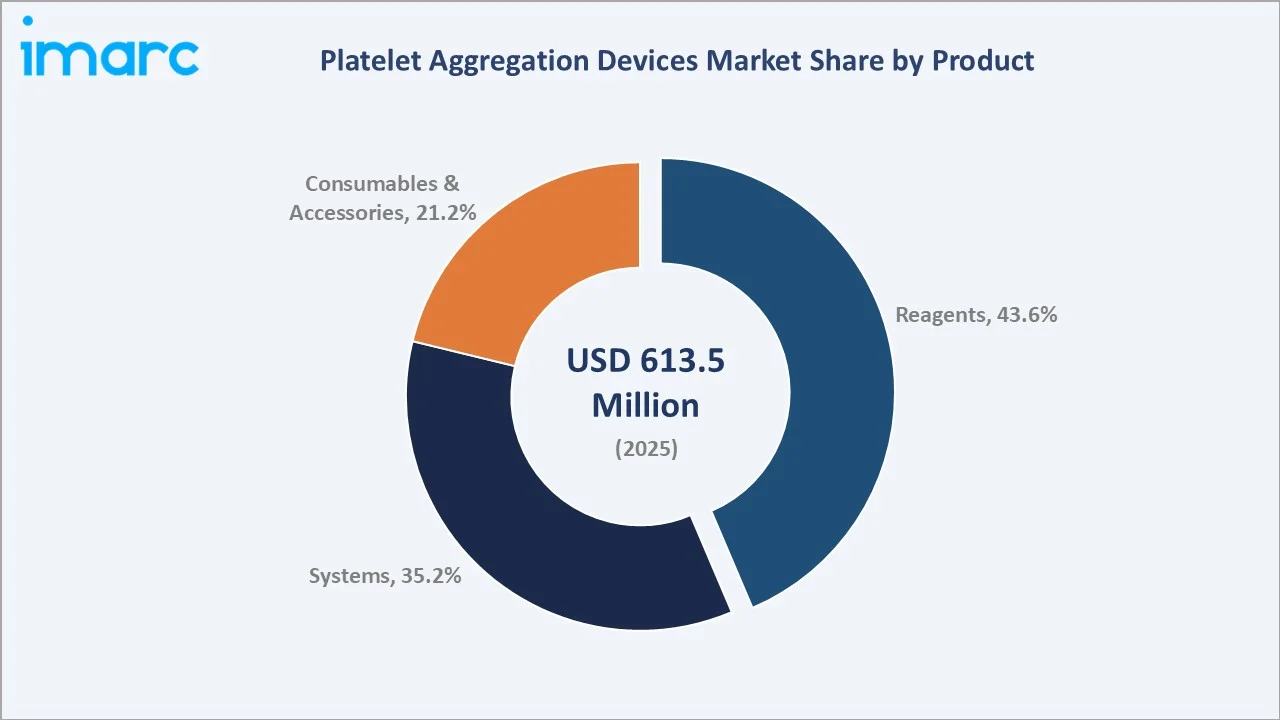
Reagents lead at 43.6% (2025), encompassing the complete range of agonist chemicals, quality controls, calibrators, and reference materials required for platelet aggregation testing. The reagent segment's recurring consumption model provides market stability that is relatively insensitive to capital expenditure cycles. Key reagent growth drivers include P2Y12 monitoring ADP reagent demand, PRP quality assessment protocol reagent demand, and expanding clinical test menus.
To access detailed market analysis, Request Sample
Systems at 35.2% represent capital equipment installations that drive long-term reagent and consumable revenue streams. Consumables and accessories at 21.2%, growing at ~5.2% CAGR, include cuvettes, stir bars, sample cups, MEA disposable sensor cells, and maintenance accessories that generate recurring revenue aligned with test volume growth across the installed device base.
By Type
Four channel at 47.8% (2025) dominates through its balance of clinical information breadth and operational efficiency, enabling simultaneous ADP, collagen, epinephrine, and arachidonic acid testing in a single patient run that addresses the majority of clinical platelet function questions without requiring extended test time or specialized multi-run protocols.
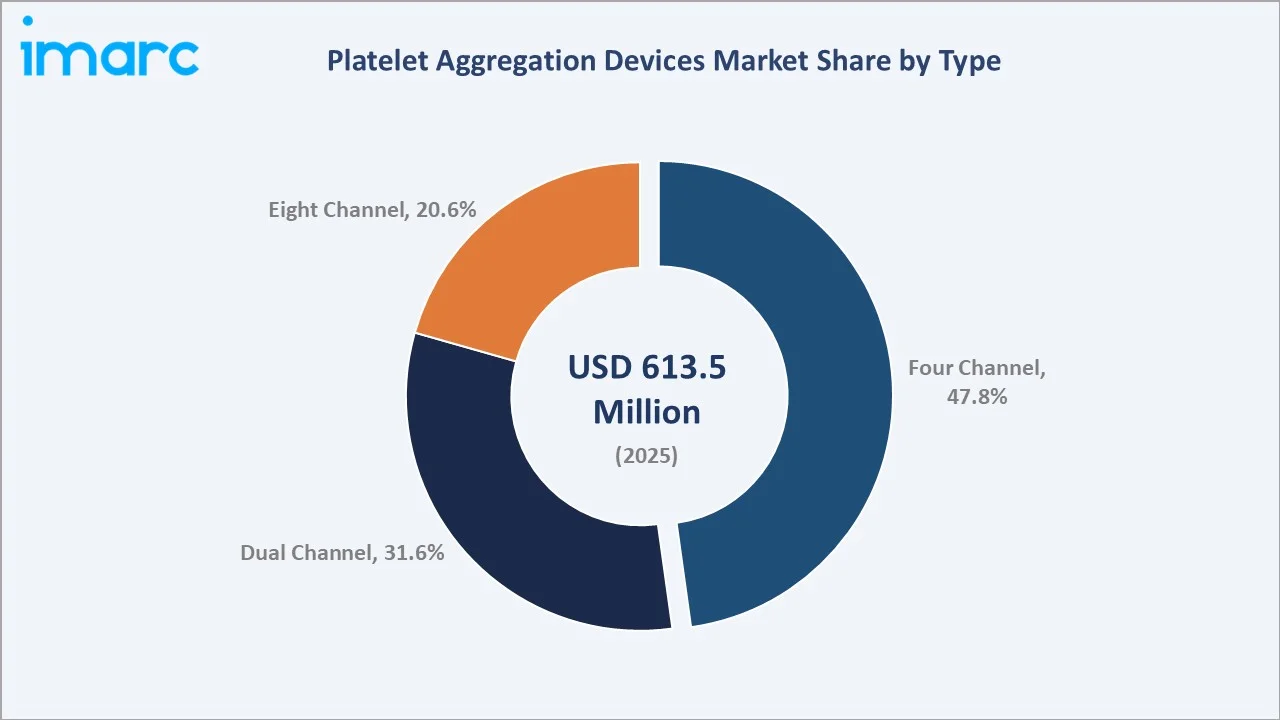
Dual channel at 31.6% serves smaller coagulation laboratories and specialized clinical settings where limited test menu requirements or budget constraints favor the lower acquisition cost and simpler workflow of two-position simultaneous testing. Eight channel at 20.6%, growing fastest (~5.4% CAGR), serves reference laboratories and research institutes requiring comprehensive platelet function profiling across eight simultaneous agonist positions, enabling complete platelet function characterization panels including uncommon agonists in a single extended run that reduces total analysis time.
Regional Market Insights
|
Region |
Share (2025) |
Key Platelet Aggregation Devices Market Drivers & Characteristics |
|
North America |
38.2% |
Leads the market due to advanced healthcare infrastructure, high cardiovascular disease prevalence, widespread platelet function testing, and strong presence of leading diagnostic device manufacturers. |
|
Europe |
29.1% |
Growth is supported by increasing adoption of hemostasis diagnostics, favorable healthcare reimbursement, a rising aging population, and strong regulatory focus on quality diagnostics. |
|
Asia-Pacific |
21.4% |
Fastest-growing region driven by expanding healthcare infrastructure, rising cardiovascular disease burden, increasing healthcare expenditure, and growing access to advanced laboratory diagnostics. |
|
Latin America |
6.5% |
Market expansion is supported by improving diagnostic capabilities, increasing investments in healthcare facilities, and rising awareness of cardiovascular disease management. |
|
Middle East and Africa |
4.8% |
Growth is driven by gradual healthcare modernization, increasing investments in specialized laboratories, and expanding access to cardiovascular diagnostic services. |
North America's 38.2% regional dominance reflects its advanced healthcare infrastructure, high cardiovascular disease burden, and widespread adoption of platelet function testing in hospitals and specialized laboratories. Europe, at 29.1%, follows with strong demand supported by an aging population, established diagnostic networks, and favorable reimbursement systems.
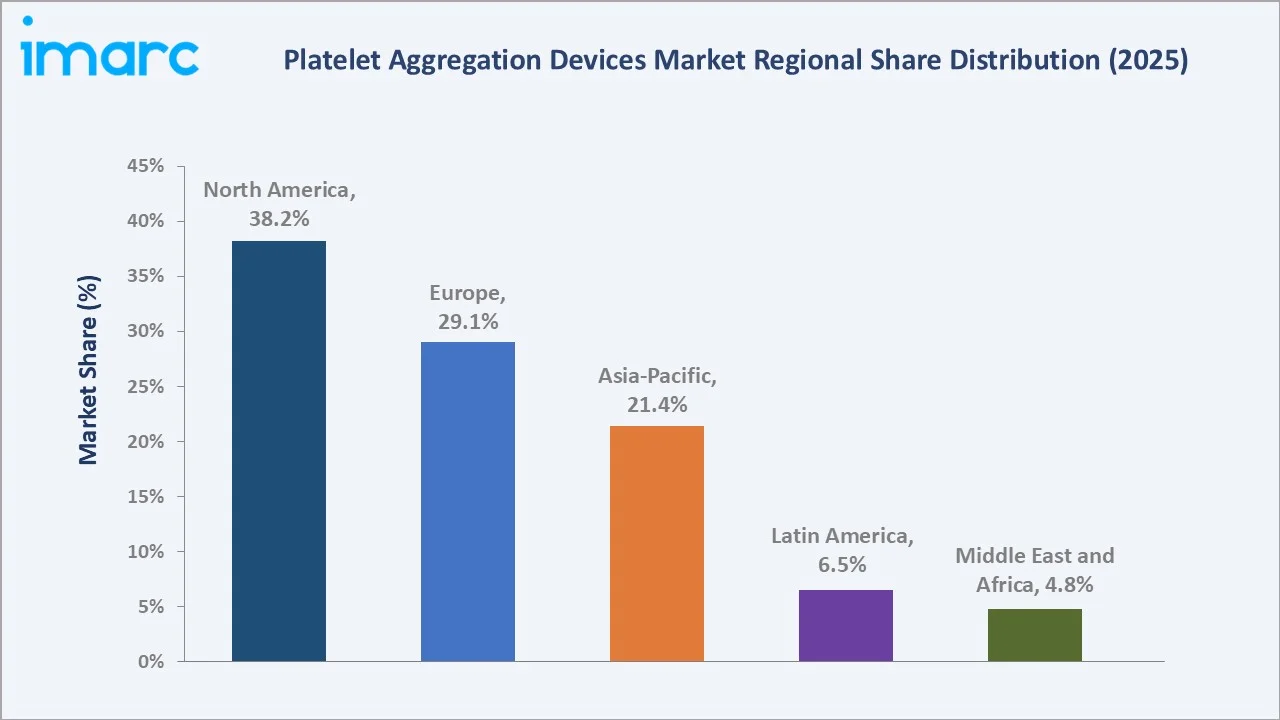
Asia-Pacific at 21.4%, growing at ~5.8% CAGR, is the market's most dynamic growth region, driven by increasing healthcare investments, expanding laboratory infrastructure, and rising awareness of cardiovascular disease diagnosis. China, Japan, and India are major contributors to regional growth, driven by improving access to advanced diagnostic technologies. Latin America’s 6.5% is witnessing steady market expansion as healthcare infrastructure and diagnostic capabilities continue to improve. The Middle East and Africa’s 4.8% are gradually adopting platelet aggregation testing, supported by investments in specialized healthcare facilities and laboratory modernization.
Competitive Landscape
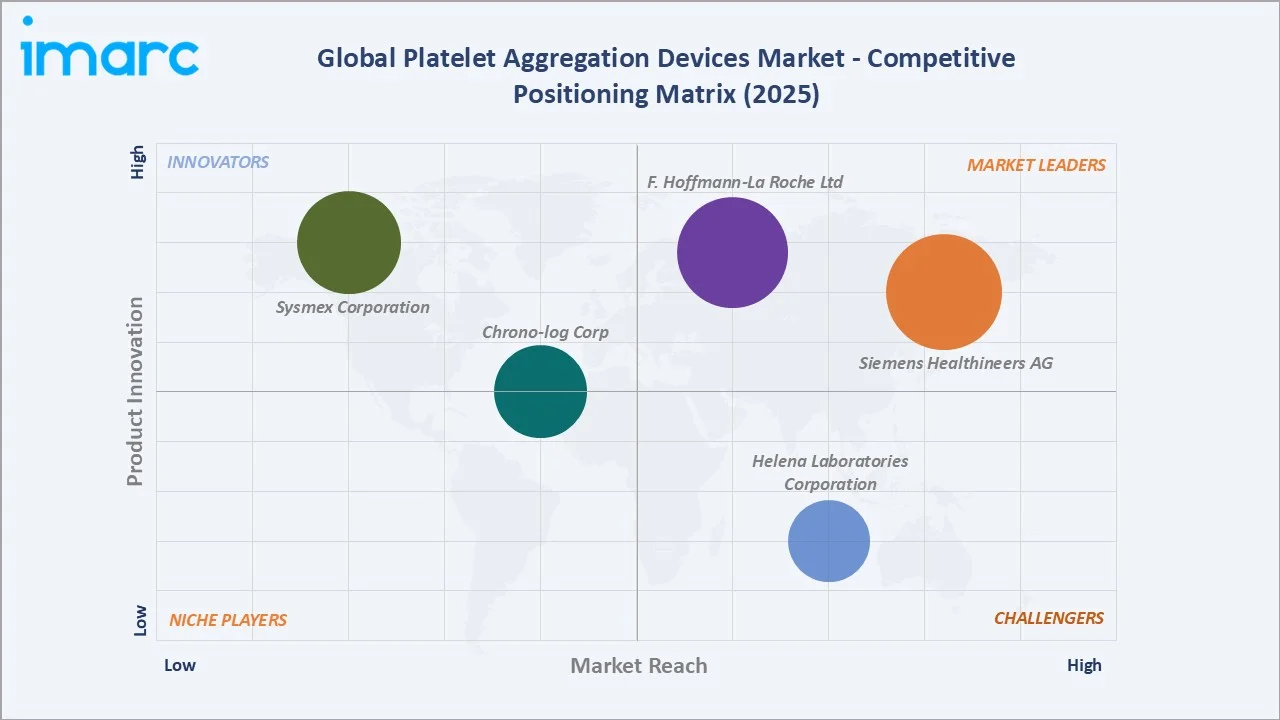
The global platelet aggregation devices market features a hybrid competitive structure combining large multinational in vitro diagnostic companies that include platelet aggregation within broader hematology and coagulation product portfolios, alongside dedicated specialty platelet aggregation companies that focus specifically on aggregometry systems and reagents. The specialty companies often hold stronger technical expertise, longer product heritage in aggregometry-specific applications, and deeper customer relationships with academic hemostasis specialists who require comprehensive customization and application support that larger multinational platforms may not prioritize.
|
Company |
Key Products |
Market Position |
Core Strength |
|
Siemens Healthineers AG |
INNOVANCE PFA-200 System |
Market Leader |
Siemens Healthineers AG plays a major role in the platelet aggregation devices market by providing automated, high-throughput hemostasis analyzers and specialized point-of-care platelet function analyzers. |
|
F. Hoffmann-La Roche Ltd |
Multiplate analyzer |
Market Leader |
F. Hoffmann-La Roche Ltd. plays a major role in the global platelet aggregation devices market through its Roche Diagnostics division. Their primary contribution is the Multiplate analyzer. |
|
Sysmex Corporation |
CS-1600, CS-2400/2500, CS-5100, CN-3000, CN-6000, CN-3500, CN-6500 |
Innovator |
Sysmex Corporation plays a crucial role in the field of platelet aggregation devices by automating and standardizing traditional light transmission aggregometry (LTA). |
|
Chrono-log Corp |
Model 700, Model 490 4+4 |
Established Player |
Chrono-log Corp. is a pioneer in platelet function testing, recognized for developing the first commercial Platelet Aggregometers based on the optical method and introducing Impedance Aggregometry for whole blood testing. |
|
Helena Laboratories Corporation |
AggRAM, Plateletworks |
Challenger |
Helena Laboratories Corporation is a key manufacturer of clinical diagnostic instruments and reagents, specializing in hemostasis and platelet function. |
Competitive differentiation evolves around three dimensions: technical platform differentiation, clinical evidence generation, and application scope expansion. Companies investing in clinical evidence programs and AI-integration capability are establishing competitive advantages that extend beyond device specifications into clinical outcomes differentiation.
Key Company Profiles
Siemens Healthineers AG
Siemens Healthineers AG is a global medical technology company specializing in diagnostic imaging, laboratory diagnostics, and healthcare digitalization. In the platelet aggregation devices market, the company participates through its comprehensive hemostasis and coagulation diagnostics portfolio, supporting clinical laboratories with integrated analyzers, automation solutions, and laboratory information systems. Its strong global distribution network, continuous investment in research and development, and focus on workflow efficiency enable Siemens Healthineers to support platelet function testing as part of broader coagulation and cardiovascular diagnostic solutions.
- Key Products: INNOVANCE PFA-200 System.
- Strategic Focus: expanding its hemostasis and laboratory diagnostics portfolio through automation, digital connectivity, and integrated workflow solutions. The company is investing in high-throughput coagulation analyzers, AI-enabled laboratory management, and scalable diagnostic platforms to improve testing efficiency and support accurate platelet function assessments in hospitals and clinical laboratories.
F. Hoffmann-La Roche Ltd
F. Hoffmann-La Roche Ltd is a global healthcare company with a strong presence in diagnostics and pharmaceuticals. In the platelet aggregation devices market, Roche participates through its laboratory diagnostics portfolio, offering platelet function testing solutions, coagulation analyzers, reagents, and integrated laboratory automation systems. The company leverages its expertise in in vitro diagnostics, extensive global distribution network, and continuous innovation to support accurate hemostasis testing and cardiovascular disease management across hospitals and clinical laboratories.
- Key Products: Multiplate analyzer.
- Strategic Focus: Strengthening its laboratory diagnostics portfolio through advanced coagulation testing, laboratory automation, and digital connectivity. The company emphasizes integrated diagnostic platforms, high-throughput analyzers, and innovative reagent solutions to improve platelet function assessment, enhance laboratory efficiency, and support precision cardiovascular and hemostasis diagnostics.
Market Concentration Analysis
The global platelet aggregation devices market is moderately fragmented, with no single company commanding dominant market share across all product categories and geographies. The specialty dedicated aggregometry companies collectively serve the majority of clinical LTA testing conducted globally at hospital coagulation laboratories, collectively representing a significant market share despite none individually reaching dominant size. Market concentration is expected to increase modestly through 2034 as technology transitions from LTA toward MEA and POC platforms consolidate around the small number of companies that have invested in comprehensive clinical evidence generation for their platforms.
Investment & Growth Opportunities
Highest Growth Segments
Eight channel type (~5.4% CAGR), Asia-Pacific region (~5.8% CAGR), consumables and accessories (~5.2% CAGR), pharmaceutical anti-platelet drug monitoring (above-market sub-segment), and PRP orthopedic quality assessment represent the platelet aggregation devices market's highest-growth investment vectors through 2034.
Investment Themes
- AI-assisted aggregometry data interpretation platform development: Investment is increasing in AI-enabled platelet aggregation analysis platforms that automate data interpretation, reduce operator variability, and improve diagnostic accuracy. These solutions help laboratories enhance workflow efficiency while supporting faster clinical decision-making.
- PRP quality assessment device standardization for orthopedic market: Companies are investing in standardized PRP quality assessment devices to ensure consistent platelet concentration and preparation across orthopedic applications. Standardization improves treatment reproducibility, supports clinical adoption, and strengthens confidence in regenerative medicine therapies.
Future Market Outlook (2026-2034)
The global platelet aggregation devices market is projected to grow from USD 613.5 Million in 2025 to USD 937.6 Million by 2034, delivering a 4.68% CAGR, reflecting the fundamental diagnostic indispensability of platelet function assessment across cardiovascular medicine, hemostasis management, and regenerative medicine applications. The anchor value of USD 771.2 Million in 2030, driven by antiplatelet drug monitoring volume growth, PRP therapy quality assessment demand, and Asia-Pacific market development compounding over the five-year period.
Three structural forces will define the platelet aggregation devices market trajectory through 2034. First, the global antiplatelet drug therapy expansion will drive sustained growth in ADP-based platelet aggregation testing for antiplatelet drug monitoring. Second, the technology transition from classical LTA to whole blood MEA and point-of-care aggregometry platforms will expand the platelet aggregation devices market beyond its current base of specialized coagulation laboratories into cardiac catheterization laboratories, cardiac surgery operating rooms, critical care units, and ambulatory cardiovascular clinics where same-day or real-time platelet function results influence immediate clinical decisions. Third, Asia-Pacific's accelerating healthcare system development will progressively contribute above-market volume growth as major hospital systems in these countries invest in specialty cardiovascular diagnostic capabilities.
Research Methodology
Primary Research
Primary research comprised in-depth interviews with clinical hemostasis laboratory directors, coagulation specialist physicians, cardiac surgery anesthesiologists, orthopedic surgeons performing PRP therapy, platelet aggregation device company medical affairs and product management executives, and independent clinical laboratory and medical device market analysts. These discussions validated market size estimates, assessed product and type segment demand trends, evaluated technology adoption trajectories for MEA versus LTA versus POC platforms, and provided insights into regional market development, reimbursement dynamics, and PRP therapy quality assessment market development.
Secondary Research
Secondary research encompassed platelet physiology standardization initiatives, antiplatelet therapy guideline publications, regulatory database for cleared platelet aggregation devices, published prospective clinical studies on MEA-guided cardiac surgery transfusion algorithms, platelet aggregation device company product launch announcements, and credible market intelligence sources.
Forecasting Models
Forecasting models were developed using historical platelet aggregation devices market data, cardiovascular disease prevalence and antiplatelet drug prescription volume projections, PRP therapy market growth trajectory analysis, platelet aggregation test volume growth by clinical application, Asia-Pacific healthcare infrastructure investment program timelines, technology adoption curves for MEA versus LTA platform transitions, and regional reimbursement policy evolution scenarios. Both top-down and bottom-up approaches were validated through primary research.
Report Coverage:
| Report Features | Details |
|---|---|
| Base Year of the Analysis | 2025 |
| Historical Period | 2020-2025 |
| Forecast Period | 2026-2034 |
| Units | Million USD |
| Scope of the Report | Exploration of Historical Trends and Market Outlook, Industry Catalysts and Challenges, Segment-Wise Historical and Predictive Market Assessment:
|
| Products Covered | Systems, Reagents, Consumables and Accessories |
| Types Covered | Four Channel, Dual Channel, Eight Channel |
| Applications Covered | Clinical Applications, Research Applications, Cardiovascular Applications, Orthopedic Applications, Others |
| End Users Covered | Hospitals, Diagnostic Laboratories, Research and Academic Institutes, Others |
| Regions Covered | Asia Pacific, Europe, North America, Latin America, Middle East and Africa |
| Countries Covered | United States, Canada, Germany, France, United Kingdom, Italy, Spain, Russia, China, Japan, India, South Korea, Australia, Indonesia, Brazil, Mexico |
| Companies Covered | Siemens Healthineers AG, F. Hoffmann-La Roche Ltd, Sysmex Corporation, Chrono-log Corp, Helena Laboratories Corporation, etc. |
| Customization Scope | 10% Free Customization |
| Post-Sale Analyst Support | 10-12 Weeks |
| Delivery Format | PDF and Excel through Email (We can also provide the editable version of the report in PPT/Word format on special request) |
Frequently Asked Questions About the Platelet Aggregation Devices Market Report
The global platelet aggregation devices market reached USD 613.5 Million in 2025, driven by rising cardiovascular disease antiplatelet drug monitoring, PRP orthopedic therapy quality assessment expansion, coagulation platform platelet function integration, and Asia-Pacific cardiovascular diagnostic infrastructure investment.
The market grows at 4.68% CAGR during 2026-2034, reaching USD 937.6 Million by 2034. The CAGR reflects structural demand from antiplatelet drug monitoring and PRP quality assessment market development.
Reagents lead at 43.6% (2025) through non-discretionary per-test consumption of ADP, collagen, epinephrine, arachidonic acid, TRAP-6, and specialty agonist kits.
Four channels dominate at 47.8% (2025) through clinical workflow optimization, simultaneously measuring ADP, collagen, epinephrine, and arachidonic acid responses, providing comprehensive platelet function characterization for most clinical applications.
North America leads at 38.2% (2025) through the highest cardiovascular specialist density, established Medicare reimbursement, manufacturer concentration, and comprehensive antiplatelet drug monitoring adoption in interventional cardiology.
Leading companies include Siemens Healthineers AG, F. Hoffmann-La Roche Ltd, Sysmex Corporation, Chrono-log Corp, and Helena Laboratories Corporation, among others.
The market is projected to reach approximately USD 771.2 Million by 2030, driven by antiplatelet drug monitoring test volume growth from cardiovascular disease prevalence expansion, Asia-Pacific market development, PRP therapy quality assessment market formalization through ISTH standardization, and eight channel high-throughput research laboratory demand expansion.
Top opportunities include AI/ML aggregometry waveform interpretation platform development enabling non-specialist settings to deploy platelet function testing, PRP quality assessment simplified device for orthopedic/sports medicine clinic use outside traditional coagulation laboratories, Asia-Pacific market development through local distribution partnerships in China and India, eight channel high-throughput system development for reference laboratory and research markets, and novel antiplatelet drug monitoring reagent development for PAR-1, PAR-4, and GPVI inhibitor clinical trial support.
Need more help?
- Speak to our experienced analysts for insights on the current market scenarios.
- Include additional segments and countries to customize the report as per your requirement.
- Gain an unparalleled competitive advantage in your domain by understanding how to utilize the report and positively impacting your operations and revenue.
- For further assistance, please connect with our analysts.
 Request Customization
 Speak to an Analyst
 Request Brochure
 Inquire Before Buying
Benefits of Customization
- Personalize this research
- Triangulate with your data
- Get data as per your format and definition
- Gain a deeper dive into a specific application, geography, customer, or competitor
- Any level of personalization
Get in Touch With Us
UNITED STATES
Phone: +1-201-971-6302
INDIA
Phone: +91-120-433-0800
UNITED KINGDOM
Phone: +44-753-714-6104
Email: [email protected]
Client Testimonials




.webp)




.webp)













Related Reports

Choose your plan
*Please note that the prices mentioned below are starting prices for each bundle type. Kindly contact our team for further details.*
Single User License
- 1 User License, Access on 2 Devices
- PDF Report + Excel Dataset (Password Protected)
- Lifetime Access
- No Printing Rights
- 10% Free Report Customization
- 10–12 Weeks of Analyst Support
Five User License
- Access for 5 Users, 2 Devices per User
- PDF Report + Excel Dataset (Password Protected)
- Lifetime Access
- Dedicated Account Manager
- 12–14 Weeks of Analyst Support
- No Printing Rights
- 15% Free Report Customization
- 25% Discount on Your Next Purchase
Corporate User License
- Unlimited User Access (Within Your Organization)
- PDF Report + Excel Dataset
- Lifetime Access
- Dedicated Account Manager
- 14–20 Weeks of Analyst Support
- No Printing Rights
- 20% Free Report Customization
- 30% Discount on Your Next Purchase
Essential Insights
What's included:
3 reports
- Lifetime Access
- PDF Reports
- Excel Datasets
- 2 Weeks of Free Analyst Support
- 2 User Licenses
- Access on 2 Devices
- Printing Rights
- Complimentary PowerPoint (PPT) Version
- Complimentary License Upgrade
Professional Access
What's included:
5 reports
- Lifetime Access
- PDF Reports
- Excel Datasets
- 8 Weeks of Free Analyst Support
- 2 User Licenses
- Access on 2 Devices
- Printing Rights
- Complimentary PowerPoint (PPT) Version
- Complimentary License Upgrade
Business Advantage
What's included:
8 reports
- Lifetime Access
- PDF Reports
- Excel Datasets
- 14 Weeks of Free Analyst Support
- 2 User Licenses
- Access on 2 Devices
- Printing Rights
- Complimentary PowerPoint (PPT) Version
- Complimentary License Upgrade
Enterprise Intelligence
What's included:
10 reports
- Lifetime Access
- PDF Reports
- Excel Datasets
- 20 Weeks of Free Analyst Support
- 2 User Licenses
- Access on 2 Devices
- Printing Rights
- Complimentary PowerPoint (PPT) Version
- Complimentary License Upgrade