
Polytetramethylene Ether Glycol (PTMEG) Prices, Trend, Chart, Demand, Market Analysis, News, Historical and Forecast Data Report 2026 Edition
Polytetramethylene Ether Glycol (PTMEG) Price Trend, Index and Forecast
Track the latest insights on polytetramethylene ether glycol (PTMEG) price trend and forecast with detailed analysis of regional fluctuations and market dynamics across North America, Latin America, Central Europe, Western Europe, Eastern Europe, Middle East, North Africa, West Africa, Central and Southern Africa, Central Asia, Southeast Asia, South Asia, East Asia, and Oceania.
Polytetramethylene Ether Glycol (PTMEG) Prices Outlook Q2 2026
- Malaysia: USD 2201/MT
- USA: USD 3018/MT
- China: USD 2186/MT
- Germany: USD 2971/MT
- Japan: USD 3540/MT
Polytetramethylene Ether Glycol (PTMEG) Price Chart
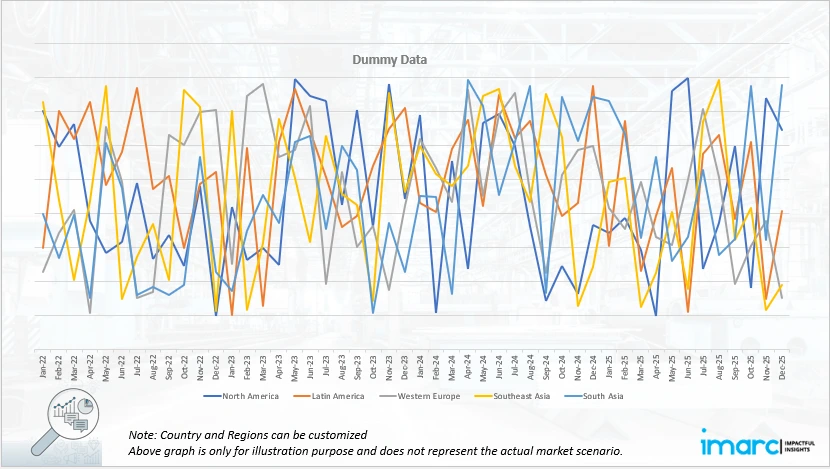
Get real-time access to monthly/quarterly/yearly prices Request Sample
During the second quarter of 2026, the polytetramethylene ether glycol (PTMEG) prices in Malaysia reached 2201 USD/MT in June. Prices increased significantly due to heightened demand in the production of spandex fibers and elastomers, alongside rising costs of raw materials impacting manufacturing expenses. Export activities remained strong, tightening local supply and leading manufacturers towards firm pricing decisions.
During the second quarter of 2026, the polytetramethylene ether glycol (PTMEG) prices in the USA reached 3018 USD/MT in June. An upward price trend was observed, influenced by escalated procurement for performance elastomers and textile applications, coupled with increased import costs linked to fluctuating hydrocarbon feedstock levels. Strategic import shifts and domestic logistical hurdles further tightened supply conditions.
During the second quarter of 2026, the polytetramethylene ether glycol (PTMEG) prices in China escalated to 2186 USD/MT in June. Price dynamics were shaped by robust market demand from the spandex industry, spurred by both local production activities and increasing export opportunities. Restricted feedstock availability and pressured domestic logistics periodically constrained prompt cargo movement enhancing market pricing strength.
During the second quarter of 2026, the polytetramethylene ether glycol (PTMEG) prices in Germany were bolstered to 2971 USD/MT in June. An upsurge in demand for high-performance elastomers fueled by industrial expansion reinforced the price uptick. Congestion in supply chains and maintaining supply amidst firm export contracts further contributed to the tightness in the European market.
During the second quarter of 2026, the polytetramethylene ether glycol (PTMEG) prices in Japan surged to 3540 USD/MT in June. The increase in pricing was significantly driven by increased acquisition in the high-tech textile sector. Limitations in shipping routes, elevated freight costs, and insurance premiums intensified availability constraints, prompting consistent procurement strategies to support ongoing production requisites.
Polytetramethylene Ether Glycol (PTMEG) Prices Outlook Q3 2025
- USA: USD 2500/MT
- China: USD 1805/MT
- Germany: USD 2456/MT
- Japan: USD 2933/MT
- Malaysia: USD 1860/MT
During the third quarter of 2025, the polytetramethylene ether glycol (PTMEG) prices in the USA reached 2500 USD/MT in September. Prices moved upward sharply, supported by strong demand from the spandex fiber, polyurethane elastomer, and automotive components industries. Tight supply availability due to controlled operating rates and planned maintenance at production facilities influenced market conditions. Higher feedstock costs and firm downstream consumption supported supplier pricing strategies.
During the third quarter of 2025, the polytetramethylene ether glycol (PTMEG) prices in China reached 1805 USD/MT in September. Prices edged higher as demand from textile, footwear, and elastomer manufacturing sectors remained steady. Producers maintained disciplined output levels to manage inventory positions. Stable export activity and consistent procurement from downstream processors contributed to supportive market dynamics.
During the third quarter of 2025, the polytetramethylene ether glycol (PTMEG) prices in Germany reached 2456 USD/MT in September. Prices increased due to sustained demand from industrial elastomers and specialty polymer applications. Elevated energy and operating costs influenced production economics. Limited regional availability and reliance on imports for certain grades shaped procurement behavior among buyers.
During the third quarter of 2025, the polytetramethylene ether glycol (PTMEG) prices in Japan reached 2933 USD/MT in September. Prices moved lower as domestic demand from fiber and elastomer segments softened. Adequate supply availability and cautious purchasing behavior influenced market sentiment. Export demand remained muted, prompting producers to adjust commercial strategies.
During the third quarter of 2025, the polytetramethylene ether glycol (PTMEG) prices in Malaysia reached 1860 USD/MT in September. Prices strengthened as demand from polyurethane and textile applications remained firm. Regional supply tightness and steady export interest influenced market conditions. Logistics costs and feedstock availability played a role in shaping supplier pricing decisions.
Polytetramethylene Ether Glycol (PTMEG) Prices Outlook Q2 2025
- USA: USD 2248/MT
- China: USD 1776/MT
- Germany: USD 2325/MT
- Japan: USD 2968/MT
- South Korea: USD 2554/MT
During the second quarter of 2025, the polytetramethylene ether glycol (PTMEG) prices in the USA reached 2248 USD/MT in June. As per the polytetramethylene ether glycol (PTMEG) price chart, prices reflected a steady upward trajectory, shaped by stronger downstream demand, procurement behavior, and global supply conditions. Early in the quarter, values held steady as the market faced weak support from tetrahydrofuran feedstock, muted spandex consumption, and subdued apparel demand. Buyers approached cautiously under the shadow of tariffs, limiting aggressive purchasing. However, late restocking and freight cost increases began to shift sentiment, setting the stage for firmer pricing.
During the second quarter of 2025, the polytetramethylene ether glycol (PTMEG) prices in China reached 1776 USD/MT in June. In China, prices followed a shifting pattern that mirrored both feedstock developments and downstream demand swings. Early in the quarter, weak support from tetrahydrofuran and reduced spandex consumption weighed on sentiment. Producers facing sluggish offtake saw inventories build, which pushed several plants to trim operating rates or schedule maintenance shutdowns. Added pressure from US tariffs on Chinese textiles dampened confidence, contributing to a softer pricing environment in April.
During the second quarter of 2025, polytetramethylene ether glycol (PTMEG) prices in Germany reached 2325 USD/MT in June. Prices moved firmly higher with the market shifting from stability to a clear upward climb as the months progressed. Early April brought little momentum, as weak support from THF feedstock, sluggish spandex and textile demand, and the added weight of new US tariffs on European textile exports discouraged aggressive buying. Many converters and downstream players limited purchases to near-term requirements, keeping pricing relatively steady.
During the second quarter of 2025, the polytetramethylene ether glycol (PTMEG) prices in Japan reached 2968 USD/MT in June. Buyers in Japan adopted a cautious stance, delaying purchases in anticipation of more favorable terms, while domestic converters slowed restocking. This created a subdued start to the quarter, with pressure leaning toward lower prices. Besides, logistical challenges such as port congestion and weather-related disruptions created some uncertainty, contributing to tighter availability and influencing Japanese import costs.
During the second quarter of 2025, the polytetramethylene ether glycol (PTMEG) prices in South Korea reached 2554 USD/MT in June. In South Korea, prices moved in phases, shaped largely by shifts in textile demand and the country’s dependence on regional trade flows. Early in the quarter, prices came under pressure as spandex utilization remained muted and Chinese demand for inputs slowed. This discouraged aggressive buying among South Korean spandex producers, who preferred to draw from existing stocks rather than commit to fresh imports. The cautious stance among converters meant market activity stayed subdued through much of April.
Regional Coverage
The report provides a detailed analysis of the market across various regional sectors, capturing unique pricing behaviors shaped by localized conditions, supply chain complexities, and geopolitical influences. This includes price trend evaluations, forecasts, and supply-demand dynamics, alongside spot pricing at major commercial hubs. The analysis further examines FOB and CIF price disparities, investigating principal elements impacting polytetramethylene ether glycol (PTMEG) prices.
Europe Polytetramethylene Ether Glycol (PTMEG) Price Trend
Q2 2026:
The polytetramethylene ether glycol (PTMEG) price index in Europe advanced considerably as supply constraints, rising export obligations, and logistic interruptions upheld competitive pricing. Fluctuations in feedstock availability sustained production cost pressures, counterbalancing occasional price moderation from raw material adjustments. Demand from the spandex and elastomer sectors maintained momentum. Well-sustained operations at German production facilities preserved supply steadiness, averting more severe market disruptions. Buyers adhered closely to immediate production necessities as inventory levels remained stable.
Q3 2025:
As per the polytetramethylene ether glycol price index, Europe reflected upward price behavior aligned with increases observed in Germany. Demand from industrial elastomers, specialty polymers, and automotive applications supported steady consumption across the region. Elevated energy costs and regulatory compliance expenses continued to influence production economics. Import dependence for certain PTMEG grades affected sourcing strategies, while buyers relied on contractual arrangements to ensure supply continuity.
Q2 2025:
In Europe, PTMEG prices moved firmly upward, with Germany setting the tone for the broader region. The quarter began with relative stability, but as conditions shifted in both feedstocks and demand fundamentals, the market turned increasingly bullish. In April, price levels held steady as limited support from THF feedstock and sluggish textile activity weighed on sentiment. The sharp increase in US tariffs on EU textile exports also restricted confidence, leading many buyers to limit purchases to only what was necessary. This restrained approach helped prevent any early-quarter surge despite the underlying pressure from higher costs. By May, momentum shifted as seasonal textile activity strengthened, particularly in spandex and functional fabrics. The recovery in demand coincided with planned maintenance turnarounds at several Asian facilities, curbing global availability and pushing European buyers to secure material.
This analysis can be extended to include detailed polytetramethylene ether glycol (PTMEG) price information for a comprehensive list of countries.
| Region | Countries Covered |
|---|---|
| Europe | Germany, France, United Kingdom, Italy, Spain, Russia, Turkey, Netherlands, Poland, Sweden, Belgium, Austria, Ireland, Switzerland, Norway, Denmark, Romania, Finland, Czech Republic, Portugal, and Greece, among other European countries. |
North America Polytetramethylene Ether Glycol (PTMEG) Price Trend
Q2 2026:
The polytetramethylene ether glycol (PTMEG) price index in North America registered significant growth driven by constrained supply chains and robust demand from textile and elastomeric applications. Active procurement in technical spandex production and increasing import pressure sustained seller influence. Rising hydrocarbon-linked input expenses further exacerbated cost environments during the quarter. Shipping and supply issues, combined with heightened logistical expenses, fortified market pricing and underpinned purchaser decisions to secure stock promptly, rather than defer orders. Consistent operational challenges kept domestic market supplies relatively restricted, keeping the pricing outlook steady.
Q3 2025:
As per the polytetramethylene ether glycol price index, North America experienced upward pricing behavior in line with developments in the USA. Strong demand from spandex fiber production, polyurethane elastomers, and automotive applications supported market activity. Supply conditions were influenced by controlled operating rates and maintenance schedules at domestic facilities. Feedstock availability and transportation costs shaped procurement decisions across the region.
Q2 2025:
Prices advanced steadily through the quarter, shaped by the interaction of demand recovery in textiles and broader trade and logistics concerns. The early part of the quarter brought only mild upward pressure as weaker feedstock costs and muted spandex consumption limited momentum. Buyers remained cautious under the cloud of tariff policies and uncertain apparel demand, leading to restrained procurement at first. Still, late April restocking and rising freight charges began to push prices away from their earlier plateau. Momentum accelerated in May as consumption of spandex picked up in line with stronger apparel sales and heightened retail activity around seasonal demand peaks. Textile producers increased operating rates to capture this upswing, and the combination of rising downstream utilization and constrained Asian supply from holiday shutdowns and maintenance reinforced bullish sentiment.
Specific polytetramethylene ether glycol (PTMEG) historical data within the United States and Canada can also be provided.
| Region | Countries Covered |
|---|---|
| North America | United States and Canada |
Middle East and Africa Polytetramethylene Ether Glycol (PTMEG) Price Trend
Q2 2026:
The study examines polytetramethylene ether glycol (PTMEG) price tendencies within the Middle East and Africa, acknowledging key market influencers, such as regional industrial growth, resource accessibility, and geopolitical fluctuations that directly affect pricing structures.
Q3 2025:
As per polytetramethylene ether glycol (PTMEG) price chart, the prices in the Middle East and Africa fluctuated due to a complex interplay of factors, primarily driven by supply chain disruptions, seasonal demand shifts, and geopolitical influences.
Q2 2025:
The report explores the polytetramethylene ether glycol (PTMEG) pricing trends and polytetramethylene ether glycol (PTMEG) price chart in the Middle East and Africa, considering factors like regional industrial growth, the availability of natural resources, and geopolitical tensions that uniquely influence market prices.
In addition to region-wise data, information on polytetramethylene ether glycol (PTMEG) prices for countries can also be provided.
| Region | Countries Covered |
|---|---|
| Middle East & Africa | Saudi Arabia, UAE, Israel, Iran, South Africa, Nigeria, Oman, Kuwait, Qatar, Iraq, Egypt, Algeria, and Morocco, among other Middle Eastern and African countries. |
Asia Pacific Polytetramethylene Ether Glycol (PTMEG) Price Trend
Q2 2026:
Polytetramethylene ether glycol (PTMEG) prices in Asia Pacific moved upward as higher raw material costs, increased demand from spandex production, and logistical challenges influenced the market. China faced limited supply and strong production demand throughout the quarter, while shipping issues and freight rates affected distribution. Japan encountered high import costs and fluctuating transportation conditions, prompting buyers to secure consistent supplies. Demand from the textile industry, polyurethane applications, and performance elastomers provided a strong consumption base across the region. Producers followed strategic pricing as input costs escalated.
Q3 2025:
The Asia Pacific region exhibited mixed pricing behavior, reflecting price increases in China and Malaysia alongside price declines in Japan. Demand from textile manufacturing, footwear, and polyurethane applications supported consumption in several markets. Production discipline and inventory management strategies influenced supply availability across the region. Regional trade flows and export dynamics played a role in shaping procurement patterns among buyers.
Q2 2025:
Across Asia Pacific, PTMEG prices in the second quarter moved in step with the shifts seen in China, though the degree of volatility varied by market. The initial weakness in April, brought on by sluggish spandex demand and muted feedstock support, pulled regional sentiment lower. Producers in several markets felt the impact of reduced Chinese operating rates and maintenance-related slowdowns, which created uncertainty about near-term supply availability but did not immediately translate into firmer pricing given the subdued demand backdrop. By May, conditions steadied as supply and demand reached a temporary balance. The pause in trade friction between China and the United States revived confidence in textile export flows, and orders from overseas buyers gave regional producers more room to maintain operating rates.
This polytetramethylene ether glycol (PTMEG) price analysis can be expanded to include a comprehensive list of countries within the region.
| Region | Countries Covered |
|---|---|
| Asia Pacific | China, India, Indonesia, Pakistan, Bangladesh, Japan, Philippines, Vietnam, Thailand, South Korea, Malaysia, Nepal, Taiwan, Sri Lanka, Hongkong, Singapore, Australia, and New Zealand, among other Asian countries. |
Latin America Polytetramethylene Ether Glycol (PTMEG) Price Trend
Q2 2026:
The polytetramethylene ether glycol (PTMEG) market in Latin America is influenced by the growing textile sector. However, variations in regulatory frameworks and political factors could cause PTMEG prices to experience significant volatility.
Q3 2025:
Latin America's polytetramethylene ether glycol (PTMEG) market is predominantly influenced by its rich natural reserves, particularly in countries like Chile and Brazil. However, political instability and inconsistent regulatory frameworks can lead to significant volatility in polytetramethylene ether glycol (PTMEG) prices.
Q2 2025:
Infrastructure challenges and logistical inefficiencies often impact the supply chain, affecting Latin America’s ability to meet international demand consistently. Moreover, the polytetramethylene ether glycol (PTMEG) price index, economic fluctuations, and currency devaluation are critical factors that need to be considered when analyzing polytetramethylene ether glycol (PTMEG) pricing trends in this region.
This comprehensive review can be extended to include specific countries within the region.
| Region | Countries Covered |
|---|---|
| Latin America | Brazil, Mexico, Argentina, Columbia, Chile, Ecuador, and Peru, among other Latin American countries. |
Polytetramethylene Ether Glycol (PTMEG) Pricing Report, Market Analysis, and News
IMARC's latest publication, “Polytetramethylene Ether Glycol (PTMEG) Prices, Trend, Chart, Demand, Market Analysis, News, Historical and Forecast Data Report 2026 Edition,” offers a comprehensive analysis of the polytetramethylene ether glycol (PTMEG) market, detailing both global and regional price drivers. This report examines PTMEG spot pricing at prominent distribution points and evaluates price composition, including FOB and CIF terms. It further provides in-depth PTMEG price trend analysis across regions such as North America, Europe, Asia Pacific, Latin America, and the Middle East and Africa. The factors impacting PTMEG pricing, including supply and demand dynamics, geopolitical effects, and industry-specific trends, are thoroughly analyzed. This extensive report keeps stakeholders informed of the latest market news, regulatory changes, and technological advancements, aiding strategic decision-making and market prediction.
Polytetramethylene Ether Glycol (PTMEG) Industry Analysis
The global polytetramethylene ether glycol (PTMEG) market size reached USD 5.43 Billion in 2025. By 2034, IMARC Group projects the market to achieve USD 9.26 Billion, at an estimated CAGR of 6.11% during 2026-2034. Key market drivers include the rising demand for spandex fibers, increasing applications in the textile industry, and emerging technologies in polyurethane products.
Latest News and Developments:
- April 2025: Covation Biomaterials LLC announced the launch of BioPTMEG at Chinaplas 2025, highlighting strong innovation momentum in the polytetramethylene ether glycol (PTMEG) space. The company stated that BioPTMEG was developed as a bio-based alternative to conventional PTMEG, offering comparable performance for elastomers and polyurethane applications while supporting sustainability and expanding future growth opportunities for PTMEG-based materials.
Product Description
Polytetramethylene ether glycol (PTMEG) is a polyether polyol primarily used in the production of spandex fibers, polyurethane elastomers, thermoplastic polyurethanes, coatings, adhesives, and specialty materials. It is commonly synthesized through the ring opening polymerization of tetrahydrofuran. PTMEG provides flexibility, elasticity, abrasion resistance, hydrolytic stability, and good low temperature performance to finished polymer systems. These characteristics make it particularly valuable in applications requiring repeated stretching, mechanical durability, and long service life. Major uses include apparel and performance textiles, automotive components, industrial belts, hoses, rollers, medical products, and specialty elastomers. By improving the flexibility and mechanical performance of polyurethane based materials, PTMEG plays an important role in a wide range of industrial and consumer applications.
Report Coverage
| Key Attributes | Details |
|---|---|
| Product Name | Polytetramethylene Ether Glycol (PTMEG) |
| Report Features | Exploration of Historical Trends and Market Outlook, Industry Demand, Industry Supply, Gap Analysis, Challenges, Polytetramethylene Ether Glycol (PTMEG) Price Analysis, and Segment-Wise Assessment. |
| Currency/Units | US$ (Data can also be provided in local currency) or Metric Tons |
| Region/Countries Covered | The current coverage includes analysis at the global and regional levels only. Based on your requirements, we can also customize the report and provide specific information for the following countries: Asia Pacific: China, India, Indonesia, Pakistan, Bangladesh, Japan, Philippines, Vietnam, Thailand, South Korea, Malaysia, Nepal, Taiwan, Sri Lanka, Hongkong, Singapore, Australia, and New Zealand Europe: Germany, France, United Kingdom, Italy, Spain, Russia, Turkey, Netherlands, Poland, Sweden, Belgium, Austria, Ireland, Switzerland, Norway, Denmark, Romania, Finland, Czech Republic, Portugal and Greece North America: United States and Canada Latin America: Brazil, Mexico, Argentina, Columbia, Chile, Ecuador, and Peru Middle East & Africa: Saudi Arabia, UAE, Israel, Iran, South Africa, Nigeria, Oman, Kuwait, Qatar, Iraq, Egypt, Algeria, and Morocco The list of countries presented is not exhaustive. Information on additional countries can be provided if required by the client. |
| Information Covered for Key Suppliers |
|
| Customization Scope | The report can be customized as per the requirements of the customer |
| Report Price and Purchase Option |
Plan A: Monthly Updates - Annual Subscription
Plan B: Quarterly Updates - Annual Subscription
Plan C: Biannually Updates - Annual Subscription
|
| Post-Sale Analyst Support | 360-degree analyst support after report delivery |
| Delivery Format | PDF and Excel through email (We can also provide the editable version of the report in PPT/Word format on special request) |
Key Benefits for Stakeholders:
- IMARC’s report presents a detailed analysis of polytetramethylene ether glycol (PTMEG) pricing, covering global and regional trends, spot prices at key ports, and a breakdown of Ex Works, FOB, and CIF prices.
- The study examines factors affecting polytetramethylene ether glycol (PTMEG) price trend, including raw material costs, supply-demand shifts, geopolitical impacts, and industry developments, offering insights for informed decision-making.
- The competitive landscape review equips stakeholders with crucial insights into the latest market news, regulatory changes, and technological advancements, ensuring a well-rounded, strategic overview for forecasting and planning.
- IMARC offers various subscription options, including monthly, quarterly, and biannual updates, allowing clients to stay informed with the latest market trends, ongoing developments, and comprehensive market insights. The polytetramethylene ether glycol (PTMEG) price charts ensure our clients remain at the forefront of the industry.
Need more help?
- Speak to our experienced analysts for insights on the current market scenarios.
- Include additional segments and countries to customize the report as per your requirement.
- Gain an unparalleled competitive advantage in your domain by understanding how to utilize the report and positively impacting your operations and revenue.
- For further assistance, please connect with our analysts.
 Request Customization
 Inquire Before Buying
 Speak to an Analyst
 Request Brochure
Benefits of Customization
- Personalize this research
- Triangulate with your data
- Get data as per your format and definition
- Gain a deeper dive into a specific application, geography, customer, or competitor
- Any level of personalization
Get in Touch With Us
UNITED STATES
Phone: +1-201-971-6302
INDIA
Phone: +91-120-433-0800
UNITED KINGDOM
Phone: +44-753-714-6104
Email: [email protected]
Client Testimonials




.webp)




.webp)













Related Reports

Why Choose Us
IMARC offers trustworthy, data-centric insights into commodity pricing and evolving market trends, enabling businesses to make well-informed decisions in areas such as procurement, strategic planning, and investments. With in-depth knowledge spanning more than 1000 commodities and a vast global presence in over 150 countries, we provide tailored, actionable intelligence designed to meet the specific needs of diverse industries and markets.
1000
+Commodities
150
+Countries Covered
3000
+Clients
20
+Industry

Robust Methodologies & Extensive Resources
IMARC delivers precise commodity pricing insights using proven methodologies and a wealth of data to support strategic decision-making.

Subscription-Based Databases
Our extensive databases provide detailed commodity pricing, import-export trade statistics, and shipment-level tracking for comprehensive market analysis.

Primary Research-Driven Insights
Through direct supplier surveys and expert interviews, we gather real-time market data to enhance pricing accuracy and trend forecasting.

Extensive Secondary Research
We analyze industry reports, trade publications, and market studies to offer tailored intelligence and actionable commodity market insights.
Trusted by 3000+ industry leaders worldwide to drive data-backed decisions. From global manufacturers to government agencies, our clients rely on us for accurate pricing, deep market intelligence, and forward-looking insights.