
Propylene Carbonate Prices, Trend, Chart, Demand, Market Analysis, News, Historical and Forecast Data Report 2026 Edition
Propylene Carbonate Price Trend, Index and Forecast
Track the latest insights on propylene carbonate price trend and forecast with detailed analysis of regional fluctuations and market dynamics across North America, Latin America, Central Europe, Western Europe, Eastern Europe, Middle East, North Africa, West Africa, Central and Southern Africa, Central Asia, Southeast Asia, South Asia, East Asia, and Oceania.
Propylene Carbonate Prices Outlook Q2 2026
- USA: USD 699/MT
- Japan: USD 882/MT
- Germany: USD 857/MT
- Saudi Arabia: USD 777/MT
- Brazil: USD 753/MT
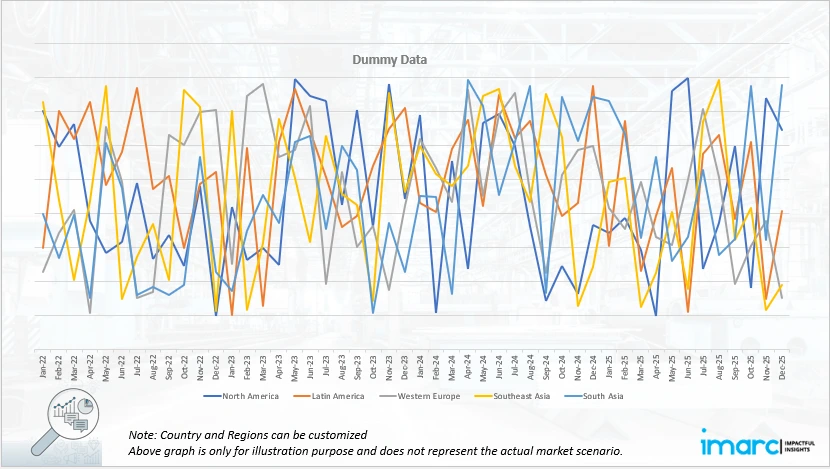
Propylene Carbonate Price Chart
Get real-time access to monthly/quarterly/yearly prices Request Sample
During the second quarter of 2026, the propylene carbonate prices in the USA reached 699 USD/MT in June. Prices rose strongly as battery electrolyte demand remained healthy and buyers continued securing high purity material for electric vehicle and energy storage applications. Limited availability of battery grade volumes strengthened supplier leverage, while stable propylene oxide costs preserved a firm production cost base. Demand from industrial solvents, coatings, adhesives, cleaning formulations, personal care products, textile processing, and natural gas treatment added support across the quarter.
During the second quarter of 2026, the propylene carbonate prices in Japan reached 882 USD/MT in June. Prices increased firmly as battery electrolyte and electronics related demand supported regular procurement of high purity material. Japanese buyers remained sensitive to feedstock and import costs, while tighter availability of suitable grades strengthened supplier offers. Propylene oxide market volatility during the quarter also affected replacement economics and encouraged producers to protect margins.
During the second quarter of 2026, the propylene carbonate prices in Germany reached 857 USD/MT in June. Prices moved strongly upward as improving battery sector procurement and firm demand from specialty chemicals supported the European market. Elevated energy, logistics, and regulatory expenses increased supplier cost pressure and reduced the scope for lower offers. Battery grade material remained particularly supported as buyers sought reliable high purity supply for electrolyte applications.
During the second quarter of 2026, the propylene carbonate prices in Saudi Arabia reached 777 USD/MT in June. Prices increased as higher regional propylene costs raised pressure across the petrochemical value chain and strengthened replacement economics for propylene oxide based derivatives. Feedstock supply disruptions earlier in the quarter also increased caution among chemical producers and buyers before conditions normalized toward June.
During the second quarter of 2026, the propylene carbonate prices in Brazil reached 753 USD/MT in June. Prices moved higher as import dependent buyers faced firm replacement costs and steady demand from coatings, industrial cleaning, adhesives, personal care, and specialty chemical applications. Battery and energy storage related consumption also supported interest in higher purity solvent grades. Ocean freight, port handling, inland transportation, and currency related purchasing risks strengthened landed cost pressure and reduced the ability of importers to offer deep discounts.
Propylene Carbonate Prices Outlook Q1 2026
- USA: USD 616/MT
- Japan: USD 784/MT
- Germany: USD 772/MT
- Saudi Arabia: USD 712/MT
- Brazil: USD 704/MT
During the first quarter of 2026, the propylene carbonate prices in the USA reached 616 USD/MT in March. Prices moved upward as solvent demand improved from battery electrolyte, coatings, and specialty chemical applications. Stable offtake from downstream manufacturing supported procurement activity, while tighter availability from selected suppliers added firmness to spot discussions. Feedstock propylene cost pressure also encouraged sellers to maintain higher offers.
During the first quarter of 2026, the propylene carbonate prices in Japan reached 784 USD/MT in March. Prices increased as demand from electronics, lithium battery, and industrial solvent users improved during the quarter. Import dependent supply chains faced higher landed costs, supporting stronger offer levels. Feedstock cost movement also contributed to upward pressure, as producers adjusted pricing to protect margins. Domestic buyers increased procurement to secure material before further cost escalation.
During the first quarter of 2026, the propylene carbonate prices in Germany reached 772 USD/MT in March. Prices rose as demand from coatings, cleaning formulations, battery materials, and specialty chemical sectors improved across the quarter. Producers faced elevated energy and feedstock related costs, which supported higher selling indications. Import offers also remained firm due to freight and availability concerns. Buyers maintained active procurement to cover near term production needs, especially from industrial solvent consumers.
During the first quarter of 2026, the propylene carbonate prices in Saudi Arabia reached 712 USD/MT in March. Prices increased as downstream solvent and chemical demand strengthened, supported by steady industrial consumption. Regional suppliers benefited from stable feedstock access, but firmer global values encouraged higher export and domestic offers. Demand from coatings, cleaning products, and battery related applications remained supportive.
During the first quarter of 2026, the propylene carbonate prices in Brazil reached 704 USD/MT in March. Prices moved higher as import costs and downstream demand supported firmer market conditions. Buyers from coatings, adhesives, agrochemical formulations, and specialty solvent applications increased procurement during the quarter. Currency linked import pressure and freight costs contributed to stronger delivered price levels. Supply availability remained moderate, with traders maintaining cautious inventory positions.
Propylene Carbonate Prices Outlook Q4 2025
- USA: USD 596/MT
- Japan: USD 768/MT
- Germany: USD 742/MT
- Saudi Arabia: USD 691/MT
- Brazil: USD 674/MT
During the fourth quarter of 2025, the propylene carbonate prices in the USA reached 596 USD/MT in December. Prices moved downward as demand from lithium-ion battery electrolytes and specialty solvents moderated. Adequate domestic supply and stable production rates reduced procurement urgency. Buyers relied on contract volumes and aligned sourcing with near-term requirements across battery and industrial applications.
During the fourth quarter of 2025, the propylene carbonate prices in Japan reached 768 USD/MT in December. Prices declined as consumption from electronics manufacturing and battery material processing softened. Stable import availability and sufficient inventories supported supply conditions. Buyers adjusted procurement volumes to reflect cautious downstream demand and inventory optimization strategies.
During the fourth quarter of 2025, the propylene carbonate prices in Germany reached 742 USD/MT in December. Prices moved upward supported by steady demand from battery component manufacturing and industrial solvent applications. Controlled supply availability and import dependence influenced procurement behavior. Buyers focused on securing material aligned with confirmed production schedules and quality specifications.
During the fourth quarter of 2025, the propylene carbonate prices in Saudi Arabia reached 691 USD/MT in December. Prices increased as demand from petrochemical derivatives and specialty chemical applications strengthened. Integrated production systems supported supply continuity. Buyers increased sourcing to meet operational requirements amid consistent downstream consumption.
During the fourth quarter of 2025, the propylene carbonate prices in Brazil reached 674 USD/MT in December. Prices moved downward as demand from industrial solvent usage and chemical processing moderated. Import availability ensured sufficient supply coverage. Buyers emphasized inventory control and short-term procurement aligned with measured downstream activity.
Propylene Carbonate Prices Outlook Q3 2025
- USA: USD 608/MT
- Japan: USD 791/MT
- Germany: USD 727/MT
- Saudi Arabia: USD 678/MT
- Brazil: USD 677/MT
During the third quarter of 2025, the propylene carbonate prices in the USA reached 608 USD/MT in September. Prices moved upward owing to firmer demand from the electronics and specialty chemicals segments. Domestic operating rates were periodically reduced because of maintenance at several Gulf Coast facilities, and ongoing rail congestion slowed inland transportation. Rising feedstock costs further contributed to upward revisions in spot offers.
During the third quarter of 2025, the propylene carbonate prices in Japan reached 791 USD/MT in September. Prices strengthened as procurement from the battery materials sector increased. Import costs rose due to weaker currency performance and extended vessel turnaround times at key receiving ports. Domestic inventories remained limited, partly because of constrained supply of upstream intermediates from regional producers, prompting buyers to source ahead of anticipated delays.
During the third quarter of 2025, the propylene carbonate prices in Germany reached 727 USD/MT in September. Prices increased in response to resilient consumption from the coatings and engineered materials industries. Producers operated amid elevated utilities expenses, while inland transport restrictions in parts of Central Europe curtailed seamless distribution. Import volumes were inconsistent as shipping lines rerouted vessels, resulting in elongated delivery intervals and firmer transactional levels.
During the third quarter of 2025, the propylene carbonate prices in Saudi Arabia reached 678 USD/MT in September. Prices edged lower as stable plant operations supported improved product availability. Downstream demand from industrial solvents remained subdued, creating softer buying momentum. Some exporters prioritized regional supply clearing, fostering competitive offers, while domestic feedstock markets exhibited relative stability compared with the previous quarter.
During the third quarter of 2025, the propylene carbonate prices in Brazil reached 677 USD/MT in September. Prices moved upward due to reliable intake from the agrochemical formulation sector. Import reliance kept costs elevated as port delays continued across major terminals. Inland freight inefficiencies, particularly in the southern corridors, contributed to tighter distribution, with currency fluctuations further amplifying the firmness in delivered values.
Propylene Carbonate Prices Outlook Q2 2025
- USA: USD 595/MT
- Japan: USD 778/MT
- Germany: USD 705/MT
- Saudi Arabia: USD 688/MT
- Brazil: USD 667/MT
During the second quarter of 2025, the propylene carbonate prices in the USA reached 595 USD/MT in June. Prices reflected balanced supply conditions as producers maintained steady operating rates. Demand from engineered materials improved gradually, while occasional freight constraints affected timely movement of contracted volumes. Feedstock cost variations influenced weekly quotations, prompting buyers to secure material selectively.
During the second quarter of 2025, the propylene carbonate prices in Japan reached 778 USD/MT in June. Prices were supported by continuous activity in the electronics chemicals and precision materials industries. Import costs increased owing to currency shifts and higher freight premiums from major Asian routes. Inconsistencies in regional intermediates production prompted cautious procurement as buyers aimed to avoid inventory risks.
During the second quarter of 2025, the propylene carbonate prices in Germany reached 705 USD/MT in June. Prices were influenced by consistent consumption across coatings and specialty polymers sectors. Operating expenses increased as the energy market displayed variability, influencing producer offers. Inland transport continued to face episodic disruptions, encouraging buyers to maintain moderate inventories to avoid logistical uncertainties.
During the second quarter of 2025, the propylene carbonate prices in Saudi Arabia reached 688 USD/MT in June. Prices stayed comparatively firm, shaped by stable demand from industrial solvent manufacturers. Feedstock-linked influences played a role in guiding market sentiment, while producers managed supply to maintain balance. Export-oriented volumes were aligned with predictable regional consumption patterns.
During the second quarter of 2025, the propylene carbonate prices in Brazil reached 667 USD/MT in June. Prices were supported by reliable uptake from agricultural chemicals users. Port congestion and inland transport delays extended lead times for imported shipments. Currency fluctuations impacted distributor pricing strategies, resulting in selective procurement and measured inventory management.
Regional Coverage
The report provides a detailed analysis of the market across different regions, each with unique pricing dynamics influenced by localized market conditions, supply chain intricacies, and geopolitical factors. This includes price trends, price forecast and supply and demand trends for each region, along with spot prices by major ports. The report also provides coverage of FOB and CIF prices, as well as the key factors influencing propylene carbonate prices.
Europe Propylene Carbonate Price Trend
Q2 2026:
The propylene carbonate price index in Europe moved higher as improving battery sector demand and elevated operating costs strengthened supplier offers. Germany reflected this firmer direction, with buyers maintaining procurement for electrolyte production, industrial solvents, coatings, adhesives, electronics cleaning, and specialty chemicals. Energy and logistics expenses remained important cost pressures, limiting room for discounts. Propylene oxide costs were comparatively stable, but this stability did not offset persistent utility and regulatory expenses. Battery grade material remained supported because buyers required reliable high purity volumes and consistent specifications. Imports helped maintain availability, preventing severe shortages, yet contractual procurement reduced spot flexibility and allowed suppliers to defend margins.
Q1 2026:
The propylene carbonate price index in Europe moved upward as demand from coatings, cleaning formulations, battery materials, and specialty solvents improved. Germany reflected the broader regional rise, supported by firmer procurement and higher production related costs. Suppliers maintained stronger offers as feedstock and energy expenses kept margin pressure active. Import prices were also firm, limiting the ability of buyers to negotiate lower levels. Downstream users increased purchasing to cover production schedules after slower previous quarter activity.
Q4 2025:
As per the propylene carbonate price index, pricing conditions across Europe showed firmer tendencies supported by steady consumption from battery manufacturing, specialty chemicals, and high-performance solvent applications. Procurement activity was influenced by consistent operating rates at downstream facilities and strict regulatory compliance requirements affecting sourcing decisions. Import dependence shaped supply planning, encouraging buyers to prioritize delivery reliability and material quality. Inventory strategies focused on maintaining sufficient coverage for continuous production rather than expanding spot-market exposure.
Q3 2025:
Europe experienced stronger pricing momentum driven by persistent demand from the specialty chemicals, coatings, and high-performance polymer industries concentrated in Germany, France, and Northern Europe. Elevated energy tariffs continued to pressure production costs, especially in regions reliant on gas-intensive operations. Low water levels on key rivers constrained barge movements, complicating distribution to inland chemical hubs. Shipping delays from Asia and the Middle East reduced the flow of competitive imports, reinforcing the upward trend across major industrial clusters.
Q2 2025:
Europe maintained a relatively steady market, supported by predictable consumption from engineered resins, flexible packaging additives, and eco-friendly solvents. Producers managed throughput cautiously amid variable utilities expenses, avoiding abrupt supply swings. Buyers across Western and Central Europe adhered to structured purchasing patterns, even as certain corridors experienced minor transport inefficiencies. Increased interest from export-oriented converters, particularly in Italy and the Netherlands, helped stabilize sentiment despite occasional resistance to revised offers.
This analysis can be extended to include detailed propylene carbonate price information for a comprehensive list of countries.
| Region | Countries Covered |
|---|---|
| Europe | Germany, France, United Kingdom, Italy, Spain, Russia, Turkey, Netherlands, Poland, Sweden, Belgium, Austria, Ireland, Switzerland, Norway, Denmark, Romania, Finland, Czech Republic, Portugal, and Greece, among other European countries. |
North America Propylene Carbonate Price Trend
Q2 2026:
The propylene carbonate price index in North America strengthened as healthy battery electrolyte demand supported consistent offtake of high purity grades. The USA showed particularly firm movement as electric vehicle and energy storage applications sustained procurement, while industrial solvents, coatings, adhesives, cleaning formulations, personal care products, textile processing, and gas treatment provided additional demand. Stable propylene oxide costs maintained a firm production base without creating major feedstock relief. Utility and transportation expenses also supported producer offers. Domestic supply remained balanced, which prevented severe tightness, but limited availability of battery grade material kept sellers in a stronger negotiating position.
Q1 2026:
The propylene carbonate price index in North America increased, led by stronger demand from industrial solvents, coatings, battery electrolyte, and specialty chemical applications. USA prices reflected improved buying interest as downstream users replenished inventories. Feedstock propylene costs supported higher offers, while sellers maintained firm positions amid better order flow. Domestic supply was available, but producers avoided deep discounts due to improved consumption. Import replacement costs also influenced market direction and added support to delivered prices.
Q4 2025:
As per the propylene carbonate price index, pricing conditions in North America reflected easing momentum as downstream demand from battery materials, coatings, and specialty solvent applications moderated. Adequate domestic production ensured balanced availability across the supply chain. Buyers emphasized contract-based sourcing, inventory drawdowns, and logistical efficiency, aligning procurement volumes closely with near-term demand visibility from energy storage projects and industrial manufacturing activity.
Q3 2025:
North America saw firmer price levels due to robust offtake from advanced materials, including lithium-ion battery electrolyte blends and engineered solvents. Scheduled maintenance at several Gulf Coast and Midwest facilities tightened merchant supply, while rail congestion intensified distribution delays to key industrial zones. Export commitments to East Asia strengthened, reducing domestic spot availability. Rising operational and logistics costs, including fuel surcharges and regional labor constraints, added further upward influence across the quarter.
Q2 2025:
In North America, pricing trends reflected orderly growth as demand from performance coatings, electronics chemicals, and environmental solvents stayed consistent. Canadian buyers faced occasional delays due to cross-border logistics, while US producers sustained measured operating rates to maintain equilibrium. The absence of major outages fostered predictable supply. Industrial clusters in Texas and the Great Lakes region supported a stable procurement environment, with buyers adjusting contract volumes modestly in response to upstream movements.
Specific propylene carbonate historical data within the United States and Canada can also be provided.
| Region | Countries Covered |
|---|---|
| North America | United States and Canada |
Middle East and Africa Propylene Carbonate Price Trend
Q2 2026:
The propylene carbonate prices in the Middle East and Africa moved higher as feedstock and logistics pressures strengthened regional replacement costs. Saudi Arabia provided a clear indication of this firmer direction as higher propylene costs affected the wider petrochemical chain and raised production economics for propylene oxide based derivatives. Feedstock disruptions earlier in the quarter encouraged cautious procurement before supply conditions improved toward June. Demand from industrial solvents, coatings, gas treatment, specialty chemicals, and battery related applications supported regular consumption. Export oriented petrochemical activity also kept regional pricing linked to international trade conditions.
Q1 2026:
In the Middle East and Africa, propylene carbonate prices strengthened as industrial solvent consumption improved and regional suppliers aligned offers with firmer global trends. Saudi Arabia reflected the positive tone, supported by stable demand from coatings, cleaning, and chemical formulation sectors. Feedstock availability remained steady, but stronger international prices encouraged sellers to raise offers. Buyers increased procurement as expectations of further firmness supported stock replenishment. Export interest also helped maintain seller confidence.
Q4 2025:
Propylene carbonate pricing in the Middle East and Africa strengthened, supported by firm consumption from petrochemical derivatives and specialty chemical applications. Integrated production systems ensured supply continuity, while downstream requirements remained steady. Buyers coordinated procurement around shipment schedules, storage planning, and export-oriented logistics, focusing on securing reliable volumes to support ongoing industrial activity rather than adjusting sourcing in response to short-term market signals.
Q3 2025:
Prices in the Middle East and Africa moved lower this quarter, following the decline observed in Saudi Arabia. Improved operating stability at Gulf chemical complexes increased domestic availability, easing earlier supply constraints. Demand from solvent formulations, industrial intermediates, and specialty applications progressed unevenly across regional hubs, shaping procurement volumes. Port scheduling variations and shifting clearance times at key African entry points influenced how quickly cargo moved into inland markets, prompting distributors to adjust inventory cycles. Additionally, inland transport networks in several regions required extended lead times, encouraging buyers to coordinate orders closely with anticipated production requirements and expected shipment intervals.
Q2 2025:
Market dynamics were shaped by a mix of steady conversion demand in established GCC industrial clusters and variable import flows in several African markets. Currency challenges in several African markets influenced distributor pricing, while infrastructure-related transit delays affected supply continuity. Industrial hubs in the UAE and Saudi Arabia maintained steady conversion demand, contrasting with softer intake in regions where buyers adopted conservative inventory strategies in response to unpredictable shipment intervals.
In addition to region-wise data, information on propylene carbonate prices for countries can also be provided.
| Region | Countries Covered |
|---|---|
| Middle East & Africa | Saudi Arabia, UAE, Israel, Iran, South Africa, Nigeria, Oman, Kuwait, Qatar, Iraq, Egypt, Algeria, and Morocco, among other Middle Eastern and African countries. |
Asia Pacific Propylene Carbonate Price Trend
Q2 2026:
The propylene carbonate prices in Asia Pacific moved firmly upward as battery electrolyte and electronics demand supported high purity material procurement. Japan recorded a strong increase as buyers secured material for battery manufacturing, specialty chemicals, pharmaceutical synthesis, coatings, and advanced industrial applications. Feedstock volatility affected replacement economics across the region, while tighter availability of suitable grades strengthened supplier leverage in several markets. Freight and insurance expenses also influenced imported material costs and encouraged buyers to maintain adequate inventory coverage. In some Asian markets, propylene oxide availability improved later in the quarter and downstream restocking became more cautious, limiting the extent of further price gains.
Q1 2026:
In the Asia Pacific, propylene carbonate prices increased due to firmer demand from battery materials, electronics, coatings, and industrial solvent applications. Japan showed upward movement as high purity consumption and import cost pressure supported higher pricing. Regional producers benefited from improved buying interest after earlier softness. Feedstock cost firmness added support to seller offers, while traders maintained cautious but active purchasing. Supply remained adequate, yet sellers avoided discounting due to improving sentiment. Demand from battery electrolyte production helped stabilize the market across key consuming countries.
Q4 2025:
Across Asia Pacific, propylene carbonate pricing conditions weakened as consumption from battery manufacturing, electronics processing, and industrial solvent applications lost momentum. Downstream operating rates moderated, influencing more cautious procurement behavior across the region. Supply availability from domestic production and imports remained sufficient, reducing buying urgency. Buyers structured sourcing strategies around inventory visibility, terminal utilization, and short-term demand planning, prioritizing flexibility and cost control amid softer consumption patterns.
Q3 2025:
In the Asia Pacific region, propylene carbonate prices trended upward in this quarter, supported primarily by stronger values in Japan. Demand from the battery materials, electronics chemicals, and high-purity solvent industries remained robust across Northeast Asia. Japanese buyers faced higher costs due to currency-driven import pressures and slower replenishment cycles, influencing regional sentiment. Meanwhile, intermittent supply constraints at several Asian facilities tightened availability, and freight volatility affected smaller Southeast Asian markets, reinforcing the overall upward trajectory in the region.
Q2 2025:
Japan experienced steady procurement from the electronics and precision manufacturing sectors, while parts of Southeast Asia encountered logistical complications tied to port congestion and fluctuating shipping schedules. Regional producers operated at adjusted rates depending on feedstock flow and maintenance cycles, creating patchy availability. Import-reliant markets navigated currency sensitivity and evolving freight dynamics, prompting cautious and staggered purchasing strategies.
This propylene carbonate price analysis can be expanded to include a comprehensive list of countries within the region.
| Region | Countries Covered |
|---|---|
| Asia Pacific | China, India, Indonesia, Pakistan, Bangladesh, Japan, Philippines, Vietnam, Thailand, South Korea, Malaysia, Nepal, Taiwan, Sri Lanka, Hongkong, Singapore, Australia, and New Zealand, among other Asian countries. |
Latin America Propylene Carbonate Price Trend
Q2 2026:
The propylene carbonate prices in Latin America increased as import costs and industrial demand supported firmer supplier offers. Brazil reflected this regional movement as buyers maintained procurement for coatings, industrial cleaning, adhesives, personal care, specialty chemicals, and emerging battery applications. Dependence on imported material made regional pricing sensitive to international supplier quotations, ocean freight, port handling, inland transportation, and currency movements. Distributors kept inventories controlled because replenishment required longer lead times and exposed buyers to changing logistics costs. Demand remained steady rather than exceptionally strong, preventing severe supply tightness and limiting the pace of the increase.
Q1 2026:
In Latin America, propylene carbonate prices moved upward as Brazil recorded firmer import driven market conditions. Demand from coatings, agrochemical formulations, adhesives, and specialty solvent applications improved during the quarter. Import replacement costs rose, influenced by freight and currency related pressure. Traders maintained limited inventories, which helped support higher delivered quotations. Buyers returned to the market for routine procurement as downstream consumption improved. International price firmness also shaped local offers and reduced discount availability.
Q4 2025:
The propylene carbonate market in Latin America experienced a downward pricing trend as consumption from industrial solvent use, coatings, and chemical processing applications weakened. Import availability ensured adequate material access, reducing buying pressure. Buyers focused on inventory optimization, shipment timing, and logistical coordination, aligning procurement closely with immediate production requirements while avoiding forward stock accumulation.
Q3 2025:
Latin America recorded firmer pricing as demand from agrochemicals, specialty solvents, and polymer modification sectors remained solid. Brazil and Chile experienced higher landed costs due to currency depreciation and extended port turnaround times. Domestic distribution was hindered by trucking delays in key agricultural corridors, tightening spot availability. Importers across the region balanced procurement between North American and Asian suppliers to manage exposure to volatile freight conditions.
Q2 2025:
The region maintained stable pricing during the quarter, with consumption anchored by industrial solvents and growing specialty formulations. Import logistics across Brazil, Colombia, and Peru influenced delivery schedules, especially in regions with limited port capacity. Buyers adopted disciplined replenishment practices to align with variable lead times. Demand in the Southern Cone remained steady, supported by consistent chemical production activity and planned maintenance cycles at local manufacturing sites.
This comprehensive review can be extended to include specific countries within the region.
| Region | Countries Covered |
|---|---|
| Latin America | Brazil, Mexico, Argentina, Columbia, Chile, Ecuador, and Peru, among other Latin American countries. |
Propylene Carbonate Pricing Report, Market Analysis, and News
IMARC's latest publication, “Propylene Carbonate Prices, Trend, Chart, Demand, Market Analysis, News, Historical and Forecast Data Report 2026 Edition,” presents a detailed examination of the propylene carbonate market, providing insights into both global and regional trends that are shaping prices. This report delves into the spot price of propylene carbonate at major ports and analyzes the composition of prices, including FOB and CIF terms. It also presents detailed propylene carbonate prices trend analysis by region, covering North America, Europe, Asia Pacific, Latin America, and Middle East and Africa. The factors affecting propylene carbonate pricing, such as the dynamics of supply and demand, geopolitical influences, and sector specific developments, are thoroughly explored. This comprehensive report helps stakeholders stay informed with the latest market news, regulatory updates, and technological progress, facilitating informed strategic decision-making and forecasting.
Propylene Carbonate Industry Analysis
The global propylene carbonate industry size reached USD 473.5 Million in 2025. By 2034, IMARC Group expects the market to reach USD 776.0 Million, at a projected CAGR of 5.64% during 2026-2034. The market is supported by rising use in high-performance batteries, expanding deployment in specialty solvent systems, and broader adoption in engineered materials manufacturing as producers emphasize cleaner, more efficient chemical technologies.
Latest News and Developments:
- January 2025: Researchers at Mehran University of Engineering & Technology and Universiti Teknologi Malaysia demonstrated that using propylene carbonate as a transesterification agent to modify hydroxyethyl methyl cellulose (HEMC) significantly improved the polymer’s heat resistance and viscosity. FTIR and XRD analyses confirmed successful grafting of PC onto the HEMC backbone, and rheological tests showed the modified cellulose ether retained higher viscosity at 110 °C, making it promising for geothermal and oil-field applications.
Product Description
Propylene carbonate is an organic cyclic carbonate with the chemical formula C4H6O3. It is a colorless, odorless liquid known for high polarity, strong solvency, a high dielectric constant, low volatility, and good chemical stability. Commercial production commonly involves the reaction of propylene oxide with carbon dioxide under catalytic conditions. Its solvent characteristics make it useful in lithium ion battery electrolytes, where it helps dissolve electrolyte salts and supports ionic conductivity. Propylene carbonate is also used in coatings, adhesives, paint removers, industrial cleaners, textile processing, cosmetics, personal care formulations, gas treatment, plasticizers, and chemical synthesis. It can dissolve a broad range of polar materials and is valued where strong solvent performance and low vapor pressure are required. High purity grades are especially important in battery, electronics, and specialty chemical applications.
Report Coverage
| Key Attributes | Details |
|---|---|
| Product Name | Propylene Carbonate |
| Report Features | Exploration of Historical Trends and Market Outlook, Industry Demand, Industry Supply, Gap Analysis, Challenges, Propylene Carbonate Price Analysis, and Segment-Wise Assessment. |
| Currency/Units | US$ (Data can also be provided in local currency) or Metric Tons |
| Region/Countries Covered | The current coverage includes analysis at the global and regional levels only. Based on your requirements, we can also customize the report and provide specific information for the following countries: Asia Pacific: China, India, Indonesia, Pakistan, Bangladesh, Japan, Philippines, Vietnam, Thailand, South Korea, Malaysia, Nepal, Taiwan, Sri Lanka, Hongkong, Singapore, Australia, and New Zealand Europe: Germany, France, United Kingdom, Italy, Spain, Russia, Turkey, Netherlands, Poland, Sweden, Belgium, Austria, Ireland, Switzerland, Norway, Denmark, Romania, Finland, Czech Republic, Portugal and Greece North America: United States and Canada Latin America: Brazil, Mexico, Argentina, Columbia, Chile, Ecuador, and Peru Middle East & Africa: Saudi Arabia, UAE, Israel, Iran, South Africa, Nigeria, Oman, Kuwait, Qatar, Iraq, Egypt, Algeria, and Morocco The list of countries presented is not exhaustive. Information on additional countries can be provided if required by the client. |
| Information Covered for Key Suppliers |
|
| Customization Scope | The report can be customized as per the requirements of the customer |
| Report Price and Purchase Option |
Plan A: Monthly Updates - Annual Subscription
Plan B: Quarterly Updates - Annual Subscription
Plan C: Biannually Updates - Annual Subscription
|
| Post-Sale Analyst Support | 360-degree analyst support after report delivery |
| Delivery Format | PDF and Excel through email (We can also provide the editable version of the report in PPT/Word format on special request) |
Key Benefits for Stakeholders:
- IMARC’s report presents a detailed analysis of propylene carbonate pricing, covering global and regional trends, spot prices at key ports, and a breakdown of Ex Works, FOB, and CIF prices.
- The study examines factors affecting propylene carbonate price trend, including raw material costs, supply-demand shifts, geopolitical impacts, and industry developments, offering insights for informed decision-making.
- The competitive landscape review equips stakeholders with crucial insights into the latest market news, regulatory changes, and technological advancements, ensuring a well-rounded, strategic overview for forecasting and planning.
- IMARC offers various subscription options, including monthly, quarterly, and biannual updates, allowing clients to stay informed with the latest market trends, ongoing developments, and comprehensive market insights. The propylene carbonate price charts ensure our clients remain at the forefront of the industry.
Need more help?
- Speak to our experienced analysts for insights on the current market scenarios.
- Include additional segments and countries to customize the report as per your requirement.
- Gain an unparalleled competitive advantage in your domain by understanding how to utilize the report and positively impacting your operations and revenue.
- For further assistance, please connect with our analysts.
 Request Customization
 Inquire Before Buying
 Speak to an Analyst
 Request Brochure
Benefits of Customization
- Personalize this research
- Triangulate with your data
- Get data as per your format and definition
- Gain a deeper dive into a specific application, geography, customer, or competitor
- Any level of personalization
Get in Touch With Us
UNITED STATES
Phone: +1-201-971-6302
INDIA
Phone: +91-120-433-0800
UNITED KINGDOM
Phone: +44-753-714-6104
Email: [email protected]
Client Testimonials




.webp)




.webp)













Related Reports

Why Choose Us
IMARC offers trustworthy, data-centric insights into commodity pricing and evolving market trends, enabling businesses to make well-informed decisions in areas such as procurement, strategic planning, and investments. With in-depth knowledge spanning more than 1000 commodities and a vast global presence in over 150 countries, we provide tailored, actionable intelligence designed to meet the specific needs of diverse industries and markets.
1000
+Commodities
150
+Countries Covered
3000
+Clients
20
+Industry

Robust Methodologies & Extensive Resources
IMARC delivers precise commodity pricing insights using proven methodologies and a wealth of data to support strategic decision-making.

Subscription-Based Databases
Our extensive databases provide detailed commodity pricing, import-export trade statistics, and shipment-level tracking for comprehensive market analysis.

Primary Research-Driven Insights
Through direct supplier surveys and expert interviews, we gather real-time market data to enhance pricing accuracy and trend forecasting.

Extensive Secondary Research
We analyze industry reports, trade publications, and market studies to offer tailored intelligence and actionable commodity market insights.
Trusted by 3000+ industry leaders worldwide to drive data-backed decisions. From global manufacturers to government agencies, our clients rely on us for accurate pricing, deep market intelligence, and forward-looking insights.