
Recycled Acrylonitrile Butadiene Styrene (rABS) Prices, Trend, Chart, Market Analysis, News, Demand, Historical and Forecast Data Report 2026 Edition
Recycled Acrylonitrile Butadiene Styrene (rABS) Price Trend, Index and Forecast
Track the latest insights on recycled acrylonitrile butadiene styrene (rABS) price trend and forecast with detailed analysis of regional fluctuations and market dynamics across North America, Latin America, Central Europe, Western Europe, Eastern Europe, Middle East, North Africa, West Africa, Central and Southern Africa, Central Asia, Southeast Asia, South Asia, East Asia, and Oceania.
Recycled Acrylonitrile Butadiene Styrene (rABS) Prices Outlook Q2 2026
- USA: USD 1930/MT
- China: USD 2491/MT
- Belgium: USD 2327/MT
- Brazil: USD 2564/MT
- Canada: USD 2110/MT
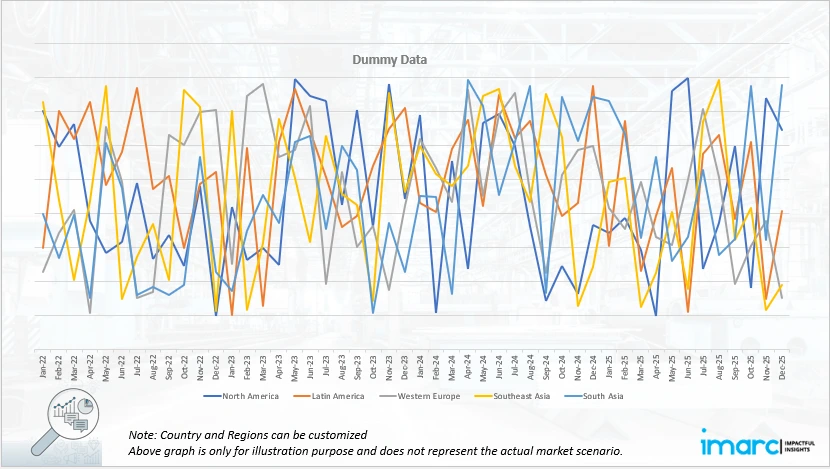
Recycled Acrylonitrile Butadiene Styrene (rABS) Price Chart
Get real-time access to monthly/quarterly/yearly prices Request Sample
During the second quarter of 2026, the recycled acrylonitrile butadiene styrene (rABS) prices in the USA reached 1930 USD/MT in June. Prices increased as demand from automotive and consumer electronics manufacturers strengthened due to the growing preference for sustainable materials. Rising interest in recycled polymers encouraged greater procurement activity among manufacturers seeking to meet environmental targets and improve recycled content usage.
During the second quarter of 2026, the recycled acrylonitrile butadiene styrene (rABS) prices in China reached 2491 USD/MT in June. Prices increased as manufacturers showed stronger interest in sustainable polymer solutions across automotive electronics and industrial applications. Growing regulatory focus on recycled content encouraged companies to increase the use of recycled materials in production processes. Supply limitations for high quality recycled ABS feedstock affected availability and increased competition among buyers.
During the second quarter of 2026, the recycled acrylonitrile butadiene styrene (rABS) prices in Belgium reached 2327 USD/MT in June. Prices increased as demand from European plastic manufacturers strengthened amid increasing emphasis on recycled material adoption. Producers faced tighter availability of recycled feedstock as companies expanded their efforts to meet recycling and sustainability requirements. Supply chain disruptions including port congestion and transportation delays affected material movement and increased procurement challenges for buyers.
During the second quarter of 2026, the recycled acrylonitrile butadiene styrene (rABS) prices in Brazil reached 2564 USD/MT in June. Prices increased as demand for recycled polymers strengthened across packaging construction and industrial applications. Companies continued adopting recycled ABS materials to improve sustainability performance and align with environmental requirements. Limited availability of suitable recycled feedstock created supply pressure as demand increased from downstream manufacturers.
During the second quarter of 2026, the recycled acrylonitrile butadiene styrene (rABS) prices in Canada reached 2110 USD/MT in June. Prices increased as industries continued shifting toward more sustainable material solutions. Demand from consumer products automotive components and industrial applications supported regular procurement of recycled ABS grades. Limited supply of high quality recycled inputs affected availability and increased competition among buyers seeking reliable material sources.
Recycled Acrylonitrile Butadiene Styrene (rABS) Prices Outlook Q1 2026
- USA: USD 1848/MT
- China: USD 2393/MT
- Belgium: USD 2236/MT
- Brazil: USD 2445/MT
- Canada: USD 2029/MT
During the first quarter of 2026, the recycled acrylonitrile butadiene styrene (rABS) prices in the USA reached 1848 USD/MT in March. Prices rose from the prior quarter as converters faced firmer buying interest from automotive, appliance, electronics, and consumer goods producers that favored recycled resin to meet procurement targets. Domestic regrinders reported tighter availability of sorted ABS scrap, especially clean black and natural grades, which limited spot flexibility.
During the first quarter of 2026, the recycled acrylonitrile butadiene styrene (rABS) prices in China reached 2393 USD/MT in March. Prices moved upward as downstream procurement improved after holiday related slowdowns and resin processors returned to normal operating rates. Sellers also held offers higher because inventories of consistent specification pellets were limited. Export interest supported sentiment, especially from buyers looking for alternatives to virgin ABS.
During the first quarter of 2026, the recycled acrylonitrile butadiene styrene (rABS) prices in Belgium reached 2236 USD/MT in March. The market advanced as demand from automotive interiors, electrical goods, and appliance manufacturers improved across nearby European outlets. Buyers gave greater priority to recycled content commitments, which supported regular purchasing of certified and traceable material. Import options were available but did not fully ease the market because buyers preferred consistent local material and faster delivery.
During the first quarter of 2026, the recycled acrylonitrile butadiene styrene (rABS) prices in Brazil reached 2445 USD/MT in March. Prices increased as local demand from appliance, automotive, packaging, and consumer product makers improved after a slower purchase cycle. Domestic recyclers gained pricing support from tighter feedstock collection, especially for clean ABS scrap suitable for compounding. The upward trend was supported by improved factory consumption, restrained supply, and stronger confidence among recyclers.
During the first quarter of 2026, the recycled acrylonitrile butadiene styrene (rABS) prices in Canada reached 2029 USD/MT in March. Prices strengthened as demand from automotive parts, electronics, construction goods, and appliance applications improved with steady manufacturing activity. Local suppliers reported tighter availability of sorted ABS feedstock, partly due to competition from compounders and exporters seeking consistent recycled inputs. Sustainability linked procurement also helped maintain demand for recycled grades, especially among customers requiring documented recycled content.
Regional Coverage
The report provides a detailed analysis of the market across different regions, each with unique pricing dynamics influenced by localized market conditions, supply chain intricacies, and geopolitical factors. This includes price trends, price forecasts, and supply and demand trends for each region, along with spot prices by major ports. The report also provides coverage of FOB and CIF prices, as well as the key factors influencing recycled acrylonitrile butadiene styrene (rABS) prices.
Europe Recycled Acrylonitrile Butadiene Styrene (rABS) Price Trend
Q2 2026:
The recycled acrylonitrile butadiene styrene (rABS) price index in Europe moved upward as tighter delivered supply, export demand, and logistics constraints supported firmer offers. Port congestion periodically restricted shipments and raised replacement concerns among plastic manufacturers. Feedstock volatility also kept production economics under pressure, even when raw material costs eased later in the quarter. Demand from packaging, automotive components, electronics housing, and other applications provided consistent support. Belgian processing facilities continued operating reliably, which maintained supply continuity and prevented a more severe shortage.
Q1 2026:
The recycled acrylonitrile butadiene styrene (rABS) price index in Europe strengthened as buyers returned to the market after muted year end activity and prioritized secure supply of traceable recycled resin. Demand from automotive interiors, appliances, and electrical goods improved, supported by recycled content targets and customer preference for lower carbon material choices. Feedstock availability remained uneven because collection quality varied across countries, and recyclers had to pay firmer premiums for clean post consumer ABS suitable for pelletizing.
This analysis can be extended to include detailed recycled acrylonitrile butadiene styrene (rABS) price information for a comprehensive list of countries.
| Region | Countries Covered |
|---|---|
| Europe | Germany, France, United Kingdom, Italy, Spain, Russia, Turkey, Netherlands, Poland, Sweden, Belgium, Austria, Ireland, Switzerland, Norway, Denmark, Romania, Finland, Czech Republic, Portugal, and Greece, among other European countries. |
North America Recycled Acrylonitrile Butadiene Styrene (rABS) Price Trend
Q2 2026:
The recycled acrylonitrile butadiene styrene (rABS) price index in North America rose strongly as constrained prompt availability and active demand in consumer goods and automotive parts tightened market balances. Sustainable product manufacturing supported steady procurement. Export demand absorbed regional volumes and reduced spot flexibility, strengthening seller negotiating power. Logistic challenges and increased insurance and delivered costs added further support to replacement values. Supply concerns encouraged buyers to protect inventories and maintain regular purchasing instead of delaying orders.
Q1 2026:
The recycled acrylonitrile butadiene styrene (rABS) price index in North America increased as demand recovered from automotive, electronics, appliance, and consumer product segments. Buyers sought consistent recycled pellets for compounding and molding programs, which improved spot inquiries and contract nominations. Supply tightened because clean ABS scrap collection was inconsistent, and recyclers faced higher costs for sorting, grinding, washing, and pelletizing. Sellers gained support from stronger replacement costs and better order books, allowing firmer offers across major consuming hubs.
Specific recycled acrylonitrile butadiene styrene (rABS) historical data within the United States and Canada can also be provided.
| Region | Countries Covered |
|---|---|
| North America | United States and Canada |
Middle East and Africa Recycled Acrylonitrile Butadiene Styrene (rABS) Price Trend
Q2 2026:
The study includes recycled acrylonitrile butadiene styrene (rABS) price trends across the Middle East and Africa, taking into consideration variables that have a direct impact on market prices, such as regional industrial expansion, natural resource availability, and geopolitical conflicts.
Q1 2026:
According to the recycled acrylonitrile butadiene styrene (rABS) price chart, supply chain interruptions, seasonal variations in demand, and geopolitical influences were the main causes of the price fluctuations in the Middle East and Africa.
In addition to region-wise data, information on recycled acrylonitrile butadiene styrene (rABS) prices for countries can also be provided.
| Region | Countries Covered |
|---|---|
| Middle East & Africa | Saudi Arabia, UAE, Israel, Iran, South Africa, Nigeria, Oman, Kuwait, Qatar, Iraq, Egypt, Algeria, and Morocco, among other Middle Eastern and African countries. |
Asia Pacific Recycled Acrylonitrile Butadiene Styrene (rABS) Price Trend
Q2 2026:
The recycled acrylonitrile butadiene styrene (rABS) price trend across Asia Pacific moved upward as increasing demand for sustainable polymers and limited availability of quality recycled feedstock supported firmer market conditions. Automotive manufacturers electronics producers and consumer goods companies continued increasing the adoption of recycled ABS to meet sustainability requirements and reduce dependence on virgin plastics. Strong purchasing activity from downstream industries improved supplier confidence and supported higher quotations across regional markets. Supply constraints related to collection sorting purification and processing of recycled materials created challenges for maintaining consistent availability.
Q1 2026:
In the Asia Pacific, recycled acrylonitrile butadiene styrene (rABS) prices rose as the region saw firmer buying interest from electronics, small appliances, automotive components, and consumer goods producers. Post holiday restocking supported order flow, while compounders sought recycled grades to meet brand requirements and control material costs. Feedstock competition increased as recyclers pursued clean, impact suitable ABS scrap, and this lifted pellet offers. Some buyers compared recycled material with virgin ABS, but recycled demand stayed supported where sustainability goals and customer approvals were already in place.
This recycled acrylonitrile butadiene styrene (rABS) price analysis can be expanded to include a comprehensive list of countries within the region.
| Region | Countries Covered |
|---|---|
| Asia Pacific | China, India, Indonesia, Pakistan, Bangladesh, Japan, Philippines, Vietnam, Thailand, South Korea, Malaysia, Nepal, Taiwan, Sri Lanka, Hongkong, Singapore, Australia, and New Zealand, among other Asian countries. |
Latin America Recycled Acrylonitrile Butadiene Styrene (rABS) Price Trend
Q2 2026:
The recycled acrylonitrile butadiene styrene (rABS) price trend across Latin America moved upward as stronger demand for sustainable polymers and limited recycled material availability supported higher market quotations. Automotive electronics packaging and industrial manufacturers increased their preference for recycled ABS to meet environmental targets and improve material efficiency. Growing adoption of recycled plastics encouraged consistent procurement activity among downstream users and strengthened supplier confidence.
Q1 2026:
In Latin America, recycled acrylonitrile butadiene styrene (rABS) prices moved higher as demand improved from appliance, automotive, consumer goods, footwear, and general molding applications. Brazil led regional sentiment, supported by stronger domestic inquiries and limited availability of reliable recycled pellets. Feedstock collection remained fragmented in many markets, and recyclers faced difficulty securing clean ABS scrap suitable for higher value applications. Currency related import caution encouraged local purchasing, strengthening supplier confidence.
This comprehensive review can be extended to include specific countries within the region.
| Region | Countries Covered |
|---|---|
| Latin America | Brazil, Mexico, Argentina, Columbia, Chile, Ecuador, and Peru, among other Latin American countries. |
Recycled Acrylonitrile Butadiene Styrene (rABS) Pricing Report, Market Analysis, and News
IMARC's latest publication, “Recycled Acrylonitrile Butadiene Styrene (rABS) Prices, Trend, Chart, Demand, Market Analysis, News, Historical and Forecast Data Report 2026 Edition,” presents a detailed examination of the recycled acrylonitrile butadiene styrene (rABS) market, providing insights into both global and regional trends that are shaping prices. This report delves into the spot price of recycled acrylonitrile butadiene styrene (rABS) at major ports and analyzes the composition of prices, including FOB and CIF terms. It also presents a detailed recycled acrylonitrile butadiene styrene (rABS) prices trend analysis by region, covering North America, Europe, Asia Pacific, Latin America, and Middle East and Africa. The factors affecting recycled acrylonitrile butadiene styrene (rABS) pricing, such as the dynamics of supply and demand, geopolitical influences, and sector-specific developments, are thoroughly explored. This comprehensive report helps stakeholders stay informed with the latest market news, regulatory updates, and technological progress, facilitating informed strategic decision-making and forecasting.
Recycled Acrylonitrile Butadiene Styrene (rABS) Industry Analysis
The global recycled acrylonitrile butadiene styrene (rABS) market size reached USD 2.6 Billion in 2025. By 2034, IMARC Group expects the market to reach USD 3.8 Billion, at a projected CAGR of 3.92% during 2026-2034. The market is primarily driven by technological advancements in recycling processes, increasing consumer demand for sustainable materials, and supportive regulatory frameworks favoring recycled plastics industries.
Latest News and Developments:
- March 2026: A new study introduced a dissolution separation precipitation method to improve ABS recycling by removing carbon black pigments. The process uses a collector solvent that attracts carbon black through hydrogen bonding, helping improve purification and recovered polymer quality. Tests using FTIR, GPC, DSC, and TGA showed effective pigment removal while preserving molecular weight distribution and thermal properties. Researchers said the method could support higher quality recycled ABS and advance solvent based plastic recycling.
- June 2024: Trinseo launched new recycled content ABS and SAN resins under the MAGNUM ECO+, MAGNUM CR, and TYRIL CR brands. The materials contain up to 60% chemically recycled styrene sourced from post consumer waste through an ISCC+ mass balance approach. Trinseo said the new grades can reduce carbon footprint compared with conventional materials while maintaining similar processing performance.
Product Description
Recycled acrylonitrile butadiene styrene (rABS) is a robust thermoplastic polymer that is synthesized using recycled waste material processed from end of life products. Unlike standard ABS, this recycled form offers significant environmental benefits by reducing the reliance on virgin plastics and lowering carbon footprints. rABS is prized for its resilience, impact resistance, and its application versatility in automotive parts, consumer electronics, and construction materials. The material retains excellent machinability, providing both durability and adaptability in product design and sustainment. As demand for eco-friendly solutions grows, rABS stands out as a preferred option for industries aiming to enhance their sustainable practices, boasting advantageous mechanical properties comparable to virgin ABS materials.
Report Coverage
| Key Attributes | Details |
|---|---|
| Product Name | Recycled Acrylonitrile Butadiene Styrene (rABS) |
| Report Features | Exploration of Historical Trends and Market Outlook, Industry Demand, Industry Supply, Gap Analysis, Challenges, Synthetic MentholRecycled Acrylonitrile Butadiene Styrene (rABS) Price Analysis, and Segment-Wise Assessment. |
| Currency/Units | US$ (Data can also be provided in local currency) or Metric Tons |
| Region/Countries Covered | The current coverage includes analysis at the global and regional levels only. Based on your requirements, we can also customize the report and provide specific information for the following countries: Asia Pacific: China, India, Indonesia, Pakistan, Bangladesh, Japan, Philippines, Vietnam, Thailand, South Korea, Malaysia, Nepal, Taiwan, Sri Lanka, Hongkong, Singapore, Australia, and New Zealand Europe: Germany, France, United Kingdom, Italy, Spain, Russia, Turkey, Netherlands, Poland, Sweden, Belgium, Austria, Ireland, Switzerland, Norway, Denmark, Romania, Finland, Czech Republic, Portugal and Greece North America: United States and Canada Latin America: Brazil, Mexico, Argentina, Columbia, Chile, Ecuador, and Peru Middle East & Africa: Saudi Arabia, UAE, Israel, Iran, South Africa, Nigeria, Oman, Kuwait, Qatar, Iraq, Egypt, Algeria, and Morocco The list of countries presented is not exhaustive. Information on additional countries can be provided if required by the client. |
| Information Covered for Key Suppliers |
|
| Customization Scope | The report can be customized as per the requirements of the customer |
| Report Price and Purchase Option |
Plan A: Monthly Updates - Annual Subscription
Plan B: Quarterly Updates - Annual Subscription
Plan C: Biannually Updates - Annual Subscription
|
| Post-Sale Analyst Support | 360-degree analyst support after report delivery |
| Delivery Format | PDF and Excel through email (We can also provide the editable version of the report in PPT/Word format on special request) |
Key Benefits for Stakeholders:
- IMARC’s report presents a detailed analysis of recycled acrylonitrile butadiene styrene (rABS) pricing, covering global and regional trends, spot prices at key ports, and a breakdown of Ex Works, FOB, and CIF prices.
- The study examines factors affecting recycled acrylonitrile butadiene styrene (rABS) price trend, including raw material costs, supply-demand shifts, geopolitical impacts, and industry developments, offering insights for informed decision-making.
- The competitive landscape review equips stakeholders with crucial insights into the latest market news, regulatory changes, and technological advancements, ensuring a well-rounded, strategic overview for forecasting and planning.
- IMARC offers various subscription options, including monthly, quarterly, and biannual updates, allowing clients to stay informed with the latest market trends, ongoing developments, and comprehensive market insights. The recycled acrylonitrile butadiene styrene (rABS) price charts ensure our clients remain at the forefront of the industry.
Need more help?
- Speak to our experienced analysts for insights on the current market scenarios.
- Include additional segments and countries to customize the report as per your requirement.
- Gain an unparalleled competitive advantage in your domain by understanding how to utilize the report and positively impacting your operations and revenue.
- For further assistance, please connect with our analysts.
 Request Customization
 Inquire Before Buying
 Speak to an Analyst
 Request Brochure
Benefits of Customization
- Personalize this research
- Triangulate with your data
- Get data as per your format and definition
- Gain a deeper dive into a specific application, geography, customer, or competitor
- Any level of personalization
Get in Touch With Us
UNITED STATES
Phone: +1-201-971-6302
INDIA
Phone: +91-120-433-0800
UNITED KINGDOM
Phone: +44-753-714-6104
Email: [email protected]
Client Testimonials




.webp)




.webp)













Related Reports

Why Choose Us
IMARC offers trustworthy, data-centric insights into commodity pricing and evolving market trends, enabling businesses to make well-informed decisions in areas such as procurement, strategic planning, and investments. With in-depth knowledge spanning more than 1000 commodities and a vast global presence in over 150 countries, we provide tailored, actionable intelligence designed to meet the specific needs of diverse industries and markets.
1000
+Commodities
150
+Countries Covered
3000
+Clients
20
+Industry

Robust Methodologies & Extensive Resources
IMARC delivers precise commodity pricing insights using proven methodologies and a wealth of data to support strategic decision-making.

Subscription-Based Databases
Our extensive databases provide detailed commodity pricing, import-export trade statistics, and shipment-level tracking for comprehensive market analysis.

Primary Research-Driven Insights
Through direct supplier surveys and expert interviews, we gather real-time market data to enhance pricing accuracy and trend forecasting.

Extensive Secondary Research
We analyze industry reports, trade publications, and market studies to offer tailored intelligence and actionable commodity market insights.
Trusted by 3000+ industry leaders worldwide to drive data-backed decisions. From global manufacturers to government agencies, our clients rely on us for accurate pricing, deep market intelligence, and forward-looking insights.