
Refined Sunflower Oil Prices, Trend, Chart, Demand, Market Analysis, News, Historical and Forecast Data Report 2026 Edition
Refined Sunflower Oil Price Trend, Index and Forecast
Track the latest insights on refined sunflower oil price trends and forecast with detailed analysis of regional fluctuations and market dynamics across North America, Latin America, Central Europe, Western Europe, Eastern Europe, Middle East, North Africa, West Africa, Central and Southern Africa, Central Asia, Southeast Asia, South Asia, East Asia, and Oceania.
Refined Sunflower Oil Prices Outlook Q2 2026
- South Korea: USD 1786/MT
- USA: USD 1929/MT
- United Kingdom: USD 1621/MT
- France: USD 1723/MT
- Brazil: USD 1777/MT
Refined Sunflower Oil Price Chart
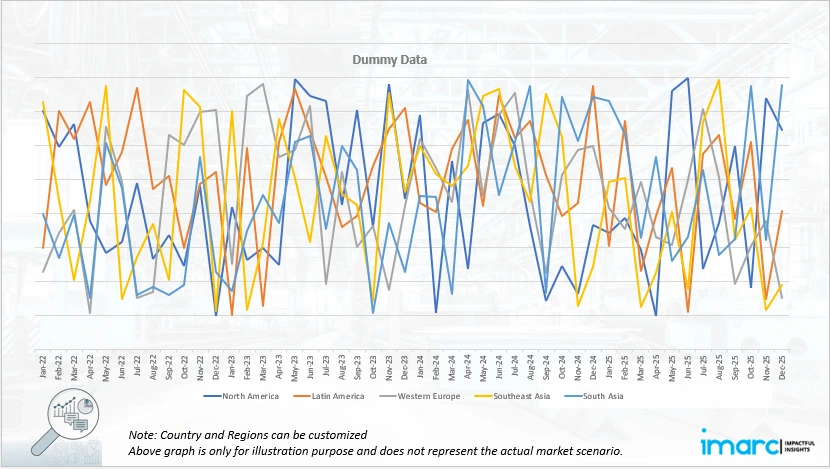
Get real-time access to monthly/quarterly/yearly prices Request Sample
During the second quarter of 2026, the refined sunflower oil prices in South Korea reached 1786 USD/MT in June. Prices increased as stronger demand from food processors and household consumers supported regular procurement throughout the quarter. Growing preference for lighter edible oils and sunflower based cooking products helped maintain firm consumption across retail and food manufacturing channels. Import restrictions and higher tariff related costs increased procurement expenses for domestic buyers and reduced the competitiveness of overseas supplies.
During the second quarter of 2026, the refined sunflower oil prices in the USA reached 1929 USD/MT in June. Prices moved downward as improved domestic production and softer sunflower seed costs reduced pressure on refinery economics. Higher availability of raw material allowed processors to maintain adequate refined oil output and increased supply across domestic distribution channels. Food manufacturers and household consumers continued purchasing refined sunflower oil, but demand remained moderate and was insufficient to absorb the larger available volumes at firmer prices.
During the second quarter of 2026, the refined sunflower oil prices in the United Kingdom reached 1621 USD/MT in June. Prices moved upward as logistics disruptions and stronger international demand increased replacement costs for importers and distributors. The UK market remained dependent on imported sunflower oil, making domestic prices sensitive to availability from major producing regions and changing freight conditions. Higher shipping costs and longer delivery schedules increased landed expenses and encouraged suppliers to maintain firmer quotations.
During the second quarter of 2026, the refined sunflower oil prices in France reached 1723 USD/MT in June. Prices rose as weaker domestic sunflower seed availability tightened feedstock supply for refiners and increased production costs. Lower harvest availability reduced procurement flexibility and encouraged processors to compete more actively for suitable oilseeds. Transportation challenges also affected the movement of raw materials and refined oil, increasing replacement concerns among buyers.
During the second quarter of 2026, the refined sunflower oil prices in Brazil reached 1777 USD/MT in June. Prices increased as stronger domestic demand for cooking oils coincided with lower production caused by unfavorable weather conditions affecting sunflower cultivation. Reduced crop availability limited the amount of sunflower seed available for crushing and raised procurement pressure among processors. Food manufacturers, restaurants, retailers, and household consumers maintained steady purchasing requirements, helping absorb available refined oil stocks.
Refined Sunflower Oil Prices Outlook Q3 2025
- USA: USD 1843/MT
- United Kingdom: USD 1632/MT
- France: USD 1728/MT
- Brazil: USD 1646/MT
- South Korea: USD 1797/MT
During the third quarter of 2025, the refined sunflower oil prices in the USA reached 1843 USD/MT in September. Prices moved downward as domestic inventories remained sufficient and demand from food processing and retail channels softened. Import availability and cautious procurement by distributors influenced sourcing decisions. Buyers focused on meeting immediate supply requirements rather than building forward inventories.
During the third quarter of 2025, the refined sunflower oil prices in the United Kingdom reached 1632 USD/MT in September. Prices increased as demand from food manufacturers and retail packaging segments strengthened. Higher consumption across household cooking oils supported procurement activity. Buyers aligned sourcing with distributor requirements and seasonal consumption patterns.
During the third quarter of 2025, the refined sunflower oil prices in France reached 1728 USD/MT in September. Prices moved upward due to strong demand from food processing, bakery, and packaged food segments. Increased usage across retail and foodservice channels supported offtake. Buyers structured procurement around confirmed production schedules and distributor commitments.
During the third quarter of 2025, the refined sunflower oil prices in Brazil reached 1646 USD/MT in September. Prices increased amid rising demand from food manufacturers and retail consumption. Domestic consumption supported procurement volumes, while export considerations influenced sourcing strategies. Buyers aligned purchases with distribution planning and inventory management.
During the third quarter of 2025, the refined sunflower oil prices in South Korea reached 1797 USD/MT in September. Prices moved upward as demand from food processing, packaged foods, and foodservice sectors improved. Higher consumption of edible oils supported buying interest. Buyers coordinated procurement with production planning and import scheduling.
Refined Sunflower Oil Prices Outlook Q2 2025
- USA: USD 1873/MT
- United Kingdom: USD 1607/MT
- France: USD 1667/MT
- Brazil: USD 1617/MT
- South Korea: USD 1760/MT
During the second quarter of 2025, the refined sunflower oil prices in the USA reached 1873 USD/MT in June. In the USA, refined sunflower oil prices were influenced by steady demand from the food processing and retail sectors. Imports from Europe and Latin America played an important role in supply, with costs shaped by international freight rates, port handling, and customs procedures. Domestic bottling and refining costs were affected by energy tariffs and labor expenses. Distribution through large-scale retail and foodservice networks added logistics expenses, including warehousing and long-haul trucking, further shaping procurement dynamics.
During the second quarter of 2025, refined sunflower oil prices in the United Kingdom reached 1607 USD/MT in June. In the UK, refined sunflower oil prices were guided by demand from retail, foodservice, and industrial users. Heavy reliance on imports, especially from Eastern Europe, made landed costs sensitive to freight rates, port operations, and customs documentation. Currency fluctuations against the euro and the US dollar influenced procurement costs. Domestic bottling and distribution were impacted by high energy tariffs and labor expenses, while compliance with strict food safety and traceability standards added certification and quality assurance costs.
During the second quarter of 2025, the refined sunflower oil prices in France reached 1667 USD/MT in June. In France, refined sunflower oil prices were shaped by demand from the food processing, bakery, and retail sectors. Supply was influenced by both domestic production and imports from neighboring European countries, with freight charges and port handling contributing to landed costs. Production economics were affected by high energy tariffs and labor expenses. Compliance with European Union food safety standards required certification and testing, while inland logistics, including trucking and warehousing, added additional costs across the supply chain.
During the second quarter of 2025, the refined sunflower oil prices in Brazil reached 1617 USD/MT in June. In Brazil, refined sunflower oil prices were influenced by demand from food processing and household consumption. Limited domestic output created reliance on imports, making costs sensitive to international freight charges, port handling inefficiencies, and customs clearance. Currency volatility of the Brazilian real against the US dollar significantly impacted procurement costs. Domestic distribution challenges, including long-haul trucking and regional infrastructure limitations, added to expenses, while compliance with national food safety regulations further contributed to operational and certification costs.
During the second quarter of 2025, the refined sunflower oil prices in South Korea reached 1760 USD/MT in June. In South Korea, refined sunflower oil prices were guided by demand from the foodservice, packaged food, and retail industries. Heavy dependence on imports from Eastern Europe and other Asian suppliers made procurement sensitive to freight charges, customs documentation, and port logistics. Currency fluctuations against the US dollar influenced competitiveness in sourcing. Domestic bottling and packaging costs were shaped by energy tariffs and labor expenses, while inland logistics, including trucking and warehousing, further added to supply chain costs.
Regional Coverage
The report provides a detailed analysis of the market across different regions, each with unique pricing dynamics influenced by localized market conditions, supply chain intricacies, and geopolitical factors. This includes price trends, price forecast, and supply and demand trends for each region, along with spot prices by major ports. The report also provides coverage of FOB and CIF prices, as well as the key factors influencing refined sunflower oil prices.
Europe Refined Sunflower Oil Price Trend
Q2 2026:
The refined sunflower oil price index in Europe moved upward as tighter supply availability and steady demand from domestic and export markets supported firmer quotations. Lower sunflower seed availability in parts of the region placed pressure on refinery feedstock supply and increased replacement costs. Logistics bottlenecks, port delays, and higher transportation expenses further affected the movement of both crude and refined sunflower oil. Geopolitical uncertainty across major producing and exporting regions also kept the wider edible oil market firm and encouraged buyers to secure material earlier. Food manufacturers, retailers, restaurants, and packaged food producers maintained consistent procurement, preventing significant inventory accumulation. German and other European buyers focused on maintaining dependable supply coverage amid changing import conditions.
Q3 2025:
As per the refined sunflower oil price index, Europe experienced upward price movement, driven by increases in the United Kingdom and France. Demand from food processing, bakery products, and packaged food manufacturing supported regional consumption. French buyers increased sourcing to meet steady retail and foodservice demand, while UK procurement reflected stronger household consumption. Import dependency and logistical planning influenced sourcing decisions, with buyers aligning procurement closely to distributor demand, inventory planning, and confirmed production requirements.
Q2 2025:
European refined sunflower oil prices were shaped by demand from the food processing, bakery, and retail sectors. Supply relied heavily on domestic production in Eastern Europe as well as imports, with freight charges, port congestion, and customs requirements influencing landed costs. Production economics were affected by high energy tariffs and labor costs, while compliance with European Union food safety and traceability standards added certification and testing expenses. Distribution through regional networks, including trucking and warehousing, further contributed to procurement costs, particularly in cross-border trade within the single market.
This analysis can be extended to include detailed refined sunflower oil price information for a comprehensive list of countries.
| Region | Countries Covered |
|---|---|
| Europe | Germany, France, United Kingdom, Italy, Spain, Russia, Turkey, Netherlands, Poland, Sweden, Belgium, Austria, Ireland, Switzerland, Norway, Denmark, Romania, Finland, Czech Republic, Portugal, and Greece, among other European countries. |
North America Refined Sunflower Oil Price Trend
Q2 2026:
The refined sunflower oil price index in North America moved downward as stronger local production and softer sunflower seed costs improved supply conditions. Refiners benefited from better feedstock availability, which supported stable output and reduced pressure on production economics. Food manufacturers, restaurants, and retail channels continued to maintain steady consumption, but demand was not strong enough to offset the improved availability across domestic markets. Export activity absorbed part of regional output, yet comfortable inventories and smoother distribution limited the need for suppliers to maintain higher offers. Improved logistics also supported more efficient movement of refined oil between processing centers and consuming markets.
Q3 2025:
As per the refined sunflower oil price index, North America experienced downward price movement, led by the decline observed in the USA. Sufficient domestic inventories and moderated demand from food processors and retail channels influenced consumption. Buyers adopted cautious procurement strategies, focusing on near-term operational needs. Import availability and inventory management practices shaped sourcing behavior, limiting the need for aggressive purchasing.
Q2 2025:
In North America, refined sunflower oil prices were influenced by steady demand from retail, foodservice, and packaged food industries. Supply included both domestic production and imports from Europe and Latin America, with freight charges, port operations, and customs procedures shaping procurement costs. Domestic refining expenses were impacted by energy tariffs and labor availability. Compliance with Food and Drug Administration regulations for food safety added testing and certification costs. Extensive distribution networks, including warehousing and long-haul trucking, further increased logistics expenses across healthcare and consumer markets.
Specific refined sunflower oil historical data within the United States and Canada can also be provided.
| Region | Countries Covered |
|---|---|
| North America | United States and Canada |
Middle East and Africa Refined Sunflower Oil Price Trend
Q2 2026:
The study includes refined sunflower oil price trends across the Middle East and Africa, accounting for variables such as regional industrial growth, availability of raw materials, and international trade policies that influence market prices.
Q3 2025:
As per refined sunflower oil price chart, the prices in the Middle East and Africa fluctuated due to a complex interplay of factors, primarily driven by supply chain disruptions, seasonal demand shifts, and geopolitical influences.
Q2 2025:
The report explores the refined sunflower oil pricing trends and refined sunflower oil price chart in the Middle East and Africa, considering factors like regional industrial growth, the availability of natural resources, and geopolitical tensions that uniquely influence market prices.
In addition to region-wise data, information on refined sunflower oil prices for countries can also be provided.
| Region | Countries Covered |
|---|---|
| Middle East & Africa | Saudi Arabia, UAE, Israel, Iran, South Africa, Nigeria, Oman, Kuwait, Qatar, Iraq, Egypt, Algeria, and Morocco, among other Middle Eastern and African countries. |
Asia Pacific Refined Sunflower Oil Price Trend
Q2 2026:
Refined sunflower oil prices across Asia Pacific moved upward as elevated processing costs, firm edible oil demand, and logistics challenges supported stronger quotations. South Korea experienced tighter prompt availability and greater dependence on imports, which increased sensitivity to freight and international supply conditions. Japan also faced higher import replacement costs and uncertain shipping schedules, encouraging buyers to maintain planned procurement rather than delay purchases. Demand from food processing, restaurants, retail channels, and household cooking remained steady across major consuming markets. Higher transportation, storage, and distribution expenses further increased delivered costs for import dependent buyers. Producers and distributors maintained firm offers as input costs stayed elevated and supply chains remained vulnerable to delays.
Q3 2025:
As per the refined sunflower oil price index, Asia Pacific experienced upward price movement, supported by increases in South Korea. Demand from food processing, packaged foods, and foodservice applications strengthened regional consumption. Buyers aligned procurement with production schedules and import planning. Consumption growth in processed food segments supported steady offtake, while logistics coordination influenced sourcing timelines.
Q2 2025:
In Asia Pacific, refined sunflower oil prices were driven by demand from foodservice, packaged foods, and household consumption, with imports playing a dominant role in supply for countries like South Korea and Japan. China and India supplemented domestic needs with imports, making costs highly sensitive to freight charges, port handling, and customs documentation. Production economics were influenced by feedstock availability and energy tariffs in refining hubs. Compliance with international food safety standards added operational costs, while inland logistics and storage expenses further impacted procurement dynamics across the region.
This refined sunflower oil price analysis can be expanded to include a comprehensive list of countries within the region.
| Region | Countries Covered |
|---|---|
| Asia Pacific | China, India, Indonesia, Pakistan, Bangladesh, Japan, Philippines, Vietnam, Thailand, South Korea, Malaysia, Nepal, Taiwan, Sri Lanka, Hongkong, Singapore, Australia, and New Zealand, among other Asian countries. |
Latin America Refined Sunflower Oil Price Trend
Q2 2026:
Refined sunflower oil prices across Latin America moved upward as tighter feedstock availability, firm domestic consumption, and higher processing costs supported stronger market conditions. Adverse weather affected sunflower crop performance in some producing areas, limiting seed availability for crushing and increasing procurement pressure among refiners. Food manufacturers, retailers, restaurants, and household consumers maintained steady demand, helping absorb available refined oil supplies. Higher transportation, storage, and distribution expenses added further pressure to delivered costs across regional markets. Import requirements also increased in selected countries where domestic production was insufficient, exposing buyers to international freight conditions and changing global edible oil availability.
Q3 2025:
Latin America experienced upward price movement, led by increases in Brazil. Demand from food manufacturers, retail consumption, and distribution channels supported regional offtake. Buyers increased sourcing to meet domestic consumption requirements. Procurement strategies emphasized aligning purchases with distribution planning and managing inventories efficiently amid steady demand conditions.
Q2 2025:
In Latin America, particularly Brazil, refined sunflower oil prices were shaped by strong demand from both household consumption and the food processing sector. Limited domestic production made imports essential, with costs influenced by international freight charges, port inefficiencies, and customs regulations. Currency volatility of the Brazilian real against the US dollar significantly affected landed costs. Domestic distribution challenges, including long-haul trucking and infrastructure bottlenecks, added further expenses. Regulatory compliance with national food safety standards required additional certification and testing, contributing to higher operational and procurement costs for regional buyers.
This comprehensive review can be extended to include specific countries within the region.
| Region | Countries Covered |
|---|---|
| Latin America | Brazil, Mexico, Argentina, Columbia, Chile, Ecuador, and Peru, among other Latin American countries. |
Refined Sunflower Oil Pricing Report, Market Analysis, and News
IMARC's latest publication, “Refined Sunflower Oil Prices, Trend, Chart, Demand, Market Analysis, News, Historical and Forecast Data Report 2026 Edition,” presents a detailed examination of the refined sunflower oil market, providing insights into both global and regional trends that are shaping prices. This report delves into the spot price of refined sunflower oil at major ports and analyzes the composition of prices, including FOB and CIF terms. It also presents detailed refined sunflower oil price trend analysis by region, covering North America, Europe, Asia Pacific, Latin America, and the Middle East and Africa. The factors affecting refined sunflower oil pricing, such as the dynamics of supply and demand, geopolitical influences, and sector-specific developments, are thoroughly explored. This comprehensive report helps stakeholders stay informed with the latest market news, regulatory updates, and technological progress, facilitating informed strategic decision-making and forecasting.
Refined Sunflower Oil Industry Analysis
The global refined sunflower oil market size reached 16.9 Million Tons in 2025. By 2034, IMARC Group expects the market to reach 25.9 Million Tons, at a projected CAGR of 4.89% during 2026-2034. The market is primarily driven by the growing demand for healthier cooking oils, increasing use in food processing industries, and its favorable nutritional profile.
Latest News and Developments:
- July 2025: Gemini Edibles & Fats India Limited (GEF India) announced an INR 375 crore investment to build a new greenfield edible oils refinery in Shamshabad, Hyderabad, Telangana, which will include a 400 TPD refining capacity for sunflower oil alongside 300 TPD for rice bran and palm oils. The facility will also handle sunflower seed crushing, solvent extraction, refining and cold-pressed oil production, strengthening the company’s production footprint and enhancing supply of refined sunflower oil for domestic and industrial customers once operational.
Refined Sunflower Oil Description
Refined sunflower oil is an edible vegetable oil obtained from sunflower seeds through oil extraction followed by refining processes that remove impurities, free fatty acids, pigments, odors, and other unwanted components. The resulting oil generally has a light color, neutral flavor, and relatively high smoke point, making it suitable for frying, baking, cooking, and food processing. Sunflower oil contains vitamin E and unsaturated fatty acids, although its fatty acid composition varies by grade. Conventional sunflower oil is typically rich in linoleic acid, while high oleic sunflower oil contains a greater proportion of oleic acid and offers improved oxidative stability. Refined sunflower oil is widely used in packaged foods, snacks, sauces, dressings, and other culinary products. It also finds applications in cosmetics, personal care products, and selected industrial formulations.
Report Coverage
| Key Attributes | Details |
|---|---|
| Product Name | Refined Sunflower Oil |
| Report Features | Exploration of Historical Trends and Market Outlook, Industry Demand, Industry Supply, Gap Analysis, Challenges, Refined Sunflower Oil Price Analysis, and Segment-Wise Assessment. |
| Currency/Units | US$ (Data can also be provided in local currency) or Metric Tons |
| Region/Countries Covered | The current coverage includes analysis at the global and regional levels only. Based on your requirements, we can also customize the report and provide specific information for the following countries: Asia Pacific: China, India, Indonesia, Pakistan, Bangladesh, Japan, Philippines, Vietnam, Thailand, South Korea, Malaysia, Nepal, Taiwan, Sri Lanka, Hongkong, Singapore, Australia, and New Zealand Europe: Germany, France, United Kingdom, Italy, Spain, Russia, Turkey, Netherlands, Poland, Sweden, Belgium, Austria, Ireland, Switzerland, Norway, Denmark, Romania, Finland, Czech Republic, Portugal and Greece North America: United States and Canada Latin America: Brazil, Mexico, Argentina, Columbia, Chile, Ecuador, and Peru Middle East & Africa: Saudi Arabia, UAE, Israel, Iran, South Africa, Nigeria, Oman, Kuwait, Qatar, Iraq, Egypt, Algeria, and Morocco The list of countries presented is not exhaustive. Information on additional countries can be provided if required by the client. |
| Information Covered for Key Suppliers |
|
| Customization Scope | The report can be customized as per the requirements of the customer |
| Report Price and Purchase Option |
Plan A: Monthly Updates - Annual Subscription
Plan B: Quarterly Updates - Annual Subscription
Plan C: Biannually Updates - Annual Subscription
|
| Post-Sale Analyst Support | 360-degree analyst support after report delivery |
| Delivery Format | PDF and Excel through email (We can also provide the editable version of the report in PPT/Word format on special request) |
Key Benefits for Stakeholders:
- IMARC’s report presents a detailed analysis of refined sunflower oil pricing, covering global and regional trends, spot prices at key ports, and a breakdown of Ex Works, FOB, and CIF prices.
- The study examines factors affecting refined sunflower oil price trend, including raw material costs, supply-demand shifts, geopolitical impacts, and industry developments, offering insights for informed decision-making.
- The competitive landscape review equips stakeholders with crucial insights into the latest market news, regulatory changes, and technological advancements, ensuring a well-rounded, strategic overview for forecasting and planning.
- IMARC offers various subscription options, including monthly, quarterly, and biannual updates, allowing clients to stay informed with the latest market trends, ongoing developments, and comprehensive market insights. The refined sunflower oil price charts ensure our clients remain at the forefront of the industry.
Need more help?
- Speak to our experienced analysts for insights on the current market scenarios.
- Include additional segments and countries to customize the report as per your requirement.
- Gain an unparalleled competitive advantage in your domain by understanding how to utilize the report and positively impacting your operations and revenue.
- For further assistance, please connect with our analysts.
 Request Customization
 Inquire Before Buying
 Speak to an Analyst
 Request Brochure
Benefits of Customization
- Personalize this research
- Triangulate with your data
- Get data as per your format and definition
- Gain a deeper dive into a specific application, geography, customer, or competitor
- Any level of personalization
Get in Touch With Us
UNITED STATES
Phone: +1-201-971-6302
INDIA
Phone: +91-120-433-0800
UNITED KINGDOM
Phone: +44-753-714-6104
Email: [email protected]
Client Testimonials




.webp)




.webp)













Related Reports

Why Choose Us
IMARC offers trustworthy, data-centric insights into commodity pricing and evolving market trends, enabling businesses to make well-informed decisions in areas such as procurement, strategic planning, and investments. With in-depth knowledge spanning more than 1000 commodities and a vast global presence in over 150 countries, we provide tailored, actionable intelligence designed to meet the specific needs of diverse industries and markets.
1000
+Commodities
150
+Countries Covered
3000
+Clients
20
+Industry

Robust Methodologies & Extensive Resources
IMARC delivers precise commodity pricing insights using proven methodologies and a wealth of data to support strategic decision-making.

Subscription-Based Databases
Our extensive databases provide detailed commodity pricing, import-export trade statistics, and shipment-level tracking for comprehensive market analysis.

Primary Research-Driven Insights
Through direct supplier surveys and expert interviews, we gather real-time market data to enhance pricing accuracy and trend forecasting.

Extensive Secondary Research
We analyze industry reports, trade publications, and market studies to offer tailored intelligence and actionable commodity market insights.
Trusted by 3000+ industry leaders worldwide to drive data-backed decisions. From global manufacturers to government agencies, our clients rely on us for accurate pricing, deep market intelligence, and forward-looking insights.