
Saudi Arabia Intravenous Solution Market Size, Share, Trends and Forecast by Type, Nutrients, and Region, 2026-2034
Saudi Arabia Intravenous Solution Market Size, Share, Trends & Forecast (2026-2034)
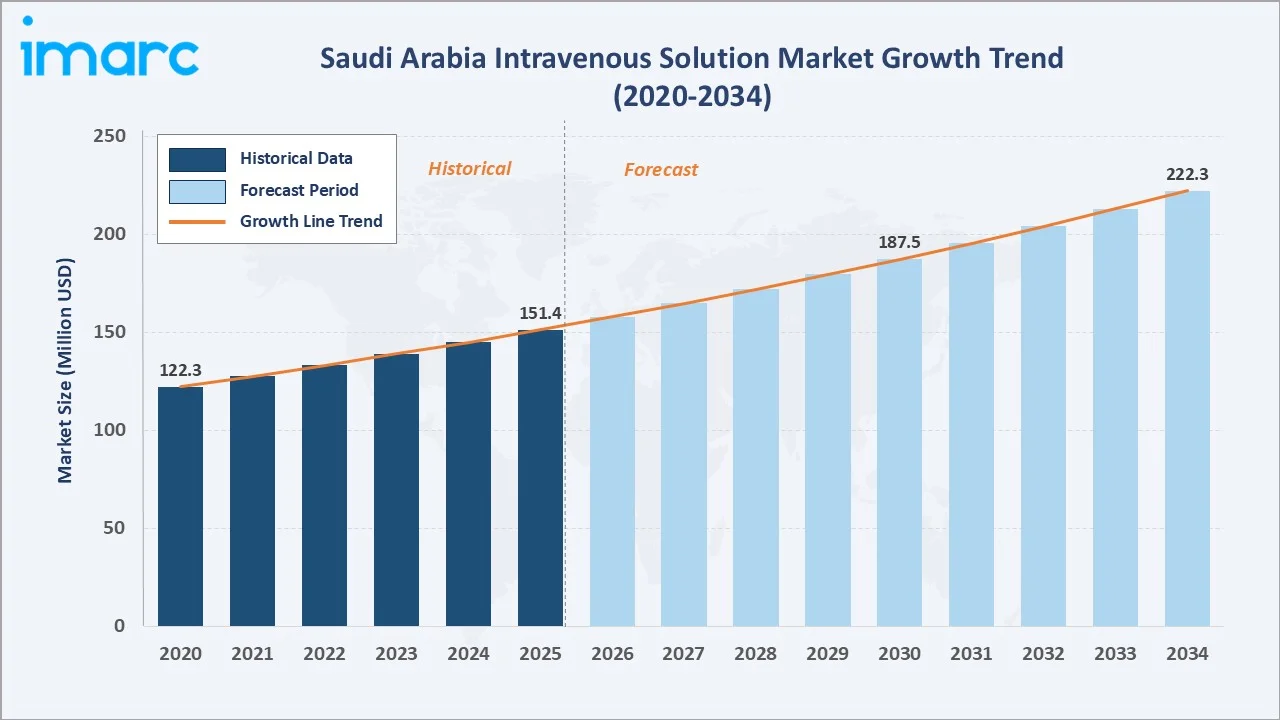
The Saudi Arabia intravenous solution market size increased from USD 151.4 Million in 2025 to USD 158.0 Million in 2026 and is projected to reach USD 222.3 Million by 2034, growing at a CAGR of 4.36% during 2026-2034. Rising prevalence of chronic diseases requiring long-term intravenous nutritional therapy, rapid expansion of healthcare infrastructure under Vision 2030, growing critical care and oncology patient volumes demanding total parenteral nutrition, and increasing demand from Hajj and Umrah medical services are the primary growth catalysts.
Market Snapshot
|
Metric |
Value |
|
Base Year Market Size (2025) |
USD 151.4 Million |
|
Market Size (2026) |
USD 158.0 Million |
|
Forecast Market Size (2034) |
USD 222.3 Million |
|
CAGR (2026-2034) |
4.36% |
|
Base Year |
2025 |
|
Historical Period |
2020-2025 |
|
Forecast Period |
2026-2034 |
The Northern and Central Region leads with a 38.7% market share in 2025, anchored by Riyadh's concentration of tertiary care hospitals and national referral facilities. Total parenteral nutrition commands the dominant type share at 62.8%, while carbohydrates represent the leading nutrient component at 29.4%, reflecting the centrality of dextrose-based energy substrates in parenteral nutrition formulations for critically ill and nutritionally compromised patients.
To get more information on this market, Request Sample
The Saudi Arabia intravenous solution market is underpinned by three structural forces: a rapidly growing patient population with metabolic and chronic diseases requiring parenteral nutritional support generating clinical demand for IV therapy; Vision 2030's healthcare transformation programs adding new hospital beds and expanding ICU capacity nationwide; and government policies under the National Industrial Development and Logistics Program (NIDLP) incentivizing domestic pharmaceutical manufacturing of sterile IV solutions to reduce import dependence.
Executive Summary
The Saudi Arabia intravenous solution market is experiencing consistent growth, driven by demographic expansion, disease burden, and the Kingdom's ambitious healthcare infrastructure investment program. The market grew from USD 151.4 Million in 2025 to USD 158.0 Million in 2026 and is forecast to reach USD 222.3 Million by 2034 at a CAGR of 4.36%.
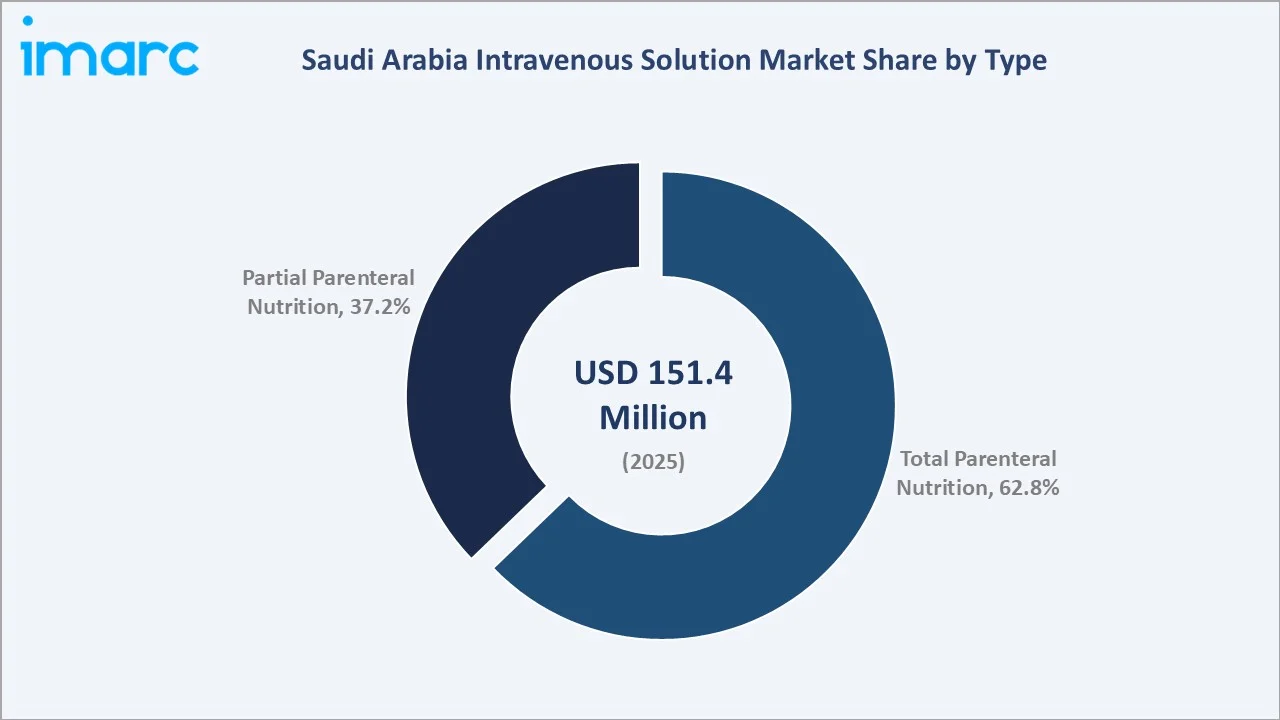
Total parenteral nutrition commands 62.8% of the type segment in 2025, reflecting its widespread clinical deployment across ICUs, oncology wards, neonatal intensive care units (NICUs), and surgical recovery settings where patients require complete intravenous nutritional support. Partial parenteral nutrition at 37.2% supplements patients who retain some enteral tolerance but require additional intravenous nutrition to meet clinical requirements.
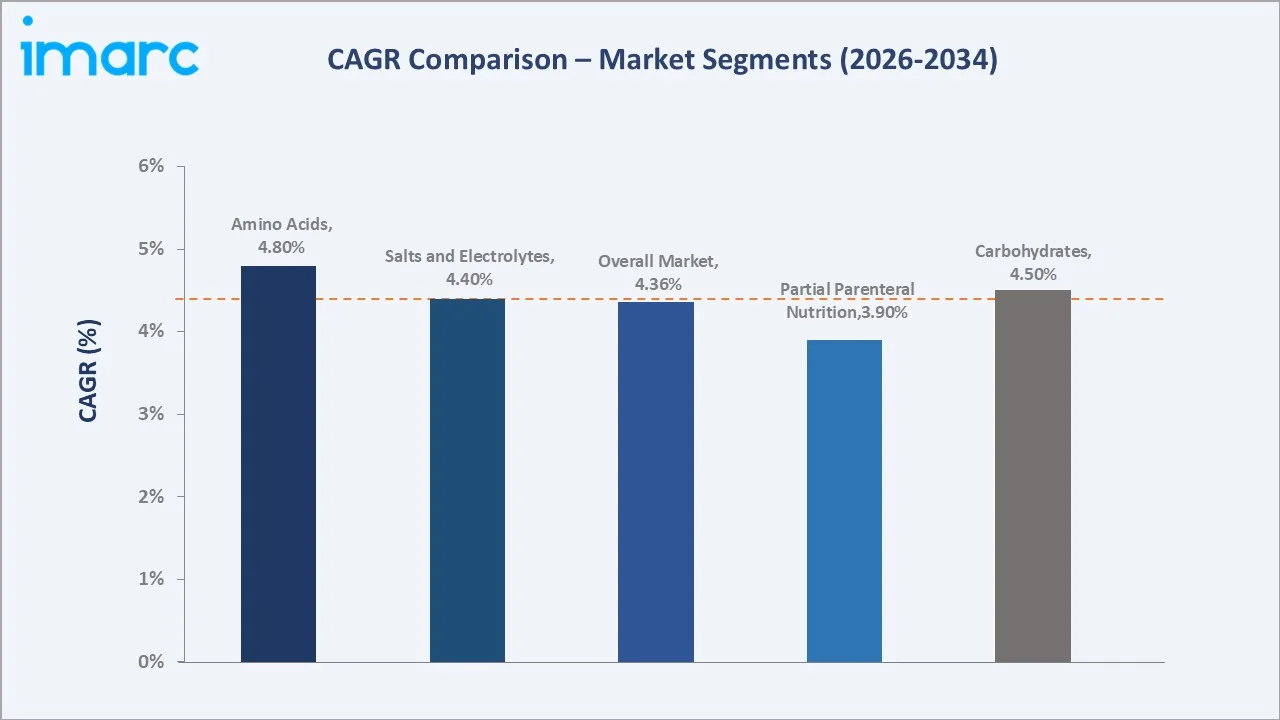
Among nutrients, carbohydrates lead at 29.4%, representing dextrose solutions providing the primary energy substrate. Amino acids at 25.8% serve protein synthesis and nitrogen balance maintenance in critically ill patients. Salts and electrolytes at 21.7% address electrolyte homeostasis critical in ICU management, and vitamins at 12.6% and minerals at 10.5% complete the micronutrient profile of parenteral formulations.
Key Market Insights
|
Insight |
Data |
|
Largest Type |
Total Parenteral Nutrition – 62.8% share (2025) |
|
Fastest Growing Type |
Total Parenteral Nutrition – ~4.5% CAGR (2026-2034) |
|
Largest Nutrient |
Carbohydrates – 29.4% share (2025) |
|
Fastest Growing Nutrient |
Amino Acids – ~4.8% CAGR (2026-2034) |
|
Leading Region |
Northern and Central Region – 38.7% share (2025) |
|
Top Companies |
Fresenius SE & Co. KGaA, Baxter International, Inc., B. Braun SE, ICU Medical Inc |
Key Analytical Observations Supporting The Above Data:
- Total parenteral nutrition commands 62.8% of the Saudi market in 2025, reflecting the Kingdom’s advanced tertiary care hospital infrastructure that supports high-acuity populations including premature neonates, oncology patients, major surgical cases, and critically ill ICU admissions requiring complete nutritional support.
- Carbohydrates lead the nutrient segment at 29.4% (2025), dominated by dextrose solutions serving as the energy backbone of parenteral nutrition formulations and the most widely prescribed standalone IV solution for maintenance hydration.
- The Northern and Central Region’s 38.7% (2025) dominance reflects Riyadh’s position as Saudi Arabia’s healthcare hub, hosting the Kingdom’s largest hospitals including tertiary referral centers, university hospitals, and an expanding network of private specialist hospitals that collectively manage the country’s highest concentration of complex medical cases requiring parenteral nutritional support.
- The 4.36% CAGR reflects Saudi Arabia’s expanding healthcare infrastructure and growing disease burden: an aging population with the 60+ cohort reaching approximately 1.7 million in 2025, a diabetes prevalence of 18.5% generating metabolic complication hospitalizations, and the annual pilgrimage cycle.
Saudi Arabia Intravenous Solution Market Overview
Intravenous (IV) solutions are sterile aqueous preparations administered directly into a patient’s circulatory system via a venous catheter and are among the most critical categories of pharmaceutical products in clinical medicine, serving as the primary vehicle for parenteral nutrition, fluid and electrolyte replacement, drug delivery, and blood volume expansion.
In Saudi Arabia, the IV solution market encompasses parenteral nutrition solutions, electrolyte and maintenance fluids, colloid and crystalloid volume expanders, and specialty IV nutritional preparations used across hospital critical care, oncology, surgery, neonatology, and outpatient infusion settings.
Saudi Arabia’s healthcare system, comprising 2,060 primary health care centers and 499 public and private hospitals, and a rapidly growing private hospital sector, is one of the Middle East’s largest IV solution consuming markets. The Kingdom’s unique demand characteristics include the world’s most concentrated annual pilgrimage population surges requiring emergency IV therapy for millions of pilgrims, a high-acuity chronic disease burden driving parenteral nutrition demand, and one of the region’s most advanced neonatal intensive care networks prescribing total parenteral nutrition for premature infants.
Market Dynamics
To evaluate market opportunities, Request Sample
Market Drivers
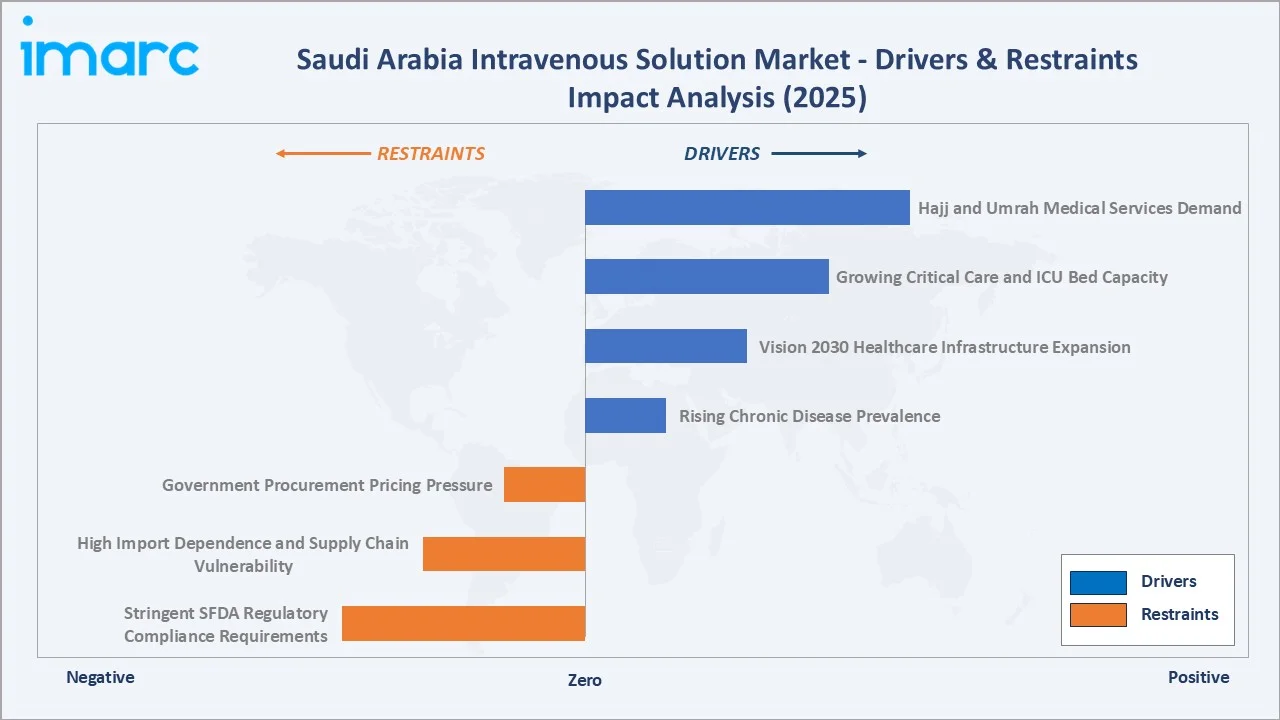
- Rising Chronic Disease Prevalence: Saudi Arabia carries one of the world’s highest burdens of metabolic chronic diseases: diabetes prevalence at 18.5% of adults and high blood pressure affecting around 24.5% of adults aged 18 years and above. Each hospitalization for a diabetes complication, renal failure episode, or acute cardiac event generates demand for IV solutions including glucose infusions and electrolyte replacements.
- Vision 2030 Healthcare Infrastructure Expansion: Saudi Arabia planned to invest USD 66 billion in healthcare infrastructure under Vision 2030, while raising private sector participation from 40% to 65%. The investment focuses on healthcare access, quality, digital solutions, and private-sector expansion. Each new ICU bed generates an estimated SAR 50,000–80,000 (USD 13,000–21,000) in annual IV solution procurement.
- Growing Critical Care and ICU Bed Capacity: Saudi Arabia’s critical care network is expanding rapidly under Ministry of Health mandates requiring ICU beds to represent 8–15% of total hospital bed capacity. Critical care patients consume the highest per-patient volumes of IV solutions, with ICU admissions receiving an average of 3–6 liters of IV fluid per day during critical illness.
- Hajj and Umrah Medical Services Demand: In 2024, the country recorded 18.5 million pilgrims, comprising 16.92 million Umrah arrivals and around 1.61 million Hajj pilgrims. These pilgrims may require medical services including high-volume IV fluid and electrolyte replenishment for heat exhaustion, dehydration, and acute medical emergencies.
Market Restraints
- Stringent SFDA Regulatory Compliance Requirements: The Saudi Food and Drug Authority’s regulatory framework requires GMP compliance with EU Annex 1 aseptic processing standards, ICH Q1A stability testing documentation, and SFDA product registration for each formulation and pack size combination. The regulatory pathway for new IV solution registrations can take 2–3 years in eCTD format, creating a significant barrier to market entry.
- High Import Dependence and Supply Chain Vulnerability: Saudi Arabia’s pharmaceutical sector remains highly dependent on drug imports from the US, Europe, China, and India, with locally manufactured products accounting for only 30% of the market. This import dependence creates supply chain vulnerability to global logistics disruptions, currency exchange rate volatility, and single-point supply risk during global pharmaceutical supply crises.
- Government Procurement Pricing Pressure: Ministry of Health and National Guard Health Affairs IV solution tender prices for commodity products are typically SAR 2.5–8.0 (USD 0.67–2.13) per 500mL unit, creating compressed manufacturer margins that limit commercial attractiveness for high-cost-structure European manufacturers and constraining investment in local manufacturing capacity.
Market Opportunities
- Vision 2030 Pharmaceutical Localization Incentives: The Saudi NIDLP provides industrial license fee exemptions, utility subsidies, and Saudi Industrial Development Fund concessional financing at 2–4% annual interest for pharmaceutical manufacturers establishing GMP-certified production facilities in Saudi Arabia.
- Specialty Parenteral Nutrition Growth: Advanced parenteral nutrition formulations represent premium-priced growth segments commanding 3–5x the price per unit of standard adult total parenteral nutrition formulations. Saudi Arabia’s expanding NICU network creates a growing addressable market for specialty pediatric total parenteral nutrition products.
Market Challenges
- Cold Chain Infrastructure Requirements: IV solutions containing lipid emulsions requiring refrigerated storage impose cold chain infrastructure requirements across hospital pharmacy networks and distribution logistics operators. The country’s extreme ambient temperatures and long-distance logistics to peripheral hospitals across Asir, Ha’il, and Tabuk regions create cold chain integrity challenges, increasing distribution costs for temperature-sensitive IV products.
- Counterfeit and Substandard Product Risk: SFDA surveillance programs have identified counterfeit and substandard sterile injectable products circulating through informal procurement channels across GCC markets. Growing e-commerce healthcare procurement creates opportunities for substandard product introduction that SFDA’s pharmaceutical inspection program is addressing through enhanced supply chain serialization and the Sentry track-and-trace program.
Emerging Market Trends
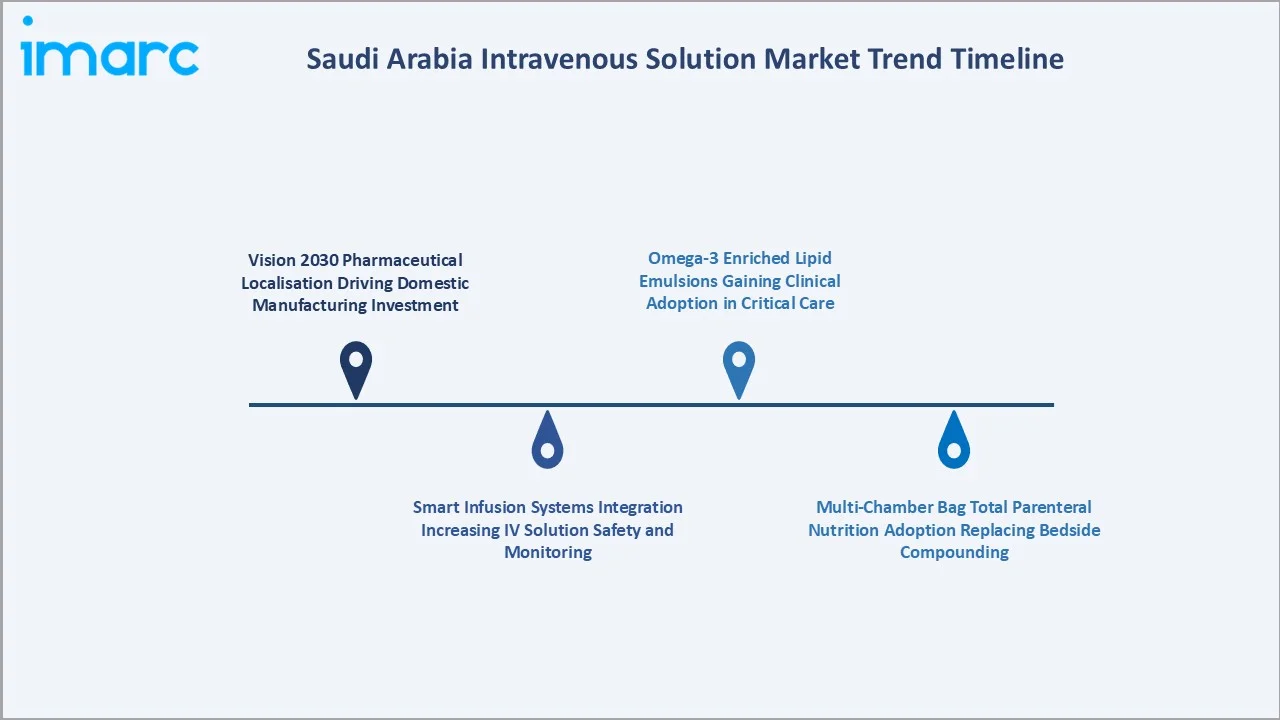
1. Vision 2030 Pharmaceutical Localization Driving Domestic Manufacturing Investment
Saudi Arabia’s NIDLP pharmaceutical sector target of 40% domestic production by 2030 is catalyzing investment in local sterile IV solution manufacturing capacity. International IV solution manufacturers are evaluating greenfield sterile manufacturing investments in Saudi Arabia’s industrial cities, attracted by NIDLP preferential tender policy and growing domestic market volume justifying the USD 50–150 Million capital cost of a new GMP-certified sterile IV manufacturing facility.
2. Smart Infusion Systems Integration Increasing IV Solution Safety and Monitoring
Saudi Arabia’s leading hospital systems are implementing smart infusion pumps with drug library and dose error reduction software integrated with hospital information systems. This technology shift is improving IV solution administration safety by preventing concentration and rate errors in total parenteral nutrition and high-alert medication infusions, and generating electronic IV utilization data enabling pharmacy departments to optimize formulary management and procurement planning.
3. Multi-Chamber Bag Total Parenteral Nutrition Adoption Replacing Bedside Compounding
The transition from bedside pharmacy compounding to pre-manufactured multi-chamber bag (MCB) total parenteral nutrition systems is progressing rapidly across Saudi Arabia’s hospital sector. MCB total parenteral nutrition systems manufactured under industrial GMP conditions offer superior sterility assurance versus bedside compounding, reduce pharmacy preparation labor time from 45–90 minutes per bag to under 2 minutes, and lower total parenteral nutrition preparation error rates.
4. Omega-3 Enriched Lipid Emulsions Gaining Clinical Adoption in Critical Care
Saudi Arabia’s critical care and oncology physicians are progressively adopting omega-3 fatty acid-enriched lipid emulsions as the preferred lipid component of total parenteral nutrition for ICU and oncology patients, based on clinical evidence demonstrating reduced pro-inflammatory signaling, shorter ICU length of stay, and improved immune function versus standard soya bean-only lipid emulsions.
Industry Value Chain Analysis
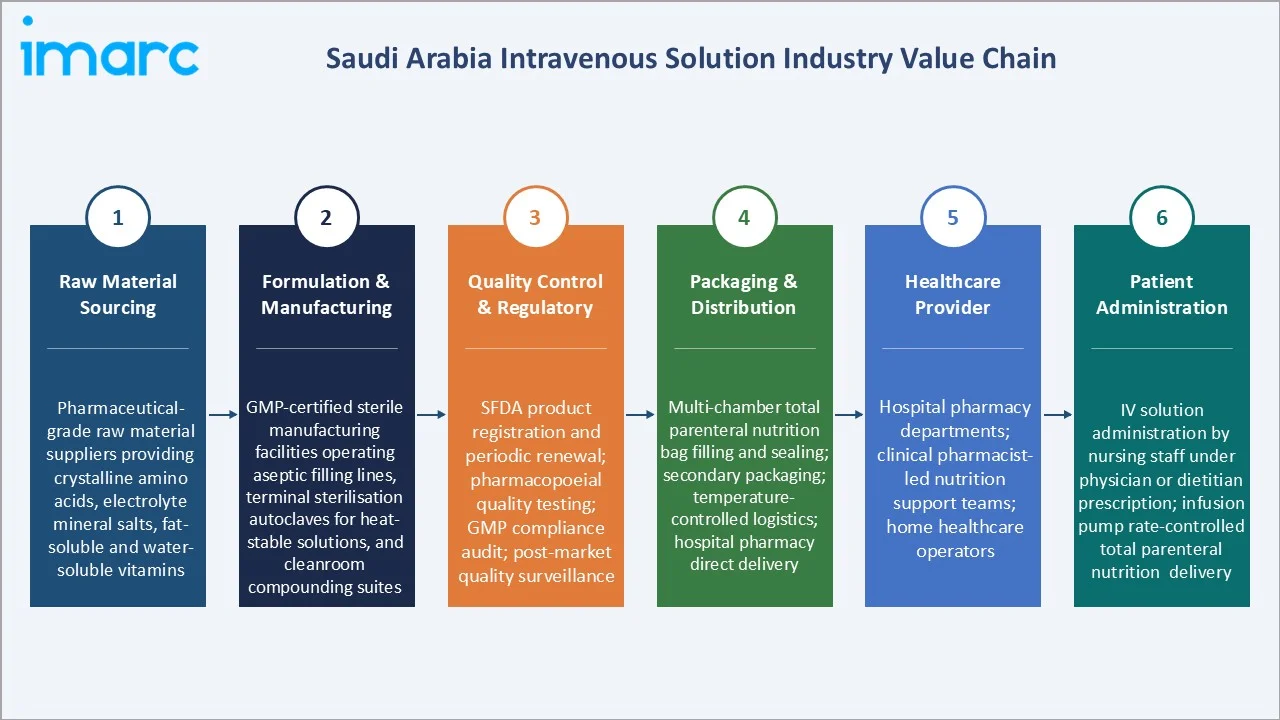
The Saudi Arabia IV solution market value chain spans raw material sourcing through patient administration, with the SFDA regulatory approval gateway functioning as the critical quality and market access control point between manufacturing and clinical deployment.
|
Stage |
Key Players / Examples |
|
Raw Material Sourcing |
Pharmaceutical-grade raw material suppliers providing crystalline amino acids, electrolyte mineral salts, fat-soluble and water-soluble vitamins |
|
Formulation & Manufacturing |
GMP-certified sterile manufacturing facilities operating aseptic filling lines, terminal sterilization autoclaves for heat-stable solutions, and cleanroom compounding suites |
|
Quality Control & Regulatory |
SFDA product registration and periodic renewal; pharmacopoeial quality testing; GMP compliance audit; post-market quality surveillance |
|
Packaging & Distribution |
Multi-chamber total parenteral nutrition bag filling and sealing; secondary packaging; temperature-controlled logistics; hospital pharmacy direct delivery |
|
Healthcare Provider |
Hospital pharmacy departments; clinical pharmacist-led nutrition support teams; home healthcare operators |
|
Patient Administration |
IV solution administration by nursing staff under physician or dietitian prescription; infusion pump rate-controlled total parenteral nutrition delivery |
Technology Landscape in the Saudi Arabia Intravenous Solution Industry
Multi-Chamber Bag Technology
Multi-chamber bag (MCB) technology represents the dominant technology trend in the Saudi Arabia total parenteral nutrition market, eliminating the need for compounding pharmacies to prepare individual patient total parenteral nutrition bags in laminar flow hoods and reducing preparation time from 45–90 minutes to under 2 minutes per activation while dramatically reducing microbiological contamination risk.
Advanced Lipid Emulsion Formulations
The evolution of intravenous lipid emulsions from first-generation pure soya bean oil formulations to second-generation blended and third-generation fish oil-enriched emulsions represents a clinically significant technology advance. Omega-3 enriched lipid emulsions providing DHA and EPA fatty acids with demonstrated anti-inflammatory and immuno-modulatory properties in ICU and oncology patients are progressively gaining formulary adoption at Saudi Arabia’s leading critical care centers based on published clinical evidence.
SFDA Pharmaceutical Track-and-Trace System
The Saudi Food and Drug Authority’s Sentry system, a pharmaceutical supply chain track-and-trace platform, is progressively being extended to hospital-distributed IV solutions. Serialization of individual IV solution units enables supply chain authentication from manufacturer to patient administration, reducing counterfeit product risk and enabling rapid, targeted product recalls when quality issues are identified by post-market surveillance.
Market Segmentation Analysis
The report covers the following segments:
|
Segment Category |
Leading Segment |
Market Share |
Year |
|
Type |
Total Parenteral Nutrition |
62.8% |
2025 |
|
Nutrients |
Carbohydrates |
29.4% |
2025 |
|
Region |
Northern & Central Region |
38.7% |
2025 |

By Type
The type segment is analyzed across total parenteral nutrition (62.8%) and partial parenteral nutrition (37.2%). Total parenteral nutrition commands the dominant position, reflecting its clinical primacy in Saudi Arabia’s advanced tertiary care hospitals and the Kingdom’s growing critical care, oncology, and neonatal intensive care patient populations.
To access detailed market analysis, Request Sample
Partial parenteral nutrition at 37.2% serves patients with partial gastrointestinal function receiving combination enteral and parenteral nutritional support. It is widely used when oral or enteral intake alone is insufficient to meet patients’ nutritional requirements.
By Nutrients
The nutrients segment is led by carbohydrates (29.4%), amino acids (25.8%), salts and electrolytes (21.7%), vitamins (12.6%), and minerals (10.5%). Carbohydrates lead as the primary energy substrate in parenteral formulations, while amino acids are the fastest-growing nutrient component driven by increasing total parenteral nutrition utilization in oncology and critical care.
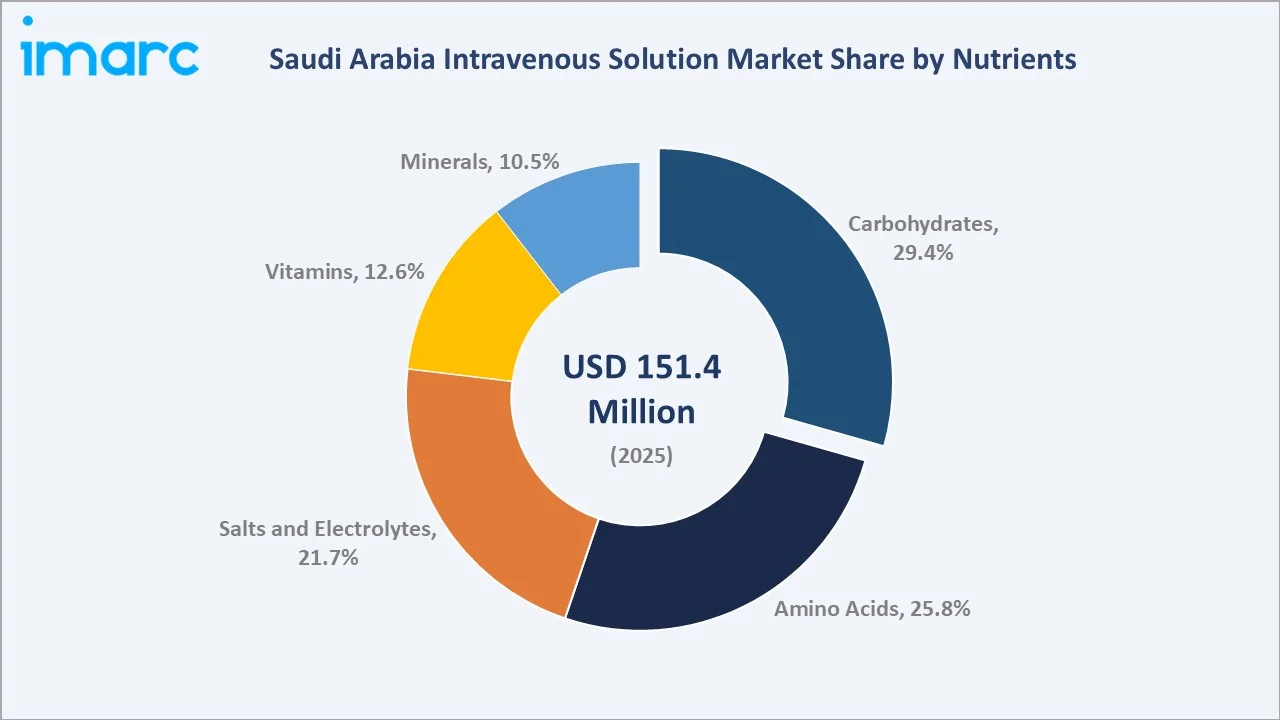
Salts and electrolytes at 21.7% address daily electrolyte homeostasis requirements in ICU patients, with balanced crystalloid solutions increasingly preferred over conventional normal saline for large-volume fluid resuscitation based on evidence of improved clinical outcomes.
Regional Market Insights
The Northern and Central Region’s 38.7% dominance reflects Riyadh's growing IV solution market as the Kingdom’s healthcare capital, hosting the highest concentration of tertiary care hospitals, specialist medical centers, and university teaching hospitals that collectively manage complex medical cases generating above-average total parenteral nutrition prescription rates and high ICU bed utilization.
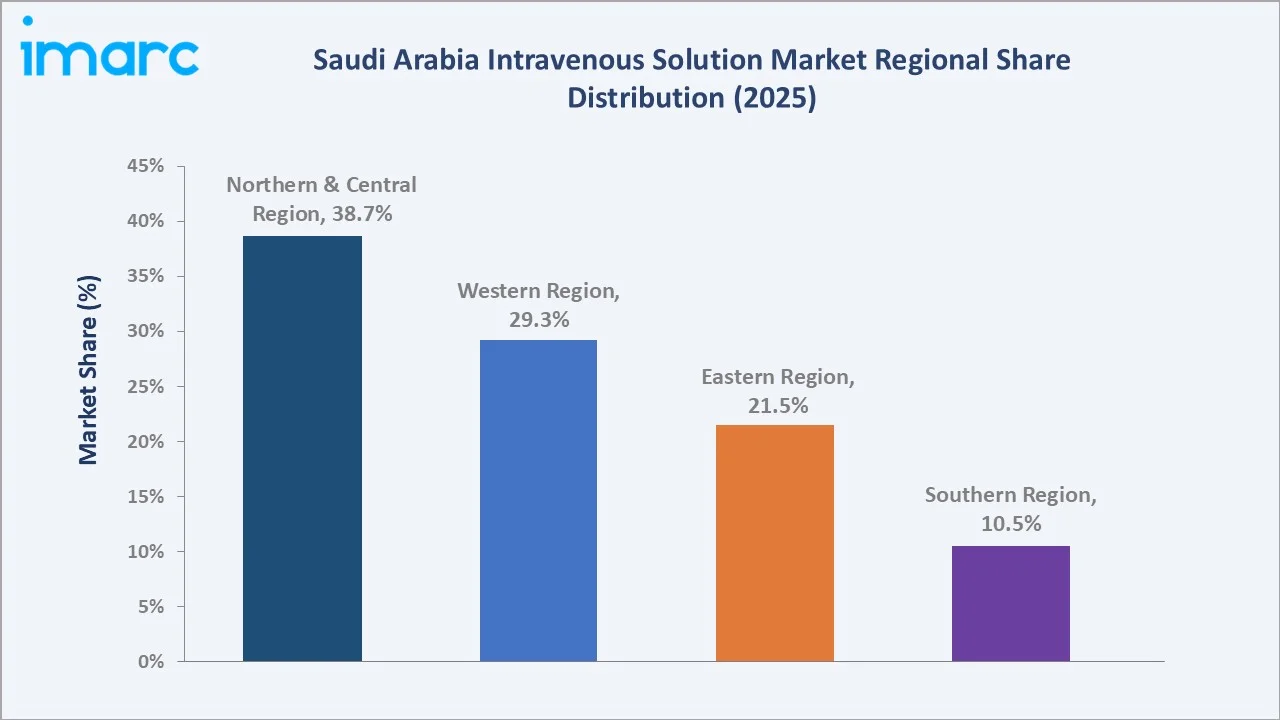
The Western Region is structurally differentiated by the Hajj and Umrah pilgrimage healthcare services in Makkah and Madinah, which create unique seasonal IV solution demand surges without parallel in any other regional healthcare market.
|
Region |
Share (2025) |
Key Growth Drivers |
|
Northern & |
38.7% |
Riyadh tertiary and specialist hospital concentration with highest complex case volumes; national referral patient inflows requiring advanced parenteral nutrition; rapidly expanding private hospital sector |
|
Western Region |
29.3% |
Jeddah medical hub serving Red Sea region population; Makkah and Madinah Hajj/Umrah pilgrimage healthcare surge demand for IV fluids and electrolytes; growing private hospital sector |
|
Eastern Region |
21.5% |
Industrial and oil sector workforce healthcare with comprehensive private insurance coverage; high private hospital density driving premium IV product formulary; robust specialty and critical care services |
|
Southern Region |
10.5% |
Regional hospital network expansion under Vision 2030 healthcare development program; military and government hospital IV procurement; growing population and chronic disease burden requiring parenteral nutrition |
Competitive Landscape
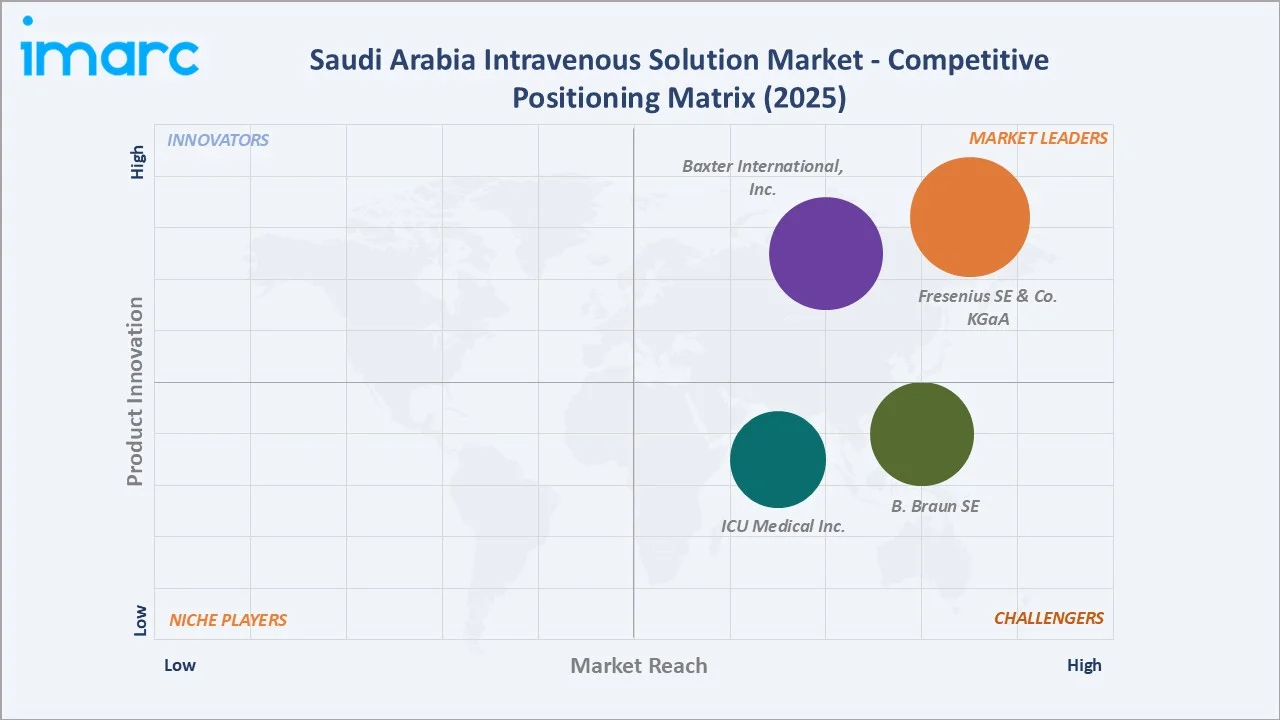
The Saudi Arabia IV solution market is moderately concentrated among international pharmaceutical majors, with the three leading international suppliers collectively commanding an estimated 55–65% of market value.
|
Company Name |
Brand/Product |
Market Position |
Core Strength |
|
Fresenius SE & Co. KGaA |
Kabiven/Kabiven Peripheral, SMOFlipid, Omegaven, Aminoven, Freeflex IV bag; Dipeptiven |
Market Leader |
Omega-3 lipid emulsion portfolio; extensive product range; clinical nutrition evidence investment; established hospital tender relationships in Saudi Arabia |
|
Baxter International, Inc. |
Olimel, Viaflo IV solutions, Clinimix |
Market Leader |
Domestic manufacturing through Saudi joint venture; IV and peritoneal dialysis fluid manufacturing; broad Ministry of Health hospital account coverage |
|
B. Braun SE |
Nutriflex, Lipoplus, TrophAmine, Ecoflac Plus bags |
Strong Challenger |
MCB total parenteral nutrition portfolio with Nutriflex range; omega-3 enriched lipid emulsion; non-PVC Ecoflac Plus IV bag for sustainability credentials |
|
ICU Medical Inc. |
Plum 360, IV Solutions |
Strong Challenger |
Smart infusion pump integration enhancing IV solution safety; closed-system drug transfer technology; IV medication safety platform |
Competitive dynamics are heavily influenced by Ministry of Health central tender pricing in the commodity segment and the premium private hospital segment where advanced total parenteral nutrition formulations command higher margins.
Key Company Profiles
Fresenius SE & Co. KGaA
Fresenius SE & Co. KGaA's subsidiary Fresenius Kabi AG is a global leader in IV drugs, clinical nutrition, and medical devices. In Saudi Arabia, the company is one of the market’s leading suppliers of advanced parenteral nutrition products for critical care, oncology, and paediatric patients.
- Product Portfolio: Kabiven and Kabiven Peripheral (MCB total parenteral nutrition systems); SMOFlipid (omega-3 enriched lipid emulsion); Omegaven (fish oil lipid emulsion); Aminoplasmal and Aminoven (amino acid solutions); Freeflex IV bag; Dipeptiven (glutamine dipeptide additive for critically ill patients).
- Recent Developments: Fresenius SE & Co. KGaA reported Q1 2026 revenue of EUR 5.74 billion, reflecting 5% organic growth, while EBIT rose 6% in constant currency to EUR 678 million.
- Strategic Focus: Premium total parenteral nutrition MCB system market leadership in Saudi tertiary care hospitals; omega-3 lipid emulsion clinical differentiation in critical care and oncology/nutritional pharmacoeconomics program.
Baxter International, Inc.
Baxter International Inc. is the only major international IV solution manufacturer with domestic production capability in Saudi Arabia. The local facility manufactures IV solutions and peritoneal dialysis fluids, providing Baxter with a Saudi Industrial Origin Certificate that qualifies for preferential pricing in Ministry of Health tenders.
- Product Portfolio: Olimel and Olimel N (olive oil-enriched total parenteral nutrition MCB systems); Viaflo IV bag range; Clinimix and Clinimix E (amino acid/dextrose total parenteral nutrition bags).
- Recent Developments: In February 2026, Baxter International, Inc. reported fourth-quarter 2025 sales from continuing operations of USD 2.97 billion, up 8% reported and 3% operationally. For 2026, the company expects reported sales growth of 0–1%.
- Strategic Focus: Local manufacturing competitive advantage; peritoneal dialysis fluid production growth; private hospital market development for premium IV product formulations under established Saudi distribution infrastructure.
Market Concentration Analysis
The Saudi Arabia IV solution market exhibits moderate concentration in the premium total parenteral nutrition and specialty parenteral nutrition segment, with the three leading international suppliers collectively holding approximately 55–65% of total IV solution market value. In the commodity IV solution segment, the market is more fragmented, with additional competition from Japanese, Korean, and other Asian manufacturers competing aggressively on Ministry of Health central tender pricing.
Investment & Growth Opportunities
Fastest Growing Segments
Specialty total parenteral nutrition multi-chamber bags with omega-3 lipid emulsions for critical care and oncology (~6% CAGR within premium segment); paediatric and neonatal total parenteral nutrition formulations growing in parallel with Saudi NICU bed expansion; home parenteral nutrition for chronic gastrointestinal disease patients; and amino acid specialty formulations for critical illness nutrition represent the highest-value investment vectors within the overall market through 2034.
Emerging Market Expansion
Saudi Arabia’s Vision 2030 regional development program is investing heavily in healthcare infrastructure across underserved regions including Asir, Ha’il, Tabuk, Al Jouf, and Northern Borders provinces, where new regional hospitals with modern ICU and surgical capabilities are being commissioned. Each new regional hospital with ICU capacity generates approximately SAR 1–2 Million (USD 270,000–533,000) in annual IV solution procurement, collectively expanding the total addressable market beyond the established Riyadh–Jeddah–Dammam primary markets.
Venture and Institutional Investment Trends
- Saudi Arabia’s Public Investment Fund (PIF) investment programs for the healthcare sector are actively seeking investments in pharmaceutical manufacturing, including IV solution production under the Healthcare Industries Sector Development Program, potentially creating a government-backed co-investment vehicle for international IV solution manufacturers evaluating Saudi localization under Vision 2030.
- The Gulf Co-operation Council pharmaceutical market harmonization framework, enabling products registered with SFDA to access GCC markets through a mutual recognition mechanism, means that Saudi SFDA registration provides access to the broader GCC IV solution market, significantly improving the return on registration investment for international manufacturers and supporting the financial case for Saudi-based manufacturing or distribution hub investment.
Future Market Outlook (2026-2034)
The Saudi Arabia intravenous solution market is positioned for steady, value-accretive growth through 2034. From a base of USD 151.4 Million in 2025, reaching an estimated USD 158.0 Million in 2026, the market is projected to reach USD 222.3 Million by 2034 at a CAGR of 4.36%, representing total incremental value creation of USD 70.9 Million.
This growth is underpinned by Vision 2030’s healthcare bed expansion, the Kingdom’s chronic disease burden, pilgrimage medical services growth, and the progressive transition toward premium total parenteral nutrition and specialty parenteral nutrition products commanding higher revenue per patient day.
By 2034, the Saudi IV solution market will be characterized by higher domestic manufacturing content as Vision 2030 localization investment matures, greater adoption of MCB total parenteral nutrition systems replacing traditional compounding, and expanded utilization of specialty lipid emulsions in critical care and oncology settings.
Research Methodology
Primary Research
Primary research comprised structured interviews with over 70 industry participants in 2024–2025, including hospital pharmacy directors, clinical nutrition support team pharmacists and physicians, Ministry of Health procurement officials, SFDA regulatory affairs specialists, IV solution manufacturer Saudi Arabia country managers, and healthcare distribution specialists across Riyadh, Jeddah, Dammam, and Makkah.
Secondary Research
Secondary research encompassed Saudi Ministry of Health statistics publications, SFDA pharmaceutical product registry for IV solution registered products, Saudi Commission for Health Specialties hospital bed capacity data, Vision 2030 healthcare transformation program documentation, GCC health statistics from WHO Eastern Mediterranean Regional Office, published clinical nutrition guidelines from Saudi medical societies, and annual reports from leading IV solution market participants.
Forecasting Models
Market size estimations were derived using top-down and bottom-up forecasting, incorporating Saudi MOH hospital bed capacity expansion timelines and ICU bed growth projections, chronic disease prevalence and hospitalization rate modelling, per-patient total parenteral nutrition utilization data from Saudi hospital pharmacy surveys, Ministry of Health healthcare budget growth projections, Vision 2030 healthcare infrastructure investment schedules, and pharmaceutical price index adjustments for the Saudi Arabia IV solution market.
Saudi Arabia Intravenous Solution Market Report Coverage:
| Report Features | Details |
|---|---|
| Base Year of the Analysis | 2025 |
| Historical Period | 2020-2025 |
| Forecast Period | 2026-2034 |
| Units | Million USD |
| Scope of the Report |
Exploration of Historical Trends and Market Outlook, Industry Catalysts and Challenges, Segment-Wise Historical and Future Market Assessment:
|
| Types Covered | Partial Parenteral Nutrition, Total Parenteral Nutrition |
| Nutrients Covered | Carbohydrates, Salts and Electrolytes, Minerals, Vitamins, Amino Acids |
| Regions Covered | Northern and Central Region, Western Region, Eastern Region, Southern Region |
| Companies Covered | Fresenius SE & Co. KGaA, Baxter International, Inc., B. Braun SE, ICU Medical Inc., etc. |
| Customization Scope | 10% Free Customization |
| Post-Sale Analyst Support | 10-12 Weeks |
| Delivery Format | PDF and Excel through Email (We can also provide the editable version of the report in PPT/Word format on special request) |
Key Benefits for Stakeholders:
- IMARC’s industry report offers a comprehensive quantitative analysis of various market segments, historical and current market trends, market forecasts, and dynamics of the Saudi Arabia intravenous solution market from 2020-2034.
- The research report provides the latest information on the market drivers, challenges, and opportunities in the Saudi Arabia intravenous solution market.
- Porter's five forces analysis assist stakeholders in assessing the impact of new entrants, competitive rivalry, supplier power, buyer power, and the threat of substitution. It helps stakeholders to analyze the level of competition within the Saudi Arabia intravenous solution industry and its attractiveness.
- Competitive landscape allows stakeholders to understand their competitive environment and provides an insight into the current positions of key players in the market.
Frequently Asked Questions About the Saudi Arabia Intravenous Solution Market Report
The Saudi Arabia intravenous solution market size is estimated at USD 158.0 Million in 2026 and is projected to reach USD 222.3 Million by 2034.
The market is expected to grow at a CAGR of 4.36% during 2026-2034, driven by rising chronic disease prevalence, Vision 2030 healthcare infrastructure expansion, growing ICU and critical care patient volumes, and Hajj and Umrah medical services demand.
The Northern and Central Region leads with a 38.7% market share in 2025, anchored by Riyadh’s concentration of tertiary care hospitals and national referral facilities collectively managing the Kingdom’s highest-acuity patient populations.
Total parenteral nutrition commands the dominant type share at 62.8%, reflecting its widespread use across ICUs, oncology wards, NICUs, and surgical recovery settings where patients require complete intravenous nutritional support.
Carbohydrates hold the largest nutrient segment share at 29.4%, representing dextrose solutions serving as the primary energy substrate in parenteral nutrition formulations and the most widely prescribed standalone IV solution for maintenance hydration across Saudi Arabia’s hospital settings.
Some of the key players include Fresenius SE & Co. KGaA, Baxter International, Inc., B. Braun SE, and ICU Medical Inc.
Key drivers include rising chronic disease prevalence, Vision 2030 healthcare infrastructure expansion, Hajj and Umrah pilgrimage medical services creating annual IV solution surge demand, and government pharmaceutical localization incentives attracting IV solution manufacturing investment.
Key challenges include stringent SFDA regulatory compliance requirements for sterile injectable product registration, cold chain logistics complexity for lipid-containing products across extreme temperature environments, and counterfeit product risk in informal procurement channels.
Need more help?
- Speak to our experienced analysts for insights on the current market scenarios.
- Include additional segments and countries to customize the report as per your requirement.
- Gain an unparalleled competitive advantage in your domain by understanding how to utilize the report and positively impacting your operations and revenue.
- For further assistance, please connect with our analysts.
 Request Customization
 Speak to an Analyst
 Request Brochure
 Inquire Before Buying
Benefits of Customization
- Personalize this research
- Triangulate with your data
- Get data as per your format and definition
- Gain a deeper dive into a specific application, geography, customer, or competitor
- Any level of personalization
Get in Touch With Us
UNITED STATES
Phone: +1-201-971-6302
INDIA
Phone: +91-120-433-0800
UNITED KINGDOM
Phone: +44-753-714-6104
Email: [email protected]
Client Testimonials




.webp)




.webp)













Related Reports

Choose your plan
*Please note that the prices mentioned below are starting prices for each bundle type. Kindly contact our team for further details.*
Single User License
- 1 User License, Access on 2 Devices
- PDF Report + Excel Dataset (Password Protected)
- Lifetime Access
- No Printing Rights
- 10% Free Report Customization
- 10–12 Weeks of Analyst Support
Five User License
- Access for 5 Users, 2 Devices per User
- PDF Report + Excel Dataset (Password Protected)
- Lifetime Access
- Dedicated Account Manager
- 12–14 Weeks of Analyst Support
- No Printing Rights
- 15% Free Report Customization
- 25% Discount on Your Next Purchase
Corporate User License
- Unlimited User Access (Within Your Organization)
- PDF Report + Excel Dataset
- Lifetime Access
- Dedicated Account Manager
- 14–20 Weeks of Analyst Support
- No Printing Rights
- 20% Free Report Customization
- 30% Discount on Your Next Purchase
Essential Insights
What's included:
3 reports
- Lifetime Access
- PDF Reports
- Excel Datasets
- 2 Weeks of Free Analyst Support
- 2 User Licenses
- Access on 2 Devices
- Printing Rights
- Complimentary PowerPoint (PPT) Version
- Complimentary License Upgrade
Professional Access
What's included:
5 reports
- Lifetime Access
- PDF Reports
- Excel Datasets
- 8 Weeks of Free Analyst Support
- 2 User Licenses
- Access on 2 Devices
- Printing Rights
- Complimentary PowerPoint (PPT) Version
- Complimentary License Upgrade
Business Advantage
What's included:
8 reports
- Lifetime Access
- PDF Reports
- Excel Datasets
- 14 Weeks of Free Analyst Support
- 2 User Licenses
- Access on 2 Devices
- Printing Rights
- Complimentary PowerPoint (PPT) Version
- Complimentary License Upgrade
Enterprise Intelligence
What's included:
10 reports
- Lifetime Access
- PDF Reports
- Excel Datasets
- 20 Weeks of Free Analyst Support
- 2 User Licenses
- Access on 2 Devices
- Printing Rights
- Complimentary PowerPoint (PPT) Version
- Complimentary License Upgrade