
Smart Shoes Market Size, Share, Trends and Forecast by Product Type, Distribution Channel, End User, and Region, 2026-2034
Smart Shoes Market Size and Share:
The global smart shoes market size was valued at USD 406.3 Million in 2025. Looking forward, IMARC Group estimates the market to reach USD 1,340.50 Million by 2034, exhibiting a CAGR of 12.99% from 2026-2034. North America currently dominates the market, holding a market share of 40.6% in 2025. The region benefits from a well-established technological infrastructure, high consumer spending on premium wearable devices, strong presence of leading footwear and technology companies, and a growing culture of fitness and health tracking that continues to bolster the smart shoes market share.
The smart shoes market is fueled by the increasing interest of consumers in wearable technology and the rising adoption of sensors, microprocessors, and wireless connectivity in shoes. The rising focus on health and fitness tracking has led consumers to look for smart solutions that provide real-time feedback on physical activities, gait analysis, and calorie burning. The increasing pace of urbanization, rising disposable incomes, and the adoption of an active lifestyle in developed as well as emerging markets are further fueling the growth of the smart shoes market. In addition, the development of smartphone applications and IoT-based ecosystems has improved the usability of smart shoes, allowing for seamless data transfer and synchronization. The increasing use of smart shoes in applications outside the sports industry, such as healthcare monitoring, elderly fall detection, and rehabilitation, is further expanding the market.
The United States has become a prominent area in the smart shoes market due to various reasons. The presence of a sophisticated digital network in the United States, along with a high adoption rate of wearable technology, has made the country a prime destination for smart shoes. Fitness enthusiasts are increasingly using smart shoes to monitor their running performance, track their posture, and analyze their gait cycle. The dominance of popular sports brands, which are heavily investing in research and development for smart shoes, is also fueling the adoption of smart shoes. Fitness enthusiasts are increasingly adopting smart shoes to monitor their running performance.
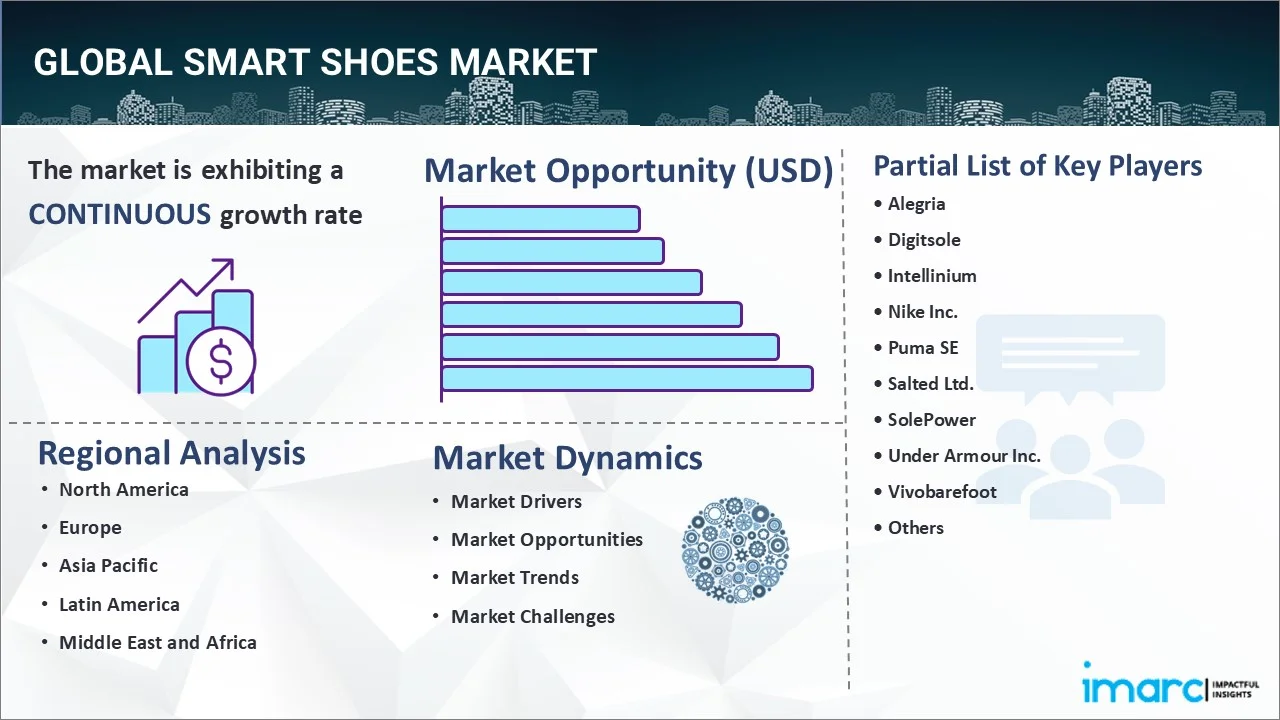
To get more information on this market Request Sample
Smart Shoes Market Trends:
Integration of AI and IoT technologies
The convergence of artificial intelligence and Internet of Things technologies within smart footwear is transforming the consumer experience and driving significant market expansion. Modern smart shoes incorporate advanced sensors, accelerometers, and gyroscopes that collect real-time data on movement patterns, stride length, and impact force, enabling detailed performance analytics through connected mobile applications. AI-powered algorithms process this data to deliver personalized coaching recommendations, adaptive cushioning adjustments, and predictive injury prevention insights. The seamless connectivity between smart shoes and broader IoT ecosystems, including smartwatches and health platforms, creates a comprehensive fitness monitoring environment. For instance, in October 2025, Nike debuted its Mind 001 and Mind 002 neuroscience-based footwear featuring 22 independent foam nodes per shoe, designed to activate sensory receptors in the feet and enhance the mind-body connection after over a decade of research. This technological sophistication is attracting both fitness enthusiasts and casual consumers, expanding the addressable market and accelerating adoption across demographics worldwide.
Rising health and fitness consciousness
The increasing global awareness regarding personal health and physical fitness is a key factor propelling the smart shoes market trends. Consumers are actively seeking wearable solutions that offer continuous health monitoring capabilities, including step counting, calorie tracking, heart rate estimation, and sleep pattern analysis integrated directly into their footwear. The growing prevalence of lifestyle-related conditions such as obesity, diabetes, and cardiovascular disorders has motivated individuals to adopt proactive wellness management approaches. Smart shoes serve as discreet and convenient alternatives to traditional wrist-based fitness trackers, providing more accurate gait analysis and foot pressure distribution data. The expansion of corporate wellness programs and government-led fitness initiatives further stimulates demand for technologically enhanced footwear that supports active lifestyles and preventive healthcare.
Advancements in sustainable smart footwear
Sustainability is emerging as a critical consideration in the development of smart footwear, with manufacturers increasingly combining ecological responsibility with technological innovation to capture environmentally conscious consumers. Leading brands are investing in the use of recycled materials, biodegradable components, and energy-efficient manufacturing processes to produce smart shoes that minimize environmental impact without compromising performance or connectivity. The integration of eco-friendly materials with embedded sensors and wireless charging capabilities represents a significant advancement in sustainable product design within the smart shoes market forecast. For instance, in September 2024, Adidas introduced its CLIMACOOL shoe, developed entirely using advanced three-dimensional printing technology, featuring 360-degree airflow design that defies conventional construction norms. Consumer preference for brands that demonstrate environmental stewardship is influencing purchasing decisions, particularly among younger demographics who prioritize both functionality and sustainability. Regulatory frameworks promoting green manufacturing practices and circular economy principles across major markets further incentivize the development of environmentally responsible smart footwear.
Smart Shoes Industry Segmentation:
IMARC Group provides an analysis of the key trends in each segment of the global smart shoes market, along with forecast at the global, regional, and country levels from 2026-2034. The market has been categorized based on product type, distribution channel, and end user.
Analysis by Product Type:
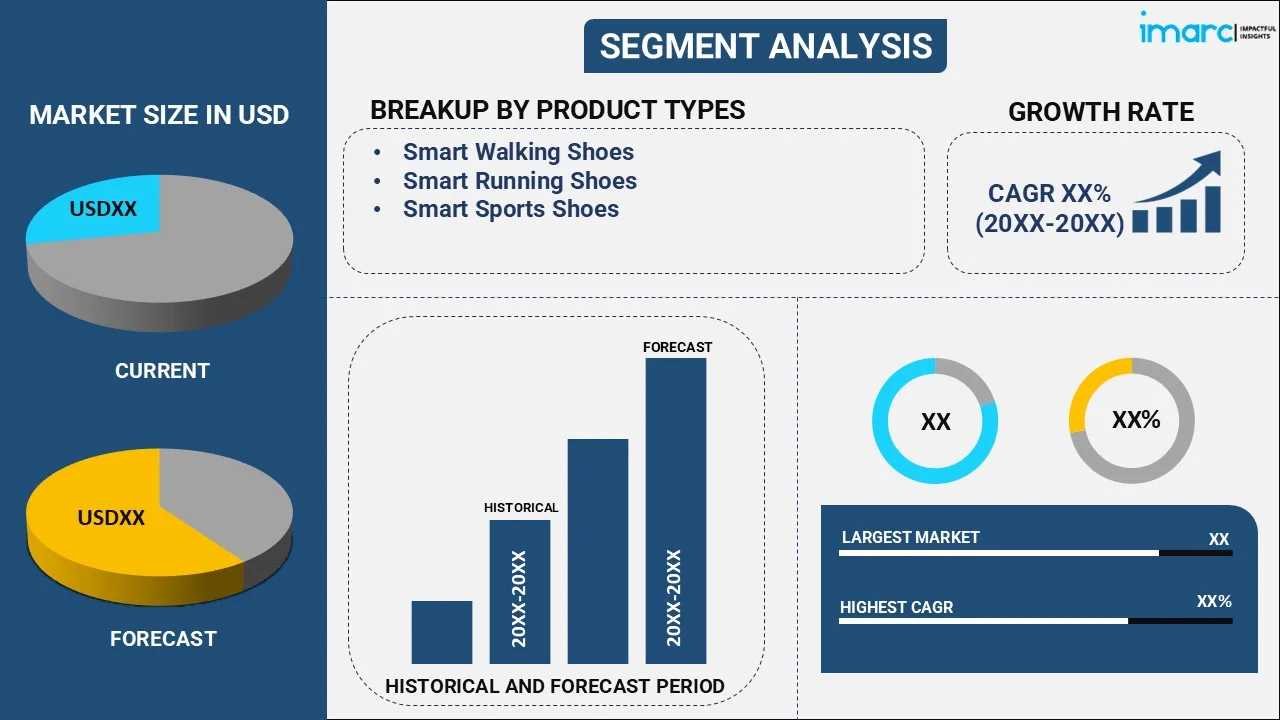
To get detailed segment analysis of this market Request Sample
- Smart Walking Shoes
- Smart Running Shoes
- Smart Sports Shoes
Smart running shoes holds 42.3% of the market share. Smart running shoes represent technologically advanced footwear specifically designed for runners and fitness enthusiasts, integrating embedded sensors, microprocessors, and wireless connectivity to provide comprehensive performance analytics. These shoes capture real-time data on metrics such as distance covered, pace, cadence, stride length, and foot strike patterns, which are transmitted to companion smartphone applications for detailed analysis and personalized coaching recommendations. The segment's dominance is attributable to the strong global running culture, increasing participation in marathons and recreational running events, and growing consumer demand for data-driven fitness solutions. Smart running shoes offer enhanced cushioning systems that adapt to individual gait patterns, reducing injury risk while optimizing energy return during runs. The continued investment by leading athletic brands in developing lighter, more responsive, and feature-rich smart running footwear further strengthens this segment's market position and ensures sustained consumer interest across diverse age groups and skill levels.
Analysis by Distribution Channel:
- Supermarkets and Hypermarkets
- Specialty Stores
- Online Stores
Specialty stores lead the market with a share of 38.5%. Specialty stores serve as the primary distribution channel for smart shoes, offering consumers a curated shopping experience with expert guidance, hands-on product demonstrations, and personalized fitting services that are essential for technologically advanced footwear. These dedicated retail environments provide detailed information on smart shoe features, sensor capabilities, and app connectivity, enabling informed purchasing decisions. The segment benefits from the complex nature of smart footwear, which often requires in-store trials and professional assistance to ensure optimal fit and functionality. Specialty stores frequently collaborate with smart shoe manufacturers to host product launch events, training sessions, and exclusive promotions that enhance brand visibility and consumer engagement. The growing network of athletic and technology specialty retailers in urban centers across major markets supports the segment's continued expansion, while the ability to offer after-sales support and product customization services further reinforces consumer preference for this distribution channel.
Analysis by End User:
- Men
- Women
Men dominate the market, with a share of 52.7%. The men's category has the largest market share in the smart shoes market, which is fueled by the relatively higher engagement levels of the male population in running, sports, and fitness activities, along with a natural affinity for technology-driven products. The male population constitutes a substantial segment of early adopters of wearable technology, which reflects their relative readiness to pay a premium for high-end connected shoes offering in-depth performance analysis and training data. The presence of a broader range of designs, sizes, and performance types of smart shoes catering to the male population also contributes to the dominant market share of this segment. Smart shoes for men have traditionally received paramount attention from athletic brands, which have invested heavily in marketing campaigns and sponsorship deals with male athletes to promote awareness and adoption. The increasing focus on preventive healthcare and fitness optimization for the male population, especially in the age bracket of 18 to 45 years, continues to fuel substantial demand in this segment.
Regional Analysis:
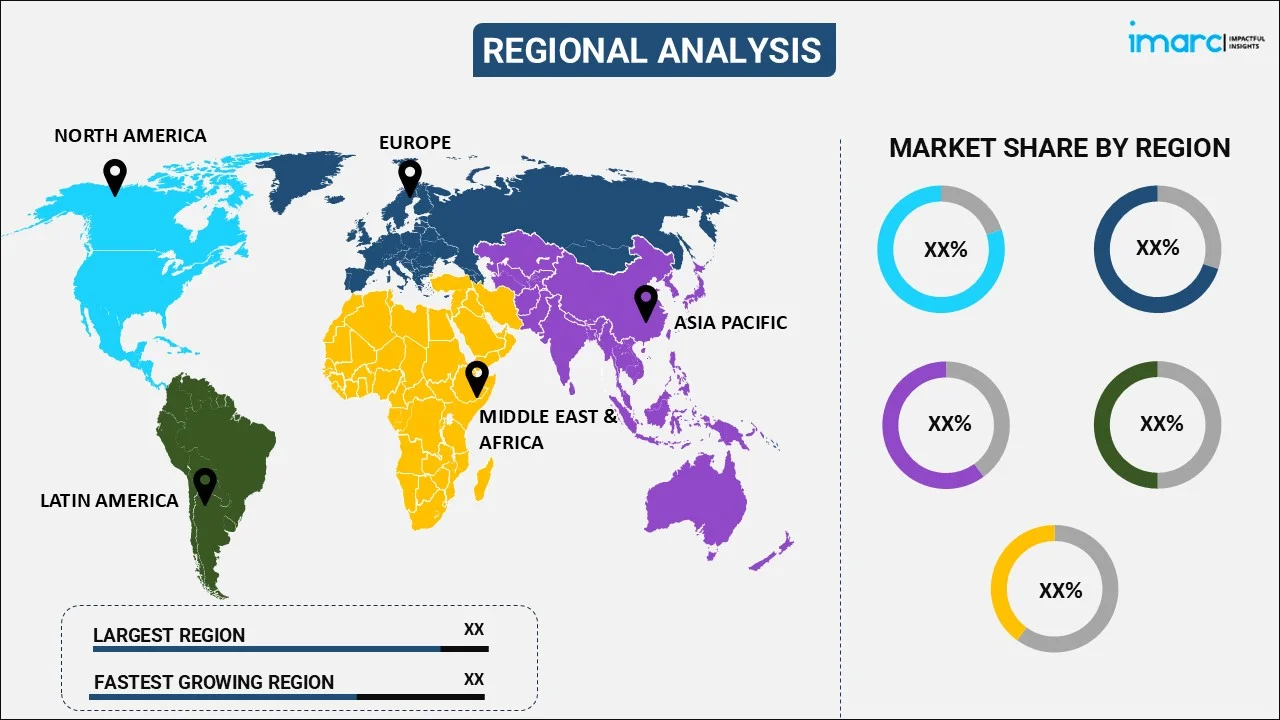
To get more information on the regional analysis of this market Request Sample
- North America
- United States
- Canada
- Asia-Pacific
- China
- Japan
- India
- South Korea
- Australia
- Indonesia
- Others
- Europe
- Germany
- France
- United Kingdom
- Italy
- Spain
- Russia
- Others
- Latin America
- Brazil
- Mexico
- Others
- Middle East and Africa
North America exhibits a clear dominance in the market with a 40.6% share. The dominance of the region is supported by the presence of a mature technology infrastructure, strong consumer purchasing power, and a strong fitness culture that promotes the adoption of innovative wearable technologies. The presence of large smart shoe manufacturers and technology firms in the United States and Canada ensures continuous innovation and aggressive marketing campaigns that improve market penetration. The North American consumer base shows strong interest in high-end smart shoes that are highly integrated with existing digital health and fitness solutions. The strong e-commerce infrastructure and large retail network of specialty stores in the region ensure that the product reaches a wide customer base. Favorable investment conditions, interest from venture capitalists in wearable technology start-ups, and favorable regulations for consumer electronics in the region further fuel the innovation in the North American smart shoes market.
Key Regional Takeaways:
United States Smart Shoes Market Analysis
The United States smart shoes market’s advanced digital infrastructure, widespread smartphone penetration, and tech-savvy consumer base create a highly receptive environment for connected footwear solutions. American consumers increasingly prioritize personalized fitness tracking and health monitoring, driving robust demand for smart shoes equipped with advanced sensors and AI-powered analytics capabilities. The strong presence of leading global footwear brands, including Nike, Under Armour, and Puma, ensures continuous product innovation and competitive pricing strategies that stimulate market expansion. The country's thriving running and fitness culture, supported by thousands of annual marathon events and fitness programs, generates sustained demand for performance-oriented smart footwear. For instance, according to the US Department of Health and Human Services, the President's Council on Sports, Fitness, and Nutrition continues to promote physical activity and healthy lifestyles through its National Youth Sports Strategy in 2025. The expanding adoption of corporate wellness programs that incentivize wearable technology usage among employees further contributes to market growth. Additionally, the growing interest in elderly care solutions, including fall detection and gait monitoring smart shoes, is opening new market segments across the United States.
Europe Smart Shoes Market Analysis
Europe represents a significant market for smart shoes, driven by strong consumer emphasis on health, sustainability, and technological innovation in footwear. Countries such as Germany, France, and the United Kingdom lead regional demand, supported by high disposable incomes, advanced retail infrastructure, and a growing preference for eco-friendly wearable products. European consumers demonstrate particular interest in smart shoes that combine performance tracking with sustainable manufacturing practices, reflecting the region's broader commitment to environmental responsibility. Regulatory frameworks promoting green manufacturing and circular economy principles further incentivize brands to develop environmentally responsible smart footwear. The expanding sports participation rates across the region, coupled with growing government support for digital health initiatives and active aging programs, continue to bolster smart shoe adoption throughout Europe.
Asia-Pacific Smart Shoes Market Analysis
Asia-Pacific is poised for the fastest growth in the smart shoes market, fueled by rising disposable incomes, rapid urbanization, and a burgeoning middle class with increasing health consciousness across the region. Countries such as China, Japan, South Korea, and India are key demand centers, supported by large population bases, expanding digital infrastructure, and growing fitness participation rates. The proliferation of e-commerce platforms and digital retail channels enhances product accessibility, while local manufacturers are developing competitively priced smart shoes tailored to regional consumer preferences and budget requirements.
Latin America Smart Shoes Market Analysis
Latin America is witnessing steady growth in the smart shoes market, supported by improving economic conditions, increasing urbanization, and growing consumer awareness of wearable fitness technology. Brazil and Mexico serve as the primary demand centers within the region, driven by expanding middle-class populations and rising interest in health and fitness activities. The gradual expansion of organized retail channels and e-commerce penetration is improving product availability and accessibility for consumers across the region.
Middle East and Africa Smart Shoes Market Analysis
The Middle East and Africa region presents emerging opportunities for the smart shoes market, driven by rapid urbanization, increasing disposable incomes, and growing penetration of smart technologies across urban centers. Government initiatives promoting sports participation and healthy lifestyles are supporting demand for connected fitness products, including smart footwear. For instance, the UAE's National Sports Strategy 2031, launched to increase sports participation rates, reflects the region's commitment to promoting active lifestyles through technology-enabled solutions. The expanding presence of international athletic brands and the growth of modern retail infrastructure in major metropolitan areas are enhancing consumer access to smart shoe products across the region.

Competitive Landscape:
The global smart shoes market has a competitive environment with constant innovation in technology, partnerships, and rapid product development by key players. Key players are investing heavily in research and development to incorporate advanced sensors, AI algorithms, and IoT connectivity into their shoe products. Key approaches include partnerships with technology companies and robotics companies to develop next-generation powered and neuroscience-based footwear systems. Players are also increasing their direct-to-consumer outreach and digital marketing campaigns to improve brand awareness and consumer engagement. The focus on sustainable manufacturing processes and eco-friendly materials is becoming a key differentiator, with companies incorporating recycled and biodegradable materials into their smart shoe designs. In addition, key players are leveraging acquisitions, licensing, and partnerships with healthcare organizations to diversify their product offerings and cater to new demands in healthcare applications such as medical monitoring and rehabilitation.
The report provides a comprehensive analysis of the competitive landscape in the smart shoes market with detailed profiles of all major companies, including:
- Alegria
- Digitsole
- Intellinium
- Nike Inc.
- Puma SE
- Salted Ltd.
- SolePower
- Under Armour Inc.
- Vivobarefoot
- Xiaomi Inc.
- Zhor-Tech
Latest News and Developments:
- In October 2025, Nike unveiled Project Amplify, described as the world's first powered footwear system for running and walking. The system incorporates a lightweight motor, drive belt, and rechargeable cuff battery that integrates with a carbon fiber-plated running shoe, designed to help everyday athletes move faster and farther with less effort. Developed in collaboration with robotics partner Dephy, the system targets runners at a 10 to 12-minute mile pace and aims to augment natural lower leg and ankle movement.
Smart Shoes Market Report Scope:
| Report Features | Details |
|---|---|
| Base Year of the Analysis | 2025 |
| Historical Period | 2020-2025 |
| Forecast Period | 2026-2034 |
| Units | Million USD |
| Scope of the Report |
Exploration of Historical Trends and Market Outlook, Industry Catalysts and Challenges, Segment-Wise Historical and Future Market Assessment:
|
| Product Types Covered | Smart Walking Shoes, Smart Running Shoes, Smart Sports Shoes |
| Distribution Channels Covered | Supermarkets and Hypermarkets, Specialty Stores, Online Stores |
| End Users Covered | Men, Women |
| Region Covered | North America, Asia-Pacific, Europe, Latin America, Middle East and Africa |
| Countries Covered | United States, Canada, China, Japan, India, South Korea, Australia, Indonesia, Germany, France, United Kingdom, Italy, Spain, Russia, Brazil, Mexico |
| Companies Covered | Alegria, Digitsole, Intellinium, Nike Inc., Puma SE, Salted Ltd., SolePower, Under Armour Inc., Vivobarefoot, Xiaomi Inc. and Zhor-Tech. |
| Customization Scope | 10% Free Customization |
| Post-Sale Analyst Support | 10-12 Weeks |
| Delivery Format | PDF and Excel through Email (We can also provide the editable version of the report in PPT/Word format on special request) |
Key Benefits for Stakeholders:
- IMARC's report offers a comprehensive quantitative analysis of various market segments, historical and current market trends, market forecasts, and dynamics of the smart shoes market from 2020-2034.
- The research study provides the latest information on the market drivers, challenges, and opportunities in the global smart shoes market.
- The study maps the leading, as well as the fastest-growing, regional markets. It further enables stakeholders to identify the key country-level markets within each region.
- Porter's Five Forces analysis assists stakeholders in assessing the impact of new entrants, competitive rivalry, supplier power, buyer power, and the threat of substitution. It helps stakeholders to analyze the level of competition within the smart shoes industry and its attractiveness.
- Competitive landscape allows stakeholders to understand their competitive environment and provides an insight into the current positions of key players in the market.
Frequently Asked Questions About the Smart Shoes Market Report
The smart shoes market was valued at USD 406.3 Million in 2025.
The smart shoes market is projected to exhibit a CAGR of 12.99% during 2026-2034, reaching a value of USD 1,340.50 Million by 2034.
The smart shoes market is primarily driven by rising consumer health consciousness, increasing adoption of wearable technology for fitness tracking and performance optimization, and advancements in sensor technology, artificial intelligence, and IoT connectivity. The growing applications of smart footwear in healthcare monitoring, elderly fall detection, and rehabilitation support further stimulate market expansion.
North America currently dominates the smart shoes market, accounting for a share of 40.6%. The region benefits from advanced technological infrastructure, high consumer spending on premium wearable devices, the strong presence of leading footwear and technology companies, and a deeply embedded fitness culture.
Some of the major players in the smart shoes market include Alegria, Digitsole, Intellinium, Nike Inc., Puma SE, Salted Ltd., SolePower, Under Armour Inc., Vivobarefoot, Xiaomi Inc., Zhor-Tech, etc.
Need more help?
- Speak to our experienced analysts for insights on the current market scenarios.
- Include additional segments and countries to customize the report as per your requirement.
- Gain an unparalleled competitive advantage in your domain by understanding how to utilize the report and positively impacting your operations and revenue.
- For further assistance, please connect with our analysts.
 Request Customization
 Speak to an Analyst
 Request Brochure
 Inquire Before Buying
Benefits of Customization
- Personalize this research
- Triangulate with your data
- Get data as per your format and definition
- Gain a deeper dive into a specific application, geography, customer, or competitor
- Any level of personalization
Get in Touch With Us
UNITED STATES
Phone: +1-201-971-6302
INDIA
Phone: +91-120-433-0800
UNITED KINGDOM
Phone: +44-753-714-6104
Email: [email protected]
Client Testimonials




.webp)




.webp)













Related Reports

Choose your plan
*Please note that the prices mentioned below are starting prices for each bundle type. Kindly contact our team for further details.*
Single User License
- 1 User License, Access on 2 Devices
- PDF Report + Excel Dataset (Password Protected)
- Lifetime Access
- No Printing Rights
- 10% Free Report Customization
- 10–12 Weeks of Analyst Support
Five User License
- Access for 5 Users, 2 Devices per User
- PDF Report + Excel Dataset (Password Protected)
- Lifetime Access
- Dedicated Account Manager
- 12–14 Weeks of Analyst Support
- No Printing Rights
- 15% Free Report Customization
- 25% Discount on Your Next Purchase
Corporate User License
- Unlimited User Access (Within Your Organization)
- PDF Report + Excel Dataset
- Lifetime Access
- Dedicated Account Manager
- 14–20 Weeks of Analyst Support
- No Printing Rights
- 20% Free Report Customization
- 30% Discount on Your Next Purchase
Essential Insights
What's included:
3 reports
- Lifetime Access
- PDF Reports
- Excel Datasets
- 2 Weeks of Free Analyst Support
- 2 User Licenses
- Access on 2 Devices
- Printing Rights
- Complimentary PowerPoint (PPT) Version
- Complimentary License Upgrade
Professional Access
What's included:
5 reports
- Lifetime Access
- PDF Reports
- Excel Datasets
- 8 Weeks of Free Analyst Support
- 2 User Licenses
- Access on 2 Devices
- Printing Rights
- Complimentary PowerPoint (PPT) Version
- Complimentary License Upgrade
Business Advantage
What's included:
8 reports
- Lifetime Access
- PDF Reports
- Excel Datasets
- 14 Weeks of Free Analyst Support
- 2 User Licenses
- Access on 2 Devices
- Printing Rights
- Complimentary PowerPoint (PPT) Version
- Complimentary License Upgrade
Enterprise Intelligence
What's included:
10 reports
- Lifetime Access
- PDF Reports
- Excel Datasets
- 20 Weeks of Free Analyst Support
- 2 User Licenses
- Access on 2 Devices
- Printing Rights
- Complimentary PowerPoint (PPT) Version
- Complimentary License Upgrade