
Sodium Lignosulphonate Prices, Trend, Chart, Demand, Market Analysis, News, Historical and Forecast Data Report 2026 Edition
Sodium Lignosulphonate Price Trend, Index and Forecast
Track the latest insights on sodium lignosulphonate price trend and forecast with detailed analysis of regional fluctuations and market dynamics across North America, Latin America, Central Europe, Western Europe, Eastern Europe, Middle East, North Africa, West Africa, Central and Southern Africa, Central Asia, Southeast Asia, South Asia, East Asia, and Oceania.
Sodium Lignosulphonate Prices Outlook Q2 2026
- USA: USD 788/MT
- China: USD 379/MT
- Saudi Arabia: USD 1003/MT
- Sweden: USD 706/MT
- Germany: USD 666/MT
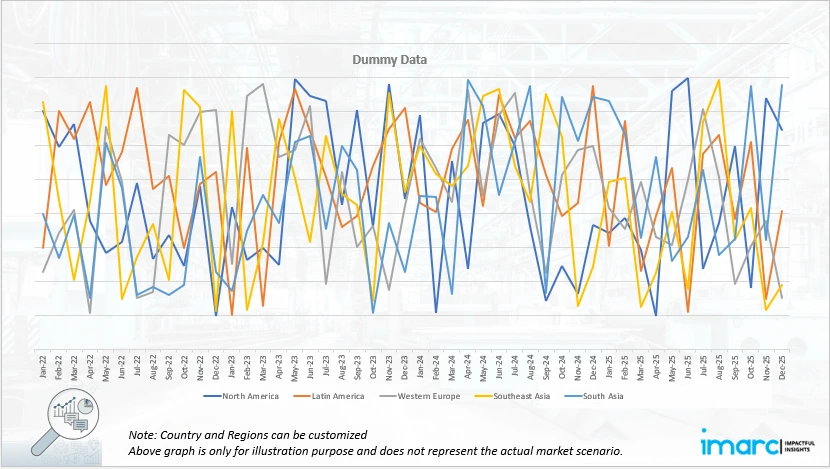
Sodium Lignosulphonate Price Chart
Get real-time access to monthly/quarterly/yearly prices Request Sample
During the second quarter of 2026, the sodium lignosulphonate prices in the USA reached 788 USD/MT in June. Prices rose sharply as tight prompt availability strengthened seller leverage across the domestic market. Concrete admixture manufacturers, animal feed pellet producers, ore flotation operators, and ceramic processing facilities maintained active procurement, which absorbed available material and supported firm pricing.
During the second quarter of 2026, the sodium lignosulphonate prices in China reached 379 USD/MT in June. Prices increased strongly as higher feedstock costs and restricted prompt availability supported producer offers across the market. Concrete admixture production, animal feed pelletizing, ore beneficiation, ceramic processing, and dust suppression applications maintained consistent procurement, helping available inventories move through distribution channels.
During the second quarter of 2026, the sodium lignosulphonate prices in Saudi Arabia reached 1003 USD/MT in June. Prices moved upward as tighter domestic supply and steady industrial demand supported the regional market throughout the quarter. Local production capacity operated at firm utilization levels, yet logistics constraints and seasonal transport challenges restricted the timely movement of material. Concrete admixture demand remained supportive, particularly from construction projects, oil well drilling operations, and specialty industrial applications requiring stable dispersant and binder performance.
During the second quarter of 2026, the sodium lignosulphonate prices in Sweden reached 706 USD/MT in June. Prices recorded a significant increase as imported feedstock and sodium lignosulphonate replacement costs remained firm during much of the quarter, while regional demand from concrete admixtures, animal feed, ceramic processing, and specialty chemical applications remained steady. Regional shipping constraints, port congestion, and higher insurance expenses affected cargo availability and encouraged buyers to secure material for planned production runs.
During the second quarter of 2026, the sodium lignosulphonate prices in Germany reached 666 USD/MT in June. Prices showed an upward trend as increased demand from concrete admixture manufacturing, animal feed pellet production, ceramic processing, dust control formulations, and specialty chemical sectors absorbed available supply across the domestic market. Import dependency and fluctuating foreign exchange rates impacted the market, leading to firm supply offers from international suppliers and local distributors.
Sodium Lignosulphonate Prices Outlook Q1 2026
- USA: USD 667/MT
- China: USD 325/MT
- Saudi Arabia: USD 816/MT
- Sweden: USD 609/MT
- Germany: USD 573/MT
During the first quarter of 2026, the sodium lignosulphonate prices in the USA reached 667 USD/MT in March. Due to strong demand from the oilfield and construction industries, the market saw a consistent increasing trend. Regular purchase activity was supported by the steady consumption from concrete admixture applications. Due to steady output levels and regulated imports, supply circumstances were rigid.
During the first quarter of 2026, the sodium lignosulphonate prices in China reached 325 USD/MT in March. The market experienced a notable increase driven by steady demand from the construction and chemical industries. Domestic production remained controlled, while export demand contributed to tightening supply conditions. The overall market sentiment remained firm, contributing to a gradual upward movement in prices during the quarter.
During the first quarter of 2026, the sodium lignosulphonate prices in Saudi Arabia reached 816 USD/MT in March. The market observed a strong upward trend supported by firm demand from the construction and oil drilling sectors. Supply conditions remained controlled due to limited domestic production and reliance on imports. Steady consumption from infrastructure projects supported consistent procurement activity. Market conditions remained firm, resulting in noticeable upward pricing movement during the quarter.
During the first quarter of 2026, the sodium lignosulphonate prices in Sweden reached 609 USD/MT in March. The market recorded a gradual price increase driven by stable demand from construction and industrial applications. Production levels remained steady, ensuring consistent supply availability. Export activity contributed to tightening domestic supply conditions.
During the first quarter of 2026, the sodium lignosulphonate prices in Germany reached 573 USD/MT in March. The market experienced moderate growth supported by steady demand from the construction and chemical sectors. Supply conditions remained controlled due to stable production and consistent import flows. The overall market environment supported a steady upward pricing trend during the quarter.
Sodium Lignosulphonate Prices Outlook Q4 2025
- USA: USD 652/MT
- China: USD 311/MT
- Saudi Arabia: USD 763/MT
- Sweden: USD 580/MT
- Germany: USD 554/MT
During the fourth quarter of 2025, the sodium lignosulphonate prices in the USA reached 652 USD/MT in December. The market experienced a softer tone as purchasing activity from downstream construction and oilfield service sectors remained moderate. Domestic supply from pulp and paper processing units remained steady, which ensured adequate availability in the market. At the same time, relatively stable freight movement and comfortable inventory levels among distributors limited any major upward pressure on prices.
During the fourth quarter of 2025, the sodium lignosulphonate prices in China reached 311 USD/MT in December. The market recorded an upward trend supported by improving downstream consumption from the construction chemicals and ceramics industries. Increased infrastructure related activities encouraged steady demand from concrete additive producers, which strengthened market sentiment. Production levels from lignin based processing facilities remained stable, though several manufacturers adjusted supply volumes in response to changing demand patterns.
During the fourth quarter of 2025, the sodium lignosulphonate prices in Saudi Arabia reached 763 USD/MT in December. The regional market strengthened as demand from the construction sector and oilfield chemical applications showed gradual improvement. Infrastructure development activities in the region supported steady procurement of concrete additives, which contributed to rising consumption of sodium lignosulphonate. Supply conditions remained moderately firm due to stable production levels and active export shipments to nearby markets.
During the fourth quarter of 2025, the sodium lignosulphonate prices in Sweden reached 580 USD/MT in December. The market showed an upward movement supported by stable demand from construction chemical producers and wood processing related industries. Domestic manufacturing facilities maintained steady operating rates, which ensured continuous product availability while avoiding excessive inventory accumulation.
During the fourth quarter of 2025, the sodium lignosulphonate prices in Germany reached 554 USD/MT in December. The market experienced moderate price growth driven by steady consumption from concrete admixture manufacturers and construction chemical formulators. Industrial demand remained consistent as infrastructure maintenance and building activities supported stable usage of lignosulphonate based additives. Domestic supply from pulp processing facilities remained balanced, which allowed producers to respond effectively to market requirements.
Sodium Lignosulphonate Prices Outlook Q3 2025
- USA: USD 668/MT
- China: USD 298/MT
- Saudi Arabia: USD 714/MT
- Sweden: USD 558/MT
- Germany: USD 531/MT
During the third quarter of 2025, the sodium lignosulphonate prices in the USA reached 668 USD/MT in September. Prices increased due to improved requirements from concrete admixtures and agricultural binders. Domestic production was influenced by feedstock and energy related considerations, while inland freight performance shaped dispatch timing. Several distributors advanced procurement to maintain coverage for construction-linked consumption.
During the third quarter of 2025, the sodium lignosulphonate prices in China reached 298 USD/MT in September. Prices edged upwards as output from construction, animal feed, and ceramics applications strengthened. Production at key lignin processing facilities remained steady, and stock movements were active throughout major industrial hubs. Export request levels rose in selective markets, prompting producers to adjust offers accordingly.
During the third quarter of 2025, the sodium lignosulphonate prices in Saudi Arabia reached 714 USD/MT in September. Prices increased as downstream consumption in construction additives and dust control formulations advanced. Regional manufacturing units managed feedstock procurement in line with steady usage. Shipment coordination across Gulf routes influenced delivery sequencing, encouraging buyers to schedule replenishment ahead of peak internal demand.
During the third quarter of 2025, the sodium lignosulphonate prices in Sweden reached 558 USD/MT in September. Prices rose due to firm procurement from construction chemicals, agrochemicals, and dispersant industries. Nordic logistics, including trucking and timber based raw material flows, shaped availability at domestic distribution points. Buyers managed intake based on project timelines across multiple downstream sectors.
During the third quarter of 2025, the sodium lignosulphonate prices in Germany reached 531 USD/MT in September. Prices increased as chemical processing, construction additives, and ceramic applications registered higher demand. Freight coordination across Central Europe influenced delivery predictability for several distributors. Producers monitored energy related operating costs while maintaining stable run rates across lignosulphonate facilities.
Sodium Lignosulphonate Prices Outlook Q2 2025
- USA: USD 652/MT
- China: USD 288/MT
- Saudi Arabia: USD 695/MT
- Sweden: USD 550/MT
- Germany: USD 520/MT
During the second quarter of 2025, the sodium lignosulphonate prices in the USA reached 652 USD/MT in June. As per the sodium lignosulphonate price chart, prices saw a notable rise, largely driven by persistent supply-side challenges. Import volumes were notably limited due to port congestion in major European hubs such as Antwerp, Hamburg, and Bremerhaven. This congestion caused delays in inland freight and subsequently tightened the availability of inbound shipments into the US. As a result, supply became constrained at a time when domestic demand was somewhat volatile.
During the second quarter of 2025, the sodium lignosulphonate prices in China reached 288 USD/MT in June. The market saw a noticeable increase in prices due to a combination of factors, both domestic and international. Despite the relatively stable production levels within China, the country's logistics and demand dynamics played a significant role in shaping the market. However, the major challenge came from the port congestion that plagued key terminals. This led to delays in shipments and elevated on-site inventories, further complicating the flow of goods. The combination of delayed deliveries and high inventory levels contributed to the rising prices as traders faced difficulties in fulfilling orders promptly, causing a tightening in the market.
During the second quarter of 2025, sodium lignosulphonate prices in Saudi Arabia reached 695 USD/MT in June. Prices experienced a notable increase, primarily due to a combination of supply-side factors. Tight inventory levels following the Ramadan period created significant supply constraints, which were exacerbated by moderate delays in inbound cargoes. These delays, coupled with inefficiencies in logistics and heightened trade tensions, made it difficult for suppliers to maintain consistent import flows from international markets. Besides, the growing demand for construction materials, including those related to concrete admixtures where sodium lignosulphonate is commonly used, added upward pressure to the price during the quarter.
During the second quarter of 2025, the sodium lignosulphonate prices in Sweden reached 550 USD/MT in June. Prices in Sweden saw a notable increase, primarily driven by a series of supply-side factors. This upward trend was largely fueled by a tightening supply environment that was exacerbated by logistical disruptions throughout the region. The impact was intensified by off-schedule vessel arrivals, labor strikes, and adverse weather conditions, all of which further extended turnaround times and reduced the efficiency of shipments. As a result, the market faced heightened uncertainty regarding supply availability, driving up prices.
During the second quarter of 2025, the sodium lignosulphonate prices in Germany reached 520 USD/MT in June. While demand in key sectors remained mixed, it played a role in the price movements. Residential and commercial construction sectors in Germany were notably weak due to broader macroeconomic challenges. These included constrained capital expenditure and subdued housing demand, which dampened the overall demand for sodium lignosulphonate. However, the civil engineering sector showed resilience, offering some stability amid the general slowdown in other construction sectors. This helped cushion the overall decline in demand and provided some support to prices during the quarter.
Regional Coverage
The report provides a detailed analysis of the market across different regions, each with unique pricing dynamics influenced by localized market conditions, supply chain intricacies, and geopolitical factors. This includes price trends, price forecast and supply and demand trends for each region, along with spot prices by major ports. The report also provides coverage of FOB and CIF prices, as well as the key factors influencing sodium lignosulphonate prices.
Europe Sodium Lignosulphonate Price Trend
Q2 2026:
The sodium lignosulphonate price index in Europe moved upward as tighter delivered supply, export demand, and logistics constraints supported firmer offers throughout the second quarter of 2026. Port congestion periodically restricted shipments and raised replacement concerns among concrete admixture blenders, animal feed manufacturers, and ceramic processing facilities. Feedstock volatility also kept production economics under pressure, even when pulping liquor costs eased later in the quarter. Germany and Sweden experienced firm pricing as local production capacity operated at stable utilization levels, maintaining supply continuity yet facing increased procurement from construction, animal nutrition, and industrial applications. Demand from concrete admixtures, animal feed pellets, ceramic processing, dust suppression formulations, ore flotation, textile processing, and specialty binder applications provided consistent support.
Q1 2026:
The sodium lignosulphonate price index in Europe showed a steady upward trend supported by firm demand from construction and industrial sectors. Production levels remained stable across key countries, ensuring consistent supply availability. Export activity contributed to tightening domestic supply conditions. Buyers maintained cautious procurement strategies, balancing inventory levels with consumption needs. Additionally, stable operational and logistics costs supported price increases, resulting in a firm pricing environment across the region.
Q4 2025:
The sodium lignosulphonate price index in Europe showed a gradual upward movement. Market activity was supported by consistent demand from construction chemical manufacturers and concrete additive producers across several European economies. Supply from pulp and paper processing facilities remained stable, which ensured continuous availability while preventing excessive stock accumulation. Export activity within the region also contributed to steady trading flows. Buyers maintained disciplined procurement strategies focused on regular replenishment rather than bulk purchasing.
Q3 2025:
As per the sodium lignosulphonate price index, Europe recorded upward pricing this quarter, supported by increases in Sweden and Germany. Demand from construction chemicals, ceramics, and dispersant applications was active across key industrial corridors. Availability was shaped by logistics performance along inland routes and by the coordination of distribution networks serving major chemical hubs. Producers maintained steady operations, and order timing by buyers varied according to downstream project schedules and localized consumption patterns.
Q2 2025:
During the second quarter of 2025, prices in Europe experienced a notable increase, particularly in the Swedish market, where the price saw an upward movement. This rise in price was driven primarily by a combination of supply-side constraints and logistical challenges. One of the key factors was tightening supply environment, which was compounded by persistent disruptions in logistics. These disruptions included severe port congestion at major Northern European terminals. The congestion was worsened by off-schedule vessel arrivals, labor strikes, and adverse weather conditions, all of which led to prolonged turnaround times and reduced shipment efficiency. These disruptions hindered the timely delivery of goods, limiting supply availability and contributing directly to the upward pressure on prices.
This analysis can be extended to include detailed sodium lignosulphonate price information for a comprehensive list of countries.
| Region | Countries Covered |
|---|---|
| Europe | Germany, France, United Kingdom, Italy, Spain, Russia, Turkey, Netherlands, Poland, Sweden, Belgium, Austria, Ireland, Switzerland, Norway, Denmark, Romania, Finland, Czech Republic, Portugal, and Greece, among other European countries. |
North America Sodium Lignosulphonate Price Trend
Q2 2026:
The sodium lignosulphonate price index in North America rose strongly as constrained prompt availability and active downstream demand tightened market balances throughout the second quarter of 2026. Concrete admixture manufacturers, animal feed pellet producers, oil well drilling fluid formulators, and specialty industrial applications supported steady procurement. The USA experienced elevated prices as domestic pulp and paper mill output remained stable, yet regional demand from construction, agriculture, and industrial sectors absorbed most available volumes. Export demand absorbed regional volumes and reduced spot flexibility, strengthening seller negotiating power. Lignin feedstock and pulping liquor input costs also increased production pressure during much of the quarter.
Q1 2026:
The sodium lignosulphonate price index in North America reflected moderate growth driven by steady demand from the construction and oilfield sectors. Infrastructure activity and ongoing drilling operations supported consistent consumption, particularly for applications such as concrete admixtures and drilling fluid additives. Supply conditions remained controlled due to stable domestic production and limited dependence on imports, which helped maintain a balanced market environment. Producers aligned output with demand trends, avoiding excess availability.
Q4 2025:
The sodium lignosulphonate price index in North America experienced a slightly declining trend. Demand from downstream construction sectors remained moderate, which influenced purchasing volumes from concrete admixture producers. Supply availability from domestic pulp and paper linked processing units remained steady throughout the quarter. Distributors maintained comfortable inventory levels, which reduced the urgency for large scale procurement. Logistics operations across major industrial corridors remained efficient which ensured uninterrupted product flow.
Q3 2025:
As per the sodium lignosulphonate price index, North America experienced upward pricing in line with the increase observed in the United States. Consumption from construction additives, agricultural formulations, and dispersant focused industries progressed steadily. Transport networks across major states influenced replenishment cycles, and producers monitored feedstock conditions to guide allocation planning. Buyers arranged procurement to align with infrastructure project timelines and seasonal construction activity.
Q2 2025:
Prices experienced notable upward movement, particularly in the United States. The price increase was primarily driven by persistent supply-side challenges and an unpredictable demand scenario. Supply-side constraints were a major factor, with port congestion in key Northern European ports, such as Antwerp, Hamburg, and Bremerhaven, significantly affecting import volumes. These logistical disruptions caused delays in inland freight, which resulted in limited availability of Sodium Lignosulphonate for US buyers, further tightening the domestic market. At the same time, domestic manufacturing in the US faced its own pressures. The chemical sector, a key producer of sodium lignosulphonate, experienced sluggish activity, as broader industrial contraction weighed heavily on production. This was compounded by escalating trade tensions, which heightened uncertainty in the market.
Specific sodium lignosulphonate historical data within the United States and Canada can also be provided.
| Region | Countries Covered |
|---|---|
| North America | United States and Canada |
Middle East and Africa Sodium Lignosulphonate Price Trend
Q2 2026:
The sodium lignosulphonate price index in the Middle East and Africa moved upward as higher import costs, firm downstream demand, and supply constraints supported firmer market conditions throughout the second quarter of 2026. Saudi Arabia experienced firm pricing as import dependency and limited regional production capacity impacted landed costs, while concurrent demand from concrete admixture manufacturing, oil well drilling operations, ceramic processing, and specialty chemical sectors supported persistent procurement. Regional buyers remained sensitive to international supply costs, and higher landed expenses placed pressure on domestic quotations throughout the quarter.
Q1 2026:
In the Middle East and Africa, sodium lignosulphonate prices experienced an upward trend supported by firm demand and controlled supply conditions. The region’s reliance on imports, combined with steady consumption from construction and oil well drilling sectors, contributed to tightening availability. Demand from concrete admixture applications remained strong, supporting consistent offtake. Additionally, stable production levels in exporting countries and firm logistics costs influenced landed prices.
Q4 2025:
In the Middle East and Africa, the sodium lignosulphonate market recorded an upward trend. The improvement was supported by steady construction related activities and increasing use of concrete additives across infrastructure projects. Demand from oilfield chemical applications also contributed to stable consumption across several markets in the region. Supply conditions remained relatively balanced with producers maintaining consistent output levels. Trade activity across regional markets remained active, which facilitated efficient product distribution.
Q3 2025:
Regional activity was influenced by Saudi Arabia, where prices moved higher this quarter. Procurement across construction additives, dust control applications, and industrial binders was shaped by ongoing project requirements within Gulf economies. Export scheduling from regional production units affected availability, while inland freight and customs sequencing across selected African markets influenced the timing of distributor replenishment. Buyers managed intake based on internal consumption forecasts and supply interval expectations.
Q2 2025:
As per the sodium lignosulphonate price chart, prices in the Middle East and Africa region, particularly in Saudi Arabia, experienced a significant upward trend. The spot price increased by the end of June. This price escalation was driven by several key factors that shaped both the supply and demand dynamics during the period. On the supply side, a combination of periodic constraints and logistical challenges contributed to the price hikes. A critical factor was the low inventory levels observed post-Ramadan, which were exacerbated by moderate delays in inbound cargoes. These delays, coupled with supply chain inefficiencies and escalating trade tensions, limited the flow of imported Sodium Lignosulphonate into the region. The disruptions in global trade and the inability of suppliers to meet the elevated demand led to tighter availability, creating upward pressure on prices.
In addition to region-wise data, information on sodium lignosulphonate prices for countries can also be provided.
| Region | Countries Covered |
|---|---|
| Middle East & Africa | Saudi Arabia, UAE, Israel, Iran, South Africa, Nigeria, Oman, Kuwait, Qatar, Iraq, Egypt, Algeria, and Morocco, among other Middle Eastern and African countries. |
Asia Pacific Sodium Lignosulphonate Price Trend
Q2 2026:
The sodium lignosulphonate price index in Asia Pacific moved upward as higher feedstock costs, logistics pressure, and steady downstream demand supported the market throughout the second quarter of 2026. China experienced restricted prompt availability and firmer production economics during much of the quarter, while port congestion and shipping conditions periodically constrained cargo movement. Domestic pulp and paper mill operating rates remained stable, yet regional demand from concrete admixtures, animal feed, ceramic processing, and industrial applications absorbed most available volumes. Demand from concrete admixture manufacturing, animal feed pelletizing, ore beneficiation, ceramic processing, dust suppression, textile processing, and specialty binder applications provided a stable consumption base across the region.
Q1 2026:
In the Asia Pacific region, sodium lignosulphonate prices showed moderate growth driven by steady demand from construction and chemical industries. Industrial expansion and infrastructure development across key economies supported consistent consumption of sodium lignosulphonate. Production levels remained controlled due to regulated output and stable raw material availability, which helped maintain balanced supply conditions. Export demand from regional markets contributed to tightening supply, supporting price increases.
Q4 2025:
Across the Asia Pacific region, sodium lignosulphonate prices displayed a moderate upward trend. The regional market benefited from stable demand from construction chemicals, ceramics production, and industrial binding applications. Manufacturing activity in several economies supported the regular consumption of lignin based additives. Supply from domestic producers remained consistent as pulp and paper industry byproducts continued to support steady production. Export demand from neighboring markets also contributed to active trading volumes.
Q3 2025:
Regional pricing moved upward, consistent with the increase in China, the region’s represented market. Demand from construction, ceramics, animal feed, and various dispersant applications shaped procurement across major industrial centers. Production in lignin processing facilities remained steady, keeping supply accessible for domestic users. Shipment timing through Southeast and East Asian ports influenced order pacing among regional buyers, who adjusted intake based on seasonal production needs and anticipated lead times.
Q2 2025:
In the second quarter of 2025, prices in the Asia Pacific region saw an increase, particularly in China. This price movement was influenced by a combination of production stability, port congestion, subdued domestic demand, and a gradual recovery in demand by June. Production in China remained stable throughout the quarter, supported by healthy feedstock availability. This consistency in supply helped prevent any major disruptions that might have otherwise affected the price stability. However, the major factor that contributed to the increase in prices was the port congestion that plagued key terminals. Vessel queues at these ports exceeded normal levels, leading to elevated on-site inventories and delays in deliveries. This bottleneck in logistics created supply-side pressures, contributing to the upward pressure on prices as stocks built up and waiting times upgraded. However, by June, the market began to show signs of recovery. The Chinese government introduced urban infrastructure stimulus policies, which aimed to revitalize construction activities, particularly in key urban hubs. This helped boost localized demand for sodium lignosulphonate, particularly for use in construction materials and adhesives.
This sodium lignosulphonate price analysis can be expanded to include a comprehensive list of countries within the region.
| Region | Countries Covered |
|---|---|
| Asia Pacific | China, India, Indonesia, Pakistan, Bangladesh, Japan, Philippines, Vietnam, Thailand, South Korea, Malaysia, Nepal, Taiwan, Sri Lanka, Hongkong, Singapore, Australia, and New Zealand, among other Asian countries. |
Latin America Sodium Lignosulphonate Price Trend
Q2 2026:
The market for sodium lignosulphonate in Latin America is primarily driven by the region's abundant natural resources, especially in nations like Chile and Brazil. However, the price of sodium lignosulphonate might fluctuate significantly due to political unpredictability and varied regulatory regimes.
Q1 2026:
The abundance of natural resources in Latin America, particularly in important nations like Chile and Brazil, greatly influences the continent's Sodium Lignosulphonate industry. However, political unpredictability and differing regulatory regimes frequently cause swings in Sodium Lignosulphonate prices, which lead to market instability.
Q4 2025:
Latin America's sodium lignosulphonate market is predominantly influenced by its rich natural reserves, particularly in countries like Chile and Brazil. However, political instability and inconsistent regulatory frameworks can lead to significant volatility in sodium lignosulphonate prices.
Q3 2025:
Infrastructure challenges and logistical inefficiencies often impact the supply chain, affecting the region's ability to meet international demand consistently. Moreover, sodium lignosulphonate index, economic fluctuations, and currency devaluation are critical factors that need to be considered when analyzing sodium lignosulphonate pricing trends in this region.
This comprehensive review can be extended to include specific countries within the region.
| Region | Countries Covered |
|---|---|
| Latin America | Brazil, Mexico, Argentina, Columbia, Chile, Ecuador, and Peru, among other Latin American countries. |
Sodium Lignosulphonate Pricing Report, Market Analysis, and News
IMARC's latest publication, “Sodium Lignosulphonate Prices, Trend, Chart, Demand, Market Analysis, News, Historical and Forecast Data Report 2026 Edition,” presents a detailed examination of the sodium lignosulphonate market, providing insights into both global and regional trends that are shaping prices. This report delves into the spot price of sodium lignosulphonate at major ports and analyzes the composition of prices, including FOB and CIF terms. It also presents detailed sodium lignosulphonate prices trend analysis by region, covering North America, Europe, Asia Pacific, Latin America, and Middle East and Africa. The factors affecting sodium lignosulphonate pricing, such as the dynamics of supply and demand, geopolitical influences, and sector-specific developments, are thoroughly explored. This comprehensive report helps stakeholders stay informed with the latest market news, regulatory updates, and technological progress, facilitating informed strategic decision-making and forecasting.
Sodium Lignosulphonate Industry Analysis
The global sodium lignosulphonate market size reached 453.0 Thousand Tonnes in 2025. By 2034, IMARC Group expects the market to reach 647.3 Thousand Tonnes, at a projected CAGR of 4.04% during 2026-2034. The market is primarily driven by rising demand from concrete admixture manufacturing where it serves as a water reducer and plasticizer improving workability and strength, expanding adoption in animal feed pelletizing as a binding agent under stricter quality standards, and growing use in ore flotation and ceramic processing as a dispersant and deflocculant.
Latest News and Developments:
- September 2025: Chinese researchers evaluated a modified version of sodium lignosulphonate (alkylated) as a biosurfactant and used it for thermal washing of oily sludge. The modified sodium lignosulphonate showed strong surface activity, good emulsification and foaming properties, pointing to promising use in environmental clean up and industrial waste treatment.
- August 2025: A study by Iranian researchers successfully converted sodium lignosulfonate derived from wood waste into a porous carbon material using laser ablation. This new method offers an environmentally friendly valorization route for sodium lignosulfonate waste streams, potentially useful for energy storage or adsorption applications.
Product Description
Sodium lignosulphonate is an anionic, water-soluble lignin-based polymer with surfactant and dispersing properties. It is the sodium salt of lignosulphonic acid and is primarily obtained as a byproduct of the sulfite pulping process used in wood and paper manufacturing. It generally appears as a brown to dark-brown powder or granular solid and is highly soluble in water. Sodium lignosulphonate exhibits useful dispersing, binding, emulsifying, and metal-complexing properties. Its structure is heterogeneous and highly branched, consisting of lignin-derived phenylpropane structural units containing functional groups such as sulfonate, hydroxyl, methoxy, and carboxyl groups. The sulfonate groups contribute significantly to its water solubility and anionic surface-active behavior. During sulfite pulping, lignin undergoes sulfonation and becomes soluble in the pulping liquor. The resulting lignosulphonate liquor can then be concentrated, neutralized with an appropriate sodium base such as sodium hydroxide or sodium carbonate, and dried, often by spray drying, followed by milling or other processing to obtain the required particle size and technical specifications.
Report Coverage
| Key Attributes | Details |
|---|---|
| Product Name | Sodium Lignosulphonate |
| Report Features | Exploration of Historical Trends and Market Outlook, Industry Demand, Industry Supply, Gap Analysis, Challenges, Sodium Lignosulphonate Price Analysis, and Segment-Wise Assessment. |
| Currency/Units | US$ (Data can also be provided in local currency) or Metric Tons |
| Region/Countries Covered | The current coverage includes analysis at the global and regional levels only. Based on your requirements, we can also customize the report and provide specific information for the following countries: Asia Pacific: China, India, Indonesia, Pakistan, Bangladesh, Japan, Philippines, Vietnam, Thailand, South Korea, Malaysia, Nepal, Taiwan, Sri Lanka, Hongkong, Singapore, Australia, and New Zealand Europe: Germany, France, United Kingdom, Italy, Spain, Russia, Turkey, Netherlands, Poland, Sweden, Belgium, Austria, Ireland, Switzerland, Norway, Denmark, Romania, Finland, Czech Republic, Portugal and Greece North America: United States and Canada Latin America: Brazil, Mexico, Argentina, Columbia, Chile, Ecuador, and Peru Middle East & Africa: Saudi Arabia, UAE, Israel, Iran, South Africa, Nigeria, Oman, Kuwait, Qatar, Iraq, Egypt, Algeria, and Morocco The list of countries presented is not exhaustive. Information on additional countries can be provided if required by the client. |
| Information Covered for Key Suppliers |
|
| Customization Scope | The report can be customized as per the requirements of the customer |
| Report Price and Purchase Option |
Plan A: Monthly Updates - Annual Subscription
Plan B: Quarterly Updates - Annual Subscription
Plan C: Biannually Updates - Annual Subscription
|
| Post-Sale Analyst Support | 360-degree analyst support after report delivery |
| Delivery Format | PDF and Excel through email (We can also provide the editable version of the report in PPT/Word format on special request) |
Key Benefits for Stakeholders:
- IMARC’s report presents a detailed analysis of sodium lignosulphonate pricing, covering global and regional trends, spot prices at key ports, and a breakdown of Ex Works, FOB, and CIF prices.
- The study examines factors affecting sodium lignosulphonate price trend, including raw material costs, supply-demand shifts, geopolitical impacts, and industry developments, offering insights for informed decision-making.
- The competitive landscape review equips stakeholders with crucial insights into the latest market news, regulatory changes, and technological advancements, ensuring a well-rounded, strategic overview for forecasting and planning.
- IMARC offers various subscription options, including monthly, quarterly, and biannual updates, allowing clients to stay informed with the latest market trends, ongoing developments, and comprehensive market insights. The sodium lignosulphonate price charts ensure our clients remain at the forefront of the industry.
Need more help?
- Speak to our experienced analysts for insights on the current market scenarios.
- Include additional segments and countries to customize the report as per your requirement.
- Gain an unparalleled competitive advantage in your domain by understanding how to utilize the report and positively impacting your operations and revenue.
- For further assistance, please connect with our analysts.
 Request Customization
 Inquire Before Buying
 Speak to an Analyst
 Request Brochure
Benefits of Customization
- Personalize this research
- Triangulate with your data
- Get data as per your format and definition
- Gain a deeper dive into a specific application, geography, customer, or competitor
- Any level of personalization
Get in Touch With Us
UNITED STATES
Phone: +1-201-971-6302
INDIA
Phone: +91-120-433-0800
UNITED KINGDOM
Phone: +44-753-714-6104
Email: [email protected]
Client Testimonials












Related Reports
Why Choose Us
IMARC offers trustworthy, data-centric insights into commodity pricing and evolving market trends, enabling businesses to make well-informed decisions in areas such as procurement, strategic planning, and investments. With in-depth knowledge spanning more than 1000 commodities and a vast global presence in over 150 countries, we provide tailored, actionable intelligence designed to meet the specific needs of diverse industries and markets.
1000
+Commodities
150
+Countries Covered
3000
+Clients
20
+Industry

Robust Methodologies & Extensive Resources
IMARC delivers precise commodity pricing insights using proven methodologies and a wealth of data to support strategic decision-making.

Subscription-Based Databases
Our extensive databases provide detailed commodity pricing, import-export trade statistics, and shipment-level tracking for comprehensive market analysis.

Primary Research-Driven Insights
Through direct supplier surveys and expert interviews, we gather real-time market data to enhance pricing accuracy and trend forecasting.

Extensive Secondary Research
We analyze industry reports, trade publications, and market studies to offer tailored intelligence and actionable commodity market insights.
Trusted by 3000+ industry leaders worldwide to drive data-backed decisions. From global manufacturers to government agencies, our clients rely on us for accurate pricing, deep market intelligence, and forward-looking insights.