
Stearic Acid Prices, Trend, Chart, Demand, Market Analysis, News, Historical and Forecast Data Report 2026 Edition
Stearic Acid Price Trend, Index and Forecast
Track the latest insights on stearic acid price trend and forecast with detailed analysis of regional fluctuations and market dynamics across North America, Latin America, Central Europe, Western Europe, Eastern Europe, Middle East, North Africa, West Africa, Central and Southern Africa, Central Asia, Southeast Asia, South Asia, East Asia, and Oceania.
Stearic Acid Prices Outlook Q2 2026
- USA: USD 1439/MT
- China: USD 1383/MT
- Japan: USD 1372/MT
- Netherlands: USD 1304/MT
- India: USD 1527/MT
Stearic Acid Price Chart
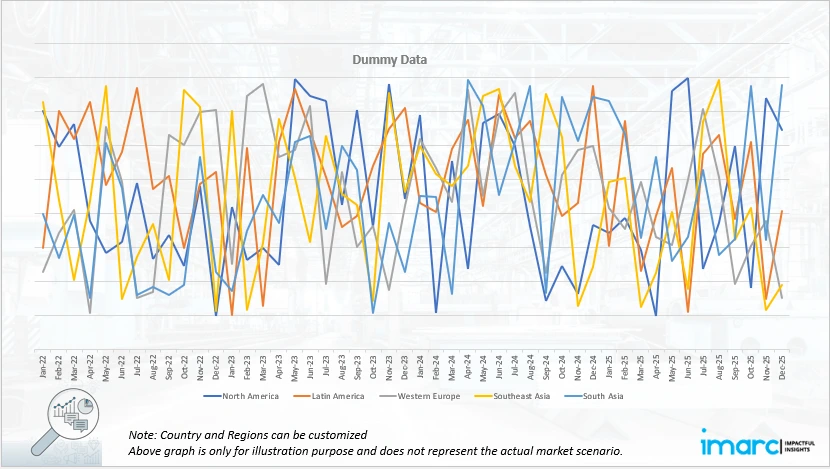
Get real-time access to monthly/quarterly/yearly prices Request Sample
During the second quarter of 2026, the stearic acid prices in the USA reached 1439 USD/MT in June. The market experienced upward price movement during the quarter due to higher feedstock costs and firm demand from downstream industries. The availability of vegetable oil based raw materials remained a key factor influencing producer pricing. Increased consumption from personal care, plastics, rubber processing, and lubricant applications supported market stability.
During the second quarter of 2026, the stearic acid prices in China reached 1383 USD/MT in June. The market recorded price growth as production costs increased amid higher raw material expenses. Demand from plastic additives, rubber processing, and cosmetic manufacturing sectors supported market activity. Export inquiries remained supportive, contributing to stronger producer confidence.
During the second quarter of 2026, the stearic acid prices in Japan reached 1372 USD/MT in June. Prices increased due to firm demand from specialty chemical manufacturers and industrial applications. Higher input costs from fatty acid feedstocks affected production economics and encouraged producers to revise offers. The market benefited from stable consumption in coatings, plastics, rubber, and personal care sectors.
During the second quarter of 2026, the stearic acid prices in the Netherlands reached 1304 USD/MT in June. The market observed price increases due to higher manufacturing expenses and stable industrial demand. Rising costs associated with feedstock procurement affected producer pricing strategies. Demand from cosmetics, pharmaceuticals, plastics, and rubber industries remained supportive during the quarter. Limited inventory availability encouraged buyers to secure material supplies, contributing to firmer market conditions.
During the second quarter of 2026, the stearic acid prices in India reached 1527 USD/MT in June. The market recorded a noticeable price increase during the quarter due to strong domestic consumption and higher input costs. Demand from personal care, detergents, plastics, and rubber industries supported market expansion. Rising feedstock prices increased manufacturing expenses and influenced supplier quotations. Domestic producers adjusted pricing based on raw material availability and logistics conditions.
Stearic Acid Prices Outlook Q1 2026
- USA: USD 1368/MT
- China: USD 1323/MT
- Japan: USD 1255/MT
- Netherlands: USD 1205/MT
- India: USD 1447/MT
During the first quarter of 2026, the stearic acid prices in the USA reached 1368 USD/MT in March. Prices moved upward as domestic demand improved from personal care, rubber processing, plastics, and lubricant applications. Buyers returned to the market with stronger restocking activity after earlier inventory caution, which supported firmer spot discussions. Feedstock cost pressure from tallow and palm based inputs also added support to stearic acid values.
During the first quarter of 2026, the stearic acid prices in China reached 1323 USD/MT in March. Prices increased as downstream demand improved after seasonal buying resumed across cosmetics, rubber, plastics, and surfactant industries. Producers raised offers due to firmer feedstock costs, especially palm oil derivatives, which directly influenced stearic acid production economics. Inventory levels remained manageable, allowing sellers to avoid aggressive discounts.
During the first quarter of 2026, the stearic acid prices in Japan reached 1255 USD/MT in March. Prices rose as import costs increased and domestic demand improved from the rubber, cosmetics, and lubricant sectors. Japanese buyers showed steady purchasing interest as inventories tightened after cautious procurement in the prior quarter. Feedstock linked cost pressure from palm based raw materials pushed suppliers to adjust offers upward.
During the first quarter of 2026, the stearic acid prices in the Netherlands reached 1205 USD/MT in March. Prices strengthened as European demand improved from personal care, rubber, plastics, and coatings applications. Buyers increased procurement after earlier destocking, which improved spot market activity. Feedstock cost pressure from vegetable oil based inputs supported higher seller offers. Downstream manufacturers maintained steady purchasing to protect production schedules, especially in consumer goods and industrial additives.
During the first quarter of 2026, the stearic acid prices in India reached 1447 USD/MT in March. Prices increased as demand improved from soaps, detergents, rubber, plastics, and personal care industries. Domestic buyers raised procurement to meet production needs, while import costs remained firm due to feedstock and freight pressure. Palm oil derivative costs influenced stearic acid pricing, as India remained exposed to imported raw material movements.
Stearic Acid Prices Outlook Q4 2025
- USA: USD 1276/MT
- China: USD 1247/MT
- Japan: USD 1142/MT
- Netherlands: USD 1116/MT
- India: USD 1357/MT
During the fourth quarter of 2025, the stearic acid prices in the USA reached 1276 USD/MT in December. Prices moved upward due to tightening feedstock availability linked to reduced domestic fatty acid output and elevated procurement costs for palm-based derivatives. Manufacturing activity remained steady, while downstream demand from rubber processing and personal care sectors improved toward the end of the quarter.
During the fourth quarter of 2025, the stearic acid prices in China reached 1247 USD/MT in December. The market experienced upward momentum driven by constrained operating rates at fatty acid plants and firm demand from plastics and surfactant manufacturers. Export demand remained stable, while domestic buyers faced limited spot availability. Higher input costs for palm oil derivatives and controlled output levels supported supplier pricing power.
During the fourth quarter of 2025, the stearic acid prices in Japan reached 1142 USD/MT in December. Prices increased as import-reliant supply chains faced longer lead times and higher upstream procurement costs. Demand from specialty chemical and cosmetics industries remained consistent, supporting stable offtake. Limited availability of alternative fatty acid grades restricted substitution, reinforcing firm pricing.
During the fourth quarter of 2025, the stearic acid prices in the Netherlands reached 1116 USD/MT in December. Prices trended downward due to ample regional availability and muted downstream demand from industrial users. Import inflows remained sufficient, easing supply constraints. Buyers delayed purchases amid expectations of further price softening, increasing competitive pressure among suppliers.
During the fourth quarter of 2025, the stearic acid prices in India reached 1357 USD/MT in December. Prices rose sharply due to strong demand from rubber, plastics, and personal care industries. Domestic production limitations and reliance on imported feedstock tightened supply. Higher upstream costs and logistical challenges further supported price increases. Market participants focused on restocking amid firm consumption patterns, while suppliers maintained strong pricing positions throughout the quarter.
Stearic Acid Prices Outlook Q3 2025
- USA: USD 1235/MT
- China: USD 1221/MT
- Japan: USD 1093/MT
- Netherlands: USD 1141/MT
- India: USD 1332/MT
During the third quarter of 2025, the stearic acid prices in the USA reached 1235 USD/MT in September. Prices moved upward as stronger consumption from personal care, rubber processing, and industrial applications pushed procurement levels higher. Feedstock-related pressures contributed to firmer offers, while stable but tight logistics kept supply chains less flexible. These combined conditions supported the upward trajectory observed this quarter.
During the third quarter of 2025, the stearic acid prices in China reached 1221 USD/MT in September. Prices edged lower as domestic producers operated at stable rates, maintaining sufficient inventories across major consuming hubs. Moderation in downstream demand from cosmetics, plastics, and lubricant manufacturers kept purchasing behavior cautious. Improved freight flows and steady raw material inputs encouraged slightly softer prices through the quarter.
During the third quarter of 2025, the stearic acid prices in Japan reached 1093 USD/MT in September. Prices moved upward as rising demand from personal care, surfactants, and industrial processing applications tightened supply availability. Local manufacturers faced higher operating costs, further influencing seller offers. Consistent distribution activity, paired with firm procurement sentiment, contributed to the positive pricing direction this quarter.
During the third quarter of 2025, the stearic acid prices in the Netherlands reached 1141 USD/MT in September. Prices edged lower as subdued industrial and personal care consumption shaped a softer market environment. Imports remained steady, keeping supply sufficient across major distribution centers. Easing upstream cost burdens and stable transportation conditions supported the marginal downward adjustment during this period.
During the third quarter of 2025, the stearic acid prices in India reached 1332 USD/MT in September. Prices moved downward as robust domestic production balanced demand from rubber, cosmetics, and auxiliary industries. Buying interest remained steady but conservative due to moderated seasonal consumption. Stable logistics, combined with easing feedstock cost influences, further supported the downward trend.
Stearic Acid Prices Outlook Q2 2025
- USA: USD 1197/MT
- China: USD 1240/MT
- Japan: USD 1055/MT
- Netherlands: USD 1170/MT
- India: USD 1350/MT
During the second quarter of 2025, the stearic acid prices in the USA reached 1197 USD/MT in June. Stearic acid prices in the USA this quarter were influenced by fluctuating feedstock costs, particularly tallow and palm oil derivatives, due to variable global supply. Demand remained stable across the personal care, rubber, and plastics sectors. Domestic production faced elevated energy and labor costs, while import volumes were affected by port congestion and shipping delays from Southeast Asia. Exchange rate volatility and regulatory inspections also added complexity to sourcing strategies.
During the second quarter of 2025, stearic acid prices in China reached 1240 USD/MT in June. In China, stearic acid pricing was shaped by shifts in palm oil import costs driven by climatic issues in producing nations. Domestic production levels were constrained by regional energy usage controls and maintenance at several plants. Demand from the rubber and detergent manufacturing sectors remained robust. Additionally, inland transportation disruptions and tighter environmental regulations affected delivery schedules and operating margins for local processors and traders.
During the second quarter of 2025, the stearic acid prices in Japan reached 1055 USD/MT in June. Japan’s stearic acid prices were impacted by elevated import costs due to currency depreciation against the US dollar and increased shipping rates from Southeast Asia. The food, cosmetics, and plastics sectors sustained stable demand, adding pressure on procurement timelines. Domestic production remained limited, making Japan highly import-reliant. Rising utility expenses and stricter customs inspections on raw material consignments further influenced cost structures and extended lead times.
During the second quarter of 2025, the stearic acid prices in the Netherlands reached 1170 USD/MT in June. In the Netherlands, stearic acid pricing was influenced by higher input costs for imported palm-based feedstocks and tightening availability due to supply constraints in origin markets. Refiners and traders faced increased operational expenses driven by rising energy prices and stringent European Union environmental regulations. Demand from the personal care and lubricants sectors remained consistent. Furthermore, logistics bottlenecks at key seaports and inland terminals disrupted scheduling and inventory flow.
During the second quarter of 2025, the stearic acid prices in India reached 1350 USD/MT in June. India’s stearic acid prices were impacted by volatile palm oil prices in Malaysia and Indonesia, which significantly affected raw material procurement costs. Domestic demand remained strong from the plastics, rubber, and personal care sectors. Port-side congestion and higher freight rates from supplier countries extended shipment cycles. Currency fluctuations against the US dollar increased the cost of imports. Additionally, inconsistent rainfall patterns affected domestic feedstock availability from the oleochemical sector.
Stearic Acid Prices Outlook Q1 2025
- USA: USD 1,308/MT
- China: USD 1,373/MT
- Japan: USD 1,105/MT
- Netherlands: USD 1,324/MT
- Brazil: USD 1,290/MT
During the first quarter of 2025, the stearic acid prices in the USA reached 1,308 USD/MT in March. As per the stearic acid price chart, prices fell as a result of diminished demand, surplus supply, and lower-cost inputs. In January, there were robust imports in expectation of labor strikes. By March, costs were reduced due to declining freight rates and logistics easing. Moreover, buyers exercised caution, resulting in minimal restocking despite a tighter supply in Southeast Asia and elevated domestic inventories.
During the first quarter of 2025, the stearic acid prices in China reached 1,373 USD/MT in March. Prices in China decreased slightly due to weak industrial demand and falling palm oil prices. Production in the early part of the quarter remained steady, but export volumes fell because of a weaker supply from Southeast Asia. Besides, demand in the rubber sector remained pressured due to erratic weather conditions.
During the first quarter of 2025, the stearic acid prices in Japan reached 1,105 USD/MT in March. In Japan, the prices of stearic acid experienced a gradual decline due to abundant inventories and sluggish industrial demand. Although the costs of palm oil decreased in January, February saw slight upward pressure due to weather effects on the global supply. Nonetheless, the limited production of rubber and careful purchasing practices dampened interest in buying.
During the first quarter of 2025, the stearic acid prices in the Netherlands reached 1,324 USD/MT in March. Prices decreased due to sluggish demand and elevated stock levels. Due to reduced palm oil prices and softened shipping costs, imports from Southeast Asia were less expensive. Besides, local traders persisted in depending on their existing inventories due to sluggish demand from the auto industry and low offtakes, which constrained price fluctuations.
During the first quarter of 2025, the stearic acid prices in Brazil reached 1,290 USD/MT in March. Prices declined as a result of weak demand, high inventory levels, and decreases in transportation and raw material expenses. Due to holiday season closures, activity slowed down in January. By March, Brazilian traders steered clear of new imports in anticipation of Ramadan-related disruptions, relying on their inventories. This practice maintained softer prices even though global availability was constrained.
.webp)
Regional Coverage
The report provides a detailed analysis of the market across different regions, each with unique pricing dynamics influenced by localized market conditions, supply chain intricacies, and geopolitical factors. This includes price trends, price forecast and supply and demand trends for each region, along with spot prices by major ports. The report also provides coverage of FOB and CIF prices, as well as the key factors influencing stearic acid prices.
Europe Stearic Acid Price Trend
Q2 2026:
The Europe stearic acid price index increased, supported by stronger raw material costs and stable downstream demand. The regional market experienced upward pricing pressure due to higher production expenses and supply adjustments among manufacturers. Demand from personal care, coatings, plastics, and rubber processing industries remained consistent, supporting market stability. Limited inventory availability encouraged cautious purchasing activity among buyers. European producers focused on maintaining margins amid changing input costs and transportation conditions. Import availability also influenced regional pricing, as buyers assessed alternative supply sources.
Q1 2026:
The stearic acid price index in Europe moved upward as demand improved across personal care, rubber, coatings, plastics, and industrial additive sectors. Buyers returned to the market after earlier inventory reduction, which supported stronger procurement activity. Feedstock costs from vegetable oil based inputs remained firm and encouraged suppliers to raise offers. Import costs also supported pricing, as freight and handling expenses remained elevated across regional supply routes. Producers maintained disciplined availability, and distributors avoided aggressive discounts due to improving downstream offtake.
Q4 2025:
The stearic acid price index in Europe declined due to persistent oversupply conditions and weakened downstream demand. Regional production remained sufficient, while steady import inflows further increased material availability, reducing supply-side tightness. Key consuming industries such as plastics, rubber processing, and industrial manufacturing operated at moderated activity levels, limiting procurement volumes. Buyers adopted a wait-and-see approach, frequently postponing purchases amid expectations of continued price softening. This cautious buying behavior intensified competition among suppliers, prompting more flexible pricing strategies to secure sales.
Q3 2025:
As per the stearic acid price index, Europe recorded a predominantly soft pricing environment as purchasing momentum from personal care, plastics, and lubricant manufacturers stayed restrained. Supply remained comfortable due to consistent domestic output and steady inflows from Asia. Upstream cost moderation improved seller flexibility, while inland logistics maintained reliability across core markets. Buyers proceeded cautiously with restocking, contributing to controlled transactional volumes and a subdued overall market sentiment.
Q2 2025:
As per the stearic acid price index, prices in Europe this quarter were influenced by elevated input costs due to restricted availability of palm oil and tallow-based feedstocks from Southeast Asia and South America. Importers faced longer transit times and increased freight rates, while energy-intensive processing operations incurred higher costs due to regional electricity and gas prices. Regulatory constraints on emissions and sustainability certifications also raised compliance expenses. Demand from the cosmetics, food additives, and industrial lubricants sectors remained steady, tightening inventory levels amid supply delays.
Q1 2025:
In Europe, prices dropped notably due to stock availability surpassing demand. Due to falling palm oil prices and uncertainty surrounding biodiesel policies in Indonesia, imports from Southeast Asia became more affordable. Distribution was delayed due to port bottlenecks in January, particularly in Hamburg. In February, supply pressures were mild because of bad weather in the producing countries, but European prices remained subdued due to sluggish activity in the auto sector and dependence on stockpiles. Later on, buyers opted to delay orders, preferring to utilize existing inventory instead of making new commitments.
This analysis can be extended to include detailed stearic acid price information for a comprehensive list of countries.
| Region | Countries Covered |
|---|---|
| Europe | Germany, France, United Kingdom, Italy, Spain, Russia, Turkey, Netherlands, Poland, Sweden, Belgium, Austria, Ireland, Switzerland, Norway, Denmark, Romania, Finland, Czech Republic, Portugal, and Greece, among other European countries. |
North America Stearic Acid Price Trend
Q2 2026:
The North America stearic acid price index moved upward as market participants faced higher feedstock expenses and stable industrial consumption. Demand from rubber, polymer additives, cosmetics, and lubricant applications supported pricing strength throughout the quarter. Manufacturers adjusted offers due to changing production costs and supply availability. Domestic consumption remained resilient, while procurement strategies focused on maintaining adequate inventories. Global supply conditions also influenced regional sentiment as buyers monitored international market movements. The market experienced controlled price growth as sufficient supply availability prevented significant shortages.
Q1 2026:
The stearic acid price index in North America increased as demand recovered from soaps, lubricants, rubber, plastics, and personal care industries. Domestic buyers raised purchasing activity after earlier cautious buying, which improved spot sentiment. Feedstock costs from tallow and palm based materials supported firmer production economics. Suppliers held stronger offers due to balanced inventories and improved downstream demand. Import alternatives did not create strong downward pressure, as freight and distribution costs remained firm. Contract demand from industrial users remained steady, while spot buyers showed renewed interest.
Q4 2025:
The stearic acid price index in North America trended upward reflecting firm market fundamentals. Downstream demand from rubber manufacturing, personal care formulations, and chemical processing sectors remained resilient, supporting consistent offtake levels. Feedstock cost pressure persisted throughout the quarter, influencing production economics and prompting suppliers to adjust pricing strategies. Supply limitations emerged due to controlled operating rates and selective inventory management by producers, tightening spot availability.
Q3 2025:
As per the stearic acid price index, North America experienced mostly stable pricing as demand from cosmetics, rubber processing, and industrial sectors held steady without strong surges. Producers maintained healthy operating rates, keeping availability ample across key hubs. Logistics performed reliably, supporting predictable supply flows. Easing raw material cost influences allowed for more competitive offers, aligning with moderated procurement behavior and reinforcing a softer tone throughout the quarter.
Q2 2025:
As per the stearic acid price index, in North America, stearic acid pricing was shaped by fluctuations in raw material costs, particularly animal fats and imported palm stearin, amid tight global supply. The personal care, plastic additives, and rubber processing sectors contributed to consistent demand. Domestic production experienced elevated utility and labor expenses, while import volumes were impacted by congestion at major ports and high inland freight charges. Currency dynamics and weather-related supply chain interruptions in key producing countries added further volatility to procurement costs.
Q1 2025:
Prices experienced a consistent decline due to diminished demand, surplus inventories, and lowered input and transportation expenses. January started with a sufficient supply due to pre-strike imports accumulating stock. Even with the demands of the rubber and automotive sectors, sales fell due to uncertainties surrounding palm oil production. In February, while floods in Malaysia curtailed palm oil output, demand from the U.S. dropped due to a major tire plant closure and winter storms affecting auto sales. In March, purchases decreased, restocking was minimal, and prices remained soft due to improved logistics and a sharp fall in freight costs.
Specific stearic acid historical data within the United States and Canada can also be provided.
| Region | Countries Covered |
|---|---|
| North America | United States and Canada |
Middle East and Africa Stearic Acid Price Trend
Q2 2026:
According to the stearic acid price chart, the primary causes of price swings in the Middle East and Africa were supply chain disruptions, seasonal changes in demand, and geopolitical factors.
Q1 2026:
According to the stearic acid price chart, supply chain interruptions, seasonal changes in demand, and geopolitical pressures were the main causes of the price fluctuations in the Middle East and Africa.
Q4 2025:
The report explores the stearic acid pricing trends and stearic acid price chart in the Middle East and Africa, considering factors like regional industrial growth, the availability of natural resources, and geopolitical tensions that uniquely influence market prices.
Q3 2025:
As per stearic acid price chart, the prices in the Middle East and Africa fluctuated due to a complex interplay of factors, primarily driven by supply chain disruptions, seasonal demand shifts, and geopolitical influences.
In addition to region-wise data, information on stearic acid prices for countries can also be provided.
| Region | Countries Covered |
|---|---|
| Middle East & Africa | Saudi Arabia, UAE, Israel, Iran, South Africa, Nigeria, Oman, Kuwait, Qatar, Iraq, Egypt, Algeria, and Morocco, among other Middle Eastern and African countries. |
Asia Pacific Stearic Acid Price Trend
Q2 2026:
The Asia Pacific stearic acid market recorded upward pricing trends due to strong consumption from major manufacturing sectors. Demand from plastics, rubber processing, cosmetics, and household products supported market expansion. Raw material cost fluctuations influenced production expenses and supplier pricing decisions. China, Japan, and India observed stronger market activity as manufacturers responded to improving industrial demand. Export and domestic purchasing patterns affected regional supply availability. Producers managed output levels to maintain pricing stability amid changing market conditions.
Q1 2026:
In the Asia Pacific, stearic acid prices rose as demand improved across China, India, and Japan. Personal care, rubber, plastics, and detergent sectors showed stronger buying interest. Feedstock costs linked to palm oil derivatives remained firm, encouraging producers to lift offers. Buyers increased procurement to rebuild inventories after earlier caution. Export demand within the region also supported positive sentiment, especially as suppliers maintained controlled availability. Manufacturing activity improved gradually, adding support from industrial users. Although buyers remained cautious about high offers, consistent demand and firmer raw material costs kept regional prices on an upward path.
Q4 2025:
Asia Pacific stearic acid markets recorded upward pricing trends driven by strong industrial demand and constrained production conditions. Consumption from rubber, plastics, and surfactant manufacturing sectors remained robust, sustaining healthy market activity. Production rates were moderated by feedstock availability considerations and operational planning, limiting supply expansion. Rising feedstock cost pressure increased manufacturing expenses, which were gradually passed on to downstream buyers.
Q3 2025:
The Asia Pacific region displayed mixed pricing behavior for stearic acid, balancing China’s mild downward movement with upward shifts in markets such as Japan. Steady operating rates across large producers maintained comfortable supply levels, while fluctuations in demand from oleochemical, personal care, and industrial segments created varied market dynamics. Lower freight expenses, reliable inter-Asia distribution networks, and stable feedstock conditions contributed to an overall balanced regional environment with pockets of divergence.
Q2 2025:
Stearic acid prices in the Asia Pacific region were influenced by unstable feedstock supply, especially palm oil and stearin, due to weather disruptions in Indonesia and Malaysia. Regional producers faced cost pressures from rising electricity tariffs and increased maintenance activity at refining units. Import-dependent markets such as Japan and South Korea encountered higher shipping costs and unfavorable currency movements. Meanwhile, demand from the personal care, detergent, and plastic manufacturing sectors remained firm, intensifying competition for limited available stock.
Q1 2025:
At the beginning of the quarter, Indonesian production decreased because of reduced palm oil output associated with La Niña and holdups in the expansion of biodiesel blending. Although palm oil prices saw slight increases in February, the sluggish demand for rubber, exacerbated by adverse weather conditions, resulted in low consumption of stearic acid. In March, palm oil production remained limited due to weak replanting efforts. However, the ongoing reduction in raw material costs did not lead to significant purchases, resulting in overall low procurement across the region.
This stearic acid price analysis can be expanded to include a comprehensive list of countries within the region.
| Region | Countries Covered |
|---|---|
| Asia Pacific | China, India, Indonesia, Pakistan, Bangladesh, Japan, Philippines, Vietnam, Thailand, South Korea, Malaysia, Nepal, Taiwan, Sri Lanka, Hongkong, Singapore, Australia, and New Zealand, among other Asian countries. |
Latin America Stearic Acid Price Trend
Q2 2026:
The market for stearic acid in Latin America is primarily driven by the region's plentiful natural resources, particularly in Chile and Brazil. However, the price of stearic acid can change dramatically due to political instability and disparities in regulatory regimes.
Q1 2026:
The market for stearic acid in Latin America is primarily driven by the region's abundant natural resources, especially in nations like Brazil and Chile. However, pricing for stearic acids might fluctuate significantly due to various regulatory regimes and political unpredictability.
Q4 2025:
Latin America's stearic acid market is predominantly influenced by its rich natural reserves, particularly in countries like Chile and Brazil. However, political instability and inconsistent regulatory frameworks can lead to significant volatility in stearic acid prices.
Q1 2025:
As per the stearic acid price index, prices declined due to sluggish demand, elevated inventory levels, and lower production costs. In January, Brazil experienced a consumption slowdown during the festive breaks, leading to an increase in inventory levels. Although there was some backing from the rubber sector for sustainable tapping programs, market activity continued to be sluggish. During March, purchasing was limited due to sufficient local inventory and careful buying practices in anticipation of Ramadan, further impacting prices.
This comprehensive review can be extended to include specific countries within the region.
| Region | Countries Covered |
|---|---|
| Latin America | Brazil, Mexico, Argentina, Columbia, Chile, Ecuador, and Peru, among other Latin American countries. |
Stearic Acid Pricing Report, Market Analysis, and News
IMARC's latest publication, “Stearic Acid Prices, Trend, Chart, Demand, Market Analysis, News, Historical and Forecast Data Report 2026 Edition,” presents a detailed examination of the stearic acid market, providing insights into both global and regional trends that are shaping prices. This report delves into the spot price of stearic acid at major ports and analyzes the composition of prices, including FOB and CIF terms. It also presents detailed stearic acid prices trend analysis by region, covering North America, Europe, Asia Pacific, Latin America, and Middle East and Africa. The factors affecting stearic acid pricing, such as the dynamics of supply and demand, geopolitical influences, and sector specific developments, are thoroughly explored. This comprehensive report helps stakeholders stay informed with the latest market news, regulatory updates, and technological progress, facilitating informed strategic decision-making and forecasting.
Stearic Acid Industry Analysis
The global stearic acid industry size reached 9.97 Million Tons in 2025. By 2034, IMARC Group expects the market to reach 15.30 Million Tons, at a projected CAGR of 4.87% during 2026-2034. Market growth is supported by rising consumption in personal care and cosmetics, expanding applications in rubber and plastics processing, and increasing demand for oleochemical derivatives across manufacturing industries, driven by ongoing industrialization and evolving consumer product trends.
Latest News and Developments:
- April 2025: Dove partnered with Chamberlain Coffee to launch the Plant Milk Cleansing Collection, featuring the surfactant ingredient stearic acid as a key component in its formula. The new body-care products are vegan and cruelty-free, and the launch reflects Dove’s continued use of established fatty-acid–based ingredients such as stearic acid in new personal care developments.
Product Description
Stearic acid is a saturated fatty acid with the chemical formula C18H36O2. It is a white, waxy solid commonly produced through the hydrolysis and processing of natural fats and oils. The product offers excellent lubricating properties, stability, and compatibility with various chemical formulations. Stearic acid is widely used as a raw material in personal care products, including soaps, creams, and cosmetics, due to its emulsifying and thickening properties. It is also used in plastics as a processing aid, in rubber manufacturing as an activator, and in lubricant formulations. Other applications include candles, coatings, detergents, pharmaceuticals, and metal stearates production. Its versatile chemical properties make it an important intermediate across several industrial sectors.
Report Coverage
| Key Attributes | Details |
|---|---|
| Product Name | Stearic Acid |
| Report Features | Exploration of Historical Trends and Market Outlook, Industry Demand, Industry Supply, Gap Analysis, Challenges, Stearic Acid Price Analysis, and Segment-Wise Assessment. |
| Currency/Units | US$ (Data can also be provided in local currency) or Metric Tons |
| Region/Countries Covered | The current coverage includes analysis at the global and regional levels only. Based on your requirements, we can also customize the report and provide specific information for the following countries: Asia Pacific: China, India, Indonesia, Pakistan, Bangladesh, Japan, Philippines, Vietnam, Thailand, South Korea, Malaysia, Nepal, Taiwan, Sri Lanka, Hongkong, Singapore, Australia, and New Zealand Europe: Germany, France, United Kingdom, Italy, Spain, Russia, Turkey, Netherlands, Poland, Sweden, Belgium, Austria, Ireland, Switzerland, Norway, Denmark, Romania, Finland, Czech Republic, Portugal and Greece North America: United States and Canada Latin America: Brazil, Mexico, Argentina, Columbia, Chile, Ecuador, and Peru Middle East & Africa: Saudi Arabia, UAE, Israel, Iran, South Africa, Nigeria, Oman, Kuwait, Qatar, Iraq, Egypt, Algeria, and Morocco The list of countries presented is not exhaustive. Information on additional countries can be provided if required by the client. |
| Information Covered for Key Suppliers |
|
| Customization Scope | The report can be customized as per the requirements of the customer |
| Report Price and Purchase Option |
Plan A: Monthly Updates - Annual Subscription
Plan B: Quarterly Updates - Annual Subscription
Plan C: Biannually Updates - Annual Subscription
|
| Post-Sale Analyst Support | 360-degree analyst support after report delivery |
| Delivery Format | PDF and Excel through email (We can also provide the editable version of the report in PPT/Word format on special request) |
Key Benefits for Stakeholders:
- IMARC’s report presents a detailed analysis of stearic acid pricing, covering global and regional trends, spot prices at key ports, and a breakdown of Ex Works, FOB, and CIF prices.
- The study examines factors affecting stearic acid price trend, including raw material costs, supply-demand shifts, geopolitical impacts, and industry developments, offering insights for informed decision-making.
- The competitive landscape review equips stakeholders with crucial insights into the latest market news, regulatory changes, and technological advancements, ensuring a well-rounded, strategic overview for forecasting and planning.
- IMARC offers various subscription options, including monthly, quarterly, and biannual updates, allowing clients to stay informed with the latest market trends, ongoing developments, and comprehensive market insights. The stearic acid price charts ensure our clients remain at the forefront of the industry.
Need more help?
- Speak to our experienced analysts for insights on the current market scenarios.
- Include additional segments and countries to customize the report as per your requirement.
- Gain an unparalleled competitive advantage in your domain by understanding how to utilize the report and positively impacting your operations and revenue.
- For further assistance, please connect with our analysts.
 Request Customization
 Inquire Before Buying
 Speak to an Analyst
 Request Brochure
Benefits of Customization
- Personalize this research
- Triangulate with your data
- Get data as per your format and definition
- Gain a deeper dive into a specific application, geography, customer, or competitor
- Any level of personalization
Get in Touch With Us
UNITED STATES
Phone: +1-201-971-6302
INDIA
Phone: +91-120-433-0800
UNITED KINGDOM
Phone: +44-753-714-6104
Email: [email protected]
Client Testimonials




.webp)




.webp)













Related Reports

Why Choose Us
IMARC offers trustworthy, data-centric insights into commodity pricing and evolving market trends, enabling businesses to make well-informed decisions in areas such as procurement, strategic planning, and investments. With in-depth knowledge spanning more than 1000 commodities and a vast global presence in over 150 countries, we provide tailored, actionable intelligence designed to meet the specific needs of diverse industries and markets.
1000
+Commodities
150
+Countries Covered
3000
+Clients
20
+Industry

Robust Methodologies & Extensive Resources
IMARC delivers precise commodity pricing insights using proven methodologies and a wealth of data to support strategic decision-making.

Subscription-Based Databases
Our extensive databases provide detailed commodity pricing, import-export trade statistics, and shipment-level tracking for comprehensive market analysis.

Primary Research-Driven Insights
Through direct supplier surveys and expert interviews, we gather real-time market data to enhance pricing accuracy and trend forecasting.

Extensive Secondary Research
We analyze industry reports, trade publications, and market studies to offer tailored intelligence and actionable commodity market insights.
Trusted by 3000+ industry leaders worldwide to drive data-backed decisions. From global manufacturers to government agencies, our clients rely on us for accurate pricing, deep market intelligence, and forward-looking insights.