
UAE Dog Food Market Size, Share, Trends and Forecast by Product Type, Ingredient, and Distribution Channel 2026-2034
UAE Dog Food Market Summary:
The UAE dog food market size was valued at USD 19.99 Million in 2025 and is projected to reach USD 30.79 Million by 2034, growing at a compound annual growth rate of 4.92% from 2026-2034.
The UAE dog food market is experiencing steady expansion driven by the rising trend of pet humanization among the expatriate and affluent population. Dog ownership has witnessed significant growth as residents increasingly treat their canine companions as family members, willingly investing in premium nutrition products. The market benefits from evolving consumer preferences toward organic, natural, and health-focused formulations, alongside the expansion of pet-friendly infrastructure across major cities including Dubai and Abu Dhabi.
Key Takeaways and Insights:
- By Product Type: Dry food dominates the market with a share of 59% in 2025, owing to its convenience in storage, cost-effectiveness, and extended shelf life that appeals to busy pet owners seeking practical feeding solutions.
- By Ingredient: Animal derivatives lead the market with a share of 46% in 2025, driven by their superior nutritional value, high protein content, and palatability that aligns with the natural dietary requirements of dogs.
- By Distribution Channel: Supermarkets and hypermarkets represent the largest segment with a market share of 50% in 2025, benefiting from one-stop shopping convenience, competitive pricing, and the ability to physically examine products before purchase.
- Key Players: The UAE dog food market shows moderate competitive pressure, characterized by companies leveraging product innovation, premium offerings, and wide-reaching distribution networks to differentiate themselves and capture consumer loyalty in a growing and evolving pet food landscape. Some of the key players operating in the market include Del Monte Foods Inc., Nestlé S.A., Mars, Incorporated, and Hill's Pet Nutrition, Inc.
The UAE dog food market is undergoing a transformative phase characterized by shifting consumer attitudes and increasing pet ownership rates. The growing expatriate population, which brings diverse pet care practices from Western markets, has significantly influenced local purchasing behaviors and premium product demand. Pet humanization trends have led owners to prioritize nutritional quality, seeking products that support weight management, digestive health, and overall wellness. The establishment of pet-friendly policies in residential buildings, hotels, and public spaces such as the Dubai Birds and Pet Market with dedicated dog-walking areas, has further normalized pet ownership. Major hospitality chains in Dubai and Abu Dhabi now offer specialized canine menus and services, reflecting the cultural shift toward treating pets as integral family members and driving sustained demand for quality dog food products.
UAE Dog Food Market Trends:
Rising Demand for Premium and Organic Dog Food Products
UAE pet owners are increasingly gravitating toward premium and organic dog food formulations that prioritize health and wellness. This shift reflects broader consumer trends favoring products free from pesticides, genetically modified organisms, and artificial additives. Manufacturers are responding by introducing grain-free, protein-specific, and prebiotic-enriched variants that address specific health conditions including allergies, digestive sensitivities, and skin health. Major supermarket chains across Dubai and Abu Dhabi have expanded their organic dog food sections to meet this surging demand from health-conscious millennial pet owners. For instance, in May 2024, V-Planet, a vegan dog food brand, officially entered the UAE market. The brand is projected to drive growth in the sector, with dog food sales potentially reaching USD 69.2 million annually by 2026.
Expansion of E-Commerce and Digital Distribution Channels
The digital transformation of retail has significantly impacted dog food purchasing patterns in the UAE. Online platforms now offer same-day and rapid delivery services across all emirates, providing convenience that resonates with time-constrained urban professionals. E-commerce adoption has accelerated substantially, with platforms partnering with veterinary clinics to offer expert consultations alongside purchases. The UAE e-commerce market size reached USD 125.0 Billion in 2024. Looking forward, IMARC Group expects the market to reach USD 776.2 Billion by 2033, exhibiting a growth rate (CAGR) of 21.4% during 2025-2033. This channel shift enables easy brand comparison, subscription services for regular deliveries, and access to international specialty brands not readily available in physical retail outlets.
Integration of Technology in Pet Nutrition
Technological innovation is reshaping how UAE pet owners approach canine nutrition and feeding practices. Smart feeding systems that track portions and dietary needs are gaining traction among affluent consumers seeking personalized nutrition solutions. Leading pet retailers are implementing technology-driven solutions to enhance customer experience and provide customized product recommendations based on breed, age, and health data. This technological integration extends to manufacturing processes where advanced quality control systems ensure consistent product standards for premium formulations. For instance, in April 2025, Zabeel Feed, established in 1985 by His Highness Sheikh Mohammed bin Rashid Al Maktoum, announced the introduction of Zabeel Pets, a new ready-to-eat pet food brand, at Pet World Arabia 2025. This launch represents the company’s move from its equine-focused origins into the broader pet care market, offering premium nutrition, innovative accessories, and smart pet technology across the region.
Market Outlook 2026-2034:
The UAE dog food market demonstrates robust growth potential supported by favorable demographic shifts and evolving consumer preferences. The continued influx of expatriates bringing Western pet care practices, combined with rising disposable incomes among the local population, positions the market for sustained expansion. The premiumization trend shows no signs of abating as pet owners increasingly invest in specialized nutrition solutions, while retail infrastructure continues to evolve with expanded specialty sections and enhanced e-commerce capabilities. The market generated a revenue of USD 19.99 Million in 2025 and is projected to reach a revenue of USD 30.79 Million by 2034, growing at a compound annual growth rate of 4.92% from 2026-2034.
UAE Dog Food Market Report Segmentation:
|
Segment Category |
Leading Segment |
Market Share |
|
Product Type |
Dry Food |
59% |
|
Ingredient |
Animal Derivatives |
46% |
|
Distribution Channel |
Supermarkets and Hypermarkets |
50% |
Breakup by Product Type:
To get detailed analysis of this market, Request Sample
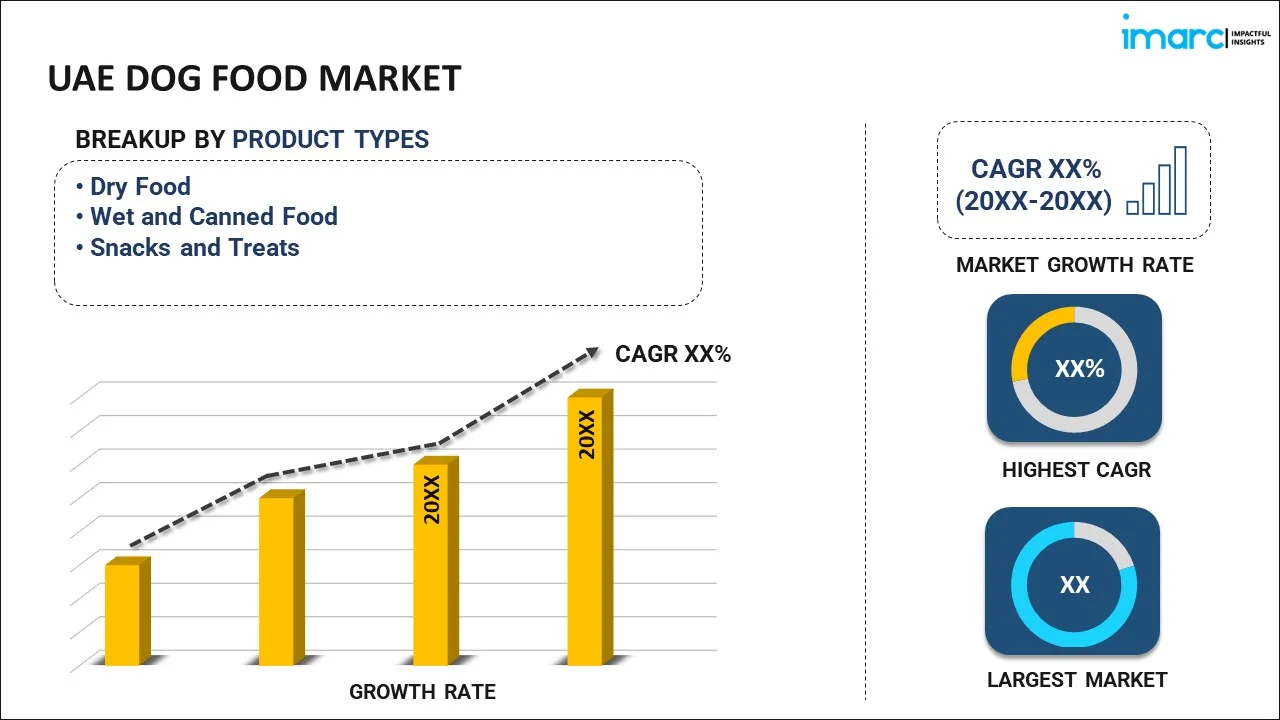
- Dry Food
- Wet and Canned Food
- Snacks and Treats
Dry food dominates with a market share of 59% of the total UAE dog food market in 2025.
Dry pet food continues to dominate the UAE market due to practical advantages that appeal to local pet owners. Its long shelf life alleviates spoilage concerns in the country’s hot climate, while compact storage requirements fit well with apartment living common in urban areas. Additionally, dry food is more cost-effective than wet alternatives, making it an attractive option for households with multiple pets or budget-conscious consumers seeking nutritious meals without paying premium prices.
The dry food segment is further strengthened by ongoing product innovation, with manufacturers developing specialized formulations targeting specific nutritional needs such as weight control, dental care, and breed-specific requirements. Premium dry kibble options featuring novel protein sources, grain-free recipes, and functional ingredients have broadened the category’s appeal among health-conscious pet owners. Portion-controlled packaging also enhances convenience, enabling busy urban professionals to maintain consistent feeding routines while ensuring balanced and high-quality nutrition for their pets.
Ingredient Insights:
- Animal Derivatives
- Plant Derivatives
- Cereals Derivatives
- Others
Animal derivatives leads with a share of 46% of the total UAE dog food market in 2025.
Animal-based ingredients remain the preferred choice in dog food due to their alignment with canine nutritional needs and natural dietary instincts. High-quality protein sources such as chicken, beef, lamb, and fish provide essential amino acids that support muscle development, immune health, and overall vitality. Pet owners are increasingly aware of the benefits of protein-rich diets, recognizing that meat-based formulations closely mirror the biological requirements of dogs, reinforcing their preference for animal-derived nutrition in everyday feeding routines.
The animal-protein segment continues to innovate, with manufacturers introducing novel protein sources to cater to food sensitivities and allergies in specific breeds. Single-protein options featuring duck, venison, or salmon address dietary restrictions, while premium positioning allows for higher profit margins. Growing consumer focus on transparency has prompted brands to emphasize both the type and sourcing of animal proteins, appealing to discerning pet owners seeking quality, ethically sourced, and clearly labeled ingredients in their dog food selections.

Distribution Channel Insights:
- Convenience Stores
- Supermarkets and Hypermarkets
- Online Stores
- Others
The supermarkets and hypermarkets segment exhibits a clear dominance with a 50% share of the total UAE dog food market in 2025.
Supermarkets and hypermarkets continue to dominate the UAE dog food market due to entrenched shopping habits and extensive product selections. Leading retail chains in Dubai, Abu Dhabi, and Sharjah allocate significant shelf space to pet food, allowing consumers to compare brands, inspect packaging, and benefit from promotions. The convenience of one-stop shopping suits busy lifestyles and encourages spontaneous purchases alongside regular groceries, reinforcing the role of these retail formats as the primary channel for dog food purchases.
These retail channels have adapted to premiumization trends by creating dedicated pet care sections featuring organic, natural, and specialized diet options previously limited to niche stores. Competitive pricing, loyalty programs, and strategically located outlets across residential areas enhance accessibility and maintain market dominance. By combining convenience, variety, and value-added services, supermarkets and hypermarkets effectively cater to the diverse UAE population, meeting both everyday and premium dog food demands while strengthening customer loyalty.
Market Dynamics:
Growth Drivers:
Why is the UAE Dog Food Market Growing?
Rising Pet Humanization and Premiumization Trends
The UAE is experiencing a profound cultural shift in how residents perceive and care for their canine companions. According to the USDA, the pet population in the United Arab Emirates (UAE) increased from 588,700 in 2014 to 938,000 by 2024. This surge has fueled a significant expansion in pet food sales, with retail revenues rising from USD 61.8 million in 2014 to USD 219 million in 2024, an over 250 percent increase, of which nearly 98 percent comprises dog and cat food products. Pet humanization has transformed dogs from traditional working animals into cherished family members deserving premium nutrition and healthcare. This emotional bond drives willingness to invest in higher-quality food products that promise superior health outcomes, longevity, and overall wellness. Affluent consumers, particularly among the expatriate population, seek products mirroring human food trends including organic ingredients, clean labels, and functional benefits. The premiumization trend extends beyond basic nutrition to encompass specialized diets addressing life stage requirements, breed-specific needs, and health conditions, creating sustained demand for value-added products commanding higher price points.
Expansion of Pet-Friendly Infrastructure and Policies
The UAE has witnessed remarkable progress in creating an environment conducive to pet ownership through infrastructure development and regulatory evolution. Residential buildings increasingly permit pet ownership, removing traditional barriers that previously limited dog adoption. Public spaces dedicated to pet activities, including designated walking areas at the Dubai Birds and Pet Market, normalize canine companionship within the urban landscape. The hospitality sector has embraced pets with hotels across Dubai and Abu Dhabi offering specialized services, customized menus, and pet-friendly amenities that encourage travel with companion animals. These infrastructure improvements create a supportive ecosystem driving pet ownership growth and consequently expanding the addressable market for quality dog food products.
Growing Expatriate Population and Rising Disposable Incomes
The UAE's diverse expatriate community brings established pet care practices from Western markets, where premium pet nutrition represents a mature category. These consumers arrive with expectations for product variety, quality standards, and brand availability that elevate overall market sophistication. Rising household incomes across both expatriate and local populations expand purchasing power for discretionary spending including pet care. The correlation between higher incomes and premium product adoption proves particularly strong in the UAE context, where affluent consumers demonstrate willingness to pay substantial premiums for products perceived as healthier, more nutritious, or aligned with specific dietary philosophies. This economic foundation supports sustained market growth and category premiumization.
Market Restraints:
What Challenges is the UAE Dog Food Market Facing?
High Import Dependency and Price Sensitivity
The UAE dog food sector is highly reliant on imported goods, which would be susceptible to currency changes, high costs of shipping, and possible disruptions of the supply chain. These are the causes of pricing instability. Value-added brands that are imported usually come with a high price premium, which limits the spending capacity of the low-end consumers who nevertheless focus on health-related foods of high quality, which shapes the buying behavior and affects the market segmentation between the low-end and the premium consumers.
Climate Challenges for Pet Ownership
The heat of the summer in the UAE makes it difficult to keep dogs, particularly the large breeds that need a daily outdoor activity. This kind of climate usually pushes the pet owners to smaller breeds that can better adapt to heat, which can consequently limit the general increase in the dog population. These environmental restrictions have an indirect impact on the demand for dog food, which will have an influence on consumption trends and market growth opportunities of pet nutrition products.
Cultural and Regulatory Considerations
Pet ownership attitudes in the UAE are gradually evolving, yet cultural sensitivities regarding dogs remain in certain population segments. Additionally, regulatory requirements for pet food imports, including halal compliance and ingredient restrictions, add complexity for manufacturers. These factors influence market entry strategies and product development, requiring companies to navigate both cultural norms and legal frameworks to successfully introduce and expand their dog food offerings across the UAE market.
Competitive Landscape:
The UAE dog food market features a competitive landscape dominated by established multinational corporations with strong brand recognition and extensive distribution networks. Market leaders leverage global research capabilities to introduce innovative formulations tailored to regional preferences while maintaining consistent quality standards. Competition intensifies across premium segments where differentiation through ingredient quality, nutritional profiles, and specialized health benefits drives consumer choice. Local and regional players complement international brands by offering price-competitive alternatives addressing mainstream market requirements. Strategic investments in e-commerce capabilities, retail partnerships, and marketing communications shape competitive positioning as companies seek to capture emerging growth opportunities within the evolving market landscape.
Some of the major players are:
- Del Monte Foods Inc.
- Nestlé S.A.
- Mars, Incorporated
- Hill's Pet Nutrition, Inc.
Recent Developments:
- November 2025: Furchild launched a new 15,000-square-foot production facility in Dubai, built to comply with human-grade food manufacturing standards, representing an investment exceeding US$5 million. Since its founding in 2016, the company has specialized in creating complete and balanced raw meals for dogs and cats using high-quality, human-grade ingredients, free from fillers, preservatives, or artificial additives.
- September 2025: Pet Corner, a leading pet care retailer, broadened its regional reach through the acquisition of Abu Dhabi-based pet store Jungle Paws, marking the company’s first-ever purchase of a retail brand. This transaction expands Pet Corner’s network to 19 operating locations, with an additional two stores slated to open shortly, and supports its objective of delivering a more integrated and consistent shopping experience across the Emirates.
UAE Dog Food Market Report Coverage:
| Report Features | Details |
|---|---|
| Base Year of the Analysis | 2025 |
| Historical Period | 2020-2025 |
| Forecast Period | 2026-2034 |
| Units | Million USD |
| Scope of the Report |
Exploration of Historical and Forecast Trends, Industry Catalysts and Challenges, Segment-Wise Historical and Predictive Market Assessment:
|
| Products Type Covered | Dry Food, Wet and Canned Food, Snacks and Treats |
| Ingredients Covered | Animal Derivatives, Plant Derivatives, Cereals Derivatives, Others |
| Distribution Channels Covered | Convenience Stores, Supermarkets and Hypermarkets, Online Stores, Others |
| Companies Covered | Del Monte Foods Inc., Nestlé S.A., Mars, Incorporated, Hill's Pet Nutrition, Inc. |
| Customization Scope | 10% Free Customization |
| Post-Sale Analyst Support | 10-12 Weeks |
| Delivery Format | PDF and Excel through Email (We can also provide the editable version of the report in PPT/Word format on special request) |
Frequently Asked Questions About the UAE Dog Food Market Report
The UAE dog food market size was valued at USD 19.99 Million in 2025.
The UAE dog food market is expected to grow at a compound annual growth rate of 4.92% from 2026-2034 to reach USD 30.79 Million by 2034.
Dry food dominated the UAE dog food market with a share of 59% in 2025, driven by its convenience in storage, cost-effectiveness, extended shelf life, and practical feeding advantages that appeal to urban pet owners.
Key factors driving the UAE dog food market include rising pet humanization trends, increasing expatriate population bringing Western pet care practices, expansion of pet-friendly infrastructure, growing demand for premium and organic products, and rising disposable incomes enabling higher pet care spending.
Major challenges include high import dependency, exposing the market to price volatility and supply chain disruptions, extreme climate conditions limiting outdoor activities for certain dog breeds, cultural sensitivities in some population segments, and regulatory complexities for product imports and ingredient compliance.
Need more help?
- Speak to our experienced analysts for insights on the current market scenarios.
- Include additional segments and countries to customize the report as per your requirement.
- Gain an unparalleled competitive advantage in your domain by understanding how to utilize the report and positively impacting your operations and revenue.
- For further assistance, please connect with our analysts.
 Request Customization
 Speak to an Analyst
 Request Brochure
 Inquire Before Buying
Benefits of Customization
- Personalize this research
- Triangulate with your data
- Get data as per your format and definition
- Gain a deeper dive into a specific application, geography, customer, or competitor
- Any level of personalization
Get in Touch With Us
UNITED STATES
Phone: +1-201-971-6302
INDIA
Phone: +91-120-433-0800
UNITED KINGDOM
Phone: +44-753-714-6104
Email: [email protected]
Client Testimonials




.webp)




.webp)













Related Reports

Choose your plan
*Please note that the prices mentioned below are starting prices for each bundle type. Kindly contact our team for further details.*
Single User License
- 1 User License, Access on 2 Devices
- PDF Report + Excel Dataset (Password Protected)
- Lifetime Access
- No Printing Rights
- 10% Free Report Customization
- 10–12 Weeks of Analyst Support
Five User License
- Access for 5 Users, 2 Devices per User
- PDF Report + Excel Dataset (Password Protected)
- Lifetime Access
- Dedicated Account Manager
- 12–14 Weeks of Analyst Support
- No Printing Rights
- 15% Free Report Customization
- 25% Discount on Your Next Purchase
Corporate User License
- Unlimited User Access (Within Your Organization)
- PDF Report + Excel Dataset
- Lifetime Access
- Dedicated Account Manager
- 14–20 Weeks of Analyst Support
- No Printing Rights
- 20% Free Report Customization
- 30% Discount on Your Next Purchase
Essential Insights
What's included:
3 reports
- Lifetime Access
- PDF Reports
- Excel Datasets
- 2 Weeks of Free Analyst Support
- 2 User Licenses
- Access on 2 Devices
- Printing Rights
- Complimentary PowerPoint (PPT) Version
- Complimentary License Upgrade
Professional Access
What's included:
5 reports
- Lifetime Access
- PDF Reports
- Excel Datasets
- 8 Weeks of Free Analyst Support
- 2 User Licenses
- Access on 2 Devices
- Printing Rights
- Complimentary PowerPoint (PPT) Version
- Complimentary License Upgrade
Business Advantage
What's included:
8 reports
- Lifetime Access
- PDF Reports
- Excel Datasets
- 14 Weeks of Free Analyst Support
- 2 User Licenses
- Access on 2 Devices
- Printing Rights
- Complimentary PowerPoint (PPT) Version
- Complimentary License Upgrade
Enterprise Intelligence
What's included:
10 reports
- Lifetime Access
- PDF Reports
- Excel Datasets
- 20 Weeks of Free Analyst Support
- 2 User Licenses
- Access on 2 Devices
- Printing Rights
- Complimentary PowerPoint (PPT) Version
- Complimentary License Upgrade