
United States Intravenous Solutions Market Size, Share, Trends and Forecast by Type, Nutrients, and Region, 2026-2034
United States Intravenous Solutions Market Size, Share, Trends & Forecast (2026-2034)
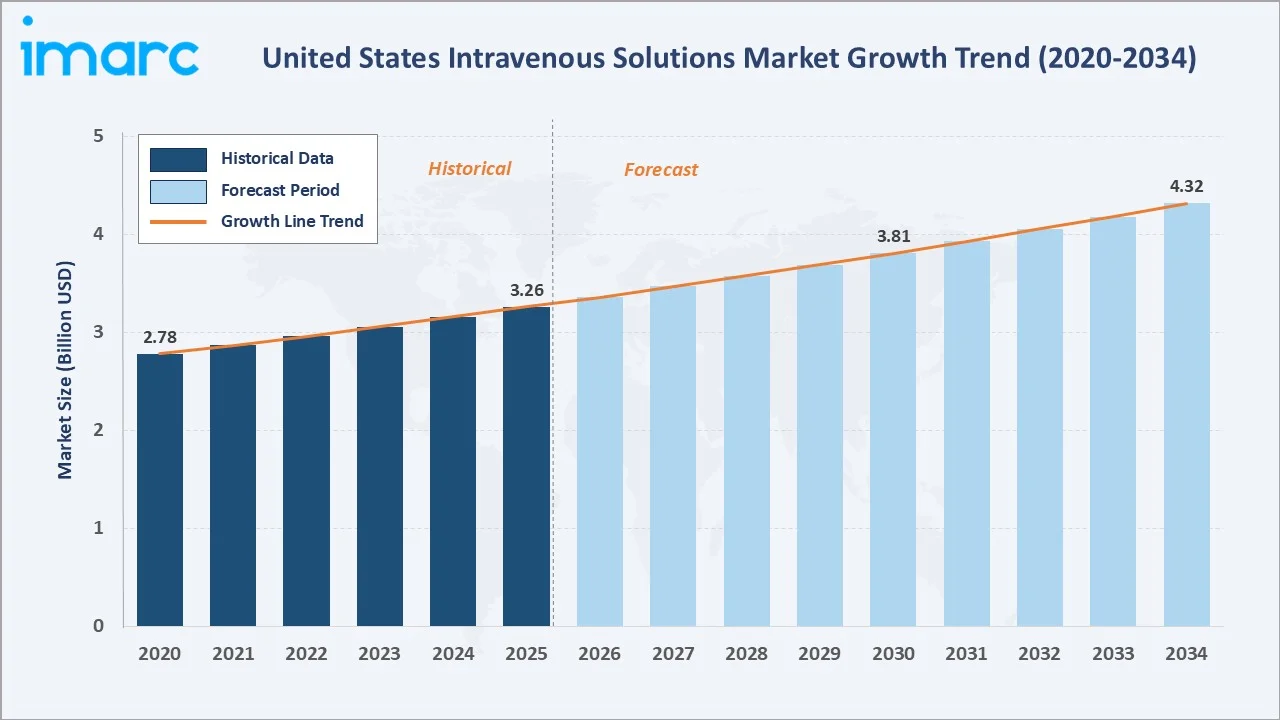
The US intravenous solution market grew from USD 3.26 Billion in 2025 to USD 3.36 Billion in 2026 and is projected to reach USD 4.32 Billion by 2034, growing at a CAGR of 3.19% during 2026-2034. The market is driven by rising chronic disease incidence, expanding geriatric population, and increasing surgical procedure volumes requiring perioperative IV fluid and nutritional support across diverse clinical settings in the United States.
The market is also supported by the growing shift toward home-based infusion therapy, advancements in premixed multi-chamber IV solutions, and favorable reimbursement frameworks expanding access to parenteral nutrition therapies. Total Parenteral Nutrition dominates at 77.7%. Amino acids lead nutrients at 36.8%. South leads regionally at 30.5%.
Market Snapshot
|
Metric |
Value |
|
Base Year Market Size (2025) |
USD 3.26 Billion |
|
Market Size (2026) |
USD 3.36 Billion |
|
Forecast Market Size (2034) |
USD 4.32 Billion |
|
CAGR (2026-2034) |
3.19% |
|
Base Year |
2025 |
|
Historical Period |
2020-2025 |
|
Forecast Period |
2026-2034 |
|
Dominant Type |
Total Parenteral Nutrition (77.7%, 2025) |
|
Dominant Nutrient |
Amino Acids (36.8%, 2025) |
|
Leading Region |
South (30.5%, 2025) |
The U.S. intravenous solutions market size increased from USD 2.78 Billion in 2020 to USD 3.26 Billion in 2025 and is estimated to reach USD 3.36 Billion in 2026. The market is further expected to grow to USD 3.81 Billion by 2030 and USD 4.32 Billion by 2034. The United States intravenous solutions market is characterized by a highly regulated manufacturing environment, concentrated supplier base, and growing demand across both hospital and home care settings.
To get more information on this market, Request Sample
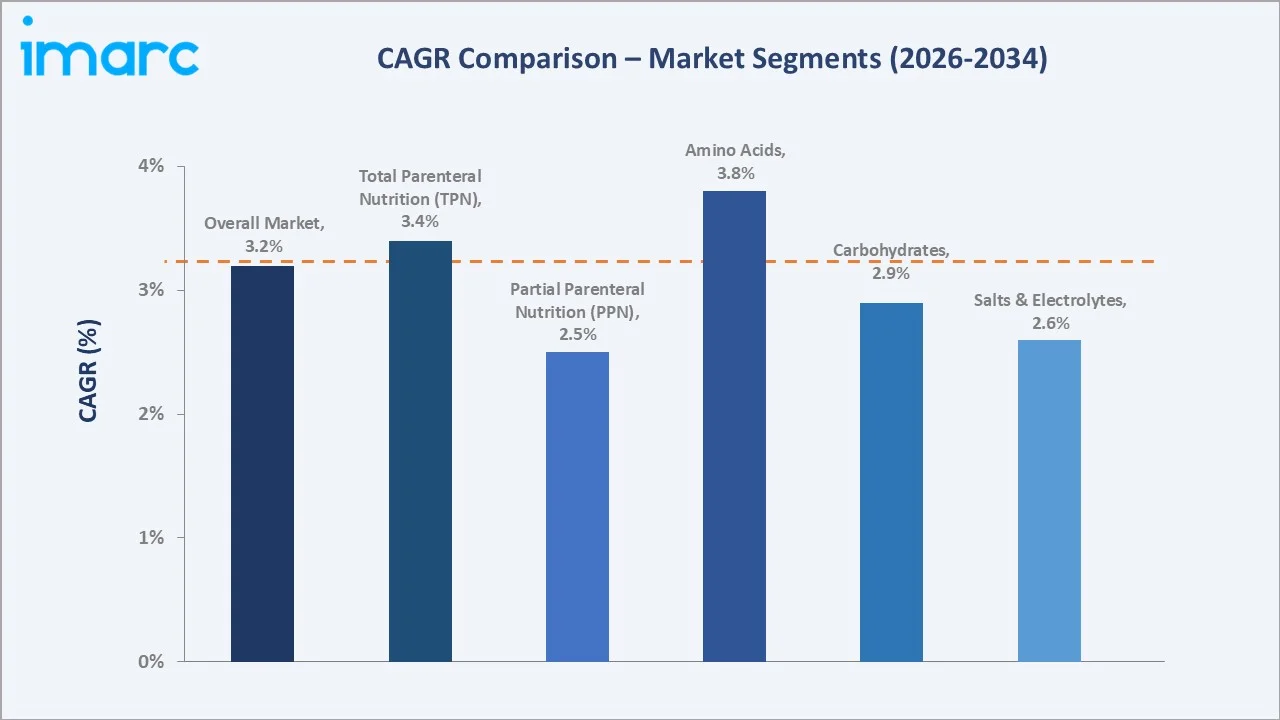
The amino acids segment grows fastest at ~3.8% CAGR driven by expanding critical care nutrition protocols. Total Parenteral Nutrition grows at ~3.4% CAGR through rising malnutrition cases, increasing ICU admissions, and growing neonatal care requirements. Home infusion IV solutions represent the highest-growth channel at ~6-8% CAGR.
Executive Summary
The United States intravenous solutions market expanded from USD 3.26 Billion in 2025 to an estimated USD 3.36 Billion in 2026, driven by elevated chronic disease burdens and expanding surgical volumes across the country. Six in ten Americans live with at least one chronic disease, creating sustained IV therapy demand across acute care, long-term care, and increasingly home-based treatment settings.
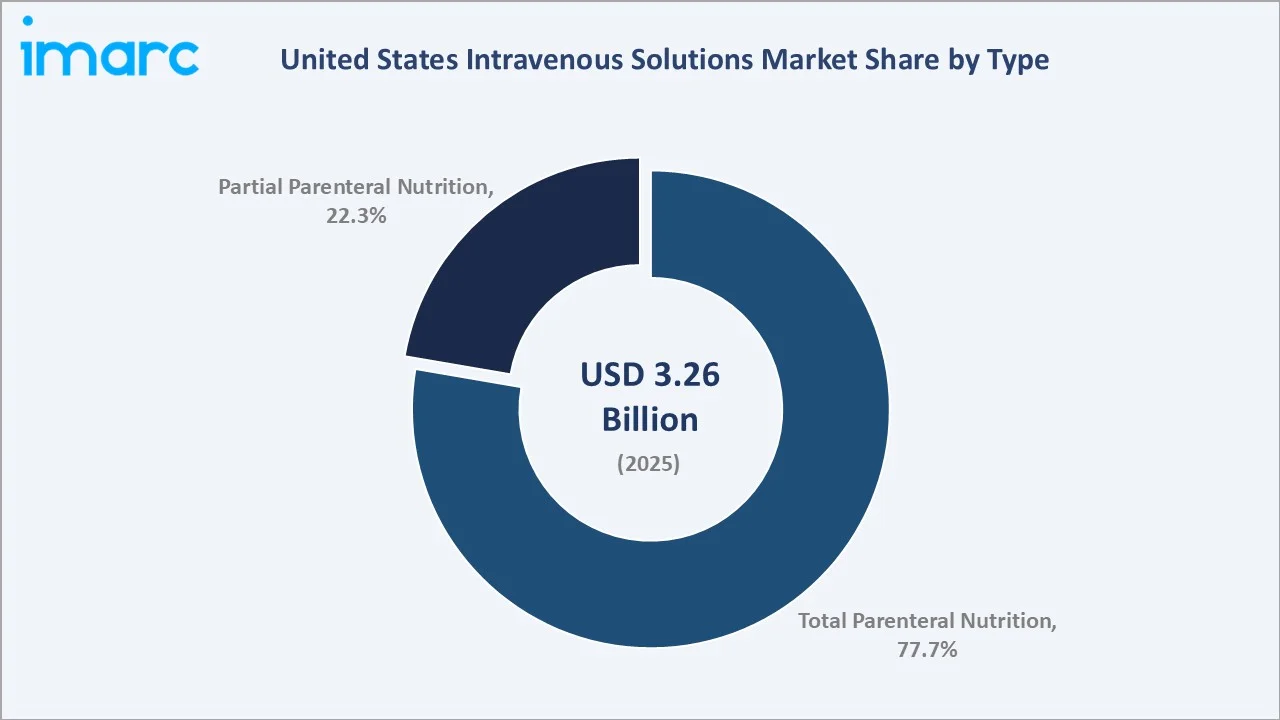
Total Parenteral Nutrition commands 77.7% market share, reflecting its clinical necessity for patients unable to receive adequate nutrition through oral or enteral routes. Amino acids dominate the nutrients segment at 36.8%, underpinned by their fundamental role in critical care protein synthesis, tissue repair, and metabolic support. The market is projected to reach USD 4.32 Billion by 2034.
Key Market Insights
|
Insight |
Data |
|
Dominant Type |
Total Parenteral Nutrition – 77.7% share (2025) |
|
Dominant Nutrient |
Amino Acids – 36.8% market share (2025) |
|
Leading Region |
South – 30.5% share (2025) |
|
Market Opportunity |
Home infusion services; premixed multi-chamber IV solutions; specialized parenteral nutrition for oncology and neonatal care; smart infusion pump integration |
Key Analytical Observations Supporting the Above Data:
- Total Parenteral Nutrition at 77.7%: TPN dominates due to its comprehensive delivery of amino acids, dextrose, lipids, vitamins, and minerals for patients unable to tolerate oral or enteral feeding. Rising cancer, GI disorder, and ICU admission rates fuel adoption. Growing neonatal care requirements and expanding long-term care facilities further reinforce TPN segment leadership across the United States.
- Amino Acids at 36.8%: Amino acids lead because of their fundamental role in protein synthesis, immune support, and tissue repair among critically ill and post-surgical patients. Growing demand for customized amino acid formulations tailored to specific clinical profiles is driving adoption. Healthcare providers increasingly rely on IV amino acid solutions as a core component of critical care nutrition protocols.
- South at 30.5%: The South leads due to its large hospital network, high chronic disease prevalence including diabetes and cardiovascular conditions, and strong population growth. Expanding ambulatory surgical centers and favorable healthcare infrastructure investment reinforce consistent IV solutions consumption across the Southern United States.
United States Intravenous Solutions Market Overview
The United States intravenous solutions market is positioned at the intersection of critical care nutrition, hydration management, and medication delivery. The market commercial structure is shaped by the high volume of hospital admissions, expanding ambulatory care settings, and an aging population with growing nutritional vulnerabilities requiring sustained IV therapy support.
The market ecosystem spans pharmaceutical manufacturers, hospital pharmacies, home infusion providers, and specialized compounding centers. Key demand drivers include chronic disease management requirements, perioperative care demands, and increasing adoption of parenteral nutrition in neonatal and oncology clinical settings.
Market Dynamics
To evaluate market opportunities, Request Sample
Market Drivers
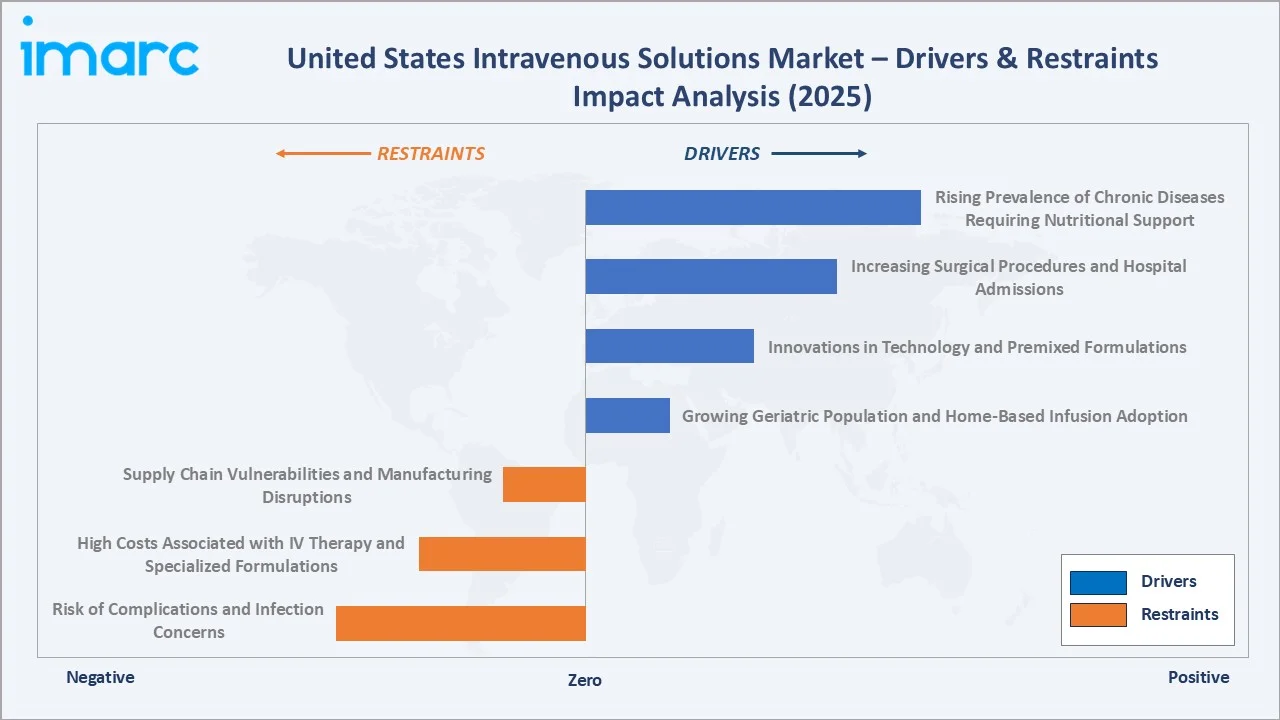
- Rising Prevalence of Chronic Diseases Requiring Nutritional Support: The rising burden of chronic diseases significantly drives demand for IV solutions as essential components of patient care. Conditions such as cancer, diabetes, renal disorders, and gastrointestinal diseases often compromise patients ability to maintain adequate oral nutrition. Rising cancer incidence and expanding dialysis patient populations represent particularly significant growth contributors for IV nutritional solutions. Healthcare providers are increasingly incorporating parenteral nutrition into standard treatment protocols for high-risk chronic disease patients.
- Increasing Surgical Procedures and Hospital Admissions: The growing volume of surgical procedures catalyzes substantial demand for IV solutions essential for perioperative care across the United States. As per the American Hospital Association, total hospital admissions across all US facilities reached 33,679,935 in 2024. IV fluids play critical roles in preoperative preparation, intraoperative fluid management, anesthesia delivery, and postoperative recovery across virtually all surgical specialties. The expansion of outpatient surgical centers and minimally invasive techniques enabling procedures in older and higher-risk patients sustains IV solution demand across the healthcare continuum. Ambulatory surgery center growth further broadens the IV solutions market beyond traditional hospital settings.
- Innovations in Technology and Premixed Formulations: Technological advancements are improving IV solution safety, efficiency, and treatment precision across clinical settings. Modern sterile manufacturing enables higher sterility assurance and consistent product quality. Innovations in premixed, ready-to-use solutions reduce preparation time and medication errors in hospital and home care environments. Advanced infusion pumps and smart delivery systems support broader adoption of IV therapy across critical and routine care. Digital monitoring and automation help clinicians track patient hydration and electrolyte balance in real time, improving clinical outcomes.
- Growing Geriatric Population and Home-Based Infusion Adoption: The expanding aging population significantly contributes to market growth as elderly patients face higher hospitalization rates and chronic conditions requiring IV therapy. According to the US Census Bureau, Americans aged 65 and older are expected to reach 82 million by 2050. The shift toward home-based infusion services is expanding the IV solutions market beyond traditional hospital environments, improving patient convenience and reducing healthcare costs. Home infusion therapy offers advantages including reduced hospital readmissions, lower infection risks, and improved patient satisfaction scores. Healthcare providers are expanding home care programs for parenteral nutrition, anti-infective therapy, and chronic disease management.
Market Restraints
- Supply Chain Vulnerabilities and Manufacturing Disruptions: The concentrated nature of IV solutions manufacturing creates vulnerabilities to supply chain disruptions that can significantly impact product availability nationwide. Natural disasters, equipment failures, and facility shutdowns can rapidly create critical shortages affecting patient care across healthcare settings. Such disruptions require healthcare providers to implement conservation measures, delay elective procedures, and seek alternative supply sources. The geographic concentration of major IV manufacturing facilities amplifies risk exposure to regional disasters or regulatory enforcement actions. Strengthening domestic manufacturing capacity and supply chain diversification remain key strategic imperatives for the industry.
- High Costs Associated with IV Therapy and Specialized Formulations: Expenses associated with IV therapy including sterile compounding requirements, specialized equipment, and skilled nursing support present challenges for healthcare facilities and patients. Customized parenteral nutrition formulations command premium pricing that may limit accessibility across diverse care settings. Reimbursement complexities and coverage limitations for certain IV therapy services create additional financial barriers affecting broader adoption.
- Risk of Complications and Infection Concerns: IV therapy carries inherent risks including catheter-related bloodstream infections, metabolic complications, and fluid imbalances requiring careful monitoring and specialized management. These clinical risks necessitate specialized training, stringent aseptic technique adherence, and comprehensive patient monitoring protocols across care settings. The potential for adverse events influences prescribing practices and drives investment in safety-enhanced devices and formulations. Healthcare-associated infections linked to IV catheter use represent a significant clinical and financial burden for US hospitals.
Market Opportunities
- Expansion of Home-Based Infusion Therapy Services: The shift toward home-based healthcare is transforming the IV solutions landscape, with patients increasingly preferring treatment in familiar environments. Home infusion therapy reduces hospital readmissions, lowers infection risks, and improves patient satisfaction while enabling consistent IV therapy delivery. Healthcare providers are expanding home care programs for parenteral nutrition, anti-infective therapy, and chronic disease management, creating substantial new IV solution demand channels.
- Development of Advanced Premixed Multi-Chamber Solutions: Premixed multi-chamber IV solutions are gaining substantial traction as healthcare facilities seek to enhance operational efficiency and reduce medication errors. These ready-to-use formulations eliminate manual compounding, reducing contamination risks and simplifying clinical workflows. Manufacturers are investing in advanced multi-chamber bags featuring balanced mixtures of amino acids, lipids, electrolytes, and vitamins for ICU and surgical settings. Product innovations targeting stability extension, enhanced biocompatibility, and pathogen-specific amino acid formulations are creating premium market segments. Growing adoption in intensive care and oncology settings positions premixed solutions as a high-growth product category within the broader IV solutions market.
Market Challenges
- Reimbursement Complexities and Coverage Limitations: Coverage limitations for certain IV therapy services create financial barriers affecting adoption and accessibility across care settings. Reimbursement complexities, particularly for specialized home infusion and customized parenteral nutrition, require healthcare providers to navigate intricate payer policies that can delay patient access to clinically appropriate IV treatment. Regulatory changes to Medicare and Medicaid reimbursement frameworks periodically create uncertainty for IV therapy providers. The lack of standardized coverage criteria for emerging IV formulations limits broader clinical adoption of innovative products.
- Regulatory Stringency in Manufacturing and Compounding: Stringent FDA regulations governing sterile compounding, manufacturing standards, and product approvals increase operational costs and compliance burdens for all market participants. Regulatory inspections and cGMP compliance requirements add significant barriers for smaller manufacturers and compounding pharmacies seeking to expand their IV solutions product range. The 503B outsourcing facility regulatory framework imposes additional quality system requirements on hospital-serving compounding operations. Drug shortage reporting obligations and DSCSA supply chain traceability requirements add further compliance complexity.
Emerging Market Trends
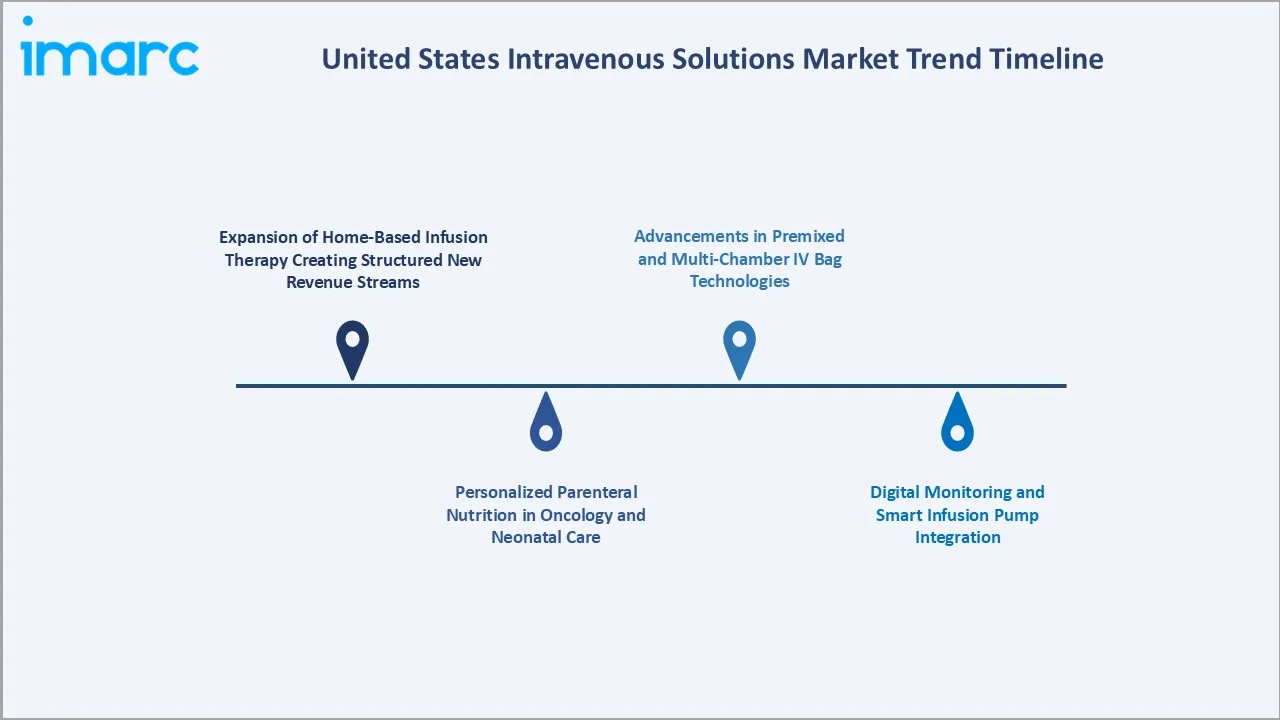
1. Expansion of Home-Based Infusion Therapy Creating Structured New Revenue Streams
The home infusion therapy segment is expanding rapidly, supported by favorable reimbursement policies and patient preference for treatment in comfortable, familiar environments. The increasing United States home healthcare market is creating structured demand for portable IV solutions, infusion pumps, and clinical monitoring services across the residential care continuum.
2. Advancements in Premixed and Multi-Chamber IV Bag Technologies
Pharmaceutical manufacturers are investing heavily in next-generation multi-chamber bag technologies that store nutrients separately until activation before administration. These innovations improve stability, extend shelf life, and reduce compounding errors while simplifying protocols in ICU and surgical settings.
3. Personalized Parenteral Nutrition in Oncology and Neonatal Care
Rising demand for individualized IV nutrition tailored to specific patient profiles is driving formulation innovation in oncology and neonatal clinical units. Customized amino acid and lipid blends designed for cancer patients and premature infants are emerging as commercially significant product categories.
4. Digital Monitoring and Smart Infusion Pump Integration
The integration of smart infusion pumps with electronic health records and clinical decision support systems is transforming IV therapy safety management. Real-time flow monitoring, automated dosing alerts, and remote patient supervision capabilities are reducing adverse events and driving adoption across hospital and home care settings alike.
Industry Value Chain Analysis
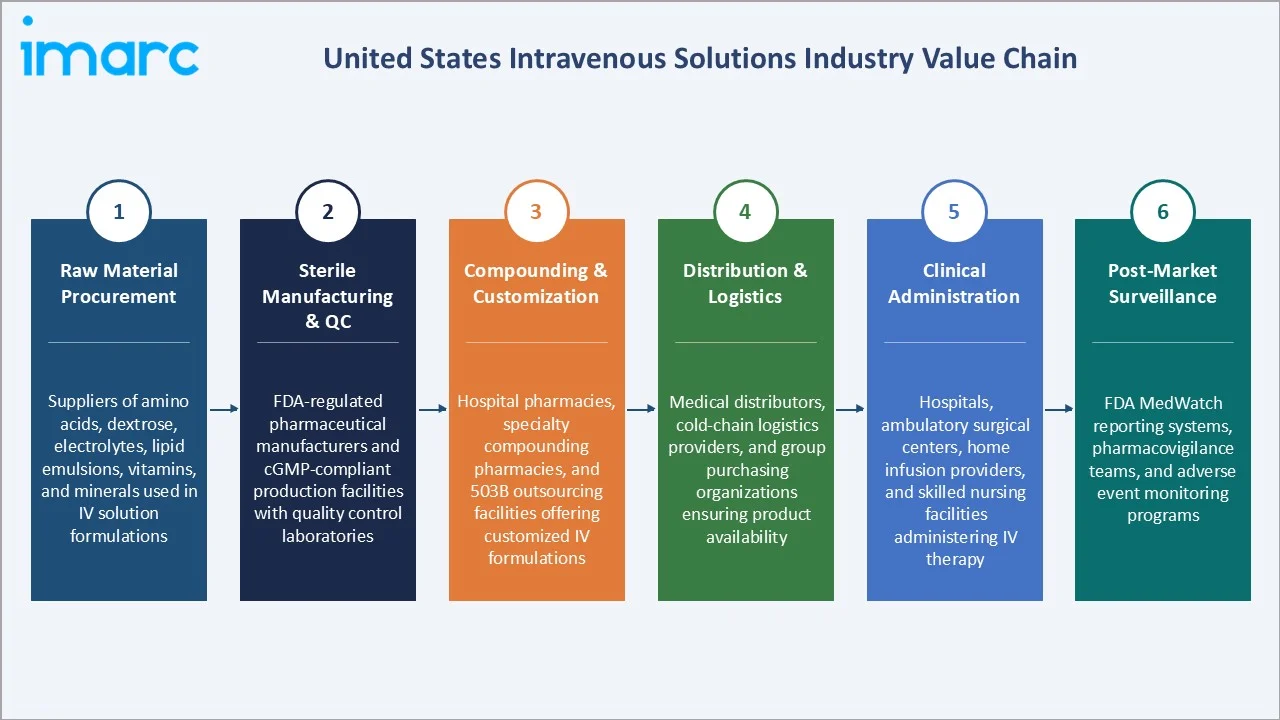
The United States IV solutions value chain is one of the most regulated in the healthcare supply sector. The commercial structure spans raw material procurement through final patient delivery, with multiple quality checkpoints at each stage ensuring product safety, efficacy, and regulatory compliance.
|
Stage |
Key Participants |
|
Raw Material Procurement |
Suppliers of amino acids, dextrose, electrolytes, lipid emulsions, vitamins, and minerals used in IV solution formulations. |
|
Sterile Manufacturing & QC |
FDA-regulated pharmaceutical manufacturers and cGMP-compliant production facilities with quality control laboratories. |
|
Compounding & Customization |
Hospital pharmacies, specialty compounding pharmacies, and 503B outsourcing facilities offering customized IV formulations. |
|
Distribution & Logistics |
Medical distributors, cold-chain logistics providers, and group purchasing organizations ensuring product availability. |
|
Clinical Administration |
Hospitals, ambulatory surgical centers, home infusion providers, and skilled nursing facilities administering IV therapy. |
|
Post-Market Surveillance |
FDA MedWatch reporting systems, pharmacovigilance teams, and adverse event monitoring programs. |
The sterile manufacturing stage carries the highest regulatory complexity, with FDA 21 CFR Part 211 and cGMP requirements imposing stringent process controls and contributing to the concentrated supply base. Distribution through group purchasing organizations enables hospitals to secure volume contracts, while home infusion providers represent the fastest-growing distribution channel in the US intravenous solutions market.
Technology Landscape in the United States Intravenous Solutions Industry
Sterile Manufacturing and Aseptic Processing Technology
Advanced aseptic processing technologies, including isolator-based filling systems and restricted access barrier systems (RABS), are transforming IV solution manufacturing across the United States. These systems minimize contamination risks, improve sterility assurance levels, and enable higher throughput in production facilities. Growing adoption of blow-fill-seal (BFS) container technology is further enhancing sterility performance while reducing production costs for large-volume IV solutions.
Smart Infusion Pump and Delivery System Technology
Smart infusion pumps incorporating drug library databases, dose error reduction software, and wireless connectivity are improving IV therapy safety across clinical settings. These systems alert clinicians to dosing errors, log administration data, and enable remote monitoring. In March 2026, Baxter International debuted the IV Verify Line Labeling System at the 2026 American Organization for Nursing Leadership Conference, further advancing IV administration accuracy and patient safety outcomes.
Multi-Chamber Bag and Premixed Solution Technology
Multi-chamber bag technology enables separate storage of incompatible IV components until activation before patient administration. This innovation eliminates compounding requirements, reduces preparation time, and improves nutrient stability across storage and transportation conditions. Growing adoption of premixed, ready-to-administer solutions across ICUs and ambulatory surgical settings is driving significant investment in this technology segment by leading manufacturers.
Market Segmentation Analysis
The report covers the following segments:
|
Segment Category |
Leading Segment |
Market Share |
Year |
|
Type |
Total Parenteral Nutrition |
77.7% |
2025 |
|
Nutrients |
Amino Acids |
36.8% |
2025 |
|
Region |
South |
30.5% |
2025 |

By Type
Total Parenteral Nutrition leads at 77.7% (2025). TPN encompasses complete nutritional delivery for patients unable to receive adequate nutrients through oral or enteral routes, covering all essential macronutrients and micronutrients through central venous access across ICU, oncology, and long-term care clinical settings.
To access detailed market analysis, Request Sample
Partial Parenteral Nutrition at 22.3% serves patients requiring supplemental IV nutritional support alongside some oral or enteral intake. PPN is administered through peripheral veins and is commonly used in short-term clinical settings before patients transition to complete oral or enteral feeding.
By Nutrients
Amino acids lead at 36.8% (2025). This segment encompasses IV amino acid solutions providing essential building blocks for protein synthesis, tissue repair, immune function, and metabolic regulation in critically ill, post-surgical, and malnourished patients across acute and long-term care settings.
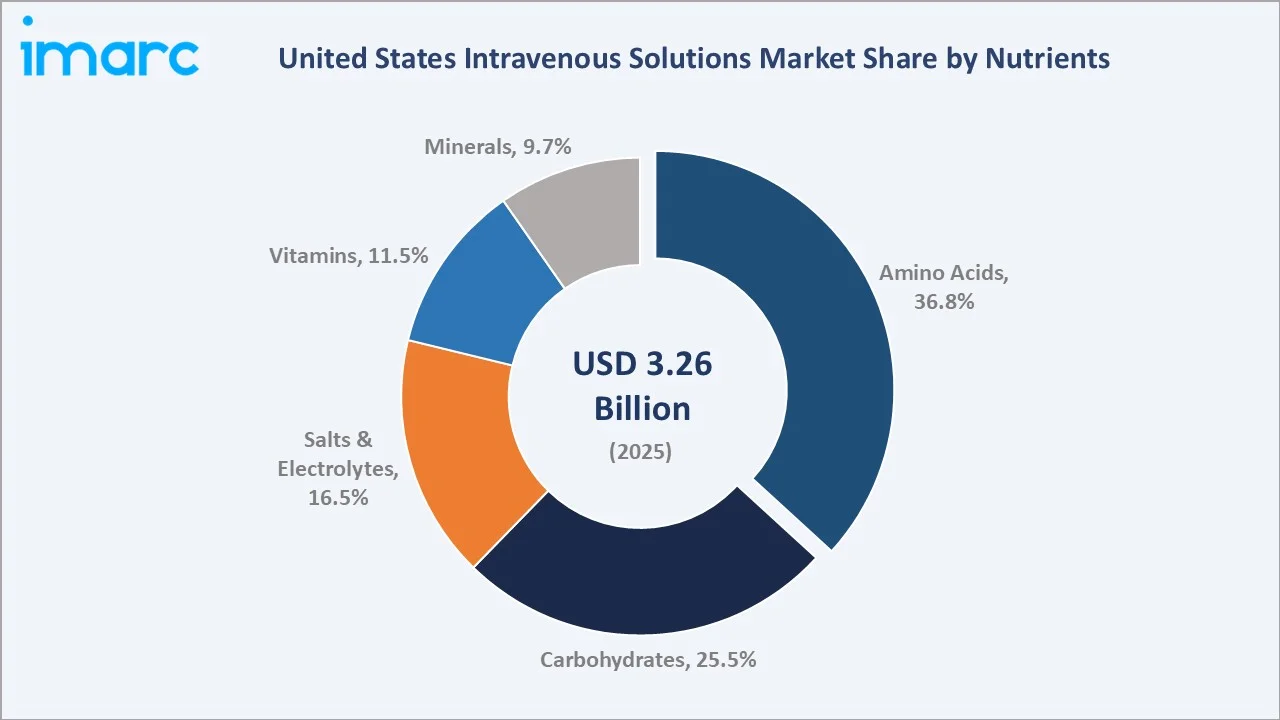
Carbohydrates at 25.5% represent the primary energy substrate in IV formulations, with dextrose solutions widely used across hydration therapy, perioperative care, and parenteral nutrition protocols. Salts and electrolytes at 16.5% provide essential ions for fluid balance and cellular function. Vitamins at 11.5% and minerals at 9.7% ensure micronutrient adequacy in patients receiving long-term IV nutritional support.
Regional Market Insights
|
Region |
Share (2025) |
Key US Intravenous Solutions Market Drivers & Characteristics |
|
South |
30.5% |
Largest network of hospitals and ambulatory surgical centers, high chronic disease prevalence, and strong population growth sustaining consistent IV therapy demand across acute and long-term care settings. |
|
West |
27.0% |
Advanced healthcare infrastructure in California, Washington, and Arizona with high home infusion adoption and significant cancer treatment centers driving TPN utilization. |
|
Midwest |
21.5% |
Established hospital networks across Illinois, Ohio, and Michigan supported by strong manufacturing presence enhancing supply chain efficiency and aging population driving IV therapy need. |
|
Northeast |
21.0% |
Dense concentration of academic medical centers and tertiary care hospitals with early adoption of advanced IV therapy protocols and strong reimbursement frameworks for specialty formulations. |
The South's 30.5% market leadership reflects the region's large hospital network, high prevalence of chronic diseases including diabetes and cardiovascular conditions, and rapidly expanding healthcare infrastructure. Southeastern states such as Florida and Texas contribute disproportionately to surgical volumes and long-term nutritional therapy demand within the US intravenous solutions market.
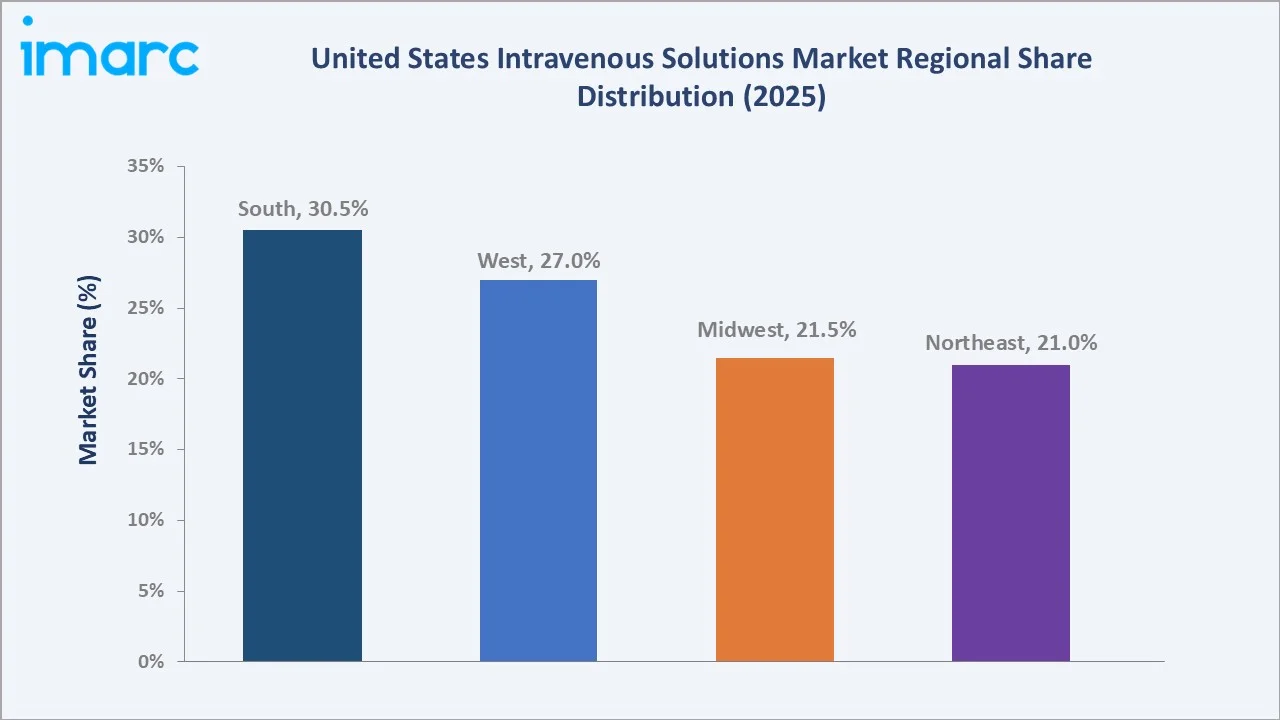
The West's 27.0% reflects California's large healthcare system, significant cancer treatment volumes driving TPN adoption, and strong penetration of home infusion services across the region. The Northeast's 21.0% reflects its dense academic medical center network and early adoption of innovative IV therapy protocols, while the Midwest's 21.5% benefits from strong manufacturing infrastructure and established hospital network coverage.
Competitive Landscape
The United States intravenous solutions market features a moderately consolidated competitive structure with established multinational corporations holding significant market positions. Key players compete through product innovation, manufacturing capacity expansion, strategic partnerships, and comprehensive service offerings across acute care and alternate site settings.
|
Company |
Key Products |
Market Position |
Core Strength |
|
Baxter |
IV fluids, parenteral nutrition, infusion systems |
Market Leader |
Baxter International Inc. is the largest IV solutions manufacturer in the US with extensive hospital supply agreements, broad distribution reach, and a pioneering role in IV therapy innovation. |
|
Fresenius Kabi USA, LLC |
Parenteral nutrition, IV drugs, clinical nutrition |
Strong Challenger |
Fresenius Kabi USA offers comprehensive clinical nutrition through advanced multichamber bag technology and global manufacturing scale serving acute and long-term care settings. |
|
B. Braun SE |
IV solutions, infusion therapy, compounding |
Strong Challenger |
B. Braun Medical Inc. combines a broad IV solutions portfolio with integrated infusion device management and specialty pharmacy compounding across US hospital and home care settings. |
|
ICU Medical, Inc. |
IV systems, infusion pumps, oncology IV |
Innovator |
ICU Medical, Inc. delivers specialized oncology IV therapy and smart infusion systems with strong hospital system partnerships strengthening its position in the u.s. intravenous solutions market. |
|
Pfizer Inc. |
Sterile IV injectables, specialty infusions |
Specialist |
Pfizer Inc. brings strong sterile injectable manufacturing capabilities and broad distribution reach across US hospital, outpatient, and retail pharmacy channels. |
|
BD |
IV catheters, infusion sets, vascular access |
Device Integrator |
Becton, Dickinson and Company is the leading vascular access and IV administration device provider enabling comprehensive IV therapy solutions across diverse clinical care settings. |
|
Grifols, S.A. |
Plasma-derived IV therapies, albumin, fluids |
Specialist |
Grifols, S.A. offers a unique plasma-derived IV therapy portfolio and established US clinical infrastructure supporting specialty parenteral nutrition and critical care IV programs. |
Key players include Baxter, Fresenius Kabi USA, LLC, B. Braun SE, ICU Medical, Inc., Pfizer Inc., BD, Grifols, S.A., and others.
Key Company Profiles
Baxter
Baxter is a global leader in intravenous solutions and infusion therapies, holding the largest IV fluids manufacturing capacity in the United States. The company serves hospitals, ambulatory surgical centers, and home infusion providers with a comprehensive IV portfolio spanning basic fluids to specialty nutrition solutions.
- Key Products: IV fluids, parenteral nutrition solutions, infusion delivery systems, IV Verify Line Labeling System, among others.
- Recent Developments: In March 2026, Baxter International debuted the IV Verify Line Labeling System at the 2026 American Organization for Nursing Leadership Conference, advancing IV administration accuracy, patient safety, and clinical efficiency across hospital settings.
- Strategic Focus: Maintaining its market leadership through manufacturing capacity expansion, digital infusion technology integration, and supply chain resilience strengthening across the US healthcare system. Baxter is investing in smart IV delivery platforms that connect infusion data with clinical decision support systems, enabling real-time dosing optimization and reducing adverse events. The company is also expanding its home infusion product portfolio to capture the rapidly growing outpatient IV therapy channel.
Fresenius Kabi USA, LLC
Fresenius Kabi USA is a prominent provider of clinical nutrition and IV solutions in the United States, offering a comprehensive portfolio spanning parenteral nutrition, IV drugs, and infusion devices through its extensive global manufacturing network and US distribution infrastructure.
- Key Products: KABIVEN multi-chamber parenteral nutrition bags, Intralipid lipid emulsion, amino acid solutions, electrolyte IV solutions, among others.
- Strategic Focus: Broadening its premixed nutrition portfolio, advancing home infusion-compatible IV formulations, and pursuing hospital system partnerships to secure long-term supply agreements across the United States. Fresenius Kabi is investing in AI-assisted clinical nutrition management tools that integrate with its IV product range to deliver personalized parenteral nutrition protocols for complex patients. The company's manufacturing capacity investments support increased supply security for the US market following recent industry-wide shortage experiences.
Market Concentration Analysis
The U.S. intravenous solutions market is moderately concentrated at the large-volume crystalloid and standard parenteral nutrition segments, with Baxter commanding an estimated 35-40% of the United States organized IV solutions market by value, creating a dominant single-company position in large-volume IV fluids supply. The market is moderately fragmented in the specialty parenteral nutrition and oncology IV segments, where other key players collectively hold meaningful positions without any single player achieving a commanding share.
Market concentration is evolving through two opposing forces: leading manufacturers' continued capacity expansion and hospital system partnership deepening, maintaining or incrementally growing their dominant supply positions through GPO contract consolidation and home infusion channel entry, while the specialty and home infusion IV segments are experiencing de-concentration through new entrant activity, 503B compounding pharmacy growth, and biosimilar IV therapy launches expanding the competitive field beyond traditional large-volume IV solution manufacturers.
Investment & Growth Opportunities
Highest Growth Segments
Amino acids segment (~3.8% CAGR through critical care expansion), home infusion IV solutions (~6-8% CAGR from shift toward outpatient care), oncology-specific parenteral nutrition (~4-5% CAGR), neonatal TPN (~3.5% CAGR), and premixed multi-chamber bag formulations (~5% CAGR) represent the highest-growth investment vectors in the United States IV solutions market through 2034.
Emerging Investment Opportunities
The home infusion IV solutions segment represents the most commercially dynamic growth area, expanding as payers and providers align on reducing hospital readmissions through outpatient infusion management. Digital infusion management platforms integrating IV pump data with clinical decision support systems represent a high-value adjacent investment opportunity with strong hospital system adoption potential.
Investment Themes
- Home infusion IV solution supply chain investment: The home infusion market CAGR significantly exceeds the broader IV solutions market, creating demand for stable, portable IV formulations compatible with home administration equipment and telepharmacy monitoring integration.
- Manufacturing capacity and supply chain resilience: Manufacturer and investor focus on US-based IV solution manufacturing expansion as healthcare systems prioritize supply chain domestication following COVID-era shortage experiences that disrupted patient care.
Future Market Outlook (2026-2034)
The United States intravenous solutions market is projected to grow from USD 3.26 Billion in 2025 to USD 3.36 Billion in 2026, reaching USD 4.32 Billion by 2034, registering a CAGR of 3.19% during 2026-2034. The market anchor value of USD 3.81 Billion in 2030 represents a structural inflection as home infusion services, premixed solutions, and aging population dynamics converge.
Three structural forces define US IV solutions market growth through 2034: continued expansion of the aging population requiring IV-supported chronic disease management; growing adoption of home-based infusion services broadening the market beyond traditional hospital settings; and sustained manufacturing investment ensuring consistent product availability for an increasingly diverse clinical demand base.
Research Methodology
Primary Research
Primary research comprised structured interviews with United States IV solutions industry stakeholders, including Medical Directors, Chief Pharmacists, Home Infusion Therapy Coordinators, ICU Nurse Managers, and hospital procurement specialists across the Northeast, South, West, and Midwest regions of the United States.
Secondary Research
Secondary research encompassed FDA drug shortage databases, hospital admission statistics from the American Hospital Association, CDC chronic disease surveillance data, company annual reports, FDA 483 inspection records, investor presentations, and healthcare system formulary data. Over 50 secondary sources were reviewed to support market sizing and forecasting.
Forecasting Models
Market revenue forecasts were developed using a patient population stratification model: US inpatient and outpatient volumes by care setting multiplied by IV solution consumption rates per patient category, aggregated across type and nutrient segments. Growth adjustments were applied for demographic shifts, home care expansion, and premixed solution adoption trends through 2034.
Report Coverage:
| Report Features | Details |
|---|---|
| Base Year of the Analysis | 2025 |
| Historical Period | 2020-2025 |
| Forecast Period | 2026-2034 |
| Units | Billion USD |
| Scope of the Report | Exploration of Historical and Forecast Trends, Industry Catalysts and Challenges, Segment-Wise Historical and Predictive Market Assessment:
|
| Types Covered | Partial Parenteral Nutrition, Total Parenteral Nutrition |
| Nutrients Covered | Carbohydrates, Salts and Electrolytes, Minerals, Vitamins, Amino Acids |
| Regions Covered | Northeast, Midwest, South, West |
| Companies Covered | Baxter, Fresenius Kabi USA, LLC, B. Braun SE, ICU Medical, Inc., Pfizer Inc., BD, Grifols, S.A., etc. |
| Customization Scope | 10% Free Customization |
| Post-Sale Analyst Support | 10-12 Weeks |
| Delivery Format | PDF and Excel through Email (We can also provide the editable version of the report in PPT/Word format on special request) |
Frequently Asked Questions About the United States Intravenous Solutions Market Report
The United States intravenous solutions market size is estimated at USD 3.36 Billion in 2026, driven by rising chronic disease prevalence, expanding geriatric population, and growing surgical procedure volumes requiring IV fluid and nutritional support across acute and alternate care settings in the United States.
The United States intravenous solutions market is projected to grow at a CAGR of 3.19% during 2026-2034, reaching USD 4.32 Billion by 2034. Overall growth is sustained by home infusion expansion, premixed solution adoption, aging demographic demand, and ongoing clinical investment in parenteral nutrition therapy protocols.
Total Parenteral Nutrition leads at 77.7% through its clinical necessity for patients unable to receive adequate nutrition via oral or enteral routes. Rising ICU admissions, cancer prevalence, GI disorder rates, and neonatal care requirements sustain TPN's dominant market position across the country.
Amino acids lead at 36.8% through their fundamental role in protein synthesis, immune support, and tissue repair for critically ill, post-surgical, and malnourished patients. Growing demand for customized amino acid formulations tailored to specific clinical needs further reinforces the segment's leadership position.
The South leads at 30.5% through its large hospital network, high chronic disease burden, strong population growth, and expanding ambulatory surgical center infrastructure driving consistent IV solutions demand across acute care, long-term care, and home infusion settings.
Leading companies include Baxter, Fresenius Kabi USA, LLC, B. Braun SE, ICU Medical, Inc., Pfizer Inc., BD, Grifols, S.A., and others.
Need more help?
- Speak to our experienced analysts for insights on the current market scenarios.
- Include additional segments and countries to customize the report as per your requirement.
- Gain an unparalleled competitive advantage in your domain by understanding how to utilize the report and positively impacting your operations and revenue.
- For further assistance, please connect with our analysts.
 Request Customization
 Speak to an Analyst
 Request Brochure
 Inquire Before Buying
Benefits of Customization
- Personalize this research
- Triangulate with your data
- Get data as per your format and definition
- Gain a deeper dive into a specific application, geography, customer, or competitor
- Any level of personalization
Get in Touch With Us
UNITED STATES
Phone: +1-201-971-6302
INDIA
Phone: +91-120-433-0800
UNITED KINGDOM
Phone: +44-753-714-6104
Email: [email protected]
Client Testimonials




.webp)




.webp)













Related Reports

Choose your plan
*Please note that the prices mentioned below are starting prices for each bundle type. Kindly contact our team for further details.*
Single User License
- 1 User License, Access on 2 Devices
- PDF Report + Excel Dataset (Password Protected)
- Lifetime Access
- No Printing Rights
- 10% Free Report Customization
- 10–12 Weeks of Analyst Support
Five User License
- Access for 5 Users, 2 Devices per User
- PDF Report + Excel Dataset (Password Protected)
- Lifetime Access
- Dedicated Account Manager
- 12–14 Weeks of Analyst Support
- No Printing Rights
- 15% Free Report Customization
- 25% Discount on Your Next Purchase
Corporate User License
- Unlimited User Access (Within Your Organization)
- PDF Report + Excel Dataset
- Lifetime Access
- Dedicated Account Manager
- 14–20 Weeks of Analyst Support
- No Printing Rights
- 20% Free Report Customization
- 30% Discount on Your Next Purchase
Essential Insights
What's included:
3 reports
- Lifetime Access
- PDF Reports
- Excel Datasets
- 2 Weeks of Free Analyst Support
- 2 User Licenses
- Access on 2 Devices
- Printing Rights
- Complimentary PowerPoint (PPT) Version
- Complimentary License Upgrade
Professional Access
What's included:
5 reports
- Lifetime Access
- PDF Reports
- Excel Datasets
- 8 Weeks of Free Analyst Support
- 2 User Licenses
- Access on 2 Devices
- Printing Rights
- Complimentary PowerPoint (PPT) Version
- Complimentary License Upgrade
Business Advantage
What's included:
8 reports
- Lifetime Access
- PDF Reports
- Excel Datasets
- 14 Weeks of Free Analyst Support
- 2 User Licenses
- Access on 2 Devices
- Printing Rights
- Complimentary PowerPoint (PPT) Version
- Complimentary License Upgrade
Enterprise Intelligence
What's included:
10 reports
- Lifetime Access
- PDF Reports
- Excel Datasets
- 20 Weeks of Free Analyst Support
- 2 User Licenses
- Access on 2 Devices
- Printing Rights
- Complimentary PowerPoint (PPT) Version
- Complimentary License Upgrade