
United States Plant-based Seafood Market Size, Share, Trends and Forecast by Product Type, Distribution Channel, and Region, 2026-2034
United States Plant-based Seafood Market Summary:
The United States plant-based seafood market size was valued at USD 40.39 Million in 2025 and is projected to reach USD 232.77 Million by 2034, growing at a compound annual growth rate of 21.48% from 2026-2034.
The United States plant-based seafood market is undergoing significant growth, fueled by the rising consumer demand for sustainable and ethical food options. Increasing awareness about environmental issues related to overfishing and the deterioration of marine ecosystems is prompting consumers to seek out plant-based seafood alternatives that reflect their ecological beliefs. The market gains from ongoing innovations in food technology that improve the flavor, consistency, and nutritional benefits of plant-based seafood options. Increasing health awareness among American consumers looking for mercury-free and omega-3 enriched protein options boosts market adoption. Moreover, the expansion of distribution networks in retail and foodservice sectors is enhancing product availability, leading to an increased market share for plant-based seafood in the United States.
Key Takeaways and Insights:
- By Product Type: Fish products dominate the market with a share of 78% in 2025, due to the tremendous innovation in using plant proteins to replicate fish flavors and textures, as well as the general consumer familiarity with fish-based foods. Omega-3 fortification and high nutritional content increase appeal to consumers who are health-conscious.
- By Distribution Channel: Supermarkets and hypermarkets lead the market with a share of 51% in 2025. This dominance is driven by the extensive product assortment, consumer preference for in-store evaluation of new food categories, and strategic shelf placements in dedicated plant-based sections.
- Key Players: Key players drive the United States plant-based seafood market by investing in research and development to improve product authenticity, expanding retail partnerships, and launching innovative product lines. Their marketing efforts emphasize sustainability benefits and nutritional advantages to attract flexitarian and environmentally conscious consumers.
The plant-based seafood industry in the United States is fueled by several factors that are coming together to satisfy the evolving demands and capabilities of consumers. Sustainability has become a major issue, as consumers have become more conscious of the destruction of the oceans, overfishing, and loss of biodiversity. This has resulted in a quest for alternative sources of protein that are more environmentally sustainable. Health issues have also become a major consideration in the purchase of plant-based seafood. Consumers have become more conscious of the risks associated with mercury, microplastics, and high cholesterol found in traditional seafood. Plant-based seafood does not contain these health hazards while offering the same nutritional benefits of high protein and omega-3 fatty acids. Advances in food processing technology such as extrusion, fermentation, and algae-based fortification have enabled the development of products that have the same properties as traditional seafood. Partnerships between plant-based companies and major foodservice companies have enabled the expansion of the market and the normalization of the consumption of alternative seafood.
United States Plant-based Seafood Market Trends:
Advanced Food Technology Innovations
The market is witnessing significant technological advancements in replicating traditional seafood characteristics through plant-based formulations. Manufacturers are leveraging cutting-edge techniques including precision fermentation, extrusion processing, and algae-based fortification to enhance product authenticity. These innovations enable the creation of plant-based seafood products that closely mimic the flaky texture, oceanic flavor profiles, and visual appearance of conventional fish. Consumer demand for clean-label, non-GMO, and allergen-free options is shaping product development trajectories across the industry. In 2024, the Bezos Earth Fund invested USD 90 Million to launch three Bezos Centers for Sustainable Protein at North Carolina State University, Imperial College London, and the National University of Singapore, focusing on advancing biomanufacturing of sustainable proteins including plant-based proteins, precision fermentation, and cell-cultivated meats.
Flexitarian Consumer Base Expansion
The target market for plant-based seafood products is expanding substantially due to the growing adoption of flexitarian diets among American consumers. Sustained demand for versatile seafood substitutes continues to increase as consumers progressively incorporate plant-based alternatives into their meals without completely eliminating animal proteins from their dietary patterns. Research indicates that a significant proportion of American households regularly purchase plant-based foods while simultaneously buying conventional meat products, demonstrating the mainstream integration of alternative proteins into diverse eating habits across the country.
Foodservice Channel Integration
Plant-based seafood products are gaining significant traction within the foodservice sector, with restaurants, cafes, and quick-service establishments incorporating these alternatives into their menus. Strategic partnerships between plant-based seafood manufacturers and prominent restaurant chains are accelerating consumer exposure and trial opportunities. This channel expansion facilitates product discovery among curious consumers who may be hesitant to purchase unfamiliar items for home preparation, thereby driving broader market acceptance. Moreover, Leading food services company Sodexo pledged in April 2023 to raise the percentage of plant-based planned menus in its Campus division to 50% by 2025.
Market Outlook 2026-2034:
The future for the plant-based seafood market in the United States looks positive as the demand for sustainable and health-conscious food alternatives continues to gain momentum. The increasing focus on research and development by major food players and new entrants in the market is expected to lead to an improvement in the quality, diversity, and accessibility of plant-based seafood alternatives. The FDA draft guidance on the labeling of plant-based foods will enhance consumer understanding. The development of the distribution channel and collaborations in the foodservice industry will help the market expand as plant-based seafood alternatives transition from niche to mainstream protein sources. The market generated a revenue of USD 40.39 Million in 2025 and is projected to reach a revenue of USD 232.77 Million by 2034, growing at a compound annual growth rate of 21.48% from 2026-2034.
United States Plant-based Seafood Market Report Segmentation:
|
Segment Category |
Leading Segment |
Market Share |
|
Product Type |
Fish Products |
78% |
|
Distribution Channel |
Supermarkets and Hypermarkets |
51% |
Product Type Insights:
To get detailed regional analysis of this market, Request Sample
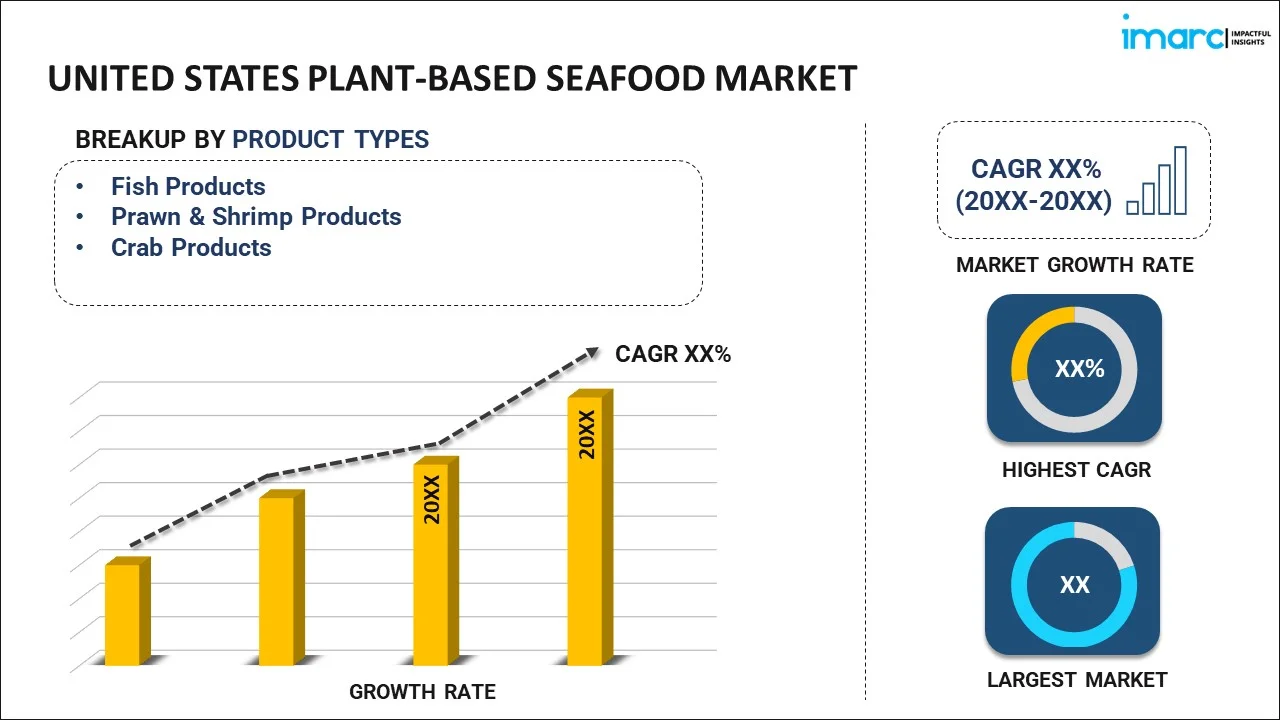
- Fish Products
- Prawn & Shrimp Products
- Crab Products
Fish products dominate with a market share of 78% of the total United States plant-based seafood market in 2025.
Fish products currently hold the top spot in the United States plant-based seafood market due to the established consumer familiarity with fish-based cuisine and the adaptability of these products within the culinary setting. Fish fillets, fish sticks, fish burgers, and tuna substitutes are some examples of plant-based fish substitutes that can be applied to a variety of consumption settings, ranging from fast food to formal dining. The application of proprietary legume mixtures, soy proteins, and seaweed extracts by manufacturers allows for the development of the light flaky texture and mild oceanic flavor profiles characteristic of fish. The nutritional supplementation of these products with omega-3 fatty acids sourced from algae further enhances their appeal in the health-conscious consumer market.
The segment benefits from continuous product innovation and expanding retail availability across mainstream grocery channels. In January 2025, the US Food and Drug Administration released draft guidance on labeling plant-based alternatives to animal-derived foods including seafood, which will enhance consumer transparency and facilitate informed purchasing decisions. This regulatory development is expected to strengthen consumer confidence in plant-based fish products by ensuring clear identification of plant sources and nutritional attributes. The growing presence of plant-based fish offerings in foodservice establishments further normalizes these alternatives and drives consumer trial and adoption nationwide.

Distribution Channel Insights:
- Supermarkets and Hypermarkets
- Convenience Stores
- Online
- Others
Supermarkets and hypermarkets lead with a share of 51% of the total United States plant-based seafood market in 2025.
The distribution channel for plant-based seafood in the United States is dominated by supermarkets and hypermarkets, which provide consumers with easy access to a wide range of products. These retail stores have separate sections for plant-based products, making it easy for consumers to compare products and make a purchase decision. The retail environment allows consumers to see the packaging of the products, which helps them make an informed decision about purchasing a new product. The major grocery retailers have introduced plant-based seafood products in response to increasing demand from consumers.
The benefits of partnerships between plant-based seafood product manufacturers and major retail chains contribute to the success of this distribution channel. Partnerships with retail chains allow manufacturers to access a wider demographic of consumers. The convenience of one-stop shopping and competitive pricing strategies of supermarkets and hypermarkets have continued to make this distribution channel the main distribution channel for plant-based seafood products in the United States market.
Regional Insights:
To get detailed regional analysis of this market, Request Sample
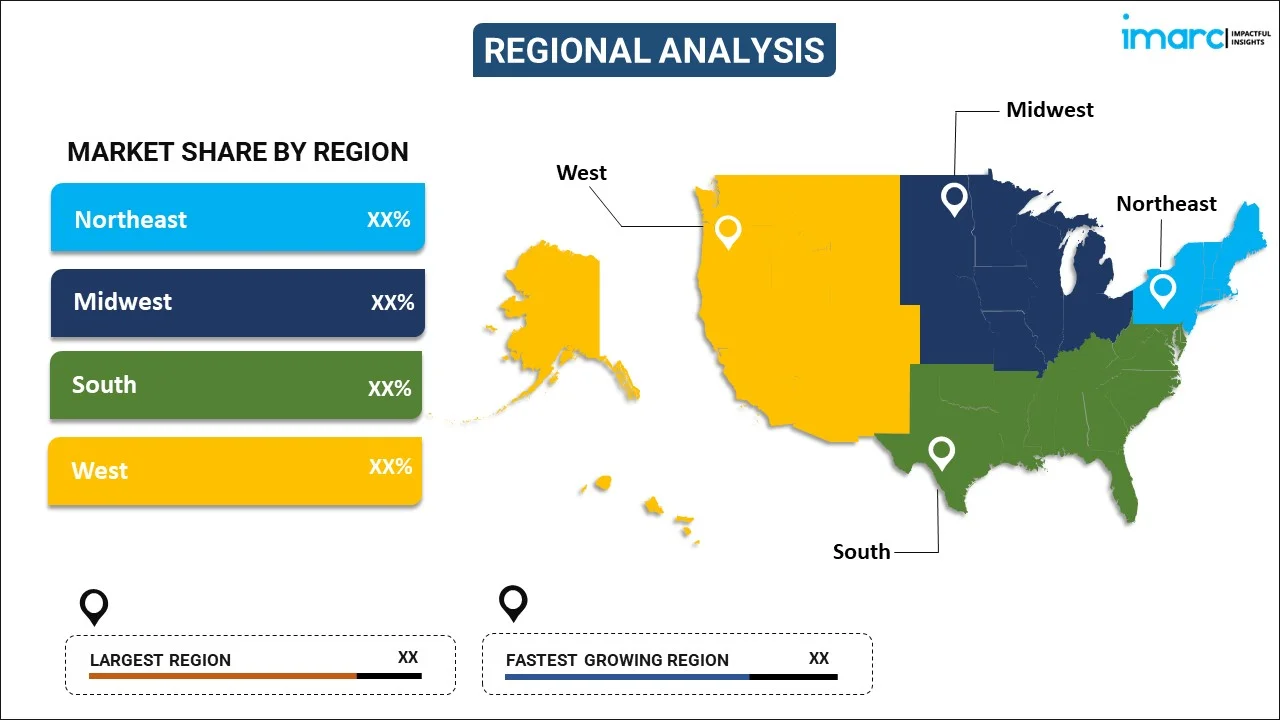
- Northeast
- Midwest
- South
- West
The Northeast is a region with a high market adoption level because of health-conscious consumers in cities such as New York and Boston. The high number of retail stores, vegan restaurants, and collaboration with national quick-service restaurants makes this market a great place to expand and gain early adoption among environmentally conscious consumers.
The Midwest represents a gradual market adoption due to the continued growth of consumer awareness about health benefits and animal welfare concerns. Retail stores and fast-food chains in states such as Illinois, Minnesota, and Michigan are increasingly incorporating plant-based seafood options into their menus, which indicates the growing mainstream acceptance of these products by flexitarian consumers.
The South is an emerging market as urbanization and health consciousness drive consumer demand for plant-based seafood alternatives. Retail availability through supermarkets and convenience stores, as well as foodservice distribution, supports market penetration. Growing awareness of environmental sustainability and food variety among younger consumers contributes to a gradual market adoption in southern metropolitan areas.
The West leads the United States plant-based seafood market, being the innovation hub with brands based in California. Environmentally conscious consumers in urban areas such as Los Angeles, San Francisco, and Portland lead the adoption rates. The presence of strong vegan and flexitarian communities, as well as advanced food tech infrastructure and high-end retail availability, make this region the prime market for plant-based seafood consumption.
Market Dynamics:
Growth Drivers:
Why is the United States Plant-based Seafood Market Growing?
Rising Environmental Sustainability Concerns
Rising consumer awareness about the environmental impact of traditional seafood farming is a key factor propelling the demand for plant-based seafood alternatives in the United States market. Overfishing has been identified as a major concern worldwide, with marine ecosystems facing unprecedented pressure from industrial fishing operations that exhaust fish stocks at a rate significantly outpacing the natural reproduction rate. Marine pollution from plastic, chemicals, and industrial contaminants further endangers marine biodiversity and the sustainability of traditional seafood fishing. Habitat destruction caused by trawling methods damages sensitive marine ecosystems such as coral reefs and seabed habitats that support a wide range of marine life. Consumers today understand that their food choices have a direct impact on environmental outcomes, leading environmentally responsible consumers to seek sustainable protein sources with minimal environmental impact. Plant-based seafood products have significantly lower environmental resource requirements and a lower carbon footprint than aquaculture and traditional wild seafood fishing operations.
Health-Conscious Consumer Preferences
The rising trend of health and wellness among American consumers is driving the adoption of plant-based seafood as a cleaner protein source. Traditional seafood comes with inherent health risks such as mercury contamination, microplastic buildup, and high cholesterol levels. Mercury poisoning from frequent fish consumption is particularly dangerous to pregnant women and children, while microplastics found in ocean-caught fish pose new health risks. Plant-based seafood alternatives provide similar nutritional profiles with high protein and essential amino acids without the health risks associated with traditional seafood. Additionally, most plant-based seafood brands are supplemented with omega-3 fatty acids from algae-based sources, offering similar cardiovascular benefits as fish consumption. The clean-label movement that advocates for open ingredient sourcing and lack of processing resonates with consumers looking for products that promote health and wellness. This health-driven consumer behavior goes beyond the traditional vegan consumer base to include mainstream consumers looking to upgrade their nutritional intake.
Food Technology Innovation and Investment
Advances in food processing technology are making it possible for plant-based seafood products to meet consumer demands for taste, texture, and appearance. Methods such as precision fermentation, extrusion processing, and cellular agriculture allow food manufacturers to produce products that are similar to traditional seafood products in terms of their sensory properties. Algae-based fortification increases the nutritional value of the product by adding omega-3 fatty acids similar to those found in conventional fish products. Manufacturing infrastructure is being developed to increase production capacity and economies of scale, which will help to make the product more price-competitive in the future.
Market Restraints:
What Challenges the United States Plant-based Seafood Market is Facing?
Taste and Texture Replication Challenges
The challenge of meeting the taste and texture profiles to satisfy consumer demands is a major issue that plant-based seafood companies face. The ability to match the flakiness of fish, the firmness of shrimp, and the oceanic taste is not an easy task. The survey conducted among consumers shows that the dissatisfaction with taste and the difficulties associated with taste are factors that have reduced repeat purchases.
Premium Price Positioning
Plant-based seafood products usually have premium pricing compared to their traditional counterparts, making it difficult for them to gain widespread acceptance in the market. The complexity of production, which requires specialized ingredients and processing technology, makes it expensive to produce, resulting in the premium pricing of these products. Price-conscious consumers who are also faced with economic uncertainty may not be willing to pay the premium price, even if the product is sustainable.
Limited Consumer Awareness and Availability
Although the market is expanding, many consumers in America are not aware of the plant-based seafood alternatives or the different varieties of products available in the market. The restricted availability of products in some areas is also limiting the access of consumers to these alternatives. Marketing and education programs are required to spread the benefits of the products.
Competitive Landscape:
The plant-based seafood market in the United States is highly competitive, with innovative start-ups and established food companies competing for market share. Companies compete through product differentiation strategies that focus on authenticity in taste, nutritional enhancement, and clean label formulations. Partnerships with large retailers and foodservice companies allow companies to increase their distribution channels and improve consumer accessibility. R&D investments allow for the improvement of existing products and the development of new products to cater to different consumer preferences and occasions. Marketing campaigns focus on the sustainability advantages, health benefits, and culinary uses of plant-based seafood products to appeal to environmentally and health-conscious consumers.
Recent Developments:
- In March 2025, The Plant Based Seafood Co. launched two new product lines, Hills Bay Classics and SMASH it!, at the Seafood Expo North America in Boston. The company pioneered a new category merging real seafood with plant-based innovations to enhance affordability, sustainability, and nutrition, addressing changing consumer habits and providing margin-saving solutions for foodservice professionals.
United States Plant-based Seafood Market Report Coverage:
| Report Features | Details |
|---|---|
| Base Year of the Analysis | 2025 |
| Historical Period | 2020-2025 |
| Forecast Period | 2026-2034 |
| Units | Million USD |
| Scope of the Report |
Exploration of Historical and Forecast Trends, Industry Catalysts and Challenges, Segment-Wise Historical and Predictive Market Assessment:
|
| Product Types Covered | Fish Products, Prawn & Shrimp Products, Crab Products |
| Distribution Channels Covered | Supermarkets and Hypermarkets, Convenience Stores, Online, Others |
| Region Covered | Northeast, Midwest, South, West |
| Customization Scope | 10% Free Customization |
| Post-Sale Analyst Support | 10-12 Weeks |
| Delivery Format | PDF and Excel through Email (We can also provide the editable version of the report in PPT/Word format on special request) |
Frequently Asked Questions About the United States Plant-based Seafood Market Report
The United States plant-based seafood market size was valued at USD 40.39 Million in 2025.
The United States plant-based seafood market is expected to grow at a compound annual growth rate of 21.48% from 2026-2034 to reach USD 232.77 Million by 2034.
Fish products dominated the market with a share of 78%, owing to widespread consumer familiarity with fish-based dishes, extensive product innovation, and nutritional benefits including omega-3 fortification.
Key factors driving the United States plant-based seafood market include rising environmental sustainability concerns, health-conscious consumer preferences seeking mercury-free alternatives, and significant food technology innovations improving product quality.
Major challenges include taste and texture replication difficulties, premium price positioning compared to conventional seafood, limited consumer awareness, inconsistent product availability across retail channels, and the need for continued marketing investments to drive category trial and adoption.
Need more help?
- Speak to our experienced analysts for insights on the current market scenarios.
- Include additional segments and countries to customize the report as per your requirement.
- Gain an unparalleled competitive advantage in your domain by understanding how to utilize the report and positively impacting your operations and revenue.
- For further assistance, please connect with our analysts.
 Request Customization
 Speak to an Analyst
 Request Brochure
 Inquire Before Buying
Benefits of Customization
- Personalize this research
- Triangulate with your data
- Get data as per your format and definition
- Gain a deeper dive into a specific application, geography, customer, or competitor
- Any level of personalization
Get in Touch With Us
UNITED STATES
Phone: +1-201-971-6302
INDIA
Phone: +91-120-433-0800
UNITED KINGDOM
Phone: +44-753-714-6104
Email: [email protected]
Client Testimonials




.webp)




.webp)













Related Reports

Choose your plan
*Please note that the prices mentioned below are starting prices for each bundle type. Kindly contact our team for further details.*
Single User License
- 1 User License, Access on 2 Devices
- PDF Report + Excel Dataset (Password Protected)
- Lifetime Access
- No Printing Rights
- 10% Free Report Customization
- 10–12 Weeks of Analyst Support
Five User License
- Access for 5 Users, 2 Devices per User
- PDF Report + Excel Dataset (Password Protected)
- Lifetime Access
- Dedicated Account Manager
- 12–14 Weeks of Analyst Support
- No Printing Rights
- 15% Free Report Customization
- 25% Discount on Your Next Purchase
Corporate User License
- Unlimited User Access (Within Your Organization)
- PDF Report + Excel Dataset
- Lifetime Access
- Dedicated Account Manager
- 14–20 Weeks of Analyst Support
- No Printing Rights
- 20% Free Report Customization
- 30% Discount on Your Next Purchase
Essential Insights
What's included:
3 reports
- Lifetime Access
- PDF Reports
- Excel Datasets
- 2 Weeks of Free Analyst Support
- 2 User Licenses
- Access on 2 Devices
- Printing Rights
- Complimentary PowerPoint (PPT) Version
- Complimentary License Upgrade
Professional Access
What's included:
5 reports
- Lifetime Access
- PDF Reports
- Excel Datasets
- 8 Weeks of Free Analyst Support
- 2 User Licenses
- Access on 2 Devices
- Printing Rights
- Complimentary PowerPoint (PPT) Version
- Complimentary License Upgrade
Business Advantage
What's included:
8 reports
- Lifetime Access
- PDF Reports
- Excel Datasets
- 14 Weeks of Free Analyst Support
- 2 User Licenses
- Access on 2 Devices
- Printing Rights
- Complimentary PowerPoint (PPT) Version
- Complimentary License Upgrade
Enterprise Intelligence
What's included:
10 reports
- Lifetime Access
- PDF Reports
- Excel Datasets
- 20 Weeks of Free Analyst Support
- 2 User Licenses
- Access on 2 Devices
- Printing Rights
- Complimentary PowerPoint (PPT) Version
- Complimentary License Upgrade