
Apoptosis Assay Market Size, Share, Trends and Forecast by Product, Technique, Assay Type, End Use, and Region, 2026-2034
Apoptosis Assay Market Size, Share, Trends & Forecast (2026-2034)
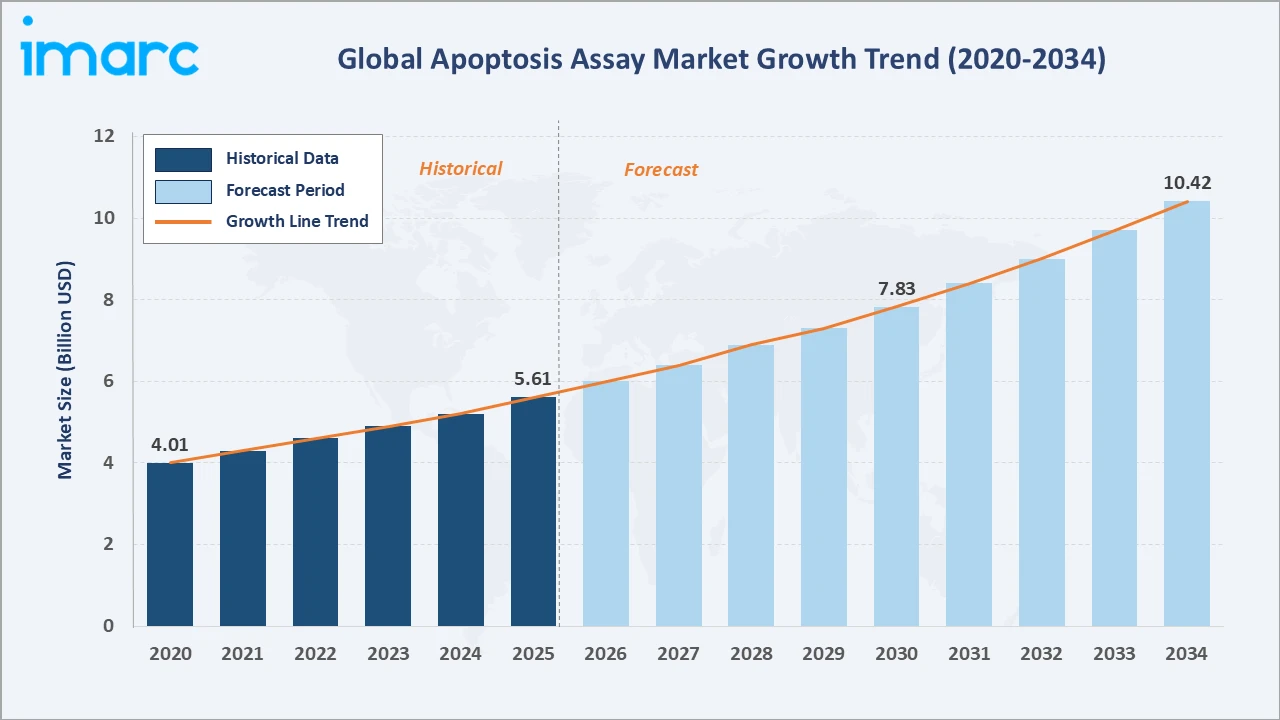
The global apoptosis assay market reached USD 5.61 Billion in 2025 and is projected to reach USD 10.42 Billion by 2034, expanding at a CAGR of 6.91% during 2026-2034. Rising cancer incidence and expanding therapeutic drug research, growing focus on novel drug discovery for neurodegenerative and ischemic diseases, and regulatory agency support for extensive research are the primary growth catalysts.
Market Snapshot
|
Metric |
Value |
|
Market Size (2025) |
USD 5.61 Billion |
|
Forecast Market Size (2034) |
USD 10.42 Billion |
|
CAGR (2026-2034) |
6.91% |
|
Base Year |
2025 |
|
Historical Period |
2020-2025 |
|
Forecast Period |
2026-2034 |
North America leads the global apoptosis assay landscape, holding a 38.4% share in 2025, anchored by the region's extensive pharmaceutical and academic research infrastructure. Kits command the largest share of the product segment at 41.8%, reflecting sustained demand for ready-to-use, standardized apoptosis detection solutions across research and clinical laboratories.
To get more information on this market, Request Sample
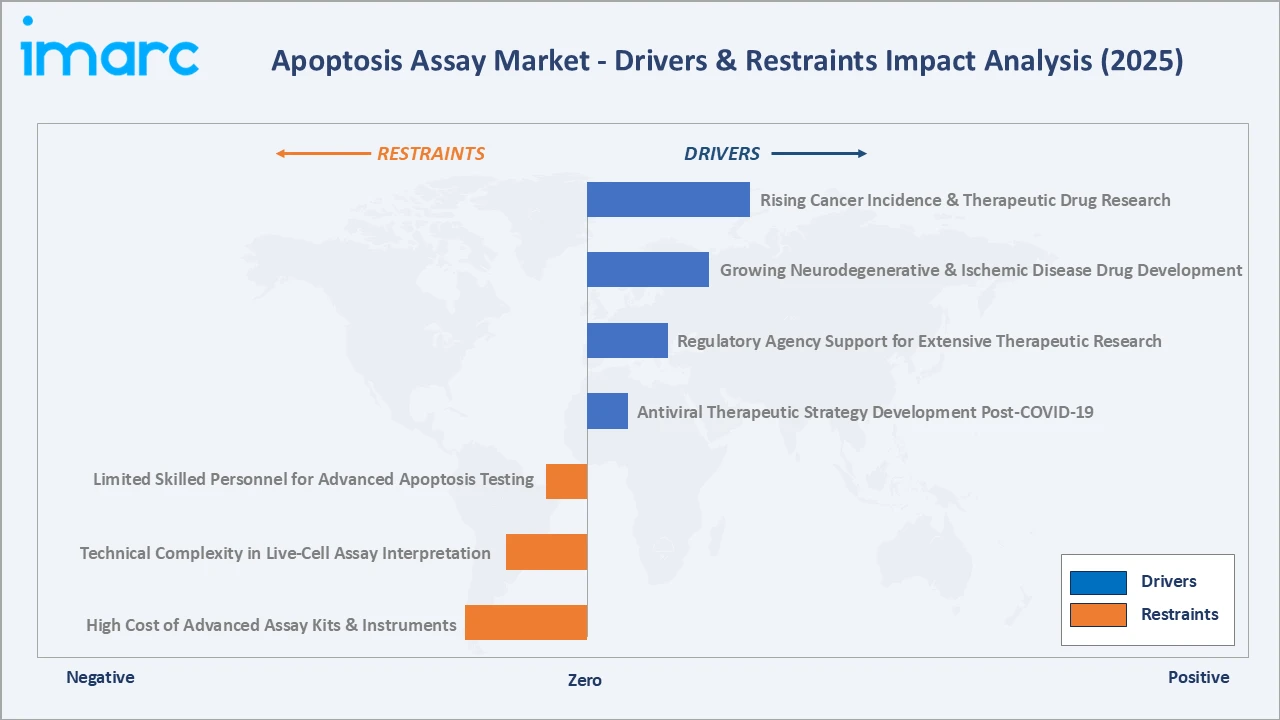
The global apoptosis assay market is underpinned by three structural forces: rising cancer incidence and expanding therapeutic drug research, growing focus on novel drug discovery for neurodegenerative and ischemic diseases, and regulatory agency support for extensive therapeutic research. Each force independently reinforces category growth, sustaining steady CAGR expansion through 2034 despite the high cost of advanced assay kits and instruments.
Executive Summary
The global apoptosis assay market is experiencing robust expansion, driven by rising cancer incidence, growing focus on novel drug discovery, and regulatory agency support for extensive therapeutic research. The market was valued at USD 5.61 Billion in 2025 and is forecast to reach USD 10.42 Billion by 2034, growing at a CAGR of 6.91%.
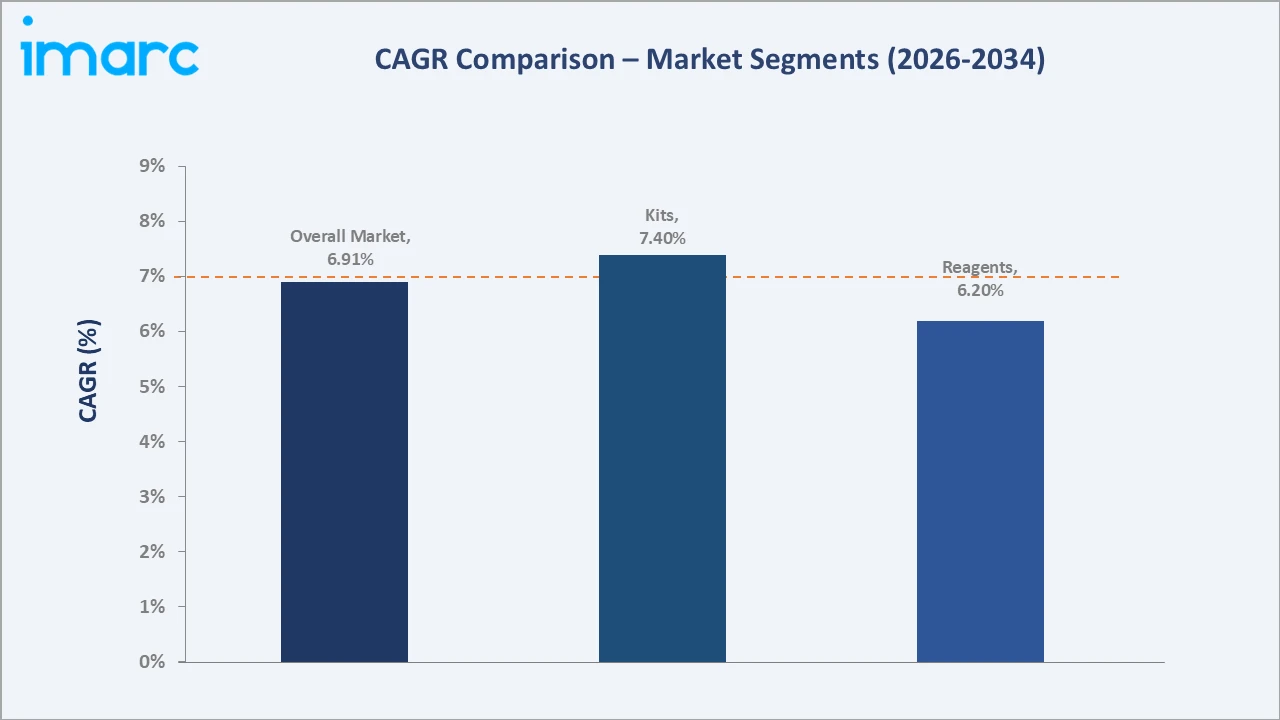
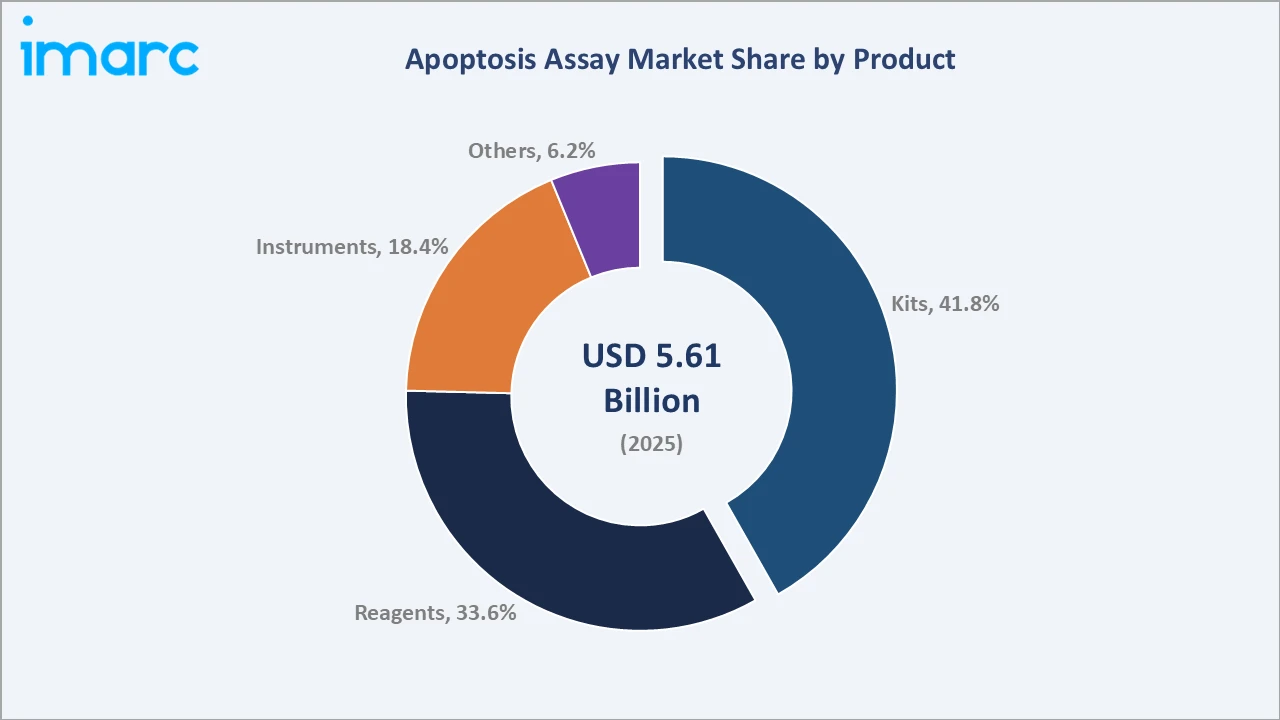
Kits dominate the product segment with a 41.8% share in 2025, encompassing ready-to-use apoptosis detection solutions across research and clinical applications, while reagents account for 33.6%, reflecting sustained demand for biochemical detection components, and instruments contribute 18.4%.
Flow cytometry leads the technique segment at 44.7% share, supported by its high-throughput, multiparametric analysis capabilities, while fluorescence microscopy (28.5%) and spectrophotometry (17.6%) serve varied research applications. North America leads regionally at 38.4%, anchored by the region's extensive pharmaceutical and academic research infrastructure.
Key Market Insights
|
Insight |
Data |
|
Largest Product Segment |
Kits – 41.8% share (2025) |
|
Fastest Growing Product Segment |
Kits – ~7.4% CAGR (2026-2034) |
|
Largest Technique Segment |
Flow Cytometry – 44.7% share (2025) |
|
Leading Region |
North America – 38.4% share (2025) |
|
Top Companies |
Thermo Fisher Scientific Inc., Merck KGaA, Becton, Dickinson and Company, Agilent Technologies, Inc., Bio-Rad Laboratories, Inc. |
Key Analytical Observations Supporting The Above Data:
- Kits account for 41.8% of the global apoptosis assay market in 2025. This dominance reflects sustained demand for ready-to-use, standardized detection solutions across research and clinical laboratories.
- Flow cytometry remains the leading technique segment at 44.7% share (2025), supported by its high-throughput, multiparametric analysis capabilities for large-scale drug screening.
- Fluorescence microscopy applications are expanding steadily at 28.5% share (2025), as researchers increasingly rely on real-time, live-cell visualization of apoptotic events.
- North America's 38.4% share (2025) reflects the region's extensive pharmaceutical and academic research infrastructure.
- Rising adoption of real-time and live-cell assay technologies is broadening the addressable market across cancer, neurodegenerative, and antiviral research applications.
Apoptosis Assay Market Overview
The global apoptosis assay market encompasses kits, reagents, instruments, and other detection solutions applied across flow cytometry, fluorescence microscopy, and spectrophotometry techniques, offering researchers standardized tools for studying programmed cell death mechanisms. The apoptosis assay ecosystem spans raw material suppliers, assay design and development specialists, and an expanding distribution network across distributors, direct sales, and research institution contracts.
Macroeconomic drivers include rising cancer incidence and expanding therapeutic drug research, growing focus on novel drug discovery for neurodegenerative and ischemic diseases, and regulatory agency support for extensive research programs. Manufacturers are simultaneously investing in real-time and live-cell assay technology and economical kit development to improve accessibility, positioning the global apoptosis assay sector for continued innovation-led growth through 2034 despite the high cost of advanced assay kits and instruments.
Market Dynamics
To evaluate market opportunities, Request Sample
Market Drivers
- Rising Cancer Incidence & Therapeutic Drug Research: Annual cancer cases are projected to rise to nearly 35 million by 2050. The significant increase in cancer incidence has escalated the adoption of apoptosis assays for understanding therapeutic drug effects in research conditions.
- Growing Neurodegenerative & Ischemic Disease Drug Development: Rising emphasis on discovering novel drugs for treating ischemic diseases, cancer, and neurodegenerative conditions is driving demand for apoptosis testing.
- Regulatory Agency Support for Extensive Therapeutic Research: Growing focus on extensive research on therapeutic drugs by governing agencies is contributing to sustained market expansion.
- Antiviral Therapeutic Strategy Development Post-COVID-19: Research showing coronavirus activation of caspase-8 pathways has expanded apoptosis assay applications in developing antiviral therapeutic strategies.
Market Restraints
- High Cost of Advanced Assay Kits & Instruments: Premium pricing of advanced apoptosis detection kits and instruments can limit adoption among smaller research laboratories.
- Technical Complexity in Live-Cell Assay Interpretation: Real-time and live-cell assay technologies require specialized expertise for accurate data interpretation, creating adoption barriers.
- Limited Skilled Personnel for Advanced Apoptosis Testing: A shortage of trained personnel capable of operating advanced apoptosis detection systems can constrain market growth in emerging regions.
Market Opportunities
- Real-Time & Live-Cell Assay Technology Development: Growing demand for monitoring apoptotic events over time presents opportunities for manufacturers investing in live-cell imaging technology.
- Economical Kit & Reagent Innovation: Rising manufacturer focus on developing cost-effective assay kits and reagents creates opportunities for broader research laboratory adoption.
- Antiviral & Infectious Disease Research Expansion: Expanding antiviral therapeutic research offers apoptosis assay providers new specialty application opportunities.
Market Challenges
- Balancing Cost and Sensitivity: Manufacturers must balance production costs with the need to deliver highly sensitive and specific apoptosis detection solutions.
- Addressing Standardization Across Techniques: Ensuring consistent, reproducible results across flow cytometry, microscopy, and spectrophotometry platforms requires ongoing protocol standardization efforts.
Emerging Market Trends
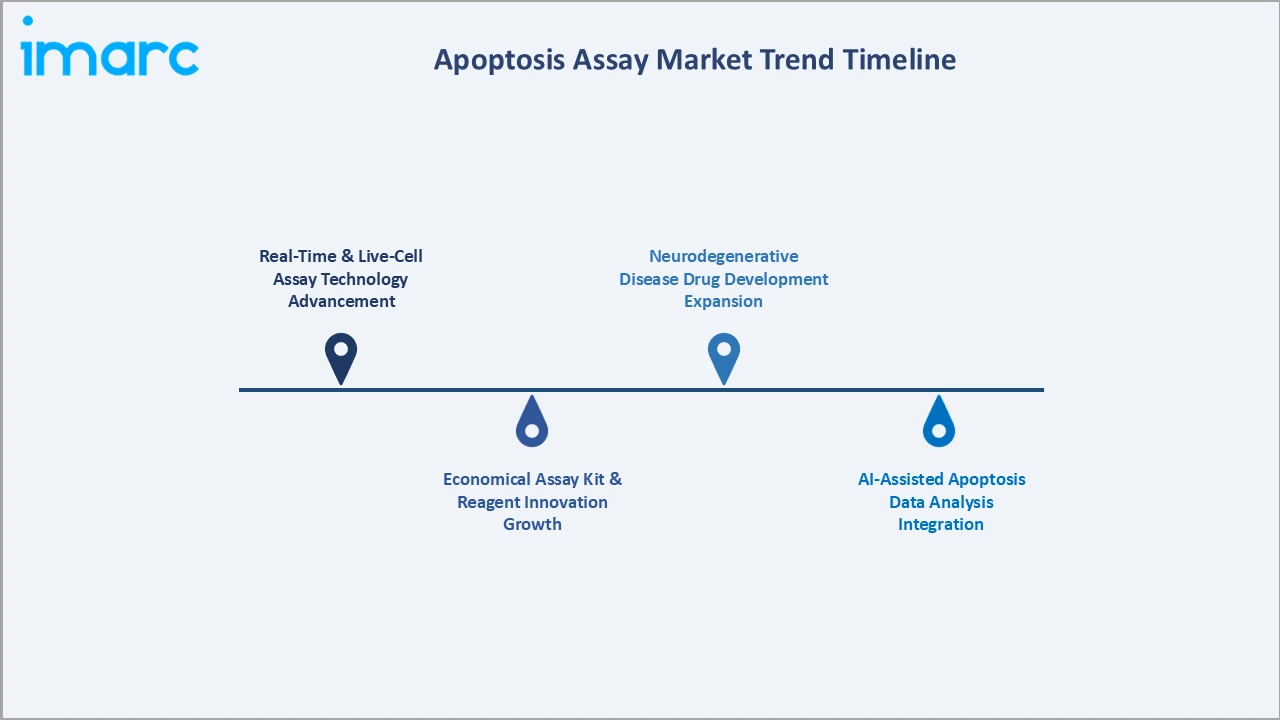
1. Real-Time & Live-Cell Assay Technology Advancement
Manufacturers are increasingly developing real-time and live-cell assay technologies to enable continuous monitoring of apoptotic events, accelerating adoption across drug discovery and toxicology research. Incucyte Apoptosis Assays combine Caspase-3/7 or Annexin V fluorescent dyes with live-cell imaging to continuously quantify apoptosis and validate associated cellular changes in real time.
2. Economical Assay Kit & Reagent Innovation Growth
Growing manufacturer investment in cost-effective, standardized assay kits and reagents is expanding market accessibility across academic and smaller research laboratories. Improved affordability is also encouraging routine apoptosis screening and broader adoption in early-stage drug discovery and cell biology research.
3. Neurodegenerative Disease Drug Development Expansion
Rising research investment in neurodegenerative disease drug discovery is driving increased demand for apoptosis assays to evaluate therapeutic candidate efficacy and safety. In February 2026, Alzheimer’s Research UK committed up to GBP 45 million to renew its Drug Discovery Alliance for five years across Cambridge, Oxford, and University College London. The alliance, comprising more than 80 scientists, aims to advance more dementia treatments toward clinical testing and bring at least one internally developed drug into trials within five years.
4. AI-Assisted Apoptosis Data Analysis Integration
Leading providers are integrating AI-assisted data analysis tools with apoptosis detection platforms to improve throughput and accuracy across high-volume research applications. These solutions automate image interpretation, identify complex cell-death patterns, and reduce variability associated with manual analysis.
Industry Value Chain Analysis
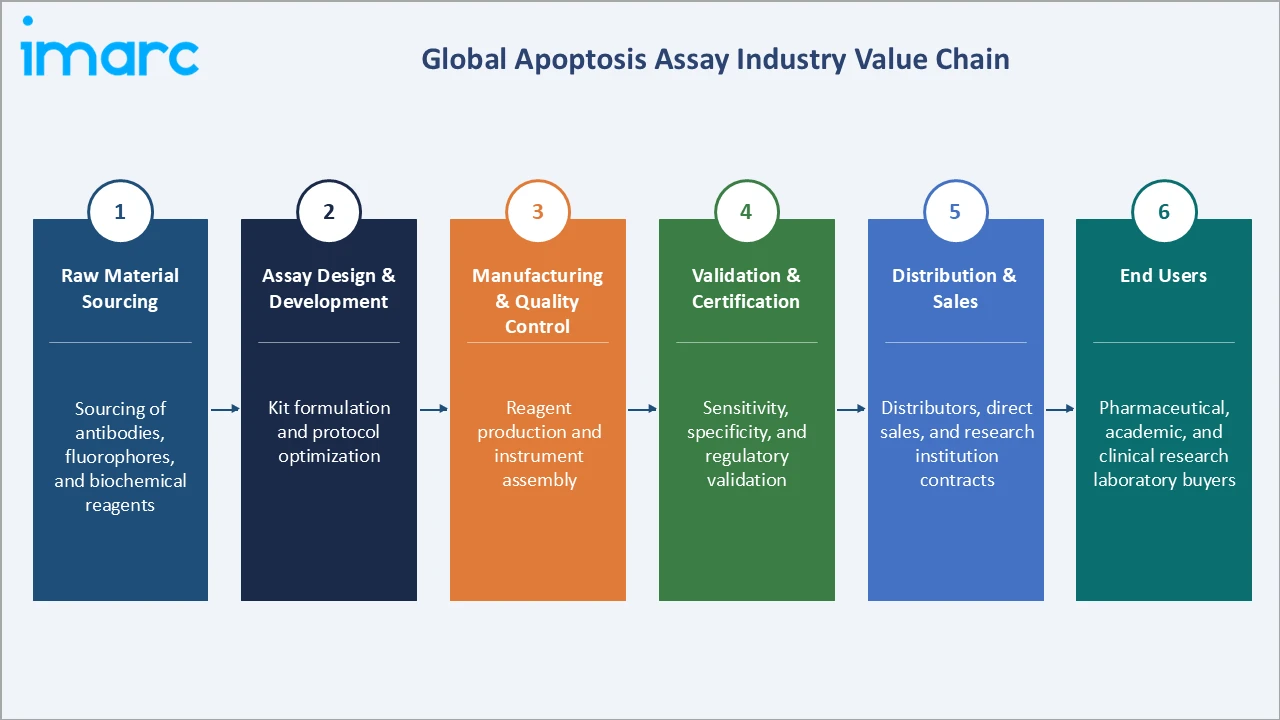
The global apoptosis assay value chain spans raw material sourcing through end-user delivery, with each stage occupied by specialized raw material suppliers, assay design and development specialists, and distribution partners whose performance directly influences product sensitivity, reproducibility, and cost efficiency.
|
Stage |
Key Activities |
|
Raw Material Sourcing |
Sourcing of antibodies, fluorophores, and biochemical reagents |
|
Assay Design & Development |
Kit formulation and protocol optimization |
|
Manufacturing & Quality Control |
Reagent production and instrument assembly |
|
Validation & Certification |
Sensitivity, specificity, and regulatory validation |
|
Distribution & Sales |
Distributors, direct sales, and research institution contracts |
|
End Users |
Pharmaceutical, academic, and clinical research laboratory buyers |
Technology Landscape in the Apoptosis Assay Industry
Real-Time & Live-Cell Imaging Technology
Manufacturers are advancing real-time and live-cell imaging platforms to improve continuous monitoring of apoptotic events, supporting broader adoption among drug discovery and toxicology laboratories. Fluorescence-based caspase activity reporters, cytochrome c release biosensors, and nuclear morphology tracking reagents compatible with automated high-content imaging systems are being developed to enable kinetic apoptosis profiling across 96- and 384-well plate formats.
Flow Cytometry-Based Multiparametric Assay Development
Growing investment in flow cytometry technology is expanding multiparametric analysis capabilities, addressing rising demand for high-throughput apoptosis screening. Multiplexed Annexin V/propidium iodide/caspase-3/mitochondrial membrane potential panel kits are being optimized for compatibility with leading benchtop flow cytometry platforms.
Economical Kit & Reagent Formulation
Providers are engineering cost-effective assay kits and reagent formulations to extend adoption across demanding academic and emerging market research applications. Lyophilized reagent formats with extended ambient-temperature shelf life and simplified single-tube protocol designs are being developed to reduce cold-chain dependency and consumable cost per assay.
AI-Integrated Data Analysis Platforms
Expanding research into AI-assisted data analysis integration is strengthening throughput and accuracy performance, supporting premium positioning across high-volume research use cases. Deep learning image segmentation algorithms and automated gating software are being embedded into apoptosis assay data analysis pipelines to enable operator-independent classification of apoptotic cell populations across large imaging and flow cytometry datasets.
Market Segmentation Analysis
The report covers the following segments:
|
Segment Category |
Leading Segment |
Market Share |
Year |
|
Product |
Kits |
41.8% |
2025 |
|
Technique |
Flow Cytometry |
44.7% |
2025 |
|
Assay Type |
Caspase Assay |
🔒 |
2025 |
|
End Use |
Pharmaceutical and Biotechnology Companies |
🔒 |
2025 |
|
Region |
North America |
38.4% |
2025 |

By Product
Kits dominate with a 41.8% share in 2025. This segment encompasses ready-to-use apoptosis detection solutions across research and clinical applications, supported by sustained demand for standardized, easy-to-use testing formats.
To access detailed market analysis, Request Sample
Reagents represent 33.6% of the market (2025), reflecting sustained demand for biochemical detection components across custom research protocols, a segment expected to expand steadily as research activity grows. Instruments contribute 18.4%, and others make up the remaining 6.2%, serving specialty detection needs.
By Technique
Flow cytometry leads the technique segment at 44.7% share (2025), supported by its high-throughput, multiparametric analysis capabilities for large-scale drug screening applications.
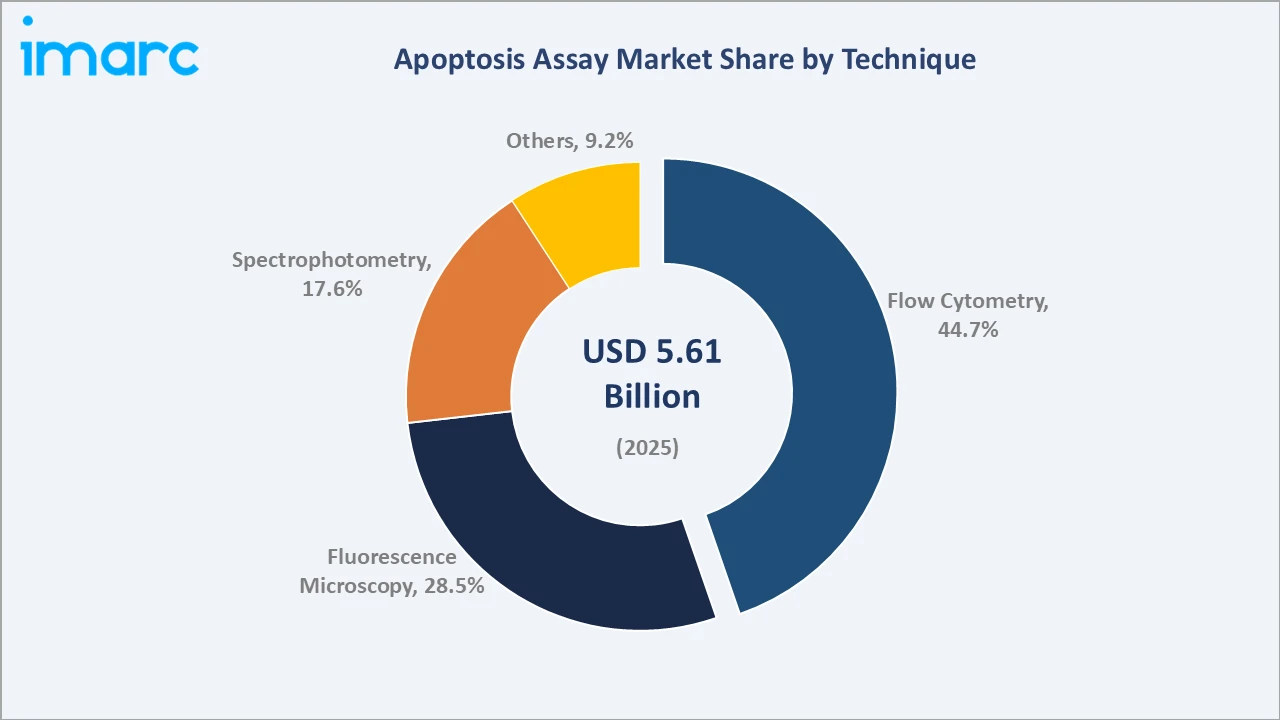
Fluorescence microscopy (28.5%), spectrophotometry (17.6%), and others (9.2%) continue to serve varied research needs, with fluorescence microscopy expanding steadily as researchers increasingly rely on real-time, live-cell visualization of apoptotic events.
Regional Market Insights
North America's market leadership (38.4%, 2025) reflects the region's extensive pharmaceutical and academic research infrastructure across cancer, neurodegenerative, and antiviral research applications. Growing R&D investment and expanding biotechnology innovation hubs combine to sustain its dominant position through 2034.
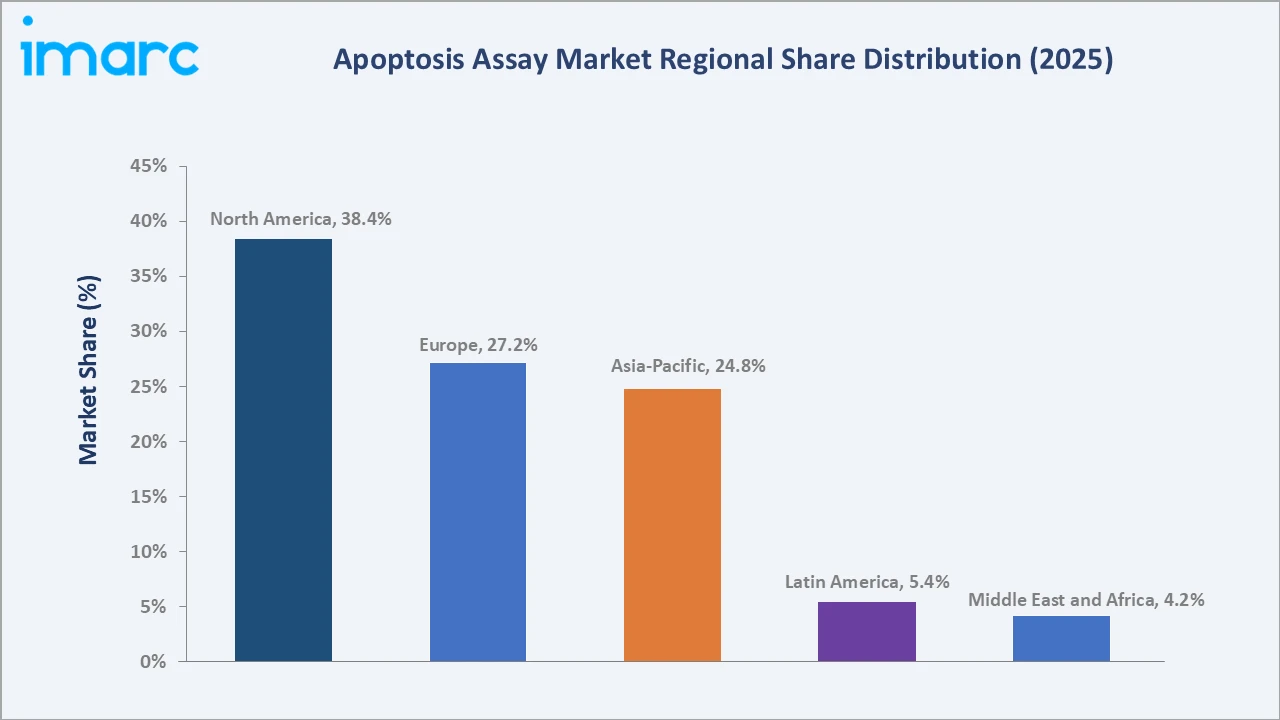
Europe at 27.2% (2025) represents the second-largest apoptosis assay market globally. Strong biotechnology innovation and regulatory research support are sustaining steady growth, positioning the region as a key contributor alongside North America through the forecast period.
|
Region |
Share (2025) |
Key Growth Drivers |
|
North America |
38.4% |
Extensive pharmaceutical and academic research infrastructure |
|
Europe |
27.2% |
Strong biotechnology innovation and regulatory research support |
|
Asia-Pacific |
24.8% |
Rising healthcare investment and expanding research infrastructure |
|
Latin America |
5.4% |
Emerging biotechnology sector and expanding research collaboration |
|
Middle East and Africa |
4.2% |
Growing healthcare investment and expanding research capacity |
Competitive Landscape
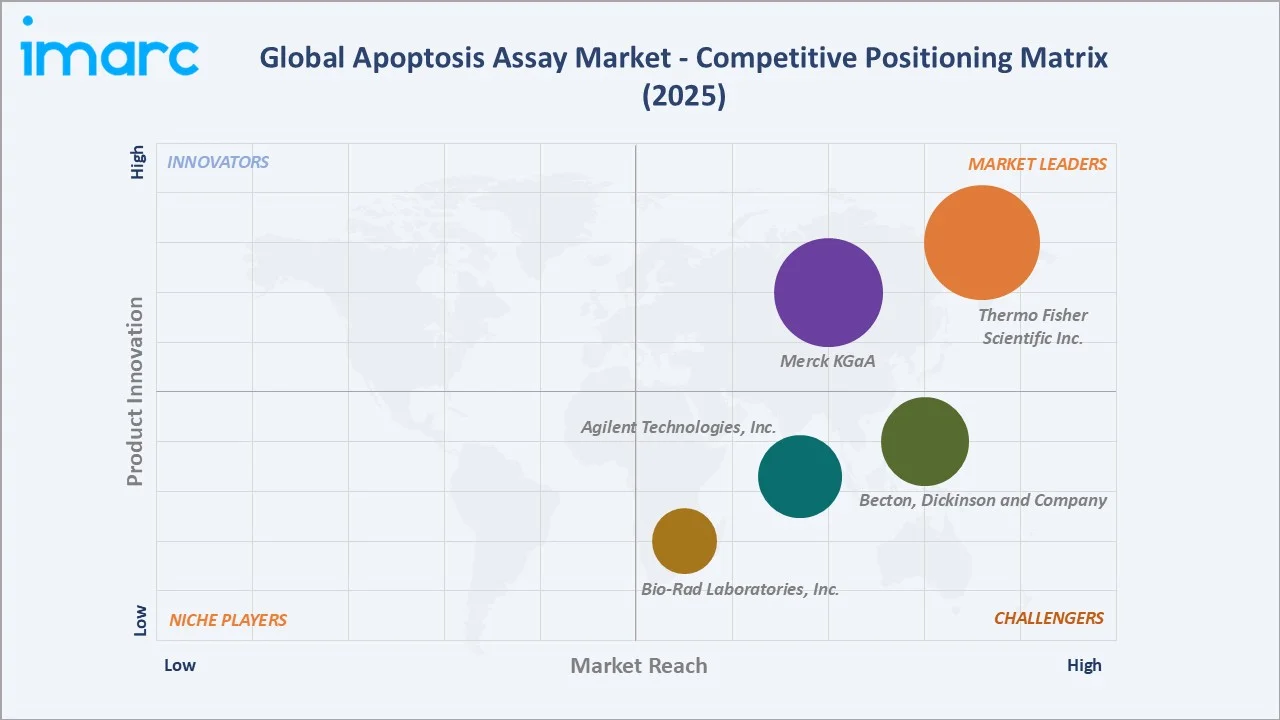
The global apoptosis assay market exhibits moderate concentration, with leading manufacturers collectively holding a significant share of market revenue in 2025, reflecting sustained investment in product innovation and distribution reach.
|
Company Name |
Brand Name |
Market Position |
Core Strength |
|
Thermo Fisher Scientific Inc. |
Thermo Fisher |
Market Leader |
Global life sciences platform and extensive apoptosis assay portfolio |
|
Merck KGaA |
Sigma-Aldrich |
Market Leader |
Diversified life sciences platform and integrated reagent capabilities |
|
Becton, Dickinson and Company |
BD |
Strong Challenger |
Advanced flow cytometry technology and clinical research expertise |
|
Agilent Technologies, Inc. |
NovoCyte |
Strong Challenger |
Analytical instrumentation leadership and application development |
|
Bio-Rad Laboratories, Inc. |
Bio-Plex |
Challenger |
Diversified life sciences manufacturing and global distribution strength |
Thermo Fisher Scientific Inc. and Merck KGaA dominate through comprehensive global product portfolios and extensive research distribution capacity, supported by continuous R&D investment. Becton, Dickinson and Company, Agilent Technologies, Inc., and Bio-Rad Laboratories, Inc. compete through targeted premium positioning, analytical instrumentation strength, and specialty assay differentiation, respectively.
Key Company Profiles
Thermo Fisher Scientific Inc.
Thermo Fisher Scientific Inc. is one of the leading global life sciences companies with an extensive apoptosis assay portfolio spanning kits, reagents, and instruments distributed across a vast global research customer base.
- Product Portfolio: Apoptosis detection kits, reagents, and flow cytometry instrumentation under the Thermo Fisher brand.
- Recent Developments: In April 2026, Thermo Fisher Scientific Inc. reported Q1 2026 revenue of USD 11.01 billion, up 6% year over year. Life Sciences Solutions segment, which includes cell-analysis reagents and instruments used in apoptosis research; its revenue increased to USD 2.64 billion from USD 2.34 billion a year earlier.
- Strategic Focus: Strengthening life sciences research innovation; expanding real-time and live-cell assay capacity across emerging application segments.
Merck KGaA
Merck KGaA is one of the leading diversified life sciences companies with a strong integrated reagent platform serving apoptosis assay, cell biology, and drug discovery research markets across the globe.
- Product Portfolio: Apoptosis assay kits, biochemical reagents, and integrated life sciences research solutions under the Sigma-Aldrich brand
- Recent Developments: In May 2026, Merck KGaA reported Q1 2026 net sales of EUR 5.13 billion, with organic growth of 2.9%. Life Science delivered 8.3% organic growth, led by Process Solutions, prompting Merck to raise its 2026 guidance to EUR 20.4–21.4 billion in sales and EUR 5.7–6.1 billion in EBITDA pre.
- Strategic Focus: Scaling integrated reagent capabilities; deepening pharmaceutical and academic research distribution partnerships.
Market Concentration Analysis
The global apoptosis assay market exhibits moderate concentration, with Thermo Fisher Scientific Inc., Merck KGaA, and Becton, Dickinson and Company collectively accounting for a significant share of total category revenue in 2025, reflecting sustained R&D investment, brand loyalty, and extensive research distribution infrastructure worldwide.
Consolidation pressure remains limited as leading manufacturers maintain distinct strategic positioning: Thermo Fisher Scientific Inc. and Merck KGaA through comprehensive multi-category portfolios, Becton, Dickinson and Company and Agilent Technologies, Inc. through flow cytometry and analytical instrumentation positioning, and Bio-Rad Laboratories, Inc. through diversified manufacturing and specialty differentiation, rather than pursuing direct M&A consolidation.
Investment & Growth Opportunities
Fastest Growing Segments
Kits (~7.4% CAGR) represent the highest-growth investment vector through 2034, driven by expanding demand for ready-to-use, standardized detection solutions and continuous innovation across economical kit formulation technologies. This subcategory addresses a rapidly expanding addressable market within the global apoptosis assay ecosystem.
Emerging Market Expansion
Latin America and the Middle East and Africa collectively represent an incremental growth opportunity beyond North America, Europe, and Asia-Pacific by 2034, as rising healthcare investment and expanding research infrastructure accelerate category penetration in these regional markets.
Venture and Institutional Investment Trends
- Manufacturer investment toward real-time and live-cell assay technology is creating opportunities for technology vendors serving the apoptosis assay sector.
- Growing neurodegenerative and antiviral research demand is sustaining institutional interest in specialty apoptosis detection manufacturing platforms.
- AI-assisted data analysis and economical kit innovation, led by major manufacturers, is opening opportunities for technology and reagent vendors serving the global apoptosis assay industry.
Future Market Outlook (2026-2034)
The global apoptosis assay market is positioned for robust, research-driven expansion through 2034. From a base of USD 5.61 Billion in 2025, the market is projected to reach USD 10.42 Billion by 2034, representing substantial incremental value creation at a CAGR of 6.91%. This growth is underpinned by rising cancer incidence, growing focus on novel drug discovery, and regulatory agency support for extensive therapeutic research.
The product segment will continue evolving through 2034, with kits gaining further share as demand for standardized, ready-to-use detection solutions accelerates. This shift creates opportunities for manufacturers investing in real-time and live-cell assay technology, economical kit development, and AI-assisted data analysis to capture the next phase of the global apoptosis assay market growth.
Research Methodology
Primary Research
Primary research comprised structured interviews with industry participants across 2024-2025, including life sciences manufacturer executives, pharmaceutical R&D procurement managers, academic research specialists, and clinical laboratory analysts across major global markets. Expert input validated market sizing, segmentation trends, and regional consumption patterns.
Secondary Research
Secondary research encompassed manufacturer annual reports, apoptosis assay industry association publications, and life sciences trade press covering technology innovation, regulatory trends, and regional research dynamics across major markets.
Forecasting Models
Market size estimations were derived using top-down and bottom-up forecasting, incorporating product and technique segment transitions and manufacturer capacity disclosures. A base-case CAGR of 6.91% reflects consensus estimates validated against announced research investment timelines and manufacturer strategic development plans.
Apoptosis Assay Market Report Coverage:
| Report Features | Details |
|---|---|
| Base Year of the Analysis | 2025 |
| Historical Period | 2020-2025 |
| Forecast Period | 2026-2034 |
| Units | Billion USD |
| Scope of the Report |
Exploration of Historical Trends and Hot Melts Adhesive Market Outlook, Industry Catalysts and Challenges, Segment-Wise Historical and Future Market Assessment:
|
| Products Covered | Kits, Reagents, Instruments, Others |
| Techniques Covered | Flow Cytometry, Fluorescence Microscopy, Spectrophotometry, Others |
| Assay Types Covered | Caspase Assay, DNA Fragmentation Assay, Cell Permeability Assay, Mitochondrial Assay |
| End Uses Covered | Pharmaceutical and Biotechnology Companies, Hospital and Diagnostic Laboratories, Academic and Research Institutes |
| Regions Covered | Asia Pacific, Europe, North America, Latin America, Middle East and Africa |
| Countries Covered | United States, Canada, Germany, France, United Kingdom, Italy, Spain, Russia, China, Japan, India, South Korea, Australia, Indonesia, Brazil, Mexico |
| Companies Covered |
Thermo Fisher Scientific Inc., Merck KGaA, Becton, Dickinson and Company, Agilent Technologies Inc., Bio-Rad Laboratories Inc., etc. |
| Customization Scope | 10% Free Customization |
| Post-Sale Analyst Support | 10-12 Weeks |
| Delivery Format | PDF and Excel through Email (We can also provide the editable version of the report in PPT/Word format on special request) |
Frequently Asked Questions About the Apoptosis Assay Market Report
The global apoptosis assay market reached USD 5.61 Billion in 2025 and is projected to reach USD 10.42 Billion by 2034.
The market is expected to grow at a CAGR of 6.91% during 2026-2034, driven by rising cancer incidence and growing focus on novel drug discovery.
North America leads with a 38.4% share in 2025, anchored by the region's extensive pharmaceutical and academic research infrastructure.
Kits dominate with a 41.8% share in 2025, driven by sustained demand for ready-to-use, standardized detection solutions.
Flow Cytometry leads with a 44.7% share in 2025, supported by its high-throughput, multiparametric analysis capabilities.
Some of the key players include Thermo Fisher Scientific Inc., Merck KGaA, Becton, Dickinson and Company, Agilent Technologies, Inc., and Bio-Rad Laboratories, Inc.
Kits are growing fastest at an estimated 7.4% CAGR as demand for standardized, ready-to-use detection solutions accelerates.
Key challenges include the high cost of advanced assay kits and instruments, technical complexity in live-cell assay interpretation, and limited skilled personnel for advanced testing.
Real-time and live-cell assay technology development, economical kit and reagent innovation, and antiviral and infectious disease research expansion represent leading investment opportunities.
Fluorescence microscopy, at 28.5% share, is expanding steadily as researchers increasingly rely on real-time, live-cell visualization of apoptotic events.
Need more help?
- Speak to our experienced analysts for insights on the current market scenarios.
- Include additional segments and countries to customize the report as per your requirement.
- Gain an unparalleled competitive advantage in your domain by understanding how to utilize the report and positively impacting your operations and revenue.
- For further assistance, please connect with our analysts.
 Request Customization
 Speak to an Analyst
 Request Brochure
 Inquire Before Buying
Benefits of Customization
- Personalize this research
- Triangulate with your data
- Get data as per your format and definition
- Gain a deeper dive into a specific application, geography, customer, or competitor
- Any level of personalization
Get in Touch With Us
UNITED STATES
Phone: +1-201-971-6302
INDIA
Phone: +91-120-433-0800
UNITED KINGDOM
Phone: +44-753-714-6104
Email: [email protected]
Client Testimonials




.webp)




.webp)













Related Reports

Choose your plan
*Please note that the prices mentioned below are starting prices for each bundle type. Kindly contact our team for further details.*
Single User License
- 1 User License, Access on 2 Devices
- PDF Report + Excel Dataset (Password Protected)
- Lifetime Access
- No Printing Rights
- 10% Free Report Customization
- 10–12 Weeks of Analyst Support
Five User License
- Access for 5 Users, 2 Devices per User
- PDF Report + Excel Dataset (Password Protected)
- Lifetime Access
- Dedicated Account Manager
- 12–14 Weeks of Analyst Support
- No Printing Rights
- 15% Free Report Customization
- 25% Discount on Your Next Purchase
Corporate User License
- Unlimited User Access (Within Your Organization)
- PDF Report + Excel Dataset
- Lifetime Access
- Dedicated Account Manager
- 14–20 Weeks of Analyst Support
- No Printing Rights
- 20% Free Report Customization
- 30% Discount on Your Next Purchase
Essential Insights
What's included:
3 reports
- Lifetime Access
- PDF Reports
- Excel Datasets
- 2 Weeks of Free Analyst Support
- 2 User Licenses
- Access on 2 Devices
- Printing Rights
- Complimentary PowerPoint (PPT) Version
- Complimentary License Upgrade
Professional Access
What's included:
5 reports
- Lifetime Access
- PDF Reports
- Excel Datasets
- 8 Weeks of Free Analyst Support
- 2 User Licenses
- Access on 2 Devices
- Printing Rights
- Complimentary PowerPoint (PPT) Version
- Complimentary License Upgrade
Business Advantage
What's included:
8 reports
- Lifetime Access
- PDF Reports
- Excel Datasets
- 14 Weeks of Free Analyst Support
- 2 User Licenses
- Access on 2 Devices
- Printing Rights
- Complimentary PowerPoint (PPT) Version
- Complimentary License Upgrade
Enterprise Intelligence
What's included:
10 reports
- Lifetime Access
- PDF Reports
- Excel Datasets
- 20 Weeks of Free Analyst Support
- 2 User Licenses
- Access on 2 Devices
- Printing Rights
- Complimentary PowerPoint (PPT) Version
- Complimentary License Upgrade