
Avocado Oil Prices, Trend, Chart, Demand, Market Analysis, News, Historical and Forecast Data Report 2026 Edition
Avocado Oil Price Trend, Index and Forecast
Track the latest insights on avocado oil price trend and forecast with detailed analysis of regional fluctuations and market dynamics across North America, Latin America, Central Europe, Western Europe, Eastern Europe, Middle East, North Africa, West Africa, Central and Southern Africa, Central Asia, Southeast Asia, South Asia, East Asia, and Oceania.
Avocado Oil Prices Outlook Q2 2026
- Mexico: USD 16.6/Litre
- USA: USD 25.9/Litre
- Brazil: USD 48.3/Litre
- Italy: USD 41.0/Litre
- France: USD 38.0/Litre
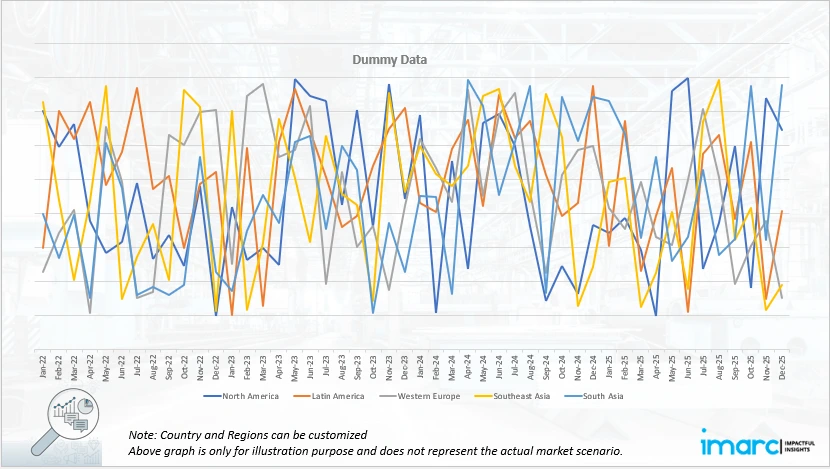
Avocado Oil Price Chart
Get real-time access to monthly/quarterly/yearly prices Request Sample
During the second quarter of 2026, the avocado oil prices in Mexico reached 16.6 USD/Litre in June. Prices in the country showed a downward movement driven by easing export demand and improved domestic supply availability. Refining activity operated at steadier levels, which supported smoother market circulation and reduced procurement pressure. Import competition from processed edible oils also influenced buyer preference, leading to moderated offtake in both retail and industrial segments.
During the second quarter of 2026, the avocado oil prices in the USA reached 25.9 USD/Litre in June. Prices in the country recorded a downward trend influenced by steady import inflows and balanced stock levels across distribution channels. Retail demand softened as consumers shifted toward alternative cooking oils, which reduced purchasing intensity. Food service demand remained stable but did not show strong expansion, limiting upward pressure on prices.
During the second quarter of 2026, the avocado oil prices in Brazil reached 48.3 USD/Litre in June. Prices in the country showed a mild downward trend driven by improved domestic processing output and stable raw material availability. Export demand remained moderate, with international buyers adjusting procurement volumes based on global edible oil price movement. Domestic consumption in food processing industries remained steady but did not show strong expansion, limiting upward price pressure.
During the second quarter of 2026, the avocado oil prices in Italy reached 41.0 USD/Litre in June. Prices in the country moved upward, supported by stronger demand from premium food and culinary applications. Import dependence influenced pricing sensitivity, especially as supply availability from key sourcing regions fluctuated during the quarter. Consumer preference for healthier cooking oils strengthened demand traction in retail channels. Food service and hospitality sectors also contributed to improved consumption patterns, supporting firm price movement.
During the second quarter of 2026, the avocado oil prices in France reached 38.0 USD/Litre in June. Prices in the country registered an upward movement supported by increasing demand across retail and food processing segments. Health oriented consumption trends strengthened product uptake, particularly in urban markets. Import dependency influenced pricing dynamics as supply availability fluctuated from external sourcing regions. Distribution channels experienced tighter inventory conditions, which supported firmer pricing behavior.
Avocado Oil Prices Outlook Q1 2026
- Mexico: USD 17/Litre
- USA: USD 27/Litre
- Brazil: USD 49/Litre
- Italy: USD 40/Litre
- France: USD 37/Litre
During the first quarter of 2026, the avocado oil prices in Mexico reached 17 USD/Litre in March. Prices moved upward as export demand stayed firm and domestic crushing activity faced pressure from tighter avocado availability. Higher procurement costs for premium fruit grades supported the price rise, especially as food processing and cosmetic users maintained steady purchasing. Seasonal changes in harvest volumes also limited spot market flexibility. Freight and packaging costs added further pressure, particularly for bottled and refined avocado oil shipments.
During the first quarter of 2026, the avocado oil prices in the USA reached 27 USD/Litre in March. Prices increased as demand from food manufacturers, specialty retailers, and personal care producers stayed healthy. Import costs remained a major influence, as the US market continued to depend heavily on avocado oil supplies from Latin America. Higher landed costs, steady warehouse demand, and firm retail sales supported upward price movement. The clean label edible oil segment also helped sustain buying interest.
During the first quarter of 2026, the avocado oil prices in Brazil reached 49 USD/Litre in March. Prices rose as domestic demand from premium food brands and cosmetic manufacturers remained steady. Limited availability of high quality avocados suitable for oil extraction pushed production costs higher. Producers also faced pressure from energy, labor, and logistics expenses, which reduced scope for price reductions. Demand for natural oils in skin care and health food products supported stronger market activity.
During the first quarter of 2026, the avocado oil prices in Italy reached 40 USD/Litre in March. Prices strengthened due to firm demand from food service, gourmet retail, and cosmetic formulation sectors. Packaging and distribution costs added further pressure across retail channels. Some importers maintained cautious inventories, which kept spot availability balanced. The Italian avocado oil market remained positive as import costs, stable consumer demand, and premium product positioning supported higher prices.
During the first quarter of 2026, the avocado oil prices in France reached 37 USD/Litre in March. Prices increased as demand from premium retail, natural cosmetics, and specialty food producers stayed stable. Import dependence continued to shape the market, with supplier pricing influenced by feedstock costs in producing regions. Buyers preferred certified, refined, and cold pressed grades, which supported stronger price realization.
Avocado Oil Prices Outlook Q2 2025
- Mexico: USD 16.35/Litre
- USA: USD 26.2/Litre
- Brazil: USD 48.5/Litre
- Italy: USD 38.6/Litre
- France: USD 35.5/Litre
During the second quarter of 2025, the avocado oil prices in Mexico reached 16.35 USD/Litre in June. As per the avocado oil price chart, shifts in prices reflected a delicate balance between supply conditions and consumer demands. Mexico, as the principal producer of avocados worldwide, benefited from strong domestic output. Production increases supported the raw material supply and helped provide a buffer against price volatility. This was underpinned by advancements in agricultural methods and favorable weather conditions in key growing regions.
During the second quarter of 2025, the avocado oil prices in the USA reached 26.2 USD/Litre in June. Weather unpredictability and seasonal fluctuations challenged the consistency of avocado harvests, complicating supply projections. Concerns about pests and crop diseases further strained yields in key growing regions, strengthening the link between fragile avocado output and volatile oil prices. Consumer demand created upward pressure on prices, particularly in sectors beyond cooking. Besides, the culinary market increasingly favored avocado oil for its favorable nutritional profile, cleanliness, and stability at high heat.
During the second quarter of 2025, avocado oil prices in Brazil reached 48.5 USD/Litre in June. Brazilian avocado oil prices were significantly influenced by the ongoing health‑driven consumer shift toward oils perceived as nutritious and premium. With heightened awareness of its monounsaturated‑fat content, antioxidant profile, and Vitamin E‑rich nature, avocado oil became an increasingly sought‑after option for both culinary and cosmetic use, further influencing pricing trends.
During the second quarter of 2025, the avocado oil prices in Italy reached 38.6 USD/Litre in June. Pressure on raw material costs played a central role. Avocado yields in primary growing regions were affected by erratic weather and pest outbreaks, tightening supply chains and raising input prices. That in turn exerted an upward force on the cost of avocado oil. Besides, with production falling in traditional olive-growing countries, avocado oil emerged as a more competitive alternative. This shift in demand dynamics heightened international interest in avocado oil, putting upward pressure on prices even in markets like Italy.
During the second quarter of 2025, the avocado oil prices in France reached 35.5 USD/Litre in June. Elevated demand from the cosmetics and personal‑care sectors added pressure to pricing. Avocado oil’s rich contents of monounsaturated fats, antioxidants, and vitamins made it a popular choice in skincare and beauty formulations, particularly in premium and clean‑label French products. Moreover, variable supply from leading producer regions, affected by weather events, pests, and production cycles created uncertainty in availability, further.
.webp)
Regional Coverage
The report provides a detailed analysis of the market across different regions, each with unique pricing dynamics influenced by localized market conditions, supply chain intricacies, and geopolitical factors. This includes price trends, price forecast and supply and demand trends for each region, along with spot prices by major ports. The report also provides coverage of FOB and CIF prices, as well as the key factors influencing avocado oil prices.
Europe Avocado Oil Price Trend
Q2 2026:
The avocado oil price index in Europe reflected an upward movement supported by sustained demand from retail and food service sectors. Consumption patterns shifted toward healthier edible oil alternatives, which strengthened procurement activity across major importing countries. Supply availability remained dependent on imports, creating sensitivity to sourcing conditions and shipment timing. Distribution networks operated under moderate inventory levels, which contributed to firmer pricing behavior. Demand from premium culinary applications remained steady, supporting consistent market traction.
Q1 2026:
In Europe, the avocado oil price index moved upward as demand from premium food, wellness, and cosmetic sectors remained firm. Import dependent markets faced higher landed costs due to feedstock pressure in producing regions and steady freight expenses. Buyers continued to favor refined, cold pressed, and certified grades, which supported premium pricing. Retail interest in healthier edible oils helped maintain consumption, especially across developed markets. Producers and distributors also faced higher packaging and warehousing expenses, limiting their ability to offer discounts. Supply availability was balanced but not excessive, which kept market sentiment firm.
Q2 2025:
European avocado oil prices in the second quarter of 2025 were shaped by a tight interplay of supply constraints and shifting demand patterns. Supply disruptions came from several fronts. Droughts in growing areas raised uncertainty around yield potential, heightening supply risk. Changing consumer preferences played their part. As European consumers continued shifting toward healthier alternatives and cleaner labels, demand for organic, cold‑pressed, and extra‑virgin avocado oil remained strong. Environmental pressures also played a role. In key origin markets, climatic volatility and regulatory requirements affected crop reliability, adding further unpredictability to supply chains and pricing.
This analysis can be extended to include detailed avocado oil price information for a comprehensive list of countries.
| Region | Countries Covered |
|---|---|
| Europe | Germany, France, United Kingdom, Italy, Spain, Russia, Turkey, Netherlands, Poland, Sweden, Belgium, Austria, Ireland, Switzerland, Norway, Denmark, Romania, Finland, Czech Republic, Portugal, and Greece, among other European countries. |
North America Avocado Oil Price Trend
Q2 2026:
The avocado oil price index in North America recorded a declining trend influenced by stable import inflows and controlled consumption patterns. Retail demand showed moderation as consumers adjusted spending behavior across cooking oil categories. Food service consumption remained stable but did not generate strong incremental demand. Supply chains operated efficiently, ensuring adequate product availability across distribution networks. Import competition created a balanced pricing environment, reducing upward pressure. Inventory levels remained sufficient across key markets, limiting urgency in procurement activity. Overall market sentiment reflected stability with mild downward pressure driven by balanced supply and moderated demand growth.
Q1 2026:
In North America, the avocado oil price index increased due to firm demand from food manufacturers, retail brands, and personal care producers. The region remained highly exposed to import pricing, especially from Latin American suppliers. Higher raw avocado costs and stable export demand from producing countries raised replacement costs. Buyers maintained active procurement for refined and food grade material, while private label and natural product segments supported steady consumption. Logistics, storage, and inland transport costs also contributed to firmer pricing.
Q2 2025:
As per the avocado oil price index, tariffs imposed by the United States on avocado imports disrupted supply and raised costs. With the tariff in place, procurement costs rose, squeezing profit margins and, in many cases, pushing prices higher downstream. Agricultural conditions in key growing regions also influenced price trends. Evolving regulations on food safety and labeling shaped processing and marketing strategies. At the same time, technological advances in extraction, packaging, and distribution helped manage costs but required upfront investment. These regulatory and technological factors collectively affected pricing dynamics.
Specific data on avocado oil prices within the United States and Canada can also be provided.
| Region | Countries Covered |
|---|---|
| North America | United States and Canada |
Middle East and Africa Avocado Oil Price Trend
Q2 2026:
According to the avocado oil price chart, prices in the Middle East and Africa fluctuated due to a complex interplay of causes, led by supply chain disruptions, seasonal demand swings, and geopolitical impacts.
Q1 2026:
The study examines the price patterns of avocado oil throughout the Middle East and Africa, taking into account variables that specifically affect market prices, such as regional industrial expansion, the availability of natural resources, and geopolitical conflicts.
Q2 2025:
The report explores the avocado oil trends and avocado oil price chart in the Middle East and Africa, considering factors like regional industrial growth, the availability of natural resources, and geopolitical tensions that uniquely influence market prices.
In addition to region-wise data, information on avocado oil prices for countries can also be provided.
| Region | Countries Covered |
|---|---|
| Middle East & Africa | Saudi Arabia, UAE, Israel, Iran, South Africa, Nigeria, Oman, Kuwait, Qatar, Iraq, Egypt, Algeria, and Morocco, among other Middle Eastern and African countries. |
Asia Pacific Avocado Oil Price Trend
Q2 2026:
The avocado oil market in Asia Pacific recorded varied pricing conditions supported by rising awareness of premium cooking oils. Demand from urban retail segments showed consistent improvement driven by health oriented consumption patterns. Food service industries contributed to steady procurement activity across major economies. Supply remained import dependent, leading to sensitivity toward international sourcing conditions. Distribution networks expanded gradually, improving product availability in key markets.
Q1 2026:
In Asia Pacific, avocado oil prices experienced a varied trend as demand improved across health food, nutraceutical, and cosmetic applications. Markets with strong import dependence faced higher supplier offers due to elevated feedstock and processing costs. Premium edible oil consumption remained supported by urban retail demand and wellness focused consumer preferences. Cosmetic manufacturers also maintained interest in avocado oil for skin care and hair care formulations. Supply remained adequate, but high quality grades were less flexible in pricing.
Q2 2025:
Several converging forces affected avocado oil prices. Raw‑material costs held a pivotal role, given that avocado harvests in key growing regions experienced unpredictable yield shifts. Climatic challenges such as drought or excessive rainfall disrupted consistent supply, inducing periodic shortages that translated into upward pricing pressure for avocado‑based products. Trade policies and regional supply‑chain dynamics further complicated the picture. New import tariffs and shifting trade flows, particularly involving major producing countries, reconfigured established sourcing routes. In some cases, exporters began directing shipments toward alternate markets, creating localized supply constraints in Asia‑Pacific that reverberated through pricing mechanisms.
This analysis can be further extended to include detailed avocado oil prices for a comprehensive list of countries within the region.
| Region | Countries Covered |
|---|---|
| Asia Pacific | China, India, Indonesia, Pakistan, Bangladesh, Japan, Philippines, Vietnam, Thailand, South Korea, Malaysia, Nepal, Taiwan, Sri Lanka, Hongkong, Singapore, Australia, and New Zealand, among other Asian countries. |
Latin America Avocado Oil Price Trend
Q2 2026:
Avocado oil market in Latin America showed a bearish trend as export demand softened across key importing destinations, leading to reduced offtake pressure from major producing countries. Improved processing efficiency and steady availability of raw avocados supported smoother supply conditions, which limited any upward pricing momentum. Domestic consumption remained stable, but did not show strong expansion across food and cosmetic applications, keeping market activity balanced. Export buyers adjusted procurement volumes in response to global edible oil competition, which weakened overall price strength.
Q1 2026:
In Latin America, avocado oil prices moved higher as feedstock availability and export demand shaped market conditions. Producing countries faced stronger procurement costs for suitable avocado grades, especially for oil extraction. Domestic consumption from food and cosmetic sectors remained stable, while export demand from North America and Europe supported producer offers. Processing costs, labor expenses, and packaging costs added to price pressure. Supply conditions varied by country, creating firm sentiment for premium grades.
Q2 2025:
As per the avocado oil price index, weather-related challenges affected harvests in key growing regions, where drought conditions reduced avocado yields. This contraction in raw material availability tightened supply, elevating pressure on extraction costs and contributing to upward movement in oil prices. Besides, shifts in consumer preferences toward natural and functional ingredients, including in food and cosmetic sectors, sustained demand and supported pricing. Trade dynamics also played a crucial role in influencing pricing trends.
This comprehensive review can be extended to include specific countries within the region.
| Region | Countries Covered |
|---|---|
| Latin America | Brazil, Mexico, Argentina, Columbia, Chile, Ecuador, and Peru, among other Latin American countries. |
Avocado Oil Pricing Report, Market Analysis, and News
IMARC's latest publication, “Avocado Oil Prices, Trend, Chart, Demand, Market Analysis, News, Historical and Forecast Data Report 2026 Edition,” presents a detailed examination of the avocado oil market, providing insights into both global and regional trends that are shaping prices. This report delves into the spot price of avocado oil at major ports and analyzes the composition of prices, including FOB and CIF terms. It also presents detailed avocado oil prices trend analysis by region, covering North America, Europe, Asia Pacific, Latin America, and Middle East and Africa. The factors affecting avocado oil pricing, such as the dynamics of supply and demand, geopolitical influences, and sector specific developments, are thoroughly explored. This comprehensive report helps stakeholders stay informed with the latest market news, regulatory updates, and technological progress, facilitating informed strategic decision-making and forecasting.
Avocado Oil Industry Analysis
The global avocado oil industry size reached USD 679.4 Million in 2025. By 2034, IMARC Group expects the market to reach USD 1167.5 Million, at a projected CAGR of 6.02% during 2026-2034. Market growth is driven by demand for premium edible oils, expanding use in natural cosmetic formulations, and stronger consumer preference for plant based wellness products.
Latest News and Developments:
- May 2026: Jagdish Farshan, a Vadodara based brand with more than eight decades of snack making heritage launched one of India’s first sev ranges prepared with avocado oil. The company is also set to introduce 80g grab and go packs across its wider snack lineup. Available through e commerce, retail, and quick commerce platforms, the new avocado oil sev range comes in four variants and caters to rising demand for better for you snack options.
- 2024: Chosen Foods, one of the leading American avocado oil brands, introduced its new 100% avocado sensual massage oil during the Valentine's Day period.
Product Description
Avocado oil is a vegetable oil extracted from the pulp of ripe avocados through mechanical pressing or solvent based extraction processes. It is primarily composed of monounsaturated fatty acids, particularly oleic acid, along with smaller proportions of polyunsaturated and saturated fats. The oil is valued for its mild flavor, high smoke point, and nutritional profile rich in antioxidants and vitamin E. It is widely used in culinary applications, including frying, baking, salad dressings, and gourmet food preparation. Beyond food uses, avocado oil is also utilized in cosmetics and personal care products due to its moisturizing and skin conditioning properties. In industrial applications, it serves as a base ingredient in specialty formulations where stability and nutritional enhancement are required.
Report Coverage
| Key Attributes | Details |
|---|---|
| Product Name | Avocado Oil |
| Report Features | Exploration of Historical Trends and Market Outlook, Industry Demand, Industry Supply, Gap Analysis, Challenges, Price Analysis, and Segment-Wise Assessment. |
| Currency/Units | USD (Data can also be provided in local currency) or Metric Tons |
| Region/Countries Covered | The current coverage includes analysis at the global and regional levels only. Based on your requirements, we can also customize the report and provide specific information for the following countries: Asia Pacific: China, India, Indonesia, Pakistan, Bangladesh, Japan, Philippines, Vietnam, Thailand, South Korea, Malaysia, Nepal, Taiwan, Sri Lanka, Hongkong, Singapore, Australia, and New Zealand Europe: Germany, France, United Kingdom, Italy, Spain, Russia, Turkey, Netherlands, Poland, Sweden, Belgium, Austria, Ireland, Switzerland, Norway, Denmark, Romania, Finland, Czech Republic, Portugal and Greece North America: United States and Canada Latin America: Brazil, Mexico, Argentina, Columbia, Chile, Ecuador, and Peru Middle East & Africa: Saudi Arabia, UAE, Israel, Iran, South Africa, Nigeria, Oman, Kuwait, Qatar, Iraq, Egypt, Algeria, and Morocco The list of countries presented is not exhaustive. Information on additional countries can be provided if required by the client. |
| Information Covered for Key Suppliers |
|
| Customization Scope | The report can be customized as per the requirements of the customer |
| Report Price and Purchase Option |
Plan A: Monthly Updates - Annual Subscription
Plan B: Quarterly Updates - Annual Subscription
Plan C: Biannually Updates - Annual Subscription
|
| Post-Sale Analyst Support | 360-degree analyst support after report delivery |
| Delivery Format | PDF and Excel through email (We can also provide the editable version of the report in PPT/Word format on special request) |
Key Benefits for Stakeholders:
- IMARC’s report presents a detailed analysis of avocado oil pricing, covering global and regional trends, spot prices at key ports, and a breakdown of Ex Works, FOB, and CIF prices.
- The study examines factors affecting avocado oil price trend, including raw material costs, supply-demand shifts, geopolitical impacts, and industry developments, offering insights for informed decision-making.
- The competitive landscape review equips stakeholders with crucial insights into the latest market news, regulatory changes, and technological advancements, ensuring a well-rounded, strategic overview for forecasting and planning.
- IMARC offers various subscription options, including monthly, quarterly, and biannual updates, allowing clients to stay informed with the latest market trends, ongoing developments, and comprehensive market insights. The avocado oil price charts ensure our clients remain at the forefront of the industry.
Need more help?
- Speak to our experienced analysts for insights on the current market scenarios.
- Include additional segments and countries to customize the report as per your requirement.
- Gain an unparalleled competitive advantage in your domain by understanding how to utilize the report and positively impacting your operations and revenue.
- For further assistance, please connect with our analysts.
 Request Customization
 Inquire Before Buying
 Speak to an Analyst
 Request Brochure
Benefits of Customization
- Personalize this research
- Triangulate with your data
- Get data as per your format and definition
- Gain a deeper dive into a specific application, geography, customer, or competitor
- Any level of personalization
Get in Touch With Us
UNITED STATES
Phone: +1-201-971-6302
INDIA
Phone: +91-120-433-0800
UNITED KINGDOM
Phone: +44-753-714-6104
Email: [email protected]
Client Testimonials




.webp)




.webp)













Related Reports

Why Choose Us
IMARC offers trustworthy, data-centric insights into commodity pricing and evolving market trends, enabling businesses to make well-informed decisions in areas such as procurement, strategic planning, and investments. With in-depth knowledge spanning more than 1000 commodities and a vast global presence in over 150 countries, we provide tailored, actionable intelligence designed to meet the specific needs of diverse industries and markets.
1000
+Commodities
150
+Countries Covered
3000
+Clients
20
+Industry

Robust Methodologies & Extensive Resources
IMARC delivers precise commodity pricing insights using proven methodologies and a wealth of data to support strategic decision-making.

Subscription-Based Databases
Our extensive databases provide detailed commodity pricing, import-export trade statistics, and shipment-level tracking for comprehensive market analysis.

Primary Research-Driven Insights
Through direct supplier surveys and expert interviews, we gather real-time market data to enhance pricing accuracy and trend forecasting.

Extensive Secondary Research
We analyze industry reports, trade publications, and market studies to offer tailored intelligence and actionable commodity market insights.
Trusted by 3000+ industry leaders worldwide to drive data-backed decisions. From global manufacturers to government agencies, our clients rely on us for accurate pricing, deep market intelligence, and forward-looking insights.