
Cognitive Assessment and Training Market Size, Share, Trends and Forecast by Assessment Type, Component, Application, End-User Sector, and Region, 2026-2034
Cognitive Assessment and Training Market Size, Share, Trends & Forecast (2026-2034)
The global cognitive assessment and training market grew from USD 6.89 Billion in 2025 to USD 8.19 Billion in 2026 and is projected to reach USD 34.13 Billion by 2034, growing at a CAGR of 18.88% during 2026-2034. Rising cases of dementia and other neurological disorders, expanding CNS clinical trials, and the shift to digital testing are driving rapid growth. In September 2026, Cambridge Cognition partnered with C2N Diagnostics and The Alzheimer’s Trust to combine digital cognitive testing with blood-based biomarkers for Alzheimer’s diagnosis in the UK.
Wider use of cognitive tools in schools, workplaces, and consumer wellness apps continues to broaden demand. Hosted assessment dominates at 46.7%. Clinical trials lead applications at 28.7%. North America commands 34.6% of the global cognitive assessment and training market share.
Market Snapshot
|
Metric |
Value |
|
Base Year Market Size (2025) |
USD 6.89 Billion |
|
Market Size (2026) |
USD 8.19 Billion |
|
Forecast Market Size (2034) |
USD 34.13 Billion |
|
CAGR (2026-2034) |
18.88% |
|
Base Year |
2025 |
|
Historical Period |
2020-2025 |
|
Forecast Period |
2026-2034 |
|
Dominant Assessment Type |
Hosted Assessment (46.7%, 2025) |
|
Dominant Application |
Clinical Trials (28.7%, 2025) |
|
Leading Region |
North America (34.6%, 2025) |
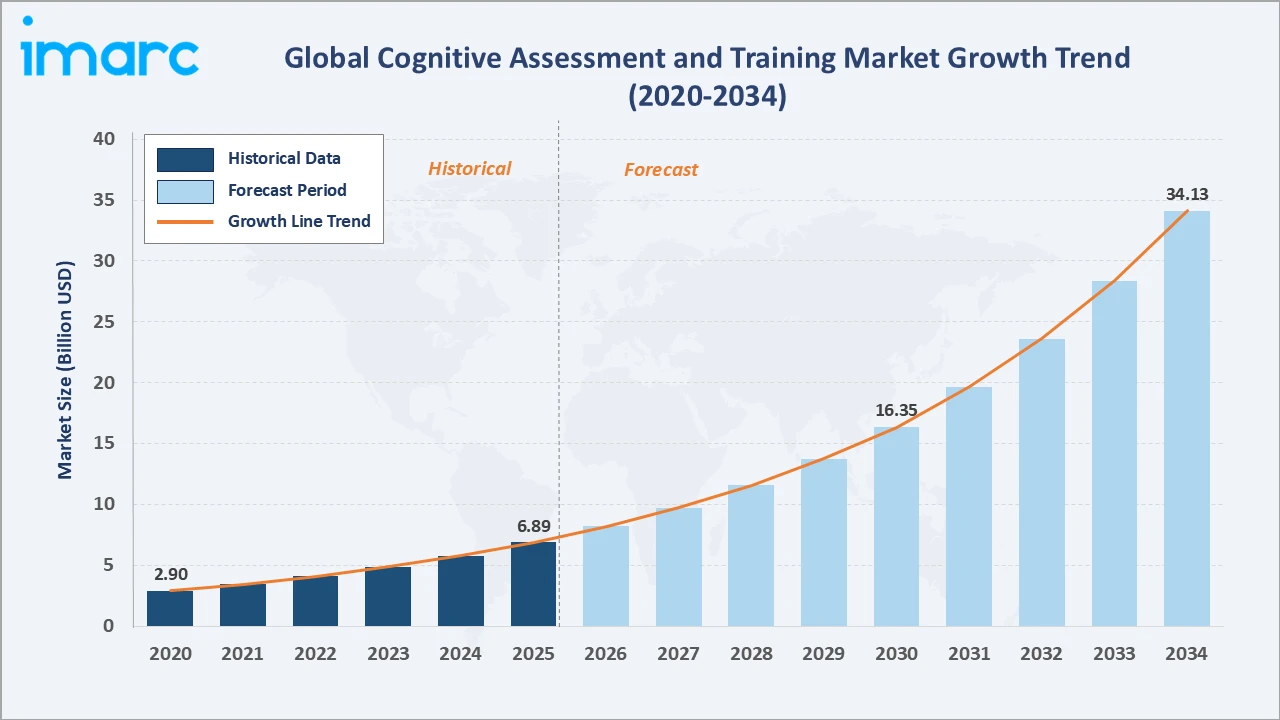
The global cognitive assessment and training market size increased from USD 2.90 Billion in 2020 to USD 6.89 Billion in 2025 and is estimated to reach USD 8.19 Billion in 2026. The market is further expected to grow to USD 16.35 Billion by 2030 and USD 34.13 Billion by 2034. Growth reflects rapid adoption of digital, remote, and AI-supported cognitive tools.
To get more information on this market, Request Sample
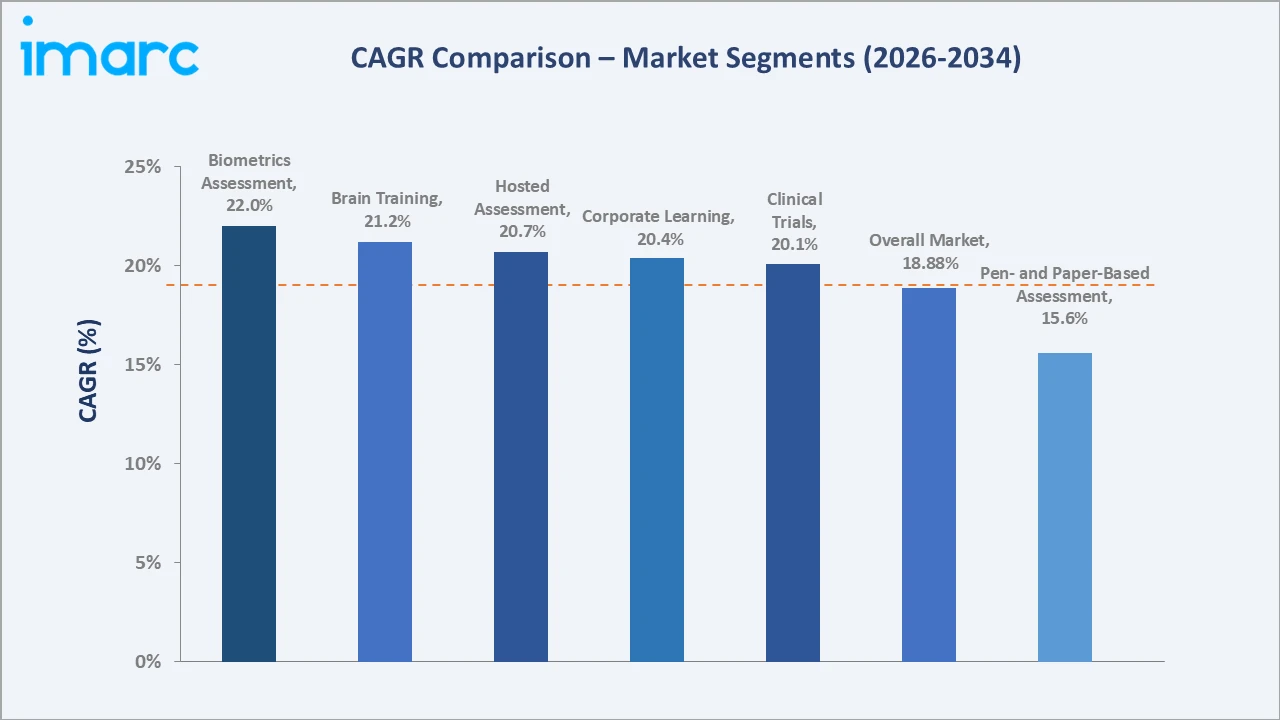
Biometrics assessment is expected to grow fastest at ~22.0% CAGR, supported by wearables, eye tracking, and EEG-based tools. Brain training follows at ~21.2% CAGR as consumers and older adults adopt app-based programs to maintain cognitive health.
Executive Summary
The global cognitive assessment and training market expanded from USD 6.89 Billion in 2025 to an estimated USD 8.19 Billion in 2026. Cognitive testing is moving from paper-based tests in specialist clinics toward digital, remote, and scalable tools used in clinical trials, primary care, schools, workplaces, and homes. Providers are combining digital assessments with biomarkers, wearables, and AI to detect cognitive changes earlier. The market is projected to reach USD 34.13 Billion by 2034. Hosted assessment at 46.7% leads as cloud-based testing becomes standard. Clinical trials at 28.7% lead applications. North America leads regionally at 34.6%.
Key Market Insights
|
Insight |
Data |
|
Dominant Assessment Type |
Hosted Assessment - 46.7% share (2025) |
|
Dominant Application |
Clinical Trials - 28.7% market share (2025) |
|
Leading Region |
North America - 34.6% share (2025) |
|
Market Opportunity |
Early dementia screening in primary care; AI-driven digital biomarkers; wearable-based cognitive monitoring; corporate and educational training programs |
Key Analytical Observations Supporting the Above Data:
- Hosted Assessment at 46.7%: Hosted assessment dominates because cloud-based testing platforms allow remote, scalable, and standardized administration, with automatic scoring and secure data storage. These advantages make them the preferred choice for clinical trials, healthcare providers, and large organizations.
- Clinical Trials at 28.7%: Clinical trials lead applications because drug developers rely on sensitive, validated cognitive endpoints to measure treatment effects in Alzheimer’s disease, depression, schizophrenia, and other central nervous system conditions.
- North America at 34.6%: North America leads regionally due to high clinical trial activity, strong healthcare spending, large aging population, and early adoption of digital health tools in the United States.
Global Cognitive Assessment and Training Market Overview
Cognitive assessment tools measure abilities such as memory, attention, processing speed, reasoning, and executive function, while cognitive training programs aim to maintain or improve these abilities. Solutions range from traditional pen-and-paper tests to digital platforms, mobile apps, biometric tools, and virtual reality. Assessments are used for screening, diagnosis, monitoring disease progression, measuring treatment effects, and supporting education and workforce decisions.
The industry ecosystem links neuroscience researchers, solution providers, pharmaceutical sponsors, contract research organizations, technology partners, regulators, and end users. Macroeconomic factors include healthcare spending, research and development investment, population aging, education budgets, and digital adoption, all of which shape demand. Public health campaigns on dementia risk reduction and brain health are also raising awareness among the general population.
Market Dynamics
To evaluate market opportunities, Request Sample
Market Drivers
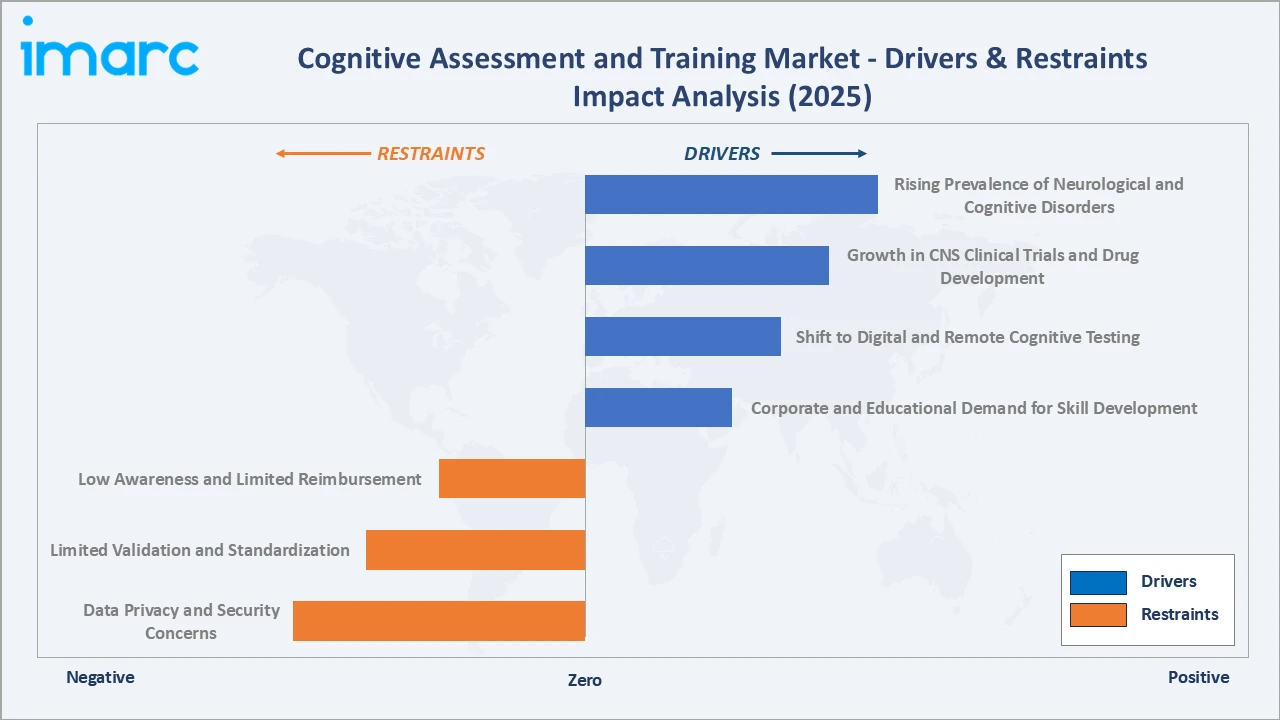
- Rising Prevalence of Neurological and Cognitive Disorders: Aging populations are increasing the number of people living with dementia, mild cognitive impairment, Parkinson’s disease, and other conditions that affect thinking and memory. Early detection allows timely intervention and care planning, driving demand for accurate, easy-to-use cognitive assessments in primary care, memory clinics, and specialist settings. Growing awareness of brain health among middle-aged adults is also encouraging earlier self-checks, while families and caregivers increasingly seek objective tools to track changes over time. Conditions such as stroke, traumatic brain injury, multiple sclerosis, and long-term effects of infections also require cognitive monitoring. Insurers and health systems are also recognizing that earlier identification of cognitive decline can reduce long-term care costs. Government dementia strategies in many countries now emphasize timely diagnosis, creating policy support for wider use of cognitive assessment tools.
- Growth in CNS Clinical Trials and Drug Development: Pharmaceutical and biotechnology companies are investing heavily in therapies for Alzheimer’s disease, depression, schizophrenia, and other central nervous system conditions. These trials require sensitive, validated cognitive endpoints to measure treatment effects, creating strong demand for digital assessment tools, rater training, and data quality services. Regulators increasingly expect sensitive cognitive measures in early-stage disease trials, and sponsors are seeking tools that detect small treatment effects with fewer participants, shorter timelines, and lower costs. Growing numbers of trials in rare neurological diseases and psychiatric conditions further expand the use of specialized cognitive endpoints. Rater training and centralized data monitoring services are also in high demand to reduce variability and improve signal detection in large global studies.
- Shift to Digital and Remote Cognitive Testing: Digital assessments can be delivered on tablets, computers, and smartphones, allowing remote testing, automated scoring, and frequent repeat measurements. These tools reduce the burden on patients and clinicians, expand access in underserved areas, and generate richer data than traditional paper-based tests. Remote testing became widely accepted during the pandemic, and many healthcare providers and research sponsors have kept these approaches because of their convenience and efficiency. Smartphone-based tests also make it possible to reach large and diverse populations for research and screening programs.
- Corporate and Educational Demand for Skill Development: Employers and educational institutions are using cognitive assessments to support hiring, talent development, and personalized learning. Cognitive training programs are being used to improve attention, memory, and problem-solving skills among students and employees, broadening the market beyond healthcare. Rising use of online learning platforms and workforce development programs is creating natural channels for integrating cognitive assessment and training into everyday education and work. Sports organizations also use cognitive assessments to manage concussion and support athlete performance and safety.
Market Restraints
- Data Privacy and Security Concerns: Cognitive assessments collect sensitive personal and health data, raising concerns about privacy, consent, and data security. Compliance with data protection rules across countries increases costs, and concerns about misuse of cognitive data can slow adoption among patients, employees, and students. Organizations must also ensure that cognitive data is not used unfairly in employment, insurance, or education decisions, which adds governance and ethical oversight requirements. Cybersecurity threats targeting healthcare and research data further increase the need for strong security controls.
- Limited Validation and Standardization: Many digital cognitive tools and brain training programs lack robust scientific validation or standardized norms across languages and cultures. This makes it difficult for clinicians, regulators, and buyers to compare products and trust results, limiting adoption in clinical settings. Differences in education levels, languages, and cultural backgrounds can affect test performance, making it important to develop locally validated norms before wide deployment. Regulatory requirements for digital tools used in diagnosis also vary by country, adding complexity for global providers.
- Low Awareness and Limited Reimbursement: Routine cognitive screening is not yet standard in many healthcare systems, and reimbursement for digital assessments and cognitive training remains limited. Low awareness among patients and primary care providers further slows uptake, especially in developing regions. Stigma around dementia and mental health also discourages some people from seeking cognitive evaluation until symptoms become severe. Limited specialist capacity in many countries also restricts follow-up care after a positive screening result.
Market Opportunities
- Early Dementia Screening in Primary Care: New disease-modifying therapies are increasing the value of early diagnosis. Brief digital assessments that can be used by general practitioners, combined with blood-based biomarkers, offer a large opportunity to build scalable screening pathways. Partnerships between assessment providers, laboratory companies, and health systems are already demonstrating how such pathways can work in practice.
- AI-Driven Digital Biomarkers and Wearables: Artificial intelligence, speech analysis, eye tracking, and wearable sensors can detect subtle cognitive changes passively and continuously. These tools create new opportunities in clinical trials, healthcare, and consumer brain health. Passive monitoring could also reduce the burden of repeated formal testing for older adults and patients with chronic conditions.
Market Challenges
- Integration with Clinical Workflows: Healthcare providers often struggle to fit cognitive testing into busy consultations and electronic health record systems. Solutions must be quick, easy to interpret, and well integrated to achieve routine use. Training for clinicians and clear guidance on follow-up actions are also needed to ensure that test results lead to appropriate care decisions.
- Demonstrating Real-World Benefit of Cognitive Training: Evidence that brain training programs deliver lasting, real-world improvements remains mixed. Providers must invest in rigorous studies to support claims and build trust among clinicians, regulators, and consumers. Clear communication about realistic benefits and limitations is also important to avoid overstated marketing claims. Long-term studies linking training to everyday function and quality of life will be essential for broader clinical acceptance.
Emerging Market Trends
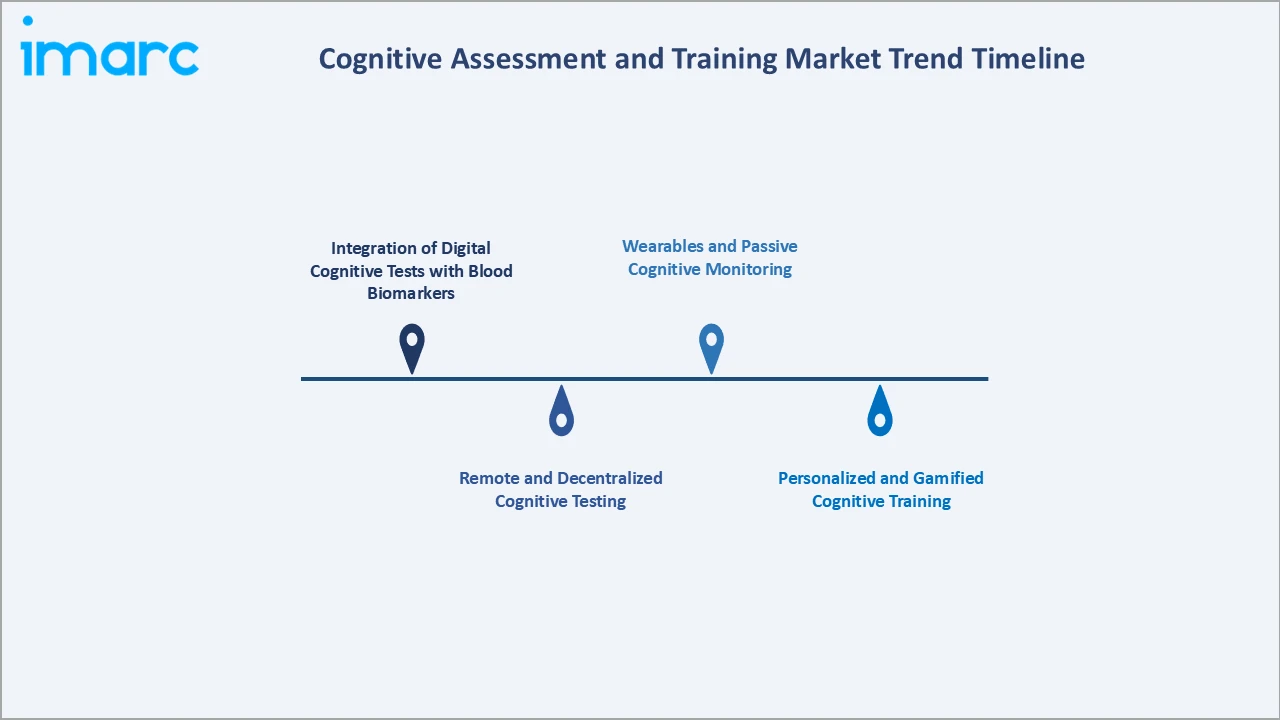
1. Integration of Digital Cognitive Tests with Blood Biomarkers
Healthcare systems are combining short digital cognitive assessments with blood-based biomarker tests to identify people who may have Alzheimer’s disease earlier and more efficiently. This combined approach can reduce reliance on costly imaging and specialist visits and is reshaping cognitive assessment and training market trends in healthcare. Health systems are evaluating these pathways through pilot programs to understand cost, accuracy, and patient experience at scale. Results from these programs are expected to inform national guidelines on early cognitive assessment over the coming years.
2. Remote and Decentralized Cognitive Testing
Clinical trials and healthcare providers are increasingly using remote, at-home cognitive testing on smartphones and tablets. Decentralized approaches improve participant convenience, increase testing frequency, and allow researchers to capture changes in cognition in real-world settings. Frequent short assessments can also reduce the impact of day-to-day variation, improving the reliability of cognitive measurements over time.
3. Wearables and Passive Cognitive Monitoring
Wearable devices, smartwatches, and smart rings are being paired with brief cognitive tasks to study how sleep, activity, and physiological signals relate to cognitive performance. Passive monitoring may help detect early changes without requiring frequent formal testing. Partnerships between assessment providers and consumer technology companies are making cognitive tasks available to large user populations through familiar apps. These large datasets may also improve understanding of how lifestyle factors influence cognition across age groups.
4. Personalized and Gamified Cognitive Training
Cognitive training programs are using adaptive algorithms and game-based design to personalize exercises and keep users engaged. Programs are being tailored for older adults, children with learning challenges, athletes, and professionals seeking to improve focus and performance. Programs that combine cognitive exercises with physical activity, sleep, and nutrition guidance are also gaining interest as part of holistic brain health approaches. Schools and employers are also adopting gamified programs to support attention, memory, and learning skills.
Industry Value Chain Analysis
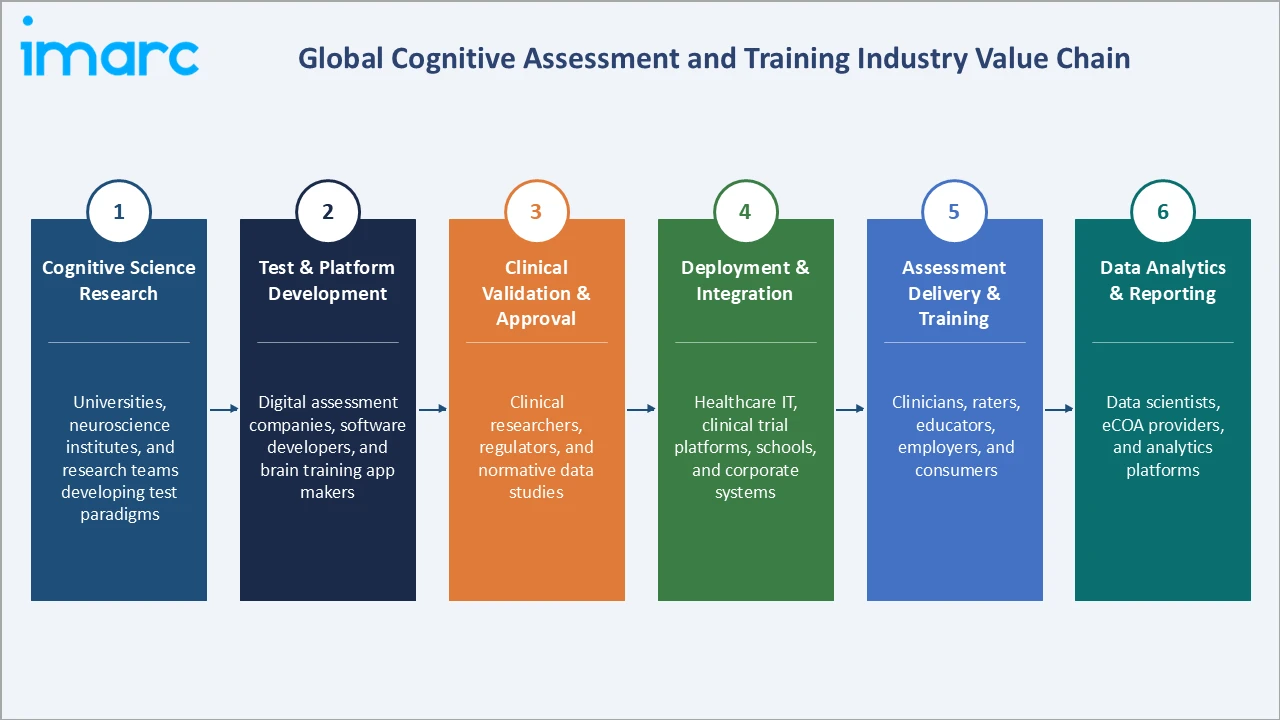
The cognitive assessment and training value chain spans cognitive science research, test and platform development, clinical validation and approval, deployment and integration, assessment delivery and training, and data analytics and reporting. Value is concentrated in validated tests, proprietary data, and scientific expertise.
|
Stage |
Key Participants |
|
Cognitive Science Research |
Universities, neuroscience institutes, and research teams developing test paradigms |
|
Test & Platform Development |
Digital assessment companies, software developers, and brain training app makers |
|
Clinical Validation & Approval |
Clinical researchers, regulators, and normative data studies |
|
Deployment & Integration |
Healthcare IT, clinical trial platforms, schools, and corporate systems |
|
Assessment Delivery & Training |
Clinicians, raters, educators, employers, and consumers |
|
Data Analytics & Reporting |
Data scientists, eCOA providers, and analytics platforms |
Clinical validation and approval is the most consequential stage of the chain. Scientifically validated tests with strong normative data and regulatory acceptance are trusted by pharmaceutical sponsors, clinicians, and payers, giving providers a lasting competitive advantage. Long-term datasets collected across many studies also allow providers to refine norms and develop new analytics products. Strong relationships with pharmaceutical sponsors and regulators also help leading providers secure long-term contracts and repeat business across trial programs.
Technology Landscape in the Global Cognitive Assessment and Training Industry
Computerized and Cloud-Based Assessment Platforms
Computerized assessments delivered through cloud platforms offer standardized administration, automatic scoring, and secure data storage. They support multiple languages, repeat testing with alternate versions, and integration with clinical trial systems and electronic health records. Built-in quality checks and audit trails also support regulatory compliance in clinical research. Adaptive testing algorithms adjust difficulty in real time, shortening test duration while maintaining accuracy.
Artificial Intelligence and Digital Biomarkers
Artificial intelligence analyzes speech, typing, eye movements, and test performance patterns to detect subtle cognitive changes. Machine learning models can combine cognitive scores with biomarkers and health data to predict risk of decline and support earlier intervention. Natural language processing of speech recordings is emerging as a promising, low-burden method to identify early signs of cognitive decline.
Biometric, Wearable, and Immersive Technologies
EEG headsets, eye trackers, wearable sensors, and virtual reality environments provide new ways to measure and train cognitive function. These technologies capture physiological and behavioral signals that complement traditional tests and enable engaging training experiences. Virtual reality also allows assessment of everyday functional tasks, such as navigation and shopping, in controlled and realistic settings. Neurofeedback systems are also being used to help users train attention and relaxation through real-time brain activity signals.
Market Segmentation Analysis
The report covers the following segments:
| Segment Category | Leading Segment | Market Share | Year |
|---|---|---|---|
| Assessment Type | Hosted Assessment | 46.7% | 2025 |
| Component | Solutions | 🔒 | 2025 |
| Application | Clinical Trials | 28.7% | 2025 |
| End-User Sector | Healthcare | 🔒 | 2025 |
| Region | North America | 34.6% | 2025 |

By Assessment Type
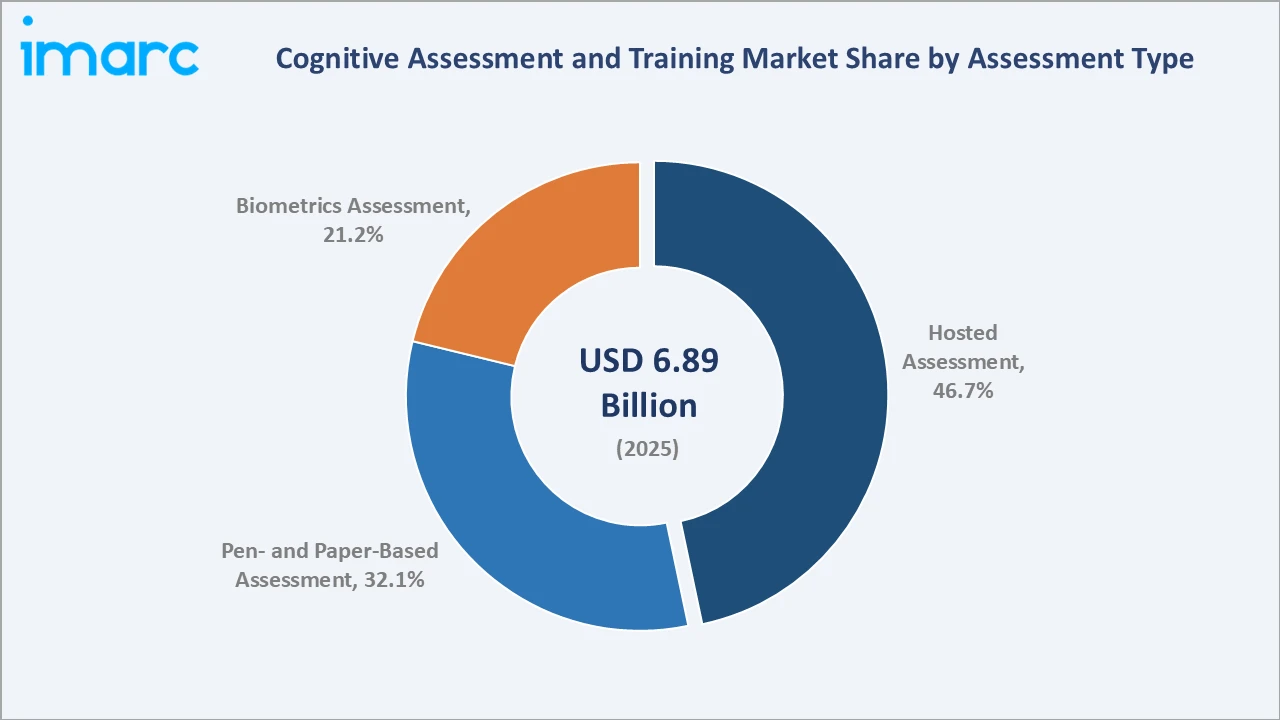
Hosted assessment leads at 46.7% (2025). Cloud-based platforms allow remote, standardized, and scalable testing with automatic scoring, making them the preferred choice for clinical trials, healthcare providers, and large organizations. Integration with clinical trial platforms and electronic records further strengthens their position.
To access detailed market analysis, Request Sample
Pen- and paper-based assessment at 32.1% is growing at ~15.6% CAGR, as many clinicians still rely on familiar tests. These tests remain common in resource-limited settings and in routine clinical practice where digital infrastructure is limited. Biometrics assessment at 21.2% is growing fastest at ~22.0%, supported by wearables, eye tracking, and EEG tools. Falling device costs and improved accuracy are encouraging adoption in research and clinical care.
By Application
Clinical trials lead at 28.7% (2025). Drug developers rely on validated cognitive endpoints to measure treatment effects in CNS disorders, creating strong and recurring demand for digital tests, rater training, and data quality services.
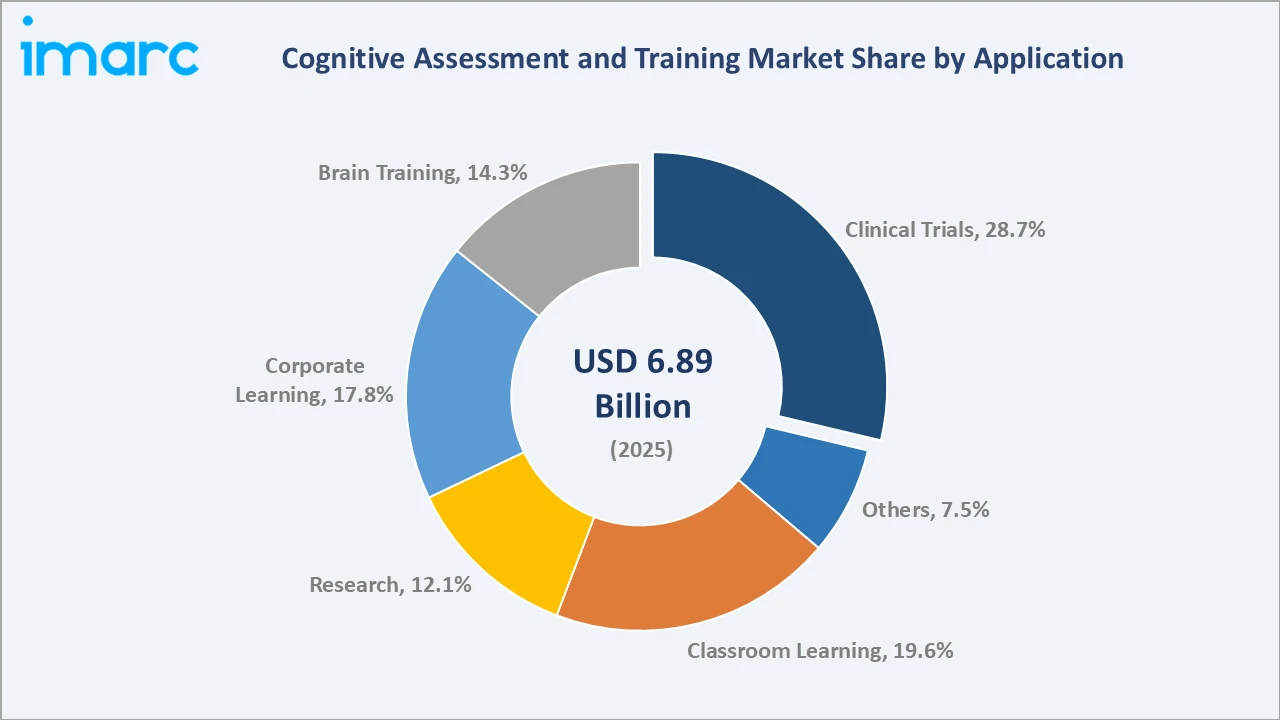
Classroom learning at 19.6%, corporate learning at 17.8% growing at ~20.4% CAGR, brain training at 14.3% growing at ~21.2%, research at 12.1%, and others at 7.5% complete the application mix. Growth in corporate learning and brain training reflects rising interest in productivity, mental performance, and healthy aging outside clinical settings. Research applications continue to grow as academic studies increasingly use digital tools to measure cognition in large populations.
Regional Market Insights
|
Region |
Share (2025) |
Key Global Cognitive Assessment and Training Market Drivers & Characteristics |
|
North America |
34.6% |
High CNS clinical trial activity, large aging population, and strong digital health adoption. |
|
Europe |
27.8% |
National dementia strategies, academic research strength, and growing primary care screening. |
|
Asia Pacific |
21.5% |
Rapidly aging societies in Japan and China and growing education technology demand. |
|
Latin America |
9.2% |
Rising awareness of dementia and expanding clinical trial sites in Brazil and Mexico. |
|
Middle East and Africa |
6.9% |
Developing healthcare infrastructure and early adoption of digital health tools. |
North America's 34.6% market leadership reflects high clinical trial activity, strong healthcare spending, and early adoption of digital cognitive tools in the United States. Europe's 27.8% reflects national dementia strategies, strong academic research, and growing use of cognitive screening in primary care.
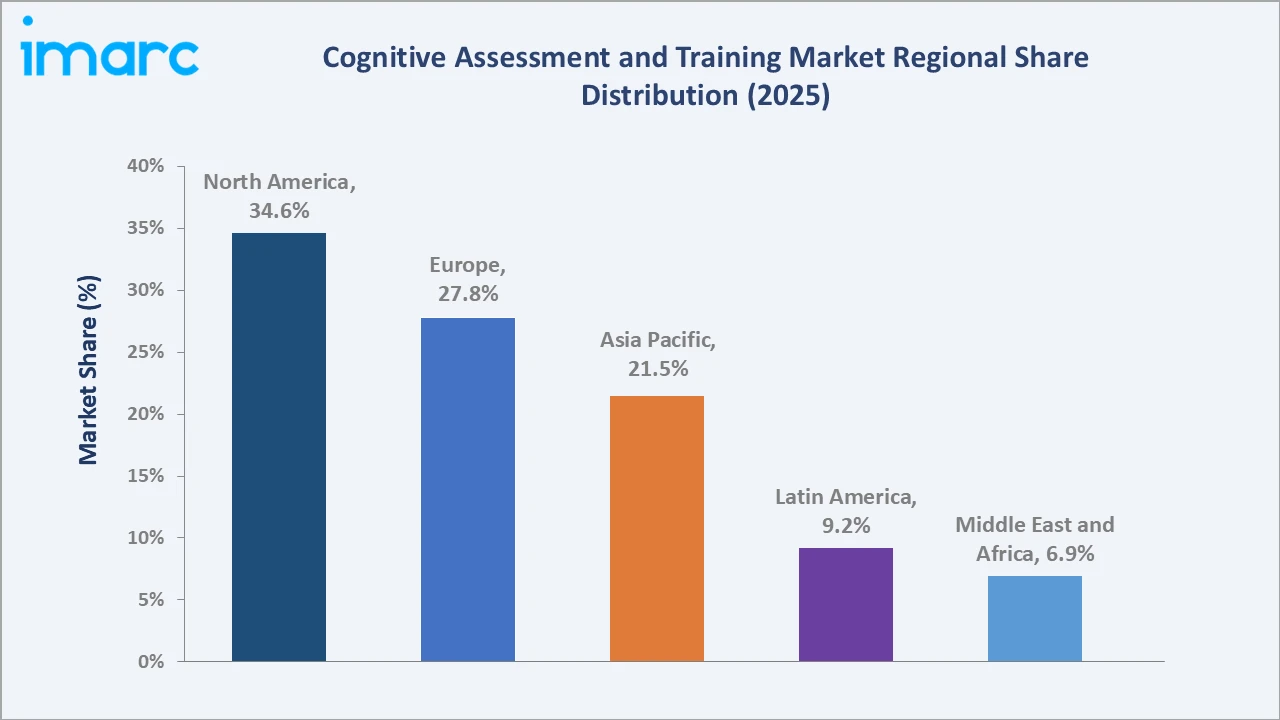
Asia Pacific's 21.5% reflects rapidly aging populations in Japan, China, and South Korea and strong demand for education technology. Latin America at 9.2% and Middle East and Africa at 6.9% are smaller but growing as awareness and digital health adoption rise. Expanding clinical trial activity and investment in healthcare infrastructure are expected to lift demand in these regions over the forecast period.
Competitive Landscape
The global cognitive assessment and training market includes specialized digital cognition companies, clinical trial technology providers, educational assessment publishers, diagnostic laboratories, and consumer brain training app developers. Competition centers on scientific validation, regulatory acceptance, technology platforms, and global reach.
| Company | Key Brands | Market Position | Core Strength |
|---|---|---|---|
| Cogstate Ltd. | Digital Cognitive Assessment | Market Leader | Validated digital tests widely used in CNS trials. |
| Cambridge Cognition Ltd | CANTAB, CANTAB Connect, CANTAB Pathway | Market Leader | Over 40 years of cognitive science behind CANTAB. |
| Clario | Clario eCOA Solutions | Strong Challenger | Endpoint data solutions for global clinical trials. |
| Pearson | Wechsler Intelligence Scale for Children, Wechsler Adult Intelligence Scale | Strong Challenger | Established psychological and educational tests. |
| CogniFit Inc | General Cognitive Assessment, Academic Cognitive Assessment | Innovator | Consumer and clinical brain training platform. |
| ImPACT Applications Inc. | ImPACT, ImPACT Pediatric | Innovator | Concussion assessment for sports and clinics. |
| Quest Diagnostics Incorporated | CogniSense™, AD-Detect™ | Niche Player | Large diagnostic laboratory and testing network. |
The most important competitive dynamic is the race to provide scientifically validated, scalable digital tools that regulators, pharmaceutical sponsors, and clinicians trust. Partnerships with biomarker companies, technology platforms, and healthcare systems are increasingly shaping cognitive assessment and training market share.
Key Company Profiles
Cambridge Cognition Ltd
Cambridge Cognition Ltd is a digital health company specialising in cognitive assessment technology and neuroscience research solutions. The company provides digital and voice-based assessments to pharmaceutical companies, researchers, and healthcare professionals, supporting clinical trials and the evaluation of cognitive function.
- Key Brands: CANTAB, CANTAB Connect, CANTAB Pathway.
- Recent Developments: In September 2026, Cambridge Cognition partnered with C2N Diagnostics and The Alzheimer’s Trust to combine CANTAB Pathway with blood testing and MRI for Alzheimer’s diagnosis in the UK.
- Strategic Focus: Expanding into primary care through the Imperial College-led NHS BEAD-PC study, which added CANTAB assessments in 2026.
Cogstate Ltd.
Cogstate Ltd. is a neuroscience technology company specialising in digital cognitive assessments and clinical trial solutions. The company provides computerised tests and data analysis services to biopharmaceutical companies, academic institutions, and healthcare professionals to assess cognitive function and support clinical research.
- Key Brands: Digital Cognitive Assessment.
- Recent Developments: In August 2026, Cogstate was selected as the cognitive measurement partner for the XPRIZE Healthspan competition.
- Strategic Focus: Expanding its partnership with Medidata to deliver digital cognitive assessments for CNS clinical trials.
Clario
Clario provides endpoint data solutions for clinical trials, including electronic clinical outcome assessments, imaging, and digital physiology.
- Key Brands: Clario eCOA Solutions.
- Recent Developments: In March 2026, Thermo Fisher Scientific completed its acquisition of Clario, which became part of its Laboratory Products and Biopharma Services segment.
- Strategic Focus: Strengthening neuroscience trial capabilities following its acquisition of WCG’s eCOA business.
Market Concentration Analysis
The global cognitive assessment and training market is moderately fragmented. Specialized digital cognition and clinical trial technology companies hold strong positions in drug development, while education publishers, diagnostic laboratories, and consumer app developers compete in other segments.
According to this cognitive assessment and training market analysis, market concentration is evolving through two opposing forces: acquisitions and partnerships are consolidating clinical trial solutions, while new digital health and consumer brain training startups continue to enter the market. Regulatory acceptance of digital endpoints is expected to favor established providers with large validation datasets.
Investment & Growth Opportunities
Highest Growth Segments
Biometrics assessment (~22.0% CAGR through wearables and EEG), brain training (~21.2% CAGR through consumer apps), Asia Pacific (~21.8% CAGR through aging populations), and corporate learning (~20.4% CAGR through workforce development) represent the highest-growth investment areas through 2034.
Emerging Investment Opportunities
Scalable dementia screening tools for primary care are among the most promising opportunities. Combining brief digital tests with blood biomarkers can support earlier diagnosis as new therapies become available.
Investment Themes
- AI-driven digital biomarkers: Speech, typing, and wearable data enable passive detection of cognitive change.
- Remote clinical trial solutions: Decentralized testing improves trial efficiency and patient access.
Future Market Outlook (2026-2034)
The global cognitive assessment and training market is projected to grow from USD 6.89 Billion in 2025 to USD 8.19 Billion in 2026, reaching USD 34.13 Billion by 2034, registering a CAGR of 18.88% during 2026-2034. The anchor value of USD 16.35 Billion in 2030 marks a point at which digital cognitive screening should be widely used in healthcare. By then, AI-driven analytics and wearable monitoring should also be common in clinical trials and consumer brain health programs.
This cognitive assessment and training market analysis identifies three structural forces through 2034 rising neurological disease burden; expanding CNS drug development; and rapid adoption of digital, AI, and wearable technologies. Together, these forces support strong growth across assessment types, applications, and regions over the forecast period.
Research Methodology
Primary Research
Primary research comprised structured interviews with industry stakeholders, including neuropsychologists, clinical trial specialists, solution providers, educators, human resource professionals, and healthcare administrators, along with inputs from all major regions.
Secondary Research
Secondary research covered company websites and press releases, scientific publications, clinical trial registries, government health data, and industry reports. Over 50 credible secondary sources were reviewed, compared, and cross-checked for accuracy and consistency across datasets.
Forecasting Models
Market revenue forecasts were developed using a demand-based model: testing and training volumes by application and region multiplied by average prices for each assessment type, with segment results aggregated to total market value. Assumptions were validated through detailed discussions with experienced industry experts, clinical researchers, and solution providers across all major global regions and markets.
Report Coverage:
| Report Features | Details |
|---|---|
| Base Year of the Analysis | 2025 |
| Historical Period | 2020-2025 |
| Forecast Period | 2026-2034 |
| Units | Billion USD |
| Scope of the Report | Exploration of Historical and Forecast Trends, Industry Catalysts and Challenges, Segment-Wise Historical and Predictive Market Assessment:
|
| Assessment Types Covered | Pen- and Paper-Based Assessment, Hosted Assessment, Biometrics Assessment |
| Components Covered | Solutions, Services |
| Applications Covered | Clinical Trials, Classroom Learning, Corporate Learning, Brain Training, Research, Others |
| End-User Sectors Covered | Education, Healthcare, Corporate, Sports, Defense, Others |
| Regions Covered | Asia Pacific, Europe, North America, Latin America, Middle East and Africa |
| Countries Covered | United States, Canada, Germany, France, United Kingdom, Italy, Spain, Russia, China, Japan, India, South Korea, Australia, Indonesia, Brazil, Mexico |
| Companies Covered | Cogstate Ltd., Cambridge Cognition Ltd, Clario, Pearson, CogniFit Inc, ImPACT Applications Inc., Quest Diagnostics Incorporated, etc. |
| Customization Scope | 10% Free Customization |
| Post-Sale Analyst Support | 10-12 Weeks |
| Delivery Format | PDF and Excel through Email (We can also provide the editable version of the report in PPT/Word format on special request) |
Frequently Asked Questions About the Cognitive Assessment and Training Market Report
The global cognitive assessment and training market size is estimated at USD 8.19 Billion in 2026, supported by rising neurological disorders and digital testing adoption.
The cognitive assessment and training market grows at 18.88% CAGR during 2026-2034, reaching USD 34.13 Billion by 2034.
Hosted assessment leads at 46.7%, owing to scalable cloud-based testing and automatic scoring.
Clinical trials lead at 28.7%, driven by demand for validated cognitive endpoints in CNS drug development.
North America leads at 34.6%, supported by high clinical trial activity and digital health adoption.
Leading companies include Cogstate Ltd., Cambridge Cognition Ltd, Clario, Pearson, CogniFit Inc, ImPACT Applications Inc., and Quest Diagnostics Incorporated, among others.
Key cognitive assessment and training market trends include digital tests combined with blood biomarkers, remote testing, wearable monitoring, and personalized training.
The market is projected to reach approximately USD 16.35 Billion by 2030.
Need more help?
- Speak to our experienced analysts for insights on the current market scenarios.
- Include additional segments and countries to customize the report as per your requirement.
- Gain an unparalleled competitive advantage in your domain by understanding how to utilize the report and positively impacting your operations and revenue.
- For further assistance, please connect with our analysts.
 Request Customization
 Speak to an Analyst
 Request Brochure
 Inquire Before Buying
Benefits of Customization
- Personalize this research
- Triangulate with your data
- Get data as per your format and definition
- Gain a deeper dive into a specific application, geography, customer, or competitor
- Any level of personalization
Get in Touch With Us
UNITED STATES
Phone: +1-201-971-6302
INDIA
Phone: +91-120-433-0800
UNITED KINGDOM
Phone: +44-753-714-6104
Email: [email protected]
Client Testimonials



















Related Reports

Choose your plan
*Please note that the prices mentioned below are starting prices for each bundle type. Kindly contact our team for further details.*
Single User License
- 1 User License, Access on 2 Devices
- PDF Report + Excel Dataset (Password Protected)
- Lifetime Access
- No Printing Rights
- 10% Free Report Customization
- 10–12 Weeks of Analyst Support
Five User License
- Access for 5 Users, 2 Devices per User
- PDF Report + Excel Dataset (Password Protected)
- Lifetime Access
- Dedicated Account Manager
- 12–14 Weeks of Analyst Support
- No Printing Rights
- 15% Free Report Customization
- 25% Discount on Your Next Purchase
Corporate User License
- Unlimited User Access (Within Your Organization)
- PDF Report + Excel Dataset
- Lifetime Access
- Dedicated Account Manager
- 14–20 Weeks of Analyst Support
- No Printing Rights
- 20% Free Report Customization
- 30% Discount on Your Next Purchase
Essential Insights
What's included:
3 reports
- Lifetime Access
- PDF Reports
- Excel Datasets
- 2 Weeks of Free Analyst Support
- 2 User Licenses
- Access on 2 Devices
- Printing Rights
- Complimentary PowerPoint (PPT) Version
- Complimentary License Upgrade
Professional Access
What's included:
5 reports
- Lifetime Access
- PDF Reports
- Excel Datasets
- 8 Weeks of Free Analyst Support
- 2 User Licenses
- Access on 2 Devices
- Printing Rights
- Complimentary PowerPoint (PPT) Version
- Complimentary License Upgrade
Business Advantage
What's included:
8 reports
- Lifetime Access
- PDF Reports
- Excel Datasets
- 14 Weeks of Free Analyst Support
- 2 User Licenses
- Access on 2 Devices
- Printing Rights
- Complimentary PowerPoint (PPT) Version
- Complimentary License Upgrade
Enterprise Intelligence
What's included:
10 reports
- Lifetime Access
- PDF Reports
- Excel Datasets
- 20 Weeks of Free Analyst Support
- 2 User Licenses
- Access on 2 Devices
- Printing Rights
- Complimentary PowerPoint (PPT) Version
- Complimentary License Upgrade