
India Biomarkers Market Size, Share, Trends and Forecast by Product, Type, Disease, Application, End User, and Region, 2026-2034
India Biomarkers Market Size, Share, Trends & Forecast (2026-2034)
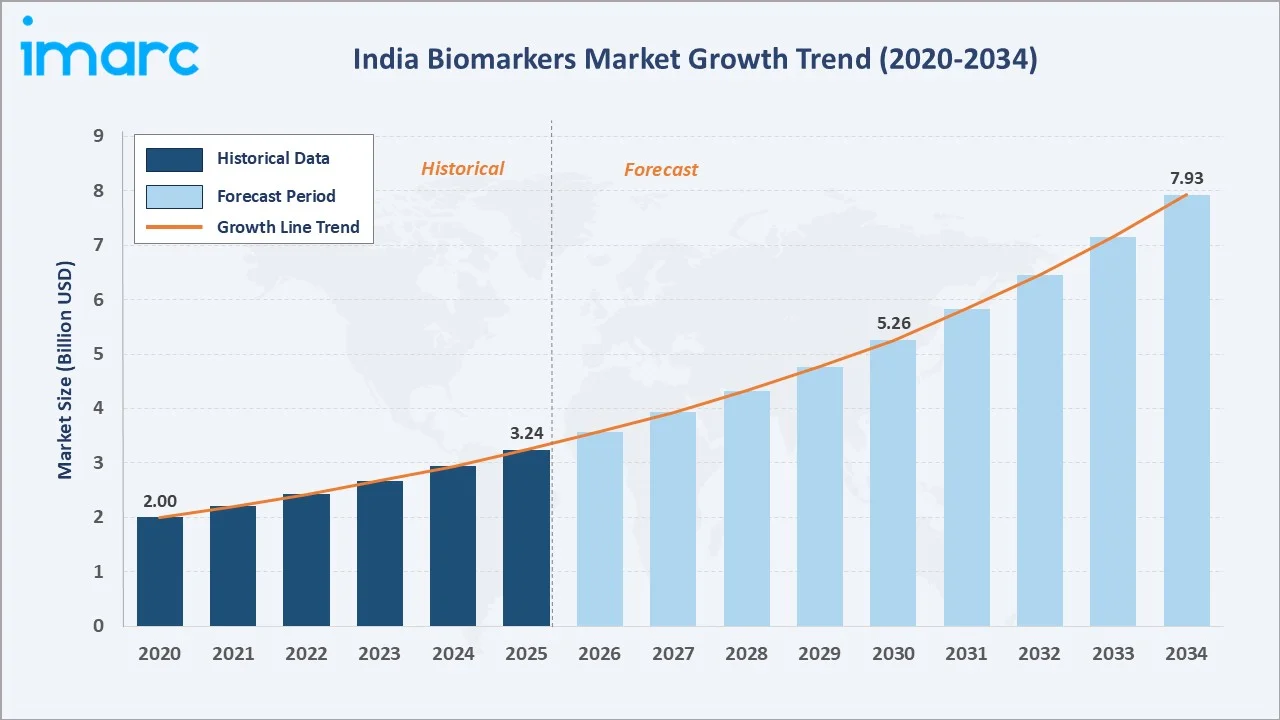
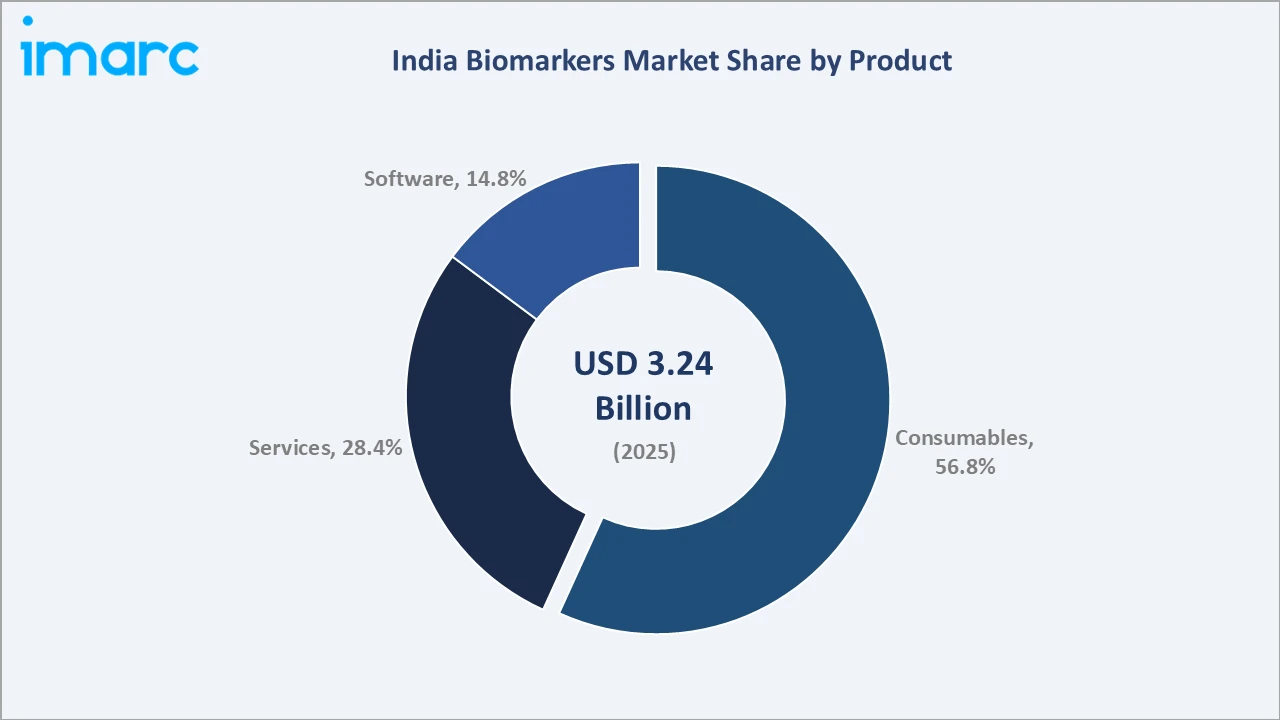
The India biomarkers market reached USD 3.24 Billion in 2025 and is projected to reach USD 7.93 Billion by 2034, exhibiting a remarkable CAGR of 10.14% during 2026-2034. India's biomarkers industry is driven by the rising burden of cancer, cardiovascular, and chronic diseases, the rapid expansion of India's pharmaceutical and clinical trials, and the accelerating adoption of Next-Generation Sequencing (NGS), liquid biopsy, and AI-driven biomarker discovery platforms across India's registered clinical laboratories. India’s elderly population is expected to rise to nearly 230 million by 2036, representing around 15% of the country’s total population, increasing the prevalence and monitoring needs of age-related conditions, thereby driving demand for early diagnosis, disease stratification, and personalized treatment tools. Consumables lead the product at 56.8%, efficacy biomarkers dominate the type at 45.7%, and West and Central India account for the largest regional share at 36.2%.
Market Snapshot
|
Metric |
Value |
|
Market Size (2025) |
USD 3.24 Billion |
|
Forecast Market Size (2034) |
USD 7.93 Billion |
|
CAGR (2026-2034) |
10.14% |
|
Base Year |
2025 |
|
Historical Period |
2020-2025 |
|
Forecast Period |
2026-2034 |
|
Dominant Product |
Consumables – 56.8% (2025) |
|
Dominant Type |
Efficacy Biomarkers – 45.7% (2025) |
|
Leading Region |
West and Central India – 36.2% (2025) |
The India biomarkers market grew from USD 2.00 Billion in 2020 to USD 3.24 Billion in 2025, anchored in COVID-19 biomarker demand surge, the post-pandemic scaling of India's cancer diagnostics infrastructure and accelerating clinical trial biomarker activity. The market is projected to reach USD 5.26 Billion by 2030 and USD 7.93 Billion by 2034.
To get more information on this market, Request Sample
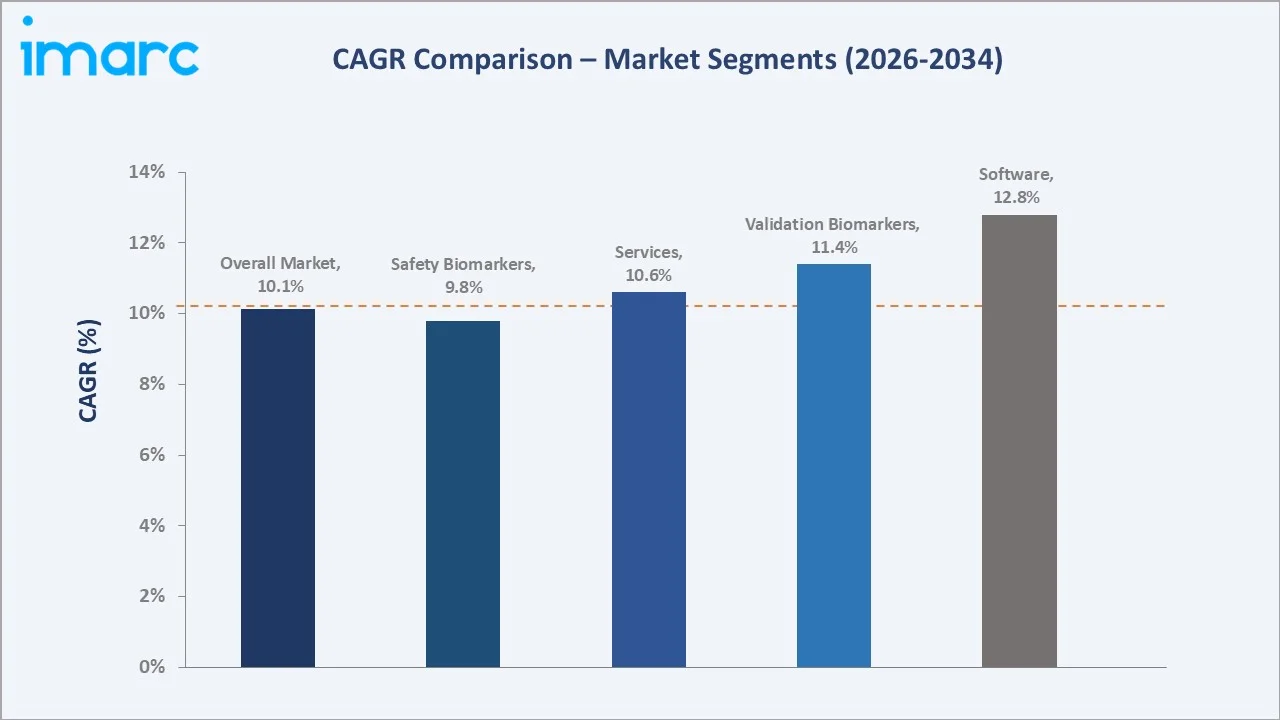
Software grows fastest at ~12.80% CAGR through AI biomarker discovery platforms and digital pathology analytics. Validation biomarkers grow at ~11.40% CAGR through regulatory companion diagnostic approvals. Services grow at ~10.60% CAGR through CRO and clinical trial biomarker testing demand. Safety biomarkers grow at ~9.80% CAGR through pharmacovigilance and drug safety monitoring expansion.
Executive Summary
The India biomarker test market is driven by the rising prevalence of cancer, cardiovascular diseases, diabetes, and neurological disorders, along with the country’s growing elderly population. Increasing adoption of precision medicine, companion diagnostics, genomic testing, and early disease screening is expanding biomarker testing demand. Growth in clinical research, pharmaceutical R&D, diagnostic laboratory infrastructure, and advanced technologies such as next-generation sequencing and liquid biopsy is further supporting market expansion.
Consumables lead at 56.8% (2025) through their recurring, high-frequency procurement by diagnostic laboratories, pharmaceutical companies operating drug development programs requiring repeated biomarker measurement across patient cohorts, and clinical trial sites performing protocol-mandated biomarker panels at each patient visit. Efficacy biomarkers command 45.7% type share through India's clinical trial industry's intensive consumption of pharmacodynamic and pharmacokinetic biomarkers required to demonstrate drug efficacy across active Indian clinical trials. West and Central India lead at 36.2% through Maharashtra's pharmaceutical manufacturing cluster and Gujarat's pharma hub providing the densest concentration of drug development biomarker demand.
Key Market Insights
|
Insight |
Data |
|
Dominant Product |
Consumables – 56.8% share (2025) |
|
Dominant Type |
Efficacy Biomarkers – 45.7% share (2025) |
|
Leading Region |
West and Central India – 36.2% share (2025) |
|
Market Opportunity |
Liquid biopsy ctDNA cancer screening at population scale; AI/ML-driven multi-omics biomarker panel development; ABDM-integrated digital biomarker tracking for chronic disease management; biomarker companion diagnostic co-development with India's generic-to-innovation pharma transition |
Key Analytical Observations Supporting the Above Data:
- Consumables at 56.8% (2025): Consumables constitute the dominant and most recurring revenue stream in India's biomarkers market, where each clinical laboratory, clinical trial site, and hospital laboratory generates daily, weekly, and monthly consumption of biomarker detection reagents, kits, antibodies, and analytical standards.
- Efficacy Biomarkers at 45.7% (2025): Efficacy biomarkers, defined as measurable biological indicators that demonstrate a drug's intended pharmacological effect in target tissues or surrogate endpoints predictive of clinical outcomes, are the single largest biomarker type category through the scale and intensity of India's pharmaceutical industry's clinical development activities.
- West and Central India at 36.2% (2025): West and Central India lead the market, supported by strong healthcare infrastructure, diagnostic laboratory networks, pharmaceutical and biotechnology clusters, and major research institutions in states such as Maharashtra and Gujarat.
India Biomarkers Market Overview
The India biomarkers market encompasses biological indicators used to detect, diagnose, monitor, and predict disease progression across multiple therapeutic areas. It includes genomic, proteomic, metabolic, and imaging biomarkers used in oncology, cardiovascular diseases, neurological disorders, diabetes, and other chronic conditions. The market covers applications in diagnostics, drug discovery, clinical trials, precision medicine, and companion diagnostics. Macroeconomic factors include India’s expanding healthcare expenditure, rising prevalence of chronic diseases, growing elderly population, and increasing investment in pharmaceutical and biotechnology R&D.
Market Dynamics
To evaluate market opportunities, Request Sample
Market Drivers
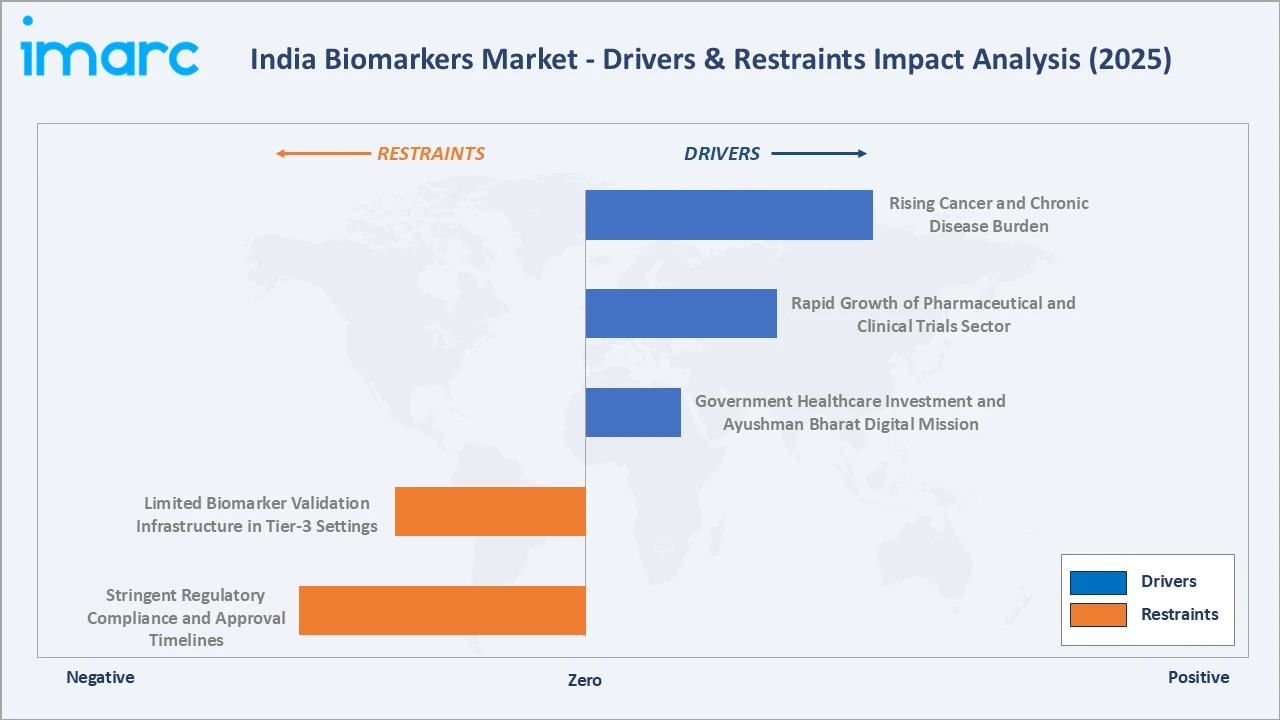
- Rising Cancer and Chronic Disease Burden: More than 60% of deaths in India are linked to non-communicable diseases. Cardiovascular diseases alone account for nearly one in four deaths. India's accelerating chronic disease epidemic is the fundamental structural driver of biomarker demand across diagnostics, drug development, and personalized medicine applications. Cancer incidence reached more than 1.4 million new cancer cases in 2023, requiring specific biomarker panels for staging, therapy selection, monitoring, and recurrence surveillance.
- Rapid Growth of Pharmaceutical and Clinical Trials Sector: India's pharmaceutical industry is in strategic transition from pure generic manufacturing toward innovation-driven drug development that is the primary engine of high-value biomarker consumption. The PLI (Production Linked Incentive) scheme for pharmaceuticals (INR 15,000 crore) specifically targets drug innovation and advanced pharmaceutical manufacturing, incentivizing domestic biomarker-linked drug development programs at companies. India's clinical trial ecosystem positions India for growth in clinical trial biomarker demand.
- Government Healthcare Investment and Ayushman Bharat Digital Mission: The Ayushman Bharat Digital Mission (ABDM) is creating the population-scale digital biomarker infrastructure that transforms India's fragmented diagnostic data into a unified, longitudinal biomarker database. Ayushman Bharat Pradhan Mantri Jan Arogya Yojana (AB-PMJAY) provides cashless hospitalization coverage of up to INR 5 lakh per family annually for eligible poor and vulnerable households seeking secondary and tertiary care, driving unprecedented volume expansion of diagnostic biomarker testing at empaneled hospitals and diagnostic centers serving India's previously uninsured population.
Market Restraints
- Stringent Regulatory Compliance and Approval Timelines: Biomarker tests often require extensive clinical validation, analytical performance assessment, and compliance with evolving diagnostic and medical device regulations. Lengthy approval processes can delay commercialization and increase development costs for manufacturers and laboratories. This is particularly challenging for advanced genomic, companion diagnostic, and precision medicine tests, where regulatory requirements can be complex and resource-intensive.
- Limited Biomarker Validation Infrastructure in Tier-3 Settings: Limited access to advanced laboratories, genomic platforms, skilled personnel, and standardized validation capabilities restrict biomarker testing outside major urban centers. This can delay test verification, reduce diagnostic consistency, and increase reliance on samples being sent to larger cities. As a result, adoption of advanced biomarker-based diagnostics remains slower across Tier-3 healthcare settings.
Market Opportunities
- India-Specific Healthy Aging Biomarker Development: In July 2025, the Indian Institute of Science (IISc), through its Longevity India Program, launched the BHARAT (Biomarkers of Healthy Aging, Resilience, Adversity, and Transitions) study to identify aging-related biomarkers and establish an India-specific baseline for healthy aging. Its longitudinal data could support precision medicine, preventive screening, drug development, and clinical research focused on India’s rapidly expanding elderly population.
- Genome India and Multi-Omics National Biobank Infrastructure: The expansion of large-scale genomic datasets and multi-omics biobanks creates opportunities to discover and validate biomarkers tailored to India’s genetically diverse population. These resources can support precision diagnostics, disease-risk prediction, companion diagnostics, and drug development. They also provide a stronger data foundation for population-specific biomarker panels across oncology, cardiovascular, metabolic, and neurological diseases.
Market Challenges
- Lack of Standardization Across Biomarker Testing Platforms: Differences in testing methodologies, laboratory protocols, sample handling, and analytical platforms can create variability in biomarker results. Limited harmonization makes it difficult to ensure consistent clinical performance across laboratories. Greater standardization is essential for wider adoption of biomarker-based diagnostics.
- Data Management and Interoperability Challenges: Advanced biomarker research generates substantial genomic, proteomic, clinical, and imaging datasets that require secure storage and sophisticated analysis. Fragmented healthcare information systems can make data integration and interoperability difficult. Developing robust bioinformatics infrastructure remains critical for translating multi-omics data into clinical applications.
Emerging Market Trends
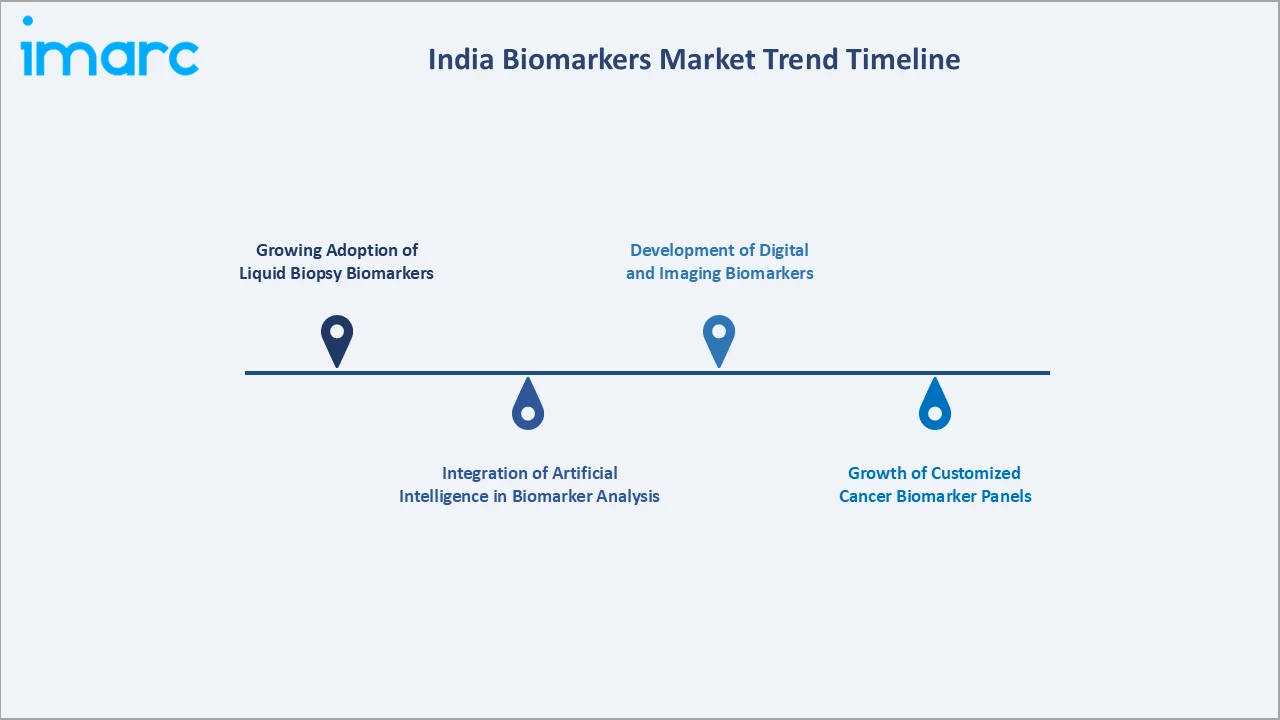
1. Growing Adoption of Liquid Biopsy Biomarkers
Liquid biopsy is gaining attention as a minimally invasive approach for detecting biomarkers through blood and other biological fluids. Technology has significant potential in oncology for early detection, treatment monitoring, and recurrence assessment. Advances in circulating tumor DNA and circulating tumor cell analysis are improving testing capabilities. Increasing cancer screening requirements are expected to support further adoption.
2. Integration of Artificial Intelligence in Biomarker Analysis
AI and machine learning are increasingly being applied to complex genomic, imaging, proteomic, and clinical datasets. These technologies can accelerate biomarker identification, detect disease patterns, and improve patient stratification. AI-based analytics are particularly relevant for multi-omics research where conventional analysis can be resource-intensive. Growing digital health capabilities are supporting wider adoption.
3. Growth of Customized Cancer Biomarker Panels
The introduction of disease-specific biomarker panels reflects increasing demand for customized biomarker testing tailored to cancer types. In November 2025, Servier India partnered with MedGenome and Strand Life Sciences to introduce a patient-focused biomarker testing initiative across India. Under the program, customized biomarker panels for Acute Myeloid Leukemia (AML) and Cholangiocarcinoma (CCA) are being offered at subsidized prices, improving access to advanced molecular diagnostics for these cancers. This trend is expected to strengthen the role of companion diagnostics in oncology care.
4. Development of Digital and Imaging Biomarkers
Wearable devices, medical imaging platforms, and digital health technologies are expanding the definition of biomarkers beyond conventional laboratory measurements. Digital biomarkers can continuously capture physiological and behavioral data, while imaging biomarkers support non-invasive disease assessment. Integration with AI can improve interpretation and monitoring capabilities. These technologies are gaining relevance in neurological, cardiovascular, and chronic disease management.
Industry Value Chain Analysis
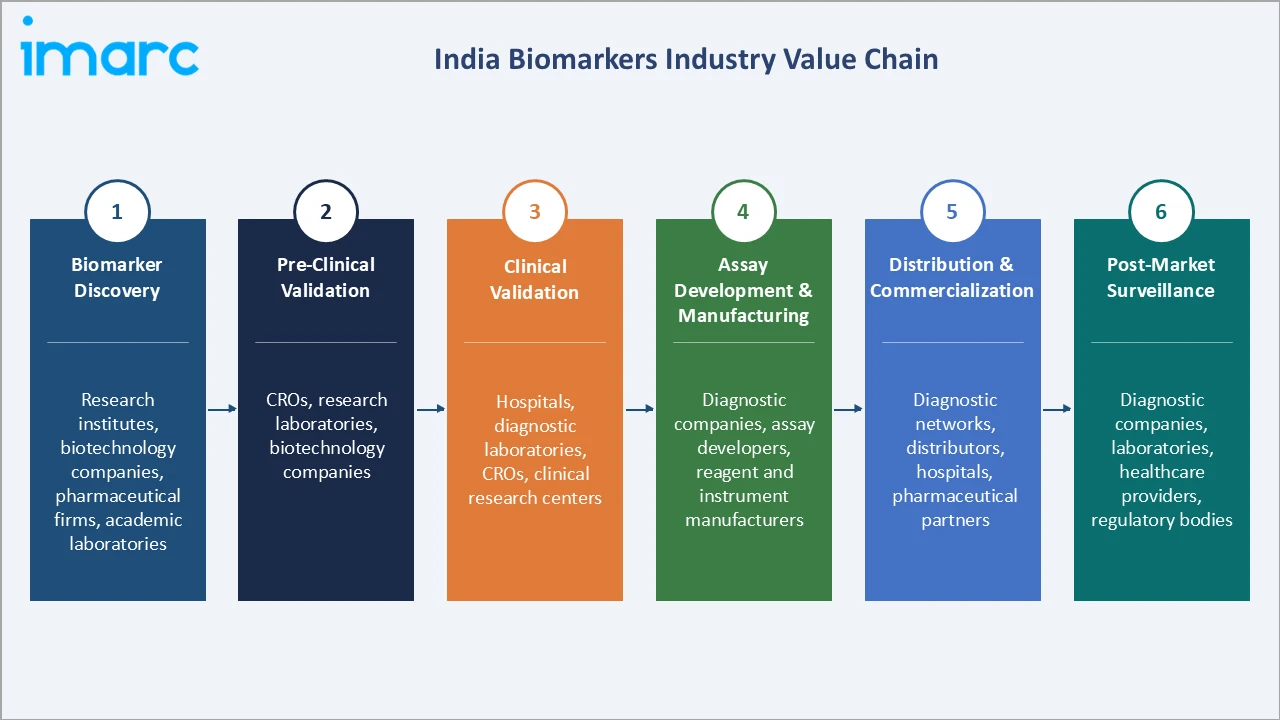
The India biomarkers market value chain integrates biomarker discovery research, pre-clinical and clinical validation, assay development, commercial manufacturing and distribution, and post-market surveillance, with significant variation in value chain integration between multinational companies and domestic biomarker service providers.
|
Stage |
Key Participants |
|
Biomarker Discovery |
Research institutes, biotechnology companies, pharmaceutical firms, academic laboratories. |
|
Pre-Clinical Validation |
CROs, research laboratories, biotechnology companies. |
|
Clinical Validation |
Hospitals, diagnostic laboratories, CROs, clinical research centers. |
|
Assay Development & Manufacturing |
Diagnostic companies, assay developers, reagent and instrument manufacturers. |
|
Distribution & Commercialization |
Diagnostic networks, distributors, hospitals, pharmaceutical partners. |
|
Post-Market Surveillance |
Diagnostic companies, laboratories, healthcare providers, regulatory bodies. |
Clinical validation is the most value-added stage in the India biomarkers value chain, as it establishes a biomarker’s clinical accuracy, reliability, and utility across relevant patient populations. Successful validation is critical for regulatory acceptance, physician confidence, and commercialization. This stage also significantly influences the biomarker’s potential use in diagnostics, companion diagnostics, and precision medicine.
Technology Landscape in the India Biomarkers Industry
Next-Generation Sequencing (NGS) Technology
NGS enables high-throughput analysis of genetic variations associated with diseases and treatment responses. It supports biomarker discovery, tumor profiling, hereditary disease assessment, and precision medicine applications. Increasing availability of genomic laboratories is expanding its use in India. NGS is particularly important for oncology and rare disease biomarker development.
Proteomics and Multi-Omics Integration
Integrating proteomic data with genomics and clinical information can improve biomarker discovery, disease stratification, and drug-development research. In May 2026, Strand Life Sciences introduced advanced proteomics capabilities powered by Olink Explore HT, strengthening large-scale multi-omics research in India and South Asia. The platform can analyze more than 5,400 protein biomarkers from only 2 µL of sample, enabling the integration of proteomic, genomic, and clinical data for advanced research and drug discovery. This technology is strengthening India’s capabilities in large-scale precision medicine and multi-omics studies.
Immunoassay Technology
Immunoassays use antigen-antibody interactions to detect and quantify specific protein biomarkers in biological samples. Technologies such as ELISA and chemiluminescent immunoassays remain important for routine clinical diagnostics. Their scalability, established workflows, and compatibility with automated laboratory systems support widespread use. Applications span oncology, cardiovascular disease, endocrinology, and inflammatory conditions.
Market Segmentation Analysis
The report covers the following segments:
|
Segment Category |
Leading Segment |
Market Share |
Year |
|
Product |
Consumables |
56.8% |
2025 |
|
Type |
Efficacy Biomarkers |
45.7% |
2025 |
|
Disease |
🔒 |
🔒 |
2025 |
|
Application |
🔒 |
🔒 |
2025 |
|
End User |
🔒 |
🔒 |
2025 |
|
Region |
West and Central India |
36.2% |
2025 |

By Product
Consumables lead at 56.8% (2025) through the recurring procurement of immunoassay reagents, PCR kits, NGS library preparation kits, antibodies, and analytical standards across India's clinical laboratories and clinical trial sites.
To access detailed market analysis, Request Sample
Services at 28.4% encompass CRO bioanalytical testing, genomics sequencing services, and reference laboratory biomarker testing. Software at 14.8% is growing fastest at ~12.80% CAGR through AI-driven biomarker discovery and LIMS analytics platforms.
By Type
Efficacy biomarkers lead at 45.7% through clinical trial pharmacodynamic monitoring and diagnostic treatment response tracking.
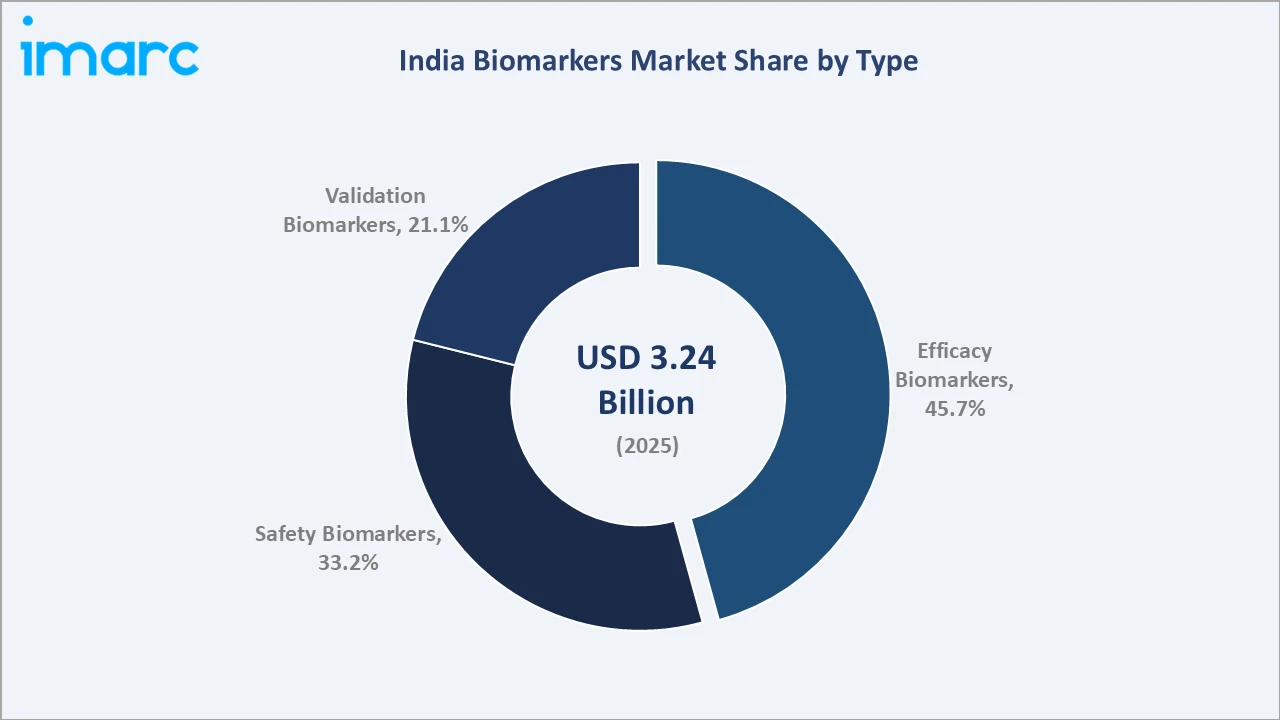
Safety biomarkers at 33.2% serve pharmacovigilance and drug safety surveillance. Validation biomarkers at 21.1%, growing at ~11.40% CAGR, through companion diagnostic development and regulatory co-approval expansion.
Regional Market Insights
|
Region |
Share (2025) |
Key India Biomarkers Market Drivers & Characteristics |
|
West & Central India |
36.2% |
Strong pharmaceutical and biotechnology clusters, advanced diagnostic networks, and clinical research activity |
|
South India |
28.5% |
Established healthcare infrastructure, genomic research centers, biotechnology hubs, and diagnostic laboratories |
|
North India |
22.7% |
Expanding hospital networks, oncology diagnostics, research institutions, and precision medicine adoption |
|
East & Northeast India |
12.6% |
Improving diagnostic infrastructure, healthcare access, research capabilities, and chronic disease screening |
West & Central India lead the India biomarkers market with a 36.2% share in 2025, supported by strong pharmaceutical, biotechnology, diagnostic, and clinical research ecosystems in Maharashtra, Gujarat, and surrounding states. South India accounts for 28.5%, driven by advanced hospital infrastructure, genomic research, biotechnology clusters, and molecular diagnostic laboratories.
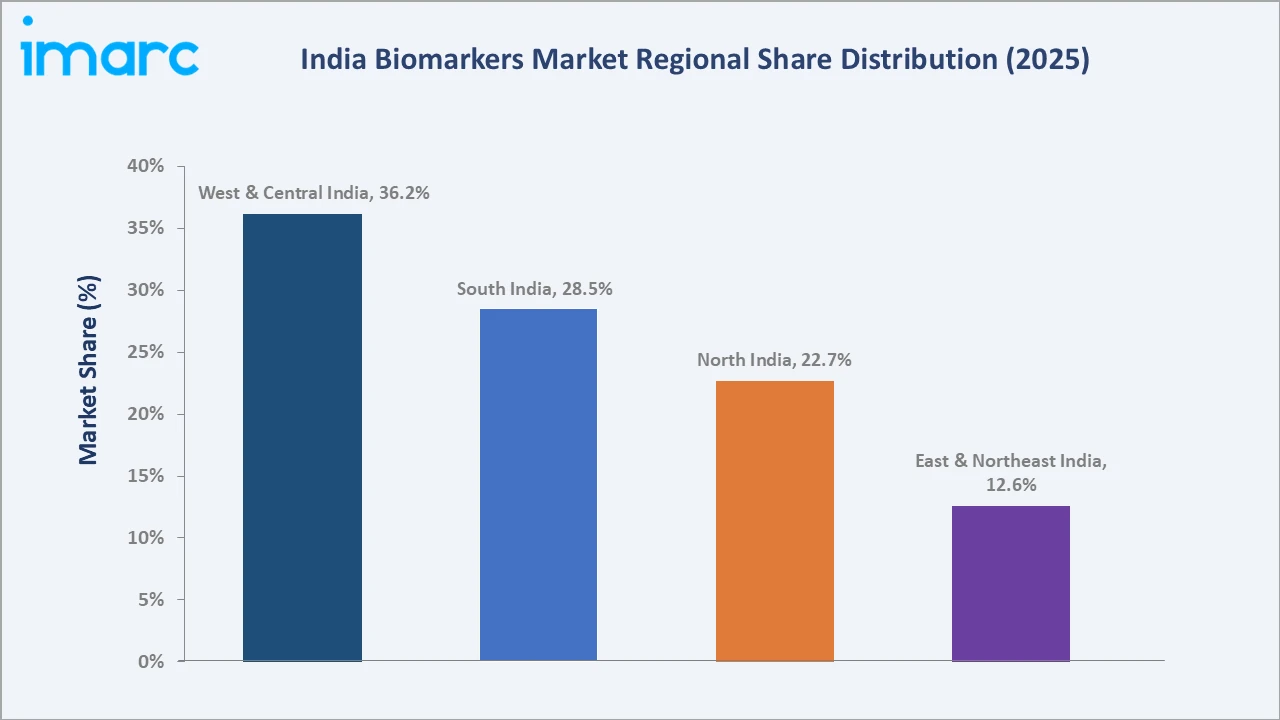
North India holds 22.7%, supported by expanding hospital networks, research institutions, oncology testing, and precision medicine adoption. East & Northeast India represent 12.6%, with growth supported by improving healthcare access and diagnostic infrastructure.
Competitive Landscape
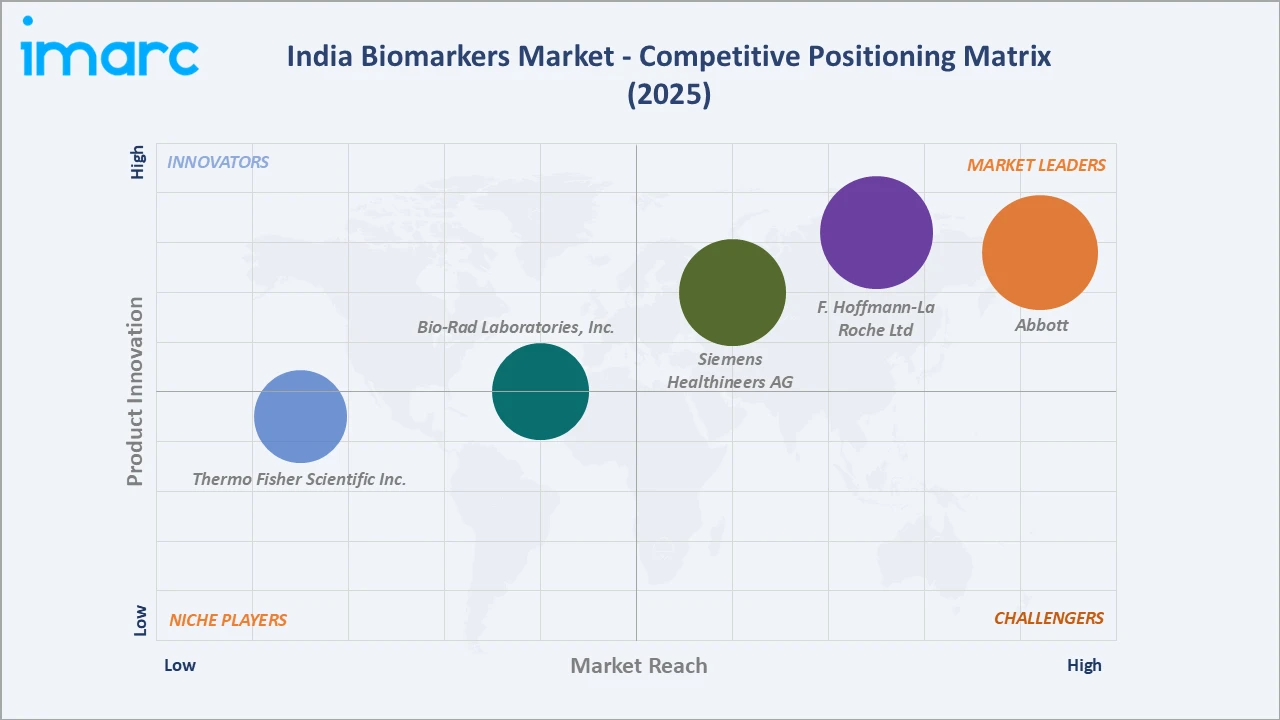
The India biomarkers market is moderately fragmented, with multinational diagnostic companies, domestic biotechnology firms, genomic laboratories, and research organizations competing across multiple applications. Companies are focusing on NGS, liquid biopsy, proteomics, multi-omics, companion diagnostics, and AI-based biomarker analysis to differentiate their offerings.
|
Company |
Key Offerings |
Market Position |
Core Strength |
|
Abbott |
CA 125 II, HE4, TOTAL PSA |
Market Leader |
Abbott drives biomarker innovation in India by shifting diagnostics from reactive to preventive care. |
|
F. Hoffmann-La Roche Ltd |
Elecsys IVD cerebrospinal fluid (CSF) biomarker assays |
Market Leader |
F. Hoffmann-La Roche Ltd. spearheads biomarker development and utilization in India. |
|
Siemens Healthineers AG |
Neurofilament Light Chain (NfL) |
Market Leader |
Siemens Healthineers AG drives the Indian biomarker landscape by delivering advanced in vitro and in vivo diagnostic solutions. |
|
Thermo Fisher Scientific Inc. |
B·R·A·H·M·S Biomarkers, Biomarker Analysis with Real-Time PCR |
Established Player |
Thermo Fisher Scientific Inc. drives biomarker discovery and clinical diagnostics in India through its advanced sequencing (NGS), real-time PCR, and mass spectrometry platforms. |
|
Bio-Rad Laboratories, Inc. |
QX600 ddPCR System, ddPLEX ESR1 Mutation Detection Kit, ddPCR MSI Kit |
Established Player |
Bio-Rad Laboratories, Inc. drives biomarker adoption in India by supplying advanced clinical diagnostics and life science research tools. |
India biomarker competitive landscape reflects a market in structural bifurcation: multinational companies dominate the high-value immunoassay, molecular diagnostics, and life science tools segments through technology leadership and global R&D investment, while domestic companies compete through cost structure advantages, India-specific knowledge, and government procurement relationships.
Key Company Profiles
Abbott
Abbott is a healthcare company with an established presence in India across diagnostics, medical devices, nutrition, and pharmaceuticals. In the India biomarkers market, Abbott participates primarily through its diagnostics business, offering immunoassay, clinical chemistry, hematology, molecular diagnostic, and point-of-care testing platforms that support the measurement of disease-related biomarkers. Its diagnostic technologies serve hospitals, laboratories, and healthcare providers across areas such as cardiovascular disease, infectious diseases, oncology, metabolic disorders, and other clinical conditions.
- Key Offerings: CA 125 II, HE4, TOTAL PSA.
- Strategic Focus: Strengthening its position through advanced diagnostic platforms, laboratory automation, and expansion of biomarker-based testing capabilities. The company emphasizes immunoassays, molecular diagnostics, point-of-care testing, and high-throughput diagnostic systems to support earlier and more accurate disease detection.
F. Hoffmann-La Roche Ltd
F. Hoffmann-La Roche Ltd is a healthcare company operating across pharmaceuticals and diagnostics, with a presence in India through its healthcare and diagnostic businesses. In the India biomarkers market, Roche participates through molecular diagnostics, immunodiagnostics, tissue diagnostics, clinical chemistry, and companion diagnostic solutions that enable the detection and analysis of disease-related biomarkers. The company has a particularly strong focus on oncology, personalized healthcare, genomic testing, and targeted therapy selection.
- Key Offerings: Elecsys IVD cerebrospinal fluid (CSF) biomarker assays.
- Strategic Focus: Strengthening its position by integrating advanced diagnostics with personalized healthcare and targeted therapeutics. Its strategy emphasizes companion diagnostics, molecular and genomic testing, digital pathology, and biomarker-driven oncology solutions to support patient stratification and treatment selection.
Market Concentration Analysis
The India biomarkers market is moderately fragmented, comprising multinational diagnostics companies, domestic biotechnology firms, genomic laboratories, pharmaceutical companies, and research institutions. Large companies benefit from established diagnostic platforms, strong R&D capabilities, extensive distribution networks, and relationships with hospitals and laboratories. Specialized genomic and biotechnology companies compete through NGS, proteomics, liquid biopsy, and multi-omics capabilities. Competition is increasingly shifting toward precision diagnostics, companion diagnostics, and population-specific biomarker panels. Strategic collaborations between pharmaceutical companies, genomic laboratories, and academic institutions are strengthening biomarker commercialization. Continued technological advancement and laboratory consolidation may gradually increase market concentration.
Investment & Growth Opportunities
Highest Growth Segments
Software (~12.80% CAGR), validation biomarkers (~11.40% CAGR), and services (~10.60% CAGR) represent India's biomarker market's highest-growth investment vectors through 2034.
Investment Themes
- AI Biomarker Discovery Platform for Indian Population Data: Investment in AI-driven biomarker discovery platforms can leverage India-specific genomic, proteomic, clinical, and population datasets to identify disease-associated biological patterns. These platforms can accelerate biomarker discovery, patient stratification, risk prediction, and precision diagnostics, particularly for chronic and complex diseases.
- Companion Diagnostic Co-Development with India's Innovation Pharma Pipeline: Investment in co-developing companion diagnostics alongside India’s expanding innovative drug pipeline can support the identification of patients most likely to benefit from targeted therapies. Partnerships between pharmaceutical companies, diagnostic developers, and genomic laboratories can accelerate biomarker validation, clinical development, and commercialization of personalized treatments.
Future Market Outlook (2026-2034)
The India biomarkers market is projected to grow from USD 3.24 Billion in 2025 to USD 7.93 Billion by 2034, delivering a 10.14% CAGR representing India's most dynamically growing healthcare technology segment and significantly outpacing India's overall healthcare market growth rate. The anchor value of USD 5.26 Billion in 2030 mirrors precisely the 2020-2025 growth rate and confirms the remarkable consistency of India's biomarker market growth that compounds at a rate anchored in structural disease burden escalation, pharmaceutical industry scaling, and healthcare digitalization rather than cyclical demand patterns.
First, India's chronic disease epidemic escalation is the most powerful and irreversible demand driver for the India biomarker market through the forecast period. India's non-communicable disease (NCD) burden will generate proportionally compounding demand for NCD biomarker diagnostics, monitoring, and therapeutic response tracking. Second, India's pharmaceutical and biotech industry's strategic evolution from generic manufacturing toward biopharmaceutical and innovation-driven drug development will create above-linear biomarker demand growth through the forecast period. Third, India's healthcare digitalization is creating the data infrastructure for a biomarker analytics revolution, where population-scale longitudinal biomarker data linked to treatment outcomes enables AI-driven precision medicine at national scale.
Research Methodology
Primary Research
Primary research comprised in-depth interviews with biomarker industry participants: diagnostic company leadership, pharmaceutical company biomarker leaders, diagnostic laboratory chain executives, clinical investigator biomarker principal investigators, regulatory affairs consultants, and biomarker research coordinators. Discussions validated market size estimates, product and type segment dynamics, regional demand patterns, competitive positioning, and regulatory compliance impact on biomarker market development.
Secondary Research
Secondary research encompassed a review of government publications, healthcare databases, company reports, scientific literature, industry associations, and credible diagnostic and biotechnology sources. The analysis focused on biomarker technologies, disease prevalence, clinical research, regulatory developments, competitive activity, and adoption of precision diagnostics across India.
Forecasting Models
Forecasting models developed using historical India biomarker market data and NCD prevalence trajectory, clinical trial registration growth projection, pharmaceutical industry NCE program pipeline growth under PLI scheme incentives, companion diagnostic adoption trajectory, regional market share stability analysis, product segment share evolution under AI software and services growth, competitive market share dynamics under multinational versus domestic company competition, and per-capita biomarker expenditure growth aligned with India's health insurance penetration expansion under PM-JAY. Both top-down and bottom-up approaches were validated through primary research.
India Biomarkers Market Report Coverage:
| Report Features | Details |
|---|---|
| Base Year of the Analysis | 2025 |
| Historical Period | 2020-2025 |
| Forecast Period | 2026-2034 |
| Units | Billion USD |
| Scope of the Report | Exploration of Historical Trends and Market Outlook, Industry Catalysts and Challenges, Segment-Wise Historical and Future Market Assessment:
|
| Products Covered | Consumables, Services, Software |
| Types Covered | Efficacy Biomarkers, Safety Biomarkers, Validation Biomarkers |
| Diseases Covered | Cancer, Cardiovascular Disorders, Neurological Disorders, Immunological Disorders, Renal Disorders, Others |
| Applications Covered | Diagnostics, Drug Discovery and Development, Personalized Medicine, Others |
| End Users Covered | Pharmaceutical and Biotechnology Companies, Diagnostic and Research Laboratories, Hospitals and Specialty Clinics, Others |
| Regions Covered | North India, West and Central India, South India, East and Northeast India |
| Companies Covered | Abbott, F. Hoffmann-La Roche Ltd, Siemens Healthineers AG, Thermo Fisher Scientific Inc., Bio-Rad Laboratories, Inc., etc |
| Customization Scope | 10% Free Customization |
| Post-Sale Analyst Support | 10-12 Weeks |
| Delivery Format | PDF and Excel through Email (We can also provide the editable version of the report in PPT/Word format on special request) |
Key Benefits for Stakeholders:
- IMARC’s industry report offers a comprehensive quantitative analysis of various market segments, historical and current market trends, market forecasts, and dynamics of the India biomarkers market from 2020-2034.
- The research report provides the latest information on the market drivers, challenges, and opportunities in the India biomarkers market.
- Porter's five forces analysis assist stakeholders in assessing the impact of new entrants, competitive rivalry, supplier power, buyer power, and the threat of substitution. It helps stakeholders to analyze the level of competition within the India biomarkers industry and its attractiveness.
- Competitive landscape allows stakeholders to understand their competitive environment and provides an insight into the current positions of key players in the market.
Frequently Asked Questions About the India Biomarkers Market Report
The India biomarkers market reached USD 3.24 Billion in 2025, driven by rising cancer and chronic disease burden creating sustained diagnostic and monitoring biomarker demand, India's pharmaceutical PLI scheme accelerating drug development programs requiring biomarker characterization, clinical trials consuming efficacy and safety biomarker consumables and CRO services, and ABDM digitalization creating population-scale longitudinal biomarker data infrastructure.
The market grows at 10.14% CAGR, reaching USD 7.93 Billion by 2034. Growth is supported by rising precision medicine adoption, expanding genomic and multi-omics research, and increasing demand for advanced disease diagnostics.
Consumables lead at 56.8% (2025) through recurring procurement of immunoassay reagents, PCR kits, NGS library preparation kits, flow cytometry reagents, and biomarker antibodies across India's clinical laboratories, clinical trial sites, and pharmaceutical R&D laboratory facilities.
Efficacy biomarkers lead at 45.7% (2025) through the consumption of pharmacodynamic biomarkers across India's active clinical trials and clinical laboratories monitoring treatment response in chronic disease patients.
West and Central India lead at 36.2% through Maharashtra-Gujarat's co-located pharmaceutical manufacturing, CRO bioanalytical services, and advanced clinical facilities.
Leading companies include Abbott, F. Hoffmann-La Roche Ltd, Siemens Healthineers AG, Thermo Fisher Scientific Inc., and Bio-Rad Laboratories, Inc., among others.
The market is projected to reach USD 5.26 Billion by 2030, driven by clinical trial biomarker demand, companion diagnostic adoption, and domestic IVD manufacturers scaling India-specific biomarker kit manufacturing under the Make in India IVD manufacturing PLI scheme.
Top investment opportunities include AI biomarker discovery platform on Indian population data, companion diagnostic co-development with India pharma innovation programs, NGS-based liquid biopsy clinical service expansion, domestic IVD biomarker kit manufacturing under Make in India PLI scheme, and multiplex proteomics biomarker panel development.
Need more help?
- Speak to our experienced analysts for insights on the current market scenarios.
- Include additional segments and countries to customize the report as per your requirement.
- Gain an unparalleled competitive advantage in your domain by understanding how to utilize the report and positively impacting your operations and revenue.
- For further assistance, please connect with our analysts.
 Request Customization
 Speak to an Analyst
 Request Brochure
 Inquire Before Buying
Benefits of Customization
- Personalize this research
- Triangulate with your data
- Get data as per your format and definition
- Gain a deeper dive into a specific application, geography, customer, or competitor
- Any level of personalization
Get in Touch With Us
UNITED STATES
Phone: +1-201-971-6302
INDIA
Phone: +91-120-433-0800
UNITED KINGDOM
Phone: +44-753-714-6104
Email: [email protected]
Client Testimonials




.webp)




.webp)













Related Reports

Choose your plan
*Please note that the prices mentioned below are starting prices for each bundle type. Kindly contact our team for further details.*
Single User License
- 1 User License, Access on 2 Devices
- PDF Report + Excel Dataset (Password Protected)
- Lifetime Access
- No Printing Rights
- 10% Free Report Customization
- 10–12 Weeks of Analyst Support
Five User License
- Access for 5 Users, 2 Devices per User
- PDF Report + Excel Dataset (Password Protected)
- Lifetime Access
- Dedicated Account Manager
- 12–14 Weeks of Analyst Support
- No Printing Rights
- 15% Free Report Customization
- 25% Discount on Your Next Purchase
Corporate User License
- Unlimited User Access (Within Your Organization)
- PDF Report + Excel Dataset
- Lifetime Access
- Dedicated Account Manager
- 14–20 Weeks of Analyst Support
- No Printing Rights
- 20% Free Report Customization
- 30% Discount on Your Next Purchase
Essential Insights
What's included:
3 reports
- Lifetime Access
- PDF Reports
- Excel Datasets
- 2 Weeks of Free Analyst Support
- 2 User Licenses
- Access on 2 Devices
- Printing Rights
- Complimentary PowerPoint (PPT) Version
- Complimentary License Upgrade
Professional Access
What's included:
5 reports
- Lifetime Access
- PDF Reports
- Excel Datasets
- 8 Weeks of Free Analyst Support
- 2 User Licenses
- Access on 2 Devices
- Printing Rights
- Complimentary PowerPoint (PPT) Version
- Complimentary License Upgrade
Business Advantage
What's included:
8 reports
- Lifetime Access
- PDF Reports
- Excel Datasets
- 14 Weeks of Free Analyst Support
- 2 User Licenses
- Access on 2 Devices
- Printing Rights
- Complimentary PowerPoint (PPT) Version
- Complimentary License Upgrade
Enterprise Intelligence
What's included:
10 reports
- Lifetime Access
- PDF Reports
- Excel Datasets
- 20 Weeks of Free Analyst Support
- 2 User Licenses
- Access on 2 Devices
- Printing Rights
- Complimentary PowerPoint (PPT) Version
- Complimentary License Upgrade