
Japan Nuclear Imaging Market Size, Share, Trends and Forecast by Product, Application, and Region, 2026-2034
Japan Nuclear Imaging Market Size, Share, Trends & Forecast (2026-2034)
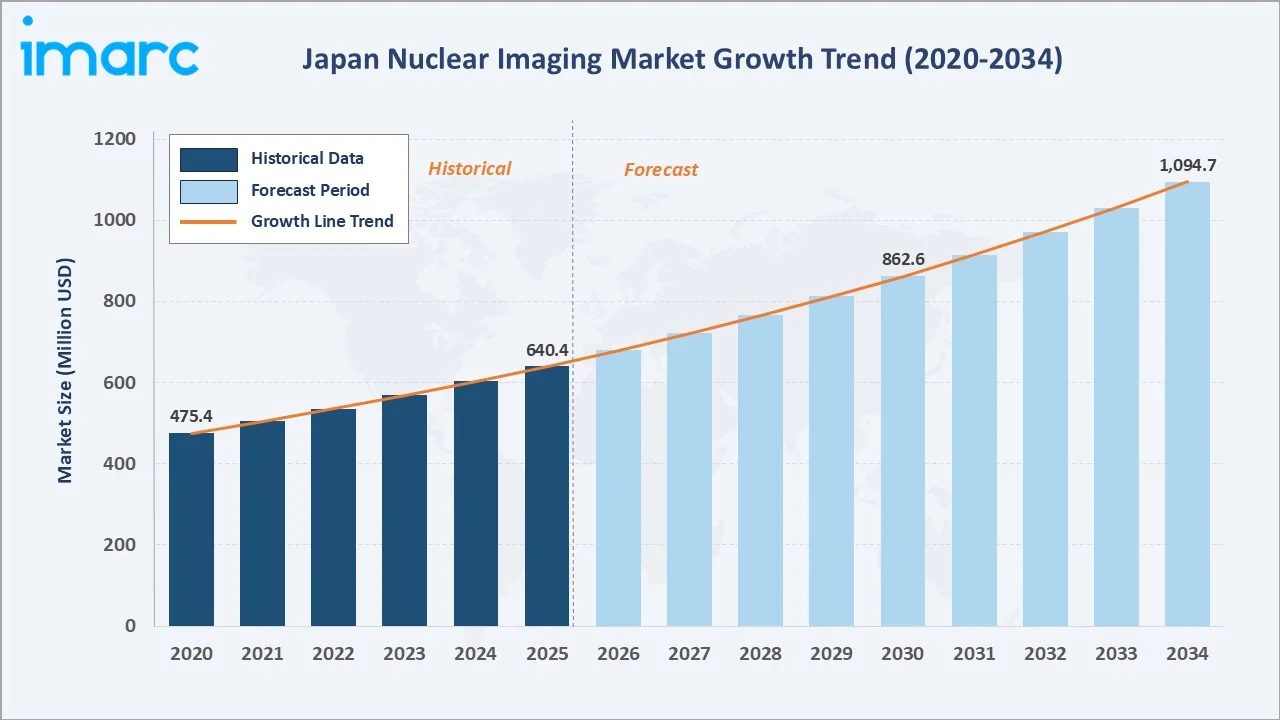
The Japan nuclear imaging market reached USD 640.4 Million in 2025 and is projected to reach USD 1,094.7 Million by 2034, exhibiting a CAGR of 6.14% during 2026-2034. Japan's rapidly aging population, rising cancer prevalence, expanding National Health Insurance (NHI) coverage for PET and SPECT diagnostic procedures, and continuous technological advancements in AI-integrated hybrid imaging systems are the primary growth catalysts. Japan's population continues to age rapidly, with more than 1 in 10 people now aged 80 years or older. Around 36.23 million people, nearly one-third of the population, are aged 65 and above, while the number of centenarians has reached a record high. Japan's rapidly aging population is increasing the prevalence of age-related conditions such as cancer, cardiovascular disorders, and neurodegenerative diseases, which require advanced diagnostic imaging. Equipment leads at 61.8%, SPECT applications dominate at 56.4%, and the Kanto region accounts for the largest regional share at 38.7%.
Market Snapshot
|
Metric |
Value |
|
Market Size (2025) |
USD 640.4 Million |
|
Forecast Market Size (2034) |
USD 1,094.7 Million |
|
CAGR (2026-2034) |
6.14% |
|
Base Year |
2025 |
|
Historical Period |
2020-2025 |
|
Forecast Period |
2026-2034 |
|
Dominant Product |
Equipment (61.8%, 2025) |
|
Dominant Application |
SPECT Applications (56.4%, 2025) |
|
Leading Region |
Kanto Region (38.7%, 2025) |
The Japan nuclear imaging market demonstrated consistent growth, rising from USD 475.4 Million in 2020 to USD 640.4 Million in 2025, driven by government investment in diagnostic infrastructure, NHI reimbursement expansions for nuclear medicine procedures, and hospital upgrades to digital and hybrid imaging platforms. The market is projected to reach USD 862.6 Million by 2030 and USD 1,094.7 Million by 2034, supported by theranostics pipeline growth, rising PET adoption in oncology and neurology, and Japan's aging demographic profile creating structural demand for advanced diagnostic imaging across oncology, cardiology, and neurodegenerative disease applications.
To get more information on this market, Request Sample
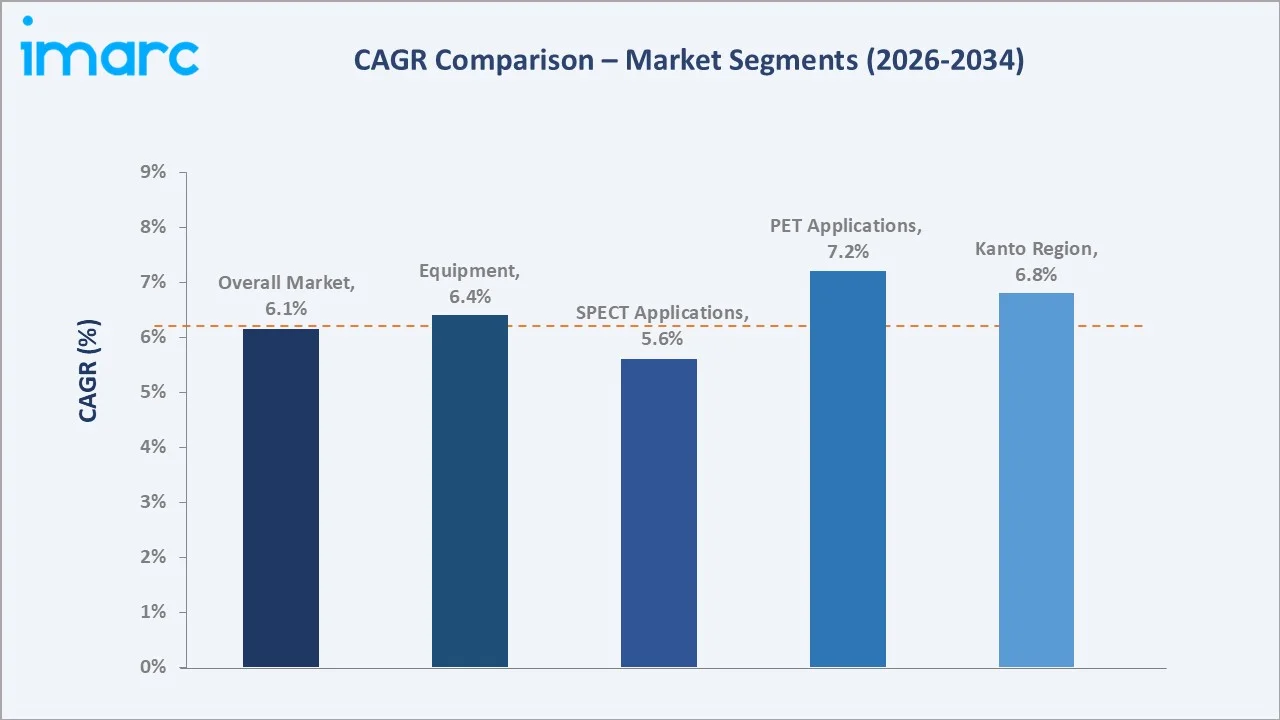
Equipment grows at ~6.4% CAGR through hospital upgrades to AI-integrated PET/CT and digital SPECT/CT systems. PET applications expand at ~7.2% CAGR, the fastest among application segments, driven by NHI coverage expansion for oncology, amyloid PET in Alzheimer's diagnosis, and emerging radiopharmaceutical tracers. SPECT applications grow at ~5.6% CAGR, anchored by Technetium-99m (Tc-99m) cardiac and bone imaging procedures broadly reimbursed across Japan's hospital network.
Executive Summary
The Japan nuclear imaging market is expanding at a healthy rate, underpinned by structural demographic drivers, progressive government healthcare investment, and a sustained pipeline of technological innovations in hybrid imaging and radiopharmaceutical development. Market value stood at USD 640.4 Million in 2025 and is forecast to reach USD 1,094.7 Million by 2034, reflecting a 6.14% CAGR. Japan's universal healthcare system plays a pivotal role in market development by determining reimbursement eligibility for PET/CT procedures, SPECT-based cardiac imaging, and emerging Ga-68 and F-18 radiopharmaceutical tracers for neurology and oncology applications.
Equipment leads at 61.8% (2025), encompassing SPECT, PET, PET/CT, and PET/MR systems that form the technological backbone of Japan's nuclear medicine departments. SPECT applications dominate at 56.4% (2025), reflecting the broad clinical adoption of Tc-99m based procedures in cardiology (myocardial perfusion imaging), oncology (bone scans), and thyroid imaging. The Kanto region commands 38.7% of market revenue (2025), anchored by Tokyo's concentration of tertiary hospitals, cancer centers, and university medical institutions with active nuclear medicine departments.
Key Market Insights
| Insight | Data |
| Dominant Product | Equipment – 61.8% share (2025) |
| Dominant Application | SPECT Applications – 56.4% share (2025) |
| Leading Region | Kanto Region – 38.7% share (2025) |
| Market Opportunity | PET theranostics pipeline; AI-integrated total body PET systems; amyloid/tau PET in Alzheimer's disease diagnosis |
Key Analytical Observations:
- Equipment at 61.8% (2025): Nuclear imaging equipment spanning single-head and multi-head SPECT gamma cameras, dedicated PET scanners, and hybrid PET/CT and SPECT/CT systems represents the dominant revenue segment. Japan has one of the highest densities of PET/CT scanners per capita, reflecting the country's advanced diagnostic imaging infrastructure and NHI support for PET-based oncology staging.
- SPECT Applications at 56.4% (2025): SPECT remains the workhorse of Japan's nuclear medicine departments, driven by the widespread availability and clinical versatility of Tc-99m radiopharmaceuticals across cardiology, bone imaging, and thyroid diagnostics.
- Kanto Region at 38.7% (2025): Tokyo's concentration of Japan's largest tertiary hospitals, National Cancer Center, and leading university medical institutions creates the highest density of nuclear medicine departments and PET/CT installations in Japan.
Japan Nuclear Imaging Market Overview
The Japan nuclear imaging market encompasses the manufacture, import, distribution, installation, and clinical application of nuclear medicine imaging equipment and radioisotopes used for diagnostic imaging across oncology, cardiology, neurology, orthopedics, and thyroid applications. Products include SPECT gamma cameras, PET scanners, PET/CT and SPECT/CT hybrid systems, PET/MR systems, dedicated cardiac imaging systems, and an extensive portfolio of radiopharmaceuticals. Macroeconomic factors include rapid population aging, rising healthcare expenditure, and growing demand for early diagnosis of cancer, cardiovascular, and neurological diseases.
Market Dynamics
To evaluate market opportunities, Request Sample
Market Drivers
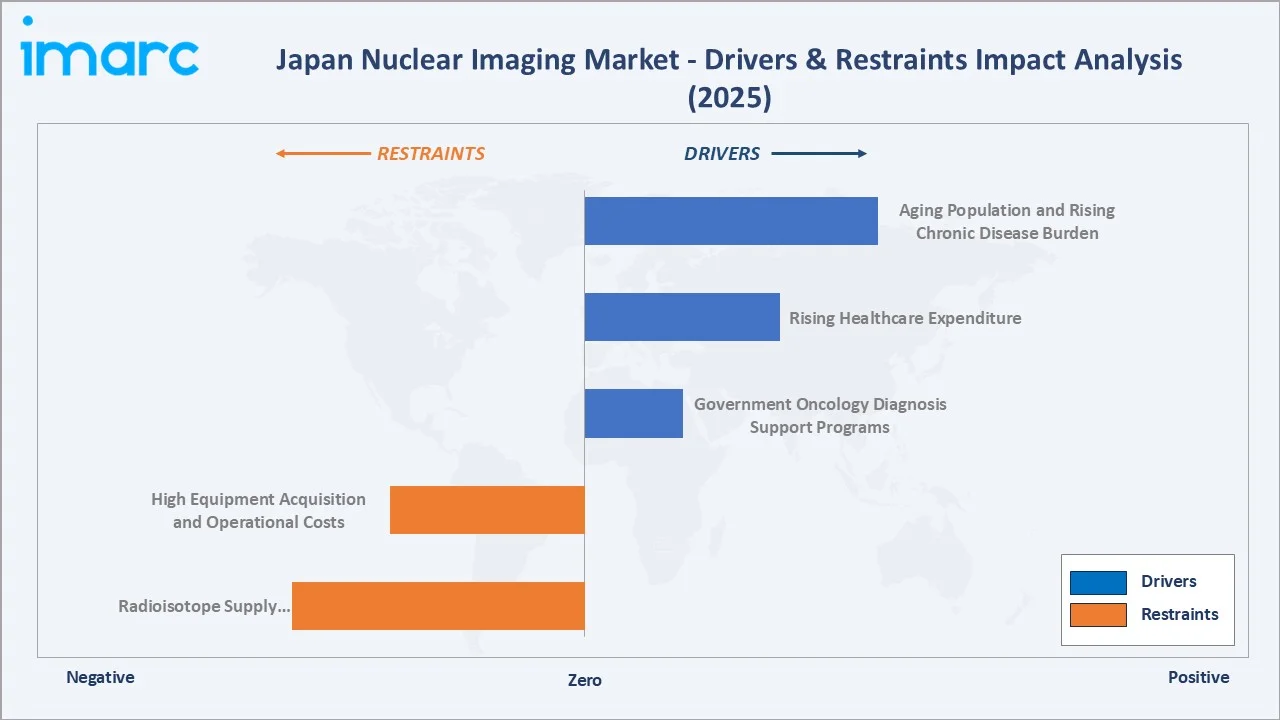
- Aging Population and Rising Chronic Disease Burden: In 2025, Japan’s elderly population, defined as people aged 65 and above, reached an estimated 36.19 million, representing a record 29.4% of the total population, according to the Ministry of Internal Affairs and Communications. This rising aging population is the most powerful structural driver of nuclear imaging market growth. Cancer incidence rises sharply with age, making oncology PET/CT a critical and high-volume diagnostic application. Cardiovascular disease and neurodegenerative conditions, including Alzheimer's disease, sustain demand for SPECT cardiac imaging and emerging tau/amyloid PET neuroimaging across the forecast period.
- Rising Healthcare Expenditure: Japan spends around $5,790 (USD PPP) per capita on healthcare in 2025, equivalent to 10.6% of its GDP, which is higher than the OECD average of 9.3%. Rising healthcare expenditure enables hospitals and diagnostic centers to invest in advanced PET and SPECT imaging systems. Increased spending supports the modernization of imaging infrastructure, wider adoption of precision diagnostics, and improved access to early disease detection. It also encourages the replacement of aging equipment with high-performance imaging technologies, strengthening market growth.
- Government Oncology Diagnosis Support Programs: Japan's comprehensive national cancer control strategies include specific provisions for diagnostic imaging capability development. Government-supported cancer screening infrastructure investments, including subsidized PET/CT access at designated cancer hospitals, reinforce demand for nuclear imaging equipment and radiopharmaceuticals across Japan's hospital network.
Market Restraints
- High Equipment Acquisition and Operational Costs: PET/CT systems command premium costs, with additional infrastructure requirements including radiation shielding, cyclotron facilities for FDG production, and specialized nuclear medicine staffing. These cost barriers limit the expansion of nuclear imaging capabilities to well-resourced tertiary hospitals and dedicated PET centers, restricting market penetration among smaller regional and community hospitals across Japan's eight regions.
- Radioisotope Supply Chain Vulnerability: Japan's dependency on imported Tc-99m derived from non-domestic nuclear reactors creates supply chain vulnerability, as demonstrated by historical Tc-99m shortages. The short half-lives of key radioisotopes impose stringent logistics requirements, with FDG requiring local cyclotron production and just-in-time delivery to imaging centers. Natural disasters present additional supply chain resilience challenges for time-critical radiopharmaceutical distribution.
Market Opportunities
- Theranostics Radiopharmaceutical Pipeline: The global and Japan-specific pipeline of theranostic agents, combining diagnostic imaging and targeted radionuclide therapy within a single molecular framework, represents the most transformative growth opportunity for Japan's nuclear imaging market through 2034. Lu-177 DOTATATE for neuroendocrine tumors and emerging targeted alpha therapy agents are creating demand for expanded PET and SPECT imaging capacity to support patient selection, response monitoring, and dosimetry across Japan's comprehensive cancer treatment centers.
- Expansion of PSMA-Targeted PET Imaging: The introduction of advanced PSMA-targeted PET radiotracers is expected to expand precision oncology diagnostics and support personalized treatment planning. In September 2025, Lantheus and GE HealthCare signed a licensing agreement allowing GE HealthCare to develop, manufacture, and commercialize Lantheus’ PET radiotracer F-18 piflufolastat in Japan. The radiotracer is used to detect PSMA-positive lesions in men with prostate cancer.
Market Challenges
- Qualified Nuclear Medicine Physician Shortage: Japan faces a growing shortage of board-certified nuclear medicine physicians and radiopharmacists, limiting the clinical capacity of nuclear imaging departments at hospitals that already possess the necessary equipment.
- Radiation Dose Optimization and Protocol Standardization: Ongoing regulatory pressure to minimize patient radiation dose, particularly for pediatric and young adult patients, is driving demand for low-dose imaging protocols and AI-enhanced image reconstruction that maintains diagnostic image quality at reduced radiopharmaceutical activity. Standardizing low-dose protocols across Japan's distributed hospital network requires sustained education and quality assurance program investment from equipment manufacturers and professional societies.
Emerging Market Trends
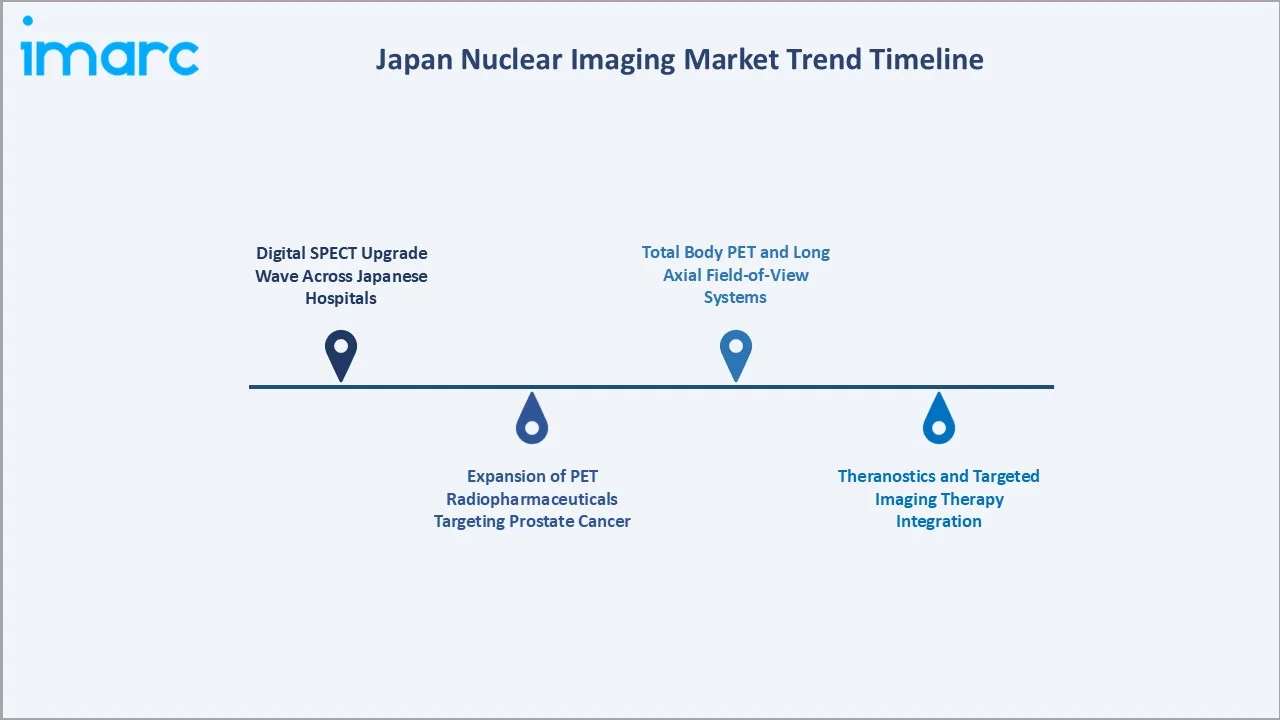
1. Digital SPECT Upgrade Wave Across Japanese Hospitals
Japan's large installed base of aging analog SPECT gamma cameras is creating a sustained hospital upgrade cycle toward digital SPECT systems with semiconductor CZT (cadmium zinc telluride) detectors. Digital SPECT with CZT technology offers 2-4x better energy resolution, 4-8x faster acquisition speed, and significantly improved count sensitivity compared to analog systems.
2. Expansion of PET Radiopharmaceuticals Targeting Prostate Cancer
Expansion of PET radiopharmaceuticals targeting prostate cancer is emerging as advanced tracers improve detection of PSMA-positive lesions. These radiopharmaceuticals support more accurate staging, recurrence monitoring, and personalized treatment planning. In October 2025, PeptiDream, PDRadiopharma, and Curium Group started a Phase 2 registrational trial in Japan for 64Cu-PSMA-I&T, a PET radiopharmaceutical targeting PSMA on prostate cancer cells. The Copper-64-labeled imaging agent is being developed alongside its therapeutic counterpart, 177Lu-PSMA-I&T, under PDRadiopharma and Curium’s strategic collaboration to advance prostate cancer radiopharmaceuticals in Japan. Growing partnerships and clinical development activities are expected to accelerate adoption of oncology-focused PET imaging.
3. Theranostics and Targeted Imaging Therapy Integration
Theranostics and targeted imaging therapy integration is emerging as diagnostic PET agents are increasingly being developed alongside therapeutic radiopharmaceuticals. This approach helps identify suitable patients, guide treatment selection, and monitor therapy response more accurately. The growing development of paired agents such as 64Cu-PSMA-I&T and 177Lu-PSMA-I&T is strengthening precision oncology and expanding the role of nuclear medicine in cancer care.
4. Total Body PET and Long Axial Field-of-View Systems
Total-body PET and long axial field-of-view systems are emerging as they enable faster scans, higher sensitivity, and lower radiotracer doses. These systems support whole-body disease assessment, improving cancer staging, treatment monitoring, and research applications. Their adoption aligns with Japan’s focus on advanced diagnostics, precision medicine, and efficient imaging workflows.
Industry Value Chain Analysis
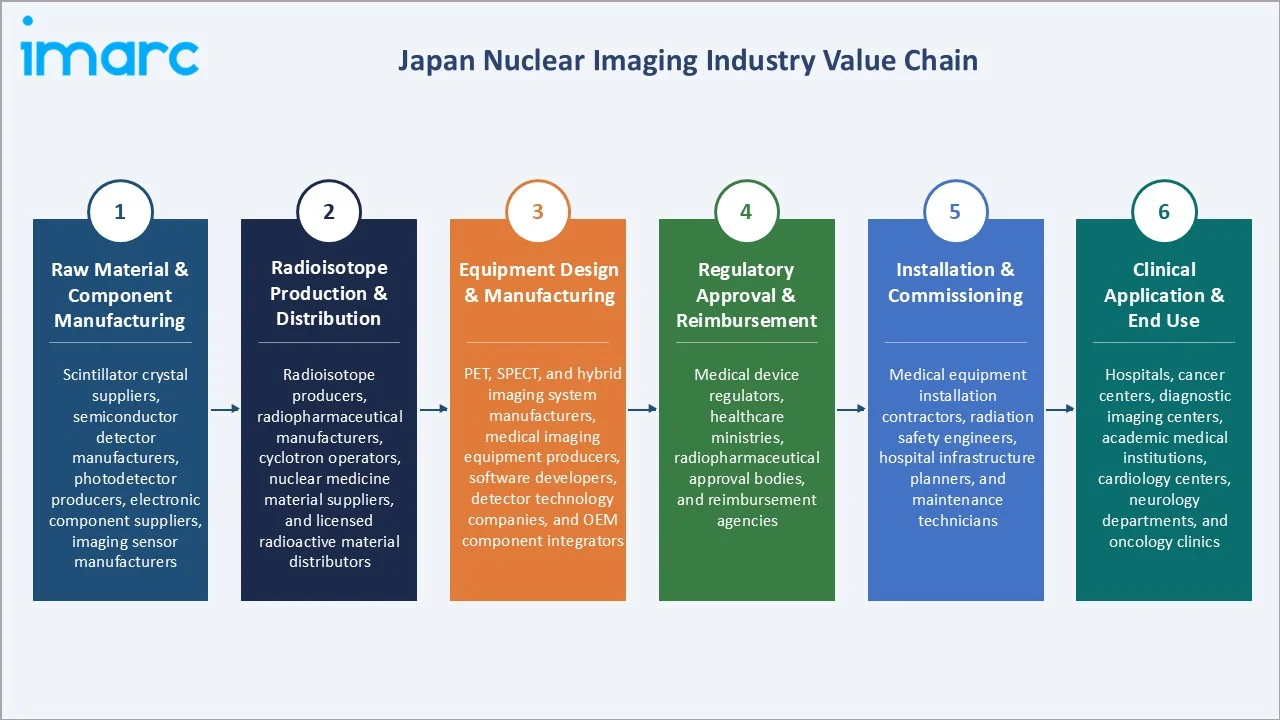
The Japan nuclear imaging market value chain integrates raw material and component manufacturing, radioisotope production and distribution, equipment design and manufacturing, regulatory approval and reimbursement processes, hospital and clinic installation and commissioning, and clinical application across nuclear medicine departments.
|
Stage |
Key Participants |
|
Raw Material & Component Manufacturing |
Scintillator crystal suppliers, semiconductor detector manufacturers, photodetector producers, electronic component suppliers, imaging sensor manufacturers |
|
Radioisotope Production & Distribution |
Radioisotope producers, radiopharmaceutical manufacturers, cyclotron operators, nuclear medicine material suppliers, and licensed radioactive material distributors |
|
Equipment Design & Manufacturing |
PET, SPECT, and hybrid imaging system manufacturers, medical imaging equipment producers, software developers, detector technology companies, and OEM component integrators |
|
Regulatory Approval & Reimbursement |
Medical device regulators, healthcare ministries, radiopharmaceutical approval bodies, and reimbursement agencies |
|
Installation & Commissioning |
Medical equipment installation contractors, radiation safety engineers, hospital infrastructure planners, and maintenance technicians |
|
Clinical Application & End Use |
Hospitals, cancer centers, diagnostic imaging centers, academic medical institutions, cardiology centers, neurology departments, and oncology clinics |
Radioisotope production and distribution is the most strategically critical stage in Japan's nuclear imaging value chain, as the short half-lives of key radioisotopes create non-negotiable logistics constraints that require domestic production capability or highly reliable just-in-time import infrastructure.
Technology Landscape in the Japan Nuclear Imaging Industry
AI-Integrated PET/CT and Digital SPECT Systems
Next-generation PET/CT systems deploying silicon photomultiplier (SiPM) detectors deliver dramatically improved time-of-flight (TOF) resolution and photon detection efficiency. In Japan, where radiation dose minimization is a clinical priority, SiPM-based PET/CT systems are being preferentially specified in new installations and equipment replacement projects at major cancer centers and university hospitals.
CZT-Based Digital SPECT Technology
Cadmium zinc telluride (CZT) semiconductor detector-based digital SPECT systems represent a transformative technology advancement over conventional analog sodium iodide (NaI) detector SPECT gamma cameras. CZT detectors provide direct conversion of gamma photons to electrical signals without intermediate light conversion steps, resulting in dramatically improved energy resolution, elimination of photomultiplier tube failure modes, and enabling fully digital event-by-event data acquisition that unlocks AI-based reconstruction approaches.
PET/MR Hybrid Imaging Technology
PET/MR systems, combining simultaneous PET emission imaging with MRI anatomical and functional imaging, represent the premium technology tier in Japan's nuclear imaging market. These systems offer superior soft tissue contrast for brain, liver, and pediatric oncology applications, along with the capacity for simultaneous functional-structural data acquisition that enables advanced kinetic modeling studies.
Market Segmentation Analysis
The report covers the following segments:
|
Segment Category |
Leading Segment |
Market Share |
Year |
|
Product |
Equipment |
61.8% |
2025 |
|
Application |
SPECT Applications |
56.4% |
2025 |
|
Region |
Kanto Region |
38.7% |
2025 |

By Product
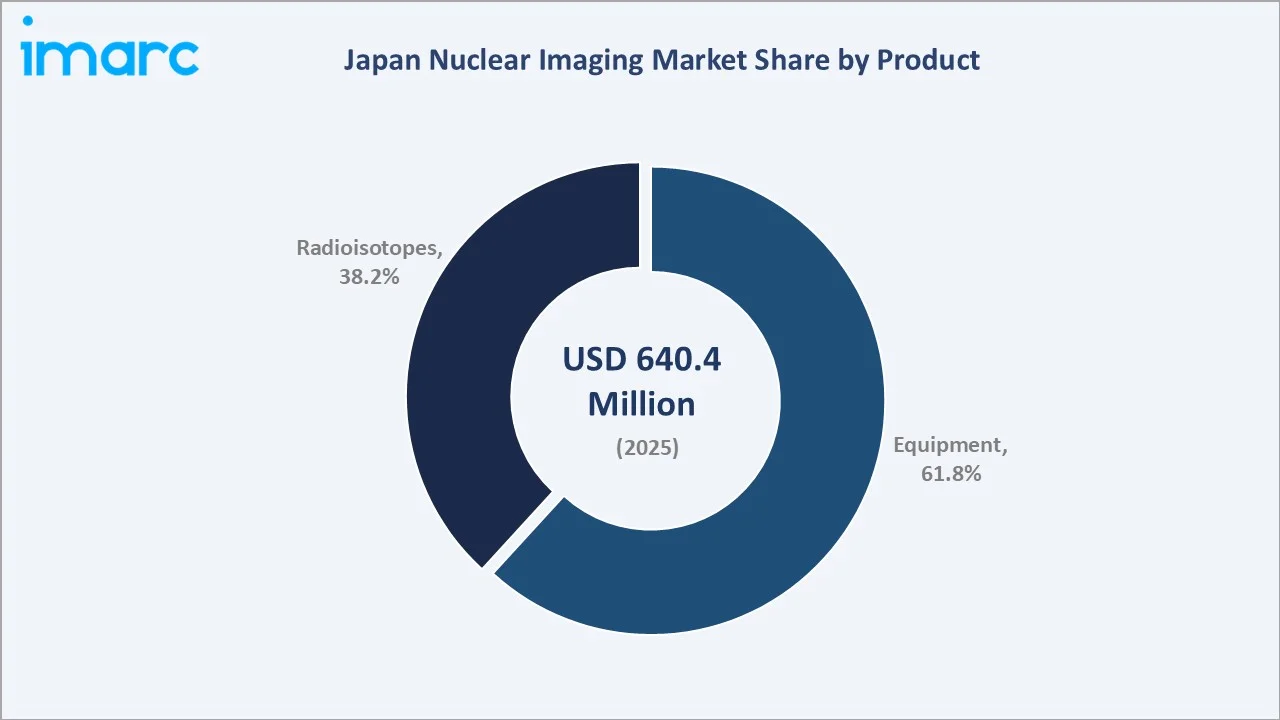
Equipment leads at 61.8% (2025), encompassing the full portfolio of nuclear imaging hardware from single-head SPECT gamma cameras in smaller regional hospitals to state-of-the-art PET/CT systems with SiPM detector technology and AI-integrated reconstruction platforms at Japan's major cancer centers and academic hospitals. The equipment segment is projected to grow at ~6.4% CAGR through 2034, driven by hospital upgrade cycles, the transition from analog to digital SPECT, and the progressive installation of new-generation PET/CT and PET/MR systems.
To access detailed market analysis, Request Sample
Radioisotopes at 38.2% (2025) represent the recurring revenue component of Japan's nuclear imaging market, encompassing Tc-99m-labeled SPECT tracers, F-18 FDG for PET oncology, and an expanding portfolio of novel PET tracers including Ga-68 compounds, F-18 amyloid tracers, and F-18 PSMA agents. The radioisotope segment grows proportionally with clinical procedure volumes and is materially influenced by NHI reimbursement expansions.
By Application
SPECT applications lead at 56.4% (2025), reflecting the clinical maturity, broad NHI reimbursement coverage, and wide availability of SPECT imaging across Japan's hospital network. Myocardial perfusion imaging (MPI) with Tc-99m-labeled agents is the largest single SPECT application, supported by Japan's high cardiovascular disease burden in its aging population. Bone SPECT for orthopedic and oncological staging, thyroid SPECT/scintigraphy, and cerebral blood flow SPECT for dementia workup and cerebrovascular disease assessment round out Japan's SPECT procedure volume profile.
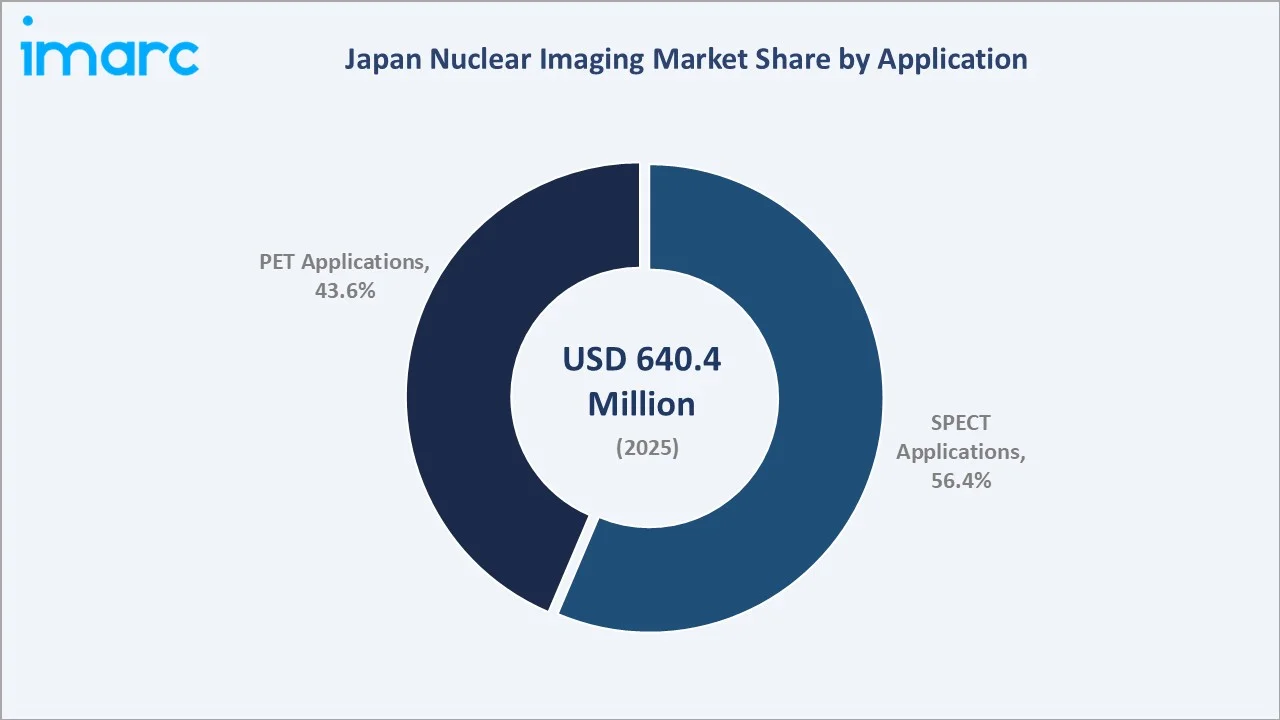
PET applications at 43.6% (2025) are growing at the fastest rate (~7.2% CAGR) within Japan's nuclear imaging market, driven by the expanding NHI coverage scope for FDG-PET/CT, increasing clinical adoption of novel PET tracers in neurology and oncology, and the capital investment by Japan's leading cancer centers in next-generation PET/CT infrastructure. Oncology represents the dominant PET sub-application, with FDG-PET/CT standard of care for staging, restaging, and treatment response assessment across multiple malignancies. Cardiology PET and neurology PET are the highest-growth sub-segments within Japan's PET application portfolio through 2034.
Regional Market Insights
|
Region |
Share (2025) |
Key Japan Nuclear Imaging Market Drivers & Characteristics |
|
Kanto Region |
38.7% |
Home to the National Cancer Center Japan and the highest concentration of PET/CT scanners and specialized nuclear medicine departments in Japan. |
|
Kansai/Kinki Region |
18.6% |
Strong cancer center infrastructure with active nuclear medicine and theranostics programs. |
|
Central/Chubu Region |
15.2% |
Toyota-affiliated healthcare infrastructure investment drives above-average medical technology adoption rates in the region. |
|
Kyushu-Okinawa Region |
8.3% |
Growing cancer center infrastructure across Fukuoka and Kagoshima; international medical tourism from East Asia creating demand premium for advanced oncology imaging. |
|
Tohoku Region |
6.7% |
Post-earthquake reconstruction investment reinforced diagnostic infrastructure, and a growing regional cancer registry created sustained demand for staging PET/CT procedures. |
|
Chugoku Region |
5.0% |
Moderate urban hospital density is creating steady replacement and upgrade demand. |
|
Hokkaido Region |
4.2% |
Distinct patient demographic profile with higher cardiovascular disease rates driving SPECT cardiac imaging demand. |
|
Shikoku Region |
3.3% |
Japan's smallest nuclear imaging regional market, limited PET installation density relative to other regions, creating organic growth opportunity as NHI coverage expands. |
The Kanto region's 38.7% dominance is driven by Tokyo's unrivalled concentration of tertiary medical infrastructure. The Kansai/Kinki region, at 18.6%, benefits from Osaka's dense hospital network and Kyoto University's strong nuclear medicine research programs.
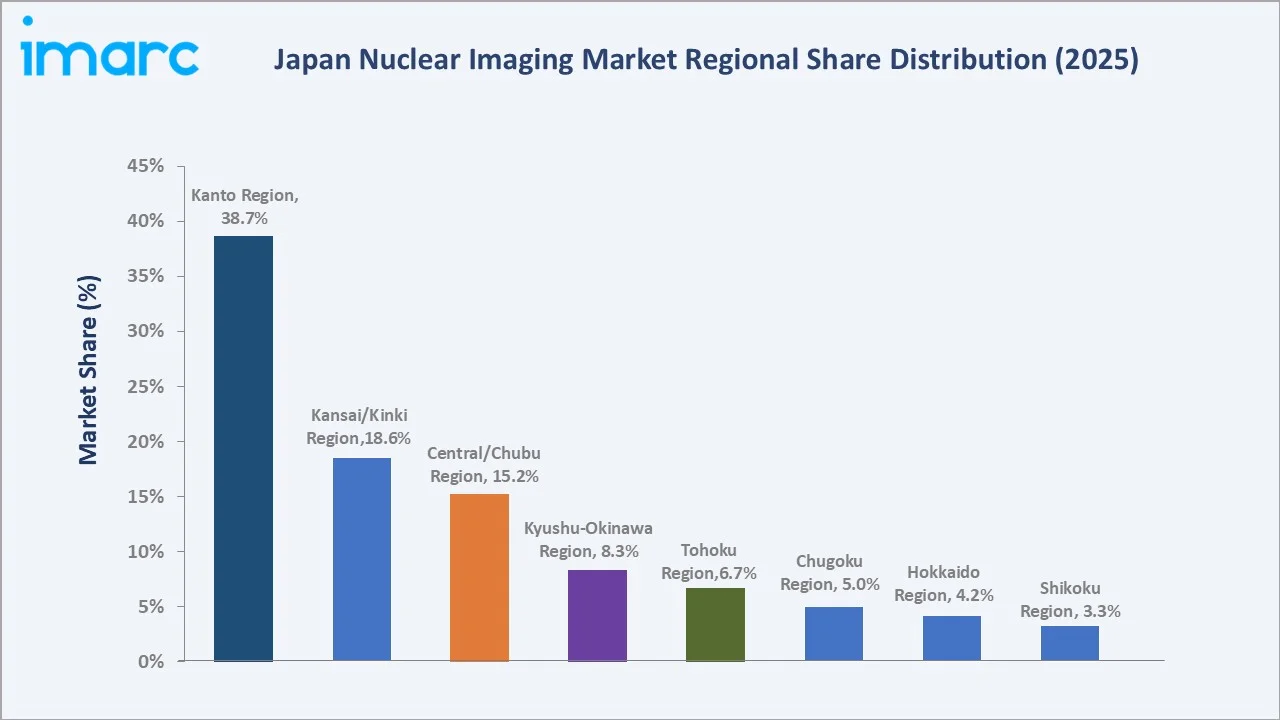
The Central/Chubu region holds 15.2%, driven by investments in advanced healthcare infrastructure and the rapid adoption of modern diagnostic technologies. Kyushu-Okinawa region, representing 8.3%, is witnessing increasing demand due to expanding cancer care facilities and growing medical tourism. The Tohoku region accounts for 6.7%, supported by healthcare infrastructure upgrades and rising demand for cancer staging and follow-up imaging. The Chugoku region, with a 5.0% share, is characterized by steady replacement demand for imaging equipment and gradual expansion of diagnostic services. Hokkaido contributes 4.2%, where a higher prevalence of cardiovascular diseases supports demand for SPECT cardiac imaging. The Shikoku region, holding 3.3%, remains the smallest market but offers growth opportunities through expanding healthcare access and increased adoption of advanced diagnostic imaging.
Competitive Landscape
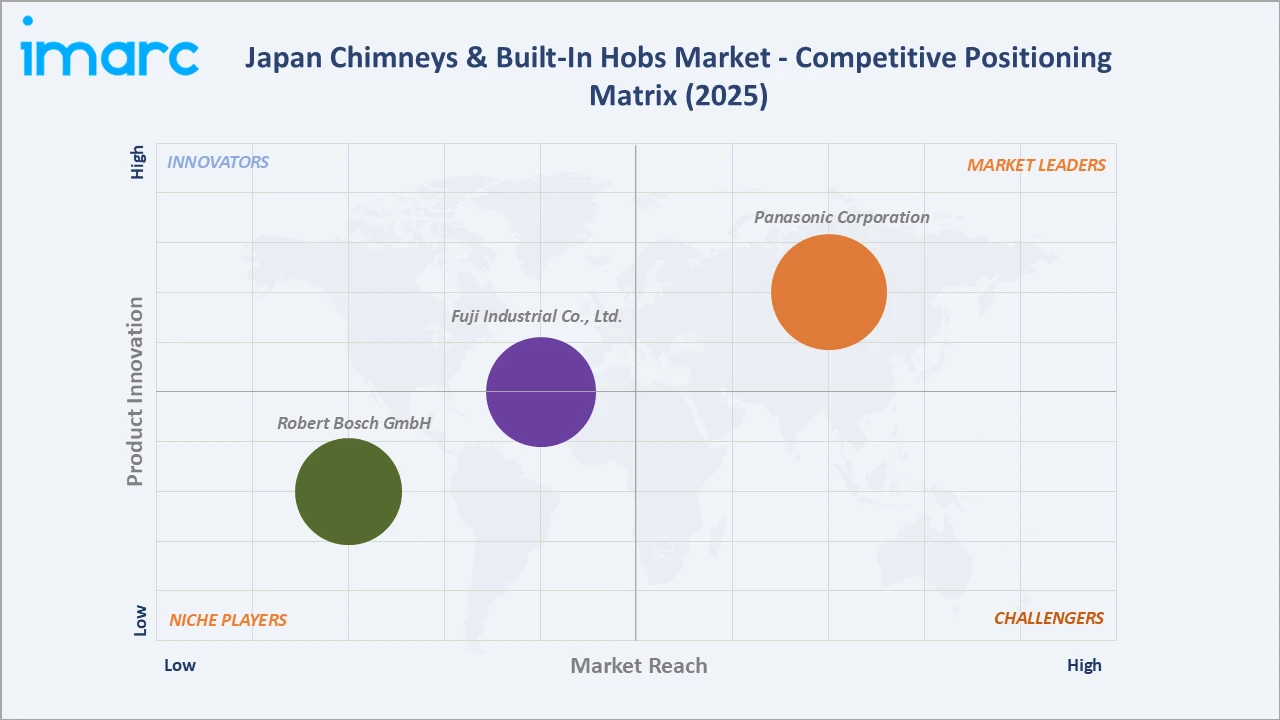
The Japan nuclear imaging market is moderately concentrated, with market players maintaining leading positions through comprehensive portfolios of advanced PET/CT and SPECT/CT hybrid imaging systems, supported by AI-integrated reconstruction software and national service networks. Domestic manufacturers compete effectively by combining high-quality imaging technology with a deep understanding of Japan's clinical workflows, regulatory environment, and hospital procurement preferences.
|
Company |
Key Products |
Market Position |
Core Strength |
|
Siemens Healthineers AG |
Biograph Trinion, Biograph Vision Quadra, Biograph Vision, Biograph Horizon, Symbia Pro.specta, Symbia Intevo, Symbia Evo Excel |
Market Leader |
Siemens Healthineers AG plays a critical role in Japan’s nuclear imaging market by supplying PET/CT, PET/MR, and SPECT/CT systems. Their technologies drive precision medicine and objective diagnostics, which are highly crucial for the country's rapidly aging population. |
|
GE HealthCare |
StarGuide, MyoSPECT, NM/CT 870 CZT, NM/CT 870 DR, NM/CT 860, NM/CT 850, NM 830 |
Market Leader |
GE HealthCare plays a pivotal role in Japan’s nuclear imaging sector, providing advanced PET/CT and SPECT/CT devices. |
|
Canon Inc. |
Cartesion Prime Digital PET-CT |
Challenger |
Canon Inc., through its subsidiary Canon Medical Systems Corporation, is a dominant force in Japan's nuclear imaging and diagnostic equipment industry. |
|
Shimadzu Corporation |
PositView (SET-5002) |
Established Player |
Shimadzu Corporation plays a highly specialized and vital role in Japan's nuclear imaging sector. Crucially, they are the sole domestic manufacturer of clinical Positron Emission Tomography (PET) systems in Japan. |
Companies are increasingly investing in AI-integrated imaging platforms, theranostics clinical partnership programs, radiopharmaceutical portfolio expansion, and NHI reimbursement advocacy to strengthen market positions. The market is expected to witness growing competitive differentiation through AI reconstruction performance, radiopharmaceutical tracer portfolio breadth, and service network quality as Japan's nuclear imaging market evolves toward higher-value, precision medicine-aligned diagnostic applications.
Key Company Profiles
Siemens Healthineers AG
Siemens Healthineers AG is a leading medical technology company with a strong presence in Japan’s nuclear imaging market through its advanced PET/CT, SPECT/CT, and molecular imaging solutions. The company serves hospitals, cancer centers, and diagnostic imaging facilities with high-performance imaging systems that support oncology, cardiology, and neurology applications. Siemens Healthineers leverages its expertise in digital imaging, artificial intelligence, and workflow optimization to improve diagnostic accuracy and operational efficiency. Its broad product portfolio, continuous innovation, and established service network make it a key participant in Japan’s expanding precision medicine and nuclear imaging landscape.
- Key Products: Biograph Trinion, Biograph Vision Quadra, Biograph Vision, Biograph Horizon, Symbia Pro.specta, Symbia Intevo, Symbia Evo Excel.
- Strategic Focus: Centers on advanced PET/CT, SPECT/CT, and molecular imaging solutions for oncology, cardiology, and neurology. The company emphasizes AI-enabled image reconstruction, faster scan workflows, lower radiation dose, and improved diagnostic accuracy.
GE HealthCare
GE HealthCare is a major medical technology company with a strong presence in Japan’s nuclear imaging market through its PET, SPECT, and molecular imaging solutions. The company supports hospitals, cancer centers, and diagnostic imaging facilities with advanced imaging systems, radiopharmaceutical development capabilities, and digital workflow tools. In Japan, GE HealthCare is strengthening its position through innovation in PET radiotracers. Its focus on precision oncology, clinical partnerships, and imaging infrastructure makes it a key player in Japan’s expanding nuclear medicine ecosystem.
- Key Products: StarGuide, MyoSPECT, NM/CT 870 CZT, NM/CT 870 DR, NM/CT 860, NM/CT 850, NM 830.
- Strategic Focus: Centers on expanding advanced PET and SPECT imaging solutions, precision oncology diagnostics, and radiopharmaceutical innovation. The company is strengthening its prostate cancer imaging portfolio through PET radiotracer development.
Market Concentration Analysis
The Japan nuclear imaging market is moderately concentrated in the equipment segment, with Siemens Healthineers AG, GE HealthCare, Canon Inc., and Shimadzu Corporation collectively accounting for an estimated 60-65% of PET/CT equipment installation revenue. The SPECT equipment segment is somewhat less concentrated. The radioisotope segment is highly concentrated domestically. The market is expected to remain moderately concentrated through 2034, with competition intensifying in the high-growth PET applications segment as novel radiopharmaceutical tracers create new supplier categories, particularly in PSMA PET, amyloid PET, and theranostics radiopharmaceutical supply, which could enable new international entrants to build meaningful Japan market positions.
Investment & Growth Opportunities
Highest Growth Segments
PET applications (~7.2% CAGR), amyloid/tau PET neurology imaging (~10%+ CAGR from small base), theranostics PSMA and PET (~12%+ CAGR from emerging base), digital CZT-SPECT replacement systems (~8.0% CAGR), and total body PET installations at major academic medical centers (~20%+ CAGR from nascent base) represent Japan nuclear imaging market highest-growth investment vectors through 2034.
Investment Themes
- Theranostics infrastructure investment: Japan's progressive adoption of theranostics, requiring dedicated radiopharmaceutical therapy suites, dosimetry capabilities, and integrated diagnostic imaging support, creates a wave of capital investment at Japan's comprehensive cancer treatment centers. Equipment manufacturers offering theranostics-ready SPECT/CT dosimetry systems and radiopharmaceutical suppliers developing Japan-specific PSMA and therapeutic agents are positioned to capture the highest-growth market opportunity through 2034.
- Amyloid PET and NHI reimbursement advocacy: Japan's Alzheimer's disease patient population represents the largest potential expansion opportunity for PET applications if and when NHI reimbursement is extended to amyloid PET imaging. Companies actively engaged in clinical evidence generation, NHI application support, and physician education for amyloid PET in Japan are investing in pre-reimbursement market development that could yield material revenue benefits through the 2027-2030 period.
Future Market Outlook (2026-2034)
The Japan nuclear imaging market is projected to grow from USD 640.4 Million in 2025 to USD 1,094.7 Million by 2034, delivering a 6.14% CAGR over the forecast period. The market's anchor value of USD 862.6 Million in 2030 marks the midpoint of a sustained growth trajectory driven by three distinct but reinforcing demand dynamics. First, Japan's demographic aging wave will continue to generate structural, compounding demand for cancer, cardiovascular, and neurological diagnostic imaging throughout the forecast period. Second, technology-driven market expansion through AI-integrated PET/CT and digital SPECT system proliferation will drive both equipment upgrade investment and procedure volume growth through the forecast period. Third, radiopharmaceutical innovation will create new application categories that materially expand the addressable market for Japan's nuclear imaging sector beyond its current clinical scope.
Research Methodology
Primary Research
Primary research comprised in-depth interviews with nuclear medicine physicians, radiopharmacists, hospital equipment procurement managers, nuclear medicine department directors, radiopharmaceutical company executives, regulatory affairs specialists, and independent healthcare consultants operating in Japan. These discussions validated market size estimates, assessed technology adoption trajectories, evaluated competitive dynamics, and provided insights into NHI reimbursement trends, theranostics clinical adoption pathways, and regional nuclear imaging infrastructure development across Japan's eight regions.
Secondary Research
Secondary research encompassed company annual reports, regulatory approval databases, reimbursement fee schedules, Japan Radiological Society publications, Japan Society of Nuclear Medicine journals, and credible healthcare market intelligence sources. These were used to analyze market trends, competitive positioning, technology developments, and regulatory evolution across Japan's nuclear imaging market.
Forecasting Models
Forecasting models were developed using historical Japan nuclear imaging market trends, hospital equipment installation statistics, NHI reimbursement coverage expansion timelines, radioisotope production and consumption data, aging demographic projections, cancer incidence trends, and macroeconomic healthcare spending indicators. Both top-down and bottom-up approaches were applied and validated through primary research. Market projections incorporated AI technology adoption rates, theranostics pipeline timelines, and regional nuclear medicine infrastructure capacity analysis to generate reliable forecasts through 2034.
Japan Nuclear Imaging Market Report Scope:
| Report Features | Details |
|---|---|
| Base Year of the Analysis | 2025 |
| Historical Period | 2020-2025 |
| Forecast Period | 2026-2034 |
| Units | Million USD |
| Scope of the Report | Exploration of Historical Trends and Market Outlook, Industry Catalysts and Challenges, Segment-Wise Historical and Future Market Assessment:
|
| Products Covered |
|
| Applications Covered |
|
| Regions Covered | Kanto Region, Kansai/Kinki Region, Central/ Chubu Region, Kyushu-Okinawa Region, Tohoku Region, Chugoku Region, Hokkaido Region, Shikoku Region |
| Companies Covered | Siemens Healthineers AG, GE HealthCare, Canon Inc., Shimadzu Corporation, etc. |
| Customization Scope | 10% Free Customization |
| Post-Sale Analyst Support | 10-12 Weeks |
| Delivery Format | PDF and Excel through Email (We can also provide the editable version of the report in PPT/Word format on special request) |
Key Benefits for Stakeholders:
- IMARC’s industry report offers a comprehensive quantitative analysis of various market segments, historical and current market trends, market forecasts, and dynamics of the Japan nuclear imaging market from 2020-2034.
- The research report provides the latest information on the market drivers, challenges, and opportunities in the global Japan nuclear imaging market.
- The study maps the leading, as well as the fastest-growing, regional markets. It further enables stakeholders to identify the key country-level markets within each region.
- Porter's five forces analysis assists stakeholders in assessing the impact of new entrants, competitive rivalry, supplier power, buyer power, and the threat of substitution. It helps stakeholders to analyze the level of competition within the Japan nuclear imaging industry and its attractiveness.
- The competitive landscape allows stakeholders to understand their competitive environment and provides insight into the current positions of key players in the market.
Frequently Asked Questions About the Japan Nuclear Imaging Market Report
The Japan nuclear imaging market reached USD 640.4 Million in 2025, driven by Japan's aging demographic profile, expanding NHI coverage for PET/CT procedures, AI-integrated hybrid imaging technology adoption, and a growing theranostics clinical pipeline across Japan's comprehensive cancer treatment centers.
The market grows at 6.14% CAGR during 2026-2034, reaching USD 1,094.7 Million by 2034. The CAGR reflects structural demographic demand from Japan's aging population, NHI reimbursement expansion for novel PET tracers, equipment upgrade cycles from analog to digital SPECT systems, and emerging theranostics and amyloid PET market development.
Equipment leads at 61.8% (2025), encompassing SPECT gamma cameras, PET/CT and SPECT/CT hybrid systems, PET/MR systems, and dedicated cardiac imaging systems. Japan's dense tertiary hospital infrastructure and favorable NHI reimbursement environment for nuclear medicine procedures support sustained capital equipment investment across the forecast period.
SPECT applications dominate at 56.4% (2025), reflecting the clinical maturity, broad NHI reimbursement coverage, and wide availability of Tc-99m-based SPECT procedures across Japan's hospital network.
The Kanto region leads at 38.7% (2025), anchored by Tokyo's concentration of the National Cancer Center Japan, leading university hospitals, and Japan's highest density of PET/CT installations and nuclear medicine specialist physicians.
Leading companies include Siemens Healthineers AG, GE HealthCare, Canon Inc., and Shimadzu Corporation, among others.
The market is projected to reach approximately USD 862.6 Million by 2030, driven by NHI coverage expansion for novel PET tracers, hospital upgrade investment in digital CZT-SPECT systems, theranostics clinical adoption at Japan's comprehensive cancer centers, and sustained growth in FDG-PET/CT volumes from Japan's rising cancer incidence.
Top growth opportunities include theranostics PET/SPECT infrastructure investment, NHI coverage expansion for amyloid PET in Alzheimer's disease workup, digital CZT-SPECT replacement of aging analog gamma cameras, total body PET installations at leading academic centers, and AI-integrated nuclear medicine workflow platform expansion.
Need more help?
- Speak to our experienced analysts for insights on the current market scenarios.
- Include additional segments and countries to customize the report as per your requirement.
- Gain an unparalleled competitive advantage in your domain by understanding how to utilize the report and positively impacting your operations and revenue.
- For further assistance, please connect with our analysts.
 Request Customization
 Speak to an Analyst
 Request Brochure
 Inquire Before Buying
Benefits of Customization
- Personalize this research
- Triangulate with your data
- Get data as per your format and definition
- Gain a deeper dive into a specific application, geography, customer, or competitor
- Any level of personalization
Get in Touch With Us
UNITED STATES
Phone: +1-201-971-6302
INDIA
Phone: +91-120-433-0800
UNITED KINGDOM
Phone: +44-753-714-6104
Email: [email protected]
Client Testimonials




.webp)




.webp)













Related Reports

Choose your plan
*Please note that the prices mentioned below are starting prices for each bundle type. Kindly contact our team for further details.*
Single User License
- 1 User License, Access on 2 Devices
- PDF Report + Excel Dataset (Password Protected)
- Lifetime Access
- No Printing Rights
- 10% Free Report Customization
- 10–12 Weeks of Analyst Support
Five User License
- Access for 5 Users, 2 Devices per User
- PDF Report + Excel Dataset (Password Protected)
- Lifetime Access
- Dedicated Account Manager
- 12–14 Weeks of Analyst Support
- No Printing Rights
- 15% Free Report Customization
- 25% Discount on Your Next Purchase
Corporate User License
- Unlimited User Access (Within Your Organization)
- PDF Report + Excel Dataset
- Lifetime Access
- Dedicated Account Manager
- 14–20 Weeks of Analyst Support
- No Printing Rights
- 20% Free Report Customization
- 30% Discount on Your Next Purchase
Essential Insights
What's included:
3 reports
- Lifetime Access
- PDF Reports
- Excel Datasets
- 2 Weeks of Free Analyst Support
- 2 User Licenses
- Access on 2 Devices
- Printing Rights
- Complimentary PowerPoint (PPT) Version
- Complimentary License Upgrade
Professional Access
What's included:
5 reports
- Lifetime Access
- PDF Reports
- Excel Datasets
- 8 Weeks of Free Analyst Support
- 2 User Licenses
- Access on 2 Devices
- Printing Rights
- Complimentary PowerPoint (PPT) Version
- Complimentary License Upgrade
Business Advantage
What's included:
8 reports
- Lifetime Access
- PDF Reports
- Excel Datasets
- 14 Weeks of Free Analyst Support
- 2 User Licenses
- Access on 2 Devices
- Printing Rights
- Complimentary PowerPoint (PPT) Version
- Complimentary License Upgrade
Enterprise Intelligence
What's included:
10 reports
- Lifetime Access
- PDF Reports
- Excel Datasets
- 20 Weeks of Free Analyst Support
- 2 User Licenses
- Access on 2 Devices
- Printing Rights
- Complimentary PowerPoint (PPT) Version
- Complimentary License Upgrade