
Oxcarbazepine Prices, Trend, Chart, Demand, Market Analysis, News, Historical and Forecast Data Report 2026 Edition
Oxcarbazepine Price Trend, Index and Forecast
Track the latest insights on oxcarbazepine price trend and forecast with detailed analysis of regional fluctuations and market dynamics across North America, Latin America, Central Europe, Western Europe, Eastern Europe, Middle East, North Africa, West Africa, Central and Southern Africa, Central Asia, Southeast Asia, South Asia, East Asia, and Oceania.
Oxcarbazepine Prices Outlook Q3 2026
- USA: USD 164,388/MT
- Germany: USD 140,838/MT
- China: USD 136,679/MT
- Brazil: USD 159,797/MT
- Mexico: USD 127,291/MT
Oxcarbazepine Price Chart
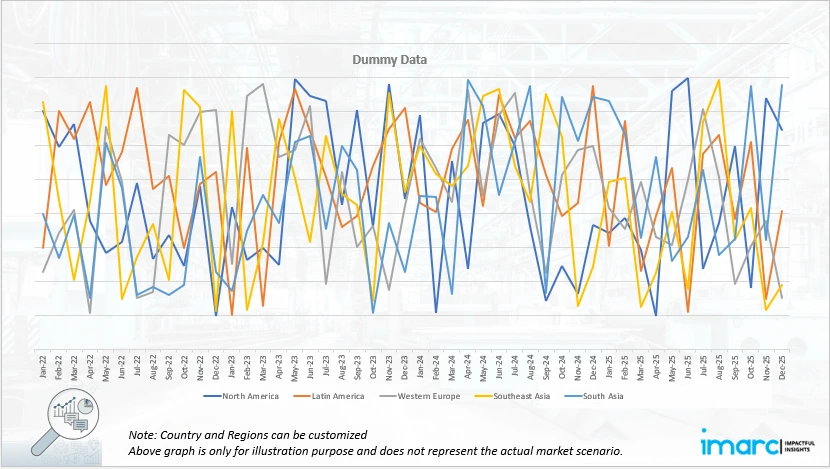
Get real-time access to monthly/quarterly/yearly prices Request Sample
During the third quarter of 2026, the Oxcarbazepine Prices in the USA reached 164,388 USD/MT in September. Firmer procurement by pharmaceutical formulators and wholesalers gave suppliers the confidence to lift offers. Producers and importers faced higher replacement costs for active ingredient batches, so these increases were passed into quotations. Distributors kept inventories lean, which limited the volume of prompt material available to spot buyers. Buyers balancing ongoing therapy supply against cautious inventory planning built modest forward positions, adding further support to prices. Overall, the upward movement reflected a market in which availability and cost recovery, rather than sudden swings in therapy demand, set the tone for pricing.
During the third quarter of 2026, the Oxcarbazepine Prices in the Germany reached 140,838 USD/MT in September. Firmer procurement by pharmaceutical formulators and wholesalers gave suppliers the confidence to lift offers across the period. Replacement costs for imported active ingredient increased, so producers and importers passed higher input values into quotations. Lean distributor inventories meant that prompt material was harder to obtain, and buyers responded by committing to forward volumes. Steady demand from hospital and retail pharmacy channels absorbed available supply without creating meaningful slack in the market. Overall, the upward move reflected tighter availability and cost-based pricing rather than any sudden shift in therapy requirements.
In September, the oxcarbazepine prices in During the third quarter of 2026, the Oxcarbazepine Prices in the China reached 136,679 USD/MT in September. Active ingredient producers faced higher processing and input expenses, which encouraged them to revise quotations upward. Domestic suppliers maintained disciplined operating rates, so excess availability did not build in the market to offset firmer costs. Formulators and export oriented buyers kept procurement steady to meet ongoing contract requirements. Freight and handling costs at major ports added further pressure to delivered values for regional importers. Competition for prompt cargoes stayed measured, which kept the firmer price tone intact through the quarter.
In September, the oxcarbazepine prices in Brazil During the third quarter of 2026, the Oxcarbazepine Prices in the Brazil reached 159,797 USD/MT in September. Brazilian buyers depend on imported active ingredient, so firmer international quotations quickly transmitted into local offers. Currency pressures raised the cost of overseas procurement and pushed replacement values higher for importers and distributors. Demand from pharmaceutical formulators and retail channels remained consistent, supporting regular purchasing activity. Limited availability of local alternatives kept buyers reliant on imported cargoes, which kept landed values elevated. Suppliers held firm on offers because availability of prompt material stayed restricted during the period.
During the third quarter of 2026, the Oxcarbazepine Prices in the Mexico reached 127,291 USD/MT in September. Importers faced firmer landed costs, since replacement values for overseas material moved higher over the period. Freight and logistics expenses added to the cost of bringing material into the country and supported the upward move. Regular procurement from formulators and distributors kept offtake steady across the quarter. Conservative inventories limited the volume of prompt material offered to spot buyers. Sellers were reluctant to discount, reinforcing the firmer tone in the local market.
Oxcarbazepine Prices Outlook Q2 2026
- USA: USD 162,664/MT
- Germany: USD 136,762/MT
- China: USD 135,179/MT
- Brazil: USD 156,136/MT
- Mexico: USD 124,636/MT
During the second quarter of 2026, the oxcarbazepine prices in the USA reached 162,664 USD/MT in June. Prices moved higher as domestic active pharmaceutical ingredient manufacturers faced tighter production schedules while meeting stringent FDA quality and compliance requirements. Generic drug producers maintained steady procurement of oxcarbazepine for anticonvulsant formulations, supporting consistent offtake through the quarter. Rising costs for key starting materials and solvents used in the synthesis route added further pressure on ex-works quotations.
During the second quarter of 2026, the oxcarbazepine prices in Germany reached 136,762 USD/MT in June. Prices increased as bulk drug manufacturers dealt with higher energy and utility costs tied to solvent recovery and crystallization steps in the synthesis process. Consistent demand from generic and branded anticonvulsant formulators across the European Union supported stable order volumes. Import dependence on certain fine chemical intermediates from Asia also exposed producers to freight and currency related cost pressure.
During the second quarter of 2026, the oxcarbazepine prices in China reached 135,179 USD/MT in June. Prices increased as domestic bulk drug manufacturers raised quotations to reflect firmer costs for key raw materials used in the synthesis pathway. Export demand from generic formulators across Asia Pacific and other regions remained steady, absorbing available production volumes. Several Chinese API producers implemented tighter environmental controls and periodic operating rate adjustments to comply with regional emission standards, which limited prompt supply.
During the second quarter of 2026, the oxcarbazepine prices in Brazil reached 156,136 USD/MT in June. Prices trended higher as the country's reliance on imported active pharmaceutical ingredients exposed local formulators to elevated freight and currency related costs. Steady demand from domestic generic drug manufacturers producing anticonvulsant tablets supported consistent offtake through the quarter. Import duties and regulatory registration requirements for pharmaceutical grade oxcarbazepine added to landed costs at Brazilian ports.
During the second quarter of 2026, the oxcarbazepine prices in Mexico reached 124,636 USD/MT in June. Prices moved upward as domestic pharmaceutical manufacturers increased purchases of imported oxcarbazepine to support growing generic drug production for the anticonvulsant segment. Higher freight and logistics costs on shipments from Asian and European API suppliers added to the landed cost of the material. Peso volatility against the United States dollar also influenced import economics during the quarter.
Oxcarbazepine Prices Outlook Q1 2026
- USA: USD 159,303/MT
- Germany: USD 135,261/MT
- China: USD 134,013/MT
- Brazil: USD 153,105/MT
- Mexico: USD 122,529/MT
During the first quarter of 2026, the oxcarbazepine prices in the USA reached 159,303 USD/MT in March. Prices moved upward, supported by steady procurement from formulation manufacturers and firm requirements from neurological drug producers. Supply remained controlled as sellers focused on regulated market commitments and maintained cautious inventory release. Import costs, quality compliance expenses, and stable distributor buying also supported the upward movement.
During the first quarter of 2026, the oxcarbazepine prices in Germany reached 135,261 USD/MT in March. The market recorded an upward trend as pharmaceutical buyers maintained steady purchasing for branded and generic formulations. Higher compliance costs, strict quality testing requirements, and stable domestic consumption supported firm pricing. Suppliers also faced limited flexibility in lowering offers due to regulated production standards and controlled batch availability.
During the first quarter of 2026, the oxcarbazepine prices in China reached 134,013 USD/MT in March. Prices declined slightly as supply availability improved and producers offered more competitive quotations. Domestic manufacturers maintained active production, which eased buyer concerns over availability. Demand from formulation units remained stable, but buyers avoided large stock buildup and purchased mainly according to immediate needs.
During the first quarter of 2026, the oxcarbazepine prices in Brazil reached 153,105 USD/MT in March. Prices increased as pharmaceutical importers faced firm replacement costs and steady requirements from generic drug manufacturers. Demand from hospital supply channels and prescription medicine distributors remained stable through the quarter. Import lead times and currency linked procurement pressure supported stronger seller offers.
During the first quarter of 2026, the oxcarbazepine prices in Mexico reached 122,529 USD/MT in March. Prices increased, supported by steady demand from pharmaceutical formulation companies and import based supply chains. Buyers focused on maintaining secure inventories for antiepileptic drug manufacturing, which strengthened procurement activity. Supplier offers remained firm due to logistics costs, quality certification requirements, and limited spot availability from preferred sources.
Oxcarbazepine Prices Outlook Q4 2025
- USA: USD 157,367/MT
- Germany: USD 132,466/MT
- China: USD 134,890/MT
- Brazil: USD 149,890/MT
- Mexico: USD 118,569/MT
During the fourth quarter of 2025, the oxcarbazepine prices in the USA reached 157,367 USD/MT in December. The market exhibited a downward trajectory compared to the previous quarter, primarily due to moderated procurement from pharmaceutical formulators and balanced inventory levels across distribution channels. Softer demand from generic drug manufacturers and stable feedstock availability eased procurement urgency. Additionally, improved import flows and reduced logistical bottlenecks contributed to greater supply availability, exerting pressure on domestic quotations.
During the fourth quarter of 2025, the oxcarbazepine prices in Germany reached 132,466 USD/MT in December. The market reflected a modest upward movement driven by steady demand from pharmaceutical production units and structured restocking activities toward year-end. Controlled import volumes and firm compliance costs supported price firmness across the domestic market. In addition, consistent energy and operational expenditures maintained upward pressure on production costs.
During the fourth quarter of 2025, the oxcarbazepine prices in China reached 134,890 USD/MT in December. The market recorded a notable decline compared to the previous quarter, influenced by increased production output and adequate raw material supply. Export inquiries remained steady, yet domestic demand exhibited cautious momentum amid sufficient downstream inventories. Competitive pricing strategies among local manufacturers further contributed to downward adjustments.
During the fourth quarter of 2025, the oxcarbazepine prices in Brazil reached 149,890 USD/MT in December. The market experienced a mild upward correction supported by steady pharmaceutical sector demand and selective restocking initiatives. Import reliance and currency-related procurement considerations contributed to firmer supplier offers. Distribution channels maintained controlled stock levels, limiting oversupply conditions.
During the fourth quarter of 2025, the oxcarbazepine prices in Mexico reached 118,569 USD/MT in December. The market displayed a slight decline influenced by softened purchasing from generic drug manufacturers and comfortable inventory positions. Adequate import arrivals ensured sufficient supply across regional warehouses. Competitive supplier strategies and stable freight conditions further pressured quotations. Buyers engaged in need-based procurement, reducing bulk transactions.
Oxcarbazepine Prices Outlook Q3 2025
- USA: USD 161,138/MT
- Germany: USD 129,856/MT
- China: USD 143,332/MT
- Brazil: USD 146,793/MT
- Mexico: USD 120,853/MT
During the third quarter of 2025, the oxcarbazepine prices in the USA reached 161,138 USD/MT in September. Upward pressure reflected tighter validated output at several domestic producers and sustained demand from formulation plants. Buyers adjusted procurement timing to secure contracted volumes, while inland transport coordination and steady acceptance of imported grades helped maintain continuity amid elevated sourcing focus.
During the third quarter of 2025, the oxcarbazepine prices in Germany reached 129,856 USD/MT in September. Pricing moved lower as inbound scheduling from key overseas suppliers became more predictable, enabling distributors to replenish without resorting to premium spot purchases. European compliance routines and stable cross-border logistics supported orderly inventory rotation and moderated near-term commercial urgency among buyers.
During the third quarter of 2025, the oxcarbazepine prices in China reached 143,332 USD/MT in September. Prices rose as production pacing incorporated additional quality-verification steps that temporarily moderated throughput. Domestic formulation demand remained active, encouraging forward purchasing. Export scheduling and batch-release coordination continued to influence supplier allocation, prompting careful contract management by both local and international purchasers.
During the third quarter of 2025, the oxcarbazepine prices in Brazil reached 146,793 USD/MT in September. Prices strengthened amid tighter landed supply and planning adjustments by downstream manufacturers. Import-dependent distributors increased ordering discipline to manage customs timing and inland distribution constraints. The combination of steady local demand and planning for consistent delivery windows supported firmer procurement behavior across national supply chains.
During the third quarter of 2025, the oxcarbazepine prices in Mexico reached 120,853 USD/MT in September. Prices eased as distributors arranged more predictable inbound shipments and downstream formulators optimized inventory positions. Cross-border consolidation with neighboring distribution networks reduced reliance on urgent spot purchases. Documentation and customs handling rhythms allowed buyers to smooth intake, diminishing short-term premium sourcing pressure.
Oxcarbazepine Prices Outlook Q2 2025
- USA: USD 158,600/MT
- Germany: USD 131,300/MT
- China: USD 140,384/MT
- Brazil: USD 145,052/MT
- Mexico: USD 134,810/MT
During the second quarter of 2025, the oxcarbazepine prices in the USA reached 158,600 USD/MT in June. Prices edged higher as purchasers aligned procurement with anticipated manufacturing runs and coordinated documentation and transport flows. Distribution hubs emphasized reliable handover timelines, supporting uninterrupted supply into key production zones.
During the second quarter of 2025, the oxcarbazepine prices in Germany reached 131,300 USD/MT in June. Prices registered an increase as distributors structured intake around regulated inspection protocols and ensured stock adequacy for steady pharmaceutical usage. Inland transport channels provided predictable redistribution capabilities, reinforcing consistent operating conditions for buyers.
During the second quarter of 2025, the oxcarbazepine prices in China reached 140,384 USD/MT in June. Prices advanced as producers balanced batch-release rhythms with routine process verification, shaping timing for both domestic and export allocations. Downstream formulation facilities managed procurement with planned scheduling, integrating intake into stable manufacturing cycles.
During the second quarter of 2025, the oxcarbazepine prices in Brazil reached 145,052 USD/MT in June. Prices increased as importers structured arrivals to match regulated intake procedures and ongoing market demand. Coordination between port operations, customs workflows, and inland distribution supported disciplined purchasing aligned with pharmaceutical production requirements.
During the second quarter of 2025, the oxcarbazepine prices in Mexico reached 134,810 USD/MT in June. Procurement activity centered on organized stock rotation and predictable shipment timing, enabling formulation units to schedule material usage efficiently. Documentation and warehousing coordination allowed buyers to maintain steady access without relying on urgent replenishment.
Regional Coverage
The report provides a detailed analysis of the market across different regions, each with unique pricing dynamics influenced by localized market conditions, supply chain intricacies, and geopolitical factors. This includes price trends, price forecast and supply and demand trends for each region, along with spot prices by major ports. The report also provides coverage of FOB and CIF prices, as well as the key factors influencing oxcarbazepine prices.
Europe Oxcarbazepine Price Trend
Q3 2026:
The oxcarbazepine price index in Europe moved upward through the quarter, supported by tighter prompt availability and firm downstream demand. Germany, the region's leading pharmaceutical processing market, recorded firmer offers as manufacturers and distributors sought regular supply for ongoing therapy needs. European buyers depend partly on imported active ingredient, so higher replacement costs and firmer freight conditions pushed landed values higher. Currency movements against supplying nations added uncertainty to procurement budgets across the region. Distributors kept inventories lean, which limited the volume of material available to non contract buyers seeking immediate delivery. Logistics constraints and periodic congestion at major ports restricted the timely movement of cargo and encouraged forward purchasing. Demand from hospital and retail pharmacy channels remained resilient despite the firmer pricing environment. Producers maintained cautious output planning, which kept spare availability limited and reinforced the upward tone in the regional market.
Q2 2026:
The oxcarbazepine price index in Europe moved upward during the quarter as higher production costs and steady pharmaceutical demand supported firmer offers. Germany reported a increase in oxcarbazepine values as energy costs tied to solvent recovery and crystallization stages added to manufacturing expenses. European bulk drug producers continued to operate under strict environmental and quality compliance frameworks, which limited flexibility to expand output quickly. Consistent demand from generic and branded anticonvulsant formulators across the European Union supported stable order volumes throughout the quarter. Import dependence on certain fine chemical intermediates sourced from Asia exposed regional producers to freight and currency related cost volatility. Waste treatment and effluent management requirements at European API facilities also contributed to elevated production costs.
Q1 2026:
The oxcarbazepine price index in Europe moved upward, supported by firm demand from regulated pharmaceutical manufacturers. Germany showed stronger pricing as buyers maintained steady procurement for antiepileptic drug production. Strict quality controls, batch testing, and compliance related costs kept supplier offers firm. Distributors preferred reliable sourcing, which limited aggressive bargaining across the region. Demand from hospital and prescription channels remained stable, giving producers confidence to maintain higher quotations.
Q4 2025:
During the fourth quarter of 2025, the oxcarbazepine price index in Europe reflected slightly firm conditions. Demand from pharmaceutical manufacturing hubs remained consistent, particularly in Western Europe, supporting balanced procurement activity. Import flows were structured, and distributors managed inventories cautiously to prevent oversupply. Regulatory compliance costs and stable operational expenditures contributed to firm supplier quotations. Market participants emphasized long-term contracts over spot transactions, sustaining price stability across the region.
Q3 2025:
As per the oxcarbazepine price index, Europe experienced a downward trend, as reflected in Germany’s movement this period. Regional sourcing activities were shaped by regulated handling processes that govern pharmaceutical ingredients, influencing how distributors coordinated documentation and shipment pacing. Established cross-border transport networks supported consistent transit of materials into formulation hubs, allowing buyers to schedule replenishment with limited timing volatility. Improved accessibility from global production centers helped moderate procurement urgency, encouraging more measured intake planning across European markets.
Q2 2025:
Europe recorded an upward trend, consistent with rising prices in Germany. The region’s procurement cycles operated within harmonized regulatory and documentation structures that influence how pharmaceutical ingredients move between member states. Distributors aligned shipments with predictable inspection workflows, while inland logistics networks ensured reliable transfer into established formulation centers. Buyers maintained disciplined purchasing schedules that matched expected downstream usage, reflecting coordinated material planning across the European supply chain.
This analysis can be extended to include detailed oxcarbazepine price information for a comprehensive list of countries.
| Region | Countries Covered |
|---|---|
| Europe | Germany, France, United Kingdom, Italy, Spain, Russia, Turkey, Netherlands, Poland, Sweden, Belgium, Austria, Ireland, Switzerland, Norway, Denmark, Romania, Finland, Czech Republic, Portugal, and Greece, among other European countries. |
North America Oxcarbazepine Price Trend
Q3 2026:
The oxcarbazepine price index in North America rose during the quarter, driven by firm replacement costs and steady downstream demand. The USA, the leading consuming market in the region, saw generic and branded formulators maintain active procurement of available volumes. Regional pharmaceutical manufacturers relied on a mix of domestic and imported active ingredient, so higher international quotations and freight charges fed directly into landed costs. Pharmacy wholesalers kept stock positions conservative, reducing flexibility for buyers seeking prompt deliveries. Quality documentation and compliance requirements limited the number of qualified suppliers able to serve large contracts, which kept competition restrained. Currency movements influenced procurement budgets for buyers sourcing material from overseas producers. Forward purchasing increased as participants sought to secure cover ahead of expected firmer offers. Demand for tablet and suspension formulations remained consistent across retail and institutional channels, supporting the firmer tone through the period.
Q2 2026:
The oxcarbazepine price index in North America trended higher during the quarter as tighter domestic production schedules and firm downstream demand supported stronger offers. The United States recorded a notable increase in oxcarbazepine values as active pharmaceutical ingredient manufacturers navigated stringent FDA quality and compliance requirements. Generic drug producers maintained steady procurement of oxcarbazepine for anticonvulsant formulations, supporting consistent offtake across the quarter. Rising costs for key starting materials and solvents used in the synthesis route added further pressure on ex-works quotations. Limited domestic bulk drug manufacturing capacity, combined with reliance on imported intermediates, kept prompt availability constrained through much of the period.
Q1 2026:
The oxcarbazepine price index in North America increased as demand from formulation companies remained stable. The USA market showed upward movement due to firm procurement from generic and branded medicine producers. Buyers continued regular purchasing to support prescription based neurological treatment demand. Supplier offers were supported by compliance costs, import replacement expenses, and limited spot availability. Distributors avoided excessive stocks, yet consistent replenishment kept the market active.
Q4 2025:
During the fourth quarter of 2025, the oxcarbazepine price index in North America reflected a downward trajectory. The decline was primarily influenced by sufficient domestic production and steady import arrivals, which collectively ensured comfortable supply availability across the region. Pharmaceutical manufacturers maintained balanced inventory positions and limited bulk procurement, reducing immediate purchasing pressure. Distributors focused on controlled stock rotation rather than aggressive restocking strategies, contributing to softer transactional activity.
Q3 2025:
As per the oxcarbazepine price index, North America observed an upward trend, aligned with movement in the United States. Sourcing strategies were shaped by established regulatory oversight governing ingredient intake, which enabled predictable coordination between coastal gateways and inland manufacturing hubs. Distributors planned shipments around structured inspection and documentation procedures, ensuring steady availability for formulation activities. With transport corridors operating reliably, procurement remained focused on maintaining consistent stock levels rather than reactive replenishment.
Q2 2025:
The region registered an upward trend, reflecting the movement observed in the United States. Buyers coordinated procurement through organized port-handling and compliance systems that support regulated pharmaceutical ingredients, aligning deliveries with ongoing production cycles. Established cross-border distribution networks ensured dependable routing between major processing regions, while inventory planning emphasized steady intake to match downstream manufacturing requirements. These operational dynamics guided sourcing behavior across the region.
Specific oxcarbazepine historical data within the United States and Canada can also be provided.
| Region | Countries Covered |
|---|---|
| North America | United States and Canada |
Middle East and Africa Oxcarbazepine Price Trend
Q3 2026:
The study includes oxcarbazepine price trends across the Middle East and Africa, taking into consideration variables that have a direct impact on market prices, such as regional industrial expansion, natural resource availability, and geopolitical conflicts.
Q2 2026:
According to the oxcarbazepine price chart, prices in the Middle East and Africa exhibited fluctuations due to a combination of factors, mainly influenced by supply chain disruptions, changing seasonal demand patterns, and ongoing geopolitical developments.
Q1 2026:
According to the price chart for oxcarbazepine, supply chain interruptions, seasonal changes in demand, and geopolitical influences were the main causes of the price fluctuations in the Middle East and Africa.
Q4 2025:
As per the oxcarbazepine price chart, the prices in the Middle East and Africa fluctuated due to a complex interplay of factors, primarily driven by supply chain disruptions, seasonal demand shifts, and geopolitical influences.
Q3 2025:
The report explores the oxcarbazepine trends and oxcarbazepine price chart in the Middle East and Africa, considering factors like regional industrial growth, the availability of natural resources, and geopolitical tensions that uniquely influence market prices.
In addition to region-wise data, information on oxcarbazepine prices for countries can also be provided.
| Region | Countries Covered |
|---|---|
| Middle East & Africa | Saudi Arabia, UAE, Israel, Iran, South Africa, Nigeria, Oman, Kuwait, Qatar, Iraq, Egypt, Algeria, and Morocco, among other Middle Eastern and African countries. |
Asia Pacific Oxcarbazepine Price Trend
Q3 2026:
The oxcarbazepine price index in Asia Pacific moved upward, supported by firm import replacement costs and steady pharmaceutical production demand. China, a principal producing and consuming market in the region, recorded higher offers as active ingredient suppliers faced rising input and processing expenses. Regional formulators maintained steady procurement to meet ongoing therapy requirements across hospital and retail channels. Export competition among regional suppliers shaped the volumes available for cross border shipment. Firm freight and container availability at major ports influenced delivered costs for buyers across the region. Currency movements against supplying nations added to procurement costs for importers managing foreign denominated purchases. Suppliers maintained disciplined offers, which limited the volume of prompt material available to spot buyers. Quality and regulatory documentation requirements kept sourcing concentrated among established producers, reinforcing the firmer market tone.
Q2 2026:
Oxcarbazepine prices in Asia Pacific moved upward as higher raw material costs and steady export demand supported firmer market conditions. China, a key regional producer, reported increased quotations as costs for key intermediates used in the synthesis pathway firmed considerably. Export demand from generic pharmaceutical formulators across the region and beyond remained steady, absorbing available production volumes throughout the quarter. Several domestic API producers implemented tighter environmental controls and periodic operating rate adjustments to comply with regional emission standards, which limited prompt supply. Chinese pharmaceutical companies also increased procurement to build inventories ahead of anticipated regulatory inspections and audits.
Q1 2026:
In Asia Pacific, oxcarbazepine prices showed a bearish movement. China recorded a slight decline as supply improved and producers offered competitive quotations. Other regional markets remained steadier due to import dependence, formulation demand, and regulated procurement practices. Buyers across the region purchased cautiously, focusing on immediate manufacturing requirements rather than aggressive stock building. Export competition from Asian producers limited price gains in some markets.
Q4 2025:
Across the Asia Pacific, the oxcarbazepine market exhibited price declines during the fourth quarter, reflecting varied supply-demand fundamentals across major economies. Elevated production rates in prominent manufacturing countries strengthened overall regional availability, enabling suppliers to maintain comfortable inventory levels. Raw material accessibility remained stable, supporting uninterrupted output and consistent contract fulfillment. Export shipments to North America and Europe proceeded steadily, preventing excessive stock accumulation within domestic markets.
Q3 2025:
Asia Pacific recorded an upward trend, consistent with movement seen in China. The region’s supply environment was influenced by the structured production and verification routines characteristic of major active-ingredient manufacturing hubs. Well-developed short-sea transport links supported predictable deliveries into markets such as South Korea and Japan, facilitating orderly intake by local pharmaceutical processors. Southeast Asian distributors, positioned close to principal production centers, coordinated procurement with routine export flows. These interconnected systems enabled consistent alignment between material availability and demand across the region.
Q2 2025:
Asia Pacific experienced an upward trend, aligned with rising prices in China. Production flows from major manufacturing hubs followed established verification and allocation processes, shaping availability for nearby markets. India’s extensive pharmaceutical sector maintained consistent ingredient uptake, while import-dependent economies coordinated procurement within reliable regulatory and port frameworks. Regional maritime routes supported predictable replenishment cycles, helping buyers synchronize intake with forecasted production needs.
This oxcarbazepine price analysis can be expanded to include a comprehensive list of countries within the region.
| Region | Countries Covered |
|---|---|
| Asia Pacific | China, India, Indonesia, Pakistan, Bangladesh, Japan, Philippines, Vietnam, Thailand, South Korea, Malaysia, Nepal, Taiwan, Sri Lanka, Hongkong, Singapore, Australia, and New Zealand, among other Asian countries. |
Latin America Oxcarbazepine Price Trend
Q3 2026:
The oxcarbazepine price index in Latin America moved upward during the quarter, reflecting firmer import costs and steady pharmaceutical demand. Brazil recorded rising prices as buyers faced higher replacement costs for imported active ingredient and distributors maintained steady offtake. Mexico followed a similar direction, with importers facing firmer landed costs as regional demand for finished formulations remained consistent. Regional buyers depend substantially on overseas supply, so changes in international feedstock, freight and currency conditions transmitted quickly into local quotations. Logistics and customs handling times added to delivered costs and encouraged buyers to secure material on forward terms. Demand from healthcare procurement programs and private providers maintained regular requirements for antiepileptic therapy across the region. Distributors kept inventories conservative, limiting the volume of prompt material available to non contract buyers. Suppliers were cautious about discounting given the firmer cost base, which reinforced the upward price tone across major markets.
Q2 2026:
The oxcarbazepine price index in Latin America moved upward as import dependence and currency pressures supported firmer market values. Brazil recorded higher quotations as local formulators faced elevated freight and currency related costs tied to imported active pharmaceutical ingredients. Steady demand from domestic generic drug manufacturers producing anticonvulsant tablets supported consistent offtake across the country. Import duties and regulatory registration requirements for pharmaceutical grade oxcarbazepine added to landed costs at major Brazilian ports. Mexico also recorded firmer prices as domestic manufacturers increased purchases of imported oxcarbazepine to support growing generic drug production.
Q1 2026:
In Latin America, oxcarbazepine prices increased as Brazil and Mexico recorded upward movements. Import dependent supply chains played a major role in supporting prices across the region. Pharmaceutical buyers maintained regular procurement to avoid disruptions in antiepileptic drug production. Higher replacement costs, logistics expenses, and limited approved supplier flexibility strengthened seller offers. Demand from prescription medicine channels remained stable, while distributors managed inventories carefully.
Q4 2025:
During the fourth quarter of 2025, the oxcarbazepine market in Latin America exhibited mixed pricing trends across major economies. In Brazil, firmer supplier offers were supported by structured import procurement and steady demand from domestic pharmaceutical manufacturers. Controlled inventory positioning and currency-related purchasing considerations contributed to stable to slightly elevated quotations. Conversely, in Mexico, prices moved lower as distributors benefited from predictable inbound shipments and balanced warehouse stocks.
Q3 2025:
Latin America observed mixed movements, with upward pricing in Brazil contrasted by a downward trend in Mexico. Import flows into major distribution points operated through established maritime corridors, enabling buyers to manage replenishment with greater predictability. Brazil’s role as a leading destination for pharmaceutical inputs supported organized positioning of materials for downstream formulators, while Mexico structured intake through integrated cross-border and ocean-freight channels. Procurement approaches across Southern Cone markets aligned with regional warehousing and inland-transport frameworks, guiding how ingredients were paced into manufacturing centers.
Q2 2025:
Latin America recorded an upward trend, consistent with the movement in Brazil. Regional procurement depended on structured maritime flows that supply downstream pharmaceutical processors across several markets. Brazil’s established distribution role ensured organized access for surrounding countries, while Mexico integrated domestic intake with regulated import systems. Southern Cone markets coordinated shipments through dependable deep-sea routes, using structured warehousing and transport capabilities to maintain continuity in material availability.
This comprehensive review can be extended to include specific countries within the region.
| Region | Countries Covered |
|---|---|
| Latin America | Brazil, Mexico, Argentina, Columbia, Chile, Ecuador, and Peru, among other Latin American countries. |
Oxcarbazepine Pricing Report, Market Analysis, and News
IMARC's latest publication, “Oxcarbazepine Prices, Trend, Chart, Demand, Market Analysis, News, Historical and Forecast Data Report 2026 Edition,” presents a detailed examination of the oxcarbazepine market, providing insights into both global and regional trends that are shaping prices. This report delves into the spot price of oxcarbazepine at major ports and analyzes the composition of prices, including FOB and CIF terms. It also presents detailed oxcarbazepine prices trend analysis by region, covering North America, Europe, Asia Pacific, Latin America, and Middle East and Africa. The factors affecting oxcarbazepine pricing, such as the dynamics of supply and demand, geopolitical influences, and sector specific developments, are thoroughly explored. This comprehensive report helps stakeholders stay informed with the latest market news, regulatory updates, and technological progress, facilitating informed strategic decision-making and forecasting.
Oxcarbazepine Industry Analysis
The global oxcarbazepine market size reached USD 111.0 Million in 2025. By 2034, IMARC Group expects the market to reach USD 171.7 Million, at a projected CAGR of 4.96% during 2026-2034. Market growth is being driven by steady demand for antiepileptic therapy in the management of partial-onset seizures, rising generic and extended-release formulation activity among pharmaceutical manufacturers, and expanding access to oral suspension and tablet presentations for patients across hospital and retail pharmacy channels.
Latest News and Developments:
- June 2025: Lupin received tentative approval from the US FDA for its extended-release oxcarbazepine tablets, with manufacturing planned at its Nagpur facility in India.
- February 2024: Camber Pharmaceuticals launched Oxcarbazepine Oral Suspension, USP, in 250 mL bottles, released in multiple strengths to expand access to therapy for patients with partial-onset seizures.
Product Description
Oxcarbazepine is an antiepileptic active pharmaceutical ingredient used in the treatment of partial-onset seizures. It is a keto derivative of carbamazepine, a dibenzazepine compound, and its chemical formula is C15H12N2O2. The substance is generally handled as a white to almost white crystalline powder that is poorly soluble in water and only sparingly soluble in common organic solvents. In the body, oxcarbazepine is rapidly converted into its active monohydroxy metabolite, which is responsible for most of its therapeutic effect. Commercial production is based on chemical modification of the dibenzazepine structure, where a keto group is introduced into the central ring, followed by crystallization, filtration and drying steps. Downstream purification removes process related impurities so that the material meets the requirements of pharmacopoeial monographs. The primary end use is in finished pharmaceutical products prescribed for adults and children with partial-onset seizures, either as monotherapy or as adjunctive treatment. Oxcarbazepine is formulated into immediate-release film-coated tablets, extended-release tablets and oral suspension, and each dosage form is supplied to pharmaceutical manufacturers, wholesalers, and hospital and retail pharmacy channels. Formulators also use the active ingredient in generic drug development, where bioequivalence to reference products is a key requirement. The material is traded as bulk active pharmaceutical ingredient by drug substance producers, typically in powder form packed for pharmaceutical handling. Quality is assessed on identity, assay, impurity profile and physical characteristics, all of which influence its suitability for tablet and suspension manufacture.
Report Coverage
| Key Attributes | Details |
|---|---|
| Product Name | Oxcarbazepine |
| Report Features | Exploration of Historical Trends and Market Outlook, Industry Demand, Industry Supply, Gap Analysis, Challenges, Oxcarbazepine Price Analysis, and Segment-Wise Assessment. |
| Currency/Units | US$ (Data can also be provided in local currency) or Metric Tons |
| Region/Countries Covered | The current coverage includes analysis at the global and regional levels only. Based on your requirements, we can also customize the report and provide specific information for the following countries: Asia Pacific: China, India, Indonesia, Pakistan, Bangladesh, Japan, Philippines, Vietnam, Thailand, South Korea, Malaysia, Nepal, Taiwan, Sri Lanka, Hongkong, Singapore, Australia, and New Zealand Europe: Germany, France, United Kingdom, Italy, Spain, Russia, Turkey, Netherlands, Poland, Sweden, Belgium, Austria, Ireland, Switzerland, Norway, Denmark, Romania, Finland, Czech Republic, Portugal and Greece North America: United States and Canada Latin America: Brazil, Mexico, Argentina, Columbia, Chile, Ecuador, and Peru Middle East & Africa: Saudi Arabia, UAE, Israel, Iran, South Africa, Nigeria, Oman, Kuwait, Qatar, Iraq, Egypt, Algeria, and Morocco The list of countries presented is not exhaustive. Information on additional countries can be provided if required by the client. |
| Information Covered for Key Suppliers |
|
| Customization Scope | The report can be customized as per the requirements of the customer |
| Report Price and Purchase Option |
Plan A: Monthly Updates - Annual Subscription
Plan B: Quarterly Updates - Annual Subscription
Plan C: Biannually Updates - Annual Subscription
|
| Post-Sale Analyst Support | 360-degree analyst support after report delivery |
| Delivery Format | PDF and Excel through email (We can also provide the editable version of the report in PPT/Word format on special request) |
Key Benefits for Stakeholders:
- IMARC’s report presents a detailed analysis of oxcarbazepine pricing, covering global and regional trends, spot prices at key ports, and a breakdown of Ex Works, FOB, and CIF prices.
- The study examines factors affecting oxcarbazepine price trend, including raw material costs, supply-demand shifts, geopolitical impacts, and industry developments, offering insights for informed decision-making.
- The competitive landscape review equips stakeholders with crucial insights into the latest market news, regulatory changes, and technological advancements, ensuring a well-rounded, strategic overview for forecasting and planning.
- IMARC offers various subscription options, including monthly, quarterly, and biannual updates, allowing clients to stay informed with the latest market trends, ongoing developments, and comprehensive market insights. The oxcarbazepine price charts ensure our clients remain at the forefront of the industry.
Need more help?
- Speak to our experienced analysts for insights on the current market scenarios.
- Include additional segments and countries to customize the report as per your requirement.
- Gain an unparalleled competitive advantage in your domain by understanding how to utilize the report and positively impacting your operations and revenue.
- For further assistance, please connect with our analysts.
 Request Customization
 Inquire Before Buying
 Speak to an Analyst
 Request Brochure
Benefits of Customization
- Personalize this research
- Triangulate with your data
- Get data as per your format and definition
- Gain a deeper dive into a specific application, geography, customer, or competitor
- Any level of personalization
Get in Touch With Us
UNITED STATES
Phone: +1-201-971-6302
INDIA
Phone: +91-120-433-0800
UNITED KINGDOM
Phone: +44-753-714-6104
Email: [email protected]
Client Testimonials















Related Reports
Why Choose Us
IMARC offers trustworthy, data-centric insights into commodity pricing and evolving market trends, enabling businesses to make well-informed decisions in areas such as procurement, strategic planning, and investments. With in-depth knowledge spanning more than 1000 commodities and a vast global presence in over 150 countries, we provide tailored, actionable intelligence designed to meet the specific needs of diverse industries and markets.
1000
+Commodities
150
+Countries Covered
3000
+Clients
20
+Industry

Robust Methodologies & Extensive Resources
IMARC delivers precise commodity pricing insights using proven methodologies and a wealth of data to support strategic decision-making.

Subscription-Based Databases
Our extensive databases provide detailed commodity pricing, import-export trade statistics, and shipment-level tracking for comprehensive market analysis.

Primary Research-Driven Insights
Through direct supplier surveys and expert interviews, we gather real-time market data to enhance pricing accuracy and trend forecasting.

Extensive Secondary Research
We analyze industry reports, trade publications, and market studies to offer tailored intelligence and actionable commodity market insights.
Trusted by 3000+ industry leaders worldwide to drive data-backed decisions. From global manufacturers to government agencies, our clients rely on us for accurate pricing, deep market intelligence, and forward-looking insights.