
Polypropylene Filament Yarn (PPFY) Prices, Trend, Chart, Demand, Market Analysis, News, Historical and Forecast Data Report 2026 Edition
Polypropylene Filament Yarn (PPFY) Price Trend, Index and Forecast
Track the latest insights on polypropylene filament yarn (PPFY) price trend and forecast with detailed analysis of regional fluctuations and market dynamics across North America, Latin America, Central Europe, Western Europe, Eastern Europe, Middle East, North Africa, West Africa, Central and Southern Africa, Central Asia, Southeast Asia, South Asia, East Asia, and Oceania.
Polypropylene Filament Yarn (PPFY) Prices Outlook Q3 2026
- India: USD 1842/MT
- Brazil: USD 1790/MT
- South Korea: USD 1844/MT
- Japan: USD 4368/MT
- USA: USD 3572/MT
Polypropylene Filament Yarn (PPFY) Price Chart
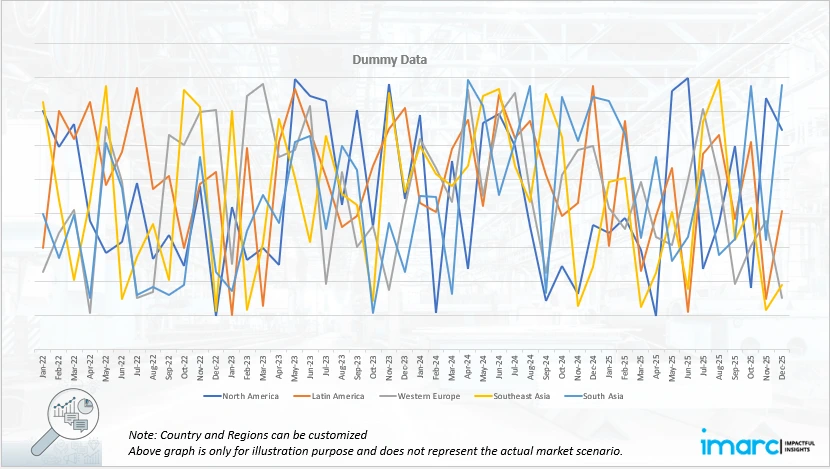
Get real-time access to monthly/quarterly/yearly prices Request Sample
During the third quarter of 2026, the polypropylene filament yarn (PPFY) prices in India reached 1842 USD/MT in September. Prices moved upward as steady offtake from carpet and rug manufacturers, rope and cordage producers and woven sack converters absorbed the volumes offered to the market. Firm operating rates at domestic extrusion and texturing units kept the volume of ready yarn limited for buyers placing immediate inquiries.
During the third quarter of 2026, the polypropylene filament yarn (PPFY) prices in Brazil reached 1790 USD/MT in September. Prices firmed as import dependent buyers faced firmer replacement costs on cargoes from established supplying origins through the quarter. Steady demand from carpet, upholstery and industrial fabric producers kept offtake consistent across the period.
During the third quarter of 2026, the polypropylene filament yarn (PPFY) prices in South Korea reached 1844 USD/MT in September. Prices moved upward as steady export enquiries from carpet, rope and geotextile buyers absorbed available output through the quarter. Firm operating rates at domestic fiber extrusion units kept the volume of prompt material limited for buyers placing immediate inquiries.
During the third quarter of 2026, the polypropylene filament yarn (PPFY) prices in Japan reached 4368 USD/MT in September. Prices advanced as import dependent buyers faced firmer replacement costs from established supplying origins through the quarter. Steady demand from automotive interior, carpet and industrial fabric producers kept offtake consistent across the period.
During the third quarter of 2026, the polypropylene filament yarn (PPFY) prices in the USA reached 3572 USD/MT in September. Prices moved upward as steady procurement from carpet manufacturers, rope and cordage producers and geotextile suppliers absorbed the prompt volumes offered to the market. Firm operating rates at domestic fiber and yarn extrusion units kept the volume of ready material limited for buyers placing immediate inquiries.
Polypropylene Filament Yarn (PPFY) Prices Outlook Q2 2026
- India: USD 1697/MT
- Brazil: USD 1675/MT
- South Korea: USD 1747/MT
- Japan: USD 4161/MT
- USA: USD 3377/MT
During the second quarter of 2026, polypropylene filament yarn (PPFY) prices in India reached 1697 USD/MT in June. The market recorded upward price movement due to higher production costs and improved demand from textile and industrial fabric manufacturers. Rising polypropylene feedstock costs increased pressure on yarn producers, leading suppliers to revise offers upward. Domestic demand remained supportive as downstream users maintained procurement activity for applications including packaging fabrics, geotextiles, and household textiles.
During the second quarter of 2026, polypropylene filament yarn (PPFY) prices in Brazil reached 1675 USD/MT in June. The price increase was supported by higher polypropylene costs and firm demand from domestic textile and industrial sectors. Manufacturers experienced increased production expenses, which encouraged suppliers to adjust prices upward to protect margins. Demand from applications such as woven fabrics, agricultural textiles, and packaging materials remained stable, supporting market activity.
During the second quarter of 2026, polypropylene filament yarn (PPFY) prices in South Korea reached 1747 USD/MT in June. The market witnessed price growth as higher feedstock costs and improved export demand supported supplier pricing. Polypropylene manufacturers faced increased production expenses, which influenced yarn pricing across the domestic market. Demand from textile producers and industrial users remained stable, encouraging regular purchasing activity.
During the second quarter of 2026, polypropylene filament yarn (PPFY) prices in Japan reached 4161 USD/MT in June. The price increase was influenced by higher manufacturing expenses, elevated raw material costs, and firm demand from specialty textile applications. Japanese producers faced increased cost pressure related to polypropylene availability and production operations, leading to higher selling prices. Demand from industrial fabrics, automotive textiles, and premium textile applications supported market activity.
During the second quarter of 2026, polypropylene filament yarn (PPFY) prices in the USA reached 3377 USD/MT in June. The market recorded higher prices due to increased polypropylene costs and stable demand from textile and industrial users. Producers faced higher operating expenses, resulting in upward adjustments in yarn pricing. Demand from applications including carpets, filtration fabrics, and technical textiles remained supportive, helping suppliers maintain stronger pricing levels.
Polypropylene Filament Yarn (PPFY) Prices Outlook Q3 2025
- India: USD 1450/MT
- Brazil: USD 1390/MT
- South Korea: USD 1473/MT
- Japan: USD 3317/MT
- USA: USD 2817/MT
During the third quarter of 2025, the polypropylene filament yarn (PPFY) prices in India reached 1450 USD/MT in September. Prices moved lower as demand from the domestic textile, carpet, and woven fabric sectors eased. Reduced order visibility from downstream converters limited fresh buying activity. Adequate yarn availability and cautious procurement strategies across key producing regions influenced market conditions.
During the third quarter of 2025, the polypropylene filament yarn (PPFY) prices in Brazil reached 1390 USD/MT in September. Prices increased as demand from packaging, industrial textiles, and woven fabric applications remained active. Import dependence exposed the market to procurement-related cost pressures. Buyers increased purchasing to ensure supply continuity, which influenced pricing behavior across domestic distribution channels.
During the third quarter of 2025, the polypropylene filament yarn (PPFY) prices in South Korea reached 1473 USD/MT in September. Prices moved upward as export-oriented demand from regional textile markets improved. Overseas inquiries supported offtake, while producers managed output levels in line with order flow. Stable feedstock availability and controlled inventories shaped procurement decisions across the supply chain.
During the third quarter of 2025, the polypropylene filament yarn (PPFY) prices in Japan reached 3317 USD/MT in September. Prices increased due to steady demand from technical textile, automotive fabric, and industrial applications. Limited domestic production capacity and reliance on specialty grades influenced availability. Buyers focused on securing consistent quality material, which affected sourcing patterns and price realization.
During the third quarter of 2025, the polypropylene filament yarn (PPFY) prices in the USA reached 2817 USD/MT in September. Prices declined as demand from carpet backing, industrial fabric, and consumer textile segments softened. Buyers reduced procurement volumes amid cautious inventory management. Adequate domestic supply and competitive market conditions contributed to the downward pricing trend.
Polypropylene Filament Yarn (PPFY) Prices Outlook Q2 2025
- India: USD 1496/MT
- Brazil: USD 1347/MT
- South Korea: USD 1443/MT
- Japan: USD 3205/MT
- USA: USD 2883/MT
During the second quarter of 2025, the polypropylene filament yarn (PPFY) prices in India reached 1496 USD/MT in June. Market activity reflected routine procurement from textile and woven fabric manufacturers. Domestic production aligned closely with consumption requirements. Buyers focused on maintaining inventory levels aligned with confirmed orders.
During the second quarter of 2025, the polypropylene filament yarn (PPFY) prices in Brazil reached 1347 USD/MT in June. Demand from packaging and industrial textile applications remained consistent. Import flows complemented local availability, resulting in balanced supply conditions. Procurement decisions were guided by production planning rather than speculative buying.
During the second quarter of 2025, the polypropylene filament yarn (PPFY) prices in South Korea reached 1443 USD/MT in June. Export demand from neighboring Asian markets supported regular offtake. Producers maintained stable operating rates, ensuring sufficient availability. Buyers followed structured sourcing strategies tied to manufacturing schedules.
During the second quarter of 2025, the polypropylene filament yarn (PPFY) prices in Japan reached 3205 USD/MT in June. Demand from high-performance textile and industrial segments remained steady. Limited domestic output and reliance on specialized grades influenced sourcing behavior. Buyers emphasized supply reliability and quality consistency in procurement decisions.
During the second quarter of 2025, the polypropylene filament yarn (PPFY) prices in the USA reached 2883 USD/MT in June. Consumption from industrial textiles and carpet manufacturing followed predictable patterns. Domestic supply remained sufficient to meet demand. Market participants prioritized inventory alignment and operational continuity.
Regional Coverage
The report provides a detailed analysis of the market across different regions, each with unique pricing dynamics influenced by localized market conditions, supply chain intricacies, and geopolitical factors. This includes price trends, price forecast and supply and demand trends for each region, along with spot prices by major ports. The report also provides coverage of FOB and CIF prices, as well as the key factors influencing polypropylene filament yarn (PPFY) prices.
Europe Polypropylene Filament Yarn (PPFY) Price Trend
Q3 2026:
The polypropylene filament yarn (PPFY) price index in Europe was mixed through the quarter, as steadier values in some markets were offset by softer offers in others. Buyers across the region depend on a mix of domestic fiber production and imported yarn, so replacement costs and inbound freight remained a structural component of delivered values. Demand from carpet and rug manufacturers, rope and cordage producers and industrial fabric converters held largely steady through the period. Firmer propylene feedstock costs supported offer levels from regional extrusion units, which kept the volume of prompt material limited for buyers outside contract arrangements. In markets where supply was ample, sellers adjusted offers to secure volume, which tempered the upward movement seen elsewhere. Currency movements against supplying nations introduced further uncertainty into procurement costs for regional importers.
Q2 2026:
The Europe polypropylene filament yarn (PPFY) price index showed an upward movement due to higher polypropylene costs and increasing production expenses across the textile supply chain. Producers faced pressure from elevated input costs, leading to adjustments in yarn pricing. Demand from industrial textile applications remained stable, supporting market activity across the region. Buyers continued procurement activities despite higher prices due to ongoing requirements from technical textile and manufacturing sectors. Supply availability remained balanced, while producers focused on maintaining margins amid changing cost conditions. Regional suppliers adopted cautious production strategies to align output with market demand.
Q3 2025:
As per the polypropylene filament yarn (PPFY) pricing index, market behavior in Europe was shaped by steady procurement patterns and balanced demand from technical textile and industrial fabric manufacturers. Consumption remained concentrated in automotive textiles, geotextiles, and specialty woven applications across Western Europe. Import dependence on Asian suppliers influenced sourcing strategies, with buyers closely monitoring shipment reliability, lead times, and grade availability. Regulatory compliance requirements and energy-related operating costs affected downstream production planning.
Q2 2025:
European polypropylene filament yarn (PPFY) market trends reflected orderly sourcing activity and sufficient material availability. Textile producers maintained procurement aligned with confirmed production schedules rather than inventory expansion. Import flows through major ports remained consistent, while inland transportation and warehousing capacity influenced purchasing timelines. Buyers emphasized cost control, quality consistency, and supply continuity across key consuming countries.
This analysis can be extended to include detailed polypropylene filament yarn (PPFY) price information for a comprehensive list of countries.
| Region | Countries Covered |
|---|---|
| Europe | Germany, France, United Kingdom, Italy, Spain, Russia, Turkey, Netherlands, Poland, Sweden, Belgium, Austria, Ireland, Switzerland, Norway, Denmark, Romania, Finland, Czech Republic, Portugal, and Greece, among other European countries. |
North America Polypropylene Filament Yarn (PPFY) Price Trend
Q3 2026:
The polypropylene filament yarn (PPFY) price index in North America moved upward during the quarter, supported by steady downstream demand and firmer feedstock costs across the region. The USA, the principal producing and consuming market, recorded firmer values as carpet manufacturers, rope and cordage producers and geotextile suppliers maintained active procurement of available volumes. Firm operating rates at domestic fiber and yarn extrusion units kept the volume of prompt material limited for buyers placing immediate inquiries. Buyers across the region depend on a mix of local production and imported yarn, so freight and inland logistics charges added to delivered costs. Firmer propylene feedstock costs raised the expense of stock held by traders and distributors serving the domestic market. Demand from industrial fabric converters and home furnishing producers remained supportive of underlying consumption. Distributors maintained lean inventories, which reduced flexibility for purchasers seeking prompt delivery.
Q2 2026:
The North America polypropylene filament yarn (PPFY) price index increased due to higher polypropylene feedstock expenses and steady demand from industrial and textile applications. The USA market experienced upward pricing pressure as manufacturers adjusted offers in response to increased production costs. Demand from technical textiles, filtration materials, and consumer textile applications provided support to suppliers. Inventory management remained controlled, preventing excess availability from reducing price momentum. Producers continued to monitor raw material trends and operational expenses while maintaining competitive supply positions. The regional market benefited from consistent downstream requirements, which allowed suppliers to pass higher costs through the value chain.
Q3 2025:
As per the polypropylene filament yarn (PPFY) pricing index, North America recorded a downward price movement, reflecting the decline observed in the USA. Softer demand from carpet backing, industrial fabrics, and consumer textile segments reduced buying intensity. Buyers adopted cautious procurement strategies, while adequate domestic availability ensured uninterrupted supply. Competitive supplier dynamics and predictable logistics shaped pricing behavior across regional distribution networks.
Q2 2025:
North American polypropylene filament yarn (PPFY) market trends reflected structured sourcing behavior and balanced supply conditions. Textile and industrial fabric manufacturers followed routine procurement schedules tied to operational needs. Inventory optimization remained a priority, with distributors focusing on turnover efficiency. Transportation networks supported consistent regional distribution, allowing buyers to align purchases closely with demand visibility.
Specific polypropylene filament yarn (PPFY) historical data within the United States and Canada can also be provided.
| Region | Countries Covered |
|---|---|
| North America | United States and Canada |
Middle East and Africa Polypropylene Filament Yarn (PPFY) Price Trend
Q3 2026:
The study includes polypropylene filament yarn (PPFY) price trends across the Middle East and Africa, taking into consideration variables that have a direct impact on market prices, such as regional industrial expansion, natural resource availability, and geopolitical conflicts.
Q2 2026:
According to the polypropylene filament yarn (PPFY) pricing chart, prices in the Middle East and Africa changed due to a complex interplay of factors, mostly caused by supply chain disruptions, seasonal demand swings, and geopolitical impacts.
Q3 2025:
As per polypropylene filament yarn (PPFY) price chart, the prices in the Middle East and Africa fluctuated due to a complex interplay of factors, primarily driven by supply chain disruptions, seasonal demand shifts, and geopolitical influences.
Q2 2025:
The report explores the polypropylene filament yarn (PPFY) pricing trends and polypropylene filament yarn (PPFY) price chart in the Middle East and Africa, considering factors like regional industrial growth, the availability of natural resources, and geopolitical tensions that uniquely influence market prices.
In addition to region-wise data, information on polypropylene filament yarn (PPFY) prices for countries can also be provided.
| Region | Countries Covered |
|---|---|
| Middle East & Africa | Saudi Arabia, UAE, Israel, Iran, South Africa, Nigeria, Oman, Kuwait, Qatar, Iraq, Egypt, Algeria, and Morocco, among other Middle Eastern and African countries. |
Asia Pacific Polypropylene Filament Yarn (PPFY) Price Trend
Q3 2026:
The polypropylene filament yarn (PPFY) price index in Asia Pacific moved upward through the quarter, supported by firm domestic demand and steady trade flows across the region. India recorded firmer values as carpet and rug manufacturers, rope and cordage producers and woven sack converters maintained active procurement of available volumes. Japan followed a similar pattern, with import dependent buyers facing firmer replacement costs on cargoes from established supplying origins. South Korea recorded firmer values as export enquiries from overseas carpet and fabric buyers absorbed available output from domestic fiber units. Firm operating rates at regional extrusion and texturing facilities kept the volume of prompt material limited for buyers outside contract arrangements. Demand from home furnishing, automotive interior and industrial fabric producers kept inquiry levels active through the period.
Q2 2026:
The Asia Pacific polypropylene filament yarn (PPFY) market recorded higher prices due to increased polypropylene costs and strong demand from textile manufacturing hubs. India, South Korea, and Japan experienced upward price movement as producers adjusted prices to reflect higher production expenses. Demand from apparel, industrial fabrics, packaging textiles, and technical applications supported market growth. Regional manufacturers maintained stable production levels, but rising input costs influenced supplier pricing decisions. Export activity also contributed to stronger market sentiment in several countries. Buyers continued procurement despite higher prices due to consistent downstream requirements.
Q3 2025:
Across the Asia Pacific region, polypropylene filament yarn (PPFY) prices displayed mixed movement, reflecting price declines in India alongside increases in South Korea and Japan. Export-oriented demand supported higher-value and technical yarn segments in Northeast Asia, while softer downstream textile activity weighed on procurement in South Asia. Production specialization, interregional trade flows, and inventory positioning played a key role in shaping pricing outcomes across the region.
Q2 2025:
Asia Pacific polypropylene filament yarn (PPFY) market behavior reflected balanced availability and structured procurement practices. Manufacturers sourced material in line with production requirements, while cross-border trade remained active. Port efficiency and regional shipping connectivity supported timely deliveries. Buyers emphasized inventory discipline and alignment with order pipelines across major textile-producing economies.
This polypropylene filament yarn (PPFY) price analysis can be expanded to include a comprehensive list of countries within the region.
| Region | Countries Covered |
|---|---|
| Asia Pacific | China, India, Indonesia, Pakistan, Bangladesh, Japan, Philippines, Vietnam, Thailand, South Korea, Malaysia, Nepal, Taiwan, Sri Lanka, Hongkong, Singapore, Australia, and New Zealand, among other Asian countries. |
Latin America Polypropylene Filament Yarn (PPFY) Price Trend
Q3 2026:
The polypropylene filament yarn (PPFY) market in Latin America is primarily shaped by regional import dependency and downstream industrial demand across carpet and rug manufacturing, rope and cordage production, and geotextile and industrial fabric applications. Brazil recorded firmer values through the quarter as carpet, upholstery and industrial fabric producers maintained steady procurement of available material. Buyers across the region depend largely on imported yarn, so firmer replacement costs and inbound freight charges pushed landed values higher. Port handling charges and inland transport costs between terminals and textile clusters added further pressure to delivered values. Logistics constraints at key entry points restricted the timely movement of cargo and encouraged forward purchasing by larger converters. Currency movements against supplying origins introduced additional uncertainty into procurement costs for regional importers.
Q2 2026:
The Latin America polypropylene filament yarn (PPFY) market witnessed upward price movement due to increased raw material costs and stable demand from textile and industrial sectors. Brazil recorded higher prices as suppliers responded to rising polypropylene expenses and production costs. Regional buyers continued purchasing for applications including woven fabrics, packaging materials, and industrial textiles. Import dynamics also influenced market pricing as international supply conditions affected procurement strategies. Producers maintained cautious inventory levels to align output with demand requirements. Higher operating expenses encouraged suppliers to revise offers upward, while downstream demand remained supportive.
Q3 2025:
Polypropylene filament yarn (PPFY) prices in Latin America moved upward, reflecting the price increase recorded in Brazil. Demand from industrial textiles, packaging, and woven fabric applications influenced buying behavior. Import reliance shaped procurement planning, while domestic distribution efficiency affected material availability across consuming regions. Buyers focused on ensuring continuity of supply amid varying lead times.
Q2 2025:
Latin American polypropylene filament yarn (PPFY) market behavior reflected orderly demand conditions and sufficient supply coverage. Textile producers followed routine sourcing strategies aligned with production schedules. Import channels and logistics networks enabled consistent material flow, while inventory planning remained a key focus across the region.
This comprehensive review can be extended to include specific countries within the region.
| Region | Countries Covered |
|---|---|
| Latin America | Brazil, Mexico, Argentina, Columbia, Chile, Ecuador, and Peru, among other Latin American countries. |
Polypropylene Filament Yarn (PPFY) Pricing Report, Market Analysis, and News
IMARC's latest publication, “Polypropylene Filament Yarn (PPFY) Prices, Trend, Chart, Demand, Market Analysis, News, Historical and Forecast Data Report 2026 Edition,” presents a detailed examination of the polypropylene filament yarn (PPFY) market, providing insights into both global and regional trends that are shaping prices. This report delves into the spot price of polypropylene filament yarn (PPFY) at major ports and analyzes the composition of prices, including FOB and CIF terms. It also presents detailed polypropylene filament yarn (PPFY) prices trend analysis by region, covering North America, Europe, Asia Pacific, Latin America, and Middle East and Africa. The factors affecting polypropylene filament yarn (PPFY) pricing, such as the dynamics of supply and demand, geopolitical influences, and sector specific developments, are thoroughly explored. This comprehensive report helps stakeholders stay informed with the latest market news, regulatory updates, and technological progress, facilitating informed strategic decision-making and forecasting.
Polypropylene Filament Yarn (PPFY) Industry Analysis
The global polypropylene filament yarn (PPFY) market size reached 11.3 Million Tonnes in 2025. By 2034, IMARC Group expects the market to reach 19.7 Million Tonnes, at a projected CAGR of 6.30% during 2026-2034. Market growth is being driven by expanding use of polypropylene filament yarn (PPFY) in carpet backing, sacks, ropes, cordage and geotextile applications, steady requirements from home furnishing and upholstery producers, and rising adoption of durable synthetic yarns across industrial textile manufacturing worldwide.
Latest News and Developments:
- October 2025: INVISTA introduced new direct to mold nylon 6,6 resin products at K Fair in Germany, including black and UV and heat stabilized formulations of U4820L and U4630HSL. The launch widens options for performance molding and extends the company's materials portfolio toward applications that also use polypropylene filament yarn (PPFY) in carpet, rope and industrial fabric production.
Product Description
Polypropylene filament yarn is a manufactured textile yarn spun from polypropylene, a thermoplastic polyolefin formed by the polymerization of propylene. It belongs to the continuous filament family of synthetic yarns and is traded as multifilament, flat and textured yarn. Its molecular formula is (C3H6)n, and commercial yarn is generally made from the isotactic form of the polymer. Because polypropylene is a hydrocarbon polymer, the yarn is hydrophobic, lightweight and resistant to moisture and to many acids, alkalis and solvents. It offers good tensile strength and abrasion resistance along with a relatively low softening point compared with other synthetic fibers. Carpet and rug manufacturers use it as face yarn and backing, and upholstery producers use it in furnishing fabrics. It also goes into ropes, cordage, twine, fishing nets and webbing. It is further used in geotextiles, sacks, bags and industrial fabrics as a durable structural yarn. Additives are commonly introduced before spinning to improve light stability for outdoor applications. It is generally obtained by melt spinning of polypropylene polymer granules.
Report Coverage
| Key Attributes | Details |
|---|---|
| Product Name | Polypropylene Filament Yarn (PPFY) |
| Report Features | Exploration of Historical Trends and Market Outlook, Industry Demand, Industry Supply, Gap Analysis, Challenges, Polypropylene Filament Yarn (PPFY) Price Analysis, and Segment-Wise Assessment. |
| Currency/Units | US$ (Data can also be provided in local currency) or Metric Tons |
| Region/Countries Covered | The current coverage includes analysis at the global and regional levels only. Based on your requirements, we can also customize the report and provide specific information for the following countries: Asia Pacific: China, India, Indonesia, Pakistan, Bangladesh, Japan, Philippines, Vietnam, Thailand, South Korea, Malaysia, Nepal, Taiwan, Sri Lanka, Hongkong, Singapore, Australia, and New Zealand Europe: Germany, France, United Kingdom, Italy, Spain, Russia, Turkey, Netherlands, Poland, Sweden, Belgium, Austria, Ireland, Switzerland, Norway, Denmark, Romania, Finland, Czech Republic, Portugal and Greece North America: United States and Canada Latin America: Brazil, Mexico, Argentina, Columbia, Chile, Ecuador, and Peru Middle East & Africa: Saudi Arabia, UAE, Israel, Iran, South Africa, Nigeria, Oman, Kuwait, Qatar, Iraq, Egypt, Algeria, and Morocco The list of countries presented is not exhaustive. Information on additional countries can be provided if required by the client. |
| Information Covered for Key Suppliers |
|
| Customization Scope | The report can be customized as per the requirements of the customer |
| Report Price and Purchase Option |
Plan A: Monthly Updates - Annual Subscription
Plan B: Quarterly Updates - Annual Subscription
Plan C: Biannually Updates - Annual Subscription
|
| Post-Sale Analyst Support | 360-degree analyst support after report delivery |
| Delivery Format | PDF and Excel through email (We can also provide the editable version of the report in PPT/Word format on special request) |
Key Benefits for Stakeholders:
- IMARC’s report presents a detailed analysis of polypropylene filament yarn (PPFY) pricing, covering global and regional trends, spot prices at key ports, and a breakdown of FOB and CIF prices.
- The study examines factors affecting polypropylene filament yarn (PPFY) price trend, including input costs, supply-demand shifts, and geopolitical impacts, offering insights for informed decision-making.
- The competitive landscape review equips stakeholders with crucial insights into the latest market news, regulatory changes, and technological advancements, ensuring a well-rounded, strategic overview for forecasting and planning.
- IMARC offers various subscription options, including monthly, quarterly, and biannual updates, allowing clients to stay informed with the latest market trends, ongoing developments, and comprehensive market insights. The polypropylene filament yarn (PPFY) price charts ensure our clients remain at the forefront of the industry.
Need more help?
- Speak to our experienced analysts for insights on the current market scenarios.
- Include additional segments and countries to customize the report as per your requirement.
- Gain an unparalleled competitive advantage in your domain by understanding how to utilize the report and positively impacting your operations and revenue.
- For further assistance, please connect with our analysts.
 Request Customization
 Inquire Before Buying
 Speak to an Analyst
 Request Brochure
Benefits of Customization
- Personalize this research
- Triangulate with your data
- Get data as per your format and definition
- Gain a deeper dive into a specific application, geography, customer, or competitor
- Any level of personalization
Get in Touch With Us
UNITED STATES
Phone: +1-201-971-6302
INDIA
Phone: +91-120-433-0800
UNITED KINGDOM
Phone: +44-753-714-6104
Email: [email protected]
Client Testimonials


















Related Reports

Why Choose Us
IMARC offers trustworthy, data-centric insights into commodity pricing and evolving market trends, enabling businesses to make well-informed decisions in areas such as procurement, strategic planning, and investments. With in-depth knowledge spanning more than 1000 commodities and a vast global presence in over 150 countries, we provide tailored, actionable intelligence designed to meet the specific needs of diverse industries and markets.
1000
+Commodities
150
+Countries Covered
3000
+Clients
20
+Industry

Robust Methodologies & Extensive Resources
IMARC delivers precise commodity pricing insights using proven methodologies and a wealth of data to support strategic decision-making.

Subscription-Based Databases
Our extensive databases provide detailed commodity pricing, import-export trade statistics, and shipment-level tracking for comprehensive market analysis.

Primary Research-Driven Insights
Through direct supplier surveys and expert interviews, we gather real-time market data to enhance pricing accuracy and trend forecasting.

Extensive Secondary Research
We analyze industry reports, trade publications, and market studies to offer tailored intelligence and actionable commodity market insights.
Trusted by 3000+ industry leaders worldwide to drive data-backed decisions. From global manufacturers to government agencies, our clients rely on us for accurate pricing, deep market intelligence, and forward-looking insights.