
Saudi Arabia Dermatology Devices Market Size, Share, Trends and Forecast by Product, Application, End User, and Region, 2026-2034
Saudi Arabia Dermatology Devices Market Size, Share, Trends & Forecast (2026-2034)
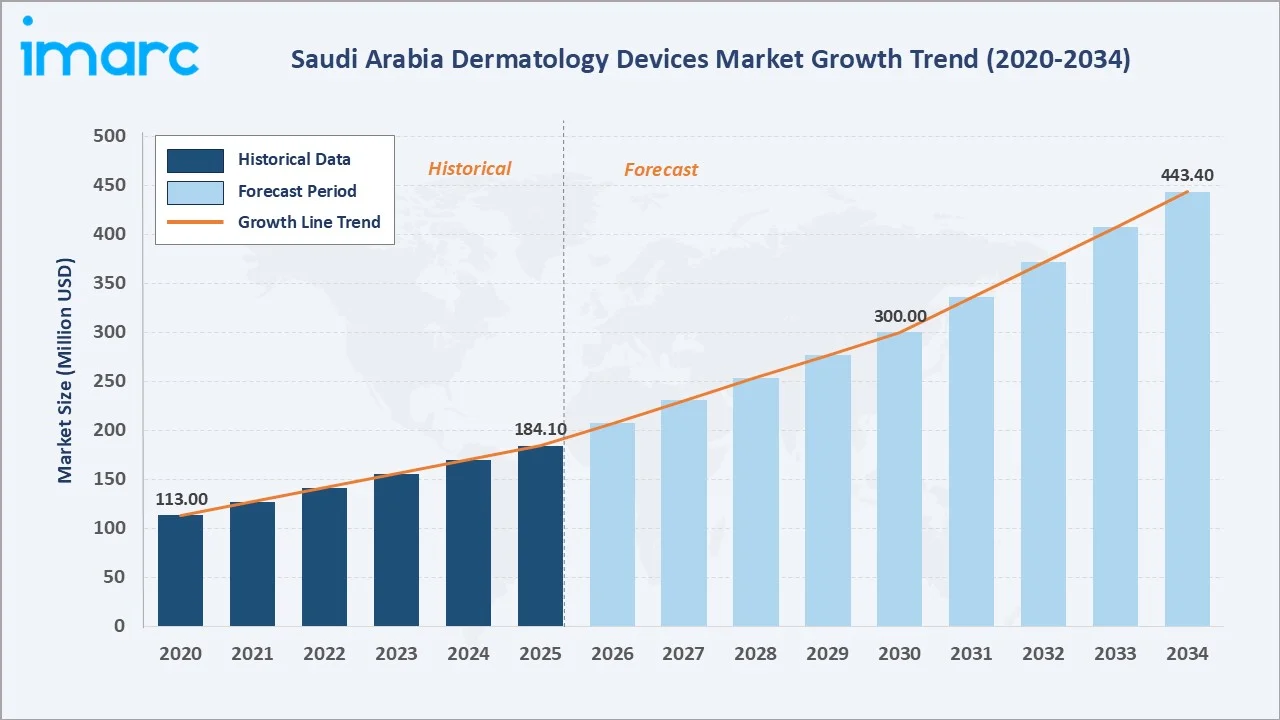
The Saudi Arabia dermatology devices market reached USD 184.1 Million in 2025 and is projected to reach USD 443.4 Million by 2034, growing at a CAGR of 10.26% during 2026-2034. The market is driven by rising demand for aesthetic and therapeutic skin procedures, expanding healthcare infrastructure under Vision 2030, and growing prevalence of dermatological conditions. Treatment Devices dominate at 76.8%. Skin Rejuvenation leads application at 24.8%. The Northern and Central Region command 36.7% of the market share.
Market Snapshot
|
Metric |
Value |
|
Market Size (2025) |
USD 184.1 Million |
|
Forecast Market Size (2034) |
USD 443.4 Million |
|
CAGR (2026-2034) |
10.26% |
|
Base Year |
2025 |
|
Historical Period |
2020-2025 |
|
Forecast Period |
2026-2034 |
|
Dominant Product |
Treatment Devices (76.8%, 2025) |
|
Dominant Application |
Skin Rejuvenation (24.8%, 2025) |
|
Leading Region |
Northern and Central Region (36.7%, 2025) |
The Saudi Arabia dermatology devices market expanded from USD 113.0 Million in 2020 to USD 184.1 Million in 2025, anchored at USD 300.0 Million in 2030, and forecast to reach USD 443.4 Million by 2034. Vision 2030 healthcare reforms triggered unprecedented investment in dermatology infrastructure. The post-Vision 2030 aesthetic and medical device investment momentum sustained above-trend market growth through 2022–2025.
To get more information on this market, Request Sample
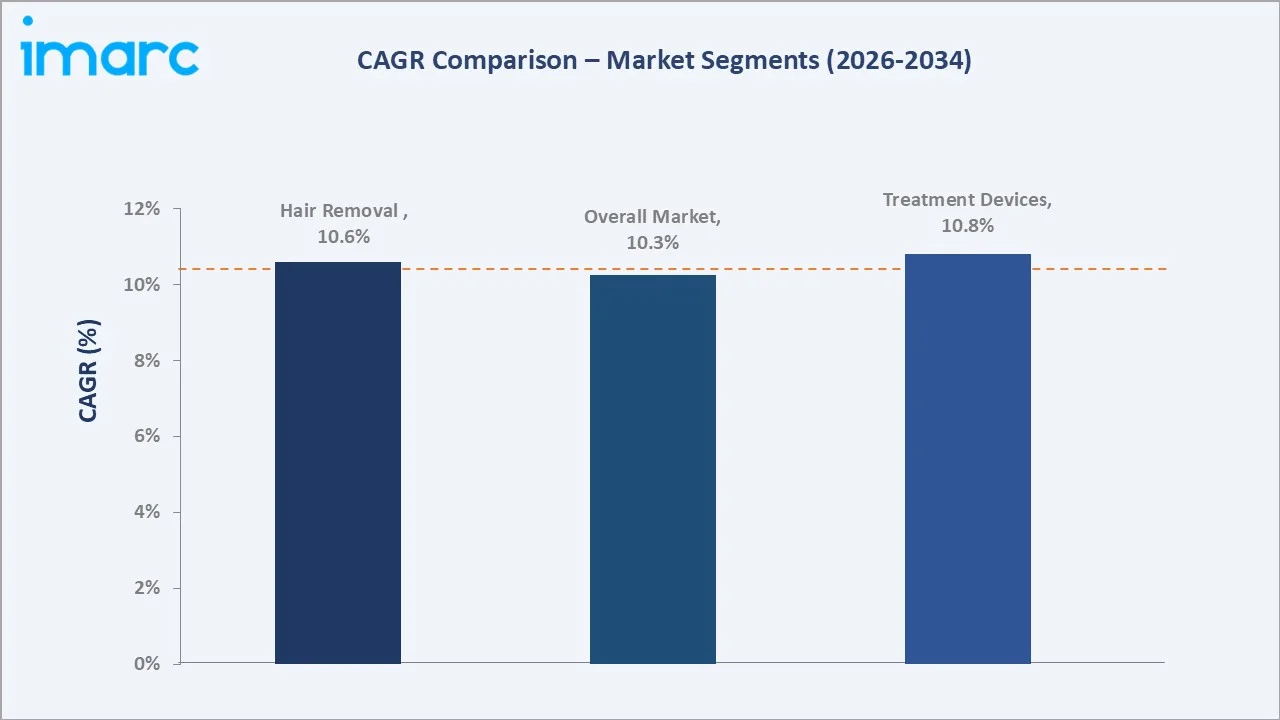
Skin Rejuvenation grows fastest at ~11.2% CAGR as rising aesthetic awareness expands clinical adoption of laser and light-based skin rejuvenation platforms across Saudi dermatology clinics. Treatment Devices grow at ~10.8% CAGR through broad adoption of energy-based and laser treatment systems. Diagnostic Devices grow at ~9.5% CAGR through expanding skin cancer screening and digital dermatoscopy programs.
Executive Summary
The Saudi Arabia dermatology devices market reached USD 184.1 Million in 2025, representing one of the Middle East's most dynamic intersections of healthcare technology, aesthetic medicine, and medical device investment. The market encompasses diagnostic imaging devices, laser treatment systems, light therapy platforms, electrosurgery equipment, cryotherapy devices, and microdermabrasion systems deployed across hospitals, dermatology clinics, and aesthetic centers.
Treatment Devices at 76.8% dominate through strong adoption of laser, energy-based, and light therapy systems. Skin Rejuvenation at 24.8% leads applications through high aesthetic demand. The Northern and Central Region, at 36.7%, leads through Riyadh's concentration of specialist dermatology hospitals and aesthetic centers.
Key Market Insights
|
Insight |
Data |
|
Dominant Product |
Treatment Devices – 76.8% share (2025) |
|
Dominant Application |
Skin Rejuvenation – 24.8% market share (2025) |
|
Leading Region |
Northern and Central Region – 36.7% market share |
|
Market Opportunity |
AI skin diagnostics; non-invasive aesthetic devices; medical tourism growth; telemedicine integration; skin cancer detection platforms |
Key Analytical Observations Supporting the Above Data:
- Treatment Devices at 76.8%: Treatment devices dominate due to widespread demand for laser hair removal, skin rejuvenation, acne treatment, and body contouring procedures. Advanced laser, light therapy, electrosurgery, and energy-based platforms are widely adopted across dermatology clinics and aesthetic centers throughout Saudi Arabia.
- Skin Rejuvenation at 24.8%: Skin rejuvenation leads applications because of high aesthetic consciousness among the Saudi population and the availability of premium laser and light-based treatments across Riyadh, Jeddah, and Dammam. Rising disposable income and growing female workforce participation amplify adoption.
- Northern and Central Region at 36.7%: The region dominates through Riyadh's position as Saudi Arabia's healthcare capital, hosting the majority of tertiary dermatology hospitals, specialty aesthetic centers, and private dermatology practices in the Kingdom.
Saudi Arabia Dermatology Devices Market Overview
The Saudi Arabia dermatology devices market encompasses diagnostic imaging, treatment, and monitoring devices deployed across hospitals, dermatology clinics, and aesthetic centers. The market includes electrosurgery, cryotherapy, laser, light therapy, liposuction, and microdermabrasion devices addressing skin conditions from acne and psoriasis to hair removal and body contouring.
Macroeconomic factors include Vision 2030 healthcare investments, a growing population with rising disposable income, and increasing awareness of aesthetic procedures. Government policies supporting private healthcare expansion, digital health adoption, and medical device regulation through SFDA are accelerating market development across all four regions of the Kingdom.
Market Dynamics
To evaluate market opportunities, Request Sample
Market Drivers
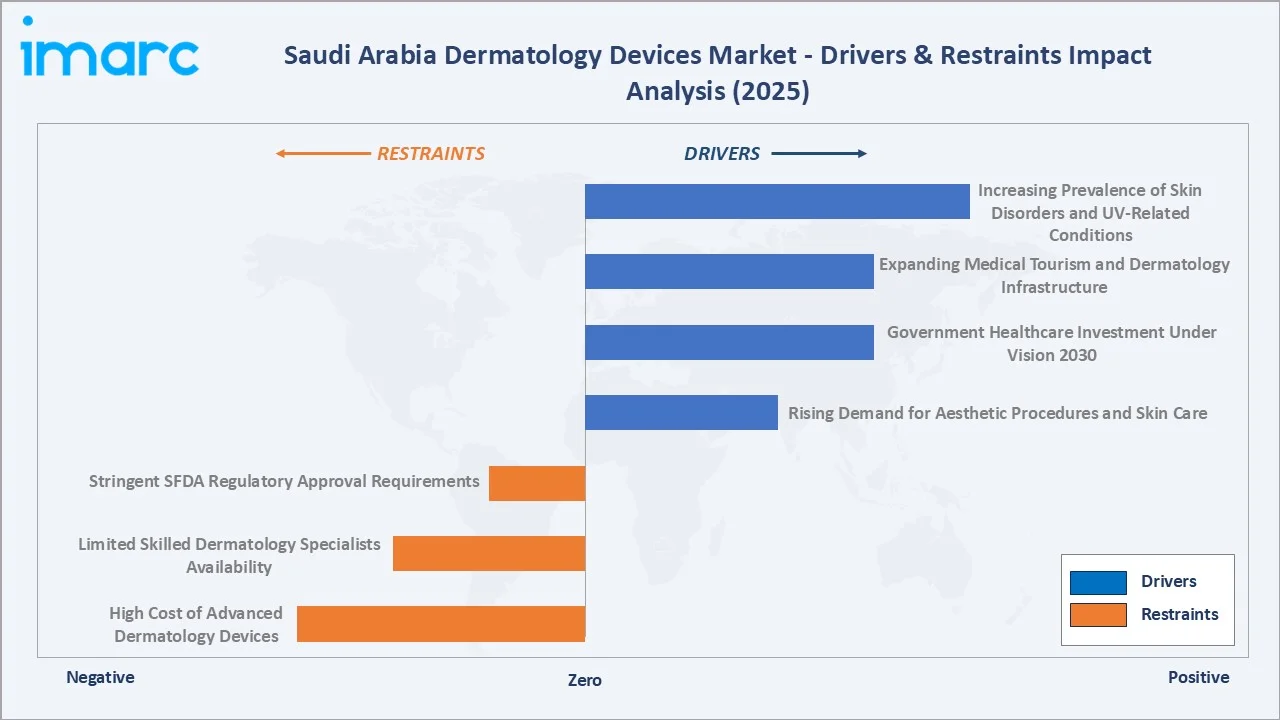
- Rising Demand for Aesthetic Procedures and Skin Care: Growing aesthetic consciousness among Saudi consumers is increasing demand for advanced dermatology devices. Laser hair removal, skin rejuvenation, and anti-aging treatments are rapidly expanding across private clinics. High-income demographics and increasing female workforce participation amplify adoption of aesthetic dermatology services nationwide.
- Government Healthcare Investment Under Vision 2030: Saudi Arabia's Vision 2030 healthcare reform includes significant investments in hospital infrastructure, digital health systems, and medical device procurement. The National Transformation Program mandates expansion of healthcare capacity across all regions, directly benefiting dermatology device procurement. Public and private hospital expansion is creating new demand centers for diagnostic and treatment devices.
- Expanding Medical Tourism and Dermatology Infrastructure: Saudi Arabia is positioning itself as a regional medical tourism hub, attracting patients for advanced cosmetic dermatology and skin treatment procedures. New specialized dermatology hospitals and aesthetic centers are being established in Riyadh, Jeddah, and Dammam. This infrastructure expansion directly drives demand for state-of-the-art dermatology device platforms.
- Increasing Prevalence of Skin Disorders and UV-Related Conditions: Rising incidence of acne, psoriasis, vitiligo, hair loss disorders, and skin cancers — particularly from extreme UV exposure in Saudi Arabia — is driving clinical demand for both diagnostic and treatment dermatology devices. Awareness campaigns by the Saudi Dermatological Society are increasing patient diagnoses and treatment-seeking behavior.
Market Restraints
- High Cost of Advanced Dermatology Devices: Premium laser and energy-based dermatology systems require significant capital investment, limiting adoption among smaller private clinics and public hospitals in secondary cities. High maintenance costs and consumable expenses of laser platforms further restrain widespread deployment across the healthcare system.
- Limited Skilled Dermatology Specialists Availability: The shortage of trained dermatologists and aesthetic medicine specialists in Saudi Arabia limits effective utilization of advanced devices. Complex treatment platforms require specialized training and certification, creating bottlenecks in device adoption and optimal clinical utilization across the Kingdom.
- Stringent SFDA Regulatory Approval Requirements: The Saudi Food and Drug Authority's rigorous medical device registration and approval process extends time-to-market for new dermatology technologies. Import regulations, clinical evidence requirements, and post-market surveillance obligations increase compliance costs for manufacturers and distributors.
Market Opportunities
- AI-Powered Skin Diagnostics Integration: AI-based dermatoscopy and skin lesion analysis platforms are creating opportunities to improve early skin cancer detection and diagnostic accuracy across Saudi hospital networks. Cloud-connected diagnostic devices enabling telemedicine dermatology consultations are expanding specialist care access to remote regions.
- Non-Invasive Aesthetic Device Expansion: Rising demand for non-surgical body contouring, skin tightening, and fat removal solutions is driving adoption of HIFU, radiofrequency, and cryolipolysis devices. Preference for minimal downtime aesthetic treatments creates strong commercial opportunities for device manufacturers targeting Saudi aesthetic clinics.
Market Challenges
- Dependence on Imported Technology and Supply Chain Risks: Saudi Arabia's dermatology device market relies heavily on imported products from the US, Europe, and Israel, creating supply chain vulnerability. Currency fluctuations, geopolitical disruptions, and customs delays can affect device availability and pricing stability across healthcare facilities.
- Patient Awareness and Acceptance of Advanced Procedures: Limited patient awareness about advanced dermatological treatment options and cultural hesitancy toward certain aesthetic procedures in some demographic segments can restrict market penetration of newer dermatology device technologies, particularly in secondary cities and rural regions.
Emerging Market Trends
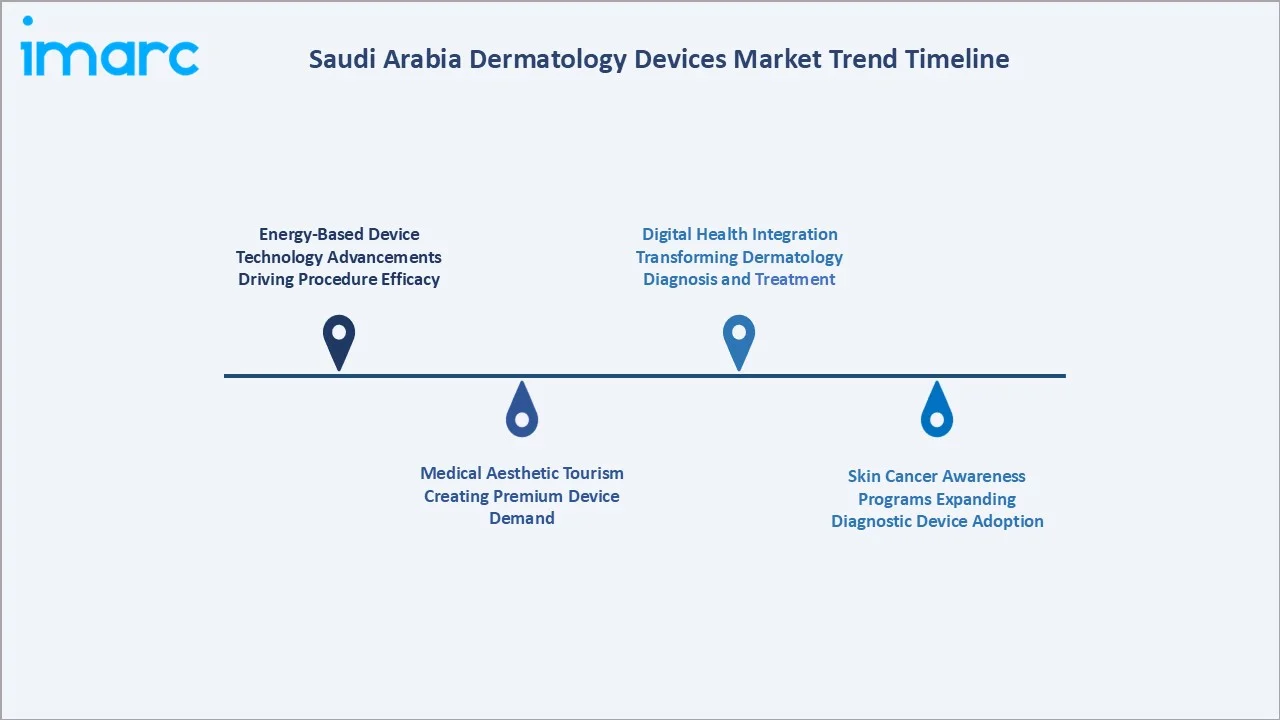
1. Energy-Based Device Technology Advancements Driving Procedure Efficacy
Next-generation energy-based devices combining multiple modalities — laser, radiofrequency, and ultrasound in single platforms — are enabling more effective and versatile dermatological treatments. These combination platforms reduce procedure time and improve patient outcomes. Saudi dermatology clinics are rapidly adopting these advanced platforms to differentiate their service offerings and serve high-value patient segments.
2. Digital Health Integration Transforming Dermatology Diagnosis and Treatment
Digital dermatoscopy systems, AI-powered skin analysis applications, and teledermatology platforms are transforming diagnostic workflows in Saudi hospitals. These technologies enable early detection of malignant skin lesions and remote specialist consultation, reducing diagnostic delays. The Ministry of Health's digital health strategy is accelerating deployment of connected diagnostic devices across regional healthcare networks.
3. Medical Aesthetic Tourism Creating Premium Device Demand
Saudi Arabia's strategy to develop medical tourism is attracting regional patients for advanced aesthetic dermatology procedures. Clinics targeting international patients are investing in the latest laser and energy-based treatment platforms to offer globally competitive services. This premium device adoption is driving market growth and technology upgrade cycles across aesthetic dermatology centers.
4. Skin Cancer Awareness Programs Expanding Diagnostic Device Adoption
Increasing UV radiation exposure combined with government-led skin cancer awareness campaigns is expanding demand for dermatoscopes, imaging devices, and confocal microscopy systems. Early detection programs are incentivizing healthcare providers to invest in advanced diagnostic equipment, particularly in the Northern and Central Region.
Industry Value Chain Analysis
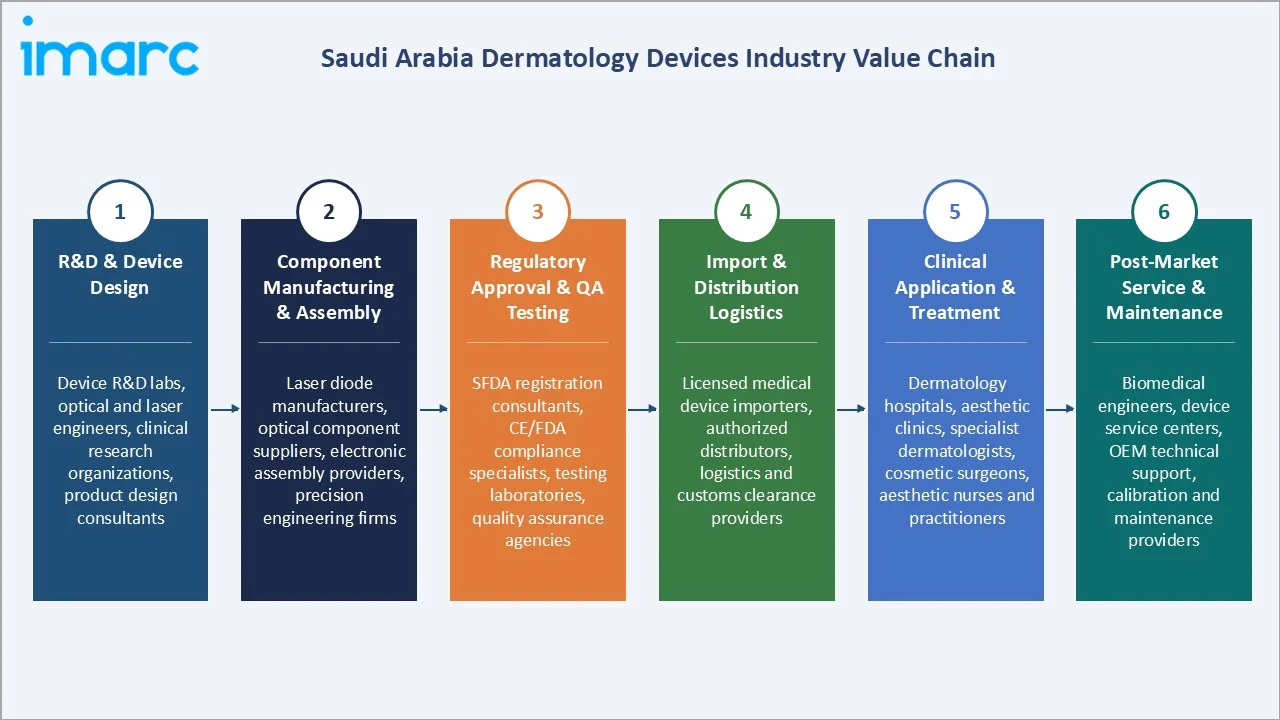
The Saudi Arabia dermatology devices value chain integrates raw material and component supply, device design and manufacturing, regulatory approval and importation, clinical distribution, and post-market maintenance and service.
|
Stage |
Key Participants |
|
R&D & Device Design |
Device R&D labs, optical and laser engineers, clinical research organizations, product design consultants |
|
Component Manufacturing |
Laser diode manufacturers, optical component suppliers, electronic assembly providers, precision engineering firms |
|
Regulatory Approval & QA |
SFDA registration consultants, CE/FDA compliance specialists, testing laboratories, quality assurance agencies |
|
Import & Distribution |
Licensed medical device importers, authorized distributors, logistics and customs clearance providers, regional warehousing |
|
Clinical Application |
Dermatology hospitals, aesthetic clinics, specialist dermatologists, cosmetic surgeons, aesthetic nurses and practitioners |
|
Post-Market Service |
Biomedical engineers, device service centers, OEM technical support teams, calibration and maintenance providers |
The regulatory approval and import stage represents the most commercially complex phase due to Saudi SFDA's stringent medical device registration requirements. The clinical application stage creates the highest commercial value through device utilization frequency and consumable revenue streams sustaining recurring income for device suppliers and distributors.
Technology Landscape in the Dermatology Devices Industry
Laser and Energy-Based Therapy Systems
Laser systems including Nd:YAG, diode, alexandrite, fractional CO2, and excimer platforms form the core of dermatology treatment technology. These systems enable precise tissue targeting for hair removal, skin resurfacing, vascular lesion treatment, and pigmentation correction. Continuous advances in pulse duration, wavelength, and cooling technology are improving treatment efficacy and safety profiles across Saudi dermatology facilities.
Radiofrequency and Ultrasound Devices
Radiofrequency (RF) and high-intensity focused ultrasound (HIFU) devices are increasingly deployed for non-invasive skin tightening, body contouring, and anti-aging treatments. Microfocused ultrasound platforms enable collagen stimulation deep within skin layers without surgical intervention. These technologies are growing rapidly in Saudi aesthetic clinics targeting the non-surgical premium treatment segment.
AI-Integrated Diagnostic Imaging Platforms
Advanced dermatoscopes and confocal microscopy systems integrated with AI-powered skin lesion analysis software are transforming diagnostic dermatology. These platforms enable real-time classification of pigmented lesions and early detection of malignant melanoma. Cloud connectivity enables teledermatology consultations across remote Saudi regions, extending specialist diagnostic access to underserved populations.
Market Segmentation Analysis
The report covers the following segments:
|
Segment Category |
Leading Segment |
Market Share |
Year |
|
Product |
Treatment Devices |
76.8% |
2025 |
|
Application |
Skin Rejuvenation |
24.8% |
2025 |
|
End user |
🔒 |
🔒 |
2025 |
|
Region |
Northern and Central Region |
36.7% |
2025 |

By Product
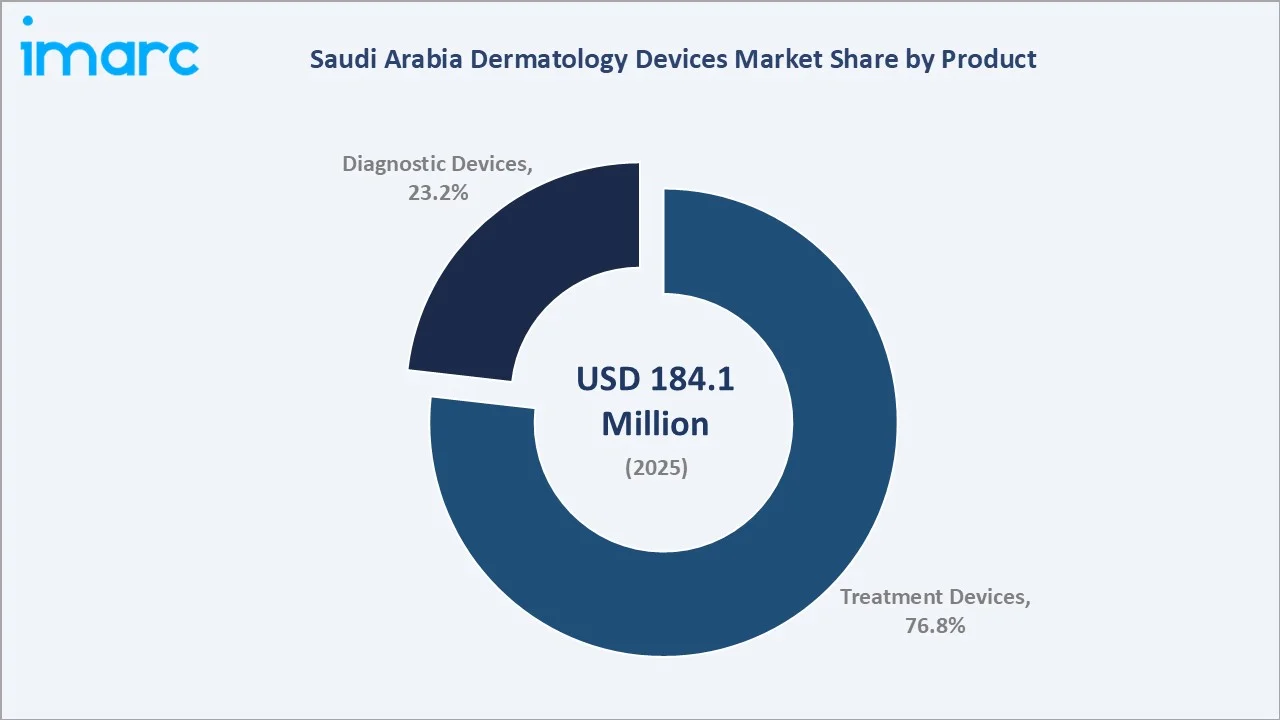
Treatment Devices lead at 76.8% (2025). The treatment devices segment encompasses laser systems, electrosurgery devices, light therapy platforms, cryotherapy equipment, liposuction devices, and microdermabrasion systems. These devices directly address therapeutic and aesthetic dermatology needs across Saudi hospitals and private clinics. Treatment Devices grow at ~10.8% CAGR through 2026-2034 driven by expanding laser and energy-based device adoption.
To access detailed market analysis, Request Sample
Diagnostic Devices at 23.2% encompass imaging systems, dermatoscopes, and confocal microscopes for clinical diagnosis. This segment grows at ~9.5% CAGR through expanding skin cancer screening programs and digital diagnostic adoption across Saudi hospital networks. Rising skin cancer incidence and early detection policy mandates are accelerating diagnostic device procurement.
By Application
Skin Rejuvenation leads at 24.8% (2025). The skin rejuvenation segment includes laser resurfacing, intense pulsed light (IPL), and radiofrequency treatments addressing photoaging, pigmentation irregularities, and skin texture concerns. High aesthetic demand among the Saudi population drives this segment. Skin Rejuvenation grows at ~11.2% CAGR, the fastest among all application segments.
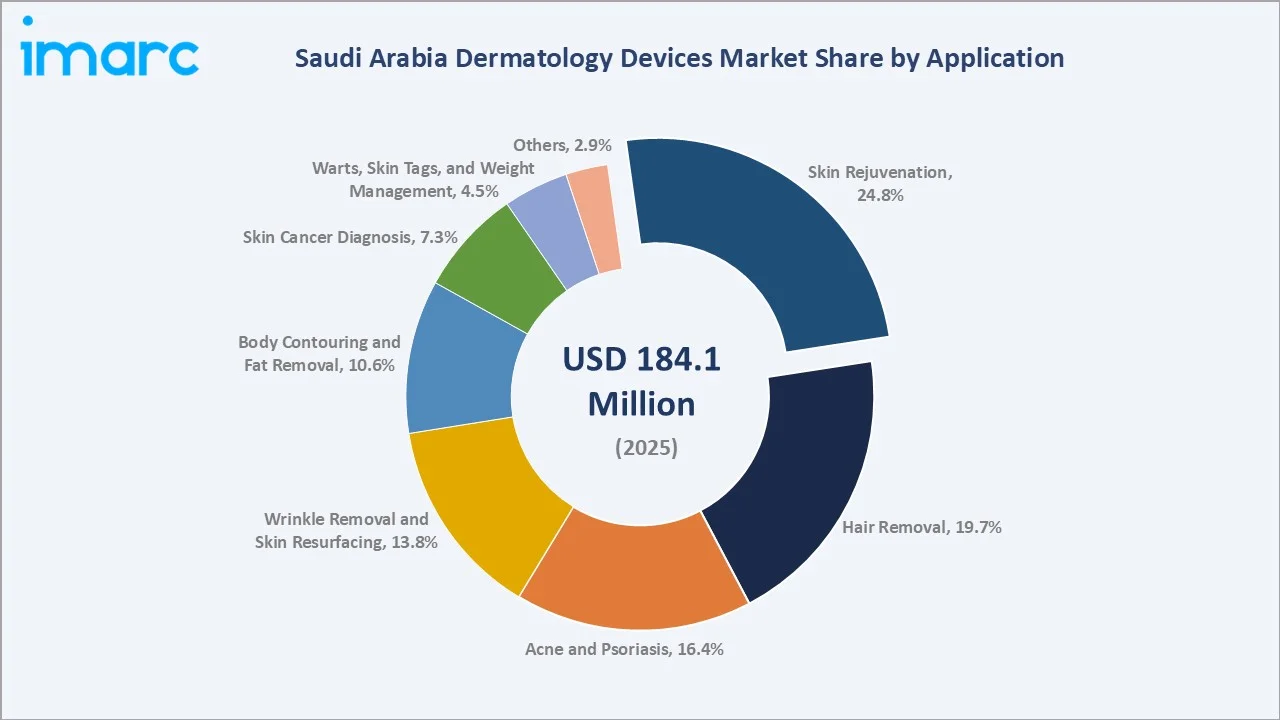
Hair Removal at 19.7% is the second-largest application, driven by strong cultural demand for laser hair removal services across all demographic segments in Saudi Arabia, growing at ~10.6% CAGR. Acne and Psoriasis at 16.4% reflects clinical treatment demand for light therapy and laser acne management devices. Wrinkle Removal and Skin Resurfacing at 13.8% grows through anti-aging treatment adoption. Body Contouring and Fat Removal at 10.6% grows fastest among treatment applications at ~12% CAGR through non-invasive body sculpting device adoption.
Regional Market Insights
|
Region |
Share (2025) |
Key Dermatology Market Drivers & Characteristics |
|
Northern and Central Region |
36.7% |
Driven by Riyadh's concentration of specialized dermatology hospitals, aesthetic clinics, and the highest density of dermatologists in Saudi Arabia. |
|
Western Region |
30.6% |
Jeddah's cosmopolitan demographic and medical tourism infrastructure drive strong demand for aesthetic and diagnostic dermatology devices. |
|
Eastern Region |
21.4% |
Driven by Dammam's expanding healthcare infrastructure, high-income oil sector workforce, and growing private dermatology clinic network. |
|
Southern Region |
11.3% |
Supported by government healthcare expansion programs, Vision 2030 regional infrastructure investment, and growing population healthcare access. |
The Northern and Central Region's 36.7% market leadership is anchored by Riyadh's position as Saudi Arabia's healthcare capital, hosting the majority of tertiary dermatology hospitals, specialty aesthetic centers, and private dermatology practices. The Western Region's 30.6% reflects Jeddah's sophisticated cosmetic dermatology market and established medical tourism infrastructure.
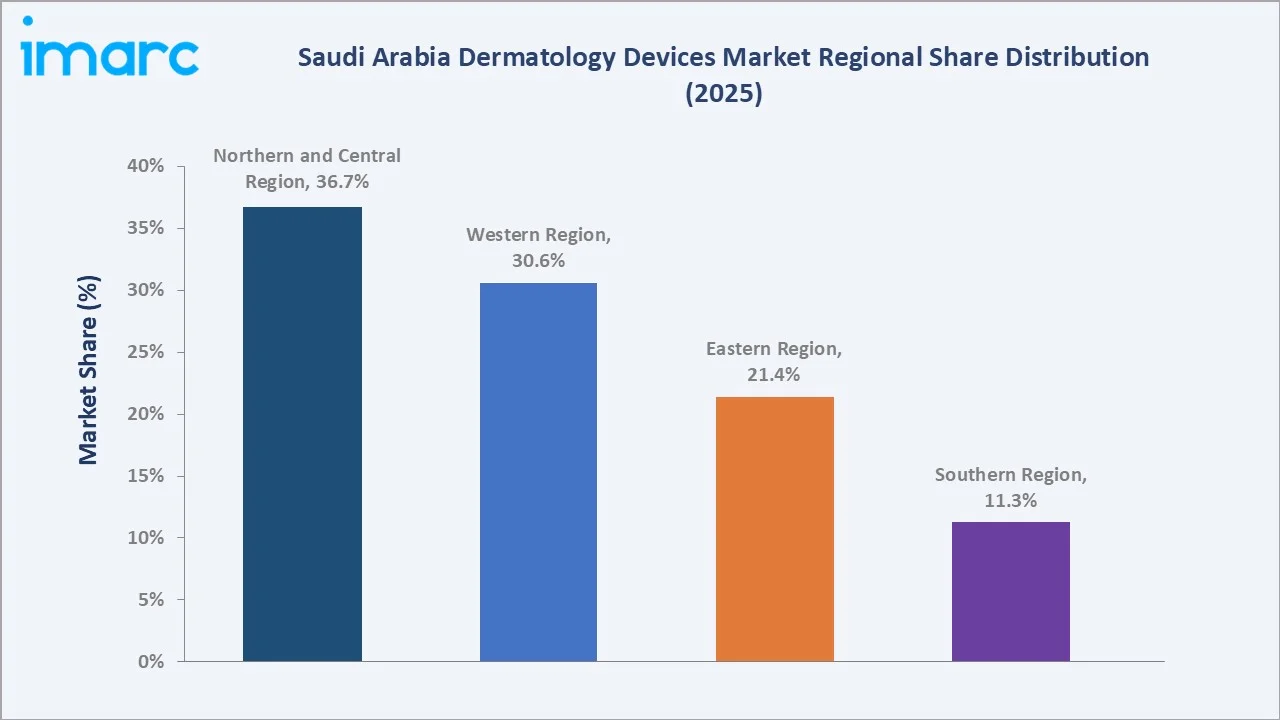
The Eastern Region's 21.4% is supported by Dammam and Al Khobar's high-income demographics and expanding private healthcare investment. The Southern Region, at 11.3%, represents the most commercially dynamic growth opportunity as Vision 2030 infrastructure investment accelerates healthcare facility development and device procurement.
Competitive Landscape
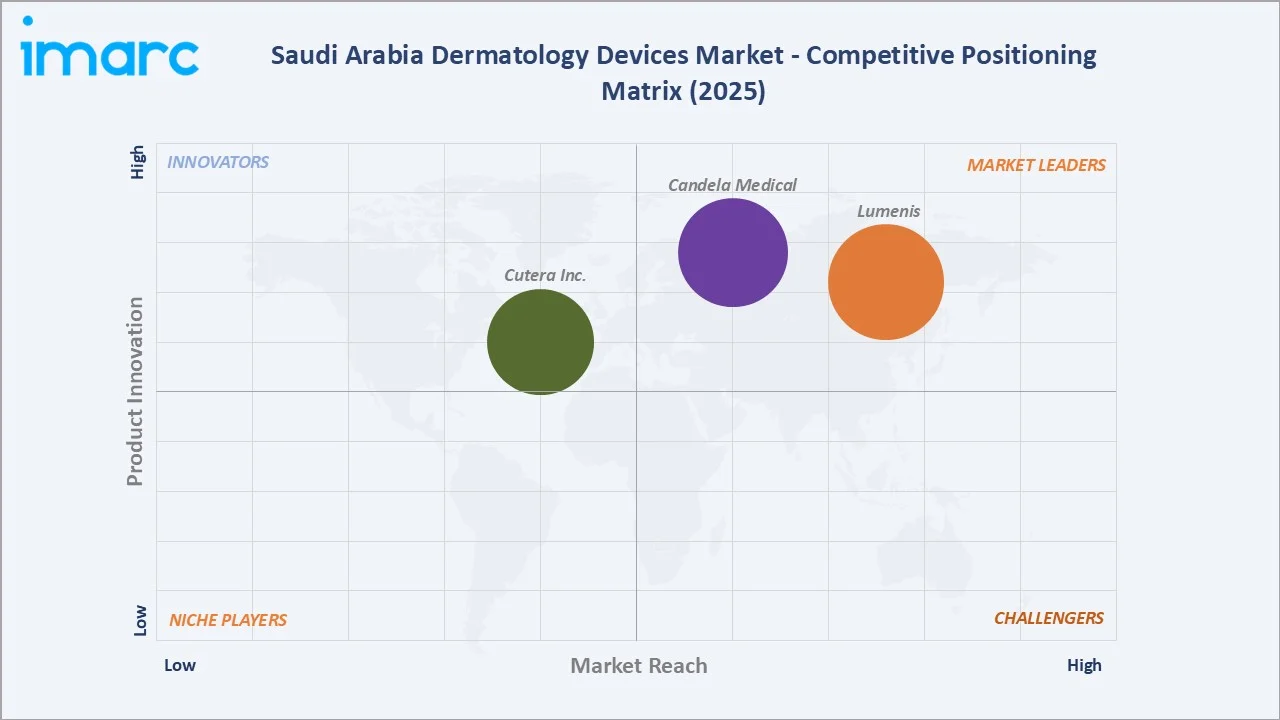
The Saudi Arabia dermatology devices market competitive landscape encompasses global device manufacturers, regional distributors, and specialized aesthetic device providers. Key competitive tiers include multinational laser device OEMs, energy-based device specialists, and diagnostic equipment providers.
|
Company Name |
Key Products |
Market Position |
Core Strength |
|
Candela Medical |
GentleMax Pro, Vbeam Perfecta, PicoWay |
Market Leader |
Candela plays a central role in dermatology by providing integrated laser solutions for hair removal, skin rejuvenation, and vascular treatments with proven multi-wavelength platforms. |
|
Lumenis |
LightSheer, SPLENDOR X, Legend Pro |
Market Leader |
Lumenis delivers energy-based laser and light therapy platforms widely adopted in Saudi dermatology clinics for hair removal, acne treatment, and skin resurfacing. |
|
Cutera Inc. |
excel V+, truSculpt iD, Secret RF |
Established Player |
Cutera offers differentiated vascular laser and body contouring platforms addressing the growing Saudi aesthetic market demand for non-invasive fat reduction and skin treatment. |
Multinational laser device manufacturers maintain competitive advantage through technology leadership, clinical evidence portfolios, and established distribution partnerships with Saudi medical device importers. Brand reputation and after-sales service capability are critical success factors in the Saudi market.
Key Company Profiles
Candela Medical
Candela Medical is a leading global provider of laser and energy-based aesthetic treatment platforms serving the dermatology and aesthetic medicine market. The company specializes in hair removal, skin rejuvenation, vascular treatment, and body contouring devices with a strong presence across Saudi Arabian dermatology clinics and hospitals.
- Key Products: GentleMax Pro Plus, Vbeam Perfecta, PicoWay, GentleLase Pro.
- Recent Developments: In April 2025, Candela launched the Vbeam Pro® vascular laser platform at the American Society for Laser Medicine and Surgery (ASLMS) Annual Meeting. The system represents an advancement in Candela’s pulsed-dye laser technology and is designed for the treatment of vascular and dermatologic conditions. Vbeam Pro combines a 595 nm pulsed-dye laser with a 1064 nm Nd:YAG wavelength, expanding treatment flexibility across vascular and dermatological indications. Candela stated that the platform was developed to improve treatment precision and clinical versatility. The launch strengthens Candela’s portfolio in professional dermatology and aesthetic laser equipment, particularly for practices treating vascular lesions and other skin conditions.
- Strategic Focus: Focuses on advanced laser platform development, clinical training programs for dermatologists, and expanding presence in high-growth Middle Eastern aesthetic markets through dedicated regional support infrastructure.
Lumenis
Lumenis is a global pioneer in energy-based medical technology for surgical, ophthalmic, and aesthetic applications. The company provides comprehensive laser and intense pulsed light platforms widely deployed across Saudi dermatology and aesthetic medicine facilities.
- Key Products: LightSheer Desire, SPLENDOR X, Legend Pro, Stellar M22.
- Recent Developments: In April 2025, Lumenis unveiled an enhanced SPLENDOR X™ laser hair-removal solution with new clinical data at the American Society for Laser Medicine and Surgery (ASLMS) Annual Conference. The updated system was presented with clinical data demonstrating the effectiveness of its dual-wavelength simultaneous laser emission technology, combining Alexandrite and Nd:YAG wavelengths. Lumenis stated that the newest SPLENDOR X systems were available in the U.S. and Canadian markets. The platform is relevant to the dermatology and aesthetic-device market because SPLENDOR X is used for laser hair removal as well as benign dermatological vascular lesions and other skin treatments. The development strengthens Lumenis' portfolio of energy-based dermatology and aesthetic technologies.
- Strategic Focus: Centered on multi-modality energy-based platforms, AI-integrated treatment protocols, and clinical outcome documentation to support adoption and reimbursement in the Saudi healthcare market.
Market Concentration Analysis
The Saudi Arabia dermatology devices market is moderately concentrated at the device manufacturer level, with the top five global OEMs collectively capturing approximately 55-65% of market revenue. At the distribution and clinical adoption level, the market is more fragmented across hundreds of dermatology clinics, aesthetic centers, and hospitals. Consolidation is occurring at the premium device platform tier through mergers and strategic distributor partnerships.
Investment & Growth Opportunities
Highest Growth Segments
Body Contouring and Fat Removal (~12% CAGR), AI-integrated diagnostic devices (~15% CAGR), non-invasive skin tightening platforms (~11% CAGR), laser hair removal systems (~9.5% CAGR), and telehealth-connected dermatoscopy (~18% CAGR from small base) represent the highest-growth dermatology device investment vectors through 2034.
Emerging Investment Opportunities
Saudi Arabia's medical tourism strategy creates premium device upgrade demand as dermatology centers target international patients. Telemedicine dermatology platforms connecting diagnostic devices to remote specialist consultation represent the largest near-term digital health investment opportunity in the Saudi dermatology market.
Investment Themes
- AI-Powered Dermatology Diagnostics Platform Development: AI skin lesion analysis integrated with digital dermatoscopy creates cloud-connected diagnostic platforms enabling early skin cancer detection across Saudi hospital networks. Companies investing in clinically validated AI dermatology platforms are positioned to capture the Ministry of Health digital health investment wave through 2034.
- Multi-Modality Aesthetic Device Platform Expansion: Combination platforms integrating laser, radiofrequency, and ultrasound technologies into single treatment systems enable higher revenue per procedure and improved clinical outcomes. Investment in multi-modality device development for the Saudi premium aesthetic segment offers above-market revenue potential through 2034.
Future Market Outlook (2026-2034)
The Saudi Arabia dermatology devices market is projected to grow from USD 184.1 Million in 2025 to USD 443.4 Million by 2034, delivering a 10.26% CAGR over the forecast period. The market anchor value of USD 300.0 Million in 2030 represents the transition where AI-integrated diagnostics and premium aesthetic devices achieve mainstream clinical deployment and Vision 2030 healthcare capacity investments have created broad device demand across all regions.
Three structural forces define market growth through 2034. Vision 2030 healthcare infrastructure investment creates government-mandated device procurement demand across hospital networks. Rising aesthetic consciousness and high disposable income sustain demand for premium aesthetic treatment platforms. Technology innovation in non-invasive and AI-integrated dermatology solutions creates new procedure categories, expanding the total addressable market.
Research Methodology
Primary Research
Primary research comprised structured interviews with 45+ industry stakeholders including dermatology device distributors, hospital procurement directors, dermatologists, aesthetic clinic owners, and regional healthcare advisors. Interviews conducted in 2025 across Saudi Arabia's major healthcare regions.
Secondary Research
Secondary research encompassed SFDA medical device registration data, Saudi Ministry of Health healthcare statistics, GCC healthcare investment reports, company annual reports, dermatology conference proceedings, and academic clinical studies. Over 55 secondary sources reviewed.
Forecasting Models
Market revenue forecasts developed using a segment bottom-up model incorporating: (i) device procurement volume by healthcare setting; (ii) average selling price trends by device category; (iii) technology adoption rate modeling by segment.
Saudi Arabia Dermatology Devices Market Report Coverage:
| Report Features | Details |
|---|---|
| Base Year of the Analysis | 2025 |
| Historical Period | 2020-2025 |
| Forecast Period | 2026-2034 |
| Units | Million USD |
| Scope of the Report | Exploration of Historical Trends and Market Outlook, Industry Catalysts and Challenges, Segment-Wise Historical and Future Market Assessment:
|
| Products Covered |
|
| Applications Covered | Skin Cancer Diagnosis, Acne and Psoriasis, Skin Rejuvenation, Hair Removal, Wrinkle Removal and Skin Resurfacing, Body Contouring and Fat Removal, Warts, Skin Tags, and Weight Management, Others |
| End Users Covered | Hospitals, Dermatology Clinics, Others |
| Regions Covered | Northern and Central Region, Western Region, Eastern Region, Southern Region |
| Companies Covered | Candela Medical, Lumenis, Cutera Inc., etc. |
| Customization Scope | 10% Free Customization |
| Post-Sale Analyst Support | 10-12 Weeks |
| Delivery Format | PDF and Excel through Email (We can also provide the editable version of the report in PPT/Word format on special request) |
Key Benefits for Stakeholders:
- IMARC’s industry report offers a comprehensive quantitative analysis of various market segments, historical and current market trends, market forecasts, and dynamics of the Saudi Arabia dermatology devices market from 2020-2034.
- The research report provides the latest information on the market drivers, challenges, and opportunities in the Saudi Arabia dermatology devices market.
- Porter's five forces analysis assist stakeholders in assessing the impact of new entrants, competitive rivalry, supplier power, buyer power, and the threat of substitution. It helps stakeholders to analyze the level of competition within the Saudi Arabia dermatology devices industry and its attractiveness.
- Competitive landscape allows stakeholders to understand their competitive environment and provides an insight into the current positions of key players in the market.
Frequently Asked Questions About the Saudi Arabia Dermatology Devices Market Report
The Saudi Arabia dermatology devices market reached USD 184.1 Million in 2025. The market is driven by rising aesthetic procedure demand, Vision 2030 healthcare investment, and growing prevalence of skin disorders.
The market grows at 10.26% CAGR during 2026-2034, reaching USD 443.4 Million by 2034. Body Contouring and AI-diagnostic segments grow fastest through technology innovation and premium aesthetic demand.
Treatment Devices lead at 76.8% through widespread adoption of laser, light therapy, electrosurgery, and energy-based platforms across Saudi dermatology clinics and hospitals.
Skin Rejuvenation leads at 24.8% through high aesthetic demand for laser resurfacing, IPL, and radiofrequency treatments among Saudi consumers. It also grows fastest at ~11.2% CAGR.
The Northern and Central Region leads at 36.7% through Riyadh's concentration of specialized dermatology hospitals, aesthetic clinics, and the highest density of specialist dermatologists.
Leading companies include Candela Medical, Lumenis, and Cutera Inc., among others.
The market is projected to reach approximately USD 300.0 Million by 2030, with AI-integrated diagnostic platforms achieving mainstream clinical adoption and Vision 2030 healthcare capacity investments driving broad device demand across all regions.
Treatment Devices dominate through strong demand for laser hair removal, skin rejuvenation, acne treatment, and body contouring devices. The high adoption of energy-based treatment platforms across private dermatology clinics and aesthetic centers sustains this segment leadership.
Need more help?
- Speak to our experienced analysts for insights on the current market scenarios.
- Include additional segments and countries to customize the report as per your requirement.
- Gain an unparalleled competitive advantage in your domain by understanding how to utilize the report and positively impacting your operations and revenue.
- For further assistance, please connect with our analysts.
 Request Customization
 Speak to an Analyst
 Request Brochure
 Inquire Before Buying
Benefits of Customization
- Personalize this research
- Triangulate with your data
- Get data as per your format and definition
- Gain a deeper dive into a specific application, geography, customer, or competitor
- Any level of personalization
Get in Touch With Us
UNITED STATES
Phone: +1-201-971-6302
INDIA
Phone: +91-120-433-0800
UNITED KINGDOM
Phone: +44-753-714-6104
Email: [email protected]
Client Testimonials




.webp)




.webp)













Related Reports

Choose your plan
*Please note that the prices mentioned below are starting prices for each bundle type. Kindly contact our team for further details.*
Single User License
- 1 User License, Access on 2 Devices
- PDF Report + Excel Dataset (Password Protected)
- Lifetime Access
- No Printing Rights
- 10% Free Report Customization
- 10–12 Weeks of Analyst Support
Five User License
- Access for 5 Users, 2 Devices per User
- PDF Report + Excel Dataset (Password Protected)
- Lifetime Access
- Dedicated Account Manager
- 12–14 Weeks of Analyst Support
- No Printing Rights
- 15% Free Report Customization
- 25% Discount on Your Next Purchase
Corporate User License
- Unlimited User Access (Within Your Organization)
- PDF Report + Excel Dataset
- Lifetime Access
- Dedicated Account Manager
- 14–20 Weeks of Analyst Support
- No Printing Rights
- 20% Free Report Customization
- 30% Discount on Your Next Purchase
Essential Insights
What's included:
3 reports
- Lifetime Access
- PDF Reports
- Excel Datasets
- 2 Weeks of Free Analyst Support
- 2 User Licenses
- Access on 2 Devices
- Printing Rights
- Complimentary PowerPoint (PPT) Version
- Complimentary License Upgrade
Professional Access
What's included:
5 reports
- Lifetime Access
- PDF Reports
- Excel Datasets
- 8 Weeks of Free Analyst Support
- 2 User Licenses
- Access on 2 Devices
- Printing Rights
- Complimentary PowerPoint (PPT) Version
- Complimentary License Upgrade
Business Advantage
What's included:
8 reports
- Lifetime Access
- PDF Reports
- Excel Datasets
- 14 Weeks of Free Analyst Support
- 2 User Licenses
- Access on 2 Devices
- Printing Rights
- Complimentary PowerPoint (PPT) Version
- Complimentary License Upgrade
Enterprise Intelligence
What's included:
10 reports
- Lifetime Access
- PDF Reports
- Excel Datasets
- 20 Weeks of Free Analyst Support
- 2 User Licenses
- Access on 2 Devices
- Printing Rights
- Complimentary PowerPoint (PPT) Version
- Complimentary License Upgrade