
Stainless Steel Ingot Prices, Trend, Chart, Demand, Market Analysis, News, Historical and Forecast Data Report 2026 Edition
Stainless Steel Ingot Price Trend, Index and Forecast
Track the latest insights on stainless steel ingot price trend and forecast with detailed analysis of regional fluctuations and market dynamics across North America, Latin America, Central Europe, Western Europe, Eastern Europe, Middle East, North Africa, West Africa, Central and Southern Africa, Central Asia, Southeast Asia, South Asia, East Asia, and Oceania.
Stainless Steel Ingot Prices Outlook Q3 2026
- Germany: USD 4282/MT
- USA: USD 4462/MT
- China: USD 1698/MT
- Brazil: USD 4700/MT
- France: USD 4540/MT
Stainless Steel Ingot Price Chart
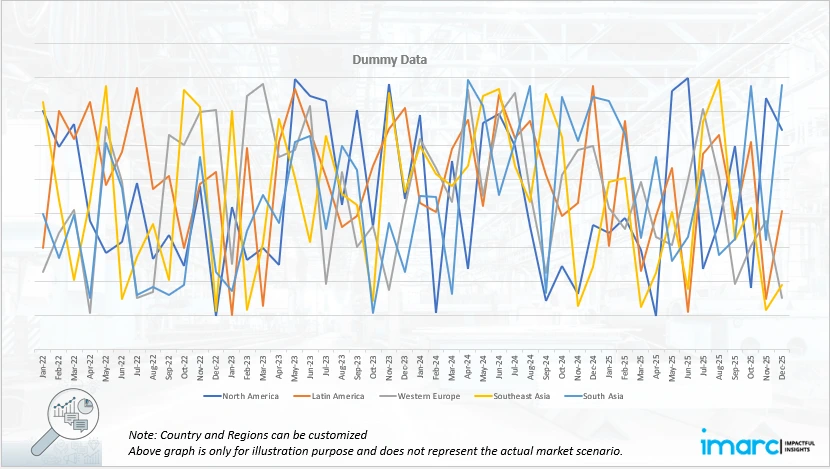
Get real-time access to monthly/quarterly/yearly prices Request Sample
During the third quarter of 2026, the stainless steel ingot prices in Germany reached 4282 USD/MT in September. Prices moved higher as regional melters faced firmer costs for chromium and nickel bearing scrap used in alloy production. Steady demand from construction, machinery, and household appliance manufacturers kept offtake consistent through the quarter.
During the third quarter of 2026, the stainless steel ingot prices in the USA reached 4462 USD/MT in September. Prices advanced as domestic mills maintained firm operating rates while scrap and alloy input costs trended higher through the period. Demand from automotive, construction, and industrial equipment manufacturers remained steady and absorbed available volumes without hesitation.
During the third quarter of 2026, the stainless steel ingot prices in China reached 1698 USD/MT in September. Prices firmed as domestic producers carried higher nickel pig iron and ferrochrome costs into their quotations. Infrastructure and construction related demand supported steady offtake from downstream rolling and fabrication units. Export enquiries from overseas buyers also absorbed part of the available tonnage, reducing material left for the domestic spot market.
During the third quarter of 2026, the stainless steel ingot prices in Brazil reached 4700 USD/MT in September. Prices climbed as domestic buyers faced dearer imported material amid limited local melting capacity for certain alloy grades. Demand from construction, food processing equipment, and automotive component manufacturers remained firm throughout the quarter. Freight and logistics costs on inbound cargoes added further pressure to landed values.
During the third quarter of 2026, the stainless steel ingot prices in France reached 4540 USD/MT in September. Prices increased as regional producers carried costlier chromium and nickel alloying inputs into their offers. Demand from aerospace, automotive, and industrial equipment manufacturers held steady and supported consistent offtake. Import reliant buyers faced firmer replacement costs from supplying origins during the quarter.
Stainless Steel Ingot Prices Outlook Q2 2026
- Germany: USD 4208/MT
- USA: USD 4403/MT
- China: USD 1672/MT
- Brazil: USD 4623/MT
- France: USD 4491/MT
During the second quarter of 2026, the stainless steel ingot prices in Germany reached 4208 USD/MT in June. Prices in the country moved under downward pressure across the quarter as procurement activity remained uneven and conversion demand from downstream stainless steel mills showed weaker momentum. Import availability from competitive Asian suppliers also influenced domestic sentiment, limiting the ability of producers to maintain earlier price levels.
During the second quarter of 2026, the stainless steel ingot prices in the USA reached 4403 USD/MT in June. The market showed an upward movement supported by steady demand from industrial fabrication and infrastructure linked consumption. Domestic mills maintained firmer pricing strategies due to controlled production output and stable order inflow from long cycle manufacturing sectors. Import competition remained present but was partially offset by logistics considerations and procurement preference for local supply chains.
During the second quarter of 2026, the stainless steel ingot prices in China reached 1672 USD/MT in June. Prices increased modestly over the quarter, supported by improved domestic manufacturing activity and a gradual recovery in downstream stainless steel consumption. Steel producers operated with adjusted output strategies that helped stabilize market expectations. Export competitiveness remained strong, contributing to sustained movement of material into international markets.
During the second quarter of 2026, the stainless steel ingot prices in Brazil reached 4623 USD/MT in June. The market experienced a downward movement influenced by fluctuating industrial demand and competitive import flows affecting domestic pricing power. Consumption from construction and heavy manufacturing sectors showed inconsistent performance, leading to softer procurement activity. Local producers faced pressure from international supply availability, which limited the ability to sustain higher price levels.
During the second quarter of 2026, the stainless steel ingot prices in France reached 4491 USD/MT in June. Prices declined under the influence of subdued industrial demand and stable import availability within the broader European supply network. Manufacturing activity in key consuming sectors showed limited expansion, which reduced upward pricing momentum. Buyers maintained conservative procurement strategies, focusing on short term requirements rather than forward stock building.
Regional Coverage
The report provides a detailed analysis of the market across different regions, each with unique pricing dynamics influenced by localized market conditions, supply chain intricacies, and geopolitical factors. This includes price trends, price forecast and supply and demand trends for each region, along with spot prices by major ports. The report also provides coverage of FOB and CIF prices, as well as the key factors influencing stainless steel ingot prices.
Europe Stainless Steel Ingot Price Trend
Q3 2026:
The stainless steel ingot price index in Europe moved upward through the quarter, with Germany and France both contributing to the firmer tone. Regional melters faced costlier chromium and nickel bearing inputs, which were carried into quotations across the continent. Demand from construction, machinery, and household appliance manufacturers in Germany remained steady and supported consistent offtake. French buyers from the aerospace, automotive, and industrial equipment sectors maintained firm procurement despite the higher pricing environment. Import reliant purchasers across the region faced dearer replacement costs from supplying origins outside Europe. Distributors held measured inventory positions, which limited the volume of prompt material available to processors. Mills prioritized contracted volumes over spot sales as enquiries stayed firm through the period. The regional index closed the quarter above its opening level.
Q2 2026:
The stainless steel ingot price index across Europe reflected a generally soft movement, shaped by moderate industrial activity and stable supply conditions. Demand from manufacturing sectors such as automotive and construction remained restrained, limiting upward price momentum. Buyers adopted cautious procurement strategies and prioritized short term purchasing, which reduced spot market strength. Import availability from global suppliers added competitive pressure, influencing domestic pricing behavior across key European markets. Energy cost fluctuations impacted production economics, but weak demand absorption prevented cost pass through.
| Region | Countries Covered |
|---|---|
| Europe | Germany, France, United Kingdom, Italy, Spain, Russia, Turkey, Netherlands, Poland, Sweden, Belgium, Austria, Ireland, Switzerland, Norway, Denmark, Romania, Finland, Czech Republic, Portugal, and Greece, among other European countries. |
North America Stainless Steel Ingot Price Trend
Q3 2026:
The stainless steel ingot price index in North America strengthened during the quarter, led by a firmer tone across the United States market. Mill operating rates stayed firm while costs for scrap and chromium nickel alloying inputs trended higher through the period. Automotive, construction, and industrial equipment manufacturers sustained active procurement and absorbed the tonnage offered by producers. Buyers increasingly weighed the cost of imported alloying materials used in melting furnaces when negotiating supply terms. Producers favored long standing contracted relationships, which narrowed the pool of ingot volumes reaching the open market. Canadian purchasers tracked a similar upward movement as cross border availability tightened alongside firm domestic demand. Processing plants requiring specific alloy grades accepted the costlier environment to keep production schedules uninterrupted.
Q2 2026:
The stainless steel ingot price index in North America showed a firmer pattern, supported by stable industrial demand and disciplined production levels. Manufacturing activity in infrastructure related and engineering sectors maintained consistent material consumption, supporting pricing strength. Producers managed output carefully, which helped maintain balanced market conditions and limited excess supply. Import flows remained present but did not significantly disrupt domestic pricing trends due to logistical and procurement preferences. Buyer activity stayed steady, with procurement cycles aligned closely with production schedules.
| Region | Countries Covered |
|---|---|
| North America | United States and Canada |
Middle East and Africa Stainless Steel Ingot Price Trend
Q3 2026:
The study includes stainless steel ingot price trends across the Middle East and Africa, taking into consideration variables that have a direct impact on market prices, such as regional industrial expansion, natural resource availability, and geopolitical conflicts.
Q2 2026:
According to the stainless steel ingot price chart, supply chain disruptions, seasonal variations in demand, and geopolitical pressures were the main causes of the price fluctuations in the Middle East and Africa.
| Region | Countries Covered |
|---|---|
| Middle East & Africa | Saudi Arabia, UAE, Israel, Iran, South Africa, Nigeria, Oman, Kuwait, Qatar, Iraq, Egypt, Algeria, and Morocco, among other Middle Eastern and African countries. |
Asia Pacific Stainless Steel Ingot Price Trend
Q3 2026:
The stainless steel ingot price index in Asia Pacific moved upward through the quarter, led by a firmer tone in China. Producers across the region absorbed higher costs for nickel pig iron and ferrochrome, carrying these increases into their offers. Infrastructure and construction linked demand supported steady offtake from downstream rolling and fabrication units across major consuming economies. Export enquiries from overseas buyers absorbed a portion of available tonnage, tightening the volumes left for regional spot markets. Mills kept output aligned with confirmed order books rather than building additional inventory. Trading houses reported a steady but measured pace of enquiries through the period. Buyers requiring specific alloy compositions negotiated firmly given the limited discounting on offer. The regional index closed the quarter above its starting level.
Q2 2026:
The stainless steel ingot market in the Asia Pacific experienced slightly firm conditions, supported by consistent manufacturing activity across major industrial economies. Demand from downstream stainless steel production and fabrication sectors remained steady, contributing to balanced market sentiment. Producers adjusted output levels to match consumption trends, which helped maintain pricing stability. Export competitiveness of key regional suppliers also supported steady trade flows into international markets. Raw material availability and cost variations influenced pricing decisions, leading to moderate adjustments rather than sharp movements.
| Region | Countries Covered |
|---|---|
| Asia Pacific | China, India, Indonesia, Pakistan, Bangladesh, Japan, Philippines, Vietnam, Thailand, South Korea, Malaysia, Nepal, Taiwan, Sri Lanka, Hongkong, Singapore, Australia, and New Zealand, among other Asian countries. |
Latin America Stainless Steel Ingot Price Trend
Q3 2026:
The stainless steel ingot price index in Latin America moved upward during the quarter, with Brazil setting the direction for the region. Domestic buyers faced dearer imported material as local melting capacity for certain alloy grades remained limited relative to consumption needs. Demand from construction, food processing equipment, and automotive component manufacturers stayed firm and supported consistent offtake through the period. Freight and logistics costs on inbound cargoes added further pressure to landed values across the region. Distributors passed the higher landed costs into offers made to industrial accounts. Buyers across other Latin American markets tracked a similar firming trend as regional import dependency persisted.
Q2 2026:
The stainless steel ingot market in Latin America showed a generally softer pricing pattern, influenced by fluctuating industrial demand and external competitive pressure. Consumption from the construction and manufacturing sectors remained inconsistent, leading to reduced procurement momentum. Import availability from global suppliers contributed to competitive pricing conditions, limiting domestic price strength. Buyers maintained cautious purchasing strategies and focused on short term requirements due to market uncertainty. Currency related factors influenced procurement decisions and added variability to pricing behavior.
| Region | Countries Covered |
|---|---|
| Latin America | Brazil, Mexico, Argentina, Columbia, Chile, Ecuador, and Peru, among other Latin American countries. |
Stainless Steel Ingot Pricing Report, Market Analysis, and News
IMARC's latest publication, “Stainless Steel Ingot Prices, Trend, Chart, Demand, Market Analysis, News, Historical and Forecast Data Report 2026 Edition,” presents a detailed examination of the stainless steel ingot market, providing insights into both global and regional trends that are shaping prices. This report delves into the spot price of stainless steel ingot at major ports and analyzes the composition of prices, including FOB and CIF terms. It also presents detailed stainless steel ingot prices trend analysis by region, covering North America, Europe, Asia Pacific, Latin America, and Middle East and Africa. The factors affecting stainless steel ingot pricing, such as the dynamics of supply and demand, geopolitical influences, and sector specific developments, are thoroughly explored. This comprehensive report helps stakeholders stay informed with the latest market news, regulatory updates, and technological progress, facilitating informed strategic decision-making and forecasting.
Stainless Steel Ingot Industry Analysis
The global stainless steel ingot market size reached 3.5 Million Tons in 2025. By 2034, IMARC Group expects the market to reach 4.8 Million Tons, at a projected CAGR of 3.43% during 2026-2034. Market growth is being driven by rising demand from the construction and infrastructure sector, growing consumption in automotive and transportation equipment manufacturing, and expanding use of stainless steel ingot in industrial machinery, food processing equipment, and consumer appliance production worldwide.
Latest News and Developments:
- May 2026: Researchers at the University of Hong Kong developed a stainless steel designed to withstand corrosive conditions in seawater-based green hydrogen production. Led by Professor Mingxin Huang, the team created SS-H2, a material that uses a dual-protection mechanism to resist corrosion more effectively than conventional stainless steel.
Product Description
Stainless steel ingot is a semi finished metallic product produced through melting and refining of stainless steel with controlled additions of chromium, nickel, molybdenum, and other alloying elements. It exhibits high resistance to corrosion, oxidation, and heat, making it suitable for further processing into sheets, bars, rods, and specialized industrial components. The composition typically varies based on grade requirements, influencing mechanical strength, ductility, and surface finish characteristics. Industrially, stainless steel ingots are widely used in automotive manufacturing, construction structures and infrastructure applications, heavy engineering equipment, consumer appliances, and chemical processing units. They serve as a foundational input for stainless steel production chains, enabling fabrication of durable end products. Their properties support long service life under harsh environmental conditions, making them essential in sectors requiring structural integrity and corrosion resistance.
Report Coverage
| Key Attributes | Details |
|---|---|
| Product Name | Stainless Steel Ingot |
| Report Features | Exploration of Historical Trends and Market Outlook, Industry Demand, Industry Supply, Gap Analysis, Challenges, Stainless Steel Ingot Price Analysis, and Segment-Wise Assessment. |
| Currency/Units | US$ (Data can also be provided in local currency) or Metric Tons |
| Region/Countries Covered |
The current coverage includes analysis at the global and regional levels only.
|
| Information Covered for Key Suppliers |
|
| Customization Scope | The report can be customized as per the requirements of the customer |
| Report Price and Purchase Option |
Plan A: Monthly Updates - Annual Subscription
Plan B: Quarterly Updates - Annual Subscription
Plan C: Biannually Updates - Annual Subscription
|
| Post-Sale Analyst Support | 360-degree analyst support after report delivery |
| Delivery Format | PDF and Excel through email (We can also provide the editable version of the report in PPT/Word format on special request) |
Key Benefits for Stakeholders:
- IMARC’s report presents a detailed analysis of stainless steel ingot pricing, covering global and regional trends, spot prices at key ports, and a breakdown of ex-works, FOB, and CIF prices.
- The study examines factors affecting stainless steel ingot price trend, including supply-demand shifts and geopolitical impacts, offering insights for informed decision-making.
- The competitive landscape review equips stakeholders with crucial insights into the latest market news, regulatory changes, and technological advancements, ensuring a well-rounded, strategic overview for forecasting and planning.
- IMARC offers various subscription options, including monthly, quarterly, and biannual updates, allowing clients to stay informed with the latest market trends, ongoing developments, and comprehensive market insights. The stainless steel ingot price charts ensure our clients remain at the forefront of the industry.
Need more help?
- Speak to our experienced analysts for insights on the current market scenarios.
- Include additional segments and countries to customize the report as per your requirement.
- Gain an unparalleled competitive advantage in your domain by understanding how to utilize the report and positively impacting your operations and revenue.
- For further assistance, please connect with our analysts.
 Request Customization
 Inquire Before Buying
 Speak to an Analyst
 Request Brochure
Benefits of Customization
- Personalize this research
- Triangulate with your data
- Get data as per your format and definition
- Gain a deeper dive into a specific application, geography, customer, or competitor
- Any level of personalization
Get in Touch With Us
UNITED STATES
Phone: +1-201-971-6302
INDIA
Phone: +91-120-433-0800
UNITED KINGDOM
Phone: +44-753-714-6104
Email: [email protected]
Client Testimonials
















Related Reports

Why Choose Us
IMARC offers trustworthy, data-centric insights into commodity pricing and evolving market trends, enabling businesses to make well-informed decisions in areas such as procurement, strategic planning, and investments. With in-depth knowledge spanning more than 1000 commodities and a vast global presence in over 150 countries, we provide tailored, actionable intelligence designed to meet the specific needs of diverse industries and markets.
1000
+Commodities
150
+Countries Covered
3000
+Clients
20
+Industry

Robust Methodologies & Extensive Resources
IMARC delivers precise commodity pricing insights using proven methodologies and a wealth of data to support strategic decision-making.

Subscription-Based Databases
Our extensive databases provide detailed commodity pricing, import-export trade statistics, and shipment-level tracking for comprehensive market analysis.

Primary Research-Driven Insights
Through direct supplier surveys and expert interviews, we gather real-time market data to enhance pricing accuracy and trend forecasting.

Extensive Secondary Research
We analyze industry reports, trade publications, and market studies to offer tailored intelligence and actionable commodity market insights.
Trusted by 3000+ industry leaders worldwide to drive data-backed decisions. From global manufacturers to government agencies, our clients rely on us for accurate pricing, deep market intelligence, and forward-looking insights.