
United States Biomarkers Market Size, Share, Trends and Forecast by Product, Type, Disease, Application, End User, and Region, 2026-2034
United States Biomarkers Market Size, Share, Trends & Forecast (2026-2034)
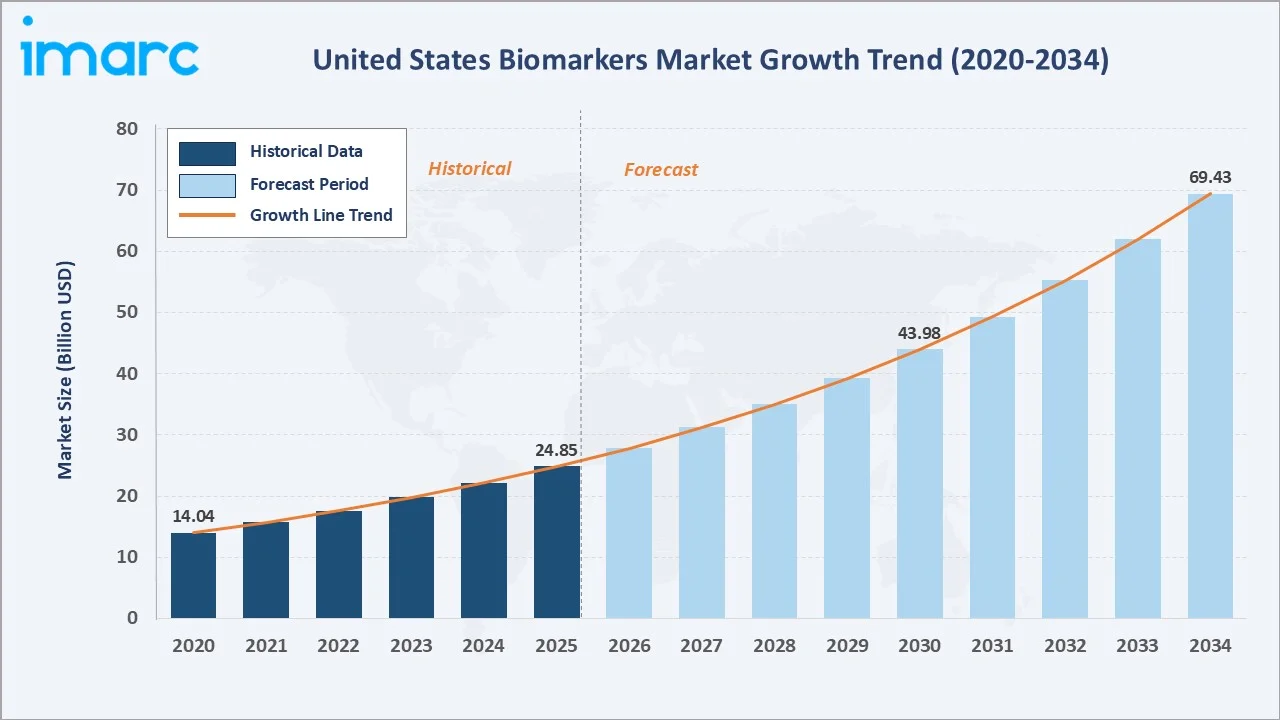
The United States biomarkers market reached USD 24.85 Billion in 2025 and is projected to reach USD 69.43 Billion by 2034, growing at a CAGR of 12.10% during 2026-2034. The US biomarker market is driven by rising FDA approvals for companion diagnostics, expanding research funding, growing liquid biopsy adoption, and rapid integration of AI and multi-omics technologies in precision medicine. In the United States, over 75% of adults are living with at least one chronic condition, while over half have multiple chronic conditions. This substantial disease burden is increasing the need for early disease detection, risk assessment, treatment selection, and continuous monitoring. Consumables lead product at 72.0%. Cancer leads disease at 46.0%. The Northeast leads regionally at 31.8%.
Market Snapshot
|
Metric |
Value |
|
Market Size (2025) |
USD 24.85 Billion |
|
Forecast Market Size (2034) |
USD 69.43 Billion |
|
CAGR (2026-2034) |
12.10% |
|
Base Year |
2025 |
|
Historical Period |
2026-2034 |
|
Forecast Period |
2020-2025 |
|
Dominant Product |
Consumables (72.0%, 2025) |
|
Leading Disease |
Cancer (46.0%, 2025) |
|
Leading Region |
Northeast (31.8%, 2025) |
The United States biomarkers market has grown strongly from USD 14.04 Billion in 2020 to USD 24.85 Billion in 2025, driven by the expanding precision medicine paradigm, the proliferation of companion diagnostic approvals, rapid adoption of liquid biopsy and next-generation sequencing (NGS) technologies, and unprecedented funding for biomarker discovery and clinical validation programs. The market is projected to reach USD 43.98 Billion by 2030 and USD 69.43 Billion by 2034.
To get more information on this market, Request Sample
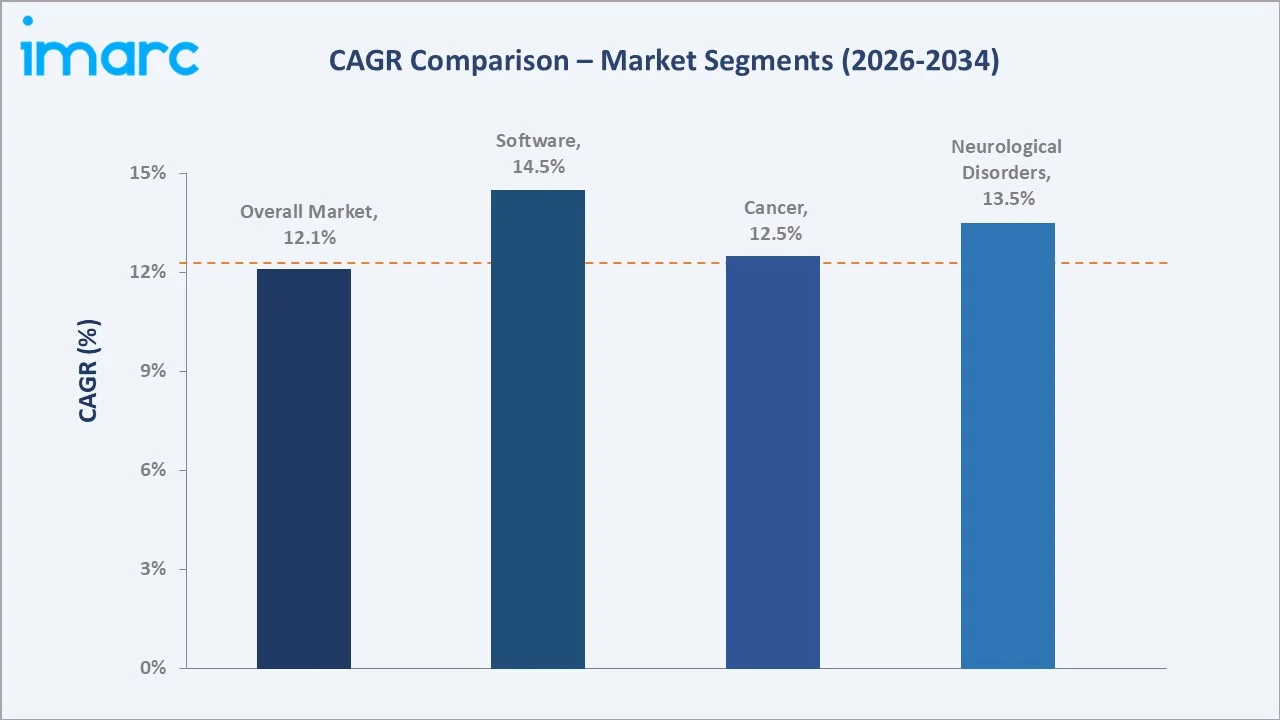
Software grows at ~14.5% CAGR through AI-powered biomarker discovery and clinical decision support platform adoption. Cancer disease indication grows at ~12.5% CAGR through the explosion of oncology companion diagnostics, liquid biopsy platforms, and tumor mutational burden (TMB) biomarker applications supporting checkpoint inhibitor therapies. Neurological disorder biomarkers grow at ~13.5% CAGR through Alzheimer's disease blood-based biomarker clinical adoption and FDA approvals.
Executive Summary
The United States biomarkers market is the largest and most scientifically advanced market. The US leads in biomarker-driven drug development, companion diagnostic co-development, and precision oncology clinical implementation, supported by the largest biomedical research funding ecosystem, an innovation-supportive FDA, and a private sector R&D investment environment that has produced more companion diagnostic approvals than any other country.
Consumables dominate at 72.0% through high-throughput assay reagents, sequencing consumables, immunoassay kits, and proteomics reagents consumed in high volumes across pharmaceutical R&D, diagnostic laboratories, and academic research settings. Cancer leads disease indication at 46.0%, driven by the oncology immunotherapy revolution. The Northeast leads regionally at 31.8%, driven by the concentration of world-class academic medical centers, pharmaceutical and biotech R&D hubs, and NIH-funded research networks headquartered in the region.
Key Market Insights
|
Insight |
Data |
|
Dominant Product |
Consumables - 72.0% share (2025) |
|
Leading Disease |
Cancer - 46.0% share (2025) |
|
Leading Region |
Northeast - 31.8% share (2025) |
|
Market Opportunity |
AI-powered multi-omics; liquid biopsy expansion; Alzheimer's Dx biomarkers; proteomics; digital biomarkers |
Key Analytical Observations Supporting the Above Data:
- Consumables at 72.0%: Consumables dominate through the massive recurring demand for assay reagents, antibody panels, sequencing flow cells and reagent kits, proteomics reagents, immunoassay kits, and sample collection consumables across pharmaceutical R&D, CRO services, clinical diagnostic laboratories, and academic research institutions.
- Cancer at 46.0%: Cancer dominates through the precision oncology revolution, where biomarker-guided patient selection has become the regulatory and clinical standard across virtually all major oncology indications.
- Northeast at 31.8%: The Northeast's market leadership reflects the unparalleled concentration of biomarker R&D infrastructure, pharmaceutical R&D corridor, and the NIH campus and Johns Hopkins ecosystem that collectively host the majority of US biomarker clinical trials and discovery research.
United States Biomarkers Market Overview
The United States biomarkers market encompasses the development, validation, commercialization, and clinical application of biological markers used to indicate normal biological processes, pathogenic processes, or pharmacological responses to therapeutic interventions. Products span consumables (assay reagents, sequencing kits, antibody panels, sample collection devices), services (biomarker analysis, CRO services, companion diagnostic co-development, central laboratory services), and software (biomarker discovery AI platforms, clinical decision support tools, data analytics systems). Disease indications include cancer, cardiovascular disorders, neurological disorders, immunological disorders, renal disorders, and others. Applications span diagnostics, drug discovery and development, personalized medicine, and others. End users include pharmaceutical and biotechnology companies, diagnostic and research laboratories, hospitals and specialty clinics, and others.
Market Dynamics
To evaluate market opportunities, Request Sample
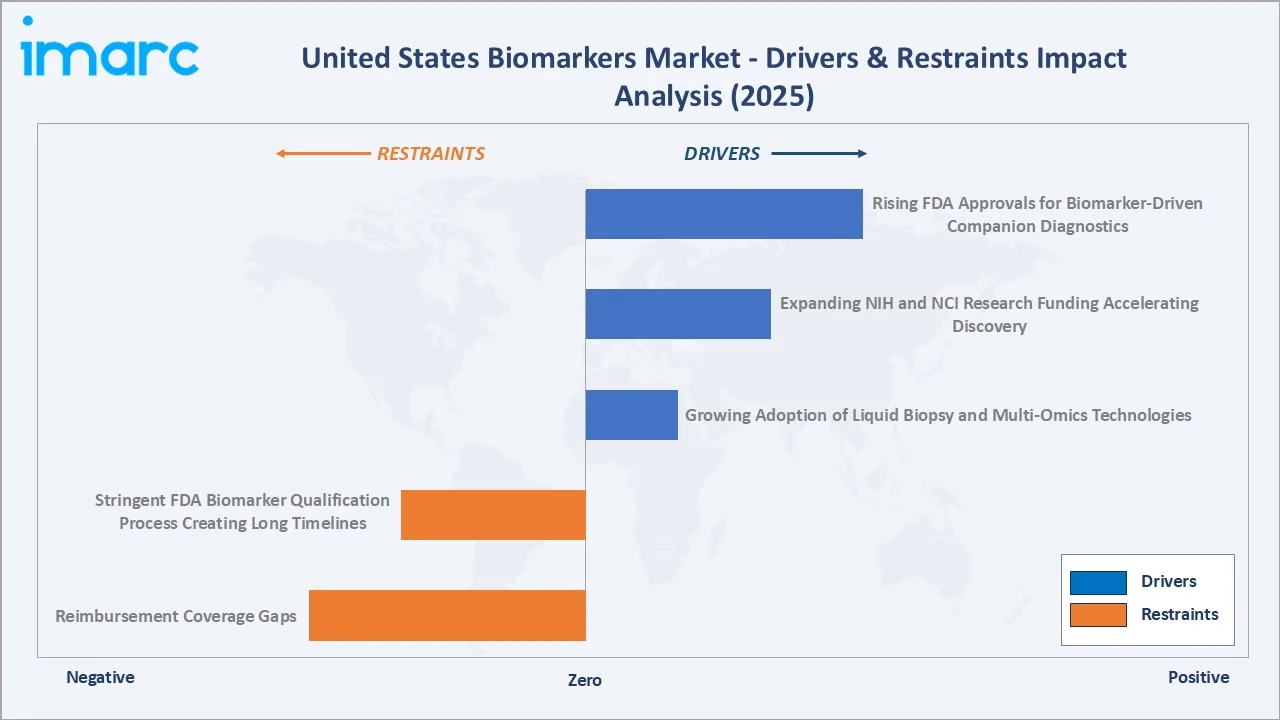
Market Drivers
- Rising FDA Approvals for Biomarker-Driven Companion Diagnostics: The FDA's companion diagnostic co-approval framework, requiring validated biomarker tests alongside targeted therapies and immunotherapies, has created a regulatory imperative for biomarker development across oncology, cardiology, and neurology. In August 2024, Illumina received FDA approval for its TruSight Oncology Comprehensive in vitro diagnostic test, along with its first two companion diagnostic indications. The test analyzes more than 500 genes in solid tumors to help identify immuno-oncology biomarkers and other clinically actionable biomarkers.
- Expanding NIH and NCI Research Funding Accelerating Discovery: The National Institutes of Health's $48+ Billion annual budget sustains a massive pipeline of biomarker discovery, validation, and clinical translation research across cancer, neurological disease, cardiovascular disease, and rare disease indications.
- Growing Adoption of Liquid Biopsy and Multi-Omics Technologies: Liquid biopsy platforms detecting circulating tumor DNA (ctDNA), circulating tumor cells (CTCs), and tumor-derived extracellular vesicles from blood samples are experiencing rapid clinical adoption for cancer detection, minimal residual disease monitoring, and treatment resistance tracking. Multi-omics platforms integrating genomic, proteomic, transcriptomic, and metabolomic data are creating unprecedented biomarker discovery resolution.
Market Restraints
- Stringent FDA Biomarker Qualification Process Creating Long Timelines: The FDA Biomarker Qualification Program involves a multi-stage, multi-year process requiring extensive analytical validation, clinical validation, and regulatory submission documentation. Average biomarker qualification timelines from discovery to qualification create significant time and cost barriers that slow commercial biomarker pipeline conversion and create uncertainty for investment decisions in novel biomarker platform development.
- Reimbursement Coverage Gaps: Despite regulatory approval, many novel biomarker-based diagnostic tests face reimbursement challenges from CMS and private insurers, which require demonstration of clinical utility and economic value through lengthy coverage determination processes. Novel biomarker tests face reimbursement uncertainty that limits clinical adoption rates despite validated clinical performance, creating a significant "valley of death" between FDA clearance and widespread clinical use for innovative biomarker diagnostics.
Market Opportunities
- AI-Powered Biomarker Discovery and Digital Biomarker Development: Artificial intelligence and machine learning platforms analyzing multi-omics datasets, electronic health records, medical imaging, and real-world data are dramatically accelerating biomarker discovery timelines and enabling the identification of complex multi-biomarker signatures that outperform single-analyte biomarkers. AI platforms are identifying novel oncology and neurological biomarkers that would be undetectable through traditional hypothesis-driven research.
- Alzheimer's Disease Blood-Based Biomarker Clinical Adoption: In August 2026, Quest Diagnostics announced two new developments within its Quest AD-Detect portfolio of blood-based biomarker tests for Alzheimer’s disease. Blood-based biomarkers are enabling scalable Alzheimer's biomarker screening through standard phlebotomy rather than specialized PET imaging, creating a multi-billion-dollar new market segment for companies.
Market Challenges
- Biomarker Analytical Variability and Standardization Across Laboratories: A critical challenge limiting broad biomarker clinical adoption is analytical variability, differences in biomarker measurement results across different laboratory platforms, assay manufacturers, and laboratory conditions that can compromise result comparability and clinical decision reliability. This analytical variability challenge is particularly significant for emerging proteomic and multi-omics biomarker platforms entering clinical use.
- Data Privacy and Biobank Access Challenges for AI Biomarker Development: AI biomarker discovery platforms require access to large-scale, high-quality clinical datasets linking biomarker measurements with patient outcomes. Fragmentation of US patient data across hospitals and health systems, operating under diverse IT infrastructure and data-sharing policies, creates systematic barriers to the large-scale clinical datasets required for AI biomarker development and validation.
Emerging Market Trends
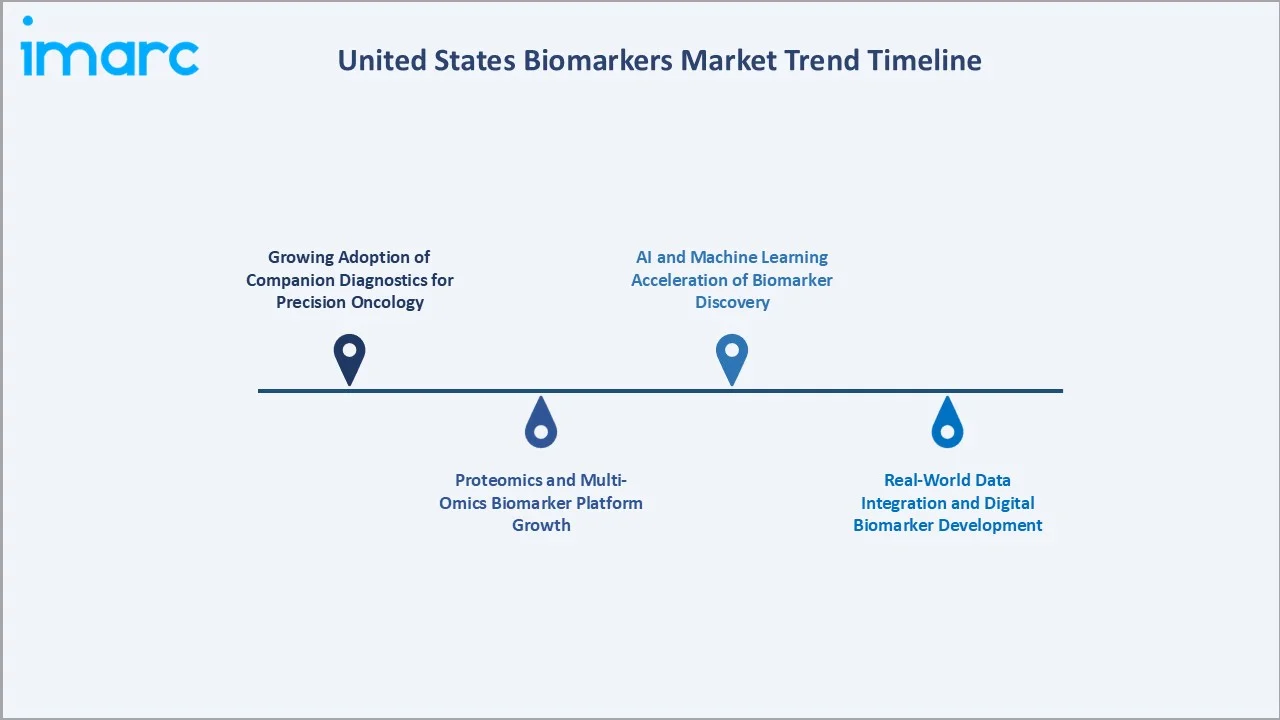
1. Growing Adoption of Companion Diagnostics for Precision Oncology
In August 2026, Labcorp introduced nationwide access to Roche’s FDA-approved Ventana PTEN (SP218) RxDx Assay, an immunohistochemistry companion diagnostic designed to identify PTEN protein loss in prostate adenocarcinoma tissue. The assay provides biomarker information that can help clinicians guide treatment decisions and support more personalized cancer care. The nationwide rollout of the PTEN companion diagnostic reflects increasing use of biomarker-guided testing to support personalized cancer treatment decisions. This trend is strengthening demand for advanced diagnostic assays that help match patients with targeted therapies based on specific tumor characteristics.
2. Proteomics and Multi-Omics Biomarker Platform Growth
Next-generation proteomics platforms are enabling simultaneous measurement of thousands of proteins as biomarkers, creating unprecedented opportunities for novel disease biomarker discovery beyond the genome. The proteomics projects are generating transformative proteomic datasets that are driving commercial development of multi-protein biomarker panels for cardiovascular, neurological, and metabolic disease applications.
3. AI and Machine Learning Acceleration of Biomarker Discovery
AI platforms are transforming biomarker discovery by identifying complex multi-analyte biomarker signatures in large clinical datasets that exceed human analytical capacity. In August 2026, Genedata, a Danaher company, introduced a new AI agent within Genedata Profiler to accelerate biomarker discovery through guided analytics and traceable workflows. The platform uses complex patient and omics data to generate research insights and is being applied with Washington University School of Medicine to evaluate neurology biomarkers. This is generating biomarker insights driving both drug development and diagnostic product development.
4. Real-World Data Integration and Digital Biomarker Development
Digital biomarkers, quantifiable physiological and behavioral data collected through wearable sensors, smartphones, and remote monitoring devices, are emerging as a complementary biomarker category to traditional laboratory-based molecular biomarkers. The integration of wearable-derived digital biomarkers with molecular biomarker data is creating new multi-modal patient characterization capabilities.
Industry Value Chain Analysis
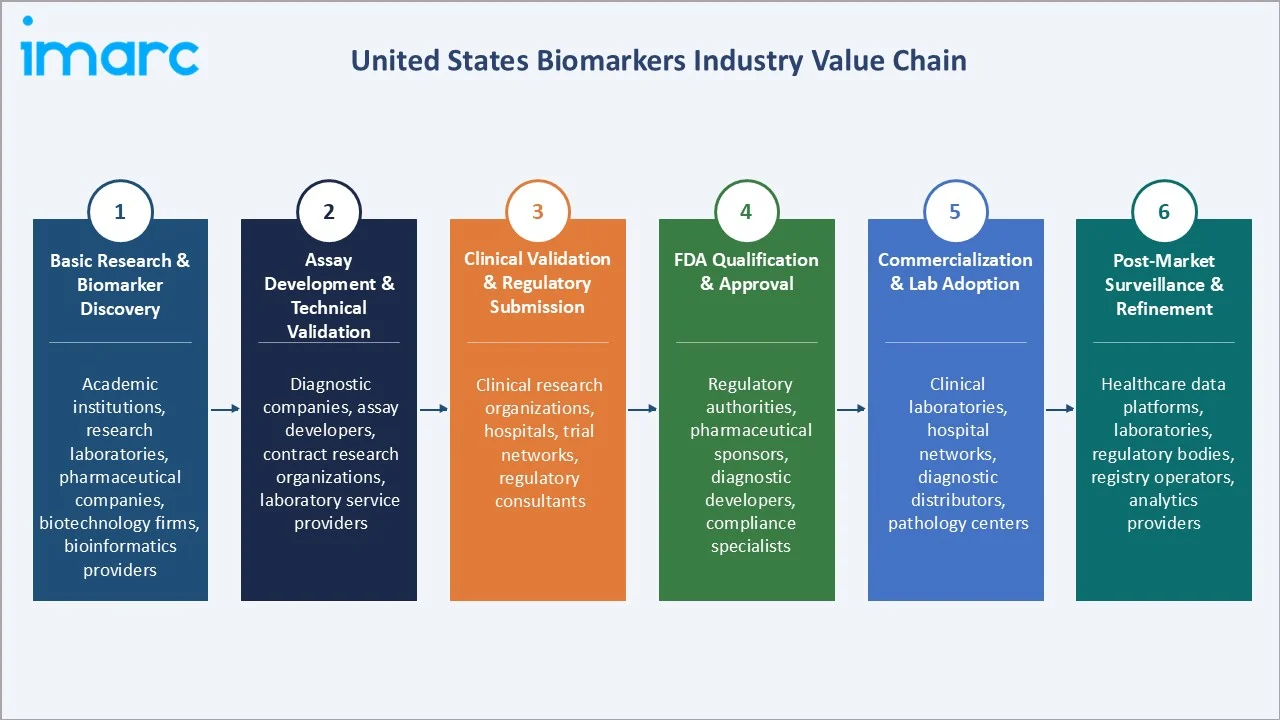
The US biomarkers market value chain integrates basic research and biomarker discovery, assay development and technical validation, clinical validation and regulatory submission, FDA qualification and companion diagnostic approval, commercialization and laboratory adoption, and post-market surveillance and refinement.
|
Stage |
Key Participants |
|
Basic Research & Biomarker Discovery |
Academic institutions, research laboratories, pharmaceutical companies, biotechnology firms, bioinformatics providers. |
|
Assay Development & Technical Validation |
Diagnostic companies, assay developers, contract research organizations, laboratory service providers. |
|
Clinical Validation & Regulatory Submission |
Clinical research organizations, hospitals, trial networks, regulatory consultants. |
|
FDA Qualification & Approval |
Regulatory authorities, pharmaceutical sponsors, diagnostic developers, compliance specialists. |
|
Commercialization & Lab Adoption |
Clinical laboratories, hospital networks, diagnostic distributors, pathology centers. |
|
Post-Market Surveillance & Refinement |
Healthcare data platforms, laboratories, regulatory bodies, registry operators, analytics providers. |
Clinical validation and FDA qualification represent the highest-cost and most time-intensive stages in the US biomarker value chain. Companion diagnostic co-development requires exceptional coordination between pharma sponsors, IVD manufacturers, and FDA review divisions, creating significant complexity and investment that concentrates companion diagnostic partnerships among a small number of specialized IVD companies.
Technology Landscape in the United States Biomarkers Industry
Next-Generation Sequencing (NGS) and Liquid Biopsy Technology
Next-generation sequencing platforms enable massively parallel DNA and RNA sequencing that forms the technical foundation for genomic cancer biomarker panels, companion diagnostic assays, liquid biopsy ctDNA detection, and tumor mutational burden (TMB) measurement. NGS-based comprehensive genomic profiling (CGP) panels have become the standard-of-care biomarker assessment tools in oncology, simultaneously profiling multiple actionable mutations that determine targeted therapy and immunotherapy eligibility.
Proteomics and Mass Spectrometry Platforms
Mass spectrometry-based proteomics platforms enable high-sensitivity, high-specificity measurement of protein biomarkers and peptide fragments in complex biological matrices including plasma, urine, and tissue. Next-generation proximity extension assay (PEA) platforms enable multiplexed measurement of proteins simultaneously from small plasma volumes, creating transformative new opportunities for multi-protein biomarker panel discovery and validation in cardiovascular, neurological, and oncology applications.
Immunoassay and Point-of-Care Biomarker Platforms
High-sensitivity immunoassay platforms are enabling measurement of ultra-low concentration protein biomarkers in blood samples at clinical performance levels previously only achievable with invasive CSF sampling. Point-of-care immunoassay platforms enabling high-sensitivity troponin, BNP, D-dimer, and procalcitonin measurement in emergency department settings are expanding cardiovascular and infectious disease biomarker testing from central laboratory to decentralized care settings.
Market Segmentation Analysis
The report covers the following segments:
|
Segment Category |
Leading Segment |
Market Share |
Year |
|
Product |
Consumables |
72.0% |
2025 |
|
Type |
Efficacy Biomarkers |
45.0% |
2025 |
|
Disease |
Cancer |
46.0% |
2025 |
|
Application |
Diagnostics |
40.0% |
2025 |
|
End User |
Pharmaceutical and Biotechnology Companies |
40.0% |
2025 |
|
Region |
Northeast |
31.8% |
2025 |

By Product
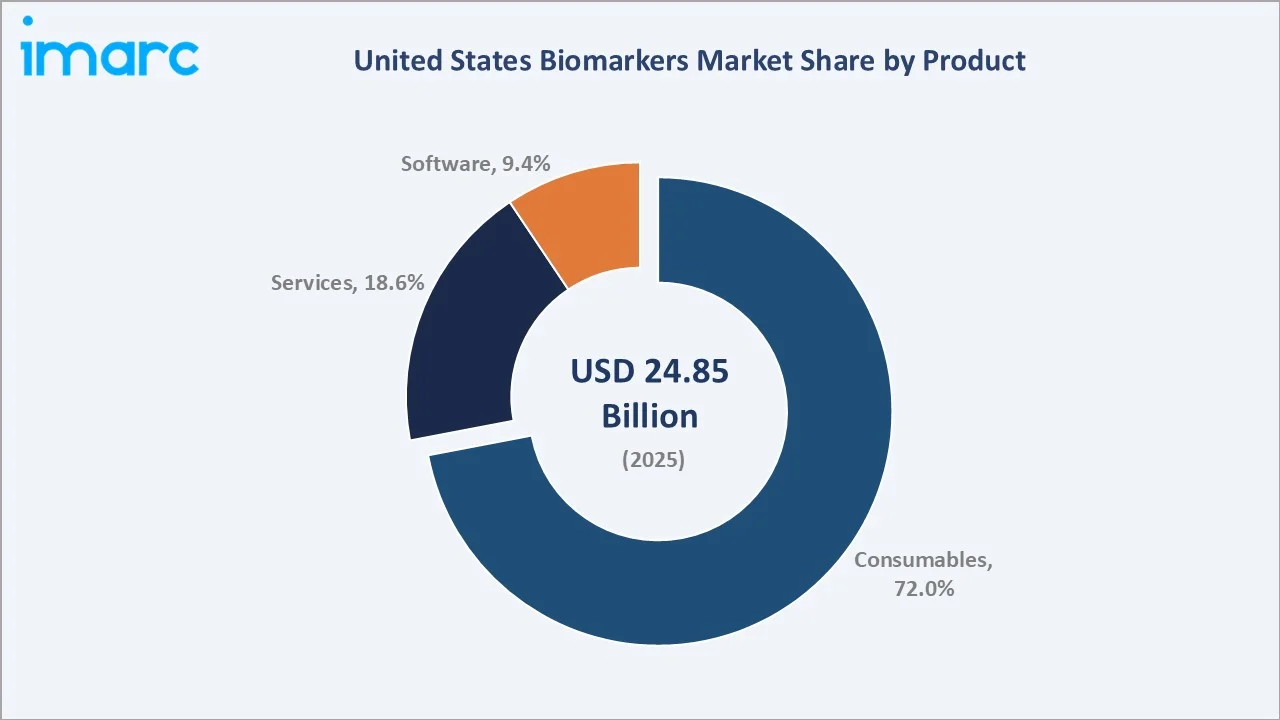
Consumables dominate at 72.0% (2025), driven by the massive recurring demand for assay reagents, NGS sequencing flow cells and library preparation kits, antibody panels for mass cytometry and flow cytometry, immunoassay kit components, and sample collection consumables across pharmaceutical R&D, CRO services, clinical diagnostic laboratories, and academic research. Consumables grow at ~12.0% CAGR through 2034, sustained by expanding NGS clinical adoption and high-volume routine biomarker testing in hospitals and clinical laboratories.
To access detailed market analysis, Request Sample
Services at 18.6% reflect the large and growing biomarker analysis service market encompassing CRO-delivered biomarker analysis for clinical trials, central laboratory services, companion diagnostic co-development, biomarker strategy consulting, and specialty molecular testing services. Software at 9.4% is growing fastest at ~14.5% CAGR through AI-powered biomarker discovery platforms, clinical decision support tools, bioinformatics pipelines, and laboratory information management systems (LIMS) incorporating AI-driven result interpretation.
By Disease
Cancer dominates at 46.0% (2025), reflecting the precision oncology revolution where biomarker-guided patient selection has become a regulatory standard across virtually all major tumor types. Cancer biomarkers grow at ~12.5% CAGR through expanding liquid biopsy, multi-cancer early detection, and novel immune-oncology biomarker applications.
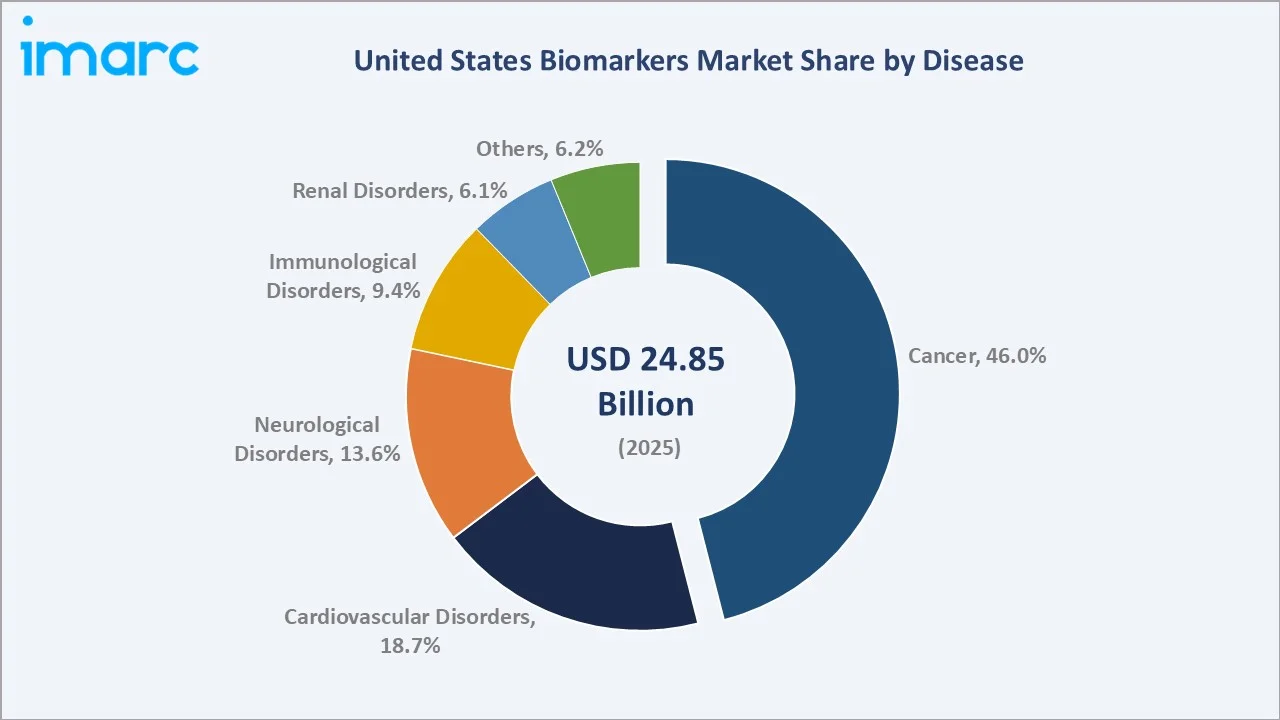
Cardiovascular disorders at 18.7% represent the highest-volume clinical biomarker category, while neurological disorders at 13.6% are growing fastest at ~13.5% CAGR through Alzheimer's blood-based biomarker clinical launch. Immunological disorders at 9.4% reflect growing autoimmune disease biomarker panels and cytokine/inflammatory marker testing. Renal disorders at 6.1% encompass AKI biomarkers and CKD progression biomarkers.
Regional Market Insights
|
Region |
Share (2025) |
Key United States Biomarkers Market Drivers & Characteristics |
|
Northeast |
31.8% |
Leads due to its strong concentration of biotechnology companies, academic research institutions, advanced healthcare facilities, and extensive biomarker R&D activities. |
|
West |
27.6% |
Benefits from a mature biotechnology ecosystem, strong life sciences investment, and rapid adoption of genomics, precision medicine, and advanced diagnostic technologies. |
|
South |
24.3% |
Supported by expanding healthcare infrastructure, clinical research activity, a large patient population, and increasing adoption of advanced diagnostic and personalized medicine solutions. |
|
Midwest |
16.3% |
Benefits from established healthcare systems, research institutions, and pharmaceutical activities, supporting steady demand for biomarker discovery and clinical diagnostics. |
The Northeast's 31.8% market leadership is reinforced by its unparalleled concentration of biomarker R&D infrastructure. The West's 27.6% share reflects California's unique position as the most productive biotech ecosystem, producing more biomarker-related patents, publications, and commercial products than any other region.
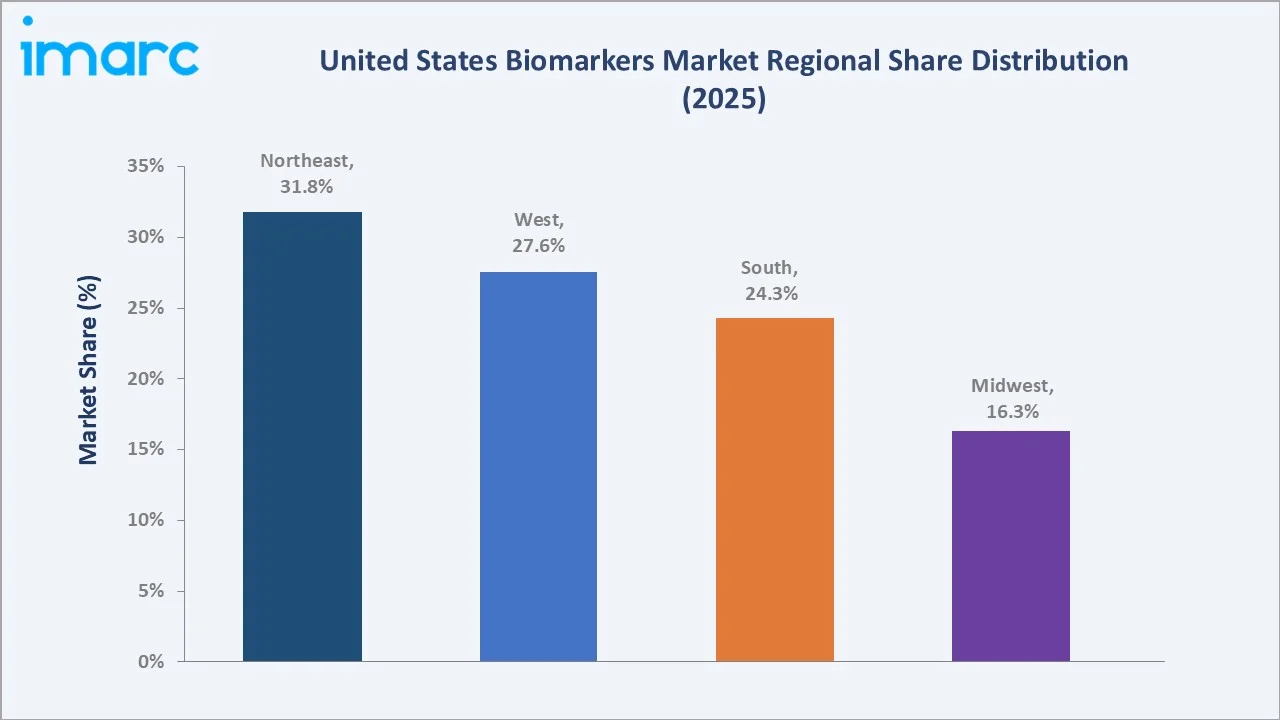
The South's 24.3% share is growing through precision oncology biomarker research, pharmaceutical manufacturing and R&D, and an emerging healthcare AI ecosystem. The Midwest's 16.3% is anchored by a market-leading point-of-care and immunoassay diagnostics platforms headquartered in Illinois.
Competitive Landscape
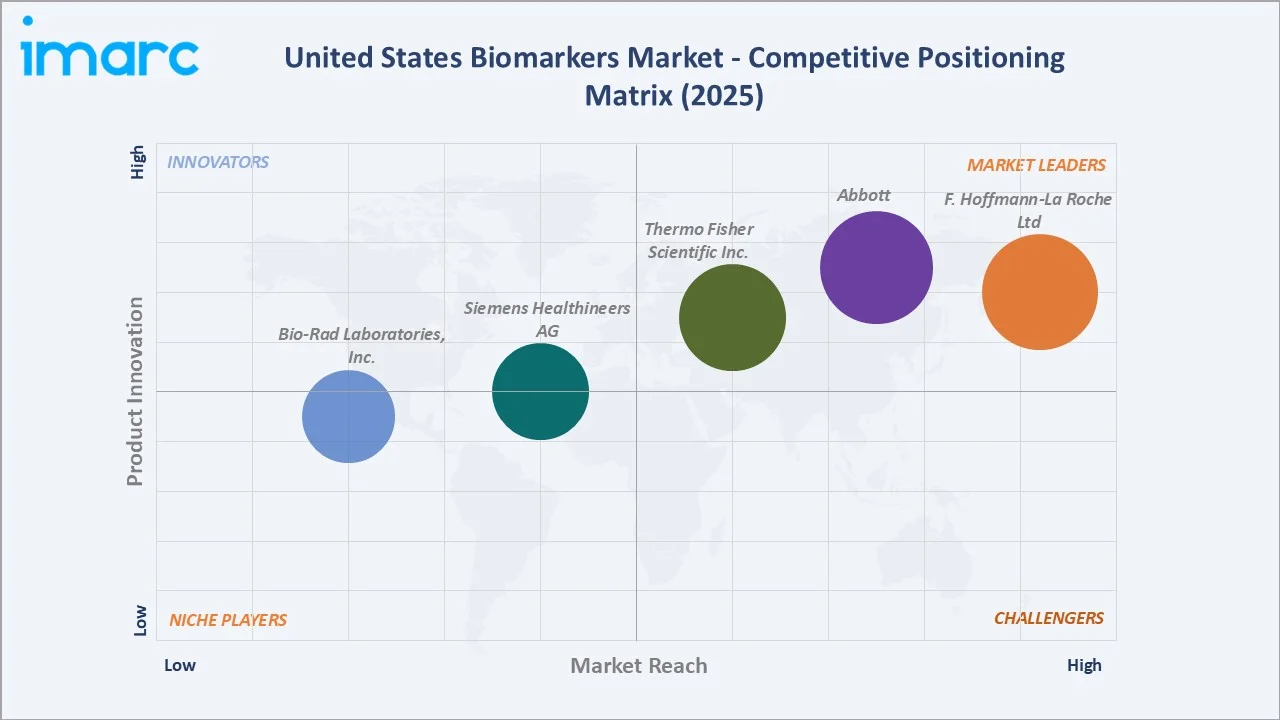
The United States biomarkers market is moderately concentrated among large life science and diagnostics companies holding dominant shares through comprehensive diagnostics and research product portfolios. Specialized biomarker companies compete in high-growth liquid biopsy, oncogenomics, and companion diagnostic sub-markets.
|
Company |
Key Offerings |
Market Position |
Core Strength |
|
F. Hoffmann-La Roche Ltd |
Elecsys IVD cerebrospinal fluid (CSF) biomarker assays |
Market Leader |
F. Hoffmann-La Roche Ltd leads the US biomarker market by developing precision diagnostic assays, automated testing instruments, and targeted biomarker platforms. |
|
Abbott |
CA 125 II, HE4, TOTAL PSA |
Market Leader |
Abbott plays a leading role by developing rapid blood-based diagnostic tests, point-of-care platforms, and molecular assays. |
|
Thermo Fisher Scientific Inc. |
B·R·A·H·M·S Biomarkers, Biomarker Analysis with Real-Time PCR |
Market Leader |
Thermo Fisher Scientific Inc. provides critical assay portfolios, advanced mass spectrometry instrumentation, and clinical research services. |
|
Bio-Rad Laboratories, Inc. |
QX600 ddPCR System, ddPLEX ESR1 Mutation Detection Kit, ddPCR MSI Kit |
Established Player |
Bio-Rad Laboratories, Inc. provides critical tools, assays, and instruments that drive biomarker discovery, validation, and clinical diagnostics in the United States. |
|
Siemens Healthineers AG |
Neurofilament Light Chain (NfL) |
Established Player |
Siemens Healthineers AG advances biomarker testing in the United States by developing innovative blood-based assays and automated diagnostic platforms. |
The competitive landscape is being reshaped by AI integration across biomarker discovery and interpretation platforms, establishing AI-powered real-world data platforms that enhance biomarker analytics capabilities.
Key Company Profiles
F. Hoffmann-La Roche Ltd
F. Hoffmann-La Roche Ltd is the largest diagnostics company and a dominant force in the US biomarkers market through its integrated pharma-diagnostics business model that enables co-development of targeted therapies and companion diagnostics from unified drug development programs. Roche Diagnostics' Elecsys immunoassay platform provides market-leading high-sensitivity troponin and emerging Alzheimer's biomarker assays.
- Key Offerings: Elecsys IVD cerebrospinal fluid (CSF) biomarker assays.
- Strategic Focus: Advancing blood-based Alzheimer's biomarker commercialization, expanding AI oncology decision support, deepening Foundation Medicine's pan-cancer biomarker portfolio and pharma partner data network.
Abbott
Abbott is a medical technology and diagnostics leader with the broadest point-of-care diagnostic platform portfolio and major central laboratory immunoassay and molecular diagnostics capabilities. Abbott's high-sensitivity troponin assay has become the standard for rapid myocardial infarction diagnosis in emergency departments, establishing Abbott as the cardiovascular biomarker market leader.
- Key Offerings: CA 125 II, HE4, TOTAL PSA.
- Strategic Focus: Expanding into metabolic syndrome and pre-diabetes continuous monitoring markets, advancing high-sensitivity troponin cardiac biomarker leadership, developing Abbott's integrated digital health monitoring and biomarker ecosystem for remote patient monitoring.
Market Concentration Analysis
The US biomarkers market is moderately concentrated at the large company level, with Roche, Abbott, and Thermo Fisher collectively controlling an estimated 40-50% of total market revenue through their dominant positions in clinical immunoassay, NGS consumables, research tools, and molecular diagnostics. However, the market is significantly fragmented in specialized sub-markets including liquid biopsy, hereditary cancer genetics, and pharmacogenomics. The emerging AI biomarker discovery segment is highly fragmented, with dozens of venture-backed companies competing alongside large company AI biomarker programs. Strategic M&A reflect continued consolidation as large platforms seek to capture specialized biomarker capabilities.
Investment & Growth Opportunities
Highest Growth Segments
Software biomarker platforms (~14.5% CAGR est.), neurological disorder biomarkers (~13.5% CAGR), multi-cancer early detection liquid biopsy platforms, AI-powered proteomics and multi-omics biomarker discovery, and digital biomarkers from wearable and remote monitoring devices represent the US biomarkers market's highest-priority investment vectors through 2034.
Investment Themes
- Alzheimer's Disease Biomarker Commercialization Platform: Companies developing analytically validated, commercially scalable blood-based and amyloid-beta assay platforms are positioned to capture a multi-billion-dollar clinical testing market as US Alzheimer's patients become eligible for biomarker-guided disease-modifying therapy assessment.
- Multi-Cancer Early Detection Liquid Biopsy Market Development: Multi-cancer early detection (MCED) platforms using ctDNA methylation profiling, protein biomarker combinations, and AI-powered cancer signal detection represent the most transformational market opportunity in the US biomarkers industry. CMS coverage determination for MCED testing is the critical reimbursement catalyst that could create a high annual testing market for companies.
Future Market Outlook (2026-2034)
The United States biomarkers market is projected to grow from USD 24.85 Billion in 2025 to USD 69.43 Billion by 2034, delivering a 12.10% CAGR over the forecast period through AI-powered biomarker discovery acceleration, multi-cancer early detection liquid biopsy commercial scaling, Alzheimer's disease blood-based biomarker clinical deployment, proteomics platform mainstreaming, and digital biomarker integration with molecular biomarker platforms. The market's anchor value of USD 43.98 Billion in 2030 represents the inflection point at which blood-based Alzheimer's biomarker testing achieves clinical mainstream adoption and multi-cancer early detection platforms begin Medicare reimbursement coverage.
Three structural forces are expected to define the US biomarkers market through 2034. First, precision medicine mandates across oncology, neurology, and cardiology will continue expanding the regulatory requirement for biomarker-guided treatment decisions, creating structurally mandatory biomarker testing demand that sustains consumable and service revenue growth independent of economic cycles. Second, the Alzheimer's disease blood-based biomarker market will emerge as one of the US biomarkers market's largest single-disease revenue growth vectors through 2034. Third, AI-powered multi-omics biomarker discovery is expected to dramatically expand the biomarker pipeline depth, generating novel biomarker candidates for inflammatory diseases, rare diseases, psychiatric disorders, and metabolic conditions where no validated clinical biomarkers currently exist.
Research Methodology
Primary Research
Primary research comprised in-depth interviews with senior executives from biomarker companies, pharmaceutical biomarker development teams, diagnostic laboratory directors, academic biomarker researchers, FDA regulatory affairs specialists, reimbursement policy analysts, and venture capital investors specializing in diagnostics and precision medicine. Discussions validated market size estimates, assessed product and disease segment dynamics, evaluated competitive positioning, and gathered qualitative insights on companion diagnostic pipeline, AI biomarker discovery adoption, and Alzheimer's biomarker market development trajectories.
Secondary Research
Secondary research encompassed company annual reports and SEC filings, the FDA database for companion diagnostic approvals, the NIH funding database, cancer incidence statistics, CMS coverage determinations for diagnostic biomarker tests, laboratory certification data, peer-reviewed biomarker research publications, and reputable market intelligence publications. These resources analyzed market trends, regulatory developments, technology adoption trajectories, and regional market dynamics across the US biomarkers industry.
Forecasting Models
Forecasting models were developed using historical biomarker market revenue data (2020-2025), FDA companion diagnostic approval pipeline projections, NIH research funding allocation trends, clinical trial biomarker adoption rate data, Alzheimer's drug pipeline approval scenarios, liquid biopsy adoption modeling under different CMS reimbursement scenarios, and macroeconomic healthcare spending indicators. The analysis incorporated both top-down and bottom-up approaches, validated through primary research cross-referencing, to generate reliable US biomarkers market forecasts through 2034.
United States Biomarkers Market Report Coverage:
| Report Features | Details |
|---|---|
| Base Year of the Analysis | 2025 |
| Historical Period | 2020-2025 |
| Forecast Period | 2026-2034 |
| Units | Billion USD |
| Scope of the Report | Exploration of Historical Trends and Market Outlook, Industry Catalysts and Challenges, Segment-Wise Historical and Future Market Assessment:
|
| Products Covered | Consumables, Services, Software |
| Types Covered | Efficacy Biomarkers, Safety Biomarkers, Validation Biomarkers |
| Diseases Covered | Cancer, Cardiovascular Disorders, Neurological Disorders, Immunological Disorders, Renal Disorders, Others |
| Applications Covered | Diagnostics, Drug Discovery and Development, Personalized Medicine, Others |
| End Users Covered | Pharmaceutical and Biotechnology Companies, Diagnostic and Research Laboratories, Hospitals and Specialty Clinics, Others |
| Regions Covered | Northeast, Midwest, South, West |
| Companies Covered | F. Hoffmann-La Roche Ltd, Abbott, Thermo Fisher Scientific Inc., Bio-Rad Laboratories, Inc., Siemens Healthineers AG, etc. |
| Customization Scope | 10% Free Customization |
| Post-Sale Analyst Support | 10-12 Weeks |
| Delivery Format | PDF and Excel through Email (We can also provide the editable version of the report in PPT/Word format on special request) |
Key Benefits for Stakeholders:
- IMARC’s industry report offers a comprehensive quantitative analysis of various market segments, historical and current market trends, market forecasts, and dynamics of the United States biomarkers market from 2020-2034.
- The research report provides the latest information on the market drivers, challenges, and opportunities in the United States biomarkers market.
- Porter's five forces analysis assist stakeholders in assessing the impact of new entrants, competitive rivalry, supplier power, buyer power, and the threat of substitution. It helps stakeholders to analyze the level of competition within the United States biomarkers industry and its attractiveness.
- Competitive landscape allows stakeholders to understand their competitive environment and provides an insight into the current positions of key players in the market.
Frequently Asked Questions About the United States Biomarkers Market Report
The United States biomarkers market reached USD 24.85 Billion in 2025, driven by rising FDA approvals for companion diagnostics, expanding NIH research funding, growing liquid biopsy and NGS adoption in oncology, and the precision medicine mandate across cancer, cardiovascular, and neurological disease indications.
The market is projected to grow at a CAGR of 12.10% during 2026-2034, reaching USD 69.43 Billion by 2034, driven by AI-powered biomarker discovery acceleration, multi-cancer early detection liquid biopsy scaling, Alzheimer's blood biomarker clinical adoption, proteomics platform mainstreaming, and expanding companion diagnostic FDA approvals.
Consumables lead at 72.0% (2025) through massive recurring demand for NGS sequencing kits, immunoassay reagents, proteomics consumables, and sample collection devices across pharmaceutical R&D, clinical diagnostic labs, and research institutions.
Cancer leads at 46.0% (2025) through FDA companion diagnostic requirements for checkpoint inhibitors, targeted therapies, and ADC drugs mandating mutation biomarker testing.
The Northeast leads at 31.8% (2025) through a dominant biotech cluster, academic medical centers, and the NIH research ecosystem concentrating the majority of US biomarker clinical trial and discovery research activity.
Leading companies include F. Hoffmann-La Roche Ltd, Abbott, Thermo Fisher Scientific Inc., Bio-Rad Laboratories, Inc., and Siemens Healthineers AG, among others.
The market is projected to reach approximately USD 43.98 Billion by 2030, representing the inflection point where Alzheimer's blood-based biomarker testing achieves clinical mainstream adoption alongside FDA-approved disease-modifying therapies, and multi-cancer early detection platforms begin Medicare reimbursement coverage impacting millions of annual screenings.
AI is transforming the US biomarkers market by accelerating biomarker discovery through multi-omics data analysis, enabling complex multi-biomarker signature identification that exceeds human analytical capacity, powering FDA-cleared imaging biomarker tools, and driving growth in the software product segment through clinical decision support platform adoption.
Need more help?
- Speak to our experienced analysts for insights on the current market scenarios.
- Include additional segments and countries to customize the report as per your requirement.
- Gain an unparalleled competitive advantage in your domain by understanding how to utilize the report and positively impacting your operations and revenue.
- For further assistance, please connect with our analysts.
 Request Customization
 Speak to an Analyst
 Request Brochure
 Inquire Before Buying
Benefits of Customization
- Personalize this research
- Triangulate with your data
- Get data as per your format and definition
- Gain a deeper dive into a specific application, geography, customer, or competitor
- Any level of personalization
Get in Touch With Us
UNITED STATES
Phone: +1-201-971-6302
INDIA
Phone: +91-120-433-0800
UNITED KINGDOM
Phone: +44-753-714-6104
Email: [email protected]
Client Testimonials




.webp)




.webp)













Related Reports

Choose your plan
*Please note that the prices mentioned below are starting prices for each bundle type. Kindly contact our team for further details.*
Single User License
- 1 User License, Access on 2 Devices
- PDF Report + Excel Dataset (Password Protected)
- Lifetime Access
- No Printing Rights
- 10% Free Report Customization
- 10–12 Weeks of Analyst Support
Five User License
- Access for 5 Users, 2 Devices per User
- PDF Report + Excel Dataset (Password Protected)
- Lifetime Access
- Dedicated Account Manager
- 12–14 Weeks of Analyst Support
- No Printing Rights
- 15% Free Report Customization
- 25% Discount on Your Next Purchase
Corporate User License
- Unlimited User Access (Within Your Organization)
- PDF Report + Excel Dataset
- Lifetime Access
- Dedicated Account Manager
- 14–20 Weeks of Analyst Support
- No Printing Rights
- 20% Free Report Customization
- 30% Discount on Your Next Purchase
Essential Insights
What's included:
3 reports
- Lifetime Access
- PDF Reports
- Excel Datasets
- 2 Weeks of Free Analyst Support
- 2 User Licenses
- Access on 2 Devices
- Printing Rights
- Complimentary PowerPoint (PPT) Version
- Complimentary License Upgrade
Professional Access
What's included:
5 reports
- Lifetime Access
- PDF Reports
- Excel Datasets
- 8 Weeks of Free Analyst Support
- 2 User Licenses
- Access on 2 Devices
- Printing Rights
- Complimentary PowerPoint (PPT) Version
- Complimentary License Upgrade
Business Advantage
What's included:
8 reports
- Lifetime Access
- PDF Reports
- Excel Datasets
- 14 Weeks of Free Analyst Support
- 2 User Licenses
- Access on 2 Devices
- Printing Rights
- Complimentary PowerPoint (PPT) Version
- Complimentary License Upgrade
Enterprise Intelligence
What's included:
10 reports
- Lifetime Access
- PDF Reports
- Excel Datasets
- 20 Weeks of Free Analyst Support
- 2 User Licenses
- Access on 2 Devices
- Printing Rights
- Complimentary PowerPoint (PPT) Version
- Complimentary License Upgrade