
United States Neurological Biomarkers Market Size, Share, Trends and Forecast by Type, Application, End Use, and Region, 2026-2034
United States Neurological Biomarkers Market Size, Share, Trends & Forecast (2026-2034)
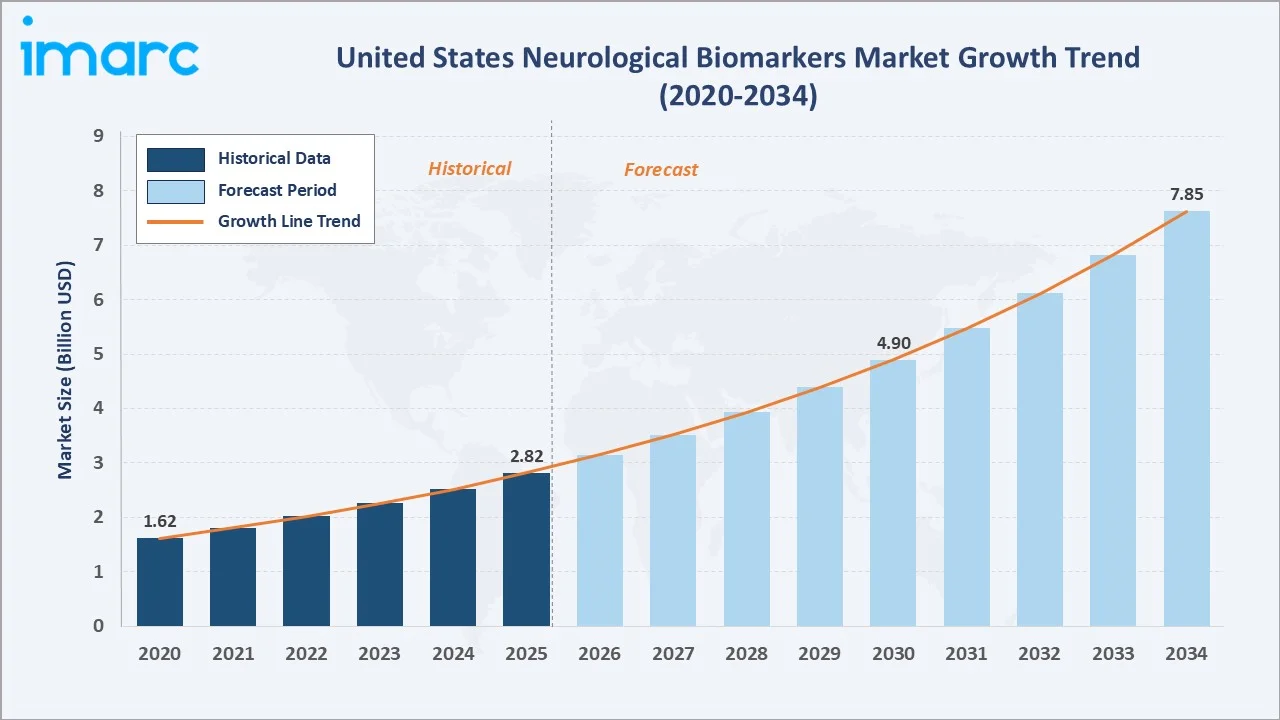
The United States neurological biomarkers market size increased from USD 2.82 Billion in 2025 to USD 3.15 Billion in 2026 and is projected to reach USD 7.85 Billion by 2034, growing at a CAGR of 11.70% during 2026-2034. The market is driven by the rising prevalence of neurodegenerative disorders such as Alzheimer's disease, Parkinson's disease, and multiple sclerosis, coupled with growing demand for early and accurate diagnosis. Around 7.2 million Americans aged 65 and above are currently living with Alzheimer’s dementia, and this figure may rise to 13.8 million by 2060. This growing disease burden is driving demand for neurological biomarkers, as they support early detection, disease progression monitoring, and treatment response assessment for Alzheimer’s and other neurodegenerative disorders. Imaging biomarkers lead type at 33.8%. Alzheimer's disease leads the application at 37.2%. Northeast leads regionally at 31.4%.
Market Snapshot
|
Metric |
Value |
|
Base Year Market Size (2025) |
USD 2.82 Billion |
|
Market Size (2026) |
USD 3.15 Billion |
|
Forecast Market Size (2034) |
USD 7.85 Billion |
|
CAGR (2026-2034) |
11.70% |
|
Base Year |
2025 |
|
Historical Period |
2020-2025 |
|
Forecast Period |
2026-2034 |
|
Dominant Type |
Imaging Biomarkers (33.8%, 2025) |
|
Dominant Application |
Alzheimer's Disease (37.2%, 2025) |
|
Leading Region |
Northeast (31.4%, 2025) |
The US neurological biomarkers market has shown strong growth, increasing from USD 1.62 Billion in 2020 to USD 2.82 Billion in 2025 and is estimated to reach USD 3.15 Billion in 2026. It is projected to reach USD 4.90 Billion by 2030 and further expand to USD 7.85 Billion by 2034. This growth is supported by rising cases of Alzheimer’s, Parkinson’s, multiple sclerosis, and other neurological disorders. Increasing use of biomarker-based diagnostics for early detection, disease monitoring, and precision medicine is further driving market expansion.
To get more information on this market, Request Sample
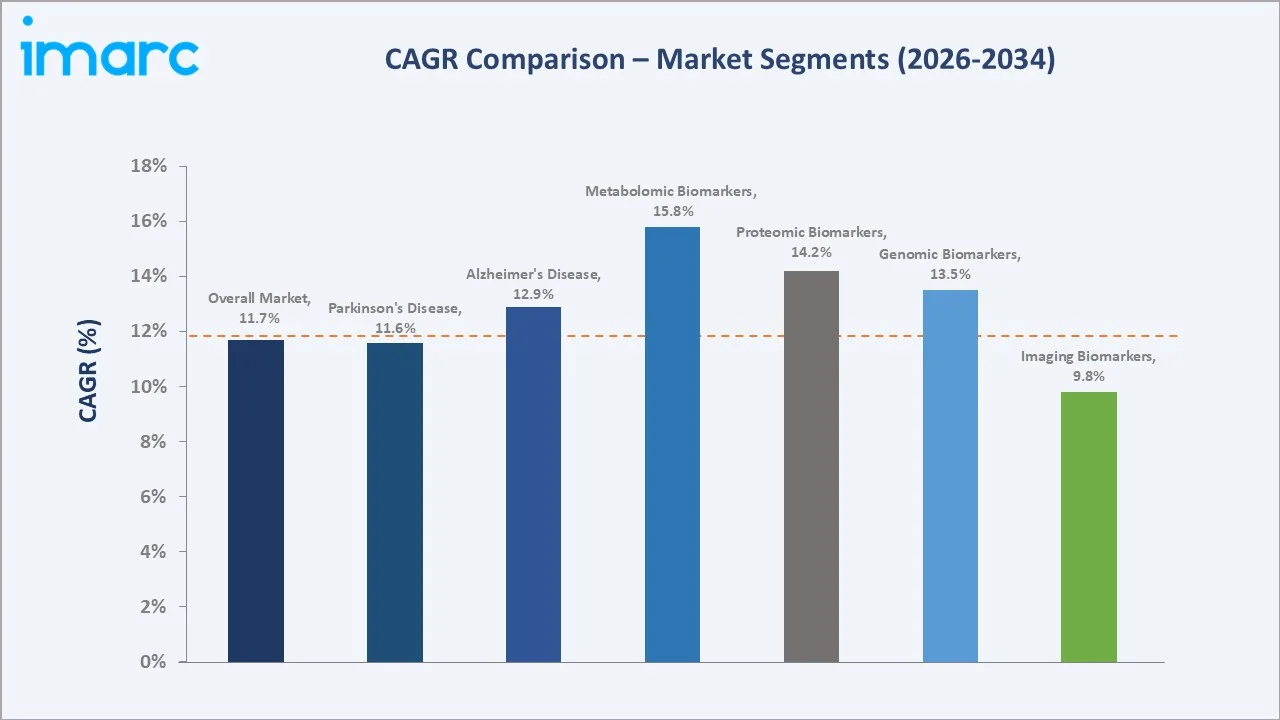
Metabolomic biomarkers grow fastest at ~15.8% CAGR through NMR and mass spectrometry-based CSF and blood metabolite profiling for neurological disease staging and drug response monitoring. Proteomic biomarkers grow at ~14.2% CAGR through single-molecule immunoassay, proximity extension assay, and mass spectrometry proteomics.
Executive Summary
The United States neurological biomarkers market is expanding steadily, supported by the rising burden of Alzheimer’s, Parkinson’s, multiple sclerosis, and other neurological disorders. Growing demand for early diagnosis, disease progression monitoring, and precision medicine is increasing biomarker adoption. The market expanded from USD 2.82 Billion in 2025 to an estimated USD 3.15 Billion in 2026 and further to USD 7.85 Billion by 2034. Advances in blood-based biomarkers, neuroimaging, genomics, and proteomics are strengthening clinical applications. Increasing R&D investments, FDA approvals, and adoption by hospitals, diagnostic labs, and pharmaceutical companies are further driving market growth.
Imaging biomarkers at 33.8% lead through amyloid PET and advanced neuroimaging. Alzheimer's disease at 37.2% leads through FDA-cleared biomarkers and a clinical diagnosis platform. Northeast leads regionally at 31.4% through academic AD biomarker research center concentration.
Key Market Insights
|
Insight |
Data |
|
Dominant Type |
Imaging Biomarkers - 33.8% share (2025) |
|
Dominant Application |
Alzheimer's Disease - 37.2% market share (2025) |
|
Leading Region |
Northeast - 31.4% share (2025) |
|
Market Opportunity |
Plasma monitoring for MS and ALS; Parkinson's alpha-synuclein seed amplification assay; ASD genetic panel; multimodal biomarker AI platform |
Key Analytical Observations Supporting The Above Data:
- Imaging Biomarkers at 33.8%: The imaging biomarkers dominate due to their wide clinical use in diagnosing and monitoring Alzheimer’s, Parkinson’s, multiple sclerosis, stroke, and brain tumors.
- Alzheimer's Disease at 37.2%: Alzheimer’s disease dominates due to the country’s large aging population and rising Alzheimer’s burden. Growing demand for early diagnosis, disease monitoring, and treatment selection is increasing the use of amyloid, tau, and neurodegeneration biomarkers.
- Northeast Region at 31.4%: The Northeast region dominates due to its strong base of academic medical centers, neurology hospitals, research institutes, and biotechnology companies. High healthcare spending and early adoption of advanced imaging, blood-based, and molecular biomarker testing further support regional leadership.
United States Neurological Biomarkers Market Overview
The US neurological biomarkers market operates within the broader US neuroscience and neurology diagnostics market as the fastest-growing neurological diagnostics segment through the transformation of neurological disease diagnosis and treatment monitoring. The market's commercial uniqueness lies in its ability to support early detection and monitoring of neurological diseases, where timely diagnosis can significantly improve patient outcomes. Neurological biomarkers are increasingly integrated into precision medicine, clinical trials, and drug development programs, creating demand beyond routine diagnostics.
The US neurological biomarkers ecosystem integrates biomarker discovery and NIH-funded validation, biomarker platform and assay manufacturers, clinical laboratory and hospital testing, pharmaceutical CDx development, regulatory clearance and reimbursement, and neurologist and psychiatrist clinical prescribing. Macroeconomic factors include rising healthcare spending, an aging population, and increasing investment in neuroscience R&D.
Market Dynamics
To evaluate market opportunities, Request Sample
Market Drivers
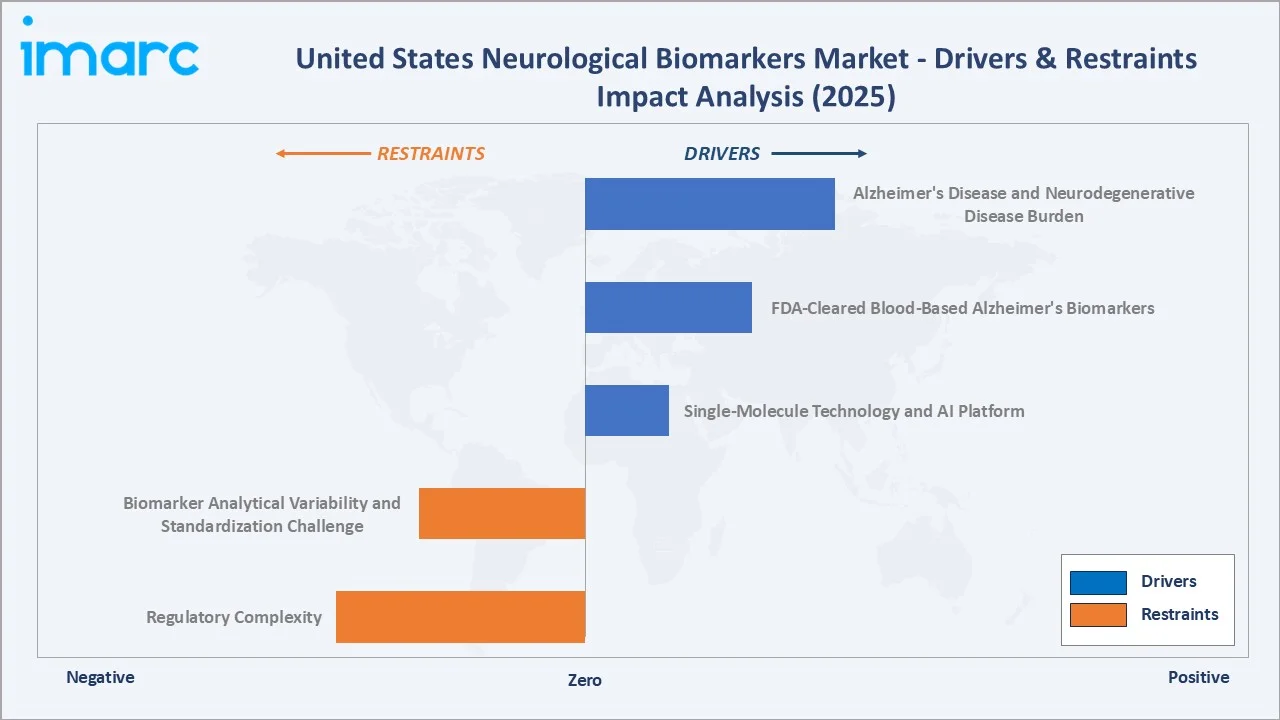
- Alzheimer's Disease and Neurodegenerative Disease Burden: About 7.2 million Americans aged 65 and above are currently living with Alzheimer’s dementia, and this number is projected to increase to nearly 13.8 million by 2060. An estimated 1.1 million people in the United States are living with Parkinson’s disease, and this figure is projected to reach 1.2 million by 2030, with nearly 90,000 new diagnoses reported in the U.S. each year. These rising cases of Alzheimer's, Parkinson's disease, and other neurological conditions are increasing the need for early and accurate diagnosis. Neurological biomarkers help identify disease-related changes before significant symptoms appear, enabling timely intervention and improved patient management. The growing focus on disease monitoring, personalized treatment, and clinical trial enrollment is further accelerating biomarker adoption across healthcare and research settings.
- FDA-Cleared Blood-Based Alzheimer's Biomarkers: FDA-cleared blood-based Alzheimer's biomarkers enable earlier, more accessible, and less invasive detection of Alzheimer's disease. Compared with PET scans and cerebrospinal fluid testing, blood-based biomarker tests offer greater scalability and lower costs, supporting broader clinical adoption. In October 2025, Roche announced that the U.S. FDA cleared its Elecsys pTau181 test, a blood-based biomarker test used to support the initial assessment of Alzheimer’s disease and other causes of cognitive decline in primary care. Regulatory approvals are increasing physician confidence and accelerating integration into routine diagnostic workflows. Their growing use in patient screening, disease monitoring, and therapy selection is expanding demand for neurological biomarker testing across the healthcare system.
- Single-Molecule Technology and AI Platform: Single-molecule technology and AI platforms enable ultra-sensitive detection of low-abundance biomarkers linked to Alzheimer’s, Parkinson’s, and other neurological disorders. These technologies improve early diagnosis, disease progression tracking, and treatment response monitoring. AI also supports faster data interpretation, pattern recognition, and clinical decision support. Together, they enhance diagnostic accuracy and accelerate the adoption of advanced biomarker testing.
Market Restraints
- Biomarker Analytical Variability and Standardization Challenge: Biomarker analytical variability and standardization challenges create inconsistencies in test results across laboratories, platforms, and assay methods. Differences in sample collection, processing, measurement techniques, and biomarker thresholds can affect diagnostic accuracy and result comparability. These variations may limit clinician confidence and slow the widespread adoption of biomarker-based testing. As a result, significant efforts are required to establish standardized protocols, validation frameworks, and reference ranges for routine clinical use.
- Regulatory Complexity: Regulatory complexity increases the time, cost, and evidence required for test approval and clinical adoption. Biomarker tests must demonstrate strong analytical validity, clinical validity, and clinical utility, especially for Alzheimer’s, Parkinson’s, and other neurodegenerative diseases. Evolving FDA requirements and reimbursement expectations can delay commercialization. This creates higher entry barriers for smaller companies and slows wider use in routine clinical practice.
Market Opportunities
- AI-Driven Neurological Biomarker Analysis: AI-driven neurological biomarker analysis improves the detection, interpretation, and prediction of disease patterns from complex biomarker datasets. It can help clinicians identify early signs of Alzheimer’s, Parkinson’s, and other neurological disorders with greater accuracy. AI also supports faster patient stratification for clinical trials and personalized treatment planning. As biomarker testing expands, demand for AI-enabled diagnostic platforms is expected to grow.
- Multiplex Biomarker Panels for Neurological Disorders: Multiplex biomarker panels enable simultaneous measurement of multiple neurological markers from a single sample. This supports more accurate disease profiling for Alzheimer’s, Parkinson’s, multiple sclerosis, and other neurological disorders. In March 2026, Alamar Biosciences launched the NULISAseq Neuro 220 Panel, enabling multiplex measurement of 220 neurological biomarkers from a single sample with ultra-high sensitivity and specificity. The panel builds on its CNS Disease Panel 120 and includes new Parkinson’s disease-related biomarkers developed with support from MJFF. These panels can improve early diagnosis, patient stratification, and treatment monitoring. Their efficiency and ability to reduce sample volume and testing time make them attractive for hospitals, labs, and clinical trials.
Market Challenges
- Pre-Analytical Variability and Sample Handling: Pre-analytical variability and sample handling are significant challenges because biomarker measurements can be highly sensitive to collection, storage, and processing conditions. Differences in blood draw methods, sample transport times, temperature control, and storage protocols may affect biomarker stability and test accuracy. These inconsistencies can lead to variability in results across laboratories and studies. As a result, standardized sample handling procedures are essential to ensure reliable biomarker validation and clinical adoption.
- Data Interpretation and Clinical Adoption Barriers: Data interpretation and clinical adoption barriers challenge the market because neurological biomarker results can be complex and difficult to translate into clear clinical decisions. Many physicians require stronger validation, standardized cut-off values, and clinical guidelines before using these tests routinely. Limited awareness and uncertainty around test interpretation may slow adoption in primary care and neurology settings. This can restrict broader commercialization despite strong technological progress.
Emerging Market Trends
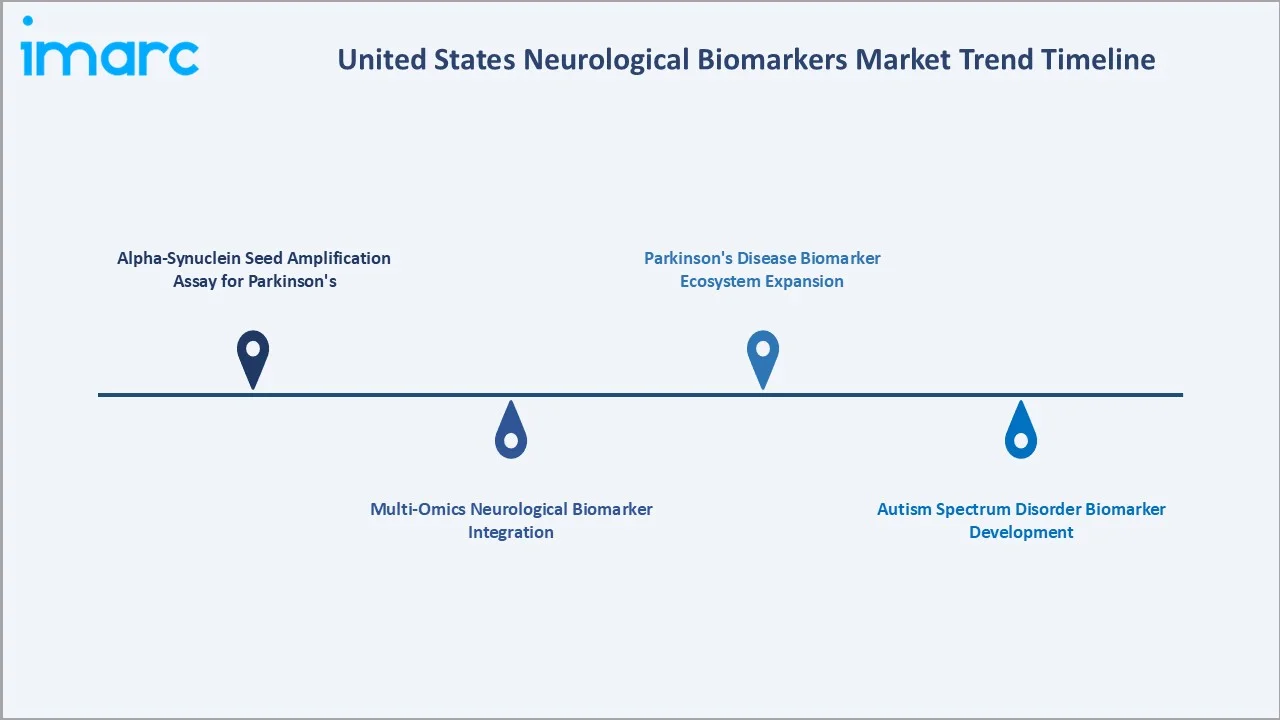
1. Alpha-Synuclein Seed Amplification Assay for Parkinson's
Alpha-synuclein seed amplification assays enable more accurate detection of Parkinson’s disease-related pathology. These assays help identify misfolded alpha-synuclein proteins, supporting earlier diagnosis and better disease classification. Their use is expanding in clinical research, patient stratification, and drug development for Parkinson’s and related disorders. In September 2024, the FDA issued a letter of support for using the α-synuclein seed amplification assay biomarker in clinical trials for Parkinson’s disease and related disorders. This follows a collaborative effort between The Michael J. Fox Foundation and the Critical Path Institute to advance Parkinson’s therapy development using this newly identified biomarker. Growing demand for objective and disease-specific biomarkers is strengthening adoption in the United States neurological biomarkers market.
2. Multi-Omics Neurological Biomarker Integration
Multi-omics neurological biomarker integration combines genomics, proteomics, metabolomics, and transcriptomics data to provide a more comprehensive understanding of neurological diseases. This approach improves disease characterization, early diagnosis, and patient stratification for conditions such as Alzheimer's and Parkinson's disease. It also supports precision medicine by identifying personalized biomarker signatures and therapeutic targets. Growing advances in data analytics and AI are accelerating the adoption of multi-omics platforms in both clinical research and diagnostic applications.
3. Parkinson's Disease Biomarker Ecosystem Expansion
Parkinson's disease biomarker ecosystem expansion is emerging as a significant trend in the United States neurological biomarkers market, driven by growing efforts to develop reliable biomarkers for early diagnosis and disease monitoring. Increasing research into alpha-synuclein, neurofilament light chain (NfL), genetic markers, and imaging biomarkers is broadening the range of diagnostic tools available. Pharmaceutical companies are also incorporating biomarkers into clinical trials to improve patient selection and measure treatment response. This expanding ecosystem is accelerating innovation, supporting precision medicine, and strengthening the development of disease-modifying therapies for Parkinson’s disease.
4. Autism Spectrum Disorder Biomarker Development
Autism spectrum disorder (ASD) biomarker development is emerging due to the growing need for earlier and more objective diagnosis. Researchers are investigating genetic, proteomic, metabolic, and neuroimaging biomarkers to improve understanding of ASD and support personalized interventions. Advances in biomarker discovery may help identify at-risk children before behavioral symptoms become fully apparent. Increasing research funding, AI-driven analytics, and precision medicine initiatives are further accelerating innovation in this area.
Industry Value Chain Analysis
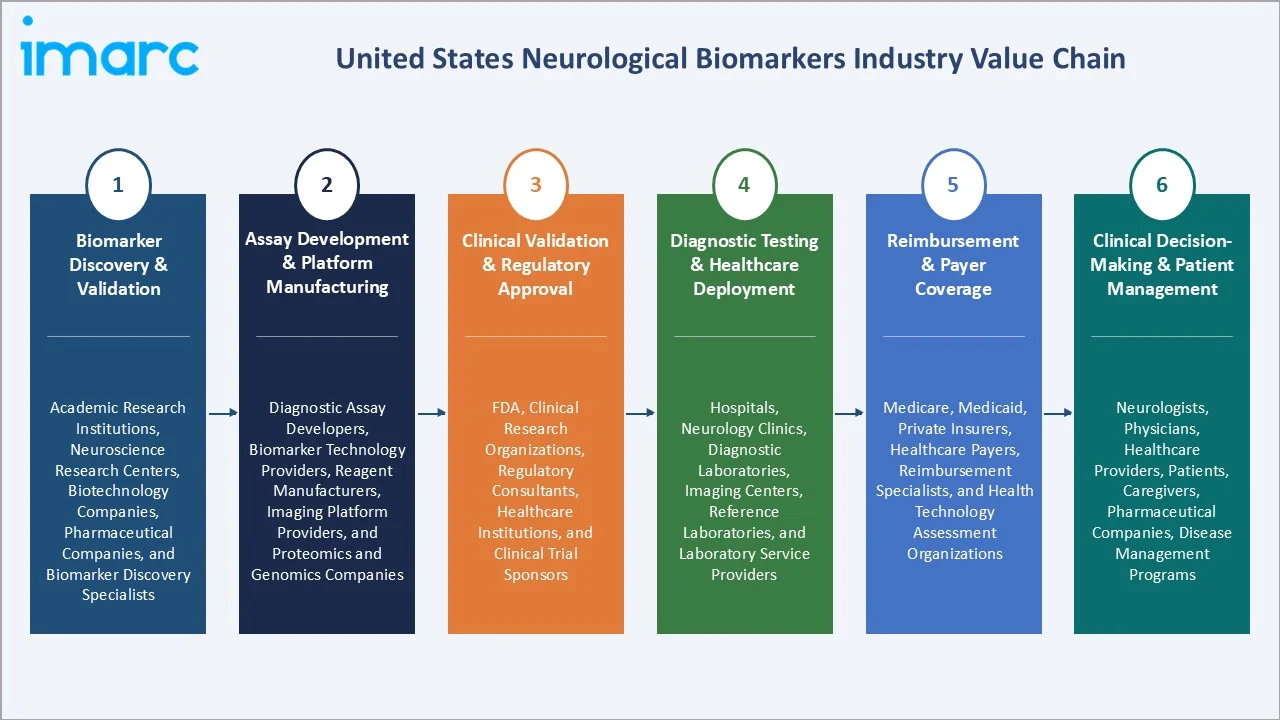
The US neurological biomarkers value chain integrates biomarker discovery & validation, assay development & platform manufacturing, clinical validation & regulatory approval, diagnostic testing & healthcare deployment, reimbursement & payer coverage, and clinical decision-making & patient management.
|
Stage |
Key Participants |
|
Biomarker Discovery & Validation |
Academic research institutions, neuroscience research centers, biotechnology companies, pharmaceutical companies, and biomarker discovery specialists |
|
Assay Development & Platform Manufacturing |
Diagnostic assay developers, biomarker technology providers, reagent manufacturers, imaging platform providers, and proteomics and genomics companies |
|
Clinical Validation & Regulatory Approval |
FDA, clinical research organizations, regulatory consultants, healthcare institutions, and clinical trial sponsors |
|
Diagnostic Testing & Healthcare Deployment |
Hospitals, neurology clinics, diagnostic laboratories, imaging centers, reference laboratories, and laboratory service providers |
|
Reimbursement & Payer Coverage |
Medicare, Medicaid, private insurers, healthcare payers, reimbursement specialists, and health technology assessment organizations |
|
Clinical Decision-Making & Patient Management |
Neurologists, physicians, healthcare providers, patients, caregivers, pharmaceutical companies, disease management programs |
Assay development & platform manufacturing is the most value-added segment in the US neurological biomarkers value chain. This stage converts validated biomarkers into commercial diagnostic tests, imaging tools, reagents, and analytical platforms. It offers strong commercial value through proprietary technologies, high-margin assays, recurring reagent demand, and specialized platforms for Alzheimer’s, Parkinson’s, and other neurological disorders.
Technology Landscape in the United States Neurological Biomarkers Industry
Single-Molecule Array Technology
Single-molecule array (Simoa) technology enables the detection of extremely low concentrations of neurological biomarkers in blood and other biofluids. Its ultra-high sensitivity supports earlier diagnosis of disorders such as Alzheimer’s and Parkinson’s disease, often before significant clinical symptoms appear. The technology is also improving disease monitoring, treatment response assessment, and biomarker-driven clinical trials. Growing adoption of Simoa platforms is accelerating the shift toward minimally invasive, blood-based neurological testing.
Next-Generation Neurological Biomarkers
Next-generation neurological biomarkers enable earlier, more accurate, and less invasive diagnosis of neurological disorders. These biomarkers include blood-based, proteomic, genomic, digital, and imaging markers used for Alzheimer’s, Parkinson’s, multiple sclerosis, and other conditions. Their integration with AI, multi-omics, and high-sensitivity platforms improves disease monitoring and treatment selection. In March 2026, the Alzheimer’s Drug Discovery Foundation launched phase three of its Diagnostics Accelerator, supported by an additional USD 50 Million, raising total funding to USD 150 Million. This phase will advance next-generation Alzheimer’s biomarkers, including tau blood tests, multi-marker panels, and AI-based tools to support drug development and precision medicine. This is accelerating precision neurology and supporting broader clinical and research adoption.
Proteomics-Based Biomarker Discovery Platforms
Proteomics-based biomarker discovery platforms enable large-scale identification and analysis of proteins associated with neurological diseases. These platforms help uncover novel biomarkers for Alzheimer’s disease, Parkinson’s disease, multiple sclerosis, and other neurodegenerative disorders. Advanced proteomic technologies improve understanding of disease mechanisms, support early diagnosis, and facilitate patient stratification. Their growing use in drug development and precision medicine is accelerating innovation in neurological biomarker research and clinical applications.
Market Segmentation Analysis
The report covers the following segments:
|
Segment Category |
Leading Segment |
Market Share |
Year |
|
Type |
Imaging Biomarkers |
33.8% |
2025 |
|
Application |
Alzheimer's Disease |
37.2% |
2025 |
|
End Use |
🔒 |
🔒 |
2025 |
|
Region |
Northeast |
31.4% |
2025 |

By Type
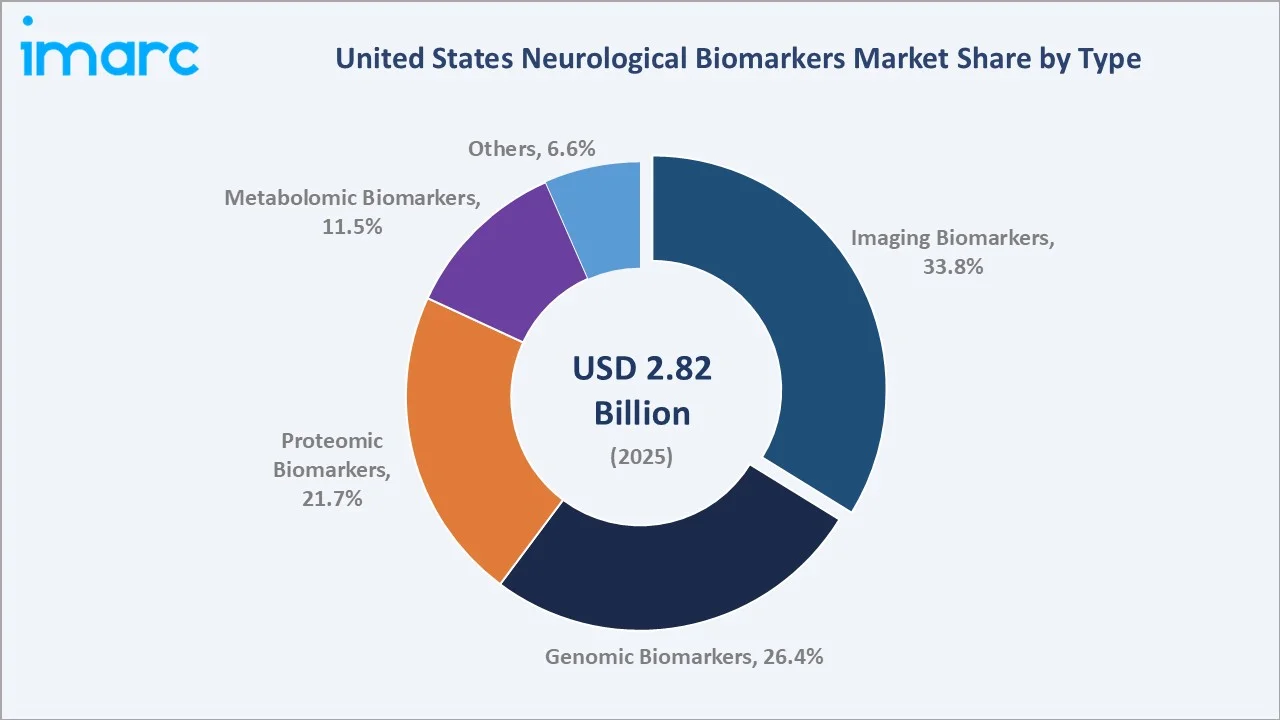
Imaging biomarkers lead at 33.8% (2025), due to their widespread use in diagnosing and monitoring Alzheimer’s disease, Parkinson’s disease, multiple sclerosis, stroke, and brain tumors. MRI, PET, and CT-based biomarkers provide detailed structural and functional brain insights. Their strong clinical acceptance, established hospital infrastructure, and role in disease staging and treatment planning support segment leadership.
To access detailed market analysis, Request Sample
Genomic biomarkers at 26.4% encompass APOE genotyping, rare variant NGS, familial AD gene panel, and polygenic risk score. Proteomic biomarkers at 21.7%. Metabolomic biomarkers at 11.5% grow fastest at ~15.8% CAGR. Others at 6.6% include electrophysiology and CSF cytology biomarkers.
By Application
Alzheimer's disease leads at 37.2% (2025), due to the high and growing prevalence of the disease among the aging population. Strong demand for early diagnosis, disease progression monitoring, and treatment selection has accelerated the adoption of amyloid, tau, and neurodegeneration biomarkers. Increased research funding, FDA-cleared biomarker tests, and the emergence of disease-modifying therapies further strengthen the segment's leadership.
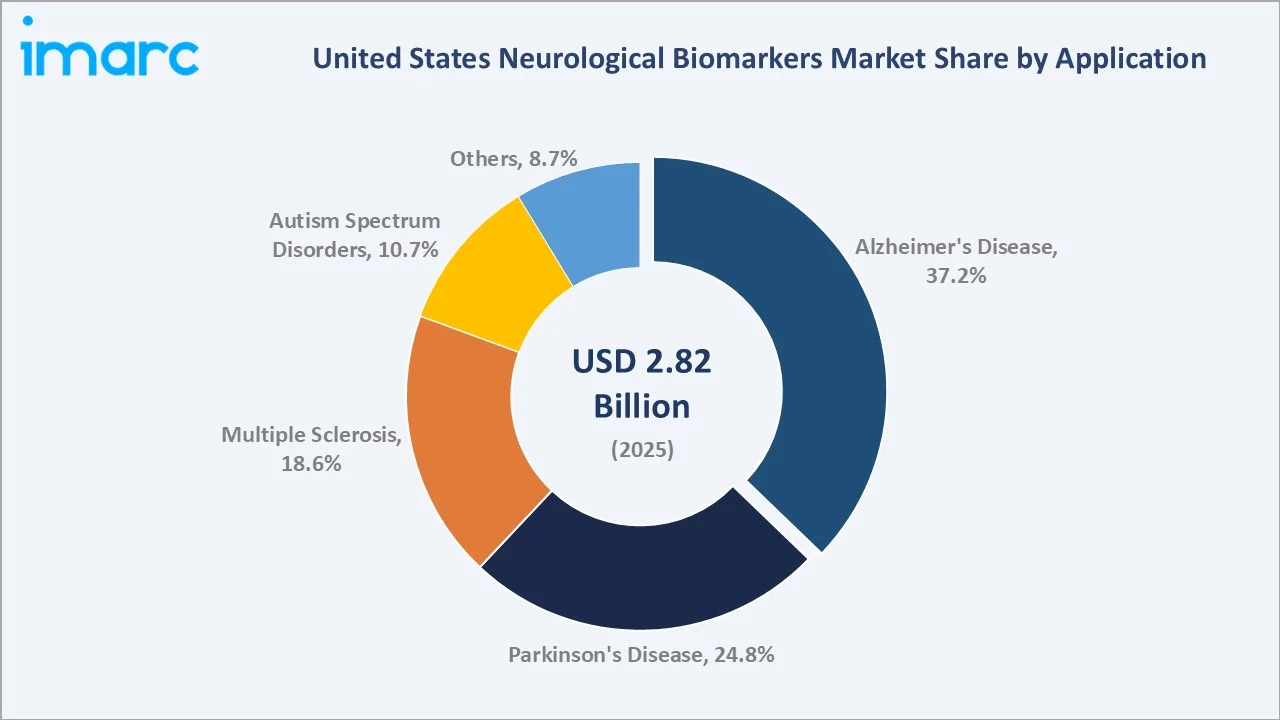
Parkinson's disease at 24.8% reflects alpha-synuclein SAA, GBA biomarker, and dopamine transporter. Multiple sclerosis at 18.6% reflects NfL plasma monitoring, oligoclonal band CSF, anti-JC virus antibody, and neurofilament monitoring for MS treatment response. Autism spectrum disorders at 10.7% reflects genomic panel and emerging neuroinflammatory biomarker. Others at 8.7% includes ALS, TBI, and rare neurological disease biomarker.
Regional Market Insights
|
Region |
Share (2025) |
Key US Neurological Biomarkers Market Drivers & Characteristics |
|
Northeast |
31.4% |
Supported by a strong concentration of academic medical centers, neurology research institutes, biotechnology companies, and leading hospitals. |
|
West |
27.6% |
Driven by robust biotechnology innovation, significant neuroscience research funding, and widespread adoption of precision medicine. |
|
South |
25.1% |
Reflecting its large patient population, rising prevalence of neurological disorders, and expanding access to advanced diagnostic services. |
|
Midwest |
15.9% |
Supported by established healthcare systems, clinical research activities, and increasing demand for early neurological disease detection. |
The Northeast leads the US neurological biomarkers market with a 31.4% share, supported by advanced hospitals, neurology research centers, and biotechnology companies. The West follows with 27.6%, driven by strong life sciences innovation and precision medicine adoption.
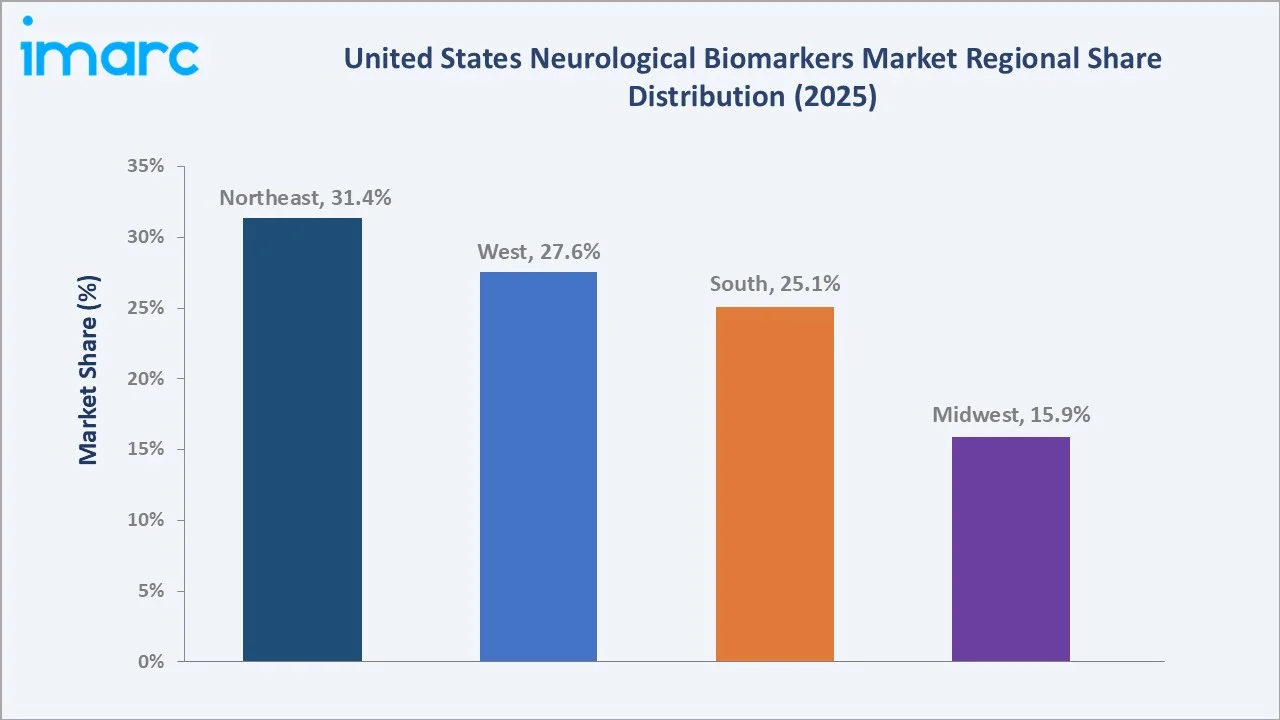
The South holds 25.1%, reflecting its large patient base and expanding diagnostic infrastructure. The Midwest accounts for 15.9%, supported by established healthcare systems and growing neurological disease screening.
Competitive Landscape
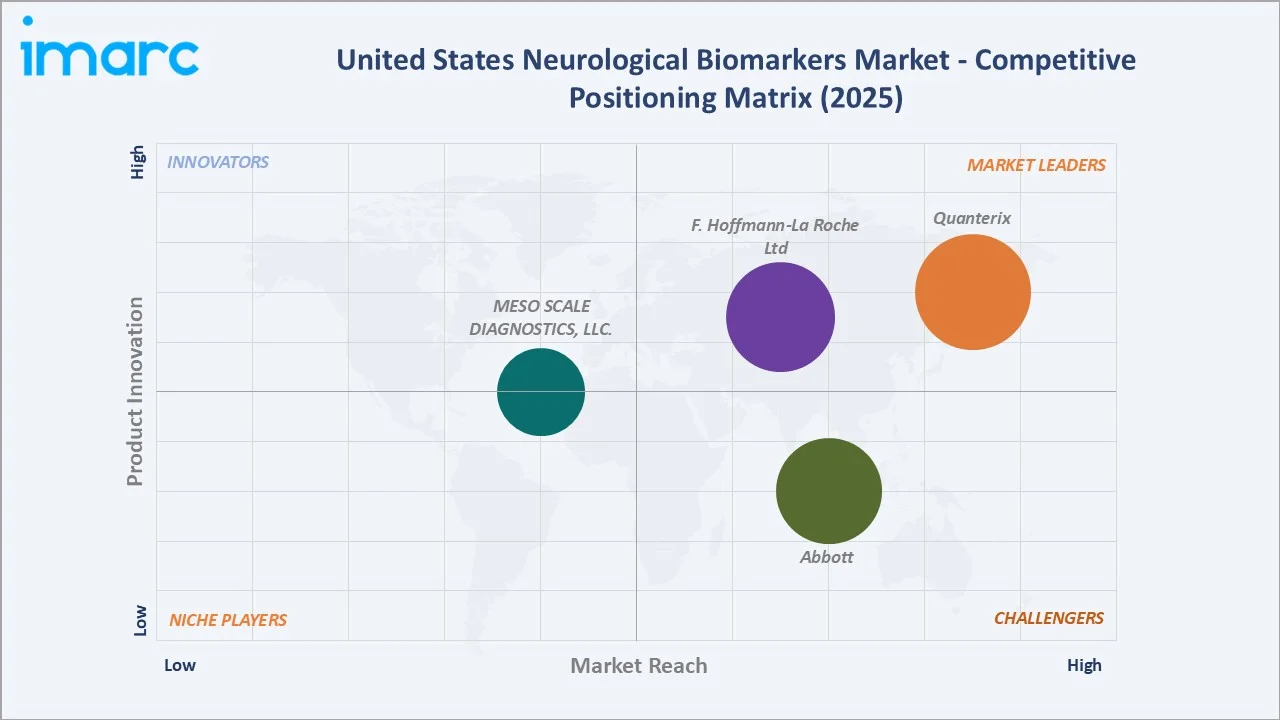
The United States neurological biomarkers market is moderately concentrated. Competition is centered on developing highly sensitive blood-based biomarkers, advanced neuroimaging solutions, and next-generation proteomic platforms for Alzheimer's, Parkinson's, and other neurological disorders. Companies are investing heavily in R&D, regulatory approvals, clinical validation studies, and strategic collaborations with pharmaceutical firms and research institutions. The growing emphasis on precision medicine, AI-enabled analytics, and biomarker-driven drug development continues to intensify competition and drive innovation across the market.
|
Company |
Key Offerings |
Market Position |
Core Strength |
|
Quanterix |
Amyloid Beta 42 Assay (Aβ42), Amyloid Beta 40 Assay (Aβ40), BD-Tau Assay Kit |
Market Leader |
Quanterix plays a pivotal role in U.S. neurology by advancing ultra-sensitive blood-based biomarkers for Alzheimer’s disease (AD), MS, and Traumatic Brain Injury (TBI) using its proprietary Simoa technology. |
|
F. Hoffmann-La Roche Ltd |
Elecsys β-Amyloid (1-42) CSF II, Elecsys Total-Tau CSF, Elecsys Phospho-Tau (181P) CSF |
Market Leader |
F. Hoffmann-La Roche Ltd is a major player in the United States neurological biomarkers market, focusing on developing blood-based and cerebrospinal fluid (CSF) assays for Alzheimer’s disease (AD) and other neurodegenerative diseases. |
|
Abbott |
Alinity i TBI |
Strong Challenger |
Abbott plays a leading role in U.S. neurological biomarkers by providing the first FDA-cleared rapid blood tests for concussion assessment. |
|
MESO SCALE DIAGNOSTICS, LLC. |
S-PLEX Neurology Panel 1 Kit |
Established Player |
Meso Scale Diagnostics, LLC. plays a foundational role in the United States neurological biomarker landscape by providing high-sensitivity electrochemiluminescence technology for measuring protein biomarkers in research, drug development, and increasingly, clinical diagnostics. |
The US neurological biomarkers competitive landscape is evolving through blood-based AD biomarker platform competition, reimbursement catalyzing mass market adoption, and alpha-synuclein SAA's anticipated FDA clearance.
Key Company Profiles
Quanterix
Quanterix is a prominent player in the US neurological biomarkers market, specializing in ultra-sensitive biomarker detection technologies for neurodegenerative diseases. The company is best known for its Single Molecule Array (Simoa) platform, which enables the measurement of extremely low concentrations of neurological biomarkers in blood and other biofluids.
- Key Offerings: Amyloid Beta 42 Assay (Aβ42), Amyloid Beta 40 Assay (Aβ40), BD-Tau Assay Kit.
- Recent Developments: In July 2025, Quanterix launched two new phospho-tau assays, p-Tau 205 and p-Tau 212, further expanding its portfolio of blood-based biomarkers for Alzheimer’s disease and neurodegeneration.
- Strategic Focus: Centered on expanding the adoption of its ultra-sensitive Simoa technology for early detection and monitoring of neurodegenerative diseases.
F. Hoffmann-La Roche Ltd
F. Hoffmann-La Roche Ltd is a leading participant in the US neurological biomarkers market, leveraging its strong diagnostics portfolio and expertise in neurodegenerative disease testing. The company offers advanced biomarker solutions for Alzheimer's disease and cognitive decline, including blood-based assays such as the Elecsys tests.
- Key Offerings: Elecsys β-Amyloid (1-42) CSF II, Elecsys Total-Tau CSF, Elecsys Phospho-Tau (181P) CSF.
- Recent Developments: In October 2025, Roche announced that the U.S. FDA cleared its Elecsys pTau181 test, a blood-based biomarker designed to support the initial assessment of Alzheimer’s disease and other causes of cognitive decline in primary care. The test is intended for patients aged 55 years and older with symptoms or concerns of cognitive decline and measures plasma pTau181, a key marker linked to Alzheimer’s disease-related amyloid plaque and tau pathology.
- Strategic Focus: Expanding its portfolio of blood-based biomarkers for Alzheimer's disease and other neurodegenerative disorders.
Market Concentration Analysis
The United States neurological biomarkers market is moderately concentrated, with a mix of large diagnostics companies and specialized biomarker technology providers competing for market share. High barriers to entry, including regulatory requirements, clinical validation needs, and significant research investments, limit the number of participants. The market is increasingly shaped by innovation in blood-based biomarkers, single-molecule detection platforms, and AI-enabled analytics. Strategic partnerships with pharmaceutical companies and research institutions further strengthen the competitive position of leading players.
Investment & Growth Opportunities
Highest Growth Segments
Metabolomic biomarkers (~15.8% CAGR), proteomic biomarkers (~14.2% CAGR), genomic biomarkers (~13.5% CAGR), Alzheimer's disease application (~12.9% CAGR), alpha-synuclein SAA Parkinson's biomarker (~30-40% CAGR from small base), and blood-based ASD genomic panel (~15-20% CAGR) represent US neurological biomarker highest-growth investment vectors through 2034.
Investment Themes
- Alpha-synuclein SAA Parkinson's biomarker: Alpha-synuclein seed amplification assay (SAA) biomarkers represent a compelling investment theme due to their potential to enable earlier and more accurate diagnosis of Parkinson’s disease. Growing regulatory support, increasing clinical trial adoption, and rising demand for disease-specific biomarkers are accelerating commercialization opportunities. These assays can improve patient stratification and treatment monitoring, making them valuable for both diagnostics and pharmaceutical research.
- Multimodal AI neurological biomarker platform: Multimodal AI neurological biomarker platforms integrating biomarker, imaging, genomic, and clinical data into a unified diagnostic framework. AI-driven analytics improve disease prediction, patient stratification, and treatment selection for disorders such as Alzheimer’s and Parkinson’s disease. These platforms support precision neurology and enhance the efficiency of clinical trials and drug development programs. Increasing adoption of AI in healthcare and the growing volume of neurological data are creating substantial opportunities for technology providers and diagnostic companies.
Future Market Outlook (2026-2034)
The United States neurological biomarkers market grew from USD 2.82 Billion in 2025 to an estimated USD 3.15 Billion in 2026 and is projected to reach USD 7.85 Billion by 2034, delivering a 11.70% CAGR over the forecast period, driven by the convergence of FDA-cleared blood AD biomarker clinical mass adoption, anti-amyloid CDx demand expansion, alpha-synuclein SAA Parkinson's biomarker commercialization, and genomic-proteomic-metabolomic multi-omics neurological biomarker integration. The market's anchor value of USD 4.90 Billion in 2030 represents the US neurological biomarker market at commercial transformation.
Three structural forces define US neurological biomarker growth through 2034. First, the rising prevalence of Alzheimer’s disease, Parkinson’s disease, and other neurodegenerative disorders is increasing demand for early and accurate diagnosis. Second, advancements in blood-based biomarkers, single-molecule detection technologies, and multi-omics platforms are making neurological testing more accessible and clinically useful. Third, growing adoption of precision medicine and biomarker-guided drug development is driving integration of biomarkers into clinical trials, treatment selection, and disease monitoring.
Research Methodology
Primary Research
Primary research comprised in-depth interviews with neurologists, neuroscientists, diagnostic laboratory professionals, biomarker technology providers, pharmaceutical companies, and healthcare administrators. These discussions provided insights into biomarker adoption trends, diagnostic practices, clinical utility, technology preferences, and future demand patterns. Feedback from industry participants also helped validate market sizing, competitive dynamics, regulatory developments, and investment opportunities within the US neurological biomarkers market.
Secondary Research
Secondary research encompassed the analysis of company annual reports, investor presentations, regulatory filings, scientific journals, clinical trial databases, and industry publications related to neurological biomarkers. It also included the review of FDA approvals, neuroscience research studies, healthcare databases, and government statistics on neurological disorders. Information from biotechnology companies, academic institutions, and professional associations was used to validate market trends, technology developments, competitive dynamics, and growth opportunities in the US neurological biomarkers market.
Forecasting Models
Market revenue forecasts developed using clinical adoption and CDx demand model: US neurological biomarker test volume multiplied by average per-test reimbursement by biomarker type.
United States Neurological Biomarkers Market Report Coverage:
| Report Features | Details |
|---|---|
| Base Year of the Analysis | 2025 |
| Historical Period | 2020-2025 |
| Forecast Period | 2026-2034 |
| Units | Billion USD |
| Scope of the Report | Exploration of Historical and Forecast Trends, Industry Catalysts and Challenges, Segment-Wise Historical and Predictive Market Assessment:
|
| Types Covered | Genomic Biomarkers, Proteomic Biomarkers, Metabolomic Biomarkers, Imaging Biomarkers, Others |
| Applications Covered | Alzheimer's Disease, Parkinson's Disease, Multiple Sclerosis, Autism Spectrum Disorders, Others |
| End Uses Covered | Hospital Laboratories, Clinical Diagnostic Centers, Research Organizations, Others |
| Regions Covered | Northeast, Midwest, South, West |
| Companies Covered | Quanterix, F. Hoffmann-La Roche Ltd, Abbott, MESO SCALE DIAGNOSTICS LLC., etc. |
| Customization Scope | 10% Free Customization |
| Post-Sale Analyst Support | 10-12 Weeks |
| Delivery Format | PDF and Excel through Email (We can also provide the editable version of the report in PPT/Word format on special request) |
Key Benefits for Stakeholders:
- IMARC’s industry report offers a comprehensive quantitative analysis of various market segments, historical and current market trends, market forecasts, and dynamics of the United States neurological biomarkers market from 2020-2034
- The research report provides the latest information on the market drivers, challenges, and opportunities in the United States neurological biomarkers market.
- Porter's five forces analysis assist stakeholders in assessing the impact of new entrants, competitive rivalry, supplier power, buyer power, and the threat of substitution. It helps stakeholders to analyze the level of competition within the United States neurological biomarkers industry and its attractiveness.
- Competitive landscape allows stakeholders to understand their competitive environment and provides an insight into the current positions of key players in the market.
Frequently Asked Questions About the United States Neurological Biomarkers Market Report
The United States neurological biomarkers market size is estimated at USD 3.15 Billion in 2026, driven by the rising burden of Alzheimer’s, Parkinson’s, multiple sclerosis, and other neurological disorders. Growing demand for early diagnosis, disease monitoring, and precision neurology is increasing biomarker adoption. Advances in blood-based testing, imaging biomarkers, single-molecule platforms, and AI-driven analysis are further supporting market growth.
The US neurological biomarkers market grows at 11.70% CAGR during 2026-2034, reaching USD 7.85 Billion by 2034. The CAGR reflects anti-amyloid CDx demand, FDA-cleared blood AD biomarker clinical adoption, CMS reimbursement potential, alpha-synuclein SAA anticipated FDA clearance, and multi-omics biomarker platform advancement.
Imaging biomarkers lead at 33.8% due to their strong clinical use in diagnosing and monitoring Alzheimer’s disease, Parkinson’s disease, multiple sclerosis, stroke, and brain tumors. MRI, PET, and CT-based tools provide detailed brain structure and function insights, supporting accurate disease assessment and treatment planning.
Alzheimer's disease leads at 37.2% due to its high and growing prevalence among the aging US population, creating significant demand for early detection and disease monitoring. The increasing availability of amyloid, tau, and blood-based biomarkers, along with the emergence of disease-modifying therapies, is further driving biomarker adoption in Alzheimer's care.
The Northeast leads at 31.4% due to its strong concentration of academic medical centers, neurology hospitals, research institutes, and biotechnology companies. High healthcare spending, advanced diagnostic infrastructure, and early adoption of imaging and blood-based biomarker technologies further support regional dominance.
Leading companies include Quanterix, F. Hoffmann-La Roche Ltd, Abbott, and MESO SCALE DIAGNOSTICS, LLC., among others.
The market is projected to reach approximately USD 4.90 Billion by 2030, reflecting strong mid-term growth in neurological biomarker adoption. This expansion will be supported by rising Alzheimer’s and Parkinson’s disease testing, increasing use of blood-based biomarkers, and wider adoption of advanced imaging and AI-enabled diagnostic tools. Hospitals, diagnostic labs, and pharmaceutical companies are expected to remain key demand drivers.
Three priority investment opportunities: blood-based Alzheimer’s biomarker platforms, AI-enabled neurological biomarker analytics, and Parkinson’s disease biomarker ecosystem.
Need more help?
- Speak to our experienced analysts for insights on the current market scenarios.
- Include additional segments and countries to customize the report as per your requirement.
- Gain an unparalleled competitive advantage in your domain by understanding how to utilize the report and positively impacting your operations and revenue.
- For further assistance, please connect with our analysts.
 Request Customization
 Speak to an Analyst
 Request Brochure
 Inquire Before Buying
Benefits of Customization
- Personalize this research
- Triangulate with your data
- Get data as per your format and definition
- Gain a deeper dive into a specific application, geography, customer, or competitor
- Any level of personalization
Get in Touch With Us
UNITED STATES
Phone: +1-201-971-6302
INDIA
Phone: +91-120-433-0800
UNITED KINGDOM
Phone: +44-753-714-6104
Email: [email protected]
Client Testimonials




.webp)




.webp)













Related Reports

Choose your plan
*Please note that the prices mentioned below are starting prices for each bundle type. Kindly contact our team for further details.*
Single User License
- 1 User License, Access on 2 Devices
- PDF Report + Excel Dataset (Password Protected)
- Lifetime Access
- No Printing Rights
- 10% Free Report Customization
- 10–12 Weeks of Analyst Support
Five User License
- Access for 5 Users, 2 Devices per User
- PDF Report + Excel Dataset (Password Protected)
- Lifetime Access
- Dedicated Account Manager
- 12–14 Weeks of Analyst Support
- No Printing Rights
- 15% Free Report Customization
- 25% Discount on Your Next Purchase
Corporate User License
- Unlimited User Access (Within Your Organization)
- PDF Report + Excel Dataset
- Lifetime Access
- Dedicated Account Manager
- 14–20 Weeks of Analyst Support
- No Printing Rights
- 20% Free Report Customization
- 30% Discount on Your Next Purchase
Essential Insights
What's included:
3 reports
- Lifetime Access
- PDF Reports
- Excel Datasets
- 2 Weeks of Free Analyst Support
- 2 User Licenses
- Access on 2 Devices
- Printing Rights
- Complimentary PowerPoint (PPT) Version
- Complimentary License Upgrade
Professional Access
What's included:
5 reports
- Lifetime Access
- PDF Reports
- Excel Datasets
- 8 Weeks of Free Analyst Support
- 2 User Licenses
- Access on 2 Devices
- Printing Rights
- Complimentary PowerPoint (PPT) Version
- Complimentary License Upgrade
Business Advantage
What's included:
8 reports
- Lifetime Access
- PDF Reports
- Excel Datasets
- 14 Weeks of Free Analyst Support
- 2 User Licenses
- Access on 2 Devices
- Printing Rights
- Complimentary PowerPoint (PPT) Version
- Complimentary License Upgrade
Enterprise Intelligence
What's included:
10 reports
- Lifetime Access
- PDF Reports
- Excel Datasets
- 20 Weeks of Free Analyst Support
- 2 User Licenses
- Access on 2 Devices
- Printing Rights
- Complimentary PowerPoint (PPT) Version
- Complimentary License Upgrade