
Veterinary Vaccines Market Size, Share, Trends and Forecast by Vaccine Type, Technology, Route of Administration, Distribution Channel, and Region 2026-2034
Veterinary Vaccines Market Size, Share, Trends & Forecast (2026-2034)
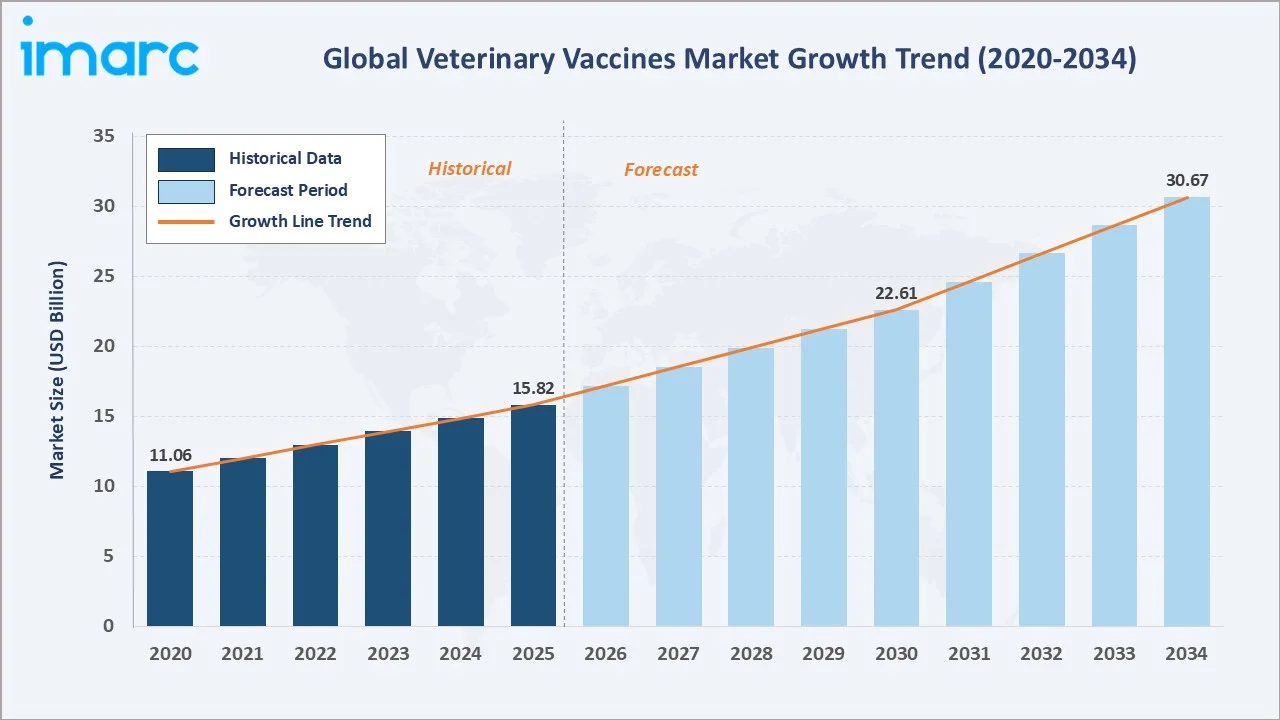
The global veterinary vaccines market reached USD 15.82 Billion in 2025 and is projected to reach USD 30.67 Billion by 2034, growing at a CAGR of 7.41% during 2026-2034. The market is driven by the rising prevalence of infectious diseases in animals, increasing awareness of zoonotic disease prevention, and growing adoption of vaccination programs in pets and livestock. Rabies is fully preventable through vaccination, and control programs focus on immunizing key reservoir species, primarily dogs, requiring coverage of over 70% of the population to stop disease transmission. This need for high-coverage canine vaccination drives demand for veterinary rabies vaccines, expanding the market globally. Livestock vaccines dominate at 63.8%. Subcutaneous administration leads at 46.8%. North America commands 36.4% of the global market share.
Market Snapshot
|
Metric |
Value |
|
Market Size (2025) |
USD 15.82 Billion |
|
Forecast Market Size (2034) |
USD 30.67 Billion |
|
CAGR (2026-2034) |
7.41% |
|
Base Year |
2025 |
|
Historical Period |
2020-2025 |
|
Forecast Period |
2026-2034 |
|
Dominant Vaccine Type |
Livestock Vaccines (63.8%, 2025) |
|
Dominant Route of Administration |
Subcutaneous (46.8%, 2025) |
|
Leading Region |
North America (36.4%, 2025) |
The market expanded from USD 11.06 Billion in 2020 to USD 15.82 Billion in 2025, anchored at USD 22.61 Billion in 2030, and forecast to reach USD 30.67 Billion by 2034. COVID-19 paradoxically accelerated long-term veterinary vaccine demand. Pandemic-era pet adoption created a new cohort of first-time companion animal owners requiring core vaccination programs, while COVID-19 supply chain disruptions in livestock production heightened farmer awareness of disease prevention as a risk management priority, sustainably elevating livestock vaccine investment.
To get more information on this market, Request Sample
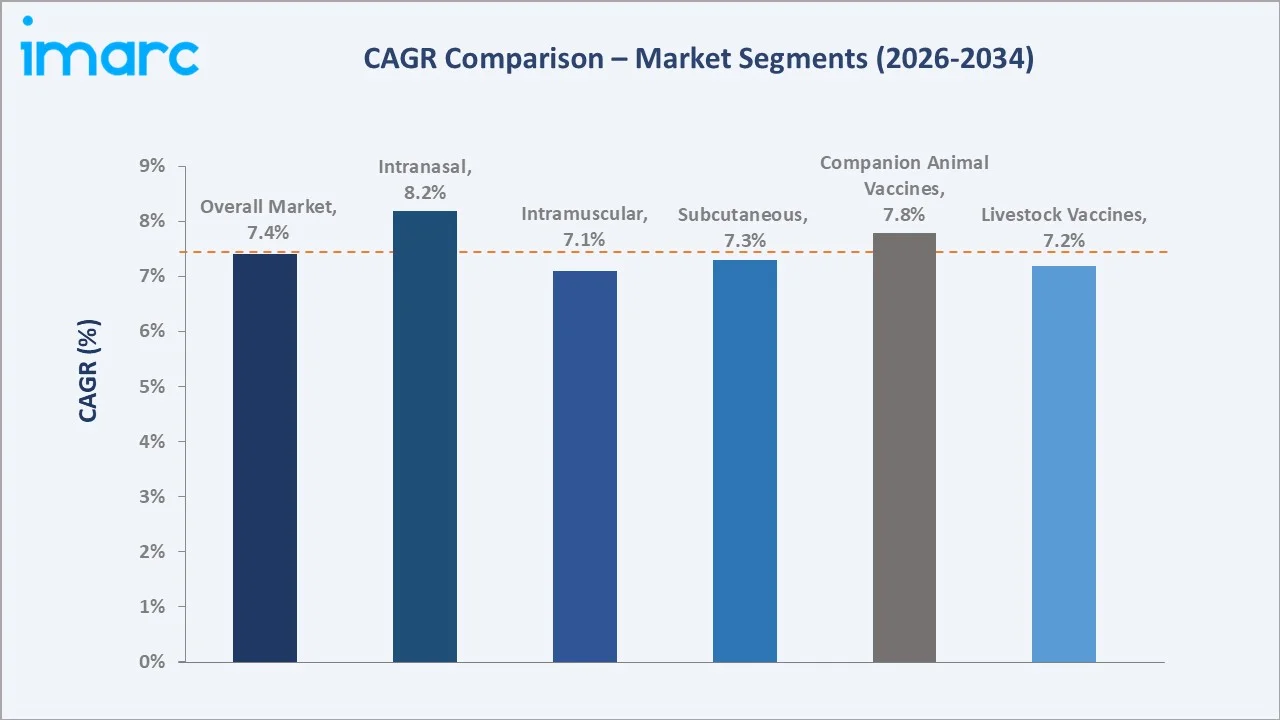
Companion animal vaccines grow fastest at ~7.8% CAGR as pet humanisation drives premiumization and telehealth veterinary platforms improve compliance. Intranasal route grows fastest at ~8.2% CAGR through needle-free vaccines, intranasal influenza vaccines, and the emerging mucosal immunity advantages demonstrated for respiratory pathogen vaccines in swine and cattle.
Executive Summary
The global veterinary vaccines market reached USD 15.82 Billion in 2025, representing the convergence of three major global health imperatives: food security requiring disease control in the livestock population, companion animal welfare in an era of unprecedented pet ownership, and preparedness recognising that animal disease prevention is the first line of defence against zoonotic pandemic pathogens. The market is projected to reach USD 30.67 Billion by 2034.
Livestock vaccines at 63.8% dominate through the volume-driven demand of commercial poultry, swine, cattle, and aquaculture sectors. Subcutaneous at 46.8% leads administration routes through its established suitability for killed/inactivated vaccine delivery, requiring depot formation at the injection site, generating the slow antigen release that optimises immune response for the majority of commercially available livestock and companion animal killed vaccines. North America, at 36.4%, leads globally through the US leading companion animal vaccine compliance and the largest per-capita livestock vaccine investment intensity of any major market.
Key Market Insights
|
Insight |
Data |
|
Dominant Vaccine Type |
Livestock Vaccines - 63.8% share (2025) |
|
Dominant Route of Administration |
Subcutaneous - 46.8% market share (2025) |
|
Leading Region |
North America - 36.4% market share (2025) |
|
Market Opportunity |
Poultry vaccine commercial programs; swine vaccine launch; India livestock scale-up; mRNA vaccine platforms; non-core companion animal expansion; aquaculture vaccine new species |
Key Analytical Observations Supporting The Above Data:
- Livestock vaccines at 63.8%: The livestock vaccines dominate the market due to high demand for disease prevention in cattle, poultry, and swine, coupled with the economic importance of livestock health for food production and trade.
- Subcutaneous at 46.8%: The subcutaneous administration offers ease of administration, improved safety, and effective immune response in animals, making it the preferred delivery method for both livestock and companion animal vaccines.
- North America at 36.4%: North America dominates the market due to well-established livestock and companion animal healthcare infrastructure, high adoption of vaccination programs, and strong regulatory support for disease prevention initiatives.
Veterinary Vaccines Market Overview
The global veterinary vaccines market encompasses the research, development, manufacturing, regulatory approval, distribution, and clinical administration of biological products providing active immunological protection against infectious and parasitic diseases in companion animals (dogs, cats, horses, rabbits, ferrets, birds) and production animals (cattle, swine, poultry, sheep, goats, aquaculture fish, camelids). The market includes live attenuated vaccines, inactivated/killed vaccines, recombinant subunit vaccines, viral vector vaccines, DNA plasmid vaccines, and the emerging mRNA lipid nanoparticle vaccines that represent the technology frontier.
The ecosystem integrates vaccine R&D centres, manufacturing facilities, cold chain distributors, veterinary practice prescribers, production animal vaccination programs, and end users. Macroeconomic factors include rising global investment in animal health, increasing livestock production, and government support for disease prevention programs.
Market Dynamics
To evaluate market opportunities, Request Sample
Market Drivers
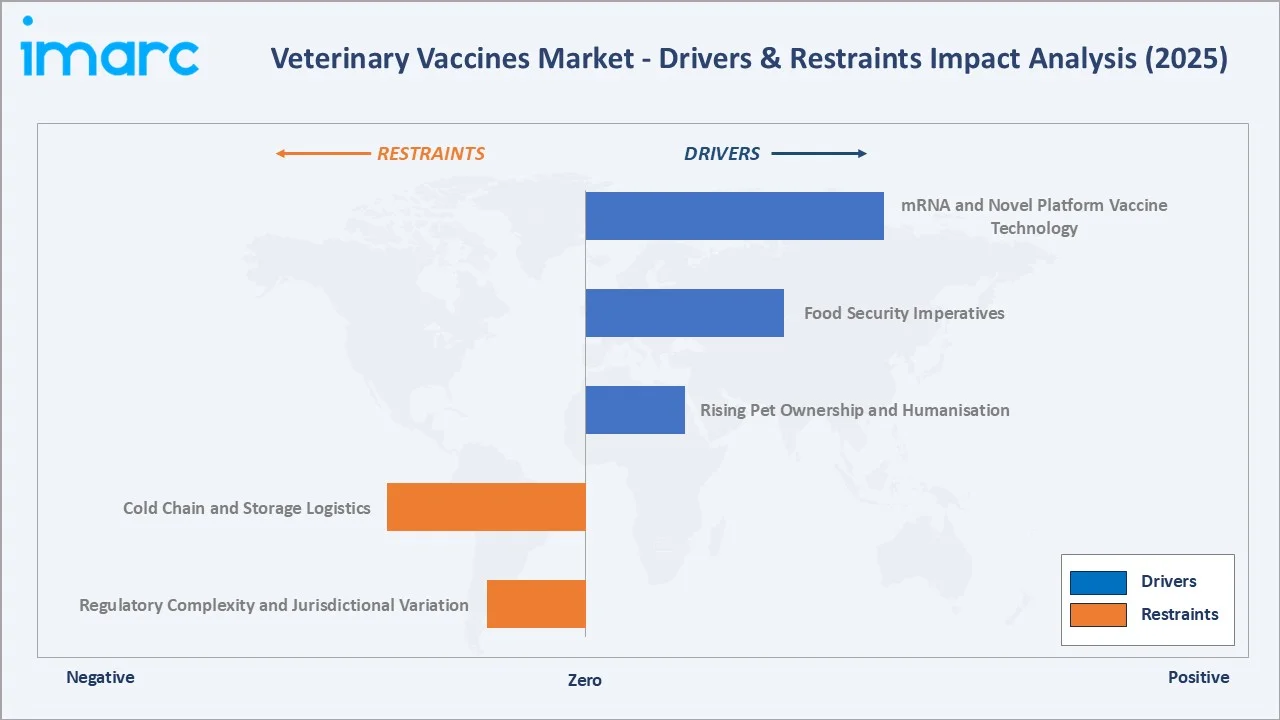
- Rising Pet Ownership and Humanisation: The United States is the top country in the world for both dogs and cats, with approximately 70 million domestic dogs and 74 million domestic cats. This rising pet ownership and humanization are driving the market by increasing demand for preventive healthcare in companion animals, as owners increasingly treat pets like family members. This trend leads to higher vaccination rates, adoption of advanced vaccines, and willingness to spend on regular veterinary care, thereby expanding market growth and creating opportunities for innovative animal health products.
- Food Security Imperatives: Food security imperatives emphasize the health and productivity of livestock to ensure a stable and safe food supply. Preventing animal diseases reduces mortality and improves yield in cattle, poultry, and swine, helping meet growing global food demand and supporting national and international food security goals, which in turn fuels vaccine adoption and market growth.
- mRNA and Novel Platform Vaccine Technology: mRNA and novel platform vaccine technology are enabling faster, more precise, and customizable vaccine development for animals. These technologies support rapid response to emerging diseases, improved immune responses, and the creation of next-generation vaccines, boosting adoption in both livestock and companion animals and accelerating market growth. In February 2024, the University of Pennsylvania (Penn) School of Veterinary Medicine launched the mRNA Research Initiative to fast-track the development of veterinary mRNA-based vaccines and host-directed therapies. This initiative enhances the adoption of novel vaccine platforms, enabling faster response to emerging animal diseases, more precise immunity, and next-generation preventive solutions, thereby driving innovation and growth in the veterinary vaccines market.
Market Restraints
- Regulatory Complexity and Jurisdictional Variation: Regulatory complexity and jurisdictional variation create lengthy approval processes, inconsistent safety and efficacy requirements, and delays in market entry across different regions. These challenges increase development costs, complicate global distribution strategies, and can limit timely access to innovative vaccines for livestock and companion animals, slowing overall market growth.
- Cold Chain and Storage Logistics: Cold chain and storage logistics pose challenges in maintaining required temperature conditions during storage and transportation, especially in remote or resource-limited regions. These constraints increase operational costs, risk vaccine spoilage, and limit the timely delivery of vaccines, which can slow adoption and restrict market expansion globally.
Market Opportunities
- African Swine Fever Vaccine Commercialisation: African Swine Fever (ASF) vaccine commercialization addresses a highly contagious and economically devastating disease in swine populations. Successful ASF vaccines can drive mass vaccination programs, reduce livestock losses, and create new revenue streams, particularly in regions heavily affected by outbreaks, thereby expanding the market for swine-targeted veterinary vaccines.
- Aquaculture Vaccine Expansion: Aquaculture vaccine expansion addresses the growing demand for disease prevention in farmed fish and seafood. Increasing aquaculture production, rising awareness of fish health management, and the need to reduce antibiotic use are driving the adoption of specialized vaccines, opening new revenue streams and supporting sustainable aquaculture practices globally.
Market Challenges
- Trade Restriction Policies for Vaccinated Livestock: Trade restriction policies for vaccinated livestock limit the movement and export of animals even after vaccination, due to regulatory or disease-free certification requirements. These restrictions reduce market accessibility, discourage vaccine adoption in certain regions, and create economic uncertainties for producers, ultimately slowing market growth.
- Generic Vaccine Competition and Commodity Pricing Pressures: Generic vaccine competition and commodity pricing pressures are driving down profit margins for originator products. Increased availability of low-cost generics and pricing pressures in commodity livestock markets limit revenue potential, reduce incentives for innovation, and intensify competition among manufacturers, ultimately slowing overall market growth.
Emerging Market Trends
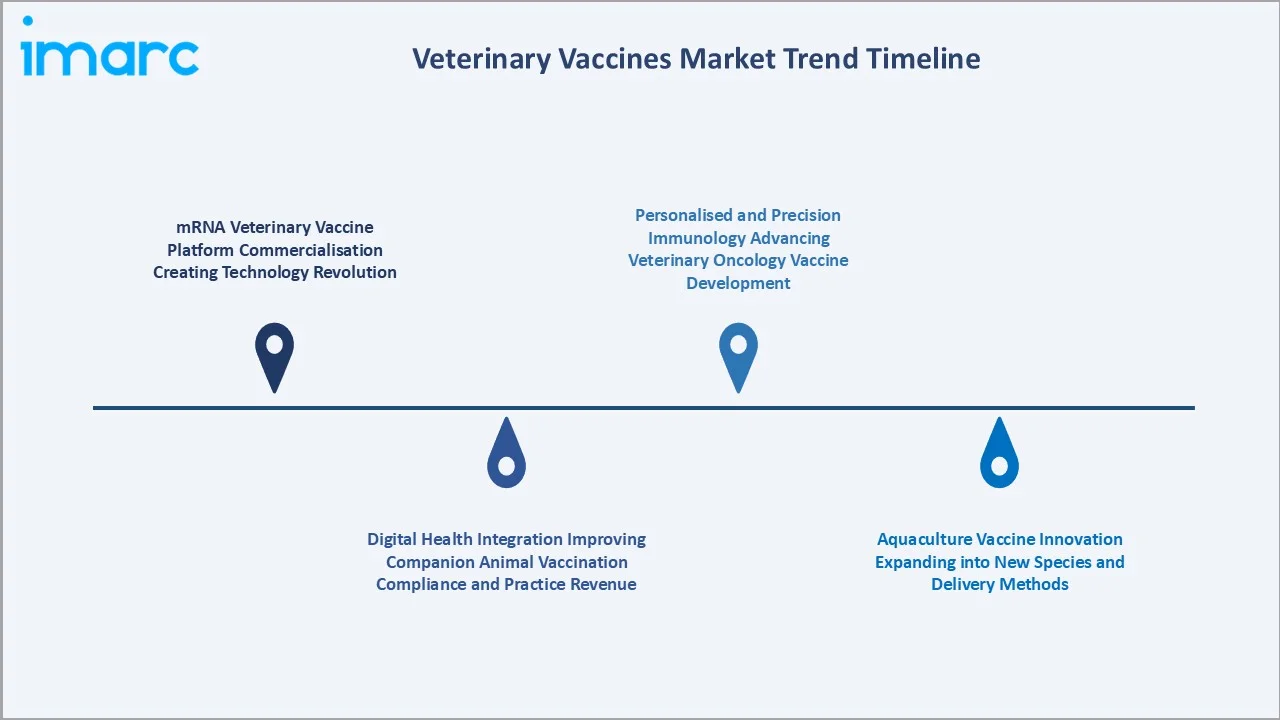
1. mRNA Veterinary Vaccine Platform Commercialisation Creating Technology Revolution
The commercialization of mRNA veterinary vaccine platforms enables the rapid development of customizable, precise, and highly effective vaccines for animals. This innovation supports next-generation vaccine design, faster response to emerging diseases, and improved immune protection, creating a technological revolution that enhances both livestock and companion animal health while expanding market opportunities. In January 2026, CD Bioparticles introduced an advanced animal mRNA vaccine platform to speed up the creation of innovative, customized veterinary vaccines. The platform offers capabilities in sequence optimization, mRNA synthesis, lipid nanoparticle (LNP) formulation, and preclinical testing.
2. Digital Health Integration Improving Companion Animal Vaccination Compliance and Practice Revenue
Digital health integration is enhancing vaccination compliance among companion animals through apps, reminders, and telehealth tools. This technology improves record-keeping, streamlines practice workflows, increases owner engagement, and boosts clinic revenue, while supporting higher uptake of preventive vaccines and overall animal health.
3. Aquaculture Vaccine Innovation Expanding into New Species and Delivery Methods
Aquaculture vaccine innovation is expanding vaccine development to new aquatic species and exploring alternative delivery methods, such as oral or immersion vaccines. These advancements enhance disease prevention, improve fish health, reduce reliance on antibiotics, and increase adoption across diverse aquaculture operations, driving growth in the veterinary vaccines market.
4. Personalised and Precision Immunology Advancing Veterinary Oncology Vaccine Development
Personalized and precision immunology enables the development of tailored oncology vaccines for animals based on genetic, molecular, and immune profiling. This approach allows for more effective and targeted cancer prevention and treatment, improved immune responses, and reduced off-target effects, driving innovation and expanding opportunities in veterinary oncology.
Industry Value Chain Analysis
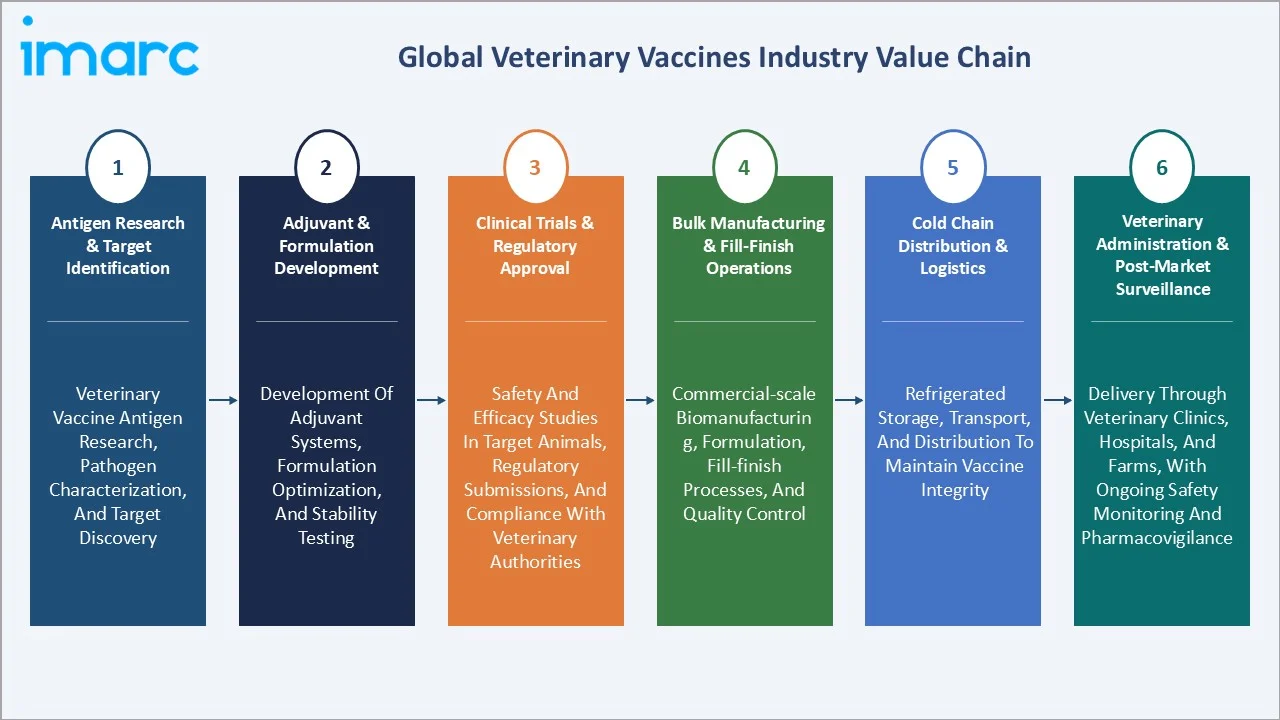
The veterinary vaccines value chain integrates antigen research and target identification, adjuvant and formulation development, clinical trials and regulatory approval, bulk manufacturing and fill-finish operations, cold chain distribution and logistics, and veterinary administration and post-market surveillance.
|
Stage |
Key Participants |
| Antigen Research & Target Identification | Veterinary vaccine antigen research, pathogen characterization, and target discovery |
| Adjuvant & Formulation Development | Development of adjuvant systems, formulation optimization, and stability testing |
| Clinical Trials & Regulatory Approval | Safety and efficacy studies in target animals, regulatory submissions, and compliance with veterinary authorities |
| Bulk Manufacturing & Fill-Finish Operations | Commercial-scale biomanufacturing, formulation, fill-finish processes, and quality control |
| Cold Chain Distribution & Logistics | Refrigerated storage, transport, and distribution to maintain vaccine integrity |
| Veterinary Administration & Post-Market Surveillance | Delivery through veterinary clinics, hospitals, and farms, with ongoing safety monitoring and pharmacovigilance |
The cold chain distribution and logistics tier represents the value chain's most operationally challenging component in developing market contexts. Maintaining an uninterrupted vaccine cold chain from the manufacturing facility through national distributors, regional wholesalers, local veterinary clinics, and individual farm administration points requires infrastructure investment that limits effective distribution range in countries without reliable rural electricity and refrigeration.
Technology Landscape in the Veterinary Vaccines Industry
Live Attenuated and Modified Live Vaccines
Live attenuated and modified live vaccines provide robust, long-lasting immunity through controlled exposure to weakened pathogens. This technology supports enhanced disease prevention in livestock and companion animals, reduces the need for frequent boosters, and facilitates combination vaccine development. As a result, it drives innovation in vaccine formulation, delivery methods, and broad-spectrum protection strategies, establishing a strong technological foundation in veterinary immunization.
Recombinant Vector and Subunit Vaccines
Recombinant vector and subunit vaccines enable targeted immune responses using specific antigens without introducing whole pathogens. This technology allows for safer vaccines, customization for multiple species, and combination formulations, supporting innovation in precision vaccination, improved safety profiles, and scalable production methods, thereby establishing a versatile and advanced technological landscape in veterinary immunization.
DNA and RNA Technology Vaccines
DNA and RNA technology vaccines are leveraging genetic material to induce precise and robust immune responses in animals. This platform enables rapid development against emerging pathogens, scalable production, and tailored immunity for multiple species, driving innovation in next-generation vaccines, personalized veterinary medicine, and flexible immunization strategies, thereby establishing a cutting-edge technological landscape. In May 2026, the Committee for Veterinary Medicinal Products (CVMP) at the European Medicines Agency (EMA) recommended marketing authorization for Nobivac NXT HCPChFeLV, marking the first veterinary vaccine to use self-amplifying RNA (saRNA). The approval exemplifies the integration of DNA and RNA vaccine platforms into veterinary medicine, showcasing the potential of self-amplifying RNA technology for rapid, precise, and scalable vaccine development.
Market Segmentation Analysis
The report covers the following segments:
| Segment Category | Leading Segment | Market Share | Year |
|---|---|---|---|
| Vaccine Type | Livestock Vaccines | 63.8% | 2025 |
| Technology | 🔒 | 🔒 | 2025 |
| Route of Administration | Subcutaneous | 46.8% | 2025 |
| Distribution Channel | 🔒 | 🔒 | 2025 |
| Region | North America | 36.4% | 2025 |

By Vaccine Type
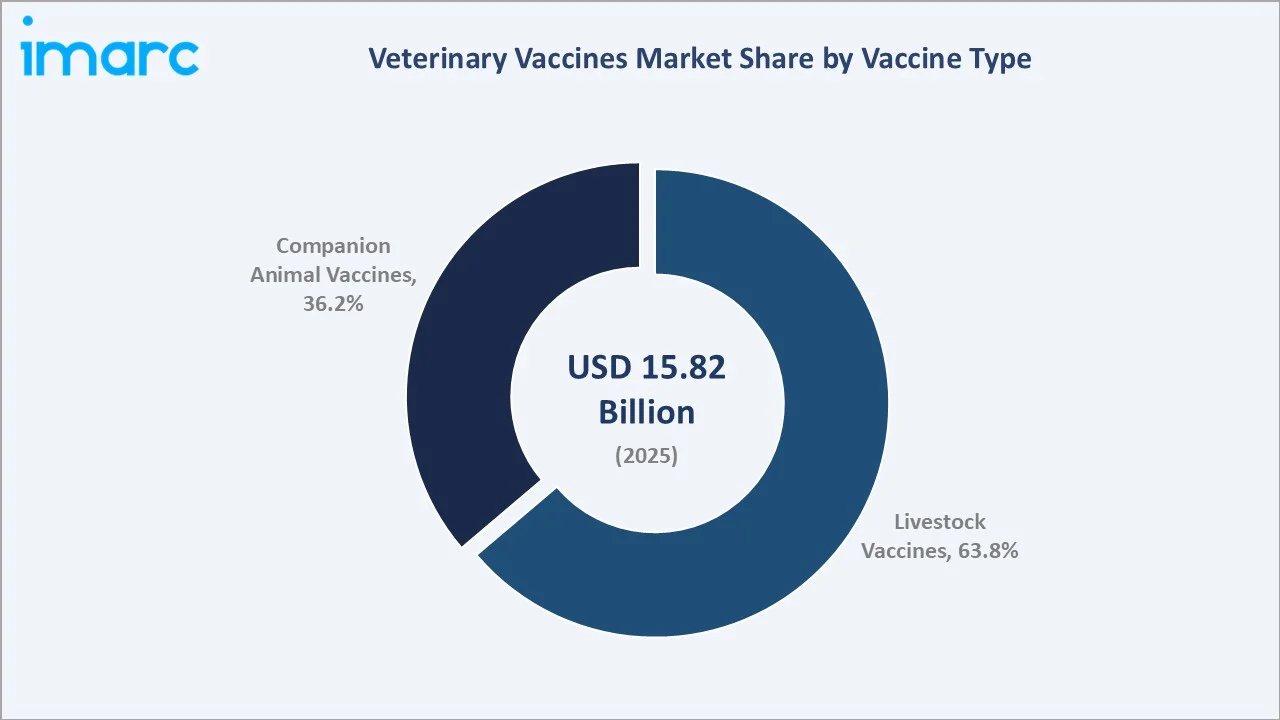
Livestock vaccines lead at 63.8% market share (2025). Livestock vaccines encompass poultry vaccines, swine vaccines, cattle vaccines, and aquaculture, sheep, and goat vaccines.
To access detailed market analysis, Request Sample
Companion animal vaccines at 36.2% grow fastest at ~7.8% CAGR through core vaccination compliance improvement, non-core vaccine expansion, and equine vaccines.
By Route of Administration
Subcutaneous leads at 46.8% market share (2025). Subcutaneous injection is the standard route for all killed/inactivated companion animal core vaccines, oil-adjuvanted cattle killed vaccines, cattle clostridial bacterins, and equine vaccines, creating the largest single route revenue category through its breadth of application across species and vaccine types.
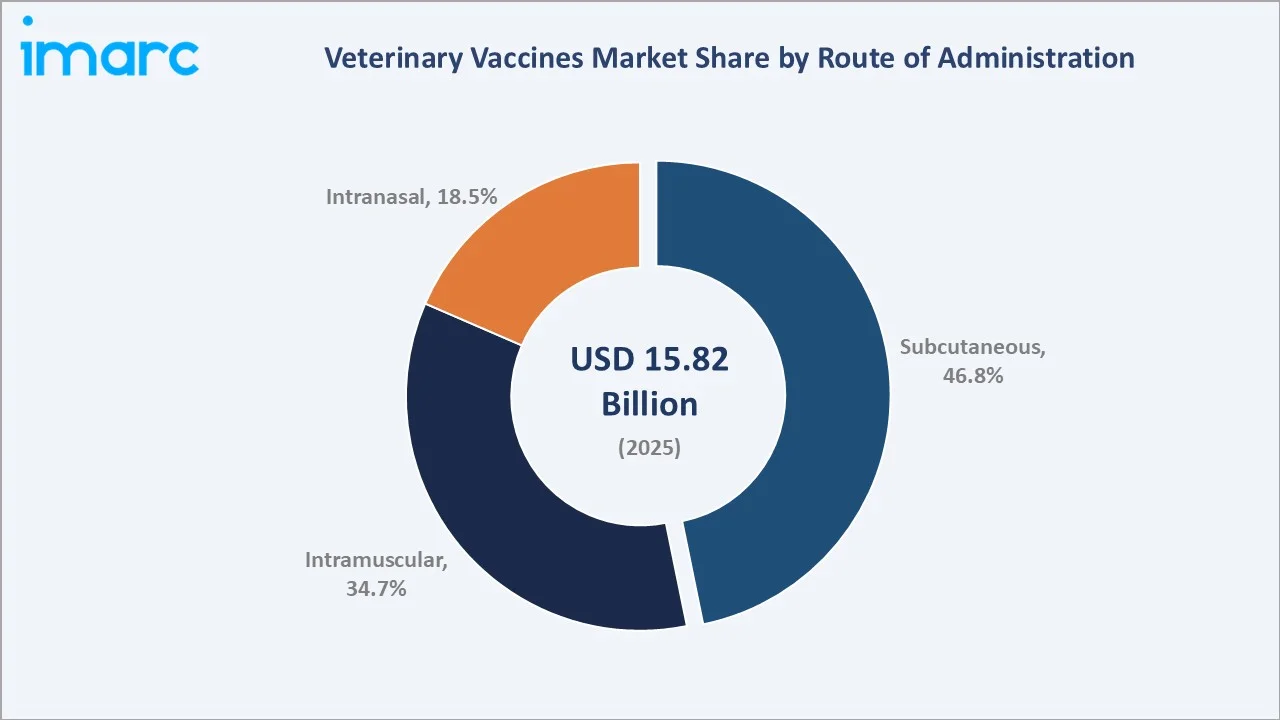
Intramuscular at 34.7% serves swine, cattle, and companion animal vaccines where the specific manufacturer label specifies IM administration. Intranasal at 18.5% grows fastest at ~8.2% CAGR through canine cough intranasal, bovine intranasal respiratory vaccines, and the expanding needle-free delivery landscape for poultry spray vaccination.
Regional Market Insights
|
Region |
Share (2025) |
Key Veterinary Vaccines Market Drivers & Characteristics |
|
North America |
36.4% |
Driven by advanced animal healthcare infrastructure, high pet ownership, and strong livestock production. |
|
Europe |
27.5% |
Supported by well-established regulatory frameworks, extensive livestock populations, and growing preventive healthcare adoption. |
|
Asia Pacific |
24.1% |
Driven by expanding livestock and aquaculture industries, rising pet ownership, and increasing awareness of animal health and disease prevention. |
|
Latin America |
7.1% |
Growth reflects the region’s large livestock base, focus on red meat exports, and emerging veterinary healthcare infrastructure, though adoption is limited by economic constraints. |
|
Middle East and Africa |
4.9% |
Smallest by revenue, with growth driven by emerging veterinary healthcare systems, government disease control programs, and increasing focus on livestock productivity and food security. |
North America, at 36.4%, leads through US companion animal vaccination compliance, comprehensive livestock vaccine licensing infrastructure, and the highest per-animal vaccine expenditure of any major market. Europe, at 27.5%, reflects EU harmonised regulatory approval, national control programmes, mandatory poultry vaccination, and high companion animal vaccination compliance in Western European markets. Asia-Pacific, at 24.1%, is the fastest-growing region through India's government-funded livestock vaccination programs and China's evolving commercial livestock vaccination infrastructure.
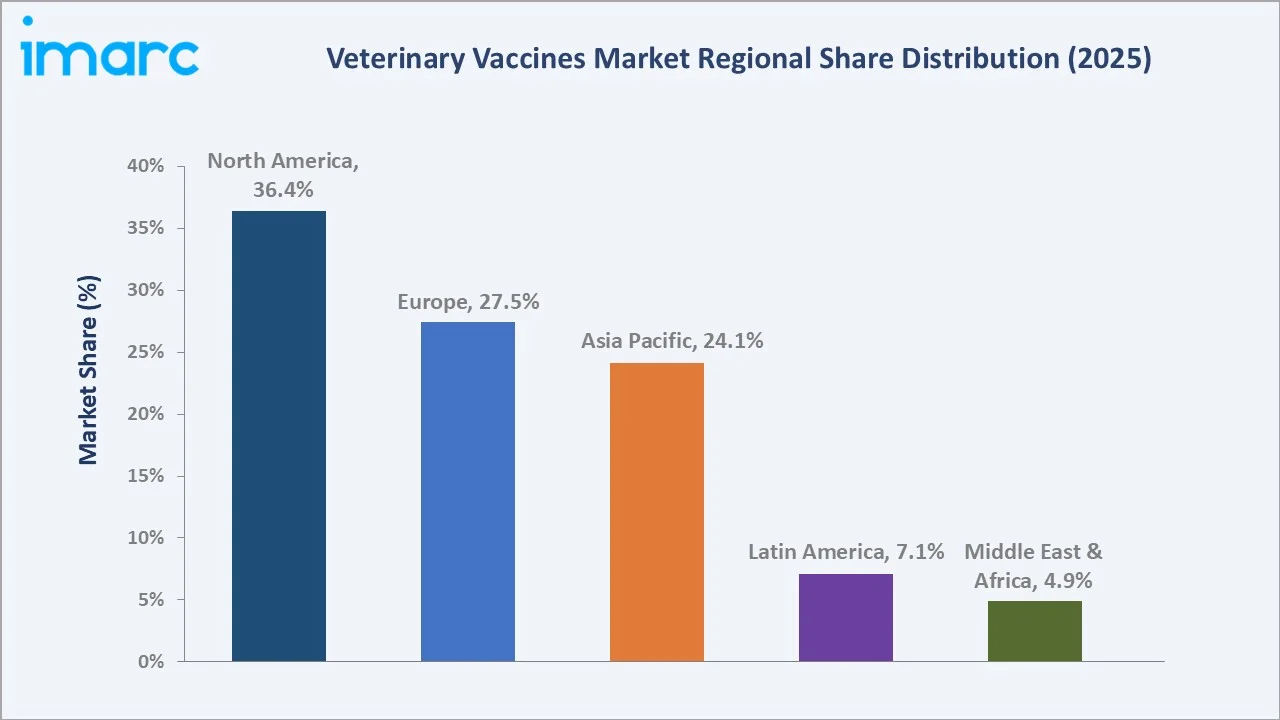
Latin America, at 7.1%, reflects Brazil and Argentina's meat-export-compliance-driven mandatory livestock vaccination programs and growing companion animal market in urban Brazil. MEA, at 4.9%, encompasses GCC commercial livestock vaccination alongside public health vaccination programs across sub-Saharan Africa.
Competitive Landscape
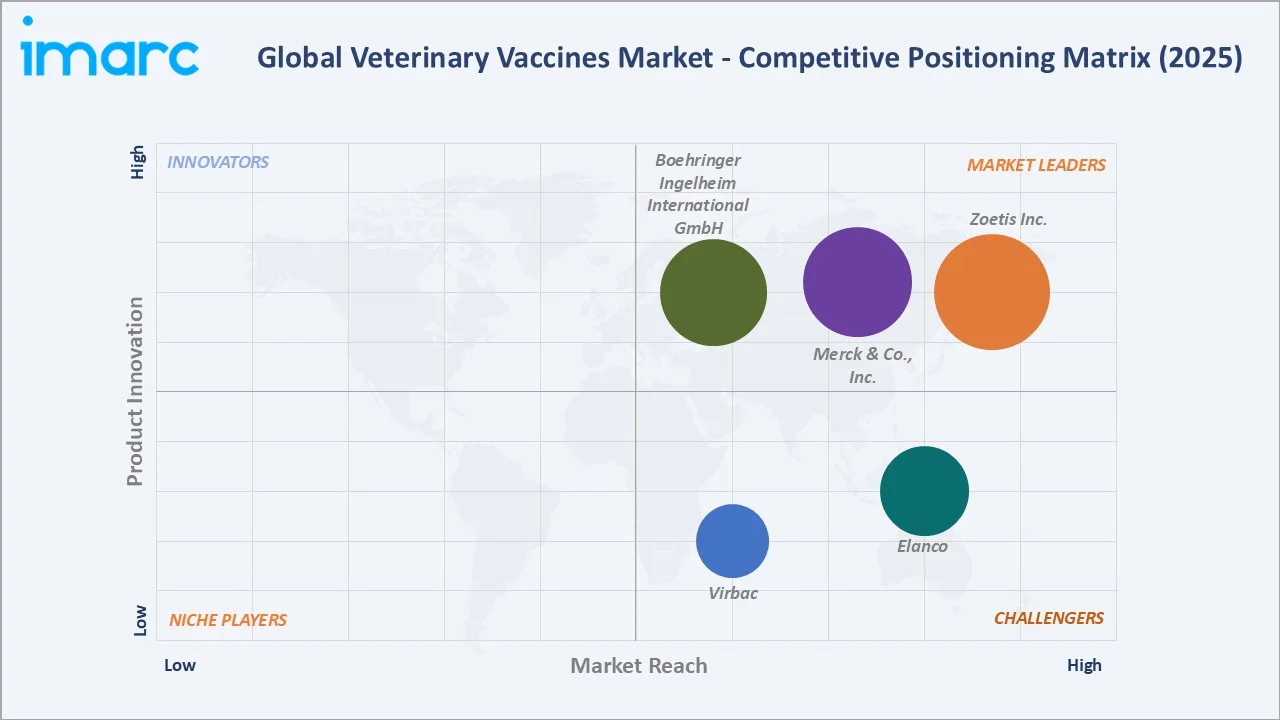
The global veterinary vaccines competitive landscape is dominated by four integrated animal health multinationals, Zoetis Inc., Boehringer Ingelheim International GmbH, Merck & Co., Inc., and Elanco, collectively accounting for approximately 70-75% of global veterinary vaccine revenue. This high concentration reflects the substantial barriers to veterinary vaccine market competition: regulatory licensing cost, manufacturing biosafety infrastructure requirements, cold chain distribution network capital requirements, and the established veterinarian and producer relationships that create brand loyalty in vaccine purchasing decisions.
|
Company Name |
Key Products |
Market Position |
Core Strength |
| Zoetis Inc. | Bovi-Shield GOLD FP 5 L5, FluSure XP, Fluvac Innovator, Fostera Gold PCV MH, INFORCE 3 respiratory vaccine |
Market Leader |
Zoetis is the world's leading animal health company with a vision to be the most trusted and valued animal health company. |
| Merck & Co., Inc. | INNOVAX-ND, Innovax-ND-IBD, Nobilis Coryza, Nobilis E. coli inac, Nobivac DHPPi, Nobivac KC, Nobivac L4 |
Market Leader |
Merck Animal Health helps veterinarians and pet owners through a range of pharmaceuticals, vaccines, and health management tools. |
| Boehringer Ingelheim International GmbH | Bovela, BULTAVO 3, Fencovis, INGELVAC CIRCOFLEX |
Market Leader |
Boehringer Ingelheim International GmbH's aim is to provide advanced, preventive animal healthcare and develop smart and effective solutions for animal care. |
| Elanco | NUPLURA PH+, Titanium, Vira Shield, Master Guard, Scour Bos, Para Shield, Parvo Shield, Pili Shield, Prevacent PRRS |
Strong Challenger |
Elanco help animals live healthy, quality lives by continuously identifying new and innovative animal care products. |
|
Virbac |
CANIGEN DHP, CANIGEN DHPPi/L, RABIGEN Mono, FELIGEN CRP |
Strong Challenger |
Virbac is known to provide veterinarians, farmers and pet owners worldwide with a set of innovative solutions to fight animal diseases. |
The competitive dynamics in companion animal vaccines differ structurally from those in livestock vaccines. Companion animal vaccine purchasing decisions are made by veterinary professionals at the point of care, creating prescription-level brand influence by manufacturer sales representatives and continuing education programs.
Key Company Profiles
Zoetis Inc.
Zoetis Inc. is the world's largest animal health company and the dominant force in global veterinary vaccines across all species categories.
- Key Products: Bovi-Shield GOLD FP 5 L5, FluSure XP, Fluvac Innovator, Fostera Gold PCV MH, INFORCE 3 respiratory vaccine.
- Recent Developments: In November 2025, Zoetis launched Vanguard Recombishield in the U.S., an injectable vaccine designed to protect pets against Bordetella bronchiseptica (kennel cough). Using recombinant technology, the vaccine offers effective protection with a comfortable administration experience, minimizing pain, swelling, stinging, and sensitivity for the animal.
- Strategic Focus: Developing innovative, recombinant and next-generation vaccines to improve animal health and disease prevention across companion animals and livestock.
Boehringer Ingelheim International GmbH
Boehringer Ingelheim International GmbH is also one of the world's largest animal health companies, with its animal health division.
- Key Products: Bovela, BULTAVO 3, Fencovis, INGELVAC CIRCOFLEX.
- Recent Developments: In June 2025, Boehringer Ingelheim launched its latest poultry vaccine in India, a single-dose, next-generation solution that protects against Bursal, Newcastle and Marek’s disease.
- Strategic Focus: Innovating preventive solutions and expanding immunization programs to enhance livestock and companion animal health globally.
Market Concentration Analysis
The global veterinary vaccines market is highly concentrated among the top-4 multinationals, Zoetis Inc., Boehringer Ingelheim International GmbH, Merck & Co., Inc., and Elanco, collectively accounting for approximately 70-75% of global veterinary vaccine revenue. These companies leverage vertically integrated operations, from antigen research through cold chain distribution, creating significant barriers for new entrants. Companion animal vaccine dynamics differ from livestock vaccines, with veterinarians at the point of care influencing brand adoption through prescriptions and education. Emerging technologies like mRNA platforms and digital health integration are beginning to reshape competitive advantages, offering faster, more precise vaccine development and improved compliance in clinical settings.
Investment & Growth Opportunities
Highest Growth Segments
Companion animal vaccines (~7.8% CAGR), intranasal route (~8.2% CAGR), aquaculture vaccines (~10-12% CAGR from growing base), companion animal non-core vaccines (~10-12% CAGR - Lyme, leptospirosis L4, canine influenza), ASF vaccine new category (potential USD 2-4 Billion annually from near-zero baseline), HPAI poultry commercial vaccination (potential USD 1-2 Billion annually if US and EU commercial approval), and mRNA veterinary vaccine platform (potential 20-25% CAGR from near-zero commercial base) represent the highest-growth investment vectors through 2034.
Emerging Investment Opportunities
The veterinary vaccine digital health integration market represents a USD 500 Million-1 Billion adjacent revenue opportunity, combining vaccine products with digital compliance platforms that improve companion animal vaccination adherence by 15-25% creates incremental vaccine revenue that exceeds the digital platform investment cost by 5-10x. Veterinary vaccine companies investing in digital clinic engagement platforms that bundle vaccine reminder automation with product purchasing loyalty create competitive moats against pure-product competitors who do not offer equivalent practice management value.
Investment Themes
- Companion animal non-core vaccine portfolio expansion for Lyme disease, leptospirosis L4, and canine influenza in underserved geographic markets: North America's established non-core companion animal vaccine market has a European equivalent penetration below 30-40% of North American levels, representing a USD 400-600 Million incremental revenue opportunity from European non-core vaccine penetration improvement.
- Aquaculture vaccine innovation for shrimp, tilapia, and emerging species representing the largest untapped livestock vaccine market opportunity per-animal-value: Global aquaculture production growth, indicating an enormous commercialisation gap relative to the protein production value served. Shrimp aquaculture alone has no commercially available vaccine despite decades of research, representing the most commercially attractive blank canvas in veterinary vaccinology.
Future Market Outlook (2026-2034)
The global veterinary vaccines market is projected to grow from USD 15.82 Billion in 2025 to USD 30.67 Billion by 2034, delivering a 7.41% CAGR over the forecast period. The market's anchor value of USD 22.61 Billion in 2030 represents a veterinary vaccine industry at a decisive technology inflection point. Advances in mRNA, DNA, and recombinant vaccine technologies are enabling faster, species-specific, and precision immunization solutions. Digital health platforms and telemedicine are improving vaccination compliance, particularly in companion animals, while government-led livestock vaccination programs in emerging markets are expanding structured demand. Overall, innovation in vaccine platforms, regulatory support, and growing awareness of animal health are expected to sustain strong market expansion through the next decade.
Three structural forces define the veterinary vaccines market growth through 2034 with confidence. The companion animal humanisation secular trend is irreversible. The zoonotic preparedness imperative is intensifying. The technology platform revolution is accelerating with mRNA, DNA, and recombinant vector vaccine technologies progressively replacing legacy killed and vaccines across species categories, each new platform product generating premium pricing that expands market revenue above underlying volume growth rates.
Research Methodology
Primary Research
Primary research comprised structured interviews with 55+ industry stakeholders (2025); Regulatory Affairs Directors; Veterinary Biologics Licensing Officers; Global Veterinary Medical Directors; Commercial poultry veterinarians; Companion animal veterinary oncologists; Aquaculture vaccine specialists; and vaccination program coordinators managing vaccination program technical implementation.
Secondary Research
Secondary research encompassed EMA veterinary medicinal product authorisation database; American Veterinary Medical Association Pet Ownership Survey; European Pet Food Industry Federation pet population data; animal health product sales data; veterinary medicine market data; company annual reports; National Animal Disease Preparedness and Response Program vaccination research reports; National Animal Disease Control Programme implementation reports. Over 70 secondary sources reviewed.
Forecasting Models
Market revenue forecasts were developed using a species and vaccine category bottom-up model: (i) livestock vaccine revenue; (ii) companion animal vaccine revenue; (iii) aquaculture vaccine revenue. Market growth assumptions calibrated against: Zoetis and Elanco guidance, companion animal veterinary spending data, India government procurement data, and investor presentations. Key growth drivers modelled separately: vaccine commercial scenario analysis, commercial poultry vaccination regulatory pathway scenario analysis, and mRNA platform vaccine commercial revenue premium over conventional vaccines.
Veterinary Vaccines Market Report Scope:
| Report Features | Details |
|---|---|
| Base Year of the Analysis | 2025 |
| Historical Period | 2020-2025 |
| Forecast Period | 2026-2034 |
| Units | Billion USD |
| Scope of the Report | Exploration of Historical Trends and Market Outlook, Industry Catalysts and Challenges, Segment-Wise Historical and Future Market Assessment:
|
| Vaccine Types Covered | Livestock Vaccines, Companion Animal Vaccines |
| Technologies Covered | Attenuated Live Vaccines, Inactivated Vaccines, Toxoid Vaccines, Recombinant Vaccines, and Others |
| Route of Administrations Covered | Subcutaneous, Intramuscular, Intranasal |
| Distribution Channel Covered | Veterinary Hospitals, Veterinary Clinics, Pharmacies and Drug Stores, and Others |
| Regions Covered | Asia Pacific, Europe, North America, Latin America, Middle East and Africa |
| Countries Covered | United States, Canada, Germany, France, United Kingdom, Italy, Spain, Russia, China, Japan, India, South Korea, Australia, Indonesia, Brazil, Mexico |
| Companies Covered | Zoetis Inc., Merck & Co., Inc., Boehringer Ingelheim International GmbH, Elanco, Virbac, etc. |
| Customization Scope | 10% Free Customization |
| Post-Sale Analyst Support | 10-12 Weeks |
| Delivery Format | PDF and Excel through Email (We can also provide the editable version of the report in PPT/Word format on special request) |
Frequently Asked Questions About the Veterinary Vaccines Market Report
The global veterinary vaccines market reached USD 15.82 Billion in 2025, driven by livestock vaccines (63.8%) across poultry, swine, cattle, and aquaculture species, combined with growing companion animal vaccines (36.2%) through pet humanisation, non-core vaccine expansion, and digital veterinary health platform-driven compliance improvement.
The market grows at 7.41% CAGR during 2026-2034, reaching USD 30.67 Billion by 2034. Growth is driven by companion animal vaccine premiumization and non-core expansion, livestock vaccine emergency and commercial programs, livestock vaccination platform, Asia-Pacific market modernisation, mRNA veterinary vaccine platform commercialisation, creating premium pricing above conventional vaccines, and aquaculture vaccine expansion into shrimp, tilapia, and new species categories.
Livestock vaccines lead at 63.8% through high poultry vaccine doses, swine vaccination programs, cattle complex vaccination in North America and Europe, and government-mandated programs globally.
Subcutaneous leads at 46.8% through killed/inactivated vaccine depot formation requirements for companion animal core vaccines and oil-adjuvanted cattle BRD vaccines.
North America leads at 36.4% through the world's highest companion animal vaccination compliance rates, comprehensive livestock vaccine regulatory infrastructure, and the highest per-animal veterinary expenditure globally.
Leading companies include Zoetis Inc., Merck & Co., Inc., Boehringer Ingelheim International GmbH, Elanco, and Virbac, among others.
The market is projected to reach approximately USD 22.61 Billion by 2030, with mRNA veterinary vaccines achieving commercial scale across canine influenza and potentially cattle respiratory viruses, vaccine conditional commercial launch in at least one major market, commercial poultry vaccination programs resolving through Phase III trial outcomes, and companion animal non-core vaccine penetration.
mRNA veterinary vaccine technology is transforming veterinary vaccinology analogously to COVID-19's impact on human vaccines, enabling rapid antigen design, no live virus manufacturing biosafety requirements, cold chain thermostabilization potential through lipid nanoparticle formulation optimisation, and annual strain-matching capability for evolving pathogens.
Need more help?
- Speak to our experienced analysts for insights on the current market scenarios.
- Include additional segments and countries to customize the report as per your requirement.
- Gain an unparalleled competitive advantage in your domain by understanding how to utilize the report and positively impacting your operations and revenue.
- For further assistance, please connect with our analysts.
 Request Customization
 Speak to an Analyst
 Request Brochure
 Inquire Before Buying
Benefits of Customization
- Personalize this research
- Triangulate with your data
- Get data as per your format and definition
- Gain a deeper dive into a specific application, geography, customer, or competitor
- Any level of personalization
Get in Touch With Us
UNITED STATES
Phone: +1-201-971-6302
INDIA
Phone: +91-120-433-0800
UNITED KINGDOM
Phone: +44-753-714-6104
Email: [email protected]
Client Testimonials




.webp)




.webp)













Related Reports

Choose your plan
*Please note that the prices mentioned below are starting prices for each bundle type. Kindly contact our team for further details.*
Single User License
- 1 User License, Access on 2 Devices
- PDF Report + Excel Dataset (Password Protected)
- Lifetime Access
- No Printing Rights
- 10% Free Report Customization
- 10–12 Weeks of Analyst Support
Five User License
- Access for 5 Users, 2 Devices per User
- PDF Report + Excel Dataset (Password Protected)
- Lifetime Access
- Dedicated Account Manager
- 12–14 Weeks of Analyst Support
- No Printing Rights
- 15% Free Report Customization
- 25% Discount on Your Next Purchase
Corporate User License
- Unlimited User Access (Within Your Organization)
- PDF Report + Excel Dataset
- Lifetime Access
- Dedicated Account Manager
- 14–20 Weeks of Analyst Support
- No Printing Rights
- 20% Free Report Customization
- 30% Discount on Your Next Purchase
Essential Insights
What's included:
3 reports
- Lifetime Access
- PDF Reports
- Excel Datasets
- 2 Weeks of Free Analyst Support
- 2 User Licenses
- Access on 2 Devices
- Printing Rights
- Complimentary PowerPoint (PPT) Version
- Complimentary License Upgrade
Professional Access
What's included:
5 reports
- Lifetime Access
- PDF Reports
- Excel Datasets
- 8 Weeks of Free Analyst Support
- 2 User Licenses
- Access on 2 Devices
- Printing Rights
- Complimentary PowerPoint (PPT) Version
- Complimentary License Upgrade
Business Advantage
What's included:
8 reports
- Lifetime Access
- PDF Reports
- Excel Datasets
- 14 Weeks of Free Analyst Support
- 2 User Licenses
- Access on 2 Devices
- Printing Rights
- Complimentary PowerPoint (PPT) Version
- Complimentary License Upgrade
Enterprise Intelligence
What's included:
10 reports
- Lifetime Access
- PDF Reports
- Excel Datasets
- 20 Weeks of Free Analyst Support
- 2 User Licenses
- Access on 2 Devices
- Printing Rights
- Complimentary PowerPoint (PPT) Version
- Complimentary License Upgrade