
Asia Pacific Biopsy Devices Market Size, Share, Trends and Forecast by Procedure Type, Product, Application, Guidance Technique, End User, and Country, 2026-2034
Asia Pacific Biopsy Devices Market Size, Share, Trends & Forecast (2026-2034)
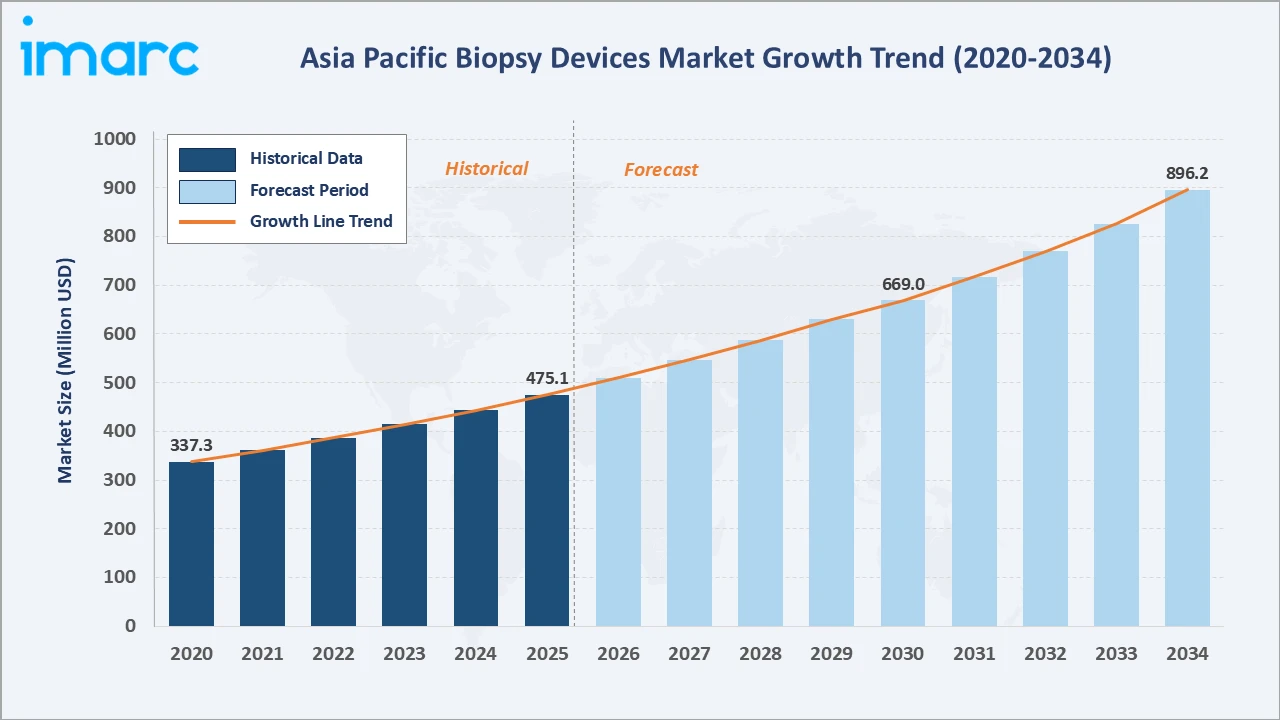
The Asia Pacific biopsy devices market grew from USD 475.1 Million in 2025 to USD 508.7 Million in 2026 and is projected to reach USD 896.2 Million by 2034, growing at a CAGR of 7.09% during 2026-2034. Rising cancer burden, with Southern, Eastern, and Southeast Asia accounting for 49% of global new cancer cases, with approximately 9.2 million new diagnoses annually, is driving sustained demand for accurate tissue diagnosis. Needle biopsy dominates procedure type at 62.4%, hospitals and clinics lead end users at 61.3%, and China commands the largest regional share at 38.4% in 2025.
Market Snapshot
|
Metric |
Value |
|
Base Year Market Size (2025) |
USD 475.1 Million |
|
Market Size (2026) |
USD 508.7 Million |
|
Forecast Market Size (2034) |
USD 896.2 Million |
|
CAGR (2026-2034) |
7.09% |
|
Base Year |
2025 |
|
Historical Period |
2020-2025 |
|
Forecast Period |
2026-2034 |
|
Dominant Procedure Type |
Needle Biopsy (62.4%, 2025) |
|
Leading End User |
Hospitals and Clinics (61.3%, 2025) |
|
Leading Country |
China (38.4%, 2025) |
The Asia Pacific biopsy devices market grew from USD 337.3 Million in 2020 to USD 475.1 Million in 2025, and further to USD 508.7 Million in 2026, driven by sustained healthcare infrastructure investment and rising oncology diagnostic demand. The market is projected to reach USD 669.0 Million by 2030 before reaching USD 896.2 Million by 2034.
To get more information on this market, Request Sample
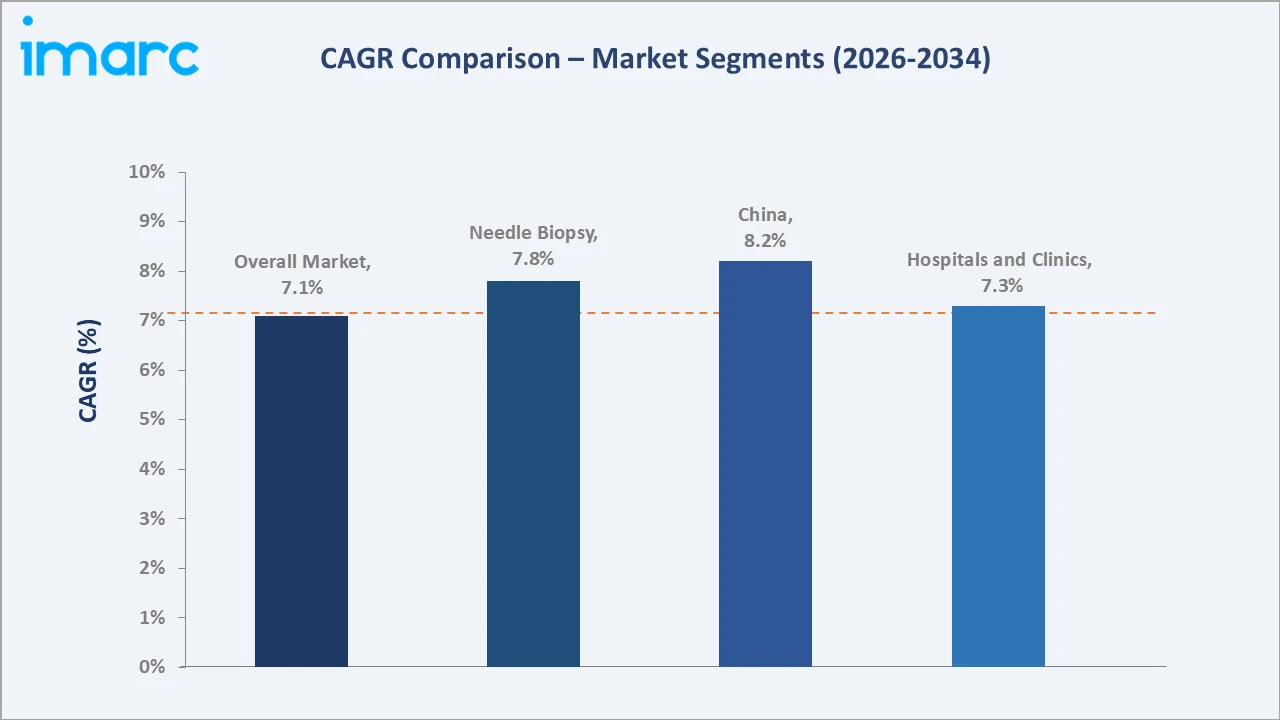
Needle biopsy grows at approximately 7.8% CAGR as minimally invasive techniques replace surgical alternatives in most diagnostic oncology settings. China expands at approximately 8.2% CAGR, driven by diagnostic infrastructure investment. Hospitals and clinics grow at approximately 7.3% CAGR as institutional oncology capacity increases across the region.
Executive Summary
The Asia Pacific biopsy devices market is on a sustained growth trajectory, underpinned by escalating cancer burden, expanding diagnostic healthcare infrastructure, and growing adoption of minimally invasive biopsy techniques. The growing number of cancer cases is making early and accurate tissue diagnosis a public health priority that directly drives demand for reliable, minimally invasive biopsy instruments across hospitals, clinics, and research institutions.
Needle biopsy at 62.4% reflects the broad clinical adoption of image-guided percutaneous techniques that reduce patient recovery time versus surgical alternatives. Hospitals and clinics lead at 61.3%, underpinned by oncology unit expansion and diagnostic center investment across the region. China commands 38.4% of the market in 2025, driven by its large patient base and expanding tertiary hospital network.
Key Market Insights
|
Insight |
Data |
|
Dominant Procedure Type |
Needle Biopsy – 62.4% share (2025) |
|
Leading End User |
Hospitals and Clinics – 61.3% share (2025) |
|
Leading Country |
China – 38.4% (2025) |
|
Key Market Opportunities |
Aging demographics, cancer screening expansion, AI-integrated biopsy navigation, and single-use device adoption present sustained growth potential across all Asia Pacific sub-regions. |
Key Analytical Observations Supporting the Above Data:
- Needle Biopsy at 62.4%: Needle biopsy dominates because it offers minimally invasive tissue sampling with lower procedural risk, shorter recovery, and outpatient suitability. The technique is compatible with ultrasound, CT, and MRI guidance, enabling accurate acquisition from anatomically challenging lesions.
- Hospitals and Clinics at 61.3%: Hospitals and clinics command the largest end-user share as primary oncology diagnosis centers equipped with imaging infrastructure for image-guided procedures. The growing multi-specialty hospital and diagnostic center network across China, India, and Southeast Asia is expanding institutional biopsy procedure capacity.
- China at 38.4%: China's dominant regional position reflects its massive patient population, growing network of tertiary-care oncology hospitals, and significant government investment in cancer screening and diagnostic healthcare infrastructure over the past decade.
Asia Pacific Biopsy Devices Market Overview
The Asia Pacific biopsy devices market encompasses the design, manufacture, distribution, and clinical application of instruments used to extract tissue or fluid samples for pathological diagnosis. Core product categories include core needle biopsy devices, vacuum-assisted biopsy systems, fine-needle aspiration devices, and surgical biopsy instruments. The market serves hospitals, diagnostic centers, oncology clinics, and academic medical institutions.
Market Dynamics
To evaluate market opportunities, Request Sample
Market Drivers
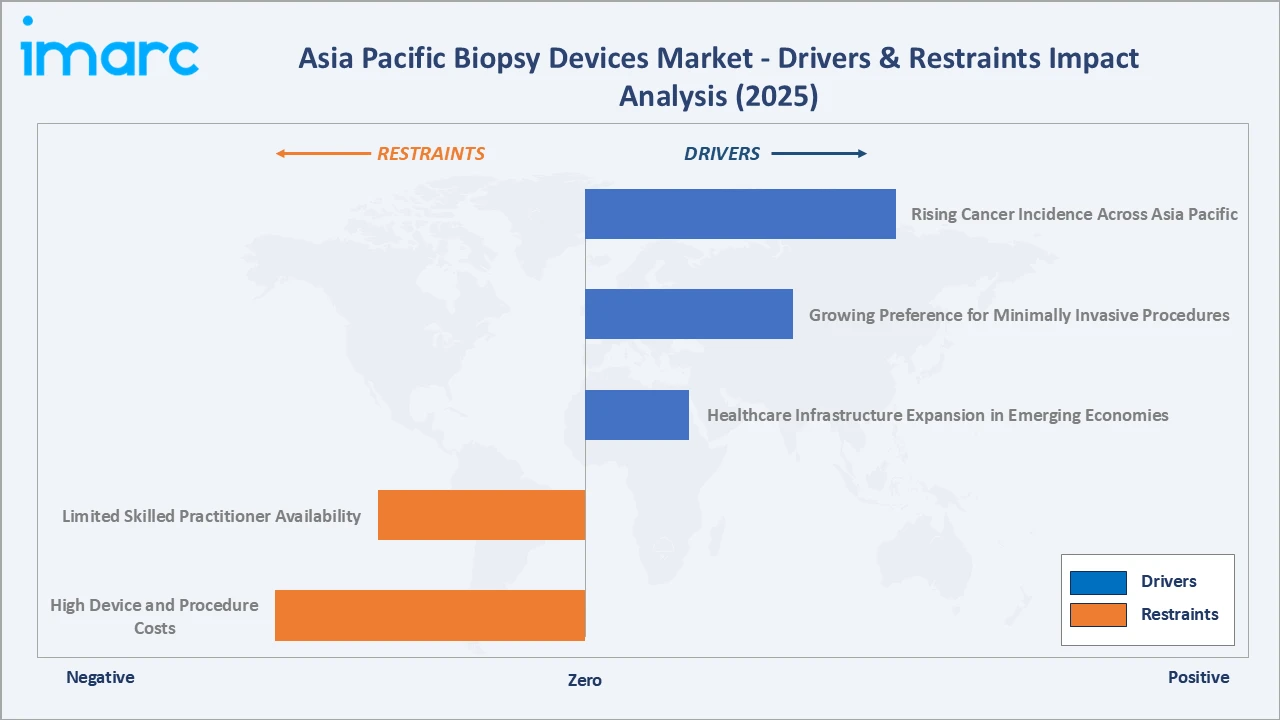
- Rising Cancer Incidence Across Asia Pacific: Southern, Eastern, and Southeast Asia accounts for approximately 49% of global cancer incidence, with rapidly growing rates of breast, lung, colorectal, and liver cancer. This rising disease burden directly increases diagnostic biopsy procedure volumes across hospitals and oncology centers throughout the region.
- Growing Preference for Minimally Invasive Procedures: Clinicians and patients increasingly prefer needle biopsy over surgical alternatives due to lower procedural risk, shorter recovery, and outpatient suitability. This shift is driving replacement demand from surgical toward advanced needle-based and vacuum-assisted biopsy systems.
- Healthcare Infrastructure Expansion in Emerging Economies: Significant government and private sector investment in hospital construction, oncology department expansion, and diagnostic imaging equipment across China, India, Indonesia, and Southeast Asia is creating new institutional demand for biopsy devices as newly commissioned facilities equip for cancer diagnostic capabilities.
Market Restraints
- High Device and Procedure Costs: Advanced biopsy systems, particularly vacuum-assisted and image-guided devices, carry significant device and consumable costs that limit adoption in price-sensitive healthcare settings and public hospital systems with constrained procurement budgets.
- Limited Skilled Practitioner Availability: Accurate image-guided biopsy requires trained radiologists and interventional specialists. A shortage of such practitioners in rural and tier-2 markets restricts geographic penetration of advanced biopsy techniques beyond major urban healthcare centers.
Market Opportunities
- Expanding Cancer Screening Programs: Government-led screening initiatives for breast, cervical, and colorectal cancers across China, India, Japan, and South Korea are expanding the patient pool requiring confirmatory biopsy procedures, generating incremental procedure volume for biopsy device suppliers.
- AI and Digital Pathology Integration: Growing adoption of artificial intelligence for imaging analysis and digital pathology in cancer diagnosis creates opportunities for manufacturers to develop integrated platforms combining accurate tissue acquisition with AI-assisted pathological analysis. In September 2025, Punjab introduced AI-enabled screening devices for early detection of breast cancer, cervical cancer, and refractive errors in primary healthcare settings. The initiative aims to improve early diagnosis and expand screening coverage.
Market Challenges
- Procedural Complication Risk and Patient Reluctance: Perceived risks including bleeding, infection, and sampling error create patient hesitancy in markets with lower healthcare literacy, potentially limiting procedure volumes in certain patient segments and geographies.
- Regulatory Complexity Across Diverse Markets: Asia Pacific encompasses markets with significantly varying medical device regulatory frameworks, requiring manufacturers to navigate multiple approval pathways that increase product launch timelines and market entry costs across the region.
Emerging Market Trends
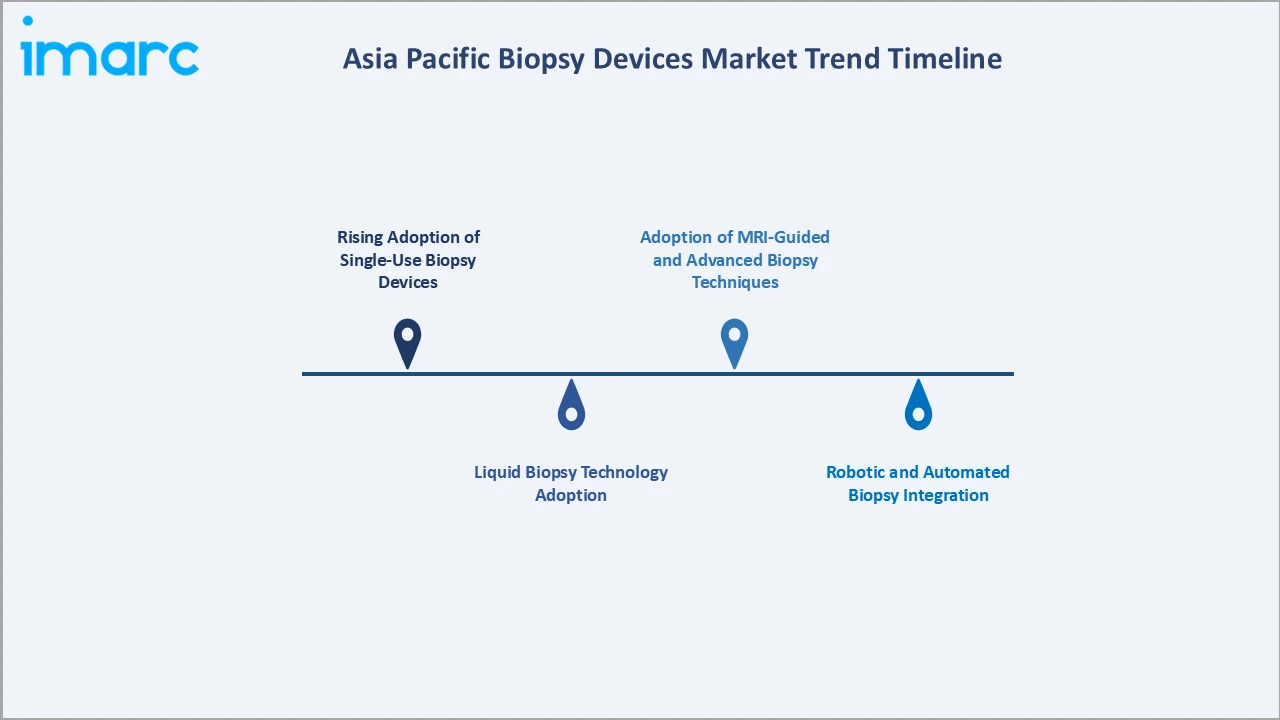
1. Rising Adoption of Single-Use Biopsy Devices
In October 2025, Olympus Corporation launched SecureFlex, a single-use fine needle biopsy device designed to support minimally invasive tissue sampling. The device is available in Japan from autumn 2025, followed by a phased global rollout subject to regulatory approvals. The launch highlights the growing shift toward single-use biopsy devices in the Asia Pacific market, driven by the need for improved infection control, procedural efficiency, and patient safety.
2. Liquid Biopsy Technology Adoption
Liquid biopsy, detecting circulating tumor DNA and biomarkers from blood samples, is gaining clinical recognition as a complementary approach to tissue biopsy in oncology monitoring and early detection. The technology is witnessing growing research investment and clinical validation across Asia Pacific, particularly in Japan, South Korea, and Australia. Liquid biopsy is expected to supplement rather than replace conventional tissue biopsy, creating demand for integrated diagnostic platforms.
3. Adoption of MRI-Guided and Advanced Biopsy Techniques
In January 2026, Apollo Athenaa Women’s Cancer Center introduced MRI-guided Vacuum-Assisted Breast Biopsy (VABB) to improve early detection of breast cancer that may be missed by conventional mammography and ultrasound. The minimally invasive technique enables accurate diagnosis of early-stage cancers, including Stage 0 and Stage 1, even when tumors are small and asymptomatic. Increasing focus on detecting small and early-stage tumors is driving demand for image-guided biopsy solutions that offer greater diagnostic accuracy and support earlier cancer treatment.
4. Robotic and Automated Biopsy Integration
Robotic biopsy systems automating needle insertion, sample acquisition, and specimen handling are entering clinical evaluation and early commercial deployment in advanced centers across Japan, South Korea, and China. Robotic systems reduce operator dependence in maintaining precise needle trajectory, particularly in CT-guided lung and ultrasound-guided prostate biopsies. These systems reduce procedural variability and improve sample quality in high-volume biopsy settings.
Industry Value Chain Analysis
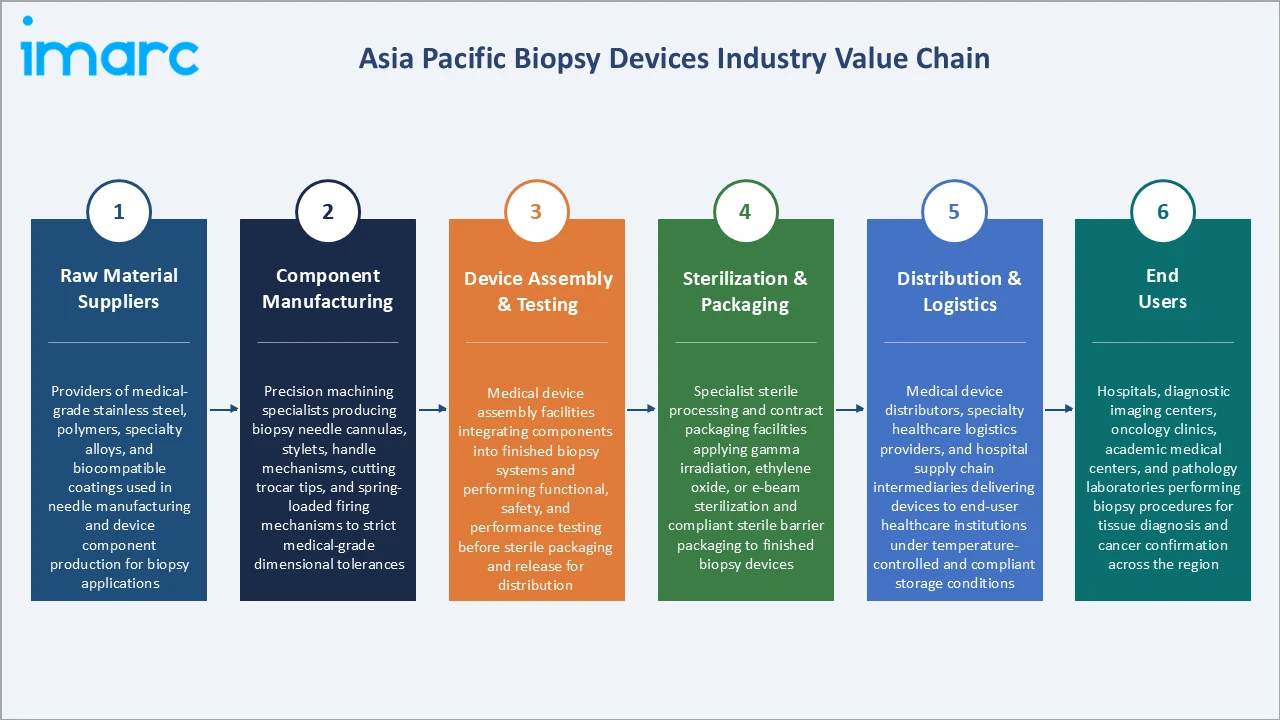
The Asia Pacific biopsy devices value chain spans six integrated stages from raw material sourcing through end-user clinical application. Each stage contributes distinct value through material processing, precision manufacturing, quality assurance, and clinical deployment.
|
Stage |
Description |
|
Raw Material Suppliers |
Providers of medical-grade stainless steel, polymers, specialty alloys, and biocompatible coatings used in needle manufacturing and device component production for biopsy applications. |
|
Component Manufacturing |
Precision machining specialists producing biopsy needle cannulas, stylets, handle mechanisms, cutting trocar tips, and spring-loaded firing mechanisms to strict medical-grade dimensional tolerances. |
|
Device Assembly & Testing |
Medical device assembly facilities integrating components into finished biopsy systems and performing functional, safety, and performance testing before sterile packaging and release for distribution. |
|
Sterilization & Packaging |
Specialist sterile processing and contract packaging facilities applying gamma irradiation, ethylene oxide, or e-beam sterilization and compliant sterile barrier packaging to finished biopsy devices. |
|
Distribution & Logistics |
Medical device distributors, specialty healthcare logistics providers, and hospital supply chain intermediaries delivering devices to end-user healthcare institutions under temperature-controlled and compliant storage conditions. |
|
End Users |
Hospitals, diagnostic imaging centers, oncology clinics, academic medical centers, and pathology laboratories performing biopsy procedures for tissue diagnosis and cancer confirmation across the region. |
The device assembly and testing stage is the most value-added stage in the biopsy devices value chain, as precision engineering and sterility assurance create quality differentiators that directly influence clinician preference. The distribution stage is critical in emerging Asian markets where regulatory importation requirements create market access complexities for international device suppliers.
Technology Landscape in the Biopsy Devices Industry
Advanced Needle Design and Cutting Mechanisms
Modern biopsy needles incorporate precision-engineered cutting trocar tips, side-notch sample designs, and echogenic surface coatings that improve ultrasound visualization and diagnostic tissue yield. Spring-loaded automated firing mechanisms enable single-hand operation, improving procedural ergonomics in high-volume clinical settings.
Vacuum-Assisted Biopsy Systems
Vacuum-assisted biopsy technology applies continuous suction to draw tissue into the sampling notch, enabling multiple contiguous core samples from a single needle insertion without device withdrawal. This significantly improves sample volume, reduces passes required, and lowers false-negative rates in mammographic and stereotactic breast biopsy procedures.
Image-Guided Biopsy Integration
Contemporary biopsy workflows integrate real-time ultrasound, CT, MRI, and digital tomosynthesis guidance to precisely navigate needles to target lesions. MRI-compatible biopsy systems using non-ferromagnetic materials enable tissue sampling under direct MRI visualization, substantially improving accuracy for soft tissue and prostate lesions not visible on ultrasound.
Digital Connectivity and Data Integration
Emerging biopsy systems increasingly incorporate digital connectivity, enabling procedure data and sample tracking to integrate with hospital information systems. Digital pathology integration allows real-time remote consultation with pathologists during procedures, improving diagnostic accuracy in settings that lack on-site pathology support.
Market Segmentation Analysis
The report covers the following segments:
| Segment Category | Leading Segment | Market Share | Year |
|---|---|---|---|
| Procedure Type | Needle Biopsy | 62.4% | 2025 |
| Product | Needle Based Biopsy Guns | 🔒 | 2025 |
| Application | Breast Biopsy | 🔒 | 2025 |
| Guidance Technique | MRI Guided Biopsy | 🔒 | 2025 |
| End User | Hospitals and Clinics | 61.3% | 2025 |
| Country | China | 38.4% | 2025 |

By Procedure Type
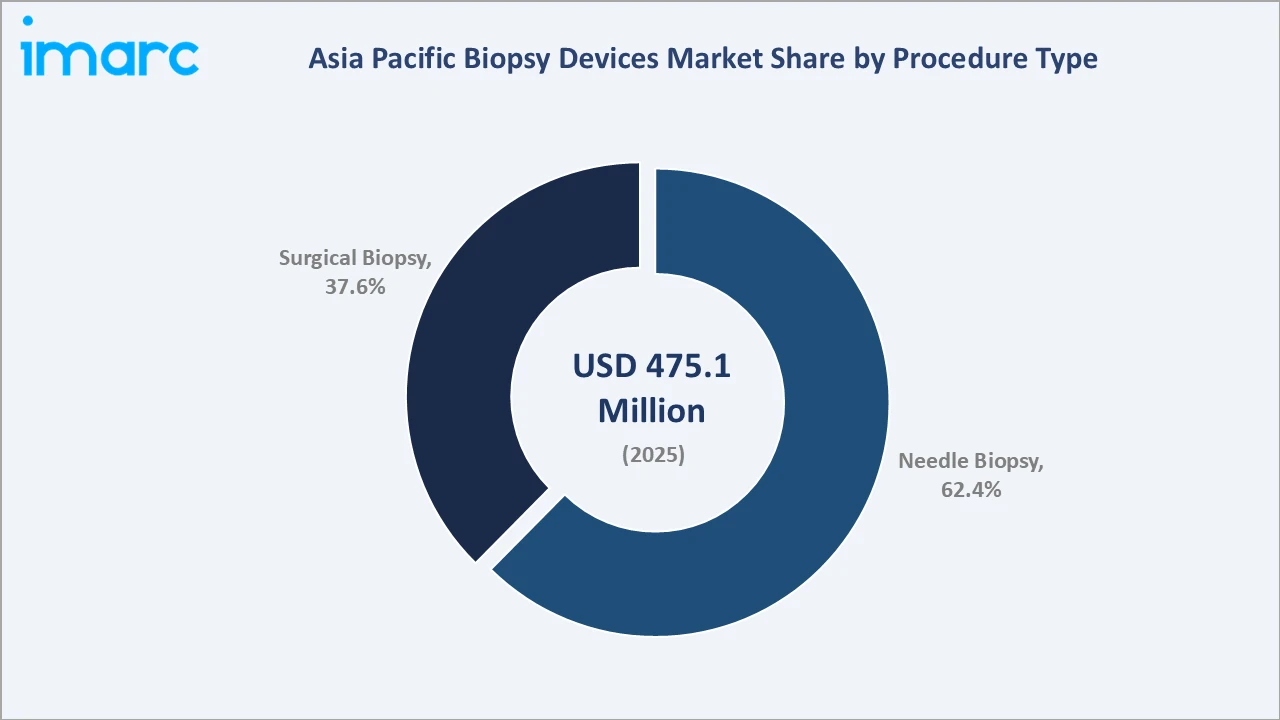
Needle biopsy leads at 62.4% in 2025, reflecting broad clinical adoption of percutaneous tissue sampling techniques that offer minimally invasive acquisition with lower procedural risk and shorter recovery versus surgical alternatives. Core needle biopsy and fine-needle aspiration biopsy are the most widely used variants, supported by compatibility with multiple imaging guidance modalities.
To access detailed market analysis, Request Sample
Surgical biopsy at 37.6% serves clinical scenarios where needle biopsy is anatomically challenging or has not provided sufficient diagnostic tissue, including sentinel lymph node biopsy, excisional biopsy of superficial lesions, and intraoperative frozen section sampling. Surgical biopsy retains clinical relevance for definitive diagnosis requiring larger tissue volumes for comprehensive pathological and molecular analysis.
By End User
Hospitals and clinics command 61.3% of market demand in 2025, driven by their role as the primary institutional setting for oncology diagnosis, equipped with imaging infrastructure for image-guided biopsy and staffed with interventional radiologists and oncology specialists. The growing network of multi-specialty hospitals and dedicated cancer centers across China, India, and Southeast Asia is expanding institutional biopsy device procurement demand.
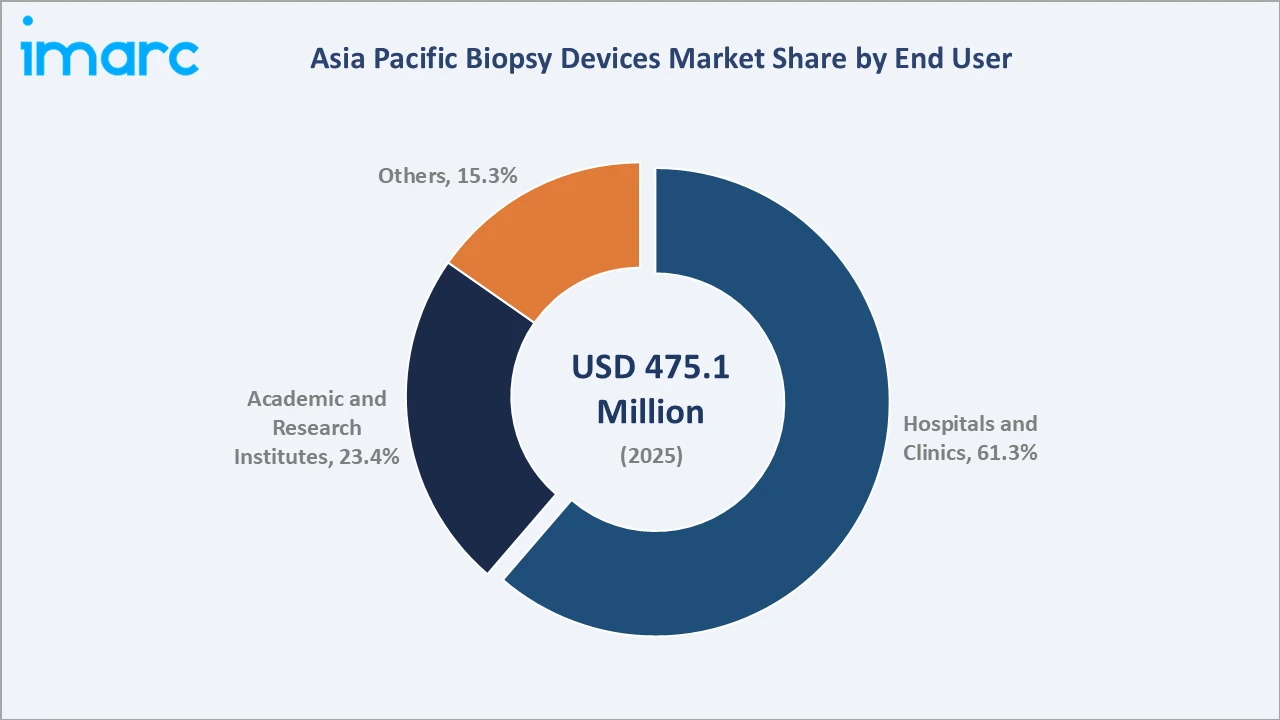
Academic and research institutes at 23.4% represent a strategically important segment, evaluating emerging biopsy technologies and training the next generation of interventional practitioners. Others at 15.3% include freestanding outpatient diagnostic centers and ambulatory surgical centers expanding as healthcare delivery shifts toward outpatient settings.
Regional Market Insights
|
Country |
Share (2025) |
Share (2025) & Key Characteristics |
|
China |
38.4% |
Dominant regional contributor with a large patient base, expanding tertiary-care hospital networks, and significant government investment in cancer diagnostic infrastructure across urban and provincial centers. |
|
Japan |
17.6% |
Mature market with high diagnostic precision standards, an aging population with elevated cancer incidence, and widespread adoption of advanced imaging-guided biopsy techniques across a dense network of specialized hospitals. |
|
India |
15.8% |
Growing rapidly as private healthcare infrastructure expands in major cities and cancer awareness improves, with rising incidence in urban and semi-urban populations driving accelerating diagnostic demand. |
|
South Korea |
9.4% |
Well-established oncology diagnostic market with high imaging equipment density, strong government cancer screening support, and early adoption of technologically advanced biopsy devices. |
|
Australia |
7.1% |
Developed healthcare market with mature diagnostic oncology infrastructure, strong public health cancer screening programs, and consistent demand for high-quality minimally invasive biopsy instruments. |
|
Indonesia |
5.2% |
Emerging growth market as healthcare infrastructure investment increases, urban hospital capacity expands, and cancer awareness programs reach a larger share of the population. |
|
Others |
6.5% |
Includes Vietnam, Thailand, Malaysia, Philippines, and remaining Southeast Asian markets experiencing growing healthcare investment and rising cancer diagnostic demand. |
China's regional dominance at 38.4% is underpinned by its large patient base, dense hospital network, and sustained government investment in cancer diagnosis. Japan at 17.6% benefits from aging demographics generating elevated cancer incidence and sophisticated diagnostic infrastructure with high imaging equipment penetration.
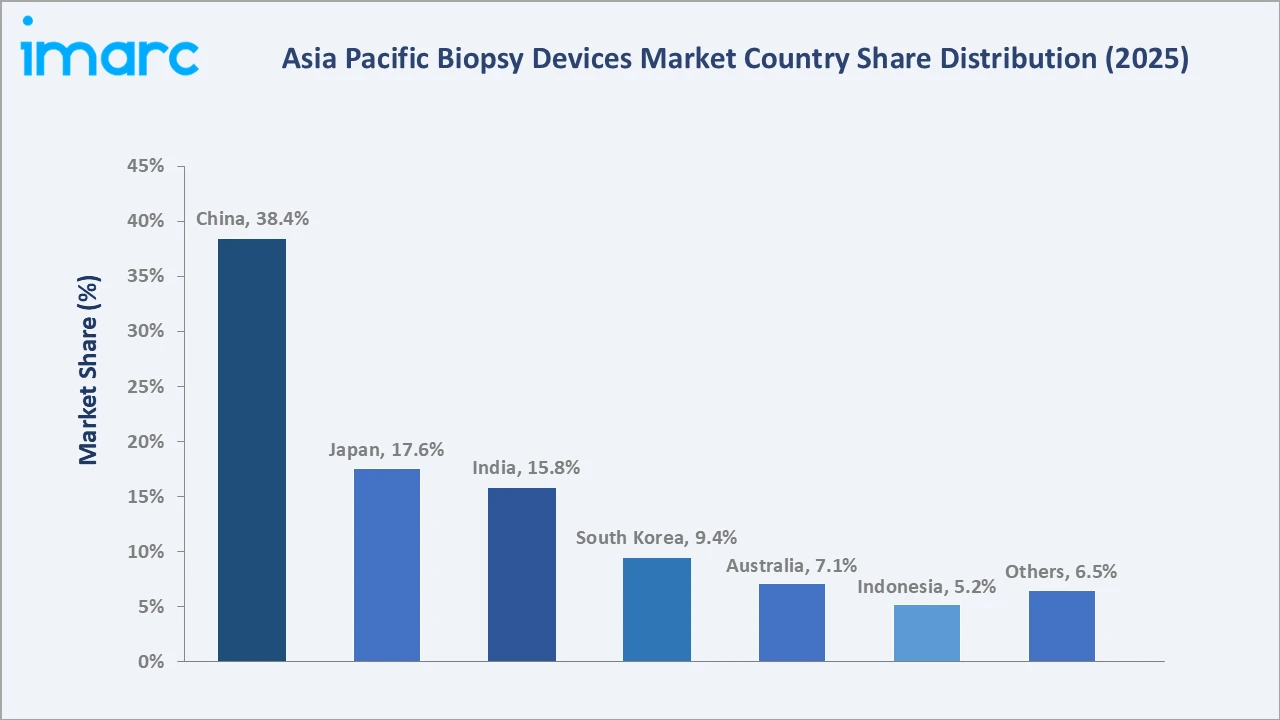
India at 15.8% is the market's most dynamic emerging contributor, with rapid private hospital expansion and growing diagnostic awareness driving accelerating demand. South Korea at 9.4% and Australia at 7.1% represent mature, technology-forward markets that consistently adopt advanced biopsy innovations. Indonesia at 5.2% and others at 6.5% represent the highest long-term growth opportunity as healthcare infrastructure investment accelerates.
Competitive Landscape
The Asia Pacific biopsy devices market is moderately consolidated at the premium device level, with a limited number of global medical device companies commanding significant shares of advanced biopsy system procurement across large-hospital and academic medical center segments. The broader market, including standard core needle biopsy devices, is more fragmented, with regional manufacturers competing effectively on price in cost-sensitive institutional procurement segments.
| Company | Key Offerings | Market Position | Core Strength |
|---|---|---|---|
| BD | Mission Disposable Core Biopsy Instrument, Marquee Disposable Core Biopsy Instrument | Market Leader | BD supplies key tissue-sampling and diagnostic tools that support the rapid growth of the Asia Pacific biopsy devices market |
| Olympus Corporation | SecureFlex | Market Leader | Olympus Corporation operates as a dominant medical technology provider, combining its global market-leading endoscopy platforms with target-specific tissue-sampling devices. |
| Boston Scientific Corporation | Single-Use Radial Jaw 4 Biopsy Forceps, Acquire Endoscopic Ultrasound Fine Needle Biopsy (FNB) Device | Established Player | Boston Scientific Corporation provides specialized tissue-sampling and needle-based technologies across gastroenterology, pulmonology, and urology. |
| Cook Medical | Cook Bx Biopsy Device, Captura Pro Biopsy Forceps | Established Player | Cook Medical plays a prominent role as a leading manufacturer and supplier in the APAC biopsy and minimally invasive diagnostic devices |
| Stryker | Bone Biopsy Kits and Needles | Challenger | Stryker offers specialized Bone Biopsy Kits and Needles to collect core bone samples within the vertebral body during spine or fracture procedures. |
Competition in the Asia Pacific biopsy devices market is intensifying as global medical device companies expand regional distribution capabilities and local manufacturers improve device quality. Competitive dynamics are increasingly shaped by service and training capabilities, as complex image-guided systems require ongoing clinical education that differentiates larger global players from smaller regional suppliers.
Key Company Profiles
BD
BD is a leading medical technology company with a comprehensive presence in the biopsy devices segment through its broad portfolio of core needles and vacuum-assisted biopsy systems. The company serves diagnostic oncology settings across hospitals, ambulatory surgical centers, and breast diagnostic centers. Its established global distribution network and clinical education programs support widespread device adoption across the Asia Pacific region.
- Key Offerings: Mission Disposable Core Biopsy Instrument, Marquee Disposable Core Biopsy Instrument.
- Strategic Focus: Expanding its biopsy device portfolio through product innovation, clinical application development, and strategic distribution partnerships across Asia Pacific growth markets, with emphasis on procedural training and digital integration.
Olympus Corporation
Olympus Corporation is a precision technology company with deep expertise in endoscopy and minimally invasive medical devices. In biopsy devices, Olympus is recognized for its endoscopic ultrasound-guided biopsy needle systems and endoscopic biopsy forceps used in gastrointestinal and pulmonary oncology diagnostic procedures across Asia Pacific.
- Key Offerings: SecureFlex.
- Strategic Focus: Advancing endoscopic and endosonographic biopsy capabilities, expanding training for gastroenterologists and endoscopists, and maintaining technology leadership in minimally invasive GI and pulmonary oncology diagnostic procedures.
Market Concentration Analysis
The Asia Pacific biopsy devices market exhibits moderate concentration at the advanced biopsy system level, where a limited number of international medical device companies command a significant combined share of premium device procurement across large academic medical centers and specialized oncology hospitals. This concentration is sustained by clinical performance advantages, brand recognition, and service infrastructure that smaller regional manufacturers find difficult to replicate.
The broader market for standard core needle biopsy devices and fine-needle aspiration instruments is more fragmented, with numerous regional and local manufacturers competing across cost-sensitive hospital procurement segments. This fragmentation creates ongoing opportunities for organized international suppliers and local distribution partnerships to improve market penetration, particularly in emerging Asian markets where price sensitivity remains a primary procurement criterion for entry-level biopsy device categories.
Investment & Growth Opportunities
Highest Growth Segments
Needle biopsy at 62.4% represents the largest and most consistently growing procedure segment, supported by clinical preference for minimally invasive tissue acquisition and growing imaging guidance adoption. Hospitals and clinics at 61.3% offer the most concentrated procurement opportunity as institutional oncology investment continues expanding.
Investment Themes
- Healthcare Infrastructure Expansion in Emerging Asian Markets: Ongoing hospital capacity expansion and oncology department development across India, Indonesia, Vietnam, and the Philippines is creating substantial new institutional demand as newly commissioned healthcare facilities equip for cancer diagnostic capabilities, offering direct device procurement opportunities.
- AI-Integrated Biopsy Navigation Systems: Investment in AI-assisted biopsy guidance platforms represents a high-growth, high-margin opportunity, particularly in advanced diagnostic centers across Japan, South Korea, and China that are early adopters of AI-enabled medical technologies in their clinical workflows.
Future Market Outlook (2026-2034)
The Asia Pacific biopsy devices market grew from USD 475.1 Million in 2025 to USD 508.7 Million in 2026, reaching USD 896.2 Million by 2034, exhibiting a CAGR of 7.09% during 2026-2034. The market is expected to reach an intermediate milestone of approximately USD 669.0 Million by 2030, as cancer screening program expansion and healthcare infrastructure development across emerging Asian markets generate significant incremental biopsy procedure volumes.
Three structural forces will define the Asia Pacific biopsy devices market through 2034. First, the region's escalating cancer burden will sustain growing demand for tissue biopsy as the essential first step in cancer treatment planning. Second, progressive expansion of minimally invasive diagnostic techniques will drive continued replacement of surgical biopsy with advanced needle-based alternatives across the region. Third, accelerating adoption of AI-assisted navigation, digital pathology integration, and liquid biopsy complementation will expand capabilities and efficiency of the tissue diagnosis workflow, creating demand for technologically advanced systems in premium clinical segments through 2034.
Research Methodology
Primary Research
Primary research comprised structured consultations with interventional radiologists, oncology diagnostics specialists, hospital procurement managers, medical device distributors, and healthcare officials across key Asia Pacific markets. These discussions validated market sizing estimates, assessed regional demand dynamics, identified clinical technology adoption trends, and provided insights into competitive positioning and device procurement decision-making.
Secondary Research
Secondary research drew on published data from healthcare ministries, medical device industry associations, company annual reports and investor presentations, clinical literature from oncology and radiology journals, and established healthcare market intelligence databases. Historical data spanning 2020 through 2025 was cross-validated across primary consultations and secondary sources.
Forecasting Models
Market forecasts were developed using bottom-up and top-down modeling incorporating historical procedure volume growth rates, healthcare infrastructure expansion projections, cancer incidence trend analysis, medical device procurement budget growth, technology adoption cycle modeling, and macroeconomic indicators including healthcare expenditure as a share of GDP across key Asia Pacific markets.
Report Coverage:
| Report Features | Details |
|---|---|
| Base Year of the Analysis | 2025 |
| Historical Period | 2020-2025 |
| Forecast Period | 2026-2034 |
| Units | Million USD |
Exploration of Historical Trends and Market Outlook, Industry Catalysts and Challenges, Segment-Wise Historical and Future Market Assessment:
|
|
| Procedure Types Covered | Surgical Biopsy, Needle Biopsy |
| Products Covered | Biopsy Guidance Systems, Needle Based Biopsy Guns, Biopsy Needles, Biopsy Forceps, Others |
| Applications Covered | Breast Biopsy, Lung Biopsy, Colorectal Biopsy, Prostate Biopsy, Others |
| Guidance Techniques Covered | Ultrasound Guided Biopsy, Stereotactic Guided Biopsy, MRI Guided Biopsy, Others |
| End Users Covered | Hospitals and Clinics, Academic and Research Institutes, Others |
| Countries Covered | China, Japan, India, South Korea, Australia, Indonesia, Others |
| Companies Covered | BD, Olympus Corporation, Boston Scientific Corporation, Cook Medical, Stryker, etc. |
| Customization Scope | 10% Free Customization |
| Post-Sale Analyst Support | 10-12 Weeks |
| Delivery Format | PDF and Excel through Email (We can also provide the editable version of the report in PPT/Word format on special request) |
Frequently Asked Questions About the Asia Pacific Biopsy Devices Market Report
The Asia Pacific biopsy devices market reached USD 508.7 Million in 2026, driven by rising cancer incidence, growing minimally invasive procedure adoption, and expanding diagnostic healthcare infrastructure across the region.
The market is projected to grow at a CAGR of 7.09% during 2026-2034, supported by rising cancer burden, healthcare infrastructure expansion, and technology advancement in minimally invasive biopsy devices.
The market is projected to reach approximately USD 669.0 Million by 2030, supported by healthcare infrastructure development, cancer screening program expansion, and growing minimally invasive diagnostic adoption.
Needle biopsy leads with a 62.4% share in 2025, reflecting broad clinical adoption of minimally invasive tissue sampling across hospital and diagnostic center oncology settings.
Hospitals and clinics lead with a 61.3% share in 2025, driven by their role as primary institutional settings for image-guided biopsy procedures and oncology diagnostics.
China leads with a 38.4% share in 2025, driven by its large patient base, dense hospital network, and significant government investment in cancer diagnosis and treatment.
Leading companies include BD, Olympus Corporation, Boston Scientific Corporation, Cook Medical, and Stryker, among others.
The market is projected to reach USD 896.2 Million by 2034, driven by escalating cancer diagnostic demand, expanding institutional healthcare capacity, and growing adoption of advanced biopsy technologies.
Need more help?
- Speak to our experienced analysts for insights on the current market scenarios.
- Include additional segments and countries to customize the report as per your requirement.
- Gain an unparalleled competitive advantage in your domain by understanding how to utilize the report and positively impacting your operations and revenue.
- For further assistance, please connect with our analysts.
 Request Customization
 Speak to an Analyst
 Request Brochure
 Inquire Before Buying
Benefits of Customization
- Personalize this research
- Triangulate with your data
- Get data as per your format and definition
- Gain a deeper dive into a specific application, geography, customer, or competitor
- Any level of personalization
Get in Touch With Us
UNITED STATES
Phone: +1-201-971-6302
INDIA
Phone: +91-120-433-0800
UNITED KINGDOM
Phone: +44-753-714-6104
Email: [email protected]
Client Testimonials























Related Reports

Choose your plan
*Please note that the prices mentioned below are starting prices for each bundle type. Kindly contact our team for further details.*
Single User License
- 1 User License, Access on 2 Devices
- PDF Report + Excel Dataset (Password Protected)
- Lifetime Access
- No Printing Rights
- 10% Free Report Customization
- 10–12 Weeks of Analyst Support
Five User License
- Access for 5 Users, 2 Devices per User
- PDF Report + Excel Dataset (Password Protected)
- Lifetime Access
- Dedicated Account Manager
- 12–14 Weeks of Analyst Support
- No Printing Rights
- 15% Free Report Customization
- 25% Discount on Your Next Purchase
Corporate User License
- Unlimited User Access (Within Your Organization)
- PDF Report + Excel Dataset
- Lifetime Access
- Dedicated Account Manager
- 14–20 Weeks of Analyst Support
- No Printing Rights
- 20% Free Report Customization
- 30% Discount on Your Next Purchase
Essential Insights
What's included:
3 reports
- Lifetime Access
- PDF Reports
- Excel Datasets
- 2 Weeks of Free Analyst Support
- 2 User Licenses
- Access on 2 Devices
- Printing Rights
- Complimentary PowerPoint (PPT) Version
- Complimentary License Upgrade
Professional Access
What's included:
5 reports
- Lifetime Access
- PDF Reports
- Excel Datasets
- 8 Weeks of Free Analyst Support
- 2 User Licenses
- Access on 2 Devices
- Printing Rights
- Complimentary PowerPoint (PPT) Version
- Complimentary License Upgrade
Business Advantage
What's included:
8 reports
- Lifetime Access
- PDF Reports
- Excel Datasets
- 14 Weeks of Free Analyst Support
- 2 User Licenses
- Access on 2 Devices
- Printing Rights
- Complimentary PowerPoint (PPT) Version
- Complimentary License Upgrade
Enterprise Intelligence
What's included:
10 reports
- Lifetime Access
- PDF Reports
- Excel Datasets
- 20 Weeks of Free Analyst Support
- 2 User Licenses
- Access on 2 Devices
- Printing Rights
- Complimentary PowerPoint (PPT) Version
- Complimentary License Upgrade