
India Clinical Trials Market Size, Share, Trends and Forecast by Phase, Study Design, Indication, Service Type, Sponsor, and Region, 2026-2034
India Clinical Trials Market Size, Share, Trends & Forecast (2026-2034)
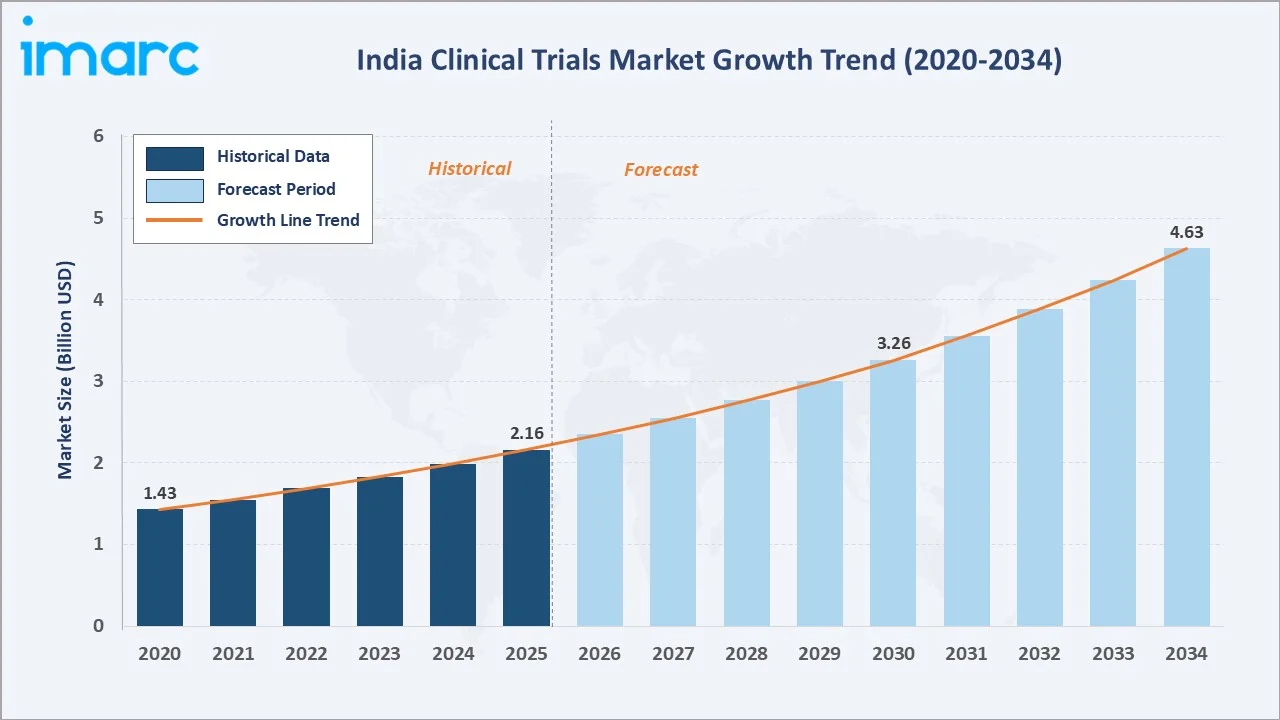
The India clinical trials market size increased from USD 2.16 Billion in 2025 to USD 2.35 Billion in 2026 and is projected to reach USD 4.63 Billion by 2034, growing at a CAGR of 8.56% during 2026-2034. The market is driven by a large and diverse patient pool, rising pharmaceutical and biotechnology R&D investments, cost-efficient trial operations, and improving regulatory frameworks. India’s clinical trials market is gaining strong momentum, with nearly 18,000 new trials registered in 2024, marking around 50% growth over the previous year. This rising trial volume across high-burden disease areas is driving market growth by increasing demand for clinical research services, patient recruitment, site management, data monitoring, and regulatory support across India. Phase III leads phase at 34.9%. Interventional trials lead study design at 58.3%. North India leads at 29.8%.
Market Snapshot
|
Metric |
Value |
|
Base Year Market Size (2025) |
USD 2.16 Billion |
| Market Size (2026) | USD 2.35 Billion |
|
Forecast Market Size (2034) |
USD 4.63 Billion |
|
CAGR (2026-2034) |
8.56% |
|
Base Year |
2025 |
|
Historical Period |
2020-2025 |
|
Forecast Period |
2026-2034 |
|
Dominant Phase |
Phase III (34.9%, 2025) |
|
Dominant Study Design |
Interventional Trials (58.3%, 2025) |
|
Leading Region |
North India (29.8%, 2025) |
The India clinical trials market has demonstrated strong and sustained growth, increasing from USD 1.43 Billion in 2020 to USD 2.16 Billion in 2025 and an estimated USD 2.35 Billion in 2026, reflecting expanding clinical research activity across the country. The market is projected to reach USD 3.26 Billion by 2030 and further grow to USD 4.63 Billion by 2034, supported by a robust pipeline of innovative drugs and biologics. Growth is being driven by increasing investments from global pharmaceutical and biotechnology companies, a large treatment-naïve patient population, and improvements in the regulatory environment. Additionally, the rising adoption of decentralized and technology-enabled clinical trials, coupled with expanding clinical research infrastructure, is expected to sustain long-term market growth.
To get more information on this market, Request Sample
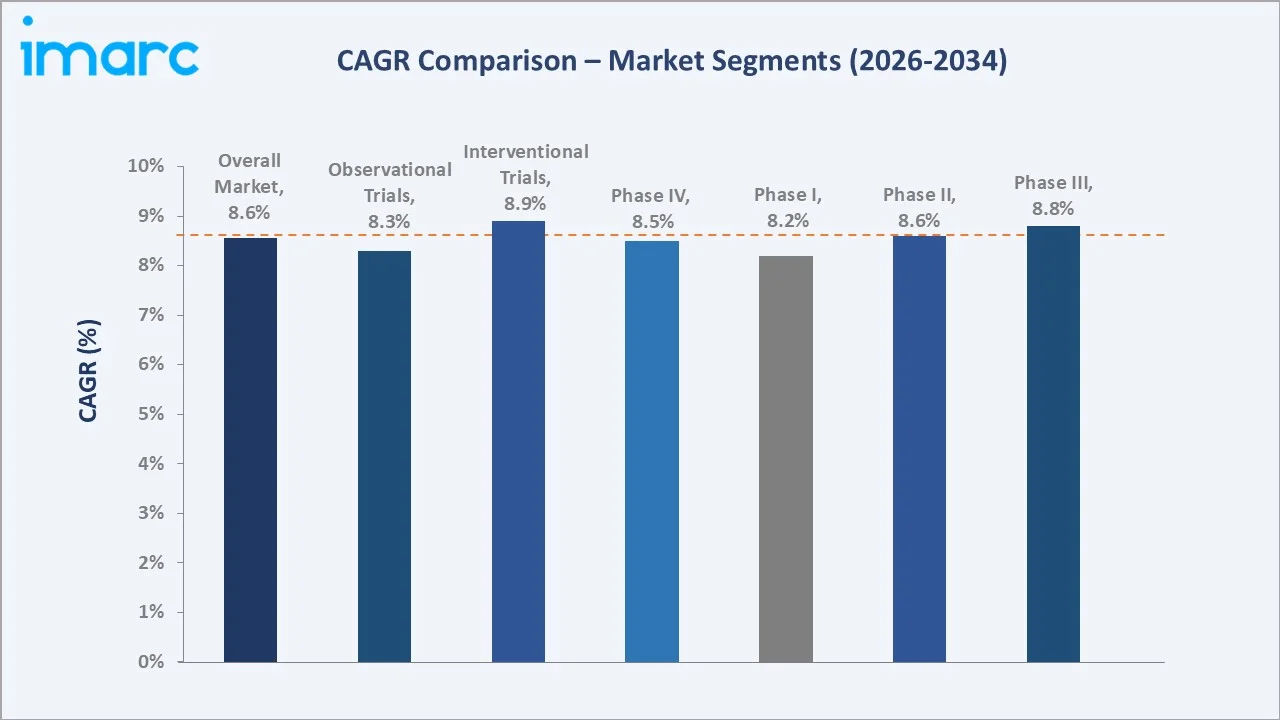
Phase III grows fastest at ~8.8% CAGR through oncology and CNS pivotal trial India outsourcing. Interventional grows at ~8.9% CAGR through precision medicine biomarker-driven adaptive design. Phase IV grows at ~8.5% CAGR through India pharmacovigilance regulatory and real-world evidence growth.
Executive Summary
The India clinical trials market is witnessing robust growth, supported by the country’s large patient pool, diverse disease burden, and expanding healthcare infrastructure. Rising clinical trial registrations, especially across non-communicable diseases such as cancer, diabetes, and cardiovascular disorders, are strengthening India’s role as a preferred research destination. Global pharmaceutical and biotechnology companies are increasingly outsourcing trials to India due to cost advantages, faster recruitment, and skilled clinical research professionals. Regulatory reforms, digital trial platforms, and improved ethics and compliance frameworks are enhancing trial transparency and operational efficiency. Growing investments in biologics, vaccines, precision medicine, and decentralized trials are further creating new opportunities. Overall, India is emerging as a strategic hub for high-volume, cost-effective, and innovation-led clinical research. Phase III at 34.9% leads through pivotal multinational trials. Interventional at 58.3% leads through RCT drug and device. North India leads regionally at 29.8%.
Key Market Insights
|
Insight |
Data |
|
Dominant Phase |
Phase III - 34.9% share (2025) |
|
Dominant Study Design |
Interventional Trials - 58.3% market share (2025) |
|
Leading Region |
North India - 29.8% share (2025) |
|
Market Opportunity |
Phase III oncology precision medicine; decentralized digital clinical trial; biosimilar Phase I/III bioequivalence India; vaccine Phase I/II/III infectious disease; genomic rare disease India trial; AI-ML site selection and patient recruitment optimization |
Key Analytical Observations Supporting The Above Data:
- Phase III at 34.9%: Phase III dominates due to its large patient enrollment requirements, extensive multicenter study designs, and strong participation from global pharmaceutical companies conducting pivotal efficacy and safety studies before regulatory approval.
- Interventional Trials at 58.3%: Interventional trials dominate as they are widely used to evaluate the safety, dosage, and efficacy of new drugs, biologics, vaccines, and medical devices. The rising burden of chronic diseases and growing sponsor focus on treatment-based studies are increasing the number of interventional trials across hospitals and research centers.
- North India at 29.8%: North India dominates regionally due to the strong presence of leading hospitals, medical institutes, research centers, and CRO facilities. The region’s large patient base, advanced healthcare infrastructure, and faster recruitment capacity support higher clinical trial activity.
India Clinical Trials Market Overview
The India clinical trials market encompasses a broad range of research activities conducted to evaluate the safety, efficacy, dosage, and performance of drugs, biologics, vaccines, medical devices, and therapeutic procedures. It includes interventional, observational, and expanded access studies across Phase I, Phase II, Phase III, and Phase IV stages. The market covers services such as study design, patient recruitment, site management, regulatory submissions, data management, monitoring, and pharmacovigilance. It serves pharmaceutical companies, biotechnology firms, CROs, academic institutions, hospitals, and government research bodies. The market also spans multiple therapeutic areas, including oncology, diabetes, cardiovascular diseases, infectious diseases, respiratory disorders, and rare diseases. Growing digital adoption, decentralized trial models, and advanced analytics are further expanding the scope of clinical research in India. Macroeconomic factors include rising healthcare expenditure, sustained pharmaceutical and biotechnology investments, and increasing foreign direct investment (FDI) in life sciences.
Market Dynamics
To evaluate market opportunities, Request Sample
Market Drivers
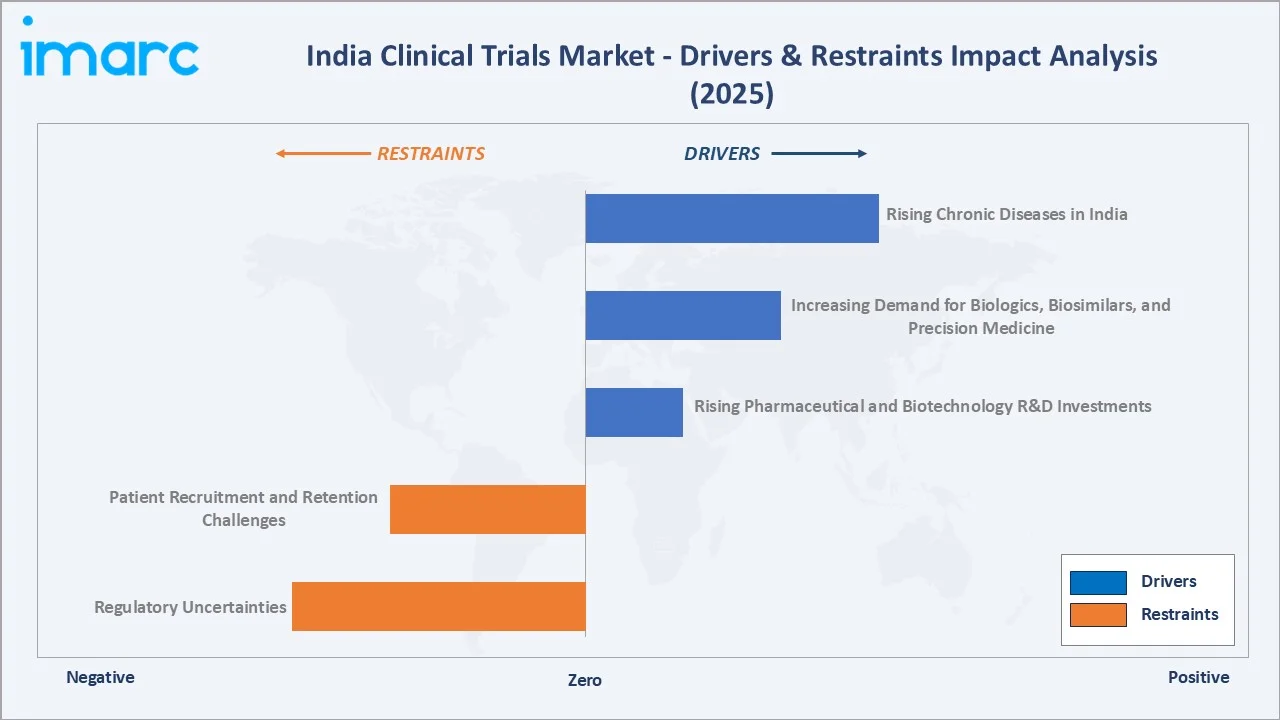
- Rising Chronic Diseases in India: The rising burden of chronic diseases in India is increasing the demand for new and more effective treatment options. Growing cases of cancer, diabetes, cardiovascular diseases, respiratory disorders, and digestive diseases are encouraging pharmaceutical and biotechnology companies to conduct more disease-focused trials in the country. In 2024, there are 89.8 million adults (20–79 years) with diabetes in India, and this number is expected to reach 156.7 million by 2050. According to the NSO Health survey, 15,217 disease cases per 100,000 population, indicating that several individuals experienced more than one health condition. The disease burden was higher among women, with 17,006 cases per 100,000 population, compared to 13,504 cases among men. India’s large patient pool enables faster recruitment for chronic disease studies, making it an attractive destination for global sponsors.
- Increasing Demand for Biologics, Biosimilars, and Precision Medicine: The increasing demand for biologics, biosimilars, and precision medicine is creating a strong need for advanced safety, efficacy, and comparative studies. As pharmaceutical and biotechnology companies expand pipelines in oncology, autoimmune disorders, diabetes, and rare diseases, India is becoming an attractive location for complex clinical research. The country’s large and genetically diverse patient population supports biomarker-based and targeted therapy trials. This trend is also increasing demand for specialized CRO services, advanced diagnostics, real-world evidence generation, and regulatory expertise.
- Rising Pharmaceutical and Biotechnology R&D Investments: Rising pharmaceutical and biotechnology R&D investments are increasing the number of drug discovery, vaccine, biologics, and biosimilar development programs. In December 2025, Sun Pharmaceutical Industries, with its wholly owned subsidiary, Sun Pharma Laboratories Ltd., approved an investment of around ₹3,000 crore to set up a new formulations facility in Madhya Pradesh. This supports the rise in pharmaceutical and biotechnology R&D investments by strengthening India’s drug development and manufacturing ecosystem.
Market Restraints
- Regulatory Uncertainties: Regulatory uncertainties are creating delays in study approvals, ethics committee clearances, and protocol amendments. Frequent changes in compliance requirements may increase documentation burden and operational costs for sponsors and CROs. Unclear timelines or inconsistent interpretation of rules across trial sites can also affect study planning and execution. As a result, some global sponsors may hesitate to allocate complex or time-sensitive trials to India.
- Patient Recruitment and Retention Challenges: Patient recruitment and retention challenges are delaying study timelines and increasing overall trial costs. Limited patient awareness, eligibility restrictions, geographic barriers, and concerns about trial safety can slow enrollment across therapeutic areas. Retaining participants throughout long-duration studies is also difficult due to travel burden, follow-up requirements, and lack of continuous engagement. These challenges can affect data completeness, protocol adherence, and sponsor confidence in trial execution.
Market Opportunities
- Growing Demand for Oncology, Rare Disease, and Gene Therapy Trials: Growing demand for oncology, rare disease, and gene therapy trials presents a strong opportunity as these areas require specialized patient recruitment, advanced diagnostics, and complex study designs. India’s large and genetically diverse patient base can support faster enrollment for targeted and biomarker-based studies. Rising cancer cases and increasing focus on orphan drugs and cell and gene therapies are attracting global sponsors to conduct trials in the country. This is creating opportunities for CROs, hospitals, laboratories, and research institutes to offer specialized clinical trial services.
- Expansion of Decentralized, Hybrid, and Virtual Clinical Trial Models: The expansion of decentralized, hybrid, and virtual clinical trial models improves patient access beyond major hospital-based trial sites. Remote monitoring, e-consent, teleconsultation, wearable devices, and digital data collection can reduce travel burden and improve participant retention. These models are especially useful for chronic disease, rare disease, and long-duration studies requiring continuous follow-up. As sponsors adopt technology-enabled trials, India can attract more cost-efficient, scalable, and patient-centric clinical research projects.
Market Challenges
- Ensuring Consistent Data Quality and Integrity: Ensuring consistent data quality and integrity is a key challenge due to the involvement of multiple trial sites, diverse patient populations, and varied levels of infrastructure. Differences in data collection practices, documentation standards, and staff training can lead to errors, missing records, or protocol deviations. Maintaining accuracy across electronic data capture systems, remote monitoring tools, and real-world evidence platforms also requires strong oversight. Any inconsistency in trial data can delay approvals, increase audit risks, and reduce sponsor confidence.
- Short Timelines for Study Completion and Sponsor Expectations: Short timelines for study completion and high sponsor expectations put pressure on CROs, hospitals, and trial sites to accelerate enrollment, monitoring, and reporting. Tight deadlines can increase the risk of protocol deviations, documentation gaps, and operational errors. Sponsors often expect faster recruitment, high-quality data, and strict regulatory compliance at competitive costs, which can strain site resources. As a result, maintaining trial quality while meeting aggressive timelines remains a key challenge for market participants.
Emerging Market Trends
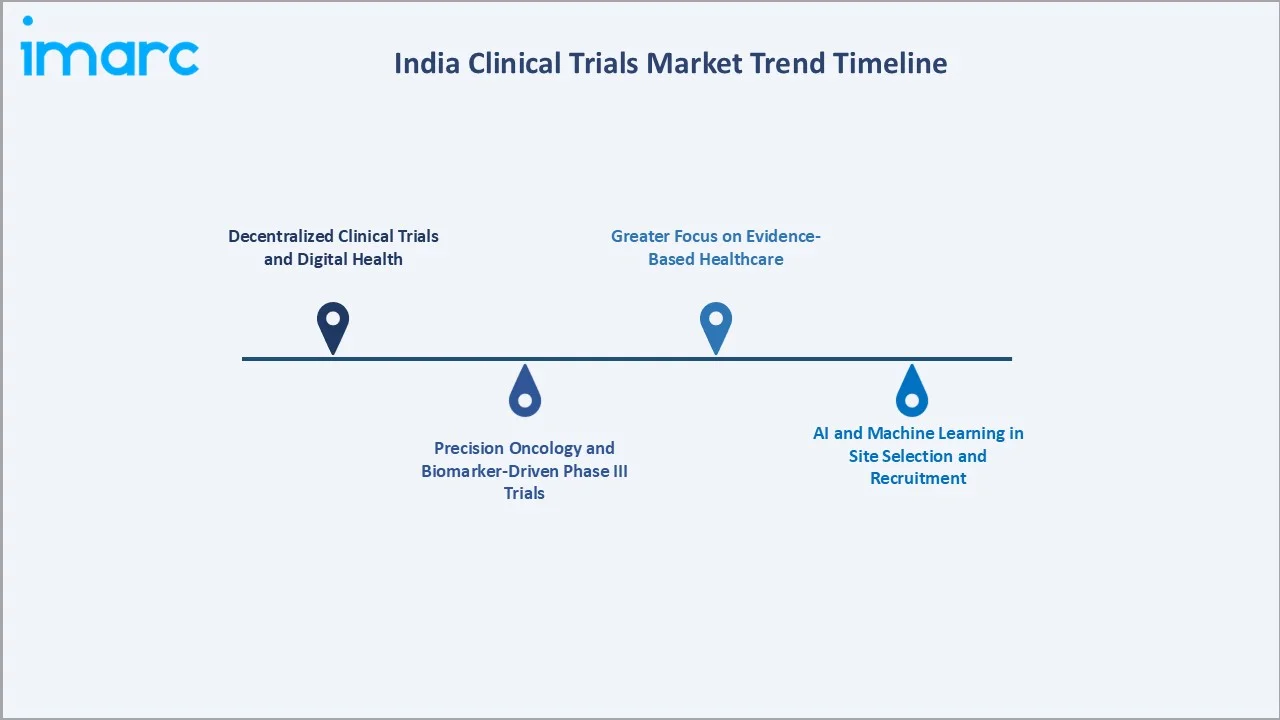
1. Decentralized Clinical Trials and Digital Health
Decentralized clinical trials (DCT) and digital health are emerging as sponsors increasingly adopt technology to improve trial efficiency and patient participation. The use of telemedicine, e-consent, wearable devices, electronic patient-reported outcomes (ePRO), and remote monitoring enables data collection beyond traditional trial sites. These digital approaches reduce patient travel, improve recruitment and retention, and enhance real-time data quality. As regulatory acceptance and digital health infrastructure continue to evolve, DCT models are expected to play an increasingly important role in clinical research across India.
2. Precision Oncology and Biomarker-Driven Phase III Trials
Precision oncology and biomarker-driven Phase III trials are emerging as cancer research increasingly shifts toward targeted and personalized therapies. These trials use genetic, molecular, and biomarker testing to identify suitable patient groups, improving treatment accuracy and trial outcomes. India’s large oncology patient base and expanding diagnostic infrastructure make it well-positioned for such advanced studies. As global sponsors focus on targeted cancer drugs, immunotherapies, and companion diagnostics, demand for biomarker-led Phase III trials in India is expected to rise.
3. Greater Focus on Evidence-Based Healthcare
Greater focus on evidence-based healthcare is emerging as policymakers, researchers, and healthcare providers increasingly emphasize scientifically validated treatment outcomes. This is encouraging more structured clinical studies for modern medicines, biologics, medical devices, and integrative therapies. The Indian Council of Medical Research hosted the 1st ICMR Annual Clinical Trial Meet 2026 in May 2026, under the theme “International Clinical Trials Day: Focus on Integrative Medicine Clinical Trials.” The national event provided an important platform to discuss ways to strengthen India’s clinical trial ecosystem and promote evidence-based research in integrative medicine. As evidence generation becomes central to healthcare adoption, demand for high-quality clinical trials in India is expected to rise.
4. AI and Machine Learning in Site Selection and Recruitment
AI and machine learning in site selection and recruitment are emerging as sponsors seek faster, data-driven trial execution. AI tools can analyze hospital capacity, disease prevalence, investigator performance, and patient demographics to identify suitable trial sites. Machine learning also helps screen eligible participants, predict recruitment timelines, and reduce enrollment delays. As clinical trials become more complex, these technologies are improving efficiency, reducing costs, and strengthening India’s competitiveness as a clinical research destination.
Industry Value Chain Analysis
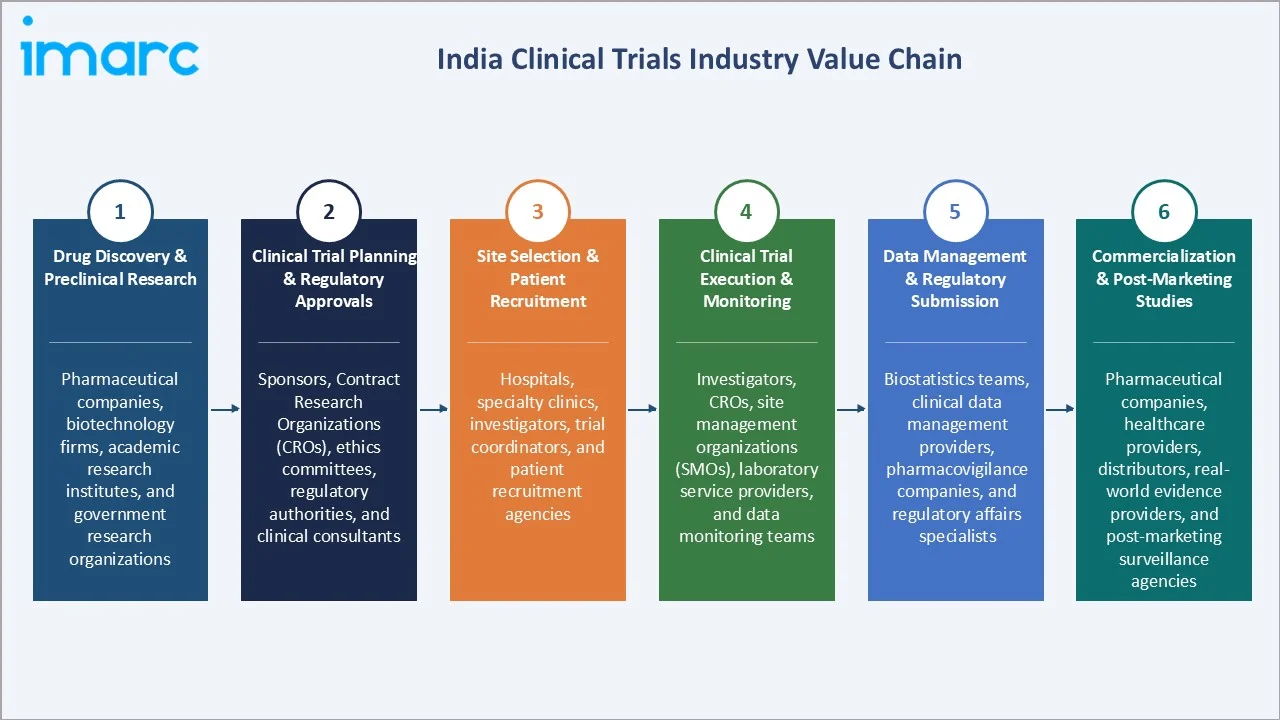
The India clinical trials value chain integrates drug discovery & preclinical research, clinical trial planning & regulatory approvals, site selection & patient recruitment, clinical trial execution & monitoring, data management & regulatory submission, and commercialization & post-marketing studies.
|
Stage |
Key Participants |
|
Drug Discovery & Preclinical Research |
Pharmaceutical companies, biotechnology firms, academic research institutes, and government research organizations |
|
Clinical Trial Planning & Regulatory Approvals |
Sponsors, Contract Research Organizations (CROs), ethics committees, regulatory authorities, and clinical consultants |
|
Site Selection & Patient Recruitment |
Hospitals, specialty clinics, investigators, trial coordinators, and patient recruitment agencies |
|
Clinical Trial Execution & Monitoring |
Investigators, CROs, site management organizations (SMOs), laboratory service providers, and data monitoring teams |
|
Data Management & Regulatory Submission |
Biostatistics teams, clinical data management providers, pharmacovigilance companies, and regulatory affairs specialists |
|
Commercialization & Post-Marketing Studies |
Pharmaceutical companies, healthcare providers, distributors, real-world evidence providers, and post-marketing surveillance agencies |
Clinical trial execution and monitoring is the most value-added stage in the India clinical trials value chain, as it directly determines the quality, reliability, and regulatory acceptance of clinical data. This phase involves patient recruitment, treatment administration, site monitoring, data collection, safety reporting, and protocol compliance, making it the most resource-intensive and specialized segment. Efficient execution improves trial timelines, reduces operational risks, and enhances the likelihood of successful regulatory approvals, creating significant value for sponsors, CROs, and healthcare providers.
Technology Landscape in the India Clinical Trials Industry
Digital and Data Technology
Digital and data technologies enable electronic data capture (EDC), remote monitoring, e-consent, telemedicine, and real-time analytics throughout the trial lifecycle. The adoption of cloud platforms, wearable devices, and electronic patient-reported outcomes (ePRO) is improving data accuracy, patient engagement, and operational efficiency. Advanced analytics and AI-powered tools are also accelerating site selection, patient recruitment, and risk-based monitoring. These digital innovations are making clinical trials faster, more cost-effective, and increasingly patient-centric across India.
Medical Device Testing and Evaluation Technology
Medical device testing and evaluation technology enables systematic assessment of the safety, performance, and effectiveness of innovative medical devices before commercialization. Advanced testing platforms, simulation tools, imaging technologies, and digital monitoring systems help generate high-quality clinical evidence while ensuring regulatory compliance. In June 2026, the Government Institute of Medical Sciences (GIMS), Greater Noida, hosted the CDSCO–CII National Workshop on Medical Device Regulations, bringing together regulators, policymakers, industry representatives, researchers, healthcare professionals, startups, investors, and other stakeholders to discuss the future of India’s growing medical device sector. During the event, the Drugs Controller General of India (DCGI) inaugurated a new Clinical Trial Facility at GIMS to strengthen the institute’s clinical research infrastructure and enhance its capabilities for testing and evaluating innovative medical technologies. These technologies also improve trial accuracy, reduce development timelines, and support faster approvals for medical devices.
Cloud-based Clinical Data Management Technology
Cloud-based clinical data management technology enables secure, centralized, and real-time access to clinical data across multiple trial sites. Cloud platforms improve collaboration among sponsors, CROs, investigators, and regulators while streamlining data collection, validation, and monitoring. They also support scalable storage, automated backups, and regulatory compliance, enhancing data integrity and operational efficiency. As decentralized and multicenter clinical trials expand, cloud-based systems are becoming essential for faster, more accurate, and cost-effective trial management.
Market Segmentation Analysis
The report covers the following segments:
|
Segment Category |
Leading Segment |
Market Share |
Year |
|
Phase |
Phase III |
34.9% |
2025 |
|
Study Design |
Interventional Trials |
58.3% |
2025 |
|
Indication |
🔒 |
🔒 |
2025 |
|
Service Type |
🔒 |
🔒 |
2025 |
|
Sponsor |
🔒 |
🔒 |
2025 |
|
Region |
North India |
29.8% |
2025 |

By Phase
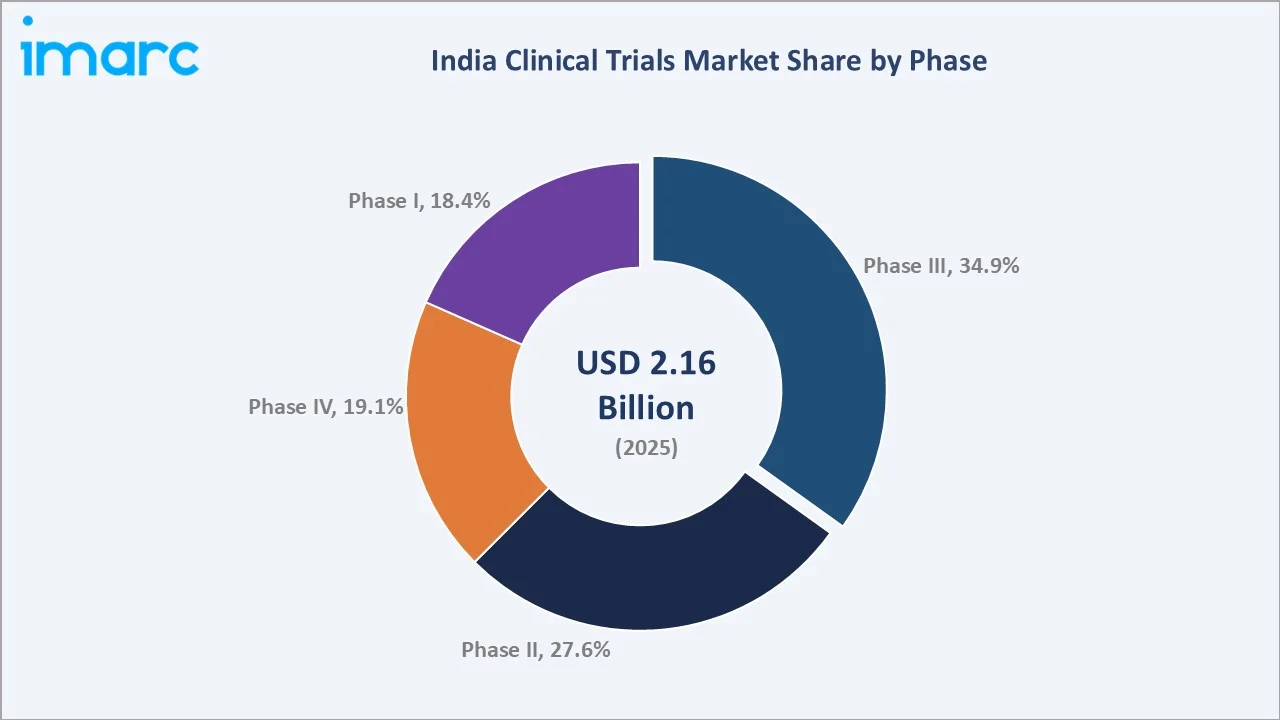
Phase III leads at 34.9% (2025), through multinational pivotal efficacy and safety randomized controlled trials in oncology, CNS, cardiovascular, metabolic, and immunology biologics.
To access detailed market analysis, Request Sample
Phase II at 27.6% reflects proof-of-concept and dose-ranging studies across oncology, precision medicine and biosimilar dose selection. Phase I at 18.4% reflects first-in-human CRO studies, bioequivalence and bioavailability for generic pharma. Phase IV at 19.1% reflects post-approval pharmacovigilance, registry studies, and real-world evidence growing.
By Study Design
Interventional trials lead at 58.3% (2025), through sponsor-initiated randomized controlled drug trials, India domestic NCE and biosimilar interventional, and medical device randomized trial.
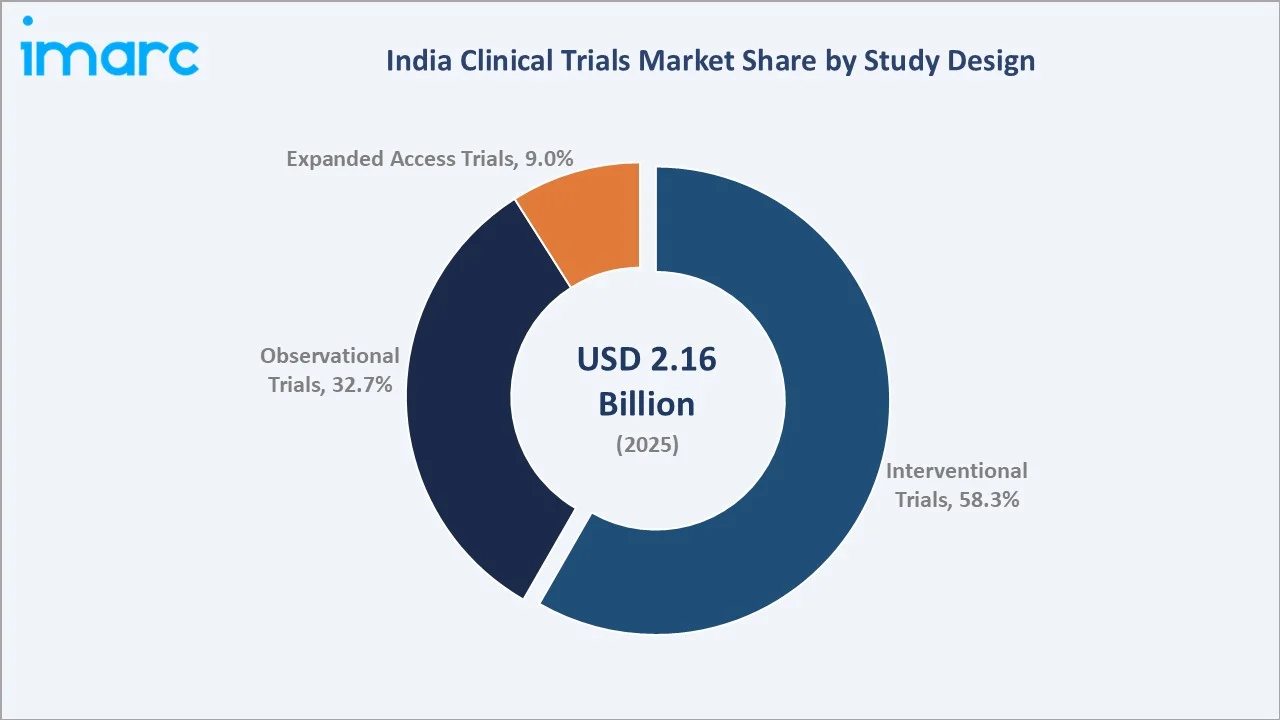
Observational trials at 32.7% reflect cohort studies, case-control epidemiology, cross-sectional real-world studies, and observational research growing through ICMR and academic hospital collaboration. Expanded access trials at 9.0% reflect compassionate use programs, named patient programs for oncology and rare disease, and pre-approval access protocols growing.
Regional Market Insights
|
Region |
Share (2025) |
Key India Clinical Trials Market Drivers & Characteristics |
|
North India |
29.8% |
Reflecting the strong presence of leading government hospitals, premier medical institutes, Contract Research Organizations (CROs), and a large patient pool. |
|
West India |
26.4% |
Reflecting the concentration of pharmaceutical and biotechnology companies, advanced healthcare infrastructure, and major CRO operations. |
|
South India |
23.7% |
Reflecting its strong network of multispecialty hospitals, academic medical institutions, and experienced clinical investigators. |
|
East India |
20.1% |
Reflecting expanding healthcare infrastructure, improving clinical research capabilities, and growing participation in multicenter studies. |
North India's 29.8% dominance is driven by the presence of premier hospitals, medical institutes, Contract Research Organizations (CROs), and a large, diverse patient population. West India's 26.4% follows closely, supported by its strong pharmaceutical and biotechnology manufacturing base, advanced healthcare infrastructure, and concentration of global clinical research sponsors.
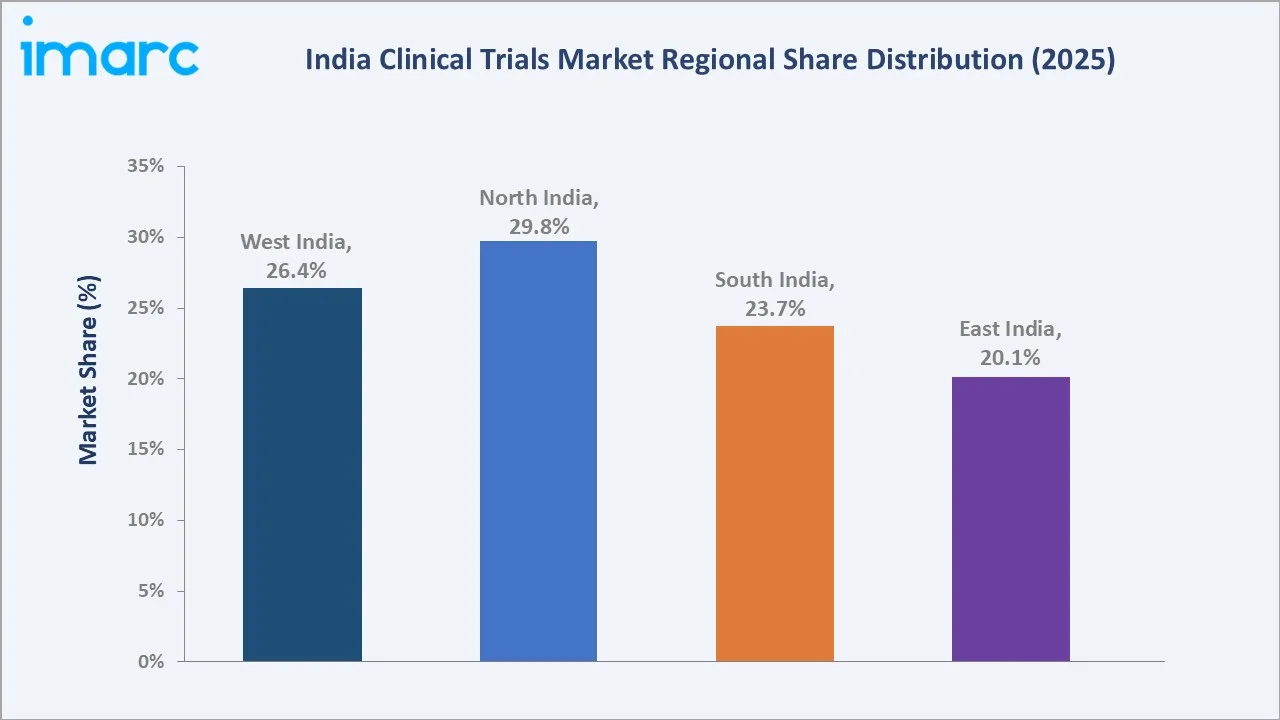
South India's 23.7% remains a key hub for high-quality clinical research, benefiting from renowned academic institutions, experienced investigators, and expertise in oncology, biologics, and vaccine trials. East India's 20.1% is witnessing steady growth due to improving healthcare infrastructure, expanding clinical research centers, and increasing participation in multicenter studies.
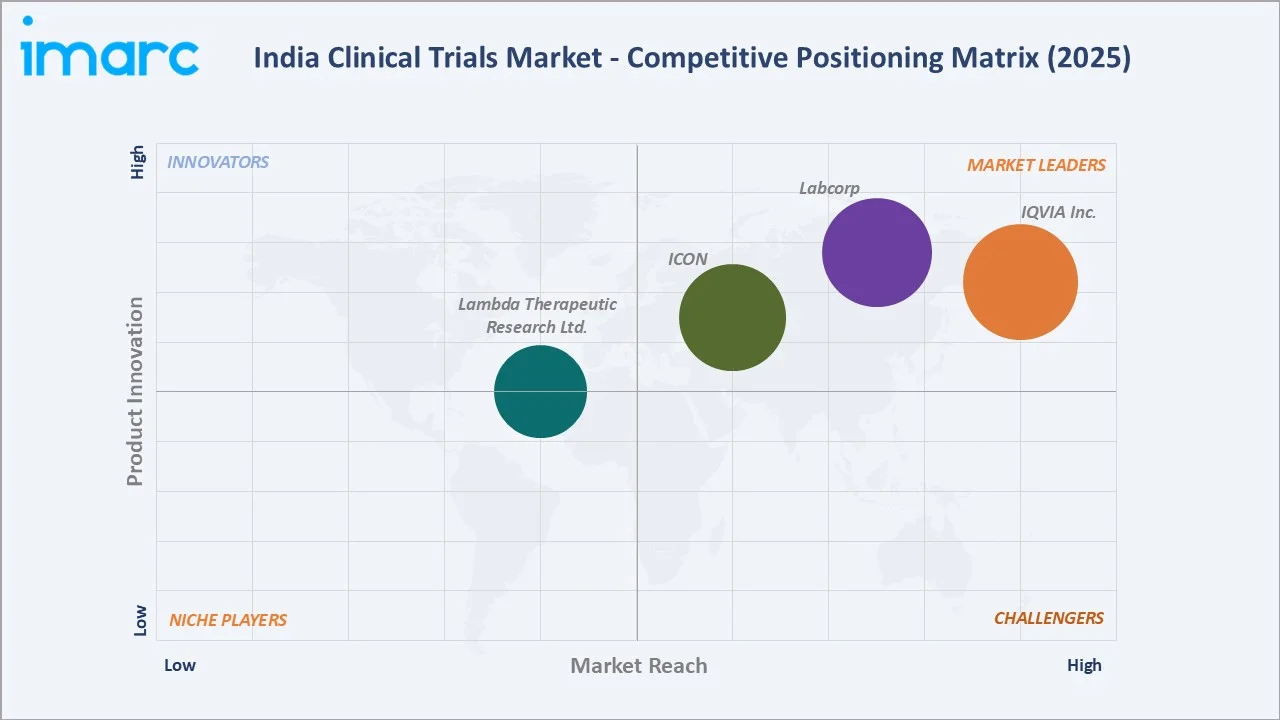
Competitive Landscape
The India clinical trials market is moderately fragmented, with competition among global and domestic Contract Research Organizations (CROs), pharmaceutical companies, biotechnology firms, and specialized clinical research service providers. Market participants compete on therapeutic expertise, regulatory compliance, patient recruitment capabilities, digital trial technologies, and nationwide site networks. Strategic partnerships with hospitals, academic institutions, and biotechnology companies are becoming increasingly important to expand clinical research capabilities.
|
Company |
Key Offerings |
Market Position |
Core Strength |
|
IQVIA Inc. |
Clinical Trial Financial Suite (CTFS), Clinical Data Analytics Solutions (CDAS) |
Market Leader |
IQVIA Inc. operates as a leading Contract Research Organization (CRO) in India, driving clinical trials through AI-driven site selection, Clinical Trial Planning and vast patient recruitment networks. The company leverages India's large, diverse treatment-naive patient pool and streamlined regulatory frameworks. |
|
Labcorp |
Labcorp Clinical Trials |
Market Leader |
Labcorp plays a critical role in India's clinical trial ecosystem by providing end-to-end contract research organization (CRO) services, central laboratory testing, and patient recruitment support. Their integrated operations help biopharma companies accelerate drug development while adhering to complex local and international regulatory standards. |
|
ICON |
ICON Clinical Trials |
Market Leader |
ICON serves as a vital clinical research organization (CRO) in India, managing end-to-end drug and medical device development. It provides localized clinical trial management, data analytics, and regulatory compliance to accelerate global trials while tapping into India’s vast patient diversity, skilled workforce, and cost efficiencies. |
|
Lambda Therapeutic Research Ltd. |
Phase II-IV Clinical Trial Management, Clinical Development Services (CDS), Clinical Safety & Pharmacovigilance |
Established Player |
Lambda Therapeutic Research Ltd. acts as a full-service Contract Research Organization (CRO). In India, the company provides end-to-end clinical trial services, specializing in Phase I to Phase IV studies, bioequivalence testing, biosimilar development, and CDMO biologics services to pharmaceutical and biotech companies |
Companies are also investing in decentralized clinical trials, AI-driven patient recruitment, cloud-based data management, and real-world evidence solutions to improve trial efficiency. The market is expected to witness further consolidation through collaborations, acquisitions, and capacity expansion as sponsors seek faster, high-quality, and cost-effective clinical trial execution.
Key Company Profiles
IQVIA Inc.
IQVIA Inc. is one of the leading clinical research and healthcare intelligence companies operating in the India clinical trials market. The company provides end-to-end clinical development solutions, including clinical trial management, patient recruitment, site monitoring, regulatory affairs, biostatistics, data management, pharmacovigilance, and real-world evidence (RWE) services. In India, the company benefits from a strong network of clinical trial sites, experienced investigators, and digital health capabilities, enabling efficient execution of multicenter and global studies across therapeutic areas such as oncology, cardiovascular diseases, infectious diseases, neuroscience, and rare diseases.
- Key Offerings: Clinical Trial Financial Suite (CTFS), Clinical Data Analytics Solutions (CDAS).
- Strategic Focus: Focuses on expanding technology-enabled clinical research through decentralized clinical trials (DCTs), AI-driven patient recruitment, and advanced clinical data analytics. The company is strengthening partnerships with pharmaceutical, biotechnology, and medical device companies to support complex global and multicenter studies across India.
Lambda Therapeutic Research Ltd.
Lambda Therapeutic Research Ltd. is a leading India-based Contract Research Organization (CRO) specializing in clinical research, bioavailability/bioequivalence (BA/BE) studies, clinical pharmacology, central laboratory services, and data management. The company provides comprehensive drug development solutions to pharmaceutical, biotechnology, and medical device companies, supporting both domestic and global clinical development programs. With state-of-the-art clinical research facilities, bioanalytical laboratories, and experienced research professionals, Lambda conducts Phase I–IV clinical trials across multiple therapeutic areas while adhering to international regulatory standards.
- Key Offerings: Phase II-IV Clinical Trial Management, Clinical Development Services (CDS), Clinical Safety & Pharmacovigilance.
- Strategic Focus: Centered on expanding integrated clinical research services, with a strong emphasis on bioavailability/bioequivalence (BA/BE) studies, early-phase clinical development, and global regulatory compliance. The company is strengthening its clinical pharmacology, bioanalytical, and central laboratory capabilities to support complex drug development programs.
Market Concentration Analysis
The India clinical trials market is moderately fragmented, with the presence of global Contract Research Organizations (CROs), domestic CROs, pharmaceutical companies, biotechnology firms, and specialized clinical research service providers. Large international players hold a significant share of complex multinational studies, while regional companies compete through cost-effective services, local regulatory expertise, and extensive site networks. Competition is driven by capabilities in patient recruitment, therapeutic specialization, digital clinical trial technologies, and regulatory compliance. Strategic collaborations, capacity expansion, and investments in decentralized clinical trials, AI-enabled analytics, and cloud-based data management are strengthening market positions. As demand for advanced clinical research continues to rise, the market is expected to witness further consolidation through partnerships, acquisitions, and service portfolio expansion.
Investment & Growth Opportunities
Highest Growth Segments
Phase III oncology precision medicine (~8.8% CAGR), interventional adaptive design (~8.9% CAGR), DCT decentralized digital trial (~10% CAGR from emerging base), biosimilar Phase I growing (~9% CAGR), North India AIIMS network Phase III expanding, and South India Bangalore biotech Phase I-II (~8.5% CAGR) represent India CT highest-growth investment vectors through 2034.
Investment Themes
- Decentralized and digital clinical trials: Growing adoption of telemedicine, e-consent, wearable devices, and remote patient monitoring is creating investment opportunities in digital clinical trial platforms that improve patient recruitment, retention, and operational efficiency while reducing trial costs.
- Biosimilar Phase I and precision oncology Phase III trials: Increasing development of biosimilars and targeted cancer therapies is driving investments in early-phase bioequivalence studies and large-scale biomarker-driven Phase III trials, supported by India's diverse patient population and expanding clinical research infrastructure.
Future Market Outlook (2026-2034)
The India clinical trials market is projected to grow from USD 2.16 Billion in 2025 to an estimated USD 2.35 Billion in 2026 and USD 4.63 Billion by 2034, delivering a 8.56% CAGR over the forecast period through precision oncology Phase III biomarker-driven India, decentralized digital clinical trial provision, biosimilar Phase I-III ecosystem growth, and AI-ML site selection and recruitment optimization. The market's anchor value of USD 3.26 Billion in 2030 represents India CT at DCT mainstream and precision medicine Phase III inflection.
Three structural forces are expected to define the growth of the India clinical trials market through 2034. First, increasing pharmaceutical and biotechnology R&D investments, coupled with a strong pipeline of biologics, biosimilars, and precision medicines, will continue to expand clinical research activity. Second, the rapid adoption of decentralized clinical trials (DCTs), artificial intelligence, cloud-based data management, and digital health technologies will improve trial efficiency and patient engagement. Third, supportive regulatory reforms, expanding clinical research infrastructure, and India's large, diverse patient population will strengthen its position as a preferred global destination for cost-effective, high-quality clinical trials.
Research Methodology
Primary Research
Primary research comprised in-depth interviews with senior executives from pharmaceutical and biotechnology companies, Contract Research Organizations (CROs), clinical investigators, hospital research centers, regulatory experts, and industry consultants. These discussions were conducted to validate market size estimates, assess emerging trends, evaluate competitive dynamics, and gain insights into regulatory developments, technology adoption, and future growth opportunities in the India clinical trials market.
Secondary Research
Secondary research encompassed company reports, regulatory publications, clinical trial registries, government databases, industry journals, press releases, and credible healthcare publications. These sources were used to analyze market trends, competitive positioning, regulatory developments, disease burden, technology adoption, and clinical trial activity across India.
Forecasting Models
Forecasting models were developed using a combination of historical market trends, clinical trial registration patterns, pharmaceutical R&D investments, healthcare expenditure, and macroeconomic indicators. The analysis incorporated both top-down and bottom-up approaches, validated through primary research and secondary data sources. Market projections also considered regulatory developments, technology adoption, disease prevalence, and sponsor investment strategies to generate reliable forecasts through 2034.
India Clinical Trials Market Report Coverage:
| Report Features | Details |
|---|---|
| Base Year of the Analysis | 2025 |
| Historical Period | 2020-2025 |
| Forecast Period | 2026-2034 |
| Units | Billion USD |
| Scope of the Report |
Exploration of Historical Trends and Market Outlook, Industry Catalysts and Challenges, Segment-Wise Historical and Future Market Assessment:
|
| Phases Covered | Phase I, Phase II, Phase III, Phase IV |
| Study Designs Covered | Interventional Trials, Observational Trials, Expanded Access Trials |
| Indications Covered |
|
| Service Types Covered | Protocol Designing, Site Identification, Patient Recruitment, Laboratory Services, Bioanalytical Testing Services, Clinical Trial Data Management Services, Others |
| Sponsors Covered | Pharmaceutical & Biopharmaceutical Companies, Medical Device Companies, Others |
| Regions Covered | North India, South India, East India, West India |
| Companies Covered | IQVIA Inc., Labcorp, ICON, Lambda Therapeutic Research Ltd., etc. |
| Customization Scope | 10% Free Customization |
| Post-Sale Analyst Support | 10-12 Weeks |
| Delivery Format | PDF and Excel through Email (We can also provide the editable version of the report in PPT/Word format on special request) |
Key Benefits for Stakeholders:
- IMARC’s industry report offers a comprehensive quantitative analysis of various market segments, historical and current market trends, market forecasts, and dynamics of the India clinical trials market from 2020-2034.
- The research report provides the latest information on the market drivers, challenges, and opportunities in the India clinical trials market.
- Porter's five forces analysis assist stakeholders in assessing the impact of new entrants, competitive rivalry, supplier power, buyer power, and the threat of substitution. It helps stakeholders to analyze the level of competition within the India clinical trials industry and its attractiveness.
- Competitive landscape allows stakeholders to understand their competitive environment and provides an insight into the current positions of key players in the market.
Frequently Asked Questions About the India Clinical Trials Market Report
The India clinical trials market size is estimated at USD 2.35 Billion in 2026, driven by a large and diverse patient pool, rising chronic disease burden, and increasing demand for cost-efficient clinical research. Growing pharmaceutical and biotechnology R&D investments, regulatory improvements, and adoption of digital trial technologies are further supporting market growth.
The India clinical trials market grows at 8.56% CAGR during 2026-2034, reaching USD 4.63 Billion by 2034. The CAGR reflects India's cost advantage, diverse patient pool, and growing biotech and generic pharma R&D structural demand.
Phase III leads at 34.9% due to its large patient enrollment requirements, extensive multicenter study designs, and pivotal role in evaluating the safety and efficacy of new therapies before regulatory approval.
Interventional trials lead at 58.3% as they are essential for evaluating the safety, efficacy, and dosage of new drugs, biologics, vaccines, and medical devices. The increasing prevalence of chronic diseases and growing pharmaceutical R&D investments continue to drive demand for treatment-focused interventional studies across India.
North India leads at 29.8% due to its strong concentration of leading hospitals, medical institutes, CROs, and research centers across Delhi-NCR, Haryana, Punjab, and Uttar Pradesh. The region’s large patient pool, advanced healthcare infrastructure, and faster trial recruitment capabilities support higher clinical research activity.
Leading companies include IQVIA Inc., Labcorp, ICON, and Lambda Therapeutic Research Ltd., among others.
The market is projected to reach approximately USD 3.26 Billion by 2030, reflecting steady expansion in clinical research activity. Growth will be supported by rising pharma and biotech R&D investments, increasing trial outsourcing, and strong demand for advanced therapies across chronic disease areas.
Three priority investment opportunities are expected to shape the India clinical trials market over the forecast period. First, decentralized and digital clinical trial platforms offer strong potential by improving patient recruitment, remote monitoring, and data management. Second, biosimilar and precision medicine clinical trials, particularly Phase I and biomarker-driven Phase III studies, are attracting increasing investments from global pharmaceutical companies. Third, investments in AI-enabled clinical research, cloud-based data management, and advanced clinical trial infrastructure are creating opportunities to enhance trial efficiency, regulatory compliance, and India's competitiveness as a global clinical research hub.
Need more help?
- Speak to our experienced analysts for insights on the current market scenarios.
- Include additional segments and countries to customize the report as per your requirement.
- Gain an unparalleled competitive advantage in your domain by understanding how to utilize the report and positively impacting your operations and revenue.
- For further assistance, please connect with our analysts.
 Request Customization
 Speak to an Analyst
 Request Brochure
 Inquire Before Buying
Benefits of Customization
- Personalize this research
- Triangulate with your data
- Get data as per your format and definition
- Gain a deeper dive into a specific application, geography, customer, or competitor
- Any level of personalization
Get in Touch With Us
UNITED STATES
Phone: +1-201-971-6302
INDIA
Phone: +91-120-433-0800
UNITED KINGDOM
Phone: +44-753-714-6104
Email: [email protected]
Client Testimonials




.webp)




.webp)













Related Reports

Choose your plan
*Please note that the prices mentioned below are starting prices for each bundle type. Kindly contact our team for further details.*
Single User License
- 1 User License, Access on 2 Devices
- PDF Report + Excel Dataset (Password Protected)
- Lifetime Access
- No Printing Rights
- 10% Free Report Customization
- 10–12 Weeks of Analyst Support
Five User License
- Access for 5 Users, 2 Devices per User
- PDF Report + Excel Dataset (Password Protected)
- Lifetime Access
- Dedicated Account Manager
- 12–14 Weeks of Analyst Support
- No Printing Rights
- 15% Free Report Customization
- 25% Discount on Your Next Purchase
Corporate User License
- Unlimited User Access (Within Your Organization)
- PDF Report + Excel Dataset
- Lifetime Access
- Dedicated Account Manager
- 14–20 Weeks of Analyst Support
- No Printing Rights
- 20% Free Report Customization
- 30% Discount on Your Next Purchase
Essential Insights
What's included:
3 reports
- Lifetime Access
- PDF Reports
- Excel Datasets
- 2 Weeks of Free Analyst Support
- 2 User Licenses
- Access on 2 Devices
- Printing Rights
- Complimentary PowerPoint (PPT) Version
- Complimentary License Upgrade
Professional Access
What's included:
5 reports
- Lifetime Access
- PDF Reports
- Excel Datasets
- 8 Weeks of Free Analyst Support
- 2 User Licenses
- Access on 2 Devices
- Printing Rights
- Complimentary PowerPoint (PPT) Version
- Complimentary License Upgrade
Business Advantage
What's included:
8 reports
- Lifetime Access
- PDF Reports
- Excel Datasets
- 14 Weeks of Free Analyst Support
- 2 User Licenses
- Access on 2 Devices
- Printing Rights
- Complimentary PowerPoint (PPT) Version
- Complimentary License Upgrade
Enterprise Intelligence
What's included:
10 reports
- Lifetime Access
- PDF Reports
- Excel Datasets
- 20 Weeks of Free Analyst Support
- 2 User Licenses
- Access on 2 Devices
- Printing Rights
- Complimentary PowerPoint (PPT) Version
- Complimentary License Upgrade