
India Gene Therapy Market Size, Share, Trends and Forecast by Gene Type, Vector Type, Delivery Method, Application, and Region, 2026-2034
India Gene Therapy Market Size, Share, Trends & Forecast (2026-2034)
The India gene therapy market reached USD 551.1 Million in 2025 and is projected to reach USD 2,014.9 Million by 2034, growing at a CAGR of 15.03% during 2026-2034. The market is driven by rising prevalence of genetic disorders, increased R&D funding, strategic biotech collaborations, and advancements in CRISPR-Cas9 gene editing. India’s population aged 60 years and above is projected to increase from around 100 million in 2011 to 230 million by 2036. This expanding elderly population is supporting the market by increasing the long-term burden of age-associated genetic and chronic diseases, encouraging research into advanced, potentially disease-modifying therapies and strengthening demand for precision and personalized medicine. In-vivo gene therapy leads delivery method at 61.8%. Oncological disorders lead application at 41.6%. South India leads regionally at 35.7%.
Market Snapshot
|
Metric |
Value |
|
Market Size (2025) |
USD 551.1 Million |
|
Forecast Market Size (2034) |
USD 2,014.9 Million |
|
CAGR (2026-2034) |
15.03% |
|
Base Year |
2025 |
|
Historical Period |
2020-2025 |
|
Forecast Period |
2026-2034 |
|
Dominant Delivery Method |
In-Vivo Gene Therapy (61.8%, 2025) |
|
Largest Application |
Oncological Disorders (41.6%, 2025) |
|
Leading Region |
South India (35.7%, 2025) |
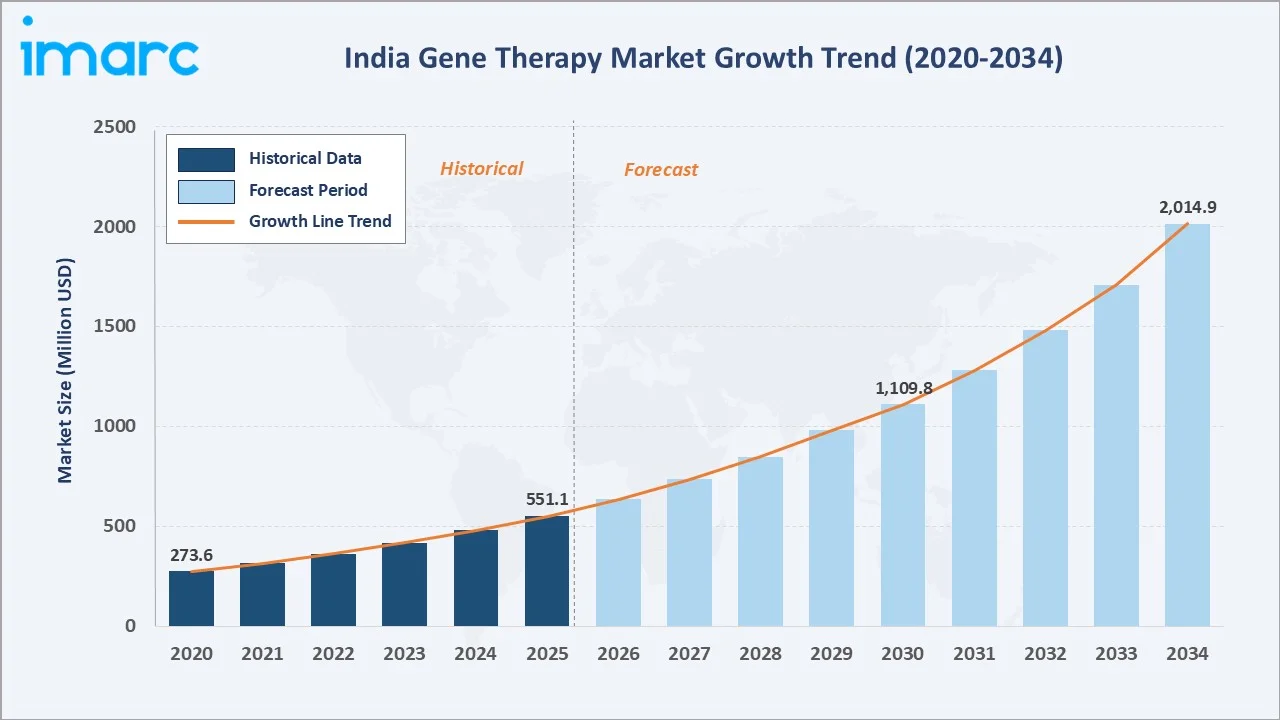
The India gene therapy market has demonstrated strong and sustained growth, increasing from USD 273.6 Million in 2020 to USD 551.1 Million in 2025, reflecting expanding gene therapy research and clinical activity across the country. The market is projected to reach USD 1,109.8 Million by 2030 and further grow to USD 2,014.9 Million by 2034, supported by a robust pipeline of gene therapies and biologics.
To get more information on this market, Request Sample
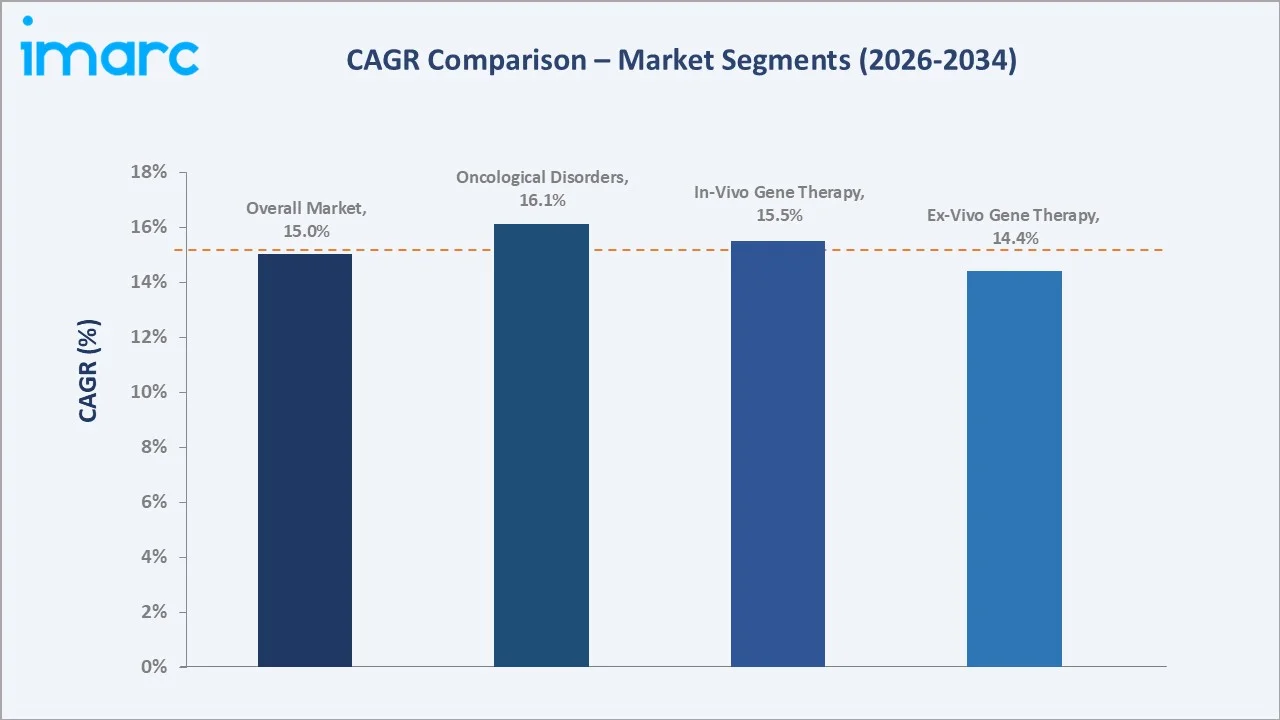
In-vivo gene therapy grows fastest at ~15.5% CAGR through oncology and rare disease direct AAV-based delivery programs. Ex-vivo grows at ~14.4% CAGR through CAR-T cell and hematopoietic stem cell gene correction programs. Oncological disorders lead application growth at ~16.1% CAGR through expanding cancer genomics and tumor suppressor gene therapy pipelines.
Executive Summary
The India gene therapy market is witnessing robust growth, supported by the country's large patient pool, diverse genetic disease burden, and expanding healthcare infrastructure. Rising gene therapy clinical trial registrations, especially across oncological disorders, rare diseases including thalassemia and hemophilia, and neurological conditions, are strengthening India's role as a preferred gene therapy research and development destination. In-vivo gene therapy leads the delivery method at 61.8%. Oncological disorders lead the application segment at 41.6%. South India leads regionally at 35.7%.
Key Market Insights
|
Insight |
Data |
|
Dominant Delivery Method |
In-Vivo Gene Therapy - 61.8% share (2025) |
|
Dominant Application |
Oncological Disorders - 41.6% share (2025) |
|
Leading Region |
South India - 35.7% share (2025) |
|
Market Opportunity |
CRISPR oncology; CAR-T rare disease; AAV vector scale-up; genomic medicine CDMOs |
Key Analytical Observations Supporting the Above Data:
- In-Vivo Gene Therapy at 61.8%: In-Vivo gene therapy leads due to its clinical convenience and broad applicability across oncological and rare disease indications using AAV, adenoviral, and lentiviral vector delivery systems.
- Oncological Disorders at 41.6%: Cancer leads application share due to India's rapidly growing cancer burden with 1.56 million new cancer cases and 901,828 cancer-related deaths in 2024 and expanding tumor suppressor and CAR-T gene therapy clinical trial activity.
- South India at 35.7%: South India leads regionally owing to a dense concentration of multispecialty hospitals, premier biotech research institutions, and Genome Valley's life sciences companies in Hyderabad.
India Gene Therapy Market Overview
The India gene therapy market encompasses technologies and therapies that introduce, modify, or replace genetic material within a patient's cells to treat or prevent diseases. It includes In-vivo and ex-vivo gene delivery approaches across viral vectors (AAV, adenoviruses, lentiviruses, retroviruses) and non-viral techniques (lipofection, electroporation, plasmid DNA). The market serves pharmaceutical companies, biotechnology firms, CDMOs, academic institutions, hospitals, and government research bodies. It spans therapeutic areas including oncological disorders, rare diseases, neurological conditions, cardiovascular diseases, and infectious diseases. Macroeconomic factors include rising healthcare expenditure, sustained pharmaceutical and biotechnology investments, government rare disease policies, and increasing FDI in India's life sciences sector.
Market Dynamics
To evaluate market opportunities, Request Sample
Market Drivers
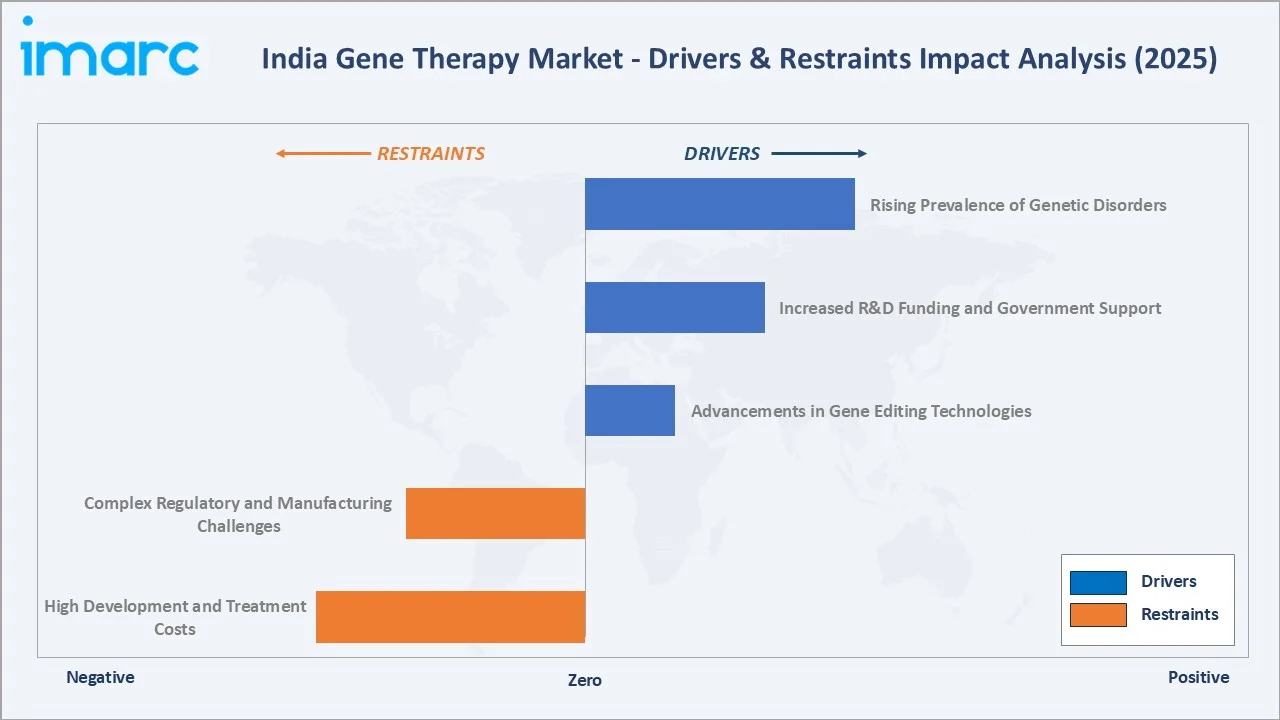
- Rising Prevalence of Genetic Disorders: India accounts for around 150,000 patients and about 12,000 new cases annually and has one of the largest sickle-cell disease burdens. This significant genetic disease load creates strong, sustained demand for curative gene therapy interventions across India.
- Increased R&D Funding and Government Support: Rising government funding for biotechnology research is accelerating the development of indigenous cell and gene therapies in India. Support for research infrastructure, clinical trials, startups, and biomanufacturing is helping translate laboratory innovations into affordable, commercially viable therapies, thereby driving the market.
- Advancements in Gene Editing Technologies: Rapid progress in CRISPR-Cas9, zinc-finger nucleases (ZFN), and base editing technologies has improved the precision, safety, and efficacy of gene therapy interventions, enabling next-generation treatments with reduced off-target effects and making gene therapies more viable for clinical translation in India. In November 2025, India’s Science and Technology Minister, Dr. Jitendra Singh, launched the country’s first indigenous CRISPR-based gene therapy for Sickle Cell Disease, named BIRSA 101.
Market Restraints
- High Development and Treatment Costs: Gene therapy products remain among the most expensive therapeutics globally. Affordability constraints in India's price-sensitive healthcare environment limit commercial uptake in the absence of robust insurance reimbursement frameworks for gene therapies.
- Complex Regulatory and Manufacturing Challenges: The regulatory pathway for gene therapies in India is still evolving. Complex manufacturing requirements, stringent quality standards for GMP-grade viral vector production, and limited CDMO capacity create bottlenecks that delay product approvals and market entry for gene therapy developers.
Market Opportunities
- Expansion of Clinical Trials for Rare and Oncological Diseases: India's large patient pool and growing clinical research infrastructure make it highly attractive for gene therapy clinical trials. Rising registrations of Phase I/II oncology and rare disease gene therapy studies on the CTRI are creating new revenue streams for CROs, hospitals, and research institutes.
- Growth of CDMO and Viral Vector Manufacturing: The demand for contract development and manufacturing services for gene therapies presents a substantial opportunity. Investments in GMP-compliant viral vector manufacturing in India can position the country as a cost-competitive alternative to Western CDMO hubs.
Market Challenges
- Limited Awareness and Physician Training: Adoption of gene therapy is constrained by limited awareness among physicians, genetic counselors, and patients outside major metropolitan centers. The shortage of trained specialists in genomic medicine and gene therapy administration remains a key infrastructure gap across India.
- Ensuring Long-Term Efficacy and Durability: Demonstrating long-term gene expression stability and durable therapeutic efficacy across diverse patient populations poses clinical and scientific challenges. Long follow-up requirements for clinical studies increase operational complexity and cost for sponsors and gene therapy developers.
Emerging Market Trends
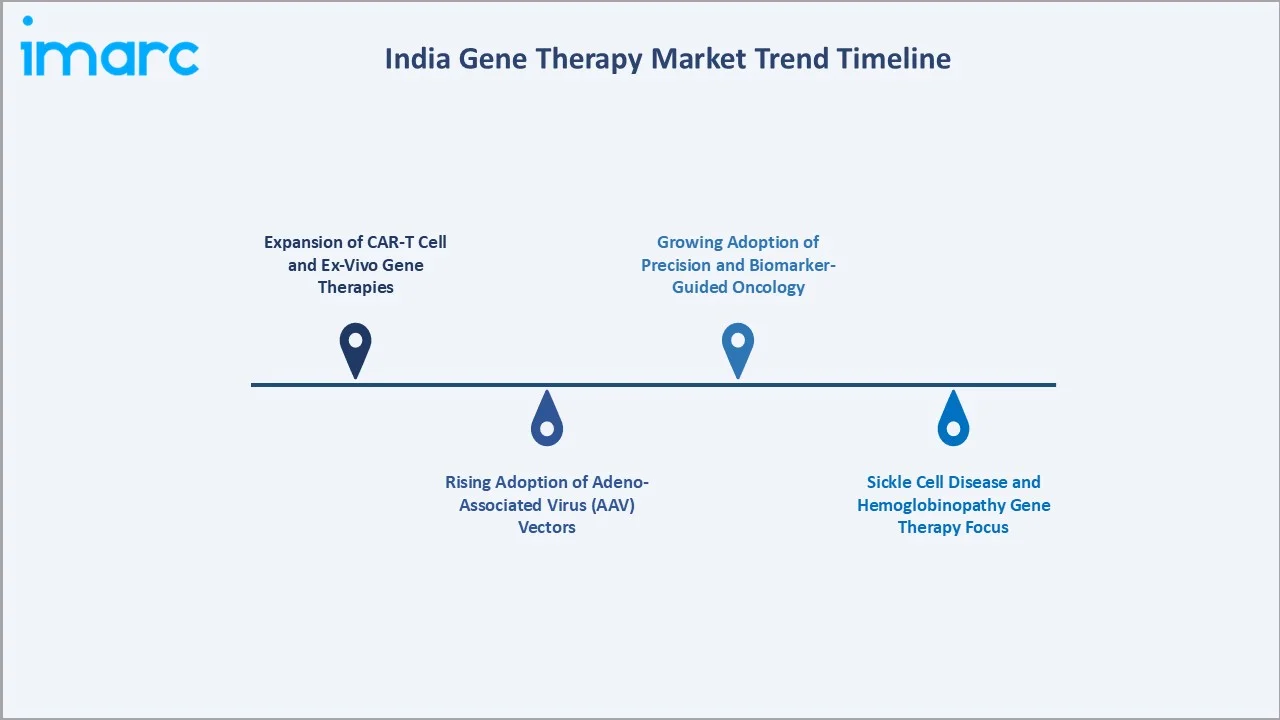
1. Expansion of CAR-T Cell and Ex-Vivo Gene Therapies
Ex-Vivo gene therapy, particularly CAR-T cell therapy for hematological malignancies, is gaining rapid momentum in India. Local manufacturing initiatives and hospital partnerships are reducing costs of CAR-T therapies, which globally command prices exceeding USD 400,000 per treatment. Domestic players are exploring biosimilar CAR-T approaches tailored to the Indian market, bringing pricing down to more accessible levels for India's healthcare system.
2. Rising Adoption of Adeno-Associated Virus (AAV) Vectors
AAV-based delivery systems are becoming the vector of choice due to their favorable safety profiles and ability to transduce both dividing and non-dividing cells. The growing number of AAV-based clinical programs targeting rare diseases - particularly in South and West India - is driving demand for scalable domestic AAV manufacturing capabilities. Serum Institute's AAV manufacturing expansion is expected to be a key catalyst for cost reduction.
3. Growing Adoption of Precision and Biomarker-Guided Oncology
In June 2026, Eli Lilly introduced selpercatinib, marketed as Tanstrive, in India for the treatment of locally advanced or metastatic solid tumors with RET gene alterations. The launch marks the availability of the country’s first targeted oral therapy for this specific genetic mutation, expanding precision oncology treatment options for eligible patients. The launch highlights the increasing shift toward genomic testing and biomarker-based targeted therapies in India, enabling treatments tailored to specific genetic alterations such as RET fusions.
4. Sickle Cell Disease and Hemoglobinopathy Gene Therapy Focus
India's government has committed to eliminating sickle cell disease in India by 2047, with a dedicated national program covering screening, diagnosis, and treatment across high-prevalence states. This policy mandate, combined with India's sickle cell disease births, is creating a strategically important domestic market for hemoglobinopathy gene therapies, including CRISPR-based editing and beta-globin gene addition approaches.
Industry Value Chain Analysis
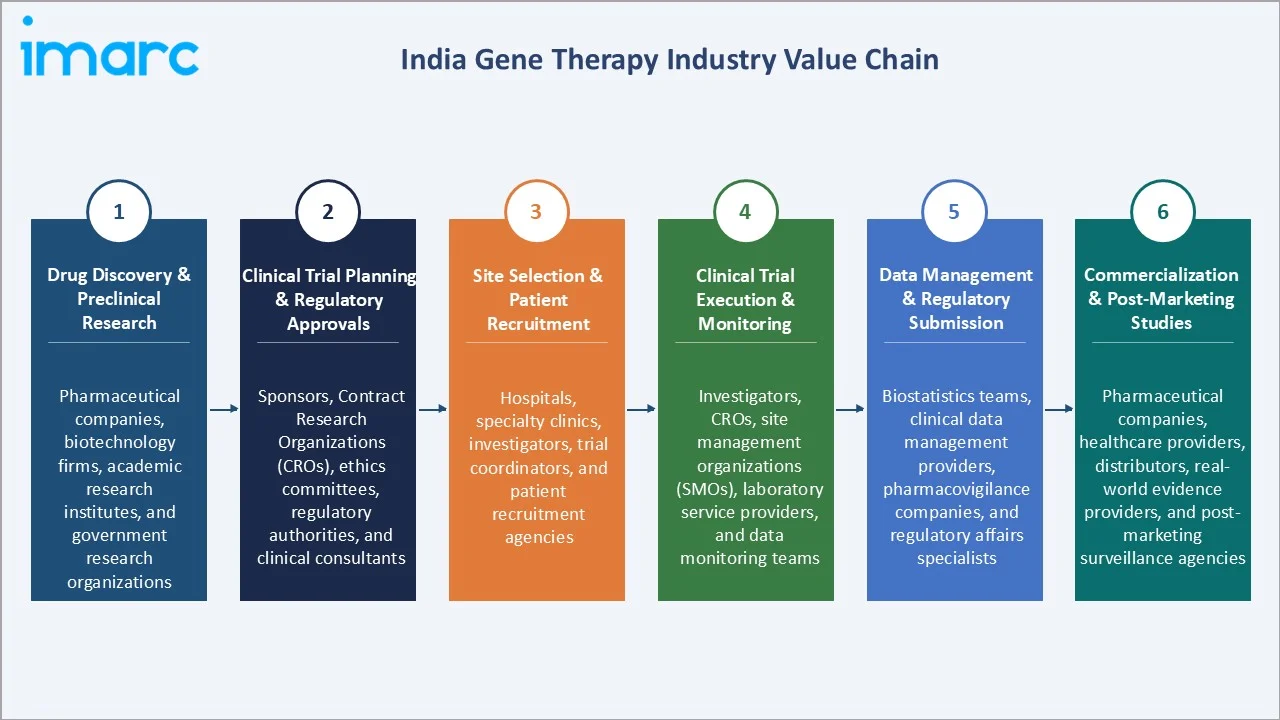
The India gene therapy value chain integrates drug discovery & preclinical research, clinical trial planning & regulatory approvals, site selection & patient recruitment, clinical trial execution & monitoring, data management & regulatory submission, and commercialization & post-marketing studies.
|
Stage |
Key Participants |
|
Drug Discovery & Preclinical Research |
Pharmaceutical companies, biotechnology firms, academic research institutes, and government research organizations. |
|
Clinical Trial Planning & Regulatory Approvals |
Sponsors, Contract Research Organizations (CROs), ethics committees, regulatory authorities, and clinical consultants. |
|
Site Selection & Patient Recruitment |
Hospitals, specialty clinics, investigators, trial coordinators, and patient recruitment agencies. |
|
Clinical Trial Execution & Monitoring |
Investigators, CROs, site management organizations (SMOs), laboratory service providers, and data monitoring teams. |
|
Data Management & Regulatory Submission |
Biostatistics teams, clinical data management providers, pharmacovigilance companies, and regulatory affairs specialists. |
|
Commercialization & Post-Marketing Studies |
Pharmaceutical companies, healthcare providers, distributors, real-world evidence providers, and post-marketing surveillance agencies. |
Clinical development and GMP manufacturing are the most value-intensive stages. Successful navigation of evolving gene therapy approval pathway determines time-to-market and commercial viability, making regulatory expertise and GMP manufacturing capacity key competitive differentiators in India.
Technology Landscape in the India Gene Therapy Industry
Viral Vector Technology
Viral vectors remain the dominant gene delivery platform in India, with AAV, lentiviral, adenoviral, and retroviral systems widely used across clinical applications. AAV is preferred for rare disease programs due to its low immunogenicity. Lentiviral vectors are the backbone of ex-vivo CAR-T and stem cell programs. Domestic investments in GMP-grade viral vector manufacturing are increasing to reduce dependence on imports and lower overall gene therapy costs.
Gene Editing Platforms
CRISPR-Cas9 leads gene editing applications across Indian research programs, followed by base editing and prime editing technologies. These tools enable precise correction of single-nucleotide mutations responsible for conditions like sickle-cell disease and beta-thalassemia. Next-generation in-vivo base editors are in early-stage development at several Indian academic labs.
Bioinformatics and AI-Driven Target Discovery
AI-powered genomic analysis platforms are being deployed to identify disease-associated genes, predict off-target editing risks, and optimize vector design. Indian biotech firms are partnering with global AI-genomics companies to accelerate gene therapy candidate identification and patient stratification, compressing the early discovery phase and significantly reducing R&D costs.
Market Segmentation Analysis
The report covers the following segments:
|
Segment Category |
Leading Segment |
Market Share |
Year |
|
Gene Type |
🔒 |
🔒 |
2025 |
|
Vector Type |
🔒 |
🔒 |
2025 |
|
Delivery Method |
In-Vivo Gene Therapy |
61.8% |
2025 |
|
Application |
Oncological Disorders |
41.6% |
2025 |
|
Region |
South India |
35.7% |
2025 |

By Delivery Method
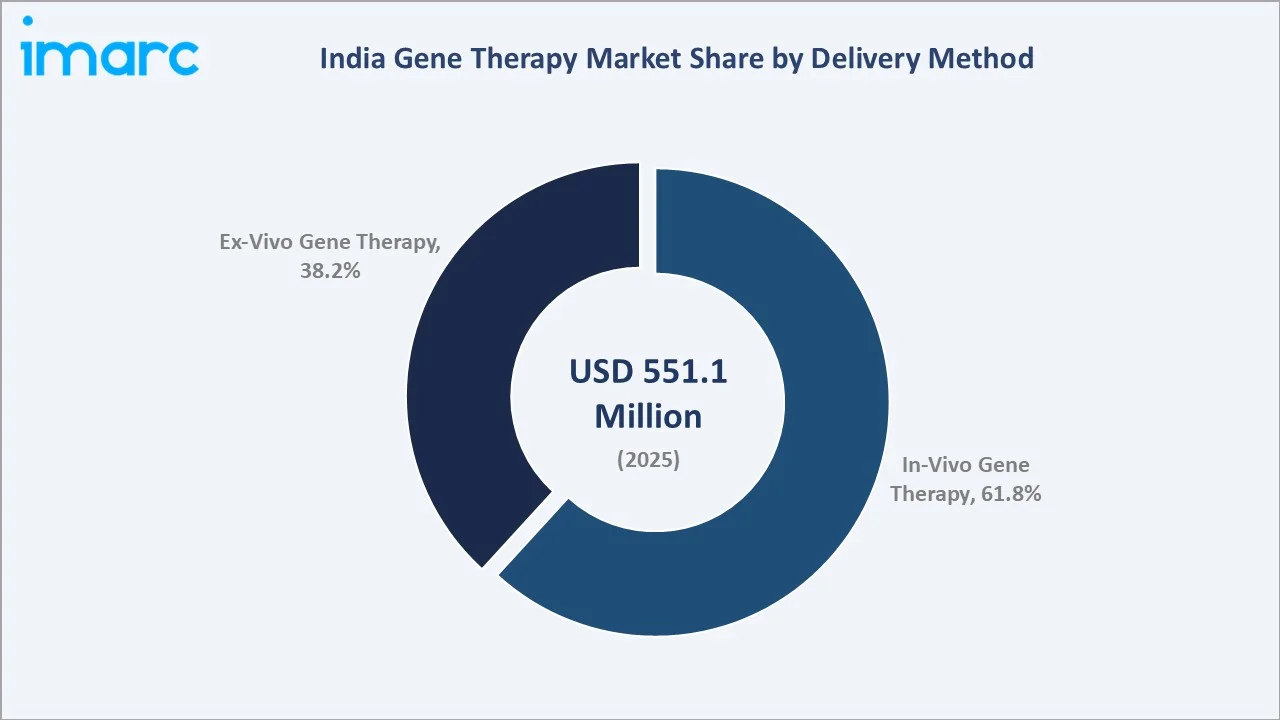
In-vivo gene therapy leads at 61.8% (2025), driven by its clinical convenience and broad applicability across oncological and rare disease indications. Direct delivery of therapeutic genes via AAV or adenoviral vectors eliminates the need for ex-vivo cell engineering, making it the preferred approach for large-scale clinical programs in India.
To access detailed market analysis, Request Sample
Ex-vivo gene therapy at 38.2% reflects expanding CAR-T cell therapy programs, hematopoietic stem cell gene correction for hemoglobinopathies, and growing clinical trial activity across South and West India. As domestic CDMOs invest in cell processing and gene engineering infrastructure, the cost of ex-vivo therapies is declining, improving commercial viability in India.
By Application
Oncological disorders lead at 41.6% (2025), driven by India's growing cancer burden and expanding tumor-suppressor and suicide gene therapy clinical trials. Oncological disorders are growing fastest within the application segment at an estimated ~16.1% CAGR through 2034.
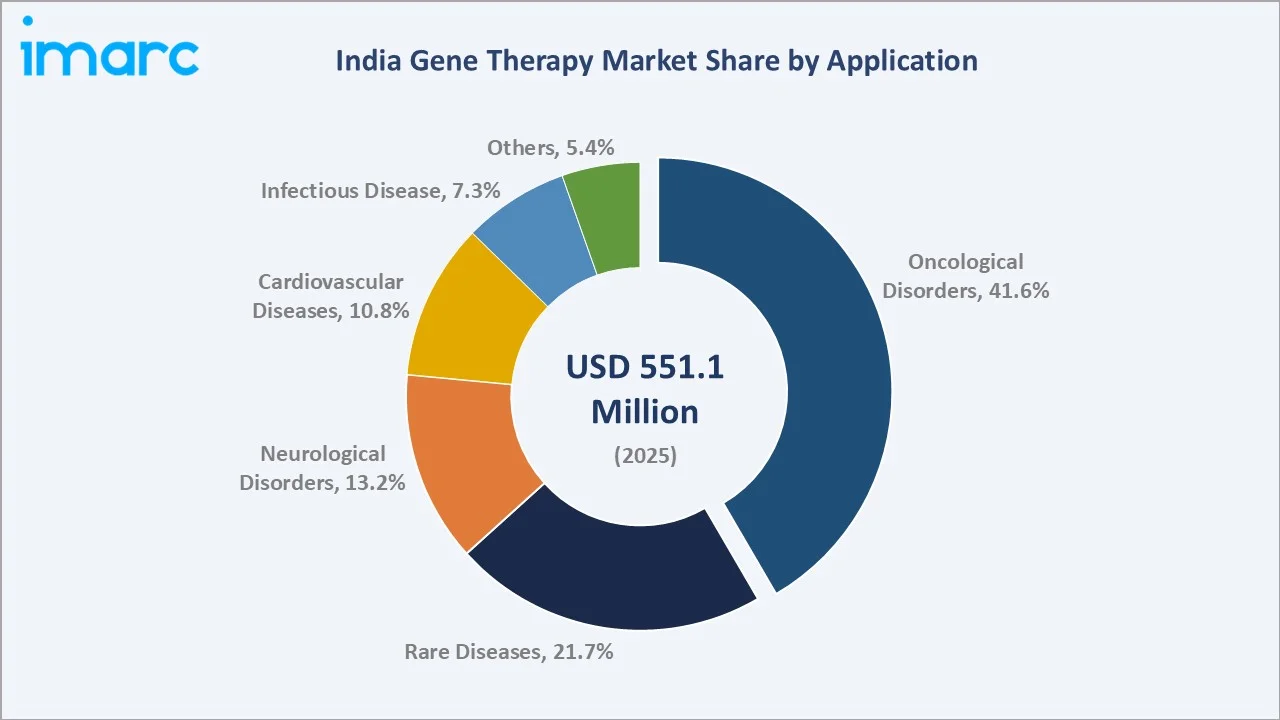
Rare diseases follow at 21.7%, anchored by government rare disease policy support. Neurological disorders account for 13.2%, cardiovascular diseases for 10.8%, and infectious diseases for 7.3%.
Regional Market Insights
|
Region |
Share (2025) |
Key India Gene Therapy Market Drivers & Characteristics |
|
South India |
35.7% |
Reflecting its strong network of multispecialty hospitals, academic medical institutions, and experienced clinical investigators, as well as a concentration of gene therapy research activity. |
|
West & Central India |
28.9% |
Reflecting the concentration of pharmaceutical and biotechnology companies, advanced healthcare infrastructure, and major CDMO operations. |
|
North India |
22.4% |
Reflecting the strong presence of leading government hospitals, premier medical institutes, and research centers, as well as a large and diverse patient population. |
|
East India |
13.0% |
Reflecting expanding healthcare infrastructure, improving clinical research capabilities, and growing participation in multicenter gene therapy studies. |
South India's 35.7% dominance is driven by the presence of premier hospitals, research institutes, biotech companies, and life sciences companies, including major gene therapy developers. West India's 28.9% follows closely, supported by its strong pharmaceutical manufacturing base, advanced CDMO infrastructure, and concentration of global biotech sponsors.
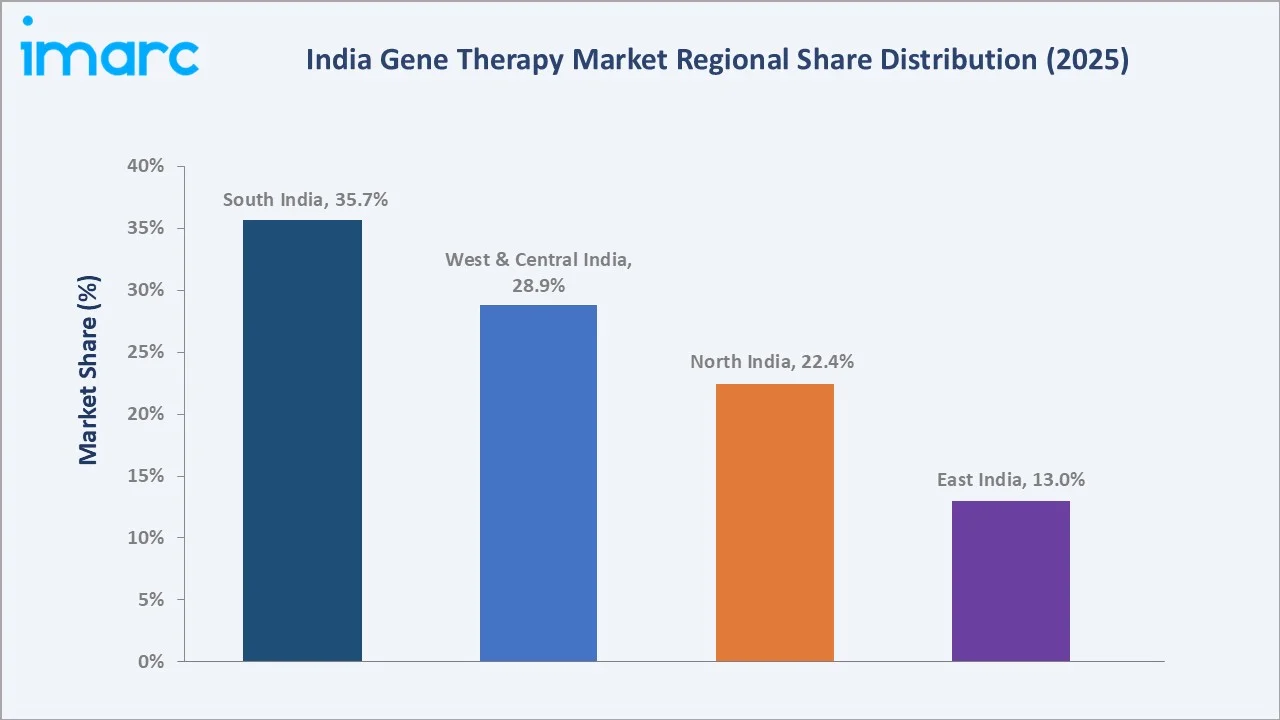
North India's 22.4% share is driven by government hospital networks and premier institutes, which are expanding gene therapy and genomic medicine programs. East India's 13.0% is witnessing steady growth due to improving healthcare infrastructure and increasing linkage to national gene therapy clinical trial networks.
Competitive Landscape
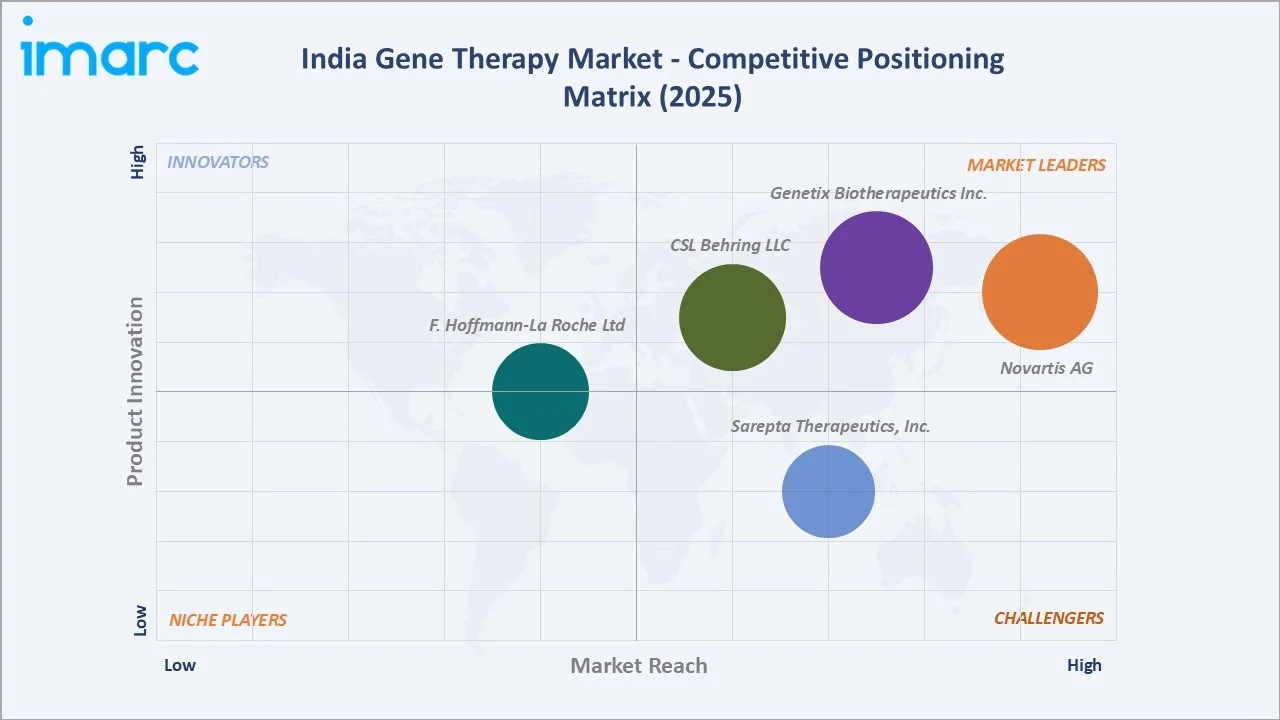
The India gene therapy market is moderately fragmented, with competition among global biopharmaceutical companies, domestic biotech innovators, CDMOs, and specialized clinical research service providers. Market participants compete on clinical pipeline depth, vector technology capabilities, regulatory expertise, GMP manufacturing capacity, and hospital partnerships.
|
Company |
Key Products |
Market Position |
Core Strength |
|
Novartis AG |
Zolgensma, ITVISMA |
Market Leader |
Novartis AG drives its advanced and gene therapy support in India through its massive R&D and capability hubs in India. |
|
Genetix Biotherapeutics Inc. |
LYFGENIA, ZYNTEGLO |
Market Leader |
Genetix Biotherapeutics Inc. (formerly known as bluebird bio) is a commercial-stage biotechnology company that delivers gene therapies for severe rare genetic diseases. |
|
CSL Behring LLC |
HEMGENIX |
Market Leader |
CSL Behring LLC plays a major role in gene therapy through its flagship product HEMGENIX. |
|
F. Hoffmann-La Roche Ltd |
LUXTURNA |
Established Player |
F. Hoffmann-La Roche Ltd, through its Spark Therapeutics, Inc., manufactures advanced gene therapies. |
|
Sarepta Therapeutics, Inc. |
ELEVIDYS |
Challenger |
Sarepta Therapeutics, Inc. focuses primarily on adeno-associated virus (AAV) vector-based gene therapies. |
Companies are also investing in viral vector manufacturing scale-up, AI-driven patient selection platforms, and CRISPR-based pipeline diversification. The market is expected to witness further consolidation through collaborations, licensing agreements, and capacity expansion as sponsors seek faster, high-quality, and cost-effective gene therapy development in India.
Key Company Profiles
Novartis AG
Novartis AG is a global pharmaceutical leader and pioneer in approved gene therapy, with its AAV9-based Zolgensma (onasemnogene abeparvovec) representing one of the world's first one-time gene therapies for spinal muscular atrophy (SMA). In India, Novartis is actively engaged with CDSCO for regulatory pathways for Zolgensma access and supporting SMA patient advocacy and newborn screening programs.
- Key Products: Zolgensma, ITVISMA.
- Strategic Focus: Expanding affordable access pathways for Zolgensma in India through government partnerships, advancing next-generation AAV vector engineering and manufacturing scale-up, growing rare disease gene therapy pipeline in partnership with Indian academic research institutions.
Genetix Biotherapeutics Inc.
Genetix Biotherapeutics Inc. (formerly known as bluebird bio) specializes in ex-vivo lentiviral vector gene therapies for severe genetic diseases. Its approved products Lyfgenia for sickle cell disease and Zynteglo for beta-thalassemia, represent landmark therapies for conditions with high prevalence in India. The company's one-time treatment approach - where a patient's own hematopoietic stem cells are genetically corrected ex-vivo - aligns with India's large thalassemia and hemoglobinopathy patient population.
- Key Offerings: LYFGENIA, ZYNTEGLO.
- Strategic Focus: Expanding access programs for hemoglobinopathy gene therapies in India, partnering with hematology centers and bone marrow transplant units; supporting health economic frameworks for gene therapy reimbursement in India.
Market Concentration Analysis
The India gene therapy market is moderately fragmented, with the presence of global biopharmaceutical leaders, specialized gene therapy companies, domestic biotech innovators, and expanding CDMO participants. The top 5 players collectively account for an estimated 55-65% of addressable market activity in 2025, driven by their approved product pipelines and clinical trial programs. The remaining market share is distributed among emerging biotech firms, CROs providing clinical services, and academic-industry spinouts. As demand for advanced gene therapy research continues to rise, the market is expected to witness further consolidation through partnerships, acquisitions, and service portfolio expansion through 2034.
Investment & Growth Opportunities
Highest Growth Segments
Oncological gene therapy programs (~16.1% CAGR est.), in-vivo AAV-based rare disease therapies (~15.5% CAGR est.), ex-vivo CAR-T cell therapies (~14.4% CAGR est.), South India Bangalore-Hyderabad biotech gene therapy clusters, and viral vector CDMO infrastructure represent India's highest-priority investment vectors through 2034.
Investment Themes
- Viral Vector CDMO Infrastructure: Growing adoption of viral vector CDMO services and GMP-compliant viral vector manufacturing is creating investment opportunities in domestic gene therapy manufacturing that will reduce therapy costs and enable broader market access across the Indian healthcare system.
- CRISPR and Gene Editing Startups: Indian biotech startups developing novel CRISPR applications for hemoglobinopathies, cancer, and infectious diseases are attracting increasing venture capital. The convergence of CRISPR technology, AI-driven target discovery, and India's genomic data assets creates a compelling innovation investment thesis.
Future Market Outlook (2026-2034)
The India gene therapy market is projected to grow from USD 551.1 Million in 2025 to USD 2,014.9 Million by 2034, delivering a 15.03% CAGR over the forecast period through oncological gene therapy expansion, rare disease program growth, in-vivo AAV-based therapy scale-up, and CRISPR-driven pipeline diversification. The market's anchor value of USD 1,109.8 Million in 2030 represents India's gene therapy market at the inflection point of commercial-scale domestic manufacturing and mainstream clinical adoption.
Three structural forces are expected to define the growth of the India gene therapy market through 2034. First, increasing availability of CDSCO-approved gene therapies and expanding rare disease policy support will improve patient access and clinical adoption. Second, the rapid maturation of CRISPR-Cas9, base editing, and next-generation AAV vector technologies will expand the clinical addressable landscape. Third, India's genomic diversity provides a unique population resource for precision gene therapy development.
Research Methodology
Primary Research
Primary research comprised in-depth interviews with senior executives from pharmaceutical and biotechnology companies, gene therapy developers, clinical research organizations, hospital oncology and rare disease departments, regulatory experts, and biotechnology industry consultants. These discussions were conducted to validate market size estimates, assess emerging trends in gene editing and vector technology, evaluate competitive dynamics, and gain qualitative insights into regulatory developments and future growth opportunities in the India gene therapy market.
Secondary Research
Secondary research encompassed company annual reports, regulatory filings, government publications, peer-reviewed scientific journals, clinical trial registries, biotechnology industry databases, press releases, and reputed market intelligence publications. These resources were used to analyze market trends, competitive positioning, technology adoption, gene therapy clinical pipeline activity, and disease burden data across India.
Forecasting Models
Forecasting models were developed using a combination of historical market trends, gene therapy clinical trial registration patterns, pharmaceutical and biotechnology R&D investments, healthcare expenditure, and macroeconomic indicators. The analysis incorporated both top-down and bottom-up approaches, validated through primary research and secondary data sources. Market projections also considered regulatory developments, technology adoption curves, pipeline commercialization timelines, and strategic investment strategies to generate reliable forecasts through 2034.
India Gene Therapy Market Report Coverage:
| Report Features | Details |
|---|---|
| Base Year of the Analysis | 2025 |
| Historical Period | 2020-2025 |
| Forecast Period | 2026-2034 |
| Units | Million USD |
| Scope of the Report |
Exploration of Historical and Forecast Trends, Industry Catalysts and Challenges, Segment-Wise Historical and Predictive Market Assessment:
|
| Gene Types Covered | Antigen, Cytokine, Tumor Suppressor, Suicide Gene, Deficiency, Growth Factors, Receptors, Others |
| Vector Types Covered |
|
| Delivery Methods Covered | In-Vivo Gene Therapy, Ex-Vivo Gene Therapy |
| Applications Covered | Oncological Disorders, Rare Diseases, Cardiovascular Diseases, Neurological Disorders, Infectious Disease, Others |
| Regions Covered | South India, North India, West & Central India, South India |
| Companies Covered | Novartis AG, Genetix Biotherapeutics Inc., CSL Behring LLC, F. Hoffmann-La Roche Ltd, Sarepta Therapeutics, Inc., etc. |
| Customization Scope | 10% Free Customization |
| Post-Sale Analyst Support | 10-12 Weeks |
| Delivery Format | PDF and Excel through Email (We can also provide the editable version of the report in PPT/Word format on special request) |
Key Benefits for Stakeholders:
- IMARC’s report offers a comprehensive quantitative analysis of various market segments, historical and current market trends, market forecasts, and dynamics of the India gene therapy market from 2020-2034.
- The research study provides the latest information on the market drivers, challenges, and opportunities in the India gene therapy market.
- Porter's five forces analysis assist stakeholders in assessing the impact of new entrants, competitive rivalry, supplier power, buyer power, and the threat of substitution. It helps stakeholders to analyze the level of competition within the India gene therapy industry and its attractiveness.
- Competitive landscape allows stakeholders to understand their competitive environment and provides an insight into the current positions of key players in the market.
Frequently Asked Questions About the India Gene Therapy Market Report
The India gene therapy market reached USD 551.1 Million in 2025, driven by rising genetic disorder prevalence, increased R&D investments, strategic biotech partnerships, and growing clinical trial activity across oncology and rare disease indications in India.
The market is projected to grow at a CAGR of 15.03% during 2026-2034, reaching USD 2,014.9 Million by 2034. The CAGR reflects India's large genetic disease burden, cost-competitive research environment, and growing gene therapy clinical pipeline structural demand.
In-vivo gene therapy leads at 61.8% (2025) due to its clinical simplicity and broad applicability across oncological and rare disease gene therapy programs using AAV, adenoviral, and lentiviral vector delivery systems across India.
Oncological disorders lead at 41.6% (2025) due to India's rapidly growing cancer burden, expanding tumor suppressor and CAR-T gene therapy clinical trials, and increasing pharmaceutical R&D investments in cancer genomics.
South India leads at 35.7% (2025) due to its dense concentration of multispecialty hospitals, premier biotech research institutions, and strong clinical trial activity across Bangalore, Hyderabad, and Chennai, anchored by life sciences companies.
Leading companies include Novartis AG, Genetix Biotherapeutics Inc., CSL Behring LLC, F. Hoffmann-La Roche Ltd, and Sarepta Therapeutics, Inc., among others.
The market is projected to reach approximately USD 1,109.8 Million by 2030, reflecting steady expansion in gene therapy clinical trial activity, regulatory approvals, and growing domestic manufacturing capabilities for gene therapy products in India.
Three priority investment opportunities are expected to shape the India gene therapy market. First, viral vector CDMO infrastructure development enables cost-competitive domestic manufacturing of AAV and lentiviral vectors. Second, CRISPR-based biotech startups targeting hemoglobinopathies and oncology are attracting increasing venture capital. Third, rare disease patient registries and neonatal screening programs expand the addressable patient population for gene therapy clinical trials.
Need more help?
- Speak to our experienced analysts for insights on the current market scenarios.
- Include additional segments and countries to customize the report as per your requirement.
- Gain an unparalleled competitive advantage in your domain by understanding how to utilize the report and positively impacting your operations and revenue.
- For further assistance, please connect with our analysts.
 Request Customization
 Speak to an Analyst
 Request Brochure
 Inquire Before Buying
Benefits of Customization
- Personalize this research
- Triangulate with your data
- Get data as per your format and definition
- Gain a deeper dive into a specific application, geography, customer, or competitor
- Any level of personalization
Get in Touch With Us
UNITED STATES
Phone: +1-201-971-6302
INDIA
Phone: +91-120-433-0800
UNITED KINGDOM
Phone: +44-753-714-6104
Email: [email protected]
Client Testimonials




.webp)




.webp)













Related Reports

Choose your plan
*Please note that the prices mentioned below are starting prices for each bundle type. Kindly contact our team for further details.*
Single User License
- 1 User License, Access on 2 Devices
- PDF Report + Excel Dataset (Password Protected)
- Lifetime Access
- No Printing Rights
- 10% Free Report Customization
- 10–12 Weeks of Analyst Support
Five User License
- Access for 5 Users, 2 Devices per User
- PDF Report + Excel Dataset (Password Protected)
- Lifetime Access
- Dedicated Account Manager
- 12–14 Weeks of Analyst Support
- No Printing Rights
- 15% Free Report Customization
- 25% Discount on Your Next Purchase
Corporate User License
- Unlimited User Access (Within Your Organization)
- PDF Report + Excel Dataset
- Lifetime Access
- Dedicated Account Manager
- 14–20 Weeks of Analyst Support
- No Printing Rights
- 20% Free Report Customization
- 30% Discount on Your Next Purchase
Essential Insights
What's included:
3 reports
- Lifetime Access
- PDF Reports
- Excel Datasets
- 2 Weeks of Free Analyst Support
- 2 User Licenses
- Access on 2 Devices
- Printing Rights
- Complimentary PowerPoint (PPT) Version
- Complimentary License Upgrade
Professional Access
What's included:
5 reports
- Lifetime Access
- PDF Reports
- Excel Datasets
- 8 Weeks of Free Analyst Support
- 2 User Licenses
- Access on 2 Devices
- Printing Rights
- Complimentary PowerPoint (PPT) Version
- Complimentary License Upgrade
Business Advantage
What's included:
8 reports
- Lifetime Access
- PDF Reports
- Excel Datasets
- 14 Weeks of Free Analyst Support
- 2 User Licenses
- Access on 2 Devices
- Printing Rights
- Complimentary PowerPoint (PPT) Version
- Complimentary License Upgrade
Enterprise Intelligence
What's included:
10 reports
- Lifetime Access
- PDF Reports
- Excel Datasets
- 20 Weeks of Free Analyst Support
- 2 User Licenses
- Access on 2 Devices
- Printing Rights
- Complimentary PowerPoint (PPT) Version
- Complimentary License Upgrade